


 Claim Ownership
Healthcare for Humans
Subscribed: 5Played: 59
Subscribe

© 2023 Healthcare for Humans
Description
This show provides actionable skills in cultural humility, culturally responsive care, and health equity so clinicians, leaders, and neighbors can serve every community better.
Hosted by family physician and healthcare leader Dr. Raj Sundar, each episode explores cultural humility, culturally responsive care, and health equity through the voices of patients, clinicians, and system designers who live the work every day.
WHAT YOU’LL HEAR
- Practical ways to deliver culturally competent & culturally responsive care, language-concordant, and trauma-informed care.
- Strategies for tackling social determinants of health at both the clinic and policy levels.
- Real stories showing how culture, history, and environment shape health outcomes—and how clinicians can respond.
- Design ideas for health-care leaders building inclusive, patient-centered systems.
- Community insights that help all of us become better neighbors and advocates.
WHO IT’S FOR
- Frontline clinicians, public-health and hospital leaders, medical educators, and anyone curious about making cross-cultural care the norm.
WHEN
- . Follow now to keep cultural humility—and culturally responsive care—at the center of your practice and healthcare system
86 Episodes
Reverse
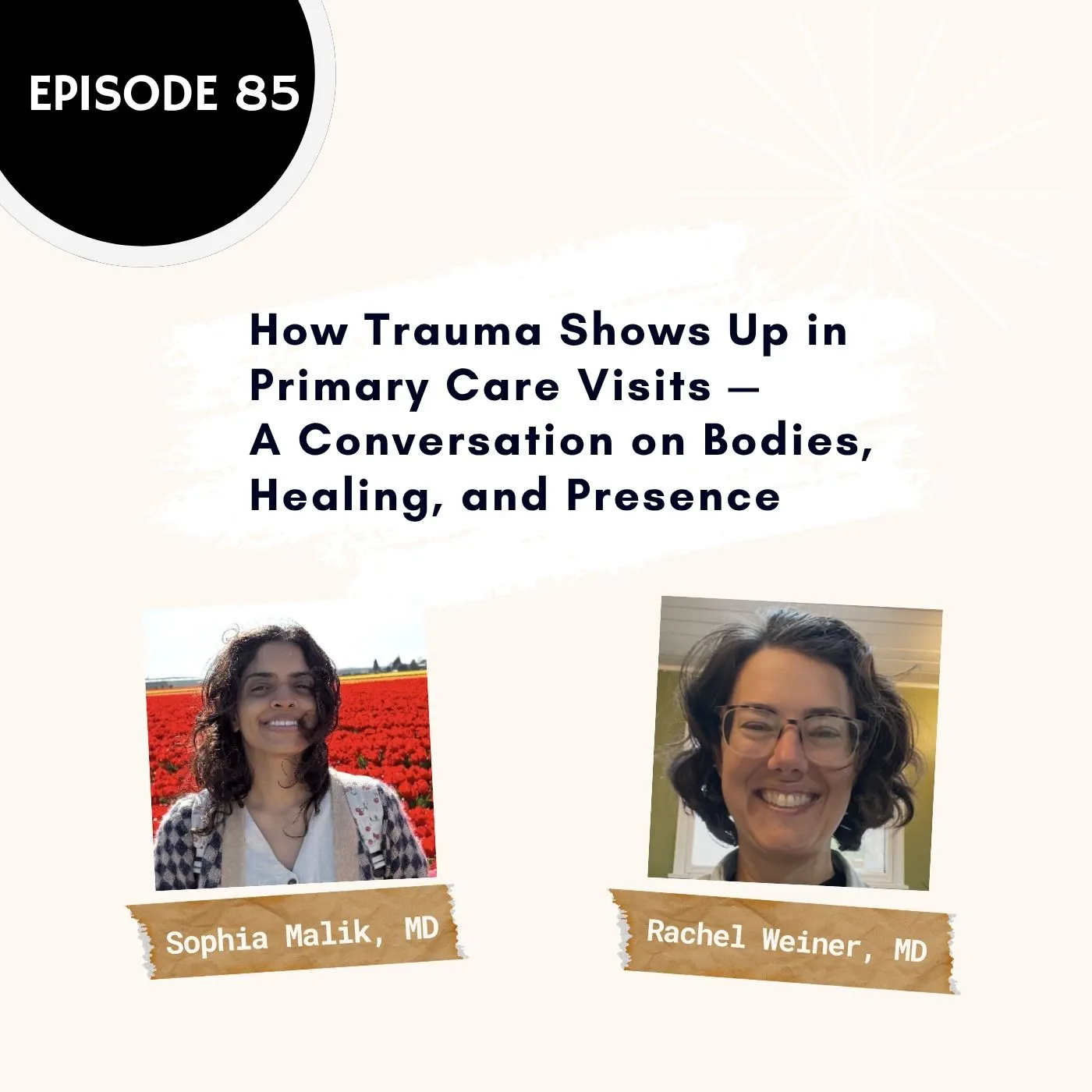
What happens when three family physicians sit down and get honest about what's missing in the care we provide?
In this conversation, I'm joined by Dr. Rachel Weiner and Dr. Sophia Malik to explore why so many of our patients are carrying unprocessed trauma in their bodies — and why most of us were never given the tools to address it. We talk about Somatic Experiencing® (SE™), Compassionate Inquiry®, the nervous system, and what it actually looks like to bring body-based awareness into a 15-minute primary care visit.
We also get personal about our own journeys with embodiment, dissociation, therapy, and the uncomfortable question of why we became physicians in the first place.
This conversation is for any clinician who has ever sat with a patient and felt like something deeper was going on, but didn't know what to do next.
Resources mentioned:
Somatic Experiencing® (SE™)
-https://traumahealing.org/
-https://www.somaticexperiencing.com/
Compassionate Inquiry® (CI)
-https://compassionateinquiry.com/en/
-https://drgabormate.com/
The Wheel of Consent®
-https://www.schoolofconsent.org/https://www.wheelofconsent.org/thebook
Books
-The Anticipatory Corpse: https://undpress.nd.edu/9780268022273...
-Writings for a Liberation Psychology: https://www.hup.harvard.edu/books/978...
-Fatal Invention: https://thenewpress.org/books/fatal-i...
-Nurturing Resilience: https://www.northatlanticbooks.com/sh...
-The Myth of Normal by Gabor Mate: https://www.penguinrandomhouse.com/bo...
-Healing Trauma by Peter Levine: https://us.macmillan.com/books/978159...
-My Grandmother’s Hands by Resmaa Menakem:
https://centralrecoverypress.com/prod...
Connect:
-Healthcare for Humans podcast: https://www.healthcareforhumans.org/

Overview:
We explore how South Park Senior Citizens transformed from an institutional, siloed resource hub into a vibrant cultural community, using food as a powerful tool for healing and connection. We dig into the intentional redesign of their dining experience, creating a welcoming space where elders from diverse backgrounds gather around beautifully set tables to share meals, stories, and traditions. Through immersive cultural programming, farm-to-table partnerships, and a dedicated team who speak the languages and share the lived experiences of their community, we show how addressing food insecurity is deeply tied to combating social isolation, honoring elders, and fostering meaningful cross-cultural relationships. The conversation is a rich reminder that culturally responsive care is less about big budgets and more about intentionality, dignity, and truly seeing those we serve
Three Takeaways:
Food as Medicine—Beyond Nutrition: Both Raj Sundar and Katherine Jordan highlight the idea that “food as medicine” doesn’t just mean what’s on the plate, but also how it’s eaten: in community, slowly, and with care ([00:03:11 - 00:03:24]). The very act of sharing meals, learning new cuisines, and eating together combats social isolation and boosts emotional health, especially for seniors carrying trauma from displacement and war.
Intentional Cultural Immersion: The “Culture Focus” program is a standout takeaway—seven months dedicated to immersing seniors in each other's traditions through meals, dance, music, language, and field trips ([00:10:11 - 00:11:23]). This intentional approach doesn’t just celebrate diversity; it actively reduces silos and builds cross-cultural empathy, showing how fun and meaningful cultural exploration can become a foundation for community-building.
Staff Reflecting the Community: A powerful point is the staff’s demographic alignment with the seniors they serve. Katherine Jordan mentions that the social services team are immigrants themselves and speak the languages of the seniors ([00:28:13 - 00:29:18]). This shared lived experience enhances trust, breaks down barriers, and helps seniors feel “seen” and understood—a critical step in providing truly responsive care.
Local Food Sourcing and Farmer Connection: The relationship between the center and local farmers is another unique insight. Produce comes directly from local farms, and seniors—and even farmers—are able to see the impact of their labor ([00:22:23 - 00:23:50]). Bringing a farm-to-table experience to an often overlooked population, plated beautifully and shared in community, connects everyone involved in the food chain and elevates the dining experience.
Next Step:
Visit our website, Healthcare for Humans, and join our community to enjoy exclusive benefits at https://www.healthcareforhumans.org/support/
Support Our Mission: Non-clinicians, explore exclusive content and contribute to our collective journey.
Be an Active Participant: Go beyond listening. Shape our narrative by co-creating episodes with us.
Be part of our community by visiting https://www.healthcareforhumans.org/support/. Follow us on Instagram @healthcareforhumanspodcast
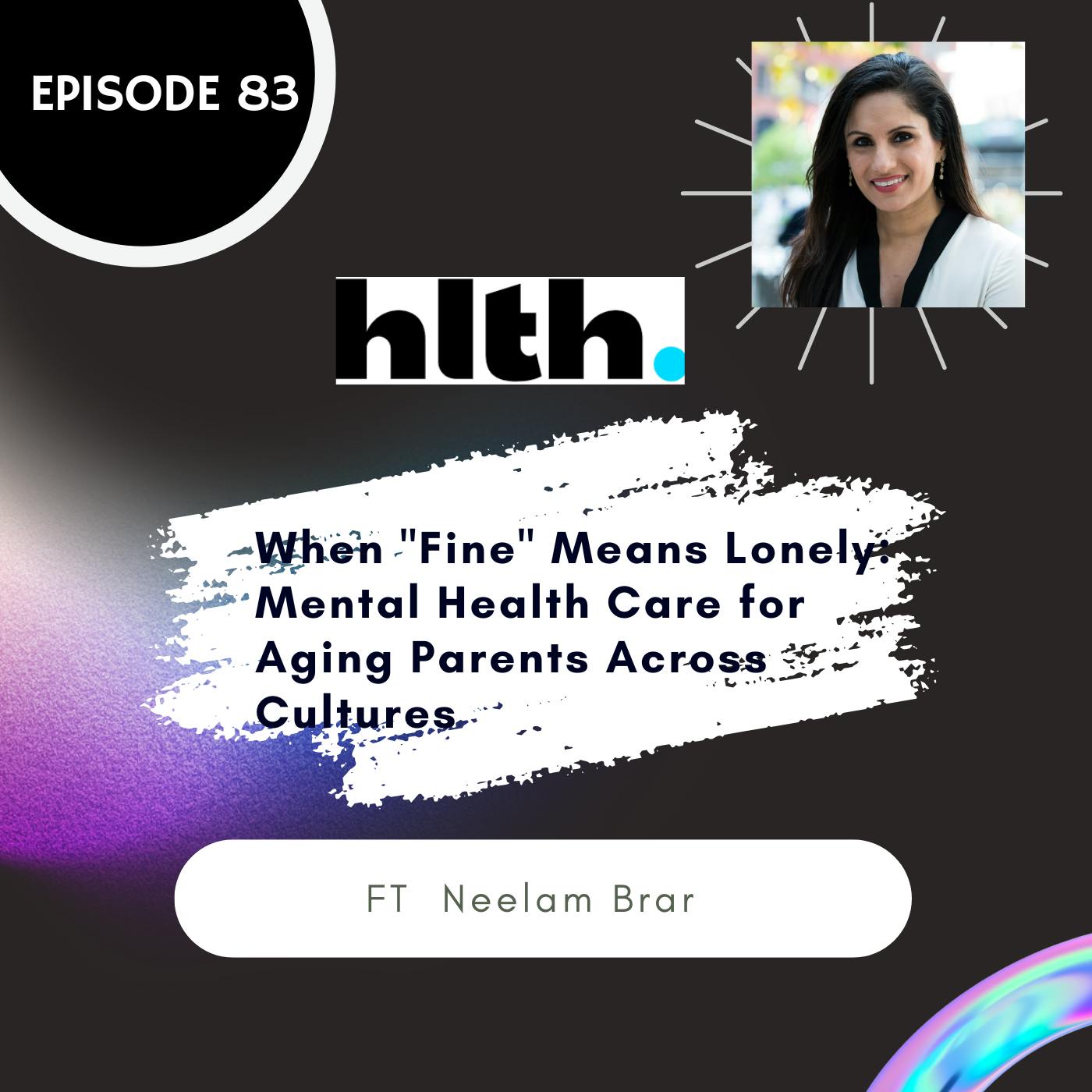
Overview:
We explore intersection of aging, mental health, and technology with Neelam, founder of Total Life, to explore how we can better support seniors through innovative care models and AI-powered tools. We hear how a personal family experience inspired Neelam to address the lack of mental health support in elder care, and learn about Total Life’s approach to integrating therapy into seniors’ primary care visits and reducing barriers to access, such as long wait times and lack of culturally competent providers. We discuss the stigma around therapy in older populations, the challenges and opportunities of providing virtual care, and how AI assistant “Lily” is being piloted to enhance adherence and engagement without replacing human clinicians.
Three Takeaways:
Mental Health in Elderly Care Is Critically UnderservedThrough a personal story about her mother's post-surgery depression during COVID, Neelam emphasizes that mental health for seniors is rarely integrated into discharge plans or standard care. She points out the shocking statistic that less than 6% of seniors get timely mental health interventions, underscoring a systemic issue in resource allocation.
Cultural and Linguistic Barriers Compound Access IssuesThe episode tackles the unique cultural challenges seniors face in accessing therapy, especially when language and cultural concordance are needed. Neelam discusses their efforts to build a diverse roster of therapists, including different ages, religions, and languages—an element crucial for genuine engagement and effectiveness.
AI’s Role as a Clinical Ally, Not a ReplacementIntroducing “Lilly,” an AI-based care coordinator, Neelam makes it clear that while AI can enhance engagement and adherence in care plans, it is not meant to replace human clinicians. The episode explores how older adults are surprisingly receptive to technology when it’s framed as helpful and personable, and how AI can fill gaps between therapy sessions.
Next Step:
Visit our website, Healthcare for Humans, and join our community to enjoy exclusive benefits at https://www.healthcareforhumans.org/support/
Support Our Mission: Non-clinicians, explore exclusive content and contribute to our collective journey.
Be an Active Participant: Go beyond listening. Shape our narrative by co-creating episodes with us.
Be part of our community by visiting https://www.healthcareforhumans.org/support/. Follow us on Instagram @healthcareforhumanspodcast

Overview:
We discuss what culturally responsive care really means for underserved communities and how technology, especially AI, can create more equitable solutions in healthcare. We reflect on the challenge of finding tools that expand care teams and deepen patient trust without losing the essential personal touch of community health centers. We talk candidly about the intersection of technology, ROI, and ethics—asking what true success looks like when serving vulnerable populations. Co-design and collaboration with communities are at the heart of our conversation, as we discuss ways tech can scale privilege and raise the quality of care, like improving language access through AI-driven translation services. We also confront the limits of technology and the need for policy change, sharing practical examples from our work and finding hope in partnerships that lead to meaningful innovation
Three Takeaways:
The Power of Co-Design in Tech SolutionsWe repeatedly highlight that truly useful technology in healthcare—especially for marginalized communities—must be co-designed with input from those very communities. Instead of developing products in isolation and then trying to “retrofit” trust or usability, starting collaborative design from the beginning is critical to both trust and effectiveness.
ROI Isn’t Just Financial—It’s Community HealthInstead of boiling everything down to monetary return, Luis Padilla reframes ROI as the improvement in health, trust, and culturally appropriate care for disenfranchised patients. For community health centers, “margin” is reinvested in service, not profit—a strong counter-narrative to typical business language in healthcare tech.
Language Access Technology Has Equity Potential
The episode brings forward concrete examples—like live multilingual translation at Asian Health Services—showing how technology (AI-powered live voice translation, multiple language EMR interpretation) can “raise the floor” for accessibility. These innovations move beyond privilege and begin to level the playing field for communities historically left behind.
Next Step:
Visit our website, Healthcare for Humans, and join our community to enjoy exclusive benefits at https://www.healthcareforhumans.org/support/
Support Our Mission: Non-clinicians, explore exclusive content and contribute to our collective journey.
Be an Active Participant: Go beyond listening. Shape our narrative by co-creating episodes with us.
Be part of our community by visiting https://www.healthcareforhumans.org/support/. Follow us on Instagram @healthcareforhumanspodcast
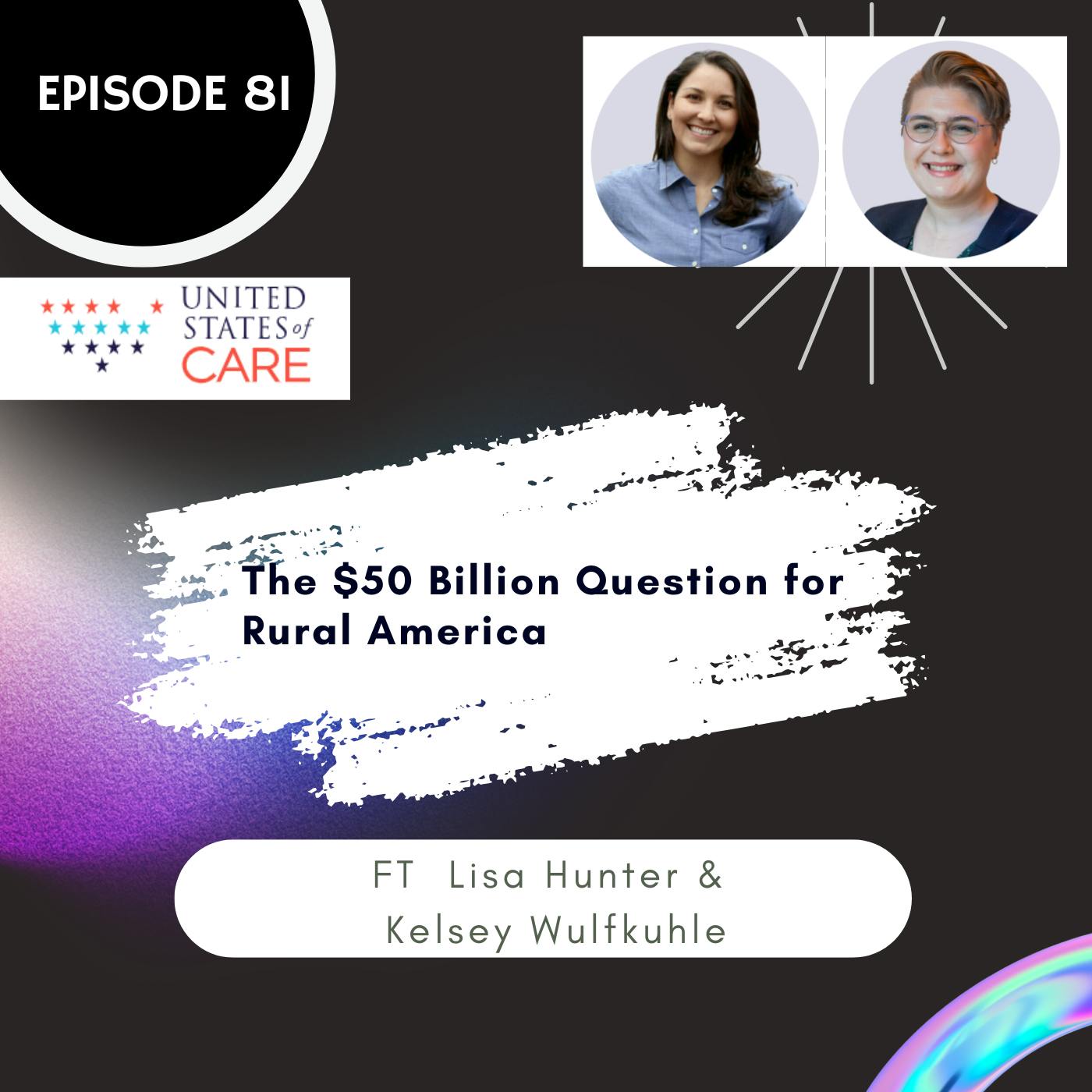
Overview:
We explore the intersection of rural health and culturally responsive care, highlighting how geography shapes healthcare experiences for the 65 million Americans living in rural areas. We dive into the transformative potential of the $50 billion Rural Health Transformation Fund, discussing how states are listening to diverse communities—including tribal populations—to design context-specific solutions. Through conversations with policy leaders from United States of Care, we examine the importance of turning community voices into actionable policy, break down the practical opportunities for clinicians to advocate and engage, and spotlight how coordinated change at every level—from exam room care to state legislation—can make healthcare more person-centered, affordable, and equitable.
Three Takeaways:
Listening and Closing the Feedback Loop Builds TrustOne powerful insight is the importance of not only listening to community members but also circling back to show how their input influenced decisions.
Rural Health Solutions Can’t Be One-Size-Fits-AllThroughout the episode, guests reinforce that rural health challenges (and solutions) vary widely between places like Alaska, Kansas, and Washington. Kelsey shares how states are actively asking communities to help define what “rural” means locally and to articulate their specific needs, such as maternity care deserts or mental health access.
Language Matters When Talking About ChangeThe conversation reveals a fascinating finding from United States of Care’s research: terms like “value-based care” don’t resonate with real people—in fact, “value” can sound cheap or dismissive, like a bargain bin. Instead, terms like “patient-first care” and “whole person care” feel authentic and inviting, making it easier to connect policy to patient priorities.
Next Step:
Visit our website, Healthcare for Humans, and join our community to enjoy exclusive benefits at https://www.healthcareforhumans.org/support/
Support Our Mission: Non-clinicians, explore exclusive content and contribute to our collective journey.
Be an Active Participant: Go beyond listening. Shape our narrative by co-creating episodes with us.
Be part of our community by visiting https://www.healthcareforhumans.org/support/. Follow us on Instagram @healthcareforhumanspodcast

Overview:
We dive into the journey of Jomo, whose three decades in healthcare have been dedicated to improving access, with a special focus on LA County’s transformative eConsult system. We explore how this tool slashes specialist wait times from months to days for underserved populations, discuss the concept of “return on value” as a fuller measure of healthcare innovation, and reflect on the tension between profit, impact, and equity.
Our conversation highlights the ways technology can lift the baseline for vulnerable patients, outlines the collaborative benefits for specialists and PCPs, and considers how public health systems can better articulate their true value—beyond just financial ROI. We wrap with excitement about new data showing $91 million in annual value generated and a call to drive broader recognition of health tech’s role in democratizing care.
Three Takeaways:
Addressing Access Inequities in Both Urban and Rural PopulationsThe conversation highlighted that healthcare access barriers aren’t just a rural problem; even in resource-rich settings like downtown LA, low-income patients face immense hurdles. The solution doesn't just serve rural North Dakota, but also the urban poor—demonstrating the shared structural challenges across geographies.
Shifting Specialist Engagement through TechnologyJomo underscored the win-win value proposition for specialists: eConsults remove the loser-incumbent dynamic often present in tech rollouts. Specialists are able to respond to more cases efficiently, get compensated for asynchronous consults, and expand their reach, sometimes across state lines due to loosening regulations.
The Moral Tension between Profit and Mission in Healthcare InnovationBoth Raj Sundar and Jomo tackled the discomfort around profit-driven healthcare startups—recognizing both justified suspicion of profiteering at the expense of the vulnerable, and the reality that profit and altruism can co-exist if properly harnessed. They advocate for embracing mission-aligned entrepreneurship instead of rejecting all profit.
Next Step:
Visit our website, Healthcare for Humans, and join our community to enjoy exclusive benefits at https://www.healthcareforhumans.org/support/
Support Our Mission: Non-clinicians, explore exclusive content and contribute to our collective journey.
Be an Active Participant: Go beyond listening. Shape our narrative by co-creating episodes with us.
Be part of our community by visiting https://www.healthcareforhumans.org/support/. Follow us on Instagram @healthcareforhumanspodcast

Overview:
We dive into the inspiring stories of Dr. Fernandez and Dr. Gigi Magan family medicine physicians and co-founders of Alma First. We explore the challenges they observed during the pandemic with digital health disparities in underserved communities and how those moments sparked their mission to promote digital health equity. Together, we discuss the importance of digital health navigators, training pre-health students through equity-centered curricula, and practical ways they introduce technology—like continuous glucose monitors and patient portals—to communities often overlooked by innovation. We also reflect on the need for culturally sensitive, accessible healthcare tech, the impact of provider engagement, and how we can keep evolving our patient education to truly meet people where they are.
Three Takeaways:
Pre-Health Students as Equity ChampionsBoth founders emphasized how involving pre-health students in tech conferences and training them in equity-focused digital health prepares a new cohort of clinicians to challenge assumptions and advocate for inclusivity. They describe how students bring critical questions to tech companies about accessibility for people with disabilities and non-English speakers, shaping future innovations.
Barriers to Patient Portal Usage Are Often Systemic, Not PersonalMany Spanish-speaking patients reported not using digital portals simply because they never received the access codes, not due to a lack of interest or skill. This points to systemic communication and support failures more than patient limitations—an insight that reframes “adoption problems” as fixable gaps in process.
Top-Down Tech Solutions Risk Leaving Communities BehindBoth guests highlighted the disconnect between innovations showcased at conferences and real-world community needs. Tools often get developed in isolation from those who will use them.
Next Step:
Visit our website, Healthcare for Humans, and join our community to enjoy exclusive benefits at https://www.healthcareforhumans.org/support/
Support Our Mission: Non-clinicians, explore exclusive content and contribute to our collective journey.
Be an Active Participant: Go beyond listening. Shape our narrative by co-creating episodes with us.
Be part of our community by visiting https://www.healthcareforhumans.org/support/. Follow us on Instagram @healthcareforhumanspodcast
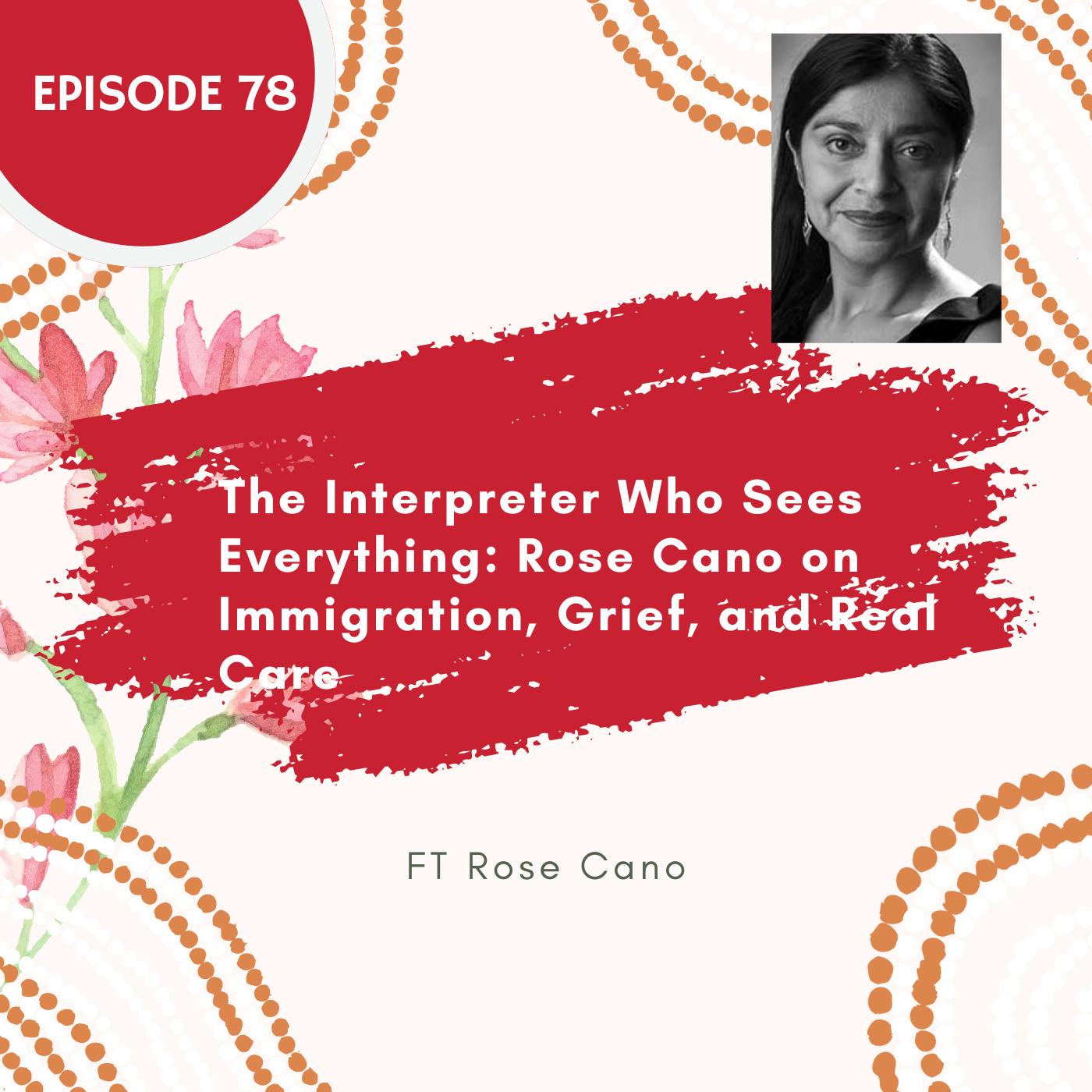
Overview:
We explore how immigration status profoundly impacts healthcare access, from barriers to benefits and financial assistance, to the psychological toll experienced by patients and families navigating fears of deportation. We discuss mental health stigma within Spanish-speaking communities, challenges with behavioral health access, and how cultural concepts like susto and diapression intersect with chronic illness management. We share stories illustrating the power of validation, trust-building, and prioritizing patient agendas over rigid clinical checklists, while also confronting systemic constraints like limited appointment time and the importance of eye contact and genuine human connection in care.
Three Takeaways:
The Weight of Immigration Status on WellbeingRose describes how the constant fear of deportation, inability to access benefits, and repeated bureaucratic hurdles profoundly impact patients' mental and physical health. It's not just paperwork—it's a psychological burden that affects daily decisions, engagement with healthcare, and willingness to seek care in the first place.
Empowerment as a Counterbalance to Systemic HarmRose Cano pointed out that healthcare interactions may be one of the few places where patients from marginalized backgrounds experience empowerment. With so much belittlement and exclusion happening in the rest of their lives, every clinical and supportive conversation must focus on restoring dignity and agency.
Mental Health: Language, Stigma, and Structural GapsThe conversation delved into how translating mental health concepts is challenging, both linguistically and culturally. Terms like “depression” and “anxiety” don’t always resonate. She emphasized the deep stigma in both English and Spanish-speaking communities, compounded by lack of access (waitlists, insurance issues) and by the prioritization of survival needs over mental wellbeing.
Next Step:
Visit our website, Healthcare for Humans, and join our community to enjoy exclusive benefits at https://www.healthcareforhumans.org/support/
Support Our Mission: Non-clinicians, explore exclusive content and contribute to our collective journey.
Be an Active Participant: Go beyond listening. Shape our narrative by co-creating episodes with us.
Be part of our community by visiting https://www.healthcareforhumans.org/support/. Follow us on Instagram @healthcareforhumanspodcast
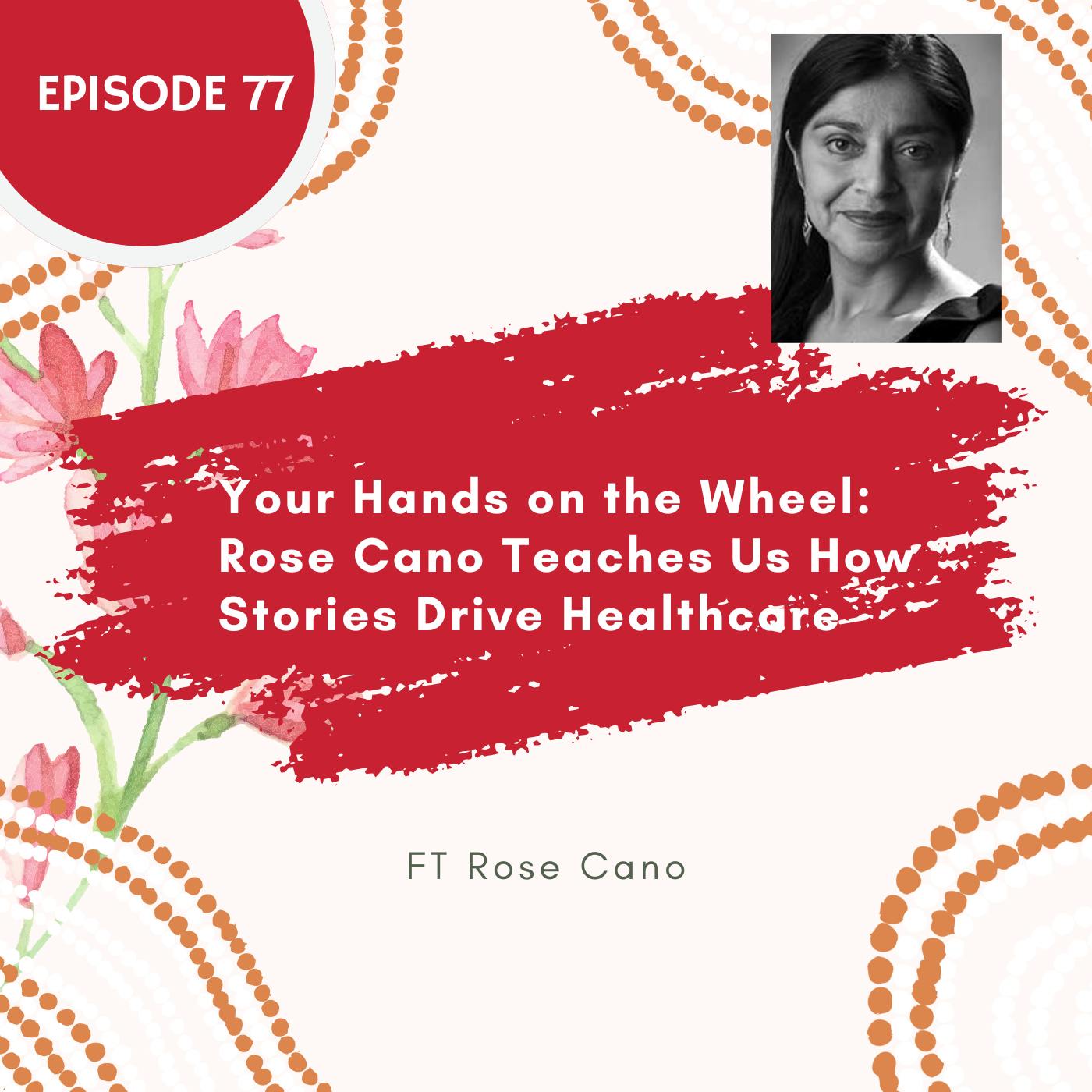
Overview:
We explore the powerful intersection of healthcare and the
arts with our guest, Rose Cano—a Spanish medical interpreter, playwright, and cultural mediator specializing in type 2 diabetes care for Spanish-speaking patients. We dive into Rose’s journey from theater to medicine, her advocacy for narrative medicine, and her experiences working in Harborview Medical Center’s clinics serving diverse communities, including those in Pioneer Square. The conversation unpacks terminology used for Spanish-speaking communities ("Hispanic," "Latino," "Latinx"), emphasizes the importance of understanding patient backgrounds, and shines a light on communication barriers in healthcare. Rose shares creative metaphors and practical strategies for empowering patients and improving self-management for chronic diseases, all while highlighting equity, prevention, and the lived realities of those navigating both healthcare and cultural systems.
Three Takeaways:
The Healing Power of Storytelling & Narrative
Medicine
Rose Cano’s journey beautifully illustrates how storytelling isn't just an art—it’s a therapeutic tool. She explains that both the person telling their story and the listener are transformed by the exchange, making it an act of healing, especially when stories relate to illness or wellness.
The Intersection of Art and Healthcare for Equity
Rose sees healthcare and the arts as intertwined fields, advocating that access to both should be equitable and universal. Her perspective brings attention to the under-recognized link between creativity, culture, and health outcomes, emphasizing that cultural and healthcare equity must advance together for true community wellbeing.
Cultural Mediation Goes Beyond Language Translation
Her role at Harborview Medical Center isn’t just interpreting words—it’s bridging cultural gaps. She highlights real-world challenges Spanish speaking patients face, such as understanding navigation in the US healthcare system, grasping concepts of prevention versus acute care,
and negotiating everyday barriers like clinic scheduling, insurance, and
pharmacy instructions.
Next Step:
Visit our website, Healthcare for Humans, and join our community to enjoy exclusive benefits at https://www.healthcareforhumans.org/support/
Support Our Mission: Non-clinicians, explore exclusive content and contribute to our collective journey.
Be an Active Participant: Go beyond listening. Shape our narrative by co-creating episodes with us.
Be part of our community by visiting https://www.healthcareforhumans.org/support/. Follow us on Instagram @healthcareforhumanspodcast

Overview:
We sit down with Jean Jacques, physician, community organizer to explore how the long and complex history of the Democratic Republic of Congo—including colonialism, resource-driven conflict, and trauma—shapes the healthcare experience of Congolese immigrants and refugees in the U.S. We talk through the diversity of Congolese identities, languages, and traditions, and examine how food, faith, and community form the backbone of cultural resilience, even as new challenges like diabetes, hypertension, and mental health stigma emerge after resettlement. Our conversation highlights practical advice for clinicians—from building trust and acknowledging trauma to asking about family and respecting cultural foodways—while also discussing the vital role of Congolese churches and grassroots organizations in healing and navigating the American healthcare system.
Three Takeaways:
Deep Historical Context Shapes Present-Day HealthcareJean Jacques gives a nuanced overview of how the Democratic Republic of Congo’s colonial and post-colonial history—including conflict over natural resources, genocide spillover, and foreign interference—directly affects how Congolese refugees experience healthcare today. Understanding these origins is crucial for providers because patients may carry deep-seated mistrust toward healthcare systems, especially given past experiences of forced medical campaigns and trauma from displacement.
Language Diversity is a Barrier and a BridgeThe episode details that Congo is staggeringly diverse with “450 ethnic groups, over 5,000 dialects, and four national languages” aside from French. Many community members arrive in the US speaking little or no English—English might be their fourth language, as Jean Jacques shares from personal experience. Assumptions about shared language or uniformity can result in missed care opportunities; tailored language access and culturally sensitive interpretation are essential.
Traditional Foods and Diet Transitions Present Unique Health RisksMoving to the US shifts dietary habits—fresh, traditional foods are often replaced by processed convenience meals, contributing to increased rates of diabetes, hypertension, and heart disease in the Congolese community. Efforts to offer healthy-eating guidance (like suggesting less palm oil or leaner meats) often run up against powerful forces: taste, cost, cultural significance, and lack of culturally competent nutrition counseling.
Next Step:
Visit our website, Healthcare for Humans, and join our community to enjoy exclusive benefits at https://www.healthcareforhumans.org/support/
Support Our Mission: Non-clinicians, explore exclusive content and contribute to our collective journey.
Be an Active Participant: Go beyond listening. Shape our narrative by co-creating episodes with us.
Be part of our community by visiting https://www.healthcareforhumans.org/support/. Follow us on Instagram @healthcareforhumanspodcast

Overview:
We sit down with Dr. Lonnie Nelson, a clinical psychologist and member of the Cherokee Indians, to explore the importance of centering Native communities in healthcare research and practice. We learn about how Lonnie’s personal experiences with family health challenges shaped his professional journey, and how he reframes common clinical approaches to focus on culture, self-determination, and relational trust. We dive deep into the role of "culture as medicine," uncovering how traditional practices and genuine human connection can foster healing far beyond what Western medicine often recognizes. We also discuss Lonnie’s work addressing health disparities, brain health research in urban Native elders, and the need to move away from transactional, role-based healthcare toward true person-centered care.
Three Takeaways:
- Community-Driven Research, Not Researcher-Imposed SolutionsLonnie Nelson’s approach flips the traditional research model by centering the priorities of American Indian and Alaska Native communities. Rather than imposing outside solutions, he collaborates with community members to identify needs and co-create potential interventions, then seeks funding to rigorously test these ideas. This honors cultural wisdom and ensures research is relevant and respectful.
-Reclaiming Indigenous Roots in Motivational InterviewingA fascinating point Nelson brings up is that motivational interviewing—a mainstream therapeutic technique—has roots in Indigenous traditions. He highlights that its effectiveness comes from Native practices grounded in respect, non-judgment, and relational conversation. However, much of Western healthcare training strips these origins, sometimes making the approach feel manipulative; Nelson, instead, works to restore its original, culturally-grounded intent.
-The Native Concept of “Medicine” is Holistic and TransformativeIn Native cultures, “medicine” isn’t just pharmaceuticals or interventions—it’s anything that can transform how you feel, from the smell of your grandmother’s kitchen to community rituals. Nelson stresses that when Native people say, “culture is medicine,” it’s about emotional and spiritual transformation—not just physical wellness.
Next Step:
Visit our website, Healthcare for Humans, and join our community to enjoy exclusive benefits at https://www.healthcareforhumans.org/support/
Support Our Mission: Non-clinicians, explore exclusive content and contribute to our collective journey.
Be an Active Participant: Go beyond listening. Shape our narrative by co-creating episodes with us.
Be part of our community by visiting https://www.healthcareforhumans.org/support/. Follow us on Instagram @healthcareforhumanspodcast
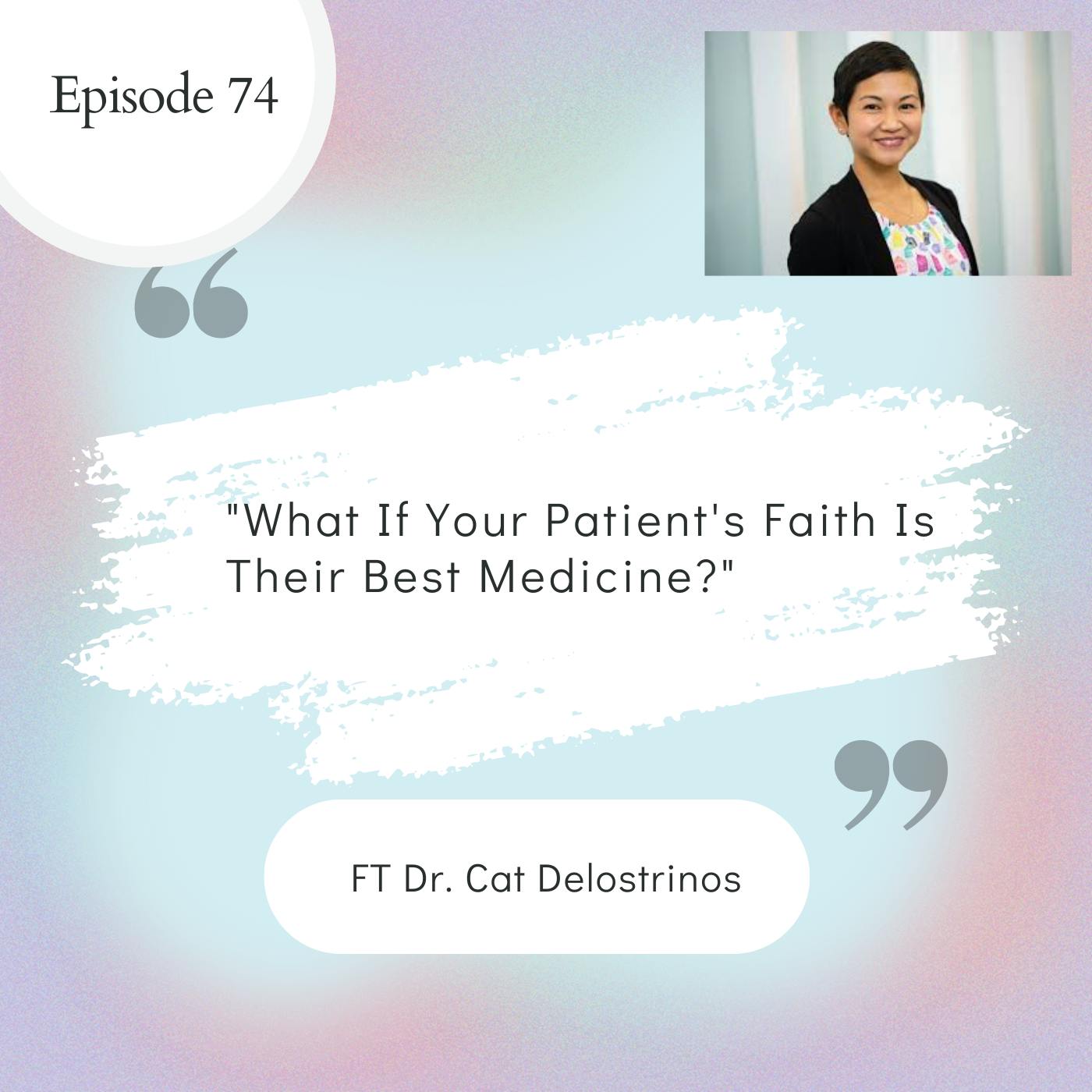
Overview:
We explore the deeply personal and often overlooked connection between spirituality and health, especially within immigrant and refugee communities. Dr. Cat Delestrinos, a pediatrician and Filipino immigrant, shares moving stories from her own life and medical practice—particularly her son’s health journey—to illustrate how faith and spiritual practices can play a vital role in resilience, healing, and coping with fear. We discuss practical ways clinicians can better recognize and respect patients’ spiritual beliefs, how to open conversations about faith without imposing personal beliefs, and why understanding the spiritual dimension is critical for meaningful, holistic care.
Three Takeawayss:
1) Spirituality as a Source of Healing and Resilience in Immigrant Communities
Dr. Cat shares that for many immigrant and refugee families, spirituality isn’t just a private belief but a vital community resource and coping mechanism. She describes how, in Filipino culture (her own background), church and faith traditions are threads that bind individuals and groups—showing clinicians that understanding these can unlock strength and resilience in their patients’ healing journey
2) Personal Experience Shapes Clinical Practice
Dr. Cat’s story about her son Manny’s critical illness and the intertwining of faith with medical care is a clear reminder that clinicians’ personal experiences—especially moments of vulnerability and hope—shape how they show up for patients. Her deep dive into spirituality through praying and supporting her son reframed how she approaches medical practice and the importance she places on spiritual health
3) Missed Opportunities: Clinicians Rarely Ask About Faith
Despite spirituality often being crucial to patients, Dr. Cat realized no clinician or care team member ever brought up faith during her family’s medical ordeal unless she mentioned it herself. This points to a gap in holistic care and invites practitioners to consider what they might be overlooking by not asking about something so central to many people’s lives.
Next Step:
Visit our website, Healthcare for Humans, and join our community to enjoy exclusive benefits at https://www.healthcareforhumans.org/support/
Support Our Mission: Non-clinicians, explore exclusive content and contribute to our collective journey.
Be an Active Participant: Go beyond listening. Shape our narrative by co-creating episodes with us.
Be part of our community by visiting https://www.healthcareforhumans.org/support/. Follow us on Instagram @healthcareforhumanspodcast
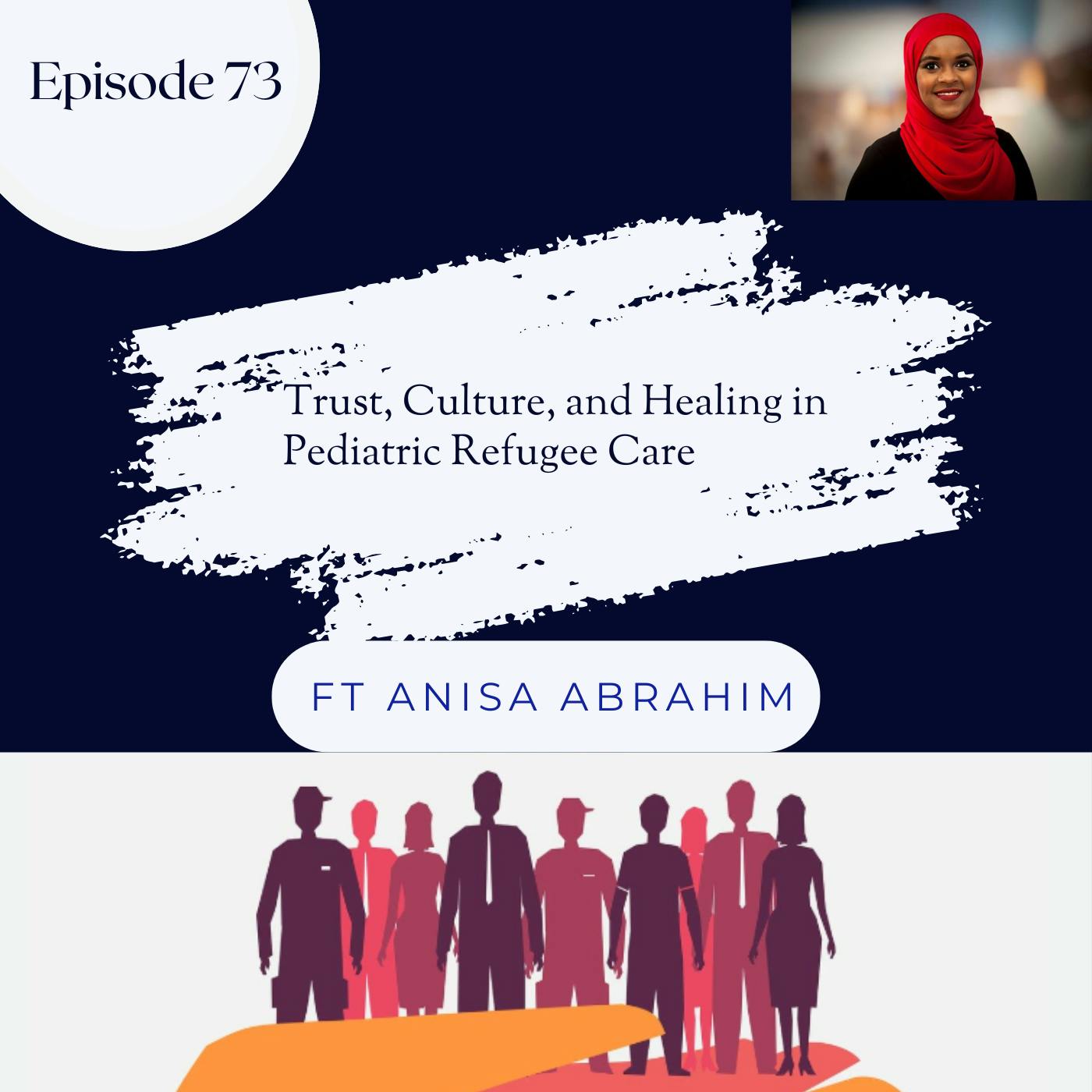
Overview:
We explore the challenges and deep rewards of providing care to newly arrived refugee and immigrant families, guided by the insights of Dr. Anisa Ibrahim, an experienced pediatrician and community advocate. We unpack the art of truly welcoming families, emphasizing the power of listening to migration histories, honoring cultural backgrounds, and recognizing that parents are the experts in their children’s lives. We delve into sensitive topics like nutrition, developmental delays, mental health, and environmental health risks, learning practical tools for culturally attuned dialogue and persistent partnership. Through stories and reflections, we highlight why culturally responsive care matters—not just for medical outcomes but for trust, resilience, and healing across diverse communities.
Three Takeaways:
The Power of Migration StoriesDr. Ibrahim emphasizes the importance of understanding each family's unique migration journey—two families from the same country may have wildly different trauma histories, languages of comfort, and support needs. She makes it clear that “migration history” is critical; you can’t use a cookie-cutter approach for refugee or immigrant healthcare because lived experiences differ so much.
Literacy as a Clinical FoundationOne standout strategy from Dr. Ibrahim is her early, nonjudgmental questions about literacy: “Do you read or write in any language?” This simple inquiry uncovers critical information for both clinical care and partnership with community resources. It breaks down assumptions and helps tailor support, recognizing that language skills aren’t uniform, even within the same language or cultural group.
Redefining Expertise: Families as Experts in Their Own ChildrenDr. Ibrahim reframes the traditional doctor-patient relationship by explicitly telling parents, “You’re an expert in your child.” This collaborative model flips the script from provider dominance to shared expertise, enhancing trust and participation—especially crucial for families new to Western healthcare system
Next Step:
Visit our website, Healthcare for Humans, and join our community to enjoy exclusive benefits at https://www.healthcareforhumans.org/support/
Support Our Mission: Non-clinicians, explore exclusive content and contribute to our collective journey.
Be an Active Participant: Go beyond listening. Shape our narrative by co-creating episodes with us.
Be part of our community by visiting https://www.healthcareforhumans.org/support/. Follow us on Instagram @healthcareforhumanspodcast
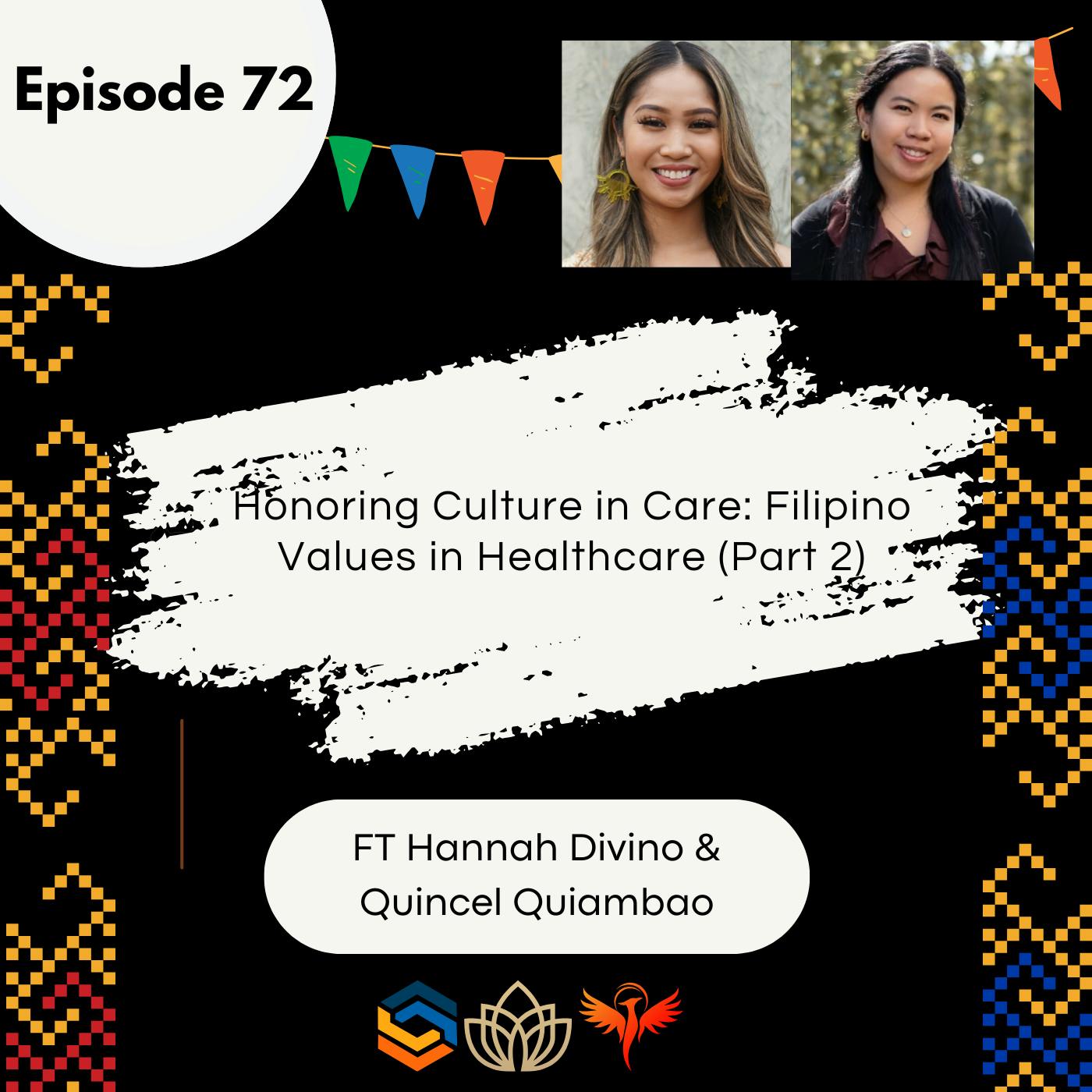
Overview:
We explore the complexities of trust, cultural values, and intergenerational dynamics within the Filipino community, especially in accessing mental health and healthcare services. We discuss how deep-rooted traditions like family obligation, community support, and the stigma surrounding mental health influence care-seeking behaviors across generations. Through community-driven initiatives like Little Manila Rising, we highlight how culturally rooted, trauma-informed approaches—such as engaging churches, honoring ancestral spaces, and providing culturally competent care—foster healing, advocacy, and stronger relationships between healthcare providers and the community.
Three Takeaways:
Leveraging Churches and Food as Cultural ConnectorsBoth Hannah and Raj highlight practical strategies for bridging generational divides: churches are vital hubs for reaching elders (who may trust faith leaders more than therapists), while food acts as a unifier across age groups, providing a non-threatening entry point for community dialogue and engagement.
Healing Hinges on Intergenerational Dialogue and Community-Led SpacesSpaces intentionally created for both young and old to share—such as wellness panels and focus groups—are potent for mutual understanding. There’s a recurring theme that healing happens when the community is not just “served” but is leading and hosting the work, drawing on ancestral memory and lived experience
Culturally Responsive Healthcare Goes Beyond ‘Cultural Competency’Tessa and Hannah stress that healthcare providers must go beyond textbook cultural competency. This includes offering trauma-informed care, involving families in treatment, actively engaging with community organizations (like Little Manila Rising), and educating themselves rather than outsourcing the labor of education to the community. Providers who do this, even if not sharing ethnic identity with patients, can vastly improve trust and outcomes.
Resources:
Little Manila Rising
Next Step:
Visit our website, Healthcare for Humans, and join our community to enjoy exclusive benefits at https://www.healthcareforhumans.org/support/
Support Our Mission: Non-clinicians, explore exclusive content and contribute to our collective journey.
Be an Active Participant: Go beyond listening. Shape our narrative by co-creating episodes with us.
Be part of our community by visiting https://www.healthcareforhumans.org/support/. Follow us on Instagram @healthcareforhumanspodcast

Overview:
We explore the powerful story of Little Manila Rising, an organization founded to preserve the Filipino American legacy in Stockton, California, and uplift the South Stockton community. We hear how founders rallied local residents to prevent the destruction of historic neighborhoods and created a movement rooted in ancestral legacy, heart-centered activism, and holistic care. We learn about programs tackling health inequities, environmental justice, mental health, and youth development, all shaped by listening to community needs. Through initiatives like the Healing PUSO project and ECHO, we witness how blending Western and traditional Filipino healing practices, offering free clinics, and providing culturally responsive mental health support have made a tangible impact. Centering community voices and advocating for policy change, Little Manila Rising exemplifies the importance of accessible, culturally anchored healthcare that truly cares for the whole person.
Three Takeaways:
Community-Led Preservation as Health WorkLittle Manila Rising started as a preservation movement to protect Filipino-American heritage in Stockton, especially after systemic destruction through redevelopment. But as described by Hannah and Tessa, saving these physical and cultural spaces proved foundational to the community’s well-being—demonstrating that historical and cultural preservation itself is acts of healthcare, fostering identity and resilience (Hannah, 00:00:26–00:02:55).
Deeply Personal and Spiritual MotivationTessa makes clear that the organization’s work is “heart-centered” and “spirit-led,” guided by the dreams and struggles of their ancestors. Staff are deeply connected on a personal level, honoring not just their community but also familial and ancestral legacies. This kind of motivation sets the tone for sustainable and authentic advocacy work (Tessa, 00:04:03–00:04:39).
Holistic and Culturally Rooted Healthcare DeliveryThrough programs like Healing PUSO and Echo, Little Manila Rising offers both Western and traditional healing modalities, including Filipino massage, acupuncture, and sound healing. By blending these approaches, the clinics honor diverse health beliefs and needs, which community members find more welcoming and effective than traditional mainstream healthcare (Tessa, 00:11:37–00:15:19).
Resources:
Little Manila Rising
Next Step:
Visit our website, Healthcare for Humans, and join our community to enjoy exclusive benefits at https://www.healthcareforhumans.org/support/
Support Our Mission: Non-clinicians, explore exclusive content and contribute to our collective journey.
Be an Active Participant: Go beyond listening. Shape our narrative by co-creating episodes with us.
Be part of our community by visiting https://www.healthcareforhumans.org/support/. Follow us on Instagram @healthcareforhumanspodcast

Overview:
We dive into the origins, structure, and impact of Islamic Trauma Healing—a community-driven, lay-led mental health intervention designed for Muslim communities, particularly Afghans and Somalis who have experienced significant trauma. Joining us are Mohammed Haroon , an Afghan mental health counselor and research coordinator, and Jake Bentley, a clinical psychologist from the University of Washington. We explore the barriers many Muslim refugees face with Western mental health services, how Islamic Trauma Healing uniquely integrates faith, community narratives, and evidence-based trauma care, and what sessions look like in practice. We discuss the training process for community leaders, the intervention’s positive effects—both academically and through personal testimonials—and address how culturally contextualized models like this can help reduce stigma and foster healing. Finally, we consider possibilities for broader dissemination and adaptation of the model to other communities.
Key Topics:
"Community Engagement and Prophet Narratives"
Training Community Leaders for Facilitation
Lay Leader Training Structure
Program Expansion and Cultural Alignment
Building Trust with Community Stakeholders
Encouraging Feedback on Pilot Program
Expanding Mental Health Program Reach
Culturally Adapted Trauma Healing
Resources:
Islamic Trauma Healing: Integrating Faith and Empirically Supported Principles in a Community-Based Program - PubMed
Islamic trauma healing (ITH): A scalable, community-based program for trauma: Cluster randomized control trial design and method - ScienceDirect
Next Step:
Visit our website, Healthcare for Humans, and join our community to enjoy exclusive benefits at https://www.healthcareforhumans.org/support/
Support Our Mission: Non-clinicians, explore exclusive content and contribute to our collective journey.
Be an Active Participant: Go beyond listening. Shape our narrative by co-creating episodes with us.
Be part of our community by visiting https://www.healthcareforhumans.org/support/. Follow us on Instagram @healthcareforhumanspodcast

Overview:
We explore the deep-rooted structural inequities that have shaped health outcomes for Pacific Islander communities, especially during the COVID-19 pandemic. Together, we unpack how colonialism, racism, erasure, and the lack of culturally appropriate healthcare have contributed to disproportionate impacts, and we highlight the vital role of community-led solutions and culturally safe spaces in healing. We discuss the limitations of the cultural competency model, the importance of recognizing power dynamics, and the essential need for physicians and healthcare systems to center trust, relationship-building, and self-determination for marginalized communities.
Key Topics:
Colonialism and Pacific Islander Identity
Carceral System's Impact on Public Health
Health Equity and COVID-19 Inequities
Pacific Islanders Facing Bias Stereotypes
Understanding Implicit Bias and Ignorance
Amplifying Voices for Cultural Safety
Cultural Hubs for Community Care
Current Partnership w/ Joseph:
Oceania Northwest
Next Step:
Visit our website, Healthcare for Humans, and join our community to enjoy exclusive benefits at https://www.healthcareforhumans.org/support/
Support Our Mission: Non-clinicians, explore exclusive content and contribute to our collective journey.
Be an Active Participant: Go beyond listening. Shape our narrative by co-creating episodes with us.
Be part of our community by visiting https://www.healthcareforhumans.org/support/. Follow us on Instagram @healthcareforhumanspodcast
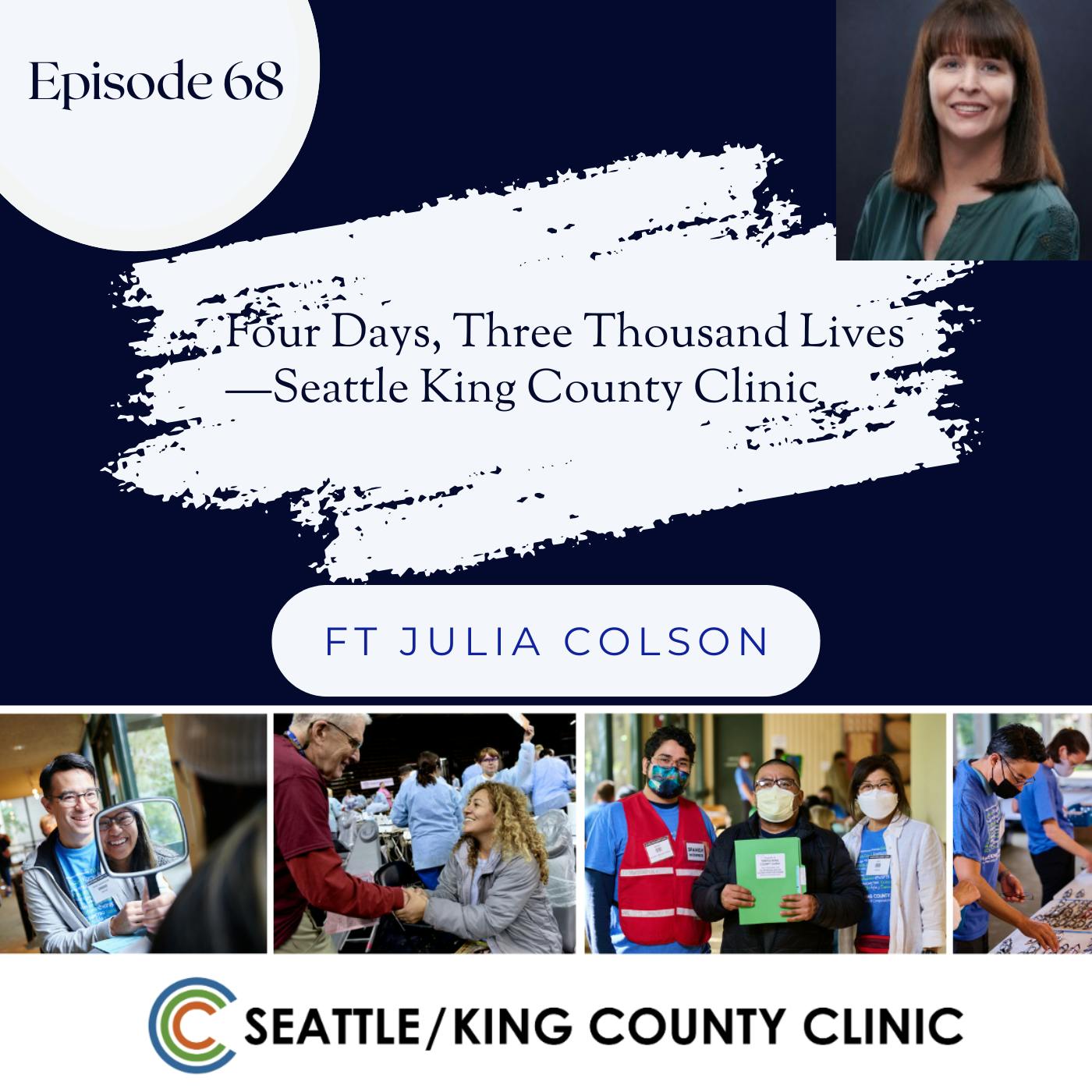
We sit down with Julia Colson, the founder and executive director of the Seattle King County Clinic, to discuss the incredible journey of establishing a large-scale, volunteer-driven pop-up clinic providing free dental, vision, and medical services to thousands each year. She shares the clinic's origin story, spurred by a 60-minute episode that highlighted the healthcare struggles of everyday people and her realization of the parallels within her own life. Julia delves into the challenges of building such a unique healthcare initiative from scratch, emphasizing the essential role of openness, humility, and collaboration in shaping the clinic's success. Through heartfelt anecdotes and insights, we explore the powerful impact of the clinic in transforming both patient experiences and volunteer perspectives while also addressing how the initiative calls attention to the broader issues plaguing our healthcare system.
To Volunteer: Seattle/King County Clinic - Seattle Center Foundation
Overview:
Transformed from watching "60 Minutes" to founding a clinic that serves 3,000 patients in four days
Used event planning background rather than healthcare expertise to approach problems differently
Created a collaborative model where diverse skills complemented each other's gaps
Challenged stereotypes by showing diverse patients - teachers, tech workers with insurance, not just unhoused individuals
Built community between patients and volunteers by midday of each clinic
Used the clinic as both immediate intervention and platform for advocacy
Incorporated storytelling through comics and patient narratives to humanize statistics
Balanced meeting urgent needs while pushing for systemic reform
Demonstrated how naivete and humility can be assets when creating innovative solutions
Prioritized listening and supporting patients over rushing through care
Helped providers reconnect with the human aspects of medicine, free from business metrics
Next Step:
Visit our website, Healthcare for Humans, and join our community to enjoy exclusive benefits at https://www.healthcareforhumans.org/support/
Support Our Mission: Non-clinicians, explore exclusive content and contribute to our collective journey.
Be an Active Participant: Go beyond listening. Shape our narrative by co-creating episodes with us.
Be part of our community by visiting https://www.healthcareforhumans.org/support/. Follow us on Instagram @healthcareforhumanspodcast

We explore the potential of centralized contact centers in healthcare with Patty Hayward, the general manager of healthcare and life sciences at Talkdesk. Drawing from her extensive experience and personal stories, such as her mother's medical journey, Patty illustrates the critical need for better communication and coordination within healthcare systems. We delve into how centralization, aided by AI and modern technology, could improve patient care by offering timely, personalized interactions and addressing unmet needs in diverse communities. We also tackle how a centralized approach can respect cultural nuances and enhance health education, breaking down barriers to access and understanding.
Overview:
Streamlining Contact Center Efficiency
Automated CRM Conversation Enhancement
Culturally Aligned Contact Centers
Streamlining Healthcare Access Challenges
Reaching Unreached Populations Effectively
Proactive Outreach with Real-Time Translation
Next Step:
Visit our website, Healthcare for Humans, and join our community to enjoy exclusive benefits at https://www.healthcareforhumans.org/support/
Support Our Mission: Non-clinicians, explore exclusive content and contribute to our collective journey.
Be an Active Participant: Go beyond listening. Shape our narrative by co-creating episodes with us.
Be part of our community by visiting https://www.healthcareforhumans.org/support/. Follow us on Instagram @healthcareforhumanspodcast
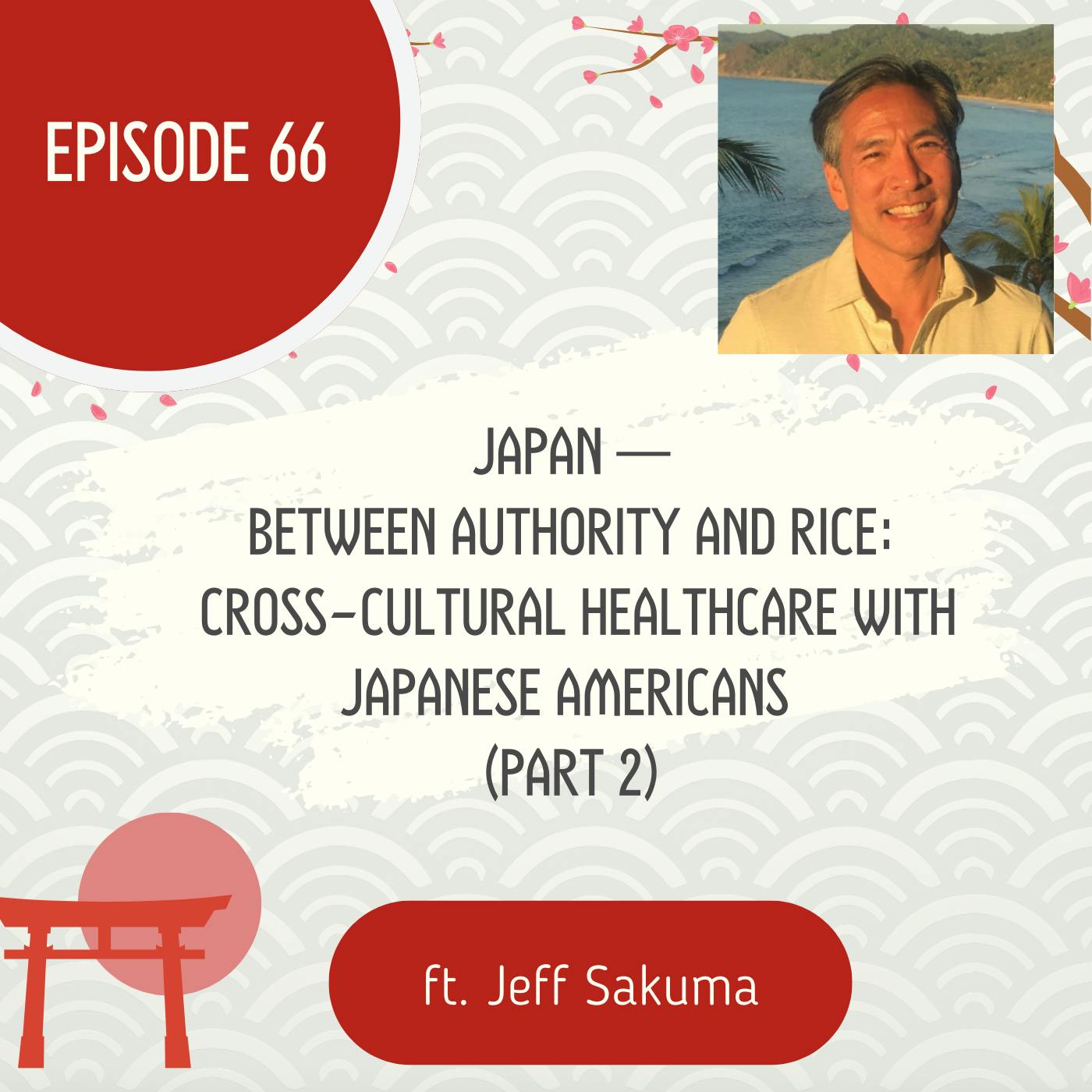
We explore the complexities of Japanese food culture and its impact on health, addressing how American influences have altered traditional diets. Jeff discusses the importance of rice in Japanese meals and his personal transition to healthier rice options. We delve into portion control within Japanese dining customs and the concept of intuitive eating. The conversation shifts to Japanese cultural nuances, including language, religion, and familial expectations, emphasizing the importance of acknowledging expertise both in healthcare and family matters. Additionally, we discuss the role of social support systems, religious influences, and the cultural dynamics surrounding aging and caregiving in Japanese American communities.
Overview:
Transition from Short to Long Grain Rice
Exploring Cultural Elements
Patterns and Power in Interactions
Japanese American Religious Identity
Japanese American Family Care Traditions
Keirog Japanese Nursing Home Closur
Navigating Uncertainty in Medical Decisions
"Evaluating Two Treatment Choices"
Next Step:
Visit our website, Healthcare for Humans, and join our community to enjoy exclusive benefits at https://www.healthcareforhumans.org/support/
Support Our Mission: Non-clinicians, explore exclusive content and contribute to our collective journey.
Be an Active Participant: Go beyond listening. Shape our narrative by co-creating episodes with us.
Be part of our community by visiting https://www.healthcareforhumans.org/support/. Follow us on Instagram @healthcareforhumanspodcast

Comments

Download from Google Play

Download from App Store
 United States