DiscoverIran: The Latest
Iran: The Latest
Claim Ownership

Iran: The Latest

Author: The Telegraph

Subscribed: 2,005Played: 98,319
Share

Description

Iran: The Latest is The Telegraph’s defence, security and foreign affairs news podcast providing deep-dive analysis on the ongoing conflict between the US, Israel and Iran. 


Veteran foreign correspondents Roland Oliphant and Venetia Rainey bring you the latest updates from The Telegraph’s award-winning journalists, plus exclusive interviews with world-class experts in military strategy, international relations, and Middle East policy.


From attacks on the Gulf to Hezbollah in Lebanon to the Houthis in Yemen to the threat of nuclear escalation, stay informed with the best of The Telegraph’s Middle East coverage in one place. As the geopolitical landscape shifts, subscribe for essential updates on the security shifts defining our global future.


Every Wednesday on Battle Lines: Global Health Security they’re joined by Arthur Scott-Geddes to look at the intersection between health and security, from bioweapons to warzone diseases to frontline medicine. You can watch these episodes here.


Battle Lines, a defence podcast with a wider scope and created by David Knowles, previously lived on this feed. 


Don’t forget to follow and leave a review to stay updated on the latest in global conflict and foreign affairs.

Battle Lines: Global Health Security is supported by the Bill and Melinda Gates Foundation.


Hosted on Acast. See acast.com/privacy for more information.
257 Episodes
Reverse
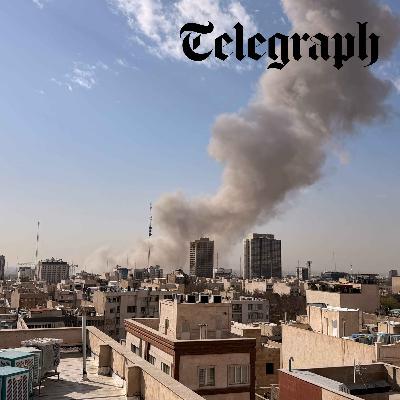
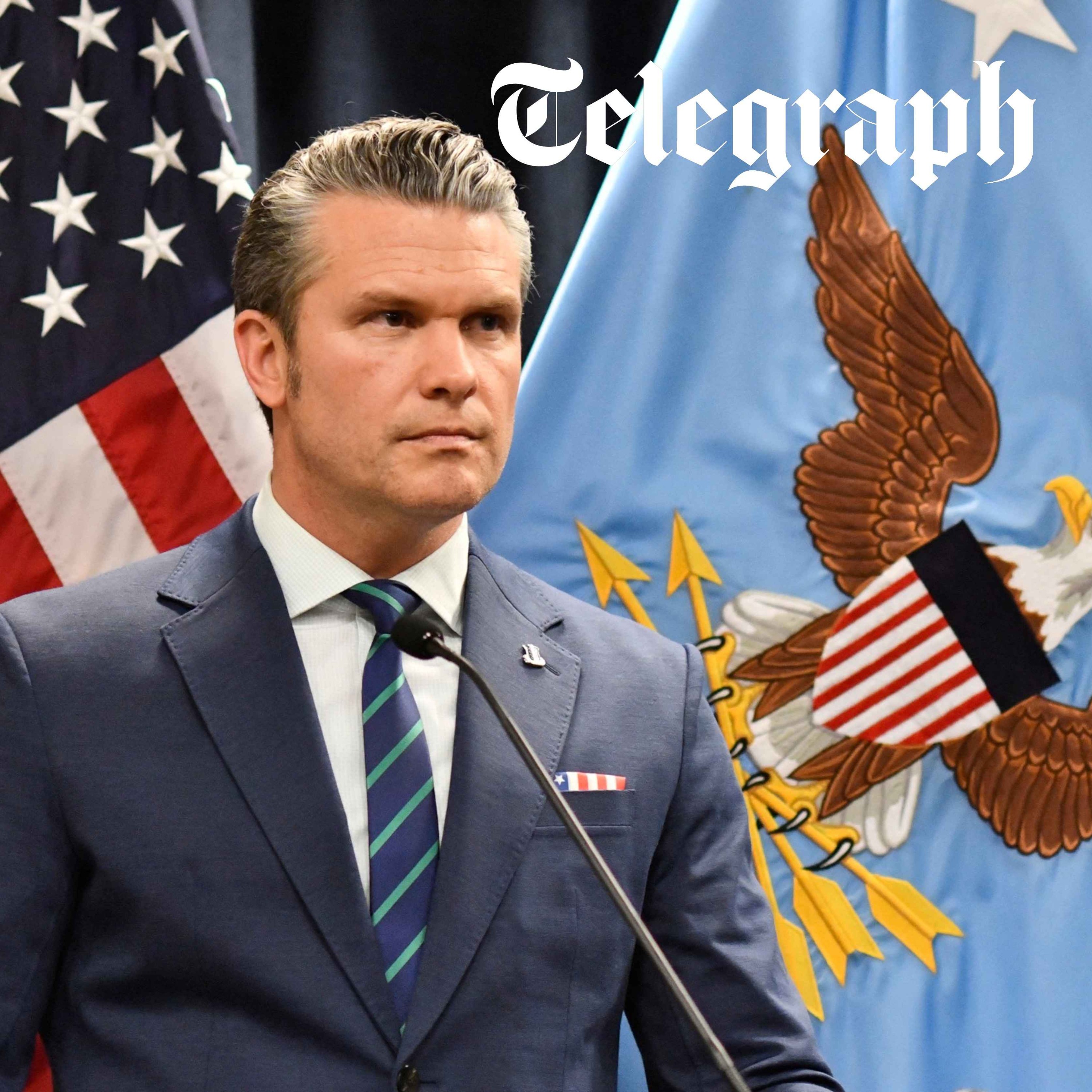
It’s the seventh day of the US-Israeli war with Iran and Secretary of War Pete Hegseth has said America is about to dramatically increase the amount of firepower over the country as the military campaign moves into the next phase.On today’s episode, Venetia takes a step back and looks at what has been achieved so far over one week of war. She is joined by Col. Simon Diggins, a former British Army Officer who has served in the Middle East, and Matthew Savill, director of military sciences at the Royal United Services Institute.They discuss how much progress America has made with its stated objectives, whether Iran is running out of missiles or holding them back, the Shahed drone problem, what’s left of the Iranian navy and why regime change still seems a distant prospect for now.Plus, two arguments for and against the UK becoming militarily involved - is it Keir Starmer’s moral duty or does Britain have nothing relevant to offer?Read Iran war, day seven: Everything you need to know: https://www.telegraph.co.uk/world-news/2026/03/06/iran-war-day-seven-everything-you-need-to-know/Read Trump to use British bases for ‘surge’ in Iran attacks: https://www.telegraph.co.uk/world-news/2026/03/06/trump-to-use-british-bases-for-surge-in-iran-attacks/Producer: Sophie O'SullivanExecutive Producer: Louisa Wells► Sign up to our most popular newsletter, From the Editor. Look forward to receiving free-thinking comment and the day's biggest stories, every morning. telegraph.co.uk/fromtheeditorContact us with feedback or ideas:@venetiarainey@RolandOliphant Hosted on Acast. See acast.com/privacy for more information.
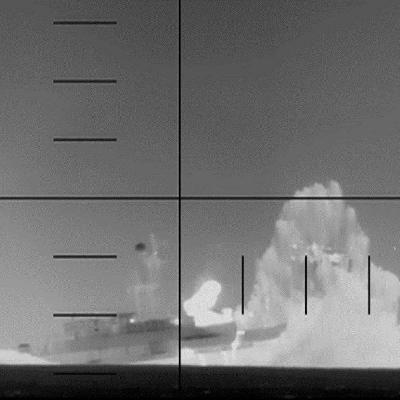
On the sixth day of the US-Israeli war with Iran, the Strait of Hormuz is remains effectively closed to shipping, despite the US Navy crippling Iran’s surface fleet - including by torpedoing a Frigate off Sri Lanka. On today’s episode of Iran: the Latest, Roland Oliphant speaks to former Royal Navy commander Tom Sharpe about how Western militaries have prepared for years for a big war with Iran; why Iranian maritime forces are equally well prepared; and the cruel necessities of submarine warfare.And Nicholas Hopton, a former British ambassador to Iran, explains the three conditions necessary for a regime collapse - and why none of them have yet been met. Read: The US submarine which torpedoed the Iranian frigate will soon be flying the Jolly Roger, by Tom Sharpe: https://www.telegraph.co.uk/news/2026/03/05/us-submarine-torpedo-iranian-warship-jolly-roger/Read: Will America betray the Kurds again? by Owen Matthews: https://www.telegraph.co.uk/news/2026/03/05/will-america-betray-kurds-again/Producer: Peter ShevlinExecutive Producer: Louisa Wells► Sign up to our most popular newsletter, From the Editor. Look forward to receiving free-thinking comment and the day's biggest stories, every morning. telegraph.co.uk/fromtheeditorContact us with feedback or ideas:@venetiarainey@RolandOliphant Hosted on Acast. See acast.com/privacy for more information.
In the wake of an attack on a British military base in Cyprus, the UK has said it will send an extra warship to the region. Does this make Britain militarily involved in America and Israel’s war against Iran? Or was that already true after Prime Minister Keir Starmer allowed Donald Trump to use British bases? Venetia and Roland discuss Europe’s growing involvement in the conflict and the countries that are resisting. Iranian-British journalist Nazenin Ansari talks about why she is pro-regime change but doesn’t want this war, the brutality of the IRGC, and how Khamenei’s son Mojtaba would be just more of the same if picked as his successor. Plus, senior foreign correspondent Sophia Yan sends a dispatch from the Turkish-Iranian border where she has been speaking to fleeing Iranians, and Dr Hanan Balkhy, WHO’s Regional Director for the Eastern Mediterranean, explains how the UN’s health body prepared for the conflict. Read Sophia Yan’s analysis of why China is unfazed by the war: https://www.telegraph.co.uk/world-news/2026/03/04/why-china-is-unfazed-by-donald-trump-epic-fury/Read Tom Cotterill on why this could be the Royal Navy’s biggest humiliation: https://www.telegraph.co.uk/news/2026/03/03/is-this-the-royal-navys-biggest-humiliation/Read our visual journalism deep dive on how Trump sank the Iranian navy: https://www.telegraph.co.uk/world-news/2026/03/03/how-trump-sank-iranian-navy/Producer: Peter ShevlinExecutive Producer: Louisa Wells► Sign up to our most popular newsletter, From the Editor. Look forward to receiving free-thinking comment and the day's biggest stories, every morning. telegraph.co.uk/fromtheeditorContact us with feedback or ideas:@venetiarainey@RolandOliphant Hosted on Acast. See acast.com/privacy for more information.
Battle Lines is now Iran: The Latest! Roland and Venetia are going to be covering the new conflict every day for the weeks to come, bringing you the best of The Telegraph’s reporting from around the world and exclusive interviews with world-class experts in military strategy, diplomacy, and the Middle East.On today’s episode, Venetia and Roland look at America’s devastating attacks on Iran’s official Navy and the possibility of Saudi Arabia joining the war. The Telegraph’s foreign reporter Akhtar Makoii shares his insights from speaking to people inside Iran about how ordinary people are now facing threats from both American bombs and the regime, who are out in force on the streets. Maya Gebeily, Reuters’ bureau chief in Beirut, discusses the state of Hezbollah and the mood on the ground in Lebanon after Israel announced it is invading. Plus, The Telegraph's US Correspondent Connor Stringer talks about his exclusive phone call with Donald Trump in the midst of the Iran war and why the president thinks Keir Starmer is “disappointing”.  Read Connor Stringer's exclusive chat with Trump: https://www.telegraph.co.uk/us/news/2026/03/02/exclusive-trump-very-disappointed-in-starmer-over-iran/Read Akhtar Makoii’s interviews with people inside Iran: https://www.telegraph.co.uk/world-news/2026/03/02/iran-war-tehran-live-in-fear-us-bombs-whats-left-regime/Read Akhtar Makoii’s rundown of Khamenei’s possible successors: https://www.telegraph.co.uk/world-news/2026/03/03/the-four-men-who-could-save-or-destroy-iran/Producer: Peter ShevlinExecutive Producer: Louisa Wells► Sign up to our most popular newsletter, From the Editor. Look forward to receiving free-thinking comment and the day's biggest stories, every morning. telegraph.co.uk/fromtheeditorContact us with feedback or ideas:@venetiarainey@RolandOliphant Hosted on Acast. See acast.com/privacy for more information.
Iran's leader Ayatollah Khamenei was killed in an Israeli and US strike on Saturday morning, kicking off a major war that has since expanded to the entire Middle East. On day three of the conflict, Venetia and Roland run through the big updates, including the UK’s involvement, the ongoing death toll and how Iran is striking back on key targets in the region. They also talk to former Israeli intelligence official and Iran expert Danny Citrinowicz about how poorly defined the war's goals are and why we aren't seeing any cracks in the regime yet.Plus, The Telegraph’s David Blair on the significance of Khamenei's assassination and Trump's conflicting messaging.Read Iran war, day three: Everything you need to know: https://www.telegraph.co.uk/world-news/2026/03/02/iran-war-day-three-everything-you-need-to-know/Read David Blair on why Trump’s incoherence on Iran maximises the risk of failure: https://www.telegraph.co.uk/news/2026/02/28/trump-is-taking-a-monumental-risk-on-iran/Read Roland Oliphant on the eight-month plot that led to Trump’s attack on Iran: https://www.telegraph.co.uk/world-news/2026/02/28/donald-trump-attack-iran-israel-how-it-came-to-this/Producer: Peter ShevlinExecutive Producer: Louisa Wells► Sign up to our most popular newsletter, From the Editor. Look forward to receiving free-thinking comment and the day's biggest stories, every morning. telegraph.co.uk/fromtheeditorContact us with feedback or ideas:@venetiarainey@RolandOliphant Hosted on Acast. See acast.com/privacy for more information.
The US and Israel have launched what President Donald Trump has described as "major combat operations" to try to bring about the end of the Iranian regime.In this bonus episode, Roland and Venetia look at what we know so far - from Trump’s speech to strikes across the Middle East - and what might happen next, while Henry Bodkin, The Telegraph’s Jerusalem correspondent, reports from on the ground in Israel amid air raid sirens around the country.Plus, Roland speaks to Jonathan Hackett, a 20-year US Marine Corps veteran and special operations capabilities specialist, as well as the author of Iran's Shadow Weapons: Covert Action, Intelligence Operations and Unconventional Warfare. Their conversation - which was recorded shortly before the attack began - covers how Ayatollah Ali Khamenei was offered an escape route but refused to take it, the state of the IRGC and why regime change in Iran will be so difficult.Producer: Peter ShevlinExecutive Producer: Louisa Wells► Sign up to our most popular newsletter, From the Editor. Look forward to receiving free-thinking comment and the day's biggest stories, every morning. telegraph.co.uk/fromtheeditorContact us with feedback or ideas:@venetiarainey@RolandOliphant Hosted on Acast. See acast.com/privacy for more information.
For sixty years Washington and Havana have been having a geopolitical tango fuelled by obsession and ideology. The island nation of Cuba has been a socialist splinter in the finger of the Florida coastline, its regime infecting the region. Now, with the toppling of Nicolás Maduro and Venezuelan oil tightly controlled by the US, Cuban President Miguel Díaz-Canel could be next. To get into the finer details of the US’s new found dominance in the Caribbean, Venetia is joined by The Telegraph’s foreign reporter, Lily Shanagher.Plus, former national security advisor John Bolton, voices the need for regime change in Venezuela, Iran and Cuba. Coining the phrase ‘Troika of Tyranny' in 2018, Bolton has had Cuba in his sights for many years as a rogue state. So what should happen next in the region? John Bolton lays bare the truth about Trump’s decision making and the need for swift action.Producer: Peter ShevlinExecutive Producer: Louisa Wells► Sign up to our most popular newsletter, From the Editor. Look forward to receiving free-thinking comment and the day's biggest stories, every morning. telegraph.co.uk/fromtheeditorContact us with feedback or ideas:@venetiarainey@RolandOliphant Hosted on Acast. See acast.com/privacy for more information.
Drugs and gangs have created an explosion in HIV cases in Fiji.This week on Battle Lines: Global Health Security, Arthur Scott-Geddes is joined by Sarah Newey, The Telegraph’s correspondent in Bangkok who recently travelled to Fiji, and Dr Jason Mitchell, the head of the country’s HIV task force.On the archipelago known as the gateway to the Pacific, Chinese triads, Mexican cartels, and Australian biker gangs are all involved in a booming methamphetamine trade.The result is that an island paradise is now home to the fastest-growing HIV epidemic on earth.Read Sarah’s dispatch from Fiji:The island paradise with the world’s fastest growing HIV epidemichttps://www.telegraph.co.uk/global-health/science-and-disease/fiji-island-paradise-with-the-worlds-fastest-growing-HIV-epidemic/Producer: Sophie O'SullivanExecutive Producer: Louisa WellsStudio Operator: Meghan Searle► Sign up to our most popular newsletter, From the Editor. Look forward to receiving free-thinking comment and the day's biggest stories, every morning. telegraph.co.uk/fromtheeditorContact us with feedback or ideas:battlelines@telegraph.co.uk@venetiarainey@ascottgeddes Hosted on Acast. See acast.com/privacy for more information.
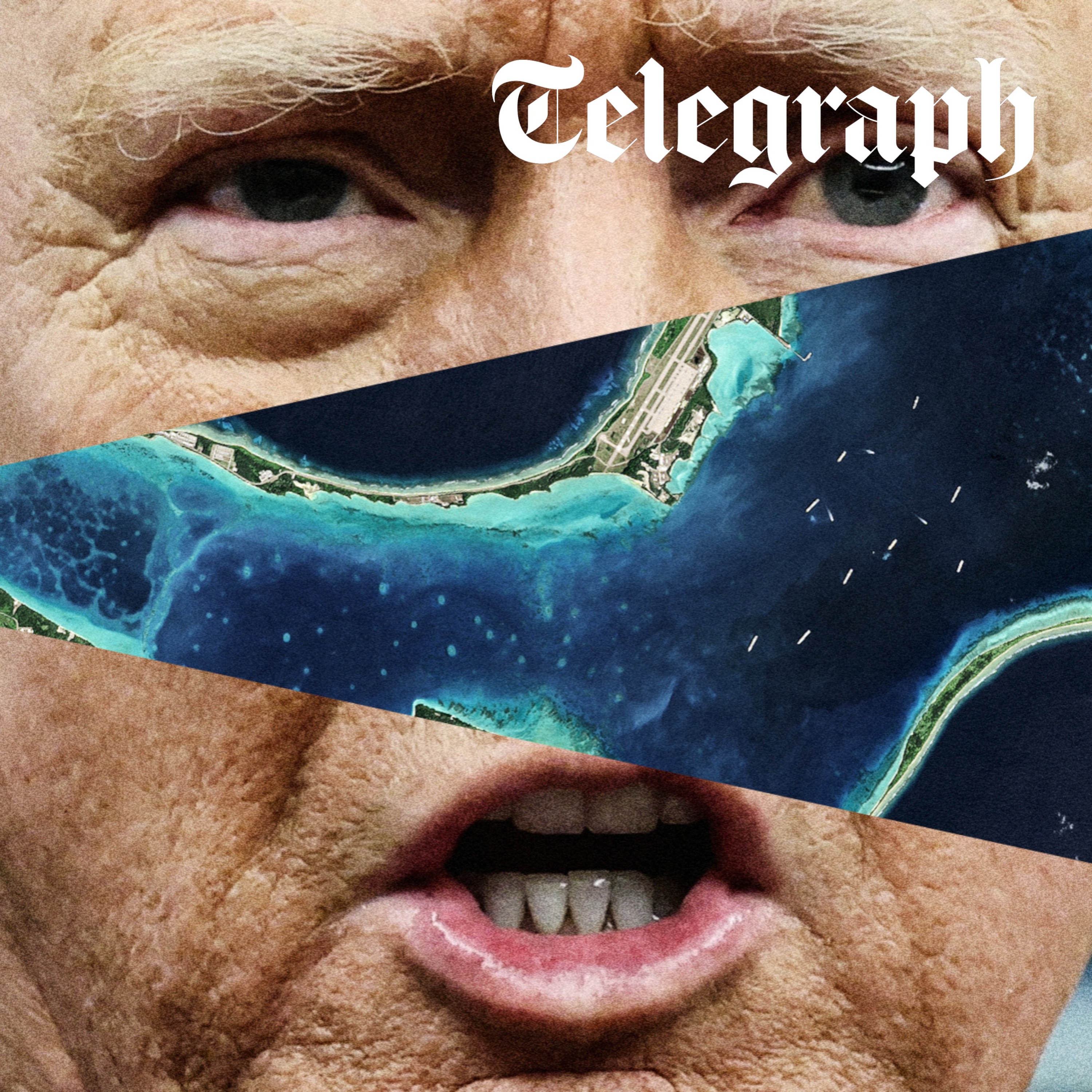
The British Indian Ocean Territory, AKA the Chagos Islands is home to the American super-base of Diego Garcia. Located on the largest island in the archipelago and home to the joint UK/US military base since the 1970s.The Chagos handover to Mauritius has been controversial from the outset and shifting signals from Donald Trump have left the Starmer government open to a political backlash.Has the special relationship turned toxic over these islands? And should the sovereignty transfer be stopped? To discuss, Roland turns to Ben Judah who has worked for the previous foreign secretary and Chief Foreign Affairs Commentator, David Blair. Producer: Peter ShevlinExecutive Producer: Louisa Wells► Sign up to our most popular newsletter, From the Editor. Look forward to receiving free-thinking comment and the day's biggest stories, every morning. telegraph.co.uk/fromtheeditorContact us with feedback or ideas:@venetiarainey@RolandOliphant Hosted on Acast. See acast.com/privacy for more information.
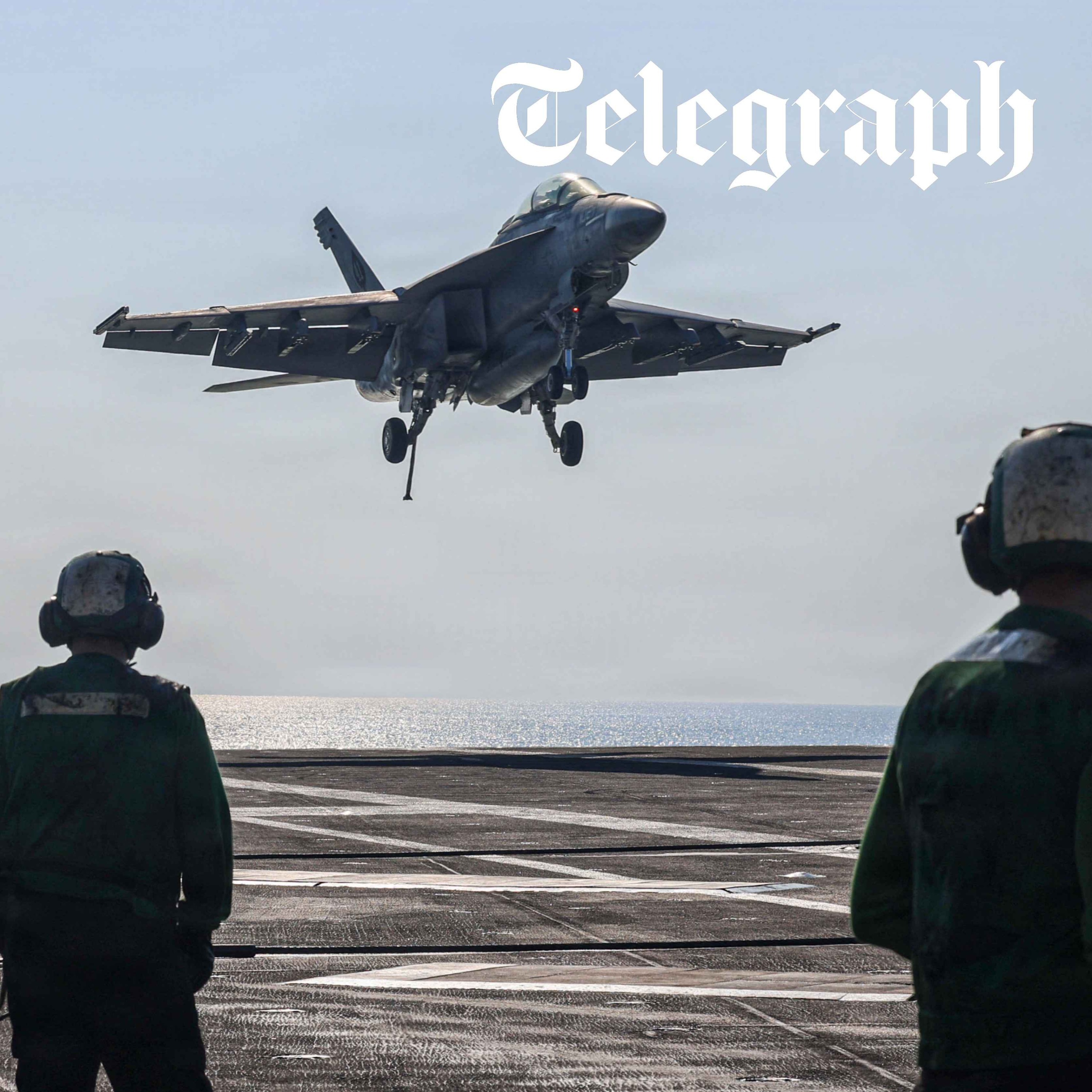
The drumbeat of war in the Middle East is getting louder - and once again it’s Iran in America’s crosshairs.A second round of talks over Iran’s alleged nuclear weapons programme ended this week without a deal. In the last few days, dozens of American fighter jets and refuelling tankers have joined the US's two carrier strike groups in the region. This is now the largest American military buildup in the Middle East since the Iraq war in 2003.Venetia chats to Henry Bodkin, The Telegraph's Jerusalem correspondent, and Roland Oliphant, chief foreign affairs analyst about when war might break out and how it could unfold.Plus Roland speaks to Maryam Mazrooei, an Iranian journalist and war photographer who fled the country after being arrested and imprisoned in 2022, about whether American-led regime change would spark a civil war in Iran.Read - Trump sends fighter jet squadron to ‘kick the door down’ in Iran: https://www.telegraph.co.uk/world-news/2026/02/18/us-military-aircraft-heading-towards-iran/Producer: Sophie O'SullivanExecutive Producer: Louisa Wells► Sign up to our most popular newsletter, From the Editor. Look forward to receiving free-thinking comment and the day's biggest stories, every morning. telegraph.co.uk/fromtheeditorContact us with feedback or ideas:@venetiarainey@RolandOliphant Hosted on Acast. See acast.com/privacy for more information.
Two years ago, Russian opposition leader Alexei Navalny died in a Siberian penal colony. There was an outcry and many suspected foul play, but nothing could be proved. That is until last weekend, when five European countries including the UK announced that they had made a startling discovery: Navalny had been killed with a rare frog poison.How was the poison was identified, how were the samples smuggled out of Russia, and why does the evidence point directly to Moscow?Venetia and Arthur speak to former commanding officer of the UK’s Chemical, Biological, Radiological and Nuclear Regiment and Telegraph columnist, Hamish de Bretton-Gordon, and Dr Gemma Bowsher, Senior Research Associate for the Centre for Conflict and Health Research at Kings College London.Producer: Sophie O'SullivanExecutive Producer: Louisa WellsStudio Operator: Meghan Searle► Sign up to our most popular newsletter, From the Editor. Look forward to receiving free-thinking comment and the day's biggest stories, every morning. telegraph.co.uk/fromtheeditorContact us with feedback or ideas:battlelines@telegraph.co.uk@venetiarainey@ascottgeddes Hosted on Acast. See acast.com/privacy for more information.
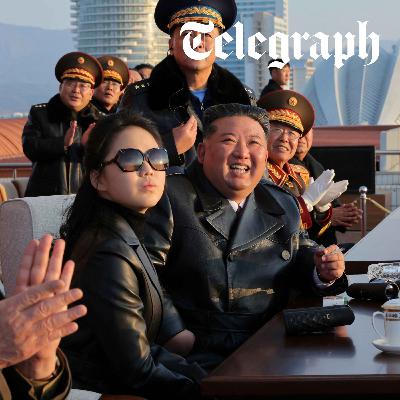
North Korea’s dynasty dictatorship has taken on a new leather clad, second-in-command. Reports from South Korea have suggested that Kim Jong Un’s daughter Kim Ju-ae is now the heir apparent in the totalitarian state. Could she one day be the youngest person to command a nuclear arsenal? Roland chats to The Telegraph’s Lily Shanagher and from the University of Oxford, North Korea watcher, Dr Edward Howell, to unpack what we know from the shadows.Plus, after the Munich Security Conference at the weekend, Europe is facing a new future without Washington’s steadying hand and will have to be less reliant on the Stars and Stripes. But is European defence manufacturing scaling up in line with these new demands? Roland speaks to Philip Lockwood from defence startup Stark to find out just how quickly the ambitions are being realised. Read Lily's article on Kim Ju-ae: https://www.telegraph.co.uk/world-news/2026/02/16/kim-opens-neighbourhood-families-soldiers-killed-ukraine/Pic credit: KCNA via ReutersProducer: Peter ShevlinExecutive Producer: Louisa Wells► Sign up to our most popular newsletter, From the Editor. Look forward to receiving free-thinking comment and the day's biggest stories, every morning. telegraph.co.uk/fromtheeditorContact us with feedback or ideas:@venetiarainey@RolandOliphant Hosted on Acast. See acast.com/privacy for more information.
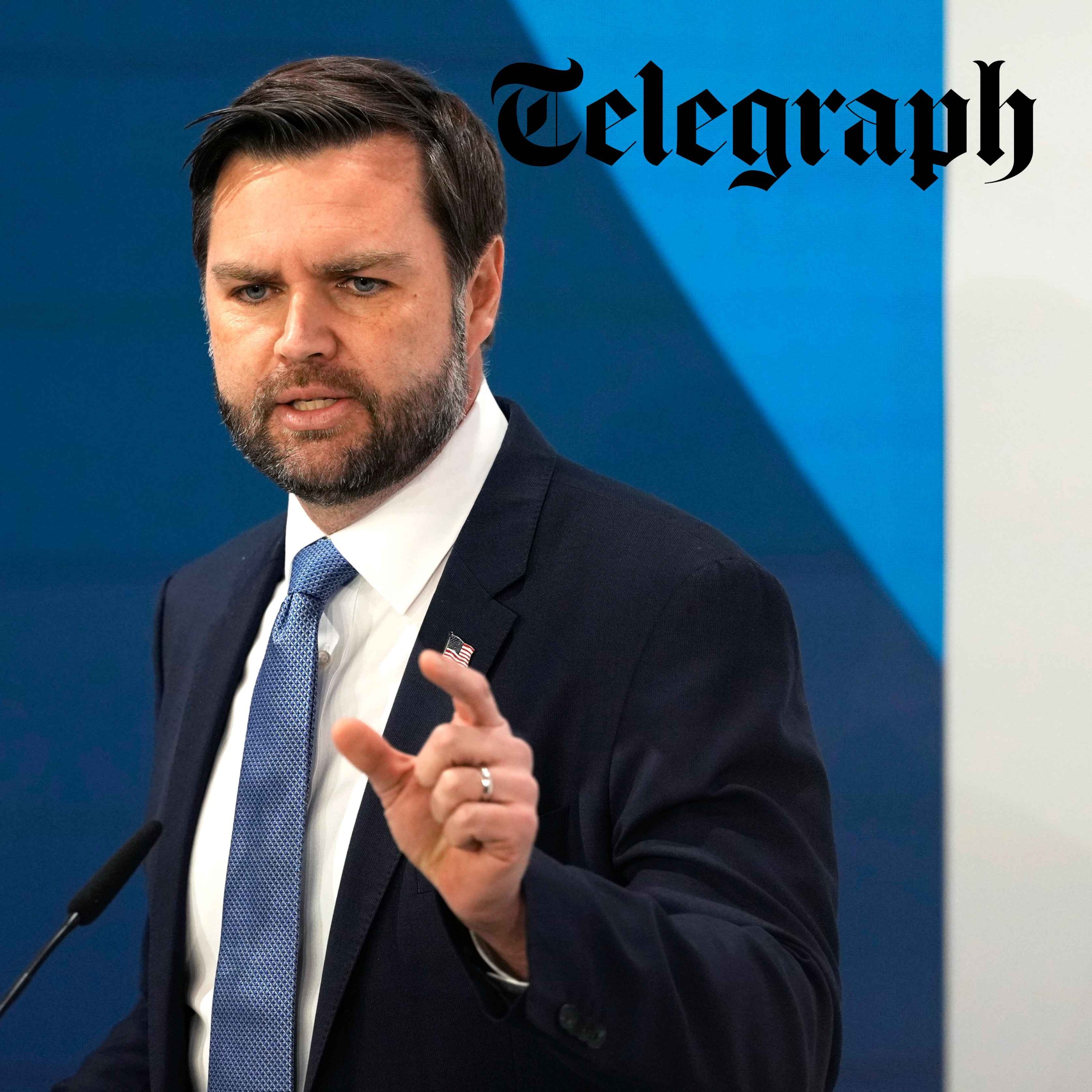
A year ago, JD Vance gave an explosive speech at the Munich Security Conference. It marked a fundamental shift in the relationship between the US and its European allies that have since been cemented through tariff wars, a new National Security Strategy and threats to take Greenland.  So has Europe risen to the challenge laid down by Donald Trump's administration and started to take care of its own security? Is there any trust left in the trans-Atlantic relationship? And will there be another attack on Europe at this weekend's Munich conference? Venetia and Roland chat to David Blair, Chief Foreign Affairs Commentator, and Joe Barnes, Brussels Correspondent to find out. Read Joe Barnes's story on how Europe ‘must become military superpower’ to survive without US: https://www.telegraph.co.uk/world-news/2026/02/11/europe-must-be-military-superpower-to-survive-without-us/Read David Blair's analysis: https://www.telegraph.co.uk/authors/d/da-de/david-blair/Pic credit: Matthias Schrader/APProducer: Peter ShevlinExecutive Producer: Louisa Wells► Sign up to our most popular newsletter, From the Editor. Look forward to receiving free-thinking comment and the day's biggest stories, every morning. telegraph.co.uk/fromtheeditorContact us with feedback or ideas:@venetiarainey@RolandOliphant Hosted on Acast. See acast.com/privacy for more information.
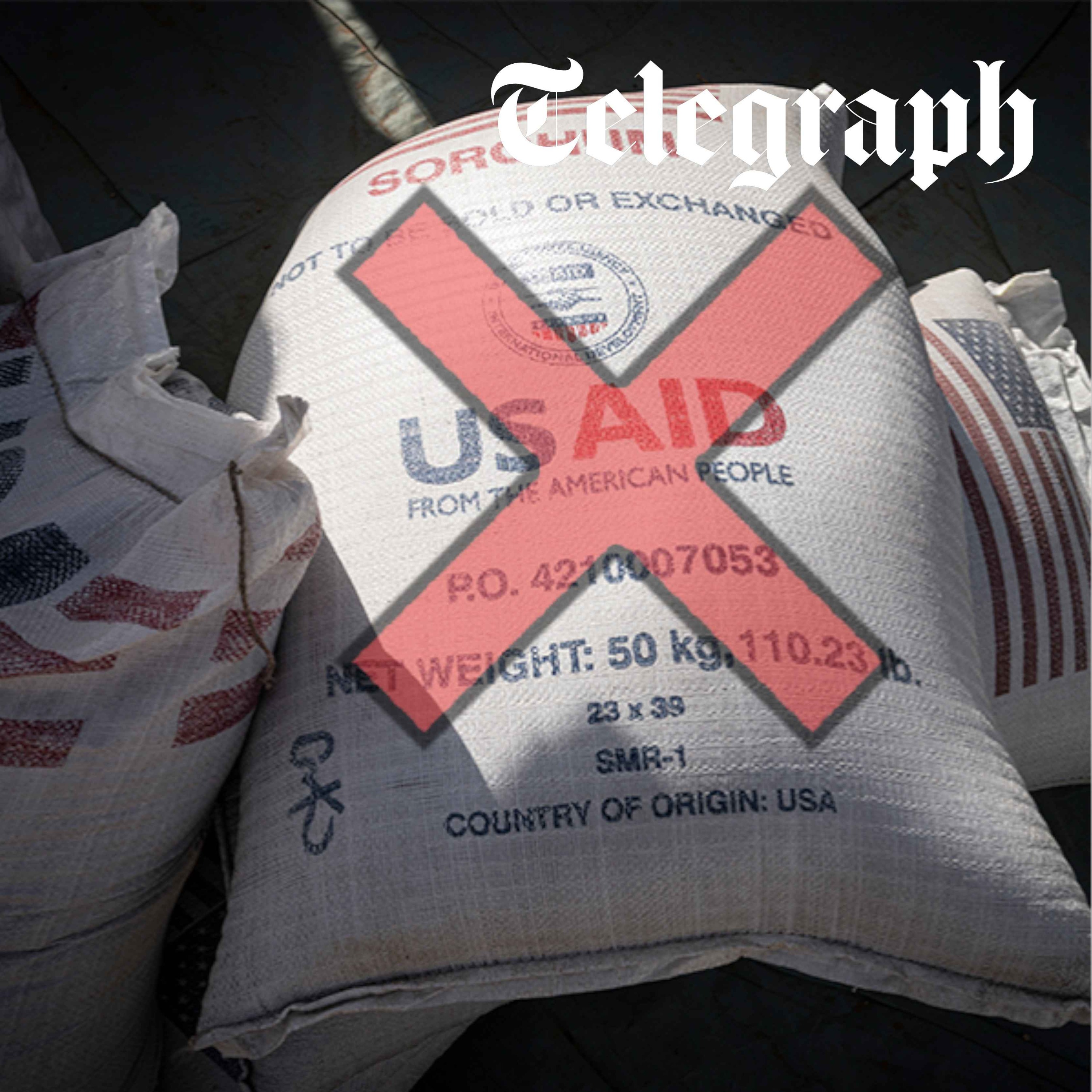
Nearly a year after Donald Trump shuttered USAID, the world is still reckoning with the consequences. But what really happened next?Venetia Rainey examines the fallout and what it means for global health, security, and stability. Joined by Global Health Security Editor, Paul Nuki, she explores how the abrupt withdrawal of America’s largest aid agency sent shockwaves through the global aid system, disrupted lifesaving programmes, and potentially contributed to millions of preventable deaths.They are joined by Angeli Achrekar, Deputy Executive Director of UNAIDS, and Kevin Melton, a former USAID official and now CEO of PAX Strategies, offering insider perspectives on what was lost and what may be emerging in its place.Producer: Sophie O'SullivanExecutive Producer: Louisa WellsStudio Operator: Meghan Searle► Sign up to our most popular newsletter, From the Editor. Look forward to receiving free-thinking comment and the day's biggest stories, every morning. telegraph.co.uk/fromtheeditorContact us with feedback or ideas:battlelines@telegraph.co.uk@venetiarainey@ascottgeddesPic credit: Simon Townsley Hosted on Acast. See acast.com/privacy for more information.
Donald Trump has moved the war for critical minerals from the margins of policy to the heart of great power rivalry. In this episode of Battle Lines, we look at Project Vault, America's bid to take back control of the critical minerals and rare earths supply chain from China. This bid to build a vast new stockpile and industrial strategy was unveiled at the inaugural US Critical Minerals Ministerial Summit last week. Supporters see it as a necessary first step to protect American industry and national security. Critics warn that for middle countries, it may simply shift dependencies rather than break them.Venetia talks to Sibylline Chief Analyst Sam Olsen to unpack what Project Vault really means, why processing matters more than mining, and how China has weaponised its dominance in ways OPEC never could. Plus, a deep dive on how Greenland fits into the West's rare earths strategy. Greenland Energy, Business and Mineral Resources Minister Naaja Nathanielsen on that Trump deal, Chinese influence and the challenges of mining on the island. Producer: Peter ShevlinExecutive Producer: Louisa Wells► Sign up to our most popular newsletter, From the Editor. Look forward to receiving free-thinking comment and the day's biggest stories, every morning. telegraph.co.uk/fromtheeditorContact us with feedback or ideas:@venetiarainey@RolandOliphant Hosted on Acast. See acast.com/privacy for more information.
Was Peter Mandelson's appointment as UK ambassador to the US a national security risk? Should the US and UK bomb Iran to spark regime change? Will Nato survive Trump? And how should European countries deal with the threat of China?British shadow defence secretary and former procurement minister James Cartlidge joins Roland and Venetia to discuss the biggest news stories in British and global defence at the moment, from Russia's Yantar 'spy ship' to the 'poison chalice' and beleaguered Ajax tank program.We want to hear why you enjoy Battle Lines! Email us: battlelines@telegraph.co.ukRead Sophia Yan's story on how China is powering Putin’s deadly new Oreshnik missiles: https://www.telegraph.co.uk/world-news/2026/01/28/china-helping-russia-build-nuclear-capable-missile/Read Roland's analysis of the Army’s £6bn Ajax disaster: https://www.telegraph.co.uk/news/2025/12/23/inside-army-ajax-disaster/Producer: Peter ShevlinExecutive Producer: Louisa Wells► Sign up to our most popular newsletter, From the Editor. Look forward to receiving free-thinking comment and the day's biggest stories, every morning. telegraph.co.uk/fromtheeditorContact us with feedback or ideas:@venetiarainey@RolandOliphant Hosted on Acast. See acast.com/privacy for more information.
This week, the New START treaty expires, ending the last remaining major nuclear arms control agreement between the United States and Russia. With no binding limits on the world’s two largest nuclear arsenals and China rapidly expanding its own, many fear the start of a new and dangerous era of proliferation.On this episode of Battle Lines: Global Health Security, Arthur Scott-Geddes and Sophie O’Sullivan are joined by Darya Dolzikova of the Royal United Services Institute and Matthew Bunn of Harvard Kennedy School to unpack why Donald Trump wants to rebuild America's nuclear stockpile and whether an arms race is already underway. As the Doomsday Clock edges closer to midnight, how worried should we be?Producer: Sophie O'SullivanExecutive Producer: Louisa WellsStudio Operator: Meghan Searle► Sign up to our most popular newsletter, From the Editor. Look forward to receiving free-thinking comment and the day's biggest stories, every morning. telegraph.co.uk/fromtheeditorContact us with feedback or ideas:battlelines@telegraph.co.uk@venetiarainey@ascottgeddes Hosted on Acast. See acast.com/privacy for more information.
The United States appeared poised for a major military confrontation with Iran after Donald Trump ordered a powerful naval force into the region in response to the killing of thousands of Iranian protesters. The expected strikes never came. Instead, Washington has shifted towards using military pressure as leverage for a renewed nuclear deal.Does this mark a genuine de-escalation? Or is it merely a pause before conflict? As diplomacy falters, tensions remain high and, inside Iran, the regime faces deepening political fractures as internet blackouts lift and grim details of last month’s massacres begin to emerge.Roland is joined by The Telegraph’s Akhtar Makoii and Sascha Bruchmann from the International Institute For Strategic Studies.Producer: Peter ShevlinExecutive Producer: Louisa Wells► Sign up to our most popular newsletter, From the Editor. Look forward to receiving free-thinking comment and the day's biggest stories, every morning. telegraph.co.uk/fromtheeditorContact us with feedback or ideas:battlelines@telegraph.co.uk @venetiarainey@RolandOliphant Hosted on Acast. See acast.com/privacy for more information.
Xi Jinping is purging again. Generals once seen as untouchable are gone, rivals erased, loyalty enforced through fear. Is this the move of a leader under real threat or the paranoia of a man who has ruled too long and trusts no one? To find out more, Venetia talks to Oriana Skylar Mastro, director of the Indo-Pacific Policy Lab at Stanford University’s Freeman Spogli Institute for International Studies.UK Prime Minister Keir Starmer has been to Beijing, the first British leader to do so in eight years, talking trade, visas and whisky tariffs while security concerns barely made the script. We hear from The Telegraph’s Ben Riley-Smith, behind the smiles come burner phones, burner laptops, fears of honey traps and even planes being bugged. Economic opportunity versus national security. Values versus power. Meanwhile Britain faces its own reckoning. Spies in Parliament. Phones hacked inside Downing Street. A vast Chinese mega embassy rising in central London amid warnings from MI5. Venetia is joined in the studio by The Telegraph’s Gareth Corfield and Rozina Sabur to discuss the extent of the national security threat posed by China.Read Rozina Sabur's hacking scoop: https://www.telegraph.co.uk/news/2026/01/26/china-hacked-downing-street-phones-for-years/Read Gareth Corfield's embassy scoop: https://www.telegraph.co.uk/news/2026/01/12/revealed-china-embassy-secret-plans-spy-basement/Read Colin Freeman's analysis: https://www.telegraph.co.uk/news/2026/01/27/general-zhang-youxia-chinas-nuclear-secrets/Producer: Peter ShevlinExecutive Producer: Louisa Wells► Sign up to our most popular newsletter, From the Editor. Look forward to receiving free-thinking comment and the day's biggest stories, every morning. telegraph.co.uk/fromtheeditorContact us with feedback or ideas:battlelines@telegraph.co.uk @venetiarainey@RolandOliphant Hosted on Acast. See acast.com/privacy for more information.
Gaza has entered the next phase of the peace process but is the ceasefire actually bringing peace?This week, Venetia Rainey and Arthur Scott-Geddes speak to Tess Ingram, UNICEF spokesperson who has just returned from four months on the ground. She outlines the humanitarian situation following the ceasefire, from winter shelters and malnutrition to unexploded ordnance, orphaned children, and the daily challenges facing civilians.Plus, The Telegraph’s Global Health Security Editor Paul Nuki examines Donald Trump’s controversial Board of Peace: how it works, why it has divided international allies, and what it could mean for disarming Hamas and the future of the conflict.Read Paul's article on how Northern Ireland can provide a roadmap for Gaza: https://www.telegraph.co.uk/world-news/2026/01/23/how-northern-irelands-peace-can-provide-a-roadmap-for-gaza/Producer: Sophie O'SullivanExecutive Producer: Louisa WellsStudio Operator: Meghan Searle► Sign up to our most popular newsletter, From the Editor. Look forward to receiving free-thinking comment and the day's biggest stories, every morning. telegraph.co.uk/fromtheeditorContact us with feedback or ideas:battlelines@telegraph.co.uk@venetiarainey@ascottgeddes Hosted on Acast. See acast.com/privacy for more information.
loading
Comments (19)

PathD

OUT OF THOSE PEOPLE WHO TOOK TO THE STREETS, GET TO IT THEN!💥PLEASE! CHOOSE YOUR LEADERS NOW AND mourn together! If people want their own DEMOCRACY leaders choose them and VOTE FOR YOUR NEW LEADER, TODAY!💥No time to protest then run away any more! I beg you to calm down and DO THE WORK! NOW IS THAT TIME TO JOIN TOGETHER! YOU MUST be BRAVE and create your OWN GOVERNMENT as IRANIANS! Do not expect those who have given you your pathway to make YOUR choices for you! THAT WAY IS WRONG!🙏🙏🙏🕊🌍

Mar 5th
Reply

PathD

⭐⭐⭐⭐⭐ I am grateful for your choice to focus on the Iran war. I am leary about hearing this will be a short war. I do agree that stopping Iran from completing nuclear weapons is a good cause for America to strike Iran. They have so many cultures in one country that have hated for many generations. I pray that those who protested in the streets now get to work and create their country that will honor all! Killing the Muslim leader for all Muslims worldwide takes this to a higher level of scary!!

Mar 4th
Reply

PathD

🌟🌟🌟🌟🌟 Without a doubt this podcast is a must listen daily to hear how the world is positioned towards their own agendas! This podcast helps me understand what is happening world over and how connected each are! More war in the Middle East for America, my country that I ❤, becomes locked in again for years.More tears because Iran has so many cultures! I pray the neighbors bombed by Iran take it over.I pray for🌍🕊 My prayers go out to the families of the world who have lost loved ones.🙏🙏

Mar 2nd
Reply

C muir

bunch of silly journalists honestly think the eu is something special. Trump is giving the eu some hard truths.

Feb 13th
Reply

PathD

The US public learned that China has set up it's own clandestine police stations across the country! They have no authority or legality in the USA! They trick or "disappear" the adopted American women of child bearing age they threw away back, to keep their race pure. Also "arrest" the Chinese that fled the country over political issues against the now regime.There have been 2 stations busted and kicked out of the US and ongoing operations are being done to remove all of these illegal stations.

Jan 31st
Reply

Sid Leake

Enjoyed the episode, but how do folks like me, born and bred in the US (1940) relate to the frame of reference not only to Xi Jinping but to his father. Their experiences seem to be totally alien. Yet the Nationalists who have a democracy (Taiwan) and those millions who've immigrated to the West, share Democracy's values quickly. it's like, who are these hundreds of millions Chinese who follow Xi Jinping? why don't they rise up and throw off their communist shackles?

Nov 24th
Reply

Nicola Concer

this is a brilliant report, well done The Telegraph!

Nov 9th
Reply

PathD

⭐️⭐️⭐️⭐️⭐️ My 1st listening today to Battle Lines. I have had my eyes opened up more of just how much our world has so much fighting and killing going on and their backers who provide their abilities to destroy the world's possibilities for peace. It saddens me. I have not looked online for the many specific places for their geographic locations in a very long time! This is a vital podcast for all of the world who cares about peace! Praying for all from the 🇺🇸 🙏🕊❤️🌏

Nov 2nd
Reply

Midnight Rambler

2016 dems and deepstate attempted assassination soft coup to remove trump. endless leaks impeachments,mass riots blm.. Conservative judges smeared etc but trumps the problem? ok...

Oct 20th
Reply

kazem ghalenoei

This episode features interviews with regime supporters, and defenders of the status quo, and someone widely seen as an apologist for the Iranian regime. There was no mention of the opposition — not even a single reference to Pahlavi, which, frankly, must have taken a remarkable amount of deliberate effort. Despite its appearance of neutrality, the episode is deeply biased and disconnected from reality. Shame on you.

Jun 28th
Reply

Pætrïck Lėő Dåvīd

I am on the British Columbia side of the Rockies right up there near Grand Prairie. I am a proud Canadian and I will defend Canada any way I can. to the seperatists: we are watching you!

Mar 19th
Reply

Samuli Riissanen

even my piss has more than Ny of them

Dec 24th
Reply

Samuli Riissanen

none of them had nothing

Dec 24th
Reply

kazem ghalenoei

Hi Venetia, I was listening to your podcast while driving through the streets of Tehran. I’m curious—are you required to maintain neutrality in your reporting? It seems evident that you’re taking sides with Islamist groups. I couldn’t help but wonder how your privileged, left-leaning guest might have felt if she had experienced the events of October 7th firsthand.

Dec 8th
Reply

Tony Lovell

I'd like to see the podcast focus on Ukraine. Israel is a hissy food-fight in comparison to the stakes of Ukraine's struggle.

Oct 14th
Reply (1)

Cameron Rose

Reminds me of CS Lewis's essay Fern Seeds and Elephants - where experts blow a tiny issue to greater significance than a more obvious elephant in the room. Climate is obviously an influence on war and violence. It has ever been so. The question is whether it is getting worse through human actions. The interviewee talks (wrongly) of climate extremes worsening and seems to assume we can halt the warming. Dressed up with a few kernals of truth this is alarmist propaganda. Daily Telegraph FAIL

Aug 22nd
Reply

kazem ghalenoei

let's be honest for a moment. you western so called democrats helped to remove Iran's Shah purely because you don't like a middle eastern superpower. it changed to dictatorship that hurts you and Iranian people too. I listened to many podcasts of yours and you never mentioned that "you" caused this chaos in the first place.I think it's important for you to admit that. not doing this, your jebrish talk about dictatorships and so on, is literally nonsense.

Aug 3rd
Reply

Boaz Cohen

there were no battle/military updates.

Oct 21st
Reply
loading