


 Claim Ownership
Spirituality in Leadership
Subscribed: 1Played: 3
Subscribe

© Andrew Cohn
Description
Spirituality in Leadership features a broad variety of leaders in profound, one-on-one conversations with host Andrew Cohn. Andrew and his guests explore how to bring spiritual dimensions to teams and workplaces, in service of creating more fulfillment, greater success and healthier organizations. Spiritual dimensions may or may not encompass religion, and broadly include one's deepest values, an awareness of the unseen yet certainly felt realms which exist beyond the tangible. This podcast investigates how we can engage these more profound realms and aspects of ourselves in our workplaces, and how we can incorporate the qualities of presence, acceptance, love, forgiveness, and peace in those spaces, because such qualities are needed in the workplace now more than ever before. Therefore, Spirituality in Leadership aspires to “de-dogmatize" and normalize the topic of spirituality, and to elevate its impact on people in the workplace. In each episode, Andrew gathers practical advice from the unique perspectives of his guests on the benefits of practical spirituality in their leadership. He explores how these leaders/teachers combine their own personal practices, development and spirituality to grow and to create better work cultures.
Andrew Cohn is the founder and president of Lighthouse Consulting LLC. Andrew is a counselor, executive coach and consultant who drives results through improved individual and team performance. A former attorney, his work helps leaders think more strategically, communicate more clearly and effectively, make better decisions, and lead from their values and personal purpose. Over the course of his career, Andrew has been an indispensable resource for leaders in the corporate world. He understands the drive many of us have to reach out and help people fully express themselves in the workplace; his mission involves supporting leaders who want to use their influence to make the world a better place.
The Spirituality in Leadership podcast not only provides access to Andrew’s 25+ years of experience as a counselor and advisor to leaders in a wide variety of business areas, and draws from his extensive educational background in international business, law, and spiritual psychology, but also it brings us each different guest's personal experience and wisdom. These healthy and authentic conversations inspire, encourage and challenge us to do our best work and they provide practical support for stronger leadership and more cohesive teams.
51 Episodes
Reverse
How often do we pause to ask ourselves, “Who am I?” or notice where our focus really is before making a choice? Can we find purpose not as a destination but as a gentle unfolding, and recognize that real power lies not in control, but in the ability to choose again and again?In this episode of the Spirituality in Leadership podcast, Andrew Cohn sits down with Russell Bishop to explore the intersection of leadership, personal transformation, and choice. Russell is a veteran leader in personal and organizational development, creator of Insight Seminars, and author of Workarounds That Work and From Self-Talk to Soul Talk. His work has impacted over a million people across 43 countries, guiding leaders and teams toward clarity, alignment, and purpose. Rather than pushing for dramatic change, he invites leaders to consider something subtler and more powerful: alignment with purpose.Together, they unpack the difference between decisions and choices, between chasing outcomes and understanding the experience we’re truly seeking. Russell offers compelling examples from aerospace, healthcare, and corporate strategy to show how clarity of purpose unlocks creativity, collaboration, and momentum, often in places where progress once felt impossible.At the heart of the episode is a simple but radical idea: real power comes from recognizing our ability to choose and choose again. When leaders learn to listen beyond self-talk and tune into what Russell calls “soul talk,” they create space for wiser action, deeper connection, and more humane organizations.This episode is an invitation to slow down, ask better questions, and lead from a place that’s both grounded and awake.Key TakeawaysAwakening is gentle: Lasting transformation and purpose emerge through inquiry by asking “Why does this matter?” not force or being told to wake up.Choice Over Decision: Decisions often close doors; choices keep possibilities alive.You are a transceiver: We constantly transmit and receive thoughts. The frequency with which we hold onto safety, possibility, or fear shapes teams and outcomes.Self-Talk vs. Soul Talk: The loud inner voice reacts from fear, while the quieter voice leads from wisdom and alignment.Reward the complainer: Complaints signal care. Inviting and rewarding constructive criticism turns resistance into innovation.In This Episode:[00:00] Awakening and purpose[01:32] Guest introduction: Russell Bishop[02:53] Conversation setup and welcome[04:01] Russell’s spiritual and activist background[06:05] Self-talk vs. soul talk[09:10] Awakening heart and transformation[10:16] Personal to professional: consulting journey[15:39] Purpose and fulfillment in modern times[16:39] The five whys and deepening purpose[17:57] Focus, choice, and empowerment[21:22] Decision vs. choice[23:20] Attachment to decisions and organizational behavior[30:12] Leadership, orders, and redefining success[31:14] Knowing when to quit: decision-making lessons[32:15] Medical device partnership case study[36:26] Fear vs. possibility and focus[38:44] Tuning in: the power of focus and preparation[44:02] Inner process and leadership support[45:20] Seeing the invisible: inner vision and leadership[48:49] Best practices and culture[50:34] Call center encouraging contributions and rewarding complaints[52:32] How to connect with RussellResources and LinksSpirituality in Leadership Podcasthttps://podcasts.apple.com/us/podcast/spirituality-in-leadership/id1713365406Russell BishopWebsite: https://www.russellbishop.comLinkedIn:https://www.linkedin.com/in/russellbishop1Email: russell@russellbishop.comRussell's Latest Book: From Self-Talk to Soul Talk: Being More of Who You Already AreRussell's Previous Book: Workarounds That WorkAndrew CohnWebsite: https://www.spiritualityinleadership.com/LinkedIn: https://www.linkedin.com/in/andrewcohnusa/Music: Kodiak: https://open.spotify.com/artist/4rURKtnJr3jeHvZ0IVRQCe
Imagine a young boy with cerebral palsy, limping into summer camp, quietly asking a teenage counselor to teach him how to tie his shoes, not because he couldn’t learn, but because he craved twenty minutes of undivided, caring attention from an adult who truly saw him. That small act of vulnerability sparked a lifelong mission for Stu Semigran, co-founder of the EduCare Foundation, to create spaces where every child, and every person, feels honored, valued, and capable of extraordinary growth.In this episode of Spirituality in Leadership, host Andrew Cohn reconnects with Stu Semigran to explore how love, compassion, and practical “Heartset®” principles can transform education, organizations, and leadership itself. Over 35 years, EduCare has reached hundreds of thousands of students, especially in underserved communities, proving that when cultures of kindness, listening, and forgiveness flourish, both academic results and personal fulfillment thrive.Stu shares his journey from a rebellious young teacher to nonprofit leader, illustrating how seeing the best in others, even when they cannot see it themselves, creates the Pygmalion Effect in real time. The conversation explores the eight Heartset skills: honoring, praising, heart-centered listening, choice, forgiveness, conflict resolution, turning challenges into opportunities, and service, showing how these timeless practices bridge spirituality and high-accountability environments naturally and effectively.This episode offers educators, leaders, and anyone seeking more heart in high-stakes settings both inspiration and actionable wisdom.Key TakeawaysAuthentic care and kindness create environments where learning thrives; people respond deeply when they feel seen and valued.Shift from cognitive growth to a "growth heartset" through eight skills: honoring, praising/encouraging, listening from the heart, power of choice, forgiveness, resolving conflict, using challenges as opportunities, and giving/receiving service.Believing in others’ potential helps them rise, shown by gains in test scores and graduations.Letting go of judgments frees energy for growth; it’s not excusing harm but releasing its lasting poison.Honest feedback, celebrating wins, and building trust turn organizations into learning cultures.Nurturing heart-centered skills helps youth grow into compassionate, courageous leaders, creating lasting hope and impact.In This Episode:[00:00] Introduction[01:36] Meet Stu Semigran, co-founder of the Educare Foundation[03:40] Stu’s story and his connection to spirituality in leadership[05:58] Growth and impact of Educare Foundation[06:31] Philosophy of education: curiosity and individuality[07:37] Serving underserved students and changing perceptions[09:57] Building a culture of caring and kindness in classrooms[12:03] Leadership in education and organizations[13:15] Being vs. doing in leadership[15:18] Stu’s spiritual framework and the principles that inform his work[23:30] The power of vulnerability and asking for help[25:26] Letting go and empowering others[27:19] The intersection of love and accountability in education leadership[29:52] Celebrating success and positive feedback[35:14] Defining forgiveness and letting go of judgments[37:21] Conflict resolution and the four truths[38:08] Service, giving, and the cycle of heart set skills[41:18] Youth leadership and service in action[43:28] Stu’s contact information Resources and LinksSpirituality in Leadership Podcasthttps://podcasts.apple.com/us/podcast/spirituality-in-leadership/id1713365406Stu Semigranhttps://www.amazon.com/Heartset-Education-Way-Living-Learning/dp/1735913030www.educarefoundation.comwww.greatergood.berkeley.eduwww.afterschoolalliance.orgAndrew CohnWebsite: https://www.spiritualityinleadership.com/LinkedIn: https://www.linkedin.com/in/andrewcohnusa/Music: Kodiak: https://open.spotify.com/artist/4rURKtnJr3jeHvZ0IVRQCe
Did you know that being truly present can impact your surroundings as much as an athlete's performance on the field? In this episode of Spirituality in Leadership, Andrew Cohn sits down with longtime friend, colleague, and leadership coach Stephen McGhee for a conversation about presence, wisdom, and leading from the inside out. Rather than offering formulas or techniques, Stephen shares a way of being, one rooted in listening, humility, and what he calls “keeping altitude.”The conversation explores how spirituality shows up in leadership without being imposed through language or labels. Stephen introduces his idea of a “ladder of consciousness,” where service and love sit at the highest rungs, and explains why leaders do more good when they resist inflicting their own beliefs and instead stay curious about how others experience meaning and integrity.A central theme is presence. Stephen reflects on how presence itself “pays,” not as a transaction, but because whatever we carry emotionally and spiritually gets transmitted into rooms, relationships, and decisions. Leaders, he suggests, shape outcomes simply by how present, grounded, and authentic they are.Stephen also shares his personal experience of losing his home in the Pacific Palisades fires. He speaks candidly about grief, rejecting “toxic positivity,” and honoring the importance of process, allowing pain, meaning, and gratitude to unfold in their own time. Through this story, the principles of presence, listening, and acceptance become real and lived.If you've faced unexpected hardship or seek ways to integrate spirituality practically into leadership and life, this episode is a must-listen.Key TakeawaysPresence Pays: Authentic presence transmits energy and value; it's contagious and foundational to effective leadership and relationships.Avoid Inflicting Language: Honor others' spirituality without imposing your own vernacular, keep "altitude" for genuine connection.Listening as Mastery: True listening includes content, context, and inner self-awareness to respond freshly, not reactively.Process Over Bypass: Grieve fully and avoid toxic positivity; proper processing turns pain into learning and strength.Use Everything for Advancement: Cooperate with what is, accept without judgment, and trust that challenges contribute to soul growth.Gratitude in the Present: Life's impermanence awakens deeper appreciation for moments, relationships, and unfolding grace.In This Episode:[00:00] Opening on spiritual guidance and not inflicting language[00:29] The ladder of consciousness and keeping altitude[02:38] How Andrew and Stephen met; shared spiritual community[04:16] Stephen's corporate roots and shift to soul-aligned leadership[07:34] Practical principles for inclusive spiritual conversations[10:34] Presence pays and what that really means[12:27] Authenticity in presence; impact on others[14:18] Getting present before conversations[15:41] The power of deep listening (content, context, inner)[18:18] Avoiding labels and prejudice for better connection[21:41] The Palisades Fire: Evacuation and immediate aftermath[23:56] Toxic positivity vs. healthy processing[26:44] Acceptance, grieving, and timing[28:30] Returning to the site; small victories amid loss[30:38] A profound sunset experience from the ashes[35:38] Where to find Stephen's workResources and LinksSpirituality in Leadership Podcasthttps://podcasts.apple.com/us/podcast/spirituality-in-leadership/id1713365406Stephen McGheehttps://www.mcgheeleadership.com/https://www.linkedin.com/in/stephenmcgheeleadership/Andrew CohnWebsite: https://www.spiritualityinleadership.com/LinkedIn: https://www.linkedin.com/in/andrewcohnusa/Music: Kodiak: https://open.spotify.com/artist/4rURKtnJr3jeHvZ0IVRQCe
In this episode of Spirituality in Leadership, Andrew Cohn sits down with Dr. Rodney King, philosophical coach, former martial arts practitioner, global educator, and scholar to delve into meaning, leadership, and what it really takes to live well. Rodney shares his extraordinary journey, from growing up in poverty in Johannesburg and surviving a violent environment, to becoming a globally respected martial arts teacher, and ultimately facing a life-altering health crisis that forced him to rethink everything.Rodney reflects on how martial arts first became a way to survive, then a profession, and eventually a doorway into something much deeper–philosophy as a lived practice. After decades of physical training, travel, and high performance, a diagnosis of CTE-like symptoms brought his fighting career to an abrupt halt. What could have been the end instead became a turning point. Through philosophy, solitude, and reconnecting with nature, Rodney began to ask different questions, not “How do I push harder?” but “What is the meaning of this moment?”Together, Andrew and Rodney delve into how modern culture’s obsession with speed, optimization, and productivity often pulls us away from our inner wisdom. Rodney challenges listeners to do the opposite of what the modern world demands, slow down, embrace unstructured time, and rediscover awe in everyday moments. From walking without a destination to simply being bored, these “unoptimized” practices become gateways to clarity, creativity, and healing.This episode is a thoughtful invitation to leaders, and all of us, to rethink success, listen more deeply, and reconnect with what truly matters. It’s not about having all the answers, but about learning to ask better questions and creating space for wisdom to emerge.Key TakeawaysFrom Toughness to Wisdom: Early survival instincts may build strength, but true leadership requires reflection, meaning, and inner authority.Crisis as Initiation: Health breakdowns and life disruptions can serve as powerful invitations back to purpose and authenticity.Philosophy as a Lived Practice: Philosophy is not theory. It is a way of engaging life, suffering, and leadership with depth and clarity.Doing the Opposite: Many leadership and wellbeing challenges are eased by resisting hustle culture and embracing slowness, patience, and presence.Asking Better Questions: Transformation begins not with answers but with reframing the questions we ask ourselves.Unoptimized Time Matters: Solitude, boredom, awe, and walking without goals create space for wisdom and creativity to emerge.Environment Shapes Behavior: Much modern anxiety and burnout stem from environments misaligned with human nature.In This Episode:[00:00] Opening reflections and Rodney’s early realization about toughness[01:24] Introduction to Dr. Rodney King and his global journey[04:11] Growing up in poverty and discovering martial arts[08:18] Military service and early leadership formation[09:58] Building a global martial arts practice[12:34] Health crisis, CTE-like symptoms, and identity collapse[15:01] Recovery, reflection, and returning to philosophy[17:36] Philosophy, martial arts, and the hero’s journey[23:24] Coaching through questions rather than answers[27:28] Meaning-making during crisis[31:08] Nature, solitude, and unoptimized practices[36:00] Awe, walking, and embodied wisdom[41:30] Modern culture, burnout[44:47] Doing the opposite as a leadership rebellion[50:52] Rodney’s work, resources, and closing reflectionsResources and LinksSpirituality in Leadership Podcasthttps://podcasts.apple.com/us/podcast/spirituality-in-leadership/id1713365406Rodney Kinghttps://www.linkedin.com/in/coachrodneyking/https://www.coachingphilosophia.orghttps://www.coachingphilosophia.lifeAndrew CohnWebsite: https://www.spiritualityinleadership.com/LinkedIn: https://www.linkedin.com/in/andrewcohnusa/Music: Kodiak: https://open.spotify.com/artist/4rURKtnJr3jeHvZ0IVRQCe
What’s the right way to bring spirituality into workplace conversations when everyone comes from different cultures and comfort levels? Is culture really the problem, or is it more about our ability to adapt and communicate in ways people can genuinely receive? And what about leaders who make tough decisions from a spiritual place, like keeping a 50-year-old who may never find another job while letting go of younger employees who can recover quickly–and even supporting them in finding new roles?In this episode, Andrew Cohn speaks with William Miller, co-founder of Values Centered Innovation and long-time explorer of the intersection between spirituality, creativity, and corporate leadership. Miller traces his journey back to a pivotal moment in the 1980s when mystical literature unexpectedly illuminated his work in innovation. That spark, he explains, revealed spirituality, business, and creativity as “facets of a single jewel,” a realization that has guided his work for four decades. He describes how ancient wisdom traditions, including the Bhagavad Gita, informed research on what energizes innovation, revealing three universal motivators: intention, connection, and action. These insights helped Miller develop practical models, such as his “creative journey” process, that cultivate psychological safety, courage, and authentic human connection within organizations.The conversation also explores cultural nuances in discussing spirituality at work, stories of leaders who ground tough decisions in compassion, and the shift from profit-first business models toward purpose-driven ones. Miller introduces his current project, Reclaiming the Soul of Leadership, a program that helps leaders explore their spiritual foundations, express them through values-based leadership, and foster communities rooted in wisdom and love. Key TakeawaysSpirituality, innovation, and leadership are deeply interconnected.Psychological safety grows when individuals feel seen and valued beyond their roles.Cultural context shapes how spiritual conversations can be introduced.Compassionate leadership fosters trust and can drive organizational transformation.Business is shifting from shareholder value to a broader focus on stakeholder wellbeing.Spiritual leadership comes from responding with calm rather than reacting from fear.True leadership development begins with inner exploration and reconnecting with the soul.In This Episode:[01:26] Introduction to William Miller[03:43] William Miller's journey[04:55] The intersection of spirituality and business[09:03] Implementing spirituality in corporate work[18:56] Cultural perspectives on spiritual conversations[19:07] Spiritual conversations being easier in some cultures compared to others[20:15] Telling the story and the think, act, innovation process[25:27] The control game and spiritual deficits[26:00] The notion of unconditional love in Christian tradition[27:13] Spirituality’s role in leadership behavior[27:48] Research on spirituality among executives[28:30] Case study: Lars Colon's turnaround at Oticon[32:47] Purpose of business: from shareholder wealth to stakeholder wellbeing[35:38] Making a clear distinction between spirituality and religion[38:09] Reclaiming the soul of leadership[43:55] The spiritual path in leadershipResources and LinksSpirituality in Leadership Podcasthttps://podcasts.apple.com/us/podcast/spirituality-in-leadership/id1713365406William MillerWebsite: https://consciousleadershipacademy.org/ / https://vci.globalThe Guild website:https://clgleaders.com/LinkedIn: https://www.linkedin.com/in/williamcmillervciBook: The Art of Spiritual Leadership in BusinessAndrew CohnWebsite: https://www.spiritualityinleadership.com/LinkedIn: https://www.linkedin.com/in/andrewcohnusa/Music: Kodiak: https://open.spotify.com/artist/4rURKtnJr3jeHvZ0IVRQCe
What if the key to better leadership wasn't about working harder, but about understanding a deeper, often ignored, inner hunger? What if the stress, reactivity, and burnout so common in leadership are actually symptoms of a spiritual and emotional famine?In this episode of Spirituality in Leadership, host Andrew Cohn sits down with Dr. Adrienne Youdim, a weight loss physician and mind-body medicine practitioner, to explore the concept of "inner hunger." Dr. Adrienne argues that beneath the surface of our busy lives and professional ambitions lies a universal hunger for validation, autonomy, respite, and self-compassion. When left unmet, we try to feed these hungers with distractions like overworking, people-pleasing, or perfectionism, leading to a cycle of stress and disconnection.Drawing from her new book, Hungry for More, and her own journey from a high-achieving "white coat" physician to a holistic practitioner, Dr. Adrienne makes a compelling case that leadership requires a foundational practice of self-awareness and self-care. She shares powerful, practical tools—from conscious breathing to body scanning—that literally change our physiology, quiet the noise, and allow us to access the "deep down" wisdom we all possess.This episode is an invitation to pause, recognize your own hungers, and learn how feeding them is not self-indulgent, but essential for clear-headed, intentional, and sustainable leadershipKey TakeawaysThe Second Hunger Beyond physical cravings lies an emotional and spiritual hunger, unmet needs that drive behavior and often lead us away from what we value.Hunger as a Messenger Adrienne encourages leaning in to hunger as information, a signal pointing toward what is missing or neglected.Agency as a Spiritual Practice Personal agency, the ability to direct one’s life, is closely linked to spirituality because it anchors empowerment and meaning.The Power of the Pause Breathing, walking, journaling, and stillness help create space between trigger and reaction, a key to accessing inner wisdom.The Physiology of Stress Chronic stress shuts down clear thinking and creativity. Simple practices like breathwork or body relaxation directly reset the nervous system.Universal Hunger After thousands of patient encounters, Adrienne observed that inner hunger is universal across age, profession, culture, and status.Creating Time for What You Value Time for well-being is not found. It is created. Personal health directly supports professional and relational health.In This Episode:[00:01] Introduction to emotional and spiritual hunger[04:21] Dr. Youdim’s background and upbringing[06:07] Agency, empowerment, and spirituality[09:21] Understanding and redirecting hunger[10:08] Types of hunger and neglecting needs[12:07] Spiritual hunger defined[14:53] Practical barriers to stillness[18:54] Tactics for accessing stillness[20:57] Breathing and physiological regulation[24:28] Stress response and leadership function[28:17] Guided relaxation and body awareness[32:55] Personal story: perfectionism and achievement[36:56] Integrating science, experience, and spirituality[39:19] Time, value, and well-being[41:05] Teachable moments and external triggers[43:25] Conclusion and resourcesResources and LinksSpirituality in Leadership Podcasthttps://podcasts.apple.com/us/podcast/spirituality-in-leadership/id1713365406Dr. Adrienne YoudimWebsite:https://www.dradrienneyoudim.com/Email: dr@dradrienneyoudim.comBook: Hungry for More: Stories and Science to Inspire Weight Loss from the Inside OutTEDx Talk: Your Hunger is the Key to Understanding Your Unmet NeedsAndrew CohnWebsite: https://www.spiritualityinleadership.com/LinkedIn: https://www.linkedin.com/in/andrewcohnusa/Music: Kodiak: https://open.spotify.com/artist/4rURKtnJr3jeHvZ0IVRQCe
What if the secret to becoming an unstoppable leader in this chaotic and noisy world wasn’t about pushing harder, but about slowing down long enough to hear that still, small voice inside you? In this episode of Spirituality in Leadership, host Andrew Cohn chats with Dacia Moore, a transformational speaker, counselor, and former nonprofit executive director who knows firsthand what it means to lead from a place of faith and renewal.Dacia opens up about her journey from the corporate and education worlds into the mental health space, where she found her true calling to help others move from burnout to breakthrough. She also shares insights from her inspiring book From Stuck to Unstoppable, where she guides readers to overcome fear, rediscover purpose, and build the courage to move forward with faith and clarity.Throughout the conversation, Dacia introduces her C.L.E.A.R. framework: Clarify, Learn, Expose, Align, and Replace. It’s a practical tool that helps leaders reconnect with who they are, silence the noise, and lead with authenticity. She and Andrew also talk about the value of “margin time,” those quiet, intentional pauses that allow us to step back, reflect, and make wiser decisions.This episode is a heartfelt reminder that leadership isn’t just about doing more. It’s about creating space to listen, grow, and let your inner wisdom lead the way.Key TakeawaysSpiritual Awakening Through Adversity: Dacia’s divorce became the catalyst for her spiritual and professional rebirth, inspiring her to help others navigate pain with faith and purpose.Faith as a North Star: Integrity, consistency, and inner guidance, what she calls listening to the Holy Spirit, are the foundation of resilient leadership.Leadership is an Inside Job: Your internal state, managing burnout, self-doubt, and overwhelm, directly impacts your effectiveness and the well-being of your team.Listen to Your Inner Voice: Whether you call it the Holy Spirit, intuition, or a gut feeling, learning to heed that "still, small voice" is a non-negotiable skill for wise decision-making.The CLEAR Framework: Dacia’s CLEAR framework (Clarify, Learn, Expose, Align, Replace) guides leaders to assess where they are, unlearn limiting beliefs, and cultivate habits that align with abundance and authenticity.In This Episode:[00:01] Dacia’s early career in hospitality and sales[00:28] Transition to mental health and education[01:01] Podcast introduction[03:10] Dacia’s leadership background and family influence[04:42] Lessons on leadership styles and personal growth[07:21] Professional journey: retail, hospitality, education, nonprofit[09:05] Entering the mental health nonprofit sector[12:07] Spirituality and integrity in leadership[13:39] Burnout, listening to inner voice, and career transitions[15:50] Inclusivity in spirituality and the inner voice[19:15] Rediscovering self and purpose[21:32] Current work: coaching, consulting, and book[24:28] The journey from stuck to unstoppable[29:00] The CLEAR framework for leadership development[31:57] Resources and ways to connect[33:20] Nonprofit sector challenges and hope[36:16] The importance of discernment and inner wisdom[36:45] Practical spirituality and quieting the mind[38:39] Tactics for breaking out of busyness[41:35] Closing remarks and contact informationResources and LinksSpirituality in Leadership Podcasthttps://podcasts.apple.com/us/podcast/spirituality-in-leadership/id1713365406Dacia MooreWebsite:https://www.secondwindcc.com/Personal Site:https://www.daciamoore.com/Newsletter: https://www.swsnippet.com/LinkedIn: https://www.linkedin.com/in/daciamooreswccBook: From Stuck to UnstoppableAndrew CohnWebsite: https://www.spiritualityinleadership.com/LinkedIn: https://www.linkedin.com/in/andrewcohnusa/Music: Kodiak: https://open.spotify.com/artist/4rURKtnJr3jeHvZ0IVRQCe
Have you ever walked into a room and instantly felt the energy shift before a single word was spoken? What if leadership isn’t just about what you say or do, but the energy you broadcast every day?In this episode of the Spirituality in Leadership podcast, Andrew Cohn sits down with executive coach Anna Pool to explore the true frequency of leadership and how our internal state quietly shapes every meeting, decision, and connection. Anna’s story is extraordinary. She spent 20 years in an ashram devoted to meditation, yoga, and service before her spiritual community collapsed under the weight of betrayal. That loss became her greatest teacher, leading her from the ashram to the boardroom, where she now helps leaders embody authentic, energetic presence.Together, they unpack Dr. David Hawkins’ Map of Consciousness and what it reveals about courage, fear, and the “green zone” of leadership, where creativity and clarity thrive. Anna shares how awareness and intention can transform not only your leadership, but the very atmosphere around you.It’s a fascinating look at how to lead with your energy, not just your words, and why what you broadcast matters more than you think.Key TakeawaysYour Energy Precedes You: Leaders are constantly broadcasting an emotional frequency that directly impacts team morale, engagement, and psychological safety.The Map of Consciousness: A visual model for understanding emotional states, from reactive, low-frequency zones (shame, fear, anger) to creative, high-frequency zones (courage, acceptance, love).Courage is the Threshold: Effective, purposeful leadership becomes consistently accessible at the level of "Courage," where we move from reactivity to possibility and choice.Non-Judgmental Self-Awareness is Key: The most critical skill for spiritual and leadership growth is the ability to observe your own state without criticism, creating space for conscious change.Practical Resets Work: Simple interventions like brief guided meditations or "green zone exercises" can quickly shift a group's energy, leading to more productive and insightful outcomes.Executive Presence Reimagined: The elusive quality of "executive presence" is deeply connected to one's ability to broadcast calm, confident, and creative frequencies.In This Episode:[00:01] Anna’s ashram years and early awakening[04:44] What led her to drop out of college and join the community[08:41] Roles and leadership within the ashram[09:51] Marriage, vows, and challenges of communal life[10:49] The scandal that changed everything[12:57] Transitioning from ashram life to professional coaching[16:07] Discovering Dr. David Hawkins’ Map of Consciousness[20:42] The importance of non-judgmental self-awareness[23:36] Connecting spiritual insight to corporate leadership[24:48] The “green zone” and the courage frequency[30:38] Feeling versus thinking, how emotion drives energy[33:09] How leaders broadcast energy and influence others[36:13] Introducing spirituality in business without alienating teams[38:18] Redefining executive presence through vibrational leadership[41:17] Anna’s book on possibility thinking[42:21] The “green zone” mindfulness exercise[43:31] Why energy work belongs in every leadership toolkit[45:07] Where to find and connect with AnnaResources and LinksSpirituality in Leadership Podcasthttps://podcasts.apple.com/us/podcast/spirituality-in-leadership/id1713365406Anna PoolWebsite:https://executivesavvyinc.com/LinkedIn: https://www.linkedin.com/in/anna-pool-26a61110/Book: Creating Futures That Matter: Facilitating Change Through Shared VisionAndrew CohnWebsite: https://www.spiritualityinleadership.com/LinkedIn: https://www.linkedin.com/in/andrewcohnusa/Referenced David Hawkins — Map of Consciousness ExplainedMusic: Kodiak: https://open.spotify.com/artist/4rURKtnJr3jeHvZ0IVRQCe
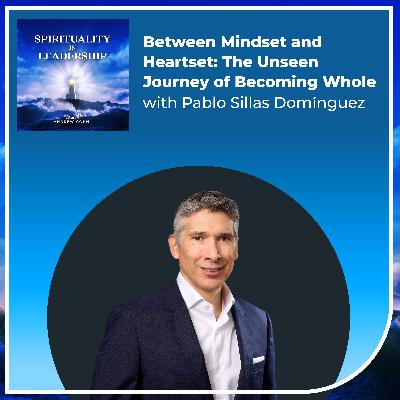
Have you ever stopped to ask yourself why you think the way you think? Or what drives the choices you make every day in your work, your relationships, your leadership?In this episode of the Spirituality in Leadership podcast, host Andrew Cohn speaks with Pablo Sillas Domínguez, a human relations executive and author of Heartset. Pablo shares his powerful personal journey from being a successful but workaholic HR director, whom he describes as the "wolf" of his own family, to embarking on a profound spiritual and transformational path.The catalyst for this change was a pivotal question from a coach: "Do you know why you think the way you think?" This launched Pablo on a years-long journey of introspection, unlearning, and integrating his reason with his emotions and intuition. He explains that this personal awakening mirrors a larger societal issue, where a hyper-competitive, ego-driven mindset has led to widespread stress and disconnection.Pablo introduces key concepts from his book, including "field thoughts," (the fusion of feeling and thinking), "charisms," (spiritual gifts), and “meditaction,” (combining meditation with action for the common good). He argues for bringing vulnerability and our whole selves into the workplace, moving from seeing people as disposable resources to recognizing them as indispensable individuals. The conversation offers a practical and aspirational framework for leaders to cultivate purpose, meaning, and healthier organizations.Key TakeawaysFrom ego to essence: Real transformation begins by asking honest questions about why we think and feel the way we do.Three pillars of being: Growth requires balance between reason, emotion, and intuition.The Heartset framework: Shifting from competition to awareness creates space for genuine connection and shared purpose.Unlearning to become: Letting go of old patterns and roles reveals authenticity and freedom.Vulnerability as strength: Honest openness builds empathy, trust, and deeper relationships in the workplace.Field thoughts and tharisms: Spiritual practices that turn personal growth into collective uplift.Meditation in action: True mindfulness lives in behavior, not just reflection.In This Episode:[00:01] Pablo’s awakening and spiritual transformation[03:27] Early career, success, and lessons from overwork[06:45] Realizing the cost of ego-driven ambition[08:15] The question that changed everything[10:01] Learning to feel, listen, and grow through awareness[12:25] The system and cultural conditioning of the ego[14:13] The missing half of human competencies[16:30] The path from ego to self to integration[18:14] Understanding “tharisms” and spiritual gifts[20:47] Unlearning to be yourself[23:10] Living authenticity within corporate systems[25:20] Vulnerability and seniority as mature leadership[28:26] Building trust through empathy[32:10] Introducing “field thoughts” and new paradigms for culture[39:19] Meditation and the call to act with awareness[42:11] Music, food, and creativity as channels for connection[45:12] Where to find Pablo’s book and playlists[46:23] Closing reflectionsResources and LinksSpirituality in Leadership Podcasthttps://podcasts.apple.com/us/podcast/spirituality-in-leadership/id1713365406Pablo Sillas DomínguezWebsite: https://pablosillas.com/LinkedIn: https://www.linkedin.com/in/pablosillas/?locale=en_USBook by Pablo Sillas Domínguez: Heartset: The Renaissance 2.0 of Sapiens and Conscious OrganizationsHeartset: https://a.co/d/2Z0MqN6Andrew CohnWebsite: https://www.spiritualityinleadership.com/LinkedIn: https://www.linkedin.com/in/andrewcohnusa/Music: Kodiak: https://open.spotify.com/artist/4rURKtnJr3jeHvZ0IVRQCe
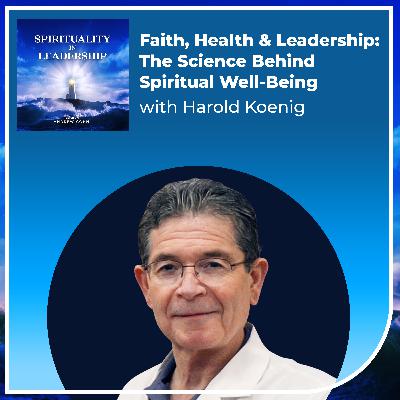
What if the key to a longer, healthier, and more successful life isn’t found in a diet or workout plan, but in what you believe, where your faith itself could help you live longer and thrive?In this compelling episode of the Spirituality in Leadership podcast, host Andrew Cohn sits down with Dr. Harold Koenig, a preeminent scholar from Duke University's Center for Spirituality, Theology and Health. With over four decades of research, Dr. Koenig shares powerful, evidence-based insights on the undeniable connection between religious faith and well-being.He reveals how faith, on average, leads to greater happiness, better mental health, and even a longer lifespan by 7-14 years. The mechanisms are clear: faith provides meaning, fosters strong social support, and encourages healthier behaviors. But what about non-believers? Dr. Koenig discusses his book, Spiritual Readiness, explaining that anyone can achieve similar benefits by cultivating a positive belief system, a strong community, and moral habits, though he notes this is often easier within a religious framework.The conversation also explores the practical application of this research in leadership and healthcare, highlighting how faith-inspired leaders often create more inclusive and productive workplaces. This episode is a fascinating look at how nurturing our spiritual core can be a profound asset for personal and professional success.Key TakeawaysFaith and health are scientifically linked: Decades of peer-reviewed research show that religious or spiritual belief correlates with greater happiness, longer life expectancy, and better mental health.Non-believers benefit too: A positive belief system, moral habits, and strong social connections can provide similar health outcomes though sustaining them without a faith tradition can be challenging.Global evidence: Studies in Christianity, Islam, Judaism, Hinduism, and Buddhism consistently reveal similar patterns of improved health and resilience.Healthcare opportunity: Despite overwhelming evidence, most healthcare systems neglect patients’ spiritual needs, though medical schools are slowly integrating this dimension into training.In This Episode:[00:01] Opening remarks and research overview[00:22] Non-believers and health benefits[00;57] Podcast introduction and guest background[03:55] Dr. Koenig’s center and research mission[05:04] Approaching the religion-health connection[06:45] Personal motivation for teaching[07:36] Center’s and personal research objectives[08:19] Most compelling recent research[09:28] Epidemiological evidence and health outcomes[10:03] Mechanisms behind health benefits[11:29] International research and consistency[12:14] Health behaviors among the religious[13:34] Human nature and self-control[15:34] Global interest in spirituality-health research[17:36] Acceptance and accessibility of research[18:11] Resources for further learning[19:23] Spirituality in the workplace[20:22] Religious faith and leadership qualities[21:52] Communicating research to business leaders[22:58] Application in healthcare leadership[25:33] Trends in healthcare spirituality[26:30] Optimism for future integration[27:39] Religion and optimism[29:18] Where to learn more[30:13] Closing remarksResources and LinksSpirituality in Leadership Podcasthttps://podcasts.apple.com/us/podcast/spirituality-in-leadership/id1713365406Dr. Harold KoenigWebsite: https://spiritualityandhealth.duke.edu/LinkedIn: https://www.linkedin.com/in/harold-koenig-5a1544283Books by Dr. Harold Koenig: The Healing Power of Faith, Spiritual Readiness: A Guide for Non-Believers, and Handbook of Religion and Health (3rd Edition, 2024)Andrew CohnWebsite: https://www.spiritualityinleadership.com/LinkedIn: https://www.linkedin.com/in/andrewcohnusa/Music: Kodiak: https://open.spotify.com/artist/4rURKtnJr3jeHvZ0IVRQCe
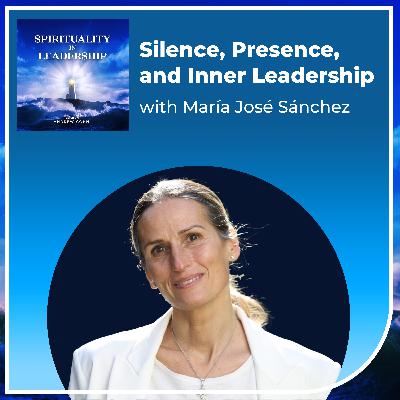
What if the most powerful tool a leader has isn’t a strategy, a speech, or even a brilliant plan, but is instead silence? In this episode of the Spirituality in Leadership podcast, Andrew Cohn sits down with María José Sánchez, a leadership consultant, executive coach, and author based in Madrid, Spain.During the conversation, María shares her fascinating journey from telecommunications engineer to leadership mentor, showing how she combines her analytical, scientific side with the deeper wisdom of silence and spirituality. She talks about how silence reshaped her leadership style, helping her move from being pushy and results-driven to leading with calm, presence, and authenticity. For her, true leadership impact begins from within, by taking time to pause, reconnect with yourself, and then return to the outside world with clarity, energy, and insight.She also introduces her idea of “spiritual snacks,” short pauses throughout the day to recharge and realign, and her “five-finger rule,” a practical tool for managing thoughts that reminds leaders to take ownership of their inner state, let go of unhelpful thinking, and focus on positivity, resilience, and trust.María highlights her books and her digital leadership platform, Lidero, which offers simple, accessible lessons from her decades of experience. This episode is an inspiring reminder that real leadership always starts from within.Key TakeawaysLeadership impact comes from the inside; silence fosters wisdom, clarity, and presence.Experience precedes understanding; leaders must invite others into experiences, not just explanations.Daily practices of silence, meditation, and “spiritual snacks” keep leaders grounded and energized.Self-discipline is essential for freedom and sustained transformation, much like physical training.Preparation is less about perfect words and more about the state of being a leader brings into the room.True leadership is a virtuous cycle: inner stillness fuels outer effectiveness, which in turn deepens inner growth.In This Episode:[00:00] Introduction[01:19] Introduction to María José Sánchez[03:31] María's journey from engineering to leadership[06:41] The power of silence in leadership[10:25] Practical applications of inner wisdom[14:56] Inviting leaders to experience inner wisdom[18:34] Daily practices for inner connection[23:36] The importance of inner state in conversations[24:47] A magical moment with the CEO[26:02] The role of preparation and presence[26:51] Spirituality in leadership[28:33] Self-discipline and daily practice[32:45] Navigating change and uncertainty[35:38] The five finger rule for managing thoughts[39:32] María Jose's books and resources[43:44] Conclusion and final thoughtsResources and LinksSpirituality in Leadership Podcasthttps://podcasts.apple.com/us/podcast/spirituality-in-leadership/id1713365406María José SánchezWebsite: sanchezyagoo.comLeadership Consultancy: creatingahuman.comLeadership Platform: aceleratolead.comLinkedIn: mariajosesanchezyagoBook shop: https://sanchezyago.com/product-list/Andrew CohnWebsite: https://www.spiritualityinleadership.com/LinkedIn: https://www.linkedin.com/in/andrewcohnusa/Music: Kodiak: https://open.spotify.com/artist/4rURKtnJr3jeHvZ0IVRQCe
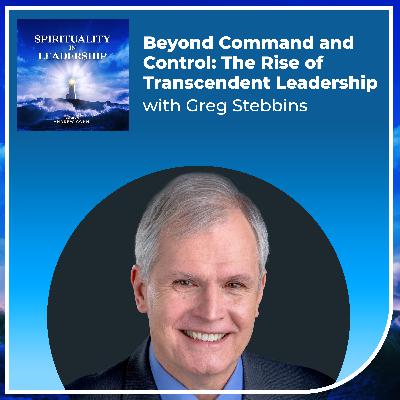
In this episode of the Spirituality in Leadership Podcast, host Andrew Cohn speaks with Greg Stebbins, a pioneer in the intersection of spirituality, wisdom, and leadership. With decades of experience as a coach, consultant, and educator, Greg shares the importance of self-inquiry, values alignment, and transcendent leadership—an approach rooted in reflection, presence, and authentic connection.Greg reflects on his upbringing in a military family, his spiritual journey (inspired by his mother, “Swami Mommy”), and his path from sales and consulting to founding his leadership development practice. He emphasizes that true leadership requires ongoing wisdom development, aligning beliefs and values, and uncovering the authentic self beneath ego-driven facades.Together, Andrew and Greg explore how prayer, meditation, and contemplation foster clarity, how leaders can embody presence rather than simply perform it, and why younger generations are demanding congruence between words and actions in business. Their conversation weaves personal stories, practical tools, and deep reflections on what it means to lead from the inside out.Key TakeawaysSpirituality and wisdom are deeply connected, and leadership growth comes from developing inner wisdom.Transcendent leadership goes beyond charisma and relies on authentic presence and self-awareness.Gen Z leaders and employees expect alignment between words and actions, with little tolerance for hypocrisy.Practices like prayer, meditation, and contemplation bring clarity to decision-making, emotions, and vision.A leader’s values shape their organization’s purpose, making values alignment critical for trust and direction.Genuine presence cannot be faked; it emerges naturally from compassion, empathy, and love.In This Episode:[00:01] Historical connection between spirituality and wisdom[01:00] Introducing the podcast and guest[03:39] Greg’s background: military family and spiritual beginnings[07:20] Professional path: sales, consulting, and leadership[10:01] Shifts in business receptivity to spirituality[11:42] Practices for integrating spirituality in leadership[15:49] Wisdom through experience and self-inquiry[19:06] Never-ending wisdom and interpersonal skills[20:34] Defining meditation, contemplation, and prayer[22:30] Values hierarchies and organizational alignment[24:17] Ego vs. authentic self in leadership[25:39] Charisma, presence, and holding space[27:12] Generational learning and leadership evolution[28:43] Ego’s role and command-and-control cultures[29:08] Reconciling military upbringing with spiritual path[33:27] Self-inquiry, self-reflection, and wisdom moments[35:56] Challenges with 360-degree feedback[39:36] Self-awareness and organizational alignment[41:07] Respecting values and purpose in teams[42:48] Closing and contact informationResources and LinksSpirituality in Leadership Podcasthttps://podcasts.apple.com/us/podcast/spirituality-in-leadership/id1713365406Gregg StebbinsPhone contact: (310) 433-5020Website: https://peoplesavvy.com/LinkedIn: https://www.linkedin.com/in/gregstebbinsAndrew CohnWebsite: https://www.spiritualityinleadership.com/LinkedIn: https://www.linkedin.com/in/andrewcohnusa/Music: Kodiak: https://open.spotify.com/artist/4rURKtnJr3jeHvZ0IVRQCe
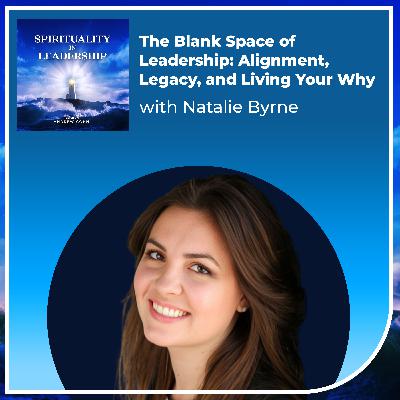
In this episode of the Spirituality and Leadership podcast, host Andrew Cohn sits down with Natalie Byrne, founder of the impact and communications firm, Blank Space. Natalie shares her unique approach to helping brands, philanthropists, and leaders align their values with their work, whether it's launching a foundation, shaping a brand's legacy, or navigating a company through big transitions. Her methodology, “Blank Space,” is all about clearing the noise, getting centered, and building from a place of deep intention and purpose.Natalie and Andrew explore how spirituality, personal alignment, and humanness play a powerful role in leadership today. From her work with global companies to advising families on their philanthropic efforts, Natalie emphasizes the importance of living your legacy every day, not just leaving one behind. The conversation flows with warmth, humor, and authenticity, touching on everything from meditation and embodiment to corporate strategy and systems change. If you’ve ever wondered how your values can fuel your work in meaningful ways, this episode is full of insight.Key TakeawaysBlank Space Is a Leadership Practice: Creating “blank space” means removing the noise, making room for clarity, and allowing alignment and intuition to guide action.Legacy Starts Now: Legacy is not what you leave behind. It’s how you live every day. Whether you’re a parent, philanthropist, or executive, you’re always building it.Alignment Beats Overwhelm: Saying no to what doesn’t align with your values opens up the space to do what matters most with impact and ease.Language Shapes Leadership: Words like “climate change” or “diversity” carry weight. Reframing with inclusivity can unite rather than divide.Leadership Is Human: Congruence across our spiritual practices, business lives, and everyday actions is the future of meaningful leadership.In This Episode:[00:02] Introduction and setting the stage[03:16] Natalie’s path and Blank Space origins[06:39] Leadership and societal impact[08:32] Spirituality, alignment, and everyday practice[11:09] Defining Blank Space[14:23] Blank Space in action and methodology[16:28] Blank Space method: process and application[19:45] Legacy, storytelling, and brand language[21:34] Overcoming resistance and creating alignment[23:26] The power of language and framing[25:12] The role of saying no and strategic focus[28:29] Client examples and impact stories[33:18] Spirituality, values, and inclusive language[36:13] Humanness, nature, and reducing categories[38:02] Opportunity for reflection and kindness[40:25] Alignment, embodiment, and leading with heart[41:21] Closing and where to learn moreResources and LinksSpirituality in Leadership Podcasthttps://podcasts.apple.com/us/podcast/spirituality-in-leadership/id1713365406Natalie ByrneWebsite: https://www.blankspaceworks.com/LinkedIn: https://www.linkedin.com/in/nataliebyrneAndrew CohnWebsite: https://www.spiritualityinleadership.com/LinkedIn: https://www.linkedin.com/in/andrewcohnusa/Music: Kodiak: https://open.spotify.com/artist/4rURKtnJr3jeHvZ0IVRQCe
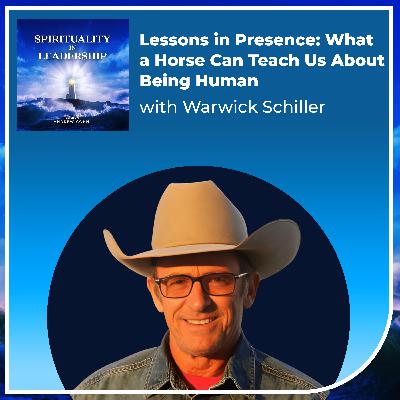
In this episode of Spirituality in Leadership, Andrew Cohn sits down with world-renowned horseman Warwick Schiller for a deeply personal and profound conversation on transformation, emotional intelligence, and the unexpected teachers in life: horses. Warwick opens up about his journey from high-level competition and the pursuit of external validation to a more grounded, spiritually attuned approach to life and horsemanship. What started as trying to “fix” a talented but quirky horse became a mirror that revealed suppressed emotions, judgmental thinking, and the need for deeper connection with self and others. That turning point led him to therapy, self-inquiry, and eventually, the work of Brené Brown, whose insights on vulnerability and emotional suppression hit him like a lightning bolt.Warwick shares how therapy, vulnerability, and learning to truly “see” rather than judge, whether a horse or a human reshaped not only how he trains, but how he lives. He explores how presence, empathy, and self-awareness create real leadership, both in and out of the arena. If you’ve ever felt that personal growth could come from the most unlikely of places, this episode is for you.Key TakeawaysHorses Mirror Our Inner State: Often, the behavior we’re trying to “fix” in others, horse or human, reflects unresolved energy within ourselves.Presence Over Patience: True leadership comes from being deeply present, not just waiting for a desired outcome.Judgment Undermines Connection: Becoming aware of judgmental thoughts, especially self-judgment, creates space for compassion, clarity, and healing.You Can’t Lead What You Haven’t Met in Yourself: Personal growth and leadership are intimately tied; as we heal ourselves, we lead better.Functional Doesn’t Mean Whole: Like people, some horses appear to perform well but are emotionally shut down. Healing begins with seeing.The Universe Responds to Purity of Intention: True service, offered without expectation, opens unexpected doors.In This Episode:[00:00] Introduction and personal realization[00:16] The transformative power of horses[01:00] Introduction to Warwick Schiller[02:38] Warwick Schiller's journey and insights[04:49] The shift from competition to personal growth[08:06] Therapy and emotional awareness[10:15] Impact of therapy on horse training[23:38] Judgmental thoughts and personal growth[35:06] The magic of giving without expectation[39:58] Exploring sensitivity: Horses vs. humans[42:46] Understanding the root cause: The five whys[45:07] Patience vs. presence: Lessons from horses[51:37] Seeing without judgment: A new perspective[01:00:52] The power of purpose: A personal journey[01:10:50] Conclusion: Applying wisdom beyond horsesResources and LinksSpirituality in Leadership Podcasthttps://podcasts.apple.com/us/podcast/spirituality-in-leadership/id1713365406Warwick SchillerWebsite: https://go.warwickschiller.com/online-horse-trainerLinkedIn: https://www.linkedin.com/in/warwick-schiller-23b76968Facebook Fanpage: https://www.facebook.com/Warwickschillerfanpage/Facebook Group: https://www.facebook.com/groups/WarwickSchillerPerformanceHorsemanship/YouTube: https://www.youtube.com/warwickschillerAndrew CohnWebsite: https://www.spiritualityinleadership.com/LinkedIn: https://www.linkedin.com/in/andrewcohnusa/Music: Kodiak: https://open.spotify.com/artist/4rURKtnJr3jeHvZ0IVRQCe
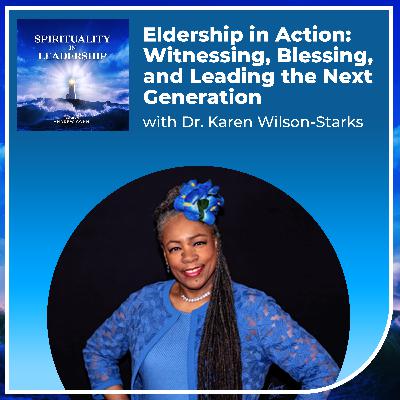
In this powerful episode, host Andrew Cohn speaks with Dr. Karen Wilson-Starks, clinical psychologist, executive coach, and host of The Voice of Leadership podcast. With decades of experience, including as an Army psychologist and senior faculty at the Center for Creative Leadership, Dr. Karen shares how deep faith and a spirit of service have shaped her approach to leadership.Karen opens up about her early struggles to integrate spirituality with psychology and how she became a pioneering voice encouraging others to bring their whole selves, including their spiritual dimension, into the workplace. She reflects on the meaning of eldership as witnessing and blessing, and how modeling peace and presence can be more powerful than words.Together, Andrew and Karen explore how spiritual grounding, especially her Christian faith, can support leaders through uncertainty, foster inclusive workplaces, and serve as an anchor in turbulent times. Whether it’s leading through riots, coaching executives one-on-one, or mentoring the next generation, Karen’s presence and perspective offer wisdom for leaders of all kinds.Key TakeawaysLeadership begins with self-leadership. As Karen says, “You are the instrument of your leadership” — and that instrument needs regular tuning.Spirituality adds depth to leadership. Leaders of faith can draw from inner peace, presence, and purpose — even in secular settings.Eldership means modeling, mentoring, and blessing. Being an elder is about showing what’s possible and supporting others on their path.Peace is contagious. A grounded leader sets the emotional tone for an entire organization.Respectful inclusion is essential. Faith-based leadership can be offered with openness and humility, never imposition.We influence more than we know. Whether through family, clients, or peers, our presence creates ripples beyond our awareness.In This Episode:[00:00] Introduction to eldership and wisdom[01:06] Welcome to the podcast[01:41] Introducing Dr. Karen Wilson-Starks[05:13] Dr. Karen's journey in psychology and spirituality[06:14] Challenges in combining psychology and spirituality[09:55] The role of elders in different cultures[12:59] The importance of role models[17:20] Spirituality in leadership[18:34] Integrating faith in professional settings[23:57] Leveraging faith to lead with peace[25:44] The CEO's influence on organizational peace[26:14] Finding personal peace in leadership[27:13] Jesus as a model for peaceful leadership[28:03] Modeling peace in the workplace[29:26] The impact of faith on leadership[33:08] Changes in workplace spirituality[39:30] Balancing faith and inclusivity in leadership[40:49] Practical examples of faith in leadership[44:42] Conclusion and resourcesResources and LinksSpirituality in Leadership Podcasthttps://podcasts.apple.com/us/podcast/spirituality-in-leadership/id1713365406Dr. Karen Wilson-StarksPodcast: The Voice of LeadershipWebsite: https://transleadership.com/YouTube: https://www.youtube.com/channel/UCbX0XrG1TknGthurUMnFXdAEmail: drkaren@transleadership.comBook: Lead Yourself First: The Senior Leader’s Guide to Engaging Your People for Greater Performance and ImpactAndrew CohnWebsite: https://www.spiritualityinleadership.com/LinkedIn: https://www.linkedin.com/in/andrewcohnusa/Music: Kodiak: https://open.spotify.com/artist/4rURKtnJr3jeHvZ0IVRQCe
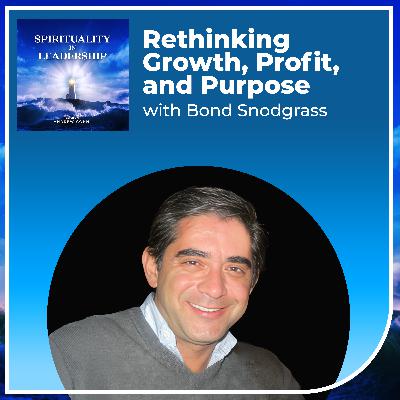
In this eye-opening episode of the Spirituality in Leadership podcast, host Andrew Cohn is joined by Bond Snodgrass—banker, sustainability entrepreneur, and creator of Awakened Economics—for a rich conversation about reimagining how we lead, measure success, and shape the systems we live in.Bond shares his personal journey from the high-stakes world of global finance to a deeper spiritual awakening sparked by a health crisis. That turning point led him to question the economic assumptions we take for granted—especially the idea that growth always equals progress. Together, Bond and Andrew explore how leaders can bring more consciousness into business—without sacrificing performance.From ESG investing and stakeholder capitalism to redefining what we even mean by “value,” this episode offers bold ideas and grounded insights for leaders who want to build organizations that serve both people and the planet. It’s part vision, part toolkit—and all heart.Ready to rethink what leadership and economics can be? Hit play and join the conversation.And don’t forget to subscribe so you never miss an episode that challenges, inspires, and uplifts your leadership journey. Key TakeawaysSpirituality in business is possible: High-consciousness leadership doesn’t negate profitability—it deepens responsibility.Stakeholder capitalism expands the definition of who matters in business beyond shareholders to include employees, communities, and the planet.Sustainability is multidimensional: It encompasses economic viability, social responsibility, and environmental stewardship.Young professionals care: Gen Z and Millennials are driving demand for purpose-driven companies and ESG transparency.Economics can evolve: Bond’s “awakened definition” of economics centers on interdependence, service, and sustainable well-being—replacing outdated models of infinite self-interest.Progress, not perfection: Even small commitments to sustainability or spiritual values by leaders can make meaningful shifts.In This Episode:[00:00:01] Bond’s spiritual awakening and health crisis[00:00:52] Introduction to the podcast and guest[00:03:57] Bond’s career journey and spirituality[00:07:04] The genesis of awakened economics[00:08:24] High consciousness in business[00:09:31] Defining spirituality and connection[00:10:39] Applying spirituality to business and sustainability[00:11:38] Community and the conscious business movement[00:13:01] Shareholder vs. stakeholder capitalism[00:14:22] Three pillars of sustainability[00:16:18] Defining sustainability and its origins[00:17:52] Theoretical vs. practical impact for leaders[00:19:08] Progress and CEO commitment[00:20:55] ESG reporting and market demand[00:23:10] Growth and pushback in ESG investing[00:25:04] Complexity and lack of standards in sustainability[00:26:53] Challenges for corporations in sustainability[00:27:56] Responding to business leader skepticism[00:30:13] Benefits of sustainability for business[00:32:42] Sustainable finance and green bonds[00:32:56] Regional differences in sustainability practices[00:35:26] Trends and the future of sustainability[00:37:09] Challenges in ESG implementation[00:38:15] Political pushback and communication issues[00:39:30] Economic benefits of sustainability initiatives[00:41:26] Introduction to awakened economics[00:41:33] Critique of neoclassical economics[00:44:06] Proposing a conscious economic model[00:46:25] Awakened definition of economics[00:49:41] Resources and closingResources and LinksSpirituality in Leadership Podcasthttps://podcasts.apple.com/us/podcast/spirituality-in-leadership/id1713365406Bond SnodgrassLinkedIn: https://www.linkedin.com/in/bond-snodgrass-99274932/enAwakened Economics: https://awakenedeconomics.substack.com/Andrew CohnWebsite: https://www.spiritualityinleadership.com/LinkedIn: https://www.linkedin.com/in/andrewcohnusa/Music: Kodiak: https://open.spotify.com/artist/4rURKtnJr3jeHvZ0IVRQCe
In this episode of the Spirituality in Leadership podcast, host Andrew Cohn sits down with Rebecca Wilson, executive coach, mindfulness teacher, and founder of Arborvida, an organization dedicated to helping leaders cultivate self-awareness, purpose, and conscious leadership from the inside out.Together, they explore what happens when leaders slow down, cut through the noise, and reconnect with their deeper sense of meaning. Andrew and Rebecca dive into why leadership is ultimately an inner journey and how greater self-awareness, intention, and presence can transform the way we lead, make decisions, and show up for others.They also unpack real challenges leaders face, like burnout, overwhelm, and the constant pressure to “do more,” while offering practical tools to lead with clarity, impact, and fulfillment, whether it’s honoring silence in meetings, setting clear intentions, or creating space for reflection.Rebecca also shares details about her latest initiative, The Conscious Leaders Collective – a peer-driven community supporting mindful, purpose-driven leaders navigating today’s fast-paced, high-pressure environments.If you’re a leader looking to expand your impact, avoid burnout, and lead with more presence, this episode offers valuable insights and inspiration for the journey.Key TakeawaysLeadership is an inside job. True leadership starts with self-awareness, reflection, and intentional action.Quiet the noise to hear your inner compass. Slowing down reveals the subtle insights that guide purpose-driven leadership.Small practices create big shifts. Moments of silence, pausing to set intentions, and simple reflective questions help leaders reconnect with what matters.Leaders shape culture through energy, not just words. How you show up impacts your team as much as what you say or do.Spirituality in leadership is human, not hierarchical. It’s about connection, fulfillment, and meaning, not religion or exclusion.Community matters. Peer-to-peer spaces for reflection help leaders stay anchored in their values and purpose.In This Episode:[00:00] Introduction to the invitational approach[00:39] Value of language in spiritual development[01:19] Podcast introduction and guest background[03:00] Rebecca’s journey into spirituality and leadership[03:42] Challenges of spiritual language in the workplace[06:05] Rebecca’s coaching approach and client resonance[08:14] Practicality and inclusivity in coaching[09:27] Examples of coaching work and client challenges[12:34] Case study: burnout and reconnection[17:40] Depth and root causes in coaching[18:13] Encouraging leaders to foster deeper conversations[19:14] Embodiment and leading by example[20:37] Simple practices for leaders: silence and questions[23:30] Intention setting in leadership[27:12] Self-awareness and flexibility in leadership[30:12] Rebecca’s coaching model and peer groups[33:18] Sustaining growth through community[35:00] Finding Rebecca and final reflections[36:40] Closing remarks and podcast outroResources and LinksSpirituality in Leadership Podcasthttps://podcasts.apple.com/us/podcast/spirituality-in-leadership/id1713365406Rebecca WilsonLinkedIn: https://www.linkedin.com/in/rebeccawilsoncoachingArborvida : https://www.arborvida.com/The Conscious Leaders Collective: https://www.arborvida.com/the-collectiveAndrew CohnWebsite: https://www.spiritualityinleadership.com/LinkedIn: https://www.linkedin.com/in/andrewcohnusa/Music: Kodiak: https://open.spotify.com/artist/4rURKtnJr3jeHvZ0IVRQCe
What does it mean to lead with both purpose and integrity in a world that often separates the spiritual from the professional?In this thought-provoking episode of the Spirituality in Leadership podcast, host Andrew Cohn sits down with John Mitchell, a leadership development consultant, coach, and fellow "recovering lawyer," to explore the intersection of spirituality, faith, and effective leadership. John shares his unique journey—from growing up in a military family with broad exposure to diverse faiths, to his current work helping leaders align their actions with their deepest values. The conversation explores the challenges of congruence—ensuring one’s behavior aligns with one's stated beliefs—and the importance of interconnectedness as a guiding principle in leadership. John offers practical insights for leaders across sectors, from corporate executives to faith leaders, on how to navigate hypocrisy, foster inclusivity, and make decisions rooted in integrity. Whether you're a corporate executive, faith leader, or purpose-driven professional, this episode offers powerful, practical wisdom on navigating ethical dilemmas, embracing inclusivity, and making value-aligned decisions in complex environments. Listen now to discover how spirituality can be a strength—not a side note—in leadership. Key TakeawaysFaith and spirituality aren’t the same—but often overlap.Congruence matters. Leadership credibility stems from living your values consistently, not just preaching them.Leaders need mirrors. Coaches can help by reflecting back a leader’s own values—especially during moments of self-doubt or hubris.The best leaders check themselves. High-integrity leaders actively ask, “Are my actions aligned with my beliefs?”Inclusiveness grows from spiritual awareness. A belief in interconnectedness leads to more inclusive and effective leadership.Discernment is not judgment. Leaders must evaluate situations with clarity without falling into prejudice or rigidity.In This Episode:[00:00] Introduction: Faith vs. spirituality[03:00] John’s childhood, military upbringing, and multifaith exposure[06:00] Spirituality through the lens of connection and nature[10:00] Diversity, integration, and spiritual evolution[13:00] Coaching faith leaders and guiding them through their own frameworks[18:00] The danger of ego and the pedestal problem[24:00] Leading with integrity—lessons from a transportation executive[30:00] Self-checks and internal congruence as a leadership discipline[36:00] Discernment vs. judgment in decision-making[39:00] Leadership in law firms and the challenge of tough decisions[41:00] Closing reflections and where to find John onlineResources and LinksSpirituality in Leadership Podcasthttps://podcasts.apple.com/us/podcast/spirituality-in-leadership/id1713365406John MitchellLinkedIn: https://www.linkedin.com/in/thepurplecoachAndrew CohnWebsite: https://www.spiritualityinleadership.com/LinkedIn: https://www.linkedin.com/in/andrewcohnusa/Music: Kodiak: https://open.spotify.com/artist/4rURKtnJr3jeHvZ0IVRQCe
In this episode of Spirituality in Leadership, host Andrew Cohn sits down with Allison Schultz, coach, writer, and co-founder of Reboot—to explore a deeper, more human-centered approach to leadership.At Reboot, coaching goes beyond developing managerial skills. It’s about transformation—helping leaders access their full humanity through radical self-inquiry, embodied presence, and spiritual integration.Drawing from her rich background, including a master’s in Religious Studies, a lifelong bond with horses, and her new book The Art of Being Human at Work, Ali shares candid stories and powerful insights. She speaks openly about how childhood emotional invisibility and early discomfort with corporate norms shaped her path. Her connection with horses, which she describes as a sacred devotional practice, has deeply informed her understanding of relational intelligence and inner work.Together, Andrew and Ali explore how spirituality, shadow work, and embodiment can shift the very foundation of how we lead and show up in the workplace.Key TakeawaysThe connection between early family dynamics and later leadership patternsWhy Religious Studies offers a surprisingly practical lens for coachingHow horses taught Ali the power of presence, embodiment, and devotionThe sacred importance of shadow work in leadership developmentWhy “making peace with your shadows” is foundational to authentic leadershipHow The Art of Being Human at Work bridges spiritual depth with professional growthThe impact of edited spiritual traditions—and what was left outHow journaling and reflection support sustained leadership growthLeadership as a relational and inner-development practice—not performanceIn This Episode:[00:00] Opening reflections on coaching and religious studies[01:05] Meet Ali Schultz: co-founder of Reboot and horsewoman-philosopher[03:48] Her early tension with work and the seeds of integration[07:53] The practicality of a Religious Studies degree for coaching[11:20] Horses and embodiment: a devotional relationship[15:25] Growing up emotionally unseen—and being witnessed by animals[18:45] Do coaches talk enough about religion and meaning?[22:23] Turning blog essays into a leadership wisdom book[24:37] Parker Palmer quote + spiritual wisdom in the workplace[26:52] How to use the book + journaling for integration[28:44] Reboot's approach to coaching and shadow work[33:55] The sacred act of holding space as a coach[36:59] Where to learn more: Reboot.io and beyond Resources and LinksSpirituality in Leadership Podcasthttps://podcasts.apple.com/us/podcast/spirituality-in-leadership/id1713365406Allison SchultzWebsite: https://www.reboot.io/Book: The Art of Being Human at WorkLinkedIn: https://www.linkedin.com/in/alschultzAndrew CohnWebsite: https://www.spiritualityinleadership.com/LinkedIn: https://www.linkedin.com/in/andrewcohnusa/Music: Kodiak: https://open.spotify.com/artist/4rURKtnJr3jeHvZ0IVRQCe
In this thought-provoking episode of the Spirituality in Leadership podcast, Andrew Cohn is joined by Dr. Erika Kleestorfer, a seasoned leadership consultant and executive coach. With over two decades of experience in corporate leadership development, Dr. Kleestorfer offers invaluable insights into the intersection of spirituality and leadership. She shares her unique perspective on how understanding one’s essence, core values, and inner light can help leaders navigate challenges and inspire teams to thrive.Drawing on her extensive experience working with global organizations including IBM, Dr. Kleestorfer explains how spirituality in leadership is not just a concept, but a practice that enhances business success, team cohesion, and individual fulfillment. From creating a safe space for emotional growth to utilizing frameworks like the PERMA model, this episode provides both spiritual wisdom and practical tools for leaders at all levels.Key TakeawaysHow understanding your true essence as a leader can transform your team and organizationThe importance of asking deep, reflective questions to uncover core values and beliefsHow to cultivate trust and emotional safety within teams to foster open and honest conversationsThe connection between root cause analysis and spiritual leadership in navigating complex challengesWhy the PERMA model is essential in fostering positive workplace climates and employee well-beingThe impact of generational shifts on leadership and how younger employees are changing the workplace dynamicsPractical tools for integrating spirituality and leadership to achieve both personal and organizational growthIn This Episode:[00:00] Introduction to Dr. Erika Kleestorfer and her background[03:07] The essence of spirituality in leadership[05:23] Key questions for leaders to ask themselves and their teams[07:46] The connection between emotional intelligence and effective leadership[10:25] How leaders can foster a culture of openness and trust[14:17] The PERMA model and its application in leadership[18:45] Adapting to the changing workforce and generational shifts in leadership[23:10] Practical steps for integrating spirituality into corporate leadership[28:05] Closing thoughts on leadership and spiritual growthResources and LinksSpirituality in Leadership Podcasthttps://podcasts.apple.com/us/podcast/spirituality-in-leadership/id1713365406Dr. Erika KleestorferWebsite: www.kleestorfer.comPodcast: Alles Liebe, Erika – Podcast on SpotifyWorkshop: Transformational Leadership JourneyInstagram: https://www.instagram.com/erikamariakleestorfer/Andrew CohnWebsite: https://www.spiritualityinleadership.com/LinkedIn: https://www.linkedin.com/in/andrewcohnusa/Music: Kodiak: https://open.spotify.com/artist/4rURKtnJr3jeHvZ0IVRQCe

Comments

Download from Google Play

Download from App Store
 United States