


 Claim Ownership
Juvenile Justice || What I Know Now
Subscribed: 4Played: 44
Subscribe

© The Delta Project
Description
To share compelling stories about system-impacted youth, their families, and their communities, so that listeners are inspired to take meaningful community action and support the advocacy work of the Delta Project.
32 Episodes
Reverse
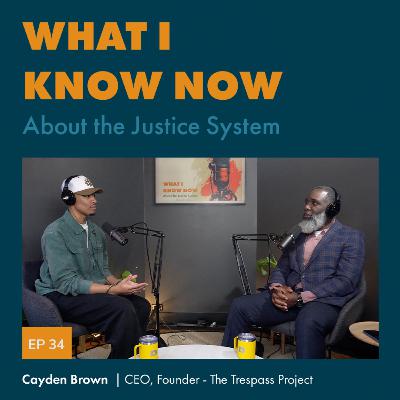
What if young people had a real voice in the justice system? In this moving episode of "What I Know Now," host Cole Williams sits down with Cayden Brown, a 19-year-old advocate, TEDx speaker, and author who’s transforming juvenile justice across the nation and world. From serving as a teen court defense attorney at 17 to addressing the United Nations and writing a powerful children’s book, Cayden has devoted his life to reimagining how youth are treated in legal systems.Discover the human impact of juvenile justice reform as Cayden shares his inspiring journey—from navigating the court system as a child to leading the Trespass Project, a nonprofit making legal information accessible to youth everywhere. Hear in-depth insights on restorative justice, the power of lived experience, and why it’s time for young people's voices to shape the policies and decisions that define their lives. There is also a surprise in this episode about Cayden's most recent project - you won't want to miss it. Whether you’re a parent, advocate, educator, or simply passionate about creating a fairer world, this episode will challenge assumptions and spark critical conversations about youth empowerment, trauma, and how true change happens when we listen to those most affected. Don’t miss this heartfelt, eye-opening interview that will leave you rethinking what justice and voice really mean for the next generation.Keywords: juvenile justice, teen court, restorative justice, youth empowerment, legal reform, TED Talk, children’s rights, trauma, advocacy, lived experience, Michigan, The Delta Project, Trespass Project, young voices
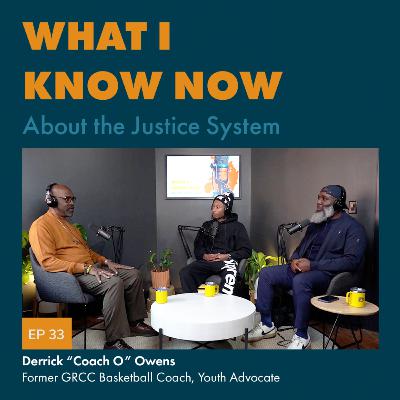
In this powerful episode of "What I Know Now" by The Delta Project, hosts Cole Williams and Nick Williams sit down with Grand Rapids legend Derrick "Coach O" Owens, a basketball coach, mentor, and father figure whose journey epitomizes resilience and self-discovery. Dive into Coach O's remarkable story as he reflects on overcoming adversity, growing up in the foster care system in Detroit, and finding purpose through mentorship and a lifelong love of basketball.This episode explores essential themes like self-love, fatherhood, community impact, and the vital role of respect in connecting with youth. Coach O shares hard-won lessons about discipline, accountability, and the generational cycles within America's justice system. You'll hear inspiring insights about coaching as a ministry, supporting young fathers, the importance of using names over numbers, and redefining what it means to be both a parent and a friend.Whether you're interested in juvenile justice reform, youth empowerment, mentorship, black fatherhood, or authentic leadership, this heartfelt conversation offers wisdom, practical advice, and hope. Tune in for Coach O’s seven rules for life, his transformative work with the Delta Project, and personal stories that will resonate far beyond the basketball court.Perfect for parents, educators, mentors, and anyone passionate about making a difference in the lives of young people. Don’t miss this honest, no-holds-barred look at the human stories behind the justice system—and what it truly means to change the world, one relationship at a time.
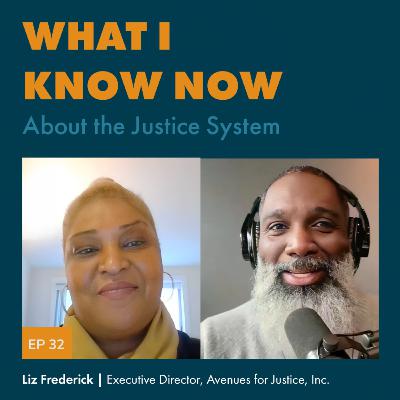
Welcome to What I Know Now, a Podcast by The Delta Project. In this episode, we dive into the realities of reimagining the juvenile justice system with special guest Liz Frederick, Executive Director of Avenues for Justice. Hosted by Cole Williams, this conversation explores the transformative impact of community-based alternatives to incarceration, the importance of wraparound support for youth and their families, and the power of lived experience in advocacy.Through personal stories and deep insights, Liz Frederick shares her nearly 20-year journey at Avenues for Justice, highlighting how the program not only serves court-involved youth but also their siblings and at-risk peers. Together, Cole Williams and Liz Frederick tackle tough questions about systemic barriers, trauma, and the need for true safe spaces—both physical and virtual. They discuss breaking the cycle of generational incarceration, investing in holistic services from education to job readiness, and why lasting change means supporting both young people and their families.If you’re passionate about justice reform, mentorship, and grassroots solutions, this episode will challenge, inspire, and inform you. Tune in to hear how resilience, leadership, and community drive meaningful progress for youth in the juvenile justice system,and what more we can do moving forward.
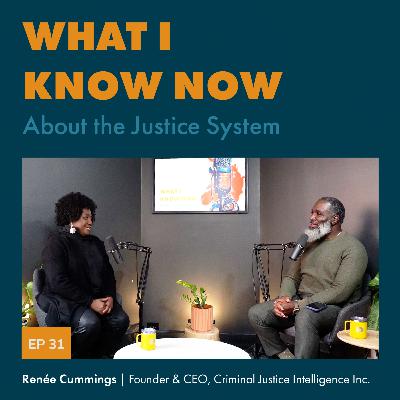
What happens when artificial intelligence meets the world of justice and youth reform? In this thought-provoking episode, host Cole Williams welcomes renowned criminologist and data activist Renee Cummings for a deep dive into the intersection of technology, civil rights, and justice for young people.Together, they explore the power—and dangers—of data and algorithms in shaping identities, opportunities, and futures. From the history of predictive policing to the untapped potential of AI for rehabilitation and reentry, Renee Cummings breaks down complex issues like data justice, algorithmic bias, and the importance of imagination as a tool for change. The conversation covers everything from practical advice for parents and young people navigating social media to radical ideas for rethinking prisons and using tech for immersive, trauma-informed interventions.Whether you’re a mentor, nonprofit leader, parent, or just curious about technology’s growing impact on society, this episode is packed with must-know insights on ethical technology, civil liberties, and what real justice reform could look like for our most vulnerable communities.Tune in for powerful stories, practical takeaways, and a forward-thinking vision for justice in the AI age.
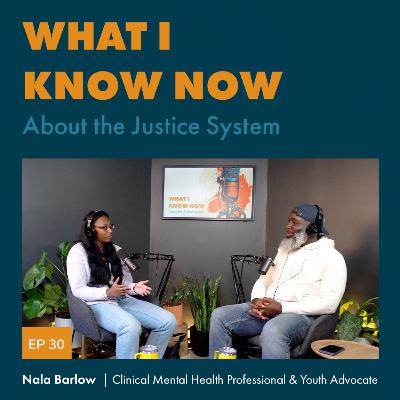
In this episode of "What I Know Now" from The Delta Project, Host Cole Williams sits down with Nala Barlow, a clinical mental health professional working inside a juvenile detention center. Together, they unpack how childhood experiences shaped Nala Barlow's journey from surviving instability, homelessness, and parental addiction to becoming a beacon of hope for youth impacted by America's justice system.Nala Barlow shares raw, unfiltered memories of growing up as a "parentified kid," struggling in environments filled with chaos, and longing for adult support. Through powerful storytelling, the episode explores themes of trauma, generational cycles, and the impact of undiagnosed mental health issues in families. Listeners will discover how relationships—like those with Nala Barlow's grandfather, basketball coaches, and mentors—provided essential lifelines and helped foster resilience, belonging, and a sense of purpose.This episode addresses tough questions around how society labels “bad kids,” underscoring the importance of seeing past behaviors to the pain and stories underneath. Cole Williams and Nala Barlow challenge listeners to reconsider their assumptions about youth in the juvenile justice system, highlighting the transformative power of unconditional love and consistent, caring adults.Whether you’re a parent, educator, mentor, or someone passionate about social justice and youth advocacy, this episode offers moving insights into trauma, healing, and the critical power of compassionate relationships. Tune in for candid conversations on redemption, accountability, and how one person’s journey can shine a light for countless others.Listen now to discover what Nala Barlow knows now—and why love is the answer to healing our communities.
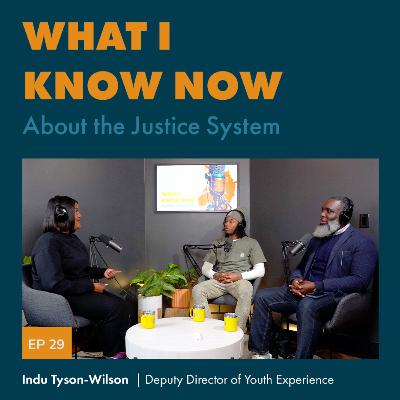
Welcome to "What I Know Now," a podcast by The Delta Project, where we dive deep into the realities and reimagination of the juvenile justice system. In this episode, Cole Williams, Nick Williams, and special guest Indu Wilson—the Deputy Director of Youth Experience at the Wayne County Juvenile Detention Facility in Detroit—shine a light on what it truly means to serve, support, and love young people in detention.Through powerful storytelling and firsthand accounts, you'll discover how Indu Wilson and her team are moving away from old models of punishment, choosing instead a trauma-informed and empathetic approach that sees detained youth as children in need of care, dignity, and opportunity. From creative initiatives like barbershop libraries and music labs, to the transformative impact of lived-experience mentors and robust staff training, this episode challenges stereotypes and highlights innovative practices that foster healing and connection.Join us as we explore how community, compassion, and visionary leadership are making a difference for young people who find themselves locked up—and what we can all learn about hope, change, and the possibility of second chances.
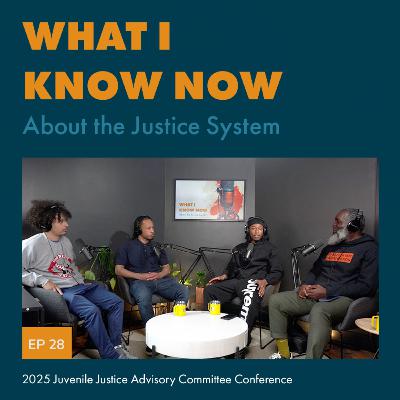
Welcome back to "What I Know Now," a podcast by The Delta Project where real stories spark real change. In this episode, host Cole Williams sits down with guests Marshall Mansfield, Nick Williams, and Jordan Lyle to pull back the curtain on life inside Michigan's juvenile justice system.As young men who’ve experienced detention firsthand, our guests speak candidly about what it’s like to walk into a facility, the impact of simple kindness from staff, and the lifelong effects of being treated as less than human. They share how trauma, loss, and labels can follow youth long after release—and what true support and mentorship look like for someone coming home and trying to break old cycles.If you’ve ever wondered what it really means to have hope in tough circumstances, what is lost in those years behind the wall, and how crucial youth voices are in shaping a better system, this episode delivers honest answers. Whether you’re a professional working in juvenile justice or a young person trying to find your path, there’s something here for everyone.Listen in for reflections, advice, and powerful reminders that it’s never too late to change your mindset or your future.
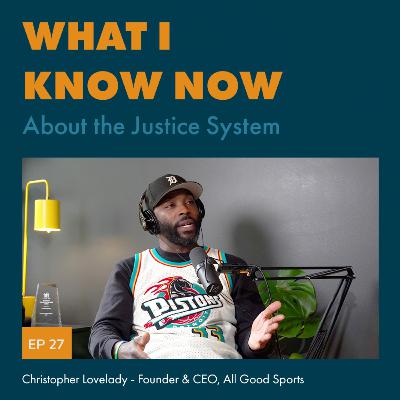
In this inspiring episode of What I Know Now, Cole Williams sits down with Christopher Lovelady, Executive Director of All Good Sports, to unpack the power of mentorship, the importance of building brotherhood, and the deeper meaning of showing up for young people in our communities.Christopher shares his personal journey as a father, husband, and community leader, highlighting how sports and mentorship helped shape his path. He opens up about the challenges of engaging young men—especially those impacted by the juvenile detention system—and explains why consistency, accountability, and modeling positive manhood are at the heart of his mission.Through thought-provoking conversation, the episode explores the impact of social fathers, the healing potential of community-based sports programs, and the transformative value of affirmation and self-knowledge. Listeners will hear compelling stories about second chances, fostering belonging, confronting father absence, and the struggle for forgiveness and personal growth.Packed with real-life insights, practical advice for nonprofits, and a spotlight on the need for violence prevention and re-entry programs, this episode is essential listening for anyone invested in equity, justice, youth empowerment, and building stronger communities—whether you’re a parent, mentor, educator, or advocate.Key topics:The role of mentorship & sports in youth developmentCreating welcoming spaces for at-risk youthBuilding brotherhood and trust among young menThe importance of accountability and consistencyReflections on fatherhood, loss, and forgivenessAdvice for scaling community-led nonprofitsInvesting in violence prevention and re-entry programsWhether you’re seeking hope, inspiration, or actionable ways to make a difference, this episode will leave you motivated to step in and support the next generation. Tune in—and discover what Christopher Lovelady and The Delta Project team know now about changing lives and building lasting legacies.
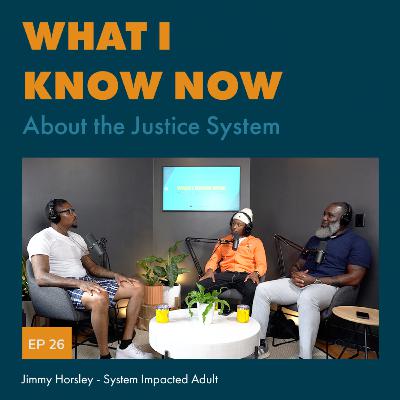
Welcome to "What I Know Now," a podcast by The Delta Project, where we dive deep into life inside the juvenile justice system and what it takes to turn things around truly. In this powerful episode, guest host Nick Williams and co-host Cole Williams sit down with guest Jimmy Horsley for an honest, heartfelt conversation about redemption, fatherhood, and the transformative power of mentorship.Jimmy shares his journey from childhood in Mississippi to navigating the streets, facing repeated incarceration, and ultimately rediscovering himself as a father and mentor. Through his candid insights, you'll hear how the pain of separation from his daughters and the lessons learned in fatherhood programs shaped the man he is today. Meanwhile, Nick opens up about his own time in juvenile detention, the challenges of breaking free from a destructive mindset, and the importance of finding something to believe in.Together, Jimmy and Nick reveal the impact of connection behind the walls—how vulnerability, self-reflection, and genuine support can plant seeds of hope, even in places where it feels like nothing grows. Whether you're a parent, a mentor, or someone seeking to understand the real stories behind the headlines, this episode reminds us that everyone is worthy of change, and that time—even measured behind bars—can be used to transform your life.Listen in for raw stories, personal breakthroughs, and the lessons these men wish they’d known sooner—in the hope that what they know now will spark change for the future.
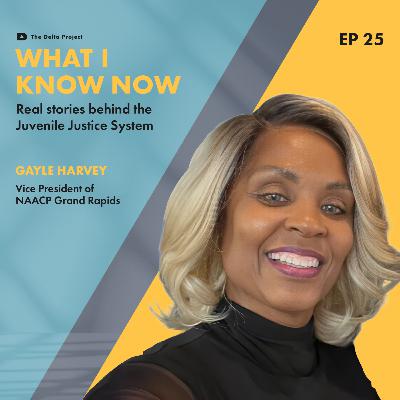
Welcome back to What I Know Now, the podcast by The Delta Project where we dive deep into the realities of life inside—and after—the juvenile justice system. In this episode, hosts Bilal and Cole Williams sit down with Gayle Harvey: advocate, entrepreneur, Vice President of the Greater Grand Rapids NAACP, and founder of the Harvey Lynn Group.Gayle shares her journey growing up in West Michigan and how her passion for community, justice, and healing took root. She opens up about the importance of building trust between communities and public safety, the complexities of generational trauma, and the need for honest conversations to move forward. Gayle also discusses her hands-on work in community-informed police training, youth engagement, and why “facing the hurt” is critical for healing and long-lasting change.Whether you’re stepping into grassroots advocacy for the first time, looking for inspiration to mend divides, or just want to hear powerful stories about resilience and rebuilding community homes, this episode offers deeply personal and actionable wisdom. Join us for an honest, heartfelt conversation about trust, healing, and what it takes to create safer, more connected communities for the next generation.
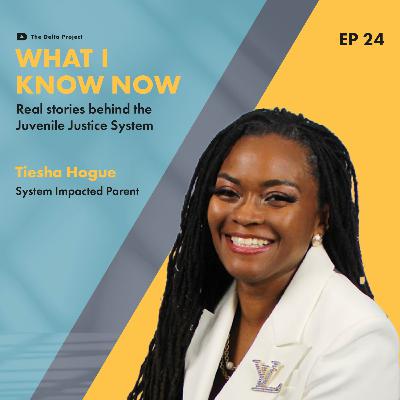
In this powerful episode of "What I Know Now," hosted by Bilal and Cole Williams, we hear from Tiesha Hogue, a mother whose life was transformed when her son became incarcerated. Tiesha shares her raw, honest journey navigating the Michigan Department of Corrections, the pain of seeing her child in chains, and going 18 months without a hug. She shatters common stereotypes about families of incarcerated youth, reminding listeners that justice system involvement can happen in any family and any neighborhood.Tiesha discusses founding FOIL (Families of Incarcerated Loved Ones), a support network for mothers and families affected by incarceration, and how community, mental health, and open conversation are crucial for healing. The episode explores the profound ripple effects of incarceration—not just on the individuals inside, but the parents, siblings, and extended family who are left grieving, coping, and searching for support.Listeners will learn about the real emotional toll of the justice system, the importance of unconditional love, and the challenges families face—from stigma and isolation to the practical logistics of supporting loved ones inside. The hosts and Tiesha examine how trauma, COVID, societal judgment, and lack of community resources all play a role in these stories, and highlight the need for deeper compassion and systemic change.Whether your family has been directly impacted or not, this episode invites you to rethink what you know about incarceration, resilience, and the power of a mother's love. Tune in for heartfelt stories, hard truths, and a call to break the silence around families facing the justice system.
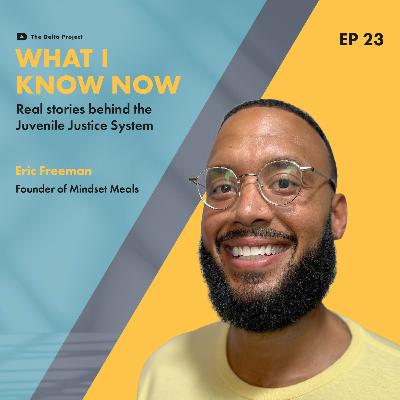
Welcome to "What I Know Now," the podcast by The Delta Project, where we dive deep into the realities of the juvenile justice system and explore the journeys of those who have found their way through it. In this powerful episode, host Bilal and co-host Cole Williams sit down with Eric Freeman—an entrepreneur, community advocate, and father in Grand Rapids—to discuss turning pain into purpose, breaking cycles, and the power of mentorship.Eric shares candid reflections on his upbringing, spanning from growing up with material comfort but emotional absence, to navigating a challenging family dynamic as the child of an interracial relationship. He recounts his early encounters with loneliness, the crucial influence of extended family, and how sports shaped his sense of integrity and leadership.As the conversation unfolds, Eric opens up about his time in prison at just 19, what it taught him about survival, and the pivotal role that elders and mentors played in his journey. He explains how barriers to employment following incarceration led him to entrepreneurship—and how that "forced path" sparked his mission: building both positive social impact and wealth creation for underserved communities through his business, Mindset Meals.The hosts and Eric delve into food deserts, poverty, generational cycles, and what true manhood and fatherhood look like—and how showing up, consistently and with love, changes lives. You'll also hear from Bilal and Cole about their own experiences within the system, and the vision behind The Delta Project: to create a community where elders, mentors, and lived experience guide the next generation toward hope, healing, and real opportunity.This episode is a raw, uplifting conversation about resilience, the healing power of relationships, and what it means to break cycles and build a better future—not just for ourselves, but for our whole village.
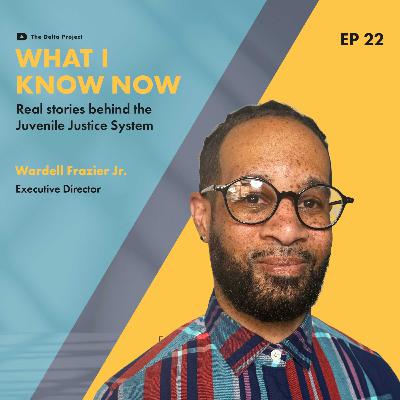
Welcome back to “What I Know Now,” a podcast by The Delta Project dedicated to honest, raw conversations about life inside—and beyond—the juvenile justice system. In today’s episode, co-hosts Bilal and Cole Williams are joined by Wardell Frazier Jr., a decorated community leader, nonprofit founder, and executive director of The Diatribe. Wardell shares his powerful journey from growing up in Grand Rapids, through decades of hands-on nonprofit work, to building impactful programs for youth. Together, they dig into the power of authentic servant leadership, the healing and transformative force of arts, and how uplifting youth voices can change lives—and even reshape communities. Plus, Wardell opens up about his personal story, the influence of his father, and the legacy he hopes to leave for his own children. Tune in for an inspiring conversation rooted in love, resilience, and the unshakeable belief that young people deserve to be heard.
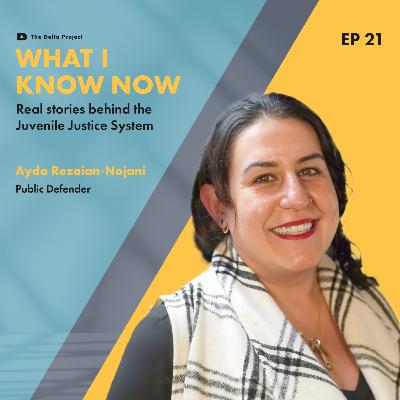
Welcome back to "What I Know Now," the podcast from The Delta Project where we dive deep into the realities of the juvenile justice system and the journeys of those working to change it. In this episode, hosts Cole Williams and Bilal sit down with Ayda Rezaian-Nojani, a passionate public defender, immigrant, and fierce advocate for justice. Ayda shares her story of migrating from Iran to Canada and then to the U.S., and how her unique background shaped her career in law.From recounting moments that sparked her interest in becoming a lawyer to discussing what’s missing in legal advocacy—listening, client involvement, and clear communication—Ayda unpacks the challenges of public defense, wrongful convictions, and what it truly means to fight for youth caught in the system. Together, Cole, Bilal, and Ayda break down issues of shame, labels, and the power of anger channeled for good. They're here to inspire hope, highlight community needs, and remind us all that real change happens when the right people are at the table—and when voices are truly heard.Tune in for a candid, insightful conversation about justice, empathy, and the lifelong journey of making a difference.
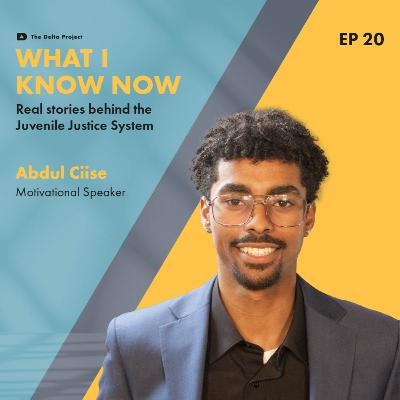
Join us on this compelling journey as we sit down with Abdul Ciise, a remarkable figure who's transforming the landscape for underrepresented communities in education. In this episode of "What I Know Now," Abdul shares his inspiring story of coming to America as a Somali immigrant and delves into his profound connection to his cultural heritage through his name and lineage. Explore the significance of identity, the challenges of assimilation, and the impact of parental influence and education in shaping one's path.Abdul, a passionate advocate for youth education and mental health, discusses his role in the TRIO Educational Talent Search program, where he empowers students from high-need schools to recognize their potential and broaden their horizons. Discover how Abdul's commitment to kindness and his innovative approaches to education are changing lives and fostering hope in communities that often feel overlooked.Whether you're interested in the power of education, mental health advocacy, or simply want to hear a heartfelt story of perseverance and dedication, this episode offers an enriching perspective. Tune in to learn how embracing one's roots can shape a better future and how we can all work towards creating equitable opportunities for the next generation. Follow us on Spotify, YouTube, or wherever you get your podcasts for more insightful conversations from The Delta Project.
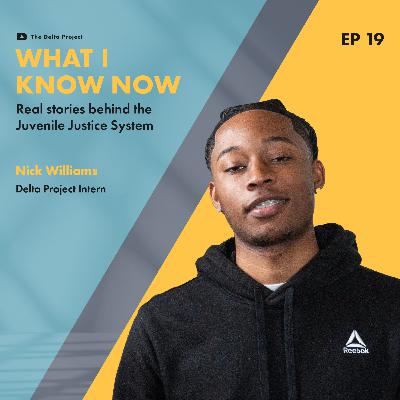
In this powerful episode of "What I Know Now," journey with our hosts Cole and Bilal as they delve into the raw and transformative stories of Nick Williams. Exploring life in and after the juvenile justice system, Nick opens up about his experiences of anger, the frequent run-ins with the law, and how he managed to turn his life around despite the grim circumstances. Discover how the absence of a father figure shaped him and how his entrepreneurial spirit gave birth to "One Love," a universal brand forged during his incarceration.Listen in as the trio discusses the impact of school environments and the importance of patience and understanding from teachers towards students facing internal battles. Highlighting the crucial role of community, mentorship, and the desire for belonging, they reveal the hidden challenges that young black boys face in seeking acceptance and identity. This episode offers a compelling look at breaking chains of generational trauma, the quest for personal transformation, and fostering change.Perfect for educators, parents, and anyone interested in juvenile justice reform, this episode provides honest insights into how supportive human connections can drastically alter the trajectory of a young person's life. Join us for an inspiring conversation about resilience, growth, and the journey from repeated incarceration to becoming a change-maker. Available on the Delta Project's website or wherever you listen to podcasts.
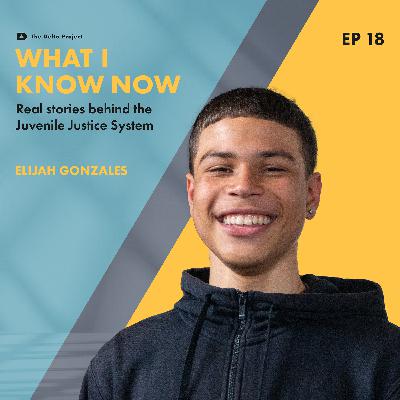
Welcome back to another episode of "What I Know Now," presented by The Delta Project. In today's episode, hosts Bilal and Cole dive deep into the transformative journey of Elijah Howard Gonzales. Elijah, a 17-year-old who has navigated the challenging waters of the juvenile justice system, shares his poignant and powerful story. From his early struggles with the law at just 13, including his harrowing first night in juvenile detention, to the life-altering support he found through the Delta Project's Boys to Mentors program, Elijah opens up about the impact of his experiences on his outlook and future.
Together, Bilal, Cole, and Elijah explore themes of fear, personal growth, family dynamics, and redemption. They discuss Elijah's relationship with his mother, the moment he met his father for the first time, and the lessons he's learned along the way. Elijah also talks about his aspirations, including his goals of becoming an electrician and building a self-sustaining future. This heartfelt and inspiring conversation sheds light on resilience and the importance of supportive connections in overcoming adversity.
Join us as we break down the walls, engage in raw conversations, and hopefully change some lives along the way. Let's get into it!
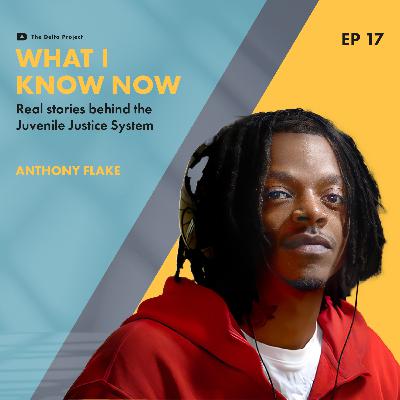
In this powerful episode of "What I Know Now" by The Delta Project, Guest host Ms. Shanda Vaughn and Cole Williams sit down with Anthony Flakes, a dedicated young father who has transformed his life from the juvenile justice system to responsible fatherhood. Anthony shares his emotional journey of becoming a father at 19, navigating financial pressures, and overcoming the absence of his own father figure.
Anthony discusses his commitment to being an ever-present dad, emphasizing the importance of emotional honesty and breaking societal stereotypes that often silence male emotional expression. He describes the challenges of co-parenting, balancing personal desires with fatherhood duties, and the invaluable lessons he imparts to his children by modeling positive behavior.
The conversation delves into Anthony’s reflections on his past experiences in juvenile detention, his motivation to change after the birth of his daughter, and his advocacy for support networks among young fathers. Co-host Shonda praises Anthony’s self-awareness and maturity at just 24, while guest Stacy acknowledges the misconceptions about young fathers and the need for mutual support.
Listeners will be inspired by Anthony’s story of resilience and growth, his dedication to providing love and guidance, and his vision for setting new norms for future generations. Whether you're a young parent, an advocate for juvenile justice reform, or simply looking for heartfelt, transformative stories, this episode offers insightful reflections on the challenges and triumphs of responsible fatherhood.
Don’t miss this inspiring narrative — listen to "What I Know Now" Episode 17 and discover the powerful impact one committed father can make. Be sure to follow the Delta Project on Spotify, YouTube, and other platforms, and visit our website for more stories and resources.
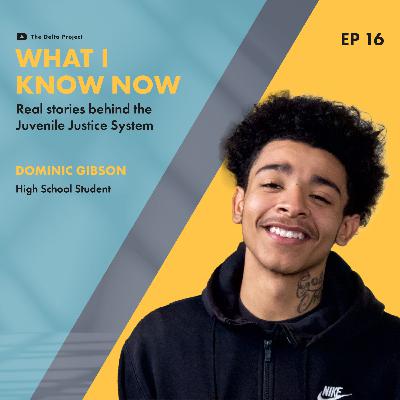
In this profound episode of the "What I Know Now" podcast by The Delta Project, hosts Bilal and Cole sit down with Dominic, a young man whose life took a 180-degree turn after entering the juvenile justice system at the age of 14. With raw honesty and resilience, Dominic shares his journey from making poor choices rooted in peer pressure and lack of guidance to finding self-love, discovering the value of mentorship, and stepping into a brighter future.
You'll hear Dominic's gripping story, beginning with the night he was arrested for car theft, the realization he had in juvenile detention, and the pivotal moments that changed his mindset. From navigating the complexities of probation to the transformative power of the Boys and Mentors group at Next Tech High School, Dominic dives deep into the influences that pulled him towards destructive behaviors and what ultimately led him back to a path of hope and positivity.
Listen as Dominic discusses the importance of role models, self-care, and genuine friendships, touching on the struggles of growing up without a father and the impact of strong maternal influence. He reflects on what he would tell his younger self and provides invaluable advice for other young individuals facing similar challenges.
This episode is not just about Dominic’s past; it’s a celebration of his present achievements and future aspirations, including his upcoming graduation and plans for college. Hear firsthand how a troubled teen became an inspiring role model, ready to give back and mentor others.
Follow us on Spotify, iTunes, YouTube, or wherever you get your podcasts!
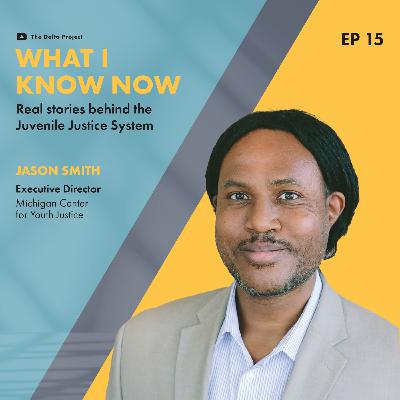
In this powerful episode of "What I Know Now," hosts Bilal and Cole delve deep into the world of juvenile justice with their esteemed guest, Jason Smith, the Executive Director of the Michigan Center for Youth Justice. With compelling insights from Bilal's own journey from high school dropout to youth advocate, we explore the critical intersections of personal transformation and systemic reform.
Key Highlights:
Youth Empowerment:
Discover Bilal's stance on the importance of allowing young people to make mistakes and learn, emphasizing supportive community reintegration for youth returning from the adult justice system.
Impactful Research:
Uncover the findings of the "Youth Behind Bars" study, revealing the staggering statistic that 95% of minors in the adult system are there solely because they were 17, fueling advocacy for preventing youth from entering adult courts.
Reformative Advocacy:
Learn about the Michigan Center for Youth Justice's robust efforts to influence policy changes, educate the public, and drive legislative reform to support at-risk youth.
Educational Initiatives:
Host Cole Williams shares experiences from the classroom, using MCYJ’s publications to equip detained youths with knowledge about systemic issues and reforms.
Diversion Programs:
Bilal discusses the effectiveness of robust youth diversion strategies, highlighting therapy, substance abuse treatment, family engagement, and community-based programs as key to reducing reliance on the justice system.
Role of Representation:
Both hosts stress the importance of visible, positive role models and the need for young people to see success as an achievable goal. Bilal shares his own transformative story and ongoing mentorship with "at-risk" youth.
Raise the Age Campaign:
Understand the national movement to increase juvenile court jurisdiction from 17 to 18, which has been a significant part of Michigan's legislative reforms aimed at juvenile justice.
Empowering Youth Voices:
Hear about the statewide fellowship to empower young people involved with the justice system to become advocates and gain transferable skills for policy roles, creating a curriculum with MCYJ staff that covers juvenile justice, policy advocacy, and media engagement.
Family Engagement:
Explore the importance of respectful, effective engagement with families in the juvenile justice system, contrasting with the adult system.
Financial Burdens and Reforms:
Gain insights into the successful advocacy for eliminating juvenile court fines and fees, lifting financial burdens from families, and driving equitable reform across the justice system.
Breaking Down Barriers:
Join us in raw conversations that break down barriers and foster change in perceptions and policies related to juvenile justice, inspired by personal stories and expert insights.
Tune in to be inspired by the dedication and passion driving juvenile justice reform, and learn how the Michigan Center for Youth Justice is making a transformative impact on young lives. Follow "What I Know Now" on all podcast platforms and visit the Delta Project’s website for more advocacy insights.
This episode is a must-listen for anyone interested in the intersection of youth advocacy, systemic change, and personal redemption.

Comments

Download from Google Play

Download from App Store
 United States