


 Claim Ownership
Love How Deep Marriage Podcast
Subscribed: 2Played: 5
Subscribe

© 2024
Description
Love How Deep is a podcast designed to equip married couples like you with resources that rely on the transformative power of God's Word to strengthen your relationship. The hosts, Brian & Heather Mayer desire is to connect couples more deeply to each other. They do this by offering episode content that can help couples communicate better, resolve conflict, understand each other more, tackle roles and responsbilities, parent in better ways, control their finances more, and increase emotional, mental, physical, and spiritual parts of their lives. Engaging guests from married couples, pastors, therapists, authors, and other experts in the field offer great advice.
109 Episodes
Reverse

Big or Small Hurt in Your Marriage: Take Our Forgiveness Course With Your Spouse Today: https://www.lovehowdeep.com/the-power-of-forgiveness-online-course In this episode of Love How Deep, solo host Brian Mayer addresses husbands who aspire to be the spiritual head of their households but struggle with knowing how to do so. Brian shares personal experiences and offers practical advice on how to lead your family spiritually, emphasizing the importance of prayer, unity with your spouse, and proactive engagement with your children. He underscores that being the spiritual head involves serving, being present, and showing genuine care and love. Brian also suggests concrete steps to improve communication and prayer life within the family, encouraging men to actively participate and grow in their faith.
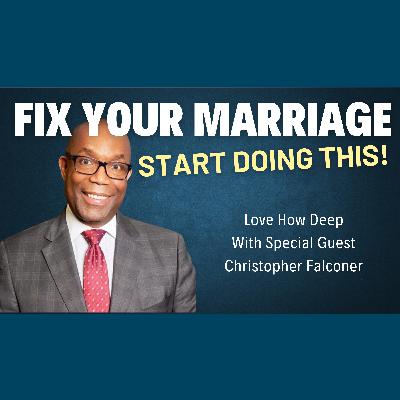
Welcome Back to the Love How Deep Podcast! In this episode of the Love How Deep podcast, host Brian Mayer sits down with special guest Christopher Falconer, an author and expert on cultivating enduring love in marriages. They delve into the essence of lasting love, drawing from real-life experiences and biblical principles, particularly from 1 Corinthians 13. Christopher shares personal anecdotes from his 30-year marriage, discussing challenges like career pressures and health issues, and how essential elements like patience, kindness, and forgiveness have played critical roles. The conversation also touches on practical advice for singles, the importance of forgiveness, and how to prepare for a future marriage. Whether you're married, engaged, or single, this podcast offers valuable insights on building a love that lasts a lifetime. Check out more here: Email Chris: christopher@christopherfalconer.com Website: www.christopherfalconer.com Enduring Love Book: https://www.amazon.com/Enduring-Love-Principles-Nurturing-Relationships/dp/B0FRWSB5BQ Also don't forget to Like, Subscribe and Share this Episode with others who would like to hear it!

Managing Money as a Couple: Balancing Finances and Family Values with Gino and Julia Barbaro In this episode of The Love How Deep Podcast, hosts Brian and Heather Mayer dive into the important topic of managing money as a couple without compromising family values. Joined by special guests Gino and Julia Barbaro, the conversation covers their personal journey of overcoming financial challenges and harmonizing money management with core family values. The Barbaros share insights from their 27 years of marriage, including how they have successfully raised six children, homeschooled them, and fostered their entrepreneurial spirits. The discussion touches on different attitudes towards money, shaped by upbringing, and the importance of communication in resolving financial conflicts within a marriage. Gino and Julia also explore the concept of money archetypes, which helps individuals understand their relationship with money and develop healthier financial habits. They delve into the significance of aligning financial decisions with personal values and the impact that can have on family dynamics. They also discuss the importance of involving children in financial conversations and teaching them the value of money from a young age. More Information and Resources: For more resources and to take a money archetype quiz, visit the Barbaros' website at www.barbaro360.com. Additionally, check out Gino and his son's Happy Money Show podcast for more insights on creating a positive relationship with money. Thanks so much for joining us and remember to check out all Love How Deep has to offer your marriage.

Navigating Grief and Blended Families: A Conversation with Heidi Vegh In this episode of The Love How Deep podcast, hosts Brian and Heather Mayer tackle the delicate topic of 'Grief in Marriage' with special guest Heidi Vegh. Heidi courageously shares her deeply personal story of losing her first husband to cancer, becoming a widow, and the struggles of parenting her two young boys through profound loss. Heidi talks about her journey of finding love again, as she remarried to her current husband David, blending a new family despite facing societal judgments and emotional challenges. She highlights the importance of keeping faith, seeking counseling, and prayer in maintaining a strong marital bond and managing the complexities of a blended family. Heidi also discusses her new book 'A Hard Journey to the Good,' which chronicles a decade of her life filled with loss and ultimate redemption. Tune in for an emotional and inspiring episode full of hope, resilience, and faith. Connect with Heidi: Her Book: https://mrsheidivegh.com/a-hard-journey-to-the-good Her Website: https://mrsheidivegh.com/ And don't forget to subscribe and share this episode wherever you get your podcasts. Check out Love How Deep for more marriage resources.

pisode Summary When your child has a complex medical diagnosis, their entire life—and your family's—revolves around their care. But what happens when they grow up and leave the nest? In this special episode, we're joined by our friends, Ron and Kim, who share their deeply personal journey with their son, Noah, who has a rare genetic disorder. This is a story of faith, perseverance, and learning to find joy in the midst of uncertainty. In this episode, you'll learn about: The Overwhelming Diagnosis: How to emotionally and spiritually process the news of a complex medical condition, and why seeking help is so important. The Power of Advocacy: Why parents must become the chief advocates for their child's care, especially when navigating a fragmented healthcare system. Parenting Other Children: How to make sure siblings of a medically complex child feel seen, loved, and just as special. Reframing Your Journey: How to find gratitude in the small victories, learn to trust God's plan, and recognize His presence in every step.

Just because the kids are gone doesn't mean travel is easy! In this episode, we're sharing our best tips for empty nest couples who are ready to start traveling again—this time, just the two of you. We're pulling from our own 11 years of experience and sharing what we've learned, from balancing a meticulous planner with an easygoing wanderer to handling unexpected travel issues without a fight. In this episode, you'll discover: The Planning Power Play: How to balance your personality types for a trip that works for both of you. Mastering the Budget: Why having a clear budget and playing to each other's strengths can prevent major disagreements. The Art of Flexibility: What to do when things go wrong and why it's a test of your communication skills. Making Every Moment Count: The most important tip of all—how to reconnect as a couple on vacation without distractions. Free Resource: Download our free core values exercise to help you and your spouse reconnect and understand each other better as empty nesters. [Link Here]

Episode Summary The kids are gone, and you're feeling a mix of pride, excitement, and…emptiness. As empty nesters, it's normal to feel lost or wonder what your purpose is now. In this episode, we talk about how to navigate this new season of life, both as individuals and as a couple. In this episode, you'll learn: Why It's Okay to Grieve: Embrace the feelings of loss that come with an empty nest and understand that it's a natural part of the transition. Redefine Your Roles: Transition from being your children's managers to being their trusted consultants and learn to respect their new independence. Discover Your God-Given Gifts: Find new passions and shared interests to pursue as a couple, from volunteering to starting a new hobby. Prioritize Your Marriage: Learn to make your relationship a priority again and find new ways to connect and dream together for the future. Please Check out our Free Goals Worksheet: https://love-how-deep.kit.com/goal-setting-married-couples

Episode Summary As an empty nester, you may be considering downsizing your home. It's a huge decision—one that's full of emotions, financial considerations, and logistical challenges. In this episode, we talk about how to navigate this major life change as a couple and a family. In this episode, you'll discover: The Emotional Toll: Why it's okay to grieve the loss of your home and how to make sure your adult children feel heard in the process. The Financial Reality Check: The hidden costs of downsizing you need to consider and how to budget for a smoother transition. The Practical Game Plan: How to go from chaos to clarity with a simple strategy for decluttering and deciding what to keep, sell, or donate. Free Resource: Download our free downsizing checklist to help you start your journey from an old house to a new home. [Link Here]

The kids are gone. Now what? Many couples face a period of rediscovery after the children leave home, but it doesn't have to lead to a lack of connection. In this episode, we talk about how to reignite the romance in your marriage by making time for creative and intentional date nights. In this episode, you'll learn: The "Co-Conspirator" Date: Transform a chore into an adventure by visiting a farmer's market and building a meal together on the spot. Recreating a "First": Take a walk down memory lane by recreating your first date, first meal together, or another significant memory. The "Adventure Jar": Take the pressure out of planning by brainstorming fun ideas together and pulling one out when you need a spontaneous date night. Learning a New Skill: Take a class together or learn a new hobby side by side. The Surprise Date: Take turns planning a mystery date for each other to bring excitement and anticipation back into your relationship. Get our Free Date Night Ideas Here: https://www.lovehowdeep.com/date-night-ideas

Episode Summary Just because the kids are gone doesn't mean travel is easy! In this episode, we're sharing our best tips for empty nest couples who are ready to start traveling again—this time, just the two of you. We're pulling from our own 11 years of experience and sharing what we've learned, from balancing a meticulous planner with an easygoing wanderer to handling unexpected travel issues without a fight. In this episode, you'll discover: The Planning Power Play: How to balance your personality types for a trip that works for both of you. Mastering the Budget: Why having a clear budget and playing to each other's strengths can prevent major disagreements. The Art of Flexibility: What to do when things go wrong and why it's a test of your communication skills. Making Every Moment Count: The most important tip of all—how to reconnect as a couple on vacation without distractions.

Is Your Marriage Missing Intimacy? The Surprising Truth About Connecting in Christ Do you and your spouse ever feel like you're talking, but not truly connecting? Like something's just... missing? The root cause might be a lack of true intimacy, which is far more than just the physical. In this episode, we sit down with Belah Rose from Delight Your Marriage to demystify intimacy and help you and your spouse create a stronger, more connected relationship rooted in faith. Intimacy: Beyond the Bedroom Many of us mistakenly believe intimacy is just about sex. But as Belah explains, it's about being "naked and unashamed" in every aspect of your relationship. Intimacy is the full absence of walls and guardedness. It's the journey of becoming one flesh, not just physically, but also emotionally and spiritually. A true connection means being vulnerable and fully known by your spouse. The Common Intimacy Blocks Belah shares some of the most common dynamics she sees in her work: The Pressure Cycle: Many men are wired to seek physical intimacy as a way to feel loved. However, when a man pressures his wife for sex, it's the very thing that makes her reject it. A woman is designed to feel safe, and pressure feels like a violation of that safety. This can create a painful cycle of a husband feeling rejected and a wife feeling pushed. The Myth of "I Don't Wanna": For women, Belah challenges the idea of waiting for a desire for sex to arise naturally. Instead, she asks women to consider the greater call of being a "good and faithful servant." When we understand that a husband feels loved through physical intimacy, the question shifts from, "Do I want sex?" to, "How can I get myself to want to make love?" This change in mindset is a powerful act of selfless love. The Unkind Word: For men, a lack of respect and admiration can be a huge intimacy block. Constant criticism, nagging, and being "one-upped" by a spouse diminishes a man's drive to connect. A husband needs to feel that he is his wife's hero—her quarterback on the field with her cheering on the sidelines. The "Delight Your Marriage" Framework Belah's coaching framework provides a clear roadmap for what husbands and wives need to feel fulfilled. What a Wife Needs to Feel Loved: Safe: She needs to feel emotionally safe, knowing her husband accepts her, listens to her heart, and doesn't push or belittle her. Known: She needs to feel like she is the only woman in the world who matters to him. Her personality, passions, and unique traits should be seen and cherished. Wholeheartedly Cherished: This is the core desire to feel valued and adored for who she is. What a Husband Needs to Feel Loved: Respect: He needs to feel respected, not criticized, controlled, or demeaned. Admiration: He needs a wife who believes in him, sees his strengths, and cheers him on. Wholehearted Sexual Intimacy: Physical intimacy is a fundamental way a man feels loved and honored, designed by God to be a powerful symbol of their one-flesh union. The God-Given Design of Sexual Intimacy Belah offers a powerful and refreshing perspective on a man's sex drive, correcting common misconceptions. She explains that a man's desire for sex is not a mistake or something dirty, but a godly, biological design. God created a man's anatomy in a way that requires intimacy for both physical and spiritual health. Just as God asked Abraham to commit himself through circumcision, He designed a man's most prized possession to be a symbol of his commitment and a beautiful gift to his marriage. The enemy knows how powerful this kind of connection is, and he will do everything to get in between a husband and a wife. It is our opportunity as believers to show the world just how good and sacred this intimacy is within a God-honoring marriage. Your Next Step Are you ready to take the next step toward a more intimate marriage? As believers, we are called to serve our spouses. The journey starts with a change of heart and a willingness to understand and delight your partner in the way God designed them. Belah's Resources Mentioned Visit Delight Your Marriage for Coaching and other Resources. Book: Belah Rose's book, Delight Your Husband. Podcast: Delight Your Marriage podcast.
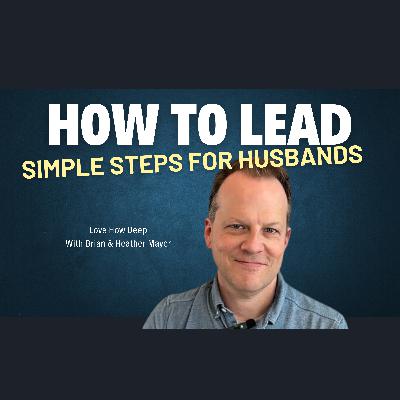
How to Be a Spiritual Leader at Home This podcast episode is all about how to be a spiritual leader. We'll give you simple, easy things you can do every day to lead your family in faith. It's about being steady and kind, not doing big, flashy things. What This Video Is For: Husbands who: Are ready to start doing things after watching Part 1. Want simple, easy steps to follow. Want to help their family grow in faith. Need cheering on to get past feeling awkward at first. Main Ideas We'll Talk About: Doing a little bit often is better than doing a lot just once: Small steps build strong habits. Show, don't just tell: Your actions teach more than your words. Get your family involved: Make faith a natural part of your home life. It's okay not to be perfect: Every try counts! What We'll Cover: I. Getting Started & Review First thought: "Welcome back, husbands! In Part 1, we learned that being a spiritual leader means leading with love and showing your family Jesus. Now, let's talk about how to actually do it!" We'll quickly remember why this job is so important from Part 1. Remember to like, subscribe, and share this video! II. Small Steps Make a Big Difference "Forget thinking you need to be a Bible expert right away. Being a spiritual leader means doing small, steady things every day." "Think of it like going to the gym – you don't get strong in one day, but if you keep going, you'll see results!" Start where you are. You don't need to be perfect. III. Simple Ways to Be a Spiritual Leader (Pick 5-7 things to try!) Work on Your Own Faith First: What to do: Spend just 5-10 minutes each day reading your Bible or praying. Why it helps: "You can't pour water from an empty cup! You need to fill up your own spiritual tank." Tip: Find a time that works for you (morning, lunch, before bed). Pray With Your Wife and For Her: What to do: Ask your wife, "How can I pray for you today?" Then really pray with her (even for a short time) or pray for her on your own. Why it helps: It brings you closer, shows you care, and invites God into your marriage. Tip: A quick prayer before bed is a great start. Start Family Devotions (Even Short Ones): What to do: Read a simple Bible storybook to your kids, use a short devotion, or just read one Bible verse and ask, "What do you think this means?" at dinner. Why it helps: It creates special faith moments together and helps your kids learn about God. Tip: Do it often, even if it's just for 5 minutes. Say What You're Thankful For Out Loud: What to do: At dinner, before bed, or in the car, ask everyone to share 1-3 things they are thankful for. Why it helps: It helps your family see the good things God has given you and makes your home a thankful place. Tip: You start first to show them how! Serve Others Together as a Family: What to do: Find a simple way to help people – like volunteering, helping a neighbor, or putting together care packages. Why it helps: It teaches your family to care for others and live out their faith. Tip: Pick something small and close to home. Ask for Good Advice: What to do: Talk to a trusted pastor, a wise older couple, or a mentor. Why it helps: You don't have to know everything. Learning from others makes you a stronger leader. Tip: Be open to hearing new ideas. Show Forgiveness and Say Sorry: What to do: When you make a mistake (and you will!), say you're truly sorry and try to make things right. Why it helps: It teaches your family about being humble, about God's grace, and how to fix problems in a godly way. Tip: Show them, don't just tell them. IV. Dealing with Roadblocks & Real-Life Advice Feeling awkward: "It might feel strange at first. Just keep going. It gets easier over time." Family not wanting to: "Don't force them. Just invite them and let them see that you are serious and kind." Trying to be perfect: "Don't wait until you're perfect to start. Just start now, even if it's not perfect." Busy schedules: "Fit these things into times you already have – like meal times, bedtime, or car rides." Pray for yourself: "Ask God to give you wisdom, strength, and to help you be steady." V. Final Thoughts & Next Steps Quick look back: We talked about easy ways to be a spiritual leader. Last words of encouragement: "This is a journey for your whole life, not just one step. God is with you. Your family needs you to step up, and you can do it!" What to do next: "Try just one of these things this week. See what God does!" Get our free guide: "10 Practical Strategies to Communication." It's a great tool for your marriage. https://love-how-deep.kit.com/practical-communication-strategies Goodbye: "Thank you for being here, husbands. Keep pushing forward. See you next time!"

Stepping Up - Being a Spiritual Leader at Home This first part is all about understanding what it means for a husband to be the spiritual leader in his home. We'll clear up common ideas that might be wrong and talk about why this job is so important. We want to help you feel good about this, not scared, and remember that God will help you do it. What This Is For: Husbands who: Don't know what "spiritual leader" means. Feel like they aren't good enough or are too busy. Want to grow in their faith and help their families do the same. Need simple ways to start this journey. Main Ideas We'll Talk About: What "Spiritual Leader" really means: It's not about being perfect or bossy. It's about leading with love, trying your best, and showing your family how to follow Jesus. Why the Bible talks about this: We'll look at a few verses that show this role is about love and helping, not being in charge. Why it's important: How this role helps your marriage, your kids, and even your own faith. Common worries: We'll talk about feeling like you don't know enough or that you've messed up before. Brian will share how he feels this way sometimes too. What We'll Cover: I. Getting Started First thought: "Husbands, do you ever feel like you need to be a leader at home? What about a spiritual leader? If that sounds scary, or you're not sure how, this video is for you." Brian will share that he's not perfect and is still learning too. We'll talk about what this two-part video series is about. "Today, we're finding out what a spiritual leader is, and why it matters." Remember to like, subscribe, and share this video! II. What "Spiritual Leader" Is NOT It's NOT about being perfect: "You don't have to be a pastor or know everything about the Bible." It's NOT about being bossy or telling everyone what to do: "It's about love and helping others, like Jesus helped the church." It's NOT about doing it alone: "You're working with your wife and with God's Holy Spirit." It's NOT about showing off: "It's about what you do every day at home." III. What "Spiritual Leader" IS Someone who helps carry burdens: Taking care of your family's spiritual well-being. Like a shepherd: Guiding, protecting, and helping your wife and kids grow spiritually. Someone who learns and seeks God: Making sure your own faith is strong. "You can't pour from an empty cup!" Someone who shows faith: Living out what you believe, even when it's hard. Someone who prays: Praying for your family and with your family. IV. Why This Job Is So Important For Your Marriage: It helps you and your wife feel closer, have a shared goal, and build a strong marriage that can handle tough times. For Your Kids: It gives them a clear example of faith, teaches them about God, and helps build a strong faith that will last. "Kids watch what you do, not just what you say." For Your Own Faith: It helps you grow stronger in God and trust Him more. God's Plan: The Bible shows us that husbands and wives work together in different ways to make a strong family. V. Getting Over the First Hurdles Feeling not good enough: "Feeling like you can't do it? That's okay. God often does His best work when we feel weak." Mistakes from the past: "Don't let what happened yesterday stop you from trying today." Start small: "You don't have to change everything at once. Small steps are best." God will help you: "If God wants you to do it, He will give you the tools and help you need." VI. Wrap-Up & What's Next in Part 2 Quick look back: We talked about what a spiritual leader is and why it's super important. Words of encouragement: "This journey won't be perfect, but it's really rewarding. Just take one step at a time and trust God." What to do next: "Next time, in Part 2, we'll get really practical. I'll give you simple things you can start doing this week to be a spiritual leader, even if you feel lost. You won't want to miss it!" Get our free guide: "10 Practical Strategies to Communication." https://love-how-deep.kit.com/practical-communication-strategies

Understanding is Key: Deeper understanding of your partner's personality leads to better connection and can transform potential conflicts into opportunities for growth. Prepare/Enrich's "SCOPE" Acronym: We use insights from the Prepare/Enrich assessment, focusing on five key personality areas: S - Social (Introverted vs. Extroverted): Dynamic: Some prefer quiet, alone time; others thrive in social settings. Navigation: Discuss expectations before events (e.g., how long to stay). Compromise by balancing social outings with quiet time. If one sacrifices, do so genuinely, without bitterness. Support: Understand that introverts' energy gets "zapped" in social settings; extroverts crave companionship. Support each other's needs. C - Change (Spontaneous/Flexible vs. Familiar/Routine): Dynamic: Some embrace spontaneity; others prefer routine and tradition. Navigation: Those resistant to change may need more time to process emotions and pray. Support each other during difficult transitions. Interestingly, one partner might become the "steady" one when the other is struggling with change. God's Role: Brian shares how his understanding of God's leading helps him be more flexible despite his preference for routine. O - Organization (Structured vs. Unstructured/Disorganized): Dynamic: Individuals can be organized in some areas (e.g., work) and disorganized in others (e.g., home). Navigation: Discuss expectations around household order, finances, and personal belongings. Implement shared strategies like a "10-minute cleanup" to maintain peace and order. Financial Organization: Crucial for all couples to avoid debt, even if one partner is naturally less organized. P - Pleasing (Accommodating vs. Assertive/Direct): Dynamic: People-pleasers prioritize harmony and saying "yes"; assertive individuals are more direct. Navigation: People-pleasers must learn to set boundaries to avoid burnout and resentment (e.g., saying "no" or "let me check my schedule"). Assertive individuals must practice speaking "truth in love" (Ephesians 4:15) to avoid being perceived as harsh. Balance: A healthy relationship isn't about one person constantly pleasing the other at their own expense. E - Emotional Steadiness (Sensitive vs. Unflappable): Dynamic: Some are highly sensitive and perceptive to emotions; others are more stoic or less outwardly emotional. Navigation: High sensitivity can be a strength (reading the room, empathy) but can also lead to overthinking. Those who are more emotionally steady can provide support during life's storms. Unhealthy stoicism can stem from trauma or training (e.g., first responders), leading to difficulty connecting emotionally. Support: Recognize your spouse's emotional needs and offer appropriate support, whether it's listening, allowing them to process, or providing stability. Differences as Strengths: Personality differences are not inherently good or bad. They are unique. The key is communication and viewing these differences as a strength that enables you to work as a team and solve problems more effectively. Free Resource Mentioned: Goal Setting 101: A guide to help you set personal, couple, and family goals, taking into account individual personalities for better planning and achievement. https://love-how-deep.kit.com/goal-setting-married-couples Connect with Us: Love How Deep Website: https://www.lovehowdeep.com Follow/Subscribe: Like, follow, and subscribe wherever you're listening or watching! This helps us share the message with more people!,

The Premise of Love Languages: Communication in marriage often falters when partners aren't "speaking the same language" of love. Understanding the Five Love Languages helps you give and receive love in the most impactful way. (Inspired by Gary Chapman's book, "The Five Love Languages"). Love Languages as "Personality Types": They describe how individuals give and receive love, similar to personality types or wiring. The Five Love Languages Defined: Words of Affirmation: Expressing love and appreciation through verbal compliments, encouragement, and written notes/letters. (Brian's #1). Acts of Service: Doing helpful things for your spouse, like chores, errands, or taking on tasks to lighten their load. (Heather appreciates, but can feel obligated to reciprocate). Receiving Gifts: Giving thoughtful (not necessarily expensive) presents that symbolize love and care. (Lower for Brian, high for some children and adults). Quality Time: Giving your spouse undivided attention, whether through shared activities, deep conversations, or simply being present together. (High for both Heather and Brian). Physical Touch: Expressing love through physical affection like hugging, kissing, hand-holding, snuggling, and sexual intimacy. (Heather's #1, Brian's #2). Origin of Love Languages: May stem from what was heavily received in childhood or what was lacking and is now craved. Ultimately, it's often how God wired us as individuals. Knowledge is Power: Understanding your spouse's love language (and your own) leads to deeper understanding, empathy, and a more endearing relationship, reducing assumptions and misunderstandings. Clues to Love Languages: Listen to your spouse's complaints. What they fuss about often reveals what they are not receiving in their primary love language (e.g., "You never help out!" = Acts of Service; "You never tell me you love me anymore!" = Words of Affirmation). Real-Life Examples: Brian and Heather share personal stories of how understanding their differing love languages (especially Physical Touch for Heather and Words of Affirmation for Brian) helped them navigate dating and early marriage challenges. How to Discover Your Love Languages: Take the official quiz at 5lovelanguages.com. Compare notes with your spouse after taking the quiz. Consider reading "The Five Love Languages" book together, even a page a day, and discussing its meaning for your relationship. Free Resource Mentioned: Date Night Ideas: Visit our website for creative date night ideas that can help you speak your spouse's love language and foster deeper connection. Date Night Ideas Connect with Us: Love How Deep Website: https://www.lovehowdeep.com Follow/Subscribe: Like, follow, and subscribe wherever you're listening or watching! This helps us share the message with more people!

Here is the YouTube content and podcast show notes for transcript 94: Healthy Marriage Boundaries: Property Lines, Not Walls! 🧱 #MarriageTips #ChristianRelationships Are you and your spouse struggling with boundaries, unsure if they're helpful or hurtful? Many Christian couples misunderstand boundaries, fearing they lead to selfishness or disconnect. But what if healthy boundaries are actually the secret to deeper love, respect, and intimacy in your Christ-centered marriage? In this essential episode, we cut through the confusion, defining boundaries not as walls that keep people out, but as property lines that clarify individual space and responsibility within the union. Learn why boundaries are an act of self-care, not selfishness, and how they define what you will and will not tolerate. We explore powerful biblical examples, from God's boundaries with Adam and Eve to Jesus modeling healthy self-care through prayer. Discover the crucial role boundaries play in: Clarifying expectations and preventing misunderstandings. Protecting your identity and emotional well-being. Preventing unhealthy codependency and fostering mutual respect. Building trust by establishing consequences for harmful actions. We also dive into common areas where boundaries are vital, including time and energy, finances, in-laws, communication patterns (like avoiding contempt!), intimacy, and digital/social media use. Learn how to navigate these conversations with grace, firmness, and love, even when facing pushback. Most importantly, we reveal how to set and communicate boundaries biblically: Pray together for unity and wisdom (James 1:5). Communicate clearly using "I statements" to express feelings and concrete actions. Be firm but loving, guarding your heart (Proverbs 4:23). Establish consequences thoughtfully, escalating if needed. Be prepared for pushback and commit to consistency. Healthy boundaries ultimately lead to order, peace, and increased respect, allowing both partners to grow individually while strengthening the marital union – like concentric circles with healthy overlap. Embrace boundaries as a powerful tool to build a resilient, Christ-honoring marriage that truly flourishes. FREE RESOURCE: Ready to start setting healthy boundaries? Download our "10 Practical Steps to Communication Workbook"! It's your guide to kicking off these crucial conversations in a healthy way. Find the link in the description below! If you want to transform confusion into clarity and build a stronger, more respectful marriage, this episode is a must-watch (or listen)! Key Takeaways: Understanding Boundaries: Boundaries in relationships are often misunderstood. They are not walls meant to keep people out, but rather property lines that define personal space, responsibilities, and what you will or will not tolerate. They are an act of self-care and respect, not selfishness. Boundaries are About Your Response: You can't control your spouse's behavior, but boundaries define your actions, responses, and what you will do when a boundary is crossed. Biblical Foundation for Boundaries: God's Example: God set the ultimate boundary in Genesis 2 with Adam and Eve concerning the Tree of Knowledge of Good and Evil, outlining consequences for crossing it. Jesus' Model: Jesus modeled healthy boundaries by regularly seeking personal time for prayer and quiet reflection (e.g., Garden of Gethsemane). Not Tolerating Harm: Biblical principles do not advocate tolerating abuse or harmful behavior. Boundaries, in such cases, involve removing oneself or ensuring safety. Verbalization Isn't Always Necessary: Not all boundaries need to be explicitly verbalized. Some can be internal decisions about how you will react or what you will do. However, for recurring issues, communication becomes crucial. Why Boundaries Are Essential in Marriage: Clarify Expectations: They define what's acceptable and unacceptable, preventing misunderstandings. Protect Identity & Well-being: They safeguard your emotional and mental health within the union. Prevent Codependency: They foster mutual respect and prevent individuals from losing their sense of self. Build Trust: By addressing harmful actions and their consequences, they build a more secure foundation. Communicate Values: They allow you to share what is important to you with your spouse. Speak Truth in Love: When communicating boundaries, ensure your words are tempered with kindness, patience, gentleness, and genuine love (Ephesians 4:29). Common Areas for Boundaries: Time & Energy/Personal Space: Negotiating downtime, personal hobbies, or unwinding after work. Finances: Setting limits on purchases, debt tolerance, and joint financial decisions. In-Laws/Extended Family: Discussing how to handle family interactions and support each other. Communication: Establishing rules for healthy dialogue (no yelling, name-calling; avoiding criticism, defensiveness, stonewalling, and contempt - per John Gottman). Intimacy & Sex: Communicating comfort levels, desires, and signals (e.g., "crockpot vs. microwave" analogies). Digital & Social Media/Texting: Defining acceptable usage, content, and interactions with the opposite sex, especially crucial if trust has been broken. How to Set & Communicate Boundaries Biblically: Pray Together: Seek God's wisdom and unity on the boundaries (James 1:5). Communicate Clearly: Use "I statements" (e.g., "I feel unheard when...") instead of accusatory "you statements." Be Firm But Loving: State your needs kindly but with conviction (Proverbs 4:23). Establish Consequences: Decide on what actions you will take if the boundary is crossed, escalating if needed (like the dog fence analogy). Be Prepared for Pushback: Expect initial resistance as change can be uncomfortable. Approach it as a collaborative effort. Consistency is Key: Boundaries are not one-time discussions; they require consistent communication and enforcement. Fruits of Healthy Boundaries: While there might be initial tension, healthy boundaries lead to order, peace, and respect. They foster individual growth and strengthen the marital union, creating a "concentric circle" relationship where there's healthy overlap and individual space. Boundaries as a Tool: View boundaries as a tool to deepen love, build resilience, and honor Christ in your marriage, allowing it to flourish. Free Resource Mentioned: 10 Practical Steps to Communication Workbook: A guide to initiating healthy conversations about boundaries and improving communication. Connect with Us: Love How Deep Website: Follow/Subscribe: Like, follow, and subscribe wherever you're listening or watching!

See Your Life From God's View: Overcome Obstacles! Key Takeaways: The Bird's Eye View: Just like observing the world from an airplane window, gaining a higher perspective can reveal beauty and insights even amidst apparent destruction or mundane patterns on the ground. Earth's Scars, God's Design: Even barren land, clear-cutting, or mining scars show new growth near water, symbolizing that even through destruction, new life and opportunities can emerge. Water Brings Life: Water brings new growth, which brings new opportunities and beauty. This parallels the "living water" that Jesus offers for our spiritual and emotional healing. Our Scorched Hearts: We often experience "scorched, barren, or dry" periods in life, feeling broken or useless. Gaining a "bird's eye view" allows us to see how God can bring new growth and opportunities from these challenging times. God's Master Plan: God sees the entire "finished masterpiece" of our lives, even when we're focused on the "dead tree" or "fallen log" blocking our immediate path. He's developing our character. Hebrews: Things unseen are more real than things seen. Marriage & Hyper-Focus: We can get "hyper-focused" on small frustrations in marriage (e.g., an empty lemonade glass) and lose sight of the bigger picture of our spouse's love, effort, and commitment. Practice "zooming out." Jesus, the Living Water (John 4:13-14): Jesus offers living water that brings healing, refreshing, rest, comfort, and peace to our dry and barren hearts. Open Hands: Our encouragement is to approach Jesus with open hands, asking Him how He wants to use our struggles, heal us, and what He wants to do in our lives, rather than demanding our own desires. Action Before Emotion: Take the action of seeking Jesus and His healing, even if you don't feel the change immediately. Consistency, like going to the gym, leads to transformation over time. The Power of Gratitude: Practice gratitude exercises (e.g., listing three things you're grateful for daily). This can rewire your brain, shift your mindset, and help you "zoom out" to see the bigger, positive picture. Free Resource Mentioned: 21 Days of Gratitude: A simple, daily exercise to create a habit of gratitude and change your perspective. Connect with Us: Love How Deep Website Follow/Subscribe: Like, follow, and subscribe wherever you're hearing or seeing this!

Ditch Your Baggage! How to Lighten Your Load in Marriage Key Takeaways: The Weight of Our Baggage: Just like physical luggage, emotional, mental, and spiritual "baggage" from our past, present, and future fears can be incredibly heavy and burdensome in our lives and relationships. The Death Grip: We often hold onto this baggage with a "death grip" – it can define us, make us comfortable, and we might be afraid to be without it. Personal Experience with Baggage: Heather and Brian share their own experiences bringing baggage into their marriage (e.g., trust issues, insecurities) and how it impacted them. Why We Hold On: Fear of being without these burdens, comfort in the familiar pain, and letting them define us. Shaped, Not Defined: The past makes us who we are today, but the emotional pain should not define who you are now. God Works for Good (Romans 8:28): Even seemingly negative or painful experiences (like a cancer diagnosis) can be reframed and used by God for good, leading to strength, empathy, and ministry opportunities. You're Not Chained: Our baggage is not shackled to us; we are actively holding it. It is our choice to let it go. God Restores and Makes You Strong (1 Peter 5:10): "And the God of all grace, who called you to his eternal glory in Christ, after you have suffered a little while, will himself restore you and make you strong, firm and steadfast." This is a powerful promise of God's active role in our healing. Giving It to God (Even When It's Ongoing): Even if the "baggage" is an ongoing situation, the answer is to do it anyway – daily surrender it to God, pray for intervention, wisdom, and protection. Action Before Emotion: Don't wait for your feelings to change before you act. Take the action of letting go and giving it to God, and your emotions will follow. It's like building a muscle – it takes consistent effort over time. Impact on Relationships: Holding onto baggage actively interferes with having the best relationships with your spouse, children, family, and friends. Walls are built to protect, but they also prevent true connection. Trials Produce Perseverance (James 1:2-4): "Consider it pure joy, my brothers and sisters, whenever you face trials of many kinds... because you know that the testing of your faith produces perseverance. Let perseverance finish its work so that you may be mature and complete, not lacking anything." God uses trials to develop our character. Seek Help: Don't hesitate to seek out help if you need it to release your baggage. Free Resource Mentioned: Forgiveness Conversation Starter: A powerful resource to help initiate conversations about letting go and forgiveness in your relationships. Connect with Us: Love How Deep Website Follow/Subscribe: Like, follow, and subscribe wherever you're hearing or seeing this!

Feeling Invisible? Why You Need to Be Seen & How God Sees You Key Takeaways: The Universal Feeling of Being Unseen: We often feel invisible in our daily lives, whether it's in a busy airport, at work, or even within our families. This is a core human need. The "It's All About Me" Mentality: Our focus on our own destinations and needs can lead to inadvertently overlooking others, and in turn, feeling overlooked ourselves. Core Needs & Childhood Impact: Feeling seen is one of five core human needs, and early experiences can significantly shape how we perceive being seen or unseen. The Craving for Connection: Despite tendencies towards independence, humans inherently crave genuine connection. "We're not meant to be alone." Social Media & The Highlight Reel: We often use social media to feel seen, posting our "highlight reels," but this doesn't foster true, deep connection. In Marriage: The Danger of Taking for Granted: We can easily take our spouse's efforts for granted (e.g., cooking dinner, doing chores), leading them to feel unseen and unappreciated. Actionable Tip for Couples: Make a conscious effort to vocalize gratitude for even the mundane things your spouse does. This simple act can transform their sense of worth and connection in the marriage. Pour Positivity into Children: Beyond just physical tasks, notice and vocalize positive internal characteristics in your children to help them feel seen and valued for who they are. God Sees You Completely: The most profound truth is that God knows and sees you fully – your good, bad, and ugly, not just a "highlight reel." Jeremiah 1:5: "Before I formed you in the womb I knew you..." Luke 12:7: "Indeed, the very hairs of your head are all numbered. Don't be afraid; you are worth more than many sparrows." Psalm 139:13-16: "For you created my inmost being; you knit me together in my mother's womb... My frame was not hidden from you... You saw my unformed body." Rest in God's Promise: Your self-worth should come from the Lord's unwavering view of you. He loves you, knows you, and you matter more than anything else. Free Resource Mentioned: Core Values Exercise: This resource helps you and your spouse to truly see each other and what's most important to them. https://love-how-deep.kit.com/core-values-exercise Connect with Us: Love How Deep Website Follow/Subscribe: Like, follow, and subscribe wherever you're seeing or listening to this episode!

Love How Deep Podcast: Husbands, Repairing Anger Outbursts (with Brian Mayer) Episode Title: Husbands: Repairing Anger Outbursts (3 Hacks!) Host: Brian Mayer Show Notes: Husbands, have you ever lost your temper and blown up in anger at your wife? In this honest and vulnerable episode, Brian Mayer from Love How Deep shares his own past experience with an anger outburst and provides three crucial "hacks" designed to help you repair the damage and move forward constructively in your marriage. Brian acknowledges that anger happens to all of us as human beings, but he emphasizes that it's what you do after the outburst that truly matters for the health of your relationship. In this episode, you'll learn the three vital steps to repair anger outbursts: 1. Get Away to Calm Down: Discover the importance of physically removing yourself from the situation, not to dismiss your spouse or the conversation, but purely to regulate your emotions. Brian explains the dangers of "nursing and rehearsing" anger and encourages turning to God during this time to understand your own role in the escalation. He shares a personal, relatable story of his own "Walmart parking lot" moment. 2. Offer Genuine Remorse: Learn why a heartfelt apology, focused solely on your actions and expressed with sincerity from both your head and heart, is critical. This step precedes any discussion of the details and sets the stage for healing. Brian highlights the importance of patience if your spouse isn't immediately ready to move past the hurt. 3. Dialogue (Blame-Free): Once forgiveness has been extended, Brian advises how to engage in a calm, logical conversation about what happened. The goal here is understanding, not blame. Learn to identify misunderstandings (like Brian's own realization about his wife's priorities during a move) and gain "aha moments" that prevent future blow-ups, approaching the conversation like calmly discussing a play or opera. Brian reminds us that while these things happen, it's not an excuse for them to continue. We are all human, still learning, and striving to be better. Don't let anger damage your marriage. Get our FREE resource: "10 Practical Strategies to Communication." This printable guide will help you and your spouse connect better and improve your communication skills. ➡️ Download it here: 10 Practical Communication Strategies

Comments

Download from Google Play

Download from App Store
 United States