


 Claim Ownership
Alpha Podcast
Subscribed: 0Played: 1
Subscribe

© Alpha Media Agency
Description
Communication, Culture and Media studies.
6 Episodes
Reverse
Defining Culture and SocietyLet's begin by defining our key terms:· Culture is the symbols, language, beliefs, values, and artifacts that characterize any society. It's the shared fabric that binds individuals together, guiding behaviors and shaping identities. · Society is refers to a group of people who live in a defined territory and share a culture. It's the structured system within which cultural norms and values are practiced and maintained. Without culture, we could not have a society. The profound impact of culture becomes most evident when we examine behaviors or conditions that are normally considered biological in nature.For instance, consider morning sickness and labor pains, both familiar to pregnant women. These discomforts have known biological causes, and we are not surprised that so many pregnant women experience them.But we would be surprised if the husbands of pregnant women woke up sick in the morning during their wives’ pregnancies or experienced severe abdominal pains while their wives gave birth. The Dynamic Nature of CultureCulture is not static; it evolves over time. This evolution can be influenced by various factors:· Technological Advancements: New technologies can alter how we communicate, work, and interact, leading to shifts in cultural practices.· · Globalization: The interconnectedness of the world facilitates the exchange of cultural ideas, leading to both the blending and clashing of cultural norms.· ·
Sociology didn’t emerge out of nowhere. It arose during a period of massive social upheaval in the 18th and 19th centuries. Two key historical processes were industrialization and urbanization.Industrialization refers to the shift from agricultural economies to ones dominated by manufacturing and industries. This began in Britain during the Industrial Revolution, between 1760 and 1850, and soon spread across Europe and the United States. Factories replaced farms as the primary source of jobs. While industrialization brought economic growth, it also created problems like poor working conditions, child labor, and significant class divisions.Urbanization is the process where people moved from rural areas to cities in search of work. This migration led to overcrowded cities, inadequate housing, and increased poverty. Living conditions in industrial cities were often harsh, with issues like pollution, crime, and disease becoming widespread.These dramatic changes disrupted traditional ways of life. People began questioning how society worked, why inequalities persisted, and what could be done to improve social conditions. These questions laid the foundation for sociology.
Sociological imagination is a powerful tool that helps us understand the connection between our personal lives and the larger society. It encourages us to think critically, develop empathy, and take action to address systemic issues.As we’ve discussed, sociological imagination can be applied to a wide range of issues, from education and health care to climate change and mental health. By using this perspective, we can better understand the world around us and work towards creating a more just and equitable society.
: Exploring the Foundations of Sociology Episode Title: An Introduction to Sociology: Understanding Society and Ourselves Welcome to today’s episode of [Podcast Name], where we delve into the fascinating world of sociology. Whether you’re a student, a curious learner, or just someone looking to understand more about the society around you, this episode is for you! In this introductory session, we will explore the fundamental concepts of sociology and the reasons why studying this field is so important. Sociology is the study of society, social institutions, and social relationships. It provides us with a lens through which to understand human behavior, culture, and the dynamics that shape our communities.
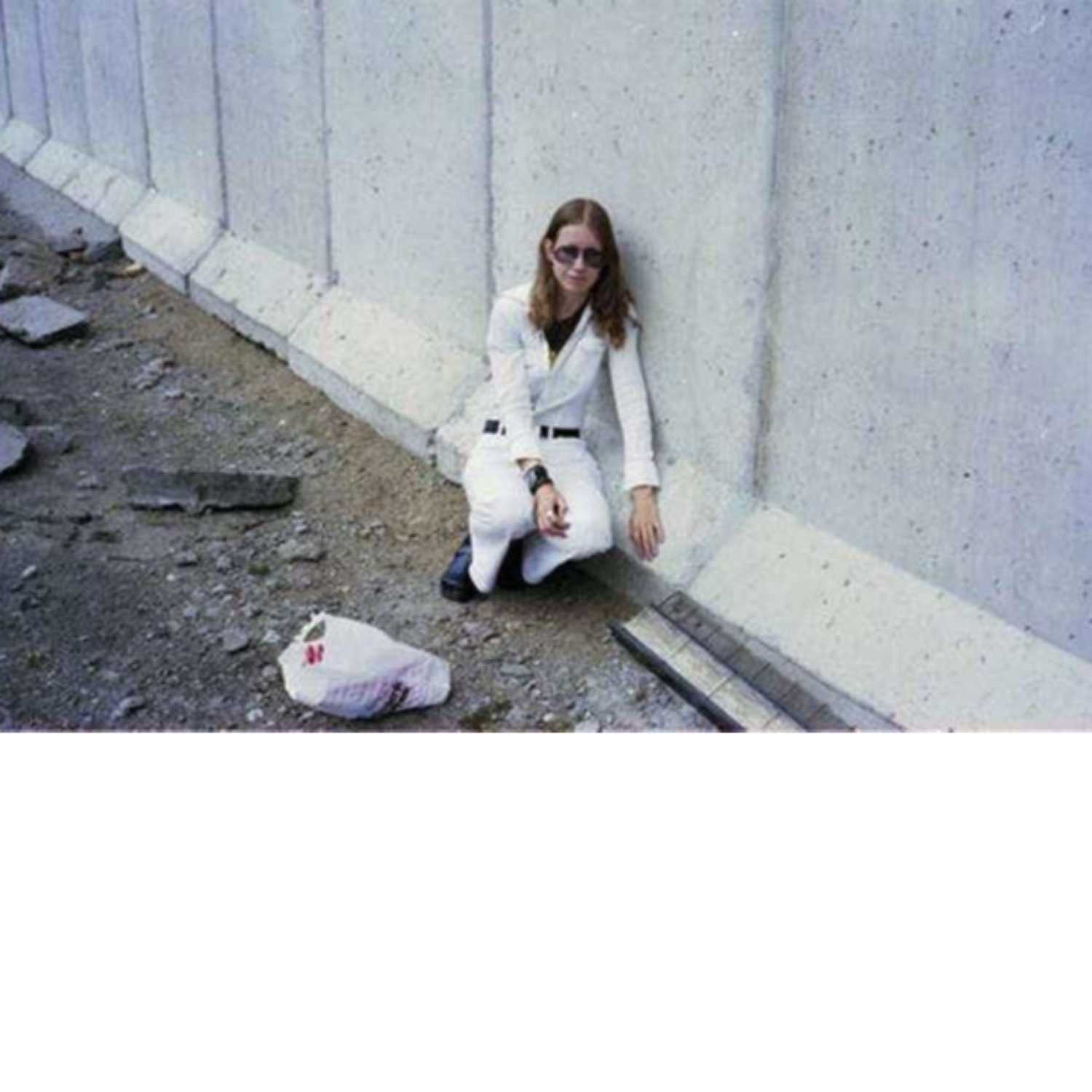
Imagine falling in love with something not just beyond the norm, but beyond imagination. In the late 1970s, a woman named Eija-Riitta Berliner-Mauer stunned the world when she claimed to have married none other than the Berlin Wall. Yes, you heard that right, the iconic symbol of separation during the Cold War

We are one mic
Comments


Download from Google Play

Download from App Store
 United States