


 Claim Ownership
Buildings 2.0
Subscribed: 1Played: 47
Subscribe

© Copyright 2023 All rights reserved.
Description
Buildings 2.0 dives deep into the technology, trends and talent reshaping the structures where we live and work. Hosted by Jose Cruz Jr, this podcast brings you interviews with the industry’s brightest minds, from visionary architects and property owners to chief innovation officers. Brought to you by Integrated-Projects.com.
69 Episodes
Reverse
In this episode of Buildings 2.0, Jose Cruz speaks with Johan Hanegraaf, co-founder of Arkio, about why current AEC tools feel broken and how AR/VR is evolving design workflows. They explore mixed reality, real-time collaboration, and the value of experiencing and interacting with spaces at true scale along with lessons from building a simple, user-driven product.
Takeaways
AEC tools are outdated and fragmented
Mixed reality is more practical than pure VR
True-scale design beats 2D screens
Collaboration is moving to multiplayer workflows
Simplicity drives product adoption
AI is improving workflows, not replacing design
No single 3D format will dominate
Architects are shifting toward tech roles
In this episode of Buildings 2.0, host Jose Cruz speaks with Gregory Haley, Associate Principal of Henning Larsen, about the intersection of architecture and urban design. They explore the balance between immediate needs and long-term sustainability, the importance of context in design, and the evolving role of public spaces. Haley shares insights on the duality of urban and architectural design, the influence of modernism, and the perspectives of young architects today. The conversation also touches on the tools and technologies shaping the future of architecture and the significance of effective communication in the field.
Takeaways
Designers must negotiate the tensions between instant and enduring.
Sustainability is a central theme in contemporary architecture.
Urban design requires collaboration across various disciplines.
Context in design is dynamic and should evolve with the community.
Public spaces play a crucial role in fostering community engagement.
Modernism's influence continues to shape architectural discourse.
Young architects prioritize social impact and sustainability.
Effective communication is key in presenting architectural ideas.
The tools of architecture are evolving but remain interconnected.
Joy in architecture is essential for creating meaningful spaces.
In this episode of Buildings 2.0, host Jose Cruz speaks with Melodie Yashar, a space architect and founder of AENARA, about her journey from traditional architecture to pioneering work in space architecture and 3D printing. They discuss the challenges and innovations in housing design, the impact of robotics and AI on construction, and the future of architecture in space. Melody shares insights on the importance of resource management in design, the regulatory hurdles facing 3D printing in construction, and her vision for the future of housing and space habitats.
Takeaways
Melodie Yashar transitioned from traditional architecture to space architecture.
She became disillusioned with the slow pace of architectural coordination.
Designing for space requires mindfulness of resource constraints.
3D printing offers unique opportunities for customized housing solutions.
Regulatory hurdles are significant for 3D printed construction.
Success in housing involves lowering costs and increasing quality.
AI can enhance design and construction processes.
Education in space architecture is still evolving.
Advocating for new tools and processes is crucial in architecture.
Following one's passion is essential for a fulfilling career.
In this episode, Robert Yuen, CEO and co-founder of Monograph, discusses the vision behind Monograph as an operating system for architecture. He delves into the challenges of building software for the architecture industry, particularly the cold start problem and the importance of time tracking for efficiency. Robert emphasizes the need for a shift in invoicing practices from billable hours to value-based billing, and shares insights for new founders in the AEC space. He also explores the impact of AI on architectural workflows and the future capabilities of Monograph.
Takeaways
Monograph aims to be the operating system for architecture.
Time tracking is essential for architects to measure efficiency.
The cold start problem requires building initial capabilities carefully.
Invoicing should be based on value, not just hours worked.
Small firms make up 95% of the architecture industry.
AI is integrated into many features of Monograph.
Behavioral change in invoicing practices is a significant challenge.
Selling to AEC firms requires understanding their procurement dynamics.
The future of Monograph includes expanding capabilities beyond time tracking.
The journey to a fully integrated operating system for architecture will take time.
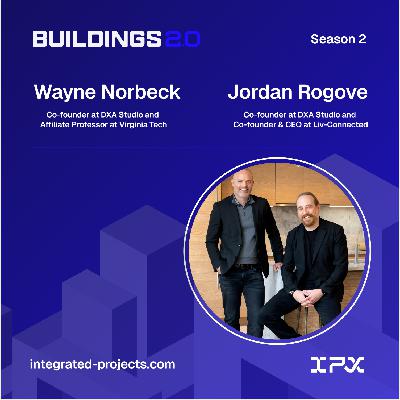
In this episode, Jose Cruz speaks with Jordan Rogove and Wayne Norbeck about their innovative approach to disaster housing through modular construction. They discuss the challenges of scaling affordable housing, the regulatory hurdles they face, and the importance of design in creating dignified living spaces. The conversation also highlights their recent project in Hawaii, where they successfully delivered homes in response to the devastating wildfires. The episode concludes with insights on the future of modular housing and the need for streamlined processes in disaster response.
Takeaways
The stigma around modular housing needs to be addressed.
Design can significantly impact the quality of affordable housing.
Regulatory challenges are a major barrier to scaling modular housing.
Advocacy for changes in building codes is essential for progress.
Natural light and thoughtful design enhance living conditions.
The recent project in Hawaii showcased the potential of modular housing.
Streamlining disaster response can save time and resources.
Innovative financing options are crucial for affordable housing.
Collaboration with various partners is key to successful projects.
The future of housing requires a shift in how we approach construction.
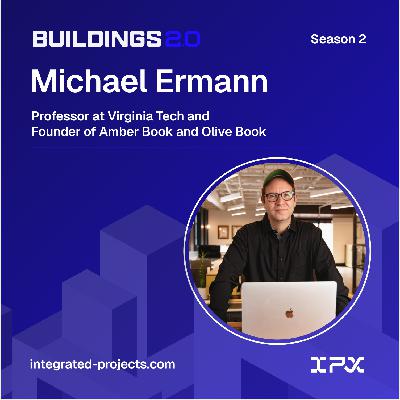
In this episode, Jose Cruz interviews Michael Ermann, an architecture professor and founder of Amber Book, discussing his journey in architecture, the importance of visual learning, the evolution of teaching methods, and the role of AI in education. They explore sustainability in architecture, the impact of materials, and the challenges of existing buildings, emphasizing the need for innovative solutions to address climate change and improve building efficiency.
Takeaways
Everyone is a visual learner, not just architects.
The in-person teaching model remains essential despite online advancements.
AI has become a valuable tool in education and learning.
Sustainability in architecture requires a focus on materials and energy efficiency.
Architects should not shy away from pushing back against engineers.
The overhead plane in architecture is crucial for design quality.
Current architectural trends often overlook the importance of building systems.
The future of teaching will involve more technology and online resources.
Existing buildings present significant challenges for sustainability efforts.
Big ideas and innovative thinking are necessary to address climate change.
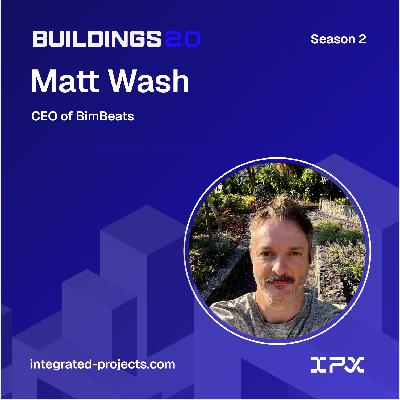
In this episode, Matt Wash, CEO of BimBeats, shares his extensive experience in the architecture and engineering industry, discussing the evolution of BIM, the importance of data, and the challenges of interoperability. He highlights the impact of BimBeats on model health and efficiency, the transition from traditional roles to data-driven approaches, and the future of BIM in the age of AI. Matt emphasizes the need for value-based pricing and the importance of standardization in improving operational efficiency.
Takeaways
Matt's journey began with a passion for building and design.
The inefficiency in traditional engineering roles led to a desire for change.
Data is crucial for improving project outcomes and efficiency.
BimBeats quantifies model health and operational efficiency.
The architecture industry is transitioning towards data-driven decision making.
AI is set to revolutionize the design and construction process.
Value-based pricing is essential for modern business models.
Standardization can significantly improve project delivery times.
Understanding the digital footprint of a business is key to efficiency.
Future professionals should focus on developing complementary digital skills.
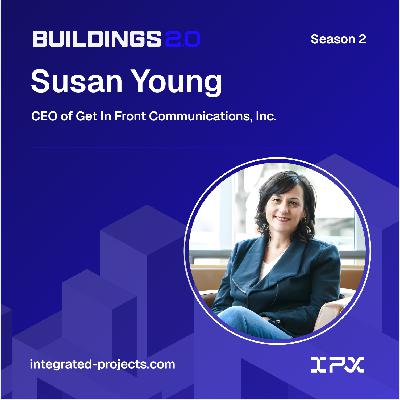
In this episode of Buildings 2.0, host Jose Cruz interviews Susan Young, CEO of Get In Front Communications, who shares her journey from a quiet child to a leading communication expert for AEC professionals. The conversation explores the importance of storytelling, overcoming internal barriers, and the human factor in effective communication. Susan emphasizes the need for self-awareness, authenticity, and continuous learning in professional development, while also discussing the impact of technology on communication. The episode concludes with advice for future generations to embrace their journey and keep learning.
Takeaways
Everything is storytelling.
The importance of internal communication and self-talk.
Overcoming imposter syndrome is crucial for confidence.
Human connection is key in presentations.
People do business with those they like and relate to.
Authenticity is essential in communication.
Continuous learning is necessary for professional growth.
Technology should enhance, not replace, personal voice.
Self-awareness leads to better communication skills.
It's okay to be imperfect and learn from mistakes.
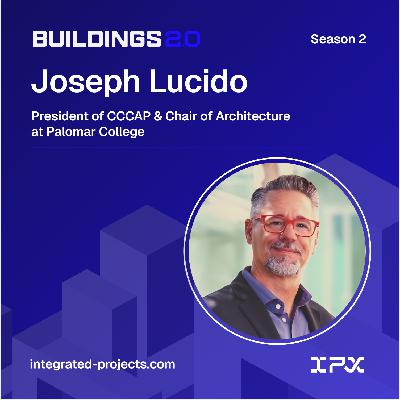
In this conversation, Jose Cruz and Joseph Lucido discuss the evolving landscape of architectural education, focusing on affordability, the role of community colleges, and the importance of sustainability. Lucido emphasizes the need for equitable transfer agreements and the integration of practical skills in the curriculum. The discussion highlights the challenges faced by students due to high education costs and the changing role of architects in society. Lucido advocates for a collaborative approach in the architectural community and calls for support for local educational programs to nurture the next generation of architects.
Takeaways
Architectural education is a powerful tool but comes with high costs.
Community colleges can provide affordable pathways to architecture careers.
Transfer agreements must be equitable to support student success.
Sustainability should be a primary focus in architectural education.
The role of the architect is evolving with technology and societal needs.
Students need to understand both design and construction methodologies.
Collaboration among various stakeholders is essential for successful architecture.
Teaching should balance technical skills with creative exploration.
The future of architecture requires a focus on building performance and sustainability.
Support for local community colleges is crucial for the next generation of architects.
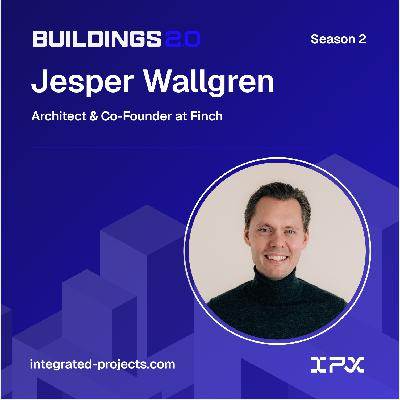
In this episode, Jesper Wallgren, co-founder of Finch, shares his journey from a creative background in music to becoming an architect and entrepreneur at the intersection of design and technology. He discusses the evolution of architectural tools, the importance of computational design, and the role of AI in shaping the future of architecture. Jesper also reflects on the challenges of building a startup in the architecture tech space and the insights gained along the way.
Takeaways
Jesper's journey began with a love for creativity and technology.
Grasshopper was a pivotal tool in Jesper's architectural education.
The transition from architecture to tech was driven by a series of aha moments.
Finch aims to fill the gap in building modeling tools.
AI will play a significant role in the future of design.
The importance of having a diverse founding team in a startup.
Selling a product early provides valuable feedback for improvement.
Architects need tools that enhance their creative process.
The future of architecture will involve more data-driven decisions.
Building a startup requires resilience and adaptability.
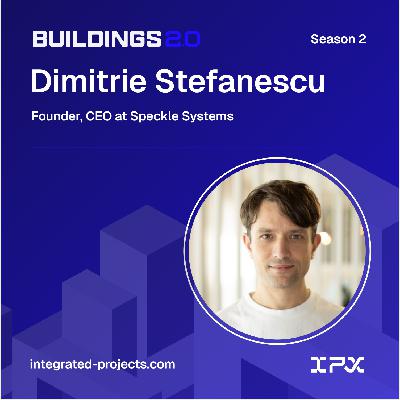
In this episode of Buildings 2.0, Jose Cruz interviews Dimitri Stefanescu, founder and CEO of Speckle Systems. They discuss the challenges of interoperability in the AEC industry, the importance of communication and trust among stakeholders, and the balance between open source and business pressures. Dimitri shares insights on the future of data in construction, unexpected use cases for Speckle, and the evolving role of AI in the industry. The conversation emphasizes the need for a post-file world and the importance of understanding existing spaces to drive digitization.
Takeaways
Interoperability is not just a technical issue but a communication problem.
Building trust among stakeholders is crucial in AEC.
Open source can create positive externalities but also challenges.
Data should be accessible and queryable, not locked in files.
User personas in AEC are diverse and require tailored solutions.
Unexpected use cases for Speckle highlight its versatility.
Visualization techniques must cater to both technical and non-technical users.
AI can enhance understanding of existing spaces but is not a panacea.
Engaging with construction is essential for Speckle's growth.
Testing ideas on all fronts is vital for future founders.
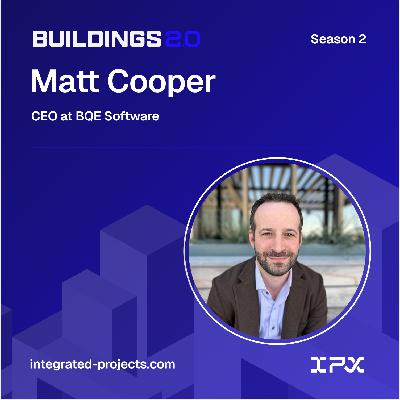
In this episode, Matt Cooper, CEO of BQE, discusses his journey into the architecture and engineering (A&E) sector, the challenges faced by firms in this industry, and the importance of customer obsession. He highlights the struggles of subscale firms, the barriers to adopting new software, and the role of AI in enhancing operations. Matt also shares insights on leadership, the balance between software and service, and the lessons learned from parenting that apply to business management.
Takeaways
Customer obsession is a core value at BQE.
A&E firms face unique challenges in managing client relationships.
Subscale firms often struggle with high client concentration.
Many firms still rely on outdated software solutions.
Effective project management is crucial for A&E firms.
Adoption of new software can be hindered by fear of change.
AI can enhance efficiency but won't replace jobs.
Balancing software development with customer service is essential.
Understanding the growth stages of firms helps tailor solutions.
Parenting experiences can inform better leadership practices.
In this episode, Jose Cruz interviews German Aparicio Jr., a program manager at Trimble, discussing his journey from architecture to technology and the evolving landscape of the AEC industry. They explore the challenges and opportunities for startups in the architecture and construction sectors, the role of corporate venture capital, and the importance of innovation in building lifecycle management. German shares insights from his experience with the Zero to 60 accelerator program, emphasizing the need for curiosity and collaboration in driving industry advancements.
Takeaways
German's childhood curiosity about how things work led him to architecture.
The transition from academia to software can be rewarding for architects.
Risk aversion in AEC is changing, with firms becoming more open to innovation.
Startups in AEC face unique challenges, including the need for warm introductions.
AI is becoming increasingly important in the architecture and construction industries.
The Zero to 60 program at Trimble supports startups in scaling their solutions.
Corporate venture capital can provide strategic partnerships for startups.
Finding product-market fit is essential for early-stage companies.
Startups should focus on educating large organizations about their solutions.
Curiosity is a key driver for success in architecture and technology.
In this episode, Jose Cruz interviews Francis Cooke, a Design Principal at AECOM, discussing his journey into architecture, the importance of carbon reduction, and the intersection of design and technology. They explore the cultural factors influencing architecture, the role of data in design, and the impact of AI on the industry. The conversation emphasizes the need for a balance between innovation and traditional design principles, as well as the importance of understanding the human experience in architecture.
Takeaways
Francis's passion for architecture began with a childhood fascination with building models.
Education in architecture has evolved, with a shift towards digital tools and methodologies.
The importance of understanding both operational and embodied carbon in building design.
Cultural factors play a significant role in architectural decisions and design outcomes.
Data can inform design, but not all aspects of architecture can be quantified.
AI tools can assist in design but should not replace critical thinking and learning.
The future of architecture will continue to blend traditional methods with new technologies.
Integrated design processes can streamline project delivery and enhance collaboration.
Understanding the life cycle of building components is crucial for sustainability.
The act of imagination remains central to the architectural design process.
In this episode, Jose Cruz interviews Oliver David Krieg, president of Intelligent Cities, discussing the evolution and potential of mass timber in construction. Oliver shares his journey from architecture to computational design, the benefits and challenges of using mass timber, and the innovative approaches Intelligent Cities is taking to integrate this sustainable material into urban housing. The conversation also touches on the role of AI in production, the importance of collaboration in the construction process, and the unique challenges of navigating venture capital in the real estate sector.
Takeaways
Oliver's journey into architecture was influenced by his love for design and technology.
The transition from academia to industry involved practical applications of computational design.
Mass timber offers unique benefits, including sustainability and aesthetic appeal.
Understanding the material properties of mass timber is crucial for its adoption.
The construction industry is slow to adopt new materials, which presents challenges for mass timber.
Intelligent Cities focuses on prefabricated systems to streamline urban housing construction.
Collaboration with architects and developers is essential for successful projects.
Venture capital expectations differ significantly from traditional construction timelines.
AI has the potential to enhance efficiency in mass timber production.
Product-market fit is critical for success in the construction industry.
In this episode, Jose Cruz speaks with Joseph Good, Senior VDC Manager at Gilbane Building Company, about his journey in the construction industry, the importance of VDC, and the challenges faced in adopting new technologies. They discuss the significance of data management, the evolution of construction practices, and the future of the industry, including labor trends and the need for advocacy among young professionals. Joseph shares valuable insights and advice for those entering the field, emphasizing the importance of creating opportunities and building relationships within the industry.
Takeaways
Joseph's childhood experiences with Legos shaped his interest in architecture.
Hands-on internships provide more learning than traditional coursework.
VDC serves as a critical intersection between construction, engineering, and architecture.
Early decisions in projects can save time and money.
Tech adoption remains a significant challenge in the construction industry.
Data management is essential for project success and efficiency.
A shared model is necessary for effective coordination among teams.
#vdc #bim
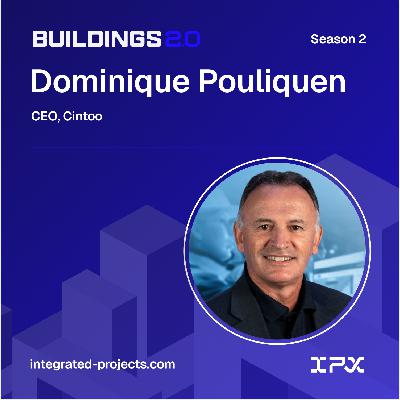
In this episode, Jose Cruz speaks with Dominique Pouliquen, CEO of Cintoo about his extensive journey in the 3D technology space, particularly focusing on photogrammetry and laser scanning. They discuss the importance of these technologies in architecture and construction, the concept of digital twins, and the evolving role of AI in the industry. Dominique shares insights on the challenges of implementing digital twins, the future of the metaverse in industrial applications, and lessons learned in product management and market adoption.
Takeaways
Dominique's journey in 3D technology began with a passion for graphics.
Laser scanning is crucial for creating accurate architectural models.
Digital twins are dynamic models connected to real-time data.
The industrial metaverse focuses on practical applications rather than social interactions.
Cost and knowledge gaps hinder the widespread adoption of digital twins.
Product management is essential for successfully bringing technology to market.
AI is increasingly being integrated into technology solutions.
The future of building engagement will involve more automation and digital tools.
Understanding the difference between must-have and nice-to-have features is key.
The potential of digital twins and AI is still largely untapped.
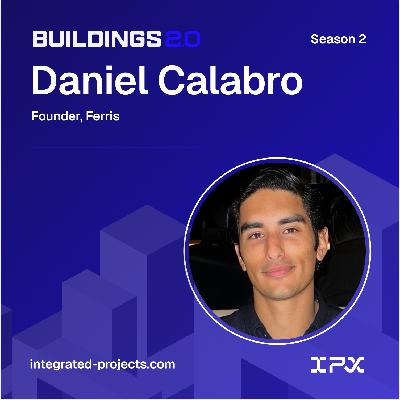
This conversation explores the intersection of law and engineering, particularly focusing on the accessibility of building codes and the implications of AI in civil engineering. Daniel Calabro, founder of Ferris shares his personal journey from engineer to entrepreneur, discussing the challenges and opportunities presented by AI technologies. Key themes include the importance of trust and education in adopting AI, the talent shortage in the engineering field, and the vision for Ferris as a central hub for engineering tools and data. The discussion also touches on the legal precedents surrounding public access to codes and the potential for innovation in the industry.
Takeaways
Code should be publicly accessible if it's law.
AI can enhance engineering workflows but can't replace human judgment.
Building personal relationships in engineering improves project outcomes.
The engineering industry faces a talent shortage due to risk and pay issues.
AI can help bridge knowledge gaps in engineering teams.
Trust and education are crucial for AI adoption in engineering.
Public access to building codes can drive innovation.
Ferris aims to centralize engineering tools and data.
The future of civil engineering involves integrating AI into daily workflows.
Engineers need to adapt to new technologies to remain relevant.
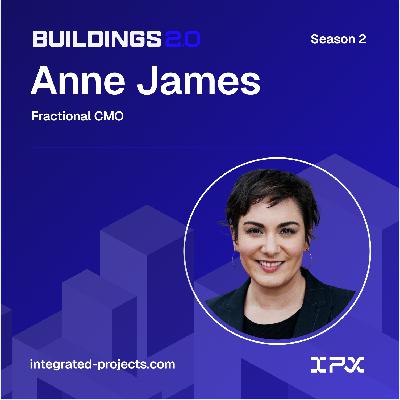
In this episode, Anne James shares her journey from founding a magazine to becoming a fractional CMO for tech startups. She discusses the importance of persistence in marketing, the unique challenges of the AEC industry, and the evolving role of AI in marketing strategies. Anne emphasizes the need for marketers to find their voice and adapt to new platforms while maintaining authenticity. She also highlights the significance of community building and the role of founders in shaping brand narratives.
Key Takeaways
Anne's journey into marketing was unconventional, starting from a passion for art and writing.
Building a brand requires persistence and creativity, especially in the early stages.
The transition from running a magazine to working with tech startups involved adapting to team dynamics.
Understanding the target audience is crucial for effective marketing in the AEC industry.
B2B and B2C marketing strategies differ significantly in approach and execution.
Creating awareness for startups involves providing valuable content and solutions to potential clients.
Finding a brand's voice is essential for authentic communication with the audience.
AI tools can enhance marketing efforts but should be used thoughtfully to maintain authenticity.
Founders need to engage with their audience and share their vision to build a strong brand.
The marketing landscape is evolving, offering new opportunities for marketers to establish their presence.
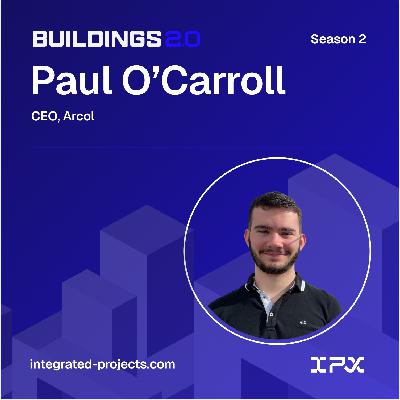
In this conversation, Paul O'Carroll, founder and CEO of Arcol shares his journey from childhood experiences in architecture to founding a collaborative BIM platform. He discusses the challenges of transitioning from traditional design methods to innovative, browser-based solutions, emphasizing the importance of collaboration in the architecture industry. Paul reflects on the technical and product challenges faced while building Arcol, the pressures of venture capital, and the long-term vision for the company. In this conversation, Paul discusses the complexities of product development in the architecture and design industry, emphasizing the challenges of collaboration and the need for innovative authoring tools. He shares insights on scaling leadership and team dynamics as the company grows, and highlights the upcoming launch of Arcol along with the Retooling AEC event aimed at fostering industry conversations.
Takeaways
Paul's early experiences with his father's architecture work shaped his passion for design.
He transitioned from architecture to game development due to a desire for creativity and technical challenges.
The idea of collaborative tools in architecture was inspired by frustrations with existing authoring platforms.
Paul's journey led to the founding of Arcoll, aiming to revolutionize collaborative design.
Venture capital pressures can conflict with the long-term vision of building a generational company.
Real-time collaboration in design tools is a complex challenge that requires careful consideration.
Building a successful product involves navigating an 'idea maze' of trial and error.
The importance of hiring a world-class team to tackle technical challenges in product development.
Paul emphasizes the need for a clear understanding of the product's value proposition.
The journey of Arcol is still ongoing, with a focus on launching innovative solutions. Building a product with a wide surface area is challenging.
The market for collaborative tools is larger than it seems.
Starting with architects as primary users is a strategic choice.
Monetizing collaborators is a complex but necessary goal.
The future of design involves collaboration with agents, not just people.
Scaling leadership requires finding the right team members.
Effective communication is key to scaling a company.
Osmosis and personal interaction are vital in small teams.
The launch of Arcol aims to redefine the authoring process.
Retooling AEC is about fostering industry-wide conversations.

Comments

Download from Google Play

Download from App Store
 United States