


 Claim Ownership
 Falken's Labyrinth Podcast
Falken's Labyrinth PodcastSubscribed: 0Played: 3
Subscribe

© Digital Intuition LLC
Description
Unscripted monologues, rants, chats, and interviews relevant to my often incoherent metaphysical journey of faith, religious trauma, deconstruction, mysticism, and auto-didactic philosophy.
falkenslabyrinth.com
falkenslabyrinth.com
18 Episodes
Reverse

SummaryIn this episode, I sit down with the electric and enchanting Ember Fae—fairy witch, burlesque performer, and exotic animal veterinarian—to explore the sacred intersection of dance, magic, and personal power. From the very beginning, we dive into the rituals that shape Ember’s world: lighting candles, drawing cards, and tuning into the energy of vengeance (yes, vengeance!) as a sacred response to systems of control. We talk about what it means to move beyond the binaries we’re handed—science or spirit, healer or performer, sexy or sacred—and instead choose integration.Ember shares how burlesque became a surprising and powerful spiritual practice, transforming from a hobby sparked by burnout into a full-blown reclamation of self. With deep reverence for the art form’s rich and rebellious history, they walk us through what burlesque really is (hint: not just stripping), how it’s used for storytelling, activism, and ecstatic embodiment—and how it connects to witchcraft, ritual, and goddess work. We also hear the beautiful origin story of Ember’s burlesque journey, guided by intuition, community, and an accidental encounter with a flyer in a corset factory.This conversation is alive with the energy of movement as ritual, with Inanna as our guide through descent, stripping down, and sacred rage. We talk about dancing with your spirit guides, casting circles before rehearsal, and even channeling egregores in the middle of a performance. If you’ve ever felt too much, not enough, or unsure how to bring all of your magic into one space, Ember’s story is a spell of permission. Move your body. Cast your spell. Be your whole self.Contemplating Resonance is a reader-supported publication. To receive new posts and support my work, consider becoming a free or paid subscriber.Takeaways* Burlesque can be a deeply spiritual practice rooted in ritual, reclamation, and embodied magic.* Sacred rage and vengeance can be powerful catalysts for healing and transformation.* You don’t have to choose between science and spirit—true wholeness comes from integration.* Performing can be a form of spellwork, especially when guided by intuition and ancestral energy.* Stripping away layers—literal or metaphorical—can be an act of liberation and devotion.Quoteables* Burlesque is how I do my magic—every sequin is a spell, every shimmy a prayer. – Ember Fae* Vengeance isn’t always violence—it’s claiming your power in a world that told you to stay small. – Ember Fae* I don’t separate science from spirit—both are ways I listen to the world. – Ember Fae* The stage became my altar, and my body became my offering. – Ember Fae* Stripping is sacred when it’s on your terms—when you choose what gets taken off and what gets revealed. – Ember FaeNotes1. Dark Goddess Oracle DeckReferenced during the card pull at the beginning.🔗 https://www.llewellyn.com/product.php?ean=97807387588622. Wendy Mata’s “Forest Om” (Earth Playlist)Matt mentions dancing to a song from this playlist during his morning ritual.3. Gypsy Rose Lee / Gypsy (the musical/movie)Referenced during the history of burlesque section.🔗 https://en.wikipedia.org/wiki/Gypsy_(1962_film)4. Twin Temple – “Let’s Have a Satanic Orgy”Ember’s burlesque act is choreographed to this song.🔗 https://www.twintemple.com5. Astrea Taylor – Inspiring Creativity Through MagickBook that helped Ember integrate spirituality into her art.🔗 https://www.llewellyn.com/product.php?ean=97807387701546. Egregores (concept)Discussed in relation to performance magick and creative spirits.🔗 https://en.wikipedia.org/wiki/Egregore7. The Magic Kitchen Podcast (Leandra Witchwood & Elyse Welles)Both hosts are mentioned as influences and mentors.🔗 https://www.themagickkitchen.com/podcast/8. Seeking Numina – Elyse WellesEmber references Elyse as a mentor through this platform.🔗 https://www.seekingnumina.com9. Instagram – Ember Fae (Guest)Referenced for listeners to DM if interested in burlesque.🔗 https://www.instagram.com/_emberfae_Thanks for reading Contemplating Resonance! This post is public so feel free to share it.Chapters• 00:00 – Welcome + Introducing Ember FaeMatt opens the episode with a warm welcome and introduces Ember Fae, a fairy witch, burlesque performer, and exotic animal vet.• 00:51 – Card Pull: Revenge from the Dark Goddess OracleThe pair pull a powerful oracle card to set the energy of the conversation, diving into symbolism and synchronicity.• 04:23 – Discussion of Witchcraft in Cultural ContextsEmber shares insights from a friend in India, comparing how witchcraft is perceived and practiced across cultures.• 06:48 – Integration vs. Binary ThinkingMatt reflects on the theme of integration versus dichotomy, tying it to his personal journey away from evangelicalism.• 08:14 – Who is Ember Fae?Ember shares how her identity has evolved beyond being “just a vet” to include dancer, witch, and healer.• 12:17 – What is Burlesque?Ember introduces the art of burlesque and its empowering blend of performance, tease, and personal storytelling.• 14:39 – The History of BurlesqueA spirited history lesson traces burlesque from its theatrical roots through its evolution in American culture.• 24:02 – Common Misconceptions About BurlesqueEmber distinguishes burlesque from stripping, emphasizing the art, message, and intentionality of the form.• 30:26 – How Ember Got Into BurlesqueA moment of intuition leads Ember from burnout and a Google search for kickboxing into the world of burlesque.• 34:53 – Burlesque as Empowerment and HealingThe conversation explores dance as a grounding, ancestral, and transmutational form of self-expression.• 41:23 – Parallels Between Burlesque and RitualEmber draws deep connections between preparing for a performance and crafting a spiritual ritual.• 43:10 – Egregores and Performance MagicShe describes how egregores—spiritual thoughtforms—become collaborators in her creative process.• 51:00 – Working with Goddess Energy: InannaEmber shares how she channels goddess archetypes, especially Inanna, into her burlesque acts.• 58:30 – Ember’s Inanna-Inspired ActEmber details her new piece inspired by Inanna’s descent myth, featuring roses, fire, and Nickelback.• 1:00:29 – Advice for Those Curious About BurlesqueShe encourages newcomers to try a class, support local shows, and find empowerment through dance.• 1:02:36 – Closing Remarks and Call to ActionMatt wraps up the episode with gratitude, reflections on resonance, and a call for listener engagement. Get full access to Falken's Labyrinth at falkenslabyrinth.com/subscribe
Trigger Warning: This episode contains topics including suicide, drug overdose, and death. Take care of yourself, and skip this one if these topics aren’t right for you.SummaryIn this heartfelt and deeply resonant conversation, I sit down with Cat Dean (they/them)—an eclectic southern witch, tarot reader, and musician—to explore the experience of living in between. From our shared journeys through religious deconstruction, queerness, neurodivergence, and gender fluidity, we weave together a tapestry of moments that challenge binaries and celebrate authenticity. With vulnerability and humor, we talk about how spiritual practice, tarot, and self-inquiry have become anchors through seasons of upheaval and transformation.Cat opens up about growing up in a high-control religious environment in the South, grappling with identity while performing in church choirs, and eventually coming out as queer and non-binary. They reflect on leaving behind church work while still holding onto grounding rituals, and how reentering Episcopal music spaces offered unexpected healing. I share my own story of spiritual unlearning, navigating life with both autism and ADHD, and the long, messy path from evangelicalism to rediscovering my spiritual self through tarot.Together, we unpack the nuance of gender expression, spiritual practice burnout, and how tarot has evolved for each of us—from a survival tool to a source of soulful connection. Cat offers wisdom on resting, playing, and reconnecting with our tools when burnout hits, and we both speak to the importance of trusting ourselves over rigid systems. If you’re in the midst of unlearning or learning to embrace your in-betweenness, this episode is a sanctuary of understanding, liberation, and resonance.Contemplating Resonance is a reader-supported publication. To receive new posts and support my work, consider becoming a free or paid subscriber.Takeaways* Living in between binaries—whether gender, belief, or identity—can be a source of power, not confusion.* Leaving high-control religion doesn’t mean abandoning spirituality; it means redefining it on your own terms.* Spiritual practice burnout is real, and rest, play, and presence are powerful antidotes.* Neurodivergent wiring often brings deep sensitivity and insight that can enrich spiritual paths.* Tarot can evolve from a tool for survival to one of soulful connection and self-trust.Quoteables* I don’t need to be either/or—I can be both, neither, and something entirely my own. – Cat Dean* Leaving church didn’t mean leaving the divine—it meant finding it in places I wasn’t taught to look. – Matt Stine* Tarot stopped being a lifeline and started becoming a love language. – Cat Dean* Neurodivergence isn’t a barrier to spiritual practice—it’s often the reason I see the world the way I do. – Matt Stine* Rest is a spell. Play is a ritual. Presence is sacred. – Cat DeanNotes* Cat Dean’s Linktreehttps://linktr.ee/Catwithdacards* Cat Dean’s Substacks* The Southern Gothic Oracle by Stacey Williams-Ng🔗 https://lapantherestudio.com/products/the-southern-gothic-oracle* Roses, Dust & Ashes Oracle by Stacey Williams-Ng🔗 https://lapantherestudio.com/products/the-roses-dust-ashes-oracle* Elmwood Cemetery, Memphis, TN (referenced in connection to the Roses, Dust & Ashes Oracle)🔗 https://www.elmwoodcemetery.org/* Post referencing Matt’s sister:Thanks for reading Contemplating Resonance! This post is public so feel free to share it.Chapters* 00:00 - Building Community Through ThreadsMatt and Cat reflect on how they first connected via social media and the vibe of Threads as a digital space for community.* 06:23 - A Mercury in Sagittarius PodcastThe conversation spins out into digressions, embracing chaos as part of the show’s identity and tone.* 15:20 - Deconstruction in Real TimeCat shares their evolving journey of deconstructing spirituality while still living in the South.* 22:49 - Self-Trust, Self-Authority, and Tarot BurnoutThey talk about the complexity of trusting oneself, spiritual authority, and how tarot can both support and overwhelm.* 31:02 - The Wisdom of the BodyMatt and Cat reflect on embodiment, grief, and the slow, intuitive process of coming home to oneself.* 38:15 - The Rewilding BeginsThemes of reclaiming the sacred, delighting in sensation, and unlearning colonial productivity are explored.* 45:33 - Cycles, Seasons, and Letting GoThe two discuss honoring energetic shifts, burnout, and permission to pause.* 54:25 - Divination as DevotionCat shares their thoughts on tarot, guides, and intuitive practices as a sacred conversation rather than a grind.* 58:07 - Listening Without ToolsMatt speaks to the importance of stillness, and the deep knowing that can emerge when we simply sit and listen.* 1:03:25 - Holding Space with IntegrityThey both reflect on how to responsibly serve others when offering readings, coaching, or support.* 1:10:30 - Protective Tools and Spiritual HygieneMatt and Cat close out with their favorite energetic tools, from obsidian to evil eye bracelets, before Matt lands the plane. Get full access to Falken's Labyrinth at falkenslabyrinth.com/subscribe
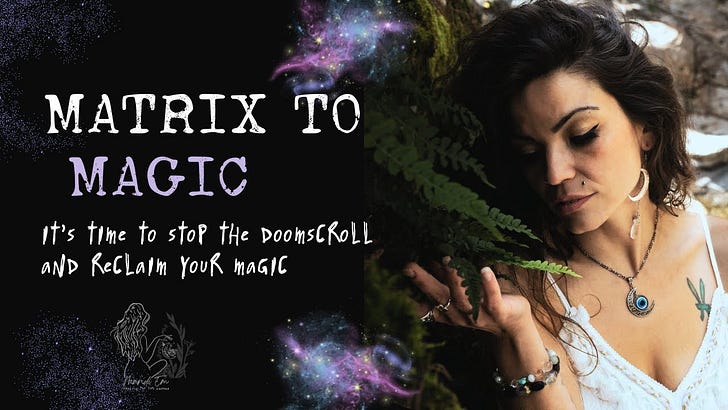
SummaryIn this high-energy episode of Contemplating Resonance, I welcome the inimitable Mandi Em—a multi-published author, chaos witch, and your psycho-spiritual bestie—for a conversation that’s as feral and liberating as it is heartfelt and wise. We kick things off with a witchy card pull that sets the tone for a deeply resonant exploration of Mandi’s Feral Self-Care philosophy, which rejects perfection, honors play, and reminds us that fun is a radical form of resistance. Together, we reflect on healing through humor, grounding into presence, and the power of letting your weirdness run wild.Mandi shares insights from her latest work, the Feral Self-Care Collective, which centers on reconnecting with your body, creativity, and truth—free from capitalist hustle and spiritual dogma. The conversation touches on deprogramming inherited beliefs, embracing your emotional messiness, and crafting rituals that are playful and deeply personal. Mandi also reveals the upcoming release of her Witchcraft Therapy oracle deck, designed to offer mental health magic through accessible, intuitive practices for healing and empowerment.As we riff on everything from doomscrolling to Taco Bell to burning down the myth of hustle culture, we remind listeners that it’s okay to just be. The episode closes with a potent call to slow down, reconnect with what’s real, and take up space in a world that benefits when we play small. If you’ve ever felt like too much or not enough, this one’s for you—because reclaiming your magic begins exactly where you are.Contemplating Resonance is a reader-supported publication. To receive new posts and support my work, consider becoming a free or paid subscriber.Takeaways• Feral self-care is about rejecting perfection and embracing rituals that honor your body, creativity, and messiness.• Humor can be a powerful tool for healing trauma and disarming internalized shame.• You don’t have to earn rest, softness, or joy—your existence is reason enough.• Spiritual practice doesn’t have to be serious to be sacred—play is a form of magic.• Reclaiming your magic starts by letting go of the belief that you have to fix yourself first.Quoteables* You don’t need to fix yourself to be worthy of magic—you already are. – Mandi Em* Feral self-care is about making space for your weird, wild, emotional self—and loving them anyway. – Mandi Em* Burnout is not a personal failure—it’s a symptom of a system that doesn’t want you to rest. – Matt Stine* Ritual doesn’t have to be serious to be sacred—sometimes the magic is in the mess. – Mandi Em* Fun is a spell. Play is a protest. Joy is resistance. – Mandi EmNotes* Witches’ Familiars Oracle Cards by Barbara Meiklejohn-Free & Flavia Kate PetersA beautifully illustrated oracle deck that draws on the magick of animal spirit guides in witchcraft.🔗 https://www.llewellyn.com/product.php?ean=9780738767277* Feral Self-Care Project (Free Facebook Group)This is Mandi’s free Facebook group, designed to explore themes of wild, untamed living and self-liberation.🔗 https://www.facebook.com/groups/feralselfcare* Feral Self-Care Collective (Membership Program)A paid membership offering seasonal support, group rituals, guest teachers, and more.🔗 https://www.healingforhotmesses.com/feralselfcare* Matrix to Magic (Free Class on YouTube)A free class Mandi created about escaping mainstream programming and stepping into your power.* Witchcraft Therapy Oracle Deck (Coming May 2025 - Available for Preorder!)Mandi’s upcoming deck with intuitive prompts and rituals for healing.Published by Chronicle Prism.🔗 https://www.chroniclebooks.com/collections/chronicle-prism/products/witchcraft-therapy-oracle-deck(Deck listing may go live closer to release.)* Books by Mandi Em• Witchcraft Therapy• Happy Witch• Feral Self-Care• Shadow Work for Hot Messes🔗 https://www.healingforhotmesses.com/Thanks for reading Contemplating Resonance! This post is public so feel free to share it.Chapters* 00:00 - Welcome to Season 3Matt introduces the third season of Contemplating Resonance, launching on the Equinox and exploring diverse mystical journeys.* 01:52 - Meet Mandi EmMandi joins the show and shares her chaotic, hilarious, and healing approach to self-care and magick.* 08:23 - The Trap of PerfectionismMandi reflects on how chasing perfection leads to burnout and how healing starts with self-acceptance.* Building Presence Like a MuscleA conversation about mindfulness, emotional imprinting, and flexing the muscle of present-moment awareness.* 20:28 - The Origin of Feral Self-CareMandi explains why she finds traditional self-care boring and how the Feral Self-Care Project was born.* 24:32 - Messy Creativity and RewildingA deeper dive into the philosophy of feral self-care, embracing chaos, and tuning into your sensory body.* 30:05 - Matrix to Magic and BoundariesMandi discusses her free YouTube class and how boundaries are a radical act of self-preservation.* 34:20 - Holding ContradictionsThe two explore how embracing contradiction and nuance helps us stay grounded in a chaotic world.* 39:15 - Start with YourselfMandi shares her personal mantra for healing: start with the thing closest to you—yourself.* 42:38 - Money, Peace, and the Hungry GhostA candid exchange about how wealth doesn’t bring happiness, but peace—and how the hunger for more never ends.* 46:26 - Healing Starts InsideMandi emphasizes the power of grounding and self-trust over doomscrolling and performative suffering.* 51:07 - Small Acts, Big ChangeThey close with a call to intentional living and trusting the ripple effect of your own healing. Get full access to Falken's Labyrinth at falkenslabyrinth.com/subscribe
Welcome to Season 3 of Contemplating Resonance, launching on the Equinox—a moment of balance between light and dark. In the Northern Hemisphere, it’s Ostara, a time of renewal and awakening. In the Southern Hemisphere, it’s Mabon, a season of reflection and release. No matter where you are, this shift invites us to honor transformation. This season, we’re diving deep into the intersections of psychology, spirituality, queerness, and personal power. From egregores to energy healing, techno-fascism to tarot, each episode invites you to explore the unseen forces shaping our reality. Let’s begin again, together. 🍃✨SummaryIn this episode, I sit down with Jess Karels, also known as The Mystic Geek, for a wide-ranging conversation about their journey from Jehovah’s Witness to eclectic witch. Jess shares the history of Paganistan, a nickname for the vibrant and diverse pagan community in the Twin Cities, and how their own path wove through evangelical Christianity, Catholic mysticism, and ultimately into witchcraft. We discuss the power of reclaiming spiritual autonomy and how navigating multiple traditions helped Jess find what truly resonates.Our discussion takes a deep dive into egregores—the collective psychic entities that emerge from shared belief and group identity. Jess explains how these unseen forces shape everything from religions to nations to fandoms, influencing behavior and maintaining control in ways most people never recognize. We also examine the intersection of spirituality and skepticism, exploring how belief and critical thinking can coexist in the practice of magic and manifestation.As we wrap up, Jess and I reflect on the ever-evolving nature of spiritual practice and the importance of self-awareness in shaping personal and collective realities. From exploring magic with a structured, academic lens to recognizing the hidden currents of power in society, this episode is a deep and thought-provoking ride. If you’ve ever questioned the forces behind religious systems, cultural movements, or even celebrity worship, this conversation will give you plenty to ponder.Contemplating Resonance is a reader-supported publication. To receive new posts and support my work, consider becoming a free or paid subscriber.Takeaways• Spirituality and skepticism are not mutually exclusive—critical thinking can deepen magical practice.• Egregores are powerful collective entities shaped by shared belief, influencing everything from religion to pop culture.• Reclaiming spiritual autonomy often means unlearning the control mechanisms of high-demand systems.• Personal spiritual paths can evolve through many traditions, from evangelical Christianity to witchcraft.• Self-awareness is key to navigating both magical and mundane systems of influence and power.Quoteables* Egregores don’t care if you believe in them—they thrive on your attention.– Jess Karels* You can be a skeptic and still practice magic—belief doesn’t have to be blind. – Jess Karels* Leaving high-control religion isn’t just walking away from doctrine—it’s reclaiming your ability to think for yourself. – Matt Stine* Paganistan gave me the space to be weird, spiritual, and queer—without needing to explain any of it. – Jess Karels* Systems of power survive by making you think you chose them. – Jess KarelsNotes* Egregores: The Occult Entities That Watch Over Human Destiny by Mark Stavish📖 Amazon Link* True Magick by Amber K📖 Amazon Link* Elemental Witchcraft: A Guide to Living a Magickal Life Through the Elements by Heron Michelle📖 Amazon Link* The Southern Gothic Oracle by Stacey Williams-Ng🃏 Official Website* The Mystic Geek (Jess Karels’ Website & Socials)🌐 Website* Spiritual AF Sundays (Jess Karels’ Podcast)🎙️ Podcast Link* Llewellyn Publishing (Major Publisher of Pagan & Occult Books, Based in Minnesota)📖 WebsiteThanks for reading Contemplating Resonance! This post is public so feel free to share it.Chapters• 00:00 - Welcome to Season 3Matt introduces Season 3 of Contemplating Resonance, launching on the Equinox, and previews the themes of the new season.• 02:29 - The Origin of PaganistanJess shares the history of Paganistan, the nickname for the Twin Cities’ vibrant pagan community, and its impact on modern witchcraft.• 10:15 - Contemplative Christianity and WitchcraftA discussion on how Christian mysticism, contemplative practices, and witchcraft can overlap in unexpected ways.• 17:09 - Nostalgia, Anxiety, and the Modern WorldMatt and Jess explore how nostalgia influences spirituality and how anxiety shapes the way we engage with religious traditions.• 22:45 - Jess’s Journey: From Jehovah’s Witness to WitchcraftJess recounts their personal path from being raised Jehovah’s Witness to exploring evangelical Christianity, Catholic mysticism, and ultimately witchcraft.• 32:27 - Theology, Evangelicalism, and the Search for TruthA deep dive into the theological roots of evangelicalism and how they shape belief systems, both inside and outside religious institutions.• 41:38 - Evolving Beliefs and the Messy Origins of Modern WitchcraftJess and Matt discuss the ever-changing nature of witchcraft, its eclectic origins, and the importance of questioning foundational beliefs.• 47:24 - The Skeptical Approach to ManifestationJess explains how magic and manifestation can be practiced with a skeptical, critical-thinking mindset rather than blind belief.• 57:36 - Understanding Egregores and Collective ThoughtformsA deep dive into egregores—how shared belief creates powerful collective entities that shape cultures, religions, and even fandoms.• 1:05:25 - Nations, Identities, and the Power of Shared BeliefThe conversation expands into how egregores operate in politics, nationalism, and the formation of cultural identities.• 1:10:11 - How to Connect with Jess KarelsJess shares where listeners can find their work, including The Mystic Geek blog and Spiritual AF Sundays podcast.• 1:18:07 - Closing Thoughts and Where to Find MoreMatt wraps up the episode with final reflections and encourages listeners to embrace curiosity and self-exploration on their spiritual journeys.f self-compassion and supportive communities in the healing process. Get full access to Falken's Labyrinth at falkenslabyrinth.com/subscribe
SummaryIn this episode of Contemplating Resonance, Matt Stine hosts Christine Greenwald, a psychotherapist, writer, and author of the Substack Recasting Religious Trauma. Together, they explore the profound impact of religious trauma, diving into its overlap with complex trauma and how it shapes self-perception, relationships, and spirituality. Christine shares insights from her therapeutic work, highlighting the role of nervous system responses in trauma and the unique challenges faced by those healing from high-control religious environments.The conversation delves into themes of identity, intuition, and reclaiming spiritual practices after deconstruction. Christine reflects on her own healing journey, from grappling with the doctrine of hell and purity culture to embracing tools like tarot as a means of self-reflection and personal growth. Along the way, she challenges long-held stigmas surrounding intuitive practices, reframing them as valuable pathways to deeper self-understanding.Listeners will gain valuable insights into navigating religious trauma and rebuilding spiritual practices on their own terms. Christine and Matt emphasize the importance of playfulness and curiosity in creating a spiritual life that resonates authentically. This episode offers a compassionate guide for those seeking to leave behind guilt, shame, and rigid structures to discover a more expansive and fulfilling connection to self and the divine.Contemplating Resonance is a reader-supported publication. To receive new posts and support my work, consider becoming a free or paid subscriber.Takeaways• Religious trauma often overlaps with complex trauma, deeply affecting self-perception, relationships, and spirituality.• Nervous system responses play a crucial role in understanding and healing from the effects of high-control religious environments.• Reclaiming spiritual practices, such as tarot, can be a powerful way to reconnect with intuition and self-reflection.• Breaking free from purity culture and the doctrine of hell requires addressing the lingering guilt and fear they instill.• Playfulness and curiosity are essential tools for building a spiritual life that feels authentic and expansive.Quoteables* Religious trauma doesn’t just affect your beliefs—it rewires how you see yourself, your relationships, and your worth. – Christine Greenwald* Healing begins when we stop seeing our intuition as dangerous and start embracing it as a guide. – Christine Greenwald* The nervous system doesn’t lie—it’s often the first place we notice the effects of religious trauma. – Matt Stine* Reclaiming spiritual practices like tarot isn’t rebellion; it’s reconnecting with parts of ourselves that were silenced. – Christine Greenwald* Curiosity and playfulness are the antidotes to the rigidity and shame that high-control environments impose. – Christine GreenwaldNotes* Christine’s Substack: Recasting Religious Trauma* Religious Trauma Institute* Book: The Body Keeps the Score by Bessel van der KolkThanks for reading Contemplating Resonance! This post is public so feel free to share it.Chapters• 00:00 - IntroductionMatt welcomes listeners and introduces guest Christine Greenwald, setting the stage for a discussion on religious trauma and healing.• 01:52 - Understanding Religious TraumaChristine explains the overlap between religious trauma and complex trauma, emphasizing its deep effects on identity and relationships.• 06:35 - The Role of the Nervous System in TraumaThe conversation dives into how trauma impacts the nervous system and why this understanding is essential for healing.• 12:10 - Deconstructing Purity Culture and Hell DoctrineChristine shares her personal journey of confronting purity culture and the fear-based teachings of eternal damnation.• 18:45 - Reclaiming Intuition Through Spiritual PracticesMatt and Christine discuss the power of tools like tarot to reconnect with intuition and foster self-awareness.• 26:20 - Breaking Free from Shame and GuiltThey explore the lingering effects of shame and guilt imposed by high-control environments and how to overcome them.• 33:05 - The Importance of Curiosity and PlayChristine highlights how playfulness and curiosity can help rebuild a more authentic and expansive spiritual life.• 40:15 - ConclusionMatt and Christine reflect on the importance of self-compassion and supportive communities in the healing process. Get full access to Falken's Labyrinth at falkenslabyrinth.com/subscribe
SummaryIn this episode of Contemplating Resonance, Matt Stine sits down with John Sundman—novelist, former high-tech professional, and self-described working-class hero—to explore the intersections of technology, power, and religious ideology. John shares insights from his career in Silicon Valley, his experiences with Catholicism, and how those influences shaped his writing. Together, they discuss how the structures of high-control religious groups mirror the authoritarian tendencies found in the tech world.The conversation takes a deep dive into John’s essay, I Created Peter Thiel, which examines the fusion of Silicon Valley’s techno-libertarianism with the rise of Christian nationalism. John draws parallels between the utopian visions of tech elites—who seek immortality through transhumanism and genetic manipulation—and the eschatological promises of religious dogma. Matt and John explore how figures like Peter Thiel and J.D. Vance bridge the gap between these two ideologies, forming a modern movement that wields enormous political and economic power.Listeners will come away with a nuanced perspective on how technology, faith, and authoritarian control are converging in today’s world. John’s novels, infused with Christian mythology and cyberpunk themes, serve as both a critique and a reflection of these cultural forces. This episode challenges the listener to question who holds the power to shape belief systems—whether through religion or technology—and what that means for the future of personal and collective agency.Contemplating Resonance is a reader-supported publication. To receive new posts and support my work, consider becoming a free or paid subscriber.Takeaways• High-control religious structures and authoritarian tech ideologies share striking similarities in how they consolidate power and influence belief systems.• Silicon Valley’s transhumanist movement mirrors religious eschatology, promising immortality and human perfection through technology.• Peter Thiel and other tech elites leverage Christian nationalism to expand their political and economic influence.• The fusion of libertarian tech culture and religious fundamentalism creates a potent force shaping modern politics and governance.• Questioning who controls narratives—whether through religion, technology, or media—is crucial to maintaining personal and collective autonomy.Quoteables* Silicon Valley’s tech elites and religious fundamentalists both sell the same dream—transcendence, immortality, and a world remade in their image. – John Sundman* The question isn’t whether technology is shaping our beliefs—it’s who’s controlling the narrative behind it. – Matt Stine* Peter Thiel isn’t just funding tech startups; he’s funding a future where power is concentrated in the hands of a chosen few. – John Sundman* Religious fundamentalism and techno-libertarianism might seem like opposites, but they both thrive on the idea that a select group should rule over everyone else. – John Sundman* If we don’t critically examine who’s designing our future, we might wake up in a world we never consented to. – Matt StineNotes* John Sundman’s Substack: Sundman figures it out!* John Sundman’s Website* John’s Essay: “I created Peter Thiel, who gave us JD Vance. Sorry about that.”* Books by John Sundman* Acts of the Apostles – A cyberpunk thriller with deep theological and technological themes.* Cheap Complex Devices – A metafictional novel exploring AI, storytelling, and human consciousness.* Biodigital – A rewritten, streamlined version of Acts of the Apostles with more thriller elements.* The Pains – A novella exploring religious stigmata, suffering, and belief.* Mountain of Devils (Upcoming) – A psychological thriller set in the 1970s.* The “Q source” for the synoptic gospels* Human Sexual Response - the band* Book: Soul of a New Machine by Tracy KidderThanks for reading Contemplating Resonance! This post is public so feel free to share it.Chapters• 00:00 - IntroductionMatt introduces John Sundman, discussing his career in tech, writing, and the intersections of power, religion, and technology.• 09:10 - From Silicon Valley to Martha’s VineyardJohn reflects on his journey from the high-pressure world of tech to a more grounded life as a writer and laborer.• 21:34 - “I Created Peter Thiel” and the Rise of Techno-FascismA deep dive into John’s essay on how Silicon Valley’s elite, particularly Thiel, blend libertarianism with Christian nationalism.• 26:04 - Transhumanism, Immortality, and the Religious MindsetExploring the striking similarities between tech utopianism and religious eschatology.• 40:31 - Faith, Power, and the Persistence of Medieval ThinkingJohn discusses how modern society clings to outdated religious and philosophical frameworks.• 55:34 - Storytelling, AI, and Christian Mythology in FictionHow John weaves theological themes into his novels, reflecting on the role of narrative in shaping belief systems.• 1:12:33 - Java One, Crypto, and the Decline of Tech CultureA candid discussion about the shifting landscape of the tech industry, from early optimism to the current state of disillusionment.• 1:14:33 - Closing ThoughtsMatt and John wrap up the conversation, reflecting on the themes of power, belief, and the future of technology. Get full access to Falken's Labyrinth at falkenslabyrinth.com/subscribe
SummaryIn this episode of Contemplating Resonance, Matt Stine sits down with Ariele Lanning, also known as Divine Rebel Rising, to explore the deep work of deconstructing religious trauma and reclaiming personal autonomy. Ariele shares her journey from growing up in a Mormon household to experiencing profound shifts in her spiritual path. Her work as a deconstruction coach and evidential spiritualist centers on helping others heal subconscious belief systems, reconnect with intuition, and integrate somatic awareness into their daily lives.The conversation dives into the intersection of trauma, religious conditioning, and self-worth. Ariele discusses how the subconscious mind absorbs rigid belief systems, shaping not only identity but also physical and emotional well-being. She shares how practices like yoga, nervous system regulation, and remote viewing helped her shift away from fear-based teachings and into an empowered, spiritually expansive perspective. Together, Matt and Ariele unpack the similarities between high-control religious environments and narcissistic abuse, highlighting the psychological patterns that keep people stuck.Listeners will come away with insights into the tangible steps of healing—learning to feel into the body, tracking emotional triggers, and retraining the nervous system for safety. Ariele emphasizes that deconstruction doesn’t have to lead to spiritual emptiness; rather, it can be an opening to something more expansive, rooted in intuition and personal truth. Whether you’re navigating religious trauma, seeking to reconnect with your body, or exploring new spiritual frameworks, this episode provides a roadmap for transformation.Contemplating Resonance is a reader-supported publication. To receive new posts and support my work, consider becoming a free or paid subscriber.Takeaways• Religious trauma often disconnects people from their intuition and body, making healing a process of reestablishing trust within oneself.• The subconscious mind absorbs fear-based teachings that can shape identity, self-worth, and nervous system responses long after leaving high-control religions.• Deconstruction doesn’t have to lead to atheism; it can be a gateway to a more expansive and intuitive spirituality.• Remote viewing and other intuitive practices can help dismantle fear around the unknown and open up new ways of connecting with energy and information.• Healing from religious trauma requires both cognitive and somatic work—releasing subconscious patterns while retraining the body to feel safe in new experiences.Quoteables* Religious trauma doesn’t just live in the mind—it’s stored in the body, shaping how we feel safe or unsafe in the world. – Ariele Lanning* Leaving high-control religion isn’t just about rejecting a belief system; it’s about reclaiming the ability to trust yourself. – Matt Stine* The nervous system doesn’t lie—if you’re constantly in survival mode, there’s a deeper layer of healing that needs to happen. – Ariele Lanning* Deconstruction isn’t the end of spirituality—it’s the beginning of discovering what truly resonates with your soul. – Ariele Lanning* Healing isn’t about replacing one set of beliefs with another; it’s about learning to sit with the unknown and feel safe in it. – Matt StineNotes* Ariele’s Website* Ariele’s Instagram* Book: The Seat of the Soul by Gary ZukavThanks for reading Contemplating Resonance! This post is public so feel free to share it.Chapters• 00:00 - IntroductionMatt introduces Ariele Lanning and sets the stage for a deep dive into religious trauma, deconstruction, and healing.• 02:15 - Ariele’s Journey from Mormonism to Spiritual FreedomAriele shares her personal story of growing up in a Mormon household and the pivotal moments that led to her spiritual awakening.• 08:42 - Understanding Religious Trauma and the Nervous SystemDiscussion on how fear-based teachings impact the subconscious mind, nervous system, and overall sense of safety.• 15:30 - Deconstruction vs. Spiritual ExpansionAriele challenges the idea that leaving religion must lead to atheism, exploring how intuitive spirituality can emerge from deconstruction.• 22:05 - Intuition, Remote Viewing, and Energetic AwarenessA look into Ariele’s work with remote viewing, psychic development, and how intuitive practices help people reconnect with their inner wisdom.• 30:50 - High-Control Religion and Narcissistic Abuse PatternsExploring the parallels between religious indoctrination and narcissistic manipulation, and how to break free from these cycles.• 38:15 - Healing Through Somatic PracticesAriele explains how yoga, meditation, and nervous system regulation support deep healing from subconscious religious conditioning.• 45:20 - The Power of Personal Truth and Self-TrustA conversation on embracing uncertainty, stepping into self-trust, and cultivating a spiritual practice that resonates on an individual level.• 51:10 - Conclusion and Final ReflectionsMatt and Ariele wrap up with reflections on healing, self-integration, and finding freedom beyond religious trauma. Get full access to Falken's Labyrinth at falkenslabyrinth.com/subscribe
SummaryThis weekend marked my second annual retreat at St. Margaret’s Hermitage—a snowy, serene space just outside Bartlett, Tennessee. It’s been a time for reflection, connection, and setting intentions for the year ahead. My days were a mix of rituals, journaling, walks in nature, and exploring practices like Chaos Magick and Active Imagination. Each activity felt like a step toward integrating my spiritual practices with my professional aspirations.One powerful moment came during an Active Imagination session where I met archetypes like the Anima, Wise Old Man, and Trickster in a conference room within my mind. Together, we visualized the creative projects I want to bring to life this year—podcasts, writing, coaching, and a sense of intersectionality that bridges all aspects of my professional identity. These archetypes reminded me of the importance of leaning into chaos, trusting the process, and embracing bold risks.I also worked with oracle cards to draw out messages from these archetypes, which reinforced themes of clarity, courage, and trusting my intuition. Through it all, I saw patterns emerging—crossroads, liminal spaces, and the need to let go of what no longer serves me. This retreat wasn’t just about setting goals; it was about grounding myself in the kind of person I’m becoming.As I wrap up, my intentions for 2025 are clear: to integrate my work and spiritual practices, embrace creativity through Chaos Magick, and create a coaching program that weaves together tarot, astrology, and Jungian techniques. This retreat has been a powerful reminder that growth comes from stepping into the unknown and trusting the journey.Contemplating Resonance is a reader-supported publication. To receive new posts and support my work, consider becoming a free or paid subscriber.Takeaways• Reflection and ritual during retreats create a powerful space for integrating spiritual practices and setting clear intentions.• Active Imagination can help connect with archetypes, offering guidance and clarity on creative and personal goals.• Embracing chaos as a source of creativity and growth requires letting go of control and trusting the process.• Oracle card readings can reinforce themes like courage, intuition, and releasing what no longer serves us.• Aligning professional and spiritual identities allows for a more authentic and fulfilling life path.Quoteables* When chaos makes you uncomfortable, lean into it—that’s where the real growth happens. – Matt Stine* Retreats aren’t just about rest; they’re about recalibrating your soul and setting the tone for what’s next. – Matt Stine* The archetypes in your mind hold the keys to unlocking your creativity and courage. – Matt Stine* Letting go of what no longer serves you is not loss—it’s liberation. – Matt Stine* Integrating all aspects of your identity isn’t just a goal; it’s a way of reclaiming your power. – Matt StineNotes* Azariel Flame’s website* Book: Elemental Witchcraft by Heron Michelle* Course: Elemental Witchcraft by Heron Michelle* Work Your Light Oracle Cards by Rebecca Campbell* Seasons of the Witch: Imbolc Oracle Deck by Lorraine Anderson* Tenae Stewart’s Celestial Alchemy Astrology Certification* Rachel Star’s websiteThanks for reading Contemplating Resonance! This post is public so feel free to share it.Chapters• 00:00 - IntroductionMatt welcomes listeners and introduces the retreat setting at St. Margaret’s Hermitage.• 02:15 - Reflecting on Last Year’s IntentionsA look back at journaling, lessons learned, and intentions achieved from the previous year.• 07:42 - Embracing Chaos and Leaning Into GrowthExploration of Chaos Magick, the fear of chaos, and its role in creativity and transformation.• 12:08 - Active Imagination and ArchetypesA detailed recount of meeting inner archetypes like Anima, Trickster, and Wise Old Man during an active imagination exercise.• 19:36 - Oracle Card Insights and ClarityUsing oracle cards to deepen understanding of the messages from archetypes and focusing on clarity and purpose.• 25:11 - Setting Intentions for 2025Crafting bold, integrative goals for creativity, professional growth, and spiritual alignment.• 30:22 - Closing ReflectionsMatt reflects on the retreat’s impact and the path forward, encouraging listeners to embrace their own transformational journeys. Get full access to Falken's Labyrinth at falkenslabyrinth.com/subscribe
SummaryIn this thought-provoking episode of Contemplating Resonance, Matt Stine reconnects with returning guest Hana O’Neill, also known as the Suburban Witch, for a deep dive into cult tactics and religious trauma. Together, they unpack the BITE model of authoritarian control and phobia indoctrination, exploring how these tactics shape behavior, thought, and emotions in high-control environments. With a focus on evangelical Christianity, Hana shares insights from her class, “Ridiculous Rapture Rhetoric,” helping others untangle fear-based beliefs.The conversation weaves through Hana’s personal journey, from growing up in a rapture-focused church to discovering freedom in alternative spiritual paths. They discuss the psychological impact of fear-based doctrines, such as the Rapture, and how these teachings can perpetuate anxiety and perfectionism. Matt and Hana also delve into the parallels between cult tactics and other controlling environments, from MLM schemes to authoritarian religious practices.Listeners will find this episode both challenging and liberating as Matt and Hana highlight the importance of reclaiming autonomy and uncovering hidden truths. Whether you’re deconstructing your own religious upbringing or seeking to understand the psychological impact of high-control systems, this episode offers tools and perspectives for breaking free and embracing authenticity.Contemplating Resonance is a reader-supported publication. To receive new posts and support my work, consider becoming a free or paid subscriber.Takeaways• The BITE model reveals how high-control systems manipulate behavior, information, thoughts, and emotions to maintain power over individuals.• Fear-based doctrines, like the Rapture, are often rooted in misinformation and perpetuate anxiety and perfectionism among followers.• Cult tactics can be found not just in religion but also in MLMs, corporate environments, and other high-control systems.• Reclaiming autonomy involves questioning inherited beliefs, exploring new perspectives, and embracing personal freedom.• Healing from religious trauma requires understanding the psychological impacts of control and finding supportive, empowering communities.Quoteables* The Evangelical Church is one of the most psychically active spaces—it’s just that they call it prayer instead of magic. – Hana O’Neill* Fear-based doctrines don’t just control your actions; they make you doubt your thoughts, your intuition, and even your identity. – Matt Stine* The BITE model isn’t just a tool for spotting cults—it’s a way to reclaim your power by understanding how control operates. – Hana O’Neill* Leaving a high-control environment feels like being a newborn without a mother—you’re free, but you don’t know how to live yet. – Matt Stine* The Rapture doctrine isn’t ancient theology; it’s a fear-inducing story invented in the 1830s to keep people compliant. – Hana O’NeillNotes* BITE Model of Authoritarian Control by Steven Hassan* Hana’s Website: Suburban Witchery* Hana’s YouTube Channel* Hana’s Ridiculous Rapture Rhetoric Class* Hillsong: A Megachurch Exposed (Documentary on Max)* John Nelson Darby* Religious Trauma Syndrome (RTS)Thanks for reading Contemplating Resonance! This post is public so feel free to share it.Chapters• 00:00 - IntroductionMatt welcomes listeners and introduces returning guest Hana O’Neill, focusing on cult tactics and religious trauma.• 02:09 - What is the BITE Model?Hana explains the BITE model of authoritarian control and its application to religion, MLMs, and other high-control systems.• 07:47 - The Psychology of Cult TacticsDiscussion on how emotional vulnerabilities and the desire for connection make people susceptible to cult tactics.• 13:14 - Evangelicalism as Psychic PracticeHana draws parallels between evangelical practices and spiritual techniques like energy healing and clairaudience.• 19:21 - Information Control in High-Control SystemsMatt and Hana explore how selective information and censorship perpetuate control in religious settings.• 30:07 - Fear-Based Doctrines and PerfectionismThey discuss the Rapture doctrine, phobia indoctrination, and how fear fosters anxiety and black-and-white thinking.• 43:09 - Emotional Control and Identity GuiltInsights into how emotional manipulation and guilt are used to suppress individuality and enforce conformity.• 50:10 - Ridiculous Rapture RhetoricHana introduces her class, explaining the origins of the Rapture doctrine and the misinformation surrounding it.• 59:10 - Deconstructing the Book of RevelationA step-by-step analysis of Revelation, its historical context, and its role in fear-based religious teachings. Get full access to Falken's Labyrinth at falkenslabyrinth.com/subscribe
SummaryIn this eye-opening episode of Contemplating Resonance, Matt Stine welcomes Lyn Smith Gregory, great-grandniece of Joseph Smith, to discuss her journey of breaking free from the Mormon Church and navigating family estrangement. Lyn shares her deeply personal story of growing up in a high-control religious environment, where questioning authority was discouraged, and leaving the church meant losing her place in the family and community. This episode unpacks the lasting impacts of religious trauma and the challenges of redefining identity after faith deconstruction.Lyn’s narrative highlights the psychological and emotional toll of perfectionism, purity culture, and patriarchal systems within the Mormon faith. She recounts the pivotal moments that led her to question her beliefs, from reading forbidden books to confronting discrepancies in church teachings. Lyn also reflects on the estrangement she experienced after leaving her faith, including the struggles to reconnect with her family while maintaining personal boundaries and honoring her truth.This episode offers valuable insights for listeners navigating similar transitions. Lyn and Matt discuss tools for healing, such as therapy, yoga, meditation, and building supportive relationships. They explore the importance of fostering acceptance, setting boundaries, and finding common ground when rebuilding relationships with loved ones. Whether you’re deconstructing your faith or seeking to reconcile with estranged family members, this conversation provides a roadmap for reclaiming autonomy and creating a life aligned with your values.Contemplating Resonance is a reader-supported publication. To receive new posts and support my work, consider becoming a free or paid subscriber.Takeaways• Leaving a high-control religion often involves not only losing faith but also facing estrangement from family and community.• Questioning institutional authority and exploring forbidden knowledge can be pivotal steps in deconstructing faith.• The psychological impacts of perfectionism, shame, and purity culture often linger long after leaving a high-control environment.• Rebuilding relationships with estranged family members requires mutual willingness, boundaries, and a focus on shared values.• Healing from religious trauma involves tools like therapy, meditation, and connecting with supportive communities.Quoteables* In high-control religions, questioning isn’t just discouraged—it’s seen as dangerous, a threat to the entire system. – Lyn Smith Gregory* When I left the church, it felt like a trap door had opened beneath me, and I was falling into an unknown void. – Lyn Smith Gregory* Perfectionism doesn’t vanish when you leave a high-control religion—it just shifts to new, unattainable standards. – Matt Stine* Reconciliation isn’t the next step after leaving—it’s something you can only approach once you’ve done the deep inner work. – Lyn Smith Gregory* Giving people the dignity of their own journey means listening without judgment and finding common ground, even in disagreement. – Lyn Smith GregoryNotes* Lynn’s Website* Lynn’s YouTube Channel* How to Tell if Your High Control Religion is a Cult (+ Support Resources!)Thanks for reading Contemplating Resonance! This post is public so feel free to share it.Chapters• 00:00 - IntroductionMatt introduces the episode and welcomes guest Lyn Smith Gregory to share her journey.• 02:09 - Growing Up in the Mormon ChurchLyn discusses her upbringing as a descendant of Joseph Smith, grappling with perfectionism and visibility within the church.• 06:07 - The Moment of DoubtLyn recalls her university experience, exposure to forbidden texts, and the events that led her to question her faith.• 12:26 - Facing Family EstrangementLyn describes the challenges of leaving the Mormon Church, including the emotional toll of estrangement from her family.• 20:33 - The Impact of Purity CultureThe conversation shifts to how shame, body control, and worthiness interviews affect women in high-control religions.• 27:35 - Starting the Healing ProcessLyn shares how therapy, yoga, and meditation helped her reconnect with her body, thoughts, and spirituality.• 33:24 - Finding Common Ground with FamilyLyn talks about her family’s journey through therapy and rebuilding relationships despite differing beliefs.• 40:47 - The Dignity of Individual JourneysLyn emphasizes the importance of respecting others’ paths and fostering connections through shared values.• 47:53 - ConclusionMatt and Lyn reflect on the power of storytelling, healing, and supporting others through similar journeys. Get full access to Falken's Labyrinth at falkenslabyrinth.com/subscribe
SummaryIn this heartfelt episode of Contemplating Resonance, host Matt Stine welcomes Kandi Zeller, a queer, witchy, disabled, and ex-evangelical writer and editor. Kandi shares their journey navigating the intersections of spirituality, creativity, and justice while healing from religious trauma. As an editor for Microcosm Publishing and writer of the Substack newsletter All the Threads, Kandi discusses how their experiences have shaped their work and driven their passion for helping others reclaim their identities after leaving high-control religious environments.The conversation dives deeply into the themes of resistance, identity, and autonomy. Kandi reflects on the role of online communities in validating their experiences and providing the courage to confront harmful systems. They share personal stories of breaking free from fundamentalist doctrines, the stigma of religious authoritarian parenting, and the pervasive fear of judgment that shaped their early life. Together, Matt and Kandi explore how survivors are not only speaking their truths but embracing creativity and individuality as acts of resistance and healing.Listeners will be inspired by Kandi’s resilience and advocacy for building a better world, one where people feel empowered to live authentically. Whether discussing the ex-evangelical to witchcraft pipeline or dismantling harmful ideologies, this episode invites reflection on the beauty of self-expression and the power of community in creating meaningful change.Contemplating Resonance is a reader-supported publication. To receive new posts and support my work, consider becoming a free or paid subscriber.Takeaways• Embracing creativity and individuality can be powerful acts of resistance against systems that suppress authentic self-expression.• Online communities provide validation and courage for survivors of religious trauma to share their truths and heal collectively.• Survivors often find healing through exploring alternative spiritualities, fostering autonomy, and reclaiming their identities.• Confronting and dismantling harmful systems requires understanding their impact while focusing on building healthier communities.• Living authentically not only fosters personal healing but also inspires others to embrace their true selves.Quotables* There’s a collective mischief to it almost, as people step into the art of becoming themselves and express in ways their old communities never allowed. – Kandi Zeller* We can dream of a better world, and if the structures we’ve built aren’t serving us, we have the power to remake them. – Kandi Zeller* Resistance is being your authentic self in all the whimsical, weird ways humans can be—it shines a light, and that light is powerful. – Kandi Zeller* The people who told me who I was, what my purpose was, and where I belonged weren’t wrong—they were just as shaped by their environments as I was. – Matt Stine* Living authentically isn’t just healing for yourself—it’s a way of helping others coming up behind you know they’re not alone. – Kandi ZellerNotes* Kandi’s Website* Kandi’s Substack Newsletter: All the Threads* Kandi’s Book: Disabled Witchcraft: 90 Rituals for Limited-Spoon Practitioners* Microcosm Publishing* The Strong-Willed Project* Shiny Happy People: Duggar Family Secrets* Parks and Recreation: “End of the World” EpisodeThanks for reading Contemplating Resonance! This post is public so feel free to share it.Chapters• 00:00 - IntroductionMatt Stine introduces the episode and sets the theme of exploring religious trauma and healing.• 00:27 - Meet Kandi ZellerKandi shares their background as a queer, witchy, disabled, ex-evangelical writer and editor, and discusses their work in spirituality, creativity, and justice.• 03:00 - Healing Through CommunityDiscussion on how online spaces and survivor networks create safety and validation for those healing from religious trauma.• 06:05 - Resistance as Self-ExpressionExploration of how creative self-expression and living authentically become acts of resistance against high-control religious systems.• 12:00 - Stories of Religious TraumaMatt and Kandi dive into personal experiences with purity culture, authoritarian parenting, and fear-based doctrines.• 18:30 - Questioning Systems of ControlKandi reflects on identifying and confronting harmful religious systems and the role of cognitive dissonance in their journey.• 25:10 - From Evangelicalism to Whimsy GothA lighthearted look at the “ex-evangelical to witchcraft pipeline” and the importance of embracing individuality.• 30:00 - Living Authentically as ResistanceThe episode concludes with reflections on reclaiming autonomy, breaking generational patterns, and inspiring others to live their truth. Get full access to Falken's Labyrinth at falkenslabyrinth.com/subscribe
Summary:In the Season Two trailer, Matt Stine provides a sneak peek into a series of deep, thought-provoking conversations about religious trauma, healing, and self-discovery. Joined by guests like Kandi Zeller, Lyn Smith Gregory, Arielle Lanning, and John Sundman, they explore complex topics such as the psychological impacts of high-control religions, the intersection of narcissism and Christianity, and the journey of spiritual awakening. Each episode highlights personal stories of overcoming trauma, finding individual paths to healing, and questioning societal and religious norms. From the commercialization of witchcraft to examining the roots of religious cults, this season offers diverse perspectives and practical insights for those on their healing journey.Contemplating Resonance is a reader-supported publication. To receive new posts and support my work, consider becoming a free or paid subscriber.Takeaways:* Spiritual paths can be inclusive and financially accessible, and healing does not require expensive rituals.* High-control religions often set unattainable standards, leading to guilt, repressed rage, and depression.* There are deep psychological parallels between narcissistic relationships and Christian trauma, leading to trauma bonds.* Religion and cults share more similarities than people realize, with many established religions originating from cult-like beginnings.* Tools like tarot can provide personal clarity and act as a practical way to access deeper parts of oneself.Thanks for reading Contemplating Resonance! This post is public so feel free to share it.Soundbites:* "You don't have to do all these rituals and spells."* "A recipe for repressed rage and depression."* "They're both trauma-bonded to one another."* "It started out as a cult, and then it became established."* "It's a tool that you're using to access yourself."Chapters:* [00:00] Introduction to Inclusive Spirituality: Discussing financial accessibility and inclusivity in spiritual practices, particularly within witchcraft.* [01:13] The Impact of High-Control Religions: Exploration of perfectionism, guilt, and emotional repression in religious contexts.* [02:13] Narcissism and Christianity: Parallels between narcissistic abuse and the psychological impact of Christianity, leading to trauma bonding.* [03:00] Religion and Cult Origins: A reflection on how established religions often began as cults, and how theology has evolved over time.* [03:45] Practical Spiritual Tools: The personal empowerment of using tools like tarot for self-reflection and emotional clarity. Get full access to Falken's Labyrinth at falkenslabyrinth.com/subscribe
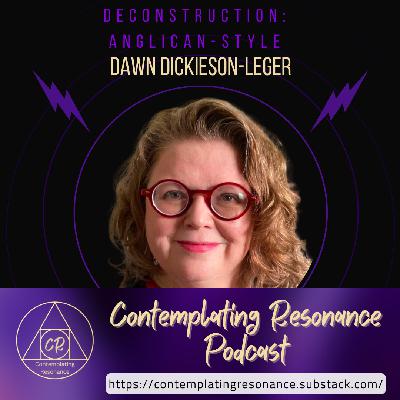
SummaryIn this episode, Matt interviews Dawn Dickerson-Leger, a pastor and Ph.D. candidate, about her deconstruction journey and experiences in the Anglican Church. Dawn shares her background in evangelical Christianity and her transition to a more progressive faith. She discusses her exploration of Anglicanism and the appeal of its mystical traditions. Dawn also addresses the power structures within the church and the challenges of maintaining a balance between tradition and progress. She highlights the importance of community and finding resonance in one's faith. This conversation explores the power and impact of online community, specifically focusing on the experience of Harbor, an online spiritual community. The conversation highlights the transformational nature of online connections and the deep sense of community and wisdom found in virtual spaces. It also delves into co-creation with God and the importance of following our desires in finding our true calling. Overall, the conversation emphasizes the potential for growth, connection, and spiritual exploration in online communities.Contemplating Resonance is a reader-supported publication. To receive new posts and support my work, consider becoming a free or paid subscriber.Takeaways* Deconstruction involves critically examining the power structures and toxic theologies within one's faith.* Anglicanism offers a wide tent for different belief systems and provides space for growth and change.* The church's slow response to issues like clerical abuse and residential schools raises questions about its commitment to protecting the vulnerable.* Finding community and resonance in faith can be a transformative experience, even outside of traditional institutional structures. Online communities can provide a powerful sense of connection, support, and wisdom.* Virtual spaces can foster deep spiritual growth and exploration.* Co-creation with God is a fundamental aspect of our calling as human beings.* Following our desires and engaging in activities that bring us joy can lead us to our true calling.Notes* Dawn’s Spiritual Direction and Coaching Site* Harbor Online Community* Instagram* Facebook* The Network formerly known as TwitterThank you for reading Contemplating Resonance. This post is public so feel free to share it.Chapters00:00 Introduction and Name Mishap01:11 Introducing Dawn Dickerson-Leger02:27 Faith Change and Church Leadership03:32 Appreciating the Beauty of the East Coast04:51 Nature Photography and Wildlife Encounters05:59 Deer and Geese Encounters07:32 Deer and Geese Encounters (Continued)08:55 Name Mishaps and Goose Stories09:26 Previous Episode with Harbor Online10:46 Deconstruction Stories and Backgrounds11:41 Dawn's Background in Evangelical Christianity12:27 Exploring Anglicanism and Faith Change13:55 Challenging Conservative Ideology16:01 Discovering Bisexuality and Progressive Ideals17:46 Friendship with a Gay Couple19:17 Living with a Gay Couple and Expanding Perspectives21:26 Exploring Anglicanism and Mysticism23:25 Deconstructing Anglicanism and Power Structures25:47 Understanding Deconstruction in Anglicanism27:00 Navigating Same-Sex Marriage Debates29:42 Addressing Clerical Abuse and Residential Schools35:19 Retirement from Parish Ministry and Renewed Perspective38:36 Balancing the Good and Bad in the Church41:38 Finding Community and Mysticism in Harbor Online43:34 Discovering Harbor44:02 Expectations vs. Reality44:40 The Power of Online Community45:38 The Realness of Online Community46:05 The Undeniable Experience46:59 The Transformational Weekend48:07 Criticizing the Institution vs. Embracing Mysticism49:39 Moving Forward and Making Things Better50:23 The Miracle at Stony Point52:25 The Theology of Co-Creation57:34 God's Presence in Creativity01:05:24 Following Our Desires Get full access to Falken's Labyrinth at falkenslabyrinth.com/subscribe
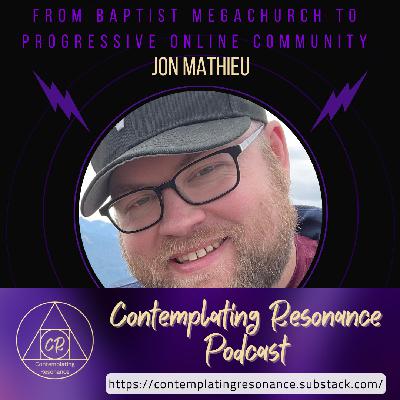
SummaryIn this episode, Matt and Jon discuss the importance of community in the process of deconstruction. They share their own experiences and how they found a sense of belonging in online faith communities. John also shares his personal journey of deconstruction, which was prompted by relationships and experiences that challenged his beliefs. They explore the balance between acknowledging the negative aspects of religion while also reclaiming the positive aspects. The conversation also touches on the use of language and the complexity of defining Christianity. In this conversation, Matt and Jon discuss a wide range of topics, from deconstruction to coffee preferences. They touch on the concept of moving the goalposts in discussions and the surprises that can arise in conversations. They also delve into Jon's work at the Christian Century and the history of the magazine. The conversation concludes with Jon sharing web addresses and social media accounts where listeners can find more information about him and the organizations he is involved with.Contemplating Resonance is a reader-supported publication. To receive new posts and support my work, consider becoming a free or paid subscriber.Takeaways* Community is essential in the process of deconstruction, providing support, understanding, and a sense of belonging.* Clergy members often have their own deconstruction journeys, but may face unique challenges due to their professional roles.* It is important to strike a balance between acknowledging the negative aspects of religion and reclaiming the positive aspects.* Language can be a challenge in deconstruction, as certain phrases may trigger negative associations or be tied to harmful beliefs.* Christianity is a complex and diverse faith, and it is important to recognize and respect different expressions of the religion. Conversations can lead to unexpected topics and revelations.* The Christian Century is a magazine that covers diverse topics related to spirituality.* Jon's work at the Christian Century involves community engagement and connecting with readers.Thank you for reading Contemplating Resonance. This post is public so feel free to share it.Notes* Harbor Online Community* The Christian Century* Sign up for The Christian Century’s NewslettersChapters00:00 Introduction and Background03:25 The Need for Community08:34 The Role of Clergy in Deconstruction14:06 Balancing the Positive and Negative19:32 Jon's Story of Deconstruction26:27 The Defining Moment33:53 Language and Beliefs42:16 Defining Christianity44:12 Unexpected Conversations49:17 The Christian Century59:47 Web Addresses and Social Media Get full access to Falken's Labyrinth at falkenslabyrinth.com/subscribe
SummaryIn this episode, Matt talks to Hana, also known as the Suburban Witch, about her journey from growing up in a Pentecostal church to exploring witchcraft and spirituality. Hana shares her experiences of being raised in a strict religious environment and the challenges she faced in questioning her beliefs. She discusses the impact of leaving the church and finding her own path, as well as the realization of the manipulation and control within religious institutions. Hana also reflects on the importance of seeing the church from a fresh perspective and the anxiety that can arise in religious environments. In this conversation, Hana, The Suburban Witch, discusses the harmful effects of religious guilt and shame, particularly in relation to the concept of being born as a sinner. She shares her personal experiences with mental health struggles and how the church exacerbated them. Hana also talks about the emotional manipulation and insecurities perpetuated by charismatic pastors and church camps. She highlights the need for resources and responses for exvangelicals when engaging with religious individuals. Hana then delves into her journey of discovering and embracing witchcraft as a healing practice, finding empowerment in her spirituality, and embracing mystery.Contemplating Resonance is a reader-supported publication. To receive new posts and support my work, consider becoming a free or paid subscriber.Takeaways* Religious guilt and shame can have detrimental effects on mental health, particularly when individuals are made to believe they are inherently sinful.* The concept of being born as a sinner can lead to a negative self-image and contribute to mental health struggles.* Emotional manipulation and insecurities are often used by charismatic pastors to keep individuals tied to the church.* Church camps can be emotionally distressing, with activities designed to elicit feelings of guilt and shame.* Discovering and embracing witchcraft can be a healing practice, providing empowerment and a sense of personal agency.* Letting go of the need for absolute truth and embracing mystery can lead to a more open and fulfilling spiritual journey.Thank you for reading Contemplating Resonance. This post is public so feel free to share it.Notes* All roads lead to Theology Beer Camp* April Ajoy’s Linktree* Witch Talks - Episode 005: Mortellus on Death & Pagan Funerals - A Suburban Witchery Podcast* Witch Talks - Episode 034: Religious Trauma - A Not So Mini Minisode with Hana* Hillsong: A Megachurch Exposed* Suburban Witchery (Hana’s Business!)* https://instagram.com/suburban_witchery* https://www.tiktok.com/@suburbanwitchery* https://www.youtube.com/suburbanwitchery* https://www.facebook.com/suburbanwitcheryChapters00:00 Introduction and Background03:06 Growing Up in a Pentecostal Church10:27 Questioning and Deconstructing14:07 Leaving the Church and Exploring New Interests26:00 Experiencing a Different Church Environment31:40 Realizing the Manipulation and Control in the Church36:40 Seeing the Church from a Fresh Perspective38:56 Feeling Anxious in Religious Environments40:29 The Harmful Effects of Religious Guilt and Shame41:57 The Concept of Being Born as a Sinner42:55 The Impact on Mental Health43:21 Emotional Manipulation and Insecurities44:23 The Cycle of Sin and Self-Harm45:04 The Emotional Distress of Church Camp46:29 The Manipulation of Children at Church Camp48:34 The Creation of an Exvangelical Resource54:37 Discovering Witchcraft as a Healing Practice59:02 Overcoming Fear and Embracing Witchcraft01:03:24 The Empowerment of Being a Witch01:08:13 Embracing Mystery and Letting Go of Absolute Truth Get full access to Falken's Labyrinth at falkenslabyrinth.com/subscribe
SummaryIn this episode, Marla Taviano shares her journey of deconstruction and how it has shaped her writing and perspective on faith. She reflects on her past beliefs and books, discussing the challenges of having written from a different perspective. Marla also talks about the process of writing and sharing her experiences, including the freedom she has found in breaking free from religious constraints. She emphasizes the importance of meeting people from different backgrounds and expanding one's perspectives. The episode concludes with a discussion of Marla's poem art and her personal favorites. In this conversation, Matt and Marla discuss the power of poetry and the impact it can have on readers. They explore the concept of manifestos and the magic of combining words with art. They also discuss the importance of feedback and the joy of amplifying others. The conversation concludes with a reflection on finding happiness and freedom by embracing imperfection.Contemplating Resonance is a reader-supported publication. To receive new posts and support my work, consider becoming a free or paid subscriber.Takeaways* Poetry has the power to inspire and connect people on a deep level.* Manifestos can serve as powerful guiding principles for creating a better world.* Combining words with art can create a unique and impactful form of expression.* Feedback from readers can be incredibly meaningful and validating for writers.* Amplifying others and celebrating their work can bring joy and fulfillment.* Embracing imperfection and letting go of the need to have it all together can lead to happiness and freedom.Thank you for reading Contemplating Resonance. This post is public so feel free to share it.Notes* Buy some books:* unbelieve: poems on the journey to becoming a heretic* jaded: a poetic reckoning with white evangelical christian indoctrination* please cut up my poems: and make some art! (for real, I'm serious!)* Connect with Marla:* Website* Instagram: @marlataviano & @whitegirllearning* writing wholefarted (Substack newsletter)Chapters00:00 Introduction and Background03:40 Writing Books from a Different Perspective10:07 Reflecting on Past Beliefs and Books16:42 The Journey of Deconstruction25:12 The Process of Writing and Sharing30:50 Cursing and Breaking Free from Religious Constraints36:00 Meeting People and Expanding Perspectives41:46 Showing Kindness to Others41:51 Poem Art and Personal Favorites42:17 Finding Inspiration in Poetry43:11 Creating a Tinder Profile44:09 The Power of Manifestos45:08 The Magic of Poem Art48:35 Connecting Through Words51:09 The Power of Poetry52:08 The Impact of Poetry on Readers57:15 The Importance of Feedback58:40 The Joy of Amplifying Others01:03:08 Finding Happiness and Freedom01:06:28 The False Scarcity Narrative01:09:21 Amplifying Others with a Small Following01:11:43 The Joy of Creating01:15:07 The Freedom of Not Having It All Together01:16:26 Closing Remarks Get full access to Falken's Labyrinth at falkenslabyrinth.com/subscribe
SummaryIn this impromptu episode, I share my experience at a spiritual retreat and introduce the concept of resonance. I explore resonance as a physical and metaphorical concept, discussing how it relates to life, death, creation, and destruction. I also discuss my motivation for starting this podcast and my intention to share my own spiritual journey and amplify the stories of others. I share my goals for the year, including learning about my ancestry, practicing divination, and developing a regular ritual practice. The episode concludes with my reflections on the retreat experience and a promise to continue the podcast.Contemplating Resonance is a reader-supported publication. To receive new posts and support my work, consider becoming a free or paid subscriber.Takeaways* Resonance is a concept that can be both physical and metaphorical, relating to vibrations and harmonious frequencies.* My podcast, Contemplating Resonance, aims to share my spiritual journey and amplify the stories of others.* My goals for the year include learning about my ancestry, practicing divination, and developing a regular ritual practice.* My retreat experience provided me with quiet, solitude, and an opportunity to deepen my spiritual connection.Thank you for reading Contemplating Resonance. This post is public so feel free to share it.Notes* Rachel Held Evans, Searching for Sunday (via Bookshop.org)* St. Columba Memphis Episcopal Retreat Center* Harbor Online Community* Post about the Harbor Online Community Retreat in 2023* Terra Qi Goddess Oracle Deck* Saints and Mystics Reading Cards* Memphis Conjure Supply (Delta Hoodoo Shop)* Evil Eye Glass Pendulum (via Lucky Luna)Chapters00:00 Introduction and Setting02:12 Contemplating Resonance04:33 Exploring Resonance in Journal Entries09:28 Resonance and Love11:09 Writing Down My Story13:36 Amplifying Other Stories16:08 The Purpose of the Podcast17:39 The Retreat Experience21:08 Creating a Spiritual Practice25:20 Embodying and Intuition31:58 Intentions for the Year36:22 Nature Walk and Labyrinth39:33 Conclusion Get full access to Falken's Labyrinth at falkenslabyrinth.com/subscribe
I recorded this little trailer episode while testing Riverside, the podcasting platform I think I’m about to roll with. As it turns out, it does a good enough job of talking about one of the directions I intend to head with this podcast, so I thought YOLO… let’s upload it! Get full access to Falken's Labyrinth at falkenslabyrinth.com/subscribe
Comments

Download from Google Play

Download from App Store
 United States