


 Claim Ownership
Silent Generation
Subscribed: 2Played: 51
Subscribe

© Copyright 2023 All rights reserved.
Description
Silent Generation is a Chicago-based cultural analysis podcast that surveys the cultural consequences of car-oriented development in the mid-20th century. It explores what was lost between the Silent Generation and Generation Z. Topics discussed include aesthetics, fashion, history, and urbanism.
Find us on Instagram: silent.generation
94 Episodes
Reverse
In this important announcement, Joseph shares his plans to leave Silent Generation and Nathan shares his plans to continue it. The podcast will relaunch in two to three months with a new co-host that is familiar to the community. Nathan also shares that he is open to adding other regular contributors, and that a Discord member named Juniper is going to make a commemorative zine for the first iteration of the podcast.
Links:
Nathan’s Instagram: https://www.instagram.com/nathan_knize/
Silent Generation’s Instagram: https://www.instagram.com/silent.generation/
Recorded on 12/3/2025
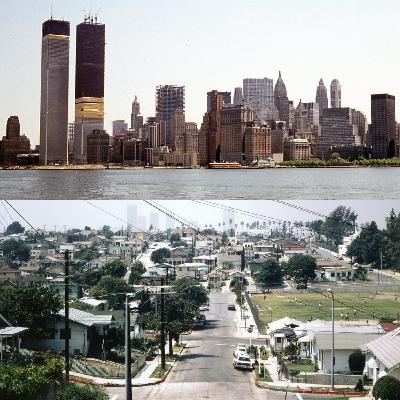
Nevada (also known as Nevadastyles on Instagram) is a hair artist from New York City who has lived a bicoastal lifestyle for the last half decade. For the majority of that time she has lived and worked in both New York City and Los Angeles, but her career as a hair artist has brought her all over the world. On this week’s episode of Silent Generation, she joins Nathan for a conversation about why she and other creatives aspire to live bicoastal lifestyles. They begin with a conversation about the pros and cons of New York City and Los Angeles, focusing on key geographic and cultural differences. Nathan then argues that the rise of bicoastal living represents the latest stage in the elite’s drift toward rootlessness and cosmopolitanism, a pattern described by Christopher Lasch in The Revolt of the Elites. The episode concludes with a discussion about whether having roots (and not being bicoastal) is a status symbol and the common traits shared by big city natives.
Links:
@nevadastyles - Instagram Profile
https://www.nevadaraffaele.com/
New Data Tool and Research Show Where People Move as Young Adults by
Nathaniel Hendren, Sonya R. Porter and Ben Sprung-Keyser
The Death and Life of the Great Lakes by Dan Egan
The Revolt of the Elites by Christopher Lasch
The messy, viral fight over America's fourth 'major' city by Tessa Mclean
What are the 4 major US cities? The internet can't decide. Vote for your picks by Melina Khan
Artwork:
New York 1971 by Hans-Peter Balfanz
CC BY-SA 3.0 <https://creativecommons.org/licenses/by-sa/3.0>, via Wikimedia Commons
Boyle Heights, 1979 by John Humble
Recorded on 11/19/2025
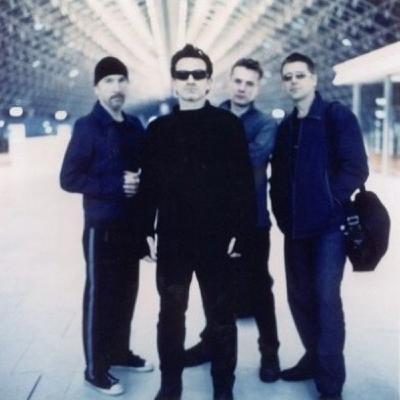
Adult contemporary is a radio format and marketing category originally created by Billboard magazine. It has encompassed many genres, starting with easy listening in the 1960s. What could be considered adult contemporary changed over the decades as genres like rock and roll and electronic music grew older, and older listeners found their sounds more palatable. But what does “adult contemporary” mean, and why do the songs that get grouped into the category appeal to adults so much?
This week’s episode of Silent Generation focuses on adult contemporary music in the 1990s and 2000s. Joseph and Nathan begin by outlining the history of the radio format before discussing the common features of adult contemporary songs. They then review the music of U2, Vanessa Carlton, The Verve, Zero 7, Ivy, and After. The episode concludes with a discussion of what happened to adult contemporary, focusing on why the radio format no longer has a distinct sound.
Links:
Adult Contemporary Spotify Playlist: https://open.spotify.com/playlist/…
Adult Contemporary Music Guide: What Is Adult Contemporary?
The Adult Contemporary Billboard Chart
When Rock Bands Become Adult Contemporary (part 1) by Eduard Banulescu
90s Adult Contemporary - Totally 80s and 90s Recall
Clocks by Coldplay
Beautiful Day by U2
A Thousand Miles by Vanessa Carlton
Bitter Sweet Symphony by The Verve
Destiny by Zero 7
Disappointed by Ivy
Deep Diving by After
Most craziest American Idol contestant ever, Mary Roach
U2:UV Achtung Baby Live at Sphere
The Story of 'A Thousand Miles' by Vanessa Carlton
White Chicks (2004) - A Thousand Miles Terry Crews Scene
The greatest songwriting theft of all time - David Hartly
Ivy Talks Making the Seminal Y2K Dreampop LP ‘Long Distance’ by Myke Dodge Weiskopf
Meet After, the L.A. Duo Making Y2k-Inspired Pop That Feels Like Right Now by Jeff Ihaza
You’re deep diving - @aftertheband
Gen X Soft Club - CARI page
List of Billboard Adult Contemporary number ones of 2025
Adult Contemporary 100 week of 11/09/2025
Where Have All the Adult Contemporary Artists Gone? - Daniel Montoya Jr.
Artwork:
U2 at the Charles de Gaulle Airport, Paris, Summer 2000
Recorded on 11/12/2025

Prior episodes of Silent Generation have focused on secular social movements that emerged around the turn of the 20th century. Fraternities technically predate this era, but they occupy a similar niche, and Joseph shares an important connection to them as a former fraternity brother. Why did they first emerge, and why do universities continue to tolerate them on campus?
This week’s episode of Silent Generation addresses those questions. The boys begin with a survey of the history of fraternities and related groups (social fraternities, professional organizations, secret societies, and fraternal orders). They then discuss commonalities between fraternities, the architectural characteristics of fraternity houses, the prevalence of hazing and hazing deaths, and the 1978 sex comedy Animal House.
Links:
Fraternity by Alexandra Robins
The Founding of the North-American Fraternity and Sorority System
Fraternity and Sorority
Mies van der Rohe’s Forgotten Frat House Design Is Resurrected and Repurposed by Lauren Moya Ford
The Sorority Quad at Northwestern University by Fran Becque
Join HOTEL KAPPA for PC ‘25! - #RushTok
IN DG WE TRUST: Empowering Community Engagement - #RushTok
Lorax - #Sorority - #RushTok
Mr. Bobinsky Halloween Costume Tik Tok Video
It's Time for Congress to Ban Fraternities—Sororities, Too by Matt Robinson
Here’s how much more money you could make just from joining a frat by Yoni Blumberg
Why Colleges Tolerate Fraternities
Houses of Horror: Secrets of College Greek Life (2024)
My son was blindfolded, led to the basement and left to die on a couch by Ruth Bashinsky
Animal House (1978)
Gay History of Men’s Fraternities
Image archive of the Theta Chi chapter at Penn State University
Artwork:
Theta Chi of Penn State - Spring 1988 Initiation
Recorded on 11/5/2025
![Ep. 90: Cryptids [TEASER]](https://s3.castbox.fm/48/86/fc/8660a25b81d730d253fd4b0ccb504fe5d7_scaled_v1_400.jpg "Ep. 90: Cryptids [TEASER]")
Full episode available on Patreon:
https://www.patreon.com/SilentGeneration
The field of cryptozoology emerged in the mid-20th century as people began to investigate sightings of mysterious creatures like Bigfoot and the Loch Ness Monster using pseudoscientific methods. On this week’s episode of Silent Generation, Joseph and Nathan begin by theorizing that cryptozoology emerged as a way for the United States and other Anglosphere countries to generate their own folklore. They delineate why it is a primarily American phenomenon, pointing to the country's huge swaths of undeveloped land. They then discuss several famous cryptids such as Bigfoot, Mothman, the Michigan Dogman, the Flatwoods Monster, the Loch Ness Monster, and Thunderbirds. They conclude with a discussion of how paranormal media “slopified” cable television in the early 2010s, and how the rise of AI has made photo and video evidence of cryptids even less believable.
Links:
What is a cryptid?
Cryptomundo
The Cryptid Zoo: Satyrs (or Fauns) in Cryptozoology
On the Track of Unknown Animals by Bernard Heuvelmans
The Discovery of the Okapi, Part 1
Backwoods Horror
The Maryland Snallygaster: Devil of Racist Politics by Jake Seboe
The racist roots of Maryland’s mythical Snallygaster monster by Julie Scharper
Patterson-Gimlin Film HD 60fps
The Mothman Prophecies by John A. Keel
The Mothman Revisited - Unsolved Mysteries
Episode 14: Chicago Tales - Otherworld podcast
Ep. 113: The Michigan Dogman Pt. 1 - Otherworld podcast
Ep. 114: The Michigan Dogman Pt. 2 - Otherworld podcast
#70: Flatwoods Monster - Cryptonauts podcast
Flatwoods Monster - Cryptid Wiki
The Flatwoods Monster
The Cryptid Collector’s Trio
Scooby-Doo and the Loch Ness Monster (2004)
Thunderbird - Cryptid Wiki
MonsterQuest (2007-2010)
Dragons: A Fantasy Made Real (2004)
The Truth is out there” the Alan Champagne Morro Bay Disappearance by Katya Cengel
Artwork:
unknown
Recorded on 10/29/2025
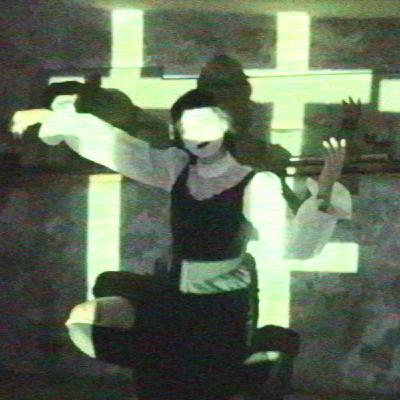
Witch house is a music genre and internet aesthetic that emerged in the late 2000s as bands combined occult imagery and sounds. On this week’s episode of Silent Generation, Joseph and Nathan begin by noting that it was the very first internet aesthetic, with the earliest example being the 2005 blog Runawaytoday. They then talk about common witch house aesthetic elements such as horror, “the woods,” and occult symbols (particularly inverted crosses). The conversation then shifts to music, with a survey of several witch house bands such as SALEM, Pictureplane, CRIM3S, and Crystal Castles. The episode concludes with discussion of witch house’s legacy and what it was trying to express.
Links:
Pinterest board: https://www.pinterest.com/silentgeneration/witch-house/
witch-house.com
Witch House - Aesthetics Wiki
OG Witch House Spotify Playlist
True Witch House Only Spotify Playlist
Sick by SALEM
Trapdoor by SALEM
Better Off Alone by SALEM
Goth Star by Picturplane
Hyper Real by Picureplane
Salt by CRIM3S
Pumpkin Pumpkin by Zombelle
Runawaytoday (2005)
GODBLESS - Untitled (2008) by Ponyboy
Guest List: Best of 2009 by Tyler Grisham
Got any witch house? Why I'm on the genre-mongers' side | Music by Tom Ewing
https://www.blairwitch.com/
Making of The Blair Witch Project— From a $35k Budget to $250 Million Box Office Phenomenon
The surprising evolution of hipsters in the 2000s - Brad Troemel
Alek Morgan’s Facebook page (NVRMND archive)
Witch House Band Iceberg Infographic
Witch House Music History
Lana del Rey/ Jack Donoghue Cook County Penitentiary photo
SALEM: The Midwest's Most Wanted (Documentary)
This is the CRIM3S Biography Tik Tok video
CRIM3S SQUATT RAVE
@Rourotfan
Rou Rot and Alice Glass
MTV CRIBS: pictureplane gives a tour of Rhinoceropolis
shout out to male producer female lead witch house duos Reddit post
Witch House: The Ghostly Genre of The Music Industry by Clara C. Steemer
Which house for witch house? Pictureplane’s goth beats are taking flight by P. J. Nutting
Witch House: An Intro To The Microgenre That Influenced Everyone From Tyler, The Creator To ASAP Rocky by Kyle Garb
The Occult Genre Known As "Witch House" - Pad Chennington
Whatever happened to witch house? by Al Horner
Artwork:
Mexico City’s Dark Electronic Music Project Ritualz Releases Dual Video Premiere for “Nothing” and “Testify” by Alice Teeple
Recorded on 10/22/2025
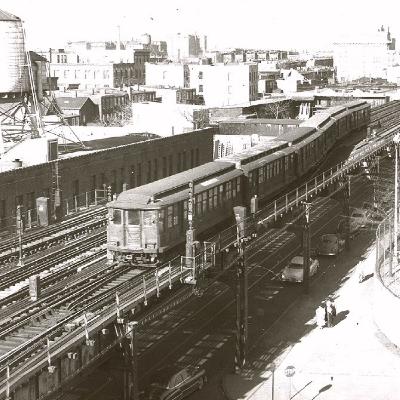
The United States once had the best public transportation system in the world. Private companies built subway, elevated, interurban, trolley, and long distance train lines with passenger service in mind. But as the automobile rose in popularity, ridership declined, and the country’s transit systems eventually became publicly run.
But what made privately owned rail during that era so great, and what does modern private passenger service look like? On this week’s episode of Silent Generation, Joseph and Nathan begin by detailing some of the things that were better about the Chicago ‘L’ 100 years ago: more stations, more express service, and better frequency. They then talk about Brightline and JR Railways before examining how those companies invest in real estate to increase profits. The episode concludes with a discussion about privately owned freight rail and how Class I railroads are poorly managed.
Links:
The Lost Subways of North America by Jake Berman
New York Subway Operator Life 1980s vs 90s vs Today
chicago-l.org
Ridership Reports - Performance metrics - CTA
Why Chicago's Express Train Isn't Really Express - Car Free Keith
Car 553
First new private rail passenger service in over 100 years by Terry Spencer and Daniel Kozin
Killer Train by Brittany Wallman, Aaron Leibowitz and Shradha Dinesh
Killer Train Podcast
Brightline rolls out expanded services from Orlando to Miami by Jaclyn Harold
High Speed Rail in Florida and the History of Brightline - Alan Fisher
Brightline West
Las Vegas doesn't have a purpose anymore as the designated area for American vices
How Japan Builds Suburbs That Don't Suck - Car Free Keith
Why Japanese Railways Win - Wendover Productions
Japan Kept A Train Running For Years Just For One Girl, The Inspiring Story Will Move You by Nikhil Pandey
Should Amtrak be Privatized? by Car Free Keith
Katrina: Come Hell or High Water
Freight Rail Overview - US Department of Transportation
How America's Largest Railroads are Ruining our Supply Chains - Alan Fisher
US rail companies grant paid sick days after public pressure in win for unions by Steven Greenhouse
Artwork:
Jamaica Ave El
Recorded on 10/12/2025
![Ep. 87: Civil Servant Culture [TEASER]](https://s3.castbox.fm/30/c0/f6/28d135c5f3fc614623535a28cbe6db9e2c_scaled_v1_400.jpg "Ep. 87: Civil Servant Culture [TEASER]")
Full episode available on Patreon:
https://www.patreon.com/SilentGeneration
“Civil servants” are employees of the municipal, state, or federal government. Within cities they often live in far-flung areas that are colloquially referred to as “police neighborhoods" or “firefighter neighborhoods.” The tendency of civil servants to live amongst each other has caused them to develop a distinct set of customs and norms that can be described as “civil servant culture.”
On this week’s episode of Silent Generation, Joseph and Nathan begin by discussing whether civil servants constitute their own subculture or social class. They then talk about the symbols they use to identify one another such as thin line flags, punisher symbols, and regional accents. They then survey the areas that civil servants tend to cluster in Chicago (Beverly/ Mt. Greenwood, Garfield Ridge/ Clearing, and Norwood Park/ O’Hare) and NYC (Staten Island, Breezy Point), before concluding with a discussion on the differences between public facing and administrative civil servants.
Links:
Residency Requirements for City Employees by Connie M Hager
Mayoral challenger outlines plan to ease police staffing shortage by Fran Spielman
The thin blue line: The history behind the controversial police emblem by David Hernandez
The Thin Blue Line (1988)
Thin Line Flags Infographic
First Responder American Flag, 3 x 5 Feet
Man walking to every CPD station to raise awareness for police mental health
The Punisher Skull - 99% Invisible
Italian cop in NYC
Infographic: Where Cubs and White Sox Fans Live
City Active Employees: Map and Census Data
Hey Jackass’s 2025 homicide map
"Cop neighborhoods" in NYC?
Why is there no outrage over the Breezy Point Cooperative?
Burn After Reading (2008)
Toward a Theory of Street-Level Bureaucracy by Michael Lipsky
Bangladeshis Build Careers in New York Traffic by Jodi Kantor
How Stereotypes of the Irish Evolved From ‘Criminals’ to Cops by Livia Gershon
Cops Rarely Pull Over Drivers In Their Own Neighborhoods, Data Shows. Motorists In Black Neighborhoods Aren’t So Lucky by Pascal Sabin
Chicago’s first firefighters entrance exam since 2014 draws diverse pool, but rules have changed by Fran Spielman
Artwork:
ThrowbackThursday: Weekly Garbage Service - Eltham District Historical Society
Recorded on 10/5/2025
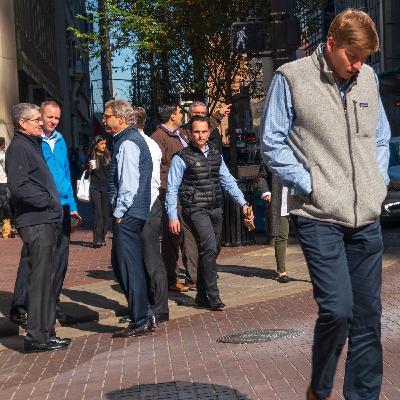
In 2017 a new uniform emerged for men employed by the financial industry: fleece/ puffer vests, dress shirts, slacks, and dress shoes. The unadorned look was first documented by the Instagram account Midtownuniform, and it became the signature outfit of “finance bros.” Finance bros are the latest “corporate subculture” to come out of Wall Street, but they are far less fashionable than previous corporate subcultures like Yuppies.
On this week’s episode of Silent Generation, Joseph and Nathan begin by delineating the elements of finance bro fashion before speculating where trends in casualization might lead things. They then note that “quants” (quantitative analysts) have even lower professional standards for their appearance. Amongst other things they discuss how finance bro fashion began to bleed into politics in the 2020s, how finance bros fueled the “bowl slop” trend in fast casual dining, and how the vulgarity of Finance Bros was depicted on Succession.
Links:
Finance bros Pinterest board: https://www.pinterest.com/silentgeneration/finance-bros/
Midtownuniform
Then and Now: Wall Street Power Dressing by Pierre Schermann/ WWD
Fleece Is In Full Bloom by George Chinsee/ WWD
The Patagonia vest endures in San Francisco tech circles, despite ridicule by Bobby Allyn
Patagonia Is Refusing To Sell Its Iconic Power Vests To Some Financial Firms by Katie Notopoulos
Four lads in jeans meme
“Deal Sleds”
wtf is a “Quant”... (finance bro + autism)
The House Painters by Gustave Caillebotte
Who wears the power sweater vest better? Democrats or Republicans? by Marni Pyke
Alpha Dads at their Son’s Game
Alpha Dads at the Hardware Store
"Be white collar, the money is insane" meme
‘Chipotle boys’ are rampant in NYC — and even the burrito chain has commented by Brooke Steinberg
Chipotle Boy Bowl' Promo Is Aimed at Finance Bros - Business Insider by Dominick Reuter
Why fast casual chains like Chipotle, Sweetgreen, and Cava are losing their freshness by Dominick Reuter
The Executive Coloring Book
Every Finance Bro
Artwork:
#Finnhall
Recorded on 9/22/2025
![Ep. 85: Father Figures [TEASER]](https://s3.castbox.fm/31/4d/96/b119075f34e7142d9b57aa64ebf2ba982c_scaled_v1_400.jpg "Ep. 85: Father Figures [TEASER]")
Full episode available on Patreon:
https://www.patreon.com/SilentGeneration
On this week’s episode of Silent Generation, Joseph and Nathan talk about father figures in their personal lives and in society more broadly. The episode opens with a discussion of familiar archetypes such as coaches, scout leaders, teachers, and bosses. The boys also note that children sometimes latch onto “parasocial father figures” like Mr. Rogers and Hank Hill in the absence of real-life ones. They then share observations about “daddy issues” (the negative traits that emerge in the absence of father figures) before deliberating whether daddy issues and mommy issues can arise independently of one another.
Links:
"Friendly Guy in a Pub" starter pack meme
Sweet middle aged vietnamese ladies calling their customers handsome boy meme
Various memes about the lunch lady calling you sugar
Look Me In The Eyes (Air Jordan ad)
The Joy of Six: US athletes' pushy parents by Les Carpenter
The Slap (2011)
Japanese adult adoption
Best of Jenelle & Barbara (Part 1) | Teen Mom 2
The Jenelle Evans Dating Timeline - A Visual Guide
Big Brother Big Sisters of America - History That Spans More Than A Century
The Making of a Misogynist: How Andrew Tate inherited his father's toxic beliefs by Claudia Cockerell
Artwork:
https://www.pinterest.com/pin/417990409147457395/
Recorded on 9/14/2025

Nothing expresses the aesthetics of infrastructure as clearly as American rest stops. On this week’s episode of Silent Generation, Nathan is joined by artist and professor Madeline Rupard, whose paintings “consider the American landscape” and frequently depict rest stops. They begin by defining what constitutes rest stops (fast food chains, gas stations, motels, and plentiful car-oriented infrastructure) before surveying their aesthetics. Amongst other things they discuss how the history of rest areas differs from that of service areas, how America’s first transcontinental highway (the Lincoln Highway) was financed through private sources, how Buc-ee’s lures in customers with spacious and clean restrooms, and how Eden, Idaho is home to a spectacular Garden of Eden themed rest stop.
Links:
Madeline Rupard - Instagram Page
Luxurydeptstore - Instagram Page
https://www.madelinerupard.com/
Passages / Madeline Rupard
An Interview With Madeline Rupard
The sky at grocery stores meme
The European mind can’t comprehend this meme
The Real-Life Places Along Route 66 that Inspired Cars
Before Route 66: The Story of America’s First Highway
restareahistory.org
Daniel Everett - Instagram Page
What Internet Memes Get Wrong About Breezewood, Pennsylvania by Amanda Kolson Hurley
Breezewood, Pennsylvania Is Not What You Think It Is by Classy Whale
A “lost” photo set of sorts…
Traveler’s Oasis “Garden of Eatin’” in Eden, Idaho
The Store (1983)
Nonstandard - A Documentary (2025)
Why our buildings lost their soul by Pearlmania500
Artwork:
Photograph provided by Madeline Rupard
Recorded on 8/30/2025
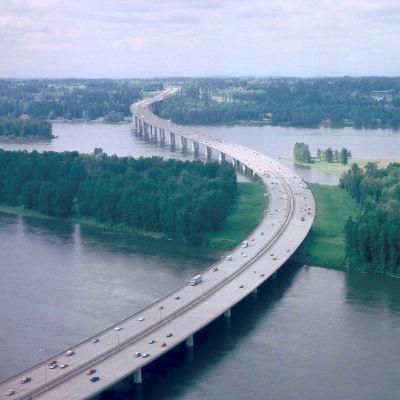
The aesthetics of infrastructure are often treated as an expensive afterthought, noticed and appreciated only by artists. But can it even be beautiful to begin with? On this week’s episode of Silent Generation, Joseph and Nathan begin by discussing the four primary ways that infrastructure achieves beauty: engineering and design, paint, public art, and disguise (as is the case with stealth towers). Amongst other things they discuss how it is cringe when infrastructure is made to look like public art, how redesigned streets with painted bike/ bus lanes are a rare instance of society becoming more colorful, how many people assume that hostile design choices that impact homeless people are aesthetic ones, and how infrastructure built by the Works Progress Administration incorporated ornamentation and vernacular architectural traditions.
Links:
Around the Antenna Tree by Lisa Parks
A Prehistory of the Cloud by Tung-Hui Hu
How Infrastructure Works: Inside the Systems That Shape Our World by Deb Chachra
Rust: The Longest War by Johnathan Waldman
The Danger of Minimalist Design
A Visual History of the British Telephone Box by Nick Sturgess
The Hand by Jiří Trnka
Places & Traces
'Ridiculous' Blue Seats Face Buildings, Don't Attract Shoppers, Critics Say by Mina Bloom
Ampelmännchen
Hall of Waters
Artwork:
Glenn Jackson Bridge aerial
Steve Morgan, CC BY-SA 3.0 <https://creativecommons.org/licenses/by-sa/3.0>, via Wikimedia Commons
Recorded on 8/24/2025
![Ep. 82: Disney Adults w/ Tiffany Wright [EXTENDED TEASER]](https://s3.castbox.fm/f7/83/7b/e4b224b8391ec8a2f2d27f17e50f47cedd_scaled_v1_400.jpg "Ep. 82: Disney Adults w/ Tiffany Wright [EXTENDED TEASER]")
Full episode available on Patreon:
https://www.patreon.com/SilentGeneration
This week’s episode attempts to address how and why many American cultural practices and institutions have been replaced by those of Disney adults. Nathan is joined by his friend Tiffany Wright, a Disney theme park aficionado with a deep knowledge of the community, to discuss the topic. They begin by defining “Disney adult” and note their psychological motivations. They then survey several Disney resorts (Disneyland, Disney World, and Disneyland Abu Dhabi) and popular Disney influencers like Dear and Darling. Amongst other things they discuss Disney adult critiques and defenses, the enduring relevance of Mickey Mouse in fashion, and the phenomenon of adult infantilization more broadly through Funko Pops and Labububus.
Links:
Tiffany Wright - Instagram page
Tiffany’s Disney adult Halloween costume
Disney Adults: Exploring (and Falling in Love With) a Magical Subculture by AJ Wolfe
The ‘Disney Adult’ Industrial Complex by Amelia Tait
Three Maligned Modern Tourists Defend Themselves by Amelia Tait
How ‘Disney Adults’ Became the Most Hated Group on the Internet by EJ Dickson
Don’t Judge Disney Adults. Try to Understand Them by Jodi Eichler-Levine
What Exactly Is the Magic of Disney World? by Kathryn Jezer-Morton
K-HOLE #5: A Report on Doubt
Disney’s FastPass: A Complicated History - Defunctland
A Deep Dive Into Disney Adults - Kurtis Connor
Disney Adult (Urban Dictionary definition)
Grown woman who cried upon meeting Goofy Tik Tok video
The Segregation of Social Desire: “Religion” and Disney World by William Arnal
Disneyland Abu Dhabi Would 'Never Work' Outdoors Says Park Boss by Caroline Reid
Dear and Darling
Dear and Darling Pluto story
Bad Influence: The Dark Side of Kidfluencing
Pokemon scalper cleans out entire shelf of destined rivals etb in front of kid
Once Upon A Time: The Pop Culture Impact of Mickey Mouse Watches by Rhonda Riche
The enduring appeal of Mickey Mouse: Why the fashion industry is still interested by Anya Georgijevic
Disney adults when they're not at Disney?
Artwork:
Britney Spears Once Went On an INSANE Disney World Shopping Spree by Alessia Dunn
Recorded on 8/17/2025
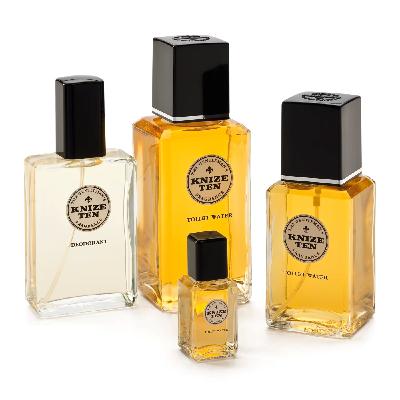
On this week’s episode of Silent Generation, Joseph and Nathan discuss all things men’s fragrances. They begin by weighing the reasons men typically wear fragrances (“sex sells,” general presentation) versus why they might not (fragrance sensitivity, “men should smell like men”). They then review several fragrances: Dior Sauvage, Bleu de Chanel, Paco Rabanne Phantom, 4711 Original Eau de Cologne, Greenbriar by Caswell Massey, Maii Bogue, Weekend for Men by Burberry, and Knize Ten. They round out the episode by discussing Jeremy Fragrance’s career as “the number one fragrance icon that follows the teachings of Jesus” before reflecting on the totemic qualities of fragrances.
Links:
Smellmaxxing
Studio Ready
Teen Spirit in Pink Crush
Fragrance sensitivity: why perfumed products can cause profound health problems by Sirin Kale
Last of the NYC Leathermen
Fragrance Concentration Guide
Everything You Need To Know About Fragrance Concentration Levels - EDT, EDP, Parfum, & MORE
Official cologne flowchart of the 4chan fragrance board
Fragrance Groups 101
fragrantica.com
Dior Sauvage - Fragrantica page
Bleu de Chanel - Fragrantica page
Paco Rabanne Phantom - Fragrantica page
4711 Original Eau de Cologne - Fragrantica page
Greenbriar Caswell Massey - Fragrantica page
Maai Bogue - Fragrantica page
Weekend for Men Burberry - Fragrantica page
Knize Ten - Fragrantica page
Dior Sauvage in 2015 according to The History of the Hero: Dior Sauvage by Sarah Karmali
I Wore The World's Oldest Cologne For a Week
Bogue Profumo Maai: Valkyrie Chypres & Vintage Animalism
Knize Ten - A Masterpiece from 1925
Kniže & Co.: A First-Hand Look at Vienna’s Most Storied Tailor by Sven Raphael Schneider
Jeremy Fragrance: The Smell of Success
Jeremyfragrance - Tik Tok page
How Abercrombie, Victoria’s Secret and Vitamin Shoppe use smell to get you to spend more
Say Goodbye To The Scent Of Fierce In Abercrombie & Fitch Stores by Christopher Luu
Subway: What the Hell Is That Smell? by Joel Burrows
The Woman Who Wants to Give Birth to a Shark by Nikhil Roy
Gabriel O’Hara (niche fragrance brand inspired by Chicago streets)
Artwork:
Knize Ten Eau de Toilette
Recorded on 8/11/2025
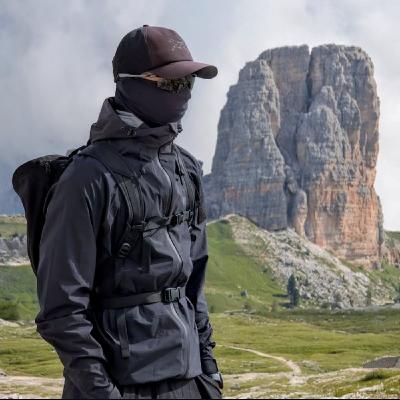
Gorpcore is a hiking-inspired aesthetic that was first identified in a 2017 article published in The Cut. On this week’s episode of Silent Generation, Joseph begins by interviewing Nathan about his gorpcore-esque wardrobe. The boys then detail the various elements of the aesthetic (outerwear, technical fabrics, face concealment, and high definition landscapes) before introducing a vintage sub-aesthetic they call “lindy gorpcore.” Towards the later half of the episode they discuss Death Stranding 1 and its recent sequel Death Stranding 2: On the Beach, which are standout examples of the gorpcore aesthetic in gaming.
Links:
Gorpcore Pinterest Board: https://www.pinterest.com/silentgeneration/gorpcore/
Lindy Gorpcore Pinterest Board: https://www.pinterest.com/silentgeneration/lindy-gorpcore/
r/Gorpcore
A Guide To: Gorpcore
Everything to Know About Gorpcore, the Outdoorsy Trend Celebs Love
The Origins of GORP by Ashley Brown
First Came Normcore. Now Get Ready for Gorpcore by Jason Chen
Rihanna Lookin' like a Pokemon gym leader meme
pride month outfit meme
Gorpworld - Instagram page
Gorpcore.jpeg - Instagram page
Gorpcore.world - Instagram page
Outdoorrecarchive - Instagram page
Presta94 - Instagram page
Dimi_tt7 - Instagram page
The Story of Fleece by Rachel G Clark
The Darkside of Gorpcore by Wrong Trousers
Oze’s Mighty Bokka Porters
Hideo Kojima and Yoji Shinkawa Open Up About Death Stranding 2: Connection, Creativity, and Walking Through Loneliness by Ralph
Check Out This Sick $1700 Death Stranding 2 Jacket You’ll Never Get by Alyssa Mercante
Death Stranding 2 Photo Session with Fragile, Tomorrow and Rainy
Artwork:
Source unknown
Recorded on 8/2/2025
![Ep. 79: Bohemianism [TEASER]](https://s3.castbox.fm/77/05/d7/adee372606bed6e62139d5ab040d9bc0a9_scaled_v1_400.jpg "Ep. 79: Bohemianism [TEASER]")
Full episode available on Patreon:
https://www.patreon.com/SilentGeneration
This is the third and final installment of Silent Generation’s three part series on Bohemianism. In this week’s episode, Joseph and Nathan finally address the most popular definition of “bohemian”: the trope of the impoverished artist living on the fringes of society. They detail how the combined impacts of the French and Industrial Revolutions caused bohemians to first emerge in Paris during the 1830s, and how the cultural figure was defined and popularized by Henri Murger’s Scenes of Bohemian Life and Giacamo Puccini’s La Bohème. They conclude by discussing other 19th century cultural figures (flaneurs, dandies), the movie Moulin Rouge!, and boho-chic fashion.
Links:
Scenes of Bohemian Life by Henri Murger
La bohème by Giacomo Puccini
Bohemians: A Very Short Introduction by David Weir
Bohemians: The Glamorous Outcasts by Elizabeth Wilson
Bohemianism - In Our Time (BBC)
Cross-section of a Parisian house in the 1850s
Mexico City Gentrification
Towertown: LOST COMMUNITIES OF CHICAGO
Nabe ni Dangan wo Ukenagara (manga that features Chicago)
“Water only” family Tik Tok
Labelle - Lady Marmalade
Bo-ho Chic/ Whimsicraft Designs from Bohemian Style (1999)
Decorating Cents worst designs Tik Tok
Artwork:
Photos of Bohemian Partiers in New York’s Greenwich Village, 1910-1920
Recorded on 7/28/2025
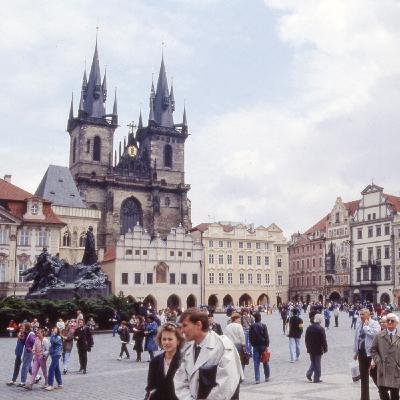
On this week’s episode of Silent Generation, Joseph interviews Nathan about his recent trip to Poland and the Czech Republic. He recaps his travels to Gdansk, Warsaw, Krakow, and Prague. Amongst other things he discusses how Gdansk was once a city-state known as the Free City of Danzig, how Warsaw’s Museum of Communism is above a KFC, how one of Krakow’s largest tourist attractions is a salt mine in the town of Wieliczka, and how Prague is home to the largest European castle still in use.
This is the second installment of a four part series that explores the cultural figure of the Bohemian and its origins. This segment briefly explains how “Bohemia” is a region and kingdom that is now part of the modern day Czech Republic.
Links:
Prague is a Parody of Europe
Artwork:
Exploring Prague in May, 1991
Recorded on 7/13/2025

Manouche jazz is a musical genre (or musical idiom) pioneered by Django Reinhardt, a French-Romani jazz guitarist and composer who lived from 1910 to 1953. He developed manouche jazz in collaboration with Stéphane Grappelli after being inspired by American jazz musicians, and the genre is notable for its percussive guitars, virtuosic lead guitarists, and reliance on acoustic instruments. Joseph and Nathan are joined by Kelly from the Significant Lovers podcast to discuss the genre.
This is the first installment of a four part series that explores the cultural figure of the Bohemian and its origins. The French believed that the Romani people came from Bohemia when they first arrived in their country, and the term “Bohemian” meant “Romani” for several centuries. “Bohemian” came to be associated with all of the stereotypes of the Romani people (positive and negative) before coming to only be associated with positive Romani stereotypes by the end of the 20th century: artsy, creative, free-spirited, and prone to wanderlust.
Links:
Significant Lovers Spotify
Significant Lovers Instagram
Manouche Jazz Playlist: https://open.spotify.com/playlist/5yZf7mGsSpZteSa41sUD84?si=0da77b26e481443c
Rendezvous A Paris (Starbucks) playlist: https://open.spotify.com/playlist/0Z8SiyBtkpaHaB3LFHC9wf?si=4de387e2bb20429e
Gypsy Jazz: in Search of Django Reinhardt and the Soul of Gypsy Swing by Michael Dregni
#8 Michael Dregni - The Life and Times of Django Reinhardt
Stéphane Grappelli - His Life and Legacy: Part One. Gypsy Jazz Violinist with/after Django Reinhardt
Wish You Were Here by Pink Floyd
Bohemianism - In Our Time (BBC)
Artwork:
Django Reinhardt
Recorded on 6/29/2025
![Ep. 76: Malls [EXTENDED TEASER]](https://s3.castbox.fm/29/4d/6d/194413a762bbcd736212df3400ac050e8f_scaled_v1_400.jpg "Ep. 76: Malls [EXTENDED TEASER]")
Full episode available on Patreon: https://www.patreon.com/SilentGeneration
On this week’s episode of Silent Generation, Joseph and Nathan discuss one of the biggest culprits of car-oriented development in the mid-20th century: malls. The boys begin by surveying several malls in Chicago (900 N. Michigan, The Water Tower Place, Block 37, and Ford City Mall) before delving into the largest malls in the country (Mall of America, American Dream Mall, and King of Prussia Mall). They then discuss a multitude of mall brands, noting the mall goth feedback loop generated by Hot Topic and the toxicity of Bath and Body Works. They conclude by discussing the urbanist critique of malls and what should be done with dying ones.
Links:
The Economics and Nostalgia of Dead Malls by Nelson D. Schwartz
The Great American Shopping Mall: Past, Present, and Future by Spencer Li
The Perfectly Optimized Building for Late Capitalism - Stewart Hicks
Opening of Minnesota's Southdale Center
99 Percent Invisible: Meet me by the fountain
How Malls Are Evolving In The U.S
What Is a Class A Mall?
Why Restaurants Have Become So Important To Shopping Malls
Water Tower Place ‘Past Its Prime’ As A Mall — But Mag Mile Recovery In Full Swing, Backers Say by Melody Mercado
The Only Thing To Do in a Dying Mall by Edward Robert McClelland
What is The Metropolitan? What to know about the new urban village in Phoenix by Taylor Seely
Meet the ‘Queen Spinner of Shell Shock,’ a local celebrity at MOA by Nicole Ki
Spencer’s Gifts existed back in the ‘40s as a mail order catalog that sold donkeys
Yankee Candles Levels of Abstraction
Mall Chicken Made Me Feel More American by Su Jit-Lin
Luxurydeptstore Instagram account
The Great Places Erased by Suburbia - Notjustbikes
What We Should (Actually) Do with Dying Malls - Chuck from Strong Towns
Artwork:
1990s aerial photo of Glendale Galleria and pre-Americana
Recorded on 6/22/2025
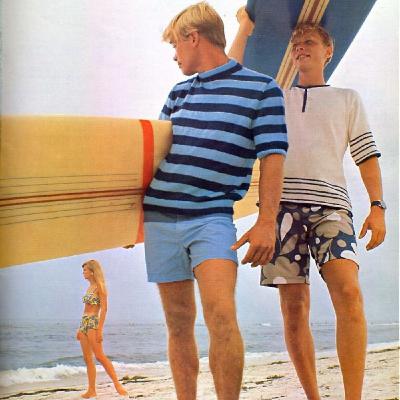
On this week’s episode of Silent Generation, Joseph and Nathan detail all of the garments men wear to the beach and the various ways they make men look attractive. They begin with beachwear bottoms (speedos, jammers, box leg trunks, swim trunks, boardshorts), before discussing tops (tank tops, Hawaiian shirts, button downs, Italian knits), and accessories (straw hats, sandals, dive watches). Afterward, the boys examine how the version of preppy style common in coastal Southern states naturally resembles beachwear, citing the Ratliffs from the most recent season of The White Lotus as their primary example. They then discuss beachwear in additional TV shows and movies (The Beach, Seinfeld, and Magnum PI) before concluding with an exposé on shirtlessness.
Links:
Beachwear Pinterest board: https://www.pinterest.com/silentgeneration/beachwear/
Bitches from Wisconsin be like BEACH DAY meme
Bitches from Chicago be like BEACH DAY meme
Milverine
A cool guide about swimwear color safety
Interview: The Designers of Chubbies Shorts by Geoffrey Brown
Men's Swimwear Guide - Bathing Suits for Gentlemen: Trunks, Briefs & Speedos
1970’s Men’s Swimwear Tik Tok video
Macy's Beachwear June 2025 - Chicago, IL
You can’t arrest me my dad is a lawyer meme
Mike White Teases Location For Season 4 Of ‘The White Lotus’ by Peter White
The White Lotus Costume Designer Alex Bovaird on Season 3's Designer-Loving Blondes, the Catalog-Worthy Ratliffs, and Chelsea's DIY Expat Style - Who What Wear Podcast
BONUS: Alex Bovaird Returns! The White Lotus Costume Designer on Every Fashion Easter Egg in Season 3 and the Impact of Her Costumes - Who What Wear Podcast
Duvin Design
Vacation Brand Sunscreen
Orlebar Brown
Frescobol Carioca
Chubbies
Artwork:
Surfers
Recorded on 6/15/2025

Comments

Download from Google Play

Download from App Store
 United States