


 Claim Ownership
100/100 Karnataka | ನೂರಕ್ಕೆ ನೂರು ಕರ್ನಾಟಕ || Radio Azim Premji University
Subscribed: 2Played: 6
Subscribe

© Radio Azim Premji University
Description
Noorakke Nooru Karnataka (100/100 Karnataka) is a podcast series by Radio Azim Premji University that celebrates the rich and diverse culture of Karnataka. It offers listeners a closer look at the state’s heritage, values, and way of life.
Presented in Kannada, each episode features thoughtful and engaging conversations that explore Karnataka’s traditions, folk practices, literature, art, festivals, and more. The series also shares stories of cultural and social icons who have played a key role in shaping the identity of the state.
Whether you’ve grown up in Karnataka or are simply interested in learning more about its culture, this podcast is a great way to connect with the stories and people that make it unique.
18 Episodes
Reverse
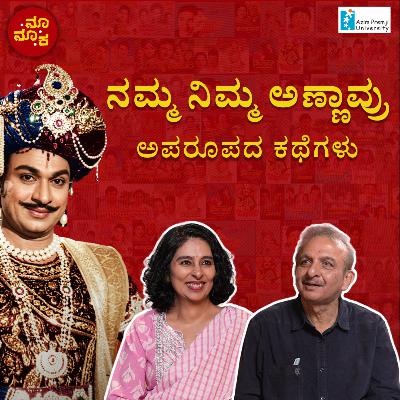
In this episode of Noorakke Nooru Karnataka, Jayanth Kaikini, one of Kannada’s most distinct voices, remembers Dr. Rajkumar in a way that feels less like history and more like memory. Rajkumar was not just someone you watched on screen. His films entered people’s lives and stayed there. In small towns where theatres were few, his stories still travelled. People carried them with them, long after the film had ended. Inside the dark of a theatre, differences softened. For a few hours, caste, class, identity all sat side by side, watching Rajkumar on screen. In that shared space, cinema became a kind of education. Not formal or structured, but deeply felt. A form of liberation. There was learning in his films and his attitude towards life. It showed up in everyday social norms. A husband pacing outside the hospital during his wife’s delivery, anxious and waiting. An elder brother holding back his own marriage until his younger sister was settled. These were not rules anyone formally taught. They became part of how people understood life, what felt right, and what did not. Jayanth Kaikini also reflects on how Rajkumar’s journey unfolded alongside the making of Karnataka itself. As the state was coming together, Bedara Kannappa had already arrived. Over time, the two moved in parallel. The state was finding its voice, and his films were already speaking in ways that people recognised as their own. This is why Rajkumar came to be seen as an icon of Karnataka and a credible voice of Kannada identity. There are also smaller, more intimate memories. A fan once told Rajkumar, “We like you in a panche (Dhoti).” He stayed that way and was always seen in a Panche thereafter. He also chose to never smoke on screen. Not because it was required, but because he understood what it meant to be a role model. From Kittur Rani Chennamma to Sandhya Raaga, Eradu Kanasu, and Sanadi Appanna, his work carried a range that few actors have matched and became part of everyday life across generations. This month marks both his birth and death anniversary. And we are remembering him with this conversation that doesn’t just look back at a star, but at a presence that shaped how a society saw itself.#DrRajkumar #Annavaru #KannadaCinema #JayanthKaikini
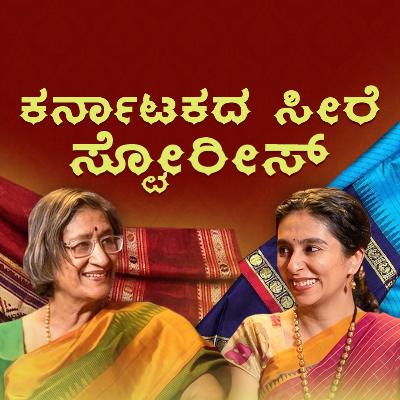
What does a sari carry? In this episode of Noorakke Nooru Karnataka, we sit down with Pavithra Muddaya to explore the many lives of the sari in Karnataka—not just as fabric, but as memory, labor, identity, and inheritance. From the legacy of Vimor, started in 1974 with her mother Chimy Nanjappa, to working closely with weavers across the state, Pavithra traces how each sari carries a geography within it. This journey also lives on through the Vimor Museum of Living Textiles, where these histories are preserved as living traditions. In Molakalmuru, she speaks about introducing a dotted line within the weave — a small but significant intervention that made the process easier for weavers, opening up livelihoods. These saris came to be known as Pooje saris, because they were often sourced from temple auctions, carrying with them a ritual life before entering everyday use. At the heart of this weave is ikkat — a tie-and-dye technique, challenging the belief that ikkat did not exist in Karnataka. From the Adike Gini motif that defines Molakalmuru, the conversation moves to a question we rarely as—did Bengaluru once have its own sari? Through stories of weaving societies, contrast borders, and a 72-year-old weaver still working on the city’s outskirts, a forgotten textile history begins to emerge. Along the way, the episode also touches upon meenakari work and how aesthetics evolve across regions and time. This is not just about textiles. It is about how a sari moves through a woman’s life—from ritual to routine, from inheritance to innovation. #KarnatakaSaris #TextileStories #IndianWeaves #HandloomIndia #Molakalmuru #Vimor #CultureOfKarnataka #SariStories
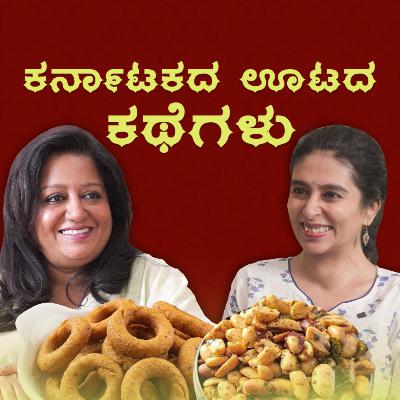
What connects a woman selling food door-to-door in 1947, a pioneering coffee exporter from a century ago, and one of Bengaluru’s most talked-about restaurants today? In this Women’s Month special episode of Noorakke Nooru Karnataka, we trace the journeys of women who shaped Karnataka’s food culture across generations. The story begins with Subbammana Angadi, started in 1947 by a single mother from Hindupura who had to raise three children on her own. She began by cooking at home and selling food door to door. Over time, that small effort grew into one of Bengaluru’s beloved food institutions. We then travel further back to Coffee Sakamma, born in 1880, who came to Bengaluru in the early 20th century and set up a coffee curing and processing plant in Basavanagudi. She went on to become the first woman to export coffee from India to the United Kingdom, and the neighbourhood Sakkamma Garden still carries the memory of that enterprise. Her work earned her the Kaisar-e-Hind medal. Representing the present-day food scene in Bengaluru is Divya Prabhakar, founder of Bangalore Oota Company. Inspired by handwritten recipe diaries left by her grandfather, she set out to recreate the Karnataka dishes she grew up eating at home and share them with the world. Across nearly a century of stories, one thread connects them all: women who quietly built the food culture we enjoy today. Watch the full episode “ಕಾಫಿ – ಊಟ – ಕುರುಕುರು | ಕರ್ನಾಟಕದ ಮಹಿಳಾ ಆಹಾರೋದ್ಯಮಿಗಳು” now! #WomensMonth #BangaloreFood #KarnatakaCuisine #WomenEntrepreneurs #FoodHistory #BengaluruStories #BangaloreOotaCompany #EatRaja #SouthIndianFood
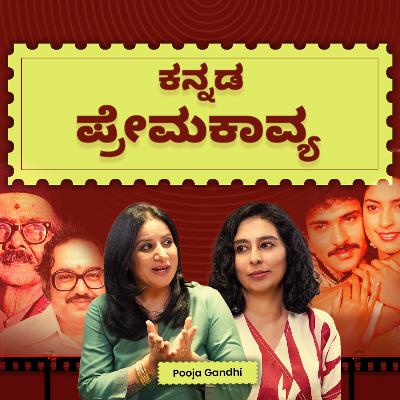
Love in Kannada has never stayed in one place. It has moved between poetry and song, slipped into everyday speech, lingered in silence, and sometimes arrived through cinema in ways no one quite expected. In this Valentine’s Day special of Noorakke Nooru Karnataka, Kannada Premakavya explores how love has been imagined and reimagined in Kannada culture — with Mungaaru Male standing as one of the moments when that imagination visibly shifted. With actress Pooja Gandhi in conversation, we reflect on how the film did more than tell a love story. It altered mood, tone, and emotional texture. Romance became less performative and more inward. Nature became part of feeling. Music carried meaning beyond the screen. A generation began to recognise its own emotions in quieter gestures. But Mungaaru Male sits within a much longer tradition. The episode journeys through the lyricists who shaped how love is spoken in Kannada cinema — from earlier eras where longing first found a popular voice, to later writers who made intimacy feel contemporary and close. It listens to how certain songs became emotional reference points, how lines from film lyrics entered daily conversation, and how melody often said what dialogue could not. From there, the conversation turns to Kannada literature — to poets who imagined love as restlessness, as ethical responsibility, as care that extends beyond romance. To works that once travelled into homes as gifts and blessings. To writing that shaped emotional thought long before cinema arrived. Interwoven through this cultural journey is a personal one. What does it mean to come to Kannada from outside and slowly grow into it? How does a language become familiar not just through grammar, but through affection, music, and shared memory? Kannada Premakavya is not about defining love. It is about noticing how Kannada has carried it — across generations, forms, and feelings. #LoveInKannada #MungaaruMale #KannadaCinema #KannadaLyrics #KannadaLiterature #KarnatakaCulture #ValentinesDaySpecial #Premaloka #Ravichandran #YograjBhat #JayanthKaikini #Rajkumar #SaptasagaradaAache #DRBendre #NaakuTanthi #Kuvempu #YelliJaaritoManavu #MysoreMallige ಕನ್ನಡದಲ್ಲಿ ಪ್ರೀತಿ ಕಾವ್ಯ ಮತ್ತು ಹಾಡಿನ ನಡುವೆ ಚಲಿಸಿದೆ, ದೈನಂದಿನ ಸಂಭಾಷಣೆಯಲ್ಲಿದೆ, ಮೌನದಲ್ಲಿ ಕಾಲಹರಣ ಮಾಡಿದೆ ಮತ್ತು ಕೆಲವೊಮ್ಮೆ ಯಾರೂ ನಿರೀಕ್ಷಿಸದ ರೀತಿಯಲ್ಲಿ ಸಿನಿಮಾದ ಮೂಲಕವೂ ತಲುಪಿದೆ. ನೂರಕ್ಕೆ ನೂರು ಕರ್ನಾಟಕದ ಈ ಪ್ರೇಮಿಗಳ ದಿನದ ವಿಶೇಷ ಕಾರ್ಯಕ್ರಮದ 'ಕನ್ನಡ ಪ್ರೇಮಕಾವ್ಯ'ವು ಕನ್ನಡ ಸಂಸ್ಕೃತಿಯಲ್ಲಿ ಪ್ರೀತಿಯನ್ನು ಹೇಗೆ ಕಲ್ಪಿಸಿಕೊಳ್ಳಲಾಗಿದೆ ಮತ್ತು ಮರುಕಲ್ಪಿಸಿಕೊಳ್ಳಲಾಗಿದೆ ಎಂಬುದನ್ನು ಅನ್ವೇಷಿಸುತ್ತದೆ - ಆ ಕಲ್ಪನೆಯು ಗೋಚರವಾಗಿ ಬದಲಾದ ಕ್ಷಣಗಳಲ್ಲಿ ಮುಂಗಾರು ಮಳೆಯೂ ಒಂದು. ನಟಿ ಪೂಜಾ ಗಾಂಧಿಯವರ ಜೊತೆ ಸಂಭಾಷಣೆಯಲ್ಲಿ ವರ್ಷಾ ರಾಮಚಂದ್ರ, ಚಿತ್ರವು ಪ್ರೇಮಕಥೆಯನ್ನು ಹೇಳುವುದಕ್ಕಿಂತ ಹೆಚ್ಚಿನದನ್ನು ಹೇಗೆ ಮಾಡಿತು, ಪ್ರೀತಿಯ ವಿನ್ಯಾಸವನ್ನು ಹೇಗೆ ಬದಲಾಯಿಸಿತು, ಪ್ರಣಯ ಹೇಗೆ ಒಳಮುಖಿಯಾಯಿತು ಎಂಬುದನ್ನು ವಿವರಿಸುತ್ತಾರೆ. ಕನ್ನಡ ಚಿತ್ರರಂಗದಲ್ಲಿ ಪ್ರೀತಿಯನ್ನು ಹೇಗೆ ವ್ಯಕ್ತಪಡಿಸಲಾಗುತ್ತದೆ ಎಂಬುದನ್ನು ರೂಪಿಸಿದ ಕವಿಗಳ ಮತ್ತು ಗೀತರಚನೆಕಾರರಿಂದ ಹಿಡಿದು, ಅನ್ಯೋನ್ಯತೆಯನ್ನು ಸಮಕಾಲೀನ ಮತ್ತು ನಿಕಟವೆಂದು ಭಾವಿಸುವಂತೆ ಮಾಡಿದ ನಂತರದ ಬರಹಗಾರರವರೆಗೆ ಈ ಸಂಚಿಕೆಯು ಪ್ರಯಾಣಿಸುತ್ತದೆ. ಈ ಮಾತುಕತೆಯಲ್ಲಿ ಬಹಳ ಆಪ್ತವಾದ ಅಂಶ ಒಂದಿದೆ. ಅದು, 'ಕನ್ನಡಕ್ಕೆ ಬಂದು ನಿಧಾನವಾಗಿ ಬೆಳೆಯುವುದು ಎಂದರೇನು? ವ್ಯಾಕರಣದ ಮೂಲಕ ಮಾತ್ರವಲ್ಲದೆ, ವಾತ್ಸಲ್ಯ, ಸಂಗೀತ ಮತ್ತು ಹಂಚಿಕೊಂಡ ಸ್ಮರಣೆಯ ಮೂಲಕ ಒಂದು ಭಾಷೆ ಹೇಗೆ ಪರಿಚಿತವಾಗುತ್ತದೆ?' ಎಂಬುದು. ‘ಕನ್ನಡ ಪ್ರೇಮಕಾವ್ಯ' ಪ್ರೀತಿಯನ್ನು ವ್ಯಾಖ್ಯಾನಿಸುವುದರ ಬಗ್ಗೆ ಅಲ್ಲ. ಕನ್ನಡವು ಅದನ್ನು ಹೇಗೆ ತಲೆಮಾರುಗಳು, ರೂಪಗಳು ಮತ್ತು ಭಾವನೆಗಳಲ್ಲಿ ಸಾಗಿಸಿದೆ ಎಂಬುದನ್ನು ಗಮನಿಸುವುದರ ಬಗ್ಗೆ.
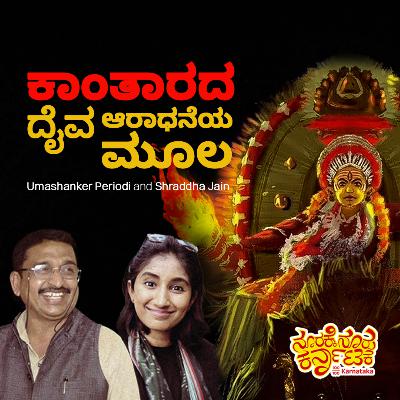
From Dharmasthala to Kantavara, the legend of Panjurli Daiva runs deep through the forests and coasts of Karnataka. Long before Kantara took the world by storm — and with Kantara 2 now expanding its universe — Bhoota Kola was already a living theatre: part spiritual ritual, part social conscience, part art.In this episode of Noorakke Nooru Karnataka, we explore the real tradition that inspired Rishab Shetty’s Kantara films — the Daiva Aradhane (spirit worship) of Tulu Nadu. Folklore scholar Umashanker Periodi takes us through the origins and meaning of this centuries-old ritual where faith, justice, and performance intertwine.What is Kola and what is Nema? Why is Bhoota Kola called a spiritual theatre? How do the spirits act as counsellors, healers, and guardians of justice in their villages?Step into the world where myth meets memory, and where Kantara’s cinematic vision finds its roots in living belief.
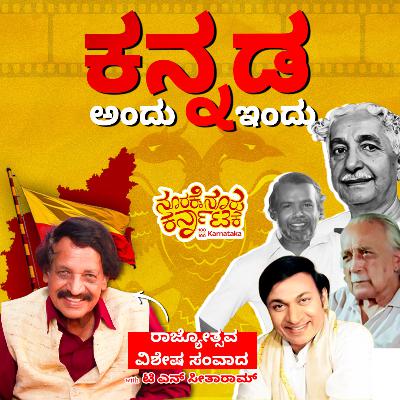
What makes us Kannadiga — the icons we admire, the stories we tell, or the language we live?In this Rajyotsava special, filmmaker T.N. Seetharam (Mayamruga, Mukta, Matadaana) reflects on five forces that shaped the spirit of Kannada — its icons, writers, films, songs, and language.From Dr. Rajkumar to Basavanna, he traces how literature, poetry, and cinema built a shared Kannada consciousness.Listen to this Rajyotsava conversation and rediscover what keeps Kannada alive.ನಮ್ಮನ್ನು ಕನ್ನಡಿಗರನ್ನಾಗಿ ಮಾಡುವುದು ಯಾವುದು? ನಮ್ಮ ಮೇಲೆ ಪ್ರಭಾವ ಬೀರಿದ ವ್ಯಕ್ತಿಗಳೇ, ನಾವು ಓದುವ ಕಥೆಗಳೇ ಅಥವಾ ನಾವು ಪ್ರತಿದಿನ ಆಡುವ ಭಾಷೆಯೇ?ನೂರಕ್ಕೆ ನೂರು ಕರ್ನಾಟಕದ ಈ ರಾಜ್ಯೋತ್ಸವ ವಿಶೇಷ ಕಾರ್ಯಕ್ರಮದಲ್ಲಿ, ನಿರೂಪಕಿ ವರ್ಷಾ ರಾಮಚಂದ್ರ ಅವರೊಂದಿಗೆ ಮಾತನಾಡುತ್ತಾ ಖ್ಯಾತ ನಿರ್ದೇಶಕ ಟಿ.ಎನ್. ಸೀತಾರಾಮ್ (ಮಾಯಾಮೃಗ, ಮುಕ್ತ, ಮತದಾನ), ತಮ್ಮ ಪ್ರಕಾರ ಕನ್ನಡದ ಚೈತನ್ಯವನ್ನು ರೂಪಿಸಿದ ಐದು ಶಕ್ತಿಗಳ ಬಗ್ಗೆ ಪ್ರತಿಬಿಂಬಿಸುತ್ತಾರೆ - ಹೆಮ್ಮೆಯನ್ನು ಪ್ರೇರೇಪಿಸಿದ ಮೇರು ವ್ಯಕ್ತಿಗಳು, ಕಲ್ಪನೆಯನ್ನು ಆಳಗೊಳಿಸಿದ ಬರಹಗಾರರು, ಸಾಹಿತ್ಯವನ್ನು ಜನಸಾಮಾನ್ಯರಿಗೆ ಕೊಂಡೊಯ್ದ ಚಲನಚಿತ್ರಗಳು, ಅದಕ್ಕೆ ಲಯ ನೀಡಿದ ಹಾಡುಗಳು ಮತ್ತು ನಮ್ಮನ್ನು ಒಟ್ಟಿಗೆ ಹಿಡಿದಿಟ್ಟುಕೊಳ್ಳುವ ಭಾಷೆ.ಡಾ.ರಾಜಕುಮಾರ್ ಮತ್ತು ಗುಬ್ಬಿ ವೀರಣ್ಣ ಅವರನ್ನು ನೆನೆದು, ಕುವೆಂಪು ಅವರಿಂದ ತೇಜಸ್ವಿ, ಭೈರಪ್ಪ ಅವರವರೆಗಿನ ಲೇಖಕರನ್ನು ಕೊಂಡಾಡಿದ ಅವರು, ಸಂಸ್ಕಾರ, ಬೆಳ್ಳಿ ಮೋಡ, ಗೆಜ್ಜೆ ಪೂಜೆಯ ಮೂಲಕ ಸಾಹಿತ್ಯ ಚಿತ್ರರಂಗಕ್ಕೆ ಬೆಸೆದುಕೊಂಡಿದ್ದ 70ರ ದಶಕವನ್ನು ಮತ್ತೆ ಮೆಲುಕು ಹಾಕುತ್ತಾರೆ. ಬಸವಣ್ಣನವರ ವಚನಗಳಿಂದ ಹಿಡಿದು ಶಿಶುನಾಳ ಷರೀಫರ ಗೀತೆಗಳವರೆಗೆ, ಕವಿತೆ, ಸಿನಿಮಾ, ಸಂಸ್ಕೃತಿ ಸೇರಿ ಕನ್ನಡದ ಪ್ರಜ್ಞೆಯನ್ನು ಹೇಗೆ ಕಟ್ಟಿದವು ಎಂಬುದನ್ನು ಸೀತಾರಾಮ್ ಗುರುತಿಸುತ್ತಾರೆ.ಕನ್ನಡವನ್ನು ಜೀವಂತವಾಗಿರಿಸುವದನ್ನು ಮರುಶೋಧಿಸಲು ಈಗಲೇ ವೀಕ್ಷಿಸಿ.
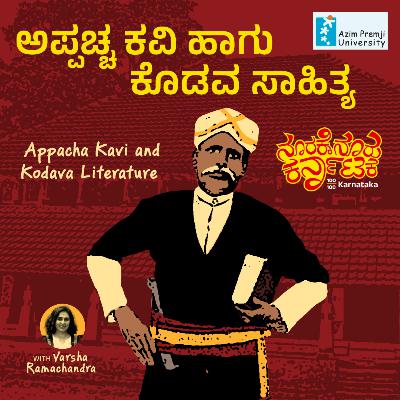
In this episode of Noorakke Nooru Karnataka, Varsha Ramachandra travels into the hills of Kodagu and into the ‘ainmane’ of Appacha Kavi — the first great playwright of Kodava Takk. Born in 1868 into the Appaneravanda family, Appacha Kavi grew up in a culture where song, story and ritual formed the backbone of community life. Kodagu’s oral traditions — from the Baalo Paat sung at festivals to the Thaali Paat at marriages and the poignant Chaav Paat at funerals — still shape how the community celebrates, mourns and remembers. Against this backdrop, Appacha Kavi composed plays such as Yayaati Rajanda Nataka, Sree Subrahmanya Mahathmye and Sati Savitri, capturing the rhythms, characters and landscapes of Kodagu in a dramatic form at a time when Kodava Takk had no written literary tradition of its own.Appacha Kavi’s life also reveals how fragile cultural memory can be. A devastating fire in the 1920s destroyed much of his work, and his genius remained largely unrecognised during his lifetime. This episode also places him alongside Nadikerianda Chinnappa’s Pattole Palame (1924), the monumental compilation of Kodava customs, proverbs and folksongs. If Appacha Kavi gave the language its first modern dramas, Pattole Palame gave it its encyclopaedia of rituals and verse — preserving the voices of countless unnamed singers.Through conversations with scholars and cultural custodians such as Bacharanianda P. Appanna, Dr. Mullengada Revathi Poovaiah, Mullengada Madhosh Poovaiah, Mullengada Shankari Ponnappa and Mookonda Nitin Kushalappa, the episode explores why these oral forms still matter — and why they need urgent care. Kodava Takk today is spoken by barely one lakh people, making it one of India’s more vulnerable languages. Yet in weddings, harvests and funerals, these songs still rise, connecting young Kodavas to their elders and landscapes. By standing inside Appacha Kavi’s ainmane, revisiting Pattole Palame and listening to the echoes of Kodagu’s oral traditions, we glimpse a culture that is both endangered and resilient — a living world of word and melody that continues to shape Kodagu’s identity.ಕೊಡವ ಭಾಷೆ ಅಥವಾ ಕೊಡವ ತಕ್ಕ್ ಅನ್ನು ಇಂದು ಕೇವಲ ಒಂದು ಲಕ್ಷ ಜನರಷ್ಟು ಮಾತನಾಡುತ್ತಾರೆ ಮತ್ತು ಯುನೆಸ್ಕೋ ಇದನ್ನು ಅಳಿವಿನ ಅಂಚಿಗೆ ಬಂದಿರುವ ಭಾಷೆಯೆಂದು ಘೋಷಿಸಿದೆ. ಈ ಹಿನ್ನೆಲೆಯಲ್ಲಿ, ನೂರಕ್ಕೆ ನೂರು ಕರ್ನಾಟಕದ ಈ ಸಂಚಿಕೆಯಲ್ಲಿ, ವರ್ಷಾ ರಾಮಚಂದ್ರ ಕೊಡಗಿನ ಹಸಿರಿನ ಮಧ್ಯದಲ್ಲಿ ಕೊಡವ ಭಾಷೆಯ ಮೊದಲ ಶ್ರೇಷ್ಠ ನಾಟಕಕಾರ ಅಪ್ಪಚ್ಚ ಕವಿಯ ಐನ್ಮನೆಗೆ ಪ್ರಯಾಣಿಸುತ್ತಾರೆ. 1868 ರಲ್ಲಿ ಅಪ್ಪನೆರವಂಡ ಕುಟುಂಬದಲ್ಲಿ ಜನಿಸಿದ ಅಪ್ಪಚ್ಚ ಕವಿ, ಹಾಡು, ಕಥೆ ಮತ್ತು ಆಚರಣೆ ಸಮುದಾಯದ ಬೆನ್ನೆಲುಬಾಗಿ ರೂಪುಗೊಂಡ ಸಂಸ್ಕೃತಿಯಲ್ಲಿ ಬೆಳೆದರು. ಕೊಡಗಿನ ಮೌಖಿಕ ಸಂಪ್ರದಾಯಗಳು - ಹಬ್ಬಗಳಲ್ಲಿ ಹಾಡುವ ಬಾಳೋ ಪಾಟ್ನಿಂದ ಮದುವೆಗಳಲ್ಲಿನ ತಾಳಿ ಪಾಟ್ ಮತ್ತು ಅಂತ್ಯಕ್ರಿಯೆಯ ಚಾವ್ ಪಾಟ್ - ಒಂದು ಸಮುದಾಯ ಸುಖ-ದುಃಖಗಳನ್ನು ಹೇಗೆ ಆಚರಿಸುತ್ತದೆ ಎಂಬುದನ್ನು ಇಂದಿಗೂ ರೂಪಿಸುತ್ತವೆ.ಈ ಸಂಚಿಕೆಯು ಕೊಡವ ಪದ್ಧತಿಗಳು, ಗಾದೆಗಳು ಮತ್ತು ಜಾನಪದ ಗೀತೆಗಳ ಸ್ಮಾರಕ ಸಂಕಲನವಾಗಿರುವ, ನಡಿಕೇರಿಯಂಡ ಚಿನ್ನಪ್ಪ ಅವರ "ಪಟ್ಟೋಲೆ ಪಳಮೆ" (1924) ಗ್ರಂಥವನ್ನು ಸಹ ಸ್ಮರಿಸುತ್ತದೆ. ಅಪ್ಪಚ್ಚ ಕವಿ ಕೊಡವ ಭಾಷೆಗೆ ಅದರ ಮೊದಲ ಆಧುನಿಕ ನಾಟಕಗಳನ್ನು ನೀಡಿದರೆ, ಪಟ್ಟೋಲೆ ಪಳಮೆ ಅದಕ್ಕೆ ಆಚರಣೆಗಳು ಮತ್ತು ಪದ್ಯಗಳ ವಿಶ್ವಕೋಶವನ್ನು ನೀಡಿತು.ಬಾಚರಣಿಯಂಡ ಪಿ. ಅಪ್ಪಣ್ಣ, ಡಾ. ಮುಲ್ಲೇಂಗಡ ರೇವತಿ ಪೂವಯ್ಯ, ಮುಲ್ಲೇಂಗಡ ಮಾಧೋಷ್ ಪೂವಯ್ಯ, ಮುಲ್ಲೇಂಗಡ ಶಂಕರಿ ಪೊನ್ನಪ್ಪ ಮತ್ತು ಮೂಕೊಂಡ ನಿತಿನ್ ಕುಶಾಲಪ್ಪ ಅವರಂತಹ ಕೊಡವ ಭಾಷೆ-ಪರಂಪರೆಯ ತಜ್ಞರ ಜೊತೆಗಿನ ಸಂಭಾಷಣೆಗಳ ಮೂಲಕ, ಈ ಮೌಖಿಕ ರೂಪಗಳು ಇನ್ನೂ ಏಕೆ ಮುಖ್ಯವಾಗಿವೆ ಮತ್ತು ಅವುಗಳಿಗೆ ತುರ್ತು ಗಮನ ಕೊಡುವ ಅಗತ್ಯದ ಬಗ್ಗೆ ಈ ಸಂಚಿಕೆಯು ಪರಿಶೋಧಿಸುತ್ತದೆ.CreditsAkshay Ramuhalli, Bruce Lee Mani, Gorveck Thokchom, Kishor Mandal, Kruthika Rao, Narayan Krishnaswamy, Prashant Vasudevan, Ram Seshadri, Sananda Dasgupta, Sanoob Puliyanchali, Seema Seth, Shraddha Gautam, Supriya Joshi, and Velu Shankar.
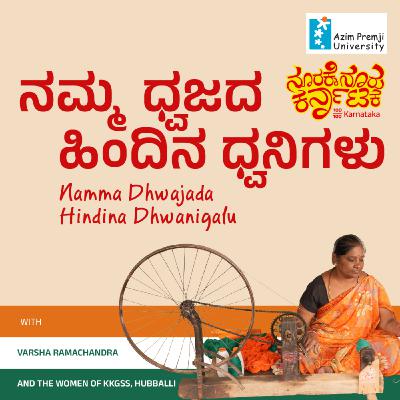
ಈ ಆಗಸ್ಟ್ 15 ರಂದು, ದೇಶಾದ್ಯಂತ ತ್ರಿವರ್ಣ ಧ್ವಜ ಹಾರಾಡುತ್ತಿದ್ದಂತೆ, ಹುಬ್ಬಳ್ಳಿಯ ಬೆಂಗೇರಿಯನ್ನು ನೆನಪಿಸಿಕೊಳ್ಳಿ ಏಕೆಂದರೆ, ಅದು ತನ್ನ ಪ್ರಯಾಣವನ್ನು ಪ್ರಾರಂಭಿಸುವುದು ಇಲ್ಲಿಯೇ. ಇಲ್ಲಿ, ಕರ್ನಾಟಕ ಖಾದಿ ಗ್ರಾಮೋದ್ಯೋಗ ಸಂಯುಕ್ತ ಸಂಘದ ಮಹಿಳೆಯರು ರಾಷ್ಟ್ರಧ್ವಜವನ್ನು ಸಂಪೂರ್ಣವಾಗಿ ಕೈಯಿಂದ ನೂಲುತ್ತಾರೆ, ನೇಯುತ್ತಾರೆ ಮತ್ತು ಹೊಲಿಯುತ್ತಾರೆ ಹಾಗು ಸ್ವಾತಂತ್ರ್ಯ ಹೋರಾಟದಲ್ಲಿ ಜನಿಸಿದ ಕರಕುಶಲತೆಯನ್ನು ಜೀವಂತವಾಗಿರಿಸುತ್ತಾರೆ. ಆದರೆ ಪಾಲಿಯೆಸ್ಟರ್ ಧ್ವಜಗಳಿಗೆ ಅನುಮತಿ ಸಿಕ್ಕ ನಂತರ, ಈ ಸಂಪ್ರದಾಯದ ಭವಿಷ್ಯ ಅನಿಶ್ಚಿತತೆಯಲ್ಲಿದೆ. ನೂರಕ್ಕೆ ನೂರು ಕರ್ನಾಟಕದಲ್ಲಿ, ಬಾಗಲಕೋಟೆಯ ಹತ್ತಿಯಿಂದ ಹುಬ್ಬಳ್ಳಿಯ ಅಂತಿಮ ಹಂತದವರೆಗಿನ ಪ್ರಯಾಣವನ್ನು ತಿಳಿಯುತ್ತ, ಇತಿಹಾಸದ ಭಾರ ಮತ್ತು ಸ್ವಾತಂತ್ರ್ಯದ ಚೈತನ್ಯವನ್ನು ಹೊತ್ತು ಕೆಲಸ ಮಾಡುವ ಮಹಿಳೆಯರನ್ನು ಭೇಟಿಯಾಗುತ್ತೇವೆ.This August 15, as the tricolour flutters across the country, remember the quiet lanes of Bengeri in Hubballi — where it begins its journey. Here, women at the Karnataka Khadi Gramodyoga Samyukta Sangha spin, weave and stitch the national flag entirely by hand, keeping alive a craft born in the freedom struggle. But with polyester flags now permitted, this tradition stands at a crossroads. In Noorakke Nooru Karnataka, we trace the journey from cotton in Bagalkot to the final stitch in Hubballi — and meet the women whose work carries the weight of history and the spirit of freedom itself.CreditsSpecial Thanks to the women of Khadi Gramodyoga Samyukta Sangha (KKGSS) for being part of this episode and giving us their valuable time and Shivanad Mathapati, the Secretary of (KKGSS) for his generous support.Akshay Ramuhalli, Bruce Lee Mani, Gorveck Thokchom, Kishor Mandal, Kruthika Rao, Narayan Krishnaswamy, Prashant Vasudevan, Sananda Dasgupta, Seema Seth, Supriya Joshi, and Velu Shankar.
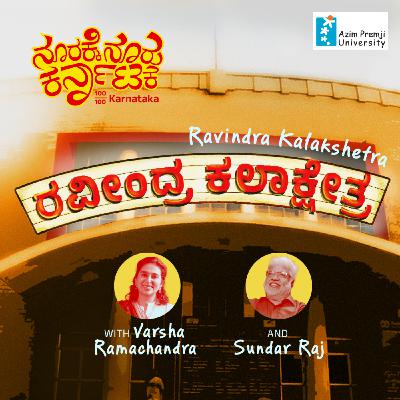
In this episode of Noorakke Nooru Karnataka, we sit down with veteran Kannada actor Sundar Raj to explore the cultural legacy of Ravindra Kalakshetra — Bengaluru’s iconic theatre auditorium, only on Radio Azim Premji University. Like many of his generation, Sundar Raj’s journey into cinema began here, under the stage lights of Kalakshetra. For him and countless others, this wasn’t just a venue — it was a launchpad, a learning ground, and a vital chapter in the history of Kannada performing arts. ನೂರಕ್ಕೆ ನೂರು ಕರ್ನಾಟಕದ ಈ ಸಂಚಿಕೆಯಲ್ಲಿ, ಹಿರಿಯ ನಟ ಸುಂದರ್ ರಾಜ್ ಅವರು ಬೆಂಗಳೂರಿನ ಹೃದಯಭಾಗದಲ್ಲಿರುವ ರವೀಂದ್ರ ಕಲಾಕ್ಷೇತ್ರದ ಜೊತೆಗಿನ ನಂಟು ಮತ್ತು ನೆನಪುಗಳನ್ನು ವರ್ಷಾ ರಾಮಚಂದ್ರ ಜೊತೆ ಹಂಚಿಕೊಳ್ಳುತ್ತಾರೆ. ಅವರ ಪೀಳಿಗೆಯ ಅನೇಕರಂತೆ ಅವರ ಪ್ರಯಾಣವು ಕಲಾಕ್ಷೇತ್ರದ ಪ್ರಜ್ವಲಿಸುವ ವೇದಿಕೆಯ ದೀಪಗಳ ಅಡಿಯಲ್ಲಿ ಪ್ರಾರಂಭವಾಯಿತು. ರವೀಂದ್ರನಾಥ ಟ್ಯಾಗೋರ್ ಅವರ ಜನ್ಮ ಶತಮಾನೋತ್ಸವವನ್ನು ಗುರುತಿಸಲು ನಿರ್ಮಿಸಲಾದ ರವೀಂದ್ರ ಕಲಾಕ್ಷೇತ್ರದ ಕಥೆಯು 1961 ರಿಂದ ಪ್ರಾರಂಭವಾಗುತ್ತದೆ. ಆಗಿನ ಕೇಂದ್ರ ಸರ್ಕಾರವು ಟ್ಯಾಗೋರ್ ಅವರ ಗೌರವಾರ್ಥವಾಗಿ ಸಾಂಸ್ಕೃತಿಕ ಸ್ಥಳಗಳನ್ನು ನಿರ್ಮಿಸಲು ನಿರ್ಧರಿಸಿ, ಬೆಂಗಳೂರಿನ ಟೌನ್ ಹಾಲ್ ಪಕ್ಕದಲ್ಲಿ 3 ಎಕರೆ ಜಾಗವನ್ನು ಈ ಯೋಜನೆಗಾಗಿ ಆಯ್ಕೆ ಮಾಡಲಾಯಿತು. ಆದರೆ ಇದು ಕೇವಲ ರಾಜ್ಯದ ಉಪಕ್ರಮವಾಗಿರಲಿಲ್ಲ - ಇದು ಒಂದು ಸಾಮೂಹಿಕ ಪ್ರಯತ್ನವಾಗಿತ್ತು. ಸರ್ಕಾರಿ ನಿಧಿಯ ಜೊತೆಗೆ, ಪ್ರಮುಖ ಕಲಾವಿದರು ಮತ್ತು ಉದ್ಯಮಿಗಳು ಈ ಉದ್ದೇಶವನ್ನು ಬೆಂಬಲಿಸಲು ಮುಂದೆ ಬಂದರು. ವಿಶೇಷ ಎಂದರೆ ತಮಿಳಿನ ಶಿವಾಜಿ ಗಣೇಶನ್ ಅವರು ತಮ್ಮ 'ವೀರ ಪಾಂಡ್ಯ ಕಟ್ಟಬೊಮ್ಮನ್' ನಾಟಕವನ್ನು ಟೌನ್ ಹಾಲ್ನಲ್ಲಿ ಪ್ರದರ್ಶಿಸಿ, ಸಂಗ್ರಹಿಸಲಾದ 22,000 ರೂಪಾಯಿಗಳನ್ನು ಕಲಾಕ್ಷೇತ್ರದ ನಿರ್ಮಾಣಕ್ಕೆ ದಾನ ಮಾಡಿದ್ದರು. ಇದು ಕಲಾವಿದರಿಗಾಗಿ ಕಲಾವಿದರಿಂದ ನಡೆಸಲ್ಪಟ್ಟ ಪ್ರೀತಿಯ ಶ್ರಮವಾಗಿತ್ತು. ಮಾರ್ಚ್ 9, 1963 ರಂದು ರವೀಂದ್ರ ಕಲಾಕ್ಷೇತ್ರ ಅಧಿಕೃತವಾಗಿ ತನ್ನ ಬಾಗಿಲುಗಳನ್ನು ತೆರೆದಾಗ, ಅದು ಕೇವಲ ಒಂದು ಸಭಾಂಗಣದ ಜನನವಷ್ಟೇ ಆಗಿರಲಿಲ್ಲ, ನಗರದ ನವ ಸಾಂಸ್ಕೃತಿಕ ಹೃದಯ ಬಡಿತದ ಸೃಷ್ಟಿಯೂ ಆಗಿತ್ತು. 1970 ರ ದಶಕದಲ್ಲಿ, ಹೊಸ ಅಲೆಯ ಸಿನಿಮಾಗಳು ಪರದೆಯನ್ನು ಪುನರ್ರೂಪಿಸಿದಾಗ, ಅಂತಹುದೇ ಒಂದು ಚಳುವಳಿ ವೇದಿಕೆಯನ್ನು ವ್ಯಾಪಿಸಿತು. ರವೀಂದ್ರ ಕಲಾಕ್ಷೇತ್ರವು ಹವ್ಯಾಸಿ ರಂಗಭೂಮಿಯ ಅಲೆಗೆ ಕೇಂದ್ರವಾ ಗಿ ರಂಗಭೂಮಿಯ ರೂಪ ಮತ್ತು ರಾಜಕೀಯದ ಗಡಿಗಳನ್ನು ತಳ್ಳಿತು.1972 ರಲ್ಲಿ ಸಿ.ಆರ್. ಸಿಂಹ ಅವರು ಲೋಕೇಶ್ ಮತ್ತು ಶ್ರೀನಿವಾಸ್ ಕಪ್ಪಣ್ಣ ಅವರಂತಹ ನಟರೊಂದಿಗೆ ಸ್ಥಾಪಿಸಿದ ನಟರಂಗ ಮೊದಲ ಪ್ರಮುಖ ತಂಡವಾಯಿತು. ಅವರ ನಿರ್ಮಾಣಗಳು – ‘ಕಾಕನ ಕೋಟೆ’, ‘ಸಂಕ್ರಾಂತಿ’, ‘ತುಘಲಕ್’ - ಸಾಹಿತ್ಯಿಕ ಆಳದೊಂದಿಗೆ ಮನೋರಂಜನೆಯನ್ನೂ ಪ್ರದರ್ಶನದ ಶೈಲಿಯೊಂದಿಗೆ ಸಂಯೋಜಿಸಿ, ಮನೆ ಮಾತಾದವು. ನಂತರ ಬಿ.ವಿ. ಕಾರಂತ್ ನೇತೃತ್ವದ ಬೆನಕ ತಂಡ, ವಿಭಿನ್ನ ಪ್ರಕಾರದ ಸೆಟ್ ವಿನ್ಯಾಸ, ರಂಗಗೀತೆಗಳು ಮತ್ತು ಶೈಲೀಕೃತ ನೃತ್ಯ ಸಂಯೋಜನೆಯನ್ನು ಬಳಸಿದ ಪ್ರದರ್ಶನಗಳಿಗೆ ಹೆಸರುವಾಸಿಯಾಯಿತು. ಬೆನಕ ಅವರ ನಿರ್ಮಾಣಗಳು ಕನ್ನಡ ರಂಗಭೂಮಿಗೆ ಹೊಸ ಆಯಾಮವನ್ನು ತಂದುಕೊಟ್ಟವು. ತುರ್ತು ಪರಿಸ್ಥಿತಿಯ ಬಿರುಸಿನ ರಾಜಕೀಯ ವಾತಾವರಣದಲ್ಲಿ, ಪ್ರಸನ್ನ, ಡಾ. ವಿಜಯಮ್ಮ, ಡಾ. ಬಿ.ಆರ್. ನಾಗರಾಜ್ ಮತ್ತು ಕೀರಂ ನಾಗರಾಜ್ ರೂಪಿಸಿದ ತಂಡ ಸಮುದಾಯ ಹೊರಹೊಮ್ಮಿತು. ‘ಹುತ್ತವ ಬಡಿದರೆ’ ನಂತಹ ನಿರ್ಮಾಣಗಳೊಂದಿಗೆ, ಸಮುದಾಯ ವೇದಿಕೆಯನ್ನು ಸಮಾಜದ ಎಲ್ಲಾ ವರ್ಗದ ಒಗ್ಗಟ್ಟಿನ ಸ್ಥಳವನ್ನಾಗಿ ಪರಿವರ್ತಿಸಿತು. ಈ ಉತ್ಸಾಹದ ನಡುವೆಯೇ ಸುಂದರ್ ರಾಜ್ ‘ಸತ್ತವರ ನೆರಳು’, ‘ಜೋಕುಮಾರಸ್ವಾಮಿ’ ಮತ್ತು ‘ಹಯವದನ’ ದಂತಹ ನಿರ್ಮಾಣಗಳಲ್ಲಿ ರವೀಂದ್ರ ಕಲಾಕ್ಷೇತ್ರದ ವೇದಿಕೆ ಏರಿ, ಕಲಿಕೆ, ವಿಫಲತೆ ಮತ್ತು ಸುಧಾರಣೆ ಮೂಲಕ ತಮ್ಮ ಕಲೆಯನ್ನು ಪರಿಷ್ಕರಿಸಿದರು. ಇವರಂತಹ ಅನೇಕರಿಗೆ, ಇದು ಕೇವಲ ಒಂದು ಕಟ್ಟಡವಾಗಿರಲಿಲ್ಲ…ಇದು ರಂಗ ತರಬೇತಿ ಮೈದಾನ ಮತ್ತು ಸಿನಿಮಾ ಪ್ರಪಂಚಕ್ಕೆ ಒಂದು ದ್ವಾರವಾಗಿತ್ತು. ಮೊದಲ ಚಪ್ಪಾಳೆಯ ಸದ್ದು, ವೈಫಲ್ಯದ ಮೊದಲ ರುಚಿ, ವೃತ್ತಿಜೀವನದ ಆರಂಭ, ಜೀವಮಾನದ ಗೆಳೆತನಗಳು, ಮುಂಬರುವ ಜೀವನದ ಕನಸುಗಳು - ಇವೆಲ್ಲದಕ್ಕೂ ಸಾಕ್ಷಿಯಾಗಿದ್ದು ರವೀಂದ್ರ ಕಲಾಕ್ಷೇತ್ರ. Special thanks to our guest Sundar Raj for his valuable insights. Credits Akshay Ramuhalli, Bruce Lee Mani, Gorveck Thokchom, Kishor Mandal, Narayan Krishnaswamy, Prashant Vasudevan, Ram Seshadri, Sananda Dasgupta, Seema Seth, Shraddha Gautam, Supriya Joshi, and Velu Shankar. For more information, visit our website: https://bit.ly/3SgllG8.
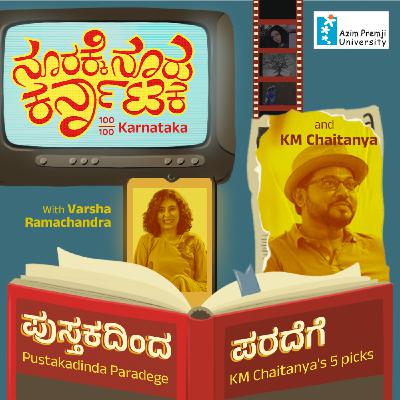
ಕನ್ನಡ ಸಾಹಿತ್ಯವು ಆಳವಾದ ಬೇರುಗಳು ಮತ್ತು ವಿಶಾಲ ಶಾಖೆಗಳನ್ನು ಹೊಂದಿದ್ದು ನಾಟಕಗಳು, ಚಲನಚಿತ್ರಗಳು ಮತ್ತು ದೂರದರ್ಶನ ಧಾರಾವಾಹಿಗಳಿಗೆ ಸ್ಫೂರ್ತಿಯ ಶ್ರೀಮಂತ ಮೂಲವಾಗಿ ದೀರ್ಘಕಾಲದಿಂದ ಸೇವೆ ಸಲ್ಲಿಸಿದೆ. ಪುಸ್ತಕದಿಂದ ಪರದೆಗೆ ಅಥವಾ ರಂಗಭೂಮಿಗೆ ಈ ಪ್ರಯಾಣವನ್ನು ನಿಜವಾಗಿಯೂ ಆಕರ್ಷಕವಾಗಿಸುವುದು, ಕನ್ನಡ ಬರವಣಿಗೆಯಲ್ಲಿರುವ ವೈವಿಧ್ಯತೆ ಮತ್ತು ಸ್ವಂತಿಕೆ. ಬರಹಗಾರರು ನಿರಂತರವಾಗಿ ಹೊಸ ದೃಷ್ಟಿಕೋನಗಳನ್ನು ತಂದಿದ್ದಾರೆ, ಅದು ಗ್ರಾಮೀಣ ಜೀವನದಲ್ಲಿ ಬೇರೂರಿರುವಿಕೆ, ನಗರ ಪರಕೀಯತೆ, ಜಾತಿ ರಾಜಕೀಯ ಅಥವಾ ಲಿಂಗ ಮತ್ತು ಗುರುತಿನ ಪ್ರಶ್ನೆಗಳಾಗಿರಬಹುದು. ಪ್ರತಿಯೊಬ್ಬ ಲೇಖಕರು ವಿಭಿನ್ನ ಧ್ವನಿ ಮತ್ತು ಉದ್ದೇಶವನ್ನು ತರುತ್ತಾರೆ ಮತ್ತು ಈ ವೈವಿಧ್ಯತೆಯೇ ಚಲನಚಿತ್ರ ಮತ್ತು ಟಿವಿಯಲ್ಲಿ ಸೃಜನಶೀಲ ಪುನರ್ ವ್ಯಾಖ್ಯಾನಗಳನ್ನು ಮುಂದುವರೆಸುತ್ತಿದೆ.ನೂರಕ್ಕೆ ನೂರು ಕರ್ನಾಟಕದ ಮುಂದಿನ ಸಂಚಿಕೆಯಲ್ಲಿ, ನಿರ್ದೇಶಕ ಕೆ.ಎಂ. ಚೈತನ್ಯ ಅವರು ವರ್ಷಾ ರಾಮಚಂದ್ರ ಅವರೊಂದಿಗೆ ಸಾಹಿತ್ಯ ಕೃತಿಯನ್ನು ಪರದೆಗೆ ತರುವ ಸವಾಲುಗಳ ಬಗ್ಗೆ ಮಾತನಾಡುವುದಲ್ಲದೆ, ಕನ್ನಡ ಕಾದಂಬರಿಗಳನ್ನು ಆಧರಿಸಿದ ಐದು ಅತ್ಯುತ್ತಮ ಕೃತಿಗಳನ್ನು ಆಯ್ಕೆ ಮಾಡುತ್ತಾರೆ. ಅವರ ಆಯ್ಕೆಗಳು ಮೂಲ ಕೃತಿಗಳ ವಿಕಸನಗೊಳ್ಳುತ್ತಿರುವ ನಿರೂಪಣಾ ಶೈಲಿಗಳು, ವಿಷಯಗಳು ಮತ್ತು ಮೌಲ್ಯಗಳನ್ನು ಪ್ರತಿಬಿಂಬಿಸುತ್ತವೆ. ಅದು ನವ್ಯ ಚಳುವಳಿಯ ದಿಟ್ಟ ಸಾಮಾಜಿಕ ವ್ಯಾಖ್ಯಾನವಾಗಿರಲಿ ಅಥವಾ ಆಧುನಿಕೋತ್ತರ ಲೇಖಕರ ಪದರಗಳ ಕಥೆ ಹೇಳುವಿಕೆಯಾಗಿರಲಿ, ಚೈತನ್ಯ ಅವರ ಆಯ್ಕೆಗಳು ಕನ್ನಡ ಸಾಹಿತ್ಯ ಮತ್ತು ದೃಶ್ಯ ಕಥೆ ಹೇಳುವಿಕೆಯ ನಡುವಿನ ಅವಿನಾಭಾವ ಸಂಬಂಧದ ವನ್ನು ಒತ್ತಿಹೇಳುತ್ತವೆ.Kannada literature, with its deep roots and wide branches, has long served as a rich source of inspiration for plays, films, and television serials. What makes this journey from page to stage or screen truly compelling is the variety and originality in Kannada writing. Writers have consistently brought fresh perspectives, be it the rootedness in rural life, urban alienation, caste politics, or questions of gender and identity. Each author brings a distinct voice and intention, and it is this diversity that continues to fuel creative reinterpretations in film and TV.In this of Noorakke Nooru, director KM Chaitanya speaks to Varsha Ramachandra about the challenges of bringing a literary work to life and picks five standout works based on Kannada novels. His selections reflect the evolving narrative styles, themes, and values of the original works. Whether it’s the bold social commentary of the Navya movement or the layered storytelling of postmodern authors, Chaitanya’s choices underline the synergy between Kannada literature and visual storytelling.AcknowledgementYouTubeHasina | Full Film Kanooru Heggadithi | Full Film Daredevil Mustafa | Full Film Kusumabale | TV Serial Om Namo | TV SerialBooksHaseena Mattu Itara Kathegalu | Banu Mushtaq Kanooru Heggaditi | Kuvempu Kusuma Baale | Devanoora Mahadeva Om Namo | Shantinath Desai Abachoorina Post Office | Poornachandra Tejaswi (includes Daredevil Mustafa)
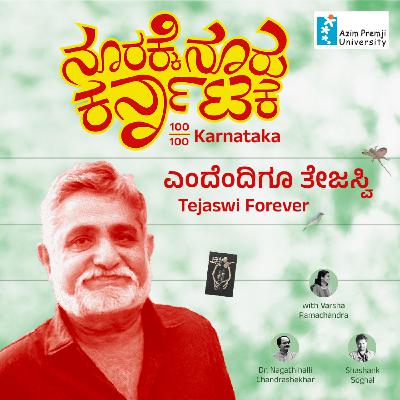
ಕನ್ನಡ ಸಾಹಿತ್ಯ ಲೋಕದಲ್ಲಿ, ಕೆ.ಪಿ. ಪೂರ್ಣಚಂದ್ರ ತೇಜಸ್ವಿ ಅವರು ತಮ್ಮ ಬೆರಗುಗೊಳಿಸುವ ಗದ್ಯ, ಅದಮ್ಯ ಕುತೂಹಲ, ಹಾಸ್ಯ ಮತ್ತು ಸ್ವಂತಿಕೆಯಿಂದ ಬಹು ಭಿನ್ನವಾಗಿ ನಿಲ್ಲುತ್ತಾರೆ. ಅವರ ಬಹುಮುಖ ವ್ಯಕ್ತಿತ್ವ ಒಬ್ಬ ಸಾಹಿತ್ಯಿಕ ಬಂಡಾಯಗಾರ ಮತ್ತು ಜೀವನ ಪರಿಶೋಧಕನಿಂದ ಹಿಡಿದು ಕೃಷಿಕ, ಛಾಯಾಗ್ರಾಹಕ ಮತ್ತು ಚಳುವಳಿಗಾರನದ್ದಾಗಿತ್ತು. ತಂದೆ ಕುವೆಂಪು ಅವರಂತಲ್ಲದ, ತೇಜಸ್ವಿಯವರ ಸಾಹಿತ್ಯಿಕ ಧ್ವನಿಯು ವಿಶಿಷ್ಟವಾಗಿ ಆಧುನಿಕವಾಗಿದ್ದು, ವಿಜ್ಞಾನ, ಜಾನಪದ ಮತ್ತು ಸಾಹಸದಿಂದ ಕೂಡಿತ್ತು. ಅವರು ಅನ್ಯಲೋಕದ ನಾಗರಿಕತೆಗಳು ಮತ್ತು ಕ್ವಾಂಟಮ್ ಭೌತಶಾಸ್ತ್ರದಿಂದ ಹಿಡಿದು ಮಲೆನಾಡು ಪ್ರದೇಶದ ಸೌಂದರ್ಯದವರೆಗೆ ಎಲ್ಲದರ ಬಗ್ಗೆಯೂ ಬರೆದಿದ್ದಾರೆ.ತೇಜಸ್ವಿಯವರ ಅನನ್ಯ ಹಾಸ್ಯಪ್ರಜ್ಞೆ ಬಹುಶಃ ಅವರ ಬರವಣಿಗೆಯ ಅತ್ಯಂತ ಶಾಶ್ವತ ಅಂಶಗಳಲ್ಲಿ ಒಂದಾಗಿದೆ. ಅವರ ನಿರೂಪಣೆಗಳು ಹಾಸ್ಯ, ವ್ಯಂಗ್ಯ ಮತ್ತು ಸಂಪೂರ್ಣ ತಮಾಷೆಯ ಕ್ಷಣಗಳೊಂದಿಗೆ ತುಂಬಿದ್ದು, ಅಧಿಕಾರಶಾಹಿಯ ಅದಕ್ಷತೆ ಅಥವಾ ಮೂಢನಂಬಿಕೆಗಳ ಅಸಂಬದ್ಧತೆಗಳನ್ನು ಬಿಂಬಿಸಲು ಇವು ಸಶಕ್ತವಾಗಿ ಉಪಯೋಗಿಸಲ್ಪಡುತ್ತಿದ್ದವು. ಅರಣ್ಯಗಳ ಮಧ್ಯವೂ, ಗ್ರಾಮೀಣ ಕರ್ನಾಟಕದ ರಾಜಕೀಯಕ್ಕೆ ಧುಮುಕುವಾಗಲೂ, ಅವರ ಹಾಸ್ಯ ಯಾವಾಗಲೂ ತೀಕ್ಷ್ಣ, ಚಿಂತನಶೀಲ ಮತ್ತು ನಿರ್ಭೀತವಾಗಿರುತ್ತಿತ್ತು.ಅವರ ಕೃತಿಗಳು ಸಾಹಿತ್ಯ ಮತ್ತು ವಿಜ್ಞಾನದ ನಡುವಿನ ಅಂತರವನ್ನು ಕಡಿಮೆ ಮಾಡಿ, ಸಂಕೀರ್ಣ ವಿಚಾರಗಳು ಕನ್ನಡ ಸಂಸ್ಕೃತಿಯಲ್ಲಿ ರೋಮಾಂಚಕವಾಗಿ ಮತ್ತು ಆಳವಾಗಿ ಬೇರೂರುವಂತೆ ಮಾಡಿದವು. ಸಾಹಿತ್ಯ ರಂಗಕ್ಕೆ ಹೊಸ ದಿಕ್ಕನ್ನು ತಂದ ಕೀರ್ತಿಗೆ ಪಾತ್ರರಾದ ಅವರ ಕಾದಂಬರಿಗಳಾದ ಚಿದಂಬರ ರಹಸ್ಯ, ಜುಗಾರಿ ಕ್ರಾಸ್ ಮತ್ತು ಕರ್ವಾಲೋ, ತೀಕ್ಷ್ಣವಾದ ಸಾಮಾಜಿಕ-ರಾಜಕೀಯ ಒಳನೋಟದೊಂದಿಗೆ, ಕೇವಲ ಬೆಸ್ಟ್ ಸೆಲ್ಲರ್ಗಳಲ್ಲದೆ ಸಾಹಿತ್ಯಿಕ ಹೆಗ್ಗುರುತುಗಳಾಗಿಯೂ ಮಾರ್ಪಟ್ಟವು.ಅವರ ಮರಣದ ಸುಮಾರು ಎರಡು ದಶಕಗಳ ನಂತರವೂ, ತೇಜಸ್ವಿಯವರ ಕೃತಿಗಳು ಇಂದಿಗೂ ಆಶ್ಚರ್ಯಕರವಾಗಿ ಪ್ರಸ್ತುತ ಮತ್ತು ಜನಪ್ರಿಯವಾಗಿವೆ. ಪರಿಸರ ನಾಶ, ಕುರುಡು ನಂಬಿಕೆ ಮತ್ತು ಸಾಮಾಜಿಕ ಅಸಮಾನತೆಯ ಕುರಿತಾದ ಅವರ ಟೀಕೆಗಳು ಎಂದಿಗಿಂತಲೂ ಹೆಚ್ಚು ಮಾರ್ಮಿಕ ಎನಿಸುತ್ತವೆ. ತಪ್ಪು ಮಾಹಿತಿ ಮತ್ತು ಹವಾಮಾನ ಬಿಕ್ಕಟ್ಟಿನ ಈ ಯುಗದಲ್ಲಿ, ಅವರ ಕುತೂಹಲಕಾರಿ, ತರ್ಕಬದ್ಧ ಹಾಗು ಸಹಾನುಭೂತಿಯ ಧ್ವನಿಯು, ಓದುಗರು ಮತ್ತು ಬರಹಗಾರರಿಬ್ಬರಿಗೂ ದಿಕ್ಸೂಚಿಯಾಗಿ ಕಾರ್ಯನಿರ್ವಹಿಸುತ್ತಿವೆ. ಅವರ ಬರಹಗಳು ಹೊಸ ಪೀಳಿಗೆಯ ಕನ್ನಡ ಓದುಗರಿಗೆ ಸ್ಫೂರ್ತಿ ನೀಡುತ್ತಾ ಜಗತ್ತನ್ನು ಬೆರಗು, ಸಂಶಯ ಮತ್ತು ನಗುವಿನೊಂದಿಗೆ ನೋಡಲು ಪ್ರೋತ್ಸಾಹಿಸುತ್ತವೆ. ಇಂದಿಗೂ ತರಗತಿ ಕೊಠಡಿಗಳು, ಪುಸ್ತಕ ಕ್ಲಬ್ಗಳು ಮತ್ತು ಚಾರಣ ಮಾರ್ಗಗಳಲ್ಲಿ, ಪೂರ್ಣಚಂದ್ರ ತೇಜಸ್ವಿ ಅವರು ಲೇಖನಿಯೊಂದಿಗೆ ಕುತೂಹಲಕಾರಿ ಬಂಡಾಯಗಾರನಾಗಿ ವಾಸಿಸುತ್ತಾರೆ, ಪ್ರಶ್ನಿಸುತ್ತಾರೆ, ರಂಜಿಸುತ್ತಾರೆ ಮತ್ತು ಯೋಚಿಸಲು ಪ್ರೇರೇಪಿಸುತ್ತಾರೆ.ನೂರಕ್ಕೆನೂರುಕರ್ನಾಟಕದಈಸಂಚಿಕೆಯಲ್ಲಿವರ್ಷಾರಾಮಚಂದ್ರ, ಖ್ಯಾತನಿರ್ದೇಶಕಮತ್ತುಬರಹಗಾರಡಾ.ನಾಗತಿಹಳ್ಳಿಚಂದ್ರಶೇಖರ್ಮತ್ತು ‘ಡೇರ್ಡೆವಿಲ್ಮುಸ್ತಫಾ’ ಖ್ಯಾತಿಯನಿರ್ದೇಶಕಶಶಾಂಕ್ಸೋಗಲ್ಅವರೊಂದಿಗೆತೇಜಸ್ವಿಎಂಬನಿರಂತರಅದ್ಭುತದಬಗ್ಗೆಮಾತನಾಡುತ್ತಾರೆ.In the pantheon of Kannada literary greats, K.P. Poornachandra Tejaswi stands apart with his dazzling prose, curiosity, wit, and originality. A literary rebel, explorer, agriculturist, photographer, and activist, Tejaswi’s modern voice — unlike that of his legendary father Kuvempu — blended science, folklore, and adventure.He wrote about everything from alien civilisations and quantum physics to the raw beauty of Malnad. His irreverent humour — rich in sarcasm and irony — wasn’t just comic relief, but a tool to skewer bureaucracy and superstition.Tejaswi bridged literature and science, making complex ideas thrilling and accessible. His novels — Chidambara Rahasya, Jugari Cross, and Karvalo — became bestsellers and literary milestones, mixing gripping stories with sharp socio-political insight.Nearly two decades after his death in 2007, his works remain strikingly relevant. His critiques of blind faith, inequality, and environmental destruction feel more urgent than ever.Inspiring readers to view the world with wonder, scepticism, and laughter, Tejaswi endures as a curious rebel with a pen — questioning, entertaining, and enlightening.In this episode of Noorakke Nooru Karnataka, host Varsha Ramachandra speaks to director-writer Dr. Nagathihalli Chandrashekhar and filmmaker Shashank Soghal (Daredevil Mustafa) about the enduring enigma that is Tejaswi.
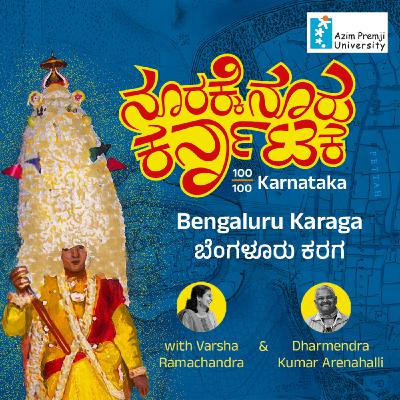
In this special episode of Noorakke Nooru Karnataka, we step into the heart of one of Bengaluru’s oldest and most vibrant traditions—the Bengaluru Karaga. New host Varsha Ramachandra is joined by historian and storyteller Dharmendra Kumar Arenahalli, who has spent years documenting this unique festival.Held in the lunar month of Chaitra, the Karaga is a spectacular night-time procession through the city’s historic Pete area. At its centre is a flower-adorned Karaga bearer, who channels the spirit of Draupadi, the warrior-goddess from the Mahabharata. We explore how the Thigala community, once caretakers of Bengaluru’s lakes and temple gardens, continue to uphold this tradition even as the city rapidly changes. We also trace the origins of the Karaga, its symbolic rituals like the Gange Puje, and its powerful gesture of interfaith harmony at the Tawakkal Mastan Dargah.Tune in to discover how this living ritual speaks to Bengaluru’s soul—its layered past, its inclusive spirit, and its resilience in the face of constant change.CreditsAkshay Ramuhalli, Bijoy Venugopal, Bruce Lee Mani, Narayan Krishnaswamy, Prashant Vasudevan, Sananda Dasgupta, Seema Seth, Shraddha Gautam, Supriya Joshi, and Velu Shankar.ಚೈತ್ರ ಮಾಸದ ಆಗಮನದೊಂದಿಗೆ ಬದಲಾಗುತ್ತಿರುವ ಬೆಂಗಳೂರು ನಗರವೂ, ನೂರಕ್ಕೆ ನೂರು ಕರ್ನಾಟಕ ಕಾರ್ಯಕ್ರಮದಲ್ಲೂ ಹೊಸ ಆತಿಥೇಯರಾಗಿ ವರ್ಷಾ ರಾಮಚಂದ್ರ ಹಸ್ತಕ್ಷೇಪಿಸುವ ಮೂಲಕ ಹೊಸ ತಿರುವು ಪಡೆದಿದೆ. 2023ರಿಂದ ಈ ಸರಣಿಯು ಕನ್ನಡದ ಸಾಂಸ್ಕೃತಿಕ ಐಕಾನ್ಗಳನ್ನು ಸ್ಥಳೀಯರು ಹಾಗೂ ಕರ್ನಾಟಕವನ್ನು ತಮ್ಮ ಮನೆಮಾಡಿಕೊಂಡವರಿಗೆ ಪರಿಚಯಿಸುತ್ತ ಬಂದಿದೆ.ಈ ವಿಶೇಷ ಸಂಚಿಕೆಯಲ್ಲಿ, ಇತಿಹಾಸಕಾರ ಹಾಗೂ ಕಥೆಗಾರರಾದ ಧರ್ಮೇಂದ್ರಕುಮಾರ್ ಅರೇನಹಳ್ಳಿ ಅವರು ಬೆಂಗಳೂರು ಕರಗದ ಪಾರಂಪರಿಕ ಮಹತ್ವವನ್ನು ವಿವರಿಸುತ್ತಾರೆ. 1970ರ ದಶಕದ ಮೈಸೂರಿನಲ್ಲಿ ಬೆಳೆದ ಅವರು, ಕರಗದ ಕುರಿತು ಸಾಮಾಜಿಕ ಮಾಧ್ಯಮಗಳಲ್ಲಿ ಸಾಕಷ್ಟು ಜನಪ್ರಿಯ ವಿಡಿಯೋಗಳನ್ನು ಪ್ರಕಟಿಸಿದ್ದಾರೆ.ಮೂರು ಶತಮಾನಗಳಿಂದ ನಡೆಯುವ ಈ ಉತ್ಸವವು ಪೇಟೆ ಪ್ರದೇಶದ ಹೃದಯದಲ್ಲಿ, ದ್ರೌಪದಿಯನ್ನು ಆದಿಶಕ್ತಿಯಾಗಿ ಭಾವಿಸಿ, ತಿಗಳ ಸಮುದಾಯದ ಸಂಸ್ಕೃತಿಯ ಪ್ರತಿನಿಧಿಯಾಗಿ ಸಾಗುತ್ತದೆ. ಗಂಗಾ ಪೂಜೆ, ತವಕ್ಕಲ್ ಮಸ್ತಾನ್ ದರ್ಗಾದಲ್ಲಿ ಕಾಣುವ ಅಂತರ್ಧರ್ಮೀಯ ಸಹಿಷ್ಣುತೆ ಮತ್ತು ನಗರೀಕರಣದ ನಡುವೆ ಕರಗವು ಭೂಮಿ, ನೀರು, ನಂಬಿಕೆಗಳನ್ನು ನೆನೆಸುವ ಒಂದು ಸಾಂಸ್ಕೃತಿಕ ಸಂಚಲನೆಯಾಗಿ ಉಳಿದಿದೆ. ಬದಲಾಗುತ್ತಿರುವ ನಗರದ ಮಧ್ಯೆ, ಕರಗವು ನೆನಪಿನ ತಂತಿಗಳನ್ನು ಜೀವಂತವಾಗಿಟ್ಟುಕೊಳ್ಳುತ್ತದೆ.ವಿಶ್ವಾಸಪೂರ್ವಕ ನುಡಿಗಳು:ಅಕ್ಷಯ್ ರಾಮುಹಳ್ಳಿ, ಬಿಜೋಯ್ ವೇಣುಗೋಪಾಲ್, ಬ್ರೂಸ್ ಲೀ ಮಣಿ, ನಾರಾಯಣ ಕೃಷ್ಣಸ್ವಾಮಿ, ಪ್ರಶಾಂತ್ ವಾಸುದೇವನ್, ಸಾನಂದ ದಾಸ್ಗುಪ್ತ, ಸೀಮಾ ಸೇಠ್, ಶ್ರದ್ಧಾ ಗೌತಮ್, ಸುಪ್ರಿಯಾ ಜೋಶಿ ಮತ್ತು ವೇಲು ಶಂಕರ್.
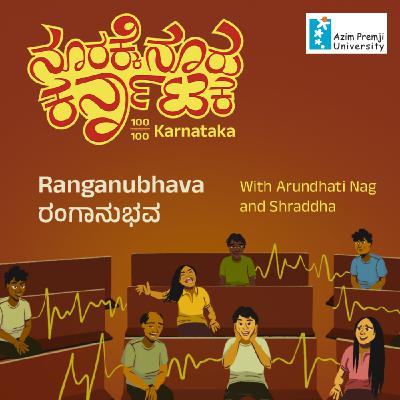
In October 2024, Ranga Shankara, Bengaluru’s beloved theatre space, celebrated two decades of bringing the stage to life with a month-long festival. Helmed by Arundhati Nag, the intimate 300-seat auditorium in J P Nagar stands as a tribute to her late husband, Shankar Nag, a celebrated actor, director, and theatre enthusiast. Known for its thrust stage—unique in South India—Ranga Shankara has become a cultural landmark, representing the city’s thriving multilingual theatre scene.Shankar Nag, who met Arundhati at a rehearsal in Bombay, dreamed of creating a space dedicated to theatre, inspired by the city’s iconic Prithvi Theatre. Tragically, his life was cut short in 1990, leaving the vision unfinished. Arundhati, with support from stalwarts like Girish Karnad, established Sanket Trust and brought Ranga Shankara to life in 2004.In Episode 6 of Noorakke Nooru Karnataka, Arundhati Nag reminisces about her journey—from her early days in Mumbai’s theatre circles to building Ranga Shankara. She reflects on the challenges and joys of nurturing theatre in a time when screens dominate the arts.“That a space like Ranga Shankara thrives today shows we’re doing something right,” she says.Listen to her inspiring story on the episode titled Ranganubhava, now streaming on your favourite podcast platforms.CreditsAkshay Ramuhalli, Bijoy Venugopal, Bruce Lee Mani, Narayan Krishnaswamy, Prashant Vasudevan, Sananda Dasgupta, Seema Seth, Shraddha Gautam, Supriya Joshi, and Velu Shankar.For more information, visit our website: https://azimpremjiuniversity.edu.in/stories-of-karnatakas-cultural-icons
In this special edition of Noorakke Nooru Karnataka in observance of Karnataka Rajyotsava, we celebrate Karnataka’s rich musical heritage with a selection of old classics and contemporary favourites. Hosted by Shraddha and peppered with special messages from the artists, Kannada Geetamale embodies the spirit of Kannada. This playlist of eleven soulful tracks span decades and emotions, showcasing the beauty of our language and the diversity of our people.As we commemorate Karnataka Rajyotsava, let’s embrace the inclusivity, warmth, and resilience that define Karnataka’s spirit. May our music, language, and culture continue to thrive.Jai Karnataka!Acknowledgements:Raghavendra Herle for Kannada translationShridevi Kalasad for research and compilationCreditsAkshay Ramuhalli, Bijoy Venugopal, Bruce Lee Mani, Narayan Krishnaswamy, Prashant Vasudevan, Sananda Dasgupta, Seema Seth, Shraddha Gautam, Supriya Joshi, and Velu Shankar.ಕನ್ನಡ ಗೀತಮಾಲೆ“ನೂರಕ್ಕೆ ನೂರು ಕರ್ನಾಟಕ”ದ ಈ ವಿಶೇಷ ಸಂಚಿಕೆಯನ್ನು, ಕರ್ನಾಟಕ ರಾಜ್ಯೋತ್ಸವದ ಅಂಗವಾಗಿ ಪ್ರಸ್ತುತಪಡಿಸುತ್ತಿದ್ದೇವೆ. ನಮ್ಮ ಕರ್ನಾಟಕದ ನಾಡು ನುಡಿ, ಪರಂಪರೆ ಮತ್ತು ವೈಭವವನ್ನು ಸಾರುವ ಸಂಗೀತದ ಹೊಳೆಯೇ ಇಲ್ಲಿ ಹರಿದಿದೆ. ಹಾಡು ಹಳೆಯದಾದರೇನು ಭಾವ ನವನವೀನ ಎಂಬ ಕವಿವಾಣಿಯಂತೆ ಸುಂದರವಾದಂಥ ಹತ್ತು ಹಾಡುಗಳನ್ನು “ಕನ್ನಡ ಗೀತಮಾಲೆ”ಯಲ್ಲಿ ನಿಮಗಾಗಿ ಪೋಣಿಸಿ ತಂದಿದ್ದೇವೆ. ಈ ಕಾರ್ಯಕ್ರಮವನ್ನು ಶ್ರದ್ಧಾ ನಿರೂಪಿಸಿದ್ದಾರೆ. ವಿವಿಧ ಕಲಾವಿದರ ಸಂದೇಶಗಳನ್ನೂ ಇದು ಒಳಗೊಂಡಿದೆ. ಈ “ಕನ್ನಡ ಗೀತೆಮಾಲೆ” ಕಾರ್ಯಕ್ರಮದಲ್ಲಿ ಪ್ರಸಾರವಾಗುವ ಹತ್ತು ಹಾಡುಗಳನ್ನು ಕೇಳುತ್ತಿದ್ದರೆ, ನಮ್ಮ ಭಾಷೆ, ಮತ್ತದರ ಸೌಂದರ್ಯ, ವೈವಿಧ್ಯಮಯ ಸಂಸ್ಕೃತಿಯ ಬಗ್ಗೆ ವಿಶೇಷ ಅಭಿಮಾನ ಮೂಡುತ್ತದೆ. ಮೈ ನವಿರೇಳುತ್ತದೆ. ಕೇಳುತ್ತಾ ಹೋದಂತೆ ಈ ಹಾಡುಗಳೊಂದಿಗೆ ನಮಗರಿವಿಲ್ಲದೆಯೇ ಭಾವನಾತ್ಮಕ ಬಂಧ ಬೆಸೆಯುತ್ತದೆ.ಈ ಹತ್ತೂ ಹಾಡುಗಳು ಕಳೆದ ಹತ್ತು ವರ್ಷಗಳಲ್ಲಿ ಮೂಡಿಬಂದಂಥವು “ಕನ್ನಡ ಜೀವಸ್ವರ” ಎಂಬ ಅದ್ಭುತವಾದ ಗೀತೆಯೊಂದಿಗೆ ಈ ಕಾರ್ಯಕ್ರಮ ಶುರುವಾಗುತ್ತದೆ. ಸಂಗೀತ ಗಾರುಡಿಗ ಎಸ್.ಪಿ. ಬಾಲಸುಬ್ರಹ್ಮಣ್ಯಂ ಧ್ವನಿ ಮೈಮನಸ್ಸನ್ನು ಪುಳಕಗೊಳಿಸುತ್ತದೆ. ನಮ್ಮ ನಾಡನ್ನು ಮತ್ತಷ್ಟು ಪ್ರೀತಿಸುವಂತೆ ಮಾಡುತ್ತದೆ. ಜೊತೆಗೆ ಈ ಹಾಡಿನಲ್ಲಿ ಕವಿತಾ ಕೃಷ್ಣಮೂರ್ತಿ, ಫಯಾಝ್ ಖಾನ್ ಮುಂತಾದ ಪ್ರಸಿದ್ಧ ಗಾಯಕ ಗಾಯಕಿಯರ ಧ್ವನಿಯನ್ನೂ ಕೇಳಬಹುದಾಗಿದೆ. ಈ ಗೀತೆಯ ಸಾಹಿತ್ಯ ಜಯಂತ ಕಾಯ್ಕಿಣಿ ಅವರದು. ಮೈಸೂರು ಎಕ್ಸ್ ಪ್ರೆಸ್ನ “ನಮ್ಮೂರು” ಹಾಡಂತೂ ಯುವಜನರನ್ನು ಗುಂಗಿನಲ್ಲಿ ತೇಲಿಸುವಂತಿದೆ. “ಪೀಪಲ್ ಟ್ರೀ”ಯ “ತಾನಿತಂದಾನಾ” ಎಂಬ ಜಾನಪದ ಹಾಡು, ರಾಕ್ ಶೈಲಿಯಲ್ಲಿ ಆಕರ್ಷಕವಾಗಿ ಹೊಮ್ಮಿದೆ. ಕುಳಿತಲ್ಲೇ ಕುಣಿಯುವಂತೆ ಮಾಡುತ್ತದೆ.ಕವಿ ಜಿ. ಪಿ. ರಾಜರತ್ನಂ ಅವರ ಮಕ್ಕಳ ಕವಿತೆಗಳಲ್ಲಿ ಪ್ರಸಿದ್ಧವಾದ ”ಬಣ್ಣದ ತಗಡಿನ ತುತ್ತೂರಿ”ಯಂತೂ ಇಂದಿನ ಪೀಳಿಗೆಗೂ ಆಪ್ತವೆನ್ನಿಸುವಂತಿದೆ. ಸಂತ ಶಿಶುನಾಳ ಶರೀಫರ “ಗುಡಿಯ ನೋಡಿರಣ್ಣ” ಹಾಡನ್ನು ಡೊಳ್ಳಿನ ಪದದ ಶೈಲಿಯಲ್ಲಿ ಇಮಾಂಸಾಬ್ ವಲ್ಲೆಪ್ಪನವರ ಕಂಠದಲ್ಲಿ ಕೇಳುತ್ತಿದ್ದರಂತೂ ಅಧ್ಯಾತ್ಮಲೋಕ ನಿಮ್ಮನ್ನು ಆವರಿಸಿಕೊಂಡುಬಿಡುತ್ತದೆ.“ಭಕ್ತಿ ರಿಪಬ್ಲಿಕ್” ನಡಿ ಹೊಮ್ಮಿದ, ಶರಣ ಮಾರಿತಂದೆಯ “ಕತ್ತಲೆಯ” ವಚನವನ್ನು ಎಮ್. ಡಿ. ಪಲ್ಲವಿ ಮತ್ತು ಬ್ರೂಸ್ ಲೀ ಮಣಿ ತಮ್ಮ ಸೃಜನಶೀಲತೆ ಮತ್ತು ಕಂಠಸಿರಿಯಿಂದ ವಿಶೇಷ ಮೆರುಗನ್ನು ಕೊಟ್ಟಿದ್ದಾರೆ. ರಾಷ್ಟ್ರಕವಿ ಕುವೆಂಪು ವಿರಚಿತ “ಬಾರಿಸು ಕನ್ನಡ ಡಿಂಢಿಮವಾ” ಗೀತೆಗೆ ಪೂರ್ಣಚಂದ್ರ ತೇಜಸ್ವಿ ಎಸ್. ವಿ. ಅನನ್ಯವಾಗಿ ಸಂಗೀತ ಸಂಯೋಜಿಸಿದ್ದಾರೆ.ಸುಮಧುರವಾದಂಥ ಈ ಎಲ್ಲ ಹಾಡುಗಳ ರಸದೌತಣವನ್ನು ಕರ್ನಾಟಕ ರಾಜ್ಯೋತ್ಸವದ ಈ ಸಂದರ್ಭದಲ್ಲಿ ಅನುಭವಿಸುವಂಥ ಸೌಭಾಗ್ಯ ನಮ್ಮನಿಮ್ಮೆಲ್ಲರದ್ದು. ಕರ್ನಾಟಕದಲ್ಲಿರುವ ಮತ್ತು ಕನ್ನಡದ ಬಗ್ಗೆ ಪ್ರೀತಿ ಇರುವ ಸರ್ವರನ್ನೂ ಮಮತೆ, ಸಮತೆ ಪೊರೆಯಲಿ. ಅದಕ್ಕೆ ನಮ್ಮ ಸಂಗೀತ, ಭಾಷೆ, ಸಂಸ್ಕೃತಿ ಇಂಬು ಕೊಡಲಿ. ಈ ಕಾರ್ಯಕ್ರಮದ ಮೂಲಕ ನಾವೆಲ್ಲ ರಾಜ್ಯೋತ್ಸವವನ್ನು ಸಂಭ್ರಮಿಸುವಂತಾಗಲಿ.ಜೈ ಕರ್ನಾಟಕ!ಕೃತಜ್ಞತೆ:ಸಂಶೋಧನೆ ಮತ್ತು ನಿರೂಪಣಾ ಸಾಹಿತ್ಯ : ಶ್ರೀದೇವಿ ಕಳಸದಧನ್ಯವಾದಗಳು:ಅಕ್ಷಯ್ ರಾಮುಹಳ್ಳಿ, ಬಿಜೋಯ್ ವೇಣುಗೋಪಾಲ್, ಬ್ರೂಸ್ ಲೀ ಮಣಿ, ನಾರಾಯಣ ಕೃಷ್ಣ ಸ್ವಾಮಿ, ಪ್ರಶಾಂತ್ ವಾಸುದೇವನ್, ಸಾನಂದ ದಾಸ್ ಗುಪ್ತ, ಸೀಮಾ ಸೇಠ್, ಶ್ರದ್ಧಾ ಗೌತಮ್, ಸುಪ್ರಿಯಾ ಜೋಶಿ ಮತ್ತು ವೇಲು ಶಂಕರ್For detailed notes, a playlist, and track information, visit our website: https://bit.ly/3UtHYbm
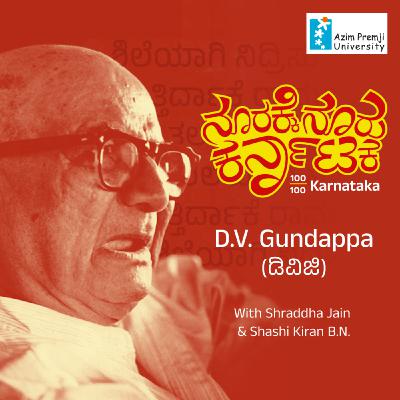
Episode 4 of Noorakke Nooru Karnataka focuses on the revered Kannada writer D V Gundappa (DVG). Bengaluru-based scholar Shashi Kiran B N, a contributing editor of Prekshaa and an award-winning Sanskrit scholar, joins the hosts to discuss DVG’s profound contributions. Born in 1887, DVG was largely self-taught, mastering multiple languages and gaining deep knowledge in Vedic literature and Western philosophy. His celebrated works, particularly Mankuthimmanna Kagga and Marula Muniyana Kagga, distill complex ideas into simple reflections on life. Known for his humility, DVG referred to himself as a publisher rather than the author of these timeless meditations. DVG’s influence remains strong through his writings and ideals, which continue to inspire generations.ಡಿವಿಜಿ - ಕನ್ನಡಿಗರು ಪ್ರೀತಿಸುವ ಕಗ್ಗಗಳ ಹಿಂದಿರುವ ಅಸಾಧಾರಣ ವ್ಯಕ್ತಿಸುಧೀಶ್ ವೆಂಕಟೇಶ್ ಅವರೊಂದಿಗೆ ಶ್ರದ್ಧಾ ಜೈನ್ ಪ್ರಸ್ತುತಪಡಿಸಿದಸಂಚಿಕೆ-4 ರ ಈ ವಿಷಯವು ಕನ್ನಡದ ಮೇರು ಸಾಹಿತಿ ಡಿ ವಿಗುಂಡಪ್ಪನವರನ್ನು ಕೇಂದ್ರೀಕರಿಸಿದೆ. ಡಿವಿಜಿ ಎಂದೇಖ್ಯಾತನಾಮರಾಗಿರುವ ಇವರು ಕನ್ನಡ ಸಾಹಿತ್ಯ, ತತ್ವಶಾಸ್ತ್ರ, ಪತ್ರಿಕೋದ್ಯಮ ಮತ್ತು ಸಾರ್ವಜನಿಕ ಸೇವೆ ಕುರಿತು ಪಾರಂಗತರಾಗಿದ್ದರು.ಕಗ್ಗಗಳ ಮೂಲಕ ಕನ್ನಡ ಕಾವ್ಯಲೋಕವನ್ನು ವಿಶಿಷ್ಟವಾಗಿ ಕಟ್ಟಿಕೊಟ್ಟರು.ಇಂಥ ಮಹಾನುಭಾವರ ಬಗ್ಗೆ ತಮ್ಮ ಒಳನೋಟಗಳನ್ನು ಈ ಸರಣಿಯಲ್ಲಿಹಂಚಿಕೊಂಡಿದ್ದಾರೆ ವೃತ್ತಿಯಲ್ಲಿ ಮೆಕ್ಯಾನಿಕಲ್ ಎಜಿನಿಯರ್ ಆಗಿರುವಮತ್ತು ಪ್ರವೃತ್ತಿಯಲ್ಲಿ ಅನುವಾದಕರಾಗಿರುವ ಬೆಂಗಳೂರು ಮೂಲದವಿದ್ವಾಂಸ ಶಶಿ ಕಿರಣ್ ಬಿ. ಎನ್. ಇವರು ಸಂಸ್ಕೃತದಲ್ಲಿಸೌಂದರ್ಯಶಾಸ್ತ್ರದ ಕುರಿತು ಪದವಿ ಪಡೆದ್ದಾರೆ. ಭಾರತೀಯ ಸಂಸ್ಕೃತಿಮತ್ತು ತತ್ವಶಾಸ್ತ್ರಕ್ಕೆ ಸಂಬಂಧಿಸಿದ ಆನ್ಲೈನ್ ಜರ್ನಲ್ “ಪ್ರೇಕ್ಷಾ”ದಸಂಪಾದಕರೂ ಆಗಿದ್ದಾರೆ. ಸಂಸ್ಕೃತ ಅನುವಾದಕ್ಕಾಗಿ ಇವರಿಗೆ ಸಾಹಿತ್ಯಅಕಾಡೆಮಿ ಅನುವಾದ ಪ್ರಶಸ್ತಿ (2021) ಮತ್ತು ಬನ್ನಂಜೆಗೋವಿಂದಾಚಾರ್ಯ ಪ್ರಶಸ್ತಿ (2023)ಗಳು ಲಭಿಸಿವೆ. ಅಲ್ಲದೇ, ಡಿವಿಜಿಸಾರ-ಸಂಗ್ರಹ ಮತ್ತು ಡಿ ವಿ ಗುಂಡಪ್ಪ ಅವರ ಆಯ್ದ ಬರಹಗಳುಸೇರಿದಂತೆ ಅವರ ಕೆಲ ಕೃತಿಗಳನ್ನು ಸಂಪಾದಿಸಿದ್ದಾರೆ.1887ರ ಮಾರ್ಚ್ 17 ರಂದು ಜನಿಸಿದ ಡಿವಿಜಿ ಅವರು ವೈದಿಕ ಸಾಹಿತ್ಯ, ಪಾಶ್ಚಿಮಾತ್ಯ ತತ್ವಶಾಸ್ತ್ರ ಮತ್ತು ರಾಜ್ಯಶಾಸ್ತ್ರದಲ್ಲಿ ಆಳವಾದ ಜ್ಞಾನವನ್ನುಗಳಿಸುತ್ತಲೇ ಕನ್ನಡ, ಸಂಸ್ಕೃತ ಮತ್ತು ಇಂಗ್ಲಿಷ್ ಅನ್ನು ಕರಗತಮಾಡಿಕೊಂಡರು. ಒಟ್ಟು 60 ಪುಸ್ತಕಗಳನ್ನು ರಚಿಸಿದರು. ಉತ್ಕೃಷ್ಟವಿಚಾರಧಾರೆಗಳನ್ನು ಹೊಂದಿರುವ ಸುಮಾರು ೨೦೦ಕ್ಕೂ ಹೆಚ್ಚುಲೇಖನಗಳು ಇಂದಿಗೂಕನ್ನಡ ಸಾಹಿತ್ಯ ಮತ್ತು ಬೌದ್ಧಿಕವಲಯಗಳಲ್ಲಿ ವಿಶೇಷ ಸ್ಥಾನವನ್ನು ಕಾಯ್ದುಕೊಂಡಿವೆ.ಡಿವಿಜಿ ರಚಿಸಿದ ನಾಲ್ಕೇ ನಾಲ್ಕು ಸಾಲಿನ ಕಗ್ಗಗಳು ಇಂದಿನವರೆಗೂಪ್ರಸ್ತುತತೆ ಪಡೆದುಕೊಳ್ಳಲು ಕಾರಣ ಅದರಲ್ಲಿ ಅಡಗಿರುವ ಸಂಕೀರ್ಣತೆ, ತಾತ್ವಿಕತೆ ಮತ್ತು ವೈಚಾರಿಕ ಹೊಳಹು.ಇವೆಲ್ಲವನ್ನು ಮಾರ್ಮಿಕವಾಗಿಕಟ್ಟಿಕೊಟ್ಟ ಬಗೆ ನಿಜಕ್ಕೂ ಗಮನಾರ್ಹ. ಇವರ ಶ್ರೇಷ್ಠ ಕೃತಿ ಮಂಕುತಿಮ್ಮನಕಗ್ಗ900 ಕ್ಕೂ ಹೆಚ್ಚು ಕಗ್ಗಗಳನ್ನು ಒಳಗೊಂಡಿದೆ. ನಿಷ್ಕಪಟ ಮತ್ತು ಸರಳವ್ಯಕ್ತಿತ್ವದ ಡಿವಿಜಿ, “ಮಂಕುತಿಮ್ಮ”ನ ಮೂಲಕ ಪ್ರಕೃತಿ ಮತ್ತು ಬದುಕಿನಒಳಪದರಗಳನ್ನು ಅತ್ಯಂತ ಚುರುಕಾಗಿ, ಸೂಕ್ಷ್ಮವಾಗಿ,ವಿನಯದಿಂದ, ಹಾಸ್ಯದ ಲೇಪದೊಂದಿಗೆ ಕಟ್ಟಿಕೊಟ್ಟಿದ್ದಾರೆ. ಇದೇ ಇವರಬರೆವಣಿಗೆಯ ಶಕ್ತಿ ಮತ್ತು ವೈಶಿಷ್ಟ್ಯ. ಅವರ ಇನ್ನೊಂದು ಮೇರುಕೃತಿ, ಮರುಳ ಮುನಿಯನ ಕಗ್ಗದಲ್ಲಿ ಇವರ ಕಾವ್ಯದ ತೇಜಸ್ಸನ್ನುಆಳನೋಟವನ್ನು ಕಾಣಬಹುದಾಗಿದೆ.ಡಿವಿಜಿ ಪ್ರತೀದಿನನಿದ್ದೆಗೆ ಜಾರುವ ಮೊದಲು ಕಾಗದದ ಚೂರುಗಳ ಮೇಲೆಈ ಕಗ್ಗಗಳನ್ನು ಬರೆಯುತ್ತಿದ್ದರು. ಇವರು ಕವಿ, ಲೇಖಕ, ಅನುವಾದಕ, ವಿದ್ವಾಂಸರಷ್ಟೇ ಅಲ್ಲ ಪ್ರಕಾಶಕರೂ ಆಗಿದ್ದರು.ಸಾಹಿತ್ಯದ ಹೊರತಾಗಿ ಸಮಾಜ ಸುಧಾರಣೆಯ ಪ್ರತಿಪಾದಕರೂಆಗಿದ್ದರು. ನೈತಿಕತೆ ಮತ್ತು ಆಡಳಿತದ ಕುರಿತು ಸಾರ್ವಜನಿಕರಲ್ಲಿ ಅರಿವುಮೂಡಿಸಲು ಗೋಖಲೆ ಇನ್ಸ್ಟಿಟ್ಯೂಟ್ ಆಫ್ ಪಬ್ಲಿಕ್ ಅಫೇರ್ಸ್ ಎಂಬಸಂಸ್ಥೆಯನ್ನು ಸ್ಥಾಪಿಸಿದರು. ಈ ಮೂಲಕ ಸಾಕಷ್ಟು ಕಾರ್ಯಕ್ರಮಗಳನ್ನುಹಮ್ಮಿಕೊಂಡು ಜನರಲ್ಲಿ ಜಾಗೃತಿ ಕೂಡ ಮೂಡಿಸಿದರು. ಈ ಕಾರಣಕ್ಕಾಗಿಮತ್ತು ಅವರ ಸಾಹಿತ್ತ್ಯಿಕ ಕೊಡುಗೆಗಳಿಗಾಗಿ 1974 ರಲ್ಲಿ ಕೇಂದ್ರ ಸರ್ಕಾರಪದ್ಮಭೂಷಣ ಪ್ರಶಸ್ತಿಯನ್ನು ನೀಡಿ ಗೌರವಿಸಿತು.ಡಿವಿಜಿ 1975ರ ಅಕ್ಟೋಬರ್ 7 ರಂದು ನಿಧನರಾದರು, ಅವರುಭೌತಿಕವಾಗಿ ಇಲ್ಲವಾದರೂ ಅವರ ಕಗ್ಗಗಳು ಕಾವ್ಯಪ್ರಿಯರ ಮೂಲಕಇಂದಿಗೂ ತಮ್ಮ ಸೌಂದರ್ಯವನ್ನು ಕಾಯ್ದುಕೊಂಡಿವೆ. ಜನಮಾನಸದಮೇಲೆ ಪ್ರಭಾವವನ್ನು ಬೀರುವಲ್ಲಿ ಯಶಸ್ವಿಯಾಗಿವೆ. ಇಂದಿನ ಪೀಳಿಗೆಗೆದಾರಿದೀಪದಂತೆ ಗೋಚರಿಸುತ್ತಿವೆ.Acknowledgements:Kaggas, Kannada translations, and book extracts researched and recited by Shridevi Kalasad.CreditsAkshay Ramuhalli, Bijoy Venugopal, Bruce Lee Mani, Narayan Krishnaswamy, Prashant Vasudevan, Sananda Dasgupta, Seema Seth, Shraddha Gautam, Supriya Joshi, and Velu Shankar.Visit our website for more information: https://bit.ly/DVG100
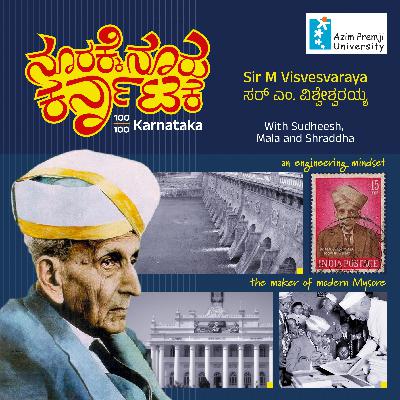
Sir Mokshagundam Visvesvaraya’s birthday is observed as Engineer’s Day in India. Born on September 15, 1861 in the village of Muddenahalli about 60 km from Bengaluru, Visvesvaraya was told that he was of poor health and would not live long. His parents, who had migrated from Andhra Pradesh, ignored the disturbing prophecy and gave him a good education. Young Visvesvaraya continued his studies in Bangalore and got his bachelor’s degree from Madras. Later, he graduated with an engineering degree from Pune’s College of Science under the University of Bombay.ಸರ್ ಮೋಕ್ಷಗುಂಡಂ ವಿಶ್ವೇಶ್ವರಯ್ಯ. ಇವರ ಹುಟ್ಟುಹಬ್ಬವನ್ನು ಇಂಜಿನಿಯರ್ ದಿನಾಚಾರಣೆ ಎಂದು ಭಾರತದಾದ್ಯಂತ ಆಚರಿಸಲಾಗುತ್ತದೆ. 1861 ನೇ ಇಸವಿ, ಸೆಪ್ಟೆಂಬರ್ 15. ಬೆಂಗಳೂರಿನಿಂದ 60 ಕಿಲೋ ಮೀಟರ್ ದೂರದಲ್ಲಿರುವ, ಮುದ್ದೇನಹಳ್ಳಿ ಗ್ರಾಮದಲ್ಲಿ ಜನಿಸಿದ ವಿಶ್ವೇಶ್ವರಯ್ಯನವರಿಗೆ ಆರೋಗ್ಯ ಸರಿಯಿರಲಿಲ್ಲ. ಹೆಚ್ಚು ದಿನ ಬದುಕುವುದಿಲ್ಲ ಎಂದು ಹೇಳಿದ್ದರು. ಆಂಧ್ರಪ್ರದೇಶದಿಂದ ವಲಸೆ ಬಂದಿದ್ದ ಈತನ ತಂದೆ ತಾಯಿ, ಗೊಂದಲದ ಭವಿಷ್ಯವನ್ನು ಗಮನದಿಂದ ತೆಗೆದುಹಾಕಿ ಅವರಿಗೆ ಉತ್ತಮ ಶಿಕ್ಷಣ ನೀಡಿದರು. ಯುವಕನಾಗಿ ಬೆಳೆದ ವಿಶ್ವೇಶ್ವರಯ್ಯನವರು ಬೆಂಗಳೂರಿನಲ್ಲಿ ತಮ್ಮ ಅಧ್ಯಯನವನ್ನು ಮುಂದುವರೆಸಿದರು ಮತ್ತು ಮದ್ರಾಸ್ನಿಂದ ಪದವಿ ಪಡೆದರು. ನಂತರ, ಅವರು ಬಾಂಬೆ ವಿಶ್ವವಿದ್ಯಾಲಯದ ಅಡಿಯಲ್ಲಿ ಪೂಣೇಯಲ್ಲಿರೋ ಕಾಲೇಜ್ ಆಫ್ ಸೈನ್ಸ್ನಿಂದ ಎಂಜಿನಿಯರಿಂಗ್ ಪದವಿ ಪಡೆದುಕೊಂಡ್ರು.Visvesvaraya applied his education to solving the problems of India. From irrigation to public works, he left his mark on many projects in the Deccan Plateau. His flood protection solution for the city of Hyderabad and for preventing sea erosion of the port of Visakhapatnam are considering marvels of engineering even today.ವಿಶ್ವೇಶ್ವರಯ್ಯನವರು ತಾವು ಪಡೆದ ಶಿಕ್ಷಣವನ್ನು ಭಾರತದ ಸಮಸ್ಯೆಗಳಿಗೆ ಪರಿಹಾರ ನೀಡಲು ಬಳಸಿದರು. ಡೆಕ್ಕನ್ ಪ್ಲೇಟುವಿನ ಅನೇಕ ಯೋಜನೆಗಳಲ್ಲಿ ಸಾರ್ವಜನಿಕ ಕಾರ್ಯಗಳಿಂದ ಹಿಡಿದು ನೀರವರಿಯವರೆಗೆ, ಅವರ ಬೆರಳಚ್ಚಿದೆ. ಹೈದರಾಬಾದ್ ನಗರಕ್ಕೆ ಅವರು ನೀಡಿದ ಪ್ರವಾಹ ರಕ್ಷಣೆ ಪರಿಹಾರ ಮತ್ತು ವಿಶಾಖಪಟ್ಟಣಂ ಪೋರ್ಟ್ ನ ಸಮುದ್ರ ಸವೆತ ತಡೆಗಟ್ಟಲು ನೀಡಿದ ಪರಿಹಾರವು ಇಂದಿಗೂ ಎಂಜಿನಿಯರಿಂಗ್ ಅದ್ಭುತ ಸಾಧನೆಗಲಾಗಿ ಉಳಿದಿವೆ.A high point in his career, for which he shall always be remembered with gratitude in Karnataka, was the construction of the Krishna Raja Sagar dam in the princely state of Mysore. As Chief Engineer, Sir MV designed what was then India’s largest dam with automatic sluice gates. He advised that the dam be constructed not with expensive cement but with a low-cost mortar called surkhi, made from crushed burnt bricks, which gains strength if left immersed in water.At the age of 90, he inspected the site of the proposed Mokama Bridge over the Ganga in Bihar. Eyewitnesses reported that Sir MV climbed to the top of a hill to survey the site, before submitting multiple drawings.And, yet, Sir M Visvesvaraya was more than an engineer. He was a disciplined polymath with eclectic pursuits, a social change-maker, a principled statesman, and a lifelong learner. He set up the Kannada Sahitya Parishad to unite Kannadigas through a better appreciation of their culture, language, and literature. He was instrumental in setting up the Bank of Mysore to bring financial inclusion to the people of the state.Sir MV lived to the ripe old age of 100. Writing in his clear and legible hand, with his thoughtful and expressive vocabulary, he replied individually to the over 400 letters that he received on his centennial birthday.In this special episode of Noorakke Nooru Karnataka, Shraddha Jain converses with Sudheesh Venkatesh and Mala Kumar about the exemplary life of one of Karnataka’s most illustrious sons, an engineer with a conscience.Credits:Akshay Ramuhalli, Bijoy Venugopal, Bruce Lee Mani, Narayan Krishnaswamy, Prashant Vasudevan, Sananda Dasgupta, Sanath GS, Seema Seth, Shraddha Gautam, Supriya Joshi, and Velu ShankarFor comprehensive notes in Kannada and additional resources, please visit our website: https://azimpremjiuniversity.edu.in/radio-azim-premji-university
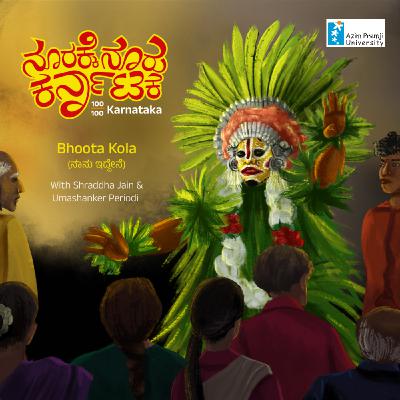
“For the people of Dakshina Kannada, Bhootas are above god,” declares Umashanker Periodi. “Because, unlike gods, Bhootas talk to them.”Periodi, who hails from a family that is involved in Bhoota Kola, is a seasoned mentor and former Head of Karnataka State at Azim Premji Foundation. Although he grew up in a Dakshina Kannada village enveloped by the aura of rituals and traditions, as a college student with socialist influences, he grew sceptical of them. As his worldview matured, nudged by his mother, Periodi began to acknowledge and respect the beliefs of his people. His experience shaped his tolerance and appreciation of their cultural and social significance.In the second episode of our Kannada series Noorakke Nooru Karnataka [100/100 Karnataka], Shraddha has an engaging conversation with Periodi on the rich tradition of Bhoota Kola.A spirit worship tradition with highly stylised elements of performance and music, Bhoota Kola thrives in the Dakshina Kannada region of coastal Karnataka known as Tulunadu. The ceremonies, which take place between December and July, involve elaborate preparations, including energetic performances characterised by intricate costumes and decorations.Periodi explains that Bhootas — ancestral spirits — are often a symbolic manifestation of entities or powers feared or revered by communities that worship them. There is Koragajja the wise tribal elder who can recover anything that is lost, Panjurli the fearsome boar-faced forest spirit who is the protector of crops, the spirits of the heroic twins Koti and Chennayya who were martyred as they combated social injustice, and so on.Rooted in indigenous practices and Hindu mythology, Bhoota Kola is performed by shamanistic dancers who invoke ancestral spirits and become possessed by them, entering a lucid trance-like state. In this state, the Bhoota is often approached for answers, advice, or mediation. When the verdict is delivered, the spirit’s word is law.“I’m here, you have no reason to fear.” The Bhoota’s blessing is a solace to the village community.Bhootas, usually personified by individuals from marginalised castes, are vital arbiters that mediate conflicts and disputes within their communities. They serve as counsellors and dispensers of justice. Often, the Bhootas deliver judgements that go against the interests of the feudal landlords. For challenging caste hierarchy, Bhootas have often paid with their lives. Yet, struggling to overcome attempts by upper castes to rein in or muzzle the tradition, Bhoota Kola has remained a vital pillar of community life in Tulunadu.A Bhoota Kola brings families and communities together for a night of cultural immersion, creates a permissive environment for women to socialise beyond established curfew hours, and provides a sacred space for free expression for those oppressed by the caste system.Continuing our exploration of stories from Karnataka for you to savour and share, Radio Azim Premji University brings you yet another episode of Noorakke Nooru Karnataka. We hope you enjoy listening.Credits: Akshay Ramuhalli, Bijoy Venugopal, Bruce Lee Mani, Harshit Hillol Gogoi, Narayan Krishnaswamy, Prashant Vasudevan, Sananda Dasgupta, Seema Seth, Shraddha Gautam, Supriya Joshi, and Velu ShankarFor a comprehensive list of acknowledgements and resources, including notes in Kannada, please visit our website: https://azimpremjiuniversity.edu.in/karnatakas-homegrown-icon-the-refreshing-story-of-nanjangud-tooth-powder
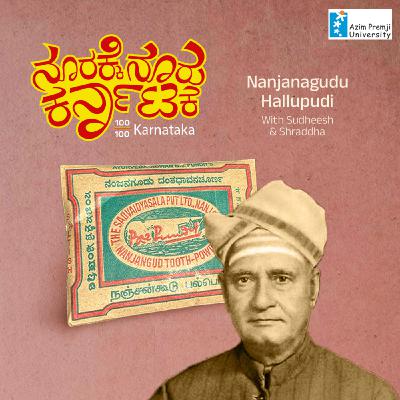
Places tell stories. Often, the story and the place are synonymous, as with Nanjanagudu. This town near Mysuru beside the Kapila river is famous for the Srikanteshwara temple dedicated to Lord Shiva, where devotees pray to be cured of disease. The temple earned the reverence of Tipu Sultan, who hailed the deity as ‘Hakim Nanjunda’ for miraculously curing his royal elephant's eye ailment. A variety of banana, Nanjangudu Rasabaale, is also named after the town. Another reason why Nanjanagudu became a household name across Karnataka and beyond is Nanjangud Tooth Powder, a creation of the renowned Ayurveda Vidwan B.V. Pundit.Pundit’s father died before he was born. His widowed mother raised him in dire financial circumstances. Against great odds, he pursued his studies and graduated from Mysuru Ayurvedic College. In 1913, with his mentor's blessings, he set up Sadvaidyasala in Nanjanagudu to manufacture Ayurvedic products, cycling 50 km daily to sell them in Mysuru.Witnessing a priest performing a homa (Vedic fire sacrifice), Pundit was inspired to use paddy husk as a base for a dentifrice. Nanjangud Tooth Powder was born and became an overnight success. Celebrities, including Kannada cinema star Dr Rajkumar and many literary doyens, endorsed Nanjangud Tooth Powder.In the 50th year of the naming of Karnataka, we celebrate the stories that make Karnataka proud. Sudheesh Venkatesh, in conversation with Shraddha Gautam, presents our first episode.ನೂರಕ್ಕೆ ನೂರು ಕರ್ನಾಟಕನಂಜನಗೂಡು ಹಲ್ಲುಪುಡಿಸ್ಥಳಗಳು ಕಥೆಗಳನ್ನು ಹೇಳುತ್ತವೆ. ಕೆಲವೊಮ್ಮೆ, ಕಥೆ ಮತ್ತು ಸ್ಥಳವು ಸಮಾನಾರ್ಥಕವಾಗುತ್ತದೆ. ನಂಜನಗೂಡು ಕಥೆಯಲ್ಲಿ ಹೀಗಿದೆ. ಮೈಸೂರು ಸಮೀಪದ ಕಪಿಲಾ ನದಿಯ ದಡದಲ್ಲಿರುವ ಈ ಸಣ್ಣ ಪಟ್ಟಣವು ಶಿವನಿಗೆ ಸಮರ್ಪಿತವಾದ ಶ್ರೀಕಂಠೇಶ್ವರ ದೇವಸ್ಥಾನಕ್ಕೆ ಹೆಸರುವಾಸಿಯಾಗಿದೆ, ಅಲ್ಲಿ ಭಕ್ತರು ವಿವಿಧ ಕಾಯಿಲೆಗಳಿಂದ ಗುಣಮುಖರಾಗಲು ಪ್ರಾರ್ಥಿಸುತ್ತಾರೆ. ವಾಸ್ತವವಾಗಿ, ಈ ದೇವಾಲಯವು ಮುಸ್ಲಿಂ ಆಡಳಿತಗಾರ ಟಿಪ್ಪು ಸುಲ್ತಾನನ ಗೌರವವನ್ನು ಗಳಿಸಿತು, ಅವನು ತನ್ನ ರಾಜ ಪಟ್ಟದ ಆನೆಯನ್ನು ಕಣ್ಣಿನ ಕಾಯಿಲೆಯಿಂದ ಅದ್ಭುತವಾಗಿ ಗುಣಪಡಿಸಿದ್ದಕ್ಕಾಗಿ ದೇವರನ್ನು 'ಹಕೀಮ್ ನಂಜುಂಡ' ಎಂದು ಕೊಂಡಾಡಿದನು. ನಂಜನಗೂಡು ರಸಬಾಳೆ ಎಂದು ಕರೆಯಲ್ಪಡುವ ಒಂದು ಬಾಳೆ ಹಣ್ಣಿನ ತಳಿವಿವಿಧ ಬಾಳೆಹಣ್ಣುಗಳು ಪಟ್ಟಣದ ನಂತರ ಅದರ ಹೆಸರನ್ನು ಪಡೆದುಕೊಂಡಿವೆ ಪಡೆದುಕೊಂಡಿದೆ. ಆದರೆ, ನಂಜನಗೂಡು ಕರ್ನಾಟಕದಾದ್ಯಂತ ಮತ್ತು ರಾಜ್ಯದ ಗಡಿಯಾಚೆಗೂ ಮನೆಮಾತಾಗಿರುವುದು ಮನೆ ಮಾತು ಆಗಿರುವುದಕ್ಕೆ ಇನ್ನೊಂದು ಕಾರಣ ಖ್ಯಾತ ಆಯುರ್ವೇದ ವಿದ್ವಾನ್ ಬಿ.ವಿ.ಪಂಡಿತ್ ಅವರ ಅವರು ತಯಾರಿಸಿದ ರಚನೆಯಾದ ನಂಜನಗೂಡು ಟೂತ್ ಪೌಡರ್.ಪಂಡಿತ್ ಅವರ ತಂದೆ ಅವರು ಹುಟ್ಟುವ ಮೊದಲೇ ನಿಧನರಾದರು, ಮತ್ತು ಅವರ ವಿಧವೆ ತಾಯಿ ಅವರನ್ನು ದುಃಖದ ಸಂದರ್ಭಗಳಲ್ಲಿ ಬೆಳೆಸಿದರು. ದೊಡ್ಡ ಸಂಕಷ್ಟಗಳ ನಡುವೆ ವಿರೋಧಾಭಾಸಗಳ ವಿರುದ್ಧ, ಹುಡುಗ ತನ್ನ ಅಧ್ಯಯನವನ್ನು ಮುಂದುವರಿಸಿದನು ಮತ್ತು ಅಂತಿಮವಾಗಿ ಮೈಸೂರು ಆಯುರ್ವೇದಿಕ್ ಕಾಲೇಜಿನಲ್ಲಿ ಪದವಿ ಪಡೆದನು. 1913 ರಲ್ಲಿ, ಅವರ ಗುರುಗಳ ಆಶೀರ್ವಾದದೊಂದಿಗೆ, ಅವರು ನಂಜನಗೂಡಿನಲ್ಲಿ ಸದ್ವೈದ್ಯಶಾಲೆಯನ್ನು ಸ್ಥಾಪಿಸಿದರು ಮತ್ತು ಆಯುರ್ವೇದ ಉತ್ಪನ್ನಗಳನ್ನು ತಯಾರಿಸಲು ಪ್ರಾರಂಭಿಸಿದರು, ಮೈಸೂರಿನಲ್ಲಿ ಮಾರಾಟ ಮಾಡಲು ಪ್ರತಿದಿನ 50 23 ಕಿಲೋಮೀಟರ್ ಸೈಕ್ಲಿಂಗ್ ಸೈಕಲ್ ಮಾಡಿದರು.ಒಂದು ಸಂದರ್ಭದಲ್ಲಿ, ಪುರೋಹಿತರೊಬ್ಬರು ಹೋಮವನ್ನು (ವೈದಿಕ ಅಗ್ನಿ ಯಜ್ಞ) ಮಾಡುವುದನ್ನು ನೋಡಿದಾಗ, ಪಂಡಿತರಿಗೆ ಭತ್ತದ ಸಿಪ್ಪೆಯನ್ನು ಹೊಟ್ಟನ್ನು ದಂತವೈದ್ಯಕ್ಕೆ ಆಧಾರವಾಗಿ ಬಳಸುವ ಕಲ್ಪನೆಯು ಹೊಳೆಯಿತು. ಆ ಕಾಲಕ್ಕೆ ಇದೊಂದು ಹೊಸ ಕಲ್ಪನೆ, ಹೀಗಾಗಿ ನಂಜನಗೂಡು ಟೂತ್ ಪೌಡರ್ ಹುಟ್ಟಿಕೊಂಡಿತು. ಉತ್ಪನ್ನವು ರಾತ್ರೋರಾತ್ರಿ ಯಶಸ್ವಿಯಾಯಿತು, ಬಿ ವಿ ಪಂಡಿತ್ ಮತ್ತು ನಂಜನಗೂಡು ಅವರಿಗೆ ಅದೃಷ್ಟ ಮತ್ತು ಖ್ಯಾತಿಯನ್ನು ತಂದಿತು. ಸಾಹಿತ್ಯಾಸಕ್ತರು ಸೇರಿದಂತೆ ಹಾಗೂ ಕನ್ನಡ ಚಿತ್ರರಂಗದ ಸ್ಟಾರ್ ಡಾ ರಾಜ್ಕುಮಾರ್ ಸೇರಿದಂತೆ ಕರ್ನಾಟಕದ ಹಲವಾರು ಗಣ್ಯರು, ಜ್ಞಾನಪೀಠ ಪ್ರಶಸ್ತಿ ವಿಜೇತರು, ಬಿ.ವಿ.ಪಂಡಿತ್ ಅವರ ನಂಜನಗೂಡು ಟೂತ್ ಪೌಡರ್ ಅನ್ನು ಅನುಮೋದಿಸಿದ್ದಾರೆ.ಕರ್ನಾಟಕ ಎಂದು ರಾಜ್ಯಕ್ಕೆ ನಾಮಕರಣವಾದ ೫೦ ನೇ ವರ್ಷದಲ್ಲಿ, ಕನ್ನಡ ರಾಜ್ಯೋತ್ಸವದ ಸಂದರ್ಭದಲ್ಲಿ, ರೇಡಿಯೋ ಅಜೀಂ ಪ್ರೇಮ್ಜಿ ವಿಶ್ವವಿದ್ಯಾಲಯವು ಕರ್ನಾಟಕದ ಹೆಮ್ಮೆಯ ಕಥೆಗಳನ್ನು ಆಚರಿಸಲು ವಿಶೇಷ ಪ್ರದರ್ಶನವನ್ನು ಕಾರ್ಯಕ್ರಮವನ್ನು ನಿಮಗೆ ತರುತ್ತದೆ. ನಮ್ಮ ಮೊದಲ ಸಂಚಿಕೆಯನ್ನು ಅಜೀಂ ಪ್ರೇಮ್ಜಿ ಫೌಂಡೇಶನ್ನ ಸುಧೀಶ್ ವೆಂಕಟೇಶ್ ಅವರು ಶ್ರದ್ಧಾ ಗೌತಮ್ ಅವರೊಂದಿಗೆ ಸಂವಾದದಲ್ಲಿ ಪ್ರಸ್ತುತಪಡಿಸಿದ್ದಾರೆ.ಬಿ.ವಿ.ಪಂಡಿತ್ ಅವರ ಮೊಮ್ಮಗನಾಗಿರುವ ಸುಧೀಶ್ ಅವರಿಗೆ ನಂಜನಗೂಡು ಟೂತ್ ಪೌಡರ್ ಕೇವಲ ಉದ್ಯಮಶೀಲತೆಯ ಯಶೋಗಾಥೆಯಲ್ಲ; ಇದು ಸ್ವತಃ ಜೀವನದ ಕಥೆ.ನೂರುಕ್ಕೆ ನೂರು ಕರ್ನಾಟಕ - ನಂಜನಗೂಡು ಟೂತ್ ಪೌಡರ್ ಮೊದಲ ಸಂಚಿಕೆಯನ್ನು ಕೇಳಿ ಬನ್ನಿ.
Comments

Download from Google Play

Download from App Store
 United States