


 Claim Ownership
The EO Visionary Voices Podcast
Subscribed: 3Played: 26
Subscribe

© 2023 - 2026 Content Basis LLC
Description
I'm Brent Peterson from the Minnesota chapter of Entrepreneurs' Organization, and I believe every entrepreneur's journey is a marathon worth sharing. EO Visionary Voices brings you raw, honest conversations with founders who understand that building a business isn't about the sprint—it's about strategic endurance.
Each episode, I sit down with EO members, startup founders, and seasoned Entrepreneurs who've learned that success comes from preparation, persistence, and the willingness to adjust mid-race. We dig into the pivots that changed everything, the mistakes that taught the most, and how these leaders use frameworks like EOS to turn complexity into clarity.
You'll hear stories about balancing growth with purpose, leveraging peer learning, and building companies that can go the distance. Because entrepreneurship isn't just about crossing the finish line—it's about how you run the race.
Whether you're starting mile one or approaching mile twenty-six, these conversations will give you the insights and inspiration to keep moving forward. After all, we're all in this ultramarathon together.
Welcome to EO Visionary Voices—where entrepreneurs share the strategies that matter most.
Each episode, I sit down with EO members, startup founders, and seasoned Entrepreneurs who've learned that success comes from preparation, persistence, and the willingness to adjust mid-race. We dig into the pivots that changed everything, the mistakes that taught the most, and how these leaders use frameworks like EOS to turn complexity into clarity.
You'll hear stories about balancing growth with purpose, leveraging peer learning, and building companies that can go the distance. Because entrepreneurship isn't just about crossing the finish line—it's about how you run the race.
Whether you're starting mile one or approaching mile twenty-six, these conversations will give you the insights and inspiration to keep moving forward. After all, we're all in this ultramarathon together.
Welcome to EO Visionary Voices—where entrepreneurs share the strategies that matter most.
87 Episodes
Reverse

Discover why nearly 70% of businesses fail at implementing their CRM and how to avoid becoming part of that statistic. Jason Kramer, founder of Cultivize and known as the "Yoda of CRM," reveals how a well-organized CRM can boost sales by 29%, generate 50% more sales-ready leads, and reduce marketing costs by 30%.In this episode of EO Visionary Voices, Jason shares his journey from advertising designer to data expert, breaking down the essential components every business needs in their CRM system. Whether you're using HubSpot, building custom solutions, or still relying on paper files, this conversation will transform how you think about customer data.Learn why email marketing should live inside your CRM, how to implement lead scoring to identify your hottest prospects, and why that "How did you hear about us?" dropdown could be the most valuable element on your website. Jason also shares actionable strategies for Black Friday preparation and how to leverage holiday traffic data for Q1 success.If you're frustrated with disconnected marketing and sales efforts, struggling to prove marketing ROI, or just starting your CRM journey, this episode provides the blueprint for turning customer data into your most valuable business asset.Key Takeaways:The three essential components of an effective CRM systemHow to bridge the gap between marketing spend and sales resultsWhy your accounting software isn't enough for customer managementLead scoring strategies to prioritize high-intent buyersHow to reconnect with churned customers and increase lifetime valueVisit afterthelead.com for Jason's free fit assessment and download "The Blueprint For Lead Nurturing" ebook.Chapters:0:00 - Introduction to Jason Kramer1:02 - Passion for Boating on the Hudson River1:44 - The Free Joke Project2:51 - Why 70% of CRM Implementations Fail5:51 - What is a CRM? The Three Essential Components7:40 - Why Every Business Needs a CRM9:21 - Integrating CRM with ERP Systems10:26 - Single Source of Truth Strategy13:07 - Where to Start: Finding Your Customer Data15:13 - Lead Scoring and Qualification17:47 - Reconnecting with Past Customers19:01 - Black Friday Preparation Strategies20:44 - The "How Did You Hear About Us?" Secret21:58 - Shameless Plug and ResourcesFor more interviews with entrepreneurs and business leaders, follow Talk Commerce: https://www.youtube.com/@talkcommerceThis has been produced in cooperation with Talk CommerceFollow Talk Commerce on your favorite platform:YouTube: https://www.youtube.com/@talkcommerceBluesky: https://bsky.app/profile/talkcommerce.bsky.socialApple Podcasts: https://podcasts.apple.com/us/podcast/talk-commerce/id1561204656Spotify: https://open.spotify.com/show/7Alx6N7ERrPEXIBb41FZ1nTwitter: @talkingcommerceLinkedIn: https://www.linkedin.com/company/talk-commerceFacebook: https://www.facebook.com/talkingcommerceWebsite: https://talk-commerce.com/

Carly Ries, Fractional CMO at LifeStarr and co-author of "Solopreneur Business for Dummies," shares the brutal truth about building a sustainable solo business. After escaping the RV walls of corporate slavery, she discovered the three critical areas where every solopreneur struggles—and how to fix them.In this conversation, Carly breaks down why most solopreneurs think they need 50 clients when they actually need just 3-5 at the right price point. She reveals the mindset shifts required to transition from busy work to productive growth and explains why relationship-driven marketing beats SEO every time for solo businesses.Whether you're planning your corporate escape or already flying solo, this episode delivers actionable insights on pricing your services, building your support network, and creating a business that supports your life instead of consuming it.Chapters:00:00 Introduction & Carly's Role at LifeStarr01:22 Training for Pike's Peak & Personal Passions03:28 The Three Core Challenges Every Solopreneur Faces05:51 Mindset Shifts from Corporate to Solo Business08:24 The Virtual Assistant Investment & Trading Services10:44 Balancing Fractional CMO Role with Entrepreneurship12:57 Designing Your Ideal Work-Life Integration14:32 Why Solopreneurs Hit Income Ceilings16:38 Relationship-Driven Marketing Strategy18:39 Shameless Plug: Solopreneur Business for DummiesThis has been produced in cooperation with Talk Commerce Follow Talk Commerce on your favorite platform:YouTube: https://www.youtube.com/@talkcommerceBluesky: https://bsky.app/profile/talkcommerce.bsky.socialApple Podcasts: https://podcasts.apple.com/us/podcast/talk-commerce/id1561204656Spotify: https://open.spotify.com/show/7Alx6N7ERrPEXIBb41FZ1nTwitter: @talkingcommerceLinkedIn: https://www.linkedin.com/company/talk-commerceFacebook: https://www.facebook.com/talkingcommerceWebsite: https://talk-commerce.com/

In this compelling episode of EO Voices, host Brent Peterson sits down with Nate Amidon, CEO of Form 100 Consulting, to explore the fascinating intersection of military aviation and modern software development. Nate's unique journey from flying C-17 cargo planes in the Air Force to leading an agile consulting firm reveals powerful insights about leadership, communication, and executing under pressure.Discover how military principles translate seamlessly into software development success. Nate breaks down why plans never survive "first contact with the enemy" and how agile methodologies mirror combat aviation strategies. He shares battle-tested frameworks for alignment, communication, and implementing what he calls the "MVP" – Minimum Viable Process – that prevents both organizational chaos and process paralysis.This conversation goes deep into the critical importance of documentation, two-way communication, and why your software team needs to answer one fundamental question: "Why do we exist?" Nate reveals how hiring former military officers brings exceptional leadership to enterprise software organizations and shares insights on helping veterans transition successfully into the private sector.We explore the Entrepreneur Operating System (EOS), Nate's experience in the Entrepreneurs' Organization (EO), and how structured frameworks create business success. The discussion tackles AI's role in software development, distinguishing hype from reality, and how these tools serve as "nail guns versus hammers" – still requiring expertise to build the house.Whether you're leading a software team, transitioning from military service, or seeking better project management strategies, this episode delivers actionable insights from someone who's navigated both high-stakes aviation and enterprise software development.Chapters:0:00 - Introduction & Opening Joke1:20 - Nate's Background: From Air Force Pilot to Agile Coach4:28 - Agile vs Waterfall: Why Plans Don't Survive First Contact7:04 - The Minimum Viable Process Framework8:16 - Documentation & Communication: Learning from Military Bureaucracy10:11 - EOS and Entrepreneur Operating System Principles12:00 - The Value of EO (Entrepreneurs' Organization)13:28 - How Aviation Checklists Improve Software Development15:23 - Balancing Coaching with Advice-Giving17:47 - AI's Role in Software Development: Separating Hype from Reality21:08 - Shameless Plug & How to Connect with NateConnect with Nate Amidon:Website: https://form100consulting.comEmail: nate.amidon@form100consulting.comLinkedIn: Nate Amidon

In this conversation, James Schutrop from Scribe discusses the innovative approach of using robots to create handwritten letters, emphasizing the importance of personal touch in a world overwhelmed by digital communication. He explains how Scribe's technology integrates with CRM systems to automate the process of sending personalized thank-you letters, enhancing customer engagement. The discussion also covers the significance of authenticity in marketing, particularly through the removal of postmarks to maintain the illusion of a personal touch.TakeawaysScribe automates handwritten letters to enhance customer appreciation.People are overwhelmed by digital communication and crave personal interaction.Handwritten letters can significantly improve customer engagement.The technology uses real pens to create authentic-looking letters.Postmark removal is crucial for maintaining authenticity in marketing.Automation allows businesses to send personalized letters without manual effort.The handwritten letters are designed to look like they come from a friend or family member.Scribe's system integrates seamlessly with existing CRM platforms.The event highlights practical strategies for e-commerce businesses.Authenticity in marketing is essential to avoid customer skepticism.Chapters00:00 Introduction to Scribe and Handwritten Automation02:57 The Importance of Personal Touch in Marketing05:42 Postmark Removal and Authenticity in Handwritten Letters
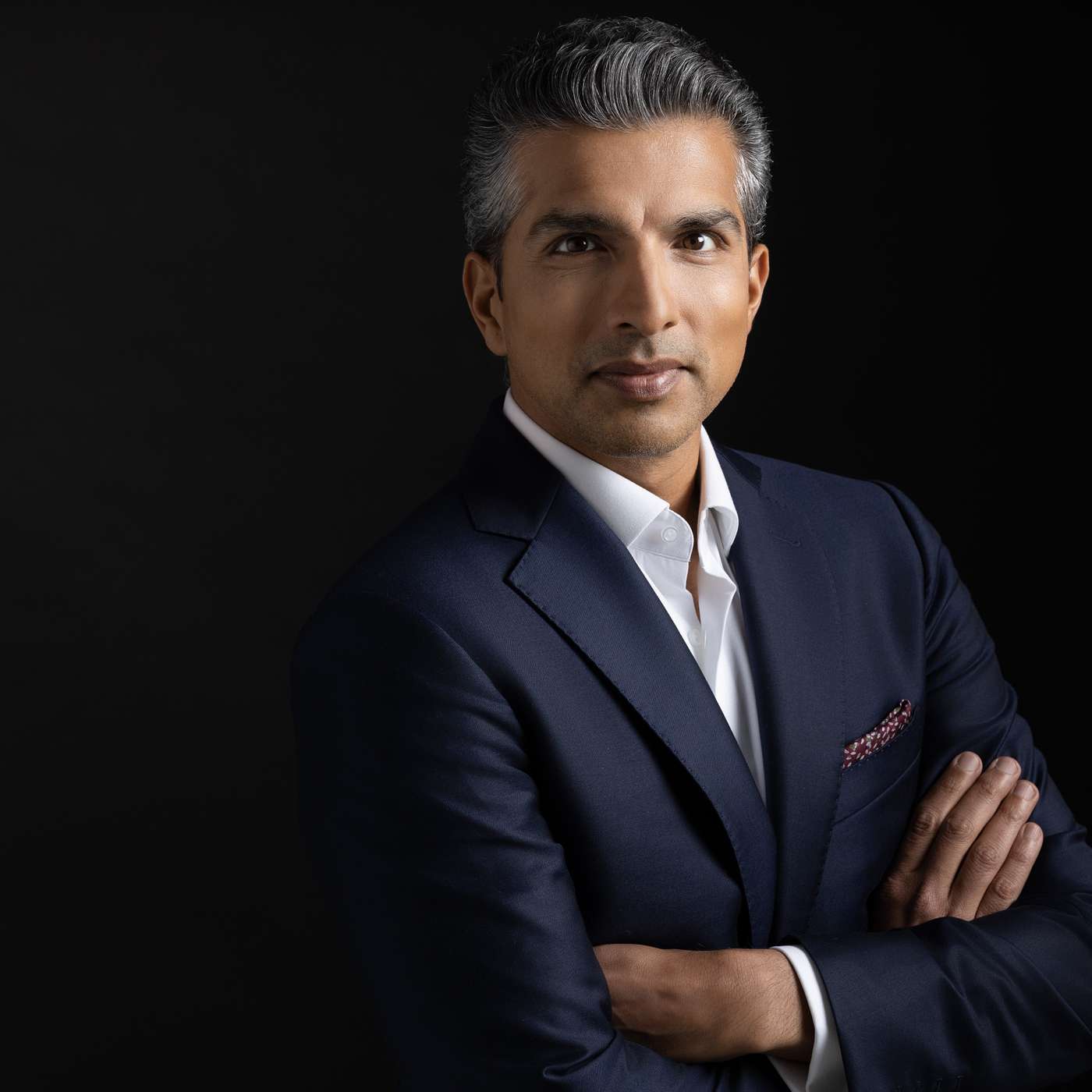
In this episode of EO Visions, Saahil Mehta shares his journey as an entrepreneur and coach, discussing the importance of peer learning within the Entrepreneurs' Organization (EO). He reflects on his personal definition of success, which led him to create a framework based on the 'seven summits' of life. Saahil emphasizes the need for balance between personal and professional life, sharing insights on how to avoid burnout and empower others in business. He also discusses his coaching philosophy, focusing on asking the right questions to help clients find their own answers. The conversation concludes with practical advice for leaders on seeking feedback and fostering personal growth.TakeawaysSaahil runs four businesses and enjoys skiing and mountaineering.Peer-to-peer learning in EO was a key motivator for Saahil.Success is a personal definition, not a societal standard.The 'seven summits' framework helps define success in life.Balancing business responsibilities with personal life is crucial.Empowering others in business leads to better outcomes.Coaching should focus on asking questions, not giving advice.Small steps lead to significant changes over time.Feedback should focus on future improvements, not past mistakes.Personal development is essential for long-term success.Chapters00:00 Introduction to Saahil Mehta02:07 Saahil's EO Journey and Peer Learning05:05 Redefining Success: The Seven Summits10:02 The Seven Areas of Happiness and Success12:54 Navigating Business Challenges and Delegation16:03 Coaching Philosophy: Empowering Through Questions19:55 Closing Thoughts and Feed Forward Concept

In this episode of EO Visionary Voices , Dr. Randy Pierce, president and CEO of Future Insight, shares his journey of overcoming challenges as a visually impaired runner and how it parallels with business success. He emphasizes the importance of goal setting, teamwork, and accountability in both running and entrepreneurship. Dr. Pierce also discusses the impact of AI on business dynamics and the necessity of maintaining human connections in the workplace. The conversation concludes with insights into the mission of Future Insight and the importance of community in supporting those with vision loss.TakeawaysDr. Randy Pierce is the CEO of Future Insight, focusing on vision rehabilitation.Running has become a team sport for Dr. Pierce due to his visual impairment.Setting goals is crucial for personal and professional growth.The journey of training for a marathon mirrors the process of achieving business goals.Teamwork is essential; together everyone achieves more.Accountability should be viewed as a positive reward, not a punitive measure.AI is transforming business landscapes, but human connections remain vital.The process of achieving goals should be enjoyable, not just focused on the end result.Listening to negative thoughts is passive; one should actively change the narrative in their head.Building community is key to supporting individuals with vision loss.Chapters00:00Introduction to Dr. Randy Pierce and His Role02:09The Journey of Running and Overcoming Challenges04:03The Importance of Goal Setting and Action06:07Connecting Running with Business Goals08:48The Role of Teamwork in Achieving Success11:48Navigating Accountability in Business13:54Comparing Running and Mountain Climbing16:11The Impact of AI on Business and Team Dynamics19:01Closing Thoughts and Future Insight19:45UE - Outtro All AV version 1.mp4

In this powerful episode of EO Visionary Voices, host Brent Peterson sits down with Dr. Jen Fry, CEO of Coordle and author of "I Said No: How to Have a Backbone and Boundaries Without Being a Jerk." As a professional speaker specializing in conflict resolution and culture, and founder of a tech company revolutionizing group travel and sports tourism, Jen brings invaluable insights on leadership, entrepreneurship, and the art of saying no.Jen shares her journey from being a "kind asshole" (her words!) to becoming a successful entrepreneur who helps others build essential boundary-setting skills. She reveals why conflict is actually a mental health issue and how leaders can create cultures where failure becomes a learning opportunity rather than a career-ending event.Throughout this engaging conversation, you'll discover practical strategies for setting boundaries without being a jerk, how to handle rejection in business, and why your best entrepreneurial lessons come from your worst failures. Jen also breaks down the critical difference between being nice versus being kind, and shares her unique approach to leadership that encourages innovation while maintaining accountability.Whether you're struggling with people-pleasing tendencies, looking to improve your leadership skills, or building your own business, this episode provides actionable insights that will transform how you approach difficult conversations and decision-making in professional settings.Chapters:00:00 Introduction to Dr. Jen Fry and Coordle01:30 The Free Joke Project02:49 The Origin of "I Said No"05:29 Applying Boundaries to Business Leadership07:13 Setting Feelings Aside in Business Decisions10:02 When Leaders Should Listen vs. Say No13:59 Learning Entrepreneurship Through Failure15:37 Teaching Teams to Learn from Failure19:59 Shameless Plug: "I Said No" BookFollow Talk Commerce on your favorite platform:YouTube: https://www.youtube.com/@talkcommerceBluesky: https://bsky.app/profile/talkcommerce.bsky.socialApple Podcasts: https://podcasts.apple.com/us/podcast/talk-commerce/id1561204656Spotify: https://open.spotify.com/show/7Alx6N7ERrPEXIBb41FZ1nTwitter: @talkingcommerceLinkedIn: https://www.linkedin.com/company/talk-commerceFacebook: https://www.facebook.com/talkingcommerceWebsite: https://talk-commerce.com/

In this powerful episode of EO Visionary Voices, we dive deep into the world of authentic leadership with Jennifer Jensen, founder of Authentic Leader. Discover why traditional leadership approaches are failing in today's multigenerational workplace and learn the revolutionary strategies that are transforming how successful entrepreneurs lead their teams.Jennifer shares her unique perspective on the critical difference between performance leadership and authentic leadership, revealing why vulnerability isn't weakness—it's your competitive advantage. From navigating generational differences to implementing reverse mentorship programs, this conversation is packed with actionable insights that will transform your leadership approach.You'll learn why investing in your people delivers the highest ROI of any business strategy, how transparency builds trust that drives innovation, and the surprising truth about what today's workforce really wants from their leaders. Jennifer's approach to unlearning outdated leadership myths while embracing adaptive leadership principles offers a roadmap for entrepreneurs ready to elevate their organizational culture.Whether you're leading a startup, scaling a business, or managing diverse teams across generations, this episode provides the tools and mindset shifts needed to become the authentic leader your organization needs. Don't miss Jennifer's insights on coaching, advisory services, and the power of developing leaders at every level of your organization.Chapters:00:00 - Introduction to Authentic Leadership with Jennifer Jensen03:23 - The Journey of Leadership Development and Entrepreneurial Growth06:07 - Performance vs. Authentic Leadership: Understanding the Difference09:10 - Generational Differences in Leadership and Workplace Dynamics12:23 - The Importance of Vulnerability in Leadership Success15:25 - Closing Thoughts and Leadership ResourcesThis episode is essential viewing for entrepreneurs, business leaders, and anyone committed to building high-performing teams through authentic leadership principles.This has been produced in cooperation with Talk CommerceFollow Talk Commerce on your favorite platform:YouTube: https://www.youtube.com/@talkcommerceBluesky: https://bsky.app/profile/talkcommerce.bsky.socialApple Podcasts: https://podcasts.apple.com/us/podcast/talk-commerce/id1561204656Spotify: https://open.spotify.com/show/7Alx6N7ERrPEXIBb41FZ1nTwitter: @talkingcommerceLinkedIn: https://www.linkedin.com/company/talk-commerceFacebook: https://www.facebook.com/talkingcommerceWebsite: https://talk-commerce.com/
In this compelling episode, we explore the remarkable 29-year journey of Michael Shapiro, who founded Ketubah.com in 1996 and has successfully navigated the ever-changing landscape of e-commerce. From his early career setbacks to building a thriving business around the ancient Jewish tradition of the Ketubah (marriage contract), Michael shares invaluable insights about resilience, innovation, and the art of adapting traditional businesses for the digital age.Guest BioMichael Shapiro is the founder and visionary behind Ketubah.com, one of the oldest continuously operating e-commerce sites, launched in 1996. With a background in history, political science, and brand management at Procter & Gamble, Michael left the corporate world to build a business that bridges ancient Jewish traditions with modern technology. He leads a team of nine and has recently authored "Ketubah Renaissance," a coffee table book chronicling the modern revival of Jewish marriage contracts.Business Evolution & TechnologyPlatform Journey: HTML → ColdFusion → WordPress/WooCommerceAI Integration:HebrewNamer.com: AI-powered Hebrew name suggestion toolAI Ketubah text writing assistant with multiple styles (traditional to Shakespearean)Behind-the-scenes order processing automationBuilding custom functionality on standardized platformsLeadership & Team BuildingTransitioning from hands-on founder to visionary leaderBuilding a team of 9 that brings their own innovative ideasWorking with a Director of Operations (EOS-style integrator role)The joy of having team members contribute creative solutionsCreative Projects"Ketubah Renaissance" Book: Coffee table book documenting 60+ years of modern Ketubah artistry12-year journey from initial idea to publicationWorking with demanding editors and the growth processPublishing with Jewish Publication Society, releasing August 1stNotable Quotes"It's not just they're implementing my ideas, they're bringing their ideas. And that's something that has been a long-term goal for me.""I have a very well-developed creative side... connecting the dots in ways that perhaps other people haven't.""Writing the book was a labor of love and sometimes a labor of hate."Connect with Michael ShapiroWebsite: Ketubah.comEmail: info@ketubah.comInstagram: @Ketubah.comLinkedIn: Michael ShapiroBook Pre-order: "Ketubah Renaissance" on AmazonChapters00:00Introduction to Michael Shapiro and Ketubah02:24Michael's Journey to Entrepreneurship07:43Understanding Ketubah: The Jewish Marriage Contract09:33The Creative Vision Behind Ketubah13:15Leveraging AI in Ketubah and Hebrew Namer14:39Seasonality and Trends in the Ketubah Business15:42Exploring EOS and Business Strategies16:44The Ketubah Renaissance Book Project19:06E-commerce Evolution and Platform Migration21:53Closing Thoughts and Shameless PlugThis has been produced in cooperation with Talk CommerceFollow Talk Commerce on your favorite platform: YouTube: https://www.youtube.com/@talkcommerceBluesky: https://bsky.app/profile/talkcommerce.bsky.socialApple Podcasts: https://podcasts.apple.com/us/podcast/talk-commerce/id1561204656Spotify: https://open.spotify.com/show/7Alx6N7ERrPEXIBb41FZ1nTwitter: @talkingcommerceLinkedIn: https://www.linkedin.com/company/talk-commerceFacebook: https://www.facebook.com/talkingcommerceWebsite: https://talk-commerce.com/
In this episode of Uncharted Entrepreneurship, Alfredo Mathew III shares his journey from educator to entrepreneur, emphasizing the importance of community, teamwork, and shared prosperity in business. He discusses the role of AI as a tool rather than a replacement for human collaboration and highlights the need for diverse teams to foster innovation. Alfredo also explores the concept of shared prosperity, advocating for economic structures that allow small businesses to thrive alongside larger enterprises.TakeawaysAlfredo Mathew III is a co-founder of ESO Ventures and SPCC One.He transitioned from education to entrepreneurship seeking new challenges.Alfredo emphasizes the importance of community in creating value.AI is a tool, not a replacement for human interaction.Building effective teams requires diverse skill sets and perspectives.Feedback from a team is crucial for refining ideas.Shared prosperity is essential for economic growth.Small businesses need access to capital and contracts to compete.Alfredo is focused on creating ecosystems for local businesses.He encourages collaboration among entrepreneurs for mutual success.Chapters00:00From Educator to Entrepreneur: Alfredo's Journey05:10The Role of Community in Business10:14Team Dynamics and the Importance of Diversity15:02Shared Prosperity: Building a Better Economic Future18:56UE - Outtro All AV version 1.mp4
In this episode of Uncharted Entrepreneurship, Brent Peterson interviews Ravi Iyer, a physician and TEDx speaker, who shares his journey from practicing medicine to exploring cognitive alignment. Ravi discusses the importance of understanding individual narratives and experiences in achieving team alignment and high performance. He provides practical steps for individuals and teams to develop cognitive alignment and emphasizes the role of coaching in this process.TakeawaysRavi Iyer is a physician with a passion for understanding life.Cognitive alignment is crucial for personal and team success.Individual narratives shape our experiences and perceptions.High performance requires spontaneous alignment within teams.Practicing mindfulness can enhance cognitive alignment.Building cognitive skills requires commitment and practice.Coaching can significantly aid in achieving cognitive alignment.The lived experience of individuals varies greatly.Distraction-free environments are essential for focus.Cognitive alignment can lead to improved team dynamics.Chapters00:00Introduction to Ravi Iyer and His Journey06:04Cognitive Alignment: Understanding the Concept15:09Practical Steps to Achieve Cognitive Alignment21:03The Role of Coaching in Cognitive Alignment24:49TC - Outtro All AV version 1.mp4
In this episode of Uncharted Entrepreneurship, Kevin McCarthy shares his journey as an entrepreneur, discussing his early ventures, the importance of leadership, and the concept of blind spots in decision-making. He emphasizes the need for connection in leadership and offers insights into how to better engage with teams. Kevin also introduces the Blind Spot Assessment, a tool designed to help individuals and organizations identify and address their blind spots for improved decision-making and relationships.TakeawaysKevin's passion lies in helping people make better decisions.He started his entrepreneurial journey with a lemonade stand.Blind spots can significantly impact decision-making in business.Leadership requires connection and understanding of team dynamics.The younger generation values purpose over money in their careers.Organizations often fail by promoting technical experts to leadership roles.Effective leadership is crucial for employee engagement and retention.The Blind Spot Assessment is a quick tool for identifying personal blind spots.Humility and vulnerability are essential traits for modern leaders.People want to feel valued and heard in their workplace.Chapters00:00Introduction to Kevin McCarthy and His Passion02:45Kevin's Early Entrepreneurial Journey08:51Identifying Blind Spots in Business14:01The Importance of Leadership and Connection17:36Advice for New Leaders and Understanding Generational Differences22:50The Blind Spot Assessment and Its Impact26:01EOMinnesota-10sec-intro.mp4
In this episode of Uncharted Entrepreneurship, Marsha Marseille, co-founder of Cross Care Transport, shares her journey into the medical transportation industry. She discusses her day-to-day operations, the importance of defining roles within her business partnership, and the unique marketing strategies that set her company apart. Marsha reflects on her previous entrepreneurial experiences and the lessons learned, as well as her outlook on navigating economic challenges in the future.TakeawaysMarsha Marseille is the co-founder of Cross Care Transport, focusing on non-emergency medical transportation.Her passion for self-care influences her approach to business and life.The idea for Cross Care Transport stemmed from her experiences in project management with seniors.Having a business partner allows for defined roles and effective teamwork.Marketing strategies include unique branding, such as their distinctive pink vans.Understanding the local market is crucial for a startup's success.Previous entrepreneurial experiences have equipped Marsha with valuable lessons.Navigating economic challenges requires adaptability and a positive outlook.Team dynamics and clear communication are essential for operational success.Marsha emphasizes the importance of customer service and responsiveness in her industry.Chapters00:00Introduction to Marcia Marseille and Cross Care Transport05:55Navigating Business Partnerships12:02Lessons from Previous Ventures16:54UE - Outtro All AV version 1.mp4
In this episode of Uncharted Entrepreneurship, Joe Kingland shares his journey from being a submariner in the Navy to becoming a successful entrepreneur and CEO of Manage Infinity. He discusses his passion for helping veterans, the challenges of building businesses, and the importance of networking and finding the right advisors. Joe also shares insights on the current economic outlook and introduces his latest venture, Clock Labs, a digital marketing agency focused on lead generation.takeawaysJoe Kingland is a veteran and CEO of Manage Infinity.He is passionate about helping veterans and volunteers for related causes.Joe transitioned from military service to entrepreneurship after a unique journey.He emphasizes the importance of networking and finding good advisors.The shared services model has been key to his business strategy.Building a business requires a specific skill set and resources.Banking relationships can significantly impact business growth.Joining the Entrepreneurs' Organization has been a valuable experience for Joe.Reflecting on one's journey is crucial for personal and professional growth.Clock Labs aims to provide effective lead generation for businesses.Chapters00:00Introduction to Joe Kingland and His Journey02:56Transitioning from Military to Entrepreneurship06:02Building Businesses: The Shared Services Model08:47The Importance of Networking and Advisors11:42Joining the Entrepreneurs' Organization14:52Economic Outlook and Business Challenges17:49Shameless Plug: Clock Labs and Lead Generation
SummaryIn this episode of Uncharted Entrepreneurship, Brent Peterson interviews Marina Byezhanova, CEO of Brand of a Leader. Marina shares her journey from being an immigrant in Canada to establishing a successful personal branding agency for Gen X CEOs. The conversation delves into the importance of personal branding, thought leadership, and the unique challenges faced by different generations in the business landscape. Marina emphasizes the need for authenticity in branding and the value of vulnerability in leadership. The episode concludes with insights on how to effectively promote oneself while remaining true to one's values.TakeawaysMarina Byezhanova is the CEO of Brand of a Leader.She emphasizes the importance of personal branding for CEOs.Thought leadership can significantly impact business visibility.Many CEOs underestimate their own value and voice.Personal branding should reflect who you are, not just what you do.The process of branding often involves deep introspection.Gen X entrepreneurs struggle with self-promotion due to generational differences.Vulnerability in leadership can create human connections.Marina's agency has worked with clients in 12 countries.Building a personal brand is essential for business growth.Chapters00:00Introduction to Marina Bejanova03:20The Founding Story of Brand of a Leader06:05The Importance of Thought Leadership09:31Discovering Personal Branding11:27The Role of Failure in Personal Branding14:15Engaging with EO Members16:30Vulnerability in Leadership18:09Generational Differences in Sharing20:38Coaching Gen X on Self-Promotion22:47Closing Thoughts and Shameless Plug
In this conversation, Dominique Waples discusses the importance of reflection and time management in personal growth. She emphasizes the need to allocate time for self-reflection and how it can lead to better productivity and self-awareness.TakeawaysThe process of reflection is crucial for personal growth.Allocating time for self-reflection can enhance productivity.Everyone has the same 24 hours, but not everyone uses it wisely.Taking time to think about past experiences can provide valuable insights.Self-awareness is key to effective time management.Setting aside dedicated time for reflection can lead to significant improvements.Understanding what was significant in the past month can guide future actions.Time management is not just about scheduling, but also about prioritizing.Reflection helps in recognizing patterns and making informed decisions.Creating a habit of reflection can lead to long-term benefits.Chapters00:00Introduction to Restore Medical Spa and Exciting Developments23:10Dominique's Journey from Law to Medical Aesthetics25:59The Importance of Community in Entrepreneurship29:09Personal Growth Through EO Membership31:56Transformational Experiences in EO Forums35:14The Evolution of Restore Medical Spa37:59Final Thoughts and Encouragement for Entrepreneurs
In this episode of Uncharted Entrepreneurship, Mark Worster shares his transformative journey from running an IT company to exploring the realms of healthcare, cannabis, and psychedelic medicine. He discusses the importance of finding joy and happiness beyond material success and how to break free from inherited stories that limit personal growth. Mark emphasizes the significance of curiosity and self-discovery in creating a fulfilling life, and introduces his organization, The New Mysteries, which aims to help individuals expand their consciousness and embrace a life of joy.TakeawaysMark transitioned from IT to healthcare and cannabis.He emphasizes the importance of joy and happiness in life.Many successful entrepreneurs feel unfulfilled despite their achievements.Curiosity about oneself can lead to freedom and happiness.Mark's organization, The New Mysteries, helps people expand their consciousness.He believes that material possessions do not equate to happiness.Mark's journey involved overcoming inherited limiting beliefs.Living in the moment opens up infinite possibilities.Understanding that others' opinions do not define you is liberating.Mark advocates for exploring joy and happiness as a lifestyle.Chapters00:00Introduction to Mark Wurster and His Journey06:41Transitioning from IT to Healthcare and Cannabis12:57Exploring the Psychedelic Medicine Space18:49The New Mysteries: Helping Others Find Their Path21:48Living a Life of Joy and Happiness
In this episode of Uncharted Entrepreneurship, Brent Peterson interviews Natalia Zacharin, the owner of Zacharin Consulting, who specializes in accounting and financial management for entrepreneurs. Natalia shares her journey from the corporate world to entrepreneurship, emphasizing the importance of financial awareness and management in business success. She discusses the challenges of cash flow, budgeting, and the significance of asking the right questions to drive growth. Natalia also provides insights into marketing budgets and the metrics that matter for measuring success. The conversation concludes with resources for entrepreneurs looking to improve their financial strategies.TakeawaysNatalia Zacharin owns an accounting firm specializing in bookkeeping and CFO services.She transitioned from a corporate job to entrepreneurship due to a lack of opportunities.Surrounding oneself with other business owners can normalize growth and leadership.Financial awareness is crucial for entrepreneurs to avoid flying blind with their finances.Budgeting is essential for managing cash flow and planning for the future.Marketing budgets should be based on measurable success metrics.Asking questions is key to uncovering issues within a business.Natalia offers resources for entrepreneurs to improve their financial management.She emphasizes the importance of understanding cash flow after selling a business.Natalia works with clients across the US, providing financial consultations.Chapters00:00Introduction to Natalia Zacharin and Her Journey05:08Transitioning from Corporate to Entrepreneurship09:03The Importance of Financial Understanding for Entrepreneurs12:09Navigating Cash Flow and Budgeting Challenges14:38Marketing Budgets and Measuring Success16:22Encouraging Questions and Accountability in Business18:39Shameless Plug and Resources for Entrepreneurs
In this episode of Uncharted Entrepreneurship, Gary Cohen, a seasoned entrepreneur and coach, shares insights on the importance of asking questions in leadership, fostering accountability within teams, and the challenges of scaling a business. He emphasizes the need for leaders to shift from being the sole source of knowledge to empowering their teams through inquiry and active listening. The conversation also touches on the emotional aspects of leadership, including empathy and the handling of mistakes, as well as the value of coaching in personal and professional growth.TakeawaysGary Cohen is a serial entrepreneur and CEO coach.Coaching found Gary while he was working on his book.Asking questions is crucial for effective leadership.Leaders must shift from knowing all the answers to empowering others.Accountability in teams is affected by how decisions are made.Wearing many hats can hinder individual performance.Empathy is essential in leadership, especially when mistakes happen.Employees prefer to be asked rather than told what to do.Active listening builds trust and engagement in teams.Reflection and coaching are vital for personal and business growth.Chapters00:00Introduction to Entrepreneurship and Coaching01:30The Journey from Entrepreneur to Coach02:50The Power of Questions in Leadership08:03Accountability and Leadership Dynamics11:56Empathy in Leadership and Decision Making14:56Encouraging Questions and Active Listening19:07The Importance of Reflection and Focus21:00Closing Thoughts and Coaching Opportunities
In this episode of Uncharted Entrepreneurship, Brent Peterson interviews Anthony Ramirez, founder and CEO of Lincoln Security Services, about the value of community in entrepreneurship, particularly through the Entrepreneurs' Organization (EO). Anthony shares his experiences with EO, emphasizing the importance of networking, mentorship, and learning from shared experiences. He highlights the upcoming EO Rally in Minneapolis, discussing its benefits, including access to influential speakers and the opportunity to connect with like-minded entrepreneurs.TakeawaysAnthony Ramirez is the founder and CEO of Lincoln Security Services.2024 was a year of operational preparation for growth.Entrepreneurship can be lonely without a supportive community.EO provides a network of peers for shared experiences.Members of EO do not give direct advice but share experiences.Networking at EO events is about building relationships, not selling.Mentorship is crucial for new entrepreneurs.The EO Rally offers valuable networking opportunities.Damon John and Matthew Pollard are keynote speakers at the rally.The power of the EO network helps businesses scale.Chapters00:00Introduction to Anthony Ramirez and EO Rally03:04The Value of Community in Entrepreneurship06:16Networking and Learning at EO Events09:23Mentorship and Shared Experiences12:20Keynote Speakers and Event Highlights

Comments

Download from Google Play

Download from App Store
 United States