


 Claim Ownership
The Regenaissance Podcast
Subscribed: 15Played: 260
Subscribe

© The Regenaissance
Description
Hosted by @Regenaisanceman with the mission of reconnecting us back to where our food is grown & exposing everything that is wrong with our broken food system. We are more disconnected from our food than we ever have been. I sit down with ranchers and farmers to give them a voice and hear their stories, helping paint a picture of what it really looks like to support humanity with food. I also will be talking to others involved in the agriculture space as there is a lot that goes into it all. My hope is that from hearing this podcast you will begin to question what you eat and where from.
114 Episodes
Reverse
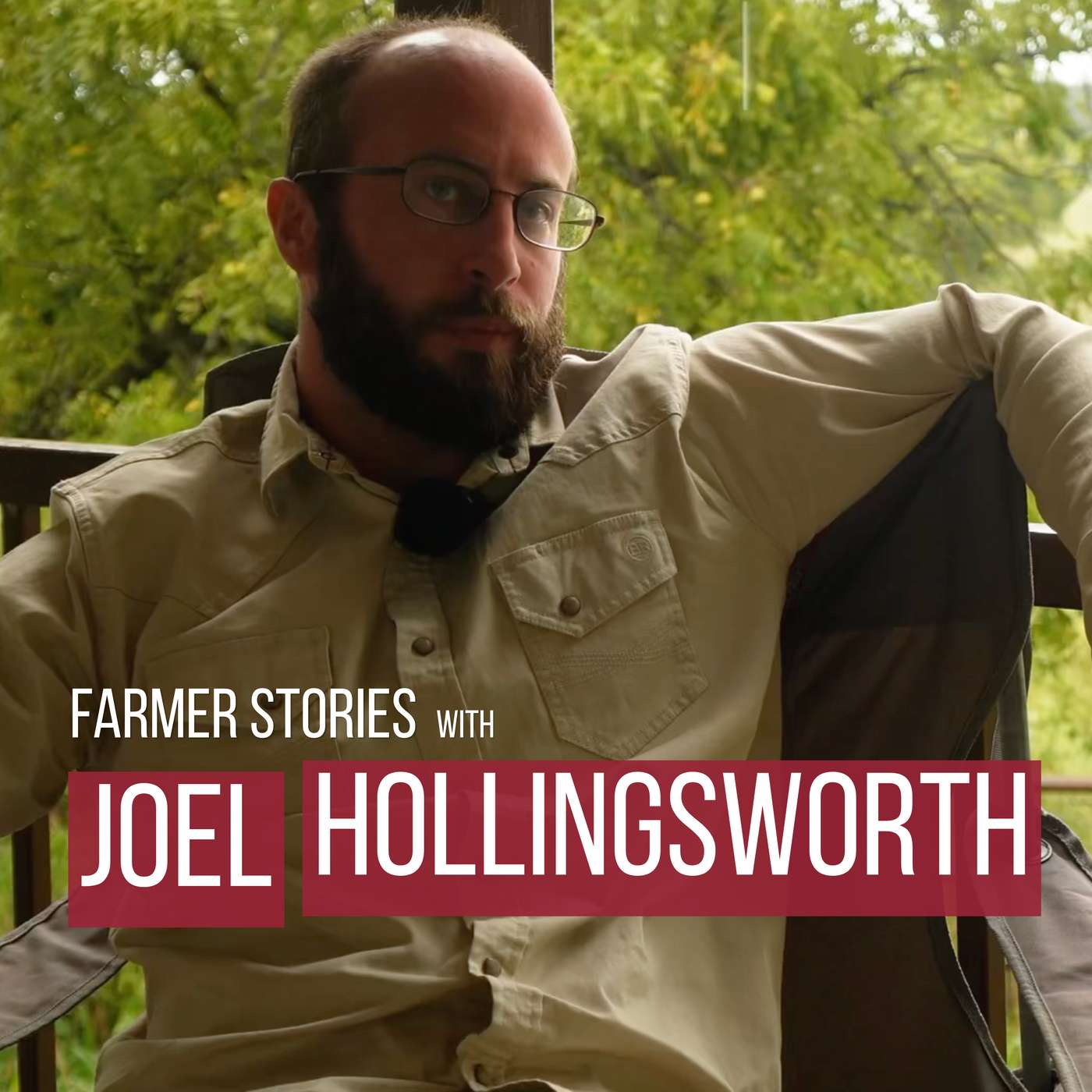
Farmer Stories is a weekly series pulling the best conversations from the Regenaissance podcast archive. These aren't new episodes — just the best stories from American farmers on their experience of the farming landscape, giving incredible insight into it's systems, polocies, economics, bad actors, good actors, and rural communities. This series aims to encourage thinking bigger picture: Americas productive capacity, middle class revival, & real food as the foundation of it all. Joel Hollingsworth runs Smoke River Ranch in northeast Oklahoma. This conversation talks about why Joel believes we need to keep manufcaturing in America & why Oklahoma's culture of self-governance is a cultural model the country can build around. Timestamps0:00 — Why build in America, not abroad1:30 — The federalist structure and America's creation story4:00 — Oklahoma's culture of self-governance6:30 — Regen ag as a churn factory7:30 — Triffin dilemma and hollowing out of domestic production9:00 — How crop insurance locks out new farmers11:00 — Foreign cattle and the 30% currency gap12:30 — Land as money, not farmland14:00 — Farm credit weaponized (Dustin Kittle story)15:30 — Average rancher age 58.517:00 — What rural collapse looks like18:30 — Sovereign debt and centralizing riskLinks:Full podcast episode:- YouTube- Spotify- AppleConnect with Joel:- Smoke River Ranch Website- X
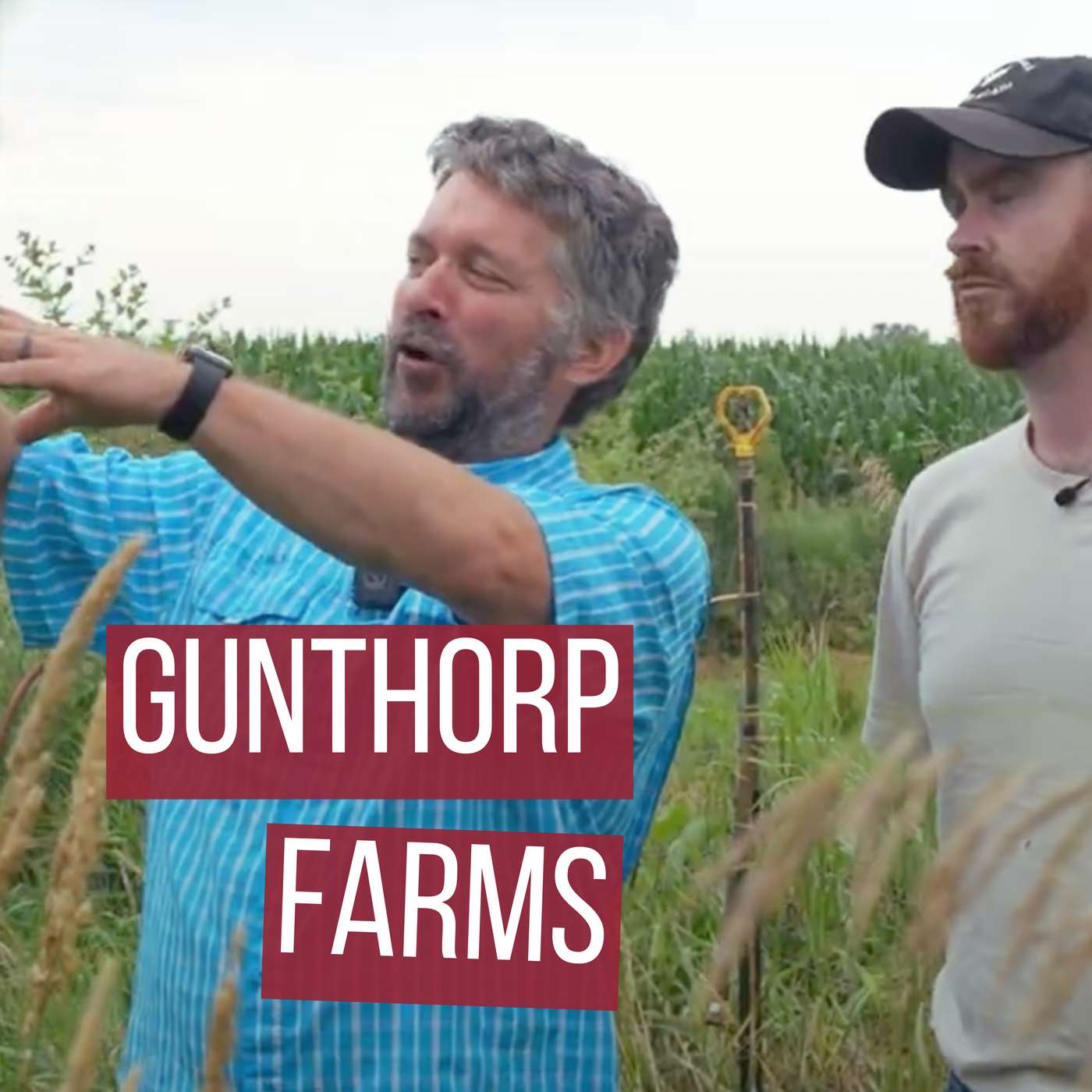
Gunthorp Farms is a 3rd generation pork and poultry operation in northern Indiana with on-farm USDA-inspected processing. This tour covers the full farm from farrowing paddocks to kill floor, smokehouse, and wastewater treatment. Watch alongside the full podcast episode for the full story.Key TopicsAdaptive multi-paddock grazing in practice50-paddock farrowing system and piglet managementBuilding and running a USDA-inspected on-farm processing facilityUSDA enforcement: how small and large plants are treated differentlyConstructed wetland wastewater treatmentWhat You'll LearnHow paddock size and recovery time shift by seasonWhat to ask when you visit a pig farmWhat it costs to build on-farm processing and where permitting breaks downHow HACCP regulation actually gives small plants flexibility if you understand itWhy scale changes food safety risk in ways inspection policy doesn't reflectConnect w Greg & Gunthorp FarmsWebsiteXInstagramLinkedinFull podcast interviewFollow the tour on YouTubeTimestamps 00:00:00 Adaptive multi-paddock grazing explained 00:03:00 Pig health, thermoregulation, and antibiotic-free management 00:05:00 What consumers should ask when visiting a pig farm 00:15:00 Energy-free waterers and farrowing paddock design 00:27:00 Kill floor overview and processing plant history 00:36:00 Permitting, wastewater, and navigating USDA regulation 00:45:00 Food safety: small vs large plant accountability 00:51:00 USDA enforcement disparities and advocacy 01:02:00 Packaging equipment walkthrough 01:13:00 Smokehouse construction and constructed wetland wastewater system
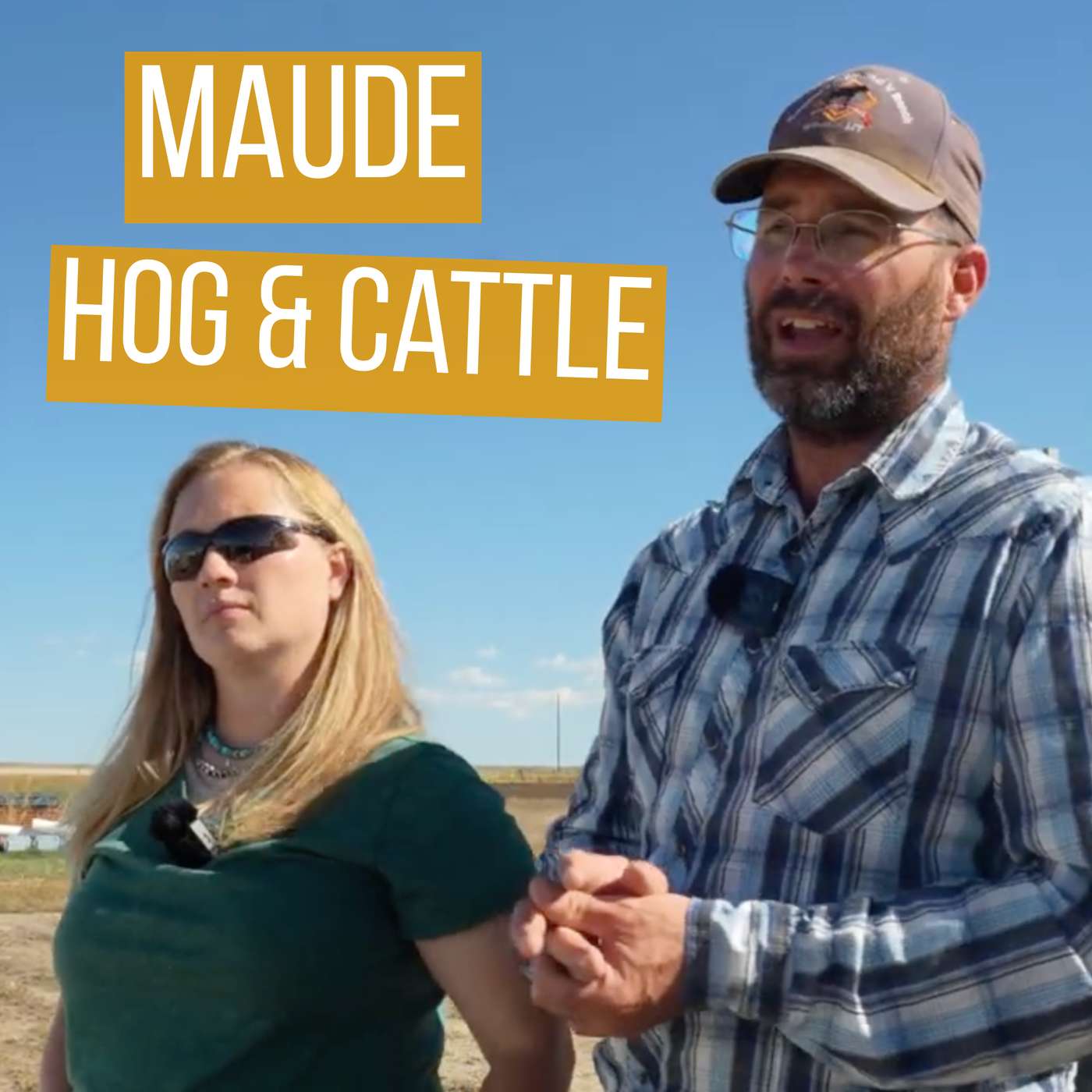
Charles and Heather Maude are 5th generation ranchers in South Dakota running a direct-to-consumer beef and pork operation built on land their family has worked for over 115 years. This tour covers the full operation - cattle, hogs, grain storage, equipment, and the irrigated river bottom at the center of a federal land dispute that drew national attention. Watch this alongside the full-length podcast episode for the complete story behind what you're seeing on the ground.Key TopicsDirect-to-consumer beef and pork - how it actually worksCattle finishing and feeder calf productionFarrowing crates - the honest case for and againstWhy feed quality determines meat quality in hogsGrain storage, forage systems, and matching stocking rate to grassThe disputed river bottom and the federal land disputeWhat You'll LearnHow a small ranch runs multiple livestock enterprises on limited acresWhy weaning date is a range management decision, not just an animal oneWhat farrowing crates are actually for and why a skeptic changed her mindHow monogastric and ruminant digestion produce fundamentally different meatWhat 115 years of private land management looks like - and what happens when it's challengedWhy boundary disputes in the rural West are common, and criminal indictments are notConnect with Charles & HeatherWebsiteInstagramFacebookTimestamps00:00:00 — Introduction and context 00:02:00 — Cattle paddock: finished beef and this year's steer calves 00:04:00 — Weaning early — a drought and range management decision 00:06:00 — Grain bins: what they store and how they work 00:08:00 — Farrowing facility: why the crates exist 00:13:00 — Hog nutrition: simple stomach vs. ruminant digestion 00:15:00 — Pasture-raised pork: why quality and finish time differ 00:18:00 — Legacy equipment: grandfather's tractors and the 1948 truck 00:24:00 — The fence line: terrain, flooding, and where fences actually go 00:25:00 — The Forest Service dispute begins 00:27:00 — No written violation, no due process, criminal charges 00:28:00 — Working toward resolution: the Small Tracks Act 00:30:00 — Secretary Rollins, the temporary use agreement, and what changed 00:33:00 — The survey stakes, the crop damage, and the escalation 00:37:00 — What the land trade proposal was and why it was rejected 00:39:00 — What this case means for ranchers and private landowners 00:41:00 — Final reflections
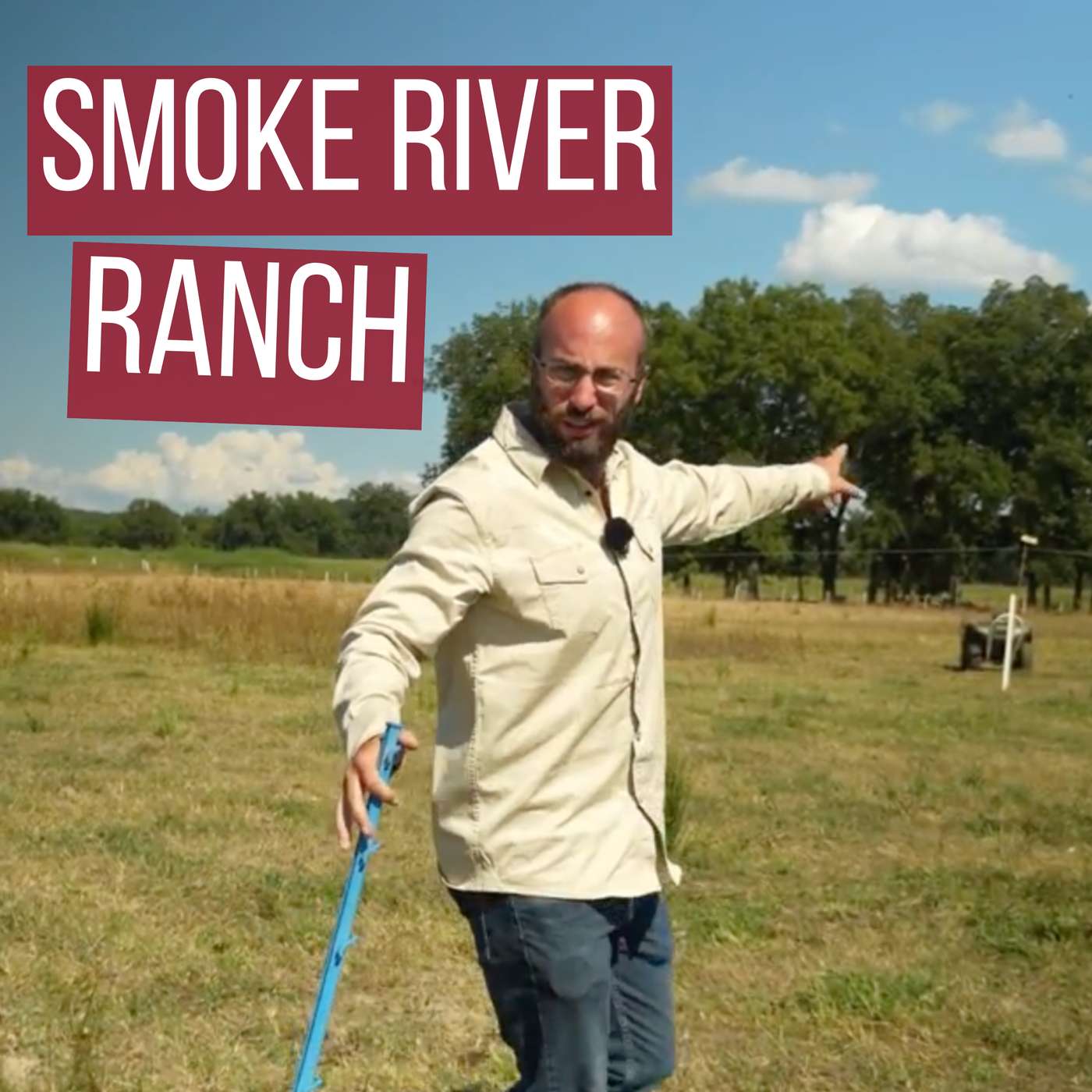
Joel Hollingsowrth has spent years doing something most people wouldn't dare try - building a regenerative cattle ranch from scratch, with no money, no inherited land, and no roadmap. And yet, it has become one of the pioneering regenerative farms in the nation. Joel is joined by David, who left an Ivy League PhD program to ranch in rural Mexico before landing here, and Daniel, the herd manager responsible for translating Joel's system into daily practice. Together they walk us through mob grazing at extreme stocking densities, a heritage genetics breeding program built for a world without antibiotics, virtual fencing technology, and a community ownership model designed to solve the financing problem that stops most regenerative farmers before they start.This is a conversation about what it really takes (the stubbornness, the financial creativity, the ecological thinking, and the human community) to build something lasting and that works. KEY TOPICSUltra-high-density mob grazing and how it mimics bison impact to restore soil and seed banksHeritage breed genetics (Piney Woods, composite bulls) and building "zombie apocalypse" cattleVirtual fencing technology and its potential to transform daily ranch labourThe herd share financial model and how community capital makes regenerative ranching viableReviving rural community through food sovereignty, nutrient density, and local economic energyWHAT YOU'LL LEARNWhy stocking density, not just rotation, is the key lever in regenerative grazingHow cows' hooves act as seed planters and why "weeds" like thistles are actually healing the soilWhat rumen fill and manure consistency tell a herd manager about animal health and forage qualityWhy cattle genetics matter as much as grazing method, and what "adapting to the system" looks likeHow Joel financed his ranch with no money down, and why the herd share model is a blueprint others could followCONNECT WITH JOELSmoke River Ranch WebsiteXTIMESTAMPS00:00 – Welcome to Oklahoma: Joel, David & the Smoke River story08:00 – What's broken in rural America and what Smoke River is rebuilding12:00 – Fresh Rx Oklahoma: food as medicine and local supply chains15:00 – How Joel got started: a $1/year lease, no capital, and a Twitter DM19:00 – Virtual fencing: digital paddocks and 60 hours of saved labour per week21:00 – Heritage breeds: Piney Woods cows, composite bulls, and the genetics program25:00 – Mob grazing explained: why five moves a day and what stocking density actually means31:00 – Herd management with Daniel: rumen fill, manure scoring, and daily cattle metrics36:00 – Sick cow protocols and building a self-selecting genetics program45:00 – Weeds as healers: thistles, pioneer species, and soil succession
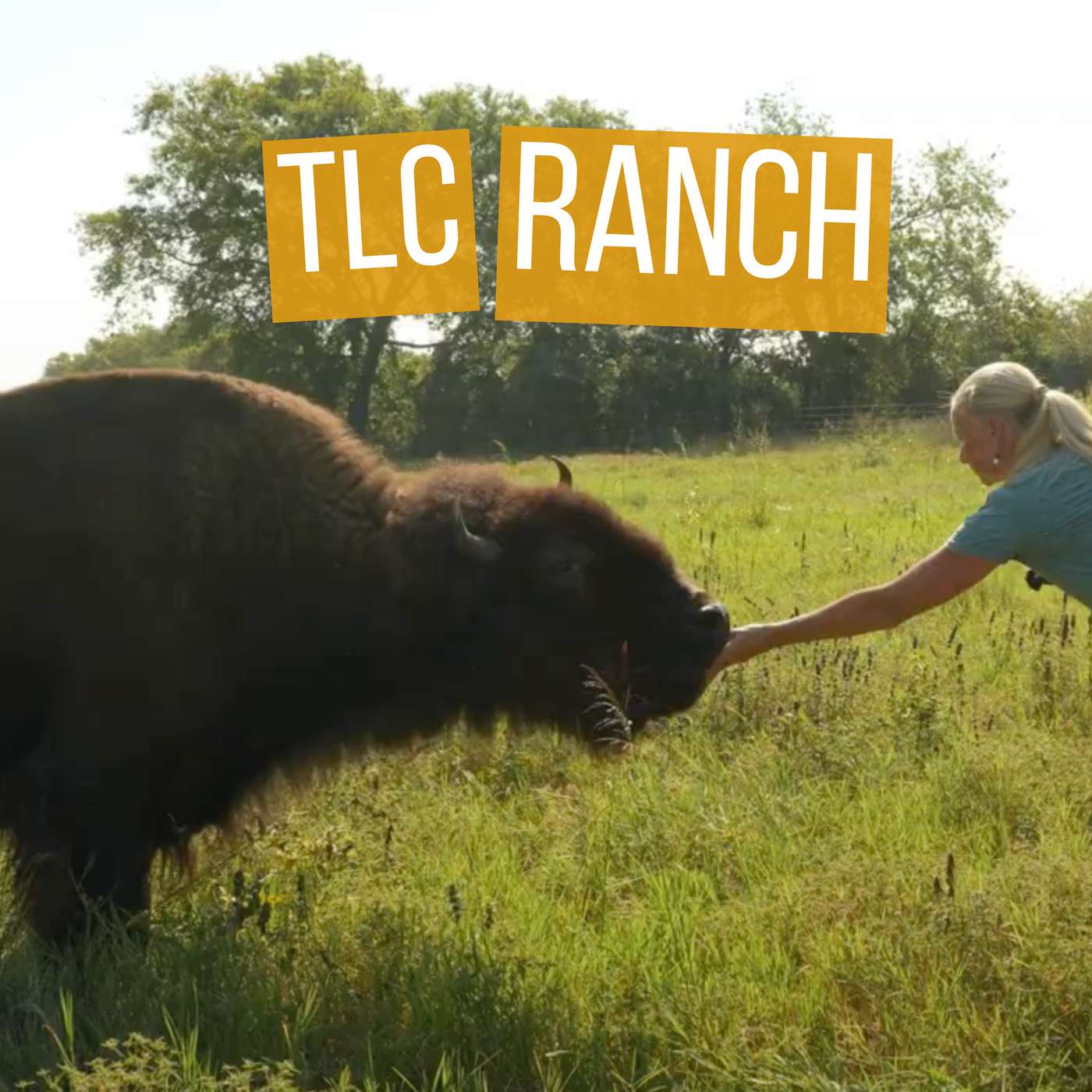
Fascinating episode, touring a regenerative bison and pecan farm! A first for me. A bit about the ranch & tour...TLC ranch is located in Souther Oklahoma. It's ran by Cindy Sheffield (who tours us today) and her husband Tread and their two daughters and husbands, where they raise bison and manage a large organic pecan orchard. The ranch began in 1997 when the family purchased land that many others had passed on, seeing potential where others did not.What started as weekend trips for hunting and time outdoors gradually turned into a long-term commitment to steward the land. Over the years the family developed ponds, trails, and eventually planted thousands of pecan trees, which are now grown using organic and regenerative practices.More recently they fulfilled a long-standing goal of bringing bison back to the property. Today the ranch combines pecan production with bison grazing, reflecting the family’s focus on building a working farm that supports both the land and the people who depend on it.What we cover:Starting a bison ranch after decades of owning landManaging parasites and animal health on pastureRotational grazing and integrating chickens behind bisonThe economics and risks of pecan farmingFloods, disease, and the unpredictable realities of agricultureConnect with the farm:WebsiteFacebookInstagramRegenaissance Youtube ChannelTimestamps: 00:00:00 Regulations and differences between bison and cattle 00:02:20 How TLC Ranch began and why the family chose bison 00:03:40 Flooding, parasites, and losing animals in the herd 00:05:00 Transitioning to rotational grazing for parasite control 00:06:30 Plans to integrate meat chickens behind the bison 00:08:00 How bison grazing behavior differs from cattle 00:12:50 Handling bison and working animals through the chute system 00:17:00 Field harvesting a bison and the reality of on-farm slaughter 00:19:30 The challenge of finding truly clean food and produce 00:24:00 Managing a pecan orchard and harvesting the crop 00:27:00 Weather risks, floods, and the economics of farming 00:29:00 Why consumers need to understand the realities farmers face
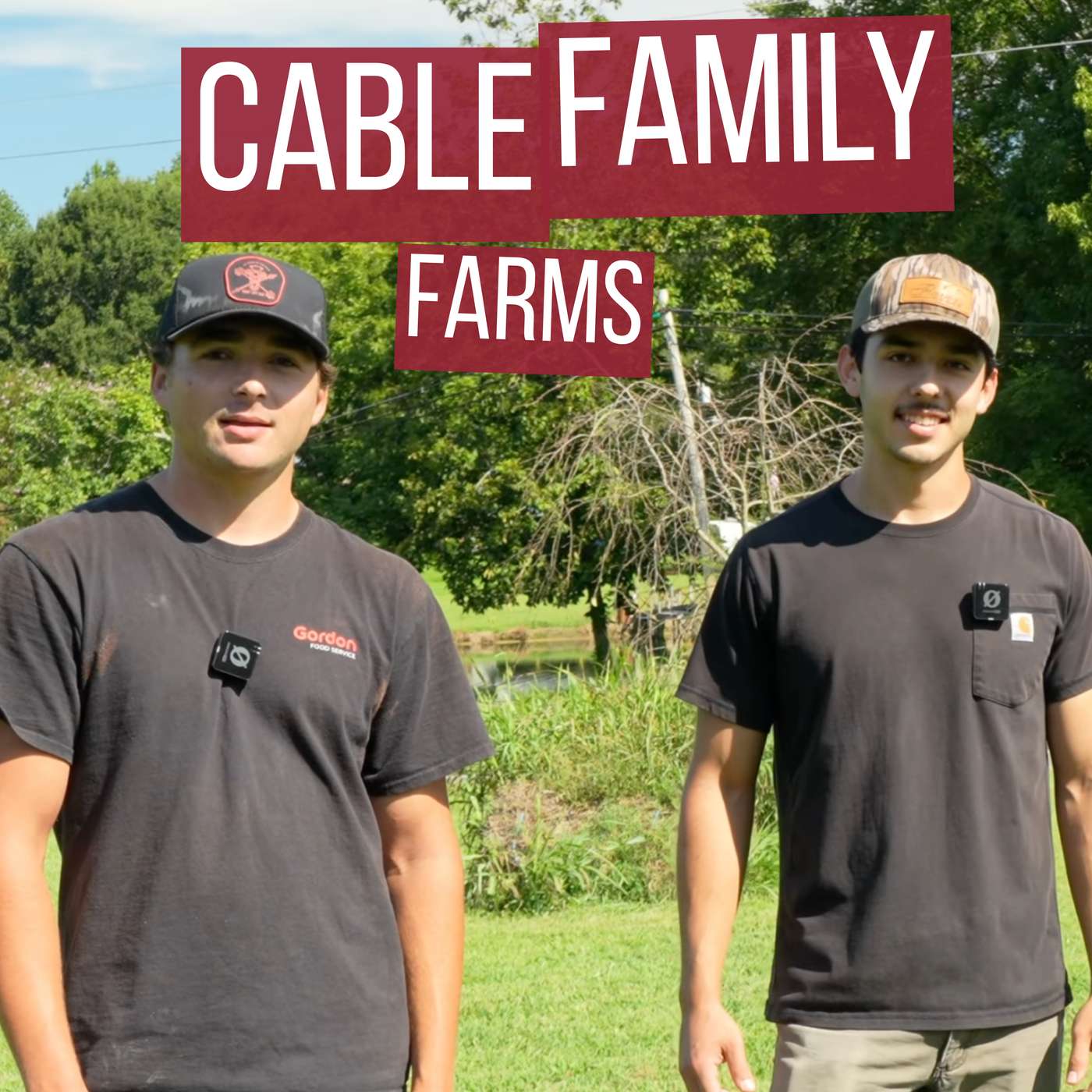
Caden and Patrick run Cable Family Farm in Piedmont, North Carolina, where they manage a small 80 bed no-till market garden along with pasture-raised eggs and chickens. Caden started the farm at 18, and then a few years later was able to convince Patrick to join him. Their main concern starting the farm was how would they make money? This tour shows how they produce their crops and animals in a healthy, sustainable way, along with their marketing and production approach to creating a viable small-scale farm production. It was fascinating and productive to hear from these young farmers how they approach farming, why their not organic, the systems they run to stay viable and efficient, and understanding why they chose this career path over everything else (hint, farming food can be incredibly meaningful). Key TopicsBuilding an 80 bed no-till market garden from grassTools and systems for small-scale vegetable farmingPasture-raised eggs and chickensOrganic practices without certificationEconomics and tradeoffs on small farmsConnect with Caden & Patrick:InstagramYoutubeOther linksTimestamps 00:00:00 Introduction to Cable Family Farm 00:01:00 Building a no-till market garden 00:06:00 Broadforking and minimal soil disturbance 00:10:00 Weather risks and crop failures 00:14:00 Time and cost of starting a garden 00:19:00 Organic practices vs certification 00:23:00 Simple greenhouse and seed starting 00:27:00 Egg layers and rotational grazing 00:32:00 Raising pasture-raised chickens 00:35:00 Why chickens are healthier on pasture
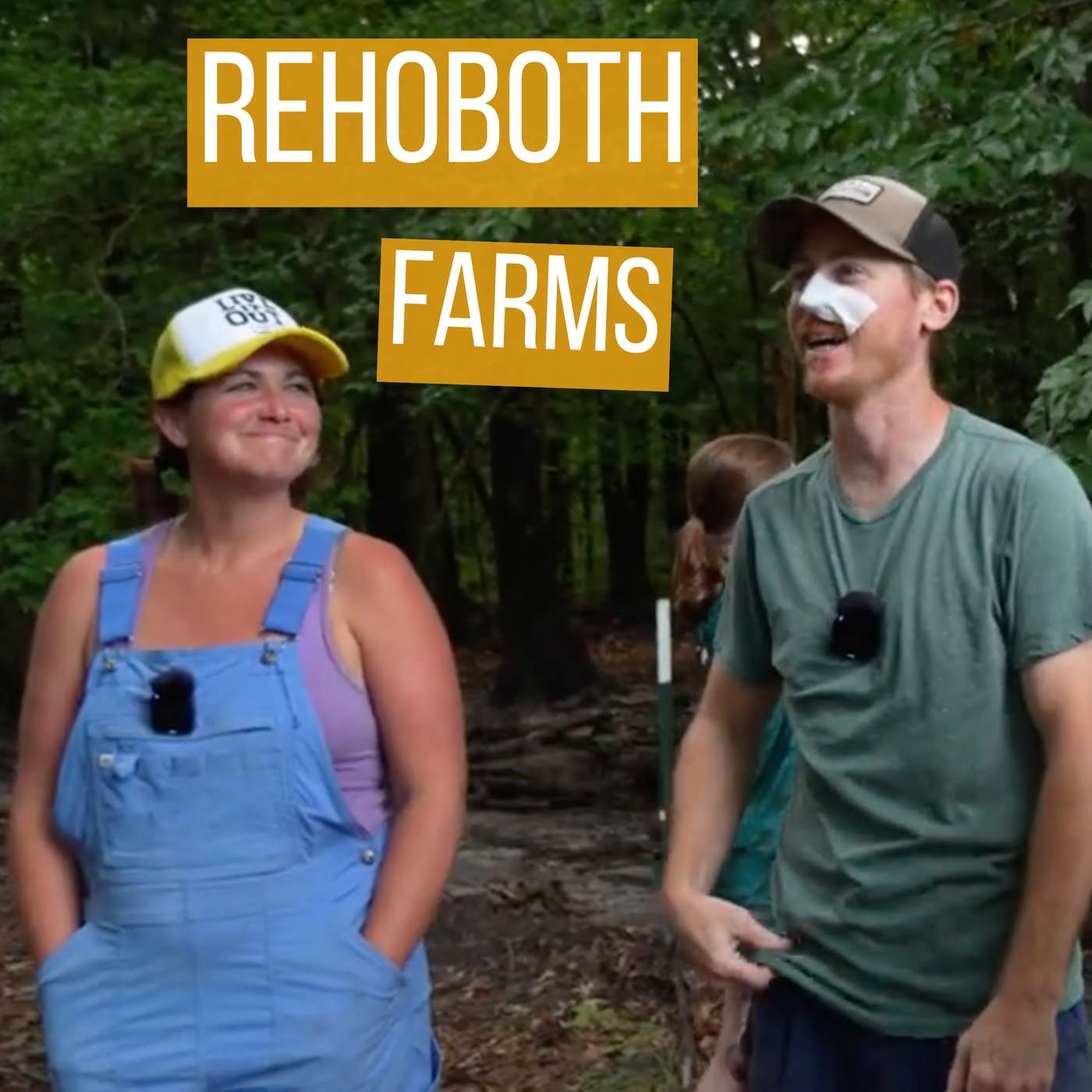
About Rehoboth & Josh & Jessica:This was a really fun tour. The farm has an interesting backstory. It was initially just a backyard chicken hobbyist farm, and then after feeding themselves and friends, they saw the health impact and the localized food impact - then began trading meat for land access. Josh spent years during 2015-18 waiting for the right property top open up, with multiple failed attempts, before securing the current farm in 2018. They launched full-time in 2019, saw rapid growth during 2020 with that demand spike, and then developed the farm into what it is today, a regenerative grazing operation and direct-to-consumer product platform. Neither Joss or Jessica grew up farming, but health concerns, lack of localized food option and expense of quality food triggered their shift to farming. They have a faith-driven vision for the farm, and “Rehoboth” means “God made room”. Jessica leads customer engagement, and Josh leads the systems and operations on the farm. You can connect to Josh and Jessica via the links below:WebsiteInstagramKey topics & Timestamps:00:00:00 Tractor use and cutting pasture for regrowth 00:01:00 Turkey shipping losses and hatchery challenges 00:03:00 Why turkey poults are fragile in the brooder 00:04:00 Thanksgiving turkey pickup on farm 00:05:00 Broiler setup and water system improvements 00:08:30 Compost piles and feeding pumpkins to livestock 00:10:30 Rotating pigs and natural mineral foraging 00:14:00 Outdoor pig genetics vs confinement genetics 00:22:00 Moving broilers to build soil nitrogen 00:24:00 Multi-species grazing and parasite management
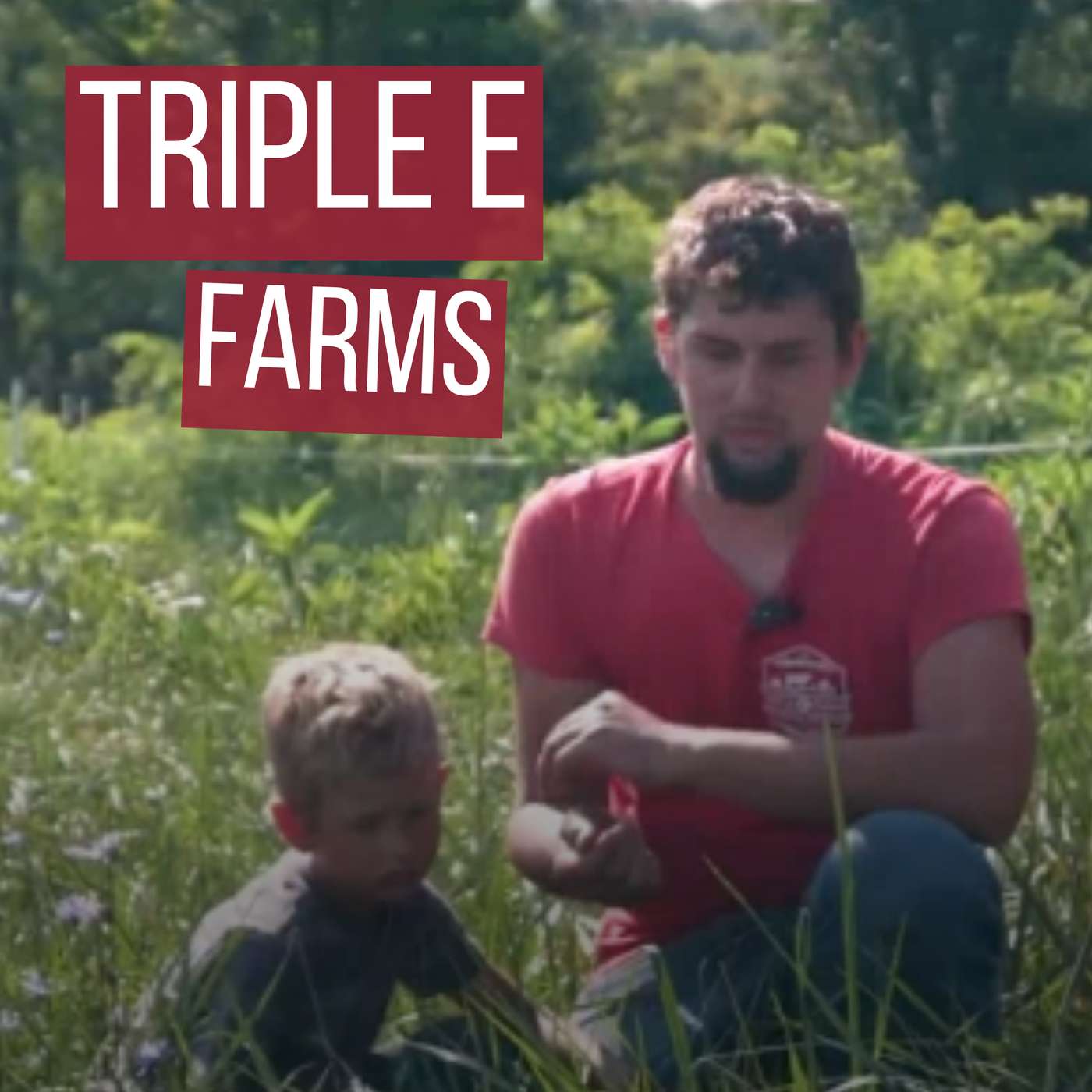
Our farm tour of Tony Eash's pasture raised pork, chicken and beef farm. Tony grew up farming alongside his brother Phil in West Virginia, learning animal care and haymaking at a young age. After the sudden loss of their father, the brothers leaned on their Mennonite community for support and chose to continue farming. Tony tours us through his farm, his way of life, and you're able to see how much he cares about farming, the land and animals, and the importance of delivering quality food to consumers. He's had a few battles with the government to get us his great food! All is shared in the farm tour. Enjoy. Link to our full podcast episode with Tony as well:Spotify AppleKey TopicsDirect-to-consumer raw milk and nationwide shippingSoil temperature, grass recovery, and grazing managementFarm economics, burnout, and scaling sustainablyRegulation, labeling, and transparency challengesGenetics, pasture diversity, and animal health decisionsWhat You’ll LearnWhy covered soil stays cooler and supports biologyThe difference between grass recovery and true restHow raw milk is tested, bottled, and shippedWhy many dairies fail despite high productionHow farmers adapt systems to survive long-termConnect with Triple EWebsiteInstagramFollow the tour on YouTubeTimestamps 00:00 — Why direct-to-consumer food systems matter 06:40 — Shipping meat and milk across the U.S. 14:30 — Raw milk testing, bottling, and sanitation 23:10 — Regulation, labeling, and legal pressure 31:40 — Dairy economics and why production fails farmers 41:20 — Genetics, grass-fed transitions, and herd losses 50:30 — Soil temperature, grazing height, and cooling livestock 54:10 — Rest vs recovery and pasture decision-making
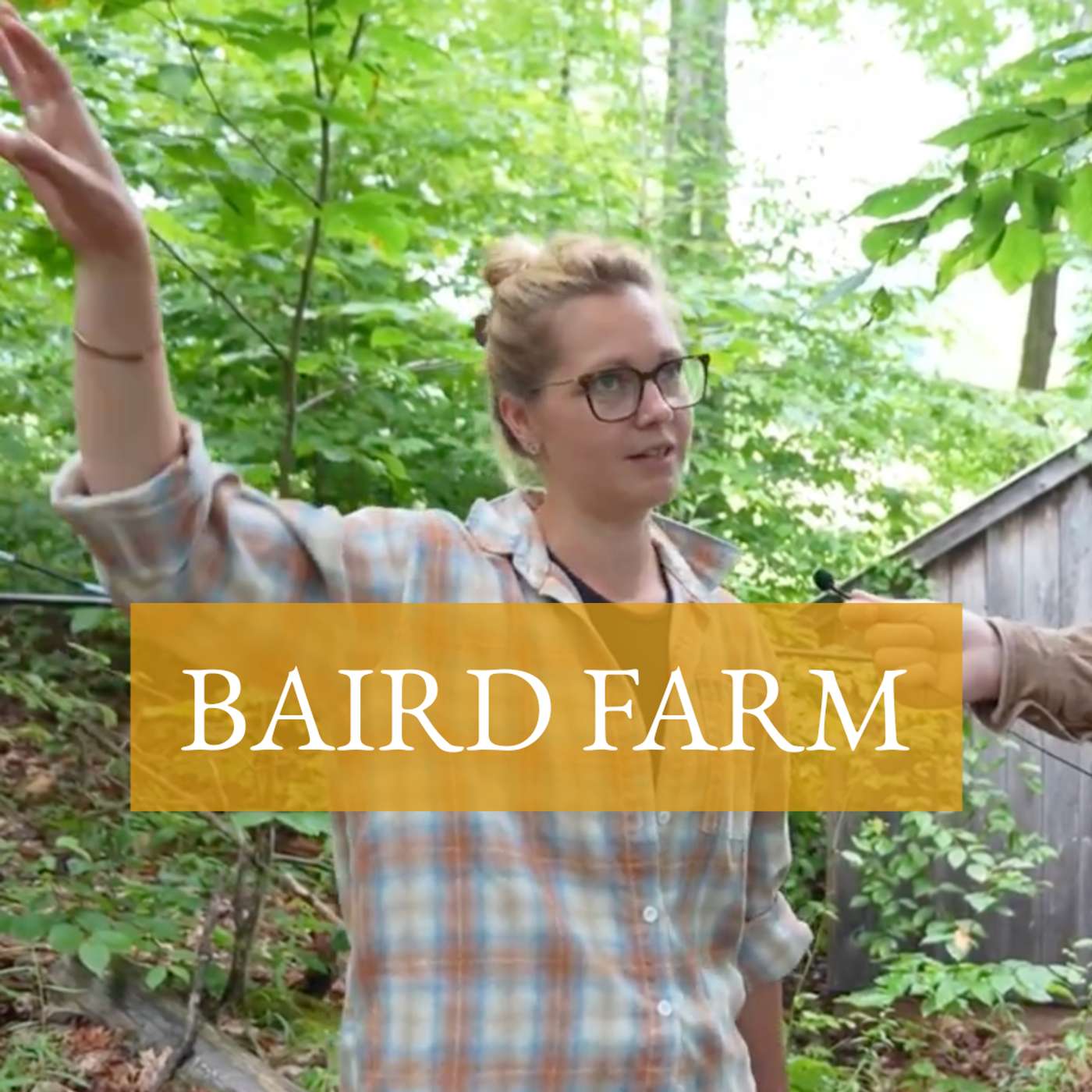
This one was fun. Jacob and Jenna tour us through Baird Farm, a fourth-generation Vermont maple farm operating since 1918. They walk me through the sugarbush, tubing systems, and sugarhouse, and how its all made/stored/sold and its history. Fascinating stuff - hope you get something out of it. Key TopicsModern maple syrup production vs traditional bucket methodsThe maple sugaring season and weather dependenceReal maple syrup vs imitation and blended productsForest management, biodiversity, and tree healthGenerational farming and maintaining a family-run operationWhat You’ll LearnWhy maple syrup is produced in a short late-winter window, not year-roundHow modern maple syrup is collected using tubing and vacuum systemsWhat tapping a maple tree involves and how trees are protected long-termHow much sap is required to make real maple syrupWhy Vermont consistently produces some of the highest maple yieldsConnect with Jason & Baird Farm:WebsiteInstagramFollow the tour on YouTubeConnect with Regenaissance:Website & MerchInstagramXSubstack (Ag News & History)Timestamps: 00:00:00 – Introduction and farm history 00:04:40 – Buckets vs modern maple tubing systems 00:07:10 – What maple syrup actually is (and isn’t) 00:12:00 – How maple tubing and vacuum systems work 00:16:40 – Tapping trees and protecting long-term tree health 00:22:00 – The maple syrup production window and season length 00:25:10 – Why Vermont dominates U.S. maple production 00:31:00 – Forest management, biodiversity, and resilience 00:38:20 – Labor, infrastructure, and modern maple realities 00:45:30 – Generational farming and transitioning the farm forward
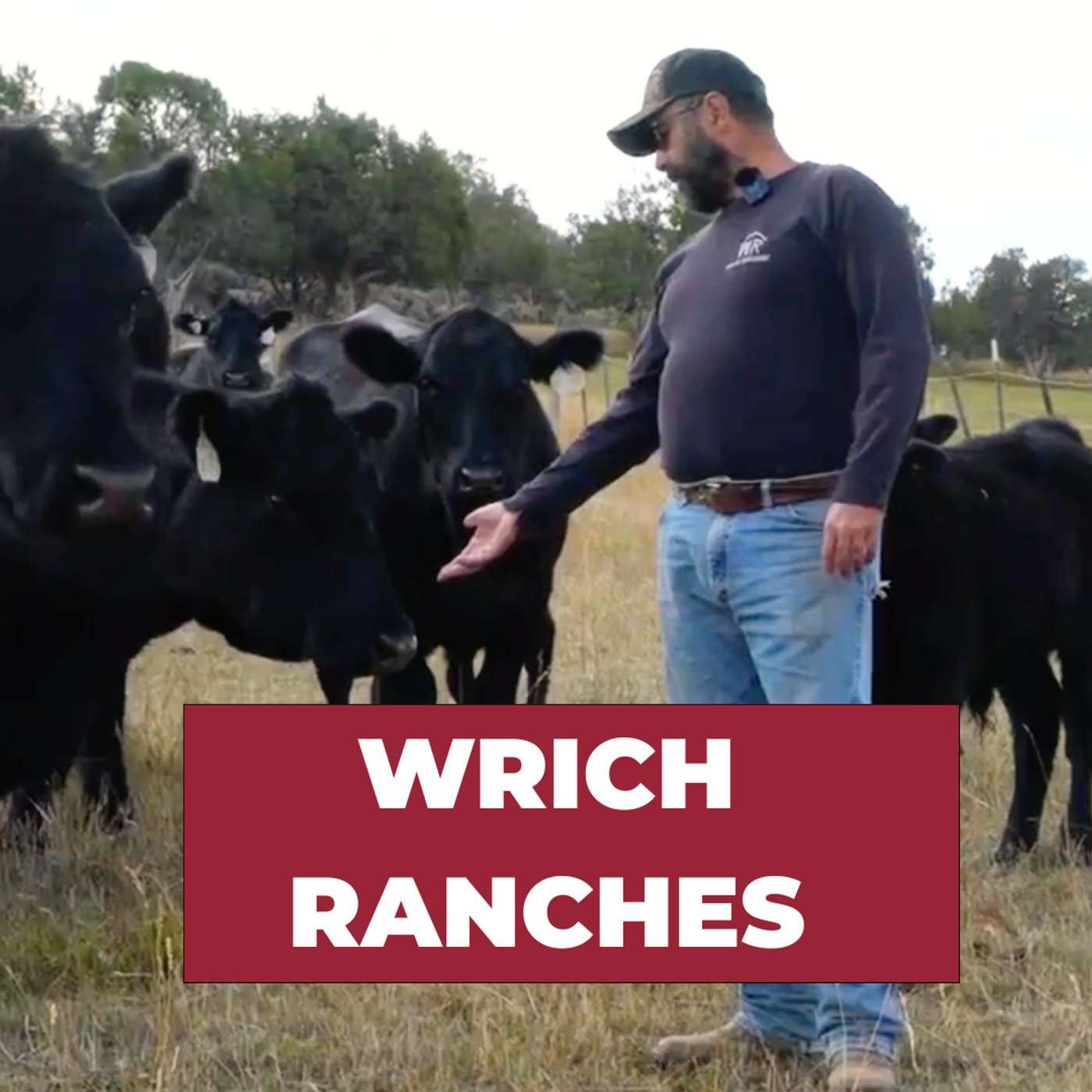
A walk-through tour of Wrick Ranches in western Colorado with rancher Jason Wrick, covering calf weaning, water systems, drought realities, regenerative grazing decisions, and how a working ranch stays financially viable through direct-to-consumer beef, on-farm retail, and diversified income streams.Key TopicsCalf weaning and animal welfare in real ranching conditionsWater rights, irrigation, and farming during long-term droughtHay reserves, soil fertility, and nutrient cycling through cattleRegenerative grazing within economic and regional constraintsDirect-to-consumer beef and building resilient rural businessesWhat You’ll LearnWhy calves must be weaned and how it’s managed responsiblyHow irrigation systems actually work on a western cattle ranchWhat drought means in practice for hay, water, and stocking ratesHow regenerative grazing must adapt to local climate and economicsWhy direct consumer support is critical for small ranch survivalConnect with Jason:WebsiteInstagramCheck out the farm tour episode on our YouTube Timestamps 00:00:00 Introduction to Rick Ranches and the ranch tour 00:01:45 Calf weaning and animal welfare misconceptions 00:07:45 Irrigation systems and on-farm water infrastructure 00:12:30 Colorado water rights and drought realities 00:14:45 Hay management and nutrient cycling strategy 00:18:15 Regenerative agriculture and regional context 00:21:30 Consumer support and direct-to-consumer beef 00:31:00 Farm store, trust-based sales, and community 00:38:30 Weddings, rentals, and diversified ranch income 00:41:00 Grazing management and closing reflections
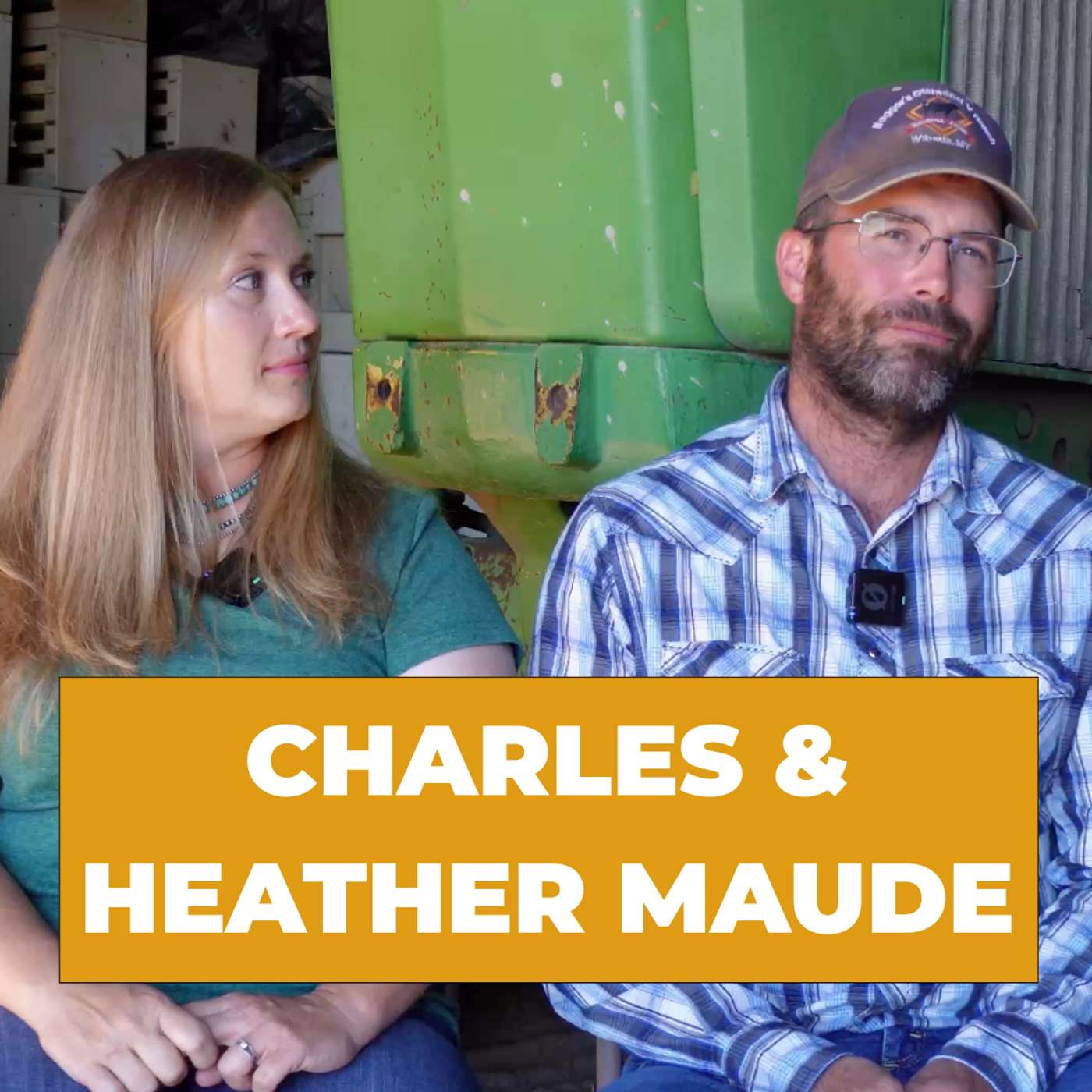
Charles and Heather Maude are fifth-generation ranchers in South Dakota who farm home raised beef and pork direct-to-consumer. In this episode they describe their family history on the land, their early lives in agriculture, and the events that led to a criminal indictment by the United States Forest Service over a disputed boundary fence. The episode documents their personal background, the mechanics of Western land use, and a detailed account of how a civil land issue escalated into a federal criminal case.Key TopicsFederal criminal indictment over a land disputeHow the case escalated from civil to criminalLegal strategy and case dismissalImpact on family, finances, and rightsPrecedent for ranchers and landownersWhat You'll LearnHow a ranching family faced and beat a federal criminal indictmentHow a routine land boundary issue escalated into criminal chargesHow federal land enforcement works in practice for ranchersThe personal, financial, and legal costs of a criminal caseWhy this case matters for landowners and producersConnect with Charles & HeatherWebsiteInstagramFacebookTimestamps00:00:00 Why this story matters 00:03:00 Heather’s ranch upbringing 00:09:00 Charles’s family land history 00:15:00 Growing up ranching 00:24:00 Marriage and the Atlas Blizzard 00:33:00 Ranch community and shared labor 00:35:00 Forest Service fence dispute begins 00:41:00 Meetings with federal officials 00:52:00 Civil dispute turns criminal 01:05:00 Impact of the indictment 01:22:00 Washington D.C. and case dismissal 01:27:00 Media and political pressure 01:34:00 Precedent for landowners 01:50:00 Land stewardship and politics 02:08:00 Final reflections
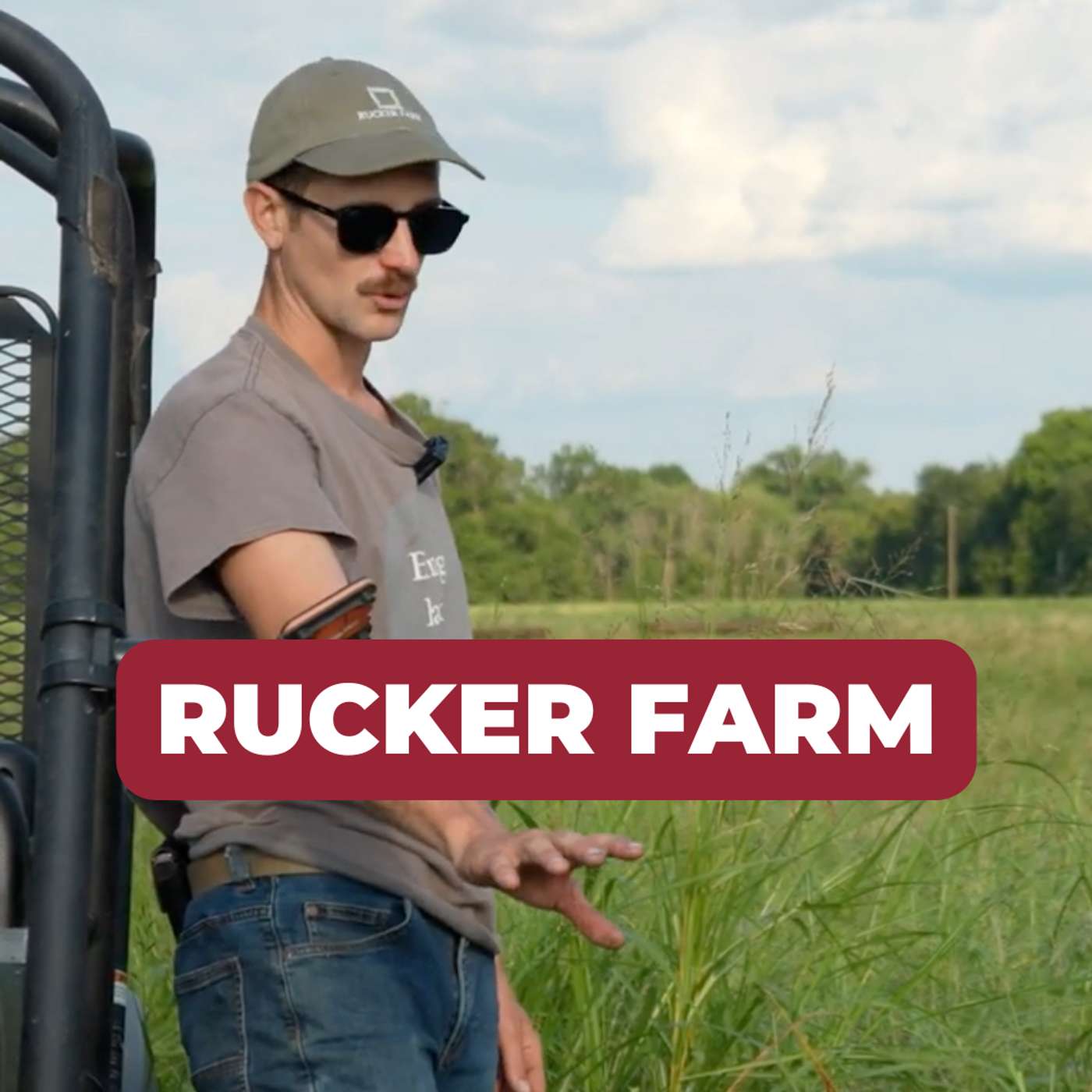
In this episode, we tour through Rucker Farm with Garrett Heydt to see how a large, leased regenerative operation actually works; covering hay, turkeys, water systems, minerals, and grazing decisions that shape animal health and land outcomes over time.Key Topics Rotational grazing on large, leased propertiesPasture-based turkey production and managementWater infrastructure, exclusion fencing, and environmental impactHay economics vs standing winter forageRegeneration as a long-term land ethicWhy You Should ListenClear explanation of rotational grazing at scale (30+ paddocks, leased land)Practical breakdown of hay vs standing forage economicsRare detail on pasture-raised turkey management and behaviorInsight into water systems, mineral strategy, and soil-and-water fundingA grounded philosophy of regeneration over sustainabilityConnect with Rucker FarmWebsiteInstagramFollow the tour on YouTubeTimestamps 00:00 Hay production and second cutting 02:00 Pasture-raised turkeys and grazing behavior 05:00 Predators, electric netting, and night radio strategy 06:30 Raising turkeys: brooders, socialization, survivability 07:45 Turkey processing timelines and sizing 12:00 Mobile brooders and farming on leased land 16:30 Cattle water systems and exclusion fencing 23:00 Minerals, salt, and late-pregnancy cow health 29:30 Hay costs vs grazing saved forage 37:30 Regeneration vs sustainability and rebuilding soil 48:00 Leaving the city and choosing farm life
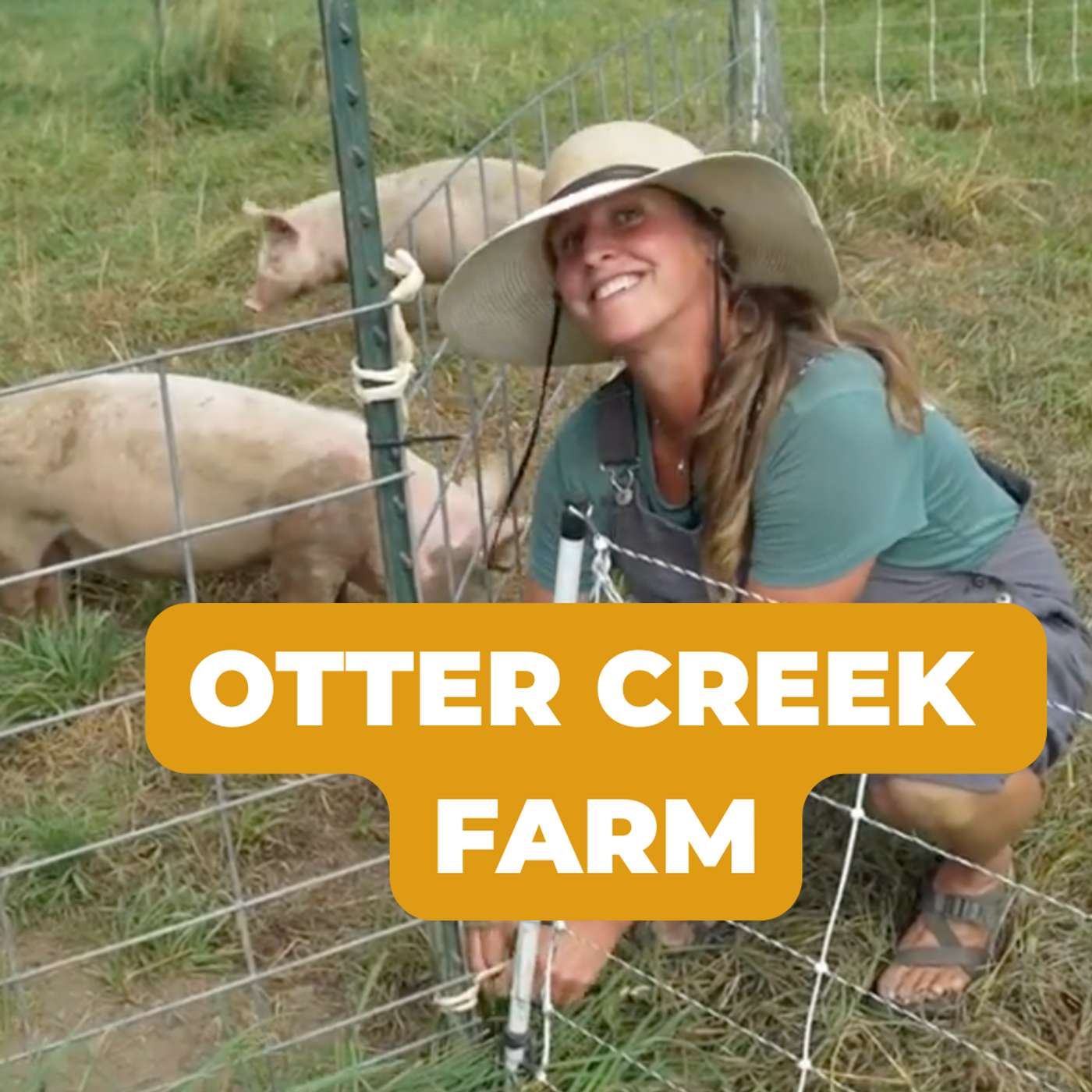
Otter Creek Farm is located in upstate New York. First-generation farmer Elizabeth Collins walks through how herself and 5th generation farmer Brad Wiley rebuilt a former conventional dairy into a small, regenerative, animal-welfare-driven operation. The conversation moves from soil-health principles and rotational grazing to the practical realities of feed decisions, omega-3/6 tradeoffs, infrastructure design, and why consumer responsibility is central to fixing the food system. Key topics Soil-health principles and adaptive stewardship in practicePig rotation systems, wallows, and regeneration timelinesPastured poultry design, predator pressure, and welfare tradeoffsFeed sourcing, omega-3/6 ratios, and testing meat qualityConsumer power, decentralization, and reconnecting with farmersWhy listenSee how soil-health principles translate into daily, on-farm decisionsLearn how pigs, chickens, and cows are rotated to regenerate land without scaleUnderstand the real cost and nutritional tradeoffs of grain, minerals, and feed sourcingHear why labels fail—and what questions consumers should actually askGet an honest look at mistakes, losses, and learning in regenerative farmingWebsiteCome Stay At Otter Creek...InstagramFollow the tour on YouTubeTimestamps00:00:00 – Otter Creek Farm overview 00:04:30 – Animal welfare over scale 00:08:30 – Rotational pigs and regeneration 00:14:00 – Feed choices and omega-6s 00:18:10 – Meat testing results 00:22:40 – Limits of food labels 00:27:30 – Farm stays and education 00:33:40 – Mobile chickens and predators 00:40:10 – Breeding and epigenetics 00:46:30 – Farming mistakes and learning
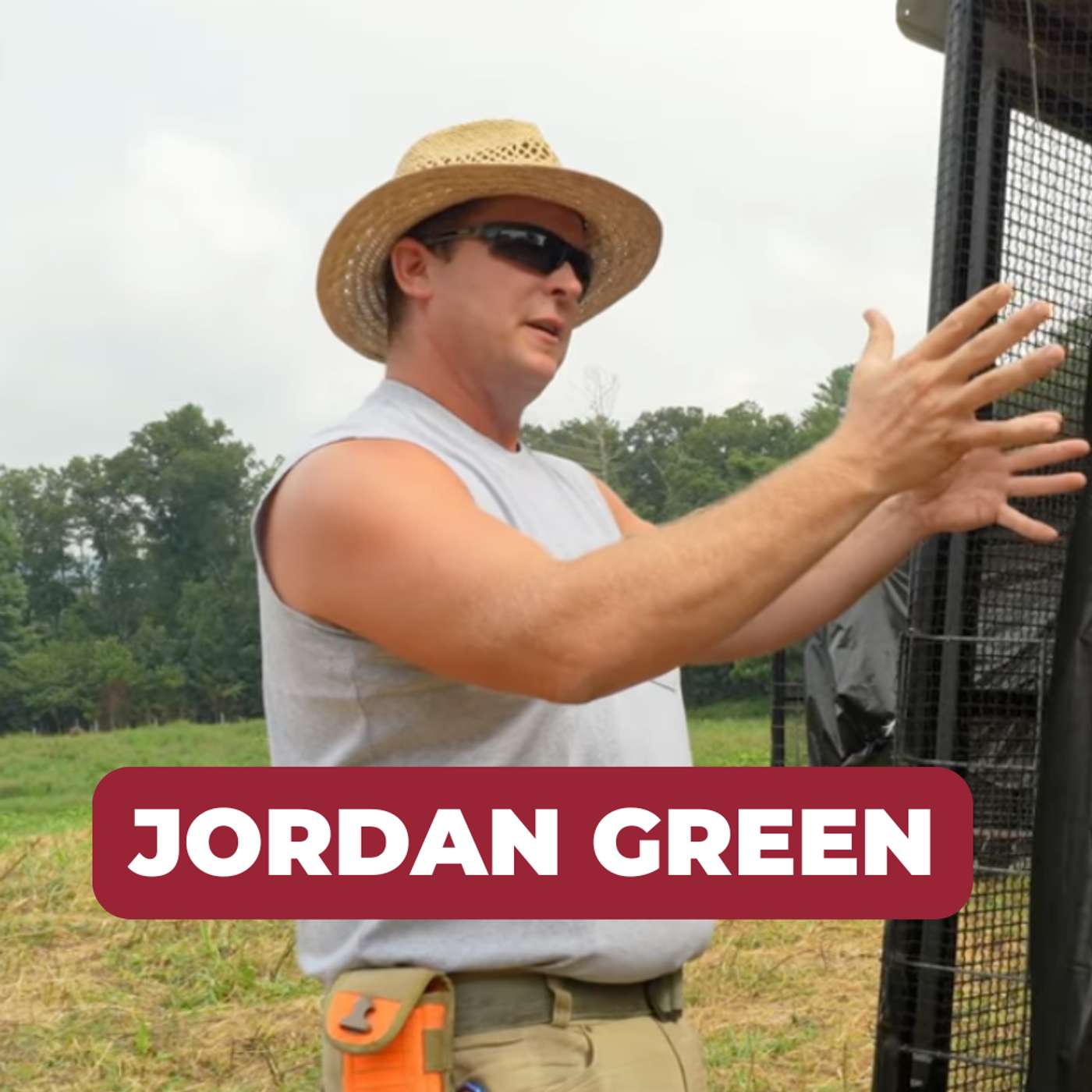
This live farm tour back in August 2025 was at J&L Green Farm in Virginia, where Jordan Green walks us through the operational heart of the farm. From on-farm poultry processing and cold storage to multi-species shelter design and silvopasture development, the conversation is delves into why certain farming infrastructures and layouts exist, how animals are rotated, on-farm problems with certain infrastructure, and how design iterations have helped him reduce labor, improved animal welfare, and increased land productivity.Key TopicsOn-farm poultry processing layout and cold-chain controlMulti-species shelter systems and labor efficiencyPasture poultry genetics, heat stress, and shelter designMulti-species grazing: pigs, cattle, poultry, and soil healthSilvopasture development and long-term land productivityWhy You Should ListenHear how a regenerative farm works in practice.Learn how J&L Green Farm designs systems to reduce labor and scale.Understand real-world multi-species grazing.Hear lessons learned through trial and error.Gain a clear view of resilient land management.WebsiteInstagramFollow the tour on YouTubeTimestamps 00:00:00 – Arrival at J&L Green Farm and overview of the hub property 00:09:30 – Poultry processing setup, layout logic, and food safety flow 00:18:45 – Ice, chill-down, freezer capacity, and cold storage strategy 00:28:15 – Farm store setup, permits, and limited-hours retail model 00:37:45 – Customer ordering, fulfillment, shipping, and efficiency tradeoffs 00:47:00 – Brooder containers, chick cycles, and feed formulation 00:56:30 – Poultry genetics, growth rates, and pasture vs conventional models 01:06:00 – Mobile multi-species shelter system design and iteration process 01:15:30 – Heat management, airflow, labor efficiency, and daily moves 01:25:00 – Grazing rotation with poultry, cattle, and pigs on shared ground 01:34:30 – Silvopasture development, pigs as land-management tools 01:44:00 – Soil health outcomes, resilience, mistakes learned, and long-term vision
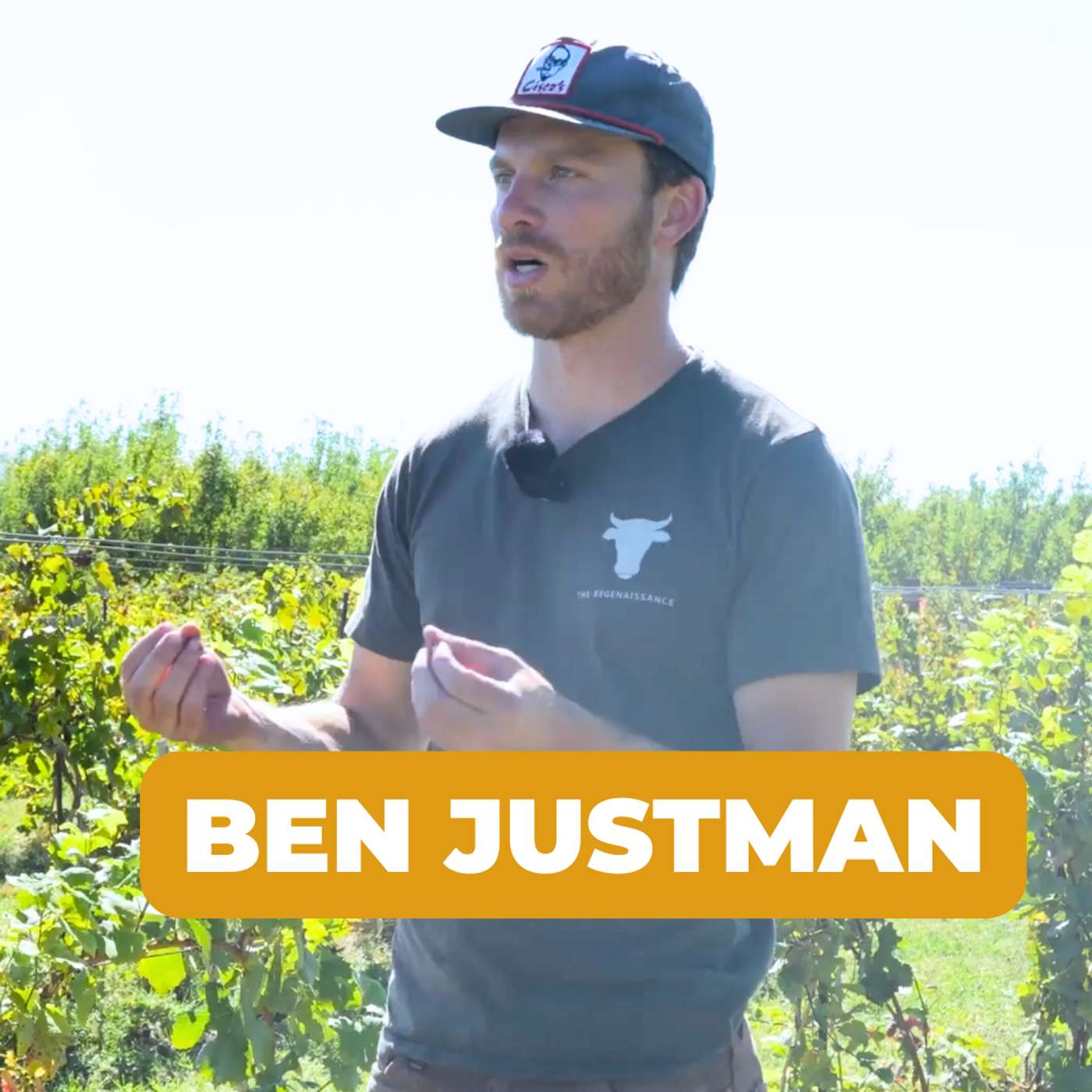
Ben Justman takes me inside Peony Lane Wine in Paonia, Colorado for a live farm tour of one of America’s highest-elevation vineyard regions. He educates me on how grapes are grown, how vines survive harsh winters, how low-intervention wine is made, and why true place-based winemaking creates a totally different drinking experience. It’s interesting to see how he constantly adapts to the seasons, soil, weather, and other farming variables to keep the operation productive and high quality.Key TopicsHigh-elevation Colorado vineyard conditionsHow Pinot Noir grows in the West Elks AVATraditional vs modern wine pressingNeutral oak philosophy & fermentation choicesFreeze events, die-back, retraining, & resilienceWater, irrigation strategy, and soil connectionWhat You’ll Hear in This Farm TourVineyard walkthrough and climate explanationOld basket press vs modern bladder press demonstrationStainless tanks, oak barrels, and aging philosophyVine die-back, retraining, and freeze recoveryHow irrigation, soil depth, and vineyard management shape flavorHonest discussion of additives, hangovers, and “natural” wineWhy Colorado wine deserves far more recognitionWebsiteInstagramX 00:00:00 — Colorado vineyard & climate 00:01:00 — Old basket press 00:02:30 — New bladder press 00:03:30 — Tanks & barrels 00:05:00 — Pressing process 00:06:30 — Vineyard origin story 00:07:30 — Why this wine feels better 00:09:00 — Additives & labeling truth 00:10:30 — Wine, place & meaning 00:11:30 — Commodity vs real wine 00:14:30 — Vine growth & maturity 00:17:30 — Freeze damage & recovery 00:21:30 — Training vines 00:23:30 — Irrigation & soil depth 00:27:00 — Cutting back growth 00:28:30 — Lessons, learning, & commitment
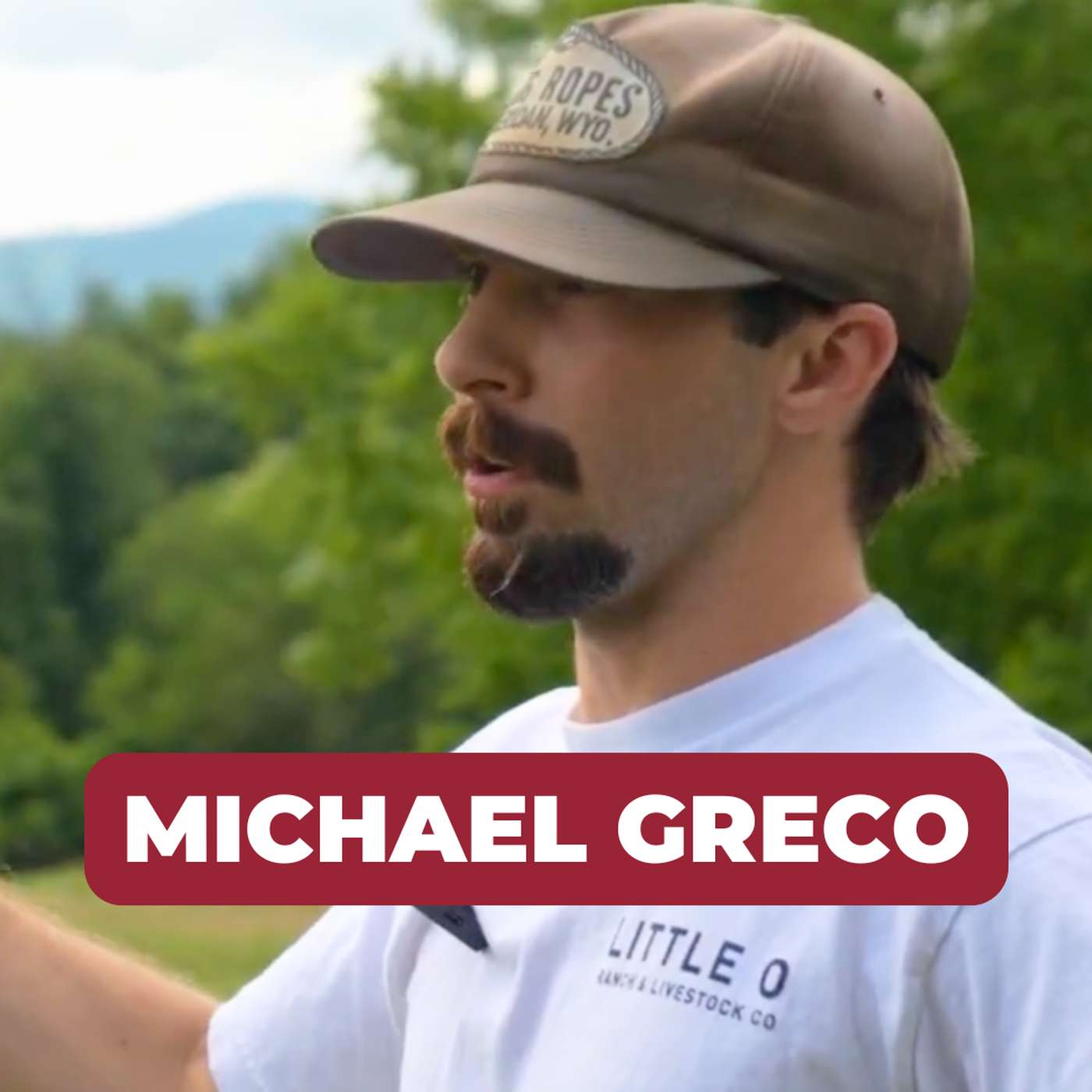
This on-the-ground episode explores Michael Grecos first-generation regenerative sheep operation, run entirely on leased land in New York’s Hudson Valley. We walk the pastures with Michael as he explains stocking strategy, grazing philosophy, shade management, lambing, predator protection, mineral systems, on-farm slaughter, and why sheep can make regenerative agriculture viable on smaller landscapes. Key TopicsWhy Michael chose sheep and how leased land shapes his operationDaily rotational grazing, density, rest periods, and pasture responseLambing, weaning, animal stress, shade, and heat managementGuardian dogs, predators, minerals, biochar, and health managementEthics, transparency, local food, and on-farm harvest philosophyWhat You’ll LearnWhy sheep economics differ from cattle and fit smaller northeastern landscapesHow paddock design, net fencing, and daily moves build soil and resiliencePractical realities of lambing, natural weaning, and dealing with rejection casesHow to think about ticks, rainfall, heat stress, shade, and pasture densityWhy buying local matters and why ranchers care deeply about animal welfareConnect with Michael:WebsiteInstagramFollow the tour on YouTubeTimestamps 00:00:00 – Meet Michael & the Hudson Valley Sheep Ranch 00:01:00 – Why Sheep? Cost, Scale, & Land Fit 00:03:00 – Leased Land & Grazing Philosophy 00:05:00 – Natural Weaning vs Forced Weaning 00:07:30 – Daily Moves, Density & Pasture Impact 00:10:00 – What a “Good” Grazed Paddock Looks Like 00:15:00 – Lamb Count, Losses & Culling Logic 00:17:30 – Guardian Dog & Predator Control 00:19:30 – Minerals, Biochar & Health Support 00:21:00 – Rumination & What Calm Sheep Look Like 00:23:00 – Lambing Timing & Spring Nutrition 00:28:00 – Shade, Heat Stress & Summer Management 00:30:30 – On-Farm Harvest & Ethics 00:36:00 – Visiting Farms & Transparency 00:37:30 – Rest Periods, Regrowth & Stockpiling 00:44:00 – Milkweed, Pollinators & “Poison Plant” Myth 00:47:00 – Mowing vs Not Mowing 00:48:00 – Scaling Plans & Future Growth
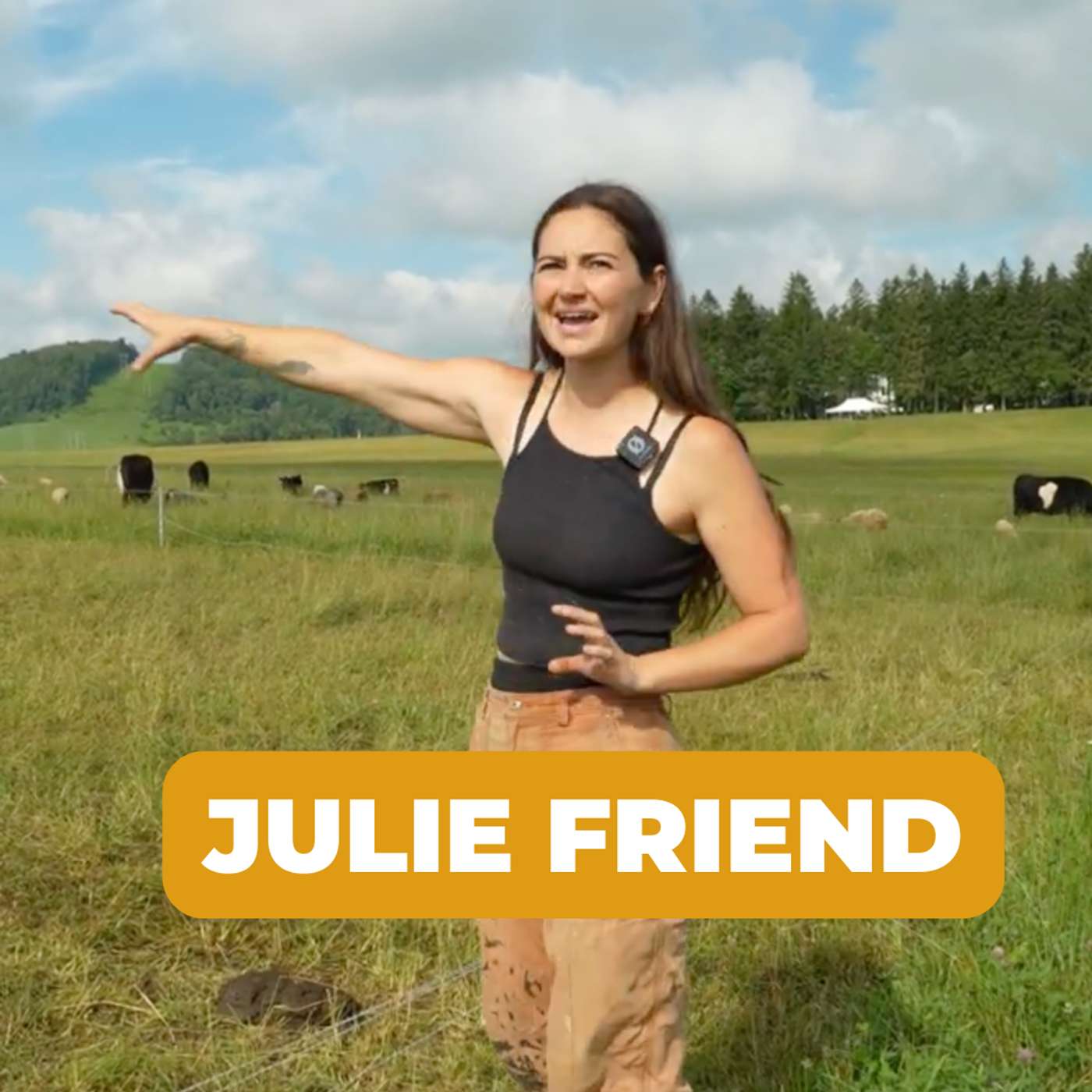
In this live farm tour episode from July this year, I visited Julie Friend and her farm, Wildom Farm, a regenerative livestock farm where cows, sheep, chickens, and pigs are raised together on pasture and in forest systems. The discussion covers daily pasture rotation, animal behavior, predator dynamics, soil health, and how regenerative management affects animal welfare, meat quality, and ecosystem resilience. The farmer walks through real trade-offs, processing challenges, and why transparency and letting people visit farms matters.Key Topics Daily rotational grazing and mobile infrastructureRaising cows, sheep, and chickens together in one systemForest-raised pork, forage diversity, and meat qualityPredator balance, animal behavior, and welfare trade-offsProcessing bottlenecks, frozen meat, and food transparencyWhat You’ll Learn in This EpisodeHow cows, sheep, chickens, and pigs can be managed together in a single pasture-based system without confinementWhy daily animal movement improves pasture health, soil biology, and animal welfareHow forest-raised pigs and diverse forage directly influence meat flavor and qualityThe practical trade-offs of regenerative farming, including predators, hay quality, and laborWhy transparency, farm visits, and frozen meat matter for trust in the food systemJulie InstagramWildom Farm InstagramWebsiteTimestamps 00:00:00 – Daily pasture moves and extending the grazing season 00:04:00 – Mobile shade and infrastructure without trees 00:07:45 – Starting the cow herd and choosing heritage breeds 00:10:30 – Grassland birds, hay timing, and ecological trade-offs 00:14:10 – Letting customers walk the farm and see the animals 00:18:00 – Why cows, sheep, and chickens are run together 00:22:00 – Forest-raised pigs and whey feeding from a local creamery 00:30:00 – How forage diversity changes the taste of pork 00:37:30 – Fatty acid testing and nutrition in pork and chicken 00:43:30 – Processing bottlenecks and booking a year ahead 00:45:30 – On-farm slaughter vs USDA facilities 00:53:30 – Farm store transparency and frozen meat
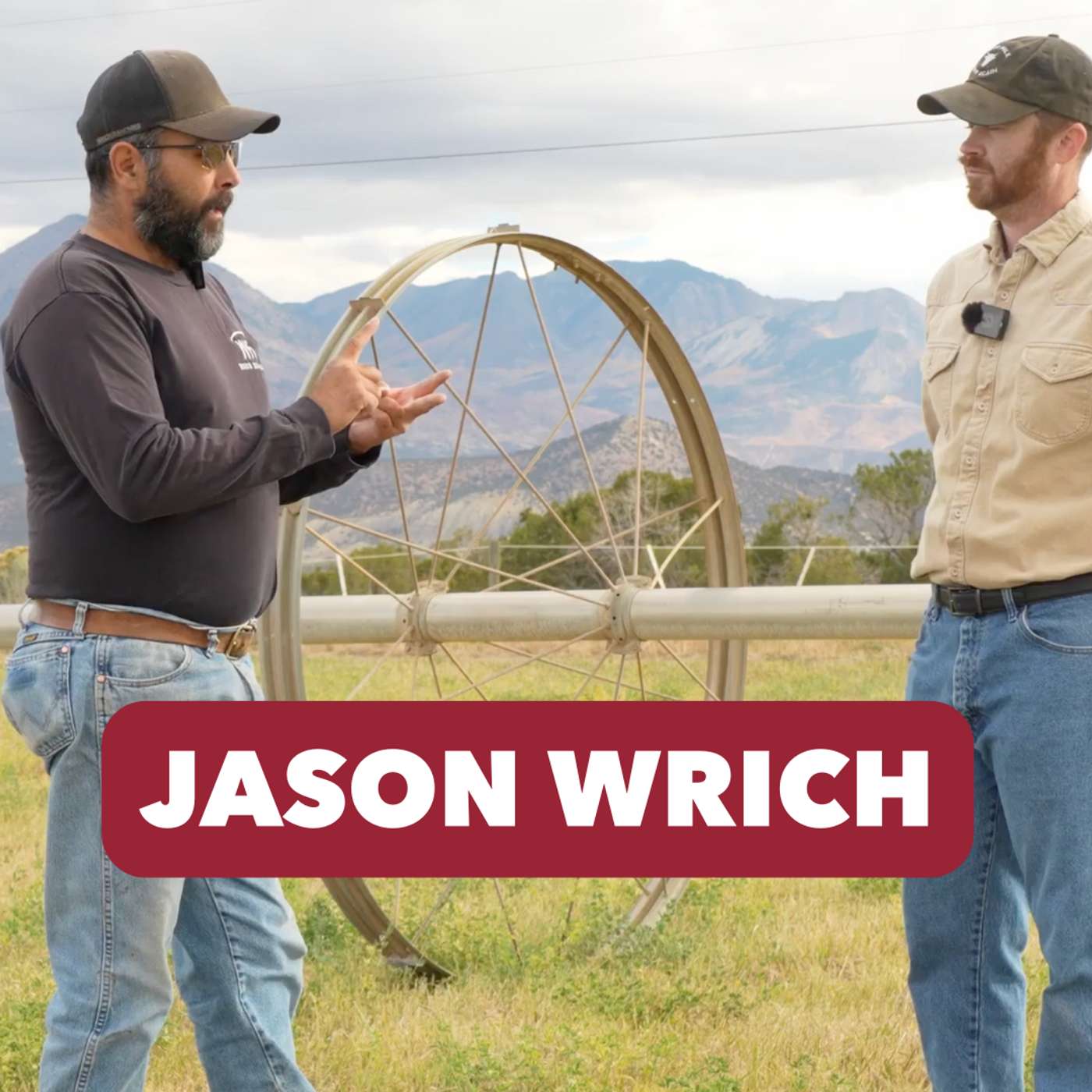
This episode was recorded during the Colorado farm tour and features a long-form conversation with Jason Wrich from Wrich Ranches, a regenerative cattle operation built on leased land, rebuilt soil, and decades of hands-on learning. We walk through the origins of the ranch, the economics behind conventional vs regenerative systems, the realities of grazing management, and the cultural disconnect shaping how Americans think about food. The discussion moves from land stewardship and plant physiology to market forces, subsidies, meat processing, the American diet, and why local food systems matter. It’s a grounded look at how real ranching works, what it costs, and what it reveals about the country’s future.Key Topics- Growing a regenerative cattle operation on leased land and limited resources.- How plant physiology and grazing timing drive true soil health.- The hidden financial reality of ranching: debt, land leases, and cattle markets.- Why America is nutritionally sick and culturally disconnected from food.- The need for micro-processors, local supply chains, and real decentralization.Why You Should Listen- A transparent breakdown of how ranch economics actually function.- Firsthand insight into regenerative grazing, soil cycles, and land recovery.- A candid discussion of American food disconnection and its consequences.- An inside view of the challenges ranchers face in drought, markets, and policy.Connect with Jason:WebsiteInstagramTimestamps00:00:00 Camping, disconnection, and how far society has shifted from food00:01:00 Airbnb guests becoming beef customers and building trust00:03:00 Early exposure to farming and lessons from Rick’s grandfather00:05:00 Ranching in the 1980s and why the family operation barely survived00:08:00 Working full-time while farming full-time and raising a family00:11:00 Selling high-elevation hay and the old-school trust economy00:14:00 Processed food, hormones, and the roots of America’s health collapse00:17:00 Customers witnessing slaughter and reconnecting with the life–death cycle00:21:00 Grazing timing, plant cycles, and understanding true soil function00:27:00 Managing weeds through grazing and cattle behavior00:31:00 Leasing land, landowners, and why good relationships matter00:36:00 Generational loss of agricultural knowledge and young agrarians00:39:00 Restoring degraded pastures with biomass and proper cycles00:46:00 The case for micro-processors and problems in large packing plants00:51:00 Food stamps, ultra-processed diets, and engineered food addiction00:55:00 Losing personal responsibility and the cultural consequences00:59:00 Specialization vs. self-reliance and the fading generalist skillset01:02:00 The American Dream, suburban design, and comfort eroding resilience01:09:00 Public-land grazing vs. private leases and the real cost differences01:14:00 Why selling calves can be more profitable than finishing beef01:16:00 Community impact, customer stories, and why the work continues01:17:00 Global visitors, land ownership, and what makes America unique
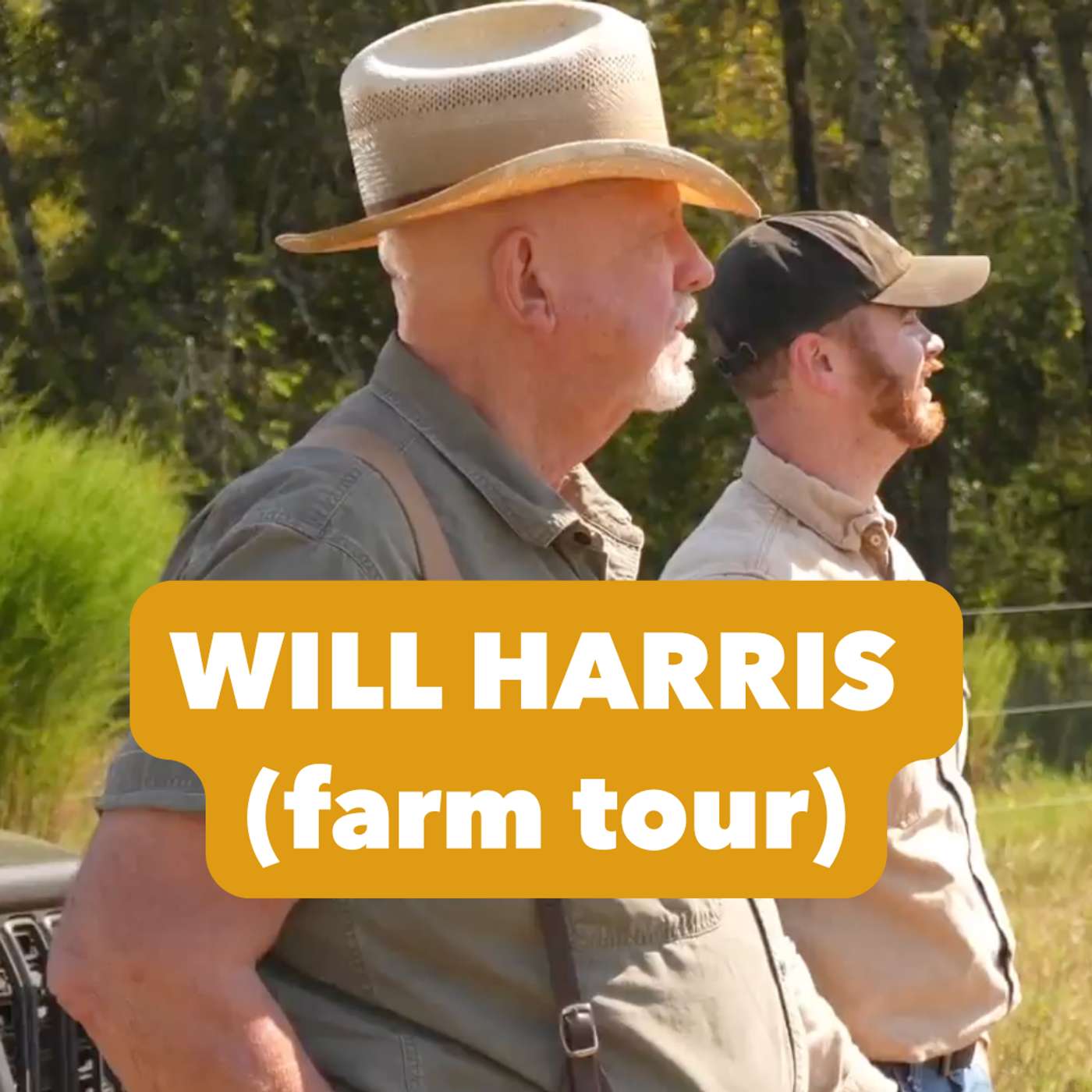
This episode comes from our recent farm tour at White Oak Pastures in Bluffton, Georgia, where Will Harris walked us through the land and the systems that support it. White Oak is a multigenerational operation that has shifted from conventional row-crop agriculture to a diverse, closed-loop ecosystem of grass-fed cattle, wildlife, and restored soils. Will explains how these relationships work in practice, the long-term effects of pesticides and monoculture, and why ecological cycles - not industrial extraction - determine the health and future of the land.Key topics:How birds, insects, and cattle interact in regenerative systemsThe long-term impacts of pesticides and monoculture farmingNature’s cycles vs. industrial extractionCarbon, organic matter, and lifecycle assessments at White Oak PasturesGrazing management, dung beetles, and nutrient cycling across the farmWhy You Should Listen:- Clear, firsthand explanations of how regenerative grazing works in practice- A breakdown of pesticides’ long-term effects on soil, trees, and ecosystem balance- Real-world insight into carbon cycles, nutrient cycling, and dung beetle activity- A grounded comparison between industrial beef systems and regenerative cattle operationsConnect With White Oak PasturesWebsiteInstagramTimestamps:00:00:00 Birds arriving on the farm and their symbiotic role with cattle 00:01:00 Seasonal patterns, migration, and fly pressure 00:02:00 What this land looked like 25 years ago 00:03:00 Monoculture, pesticides, and the mindset of killing “problems” 00:05:00 Pesticides’ short-term benefits and long-term ecological harm 00:07:00 Residual effects of crop-field chemicals on soil function 00:08:00 “Nature bats last” and long-term cycles of recovery 00:09:00 Abundance vs. extraction in modern agriculture 00:10:00 Passing land ethics to the next generation 00:12:00 Education, land-grant universities, and learning farming 00:14:00 Grass-fed timelines, weight, and national inventory reality 00:15:00 Why most ground beef tastes the way it does 00:18:00 Industrial supply chains vs. farm-level economics 00:19:00 Feedlots, methane, and lifecycle carbon science 00:20:00 Dung beetles, nutrient cycling, and soil structure 00:22:00 Daily cattle moves and grazing pattern 00:23:00 Agroforestry, thinning trees, and managing understory growth 00:24:00 Total herd size and the surrounding landscape
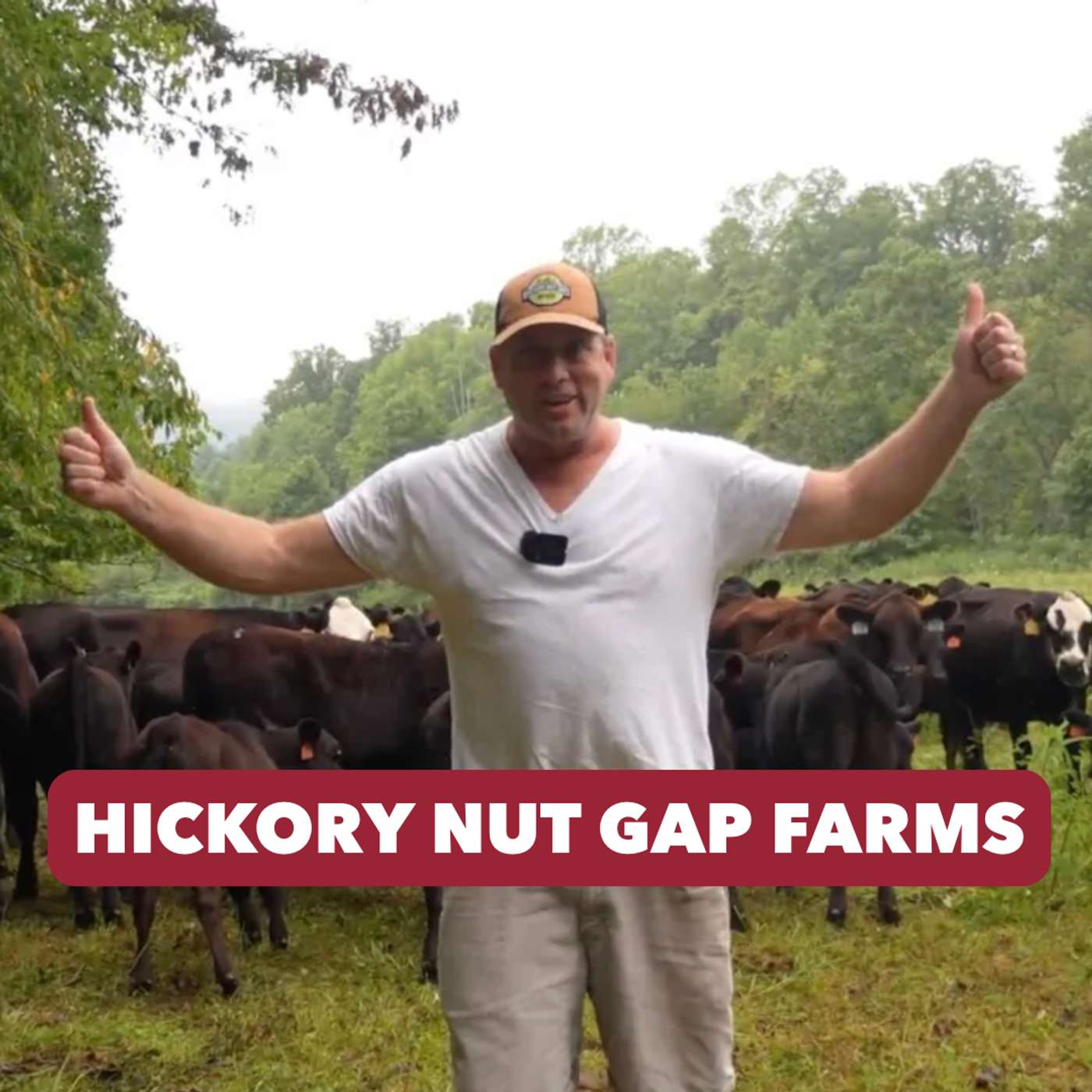
Hickory Nut Gap is a century-old family farm in Western North Carolina, now run by Jamie and Amy, who shifted the operation toward grass-fed beef, pastured poultry, and regenerative grazing. Their model connects soil health, animal welfare, and community resilience - from rotational grazing that builds biodiversity to supplying local restaurants and retailers. This tour looks directly at how they raise animals, manage land, and keep farming viable in the Appalachian mountains.Key Topics How Hickory Nut Gap transitioned from an old dairy to a regenerative livestock operationRotational grazing, biodiversity, and carbon-building in mountain pasturesThe economics of grass-fed beef versus grain-fed systemsHow the farm navigated the 2023 Cane Creek flood and community recoveryWhole-animal butchery, pet food production, and reconnecting consumers with real foodWhy Listen To This EpisodeA real-time look at how a regenerative livestock farm actually operatesClear explanation of rotational grazing, pasture rest, and soil-buildingPractical insight into animal welfare, handling, and daily farm managementFirsthand account of flood recovery and community resilienceStraightforward breakdown of grass-fed vs grain-fed economics and tasteCuts through marketing claims by showing the real work behind regenerative agricultureWebsiteInstagramTimestamps00:00:00 — History of Hickory Nut Gap and returning to the family farm00:02:00 — Discovering direct-market pasture farming in the early 2000s00:04:00 — Grass-fed movement and building a farmer-supported food system00:06:00 — Taste, nutrition, and why fresh, local food matters00:10:00 — Flood impacts and land recovery after the Cane Creek disaster00:12:00 — Rotational grazing explained: density, rest, carbon, biodiversity00:15:00 — Grass-fed vs grain-fed: economics, animal health, taste00:17:00 — Talking with vegans and the ethics of reducing harm in ecosystems00:19:00 — Regrowth after grazing and how mountain pastures respond00:23:00 — Daily welfare checks: water, feed, injuries, antibiotics policy00:26:00 — Whole-animal use, pet food demand, and underrated cuts

Comments

Download from Google Play

Download from App Store
 United States