


 Claim Ownership
The Shift
Subscribed: 1Played: 3
Subscribe

© Copyright 2026 Trisha Carter
Description
In a series of interviews with authors and experts from around the world, The Shift unpacks how to increase awareness of ourselves, and others and to shift our perspectives to see things differently. Join Trisha Carter, an Organisational Psychologist and explorer of Cultural Intelligence as she dives into cultural meta-cognition and learns more about how to experience those Shifts.
78 Episodes
Reverse
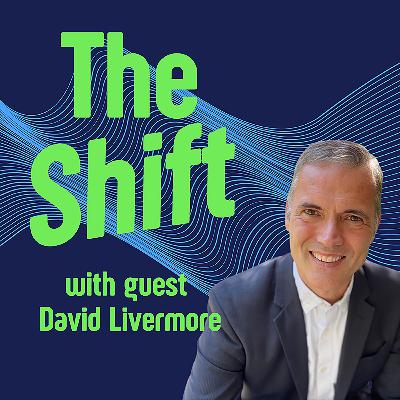
In this episode, Trisha interviews Dr. David Livermore, researcher, author, and one of the world's leading voices on Cultural Intelligence (CQ), in Part 2 of their conversation on the Prism framework for global leadership.What does it actually take for a leader to see their own archetype clearly — and what gets in the way? This conversation explores how Prism and CQ work together, challenges the assumption that great leadership means doubling down on your strengths, and asks what becomes possible when leaders are willing to try on something unfamiliar — even just 10%.Learn more about David Livermore's work at davidlivermore.com and globalteamlead.com. Connect with David on LinkedInJoin Trisha in this journey of growth and discovery throughout the year via Substack or LinkedIn.Resources mentioneddavidlivermore.comglobalteamlead.comLeading with Cultural Intelligence by Dr. David LivermoreGlobal Team Lead Master Certification Virtual certification programme for coaches and trainers to become accredited to use the Prism tool and deliver the Global Team Lead curriculum. Next intake: 15–16 April 2026. Details and registration at globalteamlead.com.
In this episode, Trisha interviews Dr. David Livermore, renowned social scientist, professor at Boston University, founder of the Cultural Intelligence Center, and author of the bestselling Leading with Cultural Intelligence, now in its third edition.After more than two decades of CQ research, what happens when the framework itself needs to shift? Dr. Livermore shares the research journey behind Prism — a new leadership framework built on over 3,700 interviews across 27 countries — and explores why the pain points keeping global leaders awake at night demanded something genuinely new.Learn more about David Livermore's work at davidlivermore.com and globalteamlead.com. Connect with David on LinkedInJoin Trisha in this journey of growth and discovery throughout the year via Substack or LinkedIn.Resources mentioneddavidlivermore.comglobalteamlead.comLeading with Cultural Intelligence by Dr. David LivermoreGlobal Team Lead Master Certification Virtual certification programme for coaches and trainers to become accredited to use the Prism tool and deliver the Global Team Lead curriculum. Next intake: 15–16 April 2026. Details and registration at globalteamlead.com.
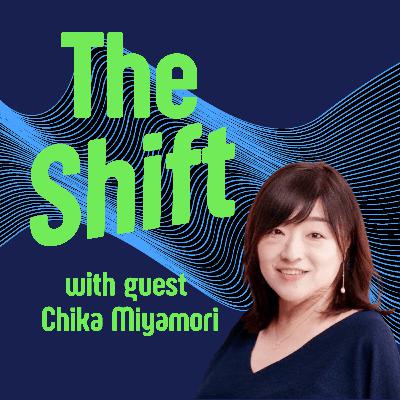
In this episode, Trisha interviews Chika Miyamori, Chief Culture Officer at Ideal Leaders and founder of CQ Lab in Japan, whose lifelong mission is building bridges across differences and turning them into power.What happens when a strong organisational culture becomes its own blind spot? Chika draws on her corporate career spanning Suntory, HP, and GE across more than 50 nationalities, weaving together CQ, the Hofstede cultural dimensions, and the Intercultural Development Inventory (IDI) into a powerful integrated approach — and explores what it truly takes for organisations to move from merely managing differences to thriving with them.Show NotesConnect with Chika Miyamori on LinkedIn.Resources mentioned in this episode:Thriving on Differences: How CQ Shapes Strong Organizational Cultures by Chika Miyamori (currently available in Japanese — an English version is in the works!)Hofstede Insights: hofstede-insights.com — including the Cultural Workplace Questionnaire (CWQ)The Intercultural Development Inventory (IDI): idiinventory.comJoin Trisha in this journey of growth and discovery throughout the year via Substack or LinkedIn.
In this solo episode, Trisha unpacks what happens in the split second after a racist joke lands — and what Cultural Intelligence (CQ) has to do with it.What does it mean when your gut reacts before your thinking can catch up? How do biased jokes connect to something far more serious — and what does it take to decide, in real time, who you want to be? This episode explores the ADL Pyramid of Hate and where so-called "harmless" humour sits within it, alongside the very human challenge of maintaining CQ Drive when the world is contracting with fear and uncertainty.Trisha also invites you to join a free virtual gathering for anyone using, learning, or simply curious about cultural intelligence.Resources mentioned in this episode:The ADL Pyramid of Hate — Anti-Defamation League: adl.orgRegister for Trisha's free virtual CQ gathering (Friday 20 March, 10:00 AM Sydney time): Register hereReferenced: Episode 53 — The PAUSE FrameworkJoin Trisha in this journey of growth and discovery throughout the year via Substack or LinkedIn.
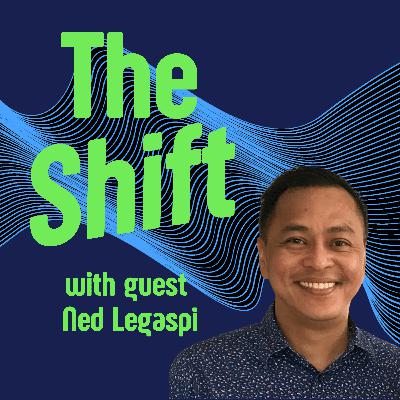
In this episode, Trisha is joined by returning guest Ned Legaspi, CQ Fellow, cultural intelligence consultant, and author of Culturally Intelligent Storytelling for Southeast Asian Creators, for the third instalment of CQ at the Movies. Together they turn Ned's Bamboo Framework on the Australian film The Drover's Wife: The Legend of Molly Johnson — a powerful retelling of a colonial-era story rewritten and directed by Indigenous Australian Leah Purcell. What does a story rooted in settler-colonial history reveal when seen through a CQ lens? How does a film's meaning shift when it travels beyond its cultural origin? And what can storytellers learn about the gap between intention and interpretation?Trisha has a copy of Ned's book to give away! To enter, share this episode on LinkedIn or Facebook, tag Ned or Trisha, and tell us about a movie or story that shifted your perspective. Trisha will reach out to the winner directly.Connect with Ned at nedlegaspi.com and on LinkedIn. His book, Culturally Intelligent Storytelling for Southeast Asian Creators, is available globally on Amazon, Apple Books, and Google Books.Join Trisha in this journey of growth and discovery throughout the year via Substack or LinkedIn.Show Notes:Greg Durley's podcast: The Culturally Intelligent Safety ProfessionalJoin Trisha's virtual gathering — Friday 20 March, 10:00 AM Sydney time: Register here
In this special episode, Trisha and returning guest Ned Legaspi — cultural intelligence consultant, CQ Fellow, and author of Culturally Intelligent Storytelling for Southeast Asian Creators — put the Bamboo Framework to work by analyzing a film together. The movie? The Thai sensation How to Make Millions Before Grandma Dies.What makes a story travel across borders without losing its cultural soul? Why did a quietly paced, deeply collectivist Thai film move audiences to tears from the Philippines to Indonesia — while barely registering in the US? Trisha and Ned unpack the cultural dimensions woven through the film — from collectivism and power distance to indirect communication and the Thai concept of Bun Khun — exploring why emotional truth is universal, but its expression is always culturally specific.Connect with Ned at nedlegaspi.com and on LinkedIn. His book, Culturally Intelligent Storytelling for Southeast Asian Creators, is available globally on Amazon, Apple Books, and Google Books.Join Trisha in this journey of growth and discovery throughout the year via Substack or LinkedIn.Trisha is running a webinar with the Australian Psychological Society on Cultural Intelligence and Social Cohesion — open to psychologists, therapists, and coaches. Link: psychology.org.au/event/25795Referenced in This Episode: Global Dexterity by Andy Molinsky (recommended by David Livermore) Episode 70 — Ned Legaspi and the Bamboo Framework (Part 1) Episode 71 — Trisha reflects on culturally intelligent storytelling
In this solo episode, Trisha unpacks a powerful question: What if the most important cultural intelligence work isn't happening in training rooms at all?Drawing on Malcolm Gladwell's concept of the "overstory"—the shared narratives hovering above us that shape what we consider normal—Trisha explores how stories themselves shift these invisible cultural frameworks. From a 1978 TV drama that gave America permission to talk about the Holocaust, to Bad Bunny's history-making Super Bowl performance that had 135 million people experiencing Puerto Rican culture through their bodies, this episode examines the ecosystem of cultural change.How do storytellers, experience creators, and CQ facilitators work together to help people see beyond the narratives they're living under? Trisha previews upcoming conversations with Ned Legaspi applying his CIS Bamboo Framework to specific films, starting with "How to Make Millions Before Grandma Dies."Resources mentioned include "Revenge of the Tipping Point" by Malcolm Gladwell and Ned Legaspi's "Culturally Intelligent Storytelling" framework. Join Trisha in this journey of growth and discovery throughout the year via Substack or LinkedIn.
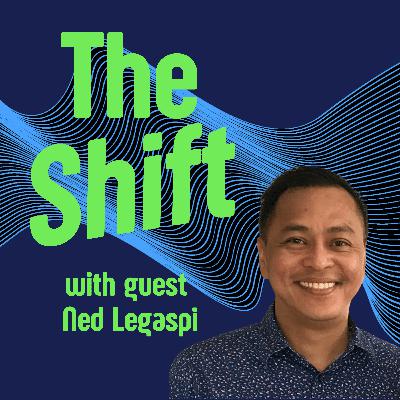
In this episode, Trisha interviews Ned Legaspi, a CQ Fellow and cultural intelligence consultant who spent three decades pioneering diaspora storytelling with ABS-CBN Global, the Philippines' leading media conglomerate.Why do some stories resonate across continents while others remain culturally bound? What if the key to global storytelling isn't neutralizing culture, but deepening it? Ned introduces the CIS Bamboo Framework—a groundbreaking approach that asks not "what happens next?" but "what matters here?" Drawing from films like Parasite and How to Make Millions Before Grandma Dies, he reveals how stories rooted in specific cultural logic can bend without breaking, traveling authentically across cultural clusters. Discover why bamboo's interconnected roots mirror the way meaning moves through storytelling, and how cultural intelligence transforms the way creators approach narrative craft. Stay tuned for an upcoming episode where Ned and Trisha will apply this framework to analyze two powerful films: The Drover's Wife and How to Make Millions Before Grandma Dies.Connect with Ned at nedlegaspi.com and on LinkedIn. His book, Culturally Intelligent Storytelling for Southeast Asian Creators, is available globally on Amazon, Apple Books, and Google Books.Join Trisha in this journey of growth and discovery throughout the year via Substack or LinkedIn.Resources Mentioned:Book: Culturally Intelligent Storytelling for Southeast Asian Creators by Ned LegaspiAvailable globally on Amazon, Apple Books, Google Books, Barnes & Noble, and KoboAvailable in the Philippines on Shopee, Lazada, and TikTok ShopBook: Leading With Cultural Intelligence by Dr. David LivermoreFilms Discussed:Parasite (South Korea)Squid Game (South Korea)Money Heist / La Casa de Papel (Spain)Dark (Germany)How to Make Millions Before Grandma Dies (Thailand)Coming Soon: Stay tuned for upcoming episodes where Ned and Trisha analyze specific films using the CIS Bamboo Framework:The Drover's Wife: The Legend of Molly Johnson (Australia) by Leah PurcellHow to Make Millions Before Grandma Dies (Thailand)
intelligence combined with kindness and connection. What happens when we face global tensions, political uncertainties, and fractured communities? How can we move beyond understanding to action that truly builds bridges?Discover why cultural intelligence alone isn't enough and how adding kindness and meaningful connections transforms the way we navigate differences. Trisha previews conversations ahead with practitioners working in cross-cultural storytelling, music, Japanese multinationals, and social cohesion, while responding to recent events that have tested our collective compassion.The episode closes with a concrete CQ action: participating in the National Day of Mourning for Bondi through acts of mitzvah—simple, everyday kindness that creates waves of goodwill. This is cultural intelligence in practice: not just knowing, but doing.Join Trisha in this journey of growth and discovery throughout the year via Substack or LinkedIn.National Day of Mourning for the victims of the Bondi Beach terrorist attack
Content note: This episode addresses recent acts of terror and may be difficult for some listeners.In this solo episode, Trisha responds to the recent Bondi Beach shooting with a gentle but powerful reminder: cultural intelligence isn't just for crossing borders—it can be lifesaving in times of crisis.What happens when fear spikes and communities fracture? How do we stay motivated to understand rather than retreat into tribalism? Trisha explores how CQ's four capabilities—Drive, Knowledge, Strategy, and Action—offer a framework for navigating tragedy, trauma, and rising tensions. She honours the diverse heroes who ran toward danger, from Ahmed Al Ahmed to Jessica Rosen, showing how humanity transcends cultural boundaries in moments that matter most.This episode asks: Who are we standing with? Who are we standing for? And what does it mean to stand together when the world tries to pull us apart? Trisha offers practical guidance on processing trauma while maintaining the curiosity and connection that CQ requires, even—especially—when it's hardest.If you're struggling, help is available 24/7: For Australian listeners: NSW Mental Health Line: 1800 011 511 Lifeline: 13 11 14, text 0477 13 11 14 or chat online Kids Helpline: 1800 55 1800 or chat onlineBeyond Blue: 1300 22 4636 or chat online1800RESPECT: 1800 737 732, text 0458 737 732 or chat online 13 Yarn: 13 92 76 MensLine Australia: 1300 78 99 78 Emergency: 000. International listeners can find support at https://findahelpline.com/Join Trisha in this journey of growth and discovery throughout the year via Substack or LinkedIn.
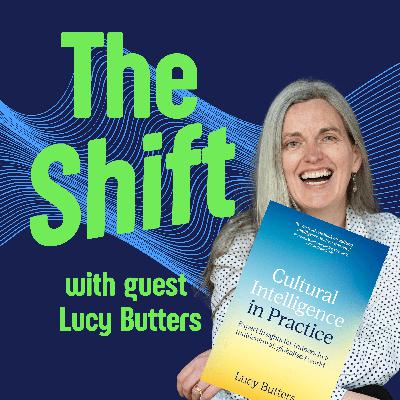
In this episode, Trisha interviews returning guest Lucy Butters, a master facilitator in cultural intelligence with the Cultural Intelligence Centre and author of the new book "Cultural Intelligence in Practice: Expert Insights for Trainers in a Multicultural Globalised World."What happens when a CQ trainer discovers that the most challenging cultural contexts aren't in distant lands, but close to home? How can holding discomfort with curiosity rather than rushing to judgment transform the way we navigate cultural differences? Lucy shares insights from interviewing 12 CQ experts across the globe, revealing how the writing process itself became a mirror—exposing hidden cultural assumptions in everything from word choices to argumentative tone. The conversation explores her father's wisdom about looking out "with love and respect," and why Lucy explicitly asks readers to use their own cultural intelligence while reading her book.Buy Lucy's book, Cultural Intelligence in Practice, here! And take a look at Cross Cultural Catalysts. Cross Cultural Catalysts will be a home for cross-cultural facilitators by fostering a collaborative community where members can sharpen their skills, share expertise, and amplify their impact. In 2026, Lucy and Dr Lyla Kohistany will be launching this network. If you wish to be kept up to date about the launch, please register your interest here.Listen to Lucy's first episode on the Shift - Shifts for Cultural Intelligence FacilitatorsMake sure you join Trisha in this journey of growth and discovery throughout the year via Substack or LinkedIn.
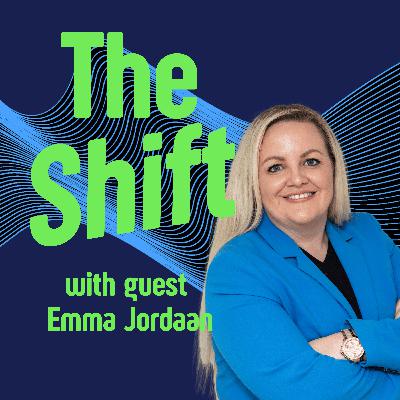
In this episode, Trisha interviews Emma Jordaan, founder and CEO of Infinite Consulting, TEDx speaker, and author of Dubai Decode, who helps leaders navigate cultural dynamics in one of the world's most diverse workplaces—the UAE.What happens when your team knows you're making the wrong decision but stays silent because "you are the boss"? How do you bridge the gap between having cultural knowledge and actually applying it with intentionality? Emma unpacks her proprietary RAPID framework—a cultural intelligence strategy tool that helps professionals slow down their cross-cultural interactions before they react. Discover how recognising, assessing, pausing, interpreting, and deciding can transform cultural complexity from a barrier into a competitive advantage, and why listening with your whole body might be the CQ strategy skill you've been missing.Connect with Emma on LinkedIn and explore her book Dubai Decoded for deeper insights into navigating cultural diversity. You can also check out Emma's podcast, The HR and CQ Show with Emma Jordaan and Sarah Brooks.Make sure you join Trisha in this journey of growth and discovery throughout the year via Substack or LinkedIn.
In this episode, Trisha reviews five powerful transformation stories to uncover what practitioners can learn about creating conditions for genuine perspective shifts.What if we stopped trying to teach people into transformation and instead learned to cultivate the conditions where change becomes inevitable? Through stories of systemic awakening, identity work, and unexpected wisdom from a 10-year-old, this episode explores how dissonance, experience, and reflection intersect to create profound shifts—not just in thinking, but in being.For intercultural trainers, coaches, and CQ facilitators, the insights here challenge conventional approaches: brave spaces over safe spaces, productive discomfort over protection, sustained journeys over quick fixes. Discover why the most powerful shifts often can't be taught—only witnessed and supported.The episode revisits conversations with Dr. Kristal Walker, Andrew Sykes, Amel Derragui, Dr. Hanlie Van Wyk, and Jerry Jones, drawing practical lessons for anyone working to help others expand their cultural intelligence and capacity for perspective-taking.Make sure you join Trisha in this journey of growth and discovery throughout the year via Substack or LinkedIn.Amel Derragui - From School Canteens to Global CommunitiesAndrew Sykes - Building Trust, Floor by FloorDr. Kristal Walker - Building Authenticity and Cultural Intelligence TogetherJerry Jones - Helping Teams Get Unstuck Through Human ConnectionHanlie van Wyk - Reasonable Revolutionaries and Human Eco-CulturesQuinton Pretorius - Shifts Through Experiential Learning
In this solo episode, Trisha examines a critical question that every global professional using AI should consider: Are artificial intelligence systems as globally representative as we assume? Drawing on groundbreaking 2010 research about WEIRD (Western, Educated, Industrialised, Rich, Democratic) populations in psychology, she explores whether today's AI models might face similar challenges.Through conversations with Claude from Anthropic and ChatGPT's Monday persona, Trisha uncovers surprising perspectives on data sources, training biases, and the cultural blind spots that might influence AI responses. These AI systems offer candid assessments of their own capabilities when it comes to representing diverse global viewpoints, revealing insights that could reshape how we interact with artificial intelligence.Can artificial intelligence develop genuine cultural intelligence, or does it require culturally intelligent humans to unlock its potential? What would it mean to bring your CQ to every AI interaction rather than assuming these systems provide universal, unbiased knowledge? Whether you're a leader implementing AI tools across cultures, an HR professional considering AI solutions, or anyone curious about the intersection of technology and cultural intelligence, this conversation challenges fundamental assumptions about artificial intelligence as a neutral, global knowledge source.Make sure you join Trisha in this journey of growth and discovery throughout the year via Substack or LinkedIn.
In this episode, Trisha explores how teams can move beyond cultural stereotypes to build environments where everyone feels valued and understood. What happens when cultural training leaves participants feeling uncomfortable about their own backgrounds? How can we shift from oversimplified country-based assumptions to embracing the complexity that exists within every individual?Sparked by a story shared at the Employee Mobility Institute's recent summit, Trisha examines the critical difference between cultural competence—knowing about other cultures—and cultural intelligence—being able to function effectively together as unique teams. She challenges listeners to consider whether we're reinforcing divisions or co-creating understanding in our workplace interactions.This episode offers valuable insights for global mobility professionals, team leaders, and anyone working in culturally diverse environments who want to transform how their teams navigate differences together.Check out The Employee Mobility Institute (TEMi) - Mobility Exchange Compass for Change SummitMake sure you join Trisha in this journey of growth and discovery throughout the year via Substack or LinkedIn.
In this episode, Trisha interviews Amel Derragui, a truly global citizen, business coach, and powerhouse behind The Time is Now and the Cosmopolitan Table. Born in India to Algerian parents and raised across Serbia, Algeria, and Uganda, Amel has built her career helping women create portable businesses while navigating cultures worldwide.What happens when a 14-year-old witnesses racial fights at an international school and decides to take action? How does a school canteen project teach us about breaking down barriers through shared experiences?Amel's journey from teenage entrepreneur to global community builder reveals the complex intersection of entrepreneurship and social impact. Through compelling stories spanning continents and decades, this conversation will challenge how you think about identity, justice, and building bridges in our divided world. Connect with Amel at thetimeisnow.biz and learn more about her work empowering globally mobile women through entrepreneurship.Make sure you join Trisha in this journey of growth and discovery throughout the year via Substack or LinkedIn.
In this episode, Trisha revisits her conversation with Dr. Tanya Finnie, introducing it with context about Tanya's newly released book "From Shadows to Safari." What happens when someone grows up witnessing apartheid's segregation, yet is raised with values that challenge the system around them? How do early experiences of injustice shape a lifelong commitment to bringing people together across cultural divides?This revisited conversation explores the complex journey from South Africa to Australia, examining how childhood experiences of racism and cultural difference can become the foundation for transformative leadership in diversity and inclusion. In their original discussion, Tanya shares compelling stories about adapting to new cultures, from misunderstanding Australian dinner party etiquette to her unique approach of inviting strangers to share meals while travelling alone.Tanya's book "From Shadows to Safari" provides deeper context to the stories shared in this conversation. Get your copy at redheadcommunications.com/living-book/#subscribeConnect with Tanya on LinkedIn and via her website.Make sure you join Trisha in this journey of growth and discovery throughout the year via Substack or LinkedIn.
In this solo episode, Trisha explores whether the same cultural intelligence capabilities that help us work across cultures might also be tools for building peace.Drawing from insights at the International Positive Psychology Association World Congress, Trisha examines Peter Singer's concept of expanding our "moral circle" and Barbara Fredrickson's research on positive emotions, sparked by reflections from David Livermore and Martin Seligman.Discover how CQ Strategy, Knowledge, Drive, and Action might offer pathways beyond tribalism, and learn practical approaches for designing learning experiences that broaden perspectives rather than reinforce divisions.Resources mentioned include Peter Singer's work on expanding moral circles (petersinger.info), David Livermore's cultural intelligence research (davidlivermore.com), and Martin Seligman's positive psychology foundations (positivepsychology.com).Make sure you join Trisha in this journey of growth and discovery throughout the year via Substack or LinkedIn.
In this episode, Trisha interviews Andrew Sykes, author, speaker, and founder of Habits at Work, who brings the science of behavioural change into business performance. Andrew is a lecturer at the Kellogg School of Management, where he helps leaders build trustworthy organisations.Drawing from his powerful personal shift during the 1995 Rugby World Cup in South Africa, Andrew explores how trust is built "floor by floor" like a skyscraper. The conversation delves into why trust often breaks down in diverse teams and how cultural intelligence intersects with trust-building.Andrew reveals practical strategies for building trust through intentional habits, especially when working across cultural differences. He shares insights on why demonstrating curiosity and care can transcend cultural barriers and how organisations can systematically embed trustworthy practices into their culture.Connect with Andrew via LinkedIn, his website, the Habits at Work website, and the website for executive experiences Cerene Life . Make sure you join Trisha in this journey of growth and discovery throughout the year via Substack or LinkedIn.
In this episode, Trisha interviews Dr. Kristal Walker, Vice President of Employee Wellbeing at Sweetwater and a certified professional in training management. Dr. Kristal shares her remarkable transformation from high school dropout to doctoral graduate, revealing how this journey fundamentally shaped her approach to leadership and creating inclusive environments where people don't have to "code switch or shrink" to belong.They explore Dr. Kristal's innovative Four D Learning Lifecycle (Design, Develop, Deliver, Debrief) for designing cultural intelligence training that creates lasting change, and dive deep into the powerful concept of "brave spaces" versus safe spaces. Dr. Kristal challenges conventional thinking by reframing a critical question many professionals face: instead of asking "How do I fit in?" she advocates for "How do I stay grounded while I navigate this system?" This shift in perspective offers a transformative approach to authentic leadership in diverse corporate environments.Through personal anecdotes and professional insights, Dr. Kristal demonstrates how authenticity serves as the foundation of credibility and how leaders can maintain their authentic selves while delivering exceptional results for their organisations.Connect with Dr Kristal Walker on LinkedIn.Make sure you join Trisha in this journey of growth and discovery throughout the year via Substack or LinkedIn.

Comments

Download from Google Play

Download from App Store
 United States