


 Claim Ownership
The Crop Science Podcast Show
Subscribed: 5Played: 135
Subscribe

© All rights reserved.
Description
Do you want to be in the top 1% of the crop industry?
-----------------------------------------------------
Then learn how to improve crop industry with high-impact strategies and through a modern podcast especially conceived and designed by and for the brightest minds of the global crop industry. Perfect for staying up to date with the latest research, trends and hot topics of the industry in a light and interesting way, while saving your time.
-----------------------------------------------------
Then learn how to improve crop industry with high-impact strategies and through a modern podcast especially conceived and designed by and for the brightest minds of the global crop industry. Perfect for staying up to date with the latest research, trends and hot topics of the industry in a light and interesting way, while saving your time.
122 Episodes
Reverse
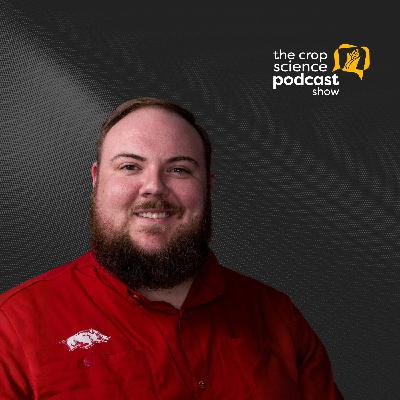
In this episode of The Crop Science Podcast Show, Dr. Chase Floyd, Assistant Research Professor and State Extension Crop Protection Specialist at the University of Missouri, explains pest management challenges in cotton and rice systems in the Mid-South. Dr. Floyd discusses key insect threats, resistance concerns, economic thresholds, and new application strategies that improve pesticide targeting while reducing off-target movement. Listen now on all major platforms!
“Cotton production systems in the Mid-South face intense insect pressure, where thrips, plant bugs, and spider mites regularly threaten yield retention and require careful monitoring throughout the growing season.”
Meet the guest: Dr. Chase Floyd is an Assistant Research Professor and State Extension Crop Protection Specialist at the University of Missouri. His work focuses on insect management in row crops, including cotton, rice, soybean, and corn. Research emphasizes economic thresholds, pesticide efficacy, and technologies that help producers control pests while protecting yield and profitability across Mid-South cropping systems.
Liked this one? Don’t stop now — Here’s what we think you’ll love!
https://www.wisenetix.com/blog?tag=the+crop+science+podcast+show
What you will learn:
(00:00) Highlight
(00:37) Introduction
(10:48) Cotton insect pressure
(13:56) Rice pest threats
(15:33) Insecticide resistance monitoring
(16:53) Economic injury thresholds
(20:10) Targeted spray technology
(26:26) Final Questions
The Crop Science Podcast Show is trusted and supported by innovative companies like:
- Loam Bio (https://www.loambio.com/us/)
- KWS (https://www.kws.com/us)
𝗟𝗶𝘀𝘁𝗲𝗻 𝗼𝗻 𝗔𝗽𝗽𝗹𝗲 𝗣𝗼𝗱𝗰𝗮𝘀𝘁𝘀, 𝗦𝗽𝗼𝘁𝗶𝗳𝘆 𝗼𝗿 𝗮𝗻𝘆 𝗺𝗮𝗷𝗼𝗿 𝗽𝗹𝗮𝘁𝗳𝗼𝗿𝗺.
Website: https://www.wisenetix.com/croppodcast
Instagram: https://www.instagram.com/cropsciencepodcast/
LinkedIn: https://www.linkedin.com/showcase/the-crop-science-podcast-show/
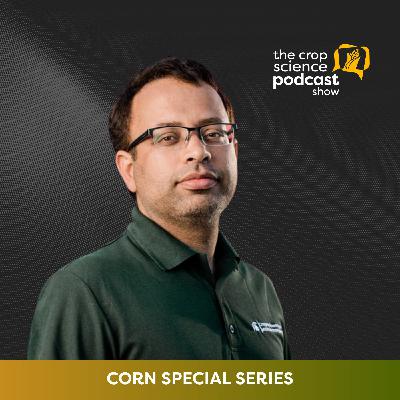
In this Corn Special Series episode of The Crop Science Podcast Show, Dr. Maninder Singh, Associate Professor and Extension Specialist in Cropping Systems Agronomy at Michigan State University, explains how planting timing and field conditions influence corn and soybean productivity in northern cropping systems. Key factors such as soil temperature, soil moisture, planting order, seeding rate decisions, and hybrid maturity are discussed to improve yield stability and profitability. Listen now on all major platforms.
“Timely planting decisions in northern cropping systems depend more on soil moisture and soil temperature conditions than on selecting a fixed calendar date.”
Meet the guest: Dr. Maninder Singh is an Associate Professor and Extension Specialist in Cropping Systems Agronomy at Michigan State University. Research, extension, and teaching programs focus on improving productivity, profitability, and resilience of northern cropping systems, particularly corn, soybean, and wheat. Work includes planting strategies, canopy architecture, crop management, and plant pathogen interactions.
Liked this one? Don’t stop now — Here’s what we think you’ll love!
https://www.wisenetix.com/blog?tag=the+crop+science+podcast+show
What you will learn:
(00:00) Highlight
(00:38) Introduction
(04:05) Timely planting
(06:48) Soil temperature
(09:10) Soybean resilience
(15:45) Corn yield decline
(19:13) Soybean seeding rates
(30:50) Final Questions
The Crop Science Podcast Show is trusted and supported by innovative companies like:
- KWS (https://www.kws.com/us)
𝗟𝗶𝘀𝘁𝗲𝗻 𝗼𝗻 𝗔𝗽𝗽𝗹𝗲 𝗣𝗼𝗱𝗰𝗮𝘀𝘁𝘀, 𝗦𝗽𝗼𝘁𝗶𝗳𝘆 𝗼𝗿 𝗮𝗻𝘆 𝗺𝗮𝗷𝗼𝗿 𝗽𝗹𝗮𝘁𝗳𝗼𝗿𝗺.
Website: https://www.wisenetix.com/croppodcast
Instagram: https://www.instagram.com/cropsciencepodcast/
LinkedIn: https://www.linkedin.com/showcase/the-crop-science-podcast-show/
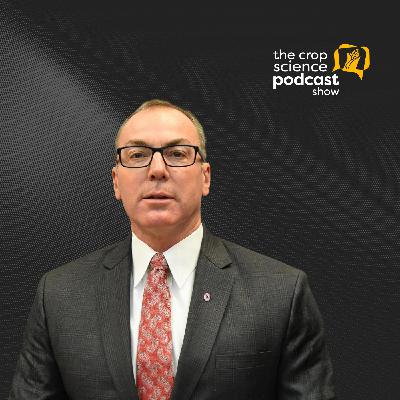
In this episode of The Crop Science Podcast Show, Dr. John Fulton, Professor at Ohio State University, breaks down how artificial intelligence and drone technology are being applied in corn and soybean production systems. The conversation focuses on drone-based scouting, targeted spraying, and granular applications, along with research insights on canopy interaction and in-season cover crop seeding. Dr. Fulton also discusses current limitations, regulatory considerations, and where automation is headed in row-crop agriculture. Listen now on all major platforms.
"Advances in processing power allowed images and sensor data to be analyzed and acted on within milliseconds."
Meet the guest: Dr. John Fulton https://www.linkedin.com/in/john-fulton-0665043/ is a Professor at Ohio State University specializing in precision agriculture, machinery automation, and digital crop systems. He holds a B.A. in Physics from Wittenberg University, along with an M.S. and Ph.D. in Agricultural and Biosystems Engineering from the University of Kentucky. His research focuses on application equipment, data analytics, and automated machinery to improve input placement and decision-making in crop production.
Liked this one? Don’t stop now — Here’s what we think you’ll love!
https://www.wisenetix.com/blog?tag=the+crop+science+podcast+show
What you will learn:
(00:00) Highlight
(01:26) Introduction
(04:42) Input technology evolution
(10:48) Drone research progress
(14:56) Cover crop seeding
(20:49) Swarm technology limits
(25:14) Emerging applications
(31:51) Final three questions
The Crop Science Podcast Show is trusted and supported by innovative companies like:
- KWS (https://www.kws.com/us)
𝗟𝗶𝘀𝘁𝗲𝗻 𝗼𝗻 𝗔𝗽𝗽𝗹𝗲 𝗣𝗼𝗱𝗰𝗮𝘀𝘁𝘀, 𝗦𝗽𝗼𝘁𝗶𝗳𝘆 𝗼𝗿 𝗮𝗻𝘆 𝗺𝗮𝗷𝗼𝗿 𝗽𝗹𝗮𝘁𝗳𝗼𝗿𝗺.
Website: https://www.wisenetix.com/croppodcast
Instagram: https://www.instagram.com/cropsciencepodcast/
LinkedIn: https://www.linkedin.com/showcase/the-crop-science-podcast-show/
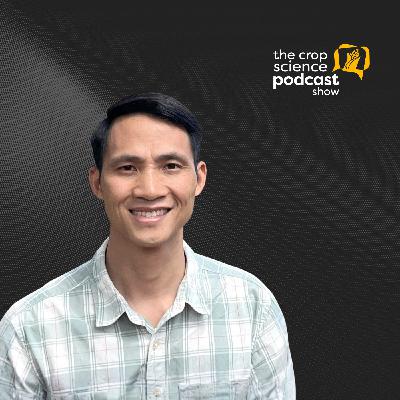
In this special re-run episode of The Crop Science Podcast Show, we bring back our conversation with Dr. Phuong Dao from Colorado State University, who shares cutting-edge insights into how remote sensing, AI, and geospatial science are transforming precision agriculture. Learn how high-resolution hyperspectral imaging and machine learning are helping detect crop issues, optimize yields, and prepare the next generation of agricultural data scientists. Listen now on all major platforms!
"Remote sensing provides a non-destructive and rapid method to detect and monitor disturbances in crops."
Meet the guest: Dr. Phuong Dao https://www.linkedin.com/in/phuong-dao-a546b236/ is an Assistant Professor at The University of Texas at Austin and Principal Investigator of the Remote Sensing and Environmental Intelligence Lab. Research focuses on integrating remote sensing, geospatial science, plant ecology, and machine learning to understand crop disturbances and plant responses. Work connects plant physiology, environmental stress, and precision agriculture technologies for improved crop monitoring.
Liked this one? Don’t stop now — Here’s what we think you’ll love!
https://www.wisenetix.com/blog?tag=the+crop+science+podcast+show
What you will learn:
(00:00) Highlight
(00:52) Introduction
(04:12) Remote sensing use
(05:57) Hyperspectral imaging
(12:57) Future of ag tech
(15:22) AI in crop science
(17:54) Workforce development
(22:45) Final three questions
The Crop Science Podcast Show is trusted and supported by innovative companies like:
- KWS (https://www.kws.com/us)
𝗟𝗶𝘀𝘁𝗲𝗻 𝗼𝗻 𝗔𝗽𝗽𝗹𝗲 𝗣𝗼𝗱𝗰𝗮𝘀𝘁𝘀, 𝗦𝗽𝗼𝘁𝗶𝗳𝘆 𝗼𝗿 𝗮𝗻𝘆 𝗺𝗮𝗷𝗼𝗿 𝗽𝗹𝗮𝘁𝗳𝗼𝗿𝗺.
Website: https://www.wisenetix.com/croppodcast
Instagram: https://www.instagram.com/cropsciencepodcast/
LinkedIn: https://www.linkedin.com/showcase/the-crop-science-podcast-show/
In this episode of The Crop Science Podcast Show, celebrating International Women’s Day, Dr. Jennifer Ifft from Kansas State University explains how U.S. farm policy shapes risk management and farm profitability. She clarifies the farm bill structure, farm safety net programs, and crop insurance fundamentals while highlighting recent policy updates affecting producers. Listen now on all major platforms!
"The farm bill functions as a safety net for hungry people, farm families, and conservation programs that support United States agriculture."
Meet the guest: Dr. Jennifer Ifft https://www.linkedin.com/in/jenniferifft/ is a Professor and Flinchbaugh Agricultural Policy Chair in the Agricultural Economics Department at Kansas State University. Her work focuses on farm policy, crop insurance, finance, and risk management, connecting research with real-world decisions faced by U.S. producers.
Liked this one? Don’t stop now — Here’s what we think you’ll love!
https://www.wisenetix.com/blog?tag=the+crop+science+podcast+show
What you will learn:
(00:00) Highlight
(00:55) Introduction
(03:38) Farm bill overview
(06:40) Recent policy changes
(09:25) Safety net programs
(17:23) Insurance challenges
(21:10) Climate risk impacts
(29:45) Final three questions
The Crop Science Podcast Show is trusted and supported by innovative companies like:
- KWS (https://www.kws.com/us)
𝗟𝗶𝘀𝘁𝗲𝗻 𝗼𝗻 𝗔𝗽𝗽𝗹𝗲 𝗣𝗼𝗱𝗰𝗮𝘀𝘁𝘀, 𝗦𝗽𝗼𝘁𝗶𝗳𝘆 𝗼𝗿 𝗮𝗻𝘆 𝗺𝗮𝗷𝗼𝗿 𝗽𝗹𝗮𝘁𝗳𝗼𝗿𝗺.
Website: https://www.wisenetix.com/croppodcast
Instagram: https://www.instagram.com/cropsciencepodcast/
LinkedIn: https://www.linkedin.com/showcase/the-crop-science-podcast-show/
In this episode of The Crop Science Podcast Show, Dr. Lynn Sollenberger from the University of Florida explains how grassland systems deliver critical ecosystem services while supporting sustainable livestock production. He discusses grass legume integration, soil protection, nutrient cycling, and resilience under grazing management. Dr. Sollenberger highlights how informed management can turn environmental challenges into opportunities for agriculture. Listen now on all major platforms!
"Anything that we do to those grassland systems is going to have a large carryover effect on Earth and the human population."
Meet the guest: Dr. Lynn Sollenberger https://www.linkedin.com/in/lynn-sollenberger-b678b230/ is a Distinguished Professor Emeritus of Agronomy at the University of Florida, specializing in grassland ecology and plant-animal environment interactions. His work focuses on ecosystem services, sustainable forage systems, and the integration of legume-grass systems to improve agricultural resilience. With decades of research, teaching, and mentoring experience, Dr. Sollenberger has shaped the field of grassland science in the United States.
Liked this one? Don’t stop now — Here’s what we think you’ll love!
https://www.wisenetix.com/blog?tag=the+crop+science+podcast+show
What you will learn:
(00:00) Highlight
(00:52) Introduction
(06:11) Ecosystem services
(10:25) Soil protection
(12:57) Animals role
(17:03) Legume importance
(21:52) System resilience
(29:32) Final three questions
The Crop Science Podcast Show is trusted and supported by innovative companies like:
- KWS (https://www.kws.com/us)
𝗟𝗶𝘀𝘁𝗲𝗻 𝗼𝗻 𝗔𝗽𝗽𝗹𝗲 𝗣𝗼𝗱𝗰𝗮𝘀𝘁𝘀, 𝗦𝗽𝗼𝘁𝗶𝗳𝘆 𝗼𝗿 𝗮𝗻𝘆 𝗺𝗮𝗷𝗼𝗿 𝗽𝗹𝗮𝘁𝗳𝗼𝗿𝗺.
Website: https://www.wisenetix.com/croppodcast
Instagram: https://www.instagram.com/cropsciencepodcast/
LinkedIn: https://www.linkedin.com/showcase/the-crop-science-podcast-show/
In this episode of The Crop Science Podcast Show, Dr. Nicholas Shay from the University of Georgia explores grain production and how integrated grain systems support productivity in challenging environments. He discusses corn, soybean, grain sorghum, and small grains management, along with crop rotation value, disease pressure, and infrastructure considerations. Dr. Shay shares practical strategies to improve efficiency using existing resources and support long-term sustainability. Listen now on all major platforms!
"Disease pressure is by far one of the biggest challenges we face in southern grain production."
Meet the guest: Dr. Nicholas Shay https://www.linkedin.com/in/nicholas-shay/ earned his PhD and MS in Crop and Soil Sciences from the University of Georgia and serves as an Assistant Professor and Extension Grains Agronomist based in Tifton, Georgia. His work focuses on corn, soybean, grain sorghum, and small grains systems, emphasizing integrated strategies, efficiency, and long-term sustainability in southern production systems.
Liked this one? Don’t stop now — Here’s what we think you’ll love!
https://www.wisenetix.com/blog?tag=the+crop+science+podcast+show
What you will learn:
(00:00) Highlight
(01:07) Introduction
(06:52) Research and extension program
(10:22) Rotation challenges
(13:17) Rotation value
(18:37) Planting windows
(23:49) Grain sorghum insights
(27:29) Final three questions
The Crop Science Podcast Show is trusted and supported by innovative companies like:
- KWS (https://www.kws.com/us)
𝗟𝗶𝘀𝘁𝗲𝗻 𝗼𝗻 𝗔𝗽𝗽𝗹𝗲 𝗣𝗼𝗱𝗰𝗮𝘀𝘁𝘀, 𝗦𝗽𝗼𝘁𝗶𝗳𝘆 𝗼𝗿 𝗮𝗻𝘆 𝗺𝗮𝗷𝗼𝗿 𝗽𝗹𝗮𝘁𝗳𝗼𝗿𝗺.
Website: https://www.wisenetix.com/croppodcast
Instagram: https://www.instagram.com/cropsciencepodcast/
LinkedIn: https://www.linkedin.com/showcase/the-crop-science-podcast-show/
In this episode of The Crop Science Podcast Show, Jeremy Kelley, Director of Engineering at Springfield Remanufacturing Corp and board member of the Reman Industry Council, explains how remanufacturing supports sustainability in modern agriculture. He discusses lifecycle extension, cost efficiency, reduced material use, reduced emissions, and increased equipment uptime for farming operations. Gain practical insights for crop professionals focused on resilient, sustainable production systems. Listen now on all major platforms!
“Remanufacturing takes components at the end of their life, breaks them down completely, and restores them to performance levels equivalent to newly manufactured products.”
Meet the guest: Jeremy Kelley https://www.linkedin.com/in/jeremy-kelley-a49716103/ is the Director of Engineering at Springfield Remanufacturing Corp, where he leads product and process development focused on remanufacturing systems and sustainability. He holds a bachelor’s degree in Mechanical Engineering from the University of Science and Technology and serves on the board of the Reman Industry Council.
Liked this one? Don’t stop now — Here’s what we think you’ll love!
https://www.wisenetix.com/blog?tag=the+crop+science+podcast+show
What you will learn:
(00:00) Highlight
(00:31) Introduction
(02:14) Reman basics
(05:09) Farm sustainability
(06:58) Material efficiency
(11:47) Common myths
(14:46) Cost uptime
(23:49) Final Questions
The Crop Science Podcast Show is trusted and supported by innovative companies like:
CNH Reman (https://mycnhreman.com/)
- KWS (https://www.kws.com/us)
𝗟𝗶𝘀𝘁𝗲𝗻 𝗼𝗻 𝗔𝗽𝗽𝗹𝗲 𝗣𝗼𝗱𝗰𝗮𝘀𝘁𝘀, 𝗦𝗽𝗼𝘁𝗶𝗳𝘆 𝗼𝗿 𝗮𝗻𝘆 𝗺𝗮𝗷𝗼𝗿 𝗽𝗹𝗮𝘁𝗳𝗼𝗿𝗺.
Website: https://www.wisenetix.com/croppodcast
Instagram: https://www.instagram.com/cropsciencepodcast/
LinkedIn: https://www.linkedin.com/showcase/the-crop-science-podcast-show/
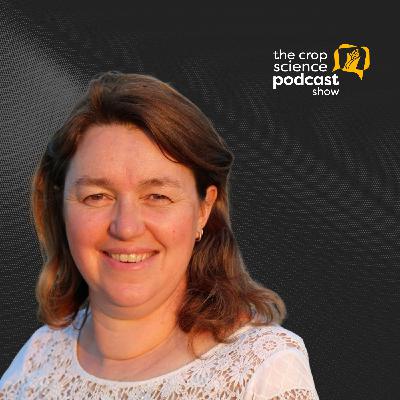
In this episode of The Crop Science Podcast Show, Dr. Nicola Cannon from the Royal Agricultural University discusses low-input and organic cropping systems for modern agriculture. The conversation focuses on nutrient cycling, nitrogen management, regenerative practices, and the integration of livestock into arable systems. Dr. Cannon also shares insights on cover crops, bio-based fertilizers, and mixed cropping under climate pressure. Listen now on all major platforms.
"As the challenges from climate change and the impacts of agricultural production systems on soil health become clearer, there has been a need look for options that are less impactful on farms."
Meet the guest: Dr. Nicola Cannon https://www.linkedin.com/in/nicola-cannon-84876b87/ is Professor of Agriculture at the Royal Agricultural University, with expertise in low-input and organic farming systems. Her work focuses on crop establishment, legumes, cereals, and nutrient cycling in sustainable agronomy. With extensive experience in research, education, and international consultancy, her work supports resilient crop systems.
Liked this one? Don’t stop now — Here’s what we think you’ll love!
https://www.wisenetix.com/blog?tag=the+crop+science+podcast+show
What you will learn:
(00:00) Highlight
(00:41) Introduction
(04:15) Nitrogen challenges
(06:46) Bio fertilizers
(11:36) Regenerative farming
(19:31) Mixed cropping
(25:41) Grazing insights
(30:36) Final three questions
The Crop Science Podcast Show is trusted and supported by innovative companies like:
- KWS (https://www.kws.com/us)
𝗟𝗶𝘀𝘁𝗲𝗻 𝗼𝗻 𝗔𝗽𝗽𝗹𝗲 𝗣𝗼𝗱𝗰𝗮𝘀𝘁𝘀, 𝗦𝗽𝗼𝘁𝗶𝗳𝘆 𝗼𝗿 𝗮𝗻𝘆 𝗺𝗮𝗷𝗼𝗿 𝗽𝗹𝗮𝘁𝗳𝗼𝗿𝗺.
Website: https://www.wisenetix.com/croppodcast
Instagram: https://www.instagram.com/cropsciencepodcast/
LinkedIn: https://www.linkedin.com/showcase/the-crop-science-podcast-show/
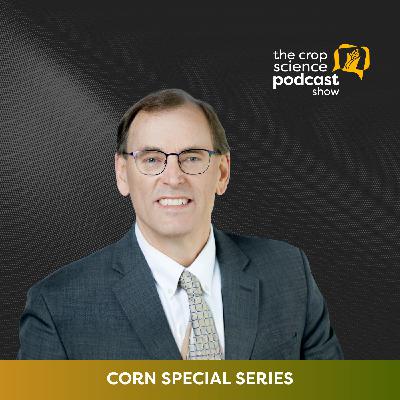
In this episode of The Crop Science Podcast Show, part of our special series on corn, Dr. Scott Irwin from the University of Illinois Urbana-Champaign shares deep insights into how grain markets truly work. He explains how policy uncertainty, biofuels, and global trade shape corn and soybean prices. The conversation explores market efficiency, forecasting accuracy, and why timing grain sales is so challenging. Dr. Irwin also reflects on decades of market evolution and decision-making. Listen now on all major platforms.
"If you want to try to understand what’s driving corn and soybean markets over the last 15 years, the first place you need to start is biofuel policy."
Meet the guest: Dr. Scott Irwin https://www.linkedin.com/in/scotthirwin/ is the Laurence J. Norton Chair of Agricultural Marketing at the University of Illinois Urbana-Champaign and a global leader in agricultural economics. His work focuses on commodity markets, biofuels policy, and grain price behavior. Dr. Irwin is also the creator of the farmdoc project, supporting farm-level decision-making across the United States.
Liked this one? Don’t stop now — Here’s what we think you’ll love!
https://www.wisenetix.com/blog?tag=the+crop+science+podcast+show
What you will learn:
(00:00) Highlight
(00:55) Introduction
(04:29) Market uncertainty
(06:25) Sales strategies
(07:42) Market evolution
(13:55) Information quality
(22:46) Market lessons
(30:52) Final three questions
The Crop Science Podcast Show is trusted and supported by innovative companies like:
- KWS (https://www.kws.com/us)
𝗟𝗶𝘀𝘁𝗲𝗻 𝗼𝗻 𝗔𝗽𝗽𝗹𝗲 𝗣𝗼𝗱𝗰𝗮𝘀𝘁𝘀, 𝗦𝗽𝗼𝘁𝗶𝗳𝘆 𝗼𝗿 𝗮𝗻𝘆 𝗺𝗮𝗷𝗼𝗿 𝗽𝗹𝗮𝘁𝗳𝗼𝗿𝗺.
Website: https://www.wisenetix.com/croppodcast
Instagram: https://www.instagram.com/cropsciencepodcast/
LinkedIn: https://www.linkedin.com/showcase/the-crop-science-podcast-show/
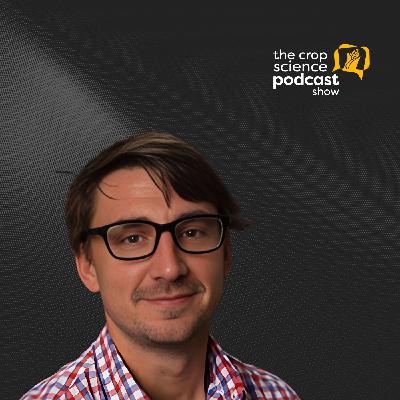
In this episode of The Crop Science Podcast Show, Dr. Christopher Graham from South Dakota State University shares how soil health influences nitrogen management in crop systems. The conversation explores soil health definitions, practical indicators, and how biological processes affect fertilizer responsiveness. Dr. Graham explains why some soils respond differently to nitrogen and how producers can use soil data to guide decisions. Listen now on all major platforms.
"Soil health is the ability to maintain long term productivity, but also to reduce external inputs, especially nitrogen fertilizer."
Meet the guest: Dr. Christopher Graham https://www.linkedin.com/in/christopher-graham-4a9a28138/ is a Professor and Extension Specialist Agronomist at South Dakota State University and Manager of the SDSU West River Research Farm. His work focuses on soil health, nitrogen cycling, and the role of soil biological processes in crop production systems. Dr. Graham’s research emphasizes practical tools for improving nitrogen efficiency in semi arid environments.
Liked this one? Don’t stop now — Here’s what we think you’ll love!
https://www.wisenetix.com/blog?tag=the+crop+science+podcast+show
What you will learn:
(00:00) Highlight
(00:49) Introduction
(03:34) Projects in soil health
(07:19) Soil indicators
(11:53) Nitrogen rates
(16:19) Nutrients insights
(23:39) Microorganism response
(34:18) Final three questions
The Crop Science Podcast Show is trusted and supported by innovative companies like:
- KWS (https://www.kws.com/us)
𝗟𝗶𝘀𝘁𝗲𝗻 𝗼𝗻 𝗔𝗽𝗽𝗹𝗲 𝗣𝗼𝗱𝗰𝗮𝘀𝘁𝘀, 𝗦𝗽𝗼𝘁𝗶𝗳𝘆 𝗼𝗿 𝗮𝗻𝘆 𝗺𝗮𝗷𝗼𝗿 𝗽𝗹𝗮𝘁𝗳𝗼𝗿𝗺.
Website: https://www.wisenetix.com/croppodcast
Instagram: https://www.instagram.com/cropsciencepodcast/
LinkedIn: https://www.linkedin.com/showcase/the-crop-science-podcast-show/
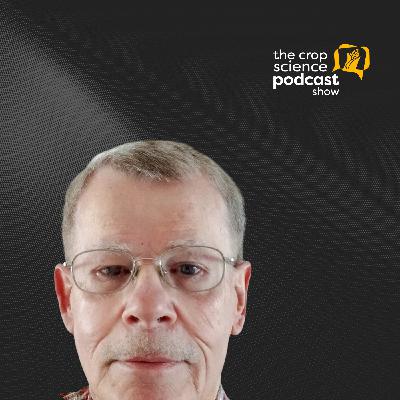
In this special rerun episode of The Crop Science Podcast Show, we revisit a focused discussion with Dr. Emerson Nafziger, professor emeritus of crop sciences at the University of Illinois at Urbana-Champaign, on improving how nitrogen fertilizer rates are set for rainfed corn. The conversation addresses why defining optimal nitrogen rates remains difficult, the limits of crop, soil, and weather modeling, and the real potential of variable rate nitrogen to improve nitrogen use efficiency and profitability. The episode also examines whether improved weather forecasts can meaningfully support nitrogen management decisions. Revisit this episode and listen now on all major platforms.
"The nitrogen that comes from soil mineralization is the first nitrogen the plant sees, and its role is underestimated."
Meet the guest: Dr. Emerson Nafziger is Professor Emeritus of Crop Sciences at the University of Illinois at Urbana-Champaign, with degrees in agronomy from Ohio State, Purdue, and Illinois. His research has focused on nitrogen rate strategies and crop productivity. He co-developed the Maximum Return to Nitrogen (MRTN) model, which is widely used across the Midwest. His research spans N response trials, hybrid interactions, crop rotation effects, and yield stability.
Liked this one? Don’t stop now — Here’s what we think you’ll love!
https://www.wisenetix.com/blog?tag=the+crop+science+podcast+show
What you will learn:
(00:00) Highlight
(00:48) Introduction
(01:58) Dr. Nafziger's background
(07:03) Soil nitrogen variability
(10:18) Nitrogen rate strategies
(12:56) Root development factors
(25:48) MRTN historical changes
(31:00) Closing thoughts
The Crop Science Podcast Show is trusted and supported by innovative companies like:
- KWS (https://www.kws.com/us)
𝗟𝗶𝘀𝘁𝗲𝗻 𝗼𝗻 𝗔𝗽𝗽𝗹𝗲 𝗣𝗼𝗱𝗰𝗮𝘀𝘁𝘀, 𝗦𝗽𝗼𝘁𝗶𝗳𝘆 𝗼𝗿 𝗮𝗻𝘆 𝗺𝗮𝗷𝗼𝗿 𝗽𝗹𝗮𝘁𝗳𝗼𝗿𝗺.
Website: https://www.wisenetix.com/croppodcast
Instagram: https://www.instagram.com/cropsciencepodcast/
LinkedIn: https://www.linkedin.com/showcase/the-crop-science-podcast-show/
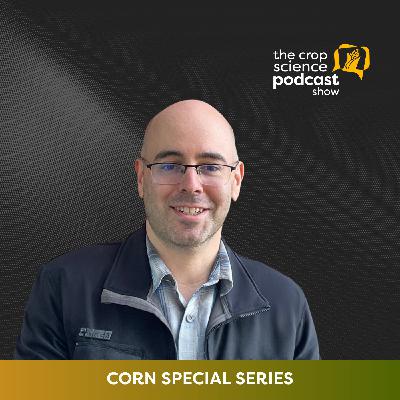
In this episode of our special series on corn production on The Crop Science Podcast Show, Dr. James Schnable from the University of Nebraska–Lincoln breaks down how genetics, genomics, and machine learning are reshaping modern hybrid development. He explains how breeders use genomic prediction and high-throughput phenotyping to tackle climate variability, stress tolerance, and yield stability. Listen now on all major platforms!
"Hybrid breeding and statistical analysis really are what moved hybrid cornfields in the US from around 26 to 30 bushels an acre to now north of 200."
Meet the guest: Dr. James Schnable https://www.linkedin.com/in/jamesschnable/ is the Nebraska Corn Presidential Chair at the University of Nebraska–Lincoln, where he leads research integrating quantitative genetics, genomics, and machine learning to improve crops like corn and sorghum. His work focuses on advanced phenotyping, climate resilience, and genetic discovery to support breeders and the crop industry.
Liked this one? Don’t stop now — Here’s what we think you’ll love!
https://www.wisenetix.com/blog?tag=the+crop+science+podcast+show
What you will learn:
(00:00) Highlight
(00:59) Introduction
(04:12) Breeding changes
(08:26) Climate-ready hybrids
(11:55) Key trait priorities
(15:48) Genomic prediction
(18:43) Gene editing limits
(23:10) Final three questions
The Crop Science Podcast Show is trusted and supported by innovative companies like:
- KWS (https://www.kws.com/us)
𝗟𝗶𝘀𝘁𝗲𝗻 𝗼𝗻 𝗔𝗽𝗽𝗹𝗲 𝗣𝗼𝗱𝗰𝗮𝘀𝘁𝘀, 𝗦𝗽𝗼𝘁𝗶𝗳𝘆 𝗼𝗿 𝗮𝗻𝘆 𝗺𝗮𝗷𝗼𝗿 𝗽𝗹𝗮𝘁𝗳𝗼𝗿𝗺.
Website: https://www.wisenetix.com/croppodcast
Instagram: https://www.instagram.com/cropsciencepodcast/
LinkedIn: https://www.linkedin.com/showcase/the-crop-science-podcast-show/
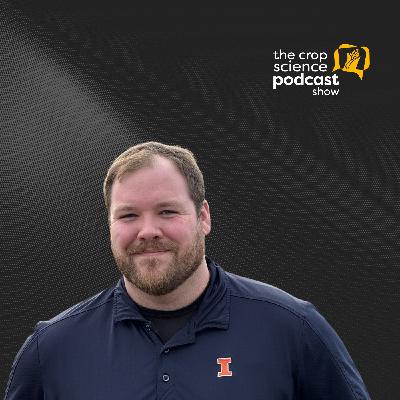
In this episode of The Crop Science Podcast Show, Dr. Connor Sible from the University of Illinois Urbana-Champaign talks about managing residue and understanding corn root architecture in today’s high-yield systems. He shares how farmers can balance tillage, biological tools, and conservation practices, and explains how root traits affect nutrient use and drought tolerance. Get practical, research-based insights to fine-tune your corn management strategies. Listen now on all major platforms!
"Wider angle roots are more responsive to split-applied nitrogen because they’re positioned right where nutrients accumulate."
Meet the guest: Dr. Connor Sible https://www.linkedin.com/in/connor-sible-0a4651103/ is a Research Assistant Professor in Crop Sciences at the University of Illinois Urbana-Champaign. His research focuses on corn and soybean production systems, studying how management practices influence crop growth, development, and yield. His current work explores residue management, corn root physiology, and nutrient efficiency across production environments.
Liked this one? Don’t stop now — Here’s what we think you’ll love!
https://www.wisenetix.com/blog?tag=the+crop+science+podcast+show
What you will learn:
(00:00) Highlight
(00:58) Introduction
(04:20) Residue management
(07:24) Conservation tillage balance
(10:28) Strip tillage systems
(12:53) Root system variation
(17:48) Hybrid influence
(22:27) Final three questions
The Crop Science Podcast Show is trusted and supported by innovative companies like:
- KWS (https://www.kws.com/us)
𝗟𝗶𝘀𝘁𝗲𝗻 𝗼𝗻 𝗔𝗽𝗽𝗹𝗲 𝗣𝗼𝗱𝗰𝗮𝘀𝘁𝘀, 𝗦𝗽𝗼𝘁𝗶𝗳𝘆 𝗼𝗿 𝗮𝗻𝘆 𝗺𝗮𝗷𝗼𝗿 𝗽𝗹𝗮𝘁𝗳𝗼𝗿𝗺.
Website: https://www.wisenetix.com/croppodcast
Instagram: https://www.instagram.com/cropsciencepodcast/
LinkedIn: https://www.linkedin.com/showcase/the-crop-science-podcast-show/
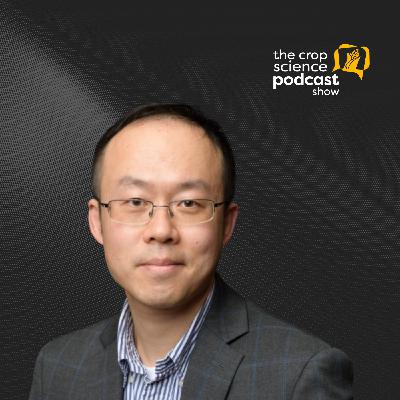
In this episode of The Crop Science Podcast Show, Dr. Jian Jin from Purdue University explains how engineering, automation, and data-driven design are redefining sustainability and performance in modern agriculture. He explores how hyperspectral imaging, AI-based modeling, and robotic sensing systems contribute to crop management and resource efficiency in the field. Discover how innovation and circular thinking are building a more resilient and precise crop production system. Listen now on all major platforms!
"Combining remote and proximal sensing creates a hybrid system that balances coverage, accuracy, and reliability in crop monitoring."
Meet the guest: Dr. Jian Jin https://www.linkedin.com/in/jin-jian-a0a695161/ is an Associate Professor at Purdue University and President of LeafSpec LLC, specializing in agricultural and biological engineering. His research integrates imaging technologies, artificial intelligence, and automation to enhance plant phenotyping and precision agriculture.
Liked this one? Don’t stop now — Here’s what we think you’ll love!
https://www.wisenetix.com/blog?tag=the+crop+science+podcast+show
What you will learn:
(00:00) Highlight
(01:04) Introduction
(03:48) Plant sensor lab
(05:40) Optical sensor tech
(09:33) Hyperspectral modeling
(15:27) Industry applications
(27:54) Scaling and automation
(38:04) Final three questions
The Crop Science Podcast Show is trusted and supported by innovative companies like:
- KWS (https://www.kws.com/us)
𝗟𝗶𝘀𝘁𝗲𝗻 𝗼𝗻 𝗔𝗽𝗽𝗹𝗲 𝗣𝗼𝗱𝗰𝗮𝘀𝘁𝘀, 𝗦𝗽𝗼𝘁𝗶𝗳𝘆 𝗼𝗿 𝗮𝗻𝘆 𝗺𝗮𝗷𝗼𝗿 𝗽𝗹𝗮𝘁𝗳𝗼𝗿𝗺.
Website: https://www.wisenetix.com/croppodcast
Instagram: https://www.instagram.com/cropsciencepodcast/
LinkedIn: https://www.linkedin.com/showcase/the-crop-science-podcast-show/
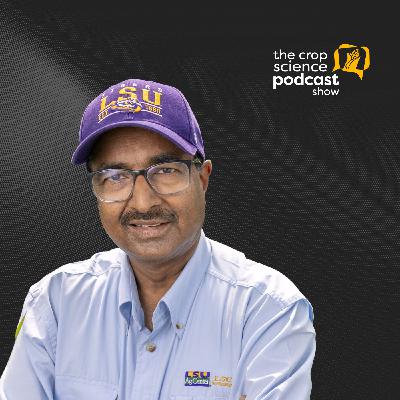
In this episode of The Crop Science Podcast Show, Dr. Prasanta Subudhi from Louisiana State University explores the current and future challenges in rice production under climate stress. He shares research on abiotic stress tolerance, sustainability practices, and the critical role of genetic diversity in building climate-resilient crops. Learn why rice breeding is key to food security. Listen now on all major platforms!
"Even a one-degree increase in temperature can reduce rice yields by nearly 10%, affecting both productivity and grain quality."
Meet the guest: Dr. Prasanta K. Subudhi https://www.linkedin.com/in/prasanta-k-subudhi-18414667/ is a Professor in the School of Plant, Environmental, and Soil Sciences at Louisiana State University Agricultural Center. With over 30 years of global research experience, his work focuses on developing climate-resilient rice varieties by applying advanced breeding and genomics tools. His expertise includes abiotic stress tolerance, nitrogen efficiency, and sustainability in rice systems.
Liked this one? Don’t stop now — Here’s what we think you’ll love!
https://www.wisenetix.com/blog?tag=the+crop+science+podcast+show
What you will learn:
(00:00) Highlight
(00:55) Introduction
(06:58) Abiotic stress tolerance
(08:54) Salinity and drought
(13:30) Cold tolerance
(16:15) Main stressors
(24:12) Future of rice farming
(33:59) Closing thoughts
The Crop Science Podcast Show is trusted and supported by innovative companies like:
- KWS (https://www.kws.com/us)
𝗟𝗶𝘀𝘁𝗲𝗻 𝗼𝗻 𝗔𝗽𝗽𝗹𝗲 𝗣𝗼𝗱𝗰𝗮𝘀𝘁𝘀, 𝗦𝗽𝗼𝘁𝗶𝗳𝘆 𝗼𝗿 𝗮𝗻𝘆 𝗺𝗮𝗷𝗼𝗿 𝗽𝗹𝗮𝘁𝗳𝗼𝗿𝗺.
Website: https://www.wisenetix.com/croppodcast
Instagram: https://www.instagram.com/cropsciencepodcast/
LinkedIn: https://www.linkedin.com/showcase/the-crop-science-podcast-show/
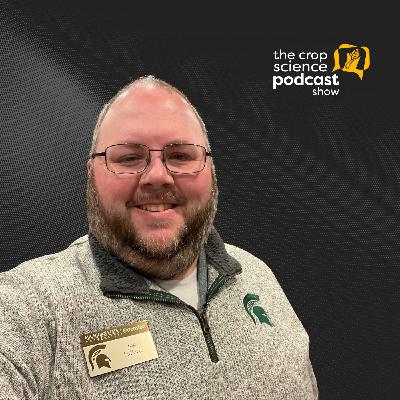
In this episode of The Crop Science Podcast Show, Jonathan LaPorte, Farm Business Management Educator at Michigan State University Extension, explains how growers can better navigate commodity market volatility. He outlines current market trends, shares crop pricing strategies, and breaks down the role of crop insurance in risk mitigation. Gain practical tips to strengthen your marketing plan. Listen now on all major platforms!
“Grain marketers succeed when they simplify decisions and relate to the producer’s reality.”
Meet the guest: Jonathan LaPorte https://www.linkedin.com/in/jonathan-laporte-00368349/ serves as a Farm Business Management Educator with Michigan State University Extension. With experience ranging from USDA lending to agronomy sales, his work focuses on production economics, commodity marketing, and risk management strategies for the crop industry.
Liked this one? Don’t stop now — Here’s what we think you’ll love!
https://www.wisenetix.com/blog?tag=the+crop+science+podcast+show
What you will learn:
(00:00) Highlight
(00:38) Introduction
(01:10) Guest background
(06:45) Commodity market updates
(12:02) Global trade pressures
(15:11) Supply and demand impacts
(19:32) Building marketing plans
(25:08) Final three questions
The Crop Science Podcast Show is trusted and supported by innovative companies like:
- KWS (https://www.kws.com/us)
𝗟𝗶𝘀𝘁𝗲𝗻 𝗼𝗻 𝗔𝗽𝗽𝗹𝗲 𝗣𝗼𝗱𝗰𝗮𝘀𝘁𝘀, 𝗦𝗽𝗼𝘁𝗶𝗳𝘆 𝗼𝗿 𝗮𝗻𝘆 𝗺𝗮𝗷𝗼𝗿 𝗽𝗹𝗮𝘁𝗳𝗼𝗿𝗺.
Website: https://www.wisenetix.com/croppodcast
Instagram: https://www.instagram.com/cropsciencepodcast/
LinkedIn: https://www.linkedin.com/showcase/the-crop-science-podcast-show/

In this episode of The Crop Science Podcast Show, Dr. Felipe Dalla Lana from Louisiana State University discusses the challenges and innovations in rice disease management in the U.S. crop industry. He unpacks the unique environmental pressures in southern rice production, the limitations of current fungicide use, and the integrated strategies being adopted for sustainable outcomes. Listen now on all major platforms!
"About half of the rice grown in the U.S. is exported, but a significant portion is used in domestic food and beverage production."
Meet the guest: Dr. Felipe Dalla Lana https://www.linkedin.com/in/felipedallalana/ is an Assistant Professor and Rice Pathology Specialist at Louisiana State University, with a research focus on rice disease epidemiology and management. He holds a Ph.D. and M.S. in Plant Pathology from The Ohio State University. His work emphasizes disease resistance, fungicide limitations, and environmental adaptability in rice production.
Liked this one? Don’t stop now — Here’s what we think you’ll love!
https://www.wisenetix.com/blog?tag=the+crop+science+podcast+show
What you will learn:
(00:00) Highlight
(00:53) Introduction
(06:15) Rice disease pressure
(09:00) Louisiana rice industry
(15:52) Major rice diseases
(20:13) Fungicide limitations
(26:13) Yield loss risks
(37:53) Final three questions
The Crop Science Podcast Show is trusted and supported by innovative companies like:
- KWS (https://www.kws.com/us)
𝗟𝗶𝘀𝘁𝗲𝗻 𝗼𝗻 𝗔𝗽𝗽𝗹𝗲 𝗣𝗼𝗱𝗰𝗮𝘀𝘁𝘀, 𝗦𝗽𝗼𝘁𝗶𝗳𝘆 𝗼𝗿 𝗮𝗻𝘆 𝗺𝗮𝗷𝗼𝗿 𝗽𝗹𝗮𝘁𝗳𝗼𝗿𝗺.
Website: https://www.wisenetix.com/croppodcast
Instagram: https://www.instagram.com/cropsciencepodcast/
LinkedIn: https://www.linkedin.com/showcase/the-crop-science-podcast-show/
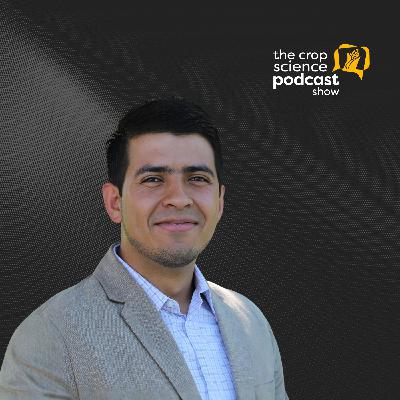
In this special series on corn production from The Crop Science Podcast Show, Dr. Osler Ortez, Assistant Professor of Corn and Emerging Crops at The Ohio State University, shares key insights into hybrid performance trials, corn management, and emerging crop opportunities. He explains how decades of agronomic research are guiding the future of crop efficiency and sustainability. Learn what these lessons reveal for future management decisions. Listen now on all major platforms!
"Corn performance trials have revealed over five decades of genetic progress and management adaptation across diverse production environments."
Meet the guest: Dr. Osler Ortez https://www.linkedin.com/in/osler-ortez-900442129/ serves as Assistant Professor of Corn and Emerging Crops at The Ohio State University. He earned his Ph.D. in Agronomy and Crop Production from the University of Nebraska–Lincoln, an M.S. in Agronomy from Kansas State University, and a B.S. in Agriculture from Zamorano University in Honduras.
Liked this one? Don’t stop now — Here’s what we think you’ll love!
https://www.wisenetix.com/blog?tag=the+crop+science+podcast+show
What you will learn:
(00:00) Highlight
(01:07) Introduction
(05:01) Row crop systems
(05:16) Emerging crops in Ohio
(11:00) Double cropping
(11:43) Corn management
(26:30) Hybrid study insights
(28:57) Final three questions
The Crop Science Podcast Show is trusted and supported by innovative companies like:
- KWS (https://www.kws.com/us)
𝗟𝗶𝘀𝘁𝗲𝗻 𝗼𝗻 𝗔𝗽𝗽𝗹𝗲 𝗣𝗼𝗱𝗰𝗮𝘀𝘁𝘀, 𝗦𝗽𝗼𝘁𝗶𝗳𝘆 𝗼𝗿 𝗮𝗻𝘆 𝗺𝗮𝗷𝗼𝗿 𝗽𝗹𝗮𝘁𝗳𝗼𝗿𝗺.
Website: https://www.wisenetix.com/croppodcast
Instagram: https://www.instagram.com/cropsciencepodcast/
LinkedIn: https://www.linkedin.com/showcase/the-crop-science-podcast-show/
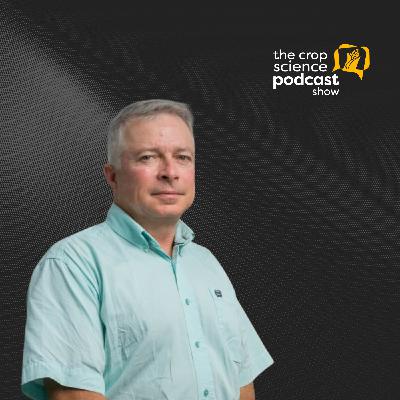
In this episode of The Crop Science Podcast Show, Dr. James Rogers, Extension Forage Crops Production Specialist at North Dakota State University, explores practical forage solutions for Northern cropping systems. He shares research on bale and swath grazing, sorghum-soybean mixes, and winter forage strategies. Learn how soil health, crop-livestock integration, and preventive plant acreage are shaping forage systems. Listen now on all major platforms!
"Everything tends to go dormant after frost, even cool-season perennials, making winter a major challenge."
Meet the guest: Dr. James Rogers https://www.linkedin.com/in/james-rogers-6504233a/ holds a Ph.D. in Agronomy from Clemson University and serves as an Extension Forage Crops Production Specialist and Interim Assistant Director at the North Central Research Extension Center. With decades of experience in pasture management, forage systems, and grazing research, his work bridges practical application with agronomic innovation.
Liked this one? Don’t stop now — Here’s what we think you’ll love!
https://www.wisenetix.com/blog?tag=the+crop+science+podcast+show
What you will learn:
(00:00) Highlight
(01:01) Introduction
(07:36) Forage systems in North Dakota
(10:16) Bale and swath grazing
(14:14) Improving forage system efficiency
(16:01) Sorghum-soybean integration
(24:04) Risk management in sorghum
(26:30) Final three questions
The Crop Science Podcast Show is trusted and supported by innovative companies like:
- KWS (https://www.kws.com/us)
𝗟𝗶𝘀𝘁𝗲𝗻 𝗼𝗻 𝗔𝗽𝗽𝗹𝗲 𝗣𝗼𝗱𝗰𝗮𝘀𝘁𝘀, 𝗦𝗽𝗼𝘁𝗶𝗳𝘆 𝗼𝗿 𝗮𝗻𝘆 𝗺𝗮𝗷𝗼𝗿 𝗽𝗹𝗮𝘁𝗳𝗼𝗿𝗺.
Website: https://www.wisenetix.com/croppodcast
Instagram: https://www.instagram.com/cropsciencepodcast/
LinkedIn: https://www.linkedin.com/showcase/the-crop-science-podcast-show/

Comments

Download from Google Play

Download from App Store
 United States