


 Claim Ownership
Framed & Bound
Subscribed: 1Played: 2
Subscribe

© 2023
Description
A podcast about movies set in the world of books and publishing. Each episode, host Tobias Carroll is joined by a new guest to talk about a different film.
23 Episodes
Reverse
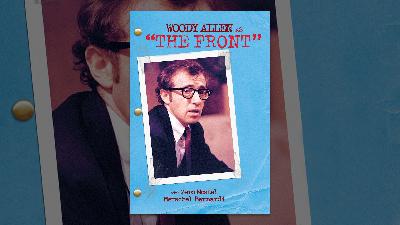
This time out, we're discussing The Front, written by Walter Bernstein and directed by Martin Ritt, about an unambitious man asked to work as a "front" for several blacklisted writers in the 1950s. The film stars Woody Allen, Zero Mostel, Michael Murphy, Herschel Bernardi, and Andrea Marcovicci. Our guest this episode is Melanie Anagnos, author of the crime novel Nightswimming, set in 1979 Paterson. Discussed: the greatness of Zero Mostel, the parallel universe where Woody Allen became a character actor, what we can learn from blacklist narratives today, and more. The Front is available to rent digitally from most major platforms; there's also a region-free Bluray with some interesting-looking special features.
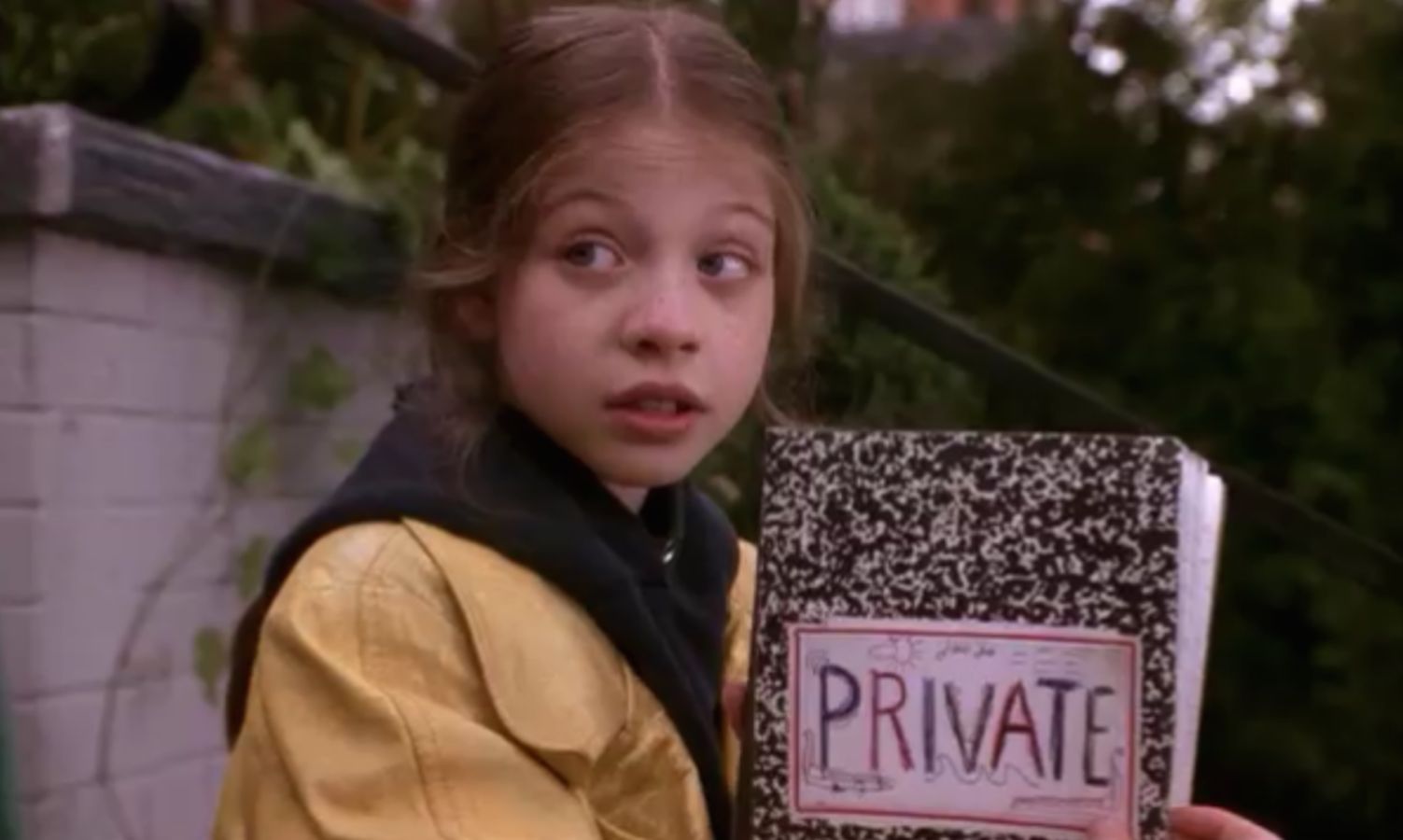
On the latest episode of Framed and Bound, host Tobias Carroll and guest Kerri Sullivan revisit the 1996 film Harriet the Spy. Subjects discussed in this episode: how to tell when a movie set in NYC was not shot in NYC; a Kids in the Hall connection; the number of Tony Award winners involved with this film; Diane Duane's novels about wizards; the comic book Friday; childhood journals; the movie Quills; general Monmouth County lore. Kerri Sullivan is the proprietor of Jersey Collective and organized the New Jersey Bookstore Crawl.
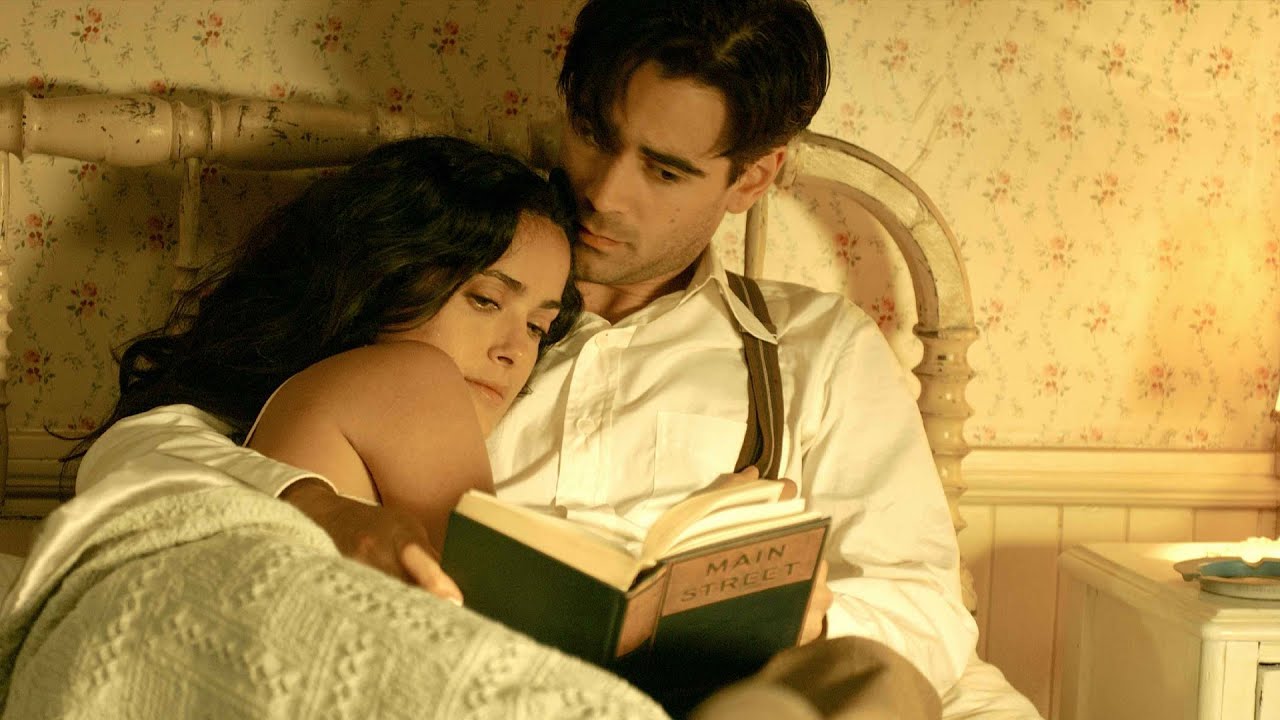
After an unexpected break, Framed and Bound returns with a new episode focusing on writer-director Robert Towne's 2006 adaptation of John Fante's novel Ask the Dust! Joining host Tobias Carroll for this episode is Constance Squires, author of Low April Sun, available wherever books are sold. Discussed this episode: the ideal director to adapt John Fante; when you cast the right actor at the wrong age; The Brutalist; The Committments; Saul Bellow; the hard-living literary dude canon; David Peace; Modernist literature....and so much more.
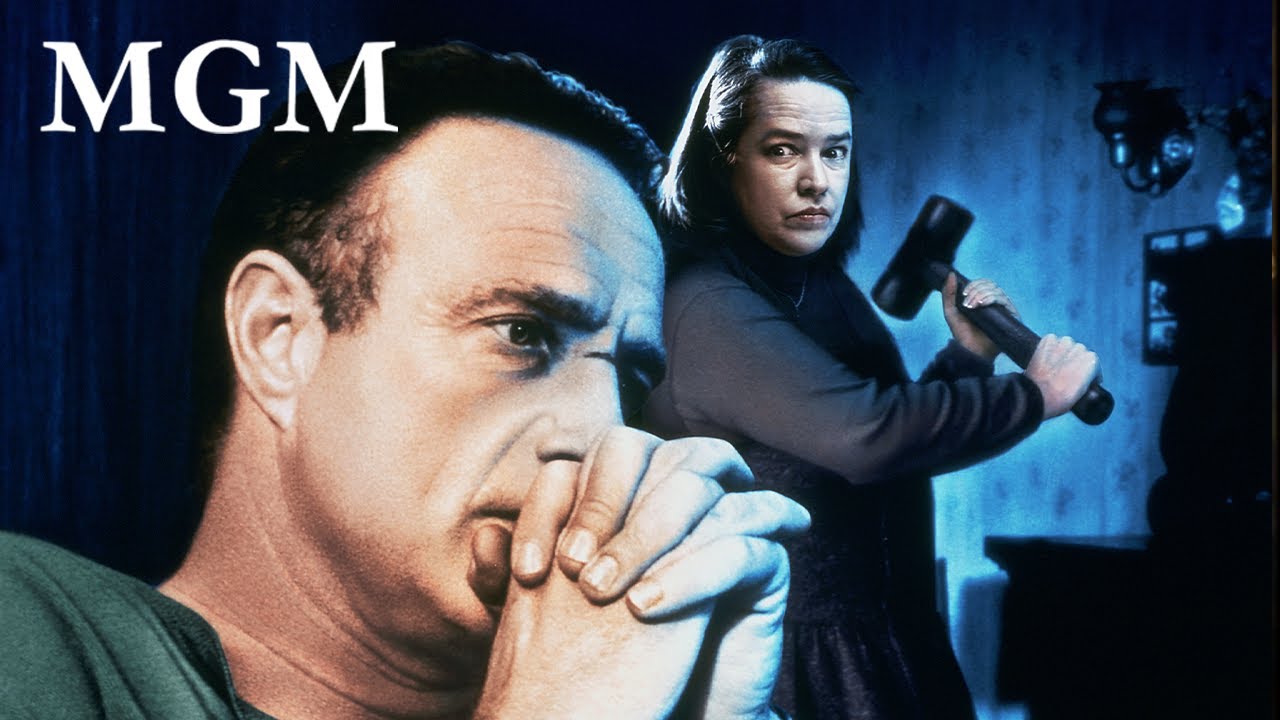
In this episode of Framed & Bound, host Tobias Carroll and guest Lee Matthew Goldberg discuss the 1990 film Misery, an adaptation of Stephen King's novel of the same name. It's also the third King adaptation to be covered on this podcast. One of these days, we'll get to Secret Window. Discussed in this episode: the greatness of Kathy Bates, Rob Reiner's suspense chops, the challenges of adapting Stephen King, Tobias's issues with season one of Castle Rock, Misery and toxic fandom, and when bestselling writers have bizarre subway ads. As discussed in the episode: reviews of the graphic novel Parasocial and the documentary King on Screen. In two weeks, Constance Squires stops by to discuss another literary adaptation about the life of a writer: Ask the Dust. Our logo is by Mack V.
The first Framed & Bound episode of 2025 is, appropriately enough, about one of the wintriest movies ever made. This time out, Tobias Carroll and guest Jesi Bender discussed the 1980 film The Shining, an adaptation of Stephen King's novel of the same name. It may be the sole cinematic podcast in which you'll hear both The Killing of a Sacred Deer and Top Gun: Maverick invoked. Also discussed this episode: Elizabeth Hardwick's cameo appearance, when bad CGI happens to good ideas, the perennial appeal of Stephen King, the role of room decor in this film, and whether a prequel to this would be a good idea. Jesi Bender's latest book is Dangerous Women. This time out, we mentioned past episodes focusing on Wolf and Bag of Bones. Next up: another discussion of a literary Stephen King adaptation. Which one? Well, you'll have to listen in to find out. Our logo is by Mack V.
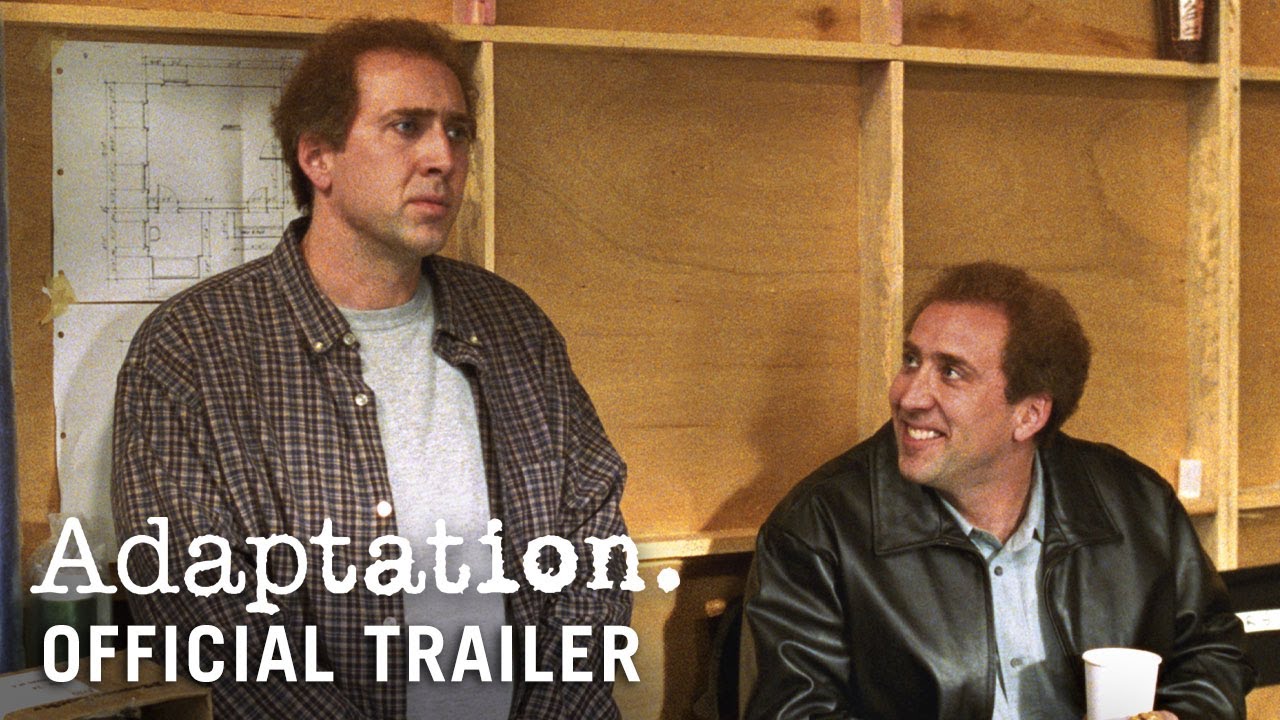
After a brief delay due to, well, current events, there's a new episode of Framed & Bound. This time out, Drew Buxton joins Tobias Carroll to get very metafictional as they discuss 2022's Adaptation, featuring two of Nicolas Cage's best performances. Discussed: writing about wrestling, Brian Cox's agelessness, Charlie Kaufman's work as a director, the challenges of adapting unadaptable books, and the greatness of Wojciech Has. Drew Buxton's So Much Heart is available directly from the publisher and wherever books are sold. If you've ever been curious to read The Orchid Thief, it's available from Bookshop and your local bookstore. Shout Factory's blu-ray of the film can be ordered here. Tobias wrote about another Charlie Kaufman adaptation for Literary Hub. Our logo is by Mack V.
Framed & Bound is back with a look at the 1987 film Barfly, directed by Barbet Schroeder and written by Charles Bukowski. Host Tobias Carroll and guest William Lessard discuss the pros and cons of Bukowski adaptations, Mickey Rourke's career, and the Stallone family. You can find out more about William Lessard on his website. Our new logo is by Mack V.
On the sixteenth episode of Framed and Bound, David James Keaton joined host Tobias Carroll to discuss the 1987 film Best Seller, starring Brian Dennehy and James Woods. Turns out we were not the only ones to find the end credits song to be a little bit stylistically jarring, as this review makes clear. You can find Keaton at his website; his latest book is the novel Shallow Ends. And if you enjoyed hearing these guys talk about movies and books, there are more interviews where that came from.
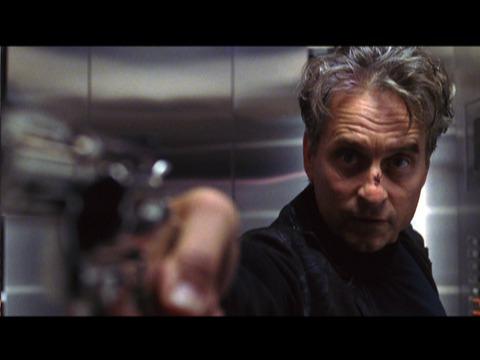
On this week's episode of Framed and Bound, South Brooklyn Exterminating author Ian S. Maloney joins host Tobias Carroll to unravel the twisty conspiracies of David Fincher's 1997 film The Game — and explain what it has to do with the publishing industry. The Criterion Collection's page for the film has some terrific analysis of the film's themes and images. (Apparently it's a favorite of both Ty Segall and Brie Larson, so that's cool.) We also referenced an earlier episode about Wolf, which you can listen to here. You can find Ian S. Maloney online here.
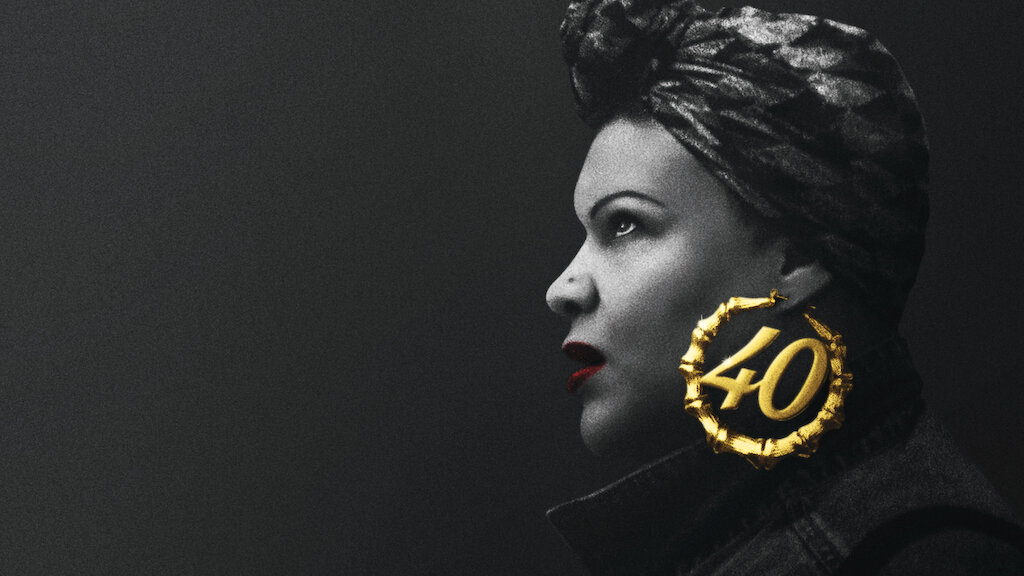
In the latest episode of Framed & Bound, guest Caroline Hagood and host Tobias Carroll discussed The Forty-Year-Old Version, writer/director/star Radha Blank's engaging look at a playwright reckoning with art, ethics, and definitions of success. There's been a lot of excellent writing on the film, including Neal Minow at RogerEbert.com, Alison Willmore at Vulture, and Richard Brody at The New Yorker. More information on Caroline Hagood's writing and books can be found on her website.
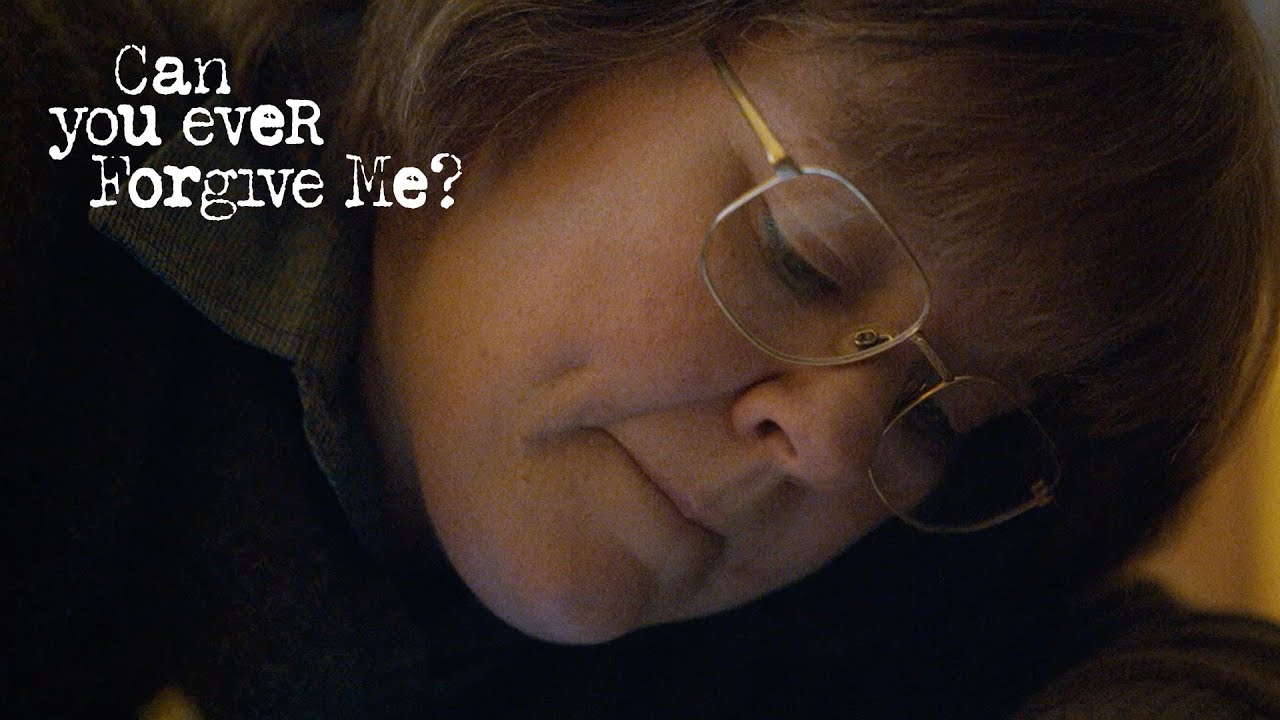
On episode 13 of Framed & Bound, host Tobias Carroll and guest Dmitry Samarov discussed the 2018 film Can You Ever Forgive Me? In 2008, Julie Bosman at The New York Times wrote about the publication of the memoir that inspired the film — and what some of the real-life buyers of author Lee Israel's forged letters felt about her years after the fact. Dmitry Samarov's latest book is Making Pictures Is How I Talk to the World. He's also the co-host of the podcast That Horrorcast and publishes a regular newsletter. You can read his 2018 review of this film at the Chicago Reader's website.
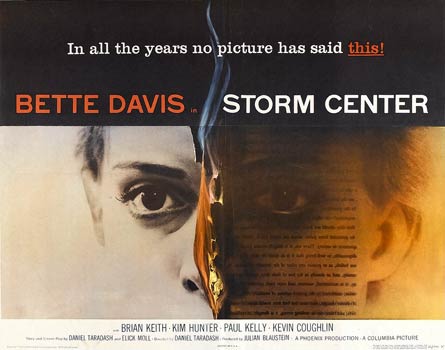
On the 12th episode of Framed & Bound, host Tobias Carroll and Christian Niedan of Screen Sounds discuss the 1956 film Storm Center, about book banning in a small town. There's also a fascinating trailer for the film that can be found on YouTube — which literally shows the final scene of the movie. Niedan interviewed Walter Bernstein about his experience as a blacklisted writer; he also maintains a fantastic Instagram account. If you're interested in more discussion of a film that Daniel Taradash was involved in, we discussed Bell, Book and Candle last year.
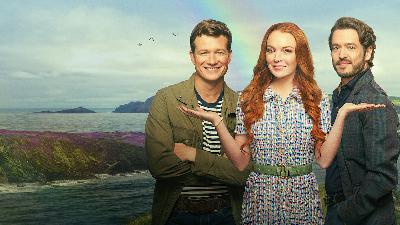
For episode 11 of Framed & Bound, Mairead Case (Tiny, See You in the Morning) joins host Tobias Carroll to discuss Irish Wish, a movie in which an editor played by Lindsay Lohan creates a parallel universe where she's engaged to the rakish author whose book she made a bestseller. The essay Mairead mentioned at episode's end can be found here. Discussed in this episode: Irish saints, parallel universes, David Bowie, and whether the editor/author working progress in this film bears any resemblance to editor/author working progress in real life.
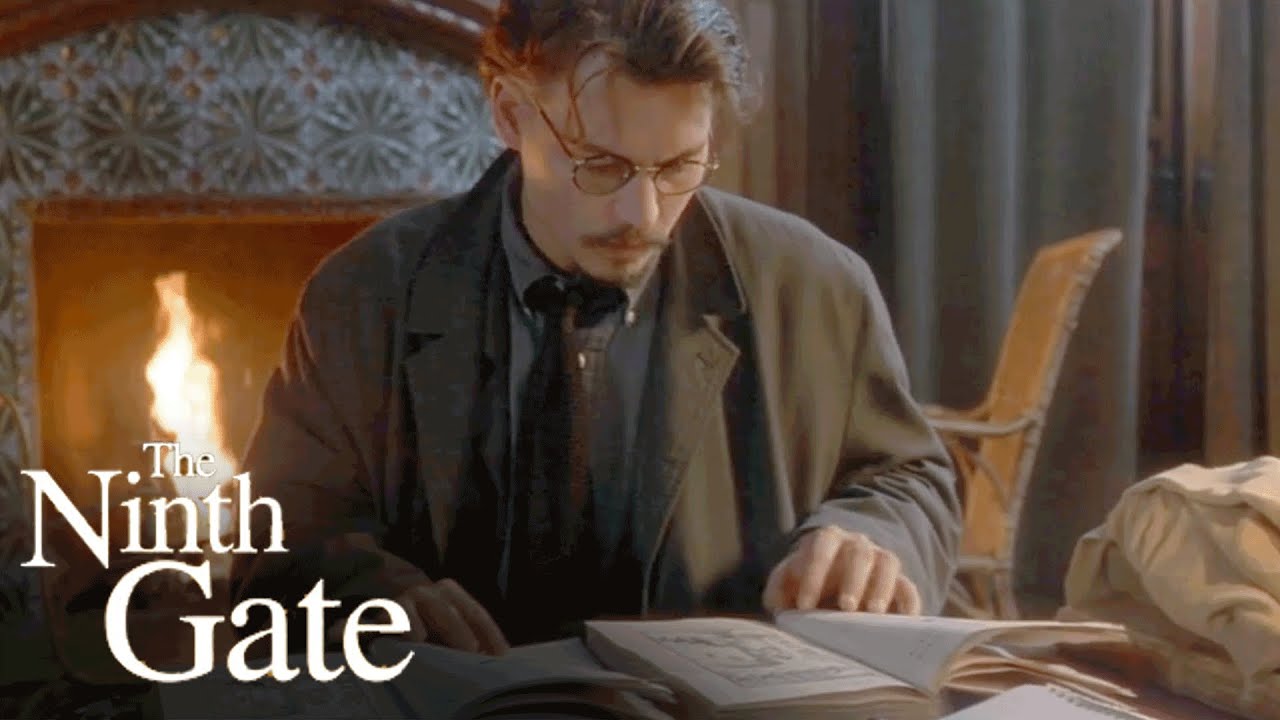
For the tenth episode of Framed & Bound, host Tobias Carroll teams up with Kurt Baumeister — author of Pax Americana and Twilight of the Gods — to discuss the 1999 film The Ninth Gate. This was co-written and directed by Roman Polanski, and adapts Arturo Pérez-Reverte's novel The Club Dumas. In The Ninth Gate, an expert in rare books is sent in search of a centuries-old book that may contain information on gaining uncanny abilities. Does Satan play a part? He just might. Discussed in this episode: things you should never do to a rare book, intriguing facial hair choices, unseen Frank Langella roles and how they dovetail with this film, buildings on fire, and more.

On this episode, Tobias Carroll and Arianna Reiche discuss the 2002 film adaptation of A.S. Byatt's Possession. Arianna Reiche is the author of the acclaimed novel At the End of Every Day, available wherever books are sold. You can read her short story "Potassium" here, too! Possession is about a pair of academics researching the possible connection between two poets who lived decades earlier — two parallel storylines that trace the growing attraction between each pair of characters. Discussed in this episode: what the ideal way to adapt A.S. Byatt's novel would actually be, whether "Jennifer Ehle is the best part of the movie" is a universal truth, the sheet amount of corduroy on screen here, and the film's action-packed denouement. If you're seeking a contrary perspective to our take on this movie, it's probably worth noting that Roger Ebert liked this film a lot.

In this episode, writer Michele Filgate — editor of the anthology What My Mother and I Don't Talk About: Fifteen Writers Break the Silence — visits Framed & Bound to discuss Nicole Holofcener's acclaimed 2023 film You Hurt My Feelings. Discussed in this episode: whether writing is like therapy, authors behaving badly in bookstores, writing workshops on screen and in reality, only children, the greatness of Zach Cherry, and ineffectual weed store robbers.

Welcome to the seventh episode of Framed & Bound! This week, my guest is Matthew Specktor, author of Always Crashing in the Same Car and American Dream Machine. We discussed the 1994 film Wolf, directed by Mike Nichols and written by Jim Harrison and Wesley Strick. It's available to rent or purchase digitally, and there are several Blu-Ray editions out there as well. Discussed in this episode: Wolf's weird use of locations; the very odd plotting at work here; Jim Harrison cinematic adaptations; the ubiquity of Richard Jenkins; the charm of David Hyde Pierce; and slow-motion werewolves.
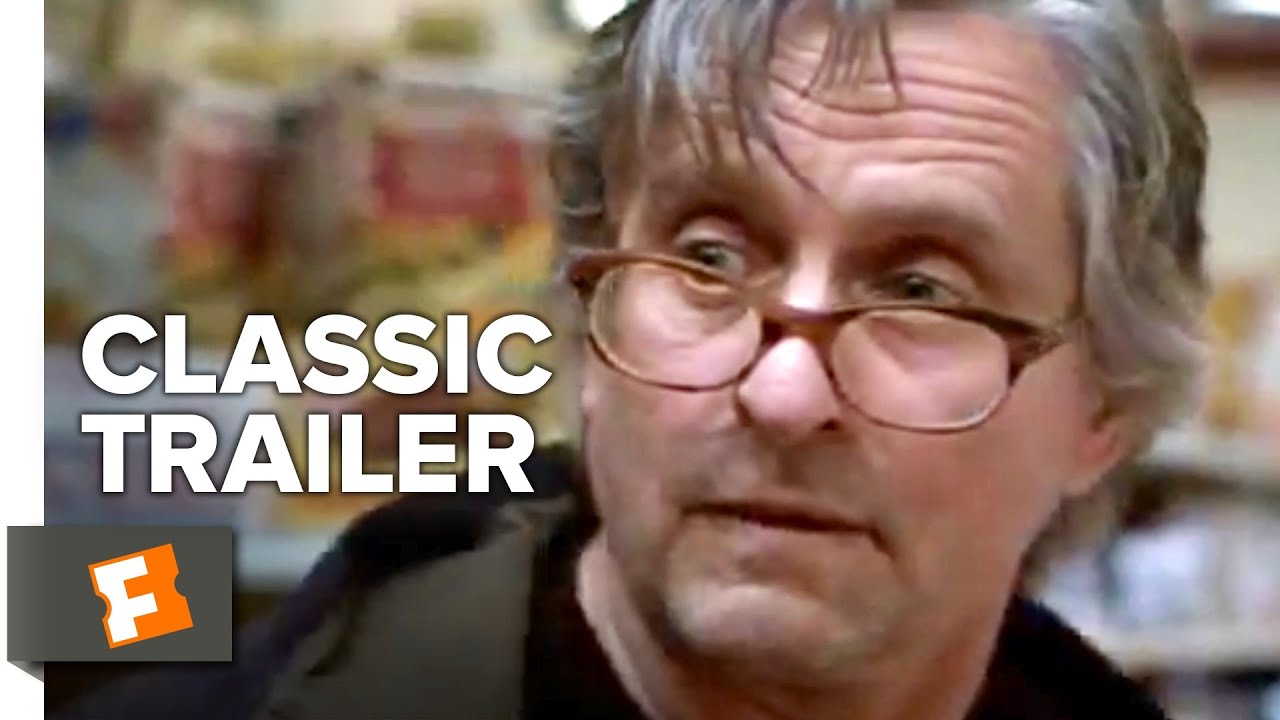
For this episode, I'm joined by Jonathan Russell Clark — author of, most recently, the book Skateboard — to discuss the 2000 film Wonder Boys, about the personal and professional crises that come to a head in one writer's life. Discussed in this episode: what was and was not changed in adapting Michael Chabon's novel; great titles of fictional books; the nature of the nonfiction novel; whether Misery falls into the purview of this podcast; this film's secret message about the importance of editors. Wonder Boys is available digitally at the usual places where you can rent a movie digitally; I believe there's also a Blu-Ray out in the world. On a personal note: I am glad to report that I loved this movie every bit as much as I did when I first saw it, albeit for some different reasons. (It also contains possibly my favorite Robert Downey Jr. performance.)
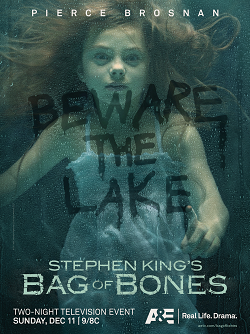
In this episode, writer and editor Katharine Coldiron visits Framed & Bound to discuss the 2011 adaptation of Stephen King's novel Bag of Bones, about a writer dealing with grief, writer's block, and ghosts. She's the author of the books Ceremonials and Junk Film: Why Bad Movies Matter — as well as the forthcoming collection Wire Mothers: Stories. Discussed in this episode: Canadian locations, the very unsettling implications of this miniseries's climax, refrigerator magnets, whether or not ghosts can make cars explode, and several other films that have nothing to do with writers or ghosts, but are pretty entertaining. Bag of Bones features one of the most memorable onscreen depictions of writer's block ever. You can purchase it via Apple TV. Bag of Bones director Mick Garris is among the writers and directors interviewed in the documentary King on Screen, which I wrote about in late 2022.
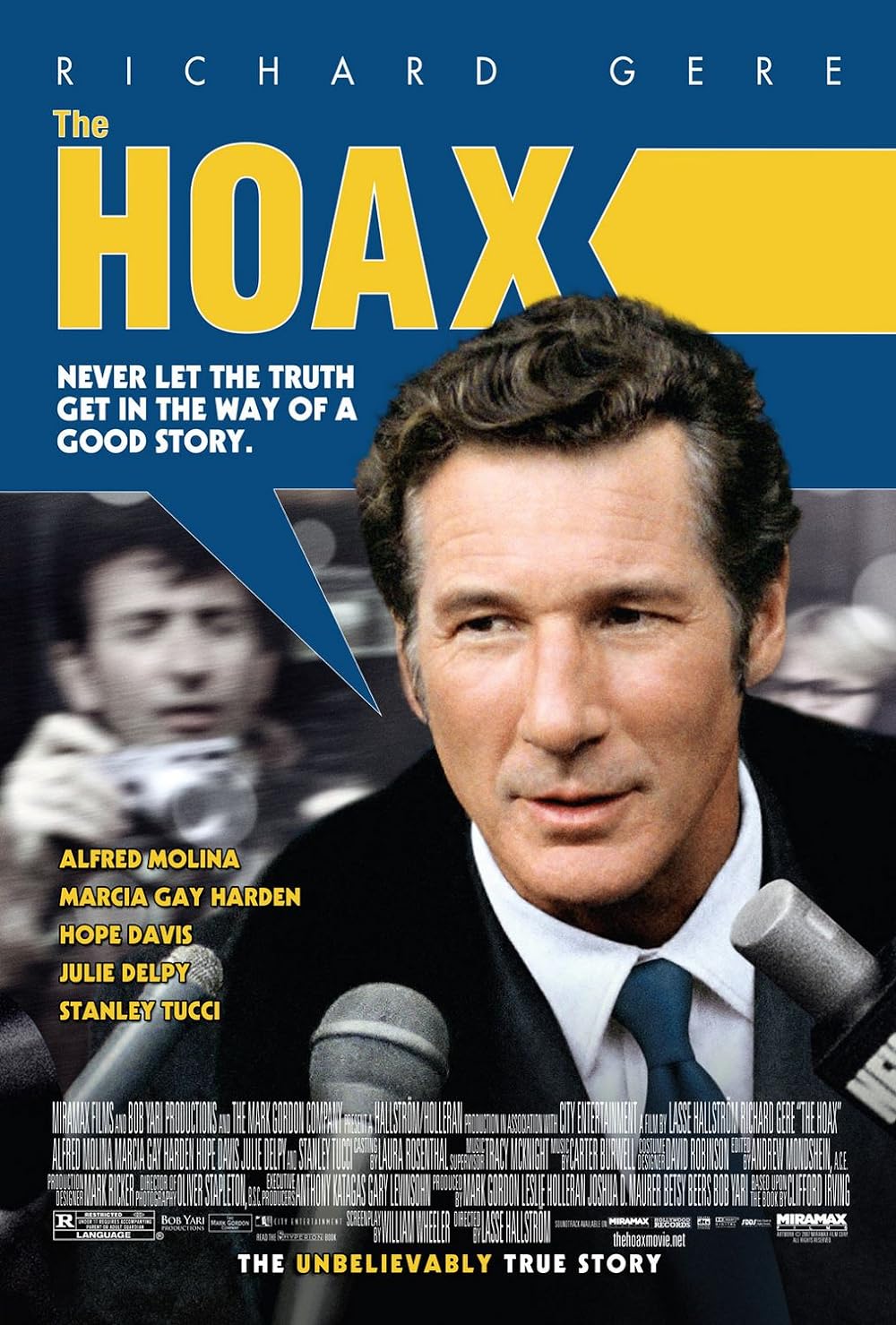
In this episode, writer Colin Dodds joins host Tobias Carroll to discuss director Lasse Hallström's 2006 film The Hoax, inspired by the real-life case of author Clifford Irving and his entirely fictional autobiography of Howard Hughes. Discussed in this episode: fabulism on film, the absurdly good cast of this film, the way certain members of this film's absurdly good cast are underused, the long shadow of Orson Welles's F For Fake, and the art of false mustaches. The real Clifford Irving died in 2017; his New York Times obituary has a good overview of his career. Ed Simon wrote about Irving's hoax in this piece for Literary Hub. And if you haven't yet seen Orson Welles's F For Fake yet, I highly recommend it. Colin Dodds is online at The Colin Dodds dot com. His latest novel, available everywhere books are sold, is The Reign of the Anti-Santas.

Comments

Download from Google Play

Download from App Store
 United States