


 Claim Ownership
Sailfaster: The Podcast For Racing Sailors
Subscribed: 35Played: 418
Subscribe

© 2026 Pete Boland
Description
Sailfaster is the podcast for competitive sailors who want to sail faster and win more races. Each episode, host Pete Boland sits down with Olympic medallists, America's Cup and SailGP sailors, offshore racers and coaches to unpack starting technique, boat speed, race tactics, crew management, regatta preparation and race-day mindset — the details that separate the front of the fleet from the rest. Whether you race dinghies, one-designs, keelboats or offshore, you'll walk away with something to use on the water this weekend.
81 Episodes
Reverse
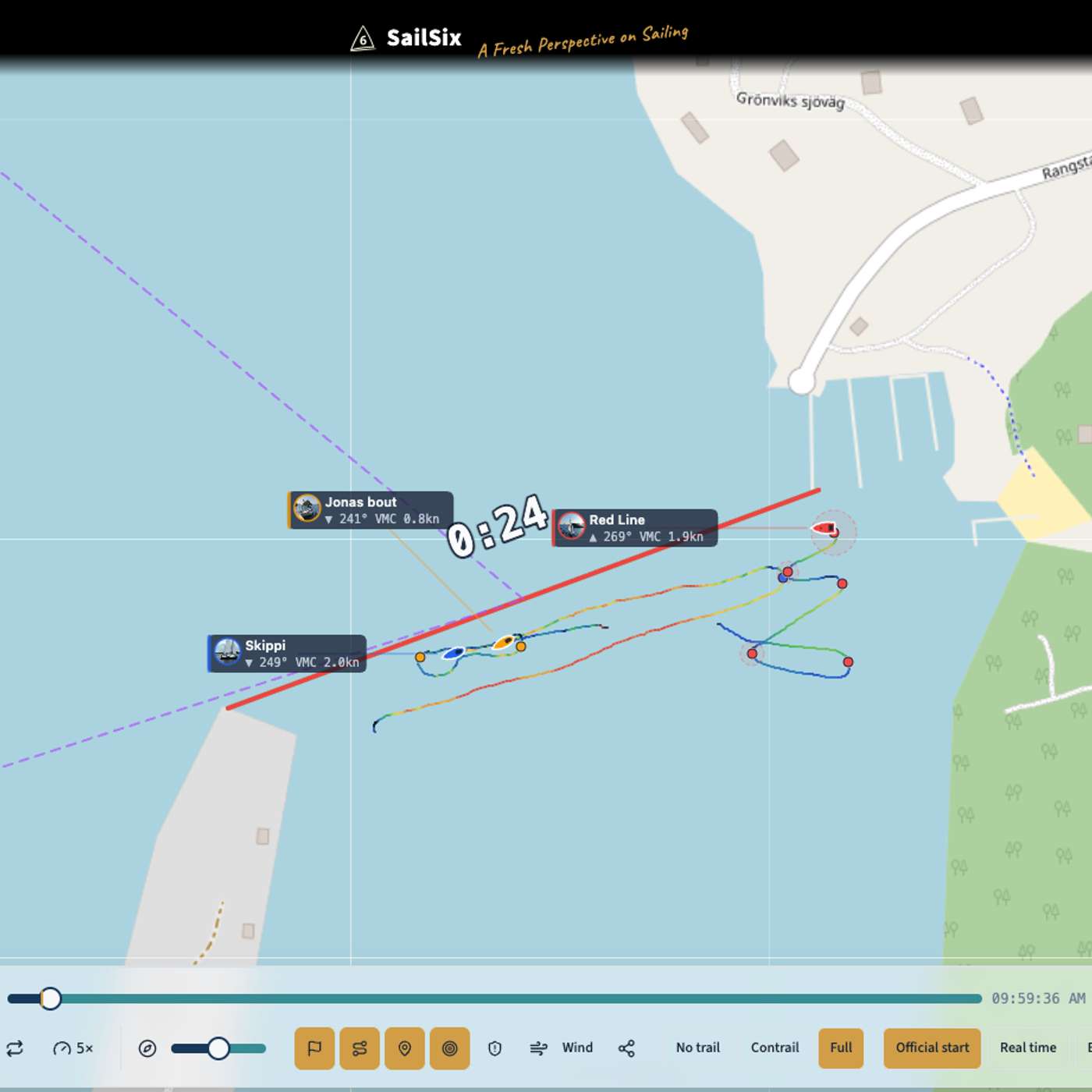
Can analysing your GPS tracks help you sail faster? In this episode, Pete talks with Swedish sailor Lasse Vesveren, creator of Sail6, a free sailing analytics platform that helps racers understand their performance and improve their results. From the spectacular Stockholm archipelago, Lasse explore how Sail6 reveals what really happens during a race — from lost speed and energy through a tack to tactical decisions, race starts and comparisons with faster competitors. Lasse also shares the surprising crossover with his work at Flightradar24, and explains how anyone can start using GPS data to become a smarter, faster sailor.Try Sail6 for free at sail6.com.
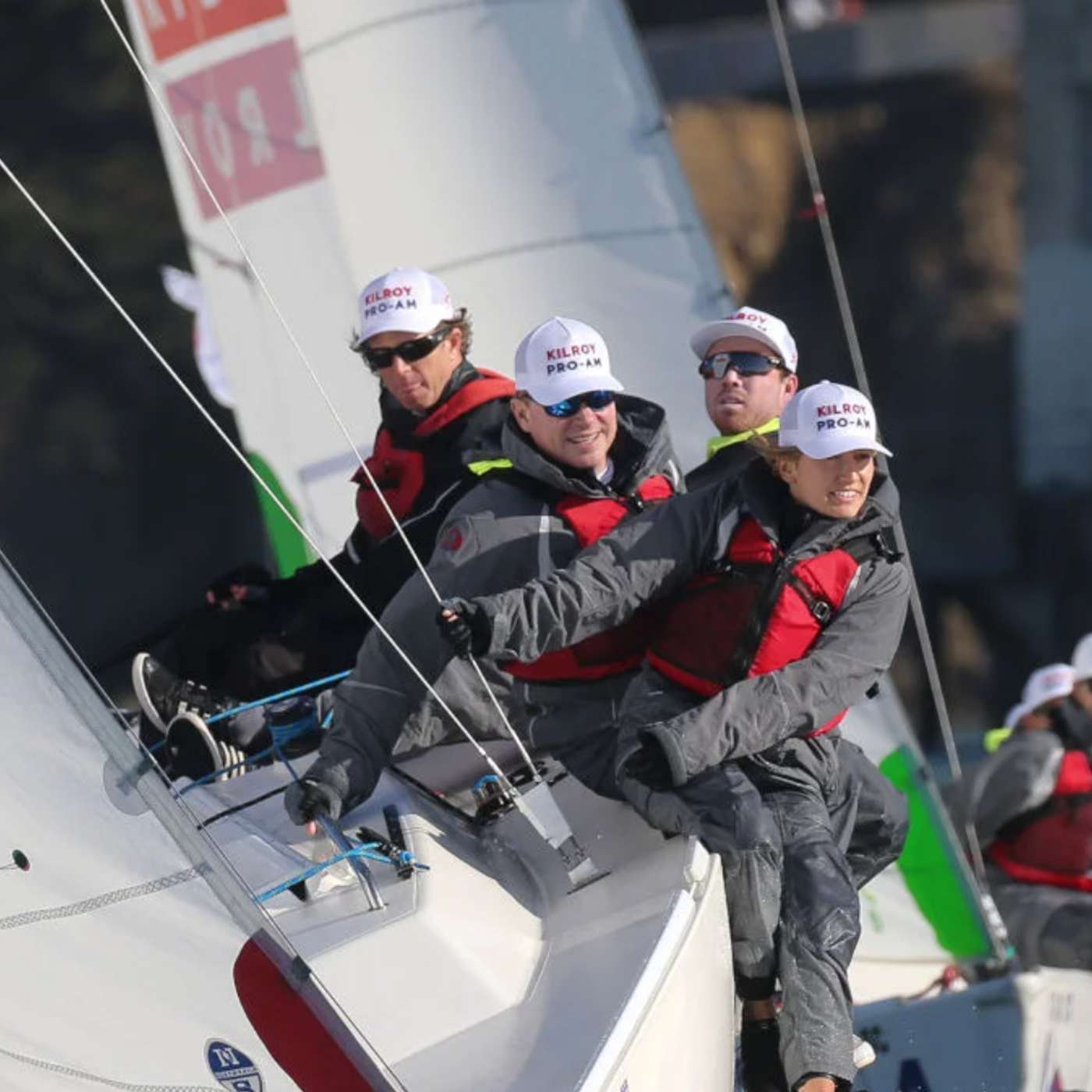
In Part Two of our conversation with three-time world champion Steve Hunt, we go deep into the tactical decisions that separate good sailors from great ones. Steve starts with a deceptively simple idea: keep it simple. Sail in more wind. Sail towards the mark. But then he takes us deep inside the decision-making process of a world-class tactician. We're pretty much aboard the race boat as he talks us through shifts, pressure, current, course geometry and boat-speed modes — explaining not just what he would do, but exactly why and when. We also explore how to categorize the racecourse, connect the dots in puffy conditions, balance shifts against a favored side, and recognize when the smartest tactical decision is simply to do nothing and sail fast. A practical masterclass in racecourse tactics. REMEMBER - SailFaster listeners get 30% off SteveHuntSailing.com with code SAILFASTER30.
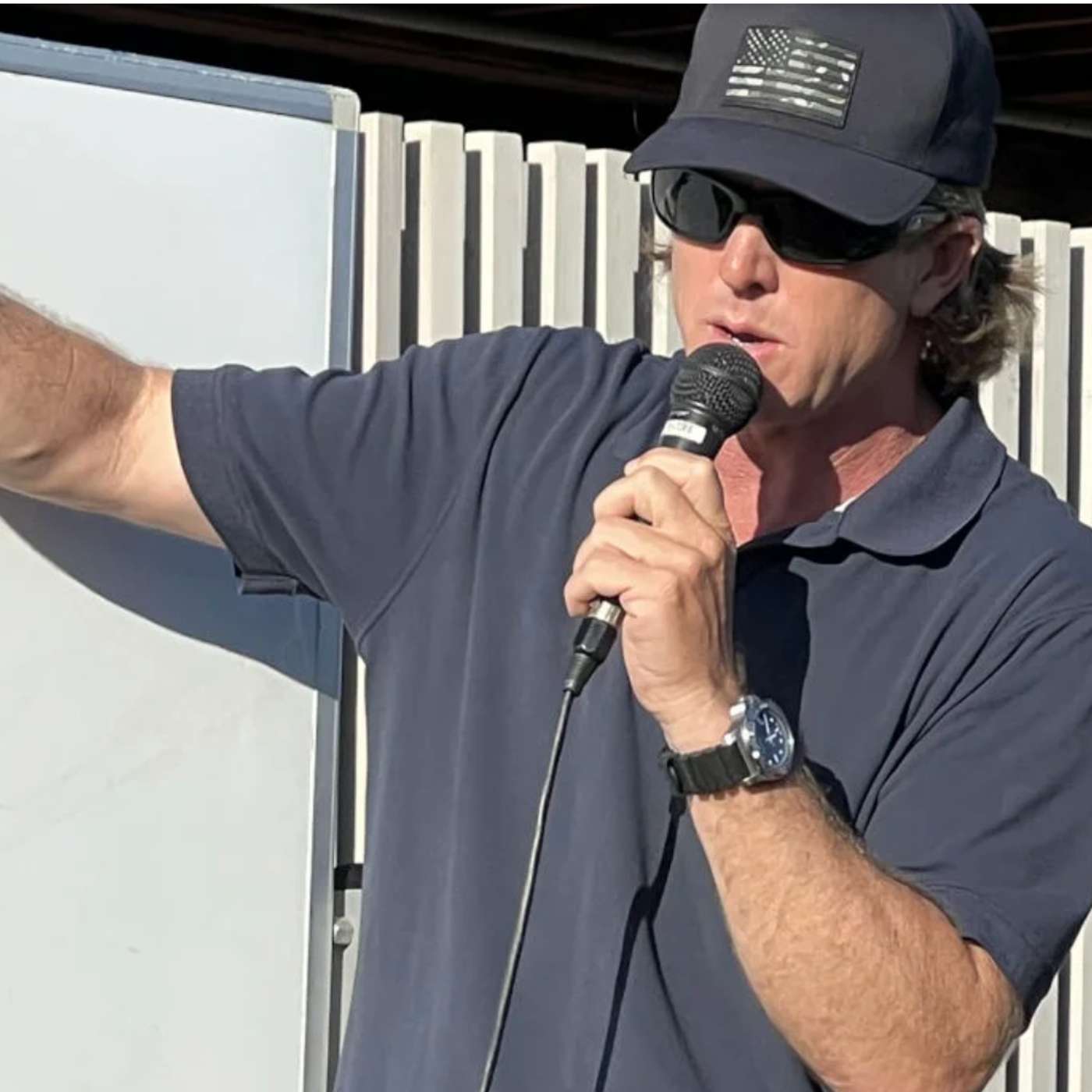
In Part 1 of our latest conversation with three-time Etchells World Champion Steve Hunt, we discuss racing fundamentals that work at every racing level. Why is sailing in more wind rule number one? When should you prioritize pressure over shifts? And why does sailing towards the mark solve so many tactical problems? Steve also shares a simple way to recover from a bad start — and explains why, when racing gets complicated, the best sailors get back to basics. Part 2 coming soon...and remember that Sailfaster listeners receive a 30% discount on stevehuntingsailing.com when you enter sailfaster30 into the coupon code!
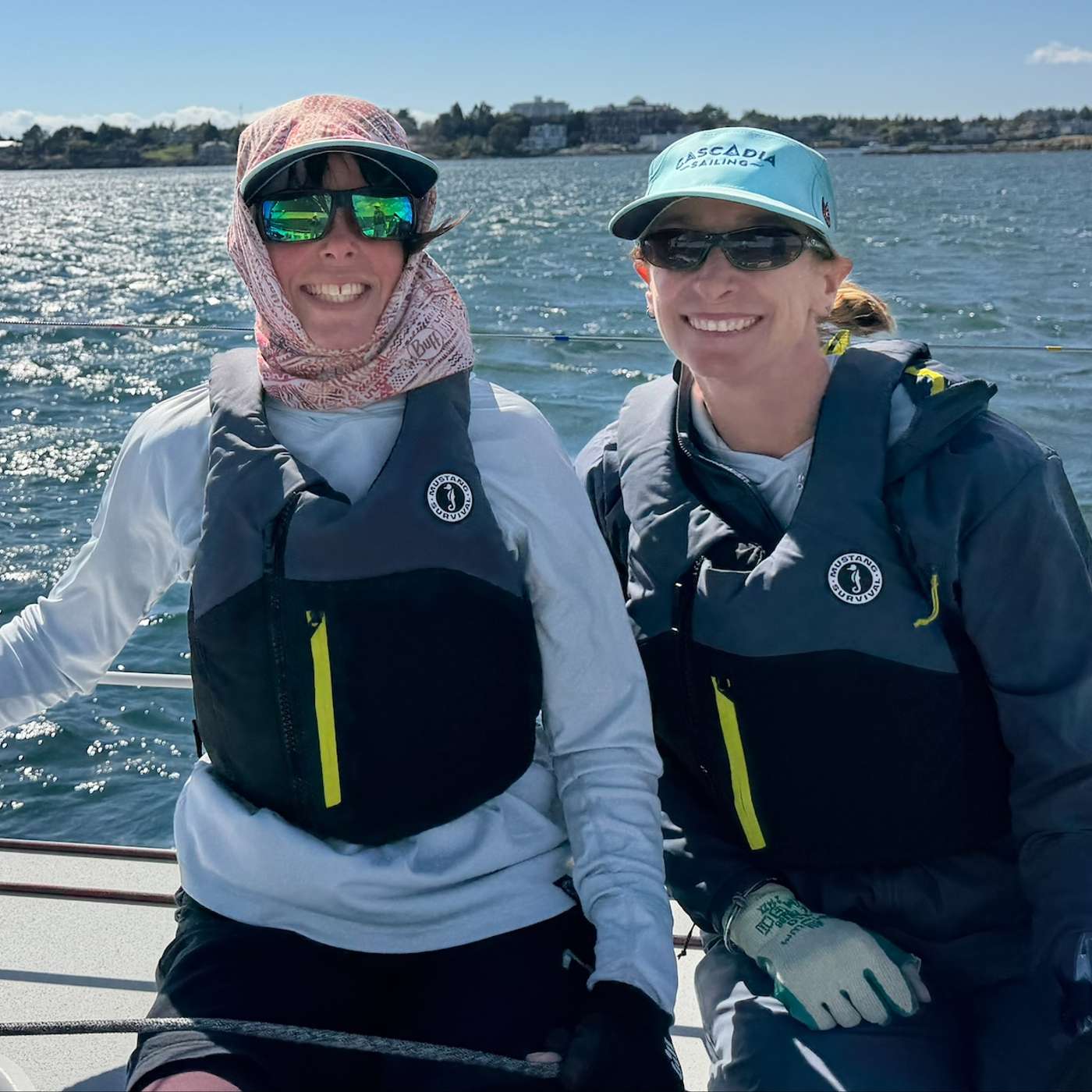
What happens when 11 sailors who’ve never raced together take on one of the world’s top women’s one-design regattas? You buy the only IC37 on the West Coast and start practicing.Pete talks with Cascadia Sailing’s Joy Dahlgren and Chris Wolfe about building a battle-ready Canadian-American team for the New York Yacht Club International Women’s Championship. They talk teamwork, offshore lessons, data, communication, the quirks of sailing an IC37—and why Americans and Canadians apparently can’t agree on how to pronounce “buoy.”A lively conversation about talented sailors, steep learning curves and turning 11 individuals into one seriously gritty team.

Racing under handicap can feel frustrating—but is your rating really the problem? After joining the J/105 Javelin for the IRC Europeans, I came away convinced that the best teams don't spend their weekends complaining about the rule. They focus on preparation, communication, boat handling and relentless improvement. Drawing on conversations with owner Richard Newsom and navigator Tony Owen, this episode explores how top crews play to their strengths, trust their race plan, build repeatable systems, and keep searching for the next tenth of a knot. Whether you race IRC, ORC or one-design, these lessons will make your team faster.

Comments

Download from Google Play

Download from App Store
 United States