



News For Reasonable People
Subscribed: 61Played: 13,454
Subscribe

© Sean Reynolds
Description
Dedicated to providing Alternative News and Unbiased Reporting for those tired of the mainstream media. Our Real Stories, Live Coverage, and Pressing News cover topics from social unrest to true crime. We feature Documentary Pieces and In-Depth Interviews that the media avoids, embracing Citizen Journalism and highlighting under-reported events. Tune in to our channel for daily updates on the most pressing news, and become a part of our growing community that values truth and transparency. Don't forget to subscribe and hit the notification bell to never miss an episode!
3369 Episodes
Reverse
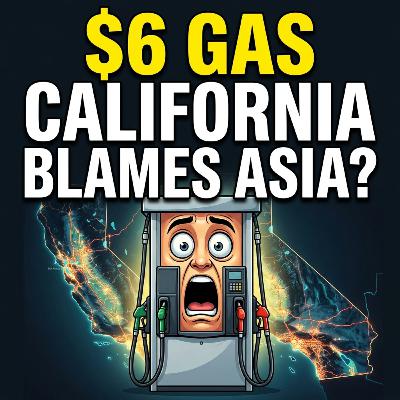
California drivers are paying over $6 per gallon for gasoline, the highest prices in the nation. Despite accusations of price gouging against oil companies, a CBS News California investigation revealed the real culprits: state policies, refinery closures, and global supply risks. California's environmental regulations and unique fuel blend drive up baseline prices. Two refinery closures have reduced the state's refining capacity by nearly 20%, forcing California to outsource refining to Asia, which increases pollution and supply volatility. With rising costs and regulatory uncertainty, oil companies are incentivized to leave California, further exacerbating the problem. The Middle East conflict and China's fuel export halt add to the volatility, validating warnings that outsourcing refining increases price spike risks.
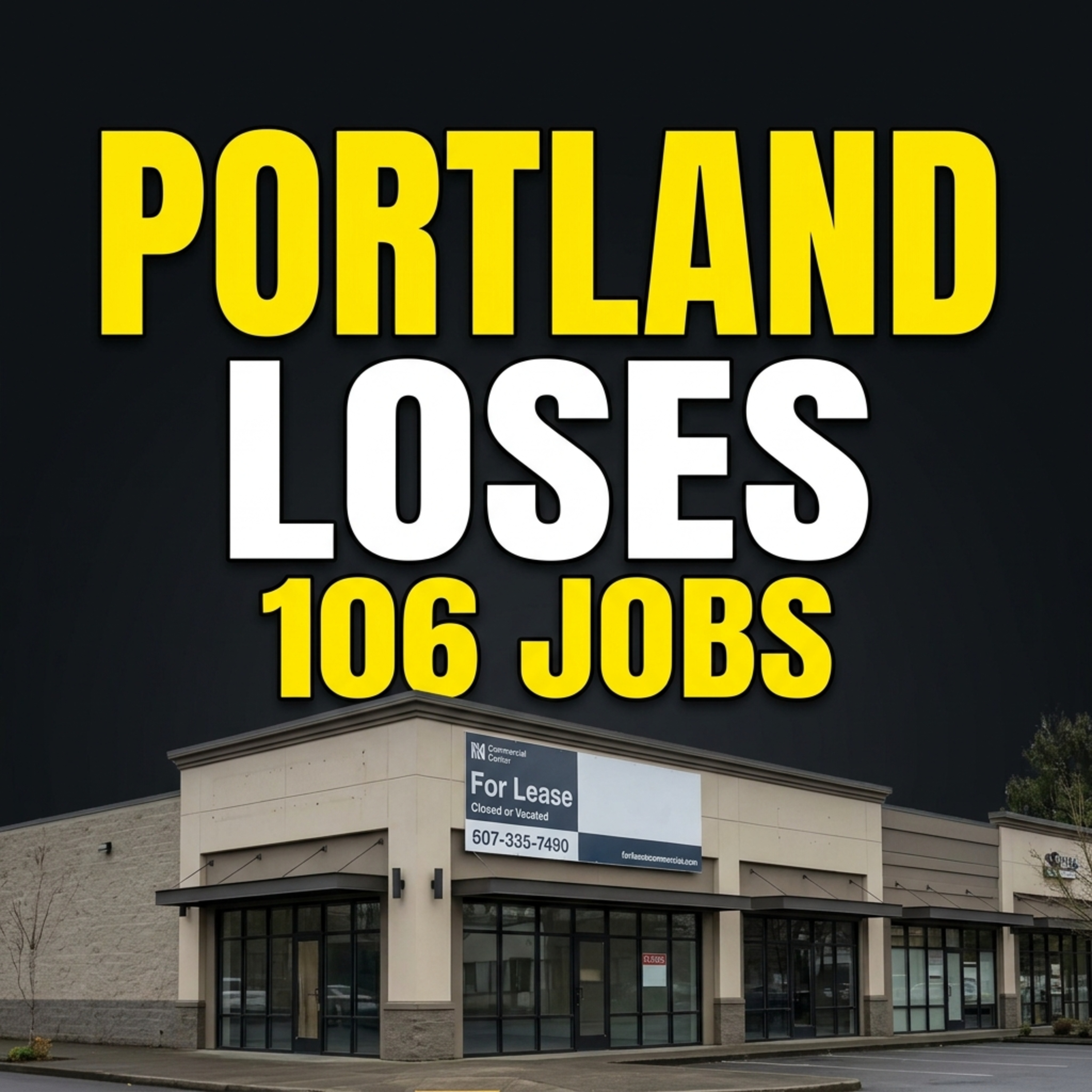
Another business is shuttering its Portland location, laying off 106 employees. Direct Marketing Solutions is closing its production facility but keeping its headquarters open. CEO Luke Teboul cites 'operational needs and industry dynamics' as the reason. This comes as Oregon struggles to retain businesses, ranking poorly in national business climate surveys. Business bankruptcies are at a 12-year high, and Oregon has one of the highest rates of first-year business failure. The Oregonian even dubbed 2025 'Oregon's year of layoffs.' Portland's policies continue to drive businesses and jobs away, impacting families and the local economy. Is this the end for Portland?

Minneapolis is considering a city income tax to address its lower per capita tax revenue compared to similar metropolitan areas. A recent report suggests diversifying the city's revenue base, which currently relies heavily on property taxes, which have declined recently. The Minneapolis Board of Estimate and Taxation will review the report, which proposes 12 revenue-generating strategies. The report also urges improved tax collection methods. The potential new tax aims to boost the city's financial standing and address discrepancies compared to other cities. Residents and businesses should prepare for possible changes in the city's tax structure. It is important to improve our tax collection methods rather than add new taxes.

California's ambitious high-speed rail project is under fire after a '60 Minutes' exposé revealed massive cost overruns and delays. Originally projected at $33 billion, the project's cost has ballooned to over $125 billion, with no functional rail line connecting major cities. Critics like Rep. Vince Fong are calling it a 'bait and switch,' as voters were promised a system connecting San Francisco and Los Angeles. The current plan involves a much shorter route between Bakersfield and Merced, a fraction of the originally promised distance. Even California officials admit mistakes were made, highlighting the project's mismanagement and questionable financial planning. With completion years away and costs still rising, the future of California's high-speed rail remains uncertain under Newsom's leadership.
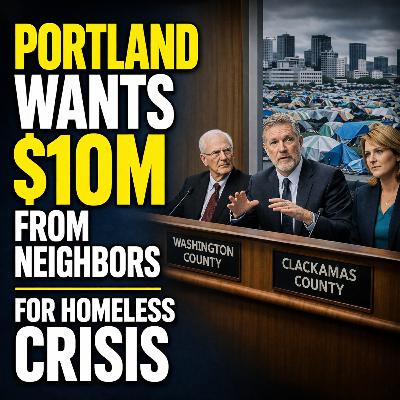
Portland Mayor Keith Wilson is asking neighboring Washington and Clackamas counties for a combined $10 million to help cover a $15 million shortfall in funding for homeless shelters across the city. The request aims to keep several key shelters and services operating, with the argument that homelessness is a regional issue affecting people across county lines. However, leaders and service providers in surrounding counties are pushing back, saying their own resources are already stretched and funding Portland could take away from local needs. The proposal is now under review, sparking debate over how responsibility for addressing homelessness should be shared across the metro area.

San Francisco Mayor Daniel Lurie has issued layoff notices to city employees, a move he describes as 'painful but necessary.' This decision comes as San Francisco grapples with ongoing budget challenges and the need to streamline city services. The layoffs impact various departments, raising concerns about the future of public services and the local economy. Critics argue that these cuts will disproportionately affect working-class families and exacerbate existing inequalities. Supporters, however, maintain that these measures are essential for fiscal responsibility and long-term sustainability. The situation highlights the difficult choices facing city leaders as they navigate economic uncertainty and strive to balance the needs of residents with budgetary constraints. What does this mean for the future of San Francisco?

Washington state recently passed a new law banning law enforcement officers from wearing masks during operations, aiming to increase transparency and public accountability. However, just days after the law went into effect, ICE agents were still seen covering their faces, raising questions about whether the rule applies to federal authorities. This situation highlights a growing conflict between state and federal power, as Washington officials push for more oversight while federal agencies operate under their own rules. In this video, we break down what the new law actually says, why ICE agents may not be following it, and the bigger legal question of whether a state can enforce its laws on federal officers.
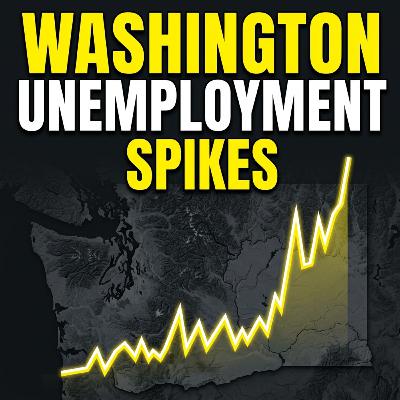
Washington state's unemployment rate has reached 5% in January, marking the highest level since 2021. This increase signals a potential weakening of the labor market, outpacing the national rate of 4.3%. While the state added around 2,800 jobs, primarily in education and health services, mass layoffs in the tech industry continue to exert downward pressure. Economist Anneliese Vance-Sherman cautions against solely blaming the tech sector, noting that it's also adding jobs in strategic areas. The rising unemployment is fueled by tax policies and other factors impacting businesses in the state. The current economic climate raises concerns about potential future economic hardship for Washington residents.

Washington lawmakers are pushing back after funding for a program targeting organized retail crime was vetoed. The state reportedly faces billions in retail theft losses, with officials claiming it ranks among the worst in the nation.A pilot program aimed at cracking down on theft showed promising results—boosting prosecutions, improving coordination between law enforcement and retailers, and offering intervention programs for offenders. Supporters argue the funding was working and should have continued.However, the governor vetoed about $500,000 in additional funding, sparking debate over spending priorities and how best to address rising retail crime.The issue highlights a broader question: should states invest more in enforcement programs to combat organized theft, or rethink how resources are allocated?
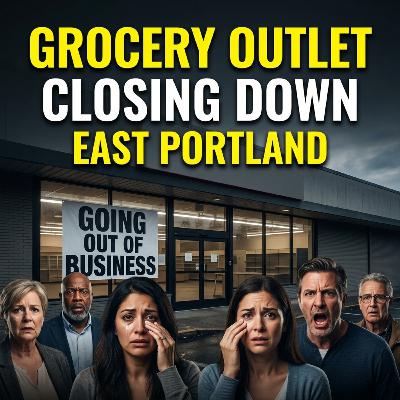
Grocery Outlet is slated to close its East Portland location due to safety concerns and an alleged unwillingness to compromise on solutions. This closure leaves residents of East Portland with fewer affordable grocery options and raises questions about the safety and economic health of the neighborhood. The owner previously hinted at the possibility of closing the store, and now the decision has been finalized, impacting the community significantly. This is another example of how progressive policies are destroying our cities. We will look at this and other recent store closures, and what it means to reasonable people.

Portland city leaders are exploring a new “vacancy fee” aimed at tackling the growing number of empty storefronts downtown. With high vacancy rates hurting foot traffic and economic recovery, the proposed policy would charge property owners who leave retail or commercial spaces unused for extended periods, encouraging them to lower rents or find tenants faster. The idea is still in early stages, with the city funding a study to determine how the fee would work and its potential impact. Supporters say it could help revitalize downtown, while critics worry it may discourage investment and unfairly burden property owners.

T-Mobile has announced another round of layoffs, impacting its IT organization and resulting in the loss of 393 jobs in Washington state. This move, described by the company as 'further aligning,' raises concerns about the telecom giant's commitment to its workforce and the economic stability of the region. These layoffs follow previous cuts, signaling a potential trend within the company. As T-Mobile continues to navigate the evolving telecommunications landscape, the impact on its employees and the broader community remains a significant concern. We need to ask if these layoffs are simply a business decision or a symptom of a larger economic downturn brewing in Washington. The implications for the state's job market and the future of T-Mobile's operations warrant a closer examination.

Expedia Group recently laid off over 100 employees in the Seattle-area, impacting its technology staff. The company claims these layoffs are part of a restructuring effort to streamline operations and focus on future skills. However, a WARN notice indicates 162 employees received permanent layoff notices. Roles affected include Data Engineers, Software Development Engineers, and Product Managers, with a significant portion being Senior Directors and Managers. This move raises concerns about the tech industry in Seattle and Expedia's future strategy. While Expedia states they are opening new roles, the immediate impact on local workers and the regional economy is undeniable. The layoffs at Expedia are a symptom of larger economic forces.

Washington state has passed a new law, championed by Governor Bob Ferguson, that removes barriers for homeless shelters and permanent supportive housing in residential areas. This legislation aims to address the growing homelessness crisis by increasing access to shelter. Critics argue this will decrease property values and increase crime. Supporters say this is a compassionate measure, and local governments will be forced to comply. The new law represents a significant shift in Washington's approach to homelessness and raises important questions about local control and community impact.
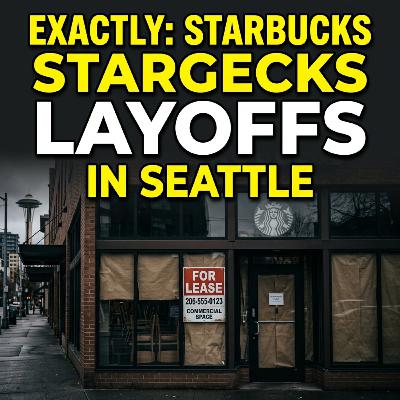
Starbucks is facing scrutiny after laying off nearly 70 employees in Seattle following the closure of five stores. These closures, some affecting unionized locations, raise questions about the company's priorities amidst plans for expansion. CEO Brian Niccol's 'Back to Starbucks' strategy, involving a $1 billion investment in training and store upgrades, aims to revitalize the coffee giant. However, critics question whether these efforts are genuinely effective, especially as Starbucks continues to close stores while simultaneously opening new ones. The situation sparks concerns about the company's commitment to its workforce and the long-term sustainability of its business model. Is Starbucks truly turning around, or is this just a facade?
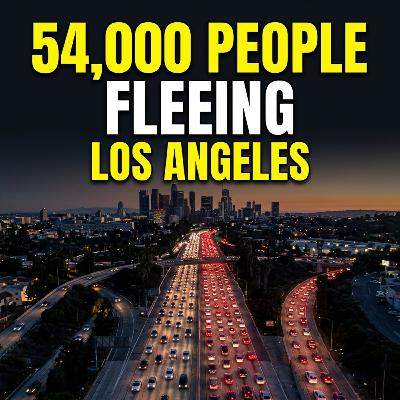
New census data reveals a significant population decline in Los Angeles County, with nearly 54,000 residents moving out between 2024 and 2025. This exodus is part of an ongoing trend, reducing the county's population from over 10 million in 2020 to just under 9.7 million in 2025. While the exact destinations of these fleeing residents remain unclear, neighboring counties like Riverside and San Bernardino, as well as the Las Vegas area, have seen population increases. Despite this decline, L.A. County remains the most populous in the nation. Is this decline a reflection of failed policies, high cost of living, or something more? We dive deep into the numbers and explore the potential reasons behind this mass departure from the Golden State. This is an issue conservatives need to pay attention to.

Playboy is relocating its headquarters from Los Angeles to Miami Beach, with plans to open a new facility in 2026 that will combine office space, content production studios, and a revived Playboy Club featuring a restaurant and members-only areas. The move is part of the company’s strategy to modernize its brand and expand its lifestyle and media presence, while also taking advantage of Miami’s more business-friendly environment and lower operating costs. Local officials say the relocation is expected to bring new jobs and economic activity to the area.
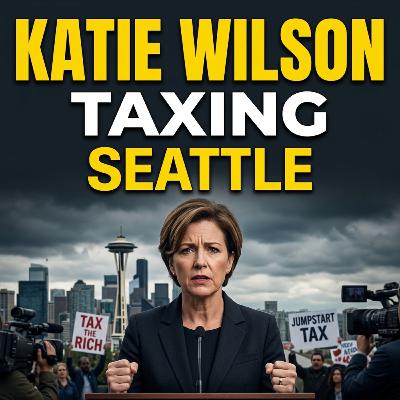
Seattle Mayor Katie Wilson is proposing new taxes on big businesses and wealthy individuals to address a projected $140 million budget shortfall in 2027. These proposals include expanding the JumpStart payroll tax and implementing a local capital gains tax. However, concerns are rising that these taxes could incentivize companies like Amazon to relocate jobs to neighboring cities like Bellevue, which already houses 15,000 former Seattle-based Amazon employees. The Downtown Seattle Association reports a downtown office vacancy rate exceeding 30% due to the city's aggressive tax burden. Wilson acknowledges the need for Seattle's tax environment to be competitive but hasn't explained how to retain businesses while increasing their tax obligations. The city already levies several business taxes, including the JumpStart tax and a Business and Occupation Tax, raising questions about the long-term economic impact of these policies.

A recent report indicates a significant increase in high-value home listings in Washington State following the passage of an income tax. The number of homes listed for sale for $2 million or more has jumped by 65%, signaling a potential flight of wealth from the state. This surge in listings raises concerns about the economic impact of the new tax policy and its effect on the housing market. Critics argue that the income tax is driving away high-income earners and property owners, leading to a decrease in the state's tax base. The long-term consequences of this trend could include a decline in property values, reduced investment, and an overall weakening of Washington State's economy. This news from Washington echos the ongoing debates around taxation and its effect on wealth migration across the country.

Downtown Seattle's office buildings are facing a massive decline in value, with a staggering $3.7 billion lost since 2022. King County Assessor data reveals that approximately a third of downtown commercial space sits vacant, leading to plummeting property values for major skyscrapers like the Amazon Doppler Tower and DocuSign Tower. As Amazon parts ways with over 1 million square feet of office space, Seattle's property tax revenue has fallen short by millions. This shift places a heavier tax burden on renters, homeowners, and small businesses. With Seattle leading the nation in falling office rents and rising vacancies, experts warn of a potential reshaping of the city's commercial real estate landscape. Is this the beginning of the end for Seattle's economic dominance?

Comments

Download from Google Play

Download from App Store
 United States