


 Claim Ownership
Offbeat Oregon History podcast
Subscribed: 557Played: 83,197
Subscribe

© Creative Commons CC-BY-SA 4.0
Description
The Offbeat Oregon History Podcast is a daily service from the Offbeat Oregon History newspaper column. Each weekday morning, a strange-but-true story from Oregon's history from the archives of the column is uploaded. An exploding whale, a few shockingly scary cults, a 19th-century serial killer, several very naughty ladies, a handful of solid-brass con artists and some of the dumbest bad guys in the history of the universe. Source citations are included with the text version on the Web site at https://offbeatoregon.com.
694 Episodes
Reverse
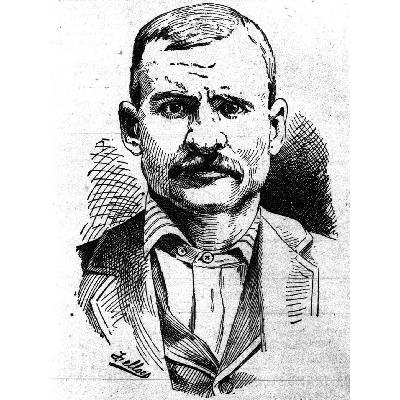
He was Portland's most notorious bad guy, with his fingers in everything from shanghaiing sailors to smuggling opium. But ironically, when he was finally sent to prison, it was for a murder he clearly didn't commit. (Portland, Multnomah County; 1890s) (For text and pictures, see https://offbeatoregon.com/1407b.bunco-kelley-part1-the-facts.html)
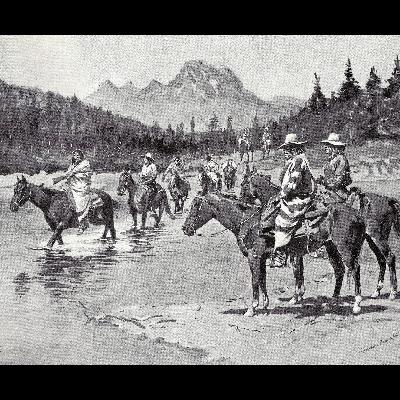
1860s Bannock leader disappeared as mysteriously as he appeared, leaving behind nothing but frontier folklore and a trail of 17-inch-long moccasin prints; a probably-untrue rumor claims Nampa, Idaho, was named after him. (Malheur County; 1850s, 1860s) (For text and pictures, see https://offbeatoregon.com/1409b.304.chief-bigfoot-legend.html)
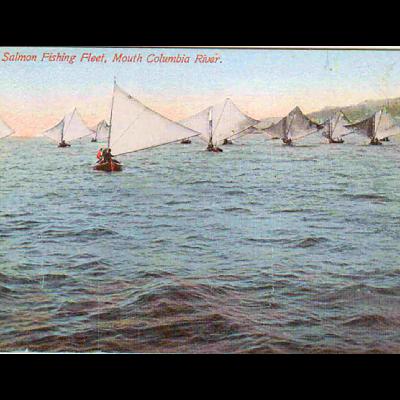
Fishermen working in heavy 24-foot boats at the mouth of the Columbia kept getting sucked out onto the bar and drowning in its massive breakers. Their odds of not surviving a season were as high as 1 in 15. (Astoria, Clatsop County; 1880s, 1890s) (For text and pictures, see https://offbeatoregon.com/1206d-most-dangerous-catch-salmon-on-columbia-river-bar.html)
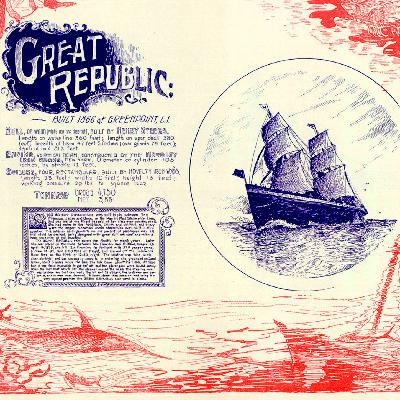
Ashamed to show his face in Astoria after causing the loss of the biggest passenger liner on the West Coast, Thomas Doig slunk away to South America and remade himself as a military man. (Columbia River Bar, Clatsop County; 1870s) (For text and pictures, see https://offbeatoregon.com/1408c.300.great-republic-wreck.html)
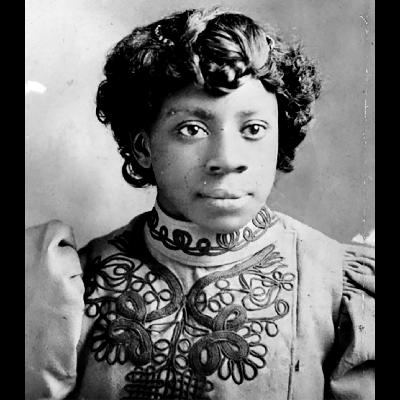
Sometime in 1915, a 40-year-old Black woman named Frankie Baker stepped off the train at Portland’s Union Station. She had come to stay; Oregon would be her home for the rest of her life.
At that time, Portland had a a reputation as a good place to hide out when you were on the lam. It was far off the beaten path; but the town had all the cultural perquisites of civilization, or most of them anyway. Plus, the people of Oregon had a reputation for minding their own business.
So a lot of people who got into trouble back east came to Portland hoping for a fresh start. And yes, Frankie was one of them.
But she wasn’t running from the law, or from an abusive spouse. She was running from a popular song.
Frankie Baker, you see, was the Frankie — of “Frankie and Johnny” fame. ... (Portland, Multnomah County; 1920s) (For text and pictures, see https://offbeatoregon.com/21-04.frankie-baker-they-done-her-wrong-596.html)
THE STORY TOLD in “Frankie and Johnny” is very well known — the song has been covered by at least 250 recording artists over the last 120 years. Mae West made it her theme song. Elvis Presley’s recording earned him a gold record. Originally a ragtime piece, it’s been adopted into jazz (Louis Armstrong, Count Basie, Dave Brubeck …), country (Johnny Cash, Doc Watson, Jimmie Rogers …), blues (Leadbelly, Mississippi John Hurt, Mississippi Joe Callicott …), rock-and-roll (Jerry Lee Lewis, Van Morrison, Gene Vincent …) — basically, every musical style that’s come along since the end of the 19th century. Somewhere out there, there is probably even a dubstep version. I couldn't find one, but I did find Lena Horne's. And the list goes on and on.
Of course, it should be no big surprise that the story the song tells is not strictly true. But, what is the real story, you might ask?
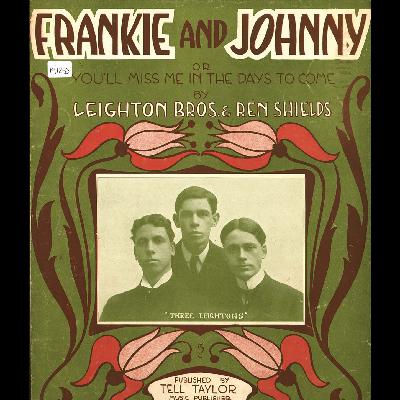
The front cover of one of the first nationally-published sheet-music versions of Frankie and Johnny, published by Tell Taylor in 1912. (Image: Square Dance Resource Net) (link to the PDF of the sheet music: https://offbeatoregon.com/assets-2021/21-04.frankie-baker-he-done-her-wrong/FrankieAndJohnny-LeightonBrosRenShields-1.pdf )
Well … (St. Louis, Missouri; 1910s) (For text and pictures, see https://offbeatoregon.com/21-04.frankie-baker-they-done-her-wrong-596.html)
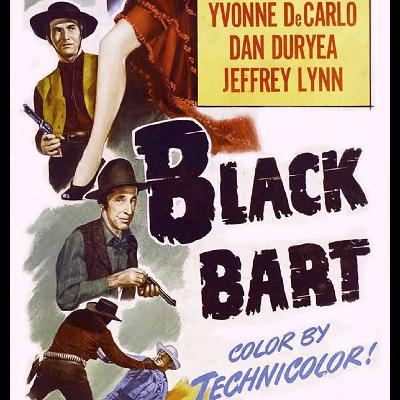
Charles “Black Bart” Bolton's neighbors in San Francisco thought his money came from ownership in gold mines. It turned out it came from furtive excursions northward to rob stagecoaches in Oregon and northern California. (Siskiyou Pass, Jackson County; 1880s, 1890s) (For text and pictures, see https://offbeatoregon.com/1401d.black-bart-gentleman-stage-robber-poet.html)
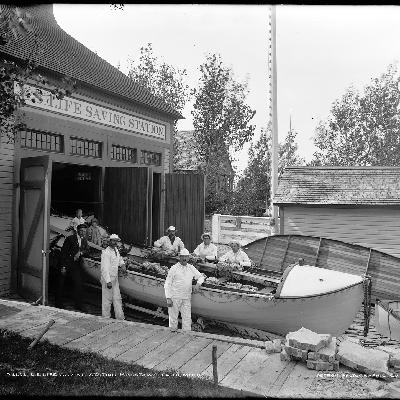
Two motor lifeboat crews went out on the bar to save three surviving sailors. Both boats went to the bottom of the sea — but not a man was lost on either crew, and all the survivors were rescued. (Columbia River Bar, Clatsop County; 1910s) (For text and pictures, see https://offbeatoregon.com/1506d.CursedShips-RosecransRescue.html)
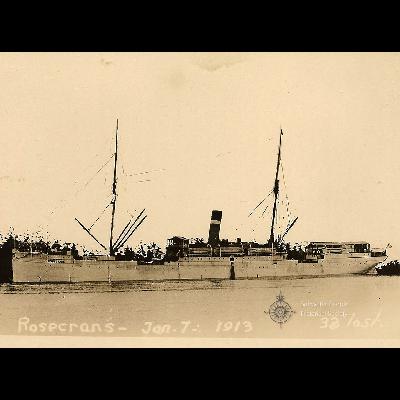
The big oil tanker had weathered two major catastrophes in the previous year — a stranding and a colossal fire. But for 33 doomed crew members, the third time would be the charm — or, rather, the hex. (Columbia River Bar, Clatsop County; 1910s) (For text and pictures, see https://offbeatoregon.com/1506c.cursed-ships-rosecrans-344.html)
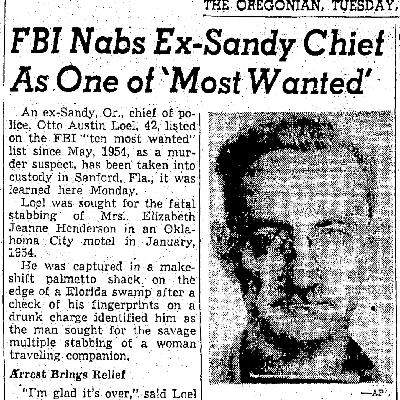
At the pay the city of Sandy was offering, Otto Austin Loel was the only man willing to take the job. He didn't turn out to be much of a bargain ... but it wouldn't be until years later that the town learned how much worse he could have been. (Sandy, Clackamas County; 1940s) (For text and pictures, see https://offbeatoregon.com/1506a.sandy-police-chief-executed-for-murder-342.html)
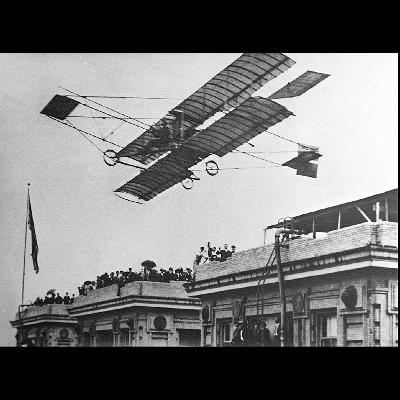
“This is an age of do-it-first,” said Silas Christofferson, and proceeded to launch his spindly kite-like “aeroplane” from the roof of a downtown hotel — making aviation history in the heart of Oregon's biggest town. (Portland, Multnomah County; 1910s) (For text and pictures, see https://offbeatoregon.com/1408e.302.silas-christofferson-portland-hero-aviator.html)
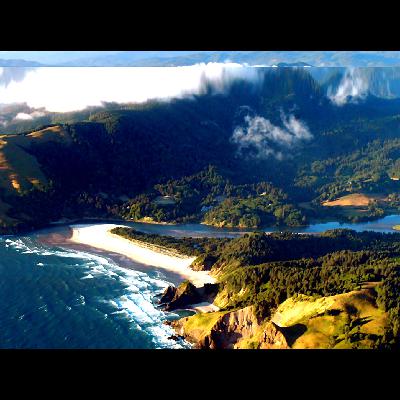
Neighbors wondered if the eight-foot-tall corpse found by developer at what today is YWCA Camp Westwind was evidence that an old Native American legend of a pirate ship is true; if so, there might actually be booty buried there, some say. (Cascade Head, Lincoln County; 1930s) (For text and pictures, see https://offbeatoregon.com/1204e-giant-skeleton-evidence-of-pirate-treasure-legend.html)
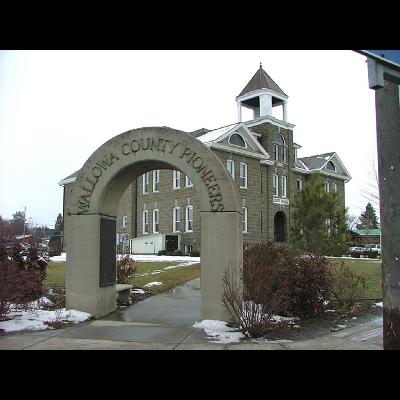
75 years ago, without realizing who he was, Wallowa County included Bruce “Blue” Evans — leader of the gang that massacred dozens of innocent Chinese miners back in 1887 — on a plaque commemorating its earliest white settlers. (Enterprise, Wallowa County; 1880s, 1930s) (For text and pictures, see https://offbeatoregon.com/1204b-monument-mass-murderer-chinese-miners.html)
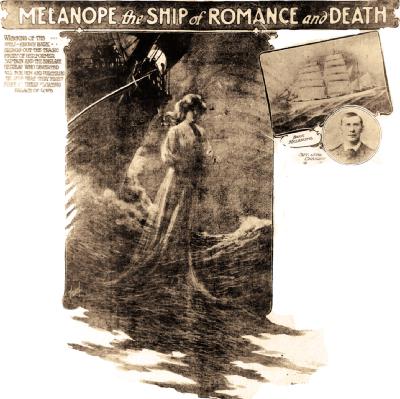
The Melanope's maritime career started with a witch's curse. But her most dramatic story was the torrid, doomed love affair its skipper carried on with the heiress who bought the ship so she could be with him as he sailed it. (Columbia River Bar, Clatsop County; 1900s) (For text and pictures, see https://offbeatoregon.com/1506b.cursed-ships-melanope-343.html)
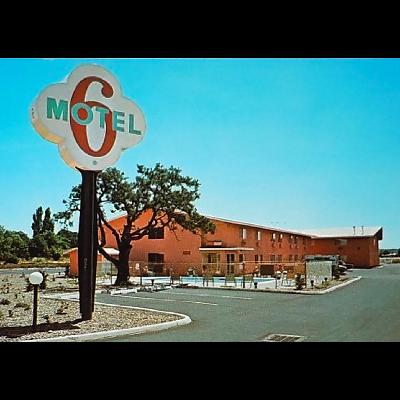
By far the most embarrassing jailbreak in state history happened when a murderer simply walked out the back door of a Motel 6 during an unsupervised “date” with a woman officials thought was his fiancee. (Salem, Marion County; 1970s) (For text and pictures, see https://offbeatoregon.com/1207c-carl-cletus-bowles-jailbreak-during-conjugal-visit.html)
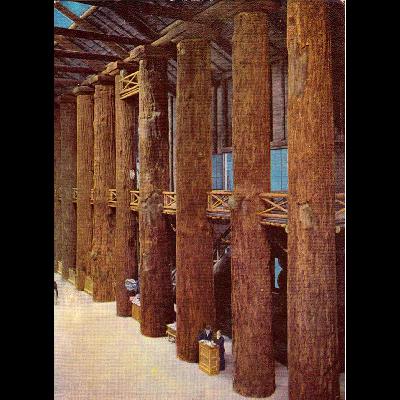
Ancient electrical wiring ignited Portland's legendary Forestry Building, a structure made of massive, flawless old-growth logs that had been built for the Lewis and Clark Exposition in 1905. (Portland, Multnomah County; 1960s) (For text and pictures, see https://offbeatoregon.com/1206c-forestry-building-biggest-log-cabin-burned.html)
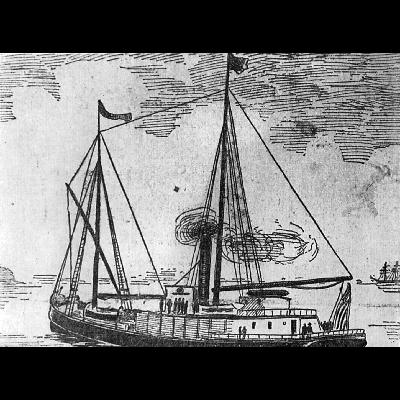
Historic steam schooner vanished on a calm night in 1930, leaving lifeboats and debris floating in the water — but no bodies, alive or dead. Was it a violent micro-storm? A “seaquake”? A boiler explosion? We'll never really know. (Gold Beach, Curry County; 1930s) (For text and pictures, see https://offbeatoregon.com/1206b-mysterious-disappearance-of-steamer-south-coast.html.html)
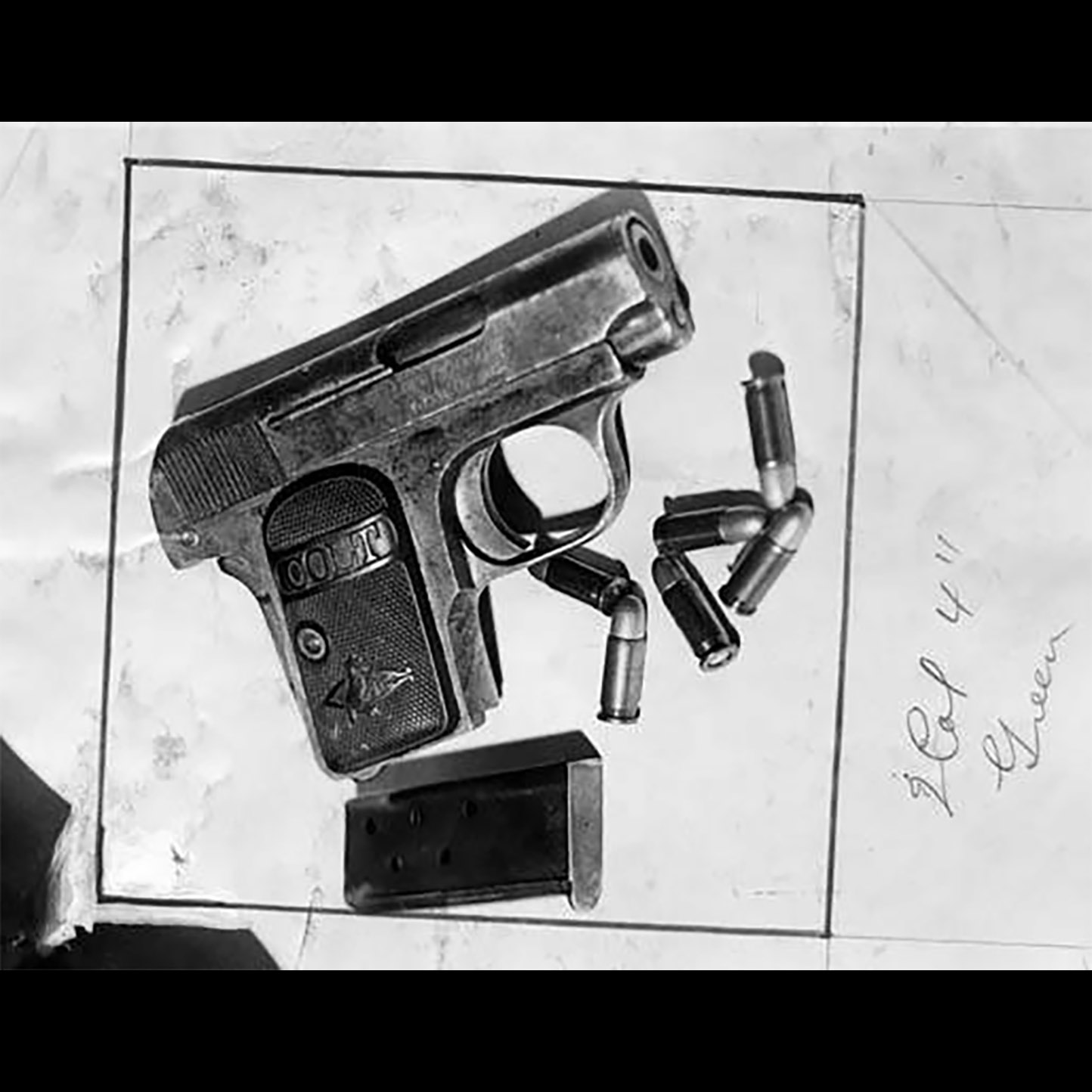
OREGON DIVORCEE AGNES Anne “Annie” LeRoi arrived in Phoenix in the first few months of 1931 with her best friend and roommate, schoolteacher Hedvig “Sammy” Samuelson. They were climate refugees: Sammy had tuberculosis, and at the time the only cure for “consumption” was a dry climate and rest.
Back then, many patients with TB waited until they were so far gone that the climate couldn’t save them; essentially, they moved to Arizona to die. Sammy wasn’t one of them; her case was mild. But, although she didn’t know it, she, too, was moving to Arizona to die. She had less than nine months to live. So did Annie.
Neither one of them would die of tuberculosis, though. (Phoenix, Arizona; 1930s) (For text and pictures, see https://offbeatoregon.com/21-03.trunk-murders-anne-leroi-595.html)
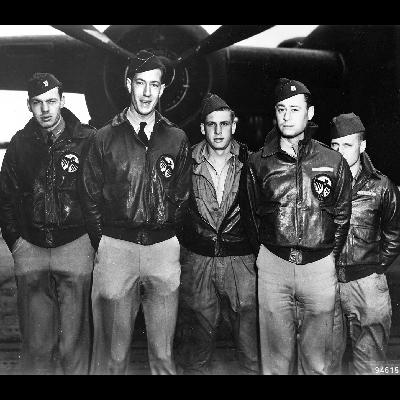
Two of them had movies made about their wartime exploits — “30 Seconds over Tokyo” and “The Great Escape”; a third, captured and imprisoned in the raid, returned to Japan after the war as a Christian missionary. (Pendleton, Umatilla County; 1940s) (For text and pictures, see https://offbeatoregon.com/1505a.part3-doolittles-pendleton-raiders-337.html)
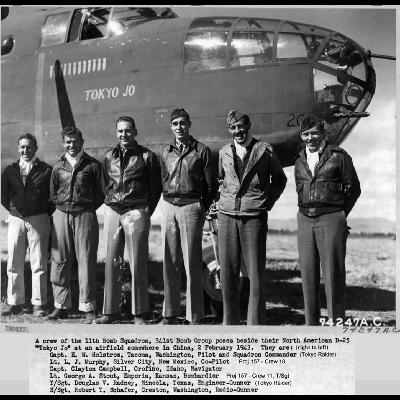
Robert S. Clever, Everett “Brick” Holstrom, Henry “Hank” Potter and Robert G. Emmens were four Oregon aviators who did the Beaver State proud in what seemed like a suicide mission over enemy territory. (Pendleton, Umatilla County; 1940s) (For text and pictures, see https://offbeatoregon.com/1504d.part2-doolittles-pendleton-raiders-336.html)


Download from Google Play

Download from App Store
 United States
This podcast is amazing! I write a local Northwest travel blog at nearvancouverwausa.com and this gives me some great ideas. I will credit you if I go to any places you mention or if any of my destinations come from a rabbit trail that start one at your podcasts. Keep up the excellent work!
I love the podcast. Keep up the good work!
hey guys love the podcast but the text and pictures aren't working .
the pictures are not working