


 Claim Ownership
Truth, Lies & Alzheimer's
Subscribed: 28Played: 347
Subscribe

© 2023 Lisa Skinner
Description
The Truth Lies and Alzheimer’s Podcast features Lisa Skinner, a highly recognized expert and media host. Lisa Skinner’s original thinking and counter-intuitive solutions provide family members, spouses, children, caregivers, and others with a concise guide and the tools they need to effectively manage the symptoms of Alzheimer’s disease and dementia. She is an International Speaker and Author.
The Podcast features conversations that provide Tips for all caregivers navigating the heartbreaking challenges of having a loved one diagnosed with Alzheimer’s disease or other dementia. Everyone has a story about Alzheimer’s. It’s time to start the conversation about Alzheimer’s and stop treating it like it’s only a “Family Business.” #starttheconversation
To book an appearance on our Truth, Lies & Alzheimer’s, contact: Lisa Skinner at dementiawhisperer1@gmail.com
The Podcast features conversations that provide Tips for all caregivers navigating the heartbreaking challenges of having a loved one diagnosed with Alzheimer’s disease or other dementia. Everyone has a story about Alzheimer’s. It’s time to start the conversation about Alzheimer’s and stop treating it like it’s only a “Family Business.” #starttheconversation
To book an appearance on our Truth, Lies & Alzheimer’s, contact: Lisa Skinner at dementiawhisperer1@gmail.com
148 Episodes
Reverse
Agnosia is a lesser-known but deeply impactful neurological condition that affects how the brain interprets sensory information — even when the senses themselves are functioning normally. In this episode, we explore what agnosia is, how it presents in dementia, and why it can be so distressing for both individuals and caregivers.Listeners will gain insight into:What agnosia is and how it differs from memory lossCommon types of agnosia, including: -Visual agnosia -Auditory agnosia -Tactile agnosia -Prosopagnosia (face blindness) -Anosognosia (lack of awareness of impairment)How dementia-related brain changes affect perception and recognitionReal-life examples, such as not recognizing everyday objects or loved onesThe emotional and safety challenges agnosia createsWe also discuss practical strategies to support someone living with agnosia, including communication techniques, environmental adaptations, and assistive tools that can reduce confusion and anxiety. Understanding agnosia helps caregivers respond with empathy and patience, recognizing that misidentification and confusion are symptoms — not choices.This episode offers education, clarity, and compassionate guidance for families navigating perception and recognition changes in dementia.About the Host:Author Lisa Skinner is a behavioral specialist with expertise in Alzheimer’s disease and related dementia. In her 30+year career working with family members and caregivers, Lisa has taught them how to successfully navigate the many challenges that accompany this heartbreaking disease. Lisa is both a Certified Dementia Practitioner and is also a certified dementia care trainer through the Alzheimer’s Association. She also holds a degree in Human Behavior.Her latest book, “Truth, Lies & Alzheimer’s – Its Secret Faces” continues Lisa’s quest of working with dementia-related illnesses and teaching families and caregivers how to better understand the daunting challenges of brain disease. Her #1 Best-seller book “Not All Who Wander Need Be Lost,” was written at their urging. As someone who has had eight family members diagnosed with dementia, Lisa Skinner has found her calling in helping others through the struggle so they can have a better-quality relationship with their loved ones through education and through her workshops on counter-intuitive solutions and tools to help people effectively manage the symptoms of brain disease. Lisa Skinner has appeared on many national and regional media broadcasts. Lisa helps explain behaviors caused by dementia, encourages those who feel burdened, and gives practical advice for how to respond.So many people today are heavily impacted by Alzheimer's disease and related dementia. The Alzheimer's Association and the World Health Organization have projected that the number of people who will develop Alzheimer's disease by the year 2050 worldwide will triple if a treatment or cure is not found. Society is not prepared to care for the projected increase of people who will develop this devastating disease. In her 30 years of working with family members and caregivers who suffer...
In this episode of The Truth Lies & Alzheimer’s, we break down what dementia really is, how it affects the brain, and why understanding the differences between various types of dementia is so important for families, caregivers, and professionals.Dementia is an umbrella term used to describe a group of progressive neurological conditions that impact memory, thinking, behavior, and daily functioning. While some cognitive changes are part of normal aging, dementia involves much greater loss of brain cells and connections—and symptoms worsen over time.In This Episode, You’ll Learn:The difference between normal aging and dementiaFour of the most common types of dementia:Alzheimer’s diseaseFrontotemporal dementiaLewy body dementiaVascular dementiaWhat is happening inside the brain with each conditionCommon symptoms and how they progressTypical ages of diagnosisWhy dementia can be difficult to diagnoseCurrent treatment approaches and limitationsWe also take a deeper dive into Alzheimer’s disease, including:How Alzheimer’s develops in the brainThe role of amyloid plaques and tau tanglesEarly signs and stages of the diseaseGenetic, lifestyle, and environmental risk factorsThe episode closes with practical insight into brain health, overstimulation, and regulation—exploring how constant digital input can contribute to burnout, and why slowing down, disconnecting, and engaging in real-world connection supports clearer thinking and emotional balance.This information was reviewed and updated by the National Institutes of Health (NIH), with the most recent updates noted through June 5, 2025.ResourcesNational Institutes of Health (NIH)National Institute on Aging (NIA)Alzheimer’s & Dementia ResearchElder Law Answers – Dementia Risk Factors & ScreeningsAbout the Host:Author Lisa Skinner is a behavioral specialist with expertise in Alzheimer’s disease and related dementia. In her 30+year career working with family members and caregivers, Lisa has taught them how to successfully navigate the many challenges that accompany this heartbreaking disease. Lisa is both a Certified Dementia Practitioner and is also a certified dementia care trainer through the Alzheimer’s Association. She also holds a degree in Human Behavior.Her latest book, “Truth, Lies &...
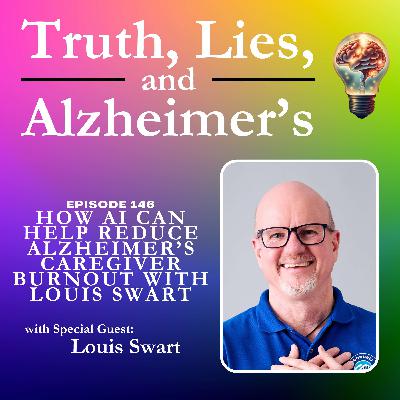
In this episode of, we’re joined by Louis Swart, Business Coach for Coaches and Founder of Ironbrij, for a thoughtful conversation on how AI can be used to preserve memories and voices for loved ones living with dementia.Louis shares how families can use AI to create living memory books, where gentle, guided questions help loved ones share their stories—recorded in their own voice. These recordings can become meaningful keepsakes that support connection, identity, and person-centered care.We discuss how this approach:Helps preserve personal stories and emotional bondsAllows caregivers to capture memories before they fadeUses technology to support dignity, not replace human connectionThis episode offers a hopeful and practical look at how innovation can support families navigating memory loss.About the Guest:Business Coach for Coaches | Founder of Ironbrij | Author & SpeakerLouis Swart is a Business Coach for Coaches and Founder of Ironbrij, a human-AI-powered VA company helping coaches escape burnout and build self-running businesses. With 35+ years in business, he’s built and sold multiple companies, led 450+ staff, and trained coaches worldwide to delegate smarter, elevate faster, and accelerate their growth.About the Host:Author Lisa Skinner is a behavioral specialist with expertise in Alzheimer’s disease and related dementia. In her 30+year career working with family members and caregivers, Lisa has taught them how to successfully navigate the many challenges that accompany this heartbreaking disease. Lisa is both a Certified Dementia Practitioner and is also a certified dementia care trainer through the Alzheimer’s Association. She also holds a degree in Human Behavior.Her latest book, “Truth, Lies & Alzheimer’s – Its Secret Faces” continues Lisa’s quest of working with dementia-related illnesses and teaching families and caregivers how to better understand the daunting challenges of brain disease. Her #1 Best-seller book “Not All Who Wander Need Be Lost,” was written at their urging. As someone who has had eight family members diagnosed with dementia, Lisa Skinner has found her calling in helping others through the struggle so they can have a better-quality relationship with their loved ones through education and through her workshops on counter-intuitive solutions and tools to help people effectively manage the symptoms of brain disease. Lisa Skinner has appeared on many national and regional media broadcasts. Lisa helps explain behaviors caused by dementia, encourages those who feel burdened, and gives practical advice for how to respond.So many people today are heavily impacted by Alzheimer's disease and related dementia. The Alzheimer's Association and the World Health Organization have projected that the number of people who will develop Alzheimer's disease by the year 2050 worldwide will triple if a treatment or cure is not found. Society is not prepared to care for the projected increase of people who will develop this devastating disease. In her 30 years of working with family members and caregivers who suffer from dementia, Lisa has recognized how little people really understand the complexities of what living with this disease is really like. For Lisa, it starts with knowledge, education, and training. Thanks for listening!Thanks so much for listening to our podcast! If you enjoyed this episode and think that others could benefit from listening, please share it using the social media buttons on this page.Do you have some...
In this episode of Minding Dementia, we continue our conversation about how Alzheimer’s disease is diagnosed today. While a definitive diagnosis can still only be confirmed through autopsy, modern medical tools now allow physicians to diagnose Alzheimer’s with up to 90% accuracy while a person is living.Building on our previous discussion about PET scans, this episode walks through the additional diagnostic tools doctors use to better understand cognitive changes and rule out other causes of memory loss.We discuss how physicians combine:Medical history and neurological examsNeuropsychological testing for memory, language, and problem-solvingBlood tests to rule out other conditionsBrain imaging such as CT, MRI, and PET scansNo single test can diagnose Alzheimer’s. Accuracy comes from using multiple tools together to build a clearer picture.We also explore the growing role of biomarkers, measurable indicators found in blood, spinal fluid, and brain imaging that help identify Alzheimer’s-related changes such as beta-amyloid plaques and tau proteins.In May 2025, the FDA approved Lumipulse, the first blood test to help diagnose Alzheimer’s disease. This test:Is approved for adults 50 and older with early cognitive symptomsCan rule out Alzheimer’s with over 96% accuracyIs less invasive and more affordable than PET scans or spinal tapsIs used alongside other diagnostic tools, not as a standalone testEarlier and more accurate diagnosis allows individuals and families to plan ahead, explore treatment options, access clinical trials, and better understand next steps.While no test is 100% definitive without autopsy, today’s diagnostic tools provide meaningful clarity and guidance.ResourcesPsychology Today – Alzheimer’s Diagnosis Overview https://www.psychologytoday.com/gb/blog/more-than-caregiving/201103/can-alzheimers-disease-only-truly-be-diagnosed-upon-an-autopsyNational Institute on Aging – Biomarkers & Dementia https://www.nia.nih.gov/alzheimersNorthwestern Medicine – Alzheimer’s Diagnosis https://www.nm.org/neurosciences/alzheimers-diseaseThe Lancet – Alzheimer’s Research https://www.thelancet.comAbout the Host:Author Lisa Skinner is a behavioral specialist with expertise in Alzheimer’s disease and related dementia. In her 30+year...
In this episode, we explore one of the most common questions families ask during the Alzheimer’s diagnostic process: How accurate are PET scans? We explain what an amyloid PET scan looks for, what the results can and cannot tell you, and why PET scans are only one part of a comprehensive diagnostic approach.You’ll also learn how PET scans work alongside cognitive testing, MRI and CT scans, biomarkers, and medical history to help providers make informed, person-centered decisions. This episode offers clarity, reassurance, and practical understanding for individuals and families navigating dementia testing.Sources & ReferencesThe Lancet – Alzheimer’s disease biomarkers and diagnostic imagingNational Institute on Aging (NIA) – Dementia biomarkers and diagnostic toolsPsychology Today – Dr. Barry Rovner on Alzheimer’s diagnosis accuracyNorthwestern Medicine – Clinical diagnosis of Alzheimer’s diseaseUPMC Neuropathology – Brain autopsy as the gold standard for diagnosisUC Davis Health – Advances in Alzheimer’s testingMayo Clinic (2025) – FDA-approved blood testing for Alzheimer’s diseaseAbout the Host:Author Lisa Skinner is a behavioral specialist with expertise in Alzheimer’s disease and related dementia. In her 30+year career working with family members and caregivers, Lisa has taught them how to successfully navigate the many challenges that accompany this heartbreaking disease. Lisa is both a Certified Dementia Practitioner and is also a certified dementia care trainer through the Alzheimer’s Association. She also holds a degree in Human Behavior.Her latest book, “Truth, Lies & Alzheimer’s – Its Secret Faces” continues Lisa’s quest of working with dementia-related illnesses and teaching families and caregivers how to better understand the daunting challenges of brain disease. Her #1 Best-seller book “Not All Who Wander Need Be Lost,” was written at their urging. As someone who has had eight family members diagnosed with dementia, Lisa Skinner has found her calling in helping others through the struggle so they can have a better-quality relationship with their loved ones through education and through her workshops on counter-intuitive solutions and tools to help people effectively manage the symptoms of brain disease. Lisa Skinner has appeared on many national and regional media broadcasts. Lisa helps explain behaviors caused by dementia, encourages those who feel burdened, and gives practical advice for how to respond.So many people today are heavily impacted by Alzheimer's disease and related dementia. The Alzheimer's Association and the World Health Organization have projected that the number of people who will develop Alzheimer's disease by the year 2050 worldwide will triple if a treatment or cure is not found. Society is not prepared to care for the projected increase of people who will develop this devastating disease. In her 30 years of working with family members and caregivers who suffer from dementia, Lisa has recognized how little people really understand the complexities of what living with this disease is really like. For Lisa, it starts with knowledge, education, and training. Thanks for listening!Thanks so much for listening to our podcast! If you enjoyed this episode and think that others could benefit from listening,...
We’re revisiting this episode because its insights remain as powerful and relevant today as when it first aired.In today’s episode, Lisa discusses talking to your children about Alzheiemer’s disease. Many of the highlights of this episode include:Tips on how to approach the topic effectively. How to best prepare your child to visit a loved one living with Alzheimer’s disease.Talk to them about what they might experience when visiting a loved one living with Alzheimer’s disease.Specific examples of what to say to your child to help them better cope.Resources available to help your child process a better understanding of Alzheimer’s disease. And, much, much, more…don’t miss this informative episode!About the Host:Author Lisa Skinner is a behavioral specialist with expertise in Alzheimer’s disease and related dementia. In her 30+year career working with family members and caregivers, Lisa has taught them how to successfully navigate the many challenges that accompany this heartbreaking disease. Lisa is both a Certified Dementia Practitioner and is also a certified dementia care trainer through the Alzheimer’s Association. She also holds a degree in Human Behavior.Her latest book, “Truth, Lies & Alzheimer’s – Its Secret Faces” continues Lisa’s quest of working with dementia-related illnesses and teaching families and caregivers how to better understand the daunting challenges of brain disease. Her #1 Best-seller book “Not All Who Wander Need Be Lost,” was written at their urging. As someone who has had eight family members diagnosed with dementia, Lisa Skinner has found her calling in helping others through the struggle so they can have a better-quality relationship with their loved ones through education and through her workshops on counter-intuitive solutions and tools to help people effectively manage the symptoms of brain disease. Lisa Skinner has appeared on many national and regional media broadcasts. Lisa helps explain behaviors caused by dementia, encourages those who feel burdened, and gives practical advice for how to respond.So many people today are heavily impacted by Alzheimer's disease and related dementia. The Alzheimer's Association and the World Health Organization have projected that the number of people who will develop Alzheimer's disease by the year 2050 worldwide will triple if a treatment or cure is not found. Society is not prepared to care for the projected increase of people who will develop this devastating disease. In her 30 years of working with family members and caregivers who suffer from dementia, Lisa has recognized how little people really understand the complexities of what living with this disease is really like. For Lisa, it starts with knowledge, education, and training.Thanks for listening!Thanks so much for listening to our podcast! If you enjoyed this episode and think that others could benefit from listening, please share it using the social media buttons on this page.Do you have some feedback or questions about this episode? Leave a comment in the section below!Subscribe to the podcastIf you would like to get automatic updates of new podcast episodes, you can subscribe to the podcast on Apple Podcasts or Stitcher. You can also subscribe in your favorite podcast app.Leave us an Apple Podcasts reviewRatings and reviews from our listeners are extremely valuable to us and greatly appreciated. They help our podcast rank higher on Apple Podcasts, which exposes our show to more awesome listeners like you. If you have a minute, please leave an honest review on Apple Podcasts.
We’re revisiting this episode because its insights remain as powerful and relevant today as when it first aired.In today's episode of the Truth, Lies, & Alzheimer's show, Lisa goes into depth about how effective communication is key to working with Alzheimer's disease and dementia sufferers. Probably the most difficult challenge for family members and caregivers to overcome is the ability to understand what people who are living with dementia are trying to tell them, especially when they can no longer articulate their wants and needs the way they did when their brains were healthy.As the progression of the disease continues to worsen over time, so does the disconnect between us. This is the very reason why it is so important to learn to recognize what has triggered your loved one's behavior and what it is they are desperately trying to tell you. Lisa will share with you many tips and solutions about what you can expect and how to best respond to these occurrences.In her "What's News" segment, Lisa shares a recent article that talks about how cognitive decline after retirement is a universal trend along with 4 ways to reverse it.About the Host:Author Lisa Skinner is a behavioral specialist with expertise in Alzheimer’s disease and related dementia. In her 30+year career working with family members and caregivers, Lisa has taught them how to successfully navigate the many challenges that accompany this heartbreaking disease. Lisa is both a Certified Dementia Practitioner and is also a certified dementia care trainer through the Alzheimer’s Association. She also holds a degree in Human Behavior.Her latest book, “Truth, Lies & Alzheimer’s – Its Secret Faces” continues Lisa’s quest of working with dementia-related illnesses and teaching families and caregivers how to better understand the daunting challenges of brain disease. Her #1 Best-seller book “Not All Who Wander Need Be Lost,” was written at their urging. As someone who has had eight family members diagnosed with dementia, Lisa Skinner has found her calling in helping others through the struggle so they can have a better-quality relationship with their loved ones through education and through her workshops on counter-intuitive solutions and tools to help people effectively manage the symptoms of brain disease. Lisa Skinner has appeared on many national and regional media broadcasts. Lisa helps explain behaviors caused by dementia, encourages those who feel burdened, and gives practical advice for how to respond.So many people today are heavily impacted by Alzheimer's disease and related dementia. The Alzheimer's Association and the World Health Organization have projected that the number of people who will develop Alzheimer's disease by the year 2050 worldwide will triple if a treatment or cure is not found. Society is not prepared to care for the projected increase of people who will develop this devastating disease. In her 30 years of working with family members and caregivers who suffer from dementia, Lisa has recognized how little people really understand the complexities of what living with this disease is really like. For Lisa, it starts with knowledge, education, and training.Thanks for listening!Thanks so much for listening to our podcast! If you enjoyed this episode and think that others could benefit from listening, please share it using the social media buttons on this page.Do you have some feedback or questions about this episode? Leave a comment in the section below!Subscribe to the podcastIf you would like to get automatic updates of new podcast episodes, you can subscribe to the podcast on Apple Podcasts or Stitcher. You can also subscribe in your favorite podcast app.Leave us an Apple Podcasts reviewRatings and reviews from our listeners are extremely valuable to us...
In this episode, we explore one of the lesser-known but deeply impactful experiences people living with dementia may face the “Stranger in the Mirror” phenomenon. This occurs when a person no longer recognizes their own reflection and instead believes they are seeing a stranger, a visitor, or even a new friend.Through the true story of Harold and his wife, Nancy, we take a heartfelt and enlightening look at how this phenomenon appears in day-to-day life. Harold’s journey—complete with hallway conversations, shared cookies, and misplaced shoes—illustrates the complicated blend of memory loss, perception changes, and shifting self-identity that dementia often brings.We break down:What the “stranger in the mirror” phenomenon is and why it occursHow dementia affects self-recognition, perception, and visuospatial processingWhy mirrors can trigger confusion, fear, or unexpected interactionsHow caregivers can respond with compassion, understanding, and safety in mindWhat environmental and communication strategies can ease distressListeners and viewers will also learn practical, actionable tools for navigating these moments, including how to adjust the environment, reduce triggers, create emotional safety, and “join their reality” when appropriate.This episode offers: ✔ A relatable real-life story that captures the emotional core of dementia caregiving ✔ Clinical insights into mirror misidentification and related cognitive changes ✔ A clear explanation of contributing neurocognitive and environmental factors ✔ Communication approaches caregivers can use to reduce fear and frustration ✔ An environmental checklist to help create a more supportive care space ✔ Guidance on when to seek additional medical evaluation or professional supportThe Stranger in the Mirror phenomenon isn’t just about misrecognizing a reflection—it’s about the profound ways dementia reshapes identity, memory, and perception. By understanding what is happening beneath the surface, caregivers can respond with the patience, empathy, and reassurance their loved ones truly need.About the Host:Author Lisa Skinner is a behavioral specialist with expertise in Alzheimer’s disease and related dementia. In her 30+year career working with family members and caregivers, Lisa has taught them how to successfully navigate the many challenges that accompany this heartbreaking disease. Lisa is both a Certified Dementia Practitioner and is also a certified dementia care trainer through the Alzheimer’s Association. She also holds a degree in Human Behavior.Her latest book, “Truth, Lies & Alzheimer’s – Its Secret Faces” continues Lisa’s quest of working with dementia-related illnesses and teaching families and caregivers how to better understand the daunting challenges of brain disease. Her #1 Best-seller book “Not All Who Wander Need Be Lost,” was written at their urging. As someone who has had eight family members diagnosed with dementia, Lisa Skinner has found her calling in helping others through the struggle so they can have a better-quality relationship with their loved ones through education and through her workshops on counter-intuitive solutions and tools to help people effectively manage the symptoms of brain disease. Lisa Skinner has appeared on many national and regional media broadcasts. Lisa helps explain behaviors caused by dementia, encourages those who feel burdened, and gives practical advice for how to respond.So many people today are heavily impacted by Alzheimer's disease and related dementia. The Alzheimer's Association and the World Health Organization have projected that the number of people who will develop Alzheimer's disease by the year 2050 worldwide will triple if a treatment or cure is not...
In this follow-up segment, Lisa dives into a second set of myths that often lead to misunderstanding and stigma around dementia. These myths cover topics beyond memory, including work ability, daily decision-making, communication, behavior, cultural differences, supplements, technology use, and the belief that dementia is a psychological issue rather than a medical one.Lisa breaks down each myth with practical truths that help families better understand what dementia really looks like. Listeners learn why independence still matters, how meaningful activities can be adapted, why technology can help rather than harm, and how a full care team—not just doctors—supports better outcomes. These insights offer encouragement, clarity, and realistic expectations for anyone caring for or supporting someone living with dementia.About the Host:Author Lisa Skinner is a behavioral specialist with expertise in Alzheimer’s disease and related dementia. In her 30+year career working with family members and caregivers, Lisa has taught them how to successfully navigate the many challenges that accompany this heartbreaking disease. Lisa is both a Certified Dementia Practitioner and is also a certified dementia care trainer through the Alzheimer’s Association. She also holds a degree in Human Behavior.Her latest book, “Truth, Lies & Alzheimer’s – Its Secret Faces” continues Lisa’s quest of working with dementia-related illnesses and teaching families and caregivers how to better understand the daunting challenges of brain disease. Her #1 Best-seller book “Not All Who Wander Need Be Lost,” was written at their urging. As someone who has had eight family members diagnosed with dementia, Lisa Skinner has found her calling in helping others through the struggle so they can have a better-quality relationship with their loved ones through education and through her workshops on counter-intuitive solutions and tools to help people effectively manage the symptoms of brain disease. Lisa Skinner has appeared on many national and regional media broadcasts. Lisa helps explain behaviors caused by dementia, encourages those who feel burdened, and gives practical advice for how to respond.So many people today are heavily impacted by Alzheimer's disease and related dementia. The Alzheimer's Association and the World Health Organization have projected that the number of people who will develop Alzheimer's disease by the year 2050 worldwide will triple if a treatment or cure is not found. Society is not prepared to care for the projected increase of people who will develop this devastating disease. In her 30 years of working with family members and caregivers who suffer from dementia, Lisa has recognized how little people really understand the complexities of what living with this disease is really like. For Lisa, it starts with knowledge, education, and training.Thanks for listening!Thanks so much for listening to our podcast! If you enjoyed this episode and think that others could benefit from listening, please share it using the social media buttons on this page.Do you have some feedback or questions about this episode? Leave a comment in the section below!Subscribe to the podcastIf you would like to get automatic updates of new podcast episodes, you can subscribe to the podcast on Apple Podcasts or Stitcher. You can also subscribe in your favorite podcast app.Leave us an Apple Podcasts reviewRatings and reviews from our listeners are extremely valuable to us and greatly appreciated. They help our podcast rank higher on Apple Podcasts, which exposes our show to more awesome listeners like you. If you have a minute, please leave an honest review on Apple Podcasts.
In this episode, Lisa breaks down the most widespread myths and misunderstandings surrounding Alzheimer’s disease and dementia. Each myth is paired with the real truth—clearly explained—to help families and caregivers better understand what dementia is, what it isn’t, and how to respond with confidence and compassion.Key Takeaway:Understanding the truth behind these myths empowers families, caregivers, and communities to provide better care, plan effectively, and reduce fear and stigma around dementia.About the Host:Author Lisa Skinner is a behavioral specialist with expertise in Alzheimer’s disease and related dementia. In her 30+year career working with family members and caregivers, Lisa has taught them how to successfully navigate the many challenges that accompany this heartbreaking disease. Lisa is both a Certified Dementia Practitioner and is also a certified dementia care trainer through the Alzheimer’s Association. She also holds a degree in Human Behavior.Her latest book, “Truth, Lies & Alzheimer’s – Its Secret Faces” continues Lisa’s quest of working with dementia-related illnesses and teaching families and caregivers how to better understand the daunting challenges of brain disease. Her #1 Best-seller book “Not All Who Wander Need Be Lost,” was written at their urging. As someone who has had eight family members diagnosed with dementia, Lisa Skinner has found her calling in helping others through the struggle so they can have a better-quality relationship with their loved ones through education and through her workshops on counter-intuitive solutions and tools to help people effectively manage the symptoms of brain disease. Lisa Skinner has appeared on many national and regional media broadcasts. Lisa helps explain behaviors caused by dementia, encourages those who feel burdened, and gives practical advice for how to respond.So many people today are heavily impacted by Alzheimer's disease and related dementia. The Alzheimer's Association and the World Health Organization have projected that the number of people who will develop Alzheimer's disease by the year 2050 worldwide will triple if a treatment or cure is not found. Society is not prepared to care for the projected increase of people who will develop this devastating disease. In her 30 years of working with family members and caregivers who suffer from dementia, Lisa has recognized how little people really understand the complexities of what living with this disease is really like. For Lisa, it starts with knowledge, education, and training.Thanks for listening!Thanks so much for listening to our podcast! If you enjoyed this episode and think that others could benefit from listening, please share it using the social media buttons on this page.Do you have some feedback or questions about this episode? Leave a comment in the section below!Subscribe to the podcastIf you would like to get automatic updates of new podcast episodes, you can subscribe to the podcast on Apple Podcasts or Stitcher. You can also subscribe in your favorite podcast app.Leave us an Apple Podcasts reviewRatings and reviews from our listeners are extremely valuable to us and greatly appreciated. They help our podcast rank higher on Apple Podcasts, which exposes our show to more awesome listeners like you. If you have a minute, please leave an honest review on Apple Podcasts.
As we head into the holiday season—a period filled with unique stressors and deeper family interactions—we’re revisiting this encore episode. Its insights remain as impactful and timely as when it originally aired.The Holiday Season is that special time of year for us to celebrate with our family and friends through sharing precious time together and creating lifelong memories. Many families struggle with the decision as to whether to include a loved one who is living with Alzheimer’s disease and related dementia. Lisa discusses how you can make this difficult decision and how to create a positive experience for everyone. Don’t miss this very important episode! Some of the highlights include:What you need to consider if you are thinking about including your loved one in your festivities . Tips to creating a safe, peaceful and positive environment for all guests, including a family member with dementia .Useful recommendations from the Mayo Clinic on preparation, planning, decorating, and celebrating.And much, much, more.About the Host:Author Lisa Skinner is a behavioral specialist with expertise in Alzheimer’s disease and related dementia. In her 30+year career working with family members and caregivers, Lisa has taught them how to successfully navigate the many challenges that accompany this heartbreaking disease. Lisa is both a Certified Dementia Practitioner and is also a certified dementia care trainer through the Alzheimer’s Association. She also holds a degree in Human Behavior.Her latest book, “Truth, Lies & Alzheimer’s – Its Secret Faces” continues Lisa’s quest of working with dementia-related illnesses and teaching families and caregivers how to better understand the daunting challenges of brain disease. Her #1 Best-seller book “Not All Who Wander Need Be Lost,” was written at their urging. As someone who has had eight family members diagnosed with dementia, Lisa Skinner has found her calling in helping others through the struggle so they can have a better-quality relationship with their loved ones through education and through her workshops on counter-intuitive solutions and tools to help people effectively manage the symptoms of brain disease. Lisa Skinner has appeared on many national and regional media broadcasts. Lisa helps explain behaviors caused by dementia, encourages those who feel burdened, and gives practical advice for how to respond.So many people today are heavily impacted by Alzheimer's disease and related dementia. The Alzheimer's Association and the World Health Organization have projected that the number of people who will develop Alzheimer's disease by the year 2050 worldwide will triple if a treatment or cure is not found. Society is not prepared to care for the projected increase of people who will develop this devastating disease. In her 30 years of working with family members and caregivers who suffer from dementia, Lisa has recognized how little people really understand the complexities of what living with this disease is really like. For Lisa, it starts with knowledge, education, and training.Thanks for listening!Thanks so much for listening to our podcast! If you enjoyed this episode and think that others could benefit from listening, please share it using the social media buttons on this page.Do you have some feedback or questions about this episode? Leave a comment in the section below!Subscribe to the podcastIf you would like to get automatic updates of new podcast episodes, you can subscribe to the podcast on Apple Podcasts or Stitcher. You can also subscribe in your favorite podcast app.Leave us an Apple Podcasts reviewRatings and reviews from our listeners are extremely valuable to us and greatly appreciated. They help our podcast rank higher on Apple Podcasts, which exposes our show...
Falls are one of the most common—and preventable—risks for individuals living with Alzheimer’s and other dementia-related illnesses. In this episode, Lisa dives into the critical topic of fall prevention and how caregivers can create safer, more supportive environments for their loved ones. Drawing insights from the Fall Prevention Foundation, Lisa explores why people with dementia are more prone to falls, what environmental changes can make the biggest impact, and how physical health, medication management, and cognitive support all play vital roles in maintaining safety and independence. Listeners will gain practical, real-world strategies to reduce fall risk—covering everything from home setup and lighting to daily routines, balance exercises, and communication techniques that keep those living with dementia calm and confident. Key Takeaways: Why dementia increases fall risk and what caregivers can do about it Simple home modifications that dramatically reduce hazards How exercise, balance, and physical therapy support mobility and confidence The importance of reviewing medications regularly Cognitive and behavioral strategies to guide safe movement How to design a personalized fall-prevention plan that evolves with disease progression Quote from Lisa: “Fall prevention isn’t just about safety—it’s about preserving dignity and independence for the person living with dementia.” Resource Mentioned: This episode was inspired by the article “Fall Prevention Strategies for Dementia Patients: A Comprehensive Approach to Safety and Support” published by the Fall Prevention FoundationListen now to learn how to make the home—and the caregiving journey—safer, calmer, and more compassionate About the Host:Author Lisa Skinner is a behavioral specialist with expertise in Alzheimer’s disease and related dementia. In her 30+year career working with family members and caregivers, Lisa has taught them how to successfully navigate the many challenges that accompany this heartbreaking disease. Lisa is both a Certified Dementia Practitioner and is also a certified dementia care trainer through the Alzheimer’s Association. She also holds a degree in Human Behavior.Her latest book, “Truth, Lies & Alzheimer’s – Its Secret Faces” continues Lisa’s quest of working with dementia-related illnesses and teaching families and caregivers how to better understand the daunting challenges of brain disease. Her #1 Best-seller book “Not All Who Wander Need Be Lost,” was written at their urging. As someone who has had eight family members diagnosed with dementia, Lisa Skinner has found her calling in helping others through the struggle so they can have a better-quality relationship with their loved ones through education and through her workshops on counter-intuitive solutions and tools to help people effectively manage the symptoms of brain disease. Lisa Skinner has appeared on many national and regional media broadcasts. Lisa helps explain behaviors caused by dementia, encourages those who feel burdened, and gives practical advice for how to respond.So many people today are heavily impacted by Alzheimer's disease and related dementia. The Alzheimer's Association and the World Health Organization have projected that the number of people who will develop Alzheimer's disease by the year 2050 worldwide will triple if a treatment or cure is not found. Society is not prepared to care for the projected increase of people who will develop this devastating disease. In her 30 years of working with family members and caregivers who suffer from dementia, Lisa has recognized how little people really understand the complexities of what living with this
In this episode, Lisa explores one of the most challenging and misunderstood symptoms of Alzheimer’s disease — aphasia, the loss of language and communication abilities that often accompanies dementia.Through a touching real-life story from her book Truth, Lies & Alzheimer’s – Its Secret Faces, Lisa introduces us to Harvey in “The Pill Box Story.” Harvey’s daughter believed her father could no longer understand or care for himself. But when Lisa visits, she discovers that while Harvey struggles to find the right words, his mind and awareness are far more intact than anyone realized.This powerful story illustrates how aphasia affects speech, understanding, reading, and writing, and how these challenges can easily be mistaken for cognitive decline. Lisa explains why communication difficulties don’t always mean loss of comprehension — and how loved ones can learn to see the difference.Listeners will gain insight into:What aphasia really is and how it progresses in dementiaHow families often misinterpret communication loss as a total cognitive declineWays to support and engage loved ones living with aphasiaPractical communication tips for caregivers to reduce frustration and improve connectionKey Takeaway:Even when words are lost, understanding and emotion remain. People living with Alzheimer’s and related dementias often know far more than they can express — and with patience, empathy, and awareness, we can still connect deeply.Resources Mentioned:Truth, Lies & Alzheimer’s – Its Secret Faces by Lisa SkinnerListen to more episodes at truthliesalzheimers.comAbout the Host:Author Lisa Skinner is a behavioral specialist with expertise in Alzheimer’s disease and related dementia. In her 30+year career working with family members and caregivers, Lisa has taught them how to successfully navigate the many challenges that accompany this heartbreaking disease. Lisa is both a Certified Dementia Practitioner and is also a certified dementia care trainer through the Alzheimer’s Association. She also holds a degree in Human Behavior.Her latest book, “Truth, Lies & Alzheimer’s – Its Secret Faces” continues Lisa’s quest of working with dementia-related illnesses and teaching families and caregivers how to better understand the daunting challenges of brain disease. Her #1 Best-seller book “Not All Who Wander Need Be Lost,” was written at their urging. As someone who has had eight family members diagnosed with dementia, Lisa Skinner has found her calling in helping others through the struggle so they can have a better-quality relationship with their loved ones through education and through her workshops on counter-intuitive solutions and tools to help people effectively manage the symptoms of brain disease. Lisa Skinner has appeared on many national and regional media broadcasts. Lisa helps explain behaviors caused by dementia, encourages those who feel burdened, and gives practical advice for how to respond.So many people today are heavily impacted by Alzheimer's disease and related dementia. The Alzheimer's Association and the World Health Organization have projected that the number of people who will develop Alzheimer's disease by the year 2050 worldwide will triple if a treatment or cure is not found. Society is not prepared to care for the projected increase of people who will develop this devastating disease. In her 30 years of working with family members and caregivers who suffer from dementia, Lisa has recognized how little people really understand the complexities of what living with this disease is really like. For Lisa, it starts with...
In this episode, host Lisa Skinner shares a powerful and personal story from her book Truth, Lies, and Alzheimer’s – Its Secret Faces, titled “The Birds in the Mattress.” Through this real-life account, Lisa explores the frightening and often misunderstood world of paranoia, hallucinations, and delusions experienced by those living with Alzheimer’s and related dementias.Listeners will learn:Why individuals living with dementia may struggle to distinguish fact from fiction.The difference between hallucinations, delusions, and paranoia—and how they can manifest.How impaired reasoning affects perception and understanding of reality.Practical approaches for responding with empathy, patience, and redirection when these behaviors occur.Lisa also reflects on her own family’s experience—how her beloved grandmother’s changing behavior led to misunderstanding from others, including professionals who lacked awareness about dementia. This episode offers both education and compassion, reminding listeners that what may appear “irrational” often stems from a brain that can no longer process the world as it once did.By sharing these deeply human experiences, Truth, Lies & Alzheimer’s continues its mission to replace judgment with understanding, and fear with informed care.About the Host:Author Lisa Skinner is a behavioral specialist with expertise in Alzheimer’s disease and related dementia. In her 30+year career working with family members and caregivers, Lisa has taught them how to successfully navigate the many challenges that accompany this heartbreaking disease. Lisa is both a Certified Dementia Practitioner and is also a certified dementia care trainer through the Alzheimer’s Association. She also holds a degree in Human Behavior.Her latest book, “Truth, Lies & Alzheimer’s – Its Secret Faces” continues Lisa’s quest of working with dementia-related illnesses and teaching families and caregivers how to better understand the daunting challenges of brain disease. Her #1 Best-seller book “Not All Who Wander Need Be Lost,” was written at their urging. As someone who has had eight family members diagnosed with dementia, Lisa Skinner has found her calling in helping others through the struggle so they can have a better-quality relationship with their loved ones through education and through her workshops on counter-intuitive solutions and tools to help people effectively manage the symptoms of brain disease. Lisa Skinner has appeared on many national and regional media broadcasts. Lisa helps explain behaviors caused by dementia, encourages those who feel burdened, and gives practical advice for how to respond.So many people today are heavily impacted by Alzheimer's disease and related dementia. The Alzheimer's Association and the World Health Organization have projected that the number of people who will develop Alzheimer's disease by the year 2050 worldwide will triple if a treatment or cure is not found. Society is not prepared to care for the projected increase of people who will develop this devastating disease. In her 30 years of working with family members and caregivers who suffer from dementia, Lisa has recognized how little people really understand the complexities of what living with this disease is really like. For Lisa, it starts with knowledge, education, and training.Thanks for listening!Thanks so much for listening to our podcast! If you enjoyed this episode and think that others could benefit from listening, please share it using the social media buttons on this page.Do you have some feedback or questions about this episode? Leave a comment in the section below!Subscribe to the podcastIf you would like to get automatic updates of new podcast episodes, you can subscribe to the podcast on Apple Podcasts or Stitcher. You can...
In this enlightening episode of Truth, Lies & Alzheimer’s, host Lisa Skinner welcomes Dr. Melissa Robinson-Winemiller, an insightful author, speaker, and clinician, for a heartfelt discussion on the true meaning of empathy and how it differs from sympathy.Together, they explore how understanding this difference can profoundly impact the way we support those living with Alzheimer’s and other forms of dementia — as well as their care partners, families, and communities.Dr. Robinson-Winemiller also shares highlights from her new book, offering practical tools and real-world examples that help people connect more deeply and communicate more compassionately.Listeners will learn:The key distinctions between empathy and sympathy — and why they matter in dementia care.How empathy builds connection, while sympathy can sometimes create distance.Simple ways to practice empathy in everyday interactions with those living with dementia.The inspiration behind Dr. Robinson-Winemiller’s new book and how her work empowers both professionals and care partners alike.This episode is an inspiring reminder that small shifts in understanding can make a world of difference in the lives of others.Mentioned Resources:Book by Dr. Melissa Robinson-Winemiller – The Empathic Leader: Connect with Dr. Robinson-Winemiller: EQ via Empathy: Transformative Leadership Training https://eqviaempathy.com/About the Guest:Dr. Melissa Robinson-Winemiller isn’t just talking about leadership: she’s challenging us to do it differently. With over 20 years of cross-industry experience, she helps leaders build emotionally intelligent cultures that don’t just feel better, they perform better. A TEDx speaker, EQ coach, and author of The Empathic Leader, Melissa blends research, real-world insight, and lived experience to make empathy actionable at every level of leadership. She’s on a mission to prove that the so-called “soft” skills are the ones driving the hard results — and the future of leadership depends on them.About the Host:Author Lisa Skinner is a behavioral specialist with expertise in Alzheimer’s disease and related dementia. In her 30+year career working with family members and caregivers, Lisa has taught them how to successfully navigate the many challenges that accompany this heartbreaking disease. Lisa is both a Certified Dementia Practitioner and is also a certified dementia care trainer through the Alzheimer’s Association. She also holds a degree in Human Behavior.Her latest book, “Truth, Lies & Alzheimer’s – Its Secret Faces” continues Lisa’s quest of working with dementia-related illnesses and teaching families and caregivers how to better understand the daunting challenges of brain disease. Her #1 Best-seller book “Not All Who Wander Need Be Lost,” was written at their urging. As someone who has had eight family members diagnosed with dementia, Lisa Skinner has found her calling in helping others through the struggle so they can have a better-quality relationship with their loved ones through education and through her workshops on counter-intuitive solutions and tools to help people effectively manage the symptoms of brain disease. Lisa Skinner has appeared on many national and regional media broadcasts. Lisa helps explain behaviors caused by dementia, encourages those who feel burdened, and gives practical advice for how to respond.So many people today are heavily impacted by Alzheimer's disease and related dementia. The Alzheimer's Association and the World Health Organization have projected that the number of people who will develop Alzheimer's disease...
In this enlightening episode, we explore one of the most powerful and relatable ways to understand what happens in the brain of a person living with dementia — The Light Switch Analogy.Lisa explains how the brain’s “short-term memory switch” begins to flicker as Alzheimer’s or related dementias progress, causing confusion, disorientation, and unpredictable behaviors. Through this vivid analogy, she helps care partners and families visualize how and why memory loss affects perception, judgment, and emotions.Listeners will learn:How dementia impacts the ability to process information and make sense of surroundings.Why people living with dementia may seem to “live in the past.”What happens when the “short-term memory switch” turns off — and how to respond compassionately.The importance of joining their reality rather than forcing them back into ours.How reminiscence therapy and a person-centered approach can reduce fear and confusion.Practical ways to identify triggers and manage unexpected behaviors calmly and effectively.Lisa also shares how understanding the mechanics of memory loss empowers care partners to approach daily challenges with patience, empathy, and awareness — turning confusion into connection and frustration into understanding.This episode is a must-listen for anyone who wants to see dementia through a clearer lens and learn how to create harmony and dignity in care.About the Host:Author Lisa Skinner is a behavioral specialist with expertise in Alzheimer’s disease and related dementia. In her 30+year career working with family members and caregivers, Lisa has taught them how to successfully navigate the many challenges that accompany this heartbreaking disease. Lisa is both a Certified Dementia Practitioner and is also a certified dementia care trainer through the Alzheimer’s Association. She also holds a degree in Human Behavior.Her latest book, “Truth, Lies & Alzheimer’s – Its Secret Faces” continues Lisa’s quest of working with dementia-related illnesses and teaching families and caregivers how to better understand the daunting challenges of brain disease. Her #1 Best-seller book “Not All Who Wander Need Be Lost,” was written at their urging. As someone who has had eight family members diagnosed with dementia, Lisa Skinner has found her calling in helping others through the struggle so they can have a better-quality relationship with their loved ones through education and through her workshops on counter-intuitive solutions and tools to help people effectively manage the symptoms of brain disease. Lisa Skinner has appeared on many national and regional media broadcasts. Lisa helps explain behaviors caused by dementia, encourages those who feel burdened, and gives practical advice for how to respond.So many people today are heavily impacted by Alzheimer's disease and related dementia. The Alzheimer's Association and the World Health Organization have projected that the number of people who will develop Alzheimer's disease by the year 2050 worldwide will triple if a treatment or cure is not found. Society is not prepared to care for the projected increase of people who will develop this devastating disease. In her 30 years of working with family members and caregivers who suffer from dementia, Lisa has recognized how little people really understand the complexities of what living with this disease is really like. For Lisa, it starts with knowledge, education, and training.Thanks for listening!Thanks so much for listening to our podcast! If you enjoyed this episode and think that others could benefit from listening, please share it using the social media buttons on this page.Do you have some feedback or questions about this episode? Leave a comment in the section below!Subscribe to the podcastIf...
Sundowning is a pattern of late-day confusion and changed behavior that can intensify anxiety, pacing, wandering, and agitation for a person living with dementia. In this episode, we unpack what sundowning looks like, why it happens, and practical ways care partners can reduce stress and keep evenings calmer. We also share “The Sundowning Story” of Jack, whose late-day distress eased after the right support and environment were in place.What You’ll Learn:What sundowning is and how it differs from general restlessnessCommon signs: disorientation, suspiciousness, exit-seeking/elopement, and abrupt mood shiftsFrequent triggers: fatigue, pain, overstimulating environments, complex instructions, being rushed, perceived threats, and moreWhy intent matters: behaviors are signals of unmet needs, not “being difficult”Practical de-escalation strategies for smoother late afternoons and eveningsKey Takeaways & Tips:Lower stimulation after lunch: dim bright lights, reduce background noise and clutter.Keep routines predictable: consistent meal times, toileting, and a calming “wind-down” block (music, hand massage, familiar TV show).Offer simple choices: one-step requests; avoid rapid-fire questions.Validate and redirect: acknowledge feelings first, then gently guide (“Let’s sit together and look at your photo album while we wait.”).Address comfort basics: check for hunger, thirst, pain, temperature, and footwear.Plan safe movement: short walks or light tasks before dusk to channel restlessness.Prepare for elopement risk: door chimes, ID bracelets, current photos, and a neighbors-aware plan.Story Spotlight: Jack’s 5 p.m. Calls:Jack called his son daily to “find the house.” With compassionate placement in a memory-care setting and meaningful evening purpose (sweeping the patio at 5 p.m.), his distress eased and dignity returned. The right support can transform late-day turmoil into calmer connection.Resources Mentioned:Evening routine checklist (create your own from today’s tips)Local memory-care consultation (to explore environments that match current needs)Call To Action: If evenings are tough, pick two tips above and try them this week. Share what worked (and what didn’t) so we can problem-solve together on a future episode.Disclaimer - This episode is informational and not medical advice. Always consult your healthcare professional for personalized guidance.About the Host:Author Lisa Skinner is a behavioral specialist with expertise in Alzheimer’s disease and related dementia. In her 30+year career working with family members and caregivers, Lisa has taught them how to successfully navigate the many challenges that accompany this heartbreaking disease. Lisa is both a Certified Dementia Practitioner and is also a certified dementia care trainer through the Alzheimer’s Association. She also holds a degree in Human Behavior.Her latest book, “Truth, Lies & Alzheimer’s – Its Secret Faces” continues Lisa’s quest of working with dementia-related illnesses and teaching families and caregivers how to better understand the daunting challenges of brain disease. Her #1 Best-seller book “Not All Who Wander Need Be Lost,” was written at their urging. As someone who has had eight family members diagnosed with dementia, Lisa Skinner has found her calling in helping others through the struggle so they can have a better-quality relationship with their loved ones through education and through her workshops on counter-intuitive solutions and tools to help people
In this important episode, host Lisa Skinner explores a deeply concerning issue that affects millions of older adults worldwide — elder abuse. With compassion and clarity, Lisa explains the many forms this abuse can take, how to recognize the warning signs, and what steps can be taken to prevent or report it.Every person, regardless of age, deserves to live free from harm, neglect, and exploitation. Yet, according to the Centers for Disease Control and Prevention, approximately one in ten people over age 60 experience some form of abuse each year. This episode sheds light on the silent suffering many elders face — and provides listeners with the tools to recognize, respond, and advocate for those who may be at risk.Listeners will learn:The different forms of elder abuse — physical, emotional, financial, sexual, neglect, and self-neglect.Who is most at risk, including individuals living with dementia, those dependent on caregivers, and socially isolated adults.The warning signs that may indicate abuse is occurring.Barriers to reporting and why so many cases go unreported.Practical steps to take if you suspect elder abuse — from ensuring immediate safety to reporting and seeking support.Prevention strategies to protect loved ones, including caregiver support, open communication, financial safeguards, and community connection.Lisa also debunks common myths surrounding elder abuse and discusses the legal and ethical considerations for mandated reporters and caregivers. This episode serves as both an educational guide and a compassionate call to action — reminding listeners that vigilance, empathy, and awareness can make all the difference in keeping our elders safe.Resources Mentioned: National Center on Elder Abuse (NCEA): https://ncea.acl.govAdult Protective Services (APS) Directory by State: https://ncea.acl.gov/Resources/State.aspxNational Domestic Violence Hotline: https://www.thehotline.org/ — for confidential support Truth, Lies, and Alzheimer’s Book by Lisa Skinner: https://www.truthliesalzheimers.comAbout the Host:Author Lisa Skinner is a behavioral specialist with expertise in Alzheimer’s disease and related dementia. In her 30+year career working with family members and caregivers, Lisa has taught them how to successfully navigate the many challenges that accompany this heartbreaking disease. Lisa is both a Certified Dementia Practitioner and is also a certified dementia care trainer through the Alzheimer’s Association. She also holds a degree in Human Behavior.Her latest book, “Truth, Lies & Alzheimer’s – Its Secret Faces” continues Lisa’s quest of working with dementia-related illnesses and teaching families and caregivers how to better understand the daunting challenges of brain disease. Her #1 Best-seller book “Not All Who Wander Need Be Lost,” was written at their urging. As someone who has had eight family members diagnosed with dementia, Lisa Skinner has found her calling in helping others through the struggle so they can have a better-quality relationship with their loved ones through education and through her workshops on counter-intuitive solutions and tools to help people effectively manage the symptoms of brain disease. Lisa Skinner has appeared on many national and regional media broadcasts. Lisa helps explain behaviors caused by dementia, encourages those who feel burdened, and gives practical advice for how to...

Have you ever been caring for someone living with dementia when, out of nowhere, their entire mood shifts? One moment everything seems fine, and the next they refuse to finish a shower, become anxious, angry, or even combative — leaving you wondering, What just happened?In this episode, Lisa Skinner explores the top 10 triggers that can cause sudden behavioral changes in dementia. She explains why these changes occur, and more importantly, how caregivers and families can respond in ways that de-escalate the situation and create positive outcomes.Listeners will learn:The most common triggers, including overstimulation, fatigue, hunger, pain, communication gaps, changes in routine, and more.Tips for de-escalation and response strategies that bring calm to difficult moments.Practical approaches for creating safe environments, using patient communication, establishing predictable routines, and applying soothing techniques.Safety considerations to protect both the person with dementia and the caregiver.If you’ve ever felt frustrated or helpless during a sudden behavioral change, this episode will provide encouragement, tools, and strategies to help you navigate with confidence and compassion.Mentioned Resources:Truth, Lies & Alzheimer’s Podcast ArchiveLisa’s book: Truth, Lies & Alzheimer’s — Its Secret Faces (available on Audible: https://www.audible.com/pd/Truth-Lies-Alzheimers-Audiobook/B0BHDZ61RY)About the Host:Author Lisa Skinner is a behavioral specialist with expertise in Alzheimer’s disease and related dementia. In her 30+year career working with family members and caregivers, Lisa has taught them how to successfully navigate the many challenges that accompany this heartbreaking disease. Lisa is both a Certified Dementia Practitioner and is also a certified dementia care trainer through the Alzheimer’s Association. She also holds a degree in Human Behavior.Her latest book, “Truth, Lies & Alzheimer’s – Its Secret Faces” continues Lisa’s quest of working with dementia-related illnesses and teaching families and caregivers how to better understand the daunting challenges of brain disease. Her #1 Best-seller book “Not All Who Wander Need Be Lost,” was written at their urging. As someone who has had eight family members diagnosed with dementia, Lisa Skinner has found her calling in helping others through the struggle so they can have a better-quality relationship with their loved ones through education and through her workshops on counter-intuitive solutions and tools to help people effectively manage the symptoms of brain disease. Lisa Skinner has appeared on many national and regional media broadcasts. Lisa helps explain behaviors caused by dementia, encourages those who feel burdened, and gives practical advice for how to respond.So many people today are heavily impacted by Alzheimer's disease and related dementia. The Alzheimer's Association and the World Health Organization have projected that the number of people who will develop Alzheimer's disease by the year 2050 worldwide will triple if a treatment or cure is not found. Society is not prepared to care for the projected increase of people who will develop this devastating disease. In her 30 years of working with family members and caregivers who suffer from dementia, Lisa has recognized how little people really understand the complexities of what living with this disease is really like. For Lisa, it starts with knowledge, education, and training.Thanks for listening!Thanks so much for listening to our podcast! If you enjoyed this episode and think that others could benefit from listening, please share it using the social media buttons on this page.Do you have some feedback or questions about this episode? Leave a comment in the section...
We’re revisiting this episode because its insights remain as powerful and relevant today as when it first aired.Lisa shares more real-life case studies from her 30 years of experience working with people living with dementia that highlight common behavioral challenges that often accompany this condition on a day-to-day basis. In this episode, Lisa describes a variety of different challenges and situations that are so common to dementia along with intervention strategies and positive outcomes that caregivers can use with their everyday struggles. You don’t want to miss this enlightening episode!About the Host:Author Lisa Skinner is a behavioral specialist with expertise in Alzheimer’s disease and related dementia. In her 30+year career working with family members and caregivers, Lisa has taught them how to successfully navigate the many challenges that accompany this heartbreaking disease. Lisa is both a Certified Dementia Practitioner and is also a certified dementia care trainer through the Alzheimer’s Association. She also holds a degree in Human Behavior.Her latest book, “Truth, Lies & Alzheimer’s – Its Secret Faces” continues Lisa’s quest of working with dementia-related illnesses and teaching families and caregivers how to better understand the daunting challenges of brain disease. Her #1 Best-seller book “Not All Who Wander Need Be Lost,” was written at their urging. As someone who has had eight family members diagnosed with dementia, Lisa Skinner has found her calling in helping others through the struggle so they can have a better-quality relationship with their loved ones through education and through her workshops on counter-intuitive solutions and tools to help people effectively manage the symptoms of brain disease. Lisa Skinner has appeared on many national and regional media broadcasts. Lisa helps explain behaviors caused by dementia, encourages those who feel burdened, and gives practical advice for how to respond.So many people today are heavily impacted by Alzheimer's disease and related dementia. The Alzheimer's Association and the World Health Organization have projected that the number of people who will develop Alzheimer's disease by the year 2050 worldwide will triple if a treatment or cure is not found. Society is not prepared to care for the projected increase of people who will develop this devastating disease. In her 30 years of working with family members and caregivers who suffer from dementia, Lisa has recognized how little people really understand the complexities of what living with this disease is really like. For Lisa, it starts with knowledge, education, and training.Thanks for listening!Thanks so much for listening to our podcast! If you enjoyed this episode and think that others could benefit from listening, please share it using the social media buttons on this page.Do you have some feedback or questions about this episode? Leave a comment in the section below!Subscribe to the podcastIf you would like to get automatic updates of new podcast episodes, you can subscribe to the podcast on Apple Podcasts or Stitcher. You can also subscribe in your favorite podcast app.Leave us an Apple Podcasts reviewRatings and reviews from our listeners are extremely valuable to us and greatly appreciated. They help our podcast rank higher on Apple Podcasts, which exposes our show to more awesome listeners like you. If you have a minute, please leave an honest review on Apple Podcasts.

Comments

Download from Google Play

Download from App Store
 United States