


 Claim Ownership
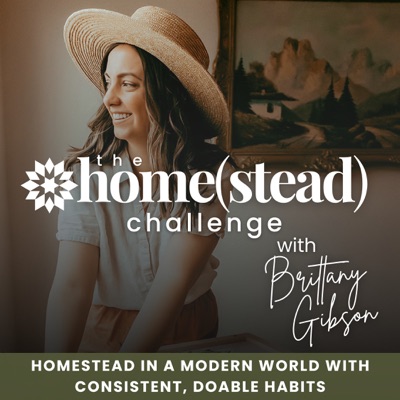
The Homestead Challenge Podcast | Suburban Homesteading, Gardening, Food From Scratch, Sustainable Living
Subscribed: 95Played: 1,664
Subscribe

© Copyright 2025 All rights reserved.
Description
Do you feel like you never have time to cook from scratch the way you want to? Tried diving into the homesteading lifestyle only to end up feeling burnt out? Maybe you’re not even sure where to start.
Are you ready to navigate the world of homesteading in a way that suits your modern life?
In this podcast, you will find modern and practical solutions for your suburban homestead.
I’m here to dish out quick and straightforward homesteading tips and home management systems, all geared towards intentional living and finding contentment. If you’re itching to kick off your homesteading journey on your terms, bid farewell to overwhelm and guilt—you’re in the right spot.
Hey friend. I’m Brittany. Crunchy mom and wannabe homesteader. I’ve been down the road of trying to learn all the homesteady things… and then I hit the burnout wall. Attempting to master every internet-suggested skill all at once led to wasted time and, let’s be honest, quite a bit of wasted money.
But guess what? It doesn’t have to be an all-or-nothing ordeal. I’ve found a way to live out homesteading principles in my own modern style, letting go of some things and crafting a plan that sticks. And now, I’m here to guide you to do the same.
If you’re ready to homestead in a way that meshes with your busy life— Join me and let’s make your homesteading goals a reality! Grab that sourdough starter from the back of your fridge, it’s time to rise.
Are you ready to navigate the world of homesteading in a way that suits your modern life?
In this podcast, you will find modern and practical solutions for your suburban homestead.
I’m here to dish out quick and straightforward homesteading tips and home management systems, all geared towards intentional living and finding contentment. If you’re itching to kick off your homesteading journey on your terms, bid farewell to overwhelm and guilt—you’re in the right spot.
Hey friend. I’m Brittany. Crunchy mom and wannabe homesteader. I’ve been down the road of trying to learn all the homesteady things… and then I hit the burnout wall. Attempting to master every internet-suggested skill all at once led to wasted time and, let’s be honest, quite a bit of wasted money.
But guess what? It doesn’t have to be an all-or-nothing ordeal. I’ve found a way to live out homesteading principles in my own modern style, letting go of some things and crafting a plan that sticks. And now, I’m here to guide you to do the same.
If you’re ready to homestead in a way that meshes with your busy life— Join me and let’s make your homesteading goals a reality! Grab that sourdough starter from the back of your fridge, it’s time to rise.
189 Episodes
Reverse
In this episode of The Homestead Challenge, we kick off the Make It March series by looking at our pantries to help decide what we should grow in our gardens this year. Instead of planting randomly, we talk about how noticing what we actually eat, run out of, and keep buying can guide smarter garden planning and help us waste less food. This simple pantry inventory helps us connect our grocery habits, pantry staples, and garden goals before the busy growing season begins.
https://thehomesteadchallenge.com/
https://www.facebook.com/groups/thehomesteadchallengecommunity
In this episode, we’re talking about the simple natural cleaning ingredients to keep on hand so you can clean almost anything without buying a cabinet full of products. I’ll walk you through what vinegar, baking soda, washing soda, castile soap, peroxide, and alcohol actually do — plus which ones truly disinfect and when it’s really necessary. If you want a practical, low-pressure approach to non-toxic cleaning, this episode will help you stock your home with confidence.
https://thehomesteadchallenge.com/all-natural-cleaning-supplies/
In this episode, we’re talking about free ways to reduce toxins in our homes without buying new cleaning products or supplies. We’ll walk through simple changes like removing plug-in air fresheners, skipping dryer sheets, cleaning our cleaning tools, and tackling hidden dust zones that hold onto pollutants. If you want a healthier home this spring without spending money, these small changes can make a surprisingly big impact.
https://thehomesteadchallenge.com
In this episode, we’re diving into non-toxic spring cleaning and how to switch to natural cleaning products without throwing everything away. We’ll walk through a simple, low-pressure plan for replacing conventional cleaners — starting with laundry detergent, dish soap, and everyday household products — plus what I actually use in my own home. If you’ve been wanting a healthier home without the overwhelm, this episode will help you start non-toxic cleaning one realistic swap at a time.
https://thehomesteadchallenge.com/category/sustainable-living/home/
In today’s episode, we’re wrapping up Apothecary February with a relaxed herbal Q&A. I’m answering your questions about overwintering herbs, how I store dried medicinal herbs, and how long they really last.
We also talk about the five herbs I’d grow if I could only choose a few, natural herbs for seasonal allergies like nettle and mullein, and why homemade herbal skincare is one of the biggest “bang for your buck” projects. It’s a cozy, honest close to a month of building a simple, no-pressure home apothecary.
https://thehomesteadchallenge.com/
In this episode of The Homestead Challenge Podcast, we’re having a cozy tea talk all about herbal tea for beginners. I’m sharing the herbs I actually use most often (like chamomile, lemon balm, nettle, hibiscus, and marshmallow root), how I brew herbal infusions and decoctions at home, and simple tips for blending loose leaf tea.
We’ll also talk about rosemary tea benefits, how to make herbal tea stronger for medicinal support, and when tea might not be the best herbal preparation (like when you need something fast or more concentrated). If you’re learning how to brew herbal tea for stress, digestion, hydration, or seasonal immune support, this episode will help you feel more confident using herbs at home — without overwhelm.
Plus, I’ll share how I make tea a simple daily ritual in real life as a busy mom and home herbalist. 🌿☕
Spring Garden Summit: https://thehomesteadchallenge--audreyslittlefarm.thrivecart.com/gsk26-fast-action/679740ca1cb5c/
https://thehomesteadchallenge.com/how-to-brew-herbal-tea-infusions-and-decoctions/
In this episode, we’re talking about building a simple backyard first aid kit using herbs you can grow or forage. From calendula salve for scrapes and dry skin to plantain for bee stings, yarrow for minor bleeding support, lavender for soothing burns, and even cayenne for emergency clotting response — these are practical, real-life herbs for everyday situations. If you’re planning your garden, this episode will give you ideas for herbs that are both beautiful and useful. 🌿
Spring Gardening Summit: https://springgardeningsummit.com/sign-up/?affiliate=thehomesteadchallenge
In this episode of The Homestead Challenge Podcast, we’re talking all about gut health — from mouth to intestines and everything in between. Brittany shares how the digestive system connects to the nervous system and immune system, and why so many modern health struggles may begin in the gut.
You’ll learn practical herbs for common digestive issues, including chamomile, peppermint, and ginger for upset stomachs, marshmallow root and flax for constipation, blackberry leaf and slippery elm for diarrhea support, and how digestive bitters like dandelion root can strengthen digestion over time. She also explains where turmeric fits into daily gut support and briefly touches on parasite-cleansing herbs in a balanced, realistic way.
This episode focuses on gentle, daily herbal support — not extreme cleanses — and how small, consistent habits can help you build a healthier digestive system over time.
https://thehomesteadchallenge.com/what-are-herbal-bitters/
Adaptogens vs. Nervines: What’s the Difference?
Our nervous systems are overloaded — and not all stress-support herbs work the same way.
In this episode, we break down the difference between adaptogens, nervines, and mood-supporting herbs, including calming vs. stimulating adaptogens and relaxant vs. tonic nervines. We also touch on herbs like St. John’s Wort, mimosa, and lemon balm for seasonal blues and low mood.
If you’ve ever tried an herb and wondered why it didn’t work, this episode will help you understand which category might actually fit your current season — and how to use them safely and thoughtfully.
Episode Show Notes: Herbal Preparations 101
Teas, Infusions, Tinctures, Oils & Salves (Apothecary February)
In this episode of Apothecary February, we’re breaking down the most common herbal preparations I actually use at home—without overcomplicating things or pretending you need to become an herbalist overnight.
We talk through teas and infusions, decoctions, tinctures, oil infusions, and salves, when each one makes sense, and how to choose a preparation that you’ll realistically use for your family. This episode is especially helpful if you’ve ever felt overwhelmed by herbal recipes or unsure which method to use for which herb.
In this episode, we cover:
Why the way you prepare an herb really matters
Herbal compliance: choosing preparations you’ll actually take
Teas vs. infusions vs. decoctions (and when to use each)
When tinctures are helpful—and when they’re unnecessary
Alcohol vs. glycerin tinctures
Why oil infusions are the foundation of so many herbal remedies
How salves and balms are made (and why they’re great beginner projects)
Common beginner mistakes (like tincturing everything)
How to choose the right preparation based on the herb and the body system you’re supporting
Herbal preparations discussed:
Herbal teas & water infusions
Decoctions for roots and tougher herbs
Tinctures (alcohol & glycerites)
Herbal oil infusions
Salves and balms
Helpful resources mentioned:
How to Brew Herbal Tea: https://thehomesteadchallenge.com/how-to-brew-herbal-tea-infusions-and-decoctions/
Herbal Bath Tea: https://thehomesteadchallenge.com/bath-tea-with-comfrey/
Body Oil Recipe: https://thehomesteadchallenge.com/lemon-balm-and-lavender-body-oil/
Lip Balm without Beeswax: https://thehomesteadchallenge.com/herbal-infused-lip-balm-without-beeswax/
Wound Salve: https://thehomesteadchallenge.com/wound-salve/
Garlic & Mullein Ear Oil: https://thehomesteadchallenge.com/garlic-mullein-herbal-oil/
Calm Heart Tincture: https://thehomesteadchallenge.com/heart-tincture/
In this episode of Apothecary February, we’re talking through the best herbs to grow for a home apothecary—and where to plant them so they don’t take over your garden. We cover essential garden basics like annual vs. perennial herbs, direct sow vs. starting seeds indoors, and growing herbs in containers versus in the ground. You’ll learn which herbs are beginner-friendly, which ones self-seed or spread aggressively, which can be invasive in North America, and which herbs are often better to buy than grow in small spaces. This episode is a practical, realistic guide to growing medicinal herbs in any size garden, from raised beds to patio containers.
https://thehomesteadchallenge.com/common-herbs-for-herbal-remedies/
https://www.facebook.com/groups/thehomesteadchallengecommunity
In this first episode of Apothecary February, we’re setting realistic expectations for using herbs at home and building a strong, safe foundation for beginner and intermediate herbalists alike. This episode focuses on practical herbal education—without pressure to become an expert or “natural doctor” overnight.
In this episode, we cover:
What Apothecary February is (and what it’s not)
Why herbs are supportive tools, not standalone cures
Buying herbs vs. growing your own (and why both are valid)
Which herbs are best for beginners
Where to buy high-quality herbs online
Wildcrafted vs. organic herbs
Common beginner mistakes when buying herbs
Herbal safety basics and why contraindications matter
How to read herbal books and monographs without overwhelm
Why calendula and chamomile are “gateway herbs”
Different ways to prepare herbs (teas, infusions, tinctures, oils, salves)
Herbs Mentioned
Calendula
Chamomile
Echinacea
Feverfew
Mullein
Nettle
Dandelion
Resources & Links Mentioned
Supplies for Apothecary February: https://www.amazon.com/shop/brittanylgibson/list/2W4977LYCHIZU?ref_=cm_sw_r_cp_ud_aip_sf_list_spv_ons_mixed_d_GEED11EVRXAZ61SSCS4W
Free Calendula Salve Ebook
Learn how to make calendula oil and salve—an easy, beginner-friendly first herbal project.
https://thehomesteadchallenge.kit.com/a9dc7c0be5
Herb Buying Guide: Wild Harvested vs. Organic
A deep dive into sourcing herbs and choosing between wildcrafted and certified organic options.
https://thehomesteadchallenge.com/wild-harvested-vs-organic-herbs/
Herbal Safety Basics
Learn how to research herbs, understand contraindications, and use herbs safely at home.
https://thehomesteadchallenge.com/herbal-safety-basics/
Beginner Herbal Book List (Being Updated)
A curated list of trusted herbal books for beginners—without the overwhelm.
https://thehomesteadchallenge.com/7-best-books-on-herbalism-for-beginners-without-the-overwhelm/
Spring Gardening Summit (Free Online Event)
A free online summit covering gardening, herbs, fermentation, gut health, and more.
https://thehomesteadchallenge--audreyslittlefarm.thrivecart.com/gsk26-fast-action/679740ca1cb5c/
Recommended Herb Suppliers
Frontier Co-op
Mountain Rose Herbs
Starwest Botanicals
Final Note
This episode is about learning slowly, safely, and realistically. You don’t need to memorize everything, grow all your herbs, or feel perfectly confident to get started. Apothecary February is about building skills and confidence over time—without pressure or fear.
Winter can feel long and heavy, and sometimes leaning into “slow and cozy” just isn’t enough. In this episode, we’re talking about simple homesteading projects that bring spring energy into the dead of winter—like organizing seeds, fermenting, making jam from your freezer stash, growing microgreens and herbs indoors, and tackling garden-adjacent projects. These small, hopeful actions help beat the winter blues and remind us that growth doesn’t have to wait for spring.
https://thehomesteadchallenge.com
In this episode, I'm sharing exactly what I'm planting in the garden in 2026 on my 1/4 acre homestead in the city and why these choices make sense for our real life, space, and season. We talk through what’s staying, what we’re letting go of, and how we’re planning a garden that feels nourishing instead of overwhelming. If you’re craving a more intentional, low-pressure garden plan this year, this one’s for you. 🌱
Sign up for the FREE Spring Gardening Summit: https://thehomesteadchallenge--audreyslittlefarm.thrivecart.com/gsk26-fast-action/679740ca1cb5c/
We’re talking about the fail days — and even fail seasons — that come with this lifestyle and why they don’t mean you’re doing anything wrong. From flat sourdough and bitter canned fruit to recipes that just don’t work, we’re sharing why trial and error is actually the point and how learning what fits your family, your taste, and your schedule is where real progress happens. If you’ve been feeling discouraged, this episode is a reminder that you’re not alone and that slow, imperfect effort still counts.
https://thehomesteadchallenge.com
https://www.facebook.com/groups/thehomesteadchallengecommunity
In this episode, we talk through a slower, more nourishing approach to homestead goal planning. Instead of big overhauls that lead to burnout, we focus on 12-week goals, micro habits, and habit stacking to turn good intentions into systems that actually fit real life. We also walk through a real-life example of how we’re using our word of the year, Nourish, to plan goals that support our families without adding stress.
https://thehomesteadchallenge.com
In this episode, we’re sharing our word of the year—nourish—and what that actually looks like in real life. Instead of chasing big goals or a “new me,” we’re focusing on supporting our body, home, routines, creativity, and mental load in a slower, more sustainable way. This episode is a gentle reminder that consistency often comes from care, not pressure.
https://thehomesteadchallenge.com
https://www.facebook.com/groups/thehomesteadchallengecommunity
Before you start setting garden or homestead goals for the new year, there’s something important to do first: prepare instead of rushing.
In this episode, we talk about the simple things you can do right now to set yourself up for success—without pressure or overwhelm. We cover reflecting on last year, clearing physical and mental clutter, taking inventory of what you already have, deciding your real capacity, and why it’s okay to make a “not this year” list.
I’m also sharing a gentle challenge to help you prepare one area of your home or homestead before you ever write a goal.
Blog: https://thehomesteadchallenge.com
Facebook Community: https://www.facebook.com/groups/thehomesteadchallengecommunity
I’m sharing a quiet end-of-year check-in, reflecting on what worked (and what didn’t) in the past year, and talking through what I’m dreaming up for the year ahead. From reimagining community and challenges to launching a tiny local farm stand, this episode is all about planning gently—without pressure or overwhelm.
Resources & Links Mentioned:
Join the Homestead Challenge Private Facebook Group to vote on challenge names and join the conversation
Sign up for emails at thehomesteadchallenge.com to stay in the loop
Farm Stand Planner (coming soon to Etsy)
Follow along on Instagram for behind-the-scenes updates
Seeing people seed starting in December can make it feel like you’re already behind — especially if you live in a colder growing zone. In this episode, we’re talking about what’s actually worth planning for the garden this time of year, what can wait, and how to figure out your real planting timeline based on where you live (not what the internet is doing).
If you’re a new or intermediate gardener — or just need a gentle reminder to slow down — this episode will help you plan with confidence instead of stress.
In This Episode, We Talk About:
Why December gardening content can feel confusing
The difference between planning season and planting season
Why seed starting in December isn’t necessary for most cold climates
How to find your exact garden zone and last frost date
The seed-starting calculator I personally use every year
What is worth doing for your garden in December
How I batch seed-starting dates to make spring easier
Reflecting on last year’s garden successes and flops
Choosing garden priorities that actually fit your life
Why rest is an important part of the growing season
Helpful Garden Planning Links Mentioned:
Find Your Last Frost Date
Use your ZIP code to find your exact last frost date:
https://www.almanac.com/gardening/frostdates
Seed Starting Date Calculator (My Favorite)
This is the most robust and easiest-to-use calculator I’ve found:
https://www.johnnyseeds.com/growers-library/seed-planting-schedule-calculator.html
Garden Planner + Seed Organizing Binder Inserts
If you like having everything organized in one place, I have both available in my Etsy shop:
https://www.etsy.com/shop/HomesteadChallenge
Join the Community:
Come share your garden plans (or seed-starting photos!) inside our free Facebook community:
https://www.facebook.com/groups/thehomesteadchallengecommunity


Download from Google Play

Download from App Store
 United States
🔴✅📺📱💻ALL>Movies>WATCH>ᗪOᗯᑎᒪOᗩᗪ>LINK>👉https://co.fastmovies.org
🔴✅📺📱💻ALL>Movies>WATCH>ᗪOᗯᑎᒪOᗩᗪ>LINK>👉https://co.fastmovies.org