


 Claim Ownership
Adventures in Sustainable Living
Subscribed: 27Played: 894
Subscribe

© 2024 Adventures in Sustainable Living
Description
There is one thing you will hear me say again and again. As long as someone else is in control of your resources, they are in fact in control of your life. Consequently, my solution to that problem was to develop a sustainable, self reliant lifestyle. Not only that, but I’ve lived off the grid for more than 20 years. This podcast is not only about sustainable living it is also about teaching you to take more control over your life by being in control of many of your resources. It is possible to live a life without debt, produce much of your own food, have much more personal freedom, as well as increased personal security and peace of mind. So join me as I discuss diverse topics associated with sustainable living, off grid living, and share some of my hilarious and sometimes incredible adventures. My goal is to make you realize that you can also have a wonderful sustainable life that is adventurous, enjoyable, challenging, and rewarding. I will also make you question why you live the way you do now. Besides this podcast, I have a companion blog at www.offgridlivingnews.com Enjoy!!!
264 Episodes
Reverse
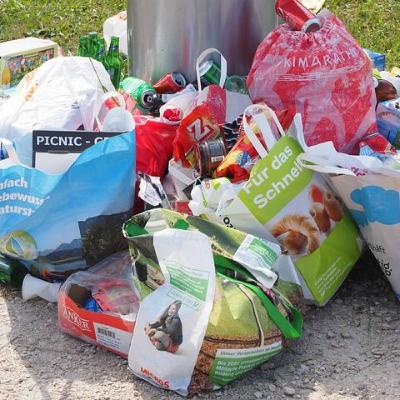
Welcome back everyone to the Adventures in Sustainable Living Podcast. This is your host Patrick and this is E264 which is part two of Food Waste: The World’s Most Solvable Environmental Problem.
In the last episode we covered the first five out of ten reasons why the reduction of food waste has such a significant positive environment impact.
Unlike so many other global problems, reducing our food waste is one of the easiest things we can do as individuals. There are ten reasons why food waste is the world’s most solvable environment problem. In the last episode we covered five of those reasons. Now, just for a quick review:
-The solutions already exist. This means we do not need new technology or new science. The solutions are simple, proven, and accessible to everyone.
-Prevention is far cheaper than clean up. While most solutions for environmental problems focus on managing the damage after it has already happened, prevention of food waste cost less than disposal and the pay back is immediate.
-Individuals have the real power. While most global environment problems feel distant and abstract, food waste prevention can happen without waiting for governments, corporations and the implementation of new laws. We all participate in our food systems everyday so we have the ability to do something about it today.
-It reduces multiple environmental impacts at once. Because of the nature of our food systems, waste prevention effect climate change, addresses water scarcity, land degradation and reduces energy consumption all at once.
-Most wasted food is perfectly edible. Since our food systems are inefficient, risk-averse, and culturally distorted, they are built for waste. The majority of wasted food is actually perfectly edible and we can do something about it.
But, before we get to the next 5 reasons as to why food waste is the world’s most solvable environmental problem, let’s first talk about the good news story of the week.
Good News Story of the Week
One of my favorite stories to share is about how we always see the tremendous rebound of wildlife species once a habitat is restored to its natural state. The same is true when numerous small lakes in Iowa were restored.
Across Iowa, a tiny little fish, known as the Topeka shiner was on the on federal list of endangered species. This was because 10,000 small lakes, known as oxbow lakes, were slowly destroyed due to the progression of agriculture. Despite Iowa being known as a prairie state, these lakes provided a vital wetland ecosystem.
Across Iowa, a tiny fish has inspired an enormous conservation program that has seen hundreds of ponds restored to their natural state.
Though originally for the sake of this small federally-endangered fish, the lakelets soon demonstrated their power to alleviate the state’s nutrient runoff problems as well.
In 1998, the shiner was placed on the Endangered Species List, and in 2000, the US Fish and Wildlife Service worked together with the Iowa chapter of the Nature Conservancy to identify and begin restoring some of these oxbow lakes in order to save the shiner.
Not only did the shiner return, but 57 fish species, 81 bird species, along with mussels, turtles, amphibian, beavers and river otters were also noted to being living is these small lakes.
The work has cost tens of thousands of dollars per wetland, but that cost has been picked up by a combination of private capital, state, and federal grants, which ensures landowners have all the incentive and none of the downside to the restoration project.
In 2011, the Iowa Soybean Association trade group came on board, joining forces to restore more of these lakes in the Boone River watershed in north-central Iowa, which lent new vigor to the project.
Topeka shiners have been documented in 60% of the over 200 oxbow lakes restored across Iowa’s landscape, 97% of which is privately-owned.
And this is yet another example of what happens when to begin to restore the environment instead of destroying it.
Now let’s move on to the next five reasons why food waste is the world’s most solvable environmental problem.
6) Food Waste Is Largely a Design Problem
While the food waste at the home level is significant, there are ways to address this. The underlying issue isn’t necessarily laziness or carelessness on a personal basis—our food systems are built for overproduction and convenience:
Oversized portions
Confusing date labels;
Cosmetic standards for produce.
Bulk promotions that encourage overbuying
Design problems can be redesigned, often quickly and cheaply.
Because of this a lot of food waste is a design problem, not a personal failure. The average person does not set out to waste food—they operate inside systems that nudge us, and even reward us for certain behaviors. Furthermore, our food systems normalize waste at every step.
When waste happens predictably and repeatedly across millions of households and businesses, that’s a signal of poor design, not poor behavior. When food is wasted as consumer we then have to buy more food and the food production businesses make more money.
-Systems are designed for overproduction, not efficiency
Modern food systems prioritize:
Abundance
Speed
Convenience
Visual perfection
To avoid shortages, businesses intentionally overproduce. That surplus has to go somewhere—and too often, it becomes waste..
-Date labels are designed to confuse, not inform
Most food date labels:
Are not safety-based, which is what most of us think
Vary by brand and product
Use unclear language (“best by,” “sell by,” “use by”)
Consumer confusion over date labels accounts for 20% of food waste. This design flaw leads people to throw out food while it’s still safe to eat. When millions make the same “mistake,” or misinterpretation the issue is the label system itself.
-Portion sizes are designed to exceed our actual needs
Portions have steadily grown in:
Restaurants
Packaged foods
Ready-made meals
Oversized portions increase perceived value but almost guarantee leftovers—and eventual waste—especially when leftovers aren’t designed to be reused easily. This is commonly due to marketing and competition. Larger packaging and portion sizes draw attention, enhance product visibility, and help brands stand out in a competitive market. The introduction of "supersized" meals and value deals further entrenched the trend.
-Retail incentives reward overbuying
Common retail designs include:
Buy one, get one free
Bulk discounts
Large multipacks
These promotions assume unlimited time, storage, and appetite—conditions most households don’t actually have. Waste is the predictable outcome.
-Cosmetic standards reject perfectly edible food
Produce that is:
Misshapen
Slightly blemished
Inconsistent in size
is often discarded before it ever reaches consumers. The system prioritizes appearance over nutrition. Estimates say that as much as 40% of food waste in the US is solely due to aesthetic standards.
-Time constraints are ignored in the design of our food systems
Modern food systems assume people have:
Time to cook
Time to plan
Time to use leftovers
But daily life is busy. Systems that don’t account for time constraints push people toward convenience—and away from food already at home, which results in waste.
-Waste is treated as normal, not as a design failure
Trash systems are efficient, cheap, and for the most part invisible to the average consumer. That design:
Makes waste easy for us to deal with
Hides the consequences of our wastefulness
If throwing food away feels frictionless, the system is silently encouraging it.
-When everyone wastes food, the system is the culprit
If food waste were a moral or educational failure, it would vary wildly between people. Instead, it’s remarkably consistent across populations, income levels, and regions.
That consistency is the hallmark of a design problem.
The key insight
People mostly respond to the system of society in which they live.
When systems are redesigned to:
Clarify date labels
Provide appropriate portion sizes
Improve packaging
Make food visible
Reward efficiency instead of excess
food waste drops—often without asking people to “try harder.”
Bottom line
Food waste persists not because people don’t care, but because our food systems are engineered for abundance, aesthetics, efficiency and convenience—not for full use.
In many respects that’s good news.
Because design problems are fixable.
7) Food Recovery Is Immediately Scalable
Surplus food doesn’t have to be wasted—it can be redirected.
Food banks and pantries
Community fridges
Gleaning programs
Institutional food donation
The infrastructure exists and can scale faster than most environmental solutions.
8) The Timeline for Results Is Short
Many environmental problems require decades to show results. Food waste reduction delivers immediate impact:
Less trash this week
Lower grocery bills this month
Reduced emissions this year
Immediate positive feedback makes people more likely to stick with this sort of change.
Food waste reduction produces immediate impact because it works upstream and in real time for the average consumer. Unlike many environmental solutions that require years of infrastructure, policy, or technological change, reducing food waste changes outcomes the same day the behavior changes.
Here’s why the impact is so fast.
-Waste stops the moment behavior changes
If you:
Eat leftovers tonight
Freeze food instead of tossing it
Buy only what you need
The waste never happens. There’s no delay, no waiting period, and no dependency on outside systems. It is all up to you.
-Emissions are avoided instantly
When food is not thrown away:
It doesn’t enter a landfill
It doesn’t begin producing methane
No extra energy is used to transport or process waste
Avoided emissions count immediately, not decades later.
-Resources are conserved in real time
Prevented food waste saves:
Water
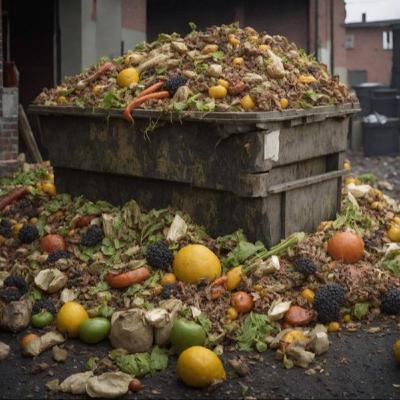
Adventures in Sustainable Living Podcast
Episode 263
Food Waste: The World’s Most Solvable Environmental Problem
If you spend enough time watching the news, then you already know that our world has a long list of problems. Many of these issues, especially the environmental ones, seem so far out of our reach that we doubt whether or not our personal efforts will ever make a difference.
The good news is nothing could be further from the truth. There are a lot of things we do everyday that make a significant difference for a whole list of reasons. One of those things is controlling our food waste. This is far simpler than you think and the best part is that our actions have an immediate impact.
So join me for E263, Food Waste, The World’s Most Solvable Environmental Problem.
Welcome back everyone to the Adventures in Sustainable Living Podcast. This is your host Patrick and this is E263.
But before we get to focusing on some of our global problems, let’s first talk about the good news story of the week.
Good News Story of the Week
This week’s good news story has to do with a small act of generosity the benefited an entire village in France.
Mr Michel Perinchard inherited a large, empty field in Western France. For a long time he nor anyone else in his family had any interest in developing it.
Then he had the idea to donate the entire land parcel to the town of his childhood—provided the mayor and council promised to turn it into a fruit orchard and community garden that the whole town could benefit from. The town had a population of 560. Estimated development cost was $12K USD.
Approximately 50 fruit trees were planted last year including apple, pear, and plum trees. This year, another 50 will be planted, as well as a new hedge, flower beds, and flowering trees. It will take about four years before the first harvests. But no one seems impatient. The project has already fulfilled its function: to gather, excite, and return the land to a common use to benefit everyone.
So, there you have it, a small act of generosity that benefited 560 people. Imagine what a better place our community would be if everyone committed a small act of kindness simply for the benefit of others.
Now let’s move on to this weeks episode because I am going to give a you a good bit of additional good news about the world’s most solvable environmental problem. Now since this is a lot of information, I am going to have to break this down into two separate episodes. Otherwise, we will be here for an hour. So, let’s get started with Part One.
If you really focus the world’s most significant problems, the list is quite disturbing. Climate change, biodiversity loss and species extinction, deforestation and habitat destruction, water scarcity and fresh water depletion, pollution (air, water, soil), plastic pollution and waste overload, unsustainable food systems and food waste, land degradation and soil loss, overconsumption of natural resources, and even environmental injustice and human vulnerability.
But, the bigger picture here is that all of these issues are deeply interconnected. Climate change worsens water scarcity. Deforestation accelerates biodiversity loss. Pollution undermines food and health systems. It is obvious that fixing these environmental concerns requires fixing the system.
But instead of having a conversation about overwhelm we should shift our focus to strategy. If anything, having an understanding of this list of our top concerns also helps us to focus on high-leverage actions. Things such as protecting ecosystems, cutting carbon emission, and reducing food waste do not require reinventing the wheel or developing new technology. We already have the ability to take effective action.
But of all the things that we can do, reducing our food waste is one of the most impactful and it is something we can start today and it is some that will have an immediate impact. That is the focus of this episode.
Of all the things we are doing to destroy our planet, food waste stands out as one of the world’s most solvable environmental problems because it sits at the intersection of human behavior, system design, and immediate opportunity. Unlike many environmental challenges that require new technologies or decades of infrastructure change, food waste can be reduced right now—with tools, knowledge, and systems we already have in place
Food waste is a uniquely solvable environmental issue for a whole list of reasons.
1) The Solutions Already Exist
We don’t need to invent new science to reduce food waste. The most effective solutions are simple, proven, and accessible:
Meal planning and smarter shopping
Better food storage and preservation
Using leftovers creatively
Clarifying food date labels
Redirecting surplus food to people or animals
These are behavioral and logistical fixes, not technological long-shots.
2) Prevention Is Far Cheaper Than Cleanup
Most environmental problems focus on managing damage after it occurs. Food waste is different in that the prevention of the waste costs less than disposal after the fact.
It’s cheaper to eat food than to throw it away
It’s cheaper to prevent waste than to compost or send it to the landfill
It saves money for households, businesses, and governments
Few environmental actions pay for themselves immediately—food waste reduction is the exception.
Prevention avoids costs; disposal adds new ones
When food is wasted, you’ve already paid for:
Production (seeds, feed, fertilizer, water)
Processing and packaging
Transportation and refrigeration
Labor at every step
The purchase price
Disposal then adds new costs:
Trash hauling or landfill fees
Compost collection or processing fees
Staff time to sort and manage waste
Environmental cleanup and emissions management
Prevention stops the loss before disposal costs even exist.
Eating food is cheaper than managing waste
At the household level:
Eating leftovers costs $0
Throwing food away costs the price of the food plus trash service
At the business level:
Selling or serving food generates revenue
Disposing of food generates only expenses
There is no financial upside to disposal—only damage control.
-Prevention reduces labor, disposal increases it
-Disposal costs rise as waste increases
Disposal systems scale linearly or exponentially with waste:
More waste → higher fees
Prevention scales in the opposite direction:
Better planning → immediate reduction
One habit change → ongoing savings
Composting is better than landfilling—but still costs more than prevention
Composting is environmentally preferable, but it still involves:
Collection infrastructure
Transportation
Processing facilities
Ongoing operating costs
While simple prevention avoids all of that.
Keep in mind that the most sustainable waste is the waste that never exists.
Businesses save substantially with food waste prevention
Restaurants and institutions that track and prevent food waste often see:
Lower food purchasing costs
Reduced disposal fees
Higher profit margins
Many recover prevention costs within weeks, not years.
Municipalities have reduced costs when waste never enters the system
Simple comparison
Prevention
Eat food you already bought
Requires planning, awareness, small habit changes
Saves money immediately
Reduces labor and emissions
Disposal
Pay for unused food
Pay again to remove it
Adds labor, infrastructure, and pollution
Produces no value
Bottom line
Food waste prevention costs less because it eliminates waste before resources are spent twice. Disposal is a downstream expense that treats symptoms, not causes. Prevention keeps food valuable, money in pockets, and improve system efficiency. Prevention is an upstream approach. Waste is a downstream approach.
That’s why food waste reduction is one of the rarest environmental solutions that saves money at every level—household, business, and government.
3) Individuals Have Real Power
Many global environmental issues feel distant or abstract. Food waste is deeply personal and daily.
Everyone eats
Everyone shops
Everyone stores food
That means individuals can make changes without waiting for governments, corporations, or new laws—and those changes add up fast.
Here’s why it hits so close to home.
-Everyone participates in the food system every day
You can go a day without driving, flying, or buying new things—but you can’t go a day without food.
Every day, people:
Decide what to eat
Open the refrigerator
Prepare meals
Manage leftovers
Food waste is created—or prevented—during these everyday moments.
-It happens in private spaces, not faraway places
Most environmental harm feels distant: melting ice caps, polluted rivers, burning forests. Food waste happens in kitchens, lunchboxes, offices, and refrigerators.
Because our individual waste is a private affair, it often goes unnoticed:
A forgotten container in the back of the fridge
Leftovers tossed during cleanup
Produce that spoiled quietly
These small moments add up.
This is one time where personal habits matter more than big systems
Unlike many environmental issues dominated by industry or infrastructure, food waste is largely shaped by personal routines:
How much we buy
How we store food
Whether we eat leftovers
How we interpret date labels
Small habit changes—made by millions of people—create massive collective impact.
-The cost is felt immediately
Food waste doesn’t just affect the planet—it affects personal budgets.
Throwing away food feels like throwing away money
Grocery bills rise when food isn’t fully used
Waste creates frustration and stress
That immediacy makes the issue personal in a way few environmental problems are.
-Food waste decisions repeat daily
Food waste isn’t one big decision—it’s dozens of tiny ones:
“Do I cook this tonight or tomorrow?”
“Is this still good?”
“Will I eat this later?”
Because these decisions happen daily, change doesn’t requ

Adventures in Sustainable Living Podcast
Episode 260
Powerful Alone, Unstoppable Together: How Individuals Can Help Their Country Become More Environmentally Friendly
Very early in the production of this podcast I produced an episode on the greenest countries in the world, meaning those that are the most environmentally friendly. Countries that are on this list are evaluated by very specific metrics and it takes decades of change to end up on this list.
What always astonishes me is that the countries that are at the top of the list are some of the smallest countries in the world. Those at the bottom of the list are some of the largest and most wealthy countries.
But, as you know, countries are made of people and it is the people that ultimately make the difference. So, what can we all do to help our countries be more green? To find out, join me for E260
Welcome back everyone to the Adventures in Sustainable Living Podcast. This is your host Patrick and this is E260 which is called Powerful Alone, Unstoppable Together: How Individuals Can Help Their Country Become More Environmentally Friendly
You know, I am convinced that the average person has no true appreciation for the power behind their personal choices. In many respects, our world is what it is right now because of the cumulative effect of all of our personal choices. Likewise, we can save our planet with the cumulative effect of our personal choices. We just have to learn to make different and better choices, that being sustainable choices of course
What you have to remember is that countries are made of people and it is the power of all the personal choices of those people that make one country green versus one that is not.
But before we get to that, let’s talk about the good news story of the week.
Cutting Edge Technology Generates Pure Water and Hydrogen Fuel from Sea Water for Mere Pennies
There is a new seawater desalination plant in coastal China that has made remarkable progress in producing fresh water at a low cost. This new plant beats out previous flagship desalination plants in Saudi Arabia and California in terms of cost effectiveness, while adding a new valuable output-green hydrogen fuel.
This plant is located in a city that is one of China’s most renewable powered cities, one in which all urban water heaters are powered by solar panels.
Out of 800 metric tons of seawater, this plant is able to produce 118, 877 gallons of fresh water and 192,000 cubic meters of green hydrogen fuel. That is enough fuel to power 50 city buses for 4, 600 miles each all while producing zero emissions.
The plant using waste heat from a nearby steel foundry as a means to power their process. A cubic meter of fresh water is produced for US $0.28. This is half the price of a similar plant in Saudi Arabia while the desalination plant in California charges. $2.20 per cubic meter.
This is yet another example of how we can truly find innovative ways to solve some of the most challenging environmental issues of our time.
Now, let’s move on to this week’s episode on how each of us can help our countries be more environmentally friendly.
Let’s start out by defining a few parameters.
What Makes the Greenest Countries ‘Green’
What Does “Greenest” Mean?
When we say a country is “green,” we don’t just mean that it has forests or clean air — we mean it performs well across a broad range of environmental, health, and climate-related measures.
This includes: ecosystem health, air & water quality, waste & resource management, biodiversity protection, renewable energy adoption, and climate-friendly policies.
“Green” is a holistic concept — involving government policy, infrastructure, culture, as well as citizen behavior.
Measuring “Green” — The Environmental Performance Index (EPI)
The EPI is one of the most widely used tools for comparing national environmental performance. It was developed by Yale University to rank which countries were best addressing environmental challenges.
It analyzes 40 performance indicators across:
Ecosystem Vitality (biodiversity, habitat protection, land & water conservation)
Environmental Health (air quality, water & sanitation, pollution, exposure to toxins)
Climate Change & Climate Policy (GHG emissions, mitigation efforts, projected future emissions)
By using such a broad set of metrics, EPI helps show which countries balance development with sustainability.
Green Future Index
The Green Future Index (GFI) by Massachusetts Institute of Technology (MIT) ranks 76 nations and territories based on their progress and commitment towards a sustainable future. It examines 22 indicators across five categories: climate policy, carbon emissions, energy transition, green society, and clean innovation.
Who Are the Greenest Countries?
According to 2025 data, some of the top-performing countries globally include:
Estonia: strong ecosystem and environmental health indicators
Germany: strong environmental governance, waste management, renewable energy infrastructure.
Finland: scores high on air and water quality, strong policies backing sustainability
Switzerland: robust water and waste management,
Iceland: nearly 100% renewable energy for electricity.
Other countries such as the UK, Sweden, Denmark, Ireland, Costa Rica, Norway, France, and Estonia are also on the list as some of the most environmentally friendly countries in the world.
What These Countries Have in Common — Patterns & Success Factors
Strong environmental governance and laws: Environmental protection isn’t accidental — it’s codified in regulations, enforced, and backed by policy.
High use of renewable energy: Many rely heavily on hydro, wind, geothermal — reducing dependence on fossil fuels.
Sustainable resource management: Forest cover, biodiversity protection, water quality, waste treatment, pollution control.
Public awareness, culture & lifestyle: Sustainability is part of daily life — from waste recycling to energy-efficient infrastructure and eco-conscious transportation.
Long-term planning & innovation: Governments and societies investing in clean-tech, sustainable urban planning, climate-resilient infrastructure.
Challenges & Nuances — Why “Green” Doesn’t Always Mean “Perfect”
Even countries with mostly renewable energy still face emissions challenges — for example through transport, heavy industry, or per-capita energy use. This just demonstrates the complexity of achieving true sustainability.
Sustainability requires constant effort: policies must evolve, public behavior must adapt, and systems must be maintained.
Tradeoffs: balancing economic growth, energy demand, public infrastructure, and environmental protection is complex.
Lessons & Takeaways — What Other Countries / Communities Can Learn
Environmental governance and strong, enforceable policies matter.
Investing in renewable energy infrastructure — hydro, wind, geothermal, solar — can significantly reduce carbon footprint.
Protecting natural ecosystems, managing waste and water effectively, and ensuring biodiversity helps sustain long-term environmental health.
Public awareness and lifestyle choices (transportation, consumption, waste habits) are just as important as government policy.
Long-term thinking: sustainability requires planning for decades, not just a few years.
Conclusion
The “greenest” countries — such as Estonia, Finland, Germany, Iceland, Sweden, Denmark, and others — show that high environmental performance is possible when policy, culture, and infrastructure align with one another.
“Green” is multidimensional: clean energy, ecosystem health, public health, climate strategy, and societal behavior.
As climate change intensifies, these nations offer valuable models — but also remind us of the work needed to maintain and deepen sustainability.
Ultimately, green nations prove that sustainable living and progress can go hand-in-hand.
Why Individual Action Matters
Even though climate change and environmental degradation are national and global challenges, individuals remain one of the largest drivers of change. This is why I like to say choices make changes.
Personal choices influence markets, culture, and politics.
Collective individual actions shape national policies and environmental outcomes for each country.
One person may be small — but millions acting together can and do transform entire countries.
The Three Way That Individuals Have an Impact
Individuals influence national sustainability through:
Personal Behavior (daily habits & lifestyle)
Community Action (local engagement, volunteering, organizing)
Civic Influence (voting, advocacy, shaping policy)
These three pillars, so to speak, often create a powerful feedback loop that pushes a country toward a greener and more environmentally friendly future.
Pillar 1: Personal Behavior
A. Reduce Energy Use at Home
Switch to LED lighting, which can save you anywhere from 75% to 90% of energy costs compared to transitional lighting.
Upgrade to efficient appliances, which can save up to $500 annually
Improve insulation
Turn off unused electronics
Install solar panels where possible
Small reductions in household energy demand significantly reduce national energy consumption. Residential energy consumption accounts for 20% of our energy related emissions with electricity alone accounting for 60% of that. We could have a significant impact by reducing our personal energy consumption by 10%
This can be accomplished simply by unplugging all of your electronic devices when not in use. If you want more details about this, then go back and listen to my episode on how to kill the vampires in your house.
B. Choose Cleaner Transportation
Walk, bike, or use public transit
Carpool
Drive electric or hybrid vehicles if possible
Reduce unnecessary trips
Transportation is one of the largest sources of national emissions — individual choices shift this sector faster than anything else.
Reducing our drivin
Adventures in Sustainable Living Podcast
Episode 262
The Art of Slow Living
One of the advantages of working in different cultures is that you gain a completely different perspective on life. You step outside of your daily routine, experience different values, eat different foods, and make new friends. But such experiences also help you to realize some of the pitfalls of your own society.
One of my favorite places to live and work is the Caribbean. People seem much less stressed. They have a much slower pace of life and never seem to worry much about getting things accomplished right now. In fact, one of their favorite mottos is “rush slowly.”
While such a lifestyle may not be for everyone, I do think we can learn a lot or at least gain a new perspective from such a lifestyle. So join me for E262 The Art of Slow Living.
Welcome back everyone to the Adventures in Sustainable Living Podcast. This is your host Patrick and this is E262 The Art of Slow Living.
In this episode I want to take a look at our modern society, examine some of the pitfalls and perhaps give you a different way to live your life, something that is more grounded and focused on intentional living. This of course is in contrast to our high octane society that is designed for speed, efficiency, and constant productivity.
But first, let’s start out with the good news story of the week.
Good News Story of the Week
As most of you likely know, invasive species take a big toll on our environment. The primary underlying origin of this problem is human activity. Once and invasive species has established itself in a particular ecosystem it is difficult if not impossible to eradicate them. Such is the case with the lion fish.
This fish is native to the Indo-Pacific region and was likely introduced through the aquarium trade. Some owners likely released this fish into the wild when they outgrew their aquarium or they simply lost interest. Lion fish are prolific producers, have no natural predators, and are particularly damaging to reef fish. Studies show that a single lion fish can reduce native fish populations by 80 to 90 percent within just five weeks.
But, some places around the globe have found a solution. If you can’t beat them, then eat them. That’s right. Once you remove the poisonous spines, lion fish are easy to cook and are quite good. I’ve can attest to this from personal experience. I’ve spent several days diving and catching lion fish. We would often have two one gallon bags of fillets in the freezer. And the best part, since these fish are invasive, no one really cares if you hunt them. So, it you enjoy the ocean, and diving of course, I highly recommend it. If you can’t beat them, eat them.
So many of us fly out of bed in the morning, rush to get ready for work, take very little time to eat a healthy breakfast before we go out into an environment where everyone else is just as rush. Instead of doing that, why not wake up with intention. Make your bed, drink a glass of water, make some tea or coffee, do some stretching or do a workout. Then take a shower, make breakfast and then get ready for work.
This of course is a reflection of our high octane society that is designed for speed, efficiency, and constant productivity. But as I mention above, there are cultures that have a much slower pace of life where no one seems to be concerned about getting things accomplished right away. And that is a refection of what I call slow living. But, what exactly do I mean by this.
🌿 The Art of Slow Living
Reclaiming Time, Meaning, and Well-Being in a Fast Paced World
1. Why Slow Living Matters Now
We live in a world optimized for speed, efficiency, and constant productivity. Faster technology. Faster communication. Faster consumption.
Yet despite all this speed and efficiency, many people feel more exhausted, disconnected, and overwhelmed than ever.
Slow living is not about doing less for the sake of doing less. It is about focusing on what matters—doing things well, living intentionally, and at a normal human pace.
We live in a time of burnout, environmental strain, and even cultural fragmentation. Slow living offers something radically different
A return to presence, purpose, and a sense of balance in our lives.
2. What Is Slow Living? (And What It Is Not)
Slow Living Is:
Living intentionally, not being reactive to so many of the things that go on in our day-to-day lives
Valuing quality over quantity
Aligning daily habits, or for that matter, you entire lifestyle with personal values
Creating space for rest, creativity, and connection. This may in fact mean regularly disconnecting yourself from the outside world.
Slow Living Is Not:
Laziness or lack of ambition. It is about connecting with what matters the most to you so that what you do accomplish has meaning.
Rejecting technology entirely. It is about using that technology to your advantage and not allowing it to rule your life. We live in a culture where people expect to have access to you 24 hours a day, which creates more stress.
Escaping responsibility. It is about just the opposite, taking full responsibility for how you want to live your life.
Living without structure or goals. Slow living is a mindset, not a rigid lifestyle.
3. The Cultural Problem: Speed Without Meaning
Modern culture often rewards:
Being busy over having a fulfilled existence
Productivity over well-being
Convenience over sustainability
This creates:
Chronic stress and burnout
It promotes a shallow and short attention span because we are constantly distracted
Overconsumption and waste
Disconnection from sustainable sources of food, a disregard of the natural world, and also disconnects us from our community
Slow living challenges the assumption that faster is always better.
4. Core Principles of Slow Living
🌱 Presence
Being fully engaged in the moment—whether eating, walking, or listening. Far too many times I see people going for a walk or just walking the dog while staring at their phone. That is the opposite of what you need to be doing.
🌱 Intention
Making choices aligned with values instead of habits driven by pressure or convenience. This means live you life in a way that makes a difference for you instead of conforming to the expectations of society.
🌱 Sufficiency
Recognizing when “enough” truly is enough. Think in terms of what you actually need instead of what you want.
🌱 Connection
Deepening relationships—with family and friends, the food you eat, the places where you spend most of your time, and with the natural.
🌱 Rhythm
Taking value in the natural cycles of work, rest, and rejuvenation both physical and mental.
Now let’s look at a couple of concrete examples:
Choose the best and leave the rest: Recognize the fact that you have the power to make choices about how you live. For example, the things you have in your home. What activities are important to you. How do you want to spend your money.
Understand the cost of your choices: Every time you say yes to one thing you say no to something else. If you choose to spend time with friends you may be saying no to getting chores done. If you choose to start taking night classes then you have to say no to a lot of your free time and to spending a lot of time with your friends.
Say “yes” to a great life: Take the time to make a list of the top 5 things that mean the most to you. Focus on that and get rid of everything else.
Accept that it’s about the long game: Living a simple life in line with your values and priorities takes time and practice. Remember it’s all about repeatedly making little decisions that in the long term result in you living the life that you want. There was a time when I lived under a mountain of debt. I decided to change that. But, it took 5 years of hard work and having to make some very difficult decisions. I knew I was in it for the long game. It took me 5 years to get completely out of debt and it completely changed my life.
5. Slow Living and the Body
When we slow down physically:
Nervous systems regulate
Stress hormones decrease
Sleep improves
Digestion and immunity strengthen
Examples:
Eating a meal without any screens. When you are eating put the phone away. Enjoy your meal and stop multitasking.
Walking instead of rushing. Try getting up a little earlier. Leave for work a little earlier so you do not have to be rushed
Taking breaks without guilt. So, take time for yourself. Say no to friends, family, work and get some relaxing quiet time.
Sleeping according to natural rhythms
The body often heals when life slows.
6. Slow Living at Home
Slow homes prioritize:
Comfort over constant upgrading. Do you really need to constantly upgrade your devices? If the one you have works, then keep it until it fails.
Function over excess. If an appliance or a took serves a specific function then keep it until breaks instead of buying the latest and greatest. I have a long list of tools and other possessions I’ve had for over 20 years.
Simplicity; Keeping a simple life is often a lot less expensive. Keep it that way.
Practices:
Intentionally declutter your life.
Creating daily rituals such as starting out with a quiet morning, taking time to sit and drink coffee or tea
Cooking meals from scratch more often instead of instant packaged meals
Repairing household items instead of replacing them
Build daily routines and rituals: stretch and/or exercise daily, keep yourself well hydrated, take regular long walks, meditate regularly, follow regular meal times, get 7 to 8 hours of sleep every night.
7. Slow Living and Food
Food is one of the most powerful and most over looked slow-living tools. How we purchase, prepare and consume our food is also one of the easiest and most effective ways in which we can be more sustainable.
Slow food practices include:
Cooking at home. Home cooked meals are less expensive and far healthier than restaurant food, convenience foods and prepared, packaged

Adventures in Sustainable Living Podcast
Episode 261
Seven Tips for Sustainable Living in 2026
Over the past couple of years, you have listened me talk about a wide variety of topics focusing on sustainable living. While researching these topics, I have repeatedly come across articles that would condemn us for destroying the planet with the end message focused on how we should change the way we live.
What I have notice over that past couple of years is that trend of what sustainable living focuses on is starting to shift in a good way. As we approach 2026, sustainable living is shifting towards practical, consistent actions rather than perfection, emphasizing local, social, and achievable changes that tend to foster well-being and environmental protection.
So join me for E261 Seven Tips for Sustainable Living in 2026
Welcome back everyone to the Adventures in Sustainable Living Podcast. This is your host Patrick and this is E 261 Seven Tips for Sustainable Living in 2026.
What I want to focus on this episode is the changing trends in the focus of sustainability. Since I’ve had this podcast up and running for several years now, I have certainly seen the focus change in several key ways. That is what I wanted to share since we are now heading into 2026.
But before we get to that, let’s first talk about the good news story of the week.
Good News Story of the Week
This week’s good news story has to do with a tragedy that was followed by a stroke of good luck.
A small Spanish town, called La Baneza, was devastated by wildfires this past Spring. There was a total of 120,000 wooded acres that was scorched by the wildfires which left 8,000 residents displaced. The town prayed for rain but it did not come. Next the town bought 117 numbers in the El Gordo Christmas lottery, sponsored by the Spanish government. Because of that, the town’s misfortune turned into a staggering stroke of luck.
All the winning numbers they picked total to half a billion USD. After taxes, each villager netted between $20K and $30K USD. This was literally a godsend for those whose homes were damaged by the fire. There is a superstition in El Gordo that good luck follows bad. In this case it was certainly true.
So, let’s move on to this week’s episode.
One thing is for sure about our society, things are always changing. The same is certainly true for public sentiment, meaning what our society focuses on now may not be the same 2 years from now, or maybe not even 2 weeks from now. But the same could be said for sustainable living.
What I have noticed is that as we approach 2026, the focus of sustainable living is shifting towards practical, consistent actions. I am not sure why this shift is happening but I suspect it is because most people are put off by the feeling of having to reach for perfection. Additionally, our environmental and climate challenges are so immense at this point that most people feel as if their individual actions mean nothing at all.
So what I want to accomplish with this episode is to outline some consistent and achievable actions to help you live more sustainably. We are not aiming for perfections, rather emphasizing local, social and achievable changes that tend to foster personal well-being and environmental protection.
As you will see, there are several key strategies to achieving this. None of this is difficult. It just requires focus and consistent behavior.
Why Sustainability in 2026 Looks Different
Sustainable living in 2026 is no longer about doing everything perfectly. For example, we do no need a few people living perfect waste free lives. We need millions of people trying to live waste free.
In 2026 sustainability is about resilience, adaptability, and realistic choices in a world that is now facing climate disruption, rising costs of living, and even social strain due to all the challenges we now face and even due to limitations on resources.
Today, sustainability focuses more on:
Reducing vulnerability
Increasing self-reliance
Strengthening communities
Improving quality of life
The good news? Contrary to popular belief, the most sustainable choices often make life simpler, cheaper, and healthier.
The Best Tips for Sustainable Living in 2026
Tip #1: Consume Less, Choose Better
This is something that is easy to overlook especially when you live in a culture that focuses on consumerism. Consequently, we tend to forget that the most powerful sustainable choice is not buying—or buying intentionally.
Best practices:
Buy fewer, higher-quality items that last. Think in terms of buy it once buy it for life.
Prioritize repairable and multi-use products
Choose secondhand, refurbished, or shared items
This shift:
Reduces resource extraction
Cuts waste at the source
Saves money over time
Sustainability begins before the checkout counter.
Tip #2: Make Food the Center of Sustainability
As individuals food remains the largest daily sustainability lever.
In 2026:
Food waste is recognized as a major climate issue. Reducing your food waste is one of the most effective wins against our changing climate.
Local food systems are increasingly vital
Home cooking, which is often overlooked, is truly an act of resilience
High-impact actions:
Plan meals and track food inventory
Eat more plant-based, seasonal meals. This means meals that are based on what is seasonally available. It might be nice to have those imported grapes from South America in the middle of winter. But, such products have a high environmental impact.
Preserve food through freezing, drying, or fermenting
Reducing food waste saves:
Water
Energy
Land
Money
Tip #3: Use Energy Smarter, Not Harder
Sustainable living in 2026 emphasizes efficiency first.
Smart energy choices include:
Insulation, sealing, and efficient appliances
Electrifying homes where possible to reduce your dependence on fossil fuels.
Rooftop solar or community solar participation
Using less energy is often more impactful than producing more energy—and it reduces bills immediately.
Tip #4: Reduce Waste at the System Level
Waste reduction is moving beyond personal guilt to system redesign.
Key shifts:
Composting food scraps
Choosing refill and bulk options to reduce packaging waste
Supporting businesses that eliminate packaging
Every item you refuse, reuse, or repair sends a market signal. Always remember, choices make changes and it is truly our consumer choices that drive the marketplace.
Tip #5: Rethink Transportation and Daily Movement
Transportation remains one of the largest household emissions sources. This applies to me as well. As you likely know, a couple of years ago I closely examined my own lifestyle and discovered that my commuting was my biggest area of impact. I rearranged my work life and reduced that by almost 50%.
2026 strategies:
Combine trips and reduce unnecessary travel. For example, I rarely leave home on my days off. But, when I do, I combine enough errands that it takes me half a day to it all.
Walk, bike, or use public transit when possible.
Embrace remote or hybrid work models. It is worth the change even if you work from home one day a week. If everyone did this, it would reduce global oil consumption by 1%. A study in the US shows that remote working two or more days per week cuts emissions up to 29%. Those that work from home full time cut their personal emissions by 54%.
Less driving means:
Lower emissions
Lower expenses due to reducing travel related costs
Better physical and mental health
Tip #6: Protect Mental and Ecological Health Together
Burned-out people can’t build sustainable systems.
True sustainability includes:
Time in nature
Slower, intentional living is far healthier than our high octane lives that most people have
Reduced digital overload
When people feel grounded and connected, they make better long-term decisions—for themselves and the planet.
Contrary to popular belief, our digital, technology driven culture does not necessarily make our lives easier. It actually consumes more of our time. It often leads to increased stress and reduced mental well being. Constant connectivity and the pressure to always be available contributes to a sense of being perpetually busy.
Tip #7: Build Community Resilience
The most resilient communities in 2026 are connected communities.
Community-based sustainability includes:
Sharing tools, skills, and resources
Regular community gatherings such as potlucks and repair workshops
Supporting local food and energy systems
Teaching and modeling sustainable habits
Clear communication channels such as message boards and neighborhood groups
I do have to tell you that I have lived in a very small community for the last 30 years. We all know each other very well and there have been several times that we have all banded together to help out during emergencies. Most recently we had a horrendous wind storm that resulted in 6 trees that blocked the road and took out power lines. We spend a day and a half cutting trees and making sure a family with young children could actually get out for food and supplies.
It makes a huge difference when you actually work together because sustainability scales fastest through relationships. Things such as mutual aid, sharing economies, and local action.
The Sustainable Life Is the Good Life
At the end of the day, the conclusion is that the sustainable life is the good life. Far too many people still have the impression that living sustainably means giving up the things that mean the most to you. But sustainable living in 2026 is not about sacrifice, it’s about alignment. It means:
-Living within your limits
-Building resilience
-Creating sustainability in the face of an uncertain future.
Just remember that progress matters more than perfection. When millions of people make small, thoughtful changes, our future begins to shift. Sustainability is not just how we save the planet-it’s how we learn to live well. Living

Adventures in Sustainable Living Podcast
Episode 259
Habits for Sustainable Success: The Little Things Make a Difference
Humanity is now the dubious owner of a long laundry list of environment issues that we have to solve. Obviously some are more pressing than others. Despite this, we tend to go about our daily business as if nothing is wrong. Why is that?
Do you ever stop to ask yourself why nothing ever really gets done.
On the other end of the spectrum, has there ever been a time when someone looked at you and commented about how lucky you were. Meanwhile you are thinking “What I accomplished was not a matter of luck but the result of years of hard work.”
So, what do these two scenarios have in common? If you want to know, then join me for E259, Habits for Sustainable Success: The Little Things Make the Difference.
Welcome back everyone to the Adventures in Sustainable Living Podcast. This is your host Patrick and this is E259
The bottom line for this episode is that I want to give you a way that you can develop a more sustainable lifestyle one step at a time. But, that is also connected to how we go about accomplishing so many other good things in our lives. But, I am going to give you a spoiler alert. It is not difficult. It is not brain surgery. It just requires a few simple things, most of which are largely overlooked. So, stick around and find out how you can accomplish almost anything including a sustainable life that is incredibly planet friendly.
Good News Story of the Week
This weeks good new story is about recycling success. The country of Romania has reached an astounding 94% recycling rate for plastic, glass, and metal containers in just two years.
This was accomplished with a simple deposit return system.
Each retailer that sells products which come in recyclable containers are given a tax credit for the cost of installing return infrastructure. Then, the customer, when they buy each item, are charged a deposit that is returned with a few cents extra when they return the items.
Even though the total waste generated by Romania still remains high, they are making progress. Between 2011 and 2021, recycling rates stayed around 11%. Now surveys show that nearly 90% of Romanians have used the new recycling system.
Once again I find it astounding that such a small country has show amazing progress when my home country, the United States, still lags way behind in getting sustainable systems in place.
Now let’s move onto this weeks episode.
Now you may think I am wandering off course here but I first want to mention something first about the use of fossil fuels.
Although the use of coal as an energy source dates back almost 3,600 years, the widespread use of this fossil fuel did not start until around 1760, which was the dawn of the Industrial Revolution. Over time, various scientists began to realize the detrimental affects of burning fossil fuels, in particular the warming of the planet.
Since we have largely ignored this problem, we are now seeing the effects of climate change. Humanity has now passed several planetary boundaries. What this means is that we are continuously pushing the limits of what our planet can absorb and still recover without reaching a point of no return. As unfortunate as that is, we did not get ourselves into this situation over night. It has been the result of repeatedly ignoring the consequences of our actions.
Let’s look at a different scenario. Approximately 45% of Americans cannot comfortably manage their debt. About 88% of those say they have regrets about their spending. In other words, this is not something that happened overnight. It was the result of repeatedly making bad choices.
Now these two topics may seem unrelated but they do have something in common. Both are the result of long-term repeated poor decisions. We have known about climate change for at least 100 years. The average American did not get into financial trouble overnight. It was the result of months to years of making poor decisions.
But sometimes I think many of us look a challenging problems and think it has reached the point of no return.
For example, in order to reverse the damage
we have done to our planet, it will require monumental changes to our lifestyles, buying habits, what we eat, drink, wear, and how much we drive, not to mention numerous other things.
In order to get out from under a tremendous debt load, it will require some fundamental changes to how you manage your financial life. I know this because it took me 5 years of making some hard choices to get completely out of debt.
In both of these examples in order to correct the problem, fundamental long-term changes have to be made. That was the foundation of my getting myself out of debt. That is the foundation of protecting yourself from certain chronic disease and staying better health.
But, guess what? The best way to make big changes is to form new healthy habits one small thing at a time. That is how we will save the planet. That is how we could all get out of debt. That is how we could all live a simple, healthy, sustainable life.
If we jump with both feet and try to accomplish too much at once, we get overwhelmed, loose interest and never stick to what we were trying to accomplish. It does not help of course that we live in a society and culture where distraction is the norm. Accomplishing something positive for ourselves seems to be increasingly difficult.
Spoiler Alert
But, here’s the spoiler alert. More often than not it is the small little things that make the difference. It is the day-to-day habits that will eventually make a huge difference and transform your life. But, the opposite is also true. It is the day-to-day habits that can also have a long-term detrimental effect on your life and on the planet.
For example:
You may not think much about throwing away a single use plastic water bottle. But when that happens 60 million times per day in the US alone it makes a difference.
You may not think much about allowing an apple to go to waste. But half a billion apples get thrown away every single year.
If we all reduced our driving by 10%, it would save 110 million metric tons of carbon dioxide from entering the atmosphere, which is the same as taking 28 coal fired power plants off line for an entire year.
Personal example:
Now, allow me to give you a very personal example of how the little things make a difference. Years ago someone suggested to me that the best way to save money was to never balance your checkbook. I of course thought this was an absurd suggestion so I ask for an explanation.
This person said to me that whenever I made a purchase or any kind, round up that figure in my checkbook register. So, if you make a purchase for $5.10 then round up to $6. Or if you make a purchase for $7.60 round up to $10. Even though I thought this was ridiculous I did it anyway. Eight years later I had managed to save enough money to buy a second home.
Now, if you think this is ridiculous, let’s look at another example. Whenever you go to a business to purchase something during the check out process it is common place for them to ask you if you want to round up to the next highest dollar in order to donate to a charity. More often than not that results in you donating a small amount of change. It is a seemingly insignificant amount of money.
There is a local hardware and lumber yard close to where I live that does this and they donate to the local children’s hospital. Over the course of the year, they donate tens of thousands of dollars just from collecting donations that are simple spare change.
It’s the little things that make a difference.
More often than not, it is not the magnificent break throughs but the small little things we do day-to-day that over time produce great success and result in great change. And this is exactly the same process that is needed to live a more sustainable and regenerative life that will literally save our planet.
There is no doubt that we have a monumental task when it comes to saving our planet. Solving financial issue can also pose extensive challenges as well as doing what it takes to correct habits such as substance abuse. When most people think of these things they alway have the impression that it takes incredible will power. But, in so many respects it is not about will power. It is about building healthy daily habits.
The best way to build healthy habits is design an environment and system in your life that makes the right choices easy, automatic, and repeatable. The “best way” combines psychology, behavior science, and a practical structure that is easy to implement.
What I want to do is give you a simple formula for building healthy, daily habits. Remember, it’s not about solving all your problems or challenges all it once. It’s about taking one step at a time.
🌱 THE 6-STEP FORMULA FOR BUILDING HEALTHY DAILY HABITS
1. Start Tiny (Smaller Than You Think)
Most people fail because they start too big.
Tiny habits that build momentum are small, consistent actions that, when repeated, create a positive domino effect leading to significant long-term results. These habits by nature are so easy they are nearly impossible to fail, which helps establish consistency and triggers the brain's reward system through dopamine release, reinforcing the behavior. Over time, these micro-actions accumulate, building self-efficacy and creating a foundation for larger achievements
Examples of “tiny” habits that build momentum:
If a task takes less than two minutes, do it immediately. This helps to overcome procrastination.
Drink a glass of water each morning. This improves your hydration and increasing your energy level
Read one page of a book before going to bed. This gradually improves your knowledge level and even improves your sleep quality
Doing one push up before brushing your teeth. This tiny action often leads to a full workout which improves your physical fitness and disciplin
Over the last several hundred years there have been an increasing number of people moving to urban areas. But have you ever ask yourself if it is healthier to live in the city or in a rural area. Or is it more environmentally friendly to live in the city versus the country side. Which lifestyle has the least environmental impact?
There is no doubt that urbanization has reshaped our land, our lifestyles and our resources systems. But, few people comprehend that this lifestyle is profoundly unsustainable. Despite that, more and more people are becoming suburbanites.
But it is possible to change all that with the right balance and of course intentional living. So join me for E258 How to Transform Our Urban Areas into a Sustainable Metropolis
Welcome back everyone to the Adventures in Sustainable Living podcast. This is your host Patrick and this is E258 How to Transform Our Urban Areas into a Sustainable Metropolis.
So, what I want to discuss in this episode is this global trend toward urbanization, why that is happening, and the significant environmental impact of this trend. But I want to follow that by giving you a balanced perspective on how we can make our urban areas much more sustainable.
Good News Story of the Week
Now I thought this story sort of goes along with this week’s episode because it is about urban living.
A couple of days ago I was seeing an older couple as clients in one of the clinics where I work on a regular basis. They were telling me they had recently moved into town after living in a very rural area for over 30 years.
They were telling me that the two biggest areas of adjustment with living in town was all the noise and all the light pollution. This kind of made me laugh because I could relate to exactly what they were saying. Whenever I have to spend time in town for work that is exactly what I cannot adjust to, all the noise and the light pollution.
But as it turns out, those things have a detrimental affect on our health. A recent study showed that the street light outside your window, the charging light on your plug adapter, or the flash of your phone in the middle of the night because you are receiving a message, can have harmful affects on your brain. These artificial light sources were linked to increased stress activity in the brain, increased arterial inflammation, and a higher risk of heart disease.
Artificial light sources are nearly universal in our modern cities and suburbs. It was already known that environmental factors such as increased air and noise pollution can have the same detrimental effects. But this first of it’s kind study revealed the same relation with light pollution. The greater the artificial night light exposure, the higher the risk of heart disease development. Every standard deviation increase in light exposure was associated with about 35% and 22% increased risk of heart disease over five- and 10-year follow-up periods, respectively.
It has long been known that sound, regular sleep is the foundation of good health. Now you have yet another reason to turn off all your devices when you go to bed. You will not only sleep better but you may even live longer.
Now, let’s move on to this weeks episode on how to make our urban areas more sustainable.
On a global basis approximately 55% of people live in urban areas. In the United States that is closer to 81%. This trend is due to a variety of factors including concentrated economic opportunities and the fact that cities serve as the engines of the national economy, accounting for a large share of the national gross domestic product.
That said, urbanization has a down side. Such a process reshapes land, people, and resource allocation. Urbanization may drive economic growth, opportunity, and innovation- rapid, poorly planned and poorly managed urban growth drives major environmental impacts.
For example:
🏡 Environmental Impacts of Suburban Living
1. High Transportation Emissions
Suburbs are built around car dependency.
❗ Why it’s harmful:
Long commutes are common (urban job centers ↔ suburban homes).
Few transit options → nearly every adult must own a car.
Multiple cars per household is the norm.
Most errands require driving—schools, groceries, medical visits.
💨 Environmental consequences:
High per-capita carbon emissions
Air pollution (NOx, PM2.5, ozone)
Congested road networks and traffic-related emissions
Transportation is usually the single largest footprint of suburban life.
2. Land Consumption and Habitat Loss
Suburbs spread people over large areas in low-density patterns.
❗ Why it’s harmful:
Large lots and wide streets consume more land per person.
Natural habitats (forests, wetlands, grasslands) are converted into lawns and housing.
Wildlife corridors are fragmented, reducing biodiversity.
🌱 Environmental consequences:
Decline in native species
Increase in human–wildlife conflicts
Loss of carbon-sequestering landscapes
Loss of pollinator habitat
Suburban sprawl is one of the biggest contributors to habitat fragmentation in North America.
3. High Home Energy Use
Suburban houses are typically:
Larger
Detached
Less energy-efficient
Less shaded (fewer trees, larger roofs)
❗ Environmental impact:
Greater heating and cooling needs
Higher electricity consumption
More materials required for construction and maintenance
Greater embodied carbon in homebuilding
A suburban home can use 2–3× more energy than an urban apartment.
4. Water Use and Pollution
Suburbs alter natural water systems.
☔ Problems include:
Long driveways, roads, and roofs increase impervious surfaces → more stormwater runoff
Runoff carries fertilizers, pesticides, and oil into waterways
Large lawns require heavy irrigation in many regions
Irrigation stresses local watersheds and adds additional pollution due to the chemicals used on the lawn.
💧 Outcome:
Water pollution (phosphorus, nitrogen, herbicides)
Algal blooms in lakes and rivers
Declining groundwater levels
Strain on municipal water systems
5. Excessive Waste Generation
Suburban households tend to produce more waste because of:
More space → more stuff
Greater consumption of packaged goods
Higher rates of food waste
Fewer shared or communal resources (no shared appliances, tool libraries, etc.)
🚮 Environmental effects:
Larger landfill footprint
More methane emissions
Increased waste collection fuel use
6. Loss of Agricultural Land
Suburban expansion often occurs on prime farmland.
❗ Why that matters:
Reduces local food production
Increases reliance on imported foods
Raises food miles and supply-chain emissions
Degrades soil and replaces it with construction fill
Farmland loss is one of the most direct environmental costs of suburban development.
7. Car-Centric Infrastructure Emissions
Suburbs require massive amounts of infrastructure because everything is spread out.
This includes:
Miles of extra roads
Water pipes
Sewer lines
Power lines
Streetlights
🌍 Environmental consequences:
High material use (concrete, asphalt, steel)
Large construction emissions
High maintenance emissions
Increased risk of heat islands due to asphalt coverage
8. Consumer Culture and Material Footprint
Suburban life often encourages:
Frequent shopping
Owning more belongings
Large homes to fill
Multiple fridges/freezers, large garages, storage units
Heavy appliance use
This translates into:
Higher embodied carbon
Higher waste output
More energy use
Larger ecological footprint
9. Reduced Community Resilience
Suburbs are less resilient to climate impacts because they:
Depend on distant job centers
Depend on long supply chains
Lack local food systems
Have weak public transportation
Are vulnerable to fuel price spikes
Environmental disruptions can hit suburbs harder than cities or self-sufficient rural areas.
🌿 Summary: Why Suburbs Are Often the Least Sustainable
Suburban sustainability suffers because of high population density, heavy car reliance, large resource-hungry homes, and land-intensive development.
Suburbs → highest emissions, highest land consumption, highest resource use
Rural areas → potential for regenerative land management and self-sufficiency
🌍 Summary
Urbanization damages the environment by driving:
🌳 Habitat loss & biodiversity decline
🚱 Water depletion & pollution
🌫️ Air pollution & health impacts
⚡ High energy use & emissions
♻️ Excessive waste & resource consumption
Now, on the other hand, you may think that since urbanization causes such significant environment impact, maybe it is better to live in a rural area. Well, not so fast. As you will see, rural living has a downside as well.
🌱 Which is More Sustainable? It Depends.
🌾 Potential Environmental Benefits of Rural Living
1. Closer Connection to Natural Systems
Many rural residents grow some of their own food, compost, and rely on natural resources more directly.
Less reliance on long industrial supply chains reduces “food miles” and packaging waste.
2. Lower Population Density
Less crowding reduces strain on local air and water systems.
Rural areas often have cleaner air and more access to green space, improving both environmental and human health.
3. Opportunities for Renewable Energy
More land for solar panels, small wind turbines, and biomass systems.
Easier to integrate sustainable housing (passive solar, rainwater harvesting, gray water systems).
4. Potential for Regenerative Practices
Rural living often supports sustainable agriculture, reforestation, and biodiversity restoration on private land.
Community-led stewardship projects (pollinator habitats, native replanting) can directly restore ecosystems.
🏭 Environmental Drawbacks of Rural Living
1. Transportation Footprint
Long distances to work, school, or shops mean car dependency and higher fuel consumption. And by the way, once I realized that my means of transportation was by far my greatest environmental footprint, I managed to reduce my
Adventures in Sustainable Living Podcast
Episode 257
How to Solve Our Global Challenges in One Generation
Years ago I built this really nice storage shed at the cabin. It is where we store a lot of our extra dry goods and it also houses our chest freezer. But, despite the size of the shed, it is in a perpetual state of disarray. I have this really bad habit of just closing the door and ignoring it.
I sometimes think that our world is a lot like my storage shed, in a perpetual state of disarray. And most of us go home at night, close our doors and forget about it. Now this sort of approach of course is not the answer to my storage shed or our global challenges. So join me for E257 How to Solve Our Global Challenges in One Generation.
Welcome back everyone to the Adventures in Sustainable Living Podcast. This is your host Patrick and this is E257 How to Solve Our Global Challenges in One Generation.
What I want to cover in this episode is sort of a quick over view of our global challenges based on things I have covered in the last several episodes. But then I want to talk very specifically about how we are going to solve those challenges. Now I will say, the solution is rather straight forward but I may not be easy.
Good News Story of the Week
This weeks good news story is about a possible medical breakthrough regarding the treatment of human brain disorders such as Alzheimer’s disease.
An anti-body compound that is found exclusively in camelids such as alpacas, llamas, and dromedaries could be used to treat specific human brain disorders.
This antibody like protein, can nano bodies, has been used successfully in mice is now set for development to treat humans. This camelid antibody could open a new era of biologic therapies for brain disorders and revolutionize how scientists think about therapeutics such as for cancer and autoimmune disorders.
These nano-bodies have not been found in other mammals but have been observed in some fish species. They have been shown to restore behavioral deficits in certain neurologic disorders. And FYI, the World Health Organization says that approximately 8.7% of our current drug compounds have been derived from animals.
Now, let’s move on to this week’s episode.
You know, I tend to be a very organized person. I pay close attention to my personal finances. Even though I am self employed and can within reason do with my schedule whatever I choose, I tend to decide on my work schedule 3 to 4 months in advance. And since I love to travel I am usually planning things at least 6 to 9 months in advance, sometimes longer.
But despite that level of organization, my storage shed is in a constant state of disarray. This is because I am constantly working on one thing or another, always in a hurry of course and I have a tendency to not put all the tools away. I always joke around about how it looks like a trailer park after a tornado. I occasionally think that I am going to leave that mess to someone in my will. But If I would only approach my storage shed with some level of intentionality, the organization would take care of itself. But, then again, the same is true about our world.
Over the last few episodes I have focused on some of the greatest environmental challenges of our time. Things such as melting ice caps, our dependence on fossil fuels, plastic pollution, deforestation, our agricultural systems, the urban diet pressure loop and ocean acidification all have a significant and compounding affect on our planet.
But like so many other things, I tend to look at big challenges such as these and the first question I ask is, “How did we get here?” But as with most big challenges and big problems, it’s never any one thing. It is the result of multiple factors with the underlying, driving theme of a total lack of intentionality.
Now to cement that point in your brain, let’s do a quick comparison between two opposite ends of the spectrum. Intentional living is a mindful lifestyle philosophy centered on making conscious, deliberate choices that align with your values, purpose, and long-term vision for life—rather than simply reacting to circumstances or following societal norms. It’s truly about living by design, not default.
Now let’s compare that philosophy to the way of life that has resulted in our present global challenges. This will explain why we have ended up where we are at this point in time and, if you remember from my last few episodes, this is a quick summary.
⚙️ 1. Industrialization and Overconsumption
Since the Industrial Revolution, economic growth has relied on burning fossil fuels (coal, oil, gas), which release massive amounts of greenhouse gases.
Societies measure success by production and consumption — leading to overuse of natural resources far beyond the Earth’s ability to regenerate them.
Mass production and a “throwaway” culture have caused waste accumulation, pollution, and depletion of forests, soils, and oceans.
🌍 We’re using about 1.7 Earths’ worth of resources each year — meaning we’re overshooting what the planet can renew.
👥 2. Rapid Population Growth
The global population has soared from 2.5 billion in 1950 to over 8 billion today.
This expansion drives demand for food, water, housing, energy, and land — putting immense pressure on ecosystems.
Urban sprawl and infrastructure growth destroy habitats and strain water and energy supplies.
More people means more demand — but finite ecosystems can’t keep up.
🌾 3. Unsustainable Agriculture and Food Systems
Industrial farming uses chemical fertilizers, pesticides, and monocultures, degrading soil and biodiversity.
Livestock production emits methane and consumes vast land and water resources.
Food waste — nearly 1/3 of all food produced — adds unnecessary strain to landfills and the climate.
Our food system both depends on and damages the environment it relies on.
🏭 4. Dependence on Fossil Fuels
Energy, transport, and manufacturing still depend largely on coal, oil, and natural gas.
These fuels emit carbon dioxide and other pollutants that cause climate change, acid rain, and air pollution.
Transition to renewable energy is happening, but too slowly to offset rising emissions.
Fossil fuels built the modern world — and now threaten its stability.
🌳 5. Deforestation and Habitat Destruction
Forests are cleared for agriculture, logging, and urban expansion.
This destroys biodiversity, reduces carbon storage, and disrupts rainfall patterns.
Coral reefs, wetlands, and grasslands face similar destruction.
Every lost forest weakens the planet’s ability to regulate its own climate.
🧪 6. Pollution and Waste
Industrial, agricultural, and household pollution contaminate air, water, and soil.
Plastic pollution has reached every ecosystem — from mountain peaks to ocean floors.
Chemical contaminants like PFAS, heavy metals, and microplastics harm wildlife and human health.
The planet has become our landfill — but nature has limits.
💰 7. Economic Systems That Ignore Environmental Costs
Current economies prioritize short-term profit and growth over long-term sustainability.
Environmental damage is treated as an “externality” — something not paid for by the polluters.
This encourages resource exploitation and discourages conservation.
The environment pays the hidden cost of economic progress.
🧠 8. Lack of Awareness, Protective Policy, and Global Cooperation
Environmental problems are complex and interconnected — no single nation can solve them alone.
Many policies are reactive, not preventive.
Disinformation, political inaction, and unequal global responsibilities slow down progress.
Awareness is rising, but collective action is still too fragmented and slow.
🌀 9. Feedback Loops and Compounding Crises
Climate change worsens other issues: droughts lead to deforestation, deforestation increases warming, and so on.
Urban diet pressure loop also places immense pressure on our ecosystems.
These feedback loops amplify the speed and scale of environmental decline.
The planet’s natural balance is unraveling faster than we can repair it.
🌱 In Summary
We face so many environmental challenges today because:
Humanity has outpaced nature’s capacity to regenerate.
Economic systems reward exploitation over conservation. We still value short-term profit over long-term sustainability.
Our global population and consumption keep rising.
Pollution and waste are side effects of convenience and profit.
Global action has been too slow to match the scale of the crisis.
Now my guess is that the average person would look at that list and feel overwhelmed. The average person would look at that list and feel as if their individual action makes no difference. If you are one of those people, welcome to the club of millions of others. This is the reason for a lot of inaction.
Most people feel overwhelmed by environmental problems for a mix of psychological, social, and even structural reasons.
🌀 1. The Problems Feel Immense and Global
Climate change, deforestation, plastic pollution — these issues seem too vast for one person to influence.
The scale of destruction (melting ice caps, dying coral reefs, species extinction) can feel paralyzing.
Constant exposure to bad news leads to eco-anxiety and desensitization.
“How can my recycling or composting possibly matter when the oceans are filling with plastic?”
🧠 2. Information Overload and Complexity
The environmental crisis is complex and interconnected — climate, energy, food, water, economy — each tied to the other.
Scientific terms and political debates can make it confusing to know what’s true or what to prioritize.
Conflicting messages (“go vegan!” vs. “fly less!” vs. “buy electric cars!”) create decision fatigue.
People don’t lack compassion — they lack clarity and confidence about what really helps.
🏭 3. The Feeling That “Big Systems” Are to Blame
Many see governments and corporations as the primary culprits,
Adventures in Sustainable Living Podcast
Episode 256
🌊 Ocean Acidification — The Silent Threat Beneath the Waves
Most of us love going to the beach. There is something soothing about listening to the sound of the waves, relaxing in the sun and then cooling off with a refreshing swim. If you enjoy snorkeling, that adds another layer of enjoyment. If you are a scuba diver like I am, that adds a completely different dimension to enjoying the ocean.
But what most people do not realize is that the oceans are not just vast bodies of water. They are literally the foundation of Earth’s life support system, influencing everything from the air we breath to the food we eat and the climate we depend on.
Yet once again, we are altering the very foundation of a vital ecosystem. So join me for E256 Ocean Acidification-The Silent Threat Beneath the Waves.
Welcome back everyone to the Adventures in Sustainable Living Podcast. This is your host Patrick and this is E256 Ocean Acidification-The Silent Threat Beneath the Waves.
If you have been following me for some time then you know that I am an active scuba diver. I enjoy it because when you are underwater it is quiet and peaceful and you often get to be up close and personal with a lot of sea creatures. But it also makes me sad when I read about the global effects of human activity on the ocean ecosystem and I see these things first hand when I go scuba diving.
Few of us appreciate that our oceans are the foundation of much of our planet’s life-support system and are essential to human life and civilization.
But before we dive too deep into this week’s episode, let’s first talk about the good news story of the week.
The World’s Largest Sailboat Moves Cargo Across the Atlantic
And since this week’s episode is talking about our oceans, I thought this story was appropriate.
As you likely know, how means of transportation results in some of our heaviest carbon emissions. That said, we are now seeing the rapid rise of EVs and other means of transportation.
But, there is also something else on the horizon, which is a low emissions method of transporting merchandise across the ocean. After more than 200 years of industrialization, a French ship builder has brought back the sail and the schooner to decarbonize low to mid volume shipping by building the largest sailboat in the world.
The 450 foot long vessel names Neoliner Origin was christened on October 13th when she made her maiden voyage from the coast of Brittany to Baltimore all while producing 80% less carbon emissions. The vessel made a speed of 11 knots with carrying 5,300 tons of cargo.
Multiple firms now agree that this could be a quick and effective way to reduce the carbon footprint of container shipping.
As the old saying goes, necessity is the mother of invention. I think at this point we all know very well and we need some smart solutions in order to reverse climate change and make sure our planet is sustainable for the generations to come.
Now let’s get to this week’s episode.
As I said above, few of us appreciate that our oceans are the foundation of much of our planet’s life-support system and are essential to human life and civilization.
For example:
🌍 1. The Ocean Regulates Earth’s Climate
The ocean absorbs and redistribute heat. around the planet through currents like the Gulf Stream and El Niño systems.
By absorbing over 90% of the excess heat from global warming, the oceans have slowed the pace of climate change — though this has caused marine heatwaves and coral bleaching as a side effect.
🌀 Without the ocean’s moderating influence, Earth’s climate would be far more volatile and less habitable.
💨 2. The Ocean Produces Most of the Oxygen We Breathe
Phytoplankton, microscopic marine plants, generate 50–70% of Earth’s oxygen through photosynthesis.
That means every second breath you take likely comes from the ocean.
🐟 3. The Ocean Provides Food and Livelihoods
Over 3 billion people depend on seafood as a primary source of protein.
The global fishing and aquaculture industries employ more than 200 million people.
Coastal economies rely on fisheries, tourism, and maritime trade.
🍽️ A healthy ocean feeds both people and economies.
💧 4. The Ocean Drives the Water Cycle
Evaporation from the ocean’s surface forms clouds that create rainfall, replenishing freshwater supplies worldwide.
This regulates agriculture, drinking water, and natural ecosystems.
💊 5. The Ocean Is a Source of Medicine and Technological Innovation
Marine organisms have inspired life-saving medicines — including cancer treatments, painkillers, and antibiotics.
The ocean is a frontier of discovery, with new species and genetic materials being found constantly.
Marine biotechnology is leading advances in bioplastics, biofuels, and sustainable materials.
⚗️ The cures and technologies of the future may already be living under the waves.
🚢 6. The Ocean Powers Global Trade and Connectivity
About 90% of international trade travels by sea.
Undersea cables carry most of the world’s internet data.
Ports, shipping, and marine transport connect global economies and cultures.
⚓ The ocean is the circulatory system of modern civilization.
🌱 7. The Ocean Supports Biodiversity and Balance
It is home to over 80% of all life on Earth, from coral reefs to deep-sea vents.
Marine ecosystems stabilize climate, cycle nutrients, and maintain planetary balance.
🪸 When the ocean thrives, all life on Earth benefits.
⚠️ 8. The Ocean Is Under Threat
Despite its importance, human activity is disrupting ocean health through:
Pollution (plastics, oil spills, toxins)
Overfishing and habitat destruction
Climate change and acidification
Loss of biodiversity
These pressures due to human activity weakens the ocean’s ability to sustain humanity. We are turning a vital, natural ally into a struggling ecosystem.
For a quick summary:
✅ Summary:
Ocean Function
Human Benefit
Threat if Degraded
Climate regulation
Stable global temperatures
More heatwaves, storms
Oxygen production
Air to breathe
Declining plankton populations
Food source
Protein, nutrition
Food insecurity
Trade & economy
Jobs, goods movement
Economic instability
Medicine & innovation
New cures, materials
Lost discoveries
Water cycle
Rain and freshwater
Drought and imbalance
Now I must say that when we see reports of enormous coral bleaching events, we may think first about how unfortunate that really is but we also overlook the broader implications. But as I have eluded to above, there is a silent threat beneath the waves that often goes ignored. That threat is ocean acidification.
What Is Ocean Acidification and Why Does It Matter
🌍 1. The Ocean as a Carbon Sink
The ocean absorbs about 25–30% of all human-produced CO₂ emissions each year. This makes it the largest active carbon sink on the planet, alongside forests and soils. Without the ocean’s buffering capacity, atmospheric CO₂ levels — and global temperatures — would be much higher.
⚗️ 2. How the Ocean Absorbs Carbon
There are two main mechanisms:
a. Physical (Solubility) Pump
Cold surface waters absorb CO₂ directly from the atmosphere.
Ocean currents transport that CO₂-rich water into the deep ocean.
When water sinks, it can store carbon for hundreds to thousands of years.
b. Biological Pump
Phytoplankton (microscopic plants) use CO₂ during photosynthesis.
When they die or are eaten, carbon is transferred through the marine food web.
Some of that organic material sinks to the seafloor, effectively locking carbon away in sediments.
⚠️ 3. The Downside — A Double-Edged Sword
While this carbon absorption helps slow climate change, it also leads to ocean acidification:
CO₂ + H₂O → H₂CO₃ (carbonic acid)
More carbonic acid = lower pH, making oceans more acidic.
This threatens marine ecosystems, especially corals and shell-forming species.This simple chain of reactions changes the chemical balance of the ocean, making it harder for marine organisms to build shells and skeletons. Consequently, shell fish, coral and even plankton, which are at the base of the food chain, are threatened.
Since the Industrial Revolution, ocean pH has dropped from about 8.2 to 8.1 — a 30% increase in acidity.
Most people think of climate change as a problem of and in the atmosphere. However, it’s also a problem of the sea. Ocean acidification is by far one of the most serious, yet least visible, effects of carbon pollution.
Ocean acidification doesn’t just threaten one species — it destabilizes entire food webs, from the tiniest plankton to the largest predators.
Coral Reefs in Crisis
Coral Reefs — The Rainforests of the Sea
Reefs support 25% of all marine life.
Acidification weakens coral skeletons, slowing reef growth.
Combined with warming seas, this leads to mass bleaching and reef collapse.
Healthy coral reefs protect coastlines, support fisheries, and attract tourism. Their decline has cascading effects on economies and ecosystems.
Human Consequences
Why It Matters to Us
Fisheries lose billions in revenue as shellfish and fish stocks decline.
Coastal protection weakens without reefs and shell beds.
Food security is threatened for millions who rely on seafood.
Ocean acidification isn’t just an environmental issue — it’s an economic and human survival issue.
The Bigger Picture
A Global Feedback Loop
Ocean acidification reduces the ocean’s capacity to absorb CO₂, accelerating climate change.
Fewer calcifying organisms means less carbon locked away in shells.
The ocean becomes a less effective carbon sink.
This creates a dangerous feedback loop — the more CO₂ we emit, the less the ocean can help us absorb it.
Conclusion
This should be a warning sign, a flashing red light.
Ocean acidification is a silent crisis unfolding beneath the surface.
Its impacts are vast — ecological, economic, and social.
The time to act is now because this situation creates a dangerous feedback loop- the m
Adventures in Sustainable Living Podcast
Episode 255
Food Scarcity and the Urban Diet Pressure Loop
Part Two
One of the things that humanity does best is to go about our daily business despite warnings that we should change. The reason for this is that we are better at responding to emergencies than we are about planning for the future. As long as life seems good we just keep doing what we are doing and all warnings that we are headed for a cliff are just noise in the background.
Climate change is a perfect example. The first seminal paper about climate change was published in 1896. We are now seeing the obvious effects of climate change. But, there is another, more subtile looming problem that most of us do not even know it exist.
So join me for part two of Food Scarcity and the Urban Diet Pressure Loop.
Welcome back everyone to the Adventures in Sustainable Living podcast. This is your host Patrick and this is E255 Food Scarcity and the Urban Diet Pressure Loop Part Two.
In last week’s episode I explained this concept of the urban diet pressure loop and why that contributes to food scarcity. In this week’s episode I am going to go into a little more detail about that and explain what we can do now in order to avoid global food scarcity.
But before we dive into that, as always let’s talk about the good news story of the week.
Eighty-year old grandmother makes history
If you ever feel as if you are too old to accomplish something, get a lot of this.
An 80 year old grandmother from Mountain Lakes, New Jersey, named Natalie Grabow, made history by becoming the oldest woman to ever finish the Ironman World Championship triathlon in Hawaii.
Natalie did not even learn to swim until she was almost 60 years old. Despite that, she swam 2.4 miles, pedaled 112 miles on a bicycle and then ran the 26.2 mile marathon. About 60 other competitors quit before finishing the race but Natalie kept going.
What is even more amazing about this accomplishment is that Natalie grew up in an era when women were not allowed to participate in sports. Furthermore, she is already looking at new challenges.
So, the next time you think you are too old to do something, think of Natalie.
Now let’s move on to this week’s episode.
It always amazes me how we have known about the possibility of climate change for over 125 years and we still have world leaders that publicly state it’s just a fraud. But despite that, there are a lot of very smart people out there coming up with some solutions to this global issue. But the bottom line is there is a lot we can do as individuals to have a significant impact on climate change. However, it will require significant changes to our lifestyle. So the question is whether or not we are willing to do it.
But the same hold true about food scarcity.
🌍 1. Population Growth Outpacing Food Production
The global population is expected to reach around 9.7 billion by 2050. That means the world will need to produce roughly 60% more food than it does today. Yet, the amount of arable land, water, and other natural resources available for agriculture is not increasing—many are actually shrinking.
So, the next question is…………..
Do we produce enough food to feed the entire planet?
Yes — we already produce enough food to feed everyone on Earth, and then some.
In fact, global agriculture currently produces about 1.5 times more food than is needed to feed the world’s population. Yet, hundreds of millions of people still go hungry every day. The problem is not a lack of food, but how that food is distributed, used, and wasted.
So why do we have this paradox? 👇
🌾 1. We Overproduce Food — But Unevenly
The world produces enough calories to feed 10 billion people, even though the population is about 8.1 billion.
However, production is concentrated in wealthier regions (North America, Europe, parts of Asia), while others (Sub-Saharan Africa, parts of South Asia) lack access or infrastructure to grow or import enough food.
Some crops are grown primarily for animal feed, biofuels, or export, not for direct human consumption.
👉 Example: About 36% of global grain is used to feed livestock, not people.
🚫 2. Food Waste and Loss
Roughly one-third of all food produced is lost or wasted every year.
In rich countries, waste happens at the consumer level (throwing away leftovers, oversized portions, expired food).
In poorer countries, waste happens earlier in the chain (poor storage, lack of refrigeration, spoilage during transport).
This wasted food could feed billions of people if handled efficiently.
💰 3. Poverty and Inequality
Many people go hungry not because food doesn’t exist, but because they can’t afford it.
Rising food prices, low wages, and lack of access to land or credit keep nutritious food out of reach for millions.
Even within wealthy nations, food insecurity affects low-income households due to inequality, not scarcity.
🌍 4. Conflict, Corruption, and Supply Disruptions
Wars, political instability, and trade barriers interrupt food delivery.
Corruption or weak governance can divert aid and food supplies away from those who need them most.
In 2024 alone, conflicts in parts of Africa and the Middle East left millions in acute hunger despite available global surpluses.
🌾 5. Climate and Environmental Challenges
Droughts, floods, and soil degradation reduce yields in vulnerable regions, worsening local shortages even when global supplies are ample.
This means food abundance in one area doesn’t always translate to food security everywhere.
💡 In Summary
✅ Yes, humanity produces enough food to feed everyone. ❌ But hunger persists due to waste, inequality, poor infrastructure, and political and economic barriers.
To truly “feed the world,” we need to:
Reduce food waste at every stage of the chain.
Support small farmers and sustainable production.
Improve storage, transport, and distribution systems.
Make food access equitable and affordable for all.
So, as you see, things are quite different in wealthy, developed nations versus developing nations. Unfortunately most of us are oblivious to these problems. It is an out-of-sight out-of-mind issue. Furthermore, we are oblivious to the fact that our daily choices contribute to the problem due to what is called the Urban Diet Pressure Loop.
Now, let’s just do a quick review:
The Self-Reinforcing “Urban Diet Pressure Loop”
Here’s how the cycle perpetuates itself:
Urbanization → more people concentrated in cities.
Rising incomes → demand for meat, dairy, and processed foods.
Industrial agriculture expansion → monocultures, deforestation, high resources inputs because we are now more dependent on imported products.
Long, global supply chains → higher emissions, more loss and waste.
Environmental degradation & climate change → less resilient production.
Food price shocks & inequality → urban demand for cheap, processed foods grows even more.
Back to Step 1: Urban growth and consumption rise again, amplifying the loop.
Dual Food System
Another concept that most of us are oblivious to is that fact that urbanization and the urban diet pressure loop creates a dual food system.
🏙️ 1. What a “Dual Food System” Means
A dual food system develops when a country’s food supply splits into two unequal sectors:
The formal, industrialized sector: supermarkets, fast food, processed and imported products — convenient but expensive.
The informal or traditional sector: street vendors, local markets, small farmers, and low-cost staples — affordable but often limited in variety, nutrition, and safety.
These systems serve different income groups and often coexist in cities — but with growing inequality between them.
💰 2. Urbanization Increases Income Gaps
Urbanization brings economic growth and rising incomes — but not evenly.
A wealthy minority gains access to higher-paying jobs and modern amenities.
A large low-income population works in informal sectors (construction, transport, domestic work) with unstable earnings.
👉 This income gap produces unequal food access:
The wealthy can afford imported meats, dairy, and processed foods.
The poor rely on cheap, energy-dense staples or street food for survival.
🏬 3. Modern Retail Expands for the Wealthy
As cities grow, multinational food corporations and supermarkets target the urban middle and upper classes with:
Imported goods
Packaged convenience foods
Fast-food chains and restaurants
These outlets offer status and convenience, but they exclude lower-income families who can’t afford them. Meanwhile, traditional markets — which once fed entire cities — decline or are displaced.
👉 The result: Parallel food economies within the same city.
🥖 4. Informal Food Markets Serve the Urban Poor
Low-income urban residents buy most of their food from:
Street vendors and local markets
Small shops or open-air stalls
Food sold on credit or in small daily quantities
These informal systems are vital for food security, but often lack:
Proper sanitation or cold storage
Consistent pricing and food safety
Access to diverse, nutritious foods (like fresh produce or protein)
This creates a situation where the urban poor have food access but not nutrition — cheap calories without vitamins or variety.
🍟 5. Processed Foods Flood Urban Markets
Urbanization changes lifestyles — more people working long hours, less time for cooking.
Processed and fast foods become attractive: they’re convenient, tasty, and aggressively marketed.
Even low-income households buy cheap processed foods (instant noodles, snacks, sugary drinks) because they’re filling and easy to prepare.
👉 This contributes to “double malnutrition”:
Undernutrition among those who can’t afford enough food
Over nutrition (obesity, diabetes) among those relying on cheap, unhealthy processed foods
Thus, both ends of the dual system suffer in different ways.
🚚 6. Dependence on Imports and Corporate Food Chains
As cities modernize,
Adventures in Sustainable Living Podcast
Episode 254
Food Scarcity and the Urban Diet Pressure Loop
Part One
When you live in a developed country where life tends to be stable, it is easy to get the impression that all is good in the world and there are no worries. Most of us calmly go about our daily business and much of the time the vast array of global issues are out of sight out of mind. For example, we are oblivious to the fact that millions of people in the world go hungry everyday.
Furthermore, it is even more difficult to believe that what we eat everyday contributes to food scarcity and hunger. Who would have ever thought about that.
So join me for episode 254 and learn how the urban-diet pressure loop contributes to food scarcity, environmental degradation and world hunger.
Welcome back everyone to the Adventures in Sustainable Living podcast. This is your host Patrick and this is E254 How the Urban-Diet Pressure Loop Contributes to Food Scarcity and Environmental Degradation.
I truly think that if you were raised in developed, modernized country you can count yourself among some of the most privileged people in the world. We live a life of comfort. We have what we want when we want. We can even do our grocery shopping online and have that delivered as well. For the most part, life always seems good. The majority of us never stop to think that we may actually be contributing to some of the biggest challenges our time.
Good News Story of the Week
But before we get to that, let’s talk about the good news story of the week.
As you likely know by now I am a very active scuba diver. One of my favorite creatures to see are the sea turtles. They are often very curious and sometimes not very shy about approaching people. Additionally, they often take naps on the sandy areas during the day which mean you can get quite close to them and take some awesome photos.
For many decades sea turtle populations were on the decline due to hunting and habitat destruction. But thanks to new legislation protecting both habitats and the turtles themselves, turtle populations are increasing worldwide. More turtles are nesting and in some areas there is as much as a 500% increase in egg production. Many former hunters have now turned into tour guides working in the ecotourism industry and introducing people to this majestic species. It also helps that younger generations now view the turtles as a valuable species instead of something to be harvested.
This is yet another example of how humanity can work together to protect the environment and restore biodiversity.
Now let’s move on to this weeks episode.
Now, I stated above that most of us never stop to think that what we do every day, in fact many of the things we take for granted, may actually be contributing to some of the biggest challenges our world now faces. I am going to spend the next couple of episodes focusing on why that is true and why our daily diet is a significant contributing factor to food scarcity and world hunger.
For those of us in the developed world we rarely think about food scarcity. Yet on a daily basis nearly 800 million people face hunger. Furthermore, I am willing to bet that not a single one of us realizes that our every day diet actually contributes to food scarcity and world hunger.
More that likely few of us have ever heard of what is called the urban diet pressure-loop. Actually I had never heard of this concept until I started researching material for this episode. But this pressure loop explains why our daily diet choices actually contributes to food scarcity and hunger.
So, here’s the dilemma we face. We produce enough food to feed the entire planet. In fact, global agriculture currently produces about 1.5 times the amount of food that is needed to feed the world’s population. The underlying problem is not the lack of food, but how that food is produced, distributed, used, and wasted. Furthermore, our present diets exacerbate the problem. And the reason for this is the urban diet pressure-loop. Allow me to explain.
Although urbanization started long before the 19th century, the modern era of rapid urbanization can be contributed to the Industrial Revolution. Since that time, the percentage of people moving to urban areas has increased. At present, on a global basis approximately 56% of people live in urban areas. In the United States, that is as much as 83%.
This trend toward urbanization is driven by a combination of factors. People migrate from rural to urban areas primarily in search of better employment opportunities, improved access to healthcare and education, and a higher standard of living. But this tremendous trend also produces some additional consequences related to our food systems.
In general incomes are higher in urban areas. Workers in larger cities earn higher average wages than those in smaller cities, a phenomenon known as the urban wage premium. With a higher wage comes an increased standard of living which is what you would expect. With a higher standard of living there is a strong positive correlation between increased income and increased consumption of meat, dairy, and processed foods- a phenomenon known as the “nutrition transition.”
💰 1. The Nutrition Transition: What It Means
As countries industrialize and incomes rise, people’s diets and lifestyles change in predictable ways.
They move from traditional, plant-based diets (grains, legumes, vegetables) to Westernized diets rich in meat, dairy, fats, sugar, and processed foods.
This shift reflects both economic ability and social aspiration — meat and processed foods become symbols of prosperity and modern living.
👉 Term coined by nutrition scientist Barry Popkin, the “nutrition transition” follows income growth and urbanization worldwide.
🍖 2. Why Income Growth Leads to More Meat and Dairy Consumption
A) Affordability
Meat, dairy, and processed foods are more expensive per calorie than staples such as rice or beans.
As income rises, people can afford to eat foods they previously viewed as “luxuries.”
This happens both at the household and national level: countries with rising GDP per capita show parallel rises in per-capita meat and dairy consumption.
👉 Example:
Between 1980 and 2020, as China’s income increased sevenfold, meat consumption rose more than fivefold.
B) Cultural and Social Status
In many cultures, meat and dairy are associated with wealth, status, and celebration.
As families climb the economic ladder, diets often shift to include more of these foods as a visible sign of prosperity.
Marketing by global food corporations also reinforces the idea that Westernized diets = success and modern living.
C) Urbanization and Convenience
Higher incomes often accompany urban lifestyles — less time for cooking, more reliance on ready-made, fast foods, and processed foods.
Supermarkets and fast-food chains expand rapidly in urban centers, making processed foods more accessible and desirable.
Traditional diets and cooking habits decline as convenience becomes a higher priority.
🧀 3. Processed Foods Rise Alongside Income
Wealthier consumers can afford packaged snacks, sugary drinks, refined grains, and oils.
These foods are heavily marketed, long-lasting, and convenient, fitting urban and modern lifestyles.
Global corporations target emerging markets with affordable processed foods — often cheaper than fresh fruits or vegetables in cities and large urban centers.
👉 Example: Between 2000 and 2020, ultra-processed food sales tripled in Latin America and Southeast Asia as middle classes expanded.
🐄 4. Environmental and Health Consequences
This shift has global ripple effects:
🌍 Environmental:
Increased meat and dairy demand → higher land, water, and energy use.
More greenhouse gas emissions from livestock.
Deforestation for grazing and feed crops (especially soy and corn).
🧠 Health:
Diet-related diseases like obesity, diabetes, and heart disease rise with income.
Ironically, as nations escape hunger, they enter an era of over nutrition and chronic disease.
Traditional diets (high in fiber, low in fat) are replaced with high-calorie, nutrient-poor foods.
👉 Example: Obesity rates in middle-income countries (such as Brazil, China, and Mexico) now rival those in wealthy nations.
📊 5. Global Data Patterns
Low-income countries: diets dominated by grains, roots, legumes.
Middle-income countries: rapid growth in animal protein and processed foods.
High-income countries: meat and dairy consumption plateaus — but remains high — while demand for plant-based alternatives is slowly growing.
👉 According to the Food and Agricultural Organization data:
In low-income countries, people eat less than 10 kg of meat per year.
In middle-income nations: 30–60 kg per year.
In high-income nations: 80–100+ kg per year.
That’s roughly a tenfold difference driven largely by income.
🔁 6. The Feedback Loop
As income rises → meat and processed food consumption rises → demand increases → production expands → prices fall → consumption rises further.
This creates a self-reinforcing global system that prioritizes high-impact foods — with major environmental and health costs.
✅ In Summary
The correlation between income and increased consumption of meat, dairy, and processed foods is strong because of:
Factor
Effect
💰 Higher income
Greater affordability of meat and packaged foods
🏙️ Urbanization
Less time, more demand for convenience foods
🧠 Social aspiration
Meat seen as a sign of success and modernity
🛒 Market availability
Global food corporations flood new markets
📈 Economic growth
Expands middle class, changing dietary patterns
➡️ Result: As people earn more, diets shift toward resource-intensive, high-calorie, and less sustainable foods — straining the environment and public health.
🍔 Changing Diets Increase Pressure on Land, Water, and Increases Emissions
🥩 A) Rise of Meat- and Dairy-Heavy Diets
As incomes rise, people t

Adventures in Sustainable Living Podcast
Episode 253
Is It Possible to Feed the World Without Destroying It?
It has long been known that our current methods of agriculture are harmful to the environment. Scientists and environmentalists have been warning us for many years now that we need to rethink our present food systems.
Despite this, in the coming years we are going to need to produce twice as much food in order to feed our growing population. This creates a serious dilemma. If what we are doing now isn’t working, how can we change our food systems so that we can feed ourselves and not destroy the planet in the process.
And that is the focus of this episode. So join me for E253 is it possible to feed the world without destroying it?
Welcome back everyone to the Adventures in Sustainable Living podcast. This is your host Patrick and this is E253 is it possible to feed the world without destroying it.
In this episode I am going to continue my discussion on some of the greatest environmental challenges of our time. Although I have already covered this topic to some degree I want to look at this from a little bit of a different angle. But before we get started, I would also to first present the good news story of the week.
Good news story of the week
This weeks good news story is about yet another successful ecological recovery.
Did you know that invasive species are a major driver of biodiversity loss and is responsible for 60% of global extinction. Furthermore, the global spread of invasive species is driven by human activity such as trade and travel. The global economic impact is about $423 billion annually with the greatest impact being on island nations.
But there is good news. Island Conservation, a global nonprofit organization with a mission to restore islands for nature and people, has successfully eradicated invasive black rats, allowing the native forests and seabird population on two different atolls in the Marshall Islands which has allowed to islands to make a significant recovery even after one year.
Introduction of this invasive species has had a devastating effect on the local ecosystem due to the constant scavenging behavior of the rats. These small islands have long been a feeding and breeding ground for green sea turtles and is a bird sanctuary.
It took one year of work to eradicate the rats the the island was transformed. Colonies of birds are now thriving. The native forests and plants are now regrowing in areas that had been completely wiped out.
So, this is a good example of how human activity damages the planet but it can also be reversed with a little time and effort. But, this also makes a point of the fact that we humans should pay a bit more attention to what we are doing in the first place.
Now, let’s move on to this weeks episode.
I distinctly remember hearing about climate change when I was a teenager. At the time I thought it was an interesting, yet most likely improbable concept, that humanity could actually alter the climate of an entire planet. I also thought at the time that surely I would never see that in my lifetime. And, of course, I was wrong.
The reasons this has happened is multifaceted. However, some things are more damaging than others. Several studies have shown that our global food system is responsible for up to 1/3 of all human caused greenhouse gas emissions. Additionally, our agricultural systems occupy an enormous amount of land and consumes vast amounts of fresh water.
One of the most damaging of all agricultural activities is cattle ranching. About 60% of the world’s agricultural area is dedicated to cattle while it only makes up 24% of global meat consumption. All the while scientists and environmentalist are waving a warning flag that we need to rethink our current food systems. Switching to more sustainable farming methods and focusing on a more plant based diet would dramatically reduce our carbon footprint.
So, just for the sake of a quick summary and overview of the challenges that we face. I am not going to dwell on this too much because I have covered much of this in previous episodes.
🌍 How We Can Feed the World Without Destroying It
Introduction
The world produces enough food for everyone, yet millions go hungry while out ecosystems are being destroyed.
Key Challenge: By 2050, we’ll need to feed nearly 10 billion people—without destroying the planet that sustains us.
We can feed the world sustainably—if we rethink how we produce, distribute, and consume food.
The Problem with Our Current Food System
The challenges we have with our current food system are on multiple different levels. However, I am only going to do a quick overview here. Just know that there is a lot more information in a transcript than what I am going to cover today.
Industrial agriculture drives deforestation, soil degradation, water scarcity, and greenhouse gas emissions.
Food waste: One-third of all food produced is never eaten.
Inequity: While some countries face obesity and overproduction, others face chronic hunger.
Biodiversity loss: Monocultures and pesticide use endanger pollinators and wildlife.\
Great question — here are the main problems with our current food system, broken down into the biggest themes:
🌍 Environmental Problems
Deforestation & Land Use: Clearing forests for cattle, soy, and palm oil destroys ecosystems and releases carbon.
Soil Degradation: Industrial farming depletes topsoil, reducing fertility and resilience.
Water Overuse: Agriculture consumes about 70% of freshwater globally, often unsustainably.
Greenhouse Gas Emissions: Farming (especially livestock) contributes ~25–30% of global emissions.
Biodiversity Loss: Monocultures and pesticides harm pollinators and wildlife.
🍽️ Food Waste & Inefficiency
One-third of all food is wasted from farm to plate.
Wasted food means wasted land, water, labor, energy, and money.
Much of this happens at the consumer and retail level in wealthy countries, while food rots before reaching markets in poorer ones.
🌾 Over reliance on Industrial Agriculture
Monocultures: Reliance on a few crops (wheat, rice, corn, soy) increases risk of crop failure and reduces resilience. Rice, wheat, and corn provide 50% of the calories consumed by the entire planet.
Chemical Dependency: Heavy use of pesticides and fertilizers pollutes water, damages soil, and harms health.
Factory Farming: Livestock raised in industrial systems generate pollution, disease risk, and massive methane emissions.
⚖️ Inequality & Access
Hunger vs. Overconsumption: Nearly 800 million people go hungry while others face obesity from ultra-processed diets.
Food Deserts: Millions lack access to fresh, healthy food.
Small Farmers: Provide most of the world’s food yet face poverty, land grabs, and lack of support. A 2021 study by the Food and Agricultural Organization found that 81% of global crop production is performed on small farms, highlighting their significant role in food production despite their limited land use. Another study highlighted that small farms, those less than 2 hectares, meaning less than 5 acres, provided 35% of global food production yet used only 12% of the agricultural land.
Corporate Control: A handful of companies dominate seeds, fertilizers, and global trade, concentrating power.
🏥 Human Health Impacts
Poor Diets: Processed, high-sugar, high-fat foods drive obesity, diabetes, and heart disease.
Chemical Exposure: Pesticides and additives affect long-term health.
Zoonotic Risks: Industrial livestock systems can spread diseases (e.g., avian flu, swine flu).
📦 Supply Chain Vulnerabilities
Globalized Dependence: Long, fragile supply chains are vulnerable to climate shocks, wars, and pandemics.
Transport Emissions: Shipping food across the globe increases carbon footprints.
Price Volatility: Climate change, energy costs, and speculation cause instability that hits the poorest hardest.
✅ In short: Our food system wastes resources, harms the environment, creates inequality, damages health, and is unstable in the face of any sort of crises.
2. Rethinking Agriculture
Regenerative Farming: Practices that rebuild soil health, store carbon, and increase resilience.
Agroecology & Permaculture: Designing farms to mimic natural ecosystems.
Precision Agriculture: Using data, sensors, and AI to reduce water, fertilizer, and pesticide use.
Urban & Vertical Farming: Growing food in cities to reduce transport emissions and land pressure.
🌱 Soil-Health Practices
Regenerative Agriculture: Builds soil fertility through composting, cover crops, and crop rotation.
No-Till / Conservation Tillage: Minimizes soil disturbance, reducing erosion and carbon release.
Cover Cropping: Planting clover, rye, or legumes between harvests to restore nutrients and prevent soil erosion.
Agroforestry: Integrating trees with crops or livestock, which improves biodiversity, shade, and carbon storage.
💧 Smarter Water Use
Drip Irrigation: Delivers water directly to plant roots, reducing waste.
Rainwater Harvesting: Collecting and storing rain for dry seasons.
Drought-Resistant Crops: Using traditional seed varieties and breeding resilient plants.
🌾 Crop & Farm Diversification
Crop Rotation: Alternating crops to maintain nutrients and prevent pests.
Polycultures: Growing multiple crops together (instead of monocultures) to mimic natural ecosystems.
Integrated Farming Systems: Combining crops, livestock, aquaculture, and forestry to recycle nutrients.
🐝 Natural Ecosystem Support
Organic Farming: Avoids synthetic pesticides/fertilizers, relying on natural soil and pest management.
Companion Planting: Growing crops together that support each other (e.g., basil with tomatoes to repel pests).
Integrated Pest Management (IPM): Using biological controls like beneficial insects instead of heavy pesticide spraying.
Pollinator Protection: Maintaining wildflower strips, hedgerows, and be
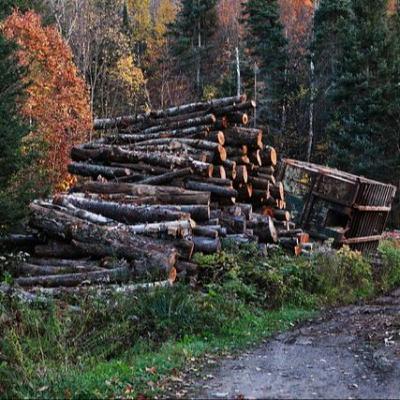
Adventures in Sustainable Living Podcast
Episode 252
What Can Be Done About Deforestation?
🌳 The Magnitude and Effects of Deforestation
There are so many times that I sit in front of my cabin enjoying the fact that I am completely surrounded by trees. During the 29 years that I have owned this property, I have always been determined to leave it in it’s original state as much as possible. That is why it is difficult for me to imagine that deforestation is one of the critical environmental issues of our time.
Living where and how I do, it is difficult for me to see or even feel the magnitude and effects of deforestation. At the rate we are going, it is estimated that our planet will be devoid of trees in 300 years. And that is the focus of this episode, the magnitude and effects of deforestation and what we can be about it.
Welcome back everyone to the Adventures in Sustainable Living Podcast. This is your host Patrick and this is E252, which focuses on the magnitude and effects of deforestation and what each of us can do about it.
Introduction
Over the last several episodes I have focused on some of the most pressing environmental issues of our time. Some of those issues are obvious such as our dependence on fossil fuels and the resulting effects on climate change. However, issues such as deforestation are a bit more subtle because it is literally out-of-site out-of-mind. But deforestation refers to is the large-scale removal of trees from forests and woodland areas. This occurs for a variety of reasons, which we will get into shortly.
But before we get to that, let’s talk about the good news story of the week.
Good News Story of the Week
I found this story to be particularly interesting simply because I am a scuba diver.
Who would have ever thought that conservation work would involve the use of hammers. But that is exactly what was done in order to preserve the kelp forests in the Santa Monica area. This was because the purple spiny sea urchins were taking over.
Since the early 1900s there has been little predation pressure on the local urchin population. Sea otters were hunted for their furs and more recently the sea star populations have collapsed due to a wasting disease. Both of these were natural predators of the sea urchins. In their absence, the urchins have taken over and the kelp forests have not been able to regenerate.
This is why for the last 13 years volunteer divers have used hammers to smash the urchins which were sometimes 70 to 80 per square meter. Such a high population density can wipe out a kelp forest in a matter of days.
Some 15,575 hours have been logged smashing nearly 5.8 million sea urchins clearing the equivalent of 61 football fields of seabed.
Eradicating a non-invasive species is certainly not the typical mode of conservation. But in this case it was a necessary one. Consequently, what has been referred to as an underwater cathedral can now regenerate.
Now let’s move on to this week’s episode by first talking about the magnitude of deforestation.
Part 1: The Magnitude of Deforestation
Every year, the world loses about 10 million hectares of forest, or 24.7 million acres—an area roughly the size of Portugal. The Amazon, the Congo Basin, and Southeast Asia are deforestation hotspots. Agriculture, especially cattle ranching and palm oil plantations, accounts for around 80% of global deforestation. Logging, mining, and infrastructure projects are also contributing factors. If current trends continue, much of the world’s tropical rainforests could be gone within a century.
For example, only 4% of Scotland’s native forests remain intact. Only about 7% of the native forests in England are still intact. In the United States approximately 96% of the original virgin forests have been cut down. On a global basis, 49% of our native forests have been cut down or significantly altered by human activity.
Part 2: Environmental Effects
Forests are critically important for maintaining a balance on our planet, serving as vital components of the Earth's ecosystems and supporting life in numerous ways. They cover nearly one-third of the Earth's land surface, acting as the largest carbon sinks on the planet, absorbing approximately 2.6 billion tonnes of carbon dioxide annually—about one-third of the CO₂ released from fossil fuel combustion. This carbon sequestration is essential for regulating the climate and mitigating the impacts of climate change.
Beyond climate regulation, forests are home to over half of the world’s terrestrial species, including 60,000 tree species, 80% of amphibians, 75% of birds, and 68% of mammals, making them crucial for preserving biodiversity. They also play a key role in water cycle regulation, directly contributing to clean and stable water supplies for about 75% of the world’s accessible freshwater resources. Forests help prevent soil erosion, stabilize land, and protect watersheds, which is vital for agricultural productivity and ecosystem stability.
Having some knowledge of the vital role of our forests, you can thus appreciate what happens when we cut down so many trees.
Climate Change: Forests store carbon; when cut or burned, that carbon is released, contributing to global warming. Deforestation accounts for about 10–15% of greenhouse gas emissions.
Biodiversity Loss: Forests harbor more than 80% of terrestrial species. Clearing habitats pushes countless species toward extinction.
Soil Degradation: Without trees, soils erode, nutrients wash away, and land becomes less productive, sometimes turning into deserts.
Water Cycle Disruption: Trees recycle water into the atmosphere. Large-scale clearing reduces rainfall and worsens droughts.
Part 3: Human and Social Effects
Deforestation also has profound human and social consequences.The destruction of forests disrupts the livelihoods of billions who depend on them for shelter, medicine, and sustenance, particularly affecting Indigenous peoples who are often marginalized and face threats to their sovereignty and survival.
Deforestation increases the risk of zoonotic diseases spreading to humans by forcing wildlife into closer contact with human populations; an estimated 60% of emerging infectious diseases originate from animals, with habitat loss being a major driver.
Indigenous communities, who rely on forests for food, medicine, and cultural resources, are disproportionately impacted; their displacement and loss of land often result from illegal logging, cattle ranching, and land grabbing, undermining their sovereignty and leading to social conflict.
The loss of forest cover contributes to food insecurity, as deforestation for agriculture degrades soil fertility and reduces long-term agricultural productivity, threatening the subsistence of rural populations.
In the Amazon, deforestation has led to the extinction of entire tribes and the exposure of Indigenous peoples to foreign diseases to which they have no immunity, often introduced by loggers and farmers.
The degradation of forest ecosystems also affects water cycles and increases the risk of flooding and drought, which further destabilize communities and livelihoods.
Part 4: Global Ripple Effects
Deforestation is not a local problem—it affects the entire planet. Deforestation triggers a cascade of interconnected environmental, climatic, and socioeconomic consequences that extend far beyond the immediate loss of trees, impacting ecosystems, climate stability, and human communities worldwide.
The primary driver is the release of stored carbon dioxide when trees are cut down or burned, significantly contributing to global warming and disrupting the planet's carbon cycle. This disruption leads to altered weather patterns, reduced rainfall, increased soil erosion, and heightened vulnerability to wildfires, which in turn further degrade land and threaten biodiversity and food security.
Climate Change Acceleration:
Disruption of Water Cycles and Weather Patterns:
Loss of Biodiversity and Ecosystem Services such as clean water, fertile soil, and natural pest control.
Soil Degradation and Erosion
Impact on Human Communities.
Conclusion
Deforestation is more than just losing trees—it is losing biodiversity, stability, and a livable future. The magnitude is staggering, and the effects reach every corner of the globe. To confront it, we must protect existing forests, restore degraded lands, and adopt sustainable practices in agriculture, energy, and consumption. Every action matters, from global policy to personal choices.
🌍 Protecting forests is protecting life itself.
So now that you know the extent of this problem, let’s briefly talk about why this problem exists. By understanding that, you can appreciate what we can do to stop this problem.
🌱 Economic Drivers
Agriculture Expansion
The biggest cause (about 80% of deforestation) is converting forests into farmland and pasture.
Examples: cattle ranching in the Amazon, palm oil plantations in Southeast Asia, soy farming in Brazil.
Global demand for cheap meat, cooking oil, and animal feed keeps rising.
Commercial Logging
High demand for timber, paper, and wood products drives both legal and illegal logging.
Often poorly regulated, with weak enforcement.
Mining and Infrastructure
Forests are cleared for mining (gold, bauxite, oil, etc.) and infrastructure projects like roads, dams, and pipelines.
These projects open up previously untouched areas to further exploitation.
🌍 Social and Demographic Pressures
Population Growth
More people means more demand for food, housing, and fuel.
In some regions, forests are cut down for subsistence farming or firewood.
Poverty and Livelihoods
For many rural communities, forests are the fastest way to earn income or survive day to day.
Without alternative livelihoods, people rely on clearing forests.
⚖️ Political and Governance Issues
Weak Land Rights
Indigenous and lo
Adventures in Sustainable Living Podcast
Episode 251
How to Reduce and Eliminate Plastic Pollution
There is a long list of environmental problems that we are faced with today. As you learned from my last episode, our dependence on fossil fuels is at the top of that list. Solving the problem of fossil fuels will be difficult because our entire culture has been built on the use of this convenient energy source.
However, there are many other pressing environmental issues that have just as much of a widespread impact. One of the things on this list of pressing issues we face is plastic pollution. However, it is one of the most pervasive, widespread concerns that can actually be solved. In this episode I am going to focus on why this is such a widespread problem and what we can do to fix it.
Welcome back everyone to the Adventures in Sustainable Living podcast. This is your host Patrick and this is E251 which focuses on how to reduce and eliminating plastic pollution.
Now I do know that I have spoken about this issue of plastic pollution before. But in this episode I wanted to focus on why this is such a problem and the steps each of us can take to address this issue because this is one of those problems that is solvable.
DoorDash for Good
This week’s good news story focuses on yet another environmental concern that we have in our present culture and that is good waste.
In the late 20 teens, a company was formed in Pittsburg that began rescuing donated food that was near its expiration date for was aesthetically unappealing. It was a sort of Door Dash for good.
This company connected with hundreds of local businesses and using an app that they developed, called 412 Food Rescue, they developed a food transport network involving only volunteers.
With 25,000 drivers they sometimes churn out 600 meals a day for non-profits that help those in need. They would sometimes amass 70 million pounds of food which turns into 57 million meals.
Fast forward to 2025, they have expanded into Illinois, Arkansas, California, New York, Colorado, North Dakota and Texas. Together they have rescued tens of millions of pounds of food and have prevented 102 million pounds of greenhouse gas emissions.
This is a perfect example of regular people helping each other to tackle one of the biggest problems in our modern world.
Now let’s move on to this week’s episode on plastic pollution.
But first let’s talk briefly about why plastic pollution is such a widespread problem.
🌍 Presentation: Why Plastic Pollution is a Widespread Problem
1. The Scale of Plastic Production
In the 1950s, global plastic production was about 200 million tons per year. Since that time plastic production has literally exploded. We now produce about 460 million tons every year, and more that half of it is designed for single use. Items such as bags, bottles, and packaging are used for minutes yet once discarded they persist in the environment for centuries.
2. Persistence in the Environment
Unlike organic waste, plastic doesn’t break down naturally. Instead, it fragments into smaller and smaller pieces, creating microplastics. These tiny particles have been found everywhere—from our water, to the soil, in the atmosphere, on top of Mount Everest, in Arctic ice and even in human bloodstreams.
3. Impact on Oceans and Wildlife
Every year, between 8 and 12 million tons of plastic end up in our oceans. That is the equivalent of one garbage truck load of plastic every minute. This pollution affects all marine environments, from surface waters to deep-sea habitats, and has been linked to the decline of at least 800 species worldwide, including 86% of sea turtle species, 44% of seabird species, and 43% of marine mammal species. The most direct and visible impacts are ingestion and entanglement, which can lead to starvation, suffocation, drowning, internal injuries, and death.
Marine animals frequently mistake plastic debris for food. Sea turtles, for example, often confuse plastic bags and balloons with jellyfish, their natural prey, leading to fatal blockages in their digestive tracts. Similarly, seabirds ingest plastic, mistaking it for food, which can cause internal damage, reduced nutrient absorption, and even a newly identified condition called plasticosis—plastic-induced fibrosis—where scar tissue forms in the digestive system, impairing health and growth. This issue is so severe that scientists estimate 60% of seabird species have consumed plastic, a figure projected to rise to 99% by 2050.
4. Human Health Concerns
Plastic pollution isn’t just an environmental issue—it’s a health issue. We eat, drink, and even breathe microplastics daily. They can even enter our bodies on contact.
Exposure to microplastics has been linked to a range of potential health issues, including respiratory disorders, inflammatory bowel disease, cancer, cardiovascular disease, and reproductive problems, hormone disruption, and immune system stress.
Other studies indicate that microplastics can induce oxidative stress, inflammation, DNA damage, and disruption of the gut microbiome, which may contribute to chronic diseases. In vitro and animal studies have demonstrated that microplastics can accumulate in organs such as the lungs, liver, and intestines, causing cellular damage, impaired organ function, and adverse developmental effects, with some research showing that particles as small as 100 nm can reach nearly all organs after entering the body.
5. Economic Costs
Tourism suffers when beaches are littered. Fishing industries lose revenue as fish populations decline. Governments spend billions on clean-up. In the long run, it costs far more to deal with plastic waste than to prevent it.
The economic cost of plastic pollution is substantial and encompasses direct and indirect damage across various sectors of the economy. The annual cost of plastic pollution is estimated to range from $6 billion to $19 billion for 87 coastal countries, primarily due to cleanup efforts, lost income in fisheries and aquaculture, and reduced tourism revenue. A broader assessment by the Union Bank of Switzerland suggests the social and environmental costs amount to between $300 billion and $460 billion annually, including health impacts from emissions and chemical exposure, ocean cleanup, and lost ecosystem services. This figure could be significantly higher if the health effects of microplastics in human blood are fully accounted for.
The global economic impact is even more staggering, with one report estimating the lifetime cost of plastic produced in 2019 alone at $3.7 trillion—exceeding the GDP of India—and projecting this cost to double by 2040 if no action is taken. The cost of managing plastic waste for governments between 2021 and 2040 could reach up to $670 billion
The total cost of inaction, including environmental degradation and health impacts, is projected to be far greater than the investment required to transition to a circular plastics economy, where savings could reach $1.3 trillion in direct costs and $3.3 trillion in other avoidable expenses.
6. Global Inequality
Plastic pollution also reflects injustice. Wealthier nations often export their plastic waste to poorer countries, where it overwhelms local systems and harms communities living near dumpsites and incinerators. The burden is not equally shared.
7. Why It’s Hard to Solve
Plastic pollution is difficult to solve because the root causes—overproduction and the widespread use of single-use plastics—are deeply entrenched in global consumption and industrial systems, and many proposed solutions fail to address these upstream issues. The problem is exacerbated by the fact that plastic is designed to be durable, making it nearly impossible to fully degrade in the environment, and a vast majority of plastic waste is not properly managed, leading to pollution in oceans, rivers, and even human bodies.
Recycling systems are weak, and only about 9% of plastic has ever been recycled. Meanwhile, plastic production is tied to fossil fuels—meaning powerful industries have a stake in keeping production high.
8. The Global Ripple Effect
Plastic pollution doesn’t stay local. It doesn’t stay at home. Rivers carry it to oceans, winds spread microplastics across continents. A bottle discarded on one coast can wash up thousands of miles away. This is a truly global problem that no country can solve alone.
Plastic pollution creates a profound and interconnected ripple effect, impacting climate change, biodiversity, human health, and global economies. The crisis is escalating, with 500 million tonnes of plastic produced in 2024 alone, generating 400 million tonnes of waste, and projected to almost triple by 2060 if current trends continue. This pollution disrupts ecosystems, contributes significantly to greenhouse gas emissions, and threatens food security and public health worldwide.
Conclusion Plastic pollution is widespread because of how much plastic we produce, how long it lasts, and how far it spreads. It harms wildlife, threatens human health, has significant economic impacts, and creates global inequalities. But, as I stated above we are not powerless and there is a lot that we can do. By reducing single-use plastics, supporting alternatives, strengthening government policies, and working together, we can begin to turn the tide on plastic pollution. And that is the focus of the second half of this episode.
🌍 What We Can Do to Reduce and Eliminate Plastic Pollution
Plastic pollution is one of the greatest environmental challenges of our time. But unlike so many other environmental problems that we are faced with today, we already know the solutions. Reducing and eliminating plastic waste requires action from all of us—individuals, communities, industries, and governments. This is obviously a problem that requires cooperation across the board.
1. Reduce Single-Use Plastics
The greatest percentage of plastic is manufactured for single u
Adventures in Sustainable Living Podcast
Episode 250
The Top 15 Environmental Concerns: Reducing Our Dependence on Fossil Fuels
As you could likely guess, there is a whole list of environmental concerns that we are face with in our modern world. When you look at this list, it is easy to see why people are completely overwhelmed and feel as if their individual action makes no difference.
At the top of that list is our dependence on fossil fuels. That dependence is directly related to why our ice caps are melting. But, as with most things, there is something we can actually do about it. It may require some modifications to your lifestyle, and perhaps a transition to renewable energy, but it is entirely possible. That is how we go from doom to empowerment. It is truly worth the effort. So join me for episode 250 which focuses on reducing our dependence on fossil fuels.
Welcome back everyone to the Adventures in Sustainable Living Podcast. This is your host Patrick and this is E250 which is part two in a series of episodes where I am focusing on the top 15 environmental concerns of our time. This episode focuses on how to reduce our dependence on fossil fuels.
The Rejuvenation of the Chicago River
It should not be a surprise that the rivers that flow through our major cities are some of the most polluted waters in the world. A combination of dumping and pollute decade after decade results is water that is virtually lifeless and far too polluted for swimming or any other activity. But, following the passage of the 1972 Clean Water Act, things began to change and the Chicago River is a prime example.
Before the development of the railway systems, commercial goods had to arrive into major cities by boat or barge. In order to accommodate this, engineers designed canals which required dredging up the river bed and lining it with steel panels and concrete. Virtually overnight, the plants and wildlife that depended on the river bank were eliminated. On top of that the river was basically used as a dumping ground and sewage disposal system which resulted in massive algae blooms which further choked off the local ecosystem.
But a number of initiatives and civic investments have changed all of that. Storm water management and sewage storage systems were modernized to prevent runoff. An eco-park was designed to support local plant and wildlife species. Instead of 5 species of fish there are now 77 species living in the Chicago River as well as turtles and fresh water mussels. Instead of a stinking, toxic river, it is now a pleasant place to walk and spend some time.
Various aspects of this project started back in 1972. This is a prime example of how we can reverse some of our environment damage if we put our minds and our money in the right place.
Now, let’s move on to this week’s episode.
I remember when I was around nine or ten years old I had a nice little yard maintenance business that provided me with a fair amount of extra money. At the time I was too young to drive so when I need gasoline for the lawn mower, I would hook the gas tank to the handle bars of my bicycle and off I would go to the gas station. I remember spending less than 50 cents to fill my tank. That was enough gasoline to last me a couple of months. The point being is that my bicycle was my only means of transportation and it cost me nothing to maintain it because it was powered by my legs.
In my early teens I first starting hearing about climate change. At the time, I thought it was a rather novel, and perhaps improbable scenario, that human activity could possibly change the climate of an entire planet. But here we are 50 years later and I am realizing just how naive I was at the time.
Presently it is our dependence on fossil fuels that is one of the top 15 environmental concerns of our time. That being said, I always look at situations such as this and like to ask “How did we get here?” If the use of fossil fuels is so detrimental to the health of our planet, and perhaps the future of humanity, why are we still dependent on this energy source?
Dependence on Fossil Fuels
1. Historical Development
The Industrial Revolution was built on coal, then oil and gas. These fuels provided cheap, dense, and portable energy that powered factories, trains, ships, and later cars and planes.
Entire economies and societies grew around fossil fuels, locking them in as the foundation of modern civilization.
2. Energy Density & Reliability
Fossil fuels are energy-dense (a small amount produces a lot of energy).
They’re also reliable and easy to store and transport compared to renewables such as solar or wind, which depend on weather and storage technology.
3. Infrastructure Lock-In
Our global systems—power plants, cars, trucks, planes, heating systems, factories—were designed for fossil fuels.
Transitioning to alternatives means rebuilding huge portions of this infrastructure, which is costly and slow.
4. Economic & Political Power
The fossil fuel industry is one of the largest and most profitable sectors in the world.
Governments have historically subsidized oil, gas, and coal, keeping prices artificially low and discouraging alternatives.
Geopolitical power (e.g., oil-producing nations) has also reinforced fossil fuel dominance.
5. Consumer Lifestyle & Convenience
Cars, plastics, cheap electricity, air travel, and modern agriculture all depend heavily on fossil fuels.
People are accustomed to the convenience and low cost that fossil fuels have historically provided.
6. Slow Transition to Alternatives
Renewables are growing fast, but they’re relatively new compared to 150+ years of fossil fuel reliance.
Challenges remain in energy storage, grid updates, and scaling production.
Fossil fuels are still cheaper in many places, especially where renewable infrastructure is limited.
✅ In short: Fossil fuels dominate as our primary energy source because they have always been the easiest, cheapest, and most powerful source of energy when we built modern society. That “lock-in” effect makes change difficult, even though practical alternatives now exist. Even though we have the ability to power the entire planet on renewable energy, will still rely on fossil fuels. Additionally, the transition to all renewables would require changes in our lifestyles and people are hesitant to sacrifice, or maybe even give up how they presently live.
🌍 How We Can Reduce Our Dependence on Fossil Fuels
The opportunity: a transition to cleaner, renewable, resilient energy. Our energy and climate future has not yet been decided. Although we could have made a significant difference decades ago, we are still not past the point of no return. Regardless of what anyone says, the science is there to back up the fact that we need to change.
1. Why We Must Reduce Dependence
Environmental: CO₂ emissions → global warming, extreme weather.
Health: air pollution linked to respiratory and heart disease.
Economic: price spikes, reliance on unstable regions, job risks in outdated industries. Even though the United States produces more oil than any other country in the world, the price of that oil is determined by the world market, NOT what is going on in the US.
Security: I want to present something that most people never think about when it comes to our sources of energy. If we depend on someone else for our energy, then we are subject to the conditions, and the volatility of the world market. If we produce our own energy, this strengthens our national security. Similarly, if you run your entire residence off of renewable energy and are not dependent on the power grid, this increases your own personal security.
Price shocks: Since we live in a global economy, any one little thing that happens to affect that economy automatically hikes up oil prices. Consequently, the price of every other commodity goes up as well because this affects the price of production and delivery.
2. Key Solutions
I think it is rather obvious that the key solution to our predicament is to transition to renewable energy simply because the resource base is abundant.
A. The Resource Base is Abundant
Solar Power: Every hour, the sun delivers more energy to Earth than humanity uses in an entire year. Covering less than 1% of global land with solar panels could power the planet.
Wind Power: Wind resources (onshore + offshore) could supply several times current electricity demand. Offshore wind in particular is steady and close to population centers.
Hydropower: Already the largest renewable source. It can also serve as large-scale energy storage through pumped hydro.
Geothermal: Reliable, always-on energy tapped from Earth’s heat.
Other sources: Wave and tidal power add regional diversity.
Solar ☀️ and wind 🌬️ are now cheaper than fossil fuels in many regions.
Geothermal & hydro provide reliable base load.
Storage batteries make renewables dependable. Takeaway: The physical energy resource is not the limit — it’s our systems, infrastructure, and politics that matter most.
B. Technology is Mature and Getting Cheaper
Solar and wind are now the cheapest new electricity sources in most of the world.
Energy storage (batteries, pumped hydro, hydrogen) is scaling rapidly, solving the “intermittency” problem.
Smart grids can balance supply and demand across regions.
Electrification of transport, heating, and industry reduces dependence on fossil fuels.
C. Integration is Achievable
Integration of renewable energy is achievable. Although I will admit that is not without some challenges. But such an energy transition creates:
Diversification: Combining solar, wind, hydro, and geothermal smooths out supply.
Storage & Flexibility: Batteries, hydrogen, thermal storage, and flexible demand make 24/7 renewable power realistic.
Global Interconnection: Supergrids (long-distance high-voltage transmission lines) can move power across time zones and weather systems.
3. Making the
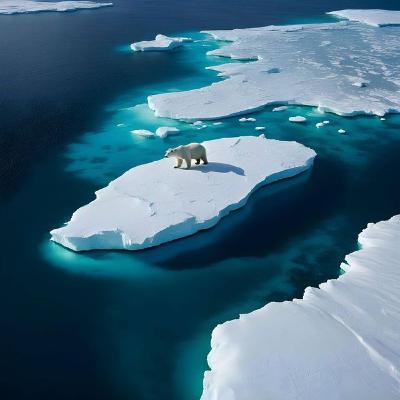
Adventures in Sustainable Living Podcast
Episode 249
The Melting Ice Caps-Why It Matters to All of Us
I’m sure we’ve all heard the old joke “What happens in Vegas stays in Vegas.” This refers to the fact that people often take a trip and do some outrageous things. Once they are back home they would rather not share their silly shenanigans with friends and family.
But, things are often very different when it comes to a lot of other human shenanigans, such as altering the climate of our planet. One of the most concerning results of this is the melting of the ice caps. While you may think this is of no concern to the average person, the problem is what happens in the Arctic doesn’t stay in the Arctic.
So join me for E249 The Melting Ice Caps-Why It Matters to All of Us
Welcome back everyone to the Adventures in Sustainable Living Podcast. This is your host Patrick and this is E249.
Our world is faced with a long list of environmental challenges. Unfortunately, we have known about this for a very long time. Fortunately, it is still not too late to do something about it. In this episode I am only going to focus on one of those challenges and that is the melting ice caps and why it matters to all of us.
Good News Story of the Week
I thought is story went right along with this weeks episode and it is a fantastic example of what we can accomplish give the right motivation. It reminds me of the small village in Japan that proved it it possible for an entire community to go completely waste free.
There is a rural village in China that manages to transform 240, 000 acres of desert into a flourishing forest. Previously this land was described by scientists as being unfit for human habitation.
Literally for generations small villages worked to perfect a very labor intensive form of reforestation in order to restore the landscape. Tree saplings were planted and grown on nearby mountainsides. All of the labor had to be performed by hand using teams of people.
Eventually the planting techniques were perfected and the new forest spanned a total of 240,000 acres. Presently, this former desert is now covered with grasses, Mongolian pine, larch trees, as well as orchards, animal pastures, and soccer fields.
The landscape has been literally transformed into a miniature paradise that was recognized by the UN as one of the world’s finest examples of human desert control and ecological restoration. This project also won the New Sustainable Cities and Human Settlements Award in New York City last October.
As always, it amazes me how a small village of dedicated people can be a shining example to the rest of the world, Meanwhile, governments in developed countries that have seemingly endless financial resources sit back and do nothing.
Now, let’s move on to this week’s episode.
It should be no surprise that polar ice caps are melting as the result of global warming. We lose Arctic sea ice at a rate of approximately 77,000 to 78,000 square kilometers per year. This is an area about the size as the state of South Dakota or South Carolina. This is also roughly the same size as the UAE, Austria, French Guiana or Ireland. This equates to a loss of about 13% per year.
Depending on where you are on the planet, you may be as much as 10,000 kilometers or 6,216 miles away from this phenomenon. Based on that perspective, you may be of the opinion that this is an Arctic problem that you should not be worried about. However, as mentioned earlier, what happens in the Arctic doesn’t stay in the Arctic.
Melting of the ice caps doesn’t just affect the polar regions. It triggers a global ripple effect that touches nearly every system on Earth. Unfortunately, most of us view the news of melting ice caps with benign disinterest while a cascade of interconnect global consequences quietly worsens. But, I want to explain why this really matters.
Our ice caps sort of serve as planetary “air conditioners” which regulate our global climate by keeping things in balance and help to control sea levels. This happens through several different mechanisms.
🌍 How Melting Ice Caps Affect Everyone
1. Reflecting Sunlight (Albedo Effect)
Ice and snow are bright, reflecting up to 80–90% of incoming sunlight back into space.
This keeps the planet cooler by preventing excess heat absorption.
When ice melts, darker ocean or land is exposed, absorbing more heat, which accelerates warming—a dangerous feedback loop.
2. Stabilizing Ocean Currents
The melting and freezing of polar ice influence major ocean currents such as the Gulf Stream.
These currents distribute heat around the globe—moving warm water north and cold water south.
Stable ice helps regulate this circulation, keeping weather systems predictable.
3. Storing Freshwater
Ice caps hold about 70% of the world’s freshwater.
As they melt, the influx of freshwater dilutes salty ocean water, altering density and slowing circulation.
This change disrupts global climate patterns, affecting rainfall, storms, and even monsoons.
4. Regulating Atmospheric Temperatures
The cold air masses formed over the ice caps influence jet streams and wind patterns.
A stable polar climate helps keep temperature differences between the poles and equator balanced.
When polar regions warm too much, the jet stream destabilizes, causing extreme weather swings.
✅ In short: The ice caps act as a giant mirror, thermostat, and circulation stabilizer for Earth. When they shrink, the planet warms faster, weather grows more chaotic, and global systems destabilize.
The Science Behind the Melting
Polar regions are warming 2–4 times faster than the global average.
Melting is caused by greenhouse gas–driven warming and feedback loops (less ice = less reflection, more heat absorbed).
Glaciers and permafrost are also destabilizing, compounding the problem.
1. Loss of Ice and the Albedo Effect 🌞
Ice and snow reflect most sunlight back into space (high albedo).
As ice melts, darker ocean water and land are exposed.
Dark surfaces absorb far more heat, leading to more warming → which melts even more ice.
This feedback loop accelerates polar warming faster than elsewhere.
2. Ocean Heat Absorption 🌊
Open Arctic waters absorb summer heat instead of reflecting it.
This heat is released back into the atmosphere in autumn and winter, raising regional air temperatures.
3. Changes in Clouds and Water Vapor ☁️
Warmer polar air holds more moisture (normally it’s very dry).
Water vapor is itself a greenhouse gas, trapping more heat.
Increased cloud cover can also trap outgoing heat, intensifying warming.
4. Weakened Heat Transport 🌍
Normally, the temperature difference between the equator and poles drives strong winds and currents that move heat around.
As poles warm, this gradient weakens → less heat escapes northward, meaning the Arctic keeps more of the warming.
5. Melting Permafrost and Greenhouse Gases 🧊
Thawing permafrost releases methane and carbon dioxide, both potent greenhouse gases.
These gases add to warming globally, but the effect is especially strong in the Arctic where the emissions originate.
✅ In short: The poles warm faster because ice loss exposes heat-absorbing surfaces, extra moisture and gases trap more heat, and feedback loops amplify the process. That’s why scientists call the Arctic “the canary in the coal mine” for climate change—it shows the effects first, and most intensely.
Rising Seas and Coastal Impacts 🌊
Global sea level has already risen ~8 inches since 1900; melting ice could add feet more.
Threatens coastal cities like New York, Miami, Dhaka, and entire island nations.
Millions of people at risk of displacement—climate refugees.
🌊 How Much Sea Level Rise Has Already Happened
Since 1900, global average sea levels have risen about 8 inches (20 cm).
Nearly half of that rise occurred just in the last 30 years, as ice loss and ocean warming have accelerated.
The rate of rise is increasing: today, seas are rising about 0.14 inches (3.6 mm) per year, more than double the 20th-century average.
🏝️ Why Coastal Impacts Are So Severe
Tides + Storm Surges
Higher baseline sea levels mean storm surges reach further inland.
Even “nuisance flooding” (sunny-day flooding during high tides) is becoming common in cities like Miami and Norfolk.
Saltwater Intrusion
Rising seas push saltwater into underground freshwater aquifers.
This contaminates drinking water and farmland soils, making crops harder to grow.
Erosion and Land Loss
Coastal areas are eroding faster as waves reach higher.
Some communities (like in Louisiana and Alaska) are already being forced to relocate.
Infrastructure Damage
Roads, bridges, ports, sewage systems, and power plants are built near coasts.
Billions of dollars in property and infrastructure are now at risk.
📍 Real-World Impacts Already Seen
Miami, Florida – frequent “king tide” flooding now occurs several times a year.
Jakarta, Indonesia – sinking + sea rise so severe that Indonesia is relocating its capital.
Kiribati & Maldives – small island nations already losing land, with existential threats from just a few feet of rise.
New York & New Jersey – during Hurricane Sandy (2012), higher sea levels amplified the flooding damage.
🚨 What’s Ahead If Ice Loss Accelerates
Scientists project 1–3 feet (0.3–1 m) of additional rise by 2100 if emissions continue.
Worst-case scenarios (rapid Antarctic melt) could mean 6+ feet (2 m), which would displace hundreds of millions worldwide.
✅ Summary: Sea levels have already risen 8 inches, which is enough to cause flooding, saltwater intrusion, and coastal damage in many regions. Because the rise is accelerating, the impacts in the next decades will be far more severe — threatening homes, food security, economies, and even the survival of entire nations.
Extreme Weather Everywhere ⛈️
Melting ice alters ocean currents such as the Gulf Stream, disrupting weathe

Adventures in Sustainable Living Podcast
Episode 248
How to Accomplish Anything You Want
Have you ever wondered why some people are successful and others are not? Why is it that some people appear to be living their dreams and others only complain about not achieving the same thing. Have you ever thought about being on your death bed, looking back over your entire life and admitting that you have no regrets?
Such a lifestyle is possible. But just like anything else, if you truly want to live in this way, it takes dedication, focus and, believe it not, a structured lifestyle. The best part, is that all of this can be accomplished while living sustainably and having very little impact on the planet.
If you want to find out just how you can make this possible then join me for E248 How to Accomplish Anything You Want.
Welcome back everyone to the Adventures in Sustainable Living Podcast. This is your host Patrick and this is E248 which is called How to Accomplish Anything You Want.
Most of the time I try to produce episodes that give practical advice, a thoughtful point of view or even discuss practical skills that focus on sustainable living. On occasion, I like to put together something that provides a bit of motivation and encouragement for people to truly live the life they want. I like to encourage people to make some changes, get out of their daily grind and just do something different. But at the same time I focus on doing these things in a sustainable manner.
This is something I was thinking a lot about just the other day. Although I feel as if I have accomplished a lot of things for myself, I am also trying to make some further changes in my lifestyle. At the same time, I also want to stay on the path of living sustainably and having a slower pace in life that is packed with peace and quiet and time spent doing all the things I enjoy.
Good News Story of the Week
But before we get to that, let’s talk about the good news story of the week.
Mostly likely the heat island affect that is experienced in cities is no big surprise. All the asphalt and concrete tends to collect and emit heat making the inner cites hotter than ever.
But one developer has found an answer to that. A new planned community in Arizona is remarkably cooler due to a clever design that is makes it look more like a Greek island community instead of a place in Arizona.
In a Phoenix suburb of Tempe, Culdesac is a 17 acre mixed use neighborhood that has been designed as a 15 minute city. Buildings are tall, thick and totally white. Building are close together creating narrow streets and alleys that are almost always shaded and tend to channel and accelerate air flow, creating a cooling effect.
Building are also arranged to promote air flow from one to the other. No privately owned cars are allowed. Transportation is by electric biked, robotic mini taxis and a light rail. Consequently, ground temperatures are 50-60 degrees F lower compared to downtown Phoenix.
The architects inspiration came from places such as Italy, Greece and Coatia where town centers were designed prior to the use of motor vehicles and air conditioning. So, as you can see, it is possible to deal with climate change in creative ways and make our lives more sustainable.
So, with that said let’s move on to this week’s episode.
There have been several times in my adult life when people have asked me how it is I do the things I do and maintain my present lifestyle. People wonder if I ever color between the lines, meaning staying within line of common exceptions for our society. What most people do not realize is that my life is the result of some very deliberate actions. It is the result of forethought and planning. Perhaps on the exterior it appears that I walk around willy-nilly with this haphazard lifestyle with no plan at all. But the truth is the exact opposite.
If you truly want to accomplish something for yourself, it takes focus, careful planning and some very deliberate actions. What I want to do in this episode is to give you a structured plan for building the lifestyle of our choice. It’s sort of a roadmap to help you go from vision to planning to daily living. The best part is that this is adaptable whether you’re aiming for sustainability, self-sufficiency, financial independence, creative freedom, or a blend of all of the above.
When I think about such a plan I like to start asking myself a few questions. Top of my list is this:
What is the one thing I can do such that by doing it everything else will be easier or unnecessary? In other words, what is the one thing if you accomplished it would change everything you do? So, this sets the stage for almost everything I am going to focus on in this episode.
What I want to do here is to break down this blueprint into defined manageable steps and then go through them one by one.
1. Define Your Vision
Clarify your values: Identify the top 5 principles that are going to be your guide for everything else that you do. (e.g. health, sustainability, personal freedom, financial freedom, family, creativity.
Now if you remember, this sounds a lot like something else I have talked about before: simplicity. The quickest and easiest way to simply your life is to first list the top 3 to 5 things that bring you value, that define who you are, what you do, where you go, how you work and how you live. Once you have that list, focus on that and eliminate everything else. Now that is clarity.
Write your “ideal day”: From the moment you wake up until you go to bed, how does your day look? Where are you? Who are you with? What are you doing? How are you working? How are you spending your time? How are you making a living?
Set your lifestyle theme: Example: minimalist, eco-friendly, adventurous, community-based, self-sufficient, sustainability, travel, work from home, have your own business.
Clarify Your Dream: What this means to is to very specific. To say that you want to be successful is vague. To say that within 5 years you want to open a community cafe that supports sustainable agriculture and fair trade practices is very specific.
2. Identify Core Pillars of Your Lifestyle
Now that you have a vision of what you want your life to look like, it is time to break that vision into several categories. Think of these categories as the building blocks or the basic foundation of your overall lifestyle. This is where the underlying structure of your lifestyle comes into play.
Now I am going to suggest a few things but the reality is that these are going to be different for everyone. That said, I am going to suggest six different building blocks, or pillars that will round off your life.
Health & Wellness (nutrition, fitness, mental health) In other words, self care. How are you going to keep yourself on a proper nutritional plan? What efforts will you put forth to stay fit and keep a healthy body weight? How are you going to take care of your own mental health?
In other words, take care of your body. Eat whole minimally processed foods. Getting regular exercise build energy, confidence and resilience. You should prioritize sleep because it strengthens your memory, your focus and your emotions. Build some balance into your life. Limit alcohol, smoking, eating junk food and other habits that drain your energy.
Work & Income (career, entrepreneurship, financial independence) This can truly be a strong defining point in your life. Your life style will be completely different if you decide you want to be a doctor versus a scuba diving instructor, or maybe even both. Also, are you going to be an employee or have your own business?
Home & Environment (living space, location, sustainability) What type of environment do you want to live in: urban, downtown, rural, build your own house, or buy something. Do you prefer a hot climate, the cool mountains, the dessert or the thick forest. Do you want to live off the grid like I do or pay utility bills.
Relationships & Community (family, friends, local networks) What type of personal networks you have will be dictated to a great degree by where you live. Obviously there are more opportunities for such things if you live in an urban area versus living out in the middle of the forest like we do. How important is this to you? How are you going to manage your social life? Do you need to see friends several times per week or is once or twice a month okay with you?
Growth & Creativity (learning, hobbies, passion projects) This is something else that is extremely important. You need to be in an environment where you are alway learning. You need to have hobbies and positive ways to use you time. This keeps your mind sharp, focused and goes a long way toward preventing other health problems.
Time & Freedom (travel, leisure, personal flexibility) How much leisure time do you want? What about personal flexibility? Do you want to work from home, or work remotely in order to travel more.
So, the bottom line to all of this is that you truly need to know yourself. You need to ask yourself what matters the most to you, personal freedom, financial independence, relationships and family, travel, sustainability, self sufficiency. Then take some time to understand your strengths and weaknesses, your passions, what really motivates you. Then set you vision. What kind of person do you want to be 5 to 10 years from now? What do you want to be doing this time next year?
Up-to-date summary
So, at this point you should identified the top 5 principles that are going to be your guide for everything else that you do. Based on that, you should have simplified your life so that you have few if any distractions. Then beyond that you should have outlined and defined the pillars that will form the foundation of your life. The examples I used were health and wellness, work and income, home and environment, relationships and community, growth and creativity, and finally time and personal freedom.
3. Set Clear Go

Adventures in Sustainable Living Podcast
Episode 247
Home Food Production Action Plan
You may think that home food production is a thing of the past but you would be wrong. Despite our modern culture and all of our wonderful technology, having some control over your own food supply is more important than ever. Yet the trend of our present culture is to depend on someone else for most of our basic needs. That is a mistake.
No matter where you live and what you do, it is possible to produce a certain amount of your own food. Yes it takes time, commitment and maybe a small learning curve, but it is not difficult at all. In this episode, I am going to focus on how we can reverse this trend of dependency on industrial agriculture and why that is so important.
Welcome back everyone to the Adventures in Sustainable Living podcast. This is your host Patrick and this is E247 Reversing the Trend: a Home Food Production Action Plan.
In this episode I am going to focus on why so many of us stopped producing our own food, why it is important to reverse that trend and I also want to give you a workable plan on how to make that happen. The main reason I want to focus on this is that so many people these day are truly missing the point of all of this.
But before we get to that let’s first talk about the good news story of the week.
Virtual Reality Experiences Can Beat Pain Killers for Relief
As you probably know by now there is a significant amount of scientific research that supports the health benefits of spending time in nature. But new research on pain relief techniques has shown that virtual reality experiences and better than pain killers.
Scientists and Britain’s University of Exeter are are using VR experiences to study how the brain reacts to pain by showing participants breathtaking natural scenery while shocking them in the arm.
The effects that they observed were as strong as pain killers, and even lasted longer than the 45-minute VR experience. They were also twice as effective.
“We’ve seen a growing body of evidence show that exposure to nature can help reduce short term, everyday pain, but there has been less research into how this might work for people living with chronic or longer-term pain,” said Dr. Sam Hughes, Senior Lecturer in pain neuroscience at the University of Exeter, and leader in the study.
Not everyone is able to get out for walks in nature, however, particularly those living with long term health conditions—like chronic pain. But the results of their study suggest that nature scenes delivered using VR can help change how pain signals are transmitted in the brain and spinal cord during long-term pain conditions.
Dr. Sonia Medina, of the University of Exeter Medical School and one of the authors on the study said the clear hypothesis is that VR experiences are so stimulative and immersive that it had a greater effect in reducing pain.
The stronger the perception of being in nature, the stronger the pain relief. I do find it so interesting that scientific research repeatedly reveals the benefits of being in nature, which of course is something we are progressively being separated from due to increased urbanization.
Now let’s move on to this weeks episode regarding the home food production action plan.
As a general rule people tend to toss forethought and planning right out the window. Instead we tend to go the route of reactive panic. And this is something I have seen over and over again. Whenever a major winter storm is predicted, that is the time people choose to flock to the supermarket and stock up on supplies. People wait until the hurricane is bearing down on their location to purchase bottled water. The COVID-19 pandemic is another perfect example. People reacted to the shut downs in panic, supermarket shelves were empty and basic hygiene supplies were no where to be found.
Most people never realize there just might be a better way. There just might be a way that you could be more self sufficient and produce a significant amount of personal security. I my opinion, the best way to do that is to produce a certain amount of your own food. What you cannot produce can be purchase in bulk ahead of time and set it aside for a rainy day. But, as I always like to ask, how did we get here?
There are several overlapping reasons why many people, especially in industrialized societies, have stopped producing their own food. These causes are related to various social, economic, technological, and cultural influences. For example:
1. Urbanization and Space Limitations
More people live in cities and apartments with no yard space or no available land for gardening.
Urban zoning and housing design often prioritizes buildings, roadways and parking over green space or other open areas that would permit gardening.
2. Shift Toward Industrial Agriculture
Mass-produced, inexpensive food in supermarkets has made home production seem completely necessary.
With globalization of our supply chains we now have year-round availability of most foods. This reduces seasonal dependence.
3. Time Constraints and Lifestyle Changes
Modern work schedules, commuting, and busy family lives leave little time for gardening.
Convenience foods and ready-to-eat meals are faster than homegrown and home-prepared options.
4. Loss of Skills and Knowledge
Generations have grown up without learning gardening, food preservation, or seed saving.
Cultural shift toward “buying” rather than “making” food.
5. Perceived Cost and Effort
Starting a garden can seem expensive (tools, seeds, soil amendments) compared to buying food.
People may feel discouraged by early failures due to pests, plant diseases, or crop failures. Of course, there is a learning curve.
6. Marketing and Consumer Culture
Aggressive advertising tactics promotes convenience foods, fast food, and packaged meals.
Cultural association of farming with “hard work” and rural life, which many may see as and outdated lifestyle.
7. Changes in Education and Policy
Schools rarely teach gardening or home economics anymore.
Policies and HOAs in some places actually restrict front-yard or visible food gardens.
8. Perception of Food as Abundant
Since grocery stores rarely run empty, people feel food production is “someone else’s job.”
Lack of awareness of the vulnerabilities in modern food systems.
All that being said, it is easy for me to debunk every one of the above reasons that we no longer tend to produce our own food.
-Just because you live in an urban area with space limitations doesn’t mean you can’t produce some of your own food. Container gardens and vertical gardens are fantastic options for those with a limited space.
-Industrialized food production may make home grown food seem unnecessary, but home grown is far more nutritious, contain few if any pesticides and taste tremendously better. Additionally, if you think globalization makes your food supply more secure you are sadly mistaken. It actually makes us more vulnerable.
-I will admit that our lives are busier than ever these days and we seem to have little or no time for gardening. However, that is nothing more than a product of our high octane culture that stresses productivity and being constantly busy. That is something you have to step away from because life does not have to be that way. It is far healthier to simplify and have a slower pace of life that focuses more on the things you value.
-It is true that globalization coupled with our fast paced culture fed by convenience foods has produced generations of people that have no knowledge of gardening nor do they see the value in it. But, these skills are easily learned. There is an over abundance of websites and social media groups that focus on gardening and homesteading skills.
-Starting a garden is going to require some investment up front in tools and supplies. But most of this is a onetime cost. Yes there is a learning curve. But that is why you need to start small.
-You need to learn to ignore today’s aggressive marketing and advertising tactics. Companies promoting their convenience foods are out to make money and couldn’t care less about your personal health and well-being. Gardening does require a bit of work but it gets you outside, reconnects you with nature, and improves your physical and mental health
-Now the last thing I want to debunk is this perception that food is abundant and producing the food we eat is someone else’s job. The first thing I want to say is think back to the pandemic. Grocery store shelves were empty. The second thing I want to point out is something I have said again and again. As long as someone else is in control of your resources they are in fact in control of your life. I would strongly suggest taking back that control.
Now it is entirely possible to reverse this trend, take back a substantial amount of control over your own resources and start growing much of your own food. I want to give you a blueprint of how as individuals, and as communities, we can regain self-production skills and habits. However, there is a learning curve.
Awareness and Mindset Shift
Highlight the Benefits
1. Health Benefits
Nutrient-rich: Freshly harvested fruits and vegetables retain more vitamins, minerals, and antioxidants compared to store-bought produce that loses nutrients during transport and storage.
Chemical control: Growing your own food allows you to avoid harmful pesticides, synthetic fertilizers, and preservatives.
Physical activity: Gardening is a form of exercise that promotes cardiovascular health, flexibility, and mental well-being.
Mental health: Time outdoors in nature reduces stress, anxiety, and depression while fostering mindfulness and a sense of accomplishment.
2. Cost Savings Benefits
Lower grocery bills: Seeds, compost, and tools often cost less than repeatedly purchasing produce at retail prices.
Reduced food waste: You can harvest what you need when you need it, reduc

Adventures in Sustainable Living Podcast
Episode 246
Sustainability as Preventative Care
Over the last few episodes I have covered several topics regarding the health benefits of a sustainable lifestyle. From out diets, to reducing toxin exposure, to getting more physical activity and reconnecting with nature, as well as supporting our mental health and emotional well being. The affects of a sustainable lifestyle are as far reaching as the affects of climate change.
Besides the obvious benefits to the environment and health of our planet, a sustainable lifestyle can also be thought of in terms of preventative health care. Maintaining a healthy diet and getting plenty of exercise goes a long way toward preventing many of the chronic disease that plaque our modern culture.
So join me for episode 246, Sustainability as Preventative Care.
Welcome back everyone to the Adventures in Sustainable Living podcast. This is your host Patrick and this is E246 Sustainability as Preventative Care.
Good news story of the week
This week’s story is about wolves and aspen trees. Who would have ever thought one species would effect the other.
But in the northern reaches of Yellowstone National Park, young aspens are growing taller and broader than ever before for the first time in 80 years. That unexpected return is being attributed to the return of the gray wolf.
But, what does these two have in common? That being the gray wolf and the aspens. Believe it or not it is the relationship these two species have with elk. The elk eat emerging aspen tree sprouts, especially in late winter. This eating pattern prevents any new growth from replenishing the aspen grooves.
The grey wolf has been virtually eliminated from the park since the 1930s. Without this apex predator, elk populations boomed. However, researchers from Oregon State University have demonstrated that the wolves hunting the elf have allowed the aspen populations to increase because the new saplings are able to survive and grow.
The researchers examines 87 aspen stand in 2012. When they returned in 2020 they found that 43% of the sample sites had new young trees. This trend had not been noticed since the 1940’s.
It is amazing how so many people protest the reintroduction of apex predators such as the wolves. But when you take such an animal how of the ecosystem, there are far reaching effects. But the same is true when they are returned.
This new growth of trees will have positive affects for a variety of other smaller critters such as woodpeckers, wrens, voles, mice, and even beavers.
Now let’s move on to this weeks episode.
As you have likely heard me say before, everything comes with a price. It might be physical labor, time, improving your education, money, or emotional investment depending on what you are trying to accomplish. No matter what you do or where you go, if you want to accomplish something, or reap the benefits of your work, it is going to cost you something.
Here is how I look at it. A few years ago I started thinking about adding a sunroom onto the cabin. I came up with a rough estimate of materials cost, then figured about how much time would be needed to do the job. Once I had those two figures, I then thought about how much extra I would have to work to not only come up with the money to complete the project but also had to budget for time away from my regular job to complete the project. So my total cost was the following: materials, labor, budgeting for time away from work, and the amount of extra work I would have to do to manage this financially.
Then I looked at the benefits: 200 additional square feet of living space, the ability to extend our growing season, a place to store extra water in the winter without freezing, the benefit of passive solar heating in the winter and being able to reduce our use of wood to heat the cabin. Then after weighing the cost against the benefits, I decided to proceed with the project.
But you can also look at many other things in life the same exact way. For example, if you wanted to go back to school to get an advanced degree, what’s it going to cost. If you wanted to do something completely different and move to Hawaii, what’s it going to take to make that happen. At any rate, you get the picture.
But here is something most people do not think about. We have the nice modern culture with all the conveniences we could ever possibly want. But, what’s the cost of all that? Well, there is the environmental cost, but that is obvious. Then there is the financial burden, meaning our modern lifestyle is not exactly cheap. But the one underlying cost that most people never consider is the cost to their own personal health. Allow me to explain.
Disease of Modern Society
The disease of modern society are often referred to as the “diseases of affluence” or “lifestyle diseases.” These are health conditions that are associated with the lifestyle and societal changes brought about by modernization, industrialization, and urbanization. These diseases are typically non-communicable and are linked to factors such as sedentary lifestyles, poor diet, and increased stress. For example: Type 2 diabetes, obesity, heart disease, hypertension, asthma, cancer and depression.
In contrast, the “disease of poverty” are typically infectious diseases or the result of poor living conditions. This is similar to the leading causes of death during the 1700s. Infectious diseases, poor diet and lack of proper nutrition, complications during child birth, and lack of access to health care were leading causes of death.
But in our modern culture the kicker is that with the exception of idiopathic disease or those of genetic origin, most diseases in our modern culture are preventable to a large extent. And believe it or not, the best way to prevent suffering from a chronic disease involves adopting a combination of healthy lifestyle habits and proactive health management strategies. Some of the key recommendations are things such as:
Maintain a healthy diet:
Engage in regular physical activity:
Avoid tobacco and limit alcohol consumption
Maintain a healthy weight
Get regular health screenings
Manage stress and prioritize mental health
Ensure adequate sleep
The Win-win
What most people do not realize is that we have a win-win situation staring us right in the face. We have the ability to save our planet while maintaining our health. The best part is that this is not anything difficult. Many sustainable choices are inherently preventive: nutritious food, active living, reduce exposure to toxins. Healthier daily habits in the long run means fewer doctor visits, lower healthcare costs, and even a longer life expectancy.
By far and away prevention is not only cheaper, it’s kinder to your body and your future. Besides saving our planet, we should look at sustainable living as a long-term preventative health strategy. Such a lifestyle promotes habits, environments, and choices that reduce the risk of chronic disease, enhance physical and mental well-being, and supports a healthier future for both individuals and communities.
Now to prove my point, I am going to do a very quick review of some of my previous topics of interest.
🥗 1. Encourages a Healthier Diet
Sustainable eating emphasizes:
Whole, plant-based foods
Organic produce or at least consuming fruits and vegetables with lower chemical residues
Locally sourced, seasonal ingredients with are more nutritious and have a much smaller carbon footprint.
🔎 Preventive Health Benefit: Reduces the risk of obesity, heart disease, type 2 diabetes, certain cancers, and inflammation by cutting out ultra-processed, high-sugar, high-fat foods common in conventional diets.
🚶 2. Promotes Regular Physical Activity
Sustainable living often includes:
Walking or biking instead of driving
Gardening and home-based activities
Raising some of your own animals for food promotes regular exercise
Foraging for native plants as a food source also does this.
Spending time outdoors hiking, bird watching, foraging or just enjoying the peace and quiet.
🔎 Preventive Health Benefit: Supports cardiovascular health, maintains healthy weight, strengthens muscles and bones, and improves mental health—key to preventing many lifestyle diseases.
🌿 3. Reduces Exposure to Toxins
Sustainable choices avoid:
Pesticides, synthetic fertilizers, and plastic packaging in food
Eliminate harmful household chemicals
Improving indoor air quality
Choosing natural fibers for clothing instead of those processed with synthetic dyes and coated with formaldehyde.
🔎 Preventive Health Benefit: Lowers long-term risk of hormone disruption, respiratory illness, neurological disorders, and cancer.
🧠 4. Enhances Mental and Emotional Resilience
Sustainable living fosters:
Reducing your stress by simplifying your life. Simplicity
Being mindful your everyday choices
Expressing gratitude for what you have instead of always wanting more
Living with a purpose that aligns with your personal values
Developing a stronger connection with nature which has been scientifically proven to improve your mental health.
🔎 Preventive Health Benefit: Reduces risk of anxiety, depression, burnout, and other stress-related illnesses by promoting balance, calm, and emotional well-being.
💧 5. Promotes Clean Water and Air
Sustainable lifestyles reduce:
Fossil fuel emissions
Helps to lower industrial pollution
Reduces waste and plastic contamination simply because we are making better choices.
🔎 Preventive Health Benefit: Clean air and water reduce asthma, cardiovascular disease, and exposure to environmental toxins—especially for vulnerable populations like children and the elderly.
🧬 6. Supports Healthy Habits Early in Life
Sustainable living often includes:
Teaching children about food, nature, and healthy choices
Modeling responsible, active, and conscious behaviors
Remember what Confucius said, “If you plan for one year, plant r
Adventures in Sustainable Living Podcast
Episode 245
How Sustainability Cultivates Preparedness and Adaptability
There was a time when most of us were self reliant. It was because we did not have a choice. However, with modern technology these days we are more about ease and convenience. We can get online and order anything we want and have it on our doorstep by the next day. At this point I think the average person’s concept of self reliance is the ability to go to the supermarket by themselves.
But have you ever stopped to think what would happen if things just stopped working the way they do. What if the grid went down for even a week? What if you were unable to get to the supermarket for several weeks. What then??
This is where sustainability and self reliance come into play. So join me for E245 How Sustainability Cultivates Preparedness and Adaptability
Welcome back everyone to the Adventures in Sustainable Living podcast. This is your host Patrick and this is E245 How Sustainability Cultivates Preparedness and Adaptability.
Good News Story of the Week
But before we get to that let’s start out with the good new story of the week.
You know I am always amazed when someone comes up with something innovative that has the potential of greatly reducing our impact on the environment in some way.
A new groundbreaking material has been produced from up cycled rice husks, that is called ACRE. This material production produces zero waste and it can be used to make siding for houses, decking material, fencing, sheeting for houses, and even trim.
What most people don’t know is that the US produces 20 billion pounds of rice annually and all that rice husk typically goes to the landfill. The best part is that this new building material does not require cutting down a single tree.
So this week’s round of applause goes to the Modern Mill Company which was named one of the most innovative companies for 2025.
So, let’s move on to this week’s episode.
People often tell me that I am a prepper, when all I really do is try to be prepared for the unexpected. That is what we always did on the farm when I was a kid. We home canned food, had extra veggies in the freezer and even foraged for berries and nuts.
It seems to me this is very similar to a life of sustainability.
In my opinion there is no doubt that a sustainable lifestyle cultivates a culture or preparedness and adaptability. This happens because a sustainable life promotes values and habits that help us as individuals to anticipate change, respond to crisis, and even thrive in the face of uncertainty. When sustainability happens at a community level, there tend to be systems, policies, and plans of action in place that help a community to respond in the same way.
And here is how all of that happens:
🔄 Encourages Self-Reliance and Resourcefulness
Sustainable living involves:
Learning to grow your own food, cook from scratch, and repair or repurpose items
Reducing dependence on supply chains, utilities, and consumer culture
Using local, renewable resources wisely instead of depending on a supply chain that we cannot control
🔎 Preparedness Benefit:
The average person becomes more capable of meeting their own basic needs—food, water, a source of electricity—even when our everyday lives are disrupted with such things as economic downturns, severe climate or weather events, and even food shortages. What this means is that we are in more control of our own resources. We develop a mindset of doing more with less, placing more value on what we have and solving our own problems. This of course increases our creative thinking and problem solving abilities.
🌱 1. Promotes Local Solutions
Best practices emphasizes the use of local resources—food, materials, and energy—instead of being dependent on supply chains that bring materials from a distance origin which we have absolutely no way of controlling.
This encourages individuals and communities to produce their own goods, grow food, and even generate energy locally.
🔧 2. Fosters DIY Skills and Practical Knowledge
Living sustainably often requires learning hands-on skills such as gardening, composting, mending clothes, repairing tools, and preserving food.
These practices in turn build our confidence in the ability to meet our own basic needs without always buying new or outsourcing services.
♻️ 3. Teaches Creative Reuse and Waste Reduction
Sustainability encourages people to repurpose, up cycle, or repair instead of discarding things which is common in our throw away culture.
This cultivates resourcefulness—the ability to see potential in what others might throw away.
🏡 4. Builds Household Independence
By adopting sustainable practices such as rainwater harvesting, solar power, or food preservation, we reduce dependency on centralized utilities and industrial food systems. Once again, we are more in control of our own resources.
This leads to greater autonomy and resilience, especially during times of uncertainty.
🌾 5. Inspires Thoughtful Consumption
Sustainable living promotes intentional choices—buying only what’s needed, choosing quality over quantity, and supporting ethical production.
This helps people become more mindful and self-directed, rather than being influenced by our mass consumer culture.
🌍 6. Strengthens Adaptability in Changing Conditions
Climate challenges and economic uncertainties require adaptive thinking—a core trait of resourceful people. Creativity and ingenuity become our best friends.
Sustainability teaches people to plan, prepare, and pivot using limited resources effectively.
🧰 7. Cultivates Lifelong Learning
To live sustainably, people often need to learn new skills, research alternatives, and try innovative approaches to everyday needs.
This encourages intellectual independence and ongoing problem-solving.
Summary:
Sustainability empowers people to be more self-reliant and resourceful by encouraging them to use what they have wisely, rely on their own skills, and adapt to challenges with creative, thoughtful solutions. In doing so, it builds a culture of resilience and innovation. And I will have to tell you that as long as I have been living off the grid, I am still learning things.
🌾 2. Sustainability Builds Local Resilience
Sustainability focuses on:
Local food systems (community gardens, farmers markets)
Renewable energy (solar panels, wind, micro-grids)
Local circular economies (sharing, reusing, reducing waste)
🔎 Adaptability Benefit:
If you really think about it localized, decentralized infrastructure used to manage all the important functions in our society are more flexible and less vulnerable. Having such systems in place builds communities that can adapt to and withstand any sort of disruption such as an extreme weather event.
Think of when the power grid goes down. A perfect example of this is a few years ago when the computer systems that controlled the refineries and infrastructure for fuel delivery on the entire Eastern sea board were hacked and shut down. This caused massive fuel shortages. If utilities had been decentralized this would have never been possible. But, let’s also look at some other examples:
🌾 1. Strengthens Local Food Systems
Sustainable agriculture supports small farms, urban gardens, and local food markets, reducing reliance on long, fragile supply chains.
Diverse, regenerative farming methods increase soil health, crop resilience, and community food security.
⚡ 2. Promotes Decentralized Energy Solutions
Solar panels, wind turbines, and micro-grids provide renewable, localized energy sources, making communities less vulnerable to grid failures or fossil fuel disruptions.
♻️ 3. Encourages Circular Economies
A sustainable community focuses on reuse, repair, recycling, and local production, reducing waste and keeping resources circulating within the area.
This decreases dependence on outside goods and helps maintain economic stability during shortages.
🛠️ 4. Boosts Local Employment and Skills
Supporting local businesses and craftspeople ensures money stays within the community and builds a skilled, self-sufficient workforce.
Jobs tied to sustainability—such as green construction, permaculture, or even bike repair—support both the environment and local livelihoods.
🌧️ 5. Improves Climate Resilience
Sustainable practices like tree planting, water harvesting, native landscaping, and wetland restoration help buffer communities from floods, droughts, and heatwaves.
Ecosystems are healthier and better able to absorb shocks from extreme weather.
🧑🤝🧑 6. Fosters Community Cooperation and Mutual Support
Sustainability initiatives often involve community gardens, tool libraries, and cooperative housing, encouraging shared responsibility and collaboration.
Social bonds become stronger, making communities more likely to organize and recover together in times of crisis.
🧭 7. Encourages Local Governance and Participatory Planning
Sustainable development empowers communities to have a say in how resources are used and to make decisions aligned with local values and needs.
This bottom-up approach improves responsiveness, equity, and long-term planning.
Summary:
Sustainability builds local resilient systems and infrastructure by creating strong, adaptable, and self-reliant communities. Through local food, local energy, a local economy, and cooperation, sustainability equips communities and perhaps even entire regions to thrive—even when facing challenges like climate change, economic instability, or supply chain disruptions.
🧠 Sustainability Develops Adaptive Thinking and Problem-Solving
Living sustainably encourages:
Mindful consumption and intentional living
Regular reassessment of habits and needs
Flexibility in adjusting to changing environmental, economic, or social conditions
🔎 Preparedness Benefit: People become more resilient in their mindset. People are ready and able to innovate, and s

Comments

Download from Google Play

Download from App Store
 United States