


 Claim Ownership
 Bitchy History
Bitchy HistorySubscribed: 14Played: 137
Subscribe

© Meredith Walker
Description
Part history lesson, part feminist rant. Bitchy History is what happens when a cultural historian finally snaps. Each episode unravels the myths America tells about itself, exposes the gender politics underneath, and traces the lineage of our modern disasters straight back to their historical roots. It’s educational, cathartic, and probably banned in Florida.
www.bitchyhistory.com
www.bitchyhistory.com
68 Episodes
Reverse

Maria Mitchell discovered a comet, but she also calculated data for the U.S. Coast Survey, built one of the first rigorous observatory programs for women in the United States, supported abolition, worked alongside suffragists, and challenged institutional pay inequality. In this episode, Professor Meredith steps back and lets her sister lead a conversation about a woman who refused to be professionally contained. We talk about celestial navigation, the science of comets, Quaker radicalism, and why Mitchell’s life challenges the idea that women must narrow themselves to a single identity. A story about the stars and the freedom to embody multitudes.Find Alexandria on SubStack (where you can also find her links to TikTok, Youtube, and Instagram). Get full access to Bitchy History at www.bitchyhistory.com/subscribe
For the final episode of Arc III: Pretty Cages, we’re ending where containment gets subtle.No laws.No contracts.No sermons about obedience.Just vibes.In recent years, the language of the “divine feminine” has exploded across social media and wellness culture. Women are encouraged to soften, surrender, receive, flow, and “drop into their feminine energy.” We’re told that masculine and feminine energies are natural polarities. That men and women are wired differently. That harmony depends on balance.It sounds empowering. It sounds spiritual. It sounds like healing.But when you look closely, something feels familiar.In this episode, we trace how divine feminine discourse echoes older systems of gender containment — from Victorian separate spheres ideology to 20th-century pop psychology to long-standing pseudoscientific claims about biological difference.We explore:* How “complementarity” survives by rebranding hierarchy as balance* Why “wired different” arguments never really go away* How softness becomes prescription rather than choice* The selective editing of goddess history in modern spiritual culture* And how the most effective cages relocate enforcement inside the selfThis isn’t an attack on spirituality, intuition, or softness.It’s an investigation into how power adapts.Because pretty cages don’t disappear.They evolve.And sometimes the pedestal just becomes an altar.Sources Used in This Episode (I can’t, in good conscience, necessarily recommend reading most of them…)* Holy & Human, “The Divine Masculine and Divine Feminine Long for Union”* The Good Trade, “What Is The Divine Feminine?”* Soulaia, “The Rise of the Divine Feminine”* Helena Aeberli (Substack), “the modern myth of the divine feminine”* Morgan Migliorisi, 365 Days of Divine Feminine Wisdom * Mari Silva, Divine Feminine and Masculine Energy: Unlock Inner Power and Achieve True Balance* Heather Dolson, Divine Feminine Unveiled * Deya Smith, Soft is the New Power * Anodea Judith & Isabella Price, Goddess Power: Awakening the Wisdom of the Divine Feminine in Your Life* Reemus Bailey, Healing the Feminine Energy: The Wounds of Your Inner Child* Michelle Cross, How To Connect To Your Feminine Energy * Angela Grace, Feminine Energy Awakening: Goddess Energy Secrets & How To Step Into Your Divine Power* John Gray, Men Are from Mars, Women Are from Venus * Gina Rippon, The Gendered Brain * Cordelia Fine, Delusions of Gender Get full access to Bitchy History at www.bitchyhistory.com/subscribe
This isn’t the story you were told about girlhood in the 1950s.It’s the story about the girls who disappeared.In postwar America, Britain, and Ireland, “good girl” culture wasn’t just a moral vibe. It was infrastructure. If you got pregnant, you vanished. If you reported harm, you risked social death. If you disrupted the script, institutions activated.Between 1945 and 1973, more than 1.5 million American women surrendered babies for adoption. In England and Wales, approximately 185,000 children were adopted from unmarried mothers between 1949 and 1976. In Ireland, tens of thousands of women and children passed through mother-and-baby homes, some of which later became the subject of national investigations and redress schemes.These weren’t isolated tragedies.They were choreographed.Resources and Recommended Reading* Ann Fessler, The Girls Who Went AwayOral histories of women who surrendered children during the Baby Scoop Era.* Clair Wills, Missing Person: Or, My Grandmother’s SecretsIntergenerational reckoning with Irish mother-and-baby homes and institutional silence.* Detroit News (2006) – “Author gives a voice to unwed mothers who suffered in silence”(Marney Rich Keenan)* Christian Science Monitor (2006) – “Mothers only in secret”(Marjorie Kehe)* Chicago Tribune (2006) – “Delivering up their babies”(Maureen N. McLane)Official Reports & Inquiries* UK Parliament – Joint Committee on Human Rights* Irish Commission of Investigation into Mother and Baby Homes (2020 Final Report)* Ryan Commission to Inquire into Child Abuse (Ireland)* Magdalene Laundries Report (2013)* Title IX Pregnancy Regulations (45 C.F.R. § 86.40, 1975)Historical & Academic Context* Rickie Solinger, Wake Up Little Susie: Single Pregnancy and Race before Roe v. Wade* Barbara Melosh, Strangers and Kin: The American Way of Adoption* Rebecca Sharpless, Fertile Ground, Narrow Choices* Research on adultification bias: Georgetown Law Center on Poverty & Inequality Modern Reporting & Institutional Echoes* CNN Health (2024) – Investigation into maternity homes* Ms. Magazine (2025) – Liberty University maternity home reporting* CBC News – No apology for unwed mothers (Canada) Get full access to Bitchy History at www.bitchyhistory.com/subscribe
Marriage is sold to women as safety.Not just emotional safety. Structural safety. Safety from poverty. Safety from suspicion. Safety from being treated like a free-floating problem in a world that prefers women attached to something male and respectable.But historically? Marriage wasn’t just romance.It was paperwork.In this episode of Bitchy History, we break down the legal architecture underneath “happily ever after” and ask a simple question:If marriage is voluntary… why has leaving it been so dangerous?We cover:* Coverture and the legal disappearance of married women under English common law* Why Roman and Spanish law handled marriage differently* Parliamentary divorces that required Acts of Parliament* American divorce scandals and “divorce tourism”* Custody law as leverage* Why no-fault divorce changed bargaining power inside marriage* And why modern political movements are suddenly very concerned about “family stability”Because divorce wasn’t controversial because it undermined love.It was controversial because it undermined control.From Blackstone to no-fault reform to today’s policy debates, this episode traces how marriage became a governance tool, how it shaped women’s citizenship, property rights, and parental authority—and why every time exit becomes easier, backlash follows.The cage is beautiful.The door is conditional.And when the door opens even a crack, tradition gets loud.Sources Core Legal & Historical Foundations* William Blackstone, Commentaries on the Laws of England (1765–69)Primary articulation of coverture doctrine in English common law.* Nancy F. Cott, “Marriage and Women’s Citizenship in the United States, 1830–1934” (1998) Essential for understanding marriage as a civic and political status.* Chester G. Vernier, American Family Laws (early 20th c.)Foundational compilation of U.S. marriage and divorce statutes.* Lawrence M. Friedman, A History of American LawContext for how divorce law evolved administratively.* Mary Lyndon Shanley, Feminism, Marriage, and the Law in Victorian England* Rebecca Probert, Marriage Law and Practice in the Long Eighteenth Century* Roderick Phillips, Putting Asunder: A History of Divorce in Western SocietyCase Studies Mentioned* Jane Addison (1801 parliamentary divorce)* Forrest v. Forrest (1852)* Clarissa Wren litigation* Williams v. North Carolina (1942)* Alva Vanderbilt divorce (1895)* Divorce colony phenomenon (South Dakota, Nevada)Recommended ReadingStart Here * Stephanie Coontz, Marriage, a History: How Love Conquered Marriage (2005) Accessible, sweeping global history of how marriage shifted from economic contract to romantic ideal.* Roderick Phillips, Putting Asunder: A History of Divorce in Western Society Comprehensive history of divorce law and practice from antiquity through the modern West.* Nancy F. Cott, “Marriage and Women’s Citizenship in the United States, 1830–1934” (1998), The American Historical Review Essential article on how marriage shaped women’s political and civic identity in the U.S.Academic Deep Dive* Mary Lyndon Shanley, Feminism, Marriage, and the Law in Victorian England (1989) Foundational work on how marriage reform, feminism, and legal identity collided in 19th-century Britain.* Hendrik Hartog, Man and Wife in America: A History (2000) Deep dive into marriage as lived legal experience in the United States, including coverture, divorce, and everyday disputes.* Scott Coltrane, “The Social Construction of the Divorce ‘Problem’” (2003), Family Relations Examines how divorce becomes framed as moral crisis rather than structural phenomenon. Get full access to Bitchy History at www.bitchyhistory.com/subscribe
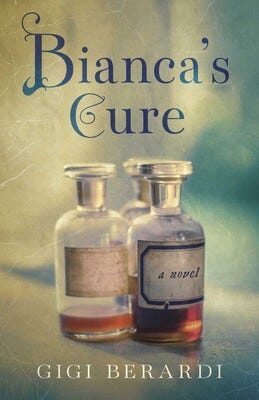
This week on the podcast, I’m joined by Dr. Gigi Berardi — professor, journalist, and now historical novelist — to talk about her forthcoming book Bianca’s Cure, a Renaissance-set novel about women’s knowledge, early science, and what happens when a woman refuses to stay in the role history assigns her.The conversation fits perfectly with the arc we recently wrapped up on the podcast, which has focused on how women across history are punished for stepping out of line. Why Bianca Capello?Berardi’s entry point into the story begins not in an archive, but in Florence itself — with a local legend about an open window that must never be closed, or else a woman’s scream will echo through the piazza. That woman is often said to be Bianca Capello, a 16th-century Venetian noblewoman turned Medici consort.Historically, Bianca is remembered as a scandal. The record of her inner life, her work, and her intellect is thin. Her death is suspicious. Her remains were never conclusively identified.Bianca’s Cure asks the obvious question history never bothered to: what if she was more than the story told about her?Science, Alchemy, and Who Gets Taken SeriouslyOne of the most interesting parts of the interview is Berardi’s discussion of Renaissance science. Alchemy, chemistry, medicine, and the occult weren’t separate worlds — they overlapped constantly. The difference wasn’t what knowledge was being produced, but who was producing it.In the novel, Bianca is deeply engaged with experimentation, herbal medicine, and systematic observation. Her work is serious. Her methods are deliberate. And that, more than anything, makes her dangerous.As Berardi notes, the road women in science travel today isn’t fundamentally different from the one Bianca navigates five centuries earlier.“She’s Not Nice” — and That’s the PointOne thing that’s already coming up in reader reactions is discomfort with Bianca herself. She’s ambitious. She’s focused. She doesn’t soften herself for the people around her.Some readers don’t like that.Berardi is clear about why she leaned into this: “nice” has long been a way to discipline women’s ambition. Bianca’s Cure pushes back on the idea that female characters need to be likable in order to be worthy of attention.About the BookBianca’s CureOut February 10Published by She Writes Press, distributed by Simon & SchusterThe book is available through major retailers and many independent bookstores. If your local shop doesn’t have it in stock, they can usually order it.Here at Bitchy History we love a good independent bookstore, but we recognize book deserts exist, so the big retailers are fine too if it’s all you’ve got.Where to Find Gigi BerardiGigi Berardi can be found through her professional website, where she’s launching a blog focused on science, history, and storytelling. You can also download the first two chapters of Bianca’s Cure by subscribing there. Links are in the show notes.Listen to the EpisodeIn the full episode, we talk about:* Writing historical fiction with thin archives* Women’s erased contributions to science* Alchemy, malaria, and Renaissance medicine* Why being “nice” is not the same as being good Get full access to Bitchy History at www.bitchyhistory.com/subscribe
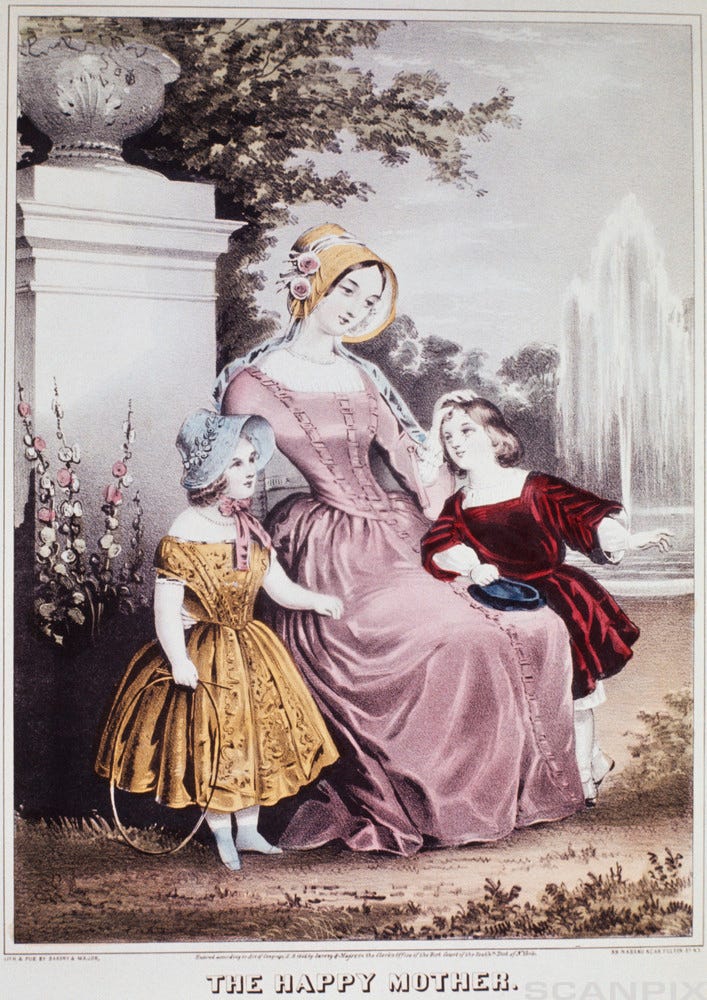
The Victorian “Angel in the House” was supposed to be gentle, pure, domestic, and self-sacrificing. She was praised endlessly for her virtue, placed on a pedestal, and told she was the moral center of the family and the nation.She was also legally erased by marriage, economically dependent, sexually policed, medically controlled, and blamed for everyone else’s bad behavior.In this episode of Bitchy History, we rip the lace off the Cult of Domesticity and examine how it functioned as a full-blown system of social control. We trace how “separate spheres” ideology assigned women responsibility without authority, how magazines and advice manuals sold unpaid labor as fulfillment, and how class, race, and empire determined who was allowed to be an “angel” in the first place.We look at how Victorian law turned marriage into legal disappearance, how “protective” policies restricted women’s work, and how medicine pathologized female resistance through diagnoses like hysteria. Along the way, we meet women who refused to play the role quietly—from Mary Wollstonecraft’s Maria: or, The Wrongs of Woman, to Charlotte Perkins Gilman’s The Yellow Wallpaper, to Nora slamming the door in A Doll’s House.Because the Angel in the House was never a compliment.She was a leash made of lace.And her ghost is still very much with us.Resources and Additional Reading* The Angel in the House – Coventry PatmoreThe poem that gave the ideal its most famous name, and helped romanticize female self-erasure as virtue.* Maria: or, The Wrongs of Woman – Mary WollstonecraftA pre-Victorian indictment of marriage, coercion, and the use of asylums to silence women who resist male authority.* The Yellow Wallpaper – Charlotte Perkins GilmanA chilling critique of medical paternalism, the “rest cure,” and the psychological violence of enforced domesticity.* A Doll’s House – Henrik IbsenThe play that detonated Victorian respectability by letting a wife choose herself over the domestic shrine.* The Importance of Being Earnest – Oscar WildeA sharp satire of marriage, respectability, and moral branding in late Victorian society.* Woman in the Nineteenth Century – Margaret FullerEarly feminist critique of women’s intellectual and social confinement.* Beeton’s Book of Household Management – Isabella BeetonA cornerstone of domestic instruction that framed housekeeping as women’s moral duty.* Godey’s Lady’s BookThe most influential women’s magazine of the era, promoting domesticity, fashion, and “true womanhood.”* Muller v. OregonLandmark case using maternal and biological arguments to limit women’s labor rights “for the good of all.”* Marriage and Women’s Property – Lee HolcombeA clear overview of coverture and the slow dismantling of women’s legal erasure.* The Female Malady – Elaine ShowalterEssential feminist analysis of hysteria, asylums, and gendered psychiatry.* Hysteria: The Biography – Andrew ScullExplores hysteria as both medical diagnosis and cultural narrative.* The Cult of True Womanhood – Barbara WelterThe foundational framework for understanding domestic virtue as ideology. Get full access to Bitchy History at www.bitchyhistory.com/subscribe
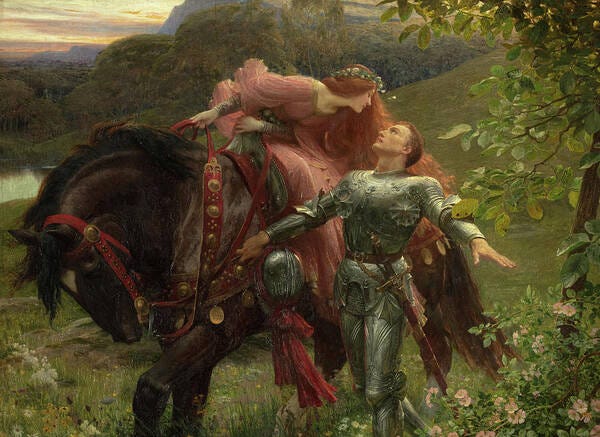
People love to say “chivalry is dead.”In this episode, we pull apart what “chivalry” actually is—and why it keeps coming back every time gender roles get uncomfortable. Because chivalry was never just about manners. It was a system. A story that turned hierarchy into romance, control into care, and women’s safety into something conditional.We start in the present, where “chivalry is dead” gets used to complain about modern dating, workplace dynamics, and public etiquette. Then we go back to the medieval world where chivalry was invented—not as a spontaneous outbreak of honor, but as a branding strategy for a violent elite. Knights weren’t made respectable by kindness. They were made respectable by stories.Those stories mattered. They taught men how to perform virtue and taught women how to embody honor. Women were elevated, praised, “served”—and turned into symbols that carried male reputation. And once honor lives in women’s bodies, women’s behavior becomes something to police.From courtly love and tournaments to guardianship law and legal standing, this episode traces how “protection” worked in practice. Not as freedom, but as supervision. Not as safety, but as management. We look at medieval legal structures where women couldn’t even bring criminal complaints in their own name—and why that logic still echoes today.Because once protection is something men give women, it can also be taken away.Welcome to Arc Three: Pretty Cages—where admiration builds the bars, and the cage looks like love.Resources & Additional ReadingMedieval Chivalry, Law, and Gender* Nigel Saul, Chivalry in Medieval EnglandA foundational study of chivalry as a cultural system shaped by aristocratic performance, ritual, and power—not just battlefield behavior.* Geoffroi de Charny, Livre de ChevalerieA primary text outlining knightly ideals, emphasizing prowess, honor, and disciplined violence.* Ramon Llull, Libre del ordre de cavalleriaA didactic work defining what knighthood should be, illustrating how chivalry was constructed and taught.* Anonymous, Ordene de chevalerieA romance that dramatizes chivalric ritual and ideology through instruction and performance.* Jean Charles Léonard de Sismondi, History of the Italian Republics A classic critique warning against confusing romantic chivalry with the brutal realities of feudal life.* David Herlihy, Women, Family, and Society in Medieval EuropeEssential for understanding women’s roles in households, property transmission, and family structure—and the limits of their autonomy.Medieval Law & Guardianship* Edict of Rothari (Lombard Law, 7th century)A key legal text illustrating lifelong guardianship (mundium) and the absence of legal autonomy for free women.* Oxford Academic entries on Lombard Law and mundiumClear summaries of how “protection” functioned as permanent supervision in early medieval legal systems.Modern Theory & Cultural Analysis* Peter Glick & Susan Fiske, “Ambivalent Sexism”Foundational research on hostile vs. benevolent sexism, including “protective paternalism.”Film & Popular Media* The Last Duel, dir. Ridley ScottA dramatization of the 1386 rape trial of Marguerite de Carrouges, illustrating how women’s legal standing—and even survival—was mediated through male authority. Get full access to Bitchy History at www.bitchyhistory.com/subscribe
Matilda Joslyn Gage should be one of the most recognizable names in the history of American women’s rights. Instead, she’s often treated like an optional footnote.In this arc finale, we take Gage seriously on her own terms: not just as a suffrage leader, but as a political thinker and historian who refused to make women’s freedom small or respectable. Gage didn’t want the vote as a polite reform. She wanted structural change — especially an end to the church–state logic that had justified women’s subordination for centuries.This episode focuses on Gage’s work, including Woman, Church & State and Woman as Inventor, where she argues that women’s oppression is not natural but institutional, maintained through law, culture, and memory. Her most famous insight — reading “witches” as women — becomes a way to understand how societies label, punish, and erase women who step out of line.We also look at how Gage was treated by her own movement as suffrage politics shifted toward respectability and religious alliances. Her punishment wasn’t dramatic expulsion, but something quieter: sidelining, distancing, and eventual omission.Gage is the capstone of this arc not just because she fits the pattern, but because she explains it. She didn’t only challenge power — she taught us how to recognize it.Resources & Recommended ReadingPrimary sources by Matilda Joslyn Gage* Matilda Joslyn Gage, Woman, Church & State (1893). Project Gutenberg edition.* Matilda Joslyn Gage, “Woman as an Inventor” (1883). Originally published in The North American Review (Vol. 136).* Matilda Joslyn Gage (with Stanton & Anthony), History of Woman Suffrage (Volumes I–III). She’s not just “in” this history, she helped make the archive that later minimized her. Essential scholarship on Gage and her “erasure”* Margaret W. Rossiter, “The Matthew/Matilda Effect in Science” (1993). Foundational piece naming the recognition bias that under-credits women and credits their work away; Rossiter explicitly names the phenomenon after Gage.Gage as archivist and witness* Peter Svenson (ed.), The “War Scrap Book” of Matilda Joslyn Gage: Witness to Rebellion (Lehigh University Press, 2018). Publisher page describing the scrapbook project and its framing of Gage as a historical witness. Get full access to Bitchy History at www.bitchyhistory.com/subscribe
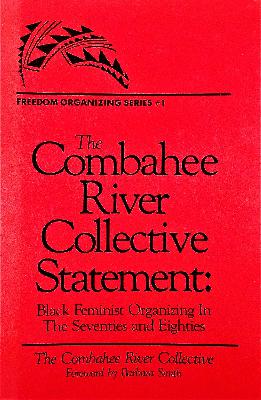
When pundits complain that “identity politics is ruining everything,” they’re accidentally name-dropping a group of Black lesbian feminists in 1970s Boston.This episode tells the history behind the buzzword: the Combahee River Collective. We follow their journey from the National Black Feminist Organization to forming their own Boston-based collective; their work on welfare, housing, reproductive injustice, and racist violence; the murders of Black women in Boston that pushed them to write; and the creation of the Combahee River Collective Statement in 1977.We break down what they actually meant by “interlocking oppressions” and “identity politics,” how they called out white feminism, Black nationalism, and the straight left all at once, and why their insistence on showing up as whole people was so threatening. Then we trace the afterlives of their ideas in intersectionality, reproductive justice, and movements like Black Lives Matter and #SayHerName.If you want the receipts for why Black feminist politics are not “extra” but foundational, this one’s for you.Sources & recommended reading* Combahee River Collective, “The Combahee River Collective Statement” (1977).The foundational Black feminist manifesto that lays out interlocking oppressions and coins “identity politics.” Widely reprinted; easily accessible in PDF via multiple archives and as part of anthologies.* Keeanga-Yamahtta Taylor, ed., How We Get Free: Black Feminism and the Combahee River Collective (Haymarket, 2017).Includes the full Statement plus extended interviews with Barbara Smith, Beverly Smith, Demita Frazier, Alicia Garza, and Barbara Ransby. Essential for the history of the Collective and how members understand their own legacy.* Barbara Smith, “Toward a Black Feminist Criticism” A key essay where Smith argues for Black lesbian feminist literary criticism and explains how Black women’s writing has been ignored and misread. Originally in The Radical Teacher, and widely anthologized.* Barbara Smith, The Truth That Never Hurts: Writings on Race, Gender, and Freedom (1998).Includes “Doing It from Scratch: The Challenge of Black Lesbian Organizing,” which gives an insider’s account of organizing in and beyond Combahee.* Alicia Garza, “A Herstory of the #BlackLivesMatter Movement” (2014).Short but crucial piece tracing Black Lives Matter’s origins and explicitly positioning it within Black feminist and queer-of-color traditions that descend from Combahee.Black feminist thought & historical context* Beverly Guy-Sheftall, ed., Words of Fire: An Anthology of African-American Feminist Thought (1995).* Patricia Hill Collins, Black Feminist Thought: Knowledge, Consciousness, and the Politics of Empowerment (1990; 2nd ed. 2000).* Kimberlé Crenshaw, “Demarginalizing the Intersection of Race and Sex” (1989) and “Mapping the Margins: Intersectionality, Identity Politics, and Violence against Women of Color” (1991). Get full access to Bitchy History at www.bitchyhistory.com/subscribe
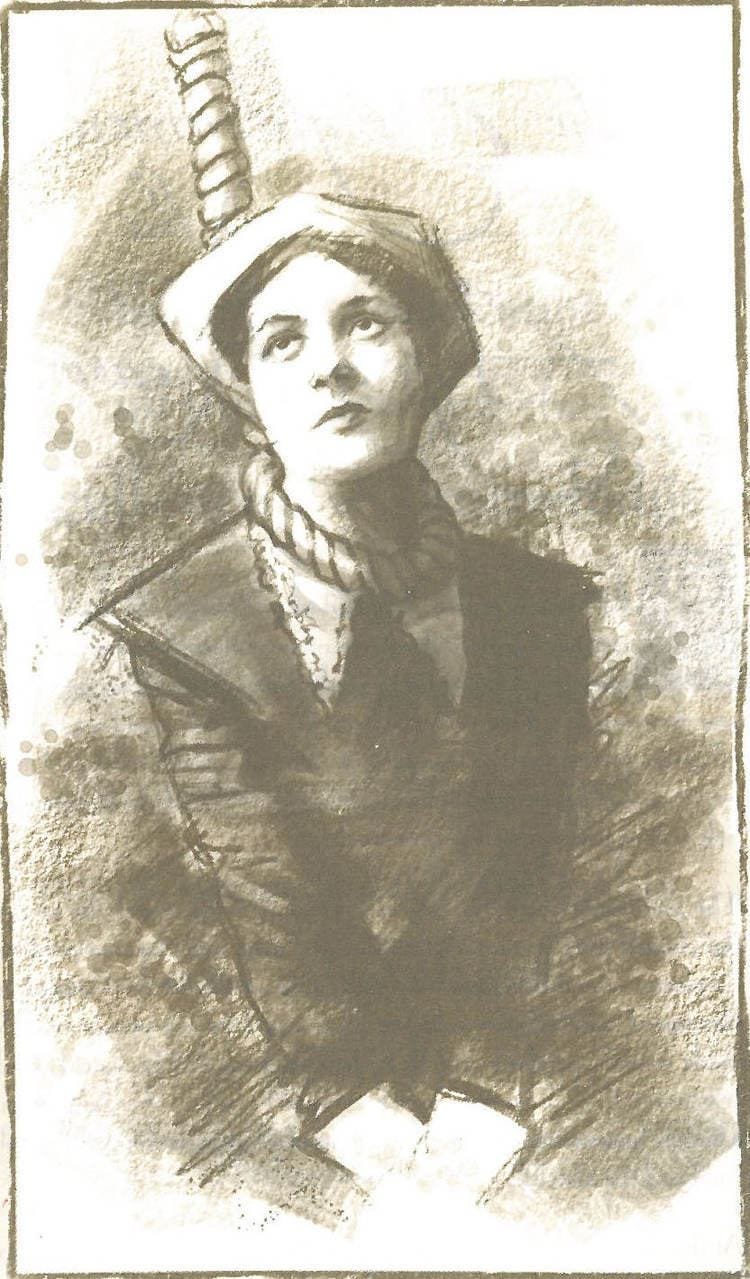
In this episode, I start with a guy in my YouTube comments insisting I “teach feminism, not history” and then take him on a little field trip to 17th-century Boston. Quaker women like Margaret Fell and Mary Dyer weren’t marching under a “feminist” banner, but they were doing something genuinely explosive for their time: preaching, publishing, and claiming spiritual authority in public while female. We’ll look at the theology that made that possible, the Puritan panic that tried to shut it down, and the long afterlives of these “disorderly” women in everything from suffrage to modern church fights over women in the pulpit. If you’ve ever been told that bringing patriarchy into women’s history is “too political,” this one’s for you.Sources & additional readingOn Quaker women, preaching, and authority* Amanda E. Herbert, “Companions in Preaching and Suffering: Itinerant Female Quakers in the Seventeenth- and Eighteenth-Century British Atlantic World,” Early American Studies 9, no. 1 (2011).* Mary Maples Dunn, “Saints and Sisters: Congregational and Quaker Women in the Early Colonial Period,” originally in American Quarterly 30, no. 5 (1978), reprinted in Women in American Religion, ed. Janet Wilson James.* Jean R. Soderlund, “Women’s Authority in Pennsylvania and New Jersey Quaker Meetings, 1680–1760,” William and Mary Quarterly 44, no. 4 (1987).* M. D. Speizman and Jane C. Kronick, “A Seventeenth-Century Quaker Women’s Declaration,” Signs 1, no. 1 (1975).* Judith Rose, “Prophesying Daughters: Testimony, Censorship, and Literacy among Early Quaker Women,” Critical Survey 14, no. 1 (2002).* Gerda Lerner, “Women’s Rights in American History” (1971) – classic essay on why you literally can’t do women’s history without talking about feminism and patriarchy.On Margaret Fell, women’s preaching, and feminist theology* Margaret Fell, Women’s Speaking Justified (1666). Modern-English editions and online annotated versions are widely available.* Phyllis Mack, Visionary Women: Ecstatic Prophecy in Seventeenth-Century England (University of California Press, 1992).On Mary Dyer, Boston, and the politics of memory* Antonia Myles, “From Monster to Martyr: Re-Presenting Mary Dyer” (2001) – on how Dyer’s image shifts from dangerous heretic to safe Protestant heroine.* Stella Setka, “A Picture of Piety: The Remaking of Mary Dyer as a True Woman in Arthur’s Home Magazine,” American Periodicals 24, no. 1 (2014). Get full access to Bitchy History at www.bitchyhistory.com/subscribe

Every few years, the Girl Scouts accidentally start a culture war.You’d think an organization best known for cookies and camping would be safely boring. Instead, they keep ending up at the center of national freakouts: heavy metal lawsuits over Thin Mints, boycotts over “woke” cookies, outrage over letting trans girls join, hand-wringing because some troops show up at marches or dare to talk about things like civil rights and bodily autonomy.On paper, it looks absurd. In practice, it tells us a lot about how terrified people are of girls with power.A few threads we pull onWithout spoiling the whole thing, here’s the kind of territory we cover:Girl Scouts as a quiet jailbreakWhen Juliette Gordon Low started the Girl Scouts in 1912, she wasn’t waving a big political banner. She was doing something more subversive: telling girls they could be competent. They could learn skills, make decisions, and be useful outside the living room.In a world that still largely treated girls as decorative future wives, even that was a problem.When world friendship became suspiciousFast-forward to the early Cold War: the Girl Scouts are teaching international friendship, letter-writing to girls abroad, learning about other cultures, normal “let’s be good humans” stuff.Then the Red Scare hits, and suddenly:* global awareness looks like treason,* maps and folk songs get labeled “propaganda,” and* someone publishes a rant asking if even the Girl Scouts have been infiltrated.Politicians actually spent time worrying about whether girls’ badges were secretly preparing them for world government. Because obviously the real threat to the nation is twelve-year-olds who know where Belgium is.Without spoiling the whole thing, here’s the kind of territory we cover:Girl Scouts as a quiet jailbreakWhen Juliette Gordon Low started the Girl Scouts in 1912, she wasn’t waving a big political banner. She was doing something more subversive: telling girls they could be competent. They could learn skills, make decisions, and be useful outside the living room.In a world that still largely treated girls as decorative future wives, even that was a problem.When world friendship became suspiciousFast-forward to the early Cold War: the Girl Scouts are teaching international friendship, letter-writing to girls abroad, learning about other cultures—normal “let’s be good humans” stuff.Then the Red Scare hits, and suddenly:* global awareness looks like treason,* maps and folk songs get labeled “propaganda,” and* someone publishes a rant asking if even the Girl Scouts have been infiltrated.Politicians actually spent time worrying about whether girls’ badges were secretly preparing them for world government. Because obviously the real threat to the nation is twelve-year-olds who know where Belgium is.From communists to feminists to “woke”Once you decide that girls doing things is dangerous, you can keep rebranding the danger forever.We walk through how:* In the 1950s, the fear was “communism” and “internationalism.”* By the 1970s–80s, it shifts to “sexual agendas” and feminism.* In the 90s and 2000s, it’s “family values” vs. “girl power.”* Now it’s “gender ideology,” trans inclusion, and DEI.The details change. The anxiety doesn’t: adults panicking that girls might become people who think for themselves.So what’s the big picture?Underneath all the congressional pearl-clutching, boycotts, Facebook rants, and thinkpieces, the story is actually pretty simple:* The Girl Scouts aren’t radical in the way their loudest critics imagine.* They are consistently in the business of giving girls skills, confidence, and practice being in charge.* That alone is enough to set off repeated moral panics in a society that still isn’t comfortable with girls having real agency.Every time a troop sets up a cookie booth, negotiates prices, learns how to manage money, or plans a service project, they’re doing something that hits patriarchy where it hurts: they’re rehearsing power.That’s the through-line of this episode:the Girl Scouts as an accidental case study in what happens when you treat girls like future adults instead of future wives and mothers, and how threatened people get when you do.Additional Reading: * Emily Swafford, “The Challenge and Promise of Girl Scout Internationalism: From Progressive-Era Roots to Cold War Fruit.”Excellent on how world friendship, maps, and pen pals went from wholesome to “suspicious” in a Cold War climate.* Susan H. Swetnam, “Look Wider Still: The Subversive Nature of Girl Scouting in the 1950s.”Frontiers: A Journal of Women Studies 37, no. 1 (2016).Traces the 1953–54 handbook controversy, the “un-American” accusations, and what conservatives thought Girl Scouts were really up to.* Jennifer Helgren, American Girls and Global Responsibility: A New Relation to the World during the Early Cold War (Rutgers University Press, 2017).Broader than just Girl Scouts, but great for situating them within U.S. projects of “global responsibility” and youth citizenship.* “When the Girl Scouts Were Accused of Being Commies,” JSTOR Daily.Short, accessible summary that ties together Swetnam’s research, LeFevre, and the Red Scare backlash.* Amy Erdman Farrell, Intrepid Girls: The Complicated History of the Girl Scouts of the USA (Ferris & Ferris / UNC Press, 2025)Farrell—an American studies and women’s and gender studies scholar and former Scout—offers a full institutional history of GSUSA from 1912 to the early 21st century. It’s more academic than nostalgic, but if you want a single, up-to-date, critical-yet-affectionate history of the Girl Scouts that sits perfectly with a “culture wars over girlhood” episode, this is it. Get full access to Bitchy History at www.bitchyhistory.com/subscribe
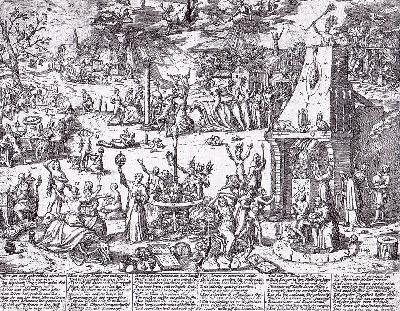
Buy Me A CoffeeThis episode is about witch hunts, but not the Halloween kind. We’re talking about how early modern Europe went from relying on women healers and midwives for everything to torturing and killing them as witches, and how that panic helped clear the way for male-dominated, professional medicine.I walk through how climate crisis, war, plague, and sky-high infant mortality created a pressure cooker where someone had to be blamed, and the woman who literally had her hands on the body, your midwife, became the obvious target. Then we zoom out with Silvia Federici, Barbara Ehrenreich & Deirdre English, Lyndal Roper, and others to look at the bigger picture: witch hunts as a way to break women’s communal power over healing and reproduction so their bodies and labor could be folded into a new patriarchal, capitalist order.And just to be crystal clear: this is a critique of the history of medicine, not an argument against modern medical or prenatal care. Birth has always been dangerous; today’s doctors, midwives, and nurses save lives every day. The point isn’t “reject medicine,” it’s “understand how misogyny got baked into the system so we can demand better.”Recommended ReadingPrimary Historical Works* Ronald Hutton, The Witch: A History of FearA sweeping global analysis of witch beliefs and why societies became terrified of women’s power.* Lyndal Roper, Witch Craze: Terror and Fantasy in Baroque GermanyEssential for understanding the psychology of witchcraft accusations and gendered fear.* Owen Davies, The Oxford History of Witchcraft and MagicExcellent overview of European witch beliefs and cultural shifts.* P.G. Maxwell-Stuart, Witch Beliefs and Witch Trials in the Middle AgesGreat for primary source material and early Church anxieties about women healers.Feminist Analyses* Barbara Ehrenreich & Deirdre English, Witches, Midwives, and NursesClassic feminist history on how women healers were pushed out of medicine.* Silvia Federici, Caliban and the WitchA groundbreaking argument connecting witch hunts to capitalism and reproductive control.* Silvia Federici, Witches, Witch-Hunting, and WomenShort, sharp essays connecting early modern persecutions to contemporary gendered violence. Get full access to Bitchy History at www.bitchyhistory.com/subscribe
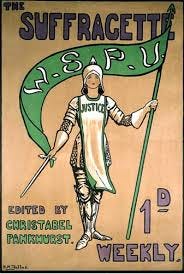
Joan of Arc has been everything to everyone: saint, witch, nationalist mascot, feminist icon, medieval teenager who simply refused to stay in her lane. In this episode, we cut through six centuries of myth to get to the girl in the armor — the one who heard divine voices, out-strategized grown men, terrified theologians, and paid for it with her life.We look at how a France in crisis accidentally created its most enduring symbol, how Joan’s gender-bending authority sparked a medieval moral panic, and how her trial was less a quest for truth than a masterclass in patriarchal damage control.And because we’re Bitchy History, we also trace Joan’s unlikely afterlife: from canonized saint to suffragette poster girl to “girlboss” before the term existed — and why exceptional women like Joan often become symbols while systemic change stays conveniently off-limits.It’s a story about faith, politics, misogyny, nationalism, witchcraft panic, and the dangerous power of a woman who actually believes her own voice.Additional Reading:* Daniel Hobbins (trans.) – The Trial of Joan of ArcDefinitive English translation of her 1431 heresy trial. Essential.* British Library Digitized Manuscripts:Egerton MS 984 (condemnation trial) & Stowe MS 84 (rehabilitation trial)Some of the most important surviving documents of medieval Europe.* Helen Castor – Joan of Arc: A HistoryThe gold standard narrative history — detailed, vivid, and non-hagiographic.* Françoise Meltzer – “Joan of Arc in America” On how Americans mythologized Joan as everything from patriotism to purity.* Karma Waltonen – “Saint Joan: From Renaissance Witch to New Woman”Excellent analysis of Shaw’s Saint Joan and Joan’s modern feminist reclamation.* Elizabeth Fox-Genovese – “Culture and Consciousness in the Intellectual History of European Women”Essential for understanding why Joan was threatening to patriarchal structures.* Mark Twain – Personal Recollections of Joan of ArcSurprisingly earnest and historically grounded — his personal passion project.* George Bernard Shaw – Saint JoanThe most influential literary reimagining of Joan’s trial and personality. Get full access to Bitchy History at www.bitchyhistory.com/subscribe
Thanksgiving is right around the corner for my American listeners, so let’s revisit an early episode of Bitchy History today, because it’s seasonal. Remember that Thanksgiving is a propaganda holiday and the Puritans sucked. But while it may be a sham, as Buffy reminds us, it’s a sham with yams. Get full access to Bitchy History at www.bitchyhistory.com/subscribe
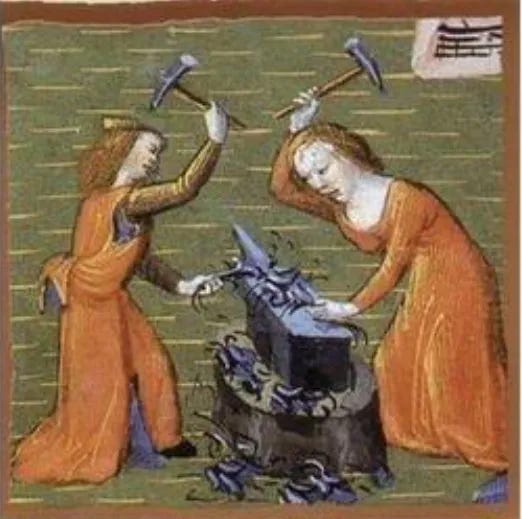
The Black Death (1347–1351) killed ~40% of Europe and blew a hole in the labor market. Women stepped in, running farms, shops, and guild work; inheriting property; training apprentices; and powering textiles, silk, and brewing. Then, as populations recovered, elites used laws, guild charters, inheritance rules, and moral panics to shove women back to the margins. Crisis granted responsibility; recovery revoked rights.Sources & further reading* Judith M. Bennett, Ale, Beer, and Brewsters in England.* Barbara A. Hanawalt, The Ties That Bound; Of Good and Ill Repute.* Martha C. Howell, Women, Production, and Patriarchy in Late Medieval Cities.* Christopher Dyer, Standards of Living in the Later Middle Ages; An Age of Transition?* Caroline M. Barron, London in the Later Middle Ages.* Samuel K. Cohn Jr., The Black Death Transformed.* David Herlihy, The Black Death and the Transformation of the West.* Heather Swanson, Medieval Artisans: An Urban Class in Late Medieval England.* Sandy Bardsley, Venomous Tongues: Women’s Voices, Complaints, and the Legal Power of Speech in Late Medieval England.* Craftswomen and the Guilds - Lost Art PressEpisode CreditsWritten & Narrated by: Meredith WalkerProduced by: Bitchy History Media Get full access to Bitchy History at www.bitchyhistory.com/subscribe
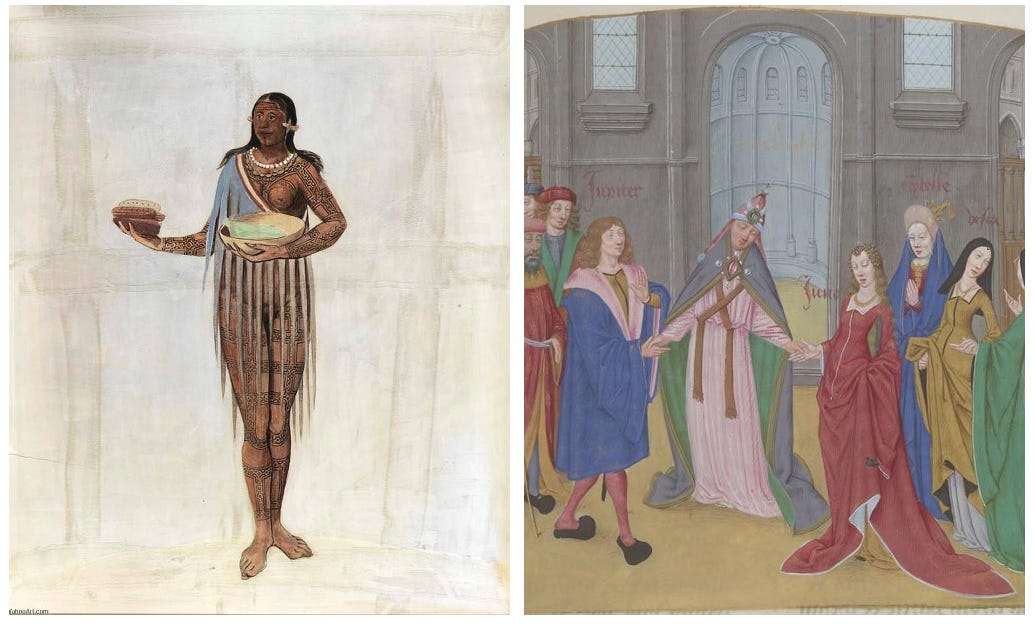
Episode SummaryEmpires didn’t just conquer continents—they colonized identity. This episode unpacks how European colonialism exported a rigid gender binary across the globe, dismantling Indigenous systems of gender and sexuality while dressing patriarchy up as “civilization.” From the witch trials of Europe to the British census in India, from Two-Spirit resistance to modern decolonial feminism, this is the long and brutal story of how gender became empire’s favorite export.Sources and Reading Suggestions:What is the Coloniality of Gender?María Lugones – Toward a Decolonial Feminism (2010)The Effect of British Colonial Law and Rule on Gender Binaries and Sexual FreedomsOyèrónkẹ́ Oyěwùmí. The Invention of Women: Making an African Sense of Western Gender Discourses. University of Minnesota Press, 1997.Zamora, Margarita. “Abreast of Columbus: Gender and Discovery.” Cultural Critique 17 (1990–91): 127–149.Spencer-Wood, Suzanne M. “Feminist Theorizing of Patriarchal Colonialism.” (2016). Professor of Anthropology, not archaeologist, oops. Forgive my mistake in the episode. She does work with “Feminist theory in anthropology and archaeology” though.Foster, Susan Leigh. Colonialism, Gender, and the East. Routledge, 2004.Dozono, Junko. “Teaching Alternative Indigenous Gender Systems.” (2017).Chollet, Mona. In Defense of Witches: The Legacy of the Witch Hunts and Why Women Are Still on Trial. St. Martin’s Press, 2021.Hutton, Ronald. The Witch: A History of Fear, From Ancient Times to the Present. Yale University Press, 2017.Laurel Clark Shire, The Threshold of Manifest Destiny: Gender and National Expansion in Florida (University of Pennsylvania Press, 2016)Many of these sources should be available with a free jstor account, but if you can’t access them and would like a pdf copy, please feel free to email me at bitchyhistory@substack.com, please reference the episode and articles you are looking to access, even book chapters can be sent on occasion.Episode CreditsWritten & Narrated by: Meredith WalkerProduced by: Bitchy History Media Get full access to Bitchy History at www.bitchyhistory.com/subscribe
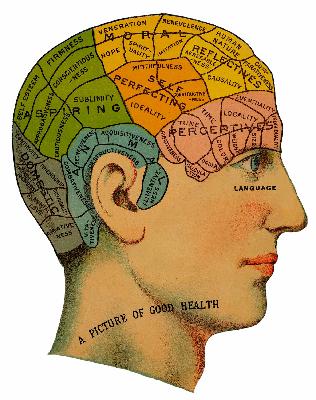
Welcome back to Bitchy History, where we cheerfully dismantle the greatest hits of misogyny—and this week, we’re putting science itself on the stand.In Part I, we met the philosophers and theologians who invented “woman” as a cosmic afterthought. Now, in Part II, we enter the age of lab coats, skull calipers, and nervous diagnoses—the glorious 19th and 20th centuries, when “objective” men in frock coats declared that female ambition caused infertility, reading led to madness, and housework was the cornerstone of democracy.This is the era when patriarchy swapped its rosary for a microscope.We’re talking phrenology, hysteria, Freud, “the rest cure,” eugenics, hormones, pink kitchens, and the 1950s domestic goddess industrial complex—all the ways “science” kept proving that women belonged exactly where men wanted them.Because if the binary were natural, it wouldn’t need this much paperwork.Bitchy History is a reader-supported publication. To receive new posts and support my work, consider becoming a free or paid subscriber.Additional Reading:How To Debunk Sexist PseudoscienceThe “Scientific” Antifeminists of Victorian EnglandThe History of HysteriaThe Yellow Wallpaper by Charlotte Perkins GilmanAnne Fausto-Sterling, Sexing the Body: Gender Politics and the Construction of Sexuality (2000)Judith Butler, Gender Trouble (1990)Elaine Tyler May, Homeward Bound: American Families in the Cold War Era (1988) Get full access to Bitchy History at www.bitchyhistory.com/subscribe
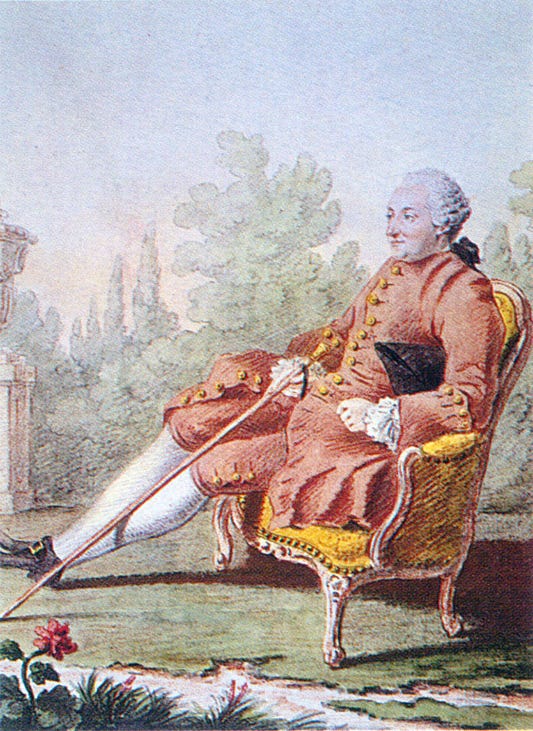
Welcome back to Bitchy History — the show where we cheerfully dismantle everything you thought was “just natural” and replace it with the ugly truth: it was made up. Usually by men. Often badly.We’re kicking off a brand-new arc: Inventing Womanhood. Because here’s the deal — “woman” isn’t a biological constant. It’s a cultural invention, one that’s been redefined, repackaged, and re-sold more times than Barbie herself.In this episode, we’re tracing the scam from the color pink to the cosmos:* How baby boys once wore pink and the Virgin Mary made blue “girly.”* How philosophers, priests, and politicians all took turns declaring women “naturally” passive, domestic, and inferior.* How science, in the Victorian era, put patriarchy in a lab coat and called it “biology.”From yin and yang to Mamie Eisenhower’s pink kitchen, from Aristotle’s “misbegotten males” to Victorian pseudoscience, we’ll unpack how gender became the world’s longest-running con — one still being enforced by everyone who swears they’re “just following nature.”Because if gender were truly biological, it wouldn’t change with fashion trends, holy texts, or who’s First Lady. It’s a cultural reboot — and we’re here to expose the production notes. Get full access to Bitchy History at www.bitchyhistory.com/subscribe
Edit: There was some sound editing issues on this episode which have now been fixed. Apologies!Well, I’m back. After packing up my entire life, moving across the Atlantic, and preparing to dive headfirst into a Master’s in Gender Studies (yes, I am now an even more insufferable feminist — send your condolences to anyone stuck in seminar with me), Bitchy History is officially alive again.And I’m kicking things off with a subject that pretty much demanded an episode: Charlie Kirk.Now, if you’ve spent the last decade ignoring Kirk and his little Turning Point USA circus, congratulations. That’s like dodging COVID on a cruise ship. But the truth is, millions of young people didn’t dodge him. He built a platform out of telling women their lives should revolve around submission and childbearing, insisting college is just for finding a husband, and sneering at feminism like it was a contagious disease.Kirk is gone now — in a deeply ironic, “live by the gun, die by the gun” sort of way. And while most of us would prefer to quietly move on, the right is already turning him into a martyr. His widow is pledging to carry the torch, politicians are suddenly speaking about him in hushed tones of reverence, and people are literally getting fired from their jobs for mocking his death online.This isn’t about one man. It’s about how authoritarian movements sanitize their leaders after they’re gone. It’s about the way misogyny, racism, and Christian nationalism get wrapped in martyrdom so they can be pushed even harder.So no, I’m not interested in being “respectful.” Respectability politics is what lets people like Kirk wreck lives and still get glowing obituaries. My job — our job — is to remember what they actually did, and to push back harder.If you want to hear me break down the misogyny, the hypocrisies, and the historical lineage of Kirk’s movement — with my usual cocktail of sarcasm and receipts — the new episode is up. Get full access to Bitchy History at www.bitchyhistory.com/subscribe
Welcome back, Trekkies, historians, and lovers of media analysis! After a short delay (turns out getting a starship up to warp speed takes time), Warp Speed Woke: Lecture 5 is here, and this time, we’re taking a hard look at Star Trek: Enterprise, the series that marked the franchise’s first real foray into the post-9/11 world.Enterprise is a bit of an anomaly in Star Trek history. It was the first series since The Original Series to be canceled before reaching seven seasons, the first true prequel in the franchise, and—whether the showrunners admit it or not—the first Star Trek series to fully embrace post-9/11 American anxieties.The Enterprise Experiment: A Prequel Without a Purpose?Brannon Braga and Rick Berman, the Trek overlords of the ‘90s, decided that Enterprise needed a new hook. Instead of boldly going forward in the Star Trek timeline, they looked back, setting the series in the 22nd century, before the creation of the Federation. Instead of a shiny, futuristic starship, the NX-01 was deliberately designed to resemble a cramped, militaristic submarine. Instead of the philosophical debates and utopian optimism of the Next Generation era, Enterprise had something far more familiar: a rugged, all-American crew learning to navigate a dangerous and unpredictable galaxy.Sounds a little… reactionary for Star Trek, doesn’t it?From Roddenberry’s Vision to America’s War on TerrorFor two seasons, Enterprise was largely an episodic adventure show. Then, in season three, everything changed. Enterprise got its war.🚀 Earth was attacked without warning by a mysterious alien race, the Xindi, killing millions of people.🚀 Captain Archer and his crew were sent to hunt down the perpetrators.🚀 Along the way, they had to deal with suicide bombers, extremist religious fanatics, and moral compromises in the name of security.Sound familiar?While Braga denies that Enterprise was meant to parallel the War on Terror, the season’s storylines suggest otherwise. Writers and actors alike have pointed to direct allegories between the Xindi conflict and America’s post-9/11 foreign policy. Captain Archer, a man who started as a hopeful explorer, became a hardened warrior—torturing prisoners for intel, launching preemptive strikes, and crossing ethical and moral lines for the “greater good.”But Was It Star Trek?This is where the debate begins. Unlike The Original Series, The Next Generation, and even Deep Space Nine, which critiqued American foreign policy, Enterprise mirrored it. Instead of challenging American exceptionalism, Enterprise indulged in it.In the era of shows like 24, where terrorism and national security were dominant pop culture narratives, Enterprise felt less like a progressive sci-fi critique and more like military propaganda set in space. The Roddenberry philosophy—that humanity’s future should be about enlightenment, diplomacy, and overcoming our worst instincts—was buried beneath a show that, by its third season, embraced jingoism, fear, and war.So, What’s the Verdict?Did Enterprise fail as a Star Trek series? Not necessarily. It had its moments—episodes that questioned war, explored paranoia, and gave us glimpses of the Star Trek ideal. But ultimately, it marked the franchise’s full transition from a series that critiqued American culture to one that simply reflected it.What do you think? Was Enterprise a bold reimagining of Star Trek for a new era, or did it lose the soul of the franchise? Let’s discuss in the comments!💡 Stay tuned for more lectures! And if you love deep dives into sci-fi, history, and snark, make sure you’re subscribed to Bitchy History for more!Bitchy History is a reader-supported publication. To receive new posts and support my work, consider becoming a free or paid subscriber. Get full access to Bitchy History at www.bitchyhistory.com/subscribe

Comments

Download from Google Play

Download from App Store
 United States