


 Claim Ownership
LIMELIGHT PODCAST
Subscribed: 2Played: 8
Subscribe

© LIMELIGHT
Description
Everyone has a unique perspective. It's shaped by so many factors. The more we can learn about each other, the better we will understand each other.
Join us as we bring conversations to the limelight to do just that; understand more perspectives so we can grow.
New episodes every Tuesday.
Join us as we bring conversations to the limelight to do just that; understand more perspectives so we can grow.
New episodes every Tuesday.
51 Episodes
Reverse
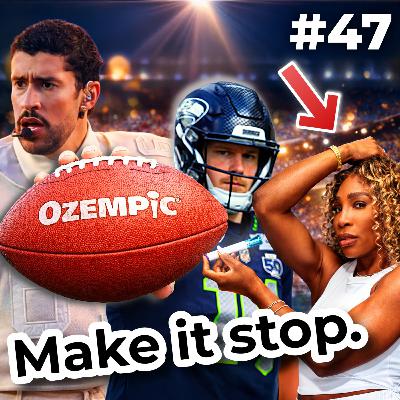
This episode we chat about Harmol's trauma (that he was able to move past from) after his team, the Seattle Seahawks, won Superbowl LX. We also go over the commercials, what we liked, what was weird, and what (we thought) was absolutely wrong. What are your thoughts on the halftime show and the Serena Williams commercial? And if your NFL fan, how do you feel about Superbowl LX?Super Bowl 60 is done and the Seattle Seahawks are Super Bowl champions. For anyone who's followed this team through the rough years — especially the Seahawks vs Patriots Super Bowl loss in 2014 — this one meant a lot. The Seahawks defense carried them all season, Mike Macdonald's coaching culture was built the right way, and Sam Darnold had a complete turnaround from where his career looked a few years ago. Kenneth Walker MVP conversations were happening for a reason. The general manager Seahawks draft picks and roster decisions over the years finally came together and the redemption arc for trauma healed Seahawks fans is real.The Super Bowl 60 halftime show is up there with the best halftime show ever. Bad Bunny brought Puerto Rican pride to the biggest stage in sports. The Bad Bunny halftime show had Lady Gaga, Ricky Martin, the Puerto Rican flag, Latin music Super Bowl energy, and a Canada shoutout that got us. It was a genuinely inclusive halftime show. We compared it to Kendrick Lamar halftime show, Dr. Dre halftime show, Prince halftime show and talked Drake and where he fits. The Turning Point USA halftime counter-programming with Kid Rock was also happening and we got into that too.On the Super Bowl commercials front there was a lot going on. The Ring doorbell ad raised real questions around pet tracking and AI in advertising. The Claude AI Super Bowl ad was well put together — Dr. Dre cleared his music for it which says something — and the ChatGPT ads news around Sam Altman and OpenAI moving toward advertising is worth paying attention to. The Budweiser eagle ad, Pepsi Coca-Cola bear, and the broader Super Bowl ads AI trend show where marketing psychology and emotional advertising are heading. The American commercials vs Canadian feed situation is something we touched on too.The Serena Williams Ozempic ad was the most talked about for us. We went into GLP-1, the Wegovy ad Super Bowl placement, weight loss drugs being pushed through pharmaceutical advertising and healthcare marketing during major sports events, and what that means for sports sponsorships overall. The body image conversation, diet culture, what real healthy eating, fasting and health and fitness actually look like versus what GLP-1 Super Bowl ads are selling — all of it came up. We also got into processed food, junk food, sugar addiction, Europe vs North America food standards, food marketing, and why controversial commercials like these move freely while natural options face more scrutiny. Marketing ethics in 2025 is a conversation worth having.00:00:00 Intro00:01:44 Sam Darnold redemption and Seahawks culture rebuild00:12:59 Super Bowl LX commercials and what's wrong with them00:15:23 Ring doorbell AI ad and surveillance controversy00:20:22 Claude AI's Super Bowl ad and ChatGPT getting ads00:27:18 Serena Williams GLP-1 (Ozempic) ad backlash 00:32:10 Do GLP-1 (Ozempic) actually work long term?00:41:49 Sugar addiction, processed food, and Europe vs North America00:58:14 Bad Bunny vs Turning Point: The halftime show war01:15:51 The future of the Super Bowl
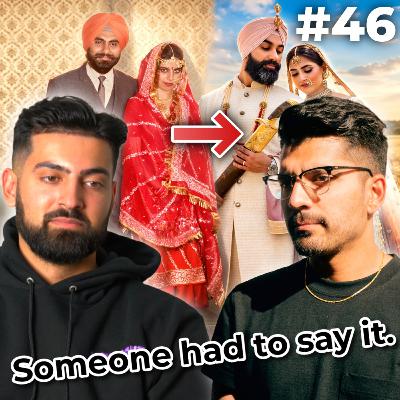
Jessie Sohpaul joins us on this one to chat about growing up as an artist, what he's up to these days, and then some chatting about Punjabi wedding traditions. If we forgot to mention one or were wrong about something leave it in the comments!!More Details:We finally got Jessie Sohpaul on the pod. If you know Vancouver's South Asian creative scene, you already know who he is. Jessie is a Punjabi artist and creative director whose work pulls from Sikh heritage, cultural identity in art, and the diaspora identity of growing up Canadian Punjabi in Surrey BC. His graphic design portfolio spans everything from the iconic Canucks Diwali Logo to the Whitecaps Vaisakhi collab, and his Parle-G Cookie Sculpture is one of the most recognizable pieces of South Asian art to come out of this city.We talked about his whole artist journey; how DC Comics inspiration, Batman, Superman, Hulk, Beyblade, Pokemon, Charizard, Yu-Gi-Oh, Powerpuff Girls, and hours on DeviantArt shaped how he sees the world visually. From comic art to UX design to becoming a full creative director, Jessie's creative process has always been rooted in family influence, grandparents stories, and pre-partition memories passed down through generations.The conversation gets into where art actually stands right now. We get into AI art, human art vs AI, authenticity in branding, and why a ChatGPT logo says something about how much you care about your business. We touch on Rothko, impressionist art history, conceptual art, film composition, cinematography, visual communication, and how symbolism in design and Indigenous art shapes connect in ways most people never think about. Minimalism vs maximalism, corporate blandness, capitalism and design, modern architecture critique — it's all connected to why civic pride and public art matter more than people give credit for. Vancouver design, YVR airport design, the Pattullo Bridge, Vancouver bridges, and even the built environment is a reflection of how much a city values creativity.On the culture side, we went deep on Punjabi wedding traditions and Indian wedding traditions: the Anand Karaj, Gurdwara wedding, Sangeet, Haldi Ceremony, Mehndi, Jago, Joota Chhupai, Bhangra, Langar, Receptions, Speeches, Destination Weddings, Rehearsal Culture, Wedding Party Bus Culture, Wedding Games, Wedding Aesthetics, Bridal Fashion, Embroidery and Textiles, Live Wedding Painting, Sherwani vs Western Suit, Hindu Wedding Traditions, Money Traditions, and Cultural Superstitions. There's a lot of tradition vs modernity happening in our community and we don't talk about it enough.Jessie also put us on to the Ghadar Movement and San Francisco South Asian history, and how Paisley Motifs and cultural collaboration show up in his work with the Canucks and Whitecaps. South Vancouver history, Surrey BC culture, and what it meant to grow up Punjabi here runs through everything he makes.You have to make it to make it. That's his final words of wisdom. That's the whole thing with artistic consistency, art education, and art marketing. Just. Don't. Stop.
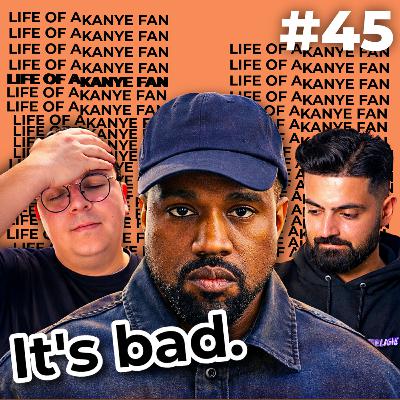
This episode we bring on a good friend, Matt, who has always been a very big Kanye West fan, but in recent years has found it hard to separate his art from his actions outside of music.We go over all the most notable controversial moments, aka "crash outs" in Kanye West's career, and discuss our thoughts on them.We recorded this just days before he issued his latest public apology through Wall Street Journal. That said, if it had come out before we recorded, it would be hard to say our opinions would have changed much. What are your thoughts on Kanye West, or Ye, as he likes to be called nowadays? Can you separate his art from his controversial statements, and still listen to his music, or has your feelings towards his music changed?More details:We brought on a friend who went from being a massive Kanye West fan to completely changing his mind after years of Kanye controversies. We break down the full Kanye timeline from the George Bush Katrina rant to the Taylor Swift VMA incident to the TMZ Kanye interview where he said slavery was a choice. We cover the MAGA hat Kanye era, Kanye politics, and even his Kanye presidential run.We talk about Kanye albums ranked, starting with My Beautiful Dark Twisted Fantasy, Life of Pablo, Jesus is King, and Donda. We get into Kanye music legacy, his music production skills, and the artists that came through Good Music label like Kid Cudi, Travis Scott, and Pusha T.A huge part of this conversation is the Kanye fan journey and what it's like going from Kanye fan to hater. We discuss changing mind on Kanye, fandom psychology, and the art vs artist debate. Separating art from artist is something a lot of people struggle with, and we wanted to have an honest conversation about celebrity cancel culture, celebrity authenticity, and celebrity downfall.We also get into Kanye bipolar disorder and talk about bipolar disorder awareness, mental health in music, and celebrity mental health. Kanye public antics and Kanye scandals have been tied to these conversations for years. We discuss 2024 2025 Kanye controversies, Kanye apology debate, and whether a Kanye redemption arc is even possible.The conversation covers Kim Kardashian, the Kim Kardashian Kanye divorce, and the Pete Davidson Kanye feud. We also talk about Kanye fashion, the Adidas Yeezy partnership, Balenciaga Kanye, Kanye billionaire loss, sneaker culture, and wave runners. Yeezy was a huge part of his brand and watching that fall apart was wild.We also got into Drake vs Kendrick and who won. We break down the Kendrick Lamar Drake beef, Not Like Us, Family Matters, and why Kendrick won. We also touch on the Pusha T Drake beef and Kanye Drake beef. Rap beef history and hip hop beef culture has changed a lot and this was a perfect example of that.We end up going off on a tangent about Drake Stake gambling, gambling addiction in sports, and sports betting influence on younger audiences. We even talked about NHL controversies and hockey culture and how athletes handle free speech vs hate speech, celebrity influence, and influencer responsibility.
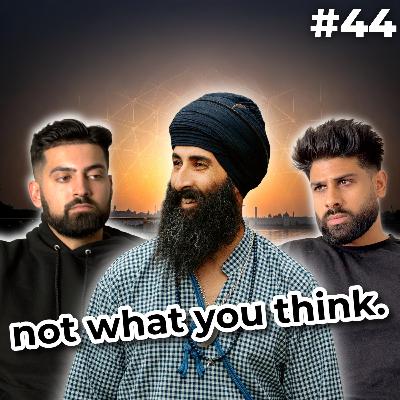
In this episode, we chatted with Raj, also known as Sikhadelic Healing, shares his experience with his path to spirituality. He brings a perspective that is unique, yet seems to make a lot of sense when you think about why Sikhism began.What are your thoughts on the subject?Follow Sikhadelics on Instagram: @sikhadelic.healingMore details:We sat down with Raj, known as Sikhadelics on social media, to talk about his views on Sikhism, Sikhi, and how psychedelics have played a role in his spiritual path. Raj shares his perspective on spirituality vs religion, and why he sees Sikhi as a way of life rather than a set of rules. We get into psychedelic therapy, psilocybin, magic mushrooms, microdosing, cannabis, and plant medicine — and how these sacred medicine practices connect to his journey with meditation, naam simran, and simran.We talk about trauma healing, trauma release, and intergenerational trauma that affects so many in the Punjabi community. Raj breaks down how epigenetics and ancestral healing tie into mental health, especially South Asian mental health, which often goes unspoken. He shares how he took Amrit, became Amritdhari, and started waking up at Amrit Vela to connect with Gurbani. We discuss the teachings of Guru Nanak Dev Ji, Guru Gobind Singh, and the Guru Granth Sahib, including the Mool Mantra and stories of Baba Deep Singh.The conversation touches on oneness, Ik Onkar, energy, the universe, and consciousness. Raj explains ego death and what it means to connect with Waheguru. We also talk about the Khalsa, the kirpan, and what it actually means to be initiated- it's not a baptism!!We discuss wellness, holistic health, and how different modalities work for different people. He mentions experiences with Mother Aya and references to soma in ancient texts. We get into indigenous medicine, indigenous wisdom, and how Punjabi culture can learn from these traditions.This Punjabi podcast covers the full healing journey- spiritual awakening, mindfulness, and how the endocannabinoid system actually works. We talk shadow work, emotional release, breathwork, somatic therapy, talk therapy, and yoga as alternatives for those who aren't ready for plant medicine.We compare Western medicine and Eastern medicine, including Ayurveda and astrology, and why clinical trials and regulated healthcare matter for the future of legalization. This conversation is about soul growth, and we touch on neurodiversity and why meditation is harder for some than others.We also address bad trips and why set and setting matter. We discuss harm reduction, safe ceremony practices, and the role of a facilitator or shaman. Raj shares thoughts on near-death experience and how it compares to ego death. We also cover anxiety relief, depression support, and the stigma around psychedelics. For those dealing with cancer anxiety or end-of-life distress, Raj explains why access to these medicines should be an option.Follow Sikhadelics on Instagram: @sikhadelic.healing
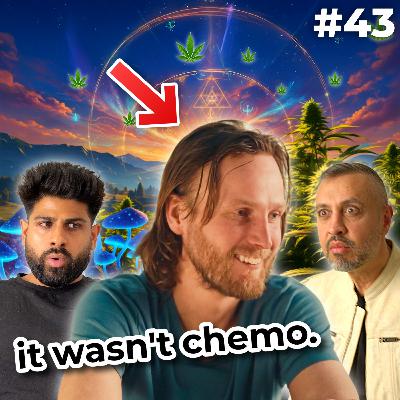
We flew to Ontario to meet Steve Allgood, the 2nd patient in Canadian history to receive psychedelic assisted therapy through the health care system.We can't even begin to imagine being diagnosed with cancer just days before your wedding, and not just any cancer, one that almost nobody survives.Steve has come a long way since then, defying all odds and still alive today to share his story, with his beautiful wife and two kids.If you are moved by his story - WRITE A LETTER TO YOUR MP: https://therapsil.ca/get-involved/More details:7 and a half years ago, Steve was diagnosed with terminal brain cancer just two days before his wedding. The diagnosis was DIPG, diffuse intrinsic pontine glioma, a rare and aggressive pontine glioma located on the brainstem tumour near the pons tumor area. Doctors in oncology and neuro-oncology gave him a terminal diagnosis with zero percent chance of survival. He was told to go home and prepare for the worst.Instead of accepting that, Steve started his own cancer journey. After radiation therapy, he was offered chemotherapy, but began exploring alternative treatment options. He connected with long-term cancer survival stories online and discovered complementary medicine approaches like high-dose cannabis, cannabis oil, and Rick Simpson Oil (RSO). Medical marijuana became a major part of his protocol, along with vitamin C IV therapy, nutrition and cancer research, sugar-free diet changes, and overall lifestyle change focused on reducing inflammation and immune system rebuilding. These integrative medicine and functional medicine approaches challenged everything he thought he knew about the Canadian healthcare system.Steve also became the 2nd patient in Canadian history to legally access psilocybin therapy through Health Canada's Section 56 exemption and Special Access Program. His experience with psilocybin-assisted therapy helped him process deep trauma healing, PTSD, grief, anxiety, and depression. Through guided trip sessions with proper set and setting and a trip sitter, followed by integration therapy and psychotherapy, Steve experienced a spiritual awakening, going from atheism to spirituality. The therapy helped with acceptance of the unknown, meaning-making, life review, and neuroplasticity changes that reshaped how he sees the world.We also talked about his experience with MDMA therapy, his thoughts on microdosing, and why he's become a voice for psychedelic advocacy in Canada. Steve now advocates for patient rights, patient advocacy, informed consent, and healthcare reform. He's critical of how cancer charities operate and passionate about harm reduction and mental health advocacy. Beyond the medical side, Steve opened up about the family impact of his diagnosis, the wedding diagnosis story, fatherhood challenges, and how his wife and mother-in-law pushed him to fight. His story also touches on broader issues like Vancouver mental health, corrections system trauma, and community healing.Steve's been featured on Cannabis Health Radio and is part of an upcoming documentary interview. He continues to get MRI scans and remains in palliative care monitoring, but his tumour has been stable for years. He's living proof of what long-term cancer survival can look like when you explore every option.His message is simple: question everything, advocate for yourself, and don't be afraid to look beyond conventional cancer support. Whether it's blood-brain barrier research, advocacy for legalization, or just learning about brainstem tumour treatments like glioma and pons tumour cases, there's more out there than most people realize.Diagnosed with terminal brain cancer just before his wedding, this individual shares his compelling brain tumour story. Given no chance of survival, he advocates for medical cannabis and psilocybin therapy as alternative cancer treatment options. His experience sheds light on the difficult choices cancer patients face beyond traditional chemotherapy.
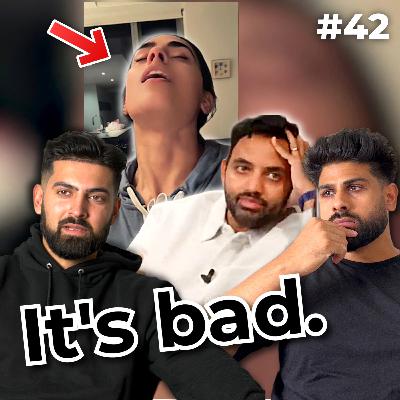
Well, is this whole Jasleen / Akaash Singh situation just for clout? Is it because Jasleen is not a good person/wife? We give our thoughts on the whole situation.We're breaking down the Akaash Singh and Jasleen Singh drama that's been all over the internet. This whole situation with Andrew Schulz's co-host has people talking about relationship drama, toxic relationship dynamics, and whether this is all just a publicity stunt or something deeper.Jasleen's viral TikTok about her college roster, white boy frat houses, and nostalgia for her college days sparked massive controversy in the Punjabi community and South Asian relationships discourse. The "popping" comments, virginity claims, and body count questions have the internet divided. We get into the awkward kiss situation, PDA avoidance, and why people think there's real issues behind the comedy.Jasleen did open up about her abusive dad, parental abuse, childhood trauma, and time in a battered women's shelter. We discuss how daddy issues, generational trauma, and trauma response might explain the toxic parenting cycle and current relationship red flags.We cover the prenup red flag controversy, stay at home wife lifestyle, gold digger accusations, and financial abuse concerns.Fresh and Fit's Myron Gaines (Amrou Fudl) previously appeared on Flagrant, sparking red pill and alpha male narrative discussions. We compare that episode to this Flagrant episode backlash and the internet outrage culture around relationship accountability.Indian podcast controversy and brown girl drama hit different when it involves South Asian dating, Indian dating culture, and cultural shame and honor. The brown community discourse around this touches on Indian hate, misogyny and backlash, and gender double standards that affect Indian comedian content and South Asian podcast spaces.Public relationship scrutiny through oversharing on social media and feeding the algorithm raises questions about authenticity vs performance. We reference similar situations like Will Smith Jada, Ayesha Curry, and Steph Curry dealing with celebrity marriage problems and public embarrassment. Reality of fame means celebrity publicity stunts and PR stunt rumors follow any marriage controversy or viral relationship drama.The narcissist prayer, narcissistic personality traits, and gaslighting in relationships show up in relationship double standards and toxic relationship dynamics. Emotional maturity, boundaries in relationships, and relationship advice matter more than internet memes and online clout chasing.Modern marriage debates cover trad wife vs modern wife expectations, modern dating discourse, modern women standards, and marriage problems beyond just prenuptial agreements. The psychological analysis of trauma and relationships shows how childhood trauma and women's shelter experiences create relationship red flags.Crowd work comedy and Akaash Singh stand up built his career, but comedian insecurities and marriage accountability now dominate the conversation. Indian comedian spaces, comedy podcast culture, and Punjabi culture debate intersect with viral podcast drama.Internet pile-on culture, parasocial relationships, and commentary podcast reactions flood YouTube trending podcasts and Spotify trending podcasts. The viral reels controversy, podcast clip reaction videos, and TikTok drama show how internet drama and podcast drama spread.Celebrity marriage breakdown, marriage advice, and empowerment vs disrespect questions matter for content creator toxicity and influencer accountability. Social media influence on marriage, social media persona maintenance, and internet commentary create public humiliation online.Healing trauma, therapy and relationships, and South Asian mental health resources help with walking on eggshells, OCD and control issues, and female vs male toxicity comparisons. Marriage controversy shouldn't overshadow real healing from abuse and breaking generational cycles.
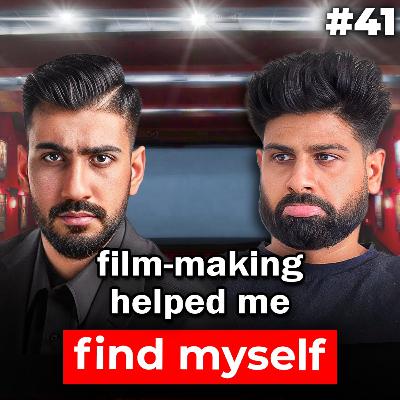
Jacquille Kambo, the man behind several films and many more to come, joins us this episode where we talk about how we have known each other over the years, and the impact we both had on each other without knowing it at the time.We talk about his experience being in the industry, what inspires his creativity, and how he’s learned to take care of his mental health.This was a great open and honest chat and we hope you enjoy the listen!!More details:We sit down with Jacquille Kambo, a Vancouver-based filmmaker, writer, and director who's been creating short films that tackle everything from gang violence to mental health in the Punjabi community. This conversation gets real about childhood friend reunions, creative journeys, and what it means to chase your dreams when everyone expects you to take the safe route.The story starts with greenday44 - a YouTube channel making Vancouver Canucks hockey highlights set to Green Day and punk rock back in the early YouTube era. Before algorithms and viral content, there were CDC forums, megaupload, and kids making music videos in their bedrooms with zero confidence to share them.That hidden creativity sparked something bigger than either of us realized at the time.Jacquille talks about his path through Capilano University film school, creating Help Wanted and Mentor - short films dealing with sense of belonging, cults, pyramid schemes, and the darker sides of searching for family. His work draws heavy inspiration from Christopher Nolan, The Dark Knight trilogy, film noir, cinematography and color theory, and storytelling with music.We break down Batman, Hans Zimmer's scores, Inception, Interstellar, Oppenheimer reactions, and why Marvel and Robert Downey Jr. still matter to cinema.The conversation shifts to mental health and creativity - therapy journey, clinical counselling, inner child work, and men talking about feelings without the usual bullshit.We discuss toxic masculinity, masculinity and vulnerability, Punjabi parents expectations, immigrant parent support, and how the South Asian community and Punjabi Canadian creators navigate corporate jobs vs art while dealing with ego and competition in Vancouver's cliquey creative scene.Vancouver vs Toronto comes up - why supporting local artists matters, collaboration vs competition, and whether the Punjabi creative scene can grow together or if comparison culture and social media pressure keep everyone separated. Content creation has exploded with TikTok and Reels culture, AI generated video, and podcasts in traffic becoming the norm, but building community through art still requires real human connection.We also get into Vancouver Canucks fandom, NHL loyalty, hockey highlights, what sports mean to a city, and why that orca logo represents more than just a team. Plus thoughts on ADHD and movies, editing and pacing, Bollywood influences, classic rock, movie genres, Hollywood standards, and creative burnout when you're trying to leave a legacy while staying true to yourself.This one's about childhood friends reconnecting, creative confidence, following creative dreams despite the noise, and understanding that film noir isn't just an aesthetic - it's a way of seeing the world. Whether you're into filmmaking, mental health in Punjabi community discussions, or just want to hear two people talk honestly about the creative process without the usual podcast BS, this conversation covers it all.
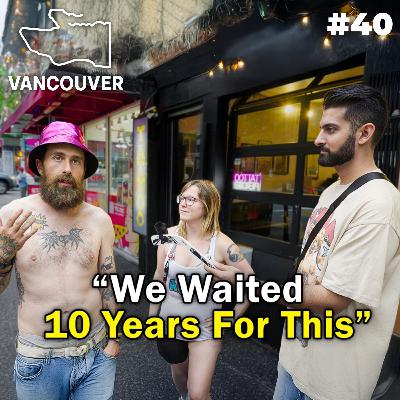
We went out for a 2nd day after the last one to do some street interviews back in September and asked people about what they really liked about Vancouver, conspiracy theories they actually believe in, and even some more serious questions around mental health.We got some interesting answers this time. Every person is unique and that's what we love about Vancouver. What are your thoughts on people's answers? What should we ask next time?More Details:Back with day 2 of our street interviews, hitting up spots in Vancouver like English Bay, Granville Street, and Robson Square. We asked Vancouverites random questions and got some interesting answers.This episode covers everything from pandemic habits that stuck around to controversial questions like "would you rather have a gay son or thot daughter?" Yeah, we went there. We also dove into conspiracy theories including giant people theory, giants in BC, and even touched on CIA origins and vampire theories. Some of these stories are legitimately insane.The Vancouver culture really came through in these interviews. We talked to locals about homelessness in Vancouver, the Downtown Eastside situation, mental health resources, and mental health awareness. People had strong opinions about what technology regrets they have - Bluetooth speakers and leaf blowers were getting roasted hard. We also got into the OnlyFans debate which sparked some interesting perspectives.Music taste came up constantly. From opera music reactions to Drake songs, EDM tracks, Taylor Swift, and Travis Scott, people shared what songs describe their life right now. One person even started singing in public using their Spanish singing skills from Duolingo language learning.The multiculturalism and diversity discussion was huge, especially comparing Newfoundland vs Vancouver. We heard from international students in Vancouver, people from Galiano Island BC, Victoria BC, and Vancouver Island talking about the large population, natural beauty, and Vancouver nature and mountains. The cost of living BC and dating in Vancouver also came up multiple times.Some highlights include the Danny DeVito tattoo story about tattoos for fallen friends, people discussing their germaphobe tendencies and daily walking routines post pandemic life, video games like Valorant, and even ChatGPT mention that got dark. Social media addiction and internet addiction were common themes - one person literally deleted Instagram and came outside to talk to strangers instead. The hate comment sections and online comment culture discussion hit different.We covered stranger interactions, awkward moments, and funny interviews throughout Granville Strip, dealing with Vancouver rain and weather complaints. Random acts of kindness, overcoming rejection, and life advice from regular people made this episode special. The Canadian lifestyle and Canadian humor really shined through, especially with the earthquake talk and Apple Store jokes.This compilation of public opinions shows what makes Vancouver content unique - talking to strangers, street comedy, viral questions, and controversial questions that get real answers. Marc Jacobs host (not actually) lead these public interview compilation moments with comedic podcast energy.Whether you're into podcasting tips, content creation, street style interviews Canada, or just want to see honest Vancouver reactions from Vancouverites, this EP40 Final delivers. The Vancouver kindness and community came through even in the awkward moments and inventions regretted rants.Perfect for video podcast Canada fans on both Spotify video podcast and YouTube podcast episode 40. This is Limelight Podcast Vancouver doing what we do best - social experiment content that's actually entertaining.PS - we made it... to EP40... or is it EP40.11.6 🤔

We went out for our 2nd time ever to do street interviews back in August and asked people about what they really liked about Vancouver, conspiracy theories they actually believe in, and even some more serious questions around mental health.We got some great answers. Every person is unique and that's what we love about Vancouver. What are your thoughts on people's answers? What should we ask next time?More details:We hit the streets of Vancouver to get real takes from real people. After doing two days of street interviews around English Bay, we sat down to react to everything we captured. From deeper conversations about mental health to wild conspiracy theories and everything in between.Vancouver came up a lot, obviously. People talked about Vancouver nature and beaches, the incredible Vancouver sunsets, the brutal cost of living Vancouver residents deal with, and the housing crisis Vancouver can't seem to shake. We got perspectives from locals and visitors, including comparisons between Montreal vs Vancouver and even heard from students visiting from Germany and Italy experiencing major culture shock. The job market Vancouver offers (or doesn't) was another hot topic.Healthcare Canada debate dominated several conversations. We discussed mental health Vancouver, mental health access Canada, and how difficult it actually is to get help when you need it. Natural medicine vs pharmaceuticals came up, and people shared thoughts on alternative medicine debate, medication dependence concerns, and pain management discussions. We heard serious illness journeys, non-traditional wellness stories, and emerging mental-health modalities that are changing how people think about healing. Plant-based wellness topics and mindfulness walking therapy were big themes too.The pandemic lifestyle changes people made stuck around. Meditation and mindfulness became daily practices for some. Breath work walks turned into serious self-care routines. Gratitude and nature took on new meaning. People realized beaches vs winter weather actually impacts mental health, and vitamin D and mood are directly connected.Social media addiction was huge. We talked about deleting social media, the difference between YouTube vs social media platforms, TikTok addiction destroying attention spans, and brain rot content taking over. One person went seven years without social media. Anonymous internet hate and online trolling problem came up—people are tired of the toxicity. Online civility does not exist anymore. We compared Reddit vs X (Twitter) and discussed why social media hiatus periods are becoming necessary.CBC journalism Canada got defended by an actual former CBC reporter we interviewed. Tim Hortons employees discourse happened (those workers deserve respect). Immigration debate Canada came up naturally. Someone even mentioned language police Quebec which sent us down a rabbit hole.Conspiracy theories discussion went wild. Aliens and UFOs, obviously. Avril Lavigne replacement theory versus John Lennon conspiracy. We debated inventions we regret—nukes, guns, AI concerns and future implications. ChatGPT education debate sparked disagreements about whether AI helps or hurts learning.Public opinion vox pop style, we asked the invisible hypothetical question (what would you do if you woke up invisible?) and heard incredible acts of kindness stories that restored our faith in humanity.Students and college life perspectives added younger voices. Canucks hockey fans showed up representing hard. Vancouver Canucks love is real, and Rogers Arena vibes are unmatched. Sports fandom community brings people together unlike anything else.We kept it real, kept it Vancouver, and captured what people actually think when you put a mic in their face. Shoutout to everyone who stopped to chat with us at English Bay. And yeah, we referenced the NPC social media trend because we literally saw one in real life.
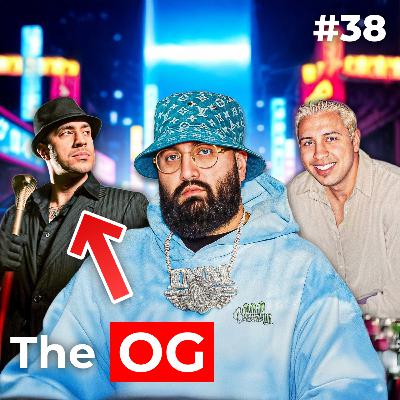
This episode discusses alcoholism and mental health struggles.We share this story with deep respect and love for someone who impacted many lives positively, while also being honest about the challenges he faced.Our goal is to reduce stigma and help others recognize when someone needs help.IF YOU OR SOMEONE YOU KNOW NEEDS HELP: Please know you are not alone. Resources are available, confidential, and free.- Crisis Text Line: Text HOME to 741741 (US/Canada).- Vaapsi (vaapsi.org)Mindy and Intense share an open and raw conversation about the early days of Intense's career, before all of the fame, and before Mindy was locked up.The two met each other through Dove (Teflon Don), who we honour in this episode along with Deep Cold. Both of which were way ahead of their time.Mindy and Intense have every intention to release Dove's music and we'll let you know when the music is publicly available. For now - enjoy our intro song along with the sneak peak of his verse + chorus which we have never shared before.This episode is dedicated to Teflon and Deep Cold, the pioneers of Punjabi rap. Their vision was ahead of its time and they were taken from us way too soon. Forever in our hearts. Not a day goes by their presence isn’t felt. More details:We sat down with DJ Intense (Aneil Kainth), the legendary Punjabi music producer behind hits like Excuses Producer credits, and talked about everything from his journey in the Punjabi music industry to the loss of our friend Teflon Don (Dove). This emotional podcast got real about friendship in music industry, alcoholism awareness in the Punjabi community, and the untold stories behind Punjabi hip hop.Intense, the Surrey BC music producer from Strawberry Hill, opened up about his early days making remixes and beats, working with Punjabi rap pioneers like Deep Cold from Houston, Sonny Brown (also spelled Sunny Brown in some credits), and Kamala Punjabi. We discussed the formation of Three Singhs (3 Singhs), their group that was part of International Mafia (IM) - the label they started with Yo Yo Honey Singh.The conversation covered Intense's collaborations with Diljit Dosanjh as producer, his Sidhu Moose Wala collaboration including "It's All About You" Sidhu, working with Karan Aujla, AP Dhillon, Guru Randhawa, Jasmine Sandlas, and creating the producer tag "Intense" that's become iconic in Punjabi music. We talked about his work on International Villager with Honey Singh, the Universal Music India deal, boardroom deal story moments, and behind the scenes India experiences at PTC Awards Chandigarh and the Bombay/Mumbai music industry.Mindy shared his life in prison while Intense was building his music legacy. We also explored artist tragedies including the Deep Cold story and how these shaped the punjabi rap music scene.From DJ life weddings to becoming a music executive at Double Up Entertainment, Intense talked about artist development, the creative process beats, his synth-driven Punjabi sound, Punjabi trap beats, and making everything from Punjabi romantic songs to rap beef music and chill vibes tracks. We also went over the evolution from bhangra fusion to the global Punjabi sound while discussing Bollywood music versus Punjabi music, Bollywood vs Punjabi music debates, and Western vs Punjabi music differences.This podcast touched on unreleased music including unreleased Sidhu music, Tupac influence on the scene, collaborations with Yukmouth, Spice 1, Outlawz, Young Buck G-Unit, and connections with Jazzy B, Bohemia, Mika Singh. This Punjabi producer interview reveals the Punjabi industry struggles, success and failures, and personal growth stories from the Strawberry Hill hood.
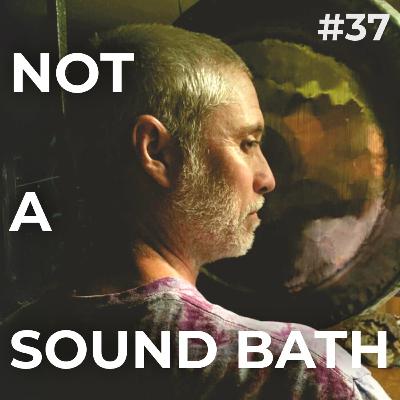
I had never really looked into sound baths before, let alone plan to attend one in person.Although David Hickey of @crystaljourneyman doesn't like to call them sound baths, they are definitely not your average concert.The gongs and crystal bowls make specific frequencies of sound and in my personal experience, there is some sort of therapeutic effect.In our previous episode with Dr. Valorie Masuda, she shares that they do in fact use sound baths as a form of therapy.David has given a lot to evolving his Crystal Journey shows and if you have not yet already - have a look if he's playing in your city and experience it for yourself!Keep up to date with David Hickey on facebook: https://www.facebook.com/crystaljourneyMore details:I sat down with David Hickey from Crystal Journey, a Canadian musician who's been performing sonic concerts for over 20 years. David plays planetary gongs including Mars gong, Venus gong, Earth gong, Jupiter gong, Saturn gong, moon gong and symphonic gong alongside crystal bowls, singing bowls, harmonica and santur. His sound healing approach draws from Pythagoras frequencies and creates immersive sound experiences.David discovered his path after following the Grateful Dead and Jerry Garcia for five years, attending over 150 concerts as a Deadhead. When Jerry Garcia passed away, David found crystal bowls and gongs filled that musical void. His journey started with a single show in Hamilton, Ontario using Rubbermaid tables, evolving into cross-Canada tours through word of mouth and grassroots promotion.We met David at Salt Spring Island's Ganges Yoga Studio, owned by Luna, after attending his meditative experience. His approach differs from typical sound baths - he calls them sonic concerts with completely improvised music. David’s ADHD keeps him moving. He creates therapeutic music that promotes stress relief, relaxation and holistic healing through vibrational therapy.David's upcoming 60 shows in 60 nights tour spans British Columbia, Ontario and Saskatchewan, probably makes him the first solo artist to attempt such an ambitious touring schedule. His live performance style incorporates frequency healing, 432 Hz music and vibrational healing principles. The quartz crystal bowls and planetary gongs create soundscapes for meditation, mindfulness and spiritual journey experiences. From Pink Floyd and 80s music influences to Bob Dylan comparisons, David's music evolution represents alternative wellness approaches. His concert experience offers healing music without claiming medical benefits, focusing on live sound experience and ambient music for wellness. Each gong concert and gong bath provides transformational music through sacred sound and healing vibrations.The Canadian sound artist continues touring as a solo artist, bringing new age music and therapeutic sound to yoga studios and wellness centers. His sound therapy sessions offer music for meditation and music for relaxation through immersive sound meditation concerts across Canada.
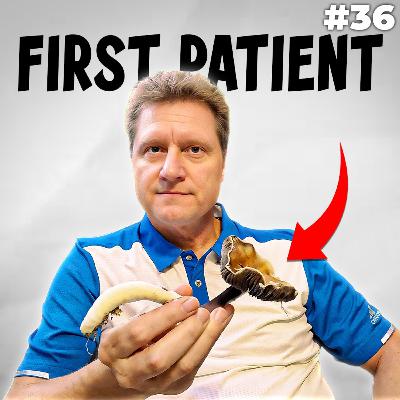
In loving memory of Thomas Hartle, who left us one year ago today, on August 13th.When I first spoke with Dr. Valorie Masuda in 2022, I had this conversation with Thomas not long after. After releasing our recent podcasts from the (first) doctor's perspective of psilocybin assisted therapy for end of life distress, it's only right we share the first patient's experience.Thomas was so open and vulnerable that it's hard to not feel emotions listening to him share his story.His legacy lives on as more and more patients receive access to psilocybin therapy who desperately need it. If you are looking to learn more about psychedelic therapy as a health practitioner or are looking for this treatment for yourself, please reach out to @TheraPsil for more information.❤️❤️❤️More details:Thomas Hartle became the first Canadian to receive psilocybin assisted therapy legally through Health Canada's Section 56 exemption program. Diagnosed with stage 4 cancer in 2016, Thomas underwent 78 rounds of chemotherapy throughout his journey, experienced remission, then faced another tumor recurrence that sparked severe end-of-life anxiety.After finding the Johns Hopkins psilocybin study showing 80% success rates for existential distress, Thomas applied for legal access through TheraPsil organization. His anxiety score dropped dramatically from 36 to 6 after his first heroic dose treatment with Dr Bruce Tobin. He's now completed six legal psilocybin therapy sessions using both Section 56 exemption and Special Access Program pathways.Our conversation goes into Thomas's cancer journey starting with an initial Crohn's disease misdiagnosis, multiple surgeries including ileostomy, HIPEC heated intraperitoneal chemotherapy, and his ongoing palliative care. Thomas talks about dealing with chemotherapy side effects, how he recovered from neuropathy using lion's mane mushrooms, and various adjuvant treatments like turkey tail mushrooms he discovered through PubMed research.He walks us through his actual psychedelic experience - the ego dissolution, consciousness expansion, preparatory sessions, integration therapy, and set and setting protocols. His treatments had him blindfolded with headphones on listening to the Johns Hopkins playlist, guided psychedelic sessions, and safety monitoring by medical practitioners.We get into the healthcare bureaucracy challenges, patient advocacy work, and Thomas's charter challenge against Health Canada's restrictive policies. There's discussion about clinical trials versus compassionate access, treatment-resistant depression applications, and psilocybin therapy training for practitioners.Thomas opens up about spirituality versus religion, consciousness after psychedelic experiences, and the increased empathy he felt after treatment. We talk about pharmaceutical industry models, patient rights advocacy, and where the psychedelic medicine movement is headed in Canadian healthcare.The conversation also covers autism spectrum parenting anxiety, caregiver stress, survivor's guilt, family support systems, and end-of-life care alternatives. Thomas explains his work with TheraPsil, training new therapists, and why he documented his sessions for educational purposes.What really stands out is the contrast between having Medical Assistance in Dying readily available while anxiety-reducing psilocybin therapy remains so restricted for terminal patients. Thomas advocates for medicalization rather than full legalization, focusing on therapeutic applications over recreational use.We cover a lot of ground including Dr Valorie Masuda's work, Minister of Health Carolyn Bennett, psychedelic synesthesia, macro-dose versus micro-dosing, oncology mental health, harm reduction, neurogenesis, meditation practices, preparatory therapy, integration sessions, Saskatoon clinical access, and Jamaica retreat experiences.
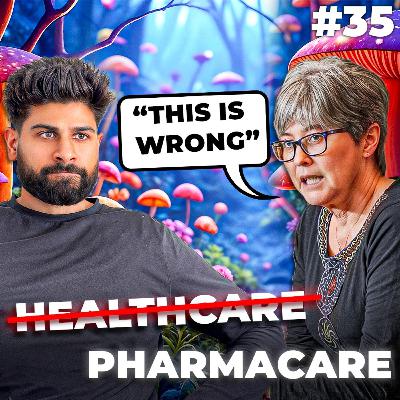
This is part 2 of our chat with Dr. Valorie Masuda who shares more details on how our current healthcare system in Canada works, and how it's not supporting "health" but rather supporting pharmaceutical companies.Some of this information was quite surprising to us, including how she quit chemotherapy practice because of her own ethical dilemma. Not many patients are given a choice about living their last days how they want, but rather often recommended by doctors to make regular hospital visits.It's sad that in Canada it's easier to request to leave your life behind than get mental health help in the ways we've described with natural resources and therapy.This needs to change.If you would like to learn more about psychedelic therapy please reach out to @TheraPsil you're in Canada. If you are looking to donate to future clinical trials, reach out and we can point you in the right direction.Dr. Valorie Masuda is the first physician in Canadian healthcare history to prescribe magic mushrooms, and we got to sit down with her to talk about her groundbreaking work with psilocybin and psychedelic therapy for terminal illness patients. As a palliative care specialist, Dr. Masuda breaks down how the Canadian healthcare system focuses way too much on pharmaceutical care instead of holistic medicine and social determinants of health.We went over crazy cancer treatment costs, chemotherapy, immunotherapy, and radiation therapy expenses compared to basic stuff like food access, safe housing, clean water, family doctors, dentistry, and hearing aids. Dr. Masuda explains patient choice, patient autonomy, and quality of life decisions when it comes to end-of-life care, medical assistance in dying (MAID), and dying conversations.She told us about mental health applications including trauma, depression, anxiety, PTSD, addiction, and substance use disorder treatment through psychedelics. We talked about the opioid crisis, underground therapy, ketamine therapy, MDMA therapy, and medicinal cannabis versus what the pharmaceutical industry pushes.Dr. Masuda walked us through her clinical trials, Special Access Program (SAP) work, and how she's working with Victoria Hospitals Foundation for fundraising. She mentioned TheraPsil, legalization efforts, politics in healthcare, and why we need political courage for real healthcare reform.Thomas Hartle's story shows how hard it is for patients to get psychedelic therapy. We covered default mode network research, neuroplasticity, consciousness studies, and healing trauma through alternative medicine and integrative therapy approaches.Dr. Masuda got real about compassion fatigue, medical ethics, ethics in medicine, and humanity in medicine. She explained why she quit chemotherapy practice because of treatment costs and drug costs while patients can't even get basic social determinants of health.We talked about prison rehabilitation, therapeutic jurisprudence, harm reduction, and community support models. Indigenous traditions, shamanic healing, and community care are totally different from the end of life denial and life extension priorities we see now.Healthcare funding, medical research, therapeutic breakthrough potential, and medical innovation through psychedelic therapy could actually help with existential suffering, isolation, and mental illness. Dr. Masuda's work on Vancouver Island shows what compassionate care and medical compassion look like for terminal illness treatment.We wrapped up talking about environmental factors causing cancer rates, prevention strategies, and building a grassroots movement for healthcare system change through this revolutionary approach to end-of-life decisions and substance abuse treatment.
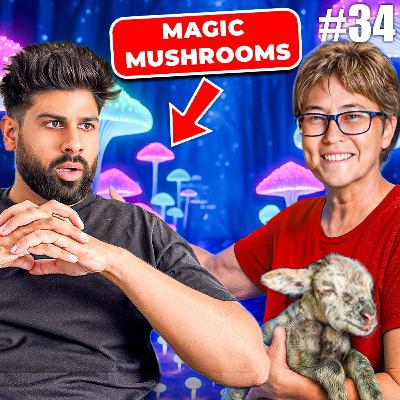
This episode is the most important one we've released thus far. It's been one we've had in mind before we even started Limelight.Mental health is the most important issue we're facing in the first world and there are many people suffering and coping in different ways. In the Vancouver area, yes we have an opioid crisis but really, it's a mental health crisis at its core.Psychedelic compounds such as Psilocybin have the ability to heal one's mental illnesses and not with daily doses, even with as little as one with positive effects lasting upwards up a year to 18 months.We hope this episode reminds you that you are not alone with your feelings, and there is natural medicine that can really help many of us - it just isn't freely accessible.Dr. Masuda said it best: if it didn't work so well, there wouldn't be a huge market in the underground. However, this makes it more risky due to the lack of professional accountability that our healthcare system has.If you would like to learn more about psychedelic therapy please reach out to Therapsil if you're in Canada. If you are looking to donate to future clinical trials, reach out and we can point you in the right direction.https://www.instagram.com/limelightpodhttps://twitter.com/limelightpodXhttps://www.tiktok.com/@limelightpodAnonymous submissions: www.limelightpod.comMore details:Dr. Valorie Masuda breaks down legal psychedelics and psilocybin therapy in Canadian healthcare through Health Canada's special access program. She's Canada's first doctor to prescribe psychedelic mushrooms for terminally ill patients, explaining how psilocybin clinical trials are transforming palliative care and end-of-life anxiety treatment.Psilocybin therapy tackles existential distress in cancer patients using community therapy and group integration sessions. Dr. Masuda's approach with therapeutic psychedelics shows real healing without cure for people facing life threatening diseases. She combines spiritual healing with medical psychedelics, creating breakthrough therapy for PTSD, trauma processing, and depression treatment.We cover psilocybin legal access Canada through section 56 exemptions and clinical trials. Dr. Masuda explains preparation for psychedelics, self-regulation techniques, and psilocybin integration therapy in Canadian healthcare systems. Her work with Roots to Thrive and Thomas Hartle shows psilocybin's effectiveness.The conversation includes Maria Sabina's indigenous medicine traditions, Albert Hofmann's discoveries, and Richard Nixon's impact on psychedelic medicine. Dr. Masuda discusses shamanic traditions, set and setting principles, and natural medicine uses.Alternative medicine includes ketamine therapy, ayahuasca, ibogaine, MDMA, and LSD research for substance use disorder and addiction treatment. The opioid crisis connects to psychedelic renaissance movements, showing pharmaceutical industry limitations versus plant medicine potential.Cancer patients get anxiety relief and trauma therapy through ritual and ceremony practices. Medical assistance in dying (MAID) contrasts with psilocybin therapy group models addressing attachment and death processing. Quality of life improves through spiritual crisis work, demonstrating effective treatment.Dr. Masuda's Vancouver Island research covers psilocybin safety Canada protocols and holistic medicine integration. Oncology applications show consciousness expansion benefits for pain management and grief processing.Gabor Maté's trauma research connects to psilocybin depression treatment and addiction recovery research. Near-death experiences relate to psilocybin and dying acceptance, while self-compassion development supports dignity during terminal illness progression.Mental health applications extend beyond end-of-life anxiety to broader therapeutic psychedelics use. Research funding challenges affect progress, requiring continued advocacy for breakthrough therapy recognition in medicine approaches.
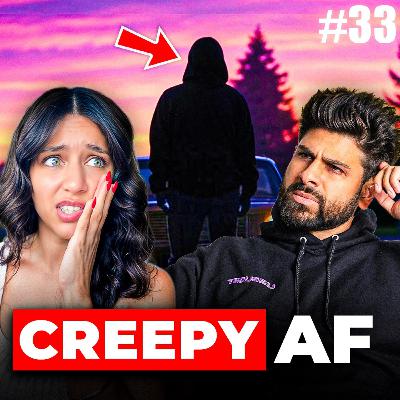
This is part 2 of our conversation with my cousin sister, Taran Bhela, a make up artist in the Greater Toronto Area, known as @beautybybhela.Getting popular online comes up with many positives; it's why so many people get into it, however not many people talk about the other side of it where it can be dark and creepy.Taran isn't a celebrity by any means, however, she's had some interesting experiences, particularly a man who followed her home one day. This was of course shocking and tough to deal with for her, but she's now more aware of how this could happen and the outcome could have been much worse. We also go over how it was for her growing up with strict Punjabi parents, and how what she has learned from that experience that she can share with others. Many children of all cultures may grow up with strict parents and may relate.It's not uncommon for people to be best friends with someone only to cut ties with them as time goes on. Taran shares her experience with this and how she is more aware of the friends she spends the most time with, and the importance of family.Indians get a lot of hate online, but it's not just us. Taran has friends that are muslim and while visiting Dubai, to support her friends she decided to fast one day for Eid. The comments she received on her post for this, from Punjabi people, was unacceptable and not what being Sikhi stands for.There is a lot of things that don't get spoken about enough in our community, and we felt bringing Taran to speak about her upbringing and life experiences since would be good for others to hear. https://www.instagram.com/limelightpodhttps://twitter.com/limelightpodXhttps://www.tiktok.com/@limelightpodMore details:Taran Bhela speaks about her journey as a Punjabi influencer navigating social media fame in our community. We discuss the reality of being a content creator, from getting recognized in public and having to deal with people having no boundaries, and the responsibility that comes with being a role model.Our conversation covers a serious stalking experience where someone followed her home from a grocery store, highlighting the importance of social media safety and women's safety. Being recognized and getting public attention has changed her daily life as a Punjabi influencer.Growing up with strict parents in Punjabi culture, we talk about her journey toward independence and breaking free from a strict upbringing. She shares how desi family expectations in her early years played a role in her development and how she eventually found balance between honouring her culture and living authentically.Taran also shares a story about a friendship breakup and toxic friendships she had, talking about fake friends and the challenge of maintaining organic relationships while dealing with social media fame. Her long term relationship breakup becomes a story of healing after breakup, self-discovery, and rediscovering self through personal growth and emotional resilience, which many people experience.Another topic we cover is cultural acceptance when she discusses supporting her Muslim friends during Ramadan, facing hate comments about religious tolerance, and maintaining cultural respect despite online criticism. We address the lack of female role models in the Punjabi community and influencer responsibilities toward female empowerment.As a makeup artistry professional managing brand collaborations, she explains the social media impact on her content creation journey and dating in 2025. We discuss mental health, emotional strength, and the social pressure that comes with celebrity status while maintaining authenticity and being human first.We talk about how there is also a gap between influencer expectations versus reality, the balance between online fame and privacy, and how she uses her platform for inspiration while staying true to her values and maintaining positivity despite the challenges of being an influencer.
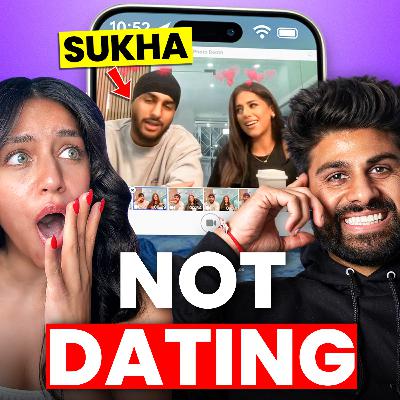
Let's set the record straight, my sister is not dating Sukha. This is a fun episode with my cousin sister who's blown up social media.She was in a couple reels with Sukha, the Punjabi singer, and right away everyone thought they were dating. Not just random people, even our own family. Sukha's a great artist and I'm proud of how he's growing as a great artist and Preeti ( @Beautybybhela ) for collobarating with him.In part 1 (of 2) we talk about her journey as she started making social media content, how her family took it, and how the whole Sukha rumours started, and what actually happened.But yeah spoiler alert - she was never dating Sukha lol.More details:In this episode, we have a chat with Beauty by Bhela (Taran Bhela), my cousin who's blown up as a MUA and social media influencer. It includes more information about her content creation journey from posting makeup art during lockdown to becoming a major name in the Toronto influencer scene and brown community.Taran opens up about the viral TikTok collaboration with Punjabi singer Sukha that sparked dating rumors across social media like she never would have expected. She breaks down what really happened behind those music video collaborations and how dealing with online rumours affected her. We also go over how her parents reaction when they discovered her modeling gigs and the South Asian culture clash that comes with being a Punjabi model in the Instagram growth era.From Halloween makeup and Christmas makeup tutorials to Punjabi bridal modeling and Indian bridal makeup, Taran shares her evolution from Snapchat content to building a personal brand. She talks about negotiating brand deals, paid modeling rates, and the reality of DMs from fans while maintaining content creator boundaries.We discuss her makeup tutorials for beginners, bridesmaid makeup inspiration, and how the TikTok algorithm success changed her career goals. Taran reveals why she turned down major opportunities in the Punjabi music industry, her approach to photography shoots, and balancing life as an early childhood educator with being a makeup artist Canada.
In this episode we go over what some will call a big upset for the Conservative Party of Canada (CPC), and an incredible come back win for the Liberal Party of Canada (LPC).We are not a political podcast and we are sharing our own real life perspective, outside of just the internet, of why the results ended up the way they did.The three of us have our own perspectives that shape who we voted for, and the truth is, we have policies from all major parties that we agree and disagree with.At the end of the day - we are here now and our focus should still be to unite as a country rather than divide us farther apart.Many YouTube channels are doing the opposite - but the truth is - they would have no content or views if they focused on uniting, sadly.If there is something you are passionate about - rather than complain online all day - write to your MP and get others to do the same if they agree with you. We are privileged to have a democracy and should be exercising these rights.More details:In this episode we go over the results of the Canadian federal election 2025 where Mark Carney became Prime Minister after Justin Trudeau's resignation, defeating Pierre Poilievre, the Conservative Party leader; a very unexpected result, especially just a few months ago. Pierre Poilievre loses his seat in his very own riding. This sparked claims of gerrymandering Canada and political campaign mistakes across the country.Our discussion covers the tragic 2025 Vancouver car attack at Lapu Lapu festival Vancouver that devastated the Filipino community Canada. We address the Vancouver tragedy's impact on Canadian multiculturalism and how social media comments revealed widespread political racism Canada and hate speech online.We also discuss Alberta separation talk led by Danielle Smith Bill 54, the 51st state rhetoric, oil pipelines debate, and carbon tax repeal affecting Canadian US relations. Donald Trump Canada tariffs and Trump + Canada relations bring new challenges for economic policy Canada while Indigenous treaty land rights complicate energy discussions.Political polarization Canada emerges through social media influence politics, political echo chamber effects, and rage bait content driving political division Canada. We explain how hate speech online and echo chamber social media contribute to racism in politics, particularly affecting immigration debate Canada and Canadian immigration policy discussions.Mark Carney leadership represents a shift from previous approaches by the Liberals, while Conservative vs Liberal Canada tensions highlight a big divide in our country. Jagmeet Singh and the NDP collapse, alongside People's Party Canada growth, reshape federal election results and voter turnout Canada.Political social media and political memes influence election strategy Canada, creating new dynamics in political commentary podcast discussions. We explore Canadian identity, Punjabi culture Canada, Quebec politics, and Canadian political racism while examining Pipeline politics Alberta and Indigenous rights Canada.The mental health Canada crisis connects to broader immigration Canada policies and Canadian multiculturalism challenges. Political campaign mistakes and gerrymandering claims highlight ongoing political division Canada affecting Canada election analysis moving forward. We examine how Vancouver politics and festival safety policies intersect with public event safety concerns and the mental health crisis affecting communities across the country.
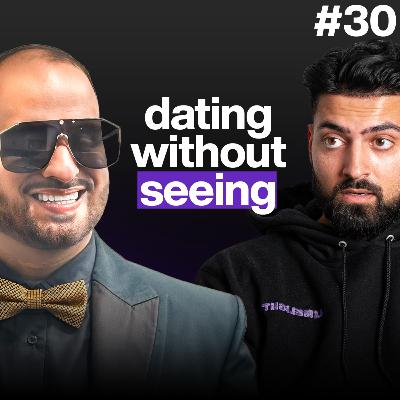
In this episode we bring on a very talented guest, Jugpreet (Juggy) Bajwa, who's been on reality shows, won awards, sang anthems at NHL games for the Vancouver Canucks, and has also released music of his own.There's a lot we can learn about our senses and how we perceive the world. Us being able-bodied, we take for granted a lot of the time that we have all our senses and abilities, however, as Juggy shares with us, often we forget to really feel what's happening around us.Juggy shared how he can tell when he's walking on grass, and can feel the sun hitting him, which really made us think about how when we're outside and the sun is hitting us, we almost don't notice it (unless it's too hot!).Learning these things start with hearing different perspectives. There was a lot more we learned about what living life without vision, including relationships, people's perception of you, and more. More details:In this episode, we have a good chat with Jugpreet Bajwa, a talented blind singer and Punjabi musician whose inspirational story will leave you uplifted. Juggy shares his journey with music, from singing at karaoke parties as a kid to becoming a Sa Re Ga Ma Pa top three finalist on an Indian reality show and proudly performing O Canada as the Vancouver Canucks’ Canadian anthem singer. Juggy was diagnosed with retinoblastoma at 6 months old. He opens up about life with blindness, navigating visual impairment and embracing heightened senses like his auditory cortex adapting for multi-sensory living.Juggy's glass-half-full mindset shines as he talks about overcoming challenges in his life and the music industry. With a cancer survivor spirit, he’s earned honors like the Queen Elizabeth Diamond Jubilee Medal and community leadership awards. He dives into accessibility and independence, sharing how self-advocacy, family support, and social support have shaped his path. His love for Punjabi music and pop music, which is inspired by artists like Bruno Mars, fuels his songwriting process, with his upcoming single Timeless Memories on the horizon.We also go over Juggy's experience with dating while blind, and what he finds attractive. He reflects on sense of smell, inclusive relationships, and how Punjabi culture diaspora influences his life. The conversation touches on future tech like self-driving cars, Neuralink, Neuralink discussion, and LiDAR glasses concept, plus AI accessibility; all part of his vision for adaptive technology.Juggy's message is clear: turn limitations into strengths. He shares personal growth through failure and how he used music therapy as a lifeline. 0:00 Intro2:23 Early life: cancer, blindness & love of music 7:07 Teaching kids about senses 11:15 Optimism, support networks & learning from failure 26:00 Indian reality-show journey (Sa Ra Ga Ma Pa) 33:08 People trying offer up a cure for blindness44:08 Dating without seeing57:54 Musical influences 1:08:34 Music-industry realities1:15:29 Neuralink for disabled people1:31:17 Food, smell & favourite tastes1:45:23 Closing thoughts & live performance
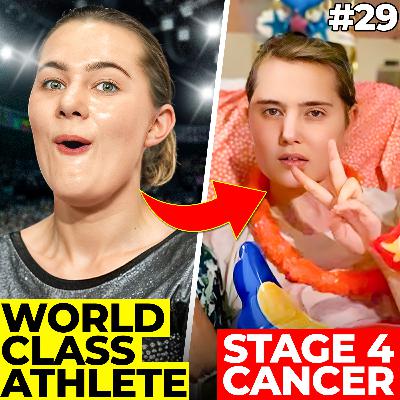
This episode was definitely the most difficult one I've ever had to edit. So difficult in fact, that this was filmed over a year ago and I avoided rewatching it until now.Tamara O'Brien is an incredible human and I'm so glad I had the privilege of getting to know her, and so grateful for the impact she had on my life, and so many others.There is only one other person I have ever met that matched Tamara's spirit - and that's Mindy. We were chatting about it in one of our earlier (unreleased) episodes, only for us to find out that the date and time of her passing, was almost exactly as Mindy was released from his sentence.We all get down on ourselves, and can feel insecure and sad about who we are. It shouldn't take a life altering event to make us rethink these negative thoughts.Let Tamara's story serve as a reminder that you are worth much more than you might believe. Life is short - don't spend it always being hard on yourself.Cancer is a horrible disease that takes the lives of so many each year. Every May, in honour of Tamara, a bunch of our friends get together and commit to working out every day for at least 30 minutes to raise money and awareness for BC Cancer Foundation.Feel free to join us at limelightpod.com.0:00:00 Intro00:02:00 How I met Tamara O’Brien00:16:29 Tamara O’Brien wins Silver for Canada00:20:40 Tamara’s Cancer Diagnosis00:25:34 Workout to Conquer Cancer00:43:15 Tamara’s Special Trip to 2018 WorldsMore details:In this episode we share the story of Tamara O'Brien, a Canadian gymnast and silver medalist in double mini trampoline at the 2017 World Games. A world-class athlete representing Canada in trampoline gymnastics competitions worldwide, Tamara's life took a dramatic turn when she was diagnosed with stage 4 melanoma skin cancer.Her journey goes from diagnosis to her passing in October 2019, showing her incredible mental strength, positivity in adversity, and resilience throughout her melanoma cancer story. I talk about Tamara's involvement with the BC Cancer Foundation and the Workout to Conquer Cancer fundraising event, which raised awareness about cancer treatment costs within the Canadian healthcare system while supporting cancer research and patient advocacy.This deeply personal cancer story shows Tamara's unwavering spirit as she faced terminal illness, palliative care, and the complexities of living with a life-changing diagnosis. Despite facing a young athlete tragedy, Tamara stayed positive, embracing self-love, authenticity, and finding meaning in her circumstances.We talk about the powerful friendships formed through illness, the cancer support community that rallied around Tamara, youth cancer stories, and the incredible timing of significant life events - including the remarkable coincidence of Mindy's release occurring at the exact same date and time as Tamara's passing. This extraordinary connection is the focus of my conversation with Mindy, as I share how I've never met someone so similar to myself as Tamara, except for Mindy.Tamara's athletic achievement, personal growth, skin cancer awareness efforts, and ability to transform tragedy to triumph gives us insights about human resilience, mental health awareness, living with purpose, and making an impact despite overwhelming challenges. Her legacy as a Canadian sports hero goes beyond her accomplishments in gymnastics to her contributions to the cancer community, melanoma awareness month campaigns, and her celebration of life that touched countless individuals.This emotional tribute captures Tamara's inspirational athlete story - from her competitive success to her advocacy for cancer patients, skin cancer prevention, and her remarkable approach to overcoming adversity while maintaining hope, love, and an unwavering commitment to living authentically through her cancer treatment journey.
Influencers are out of control. The desire to go viral far exceeds the need to be moral with content. People will say anything to go viral these days.We react to some of the lowest IQ podcast moments, but before we do, we also go over how some influencers have actually provided value for us growing up.There’s a lot of good content to learn from online, it’s sadly just hidden because it usually doesn’t go viral.Deciphering what’s good content and bad is really up to you as the person consuming it. People bragging about their “successes” and money are likely exaggerating because really - who in their right mind would be boasting like them if they truly had all they claim to have.Thanks for tuning in to another episode, see you next week!More details:In this episode, we go over influencers exploiting clout through outlandish statements on social media. We give our thoughts on the controversial claims made by various content creators while sharing our personal experiences with influencers. Our discussion covers the integrity (or lack thereof) of influencer behavior, questioning authenticity in social media and the responsibility in content creation. We look at self-improvement advice from influencers, separating genuine vs. superficial content, and how many create echo chambers. We react to viral influencer clips, from morning routines to numerology experts, fitness gurus to financial advisors.We talk about clout chasing tactics, internet fame, sensationalism in social media, and social media grifters using online manipulation tactics. Topics include Tony Robbins, Gary Vaynerchuk, atomic habits, compound effect, and personal development journeys. We discuss how motivational speakers work, "level one content," self-help podcast culture, and the psychology behind content that goes viral.We cover how influencers hook audiences, monetization strategies, marketing psychology, shock value content, and "aura farming." We point out fake influencer lifestyles, course-selling grifters, staged success, life coach frauds, and content strategies designed for algorithm exploitation. We mention Gary Vaynerchuk 2012 content, Alex Hormozi advice, Mr. Beast strategy, Liver King steroids exposure, and how to beast critique.From fake private jets to rage bait, alpha male podcasts to clickbait tactics, we break down the social media pyramid schemes across platforms. This YouTube podcast episode critiques influencer marketing, low IQ podcast moments, reality vs. representation, looks at its impact on viewers, and considers maintaining media literacy amid pseudo-science claims and exaggerated success stories. The episode features reactions to influencer clips, Sasha Daygame viral video analysis, cringe compilation moments, and discussions on viral trends, shorts content, and the difference between free value vs. paid courses.

Comments

Download from Google Play

Download from App Store
 United States