


 Claim Ownership
Canadian Beef Cattle Podcast
Subscribed: 29Played: 466
Subscribe

© Copyright 2024 All rights reserved.
Description
Welcome to the Canadian Beef Cattle Podcast, presented by the Beef Cattle Research Council. The most popular content from beefresearch.ca - available on the go. Each week you’ll hear valuable information on topics ranging from animal health and beef quality to grasslands management and environmental stewardship, and much more.
Tune in every Tuesday as the Canadian Beef Cattle Podcast delivers straightforward insights, expert information and a wealth of practical knowledge for Canadian Beef Producers. Subscribe now!
The Beef Cattle Research Council is funded by the Canadian Beef Cattle Check-Off and strives for excellence in the production of Canadian beef, cattle and forage through research, innovation and extension.
Tune in every Tuesday as the Canadian Beef Cattle Podcast delivers straightforward insights, expert information and a wealth of practical knowledge for Canadian Beef Producers. Subscribe now!
The Beef Cattle Research Council is funded by the Canadian Beef Cattle Check-Off and strives for excellence in the production of Canadian beef, cattle and forage through research, innovation and extension.
114 Episodes
Reverse
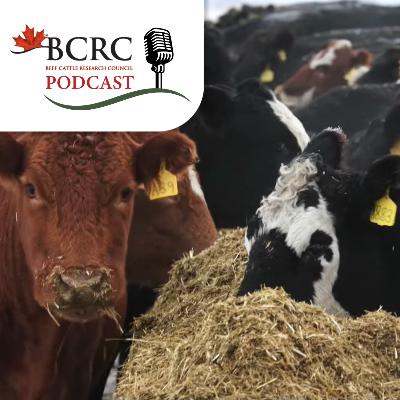
Canadian beef producers have been harvesting and feeding silage for decades. There are benefits to silage like flexibility when it comes to weather, producing more feed on fewer acres and potential cost savings, alongside challenges such as added equipment and infrastructure needs. This episode features the experiences of three farmers, highlighting the importance of learning, planning and adapting when incorporating silage on their farms.
Relevant Links
Silage is Top Choice for These Three Beef Producers (article)
Silage Cost of Production (article)
Feed Quality, Testing & Analysis for Beef Cattle (webpage)
Water Systems Calculator (interactive tool)
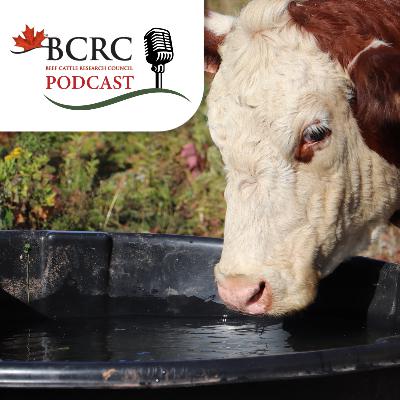
In this episode, we visit a beef farm in Napanee, Ontario, to share one producer’s experience with water management. Hear how practical solutions like improved drainage and filtration, protecting natural water sources and capturing rainwater from barn roofs helped improve water quality and supply for cattle.
Relevant Links:
Fences, Filters and Eavestroughs: Innovative Water Initiatives to Improve Herd Health (article)
Water Systems That Work: A Practical Guide for Beef Producers (resource)
Water Systems Calculator (interactive tool)
Water Management Resources (webpage)
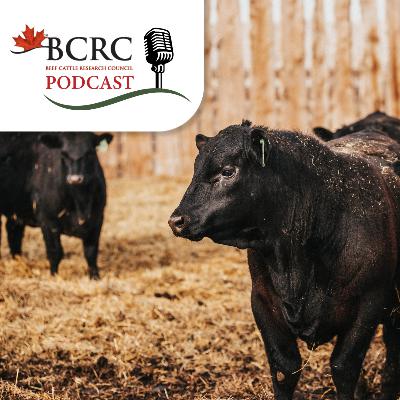
This episode explores how artificial insemination (AI) can help beef producers accelerate genetic progress in their herds. Although AI has been available for more than six decades, adoption among Canadian beef producers has remained relatively low. The episode features producers who are successfully using AI to improve herd genetics and meet their breeding goals, while also sharing practical tips and key considerations to help ensure successful artificial insemination programs.
Relevant Links:
Boosting Herd Genetics: Artificial Insemination Brings Big Benefits to Small Beef Herds (article)
Artificial Insemination (webpage)
Why Use Artificial Insemination (webinar)
Calf 911 - How to Evaluate Newborn Calves Using the Calf Vigor Scoring System (resources)
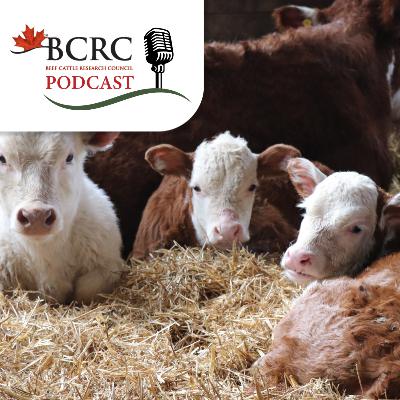
Diseases often begin when a susceptible calf encounters the wrong combination of microbes, weather and management stresses. This episode explores how pneumonia develops in calves and why early protection against viral infections is key to preventing respiratory disease. It also discusses emerging research on whether vaccinating calves against bovine coronavirus, typically associated with scours, may help reduce pneumonia risk, while highlighting the importance of effective vaccination strategies and working with veterinarians to support calf health and herd productivity.
Vaccination Infographics & Guidelines (resources)
Stacking Good Decisions to Keep Calves Healthy (article)
Vaccines: Use as Directed (article)
BCRC Webinar Series (registration)
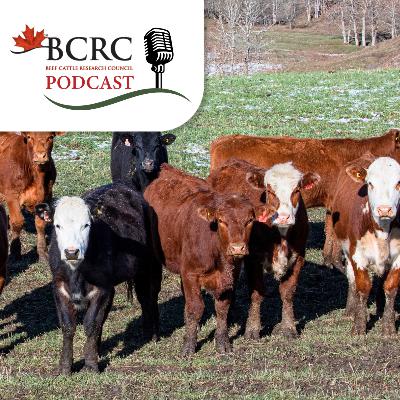
As the seasons change, early-spring grazing serves as a strategic bridge from winter feeding to summer grazing. Rather than simply turning cattle out, success depends on carefully managing cool-season grasses to balance animal nutrition, protect regrowth and maintain pasture longevity. In this episode, we explore how grazing in April and May can help beef producers reduce reliance on stored feed while maximizing stockpiled perennial forage, where and when early-season grazing fits into an operation, and how thoughtful planning and management set the stage for a productive grazing season.
Relevant Links:
Extend the Grazing Season: Using Stockpiled Forage for Early Spring Grazing (article)
Nutrition in Beef Cattle (webpage)
Calf 911 - How to Evaluate Newborn Calves Using the Calf Vigor Scoring System (resources)
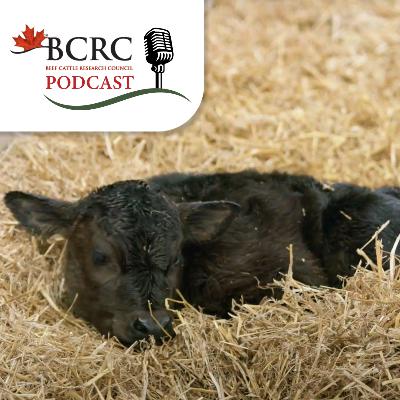
Ideally, after a calf is born, things go well, and the cow and newborn calf thrive. However, it is important for producers to know how to assess calves for subtle signs of distress or trauma that can occur due to a difficult calving. This episode will review how to access calf VIGOR, how it is scored and when to intervene.
Relevant Links:
How to Evaluate Newborn Calves Using the Calf Vigor Scoring System (article)
Calving and Calf Management (webpage)
Calf 911 Resources (resources)
How to Spot Dehydration in Young or Scouring Calves (article and video)
Water Systems Calculator (interactive tool)
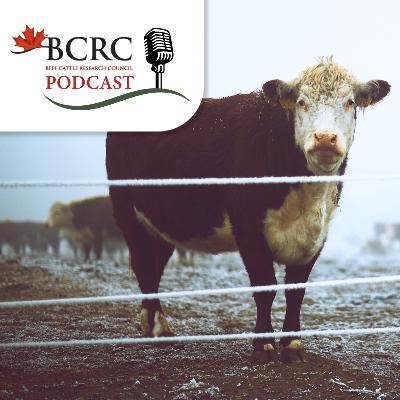
Surveys show many producers believe they operate a closed herd, but what does “closed” really mean? For some, it simply means being genetically closed by raising their own replacements and cleanup bulls, using artificial insemination for new genetics and avoiding the purchase of outsourced cattle. However, being a truly closed herd goes far beyond genetics. A closed herd also works to eliminate as many potential sources of disease introduction as possible. In this episode, we take a closer look at what it truly means to run a closed herd.
Relevant Links:
Think You Have a Closed Herd? Think Again (article)
Biosecurity Resources (resources)
Biosecurity (webpage)
Most of the research on effective practices for reducing pre-weaning death loss in Canadian beef calves was conducted more than two decades ago. This raises an important question for today’s industry: which calving practices and management work best for Canadian cow-calf producers in 2026? In this episode, we share results from a producer survey conducted through the Canadian Cow-Calf Surveillance Network (C3SN), highlighting on-farm practices linked to lower risk of scours, pneumonia, and mortality outbreaks and what this means for you.
Calf Health Management - What Does the Science Say? (article)
Calving Seasons (webpage)
Early Calf Life Survival (webinar)
Calf 911: How to Manage Colostrum to Allow Newborn Calves to Thrive (resources)
Most beef producers are familiar with the frustration of dealing with a “dummy calf” - a calf that won’t suckle, won’t stand and seems unresponsive despite intensive care. In this episode, we explore one of the most common underlying causes: respiratory acidosis. We’ll break down what causes respiratory acidosis, the symptoms to watch for and practical treatment options to help give these calves the best chance at survival.
Relevant Links:
How to Spot Respiratory Acidosis in a Newborn Calf (article)
How to Evaluate Newborn Calves Using the Calf Vigor Scoring System (article)
Calf 911 Resources (resources)
How to Spot Dehydration in Young or Scouring Calves (article and video)
Bull sale season is approaching, making now the perfect time to define your bull selection criteria and budget. In this episode, we discuss why choosing the right herd sire is one of the fastest ways to improve herd genetics and how to match bull selection to your operational goals. In this episode, we’ll talk through which traits may be priorities for you, how to stay within budget and how to build a herd for long-term success.
Relevant Links:
Take the Bull by the Horns (article)
Records for Tracking Genetic Improvements (online course)
Bull Management (webpage)
Bull Valuation Calculator (interactive tool)
Building a Herd That Works: EPDs, Genomics and Smart Genetic Investments (article)
Cracking the Heritability Code - Choosing Traits That Pay Off (article)
BCRC Webinar Series
Colostrum is essential for newborn calves, supplying the antibodies and nutrients they need to build immunity, stay warm and fight early-life diseases like scours and pneumonia. This episode covers key colostrum management practices to help calves get a strong, healthy start.
Relevant Links:
Calf 911: How to Manage Colostrum to Allow Newborn Calves to Thrive (article)
Calving & Calf Management (webpage)
Cow-Calf Production Indicator Calculator (interactive tool)
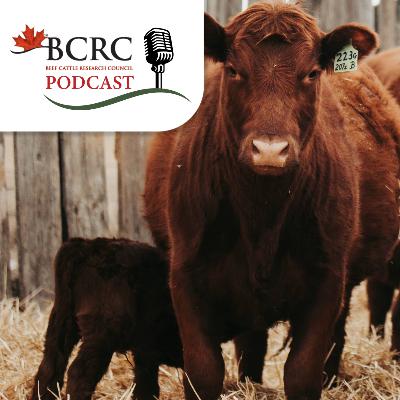
Research studies don't always agree, and that doesn't mean that the research is flawed. It is often because context and study design matter. Systematic reviews help by combining all relevant research to identify consistent findings and help turn science into practical guidance. In this episode, we discuss a systematic receive on management practices linked to preweaning death loss in beef calves and insights from 12 veterinary experts on which practice offers the greatest benefit to cow-calf producers.
Relevant Links:
Calving Seasons (webpage)
Early Calf Life Survival (webinar)
Calf 911: How to Manage Colostrum to Allow Newborn Calves to Thrive (resources)

The most important day of a calf’s life is its first. Several key factors influence whether a newborn calf gets off to a strong start and research shows that the first 24 hours are critical for survival through weaning and beyond. This episode will explore when intervention may be necessary and highlights the importance of follow-up care such as ensuring the calf consumes adequate colostrum and providing a clean environment.
Relevant Links:
Top Tips for a Smooth Calving Season (article)
Ready, Set, Calve: How to Prepare Yourself and Your Beef Operation for the Upcoming Calving Season (article)
Calf 911 Resources (resources)
How Fresh Pens and Pastures Prevent Calf Losses (article)
BCRC Webinar Series

The Canadian Beef Cattle Podcast has reached a major milestone - Episode 100! To mark the occasion, this episode brings together key insights, tips and strategies from multiple past episodes into one must-listen edition. Whether you’re a new producer or a seasoned rancher, this episode is packed with practical advice to help you achieve a smooth and successful calving season.
Relevant Links:
Calving and Calf Management (webpage)
Calf 911 - How to Intervene with a Difficult Calving (article)
Calf 911 - How to Spot Dehydration in Young Calves (article)
Proper Management Key to Reducing Calf Scours (article)
Calm, Cool and Collected - Prepare for a Smooth and Healthy Calving Season (article)
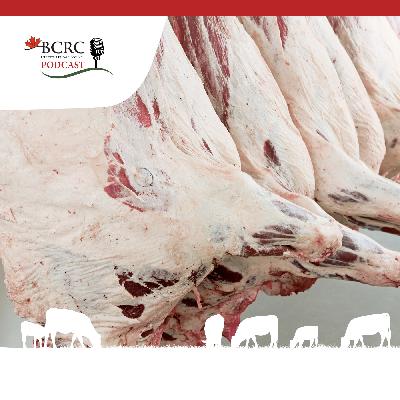
Grading cameras are used to predict carcass yield. However, a team of researchers has found that camera grading technology can do more than simply predict the five retail yield classes that Canada is currently using. It can also identify differences between carcasses, the composition and potentially the value of individual primal and retail cuts for both fed cattle and cull cows. Listen to this episode to learn more.
Relevant Links:
Carcass Grading (webpage)
Beef Beyond Borders (article)
Beef Quality Audits (webpage)
Can Grading Cameras Predict More than Overall Carcass Yield? (article)

Keeping Canada free from foreign animal diseases like Foot-and-Mouth Disease is a shared responsibility. In this episode, we focus on what beef producers and other agricultural travelers need to know. Including travel guidelines, simple prevention steps, and key resources to help safeguard our beef industry from potential disease threats while traveling.
Relevant Links:
Travel Safe: Stop Foot and Mouth Disease at the Gate (article)
Foot and Mouth Disease (webpage)
Calf 911: How to Manage Colostrum to Allow Newborn Calves to Thrive (resources)
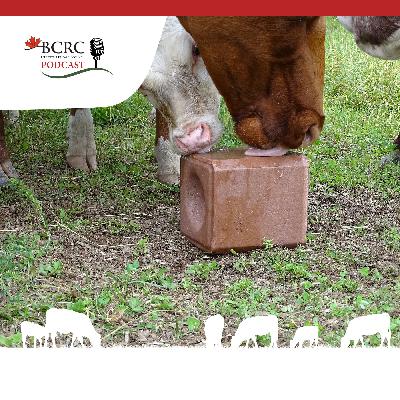
Beef producers know that mineral supplementation is essential for herd health — but choosing the right product can feel overwhelming. With tubs and bags in every color, price range, and formulation, it’s hard to know what your cattle actually need. In this episode, we cut through the confusion to help you make informed decisions about mineral programs. Learn what minerals matter most, how to assess your herd’s needs, and the best ways to deliver them efficiently. Tune in for practical insights and trusted resources to support your herd’s performance and profitability.
Relevant Links:
Be Mindful of Minerals (article)
Nutrition in Beef Cattle (webpage)
Supplementation Matters - Navigating Trace Mineral Requirements of a Beef Herd (podcast & article)
Copper Deficiency Takes Heavy Toll (article)
A Tool for Evaluating Feed Test Results (interactive tool)
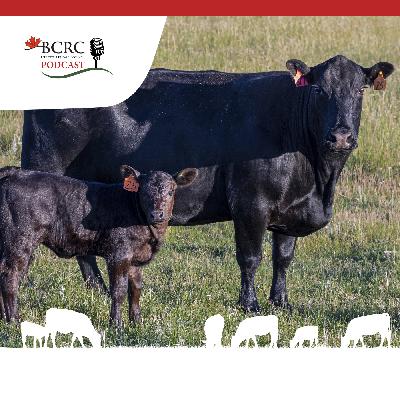
This episode highlights new insights from the Beef Cattle Research Council’s latest report on management trends in Canadian cow–calf operations. Drawing on data from the 2022–23 Canadian Cow-Calf Survey, the Census of Agriculture, and multiple academic studies, the report tracks adoption of 31 practices across reproductive management, calf health, herd management, forage utilization, environmental stewardship, and record-keeping.
What Canadian Cow-Calf Producers Are (and Aren't) Adopting (article)
Results of the Inaugural Canadian Cow-Calf Survey (article)
Cow-Calf Production Indicator Calculator (interactive tool)
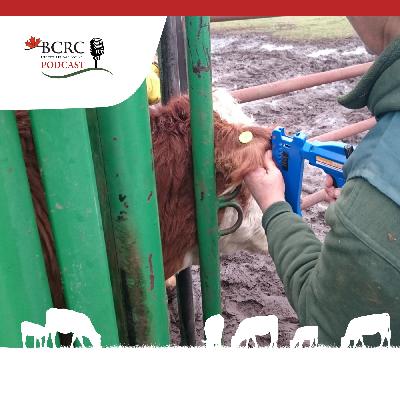
Past research has measured how long residues from growth promoters stay around in a feedlot environment. It showed that certain ones dissipated very quickly, while some could still be found on the pen floor for up to five months after they were last fed. In this episode, we will hear results from a follow-up study that looked at whether composting manure, stockpiling it, or incorporating it into the soil might help to break down these residues.
Relevant Links:
Growth Promotants And The Environment (article)
Can We Replace Growth Promotants? (article)
Exploring Growth Promotants Used In Feedlot Cattle (article)
Body Condition (webpage)
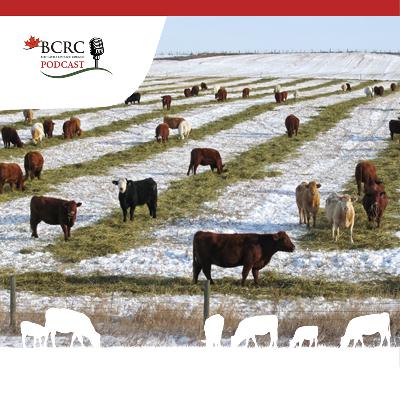
Extended winter grazing can lower feed costs, improve soil fertility, reduce fuel use, and distribute manure more evenly across pastures. Success, however, depends on meeting cattle’s nutritional needs at different stages of growth and pregnancy. In this episode, we explore adaptive winter grazing strategies and hear from three experienced Alberta producers as they share their top tips and lessons learned to help you make extended grazing work on your operation.
Relevant Links:
Adaptive Winter Grazing Strategies (article)
Extended Grazing (webpage)
A Quarter-Century of Progress with Extended Grazing (podcast & article)
Water Systems Calculator (interactive tool)

Comments

Download from Google Play

Download from App Store
 United States