


 Claim Ownership
Most Podern Podcast
Subscribed: 2Played: 3
Subscribe

© Minkoo Kang, Libo Li, and Alex Yuen
Description
The podcast about the Built Environment, with the minds shaping it, for the people living in it.
Why does the built environment feel broken — and what would it take to fix it?
Most Podern is about how the built world really works. We dig into the systems shaping architecture, urbanism, housing, and public spaces, and talk with the people actually building change: architects, planners, developers, and urban thinkers.
Why does the built environment feel broken — and what would it take to fix it?
Most Podern is about how the built world really works. We dig into the systems shaping architecture, urbanism, housing, and public spaces, and talk with the people actually building change: architects, planners, developers, and urban thinkers.
78 Episodes
Reverse
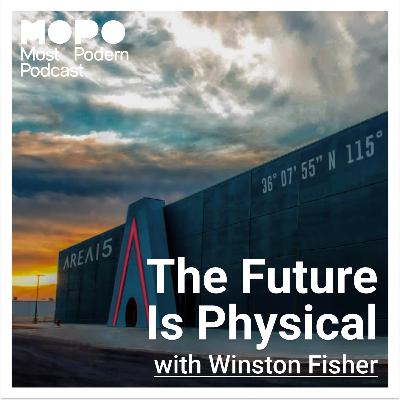
If your city, office, or retail district feels emptier than it used to, it’s not just “remote work” or “online shopping.” It’s a deeper problem: digital convenience is quietly fueling loneliness—and the built environment is being forced to evolve. Winston Fisher argues the next era isn’t virtual-first…it’s a renewed fight for real-world connection.Winston (Managing Partner at Fisher Brothers, CEO of AREA15) breaks down why the future is physical—and what developers, operators, and city leaders get wrong when they treat real estate like a spreadsheet instead of a living platform. You’ll hear how AREA15 was designed as “real estate as content,” why programming is the true moat, and how brand + technology + operations can turn a space into an “always-on” destination. He also goes deep on authenticity, uncompromising standards, and why playing it safe is the real risk.https://www.fisherbrothers.com/https://www.linkedin.com/in/winstonfisher/https://area15.com/Chapters00:00 – Programming as the Cure for Loneliness00:28 – Why the Built Environment Matters More Than 20 Years Ago01:56 – The “Future Is Physical” Moment (and Why Zoom Isn’t Enough)03:54 – Physical + Digital: The Overlay That Actually Works04:41 – “Real Estate as Content”: What Great Space Feels Like06:17 – Profit vs. Purpose: The Honest Economics of Real Estate08:47 – How Developers Decide the “Qualitative” Choices10:28 – Inside AREA15: The Original Bet and the Creative Thesis12:24 – The 30-Acre Campus: Art-Forward Entertainment as a New Category13:16 – Concrete Examples: Meow Wolf, John Wick, Barbie Cafe + More14:23 – The Big Surprise: Scale, Stitching, and Diversified Entertainment15:47 – Why Programming Became the Secret Weapon17:08 – Owner-Operator Advantage: Owning the Guest Journey18:15 – Brand as Real Estate’s Hidden Multiplier19:39 – From Box to Platform: Tech + Ops + Real Estate Working Together22:18 – Taking the Model to Other Cities (and What Must Change)24:18 – Why Being a Conformist Is the Real Risk29:28 – Authenticity Is Hard: The Internal Fight Against “Shortcuts”32:21 – Can AREA15 Work Outside Vegas (or Go Vertical in Manhattan)?37:10 – Fixing Downtowns: Cities Need a Vision Big Enough to Anchor41:09 – 30 Years From Now: A Healthier Relationship With Technology44:13 – The Algorithm of Humanity: Why Live Experiences Will Surge46:13 – Where to Find Winston + AREA15
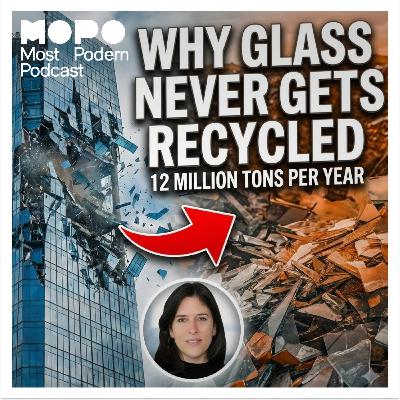
Every year, 12 million tons of architectural glass from skyscrapers and office buildings ends up in landfills. Even though you diligently put your glass bottles in the recycling bin, only 30% of collected glass actually gets recycled back into glass.Sydney Mainster, VP of Sustainability at The Durst Organization, is on a mission to change that. After watching hundreds of tons of perfectly recyclable glass from a 40-story building go to waste, she pioneered a partnership to recycle skyscraper windows across New York City.In this episode, Sydney and David Entwistle (Director of Major Projects at Saint-Gobain Glass) reveal:- Why glass is the ONLY material recyclers lose money on- The hidden contamination problem that shuts down $40M furnaces- How "sneaky sustainability" is making glass recycling standard practice- Why interior office glass is the secret to scaling this solution- The roadblocks preventing this from going nationalSydney and David are completely reimagining how we handle one of our most valuable building materials.🔗 Connect with Sydney Mainster: https://www.linkedin.com/in/smainster/🔗 Connect with David Entwistle: https://www.linkedin.com/in/david-entwistle-b51b2531/Chapters00:00 Circular Economy in Glass Recycling00:37 Roles and Responsibilities in Sustainability00:54 The Glass Recycling Challenge07:37 Understanding Architectural Glass vs. Container Glass16:15 Origin Stories of Glass Recycling Programs27:03 Collaboration and Learning in the Industry31:30 The Journey of Deconstruction and Sustainability33:37 Overcoming the Status Quo in Construction35:12 Convincing Stakeholders for Sustainable Practices38:40 The Role of Case Studies in Advocacy40:19 Scaling Challenges in Sustainability43:46 Looking Forward: The Future of Sustainability

What if a powerful climate solution in cities isn’t a new building, but the roof that’s already there? As heat waves intensify across Europe, architect and MIT-trained educator Olivier Faber explains how his firm, Roofscapes is transforming overlooked rooftops into cooling, accessible, green infrastructure. Starting with Paris’s iconic zinc roofs, the conversation unpacks why existing buildings are misaligned with today’s climate, how shading and vegetation can dramatically reduce indoor temperatures without air conditioning, and why renovation and adaptation may matter more than new construction in the decades ahead. Along the way, Olivier reveals the political, technical, and cultural battles behind testing climate solutions in historic cities, and why climate adaptation is about changing how we value the buildings we already have.Thumbnail Image courtesy of RoofscapesSubscribe to Most Podern on:Spotify - https://open.spotify.com/show/3zYvX2lRZOpHcZW41WGVrpApple Podcasts - https://podcasts.apple.com/us/podcast/most-podern-podcast/id1725756164Youtube - https://www.youtube.com/@MostPodernInstagram - https://www.instagram.com/most.podernLinkedIn - https://www.linkedin.com/company/most-podernKeywordsarchitecture, climate change, renovation, urban design, sustainability, Roofscapes, green roofs, preservation, adaptation, building practices, Paris, urban design, heat island effectChapters00:00 Background and Journey into Architecture00:51 Exploring Alternative Architecture Practices03:52 Introducing Roofscapes and Its Mission06:17 Physical Adaptation: Before and After07:16 The Challenges of Zinc Roofs in Urban Design10:29 Innovative Solutions for Urban Heat Management11:34Pitching Green Roof Solutions to Building Owners14:08 Navigating the Complexities of Building Regulations17:14 Measuring the Impact of Climate Adaptation Projects24:09 Future Directions for Climate Adaptation in ArchitectureLinksOlivier Faber - https://www.linkedin.com/in/olivier-faberRoofscapes - https://www.roofscapes.studio/MITx - https://mitxonline.mit.edu/
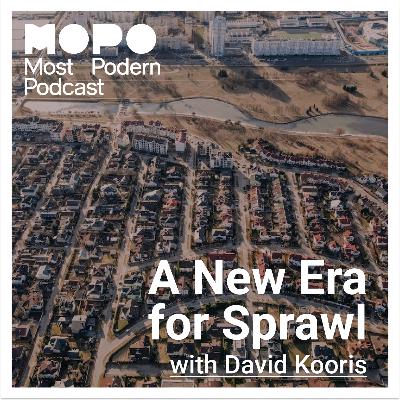
The American suburban dream is unsustainable—but we're not giving up on it.David Kooris, Executive Director of the Connecticut Municipal Development Authority and lecturer at Yale, explains why sprawl no longer works as an economic engine and how we can retrofit existing suburbs to be more prosperous, walkable, and sustainable.In this episode, we explore:✓ Why the suburban development model is fiscally unsustainable✓ How to transform aging strip malls into thriving town centers✓ The art of community engagement that builds consensus (not opposition)✓ Why making car-dependent places walkable has more impact than you think✓ Planning concepts everyone should understand about their built environmenthttps://www.wearecmda.com/Chapters00:00 The Impetus for Urban Planning00:00 Understanding the Role of Municipal Development00:00 Examples of Community Engagement00:00 David Kooris's Background and Insights00:41 The Importance of Long-Term Planning00:41 Retrofitting Suburban Landscapes00:41 Strategies for Community Improvement00:41 Engaging Future Residents in Development Conversations00:41 The Importance of Diverse Stakeholder Engagement00:41 Overcoming Community Resistance to Change00:41 Planning 101: Essential Concepts for Community Engagement00:41 Understanding the Complexities of the Built Environment00:41 Streamlining Community Engagement in Planning00:41 Innovative Approaches to Municipal Development00:41 Reflecting on the Current Era of Urban Planning

What hidden design choices make a 125,000-person festival feel effortless—and what happens when being off by just one foot throws everything into chaos? Why do some festivals become cultural icons while others collapse spectacularly? And how did one architect watching the Fyre Festival documentary suddenly realize, “I could do this a million times better”—and then actually go do it?In this episode, Reiko Wei, design production manager at Goldenvoice (the team behind Coachella & Stagecoach), pulls back the curtain on the invisible systems, political negotiations, spatial puzzles, and human-centered decisions that shape the world’s most iconic music festivals. She reveals how a show built on 1200 acres needs precision down to a single foot, why the fire marshal has the ultimate power, how Gen Z is reshaping festival culture, and why physical spaces for real connection matter more than ever in a post-COVID world.If you’ve ever wondered how a “giant party” becomes a safe, seamless, deeply human experience—or why these events still matter—this conversation will change how you see every festival you attend.https://goldenvoice.com/https://www.coachella.com/https://www.stagecoachfestival.com/Chapters00:00 Understanding Coachella: The Festival Experience03:19 The Role of Logistics in Event Planning06:41 Reiko's Transition from Architecture to Event Planning10:10 Collaboration with Authorities and Stakeholders13:35 The Evolution of Coachella: Adapting to Change17:00 Designing for Experience: The Importance of Flow21:15 The Art of Curation in Festivals25:02 Shifting Audience Dynamics Post-COVID27:11 The Importance of In-Person Connections30:43 Navigating Loneliness and Community31:51 Reflections on the Current Era
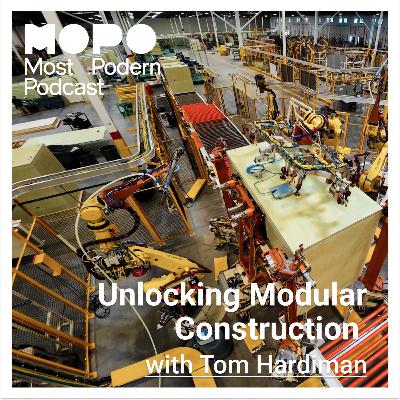
How do we build faster, smarter, and more affordably in a world running out of patience and running short on skilled labor? Tom Hardiman, Executive Director of the Modular Building Institute, joins Alex Yuen and Libo Li to explain how modular construction can reshape the built environment. From cutting construction timelines in half to reducing waste and expanding access to housing, Tom shows why modular is not a trend but a practical tool for a more sustainable, efficient, and inclusive future. The conversation unpacks the realities behind factory based building, the politics that slow adoption, and how modular can help cities facing affordability and capacity challenges.Subscribe to Most Podern on:Spotify - https://open.spotify.com/show/3zYvX2lRZOpHcZW41WGVrpApple Podcasts - https://podcasts.apple.com/us/podcast/most-podern-podcast/id1725756164Youtube - https://www.youtube.com/@MostPodernInstagram - https://www.instagram.com/most.podernLinkedIn - https://www.linkedin.com/company/most-podernKeywordsmodular construction, prefab housing, offsite construction, Modular Building Institute, MBI, Tom Hardiman, affordable housing solutions, housing crisis, construction technology, manufacturing in construction, sustainable building, prefabricated buildings, industrialized construction, factory-built homes, housing innovation, construction efficiency, future of construction, how to build faster, Most Podern podcastChapters00:00 Introduction to Modular Construction00:53 Defining Modular Construction02:02 Benefits of Modular Construction04:59 The Ecosystem of Modular Construction06:51 Coordination in Modular Projects08:20 Cost Considerations in Modular Construction09:53 The Importance of Time in Construction11:30 Architects and Modular Construction12:53 Successful Modular Projects14:38 Addressing Design Concerns in Modular Construction17:32 Standardization vs. Customization19:45 Regulatory Challenges in Modular Construction20:50 Education and Resources for Modular Construction21:13 The Role of Education in Modular Construction24:27 Attracting Young Talent to Modular Construction28:32 Barriers to Adoption of Modular Construction30:56 Navigating Politics and Labor Relations34:51 Integrating Traditional and Modular Construction37:52 The Future of Modular Construction40:12 Upcoming Events and Community EngagementLinksTom Hardimanlinkedin.com/in/tomhardimanModular Building Institute (MBI)https://www.modular.org/World of Modular Conferencehttps://www.modular.org/wom/MBI Research and Resourceshttps://www.modular.org/resources/
Why does building “affordable” housing cost so much in the built environment? From land prices to loan rates, construction inflation to endless permitting, Alex and Libo break down the true costs of creating homes and why the system often works against the very people it is meant to help. They unpack how financing, regulation, and risk collide, what makes America’s housing model unique, and what simple reforms could unlock more livable and affordable cities for everyone.Subscribe to Most Podern on:Spotify - https://open.spotify.com/show/3zYvX2lRZOpHcZW41WGVrpApple Podcasts - https://podcasts.apple.com/us/podcast/most-podern-podcast/id1725756164Youtube - https://www.youtube.com/@MostPodernInstagram - https://www.instagram.com/most.podernLinkedIn - https://www.linkedin.com/company/most-podernKeywordsaffordable housing crisis, built environment, housing policy, real estate development, construction costs, architecture, urban design, cities, zoning reform, housing finance, interest rates, pro forma explainedChapters00:00 Understanding Affordable Housing Costs02:29 The Role of Pro Forma in Housing Development05:49 Financing Affordable Housing Projects09:58 Impact of Rising Costs on Housing Development16:18 Government's Role in Affordable Housing20:29 Streamlining the Permitting Process23:13 Changing Perspectives on Housing Development
In this conversation, Kevin Kennon, reflects on his experiences surrounding the events of 9/11, particularly his involvement in the Ground Zero viewing platform and the subsequent World Trade Center competition. We discusses the emotional impact of architecture, the importance of community and collaboration in design, and the lessons learned from revitalizing Lower Manhattan. Kennon emphasizes the need for architects to articulate their vision and the role of travel in enhancing one's understanding of the built environment. He concludes with thoughts on the future of architecture and the importance of fostering a sense of hope and connection through design.Links:https://www.linkedin.com/in/kevinkennonarchitect/https://www.kdcaia.com/Chapters00:00 Ground Zero: A Catalyst for Change07:47 The Power of Architecture in Crisis15:05 Collaboration and Competition: Redesigning the World Trade Center23:55 Revitalization: Lessons from Lower Manhattan31:10 The Future of Architecture: Optimism and Collaboration
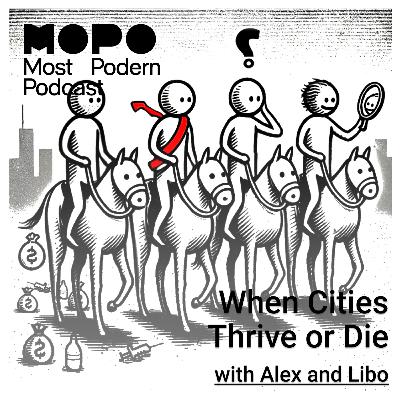
Why do some cities thrive while others slide into decline? Alex Yuen and Libo Li break down the Four Horsemen of Urban Decline - which include the Disease of Me, Construction Constipation, High Capital Contrast, and Identity Crisis. From San Francisco’s stalled growth to Tokyo’s adaptability and New York’s relentless appetite for change, this conversation reveals the hidden dynamics that decide whether a city stagnates or reinvents itself. Clear, provocative, and grounded in real-world examples, it’s a framework for seeing your city with new eyes.Check out Alex's full article here:https://www.dusttodensity.com/p/the-four-horsemen-of-urban-declineSubscribe to Most Podern on:Spotify - https://open.spotify.com/show/3zYvX2lRZOpHcZW41WGVrpApple Podcasts - https://podcasts.apple.com/us/podcast/most-podern-podcast/id1725756164Youtube - https://www.youtube.com/@MostPodernInstagram - https://www.instagram.com/most.podernLinkedIn - https://www.linkedin.com/company/most-podernChapters00:00 Understanding the Four Horsemen of Urban Decline04:10 San Francisco: A Case Study of Urban Decline09:39 Mismanagement and Its Impact on Urban Environments12:29 Cities That Are Thriving: Lessons from Asia14:41 Empowering Citizens to Improve Their Cities18:29 The Role of Leadership in Urban Identity20:27 Applying the Framework Beyond Urban Areas21:41 The Dangers of Overbuilding: Lessons from China23:06 Recommendations for New Urban Leaders25:54 Optimism for the Future of Cities27:08 The Digital vs. Physical Urban Experience29:10 The Future of Urban Decline: A Historical PerspectiveKeywordsurban decline, Four Horsemen of Urban Decline, San Francisco urban crisis, why cities fail, construction delays, permitting reform, housing crisis, inequality in cities, capital contrast, city identity crisis, urban design podcast, built environment, urban development, architecture and cities, density and growth, future of cities, urban policy, city planning challenges, how to fix cities, urban renewal, Most Podern Podcast
Why do American neighborhoods so often look the same, filled with “five-over-one” apartments or endless rows of wood-framed houses? In Part II of our conversation, architect Jeana Ripple—author of The Type V City and Chair of Architecture at the University of Virginia—explains how Type V construction and building codes interact with zoning, finance, and policy to shape entire cities. From Chicago’s fire-driven codes to Seattle’s tolerance of replacement, Ripple shows how materials influence affordability, aesthetics, politics, and even community health. This conversation reveals how hidden regulations quietly dictate the look, feel, and risks of American urban life.Jeana Ripple is the Chair of the Department of Architecture and the Vincent and Eleanor Shea Professor at the University of Virginia. A registered architect, she is principal and co-founder of the collaborative architecture firm, Mir Collective.LinksJeana Ripple - https://www.arch.virginia.edu/people/jeana-rippleMir Collective - https://mircollective.com/Purchase the BookUT Press: The Type V City: Codifying Material Inequity in Urban America - https://utpress.utexas.edu/9781477331620/Amazon: The Type V City: Codifying Material Inequity in Urban America - https://a.co/d/cUzKkySSubscribe to Most Podern on:Spotify - https://open.spotify.com/show/3zYvX2lRZOpHcZW41WGVrpApple Podcasts - https://podcasts.apple.com/us/podcast/most-podern-podcast/id1725756164Youtube - https://www.youtube.com/@MostPodernInstagram - https://www.instagram.com/most.podernLinkedIn - https://www.linkedin.com/company/most-podernKeywordsType V construction, The Type V City, Jeana Ripple, American housing, Why U.S. cities look the same, Five over one buildings, Wood frame construction, U.S. building codes, Zoning vs building code, Architecture podcast, Housing affordability, Sustainable building materials, Urban design and policy, Multifamily housing design, Mid-rise apartment design, Housing crisis America, Cookie cutter housing, Mass timber construction, History of U.S. housing, Building codes explained, Real estate development podcast, Neighborhood design patterns, Wood vs concrete housing, Urban resilience, Affordable housing policy, City planning podcastChapters00:00 Introduction to Type 5 Construction00:37 Future Directions for Type 5 Construction06:32 Understanding Community Engagement and Zoning10:00 The Impact of Building Codes on Urban Development14:37 The Relationship Between Building Codes and Zoning17:20 Global Perspectives on Building Materials and Practices20:13 Sustainability and Materiality in Housing Policy25:07 Aesthetics and Cultural Preferences in Urban Design29:36 Challenges in Affordable Housing Development33:32 The Role of Community in Shaping Building Regulations38:10 Future Perspectives on Building Codes and Community Needs
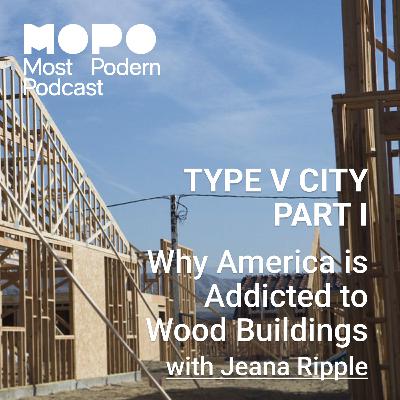
Why are nearly all American homes built out of wood when most of the world uses brick, steel, or concrete? In Part I of our conversation Architect Jeana Ripple, author of The Type V City, explains how the U.S.’s reliance on light wood framing—known as Type V construction—became the national default. She breaks down the benefits (affordability, flexibility, sustainability) and the hidden risks (mold, storm damage, limited adaptability) that slowly shape the country’s homes, neighborhoods, cities, and built environment. This conversation reveals how building codes and materials influence urban life far more than most of us realize.Jeana Ripple is the Chair of the Department of Architecture and the Vincent and Eleanor Shea Professor at the University of Virginia. A registered architect, she is principal and co-founder of the collaborative architecture firm, Mir Collective.LinksJeana Ripple - https://www.arch.virginia.edu/people/jeana-rippleMir Collective - https://mircollective.com/Purchase the BookUT Press: The Type V City: Codifying Material Inequity in Urban America - https://utpress.utexas.edu/9781477331620/Amazon: The Type V City: Codifying Material Inequity in Urban America - https://a.co/d/cUzKkySSubscribe to Most Podern on:Spotify - https://open.spotify.com/show/3zYvX2lRZOpHcZW41WGVrpApple Podcasts - https://podcasts.apple.com/us/podcast/most-podern-podcast/id1725756164Youtube - https://www.youtube.com/@MostPodernInstagram - https://www.instagram.com/most.podernLinkedIn - https://www.linkedin.com/company/most-podernKeywordsType V construction, The Type V City, Jeana Ripple, American housing, Wood frame construction, U.S. building codes, Urban design, Architecture podcast, Why U.S. houses are wood, Building codes explained, Wood vs concrete housing, Mass timber, Multifamily housing design, Housing crisis America, Home maintenance mold, Sustainable building materialsChapters00:00 Introduction to Type 5 Construction01:32 Understanding Type 5 and Its Global Context05:11 The Dominance of Type 5 in the U.S.07:58 The Evolution of Wood Frame Construction11:41 Maintenance and Vulnerabilities of Type 5 Buildings15:44 Consumer Awareness and Decision-Making19:10 The Role of Policy in Building Codes22:43 The Impact of Interest Groups on Building Regulations25:59 Future Directions for Type 5 Construction

In this conversation, Alex Yuen and Libo discuss the importance of architects learning to code, exploring how coding can enhance creativity, efficiency, and control in architectural design. They delve into Libo's personal journey into coding, the impact of technology on architectural practice, and the future implications for the built environment. The discussion emphasizes the need for architects to embrace technology to improve their work and the overall quality of architecture.TakeawaysArchitects need to learn coding to enhance design capabilities.Current architectural outputs are often unsatisfactory due to a lack of software proficiency.Mastery of technology allows architects to control design outcomes better.The transition from manual to automated processes can significantly increase efficiency.Learning to code can help architects manage complex projects more effectively.Embracing discomfort in learning new skills is essential for growth.AI and coding can streamline repetitive tasks in architecture.Architects should leverage coding to improve project management and communication.The architectural industry must adapt to technological advancements to retain talent.Future architects should be trained in coding to remain competitive.Chapters:00:00 The Need for Architects to Learn Coding09:45 Personal Journey into Coding19:13 The Impact of Coding on Architectural Practice24:09 Future of Architecture and Technology

What if a pool could clean a river—and a building could rewrite culture? Would you swim in the East River? What does “local” look like when it doesn’t mimic the block around it?Architect Dong-Ping Wang (FOOD Architects)—who’s collaborated with Kanye West and Virgil Abloh—breaks down architecture as a cultural engine, from hyperlocal listening to rapid, messy sketching that invites feedback fast. He shares a Barbados culinary design studio with Pierre Seurat (Ghetto Gastro), why WhatsApp-level intimacy with clients beats sterile presentations, and how a tiny 6–8 person team caps projects to stay deeply hands-on.We dive into PLUS POOL: the plus-shaped, river-filtering pool that turned a single rendering, a patent, and a site into a movement—and why the biggest risk isn’t tech, it’s convincing New Yorkers to jump in. DPW also opens up about shaping an Asian-American architectural language, rethinking practice as an “architectural production studio,” and the simplest way to read a space: look up at the ceiling.https://food-arch.com/https://www.instagram.com/dongpingwong/https://pluspool.com/https://www.instagram.com/foodmahjongclub/00:00 The Importance of Local Culture in Architecture02:02 Navigating Client Relationships and Intimacy05:27 Architecture as a Cultural Vehicle06:49 Fluidity in Architectural Practice09:09 Working with Creative Clients10:21 Scaling Intimacy in Architecture12:28 The Architectural Production Studio Model16:04 The Plus Pool Project: Origins and Development24:25 The Power of Packaging in Architecture27:40 Local Context and Cultural Identity30:34 Post-Occupancy Analysis and Success Metrics32:58 Exploring Scales of Architectural Practice37:02 Cultural Identity and Architectural Expression39:43 Lessons from Other Creative Fields45:36 Cultural Shifts and Future Perspectives
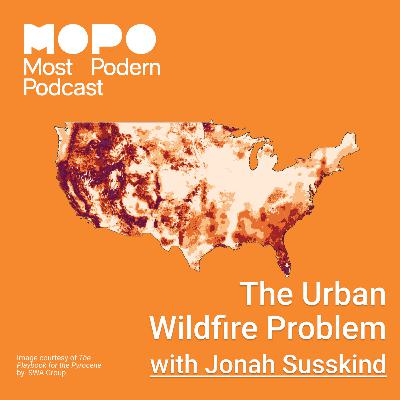
What happens when cities expand into fire-prone landscapes—and what can we do about it? Jonah Susskind, Director of Climate Strategy at SWA, unpacks the overlooked realities of wildfire risk, why most modern cities are spreading in all the wrong directions, and how smart design can turn parks, neighborhoods, and planning policies into climate-resilient systems. From the “wildland-urban interface” to shelter-in-place strategies, this conversation blends environmental science, urban planning, and design thinking to illuminate the future of where and how we live.Subscribe to Most Podern on:Spotify: https://open.spotify.com/show/3zYvX2lRZOpHcZW41WGVrpApple Podcasts: https://podcasts.apple.com/us/podcast/most-podern-podcast/id1725756164YouTube: https://www.youtube.com/@MostPodernInstagram: https://www.instagram.com/most.podernLinkedIn: https://www.linkedin.com/company/most-podernLinks & ReferencesJonah Susskind - https://www.swagroup.com/principals/jonah-susskind/SWA Group - https://www.swagroup.com/Playbook for the Pyroscene (Free PDF) - https://www.swagroup.com/ideas/playbook-for-the-pyrosceneChapters0:00 – Intro: Urban Futures in a Burning World2:11 – What Is a Landscape Urbanist?5:24 – Why “Natural Disasters” Aren’t Natural Anymore8:16 – What Is Wildfire, Really?13:20 – Smoke, Soil, and the Carbon Cost13:44 – Designing for Fire: Myths and Realities16:10 – Lessons from Australia and the U.S.18:26 – Who’s Responsible at the Edge?19:30 – What Homeowners Need to Know21:54 – Policy, Enforcement, and the Zone Zero Debate25:36 – Why We Need Local, Nuanced Research30:56 – Rethinking the Wildland-Urban Interface33:10 – The WUI: Conflict, Desire, and Inequality37:12 – Building Pragmatic, Resilient Communities39:07 – Why East Coast Listeners Should Care Too42:35 – This Moment: On the Precipice44:12 – Where to Learn MoreKeywordswildfire resilience, built environment, suburbanization, urbanism, architecture, landscape architecture, design, urban planning, climate adaptation, landscape urbanism, wildland-urban interface, Jonah Susskind, SWA Group, climate strategy, suburban development, wildfire design, zone California, fireproof cities, smoke exposure effects, urban development
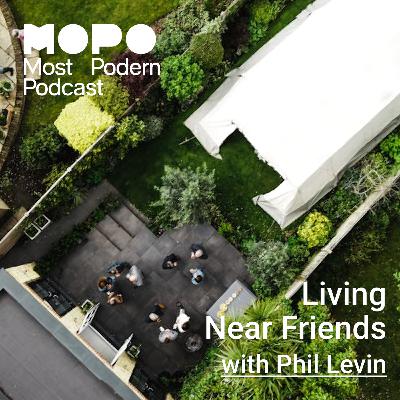
What if the secret to a better life wasn’t a bigger house or higher salary, but simply living closer to your friends? Phil Levin, co-founder of Live Near Friends, reveals how proximity can drastically increase happiness, cut housing costs, and reshape how we think about community. From building a 10-home campus in Oakland to redefining what “neighbor” really means, we explore how small shifts in where—and who—you live near can change everything.Subscribe to Most Podern on:Spotify - https://open.spotify.com/show/3zYvX2lRZOpHcZW41WGVrpApple Podcasts - https://podcasts.apple.com/us/podcast/most-podern-podcast/id1725756164Youtube - https://www.youtube.com/@MostPodernInstagram - https://www.instagram.com/most.podernLinkedIn - https://www.linkedin.com/company/most-podernKeywordscommunity, co-living, housing, quality of life, social connections, urban living, real estate, friendship, shared spaces, neighborhood design, built environmentChapters00:00 Understanding Crocs Distance and Its Importance00:40 Building a Community: Life at Radish01:56 The Cadence of Living Near Friends04:03 The Science of Happiness and Friendship06:33 The Pandemic's Impact on Co-Living Trends08:58 Barriers to Living Near Friends11:07 Live Near Friends: The Enterprise13:29 Target Demographics for Co-Living15:48 The Difference Between Co-Living and Living Near Friends18:19 Cultural Context of Living Near Friends20:32 Sharing Spaces: What Works and What Doesn't22:14 The Joy of Shared Living24:28 Navigating the Home Search Process27:26 Flexibility in Living Arrangements28:18 Rethinking Urban Design for Community39:32 The Dizziness of Freedom and Community AnchorsLinksPhil Levin - https://www.linkedin.com/in/phillevin/Live Near Friends – https://www.livenearfriends.comRadish – https://radishoakland.com/Supernuclear (Blog + Substack) – https://supernuclear.substack.comFramingham Heart Study – https://www.framinghamheartstudy.orgCuldesac (Car-Free Community) – https://culdesac.com
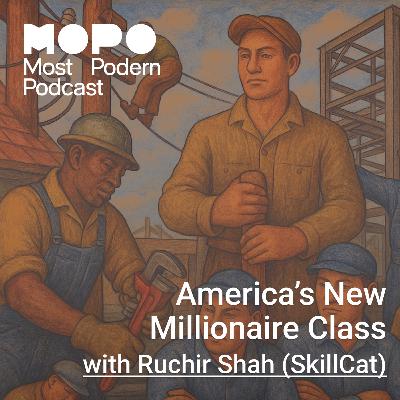
What if plumbers and HVAC techs are America’s newest millionaires—and the secret heroes of our economy? Why is fixing your sink so expensive, and how is the skilled trades shortage reshaping everything from infrastructure to green energy? Could these hands-on careers actually be more future-proof—and profitable—than a traditional college degree?Dive into a revealing conversation with Ruchir Shah, CEO of SkillCat, who’s dismantling myths about trades work and spotlighting why these jobs are booming—some even building $100 million businesses. From the surprising political and environmental impact of the skilled trades shortage to how online training is making this career path accessible to thousands, this video uncovers the untold story behind America’s evolving workforce.Discover why tradespeople enjoy higher job satisfaction, why these careers are almost AI-proof, and how a resurgence in skilled trades could fix not just pipes but the very fabric of our society. If you think the trades are just “blue collar” dead ends, think again. Ready to challenge what you thought you knew and explore an overlooked path to wealth and fulfillment? Watch now and get inspired by America’s new millionaire class.Subscribe to Most Podern on:Spotify – https://open.spotify.com/show/3zYvX2lRZOpHcZW41WGVrpApple Podcasts – https://podcasts.apple.com/us/podcast/most-podern-podcast/id1725756164YouTube – https://www.youtube.com/@MostPodernInstagram – https://www.instagram.com/most.podernLinkedIn – https://www.linkedin.com/company/most-podernLinks:https://www.skillcatapp.com/ruchir@skillcatapp.comhttps://www.linkedin.com/in/ruchirshah2/Chapters:00:00 The Importance of Skilled Trades01:08 The Shift in Perception of Trades03:26 The Impact of Aging Workforce05:53 SkillCat's Role in Training08:05 The Evolution of Training Methods10:47 Measuring Success in Skilled Trades13:29 The Ideal Profile for Tradespeople16:42 Exploring the Trades: A Hidden Opportunity18:43 Breaking Barriers: Awareness and Access in Trades21:06 The Dignity of Work: Fulfillment in the Trades25:14 AI and the Future of Trades: Job Security26:52 The Role of Trades in Green Energy and Infrastructure28:56 Debunking Myths: The Financial Reality of Trades30:44 Education and the Future of Trade Skills
Why does every conversation about climate change feel like we're being asked to sacrifice something? Josh Dorfman, host of the popular Supercool podcast, reveals how this narrative is completely backwards. From Formula-E racing that attracts 500 million viewers without mentioning climate to pneumatic trash systems that make cities cleaner while cutting carbon by 90%, Josh shares how the most effective climate solutions are actually upgrading modern life rather than restricting it. Discover why we're not in an age of climate awareness anymore but rather an "age of adoption," where $2 trillion in annual clean energy investment is quietly revolutionizing everything from home electrification to urban design. Learn about innovative financing approaches that put your money to work for climate solutions while you sleep, and why the future of sustainability isn't about guilt—it's about better living.Subscribe to Most Podern on:Spotify - https://open.spotify.com/show/3zYvX2lRZOpHcZW41WGVrpApple Podcasts - https://podcasts.apple.com/us/podcast/most-podern-podcast/id1725756164Youtube - https://www.youtube.com/@MostPodernInstagram - https://www.instagram.com/most.podernLinkedIn - https://www.linkedin.com/company/most-podernLinksSupercool Podcast and Newsletter: https://getsuper.cool/Supercool on YouTube: https://youtube.com/playlist?list=PLTcMrkjAmgqzv6Jhg6-V52gShRWKdc3t4&si=LXeo-aUlGkoiQbjiSupercool on Apple Podcasts: https://podcasts.apple.com/us/podcast/supercool/id1758404839Supercool on Spotify: https://open.spotify.com/show/4IUql4twk6OLOl8FTIwN5ZJosh Dorfman on LinkedIn: https://www.linkedin.com/in/dorfmanjosh/Keywordsclimate solutions, sustainability, clean energy investment, electrification, climate tech, renewable energy, Formula E racing, sustainable cities, climate finance, carbon reduction, solar energy, battery storage, climate innovation, green technology, urban planning, sustainable transportation, climate action, environmental technology, clean energy transition, climate entrepreneurship, urban design, architecture, builodingsChapters00:00:00 - Introduction00:01:24 - Challenges in Climate Change00:01:37 - The Slow Progress of Sustainability00:03:35 - The Rise of Sustainability00:04:23 - Personal Journey into Sustainability00:04:37 - The Emergence of Sustainable Design00:07:44 - The Growth of the Sustainability Movement00:10:22 - Sustainability Becomes Cool00:12:10 - The Profitability of Sustainability00:12:56 - The Future of Sustainability00:15:09 - Ingenious Energy Efficiency00:16:09 - The Clean Energy Revolution00:20:03 - The Cost and Adoption of Solar Energy00:20:52 - The Transition to Cleaner Energy Sources00:24:36 - The Role of Policy in Energy Transition00:27:53 - Global Sustainability Efforts00:30:15 - The Cultural Shift Towards Sustainability00:30:47 - Sustainable Urban Planning: The NVAC System00:34:34 - The Role of Leadership in Sustainable Urban Planning00:35:20 - The Success of Sustainable Housing Renovations in Lincoln, Nebraska00:37:13 - The Challenge of Thinking Outside the Box00:42:27 - The Role of Self-Interest in Sustainability00:42:57 - The Success of Formula E and Sustainability in Entertainment00:46:11 - Sustainable Changes in Cities: Examples from Around the World00:49:28 - Individuals Making a Difference in Climate Change00:49:53 - Innovative Financial Tools for Climate Change00:52:27 - The Current Moment in Sustainability: The Age of Adoption
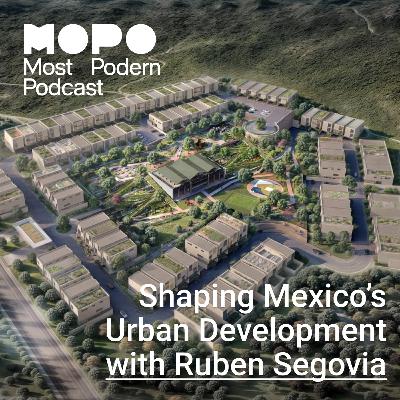
Architect Ruben Segovia joins Alex Yuen and Minkoo Kang to reveal how Mexico is transforming its urban development. From Monterrey to Tulum, young designers and developers are creating walkable, mixed-use communities that prioritize public space and human-scale design. Segovia explains why the "developers are evil" narrative is shifting, how policy changes are enabling innovative real estate projects, and what American cities can learn from Mexico's bold urban experiments. Discover the ground-floor activation strategies, transit-oriented developments, and collaborative design processes transforming Mexican cities into 15-minute neighborhoods that actually work.Ruben Segovia is the co-founder of LS-LAB, an urban, architectural, and landscape design office, and the director of the Master’s in Architecture and Urban Design at the School of Architecture, Art, and Design at Tecnológico de Monterrey. He holds a degree in Architecture from Tec de Monterrey, Monterrey Campus, and a Master in Architecture II from the Harvard Graduate School of Design.Subscribe to Most Podern on:Spotify - https://open.spotify.com/show/3zYvX2lRZOpHcZW41WGVrpApple Podcasts - https://podcasts.apple.com/us/podcast/most-podern-podcast/id1725756164Youtube - https://www.youtube.com/@MostPodernInstagram - https://www.instagram.com/most.podernLinkedIn - https://www.linkedin.com/company/most-podernLinksRuben Segovia: https://www.linkedin.com/in/ruben-segovia-6a464a67/?originalSubdomain=mxLS-LAB: https://ls-lab.com/LS-LAB on IG: https://www.instagram.com/l_s_lab/Chapters00:00 Introduction to Ruben Segovia and LS Lab01:28 Returning to Mexico: Urban Opportunities03:07 Current Urban Development in Mexico04:29 Housing Market Challenges06:28 Historical Context of Housing Scarcity08:15 Urban Growth Models and Political Influence10:02 Mobility and Urban Sprawl12:29 Community Awareness and Urban Advocacy14:06 Characteristics of Mexican Cities15:43 Role of Developers vs. Government16:50 LS Lab's Design Philosophy20:02 Collaboration in Urban Projects22:11 Developers and Urban Safety23:34 Policy Influence on Development25:33 Young Developers and New Standards26:10 Architects and Developers: A Changing Relationship28:33 Shifting Perspectives on Design Value29:17 New Generations in Policy Making32:00 The Future of Urban Development in Mexico34:17 The Importance of Good Developers36:30 Visible Changes in New Developments38:44 Creating Community Through Architecture41:01 The Tulum Case Study: Balancing Tourism and Environment46:31 Sustainable Building Practices in Mexico52:11 Adapting to Climatic Contexts in Design57:26 The Future of Mexican Cities: Optimism and Challenges01:02:22 Lessons from Mexico: Design and Public Space01:04:22 Influential Architects and Designers in Mexico01:08:59 Awareness and Purpose in Contemporary DevelopmentKeywordsMexican urban development, real estate development Mexico, walkable cities Mexico, mixed-use development, urban planning Mexico, Mexican architecture, Monterrey development, Tulum real estate, transit-oriented development, ground floor activation, 15-minute city, public space design, young developers Mexico, urban design innovation, Mexican cities vs American cities, sustainable urban development, how Mexico builds better cities than America, Mexican real estate development trends 2025, walkable neighborhood development Mexico, urban planning lessons from Mexico, mixed-use real estate projects Mexico, Mexican architect urban development, public space activation strategies, Mexico City urban planning, Yucatan Peninsula real estate, Quintana Roo
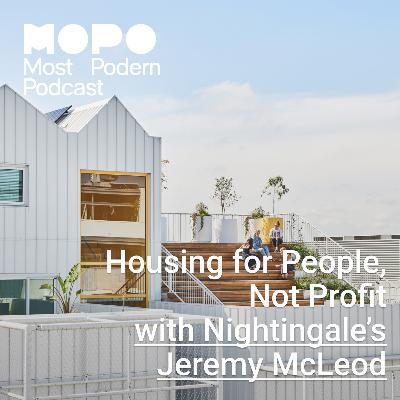
What happens when an architect develops their own projects, stops chasing profit, and starts designing for people, planet, and purpose? Jeremy McLeod, founder of Breathe and Nightingale Housing, shares how a single prototype sparked a housing movement in Australia. From ditching car parks and private laundries to designing rooftop commons and slow elevators, Nightingale flips the development playbook — proving that sustainability, affordability, and community aren't just compatible, but catalytic. With a waitlist over 21,000 strong, this conversation reveals how one radical idea changed the market and inspired a new model of ethical housing.Subscribe to Most Podern on:Spotify - https://open.spotify.com/show/3zYvX2lRZOpHcZW41WGVrpApple Podcasts - https://podcasts.apple.com/us/podcast/most-podern-podcast/id1725756164Youtube - https://www.youtube.com/@MostPodernInstagram - https://www.instagram.com/most.podernLinkedIn - https://www.linkedin.com/company/most-podernKeywordsJeremy McLeod, Nightingale Housing, affordable housing, nonprofit developer, ethical development, triple bottom line, sustainable housing, Melbourne architecture, car-free housing, shared laundries, rooftop commons, housing affordability crisis, build-to-sell, housing without profit, real estate innovation, alternative housing models, climate-resilient design, housing as a human right, community-focused developmentChapters0:00 — Why Profit Gets in the Way2:00 — Building the Prototype Without a Developer5:00 — When 1,000 People Lined Up8:00 — Launching Nightingale from a Manifesto10:00 — Triple Bottom Line: Sustainability, Community, Affordability14:00 — Nonprofit Development in a For-Profit World17:30 — Why Australia's Housing Market Is Broken21:00 — The Rising Cost of Homeownership24:00 — Designing for Community, Not Just Residents28:00 — Rooftop Laundry, Not Penthouses31:00 — Slow Elevators and Street-Level Encounters34:00 — System Redesign: Finance, Rules, and Ballots36:00 — Powering Every Building with Renewables38:00 — The Market Starts Paying Attention41:00 — Ditching Car Parks for Shared Cars44:00 — Lessons in Scaling: Trade-offs and Adaptations51:00 — Designing Meaningful Imperfection54:00 — What It Takes to Start Something Bold56:00 — The Future Will Ask: Why Didn’t We Fight Harder?LinksJeremy McLeod (LinkedIn) - https://au.linkedin.com/in/jeremy-mcleod-architectNightingale Housing - https://www.nightingalehousing.org/Breathe Architecture - https://www.breathe.com.au/Let My People Go Surfing - https://www.patagonia.com/product/let-my-people-go-surfing-revised-paperback-book/BK067.html
Why do we need to keep building skyscrapers and what separates them marvels or monstrosities?Dr. Antony Wood, one of the world’s foremost experts on tall buildings, reveals why cities go vertical, what drives the global icon race, and how most towers fall short. From skybridges and carbon-sequestering timber to the 5% of skyscrapers that actually work, this conversation reimagines the high-rise as more than a symbol, but rather as a system for living, density, and urban ambition.Subscribe to Most Podern on:Spotify - https://open.spotify.com/show/3zYvX2lRZOpHcZW41WGVrpApple Podcasts - https://podcasts.apple.com/us/podcast/most-podern-podcast/id1725756164Youtube - https://www.youtube.com/@MostPodernInstagram - https://www.instagram.com/most.podernLinkedIn - https://www.linkedin.com/company/most-podernKeywordsskyscrapers, tall buildings, vertical urbanism, sustainable architecture, high-rise design, mass timber construction, urban density, carbon emissions, skybridges, public space in cities, Council on Tall Buildings and Urban Habitat, Antony Wood, CTBUH, skyline architecture, mixed-use towers, high-rise housing, vertical infrastructure, future of cities, architectural sustainability, iconic skyscrapersChapters00:00 – Welcome + Guest Intro01:00 – Why Do We Build Tall?04:50 – Does Density Mean Height?07:20 – 94% of Skyscrapers Built After 200008:20 – Why Asia Builds Higher11:20 – The Global Icon Race13:40 – Vertical Access & Skybridges16:30 – How We First Built Tall18:00 – The Skyscraper Problem: 95% Are Bad21:20 – What the Best 5% Get Right24:30 – Defining 'Tall' (And 'Supertall')27:30 – Why the U.S. Isn’t Building the Tallest Anymore29:40 – The Shift from Office to Mixed-Use31:45 – What Singapore Got Right34:30 – Mass Timber: A Building Revolution38:10 – The Roadblocks to Mass Timber41:00 – Rethinking Land, Forests, and Verticality42:15 – Antony’s Top 5 Tall Buildings46:20 – How Height Changes Human Experience51:00 – Fighting NIMBYism with Better Towers53:40 – The Future of Tall Buildings56:00 – Where to Follow Dr. Antony Wood56:56 – What Moment Are We In?LinksDr. Antony Wood: https://www.linkedin.com/in/antony-wood/Council on Tall Buildings and Urban Habitat (CUTBUH): https://www.ctbuh.org/

Comments

Download from Google Play

Download from App Store
 United States