


 Claim Ownership
Branded
Subscribed: 1Played: 59
Subscribe

© Copyright 2024 Branded
Description
Welcome to "Branded," your comprehensive guide to creative branding. We're your hosts, Larry Roberts and Sara Lohse, and together we're going to help you build a brand that sticks!
Branded is your go-to source for all things related to personal branding, thought leadership, and content creation. We're here to provide practical strategies and insights to help you enhance your brand, extend your reach, and generate engaged leads.
Sara spent her career in the marketing world, helping countless companies tell their stories, and Larry experienced firsthand how a powerful brand can transform your business.
Branded isn't just a podcast—it's your roadmap to building your personal brand.
We'll explore all aspects of personal branding, from creating a cohesive brand identity and developing a unique value proposition to mastering social media strategies and understanding SEO.
We’ll also talk about what it means to be a thought leader and how you can use content creation to get your message into the world, with a focus on the importance of authenticity, consistency, and storytelling in creating a brand that resonates with your target audience.
We’ll feature interviews with top industry leaders, influencers, and experts who’ll share their journeys, experiences, and secrets to standing out in a crowded marketplace. These inspiring conversations offer valuable lessons and insights that can help you navigate your own creative branding journey.
We understand that building a brand isn't a one-size-fits-all process. That's why we approach each episode with a fresh perspective, exploring different strategies and tactics to help you find the approach that works best for you, your goals, and your story.
Plus, we'll be answering your questions in the episodes so we can provide personalized advice for your branding challenges in real-time.
Whether you're an entrepreneur, a professional looking to elevate your career, or simply someone who wants to increase your online presence, "Branded" is the podcast for you.
Join us each week as we help you craft a creative brand that's not just recognizable but unforgettable. So, subscribe to "Branded" on your favorite platform and find us online at listentobranded.com.
Branded is your go-to source for all things related to personal branding, thought leadership, and content creation. We're here to provide practical strategies and insights to help you enhance your brand, extend your reach, and generate engaged leads.
Sara spent her career in the marketing world, helping countless companies tell their stories, and Larry experienced firsthand how a powerful brand can transform your business.
Branded isn't just a podcast—it's your roadmap to building your personal brand.
We'll explore all aspects of personal branding, from creating a cohesive brand identity and developing a unique value proposition to mastering social media strategies and understanding SEO.
We’ll also talk about what it means to be a thought leader and how you can use content creation to get your message into the world, with a focus on the importance of authenticity, consistency, and storytelling in creating a brand that resonates with your target audience.
We’ll feature interviews with top industry leaders, influencers, and experts who’ll share their journeys, experiences, and secrets to standing out in a crowded marketplace. These inspiring conversations offer valuable lessons and insights that can help you navigate your own creative branding journey.
We understand that building a brand isn't a one-size-fits-all process. That's why we approach each episode with a fresh perspective, exploring different strategies and tactics to help you find the approach that works best for you, your goals, and your story.
Plus, we'll be answering your questions in the episodes so we can provide personalized advice for your branding challenges in real-time.
Whether you're an entrepreneur, a professional looking to elevate your career, or simply someone who wants to increase your online presence, "Branded" is the podcast for you.
Join us each week as we help you craft a creative brand that's not just recognizable but unforgettable. So, subscribe to "Branded" on your favorite platform and find us online at listentobranded.com.
102 Episodes
Reverse
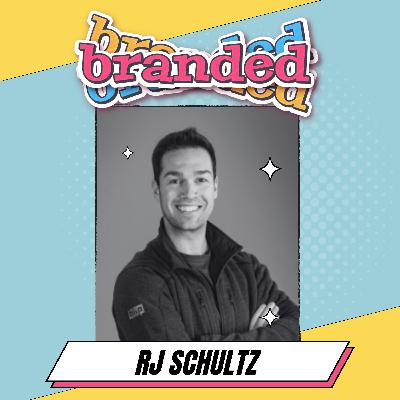
Welcome back to Branded: your comprehensive guide to creative branding.This week, we dove into a topic we’ve never fully tackled before: full funnel marketing—and how out-of-home advertising, specifically digital billboards, can play a bigger role in your brand-building than you might have imagined. To dig into this, we sat down with RJ Schultz, COO of Blip, an ad tech company making it radically easier and more affordable for brands big and small to run digital billboard ads.RJ’s background is both fascinating and relevant—before venturing into the advertising world, he worked at Amazon, the Defense Intelligence Agency, and the Pentagon, and he holds an MBA from Duke. His unique perspective blends psychology, tech, and marketing strategy, which made for an enlightening conversation about driving demand, creating trust, and converting customers efficiently.In this episode, we break down what full funnel marketing really means, clarify common misconceptions about “top” or “bottom” of the funnel, and explore when and how billboards (yes—even if you aren’t McDonald’s or Chick-fil-A) can boost brand awareness and overall campaign effectiveness. We even learned just how affordable modern billboard ads can be, and heard some truly creative, even petty, case studies in out-of-home advertising.Here’s what we covered:What actually is full funnel marketing? RJ explains each stage—awareness, trust, conversion—and how smart marketers match ad mediums to the right customer journey point.Myths about billboards: Are they only for the biggest brands? Why is “Eat More Chicken” an awareness success, even without a QR code?The surprising psychology that makes the billboard + social combo so effective (think survival instincts and subconscious brand recall).How small and mid-sized businesses can affordably get their brand “in the sky,” and why this still works even if you’re just starting out.Real-life stories, like personalizing billboards for conference attendees and cheeky brand rivalries making the most of strategic placements.5 Key Takeaways:Full Funnel Means Full Journey: Effective marketing isn’t just shouting for attention—it’s systematically moving your audience from awareness (top), to trust (middle), to conversion (bottom) using different tactics and mediums at each stage.Billboards Build Familiarity (When Used Smartly): Don’t expect a billboard to directly drive immediate clicks or visits. Instead, digital billboards excel at planting your brand in customers’ minds—so your later calls to action (online or in-person) pack a stronger punch.The Power of Multi-Channel Marketing: RJ walked us through a McDonald’s case study: pairing Facebook ads and billboards in the same markets increased sales by over 700%, compared to Facebook-only markets. The magic happens when customers see your brand in multiple places, creating subconscious recognition and trust.Digital Billboards Are Affordable and Accessible: Forget what you think you know—thanks to tech platforms like Blip, placing your ad on a digital billboard can cost as little as $0.08 per impression. Even small businesses can run highly local, highly visible campaigns for a few thousand dollars a month, or even less for targeted, short bursts.Creativity—and Even Pettiness—Wins: Whether it’s Buccee’s witty highway countdowns, a rapper promoting tickets, or a company targeting a competitor who just canceled their subscription, the most memorable billboard campaigns use humor, surprise, and clever tactics that spark conversations (and selfies).If you want to experiment with digital billboards for your own brand, RJ and Blip are making it easier than ever—with no long-term contracts or massive minimums, and even some special offers for Branded listeners.Thanks for tuning in—and be sure to hit subscribe to keep getting fresh...
Welcome back to Branded: your comprehensive guide to creative branding.Today, we dive into the world of brand hijacking, a phenomenon where brands encounter unexpected public perceptions or shifts that either propel them forward or challenge their core values. We'll share a real-time story involving Larry's own experience with this topic and explore other well-known brands that have faced similar situations.Larry opens up about a personal situation where his iconic red hat was mistaken for a political symbol, leading to misjudgments about his values. As we investigate further, we find a pattern of brands being subjected to similar hijackings—some emerging stronger and others faltering.Key takeaways:Understanding Brand Hijacking: We define brand hijacking and how it can happen to anyone. Larry's story about his red hat shows how swift assumptions can affect business interactions and personal reputations if not handled properly.The Power of Public Perception: Sara emphasizes that public perception is the hardest part of a brand to manage, yet it is crucial. It's important to recognize and navigate how people think and feel about a brand, as well as who a brand associates with.Embracing or Challenging Hijacking: Not all brand hijacking is negative. We touch on brands like Volkswagen, which have had their brand perceptions positively transformed over time, showing that some forms of hijacking can align with or even enhance a brand's values.Case Studies of Brand Responses: We analyze how major brands like Nike, Bud Light, and Target have handled hijacking scenarios. Their responses, whether involving leaning into controversies or mishandling audience expectations, offer lessons on the importance of commitment to brand messaging and audience understanding.Staying True to Brand Values: Analyzing these instances, we conclude that clarity and commitment to a brand's core values often yield better outcomes than neutrality or inconsistency. Effective response hinges on knowing your audience and standing by your brand’s message and principles.Join us as we navigate these complex waters and prepare to address brand hijacking with confidence and clarity. Remember, your brand's strength lies in understanding these dynamics and responding with informed strategies.
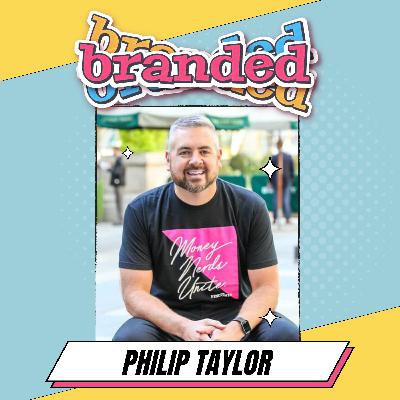
Welcome back to Branded: your comprehensive guide to creative branding.In today's episode, we're joined by an incredible guest, Philip Taylor, also known as PT, who is the founder of FinCon, a massive conference for financial creators. With his background as a CPA and his journey back into tax practice, PT offers invaluable insights into managing your brand from a financial standpoint, especially when it comes to taxes.We dive into the ins and outs of how entrepreneurs can navigate the complex world of taxes, optimize deductions, and make informed financial decisions that bolster their brand's growth. PT shares his unique perspective on the importance of separating personal and business financials right from the start, as well as practical tips for those embarking on the entrepreneurial journey.We also explore PT's events, FinCon and the newly acquired TravelCon, showcasing how these conferences foster community and collaboration among content creators in both finance and travel sectors.Key Takeaways:Importance of Financial Separation: PT emphasizes the necessity for entrepreneurs to clearly delineate between personal and business finances by setting up separate accounts and credit cards. This fundamental step lays a solid foundation for effective financial management and simplifies tax preparation.Understanding Tax Deductions: PT highlights commonly overlooked deductions, such as home office expenses, vehicle use for business, and retirement contributions. He advises entrepreneurs to maximize these deductions to ease financial burdens and safeguard profitability.Accelerate Expenses for Tax Benefits: He suggests accelerating potential business expenses into the current year to optimize tax deductions, though he warns against unnecessary spending purely for tax advantages.The Value of Community in Financial and Travel Spaces: PT shares the growth and impact of FinCon over the past 13 years, where creators gather to enhance their marketing skills and network. Similarly, TravelCon aims to support travel content creators in expanding their digital influence and business acumen.Navigating Entrepreneurial Challenges: Through personal anecdotes and client experiences, PT offers sage advice on managing the unexpected pitfalls of entrepreneurship, underscoring the importance of preparation and strategic financial decision-making.Join us as we explore how to effectively manage your brand's financial health and hear firsthand from a seasoned expert who bridges the gap between creativity and fiscal responsibility. Subscribe now to stay updated with more insightful discussions on Branded.

Welcome back to Branded: your comprehensive guide to creative branding. In this outside-the-box episode, we explore the world of agricultural branding. This might not be the first industry that comes to mind when you think about branding, but as we found out, it's deeply intertwined with the agricultural sector.We were thrilled to welcome two experts to the show: Dr. Autumn Pickett and Dr. Shea Mackey. They shared their insights into how branding is applied in agriculture and the historical significance of branding in this field.Dr. Mackey and Dr. Pickett walked us through the different methods of branding cattle, from the traditional hot iron method to the more humane freeze branding. We also explored how these different methods can impact both the animals and the final products, such as leather goods or the cattle’s value in show competitions.This episode was not just about cattle branding but opened a broader conversation about how a ranch’s reputation and breed choices can act as a form of branding in agriculture. Plus, we had a lot of fun diving into the quirks and oddities of cow culture and how cattle can have chiropractors, yes, chiropractors!Let's break down the key takeaways:Historical Roots of Branding: We learned that branding dates back thousands of years, with the Egyptians pioneering the practice, and how it evolved significantly in the Americas with the Spanish influence. This history highlights the longstanding significance of branding in agriculture.Methods and Implications of Branding: Dr. Mackey and Dr. Pickett differentiated between hot iron and freeze branding, noting the latter as a more humane and preferred method due to its minimal stress on the animals and clearer visible results.Branding as Ranch Identity: As we explored, brands are more than just identification marks; they symbolize a ranch's legacy and reputation. Certain brands, like the 4-6’s, convey a story and set a standard for the animals that carry them.Modern Innovations in Branding: Even with tech advances like RFID tags and ear tattoos, the permanence and tradition of physical branding still play a vital role. These electronic methods, while useful, present issues like getting lost or removed, which hot and freeze brands do not.Branding Beyond Cattle: The conversation extended to how branding principles apply more broadly in agriculture, with ranches known for specific breeds much like companies are known for specific products. This highlights the broad applicability of branding concepts across various sectors.We hope this episode has expanded your perspective on branding. Whether you're thinking agricultural or entrepreneurial, the principles of creating a clear, lasting mark resonate across all fields. And, of course, happy April Fools Day!
Welcome back to Branded: your comprehensive guide to creative branding.In today's episode, we dive into the intriguing world of brand loyalty and explore how to transform brands into cultural phenomena with super fans. We'll examine the triumphs of major brands like Apple and personal brands like Taylor Swift, who have mastered this art seamlessly.We discuss the unique challenges smaller brands face in building loyalty amidst a sea of choices and share strategies to stand out. One of the techniques we explore is how assigning a collective name or identity to your followers can foster a strong community bond.Further, we emphasize the role of authenticity and storytelling in connecting with audiences and the importance of actively engaging with your audience beyond traditional social media posts. Real-life engagements, shared experiences, and showing your human side are key to deepening these connections.We promise this episode has something for brands of all sizes seeking to create super fans. Enjoy this foray into brand loyalty with us, and discover how to leverage these expert insights in your branding strategy!Key takeaways:Building Brand Loyalty: We stress that fostering brand loyalty in today's market involves more than just having a good product. Creating a group identity, such as the "Swifties" for Taylor Swift's fans, is a crucial step in helping individuals feel connected to your brand community.Challenges for Smaller Brands: With a myriad of choices available, smaller brands find it harder to capture and maintain loyalty. We discuss how important it is for these brands to differentiate themselves through unique, genuine connections and storytelling.Importance of Authentic Engagement: Engaging your audience goes beyond posting on social media. It requires active participation, including responding to comments and creating dialogue, to turn followers into super fans who are emotionally invested in your brand.Leveraging Storytelling: We highlight how storytelling is key to building emotional connections. Sharing personal experiences and insights with customers can create empathetic bonds and position your brand in a relatable manner.Real-World Engagement: Authentic engagement extends beyond the digital realm. We talk about attending events and conferences to establish personal connections and shared experiences, which can profoundly boost brand loyalty and super fan conversion.We're excited to hear your thoughts on today's episode and hope you found the information valuable for nurturing your own community of super fans.
Welcome back to Branded: your comprehensive guide to creative branding.In this episode, we dive into the fascinating process of writing and self-publishing a book. Both of us have embarked on our own book-writing journeys, and we’re eager to share our unique experiences and the tools that have made it possible. Our discussion ranges from utilizing AI like ChatGPT and other technological aids, to overcoming the challenges like imposter syndrome. With the recent news of 'Branded' becoming an LLC (now celebrating our first anniversary!) we touch on the dual ownership dynamics and the balance of maintaining our individual and joint brand identities.Key takeaways:The Role of AI in Book Writing: We both discuss the significant role AI tools such as ChatGPT played in structuring, outlining, and refining our books. Larry even jokes about ChatGPT writing 87.3% of his book, underscoring the utility of AI in content creation while still adding personal stories and insights.Navigating the Self-Publishing World: We talk about the misconceptions around self-publishing being difficult and expensive. By sharing our own cost-effective strategies and experiences with tools like Chapterly, Canva, and Atticus, we demonstrate how accessible and achievable self-publishing can be.Importance of Outlining and Structure: Larry shares his approach of using ChatGPT to model chapters with recurring themes, while Sara emphasizes the iterative process she went through using Chapterly to break her book into manageable parts, highlighting the necessity of structure in avoiding overwhelm and ensuring clarity.Overcoming Imposter Syndrome: We discuss the emotional barriers in the publishing journey, especially imposter syndrome. Sara shares her excitement and disbelief about the possibility of her book being on Barnes and Noble shelves, while Larry encourages writers to embrace their unique journey.Marketing and Distribution Considerations: The episode also addresses ways to market and distribute your book, from leveraging local bookstores for consignment sales to the simplicity of approaching larger retailers like Barnes and Noble with your ISBN. Larry emphasizes the importance of aligning these strategies with the author’s initial goals for their book.Overall, this episode aims to demystify the book-writing process and empower budding authors with practical advice and encouragement to take the leap and write their own book. We hope to inspire you to start writing and integrate new, innovative tools along the way.

Welcome back to Branded: your comprehensive guide to creative branding.In today’s episode, Sara fumbled her way through a conversation with Daniel Goddard, a former actor known from his roles in shows like "Beastmaster" and "The Young and the Restless." Daniel has since transitioned into the digital marketing realm and now focuses on developing AI networking applications. We journey through Daniel’s fascinating career transformation from acting to becoming an entrepreneur in the tech space, and how he leverages his past experiences in branding himself as an actor to now aiding others in building their brands.Daniel shares his insightful perspective on branding, community-building, and authentic connections in an increasingly digital world. We explore his current projects, including "Disco," an AI-powered networking app designed to create genuine connections among users based on shared interests and proximity.Key Takeaways:Evolution from Acting to Branding: Daniel transitioned from a vibrant acting career, starring in over a thousand episodes of "The Young and the Restless," to establishing his own digital marketing and AI networking business. His acting career reinforced essential branding skills that are now applied to building cohesive brand strategies for others.Understanding and Building a Brand: Throughout his career, Daniel identified the importance of branding consistency and evolution. He emphasizes finding a niche and constantly expanding it while catering to its audience.The Power of Community in Branding: Daniel discusses how creating a community around shared interests reinforces brand loyalty. Back in his acting days, fan interactions highlighted the collective power of community engagement, which he now channels into his networking platform.Navigating Social Anxiety with Technology: The "Disco" app, a project Daniel is passionate about, is built to combat social anxiety by helping people find common ground through an easy-to-use, GPS-based networking system. The app matches users through shared interests designated by hashtags, facilitating genuine connections bolstered by AI-aided conversations.Authenticity in Digital Interaction: While AI often feels artificial, Daniel's approach is to use AI to nurture authentic human interaction, helping people focus on meaningful connections rather than superficial online interactions. The overarching theme is leveraging AI to create genuine connections in professional and personal settings.Join us as we learn from Daniel’s journey in branding—from the charming world of soap operas to the innovative realms of tech entrepreneurship. Embrace the lessons of how branding, authenticity, and community-build are interwoven, and discover how you might apply these insights to your own personal or professional brand.
Welcome back to Branded: your comprehensive guide to creative branding.
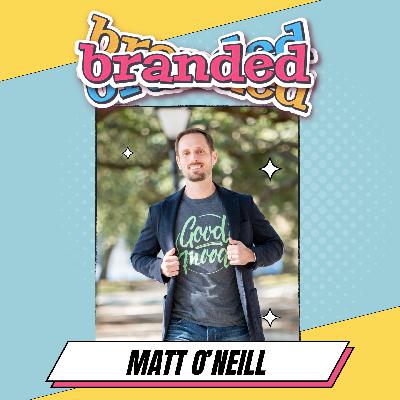
In this enlightening episode, we dive into the power of happiness and the crucial role it plays in personal fulfillment and professional branding. We are thrilled to welcome our guest, Matt O'Neill, a renowned happiness coach, author, and host of the popular podcast, Good Mood Revolution. Matt has touched the lives of over 100,000 people with his insights on happiness and emotional well-being.
Together, we explore the fascinating concept that our path to positive emotions often lies through understanding and managing our negative ones. Matt shares actionable strategies from his book, "Good Mood Revolution: Igniting the Power of Conscious Happiness," which has become a bestseller in multiple categories on Amazon. His work emphasizes that happiness is not just a feeling, but a choice we make each day, even when life throws its toughest challenges at us.
Matt also gives us an exclusive peek into his personal evolution in the realm of happiness coaching, transitioning from focusing solely on positive emotions to addressing the complexities of dealing with negative emotions to foster true happiness.
Key Takeaways:
Understanding Happiness through Negativity: Matt highlights that true happiness often involves navigating through our negative emotions. By facing these less pleasant feelings, we can achieve a more profound and enduring state of happiness.
The Impact of Technology on Happiness: We discuss how modern technology, particularly social media, has created "fast food" relationships, leading to a decline in genuine human connections and overall happiness compared to pre-smartphone times.
The Significance of Real Connections: Matt underscores the importance of investing in real, face-to-face relationships. These connections, though requiring more effort, are pivotal to achieving lasting happiness.
Adopting a Yes Man Lifestyle: Inspired by Jim Carrey's movie "Yes Man," Matt shares how saying "yes" to opportunities and experiences can significantly enrich our lives and increase happiness, despite the initial effort it may require.
Acceptance and Gratitude as Tools for Happiness: To achieve happiness, Matt advises first accepting any given situation fully, regardless of how difficult it may be. Following acceptance, finding aspects of the situation to be grateful for can transform our outlook and increase our happiness.
Join us for this insightful conversation and start your journey toward a happier, more fulfilling life. As always, we thank you for tuning in, and we encourage you to explore Matt O'Neill's Good Mood Revolution podcast for more on how to cultivate happiness in your everyday life.
[embed]https://youtu.be/hT0HcCu7igs[/embed]
About Matt O'Neill
Matt O'Neill is a Happiness Coach whose work has positively impacted the lives of over 100,000 people. He's the author of "Good Mood Revolution: Igniting the Power of Conscious Happiness" - #1 best seller in 7 different categories on Amazon, with over 100 Five-Star reviews. He's also the host of the "Good Mood Revolution" podcast where he delivers strategies to grow our happiness skills each week. Matt shows us how our path to the most positive emotions is through the negative ones. Understanding this, you will see how happiness is your choice, even when life gets tough.
Learn more at Mattoneill.com.
Welcome back to Branded: your comprehensive guide to creative branding.
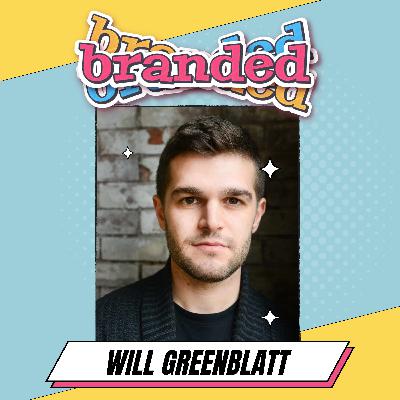
In this episode, we're excited to welcome Will Greenblatt, a recovering child actor from Disney Channel turned entrepreneur, public speaking coach, and creative powerhouse. Starting his acting journey at just seven years old, Will has leveraged his experiences in acting, teaching, and entrepreneurship to co-found the OutLoud Speaker School, focusing on enhancing public speaking skills for executives and entrepreneurs.
Today, we dive into Will's fascinating journey from the world of acting to the realm of branding and teaching. We explore the duality of personas, authenticity in branding, and the significance of storytelling in building meaningful connections. Both Larry and Sara engage in profound discussions with Will about the challenges of maintaining personal authenticity while nurturing a public persona, whether it be as the "Red Hat Guy" or a former child actor.
Personas vs. Authenticity: Will discusses the importance of moving from performance-based personas to true authenticity. By embracing one’s true self beyond the act, he found a way to connect better with audiences while maintaining his own peace of mind.
Storytelling as a Powerful Tool: We dive into how storytelling forms the backbone of impactful communication. Will and Larry share personal anecdotes, emphasizing the transformative power of sharing genuine stories not just for business, but to connect on a human level.
Embracing Vulnerability: We all explore how embracing vulnerability can strengthen connections. Sharing personal struggles and hardships, they noted, can inspire others and foster an environment of empathy and understanding.
The Influence of Personal Experience: Will and Larry reflect on how personal experiences, whether it be loss or overcoming substance abuse, shape their professional stories and thereby their brands. Authentic experiences serve as a bridge to audience connection.
Building and Engaging a Community: Will provides insight into leveraging platforms like LinkedIn for community building and discusses the importance of creating content that truly resonates. He shares his approach to maintaining an engaged and responsive network, using platforms like newsletters and community forums for genuine interaction.
We hope this episode inspires you to take a closer look at the stories behind your own brand and find new ways to connect authentically with your audience.
And head to our social media for a bonus clip: Will Greenblatt revives his role of Sheldon Schlepper on Life With Derek to sign his character's rendition of Piano Man, fulfilling a bizarre lifelong dream for Sara.
Thank you for joining us, and we'll see you next week on Branded!
[embed]https://youtu.be/eS3s_RN4Lgs[/embed]
About Will Greenblatt
Will Greenblatt started acting at seven years old, starring in The Homecoming with Oscar Winner Anne Bancroft. He graduated from theatre school in 2010, but hated being a working adult actor, so he quit. He moved to Spain to teachEnglish before co-founding an Education company in China. He used his background in acting, teaching, and entrepreneurship to co-found OutLoud Speakers School, an agency of actors teaching public speaking skills to entrepreneurs & executives. He has repeatedly spoken at Google, Wayfair, Remax, Boston Dynamics, and Ericsson, and coached over 5000 individuals worldwide. Will’s clients have won over $350 million in investment and won deals on Dragon’s Den. When he’s not speaking, he is also a performing & recording musician, with 2 albums available on Spotify. Will speaks 4 languages and is currently learning his 5th, Urdu, to speak with his wife’s family and their daughter.
LinkedIn: https://www.linkedin.com/in/willgreenblatt/...
Welcome back to Branded: your comprehensive guide to creative branding.
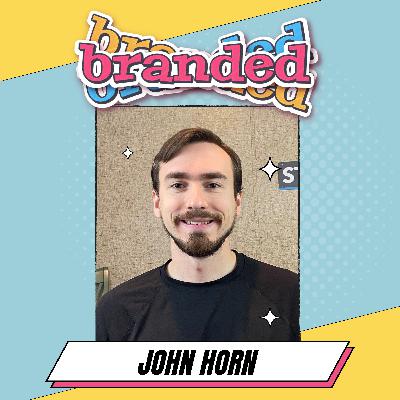
In this episode, we had an engaging conversation about a topic that’s essential for modern businesses—leveraging online advertising to drive growth. We decided to dive into the intricacies of Google Ads, a platform that’s often misunderstood or underutilized by many. Joining us is John Horn, a digital advertising expert with a wealth of experience in Google Ads and YouTube ads, who is here to demystify these tools and help businesses harness their potential.
We explored the evolving landscape of Google Ads and John shared his insights on making informed and strategic decisions regarding online advertising. From the nuances of campaign types to crafting compelling landing pages, John provided a wealth of knowledge that even we, with our backgrounds, found enlightening.
Key takeaways:
Setting Clear Goals for Your Campaigns: John emphasized the importance of starting with a clear goal when leveraging Google Ads. Understanding what you want to achieve—be it lead generation, sales, or brand awareness—is crucial to structuring your campaigns and measuring their success.
Understanding Different Campaign Types: Google Ads isn’t just about search ads anymore. John explained different types of campaigns, like YouTube and display campaigns, and how they can suit different business needs, giving listeners a fundamental understanding of the Google Ads ecosystem.
Importance of Data Analysis: One of the standout points was the importance of data. According to John, regularly reviewing the search terms report helps businesses understand where their spend is going and allows for adjustments to avoid wasting budgets.
Crafting Effective Landing Pages: A pivotal aspect of successful ad campaigns is the landing page. John discussed essential elements such as load speed, clear calls-to-action, and visual cues that align with the ads’ messaging to ensure higher conversion rates.
Choosing the Right Time and Budget to Start: For businesses just starting out, John recommended not jumping into Google Ads too soon. It’s vital for businesses to have a stable base and budget—ideally around $2,000 per month—to effectively run campaigns without unnecessary financial strain.
We hope this episode provides a comprehensive guide to those looking to venture into Google Ads or refine their existing strategies. Remember, as John pointed out, patience and continual learning are keys to success in advertising.
[embed]https://youtu.be/qkvQkOKeIjA[/embed]
About John Horn
John Horn is the CEO of StubGroup, a digital advertising agency and Premier Google Partner. Google ranks him in the top 1% of all Google Partners worldwide for performance and customer care.
StubGroup has generated over half a billion dollars in revenue for its clients across many different verticals, including B2B, B2C, local retailers, professional services, product brands and more. Stubgroup has also helped over 2000 clients across 15k campaigns with paid ads and suspension issues.
John has taught digital advertising to over 100,000 students via online courses and the videos he produces through StubGroup's YouTube channel have received millions of views.
Welcome back to Branded: your comprehensive guide to creative branding.On today's episode, we dive into the experience of being an introvert in the podcasting and creative branding space. While podcasting might seem inherently extroverted, many of us navigate it as introverts, using unique strategies to manage energy and interactions.We explore how introverts can comfortably and effectively express themselves in branding, whether through the safe confines behind the podcasting mic or by leveraging the power of written content. We share personal anecdotes about navigating large conferences and networking events, highlighting various strategies introverts can use to thrive in these settings.This conversation is a great reminder that the creative and branding industries have room for everyone, no matter where you land on the introversion-extroversion spectrum.Key takeaways:Leveraging Podcasting for Introverts: We discuss how podcasting offers a unique opportunity for introverts to build their brand and share their message comfortably, as it can often involve one-on-one conversations and post-production control over content.The Power of Writing in Branding: Writing as a form of content creation is highlighted as a tremendous avenue for introverts, allowing them to craft detailed messages without needing direct social interaction. With trends shifting on social media platforms, writing is becoming increasingly influential.Importance of Energy Management: We touch on the importance of understanding how one's energy is drained and replenished, particularly in public settings like conferences. Retreating to a quiet space periodically can help introverts recharge.Networking Strategies for Introverts: We share strategies for introverts to navigate networking, such as forming meaningful, quality connections rather than focusing on quantity and utilizing smaller, more intimate events to ease the social strain.Bringing Support Systems: The idea of attending events with a friend is proposed as a practical way to reduce anxiety for introverts. Having a familiar face present can make large or unfamiliar gatherings feel less daunting.Thank you for tuning in, and we hope these insights help you navigate your own branding journey with confidence and creativity. If you found value in today's episode, make sure to subscribe to the podcast wherever you listen, so you never miss out on future episodes.

Welcome back to Branded: your comprehensive guide to creative branding.
In this episode, we dive into the power of LinkedIn and uncover how it's not just a platform for job seekers but a dynamic social media network ideal for branding. We're joined by Melissa Cohen, a LinkedIn expert who transitioned from a flourishing fashion industry career to become a personal branding advocate and co-author of the book “Your Career Resilience Blueprint.”
We explore how LinkedIn transformed from a dusty resume repository to a thriving hub for professional networking and personal growth. Melissa discusses her own journey, shedding light on how LinkedIn changed her life by opening up new career opportunities and connections.
The conversation delves into how the pandemic blurred the lines between personal and professional spheres, making LinkedIn a more personable platform. We also discuss strategies for utilizing LinkedIn effectively, from the importance of commenting on posts to the best practices for engaging with other users.
Key takeaways:
LinkedIn: More Than a Job Board: Melissa Cohen emphasizes that LinkedIn is no longer just a place for resumes; it’s a vibrant social media platform where professionals can build relationships, leverage business opportunities, and even co-author books.
The Pandemic’s Impact on Professional Boundaries: Discussion around how remote work during the pandemic has blurred the lines between personal and professional life on LinkedIn, making personal branding more important than ever.
The Role of Engagement: Melissa shares that the magic of LinkedIn lies in its comment sections. Engaging with comments on your posts and those of others builds relationships, increases visibility, and creates valuable business connections.
Personal vs. Company Pages: Sara and Melissa discuss the importance of posting content on personal pages rather than company pages for greater engagement and visibility since people prefer connecting with individuals over brands.
Avoiding the Dreaded Pitch-Slap: Melissa advises against cold, transactional connections and highlights the importance of building genuine relationships on LinkedIn to avoid the infamous “pitch slap”—a term coined for unsolicited sales pitches right after connecting.
Whether you're a LinkedIn novice or looking to enhance your personal brand, this episode provides actionable insights to help you navigate LinkedIn with confidence and authenticity. If you enjoyed learning from Melissa’s expertise, be sure to check out her book on Amazon and follow her journey on LinkedIn.
Tune in next week as we explore more transformative branding insights.
[embed]https://youtu.be/XpA7BjZwA7s[/embed]
About Melissa Cohen
Melissa Cohen is a former Vice President with Ralph Lauren. When she lost her job in the 2020 pandemic, she was shocked to realize how much of her sense of self was lost with it. Even more surprising was how she found her voice— on Linkedin. Melissa believes in the power of community and lifting up others, and she loves working with clients to develop their voice and build their community on the platform.
Welcome back to Branded: your comprehensive guide to creative branding.
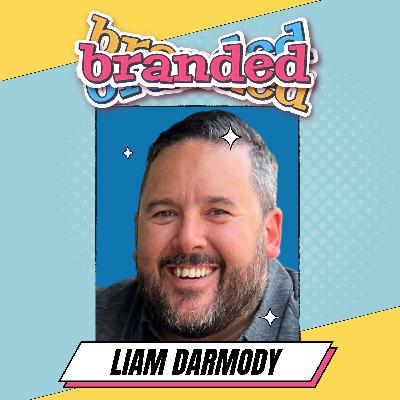
In this episode, we have an exciting discussion focused on leveraging LinkedIn for personal branding and social selling strategies. Our special guest today is Liam Darmody, a personal brand and social selling strategist known for his expertise in helping entrepreneurs and executives build magnetic personal brands on LinkedIn.
We first met Liam at the Badass Business Summit in Fort Worth, Texas, late last year, and his insights on positioning oneself on LinkedIn were outstanding. Knowing the importance of LinkedIn for personal and professional growth, we knew we had to bring Liam on the show to share his wisdom with our audience.
Throughout the episode, Liam shares his journey on LinkedIn, his approach to authentic networking, and how businesses can empower their employees to build strong personal brands. He breaks down his strategy into four key pillars, offering actionable advice and practical tips for listeners at every stage of their LinkedIn journey.
Key takeaways:
Transform Your Profile into a Landing Page: Liam emphasizes the importance of treating your LinkedIn profile like a landing page. Your profile should give visitors a comprehensive understanding of who you are, what you do, and what you're passionate about. Optimize it with a professional photo, a compelling headline, and a well-crafted about section that covers your skills, experiences, and personal interests.
Engage with Purposeful Content: Liam encourages finding and engaging with content that inspires you. This involves following industry leaders and joining conversations in the comment sections of posts relevant to your interests. Building this habit helps organically grow your connections and embeds you into the community, making your content more visible and engaging.
Create a Content Strategy with Three Buckets: Liam outlines a three-bucket content strategy to keep your audience engaged:
Scope of Genius: Share posts related to your expertise and how you help your clients.
Fascination: Talk about topics outside of work that you are passionate about to keep all parts of your network engaged.
Window into Your World: Post content that shows a more personal and vulnerable side, giving your network a deeper connection to you.
Embrace Authentic Networking: Networking on LinkedIn is pivotal. Liam advises to proactively connect with individuals and start meaningful conversations. LinkedIn’s platform allows for endless networking opportunities, making it easier to maintain and grow professional relationships compared to traditional networking events.
Encourage Employees to Build Personal Brands: For businesses, Liam highlights the benefits of encouraging employees to develop their personal brands. Empowering staff to share their professional experiences and achievements can enhance the company's visibility and culture. This engagement also builds trust and demonstrates the company's commitment to employee growth and authenticity.
We hope you find this episode as enlightening and valuable as we did. Remember, your LinkedIn presence can significantly impact your personal brand and professional opportunities, so take these insights to heart and start optimizing your profile today.
Follow and connect with Liam on LinkedIn to stay updated with more of his insights and strategies. And don’t forget to subscribe to Branded to keep receiving outstanding episodes like this one every week.
[embed]https://youtu.be/vFbnm1mKmrU[/embed]
About Liam Darmody
Liam is a personal brand and social selling strategist who helps entrepreneurs & executives build magnetic brands that attract clients, talent, and opportunity on Linkedin. Prior to founding Liam's Brand...

Welcome back to Branded: your comprehensive guide to creative branding.
On this episode, we dive deep into the intricacies of web design and SEO. We are thrilled to be joined by Roger Jorns, the founder of Reanimation Design, a web design and marketing company specializing in SEO and better website design. Roger brings a wealth of knowledge and experience in helping businesses get found on Google and structuring websites to effectively tell their story.
We met Roger at the Badass Business Summit (BABS), and his insights tie directly into our goals for 2025, emphasizing the critical role a well-designed website plays in establishing a personal and professional brand.
In our conversation with Roger, we explore everything from how he got started in web design to the importance of having a clear call to action on your site. We also discuss the evolving nature of SEO with the rise of AI and how to navigate the modern landscape of paid versus organic search.
Key takeaways:
Importance of Structure in Web Design: Roger emphasizes the need for a clear and actionable call to action (CTA) on your website’s hero image. He discusses the common mistakes of being too vague or too wordy and highlights the necessity of guiding visitors on what to do next when they land on your page.
Defining and Using Hero Images: The hero image is the first thing people see when they visit your site. Roger explains how using images strategically can guide user behavior, incorporating psychological tactics like eye tracking to direct attention to the CTA.
Common Web Design Pitfalls: From broken images to non-responsive mobile design, Roger outlines the most common issues he encounters when revamping websites. He shares horror stories but also practical advice on how to avoid these mistakes.
The Evolving Nature of SEO: Roger tackles the hot topic of whether SEO is dead or evolving. He clarifies that while some old tactics are obsolete, SEO is very much alive, though it's continuously changing. He introduces the concept of "search everywhere optimization" to adapt to how consumers search across different platforms.
Role of Paid Ads in Modern Marketing: Larry and Roger discuss the effectiveness of paid ads versus organic growth. They conclude that while paid ads can drive significant traffic, a strong website foundation is crucial for retaining visitors and converting them into customers.
We hope you find Roger’s insights as valuable as we did. He breaks down complex web design and SEO strategies into simple, actionable steps that anyone can apply to enhance their online presence.
If you want to connect with Roger or learn more about his work, you can visit his website at reanimationdesign.com or find him on LinkedIn.
Don’t forget to hit that subscribe button so we can continue to bring you these amazing episodes each and every week right here on Branded.
Until next time, I'm Larry Roberts. And I'm Sara Lohse, and we'll talk to you next week.
[embed]https://youtu.be/Ac6NHItKLVI[/embed]
About Roger Jorns
Roger was born at a young age...O wait no. Roger has an interesting journey to starting a Web Design and Marketing Company, he has 2 degrees in Theology and has worked at a lot of different places including Starbucks, selling Cutco, Best Buy, and even working as a Web Developer. But perhaps his greatest joy is his Beautiful wife and awesome sons. They are the reason he does it at all. Roger loves helping businesses figure out how their website gots into their overall marketing plan. He loves taking a design and making it come to life on screen so that a story can be told through it.
www.reanimationdesign.com
www.linkedin.com/roger-jorns
https://youtube.com/@reanimationdesign
Welcome back to Branded: your comprehensive guide to creative branding.
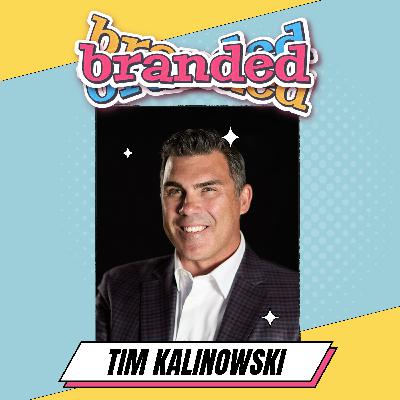
Today, Sara is joined by Tim Kalinowski, an award-winning brand and creative expert and the president of LORE. He’s someone who seamlessly blends creative vision with data-driven strategy for global campaigns.
In this episode, we explore some pivotal shifts and trends in the branding landscape. From the early days of transitioning from traditional media to digital advancements to the rise of AI and its potential impact on the future of branding, we cover it all. We also look into modern consumer behavior—especially post-pandemic—and how brands can build and maintain authenticity in a world where consumer trust is more crucial than ever.
We touch upon the challenges content creators face today and delve into the evolution of social media, focusing on how quality and authenticity have become the new gold standards. We’ll also hear Tim’s thoughts on how brands can stand out by emphasizing unique facets and maintaining a consistent narrative amid a noisy marketplace.
Key Takeaways:
Transition from Traditional to Digital: Tim reflects on the major shifts in media from using stat cameras in printing to embracing digital advancements. This timely transition has brought about significant changes in marketing strategies, primarily with the rise of the Internet from the 90s into the early 2000s. Despite initial skepticism, the shift towards digital marketing has transformed how brands engage with audiences.
Impact of AI on Branding: AI is heralded as the next big technological change. Though currently limited in its ability to capture authenticity, AI's future potential to mimic genuine communication poses intriguing challenges for media literacy. The conversation emphasizes that despite these advancements, there remains a strong consumer demand for authentic communication from brands.
Post-Pandemic Consumer Behavior: We delve into how the pandemic has fostered a new level of cynicism among consumers, pushing brands to prioritize trust and authenticity. Storytelling in marketing has become more vital than traditional sales messages. Brands need to adapt by focusing more on narratives that resonate with consumers’ values and experiences.
Social Media Trends and Generational Loyalty: We discuss the evolution of social media platforms and their emphasis on authentic content, using TikTok's micro storytelling format as an example. Generational differences in brand loyalty are also highlighted—where older generations exhibit long-term loyalty, younger consumers often prioritize alignment with social causes.
Challenges in Content Creation: Tim underscores the importance of creating high-quality and consistent content, offering advice on managing the volume of content creation. Frequent posting with a clear narrative thread is vital for maintaining audience engagement and trust. Investing in strong brand guidelines can streamline content creation and ensure messaging remains authentic and impactful.
[embed]https://youtu.be/044Z3tsdimI[/embed]
About Tim Kalinowski
Tim is an award-winning brand and creative expert with over 25 years of experience in building brands that captivate. As President of LORE, an interdisciplinary creative agency, he transforms stories into powerful, customer-centered experiences. From brand strategy and content creation to product launches and innovative web design, Tim blends data-driven insights with creative storytelling to deliver measurable results.
His career spans global leadership roles, including shaping communications teams at Kohler and leading campaigns across industries like tech, e-commerce, and manufacturing. Tim believes brands shouldn’t fear being different—only being the same. With a track record of crafting impactful strategies...
Welcome back to Branded: your comprehensive guide to creative branding.
In this episode, we are not declaring our New Year's Resolutions. We are, however, setting goals for the coming months and wanted to share some of them with you. So, we're talking about the importance of finding the right organizational systems to boost efficiency and support business growth. We also explore various tools and techniques for building affordable, professional websites and discuss effective networking strategies to enhance media exposure.
We'll share our personal experiences and struggles with organizational tools and task management systems. Sara discusses her past aversion to platforms like Salesforce, leading us to discover the necessity of a good system like Monday (not sponsored) to streamline our workflow. Larry emphasizes the significance of gaining earned media exposure and maintaining a professional website to leave lasting impressions on potential clients.
Throughout our conversation, we highlight the importance of setting realistic, tangible goals over lofty New Year's resolutions. Plus, we dive into the innovative use of Elementor for website building and how even novice users can create stunning sites without advanced coding skills. We also touch on networking tips, stressing the importance of impactful engagements and the need for regular follow-ups to maintain meaningful connections.
Let’s dive in!
Key takeaways:
Finding the Right Organizational System: Organizational platforms need regular maintenance, and finding the right system tailored to individual or team needs is crucial. Using a platform like Monday can significantly reduce the need for constant check-ins and miscommunication, thereby streamlining project management.
Affordable and Professional Website Creation: Building a good-looking, functional website doesn't have to break the bank. With tools like Elementor, users can create professional websites for a fraction of the cost typically quoted by agencies. Ensuring a polished online presence is vital for leaving positive impressions on clients, particularly after initial social media interactions.
The Power of Earned Media and Networking: Networking isn't just about making connections; it's about building relationships that convert to media opportunities and paid gigs. We stress the importance of having 12 to 15 touch points with potential clients using varied methods such as texts, emails, and DMs to express genuine interest and establish trust.
Overcoming Follow-Up Fears: Consistent follow-up is essential for closing deals and maintaining business relationships, though it's often hindered by the fear of being annoying. We advocate for overcoming this negative self-talk and remind listeners that many messages might be missed, hence multiple touch points are necessary.
SEO and Branding Photography: Enhancing your website's SEO is crucial for better visibility and credibility. Additionally, using creative, affordable branding photos from venues like selfie museums can greatly enrich your brand's visual content without the heavy costs associated with high-end photography services.
We hope this episode inspires you to set practical goals for your business and implement the changes necessary for growth. As always, don’t forget to like and subscribe to our podcast for more insights and tips on creative branding.
This episode is not sponsored, but we do have affiliate links for some of the products mentioned:
Elementor
Monday
[embed]https://youtu.be/Nigi2Ni6kzI[/embed]
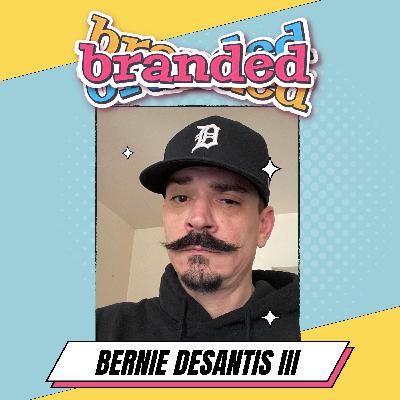
Welcome back to Branded: your comprehensive guide to creative branding.
In today's episode, we are thrilled to have Bernie DeSantis join us. Bernie is the owner of Insignia Training Partners and is known for his distinctive mustache. With over 20 years of experience in the field of leadership development training, he offers valuable insights into optimizing your presence in virtual spaces and mastering virtual event strategies.
We dive deep into the importance of equipment usage, perception in virtual environments, and the professional nuances of background and lighting. Bernie shares his expertise on making virtual events not only engaging but also effective for business development. We also touch on his personal journey, including his role at Quicken Loans and the experiential learning techniques he employs to create significant behavioral changes.
This episode is packed with actionable tips on how to present yourself best in virtual settings, ensuring your brand is perceived as professional and credible.
Key Takeaways:
Optimize Your Audio Equipment: Bernie emphasizes the importance of understanding and testing your audio setup. Much like an athlete reviews recordings to improve performance, tweaking angles and distances can make a significant difference in sound quality.
Perception in Virtual Environments: How you present yourself online critically impacts how you're received. Professionalism in both appearance and sound negates assumptions about your work quality, stressing that even in audio-focused platforms, visual preparation matters.
Background and Lighting Tips: To maintain a professional look, use non-distracting backgrounds that match the context of your presentation. Optimize lighting according to your skin undertones, and consider consulting makeup experts for the best setup.
Virtual Event Strategy: Consistency and strategic platform use like LinkedIn for invites and follow-ups are essential. Your events should offer value and insights into your personality and expertise to foster ongoing engagement rather than immediate sales.
Effective Follow-Up: Convert event attendees into clients by making multiple touchpoints—often 12 to 15 are required. Utilize tools like CRMs and ChatGPT to streamline and personalize follow-up messages, ensuring your communication is both consistent and compelling.
We hope you find these insights valuable as you navigate the challenges and opportunities of virtual branding. Don’t forget to subscribe to "Branded" for more weekly episodes that help you build and maintain a winning brand.
[embed]https://youtu.be/4fRKYRRHzew[/embed]
About Bernie DeSantis III
Bernie DeSantis III is the owner of Insignia Training Partners, a full-service learning and development company specializing in outsourced or “Fractional” training services for businesses. Put another way, Insignia is a Training Broker. Bernie brings over 2 decades of experience in training leadership, facilitation, design, and production of virtual events, webinars, workshops, and masterclasses, in unique niche and well-travelled markets.
With a passion for fostering genuine relationships and communication, Bernie places a high value on the human element in business. He understands that success is not merely about money and numbers but about building meaningful relationships and consistently delivering exceptional service.
If you see Bernie on the streets, you will know him by his EPIC mustache. Seriously, he is probably twisting and training his stache like a cartoon villain right now. Bernie brings a unique blend of real-world experiences and high energy facilitation to training. Engagement and connection are the elements most often missed in training programs, and Bernie’s team brings that in Spades.
Insignia collaborates...

Welcome back to Branded, your comprehensive guide to creative branding.
In today’s episode, we have the pleasure of sitting down with Dan Grech, founder and CEO of BizHack Academy and Pulitzer Prize winner. Dan has a rich background as a journalist, entrepreneur, and educator, and he brings a wealth of knowledge about the intersection of storytelling, AI, and business growth. He's joining us to explore the evolving landscape of AI and its implications for human creativity and business storytelling.
We discuss the unique values that human experiences and deep professional insights bring to storytelling — aspects that AI simply cannot replicate. We also examine how personal stories build deeper connections and trust between businesses and their customers. Dan shares examples from his extensive career, illustrating how integrating personal and origin stories into business narratives can foster genuine human connections.
Larry even shares his own story about why he always wears a red hat, demonstrating the irreplaceable value of personal experiences in crafting unique and engaging narratives. This episode aims to highlight the irreplaceable human elements in storytelling and how they can differentiate your brand in an AI-driven world.
Key Takeaways:
The Irreplaceable Value of Personal Experience: Dan argues that while AI can mimic data and routine tasks, it cannot replicate the richness of personal anecdotes and lived experiences. These human elements are critical in crafting compelling and relatable stories.
Shift from Data-Driven to Story-Driven: Sara highlights the need for industries deeply rooted in data to incorporate storytelling into their communication strategies. Personal stories engender unique value and engagement that cannot be achieved by data alone.
Human Connection Through Storytelling: We explore how storytelling is a timeless tool for building connections. Personal stories, like Larry's red hat anecdote, create a sense of shared experience and authenticity that resonates with audiences.
Branding and Trust through Founding Stories: Dan emphasizes the power of founding stories and core values in establishing brand trust. These narratives not only distinguish a business from competitors but also foster loyalty and emotional connections with customers.
AI’s Role in Enhancing Storytelling: Dan shares insights on using AI for research and routine tasks while leaving the storytelling and deep analytical work to humans. He introduces the concept of a virtual biographer service, which Biz Hack plans to launch to assist businesses in crafting personalized stories.
This episode is packed with insights on leveraging the unique strengths of human creativity in the age of AI. We hope our conversation with Dan Grech inspires you to harness the power of your own stories in building a compelling brand. Thank you for tuning in, and don’t forget to subscribe for more episodes of Branded!
[embed]https://youtu.be/kH804QqsEaI[/embed]
About Dan Grech
Dan Grech is the founder and CEO of BizHack Academy, which is on a mission to train 1 million underserved businesses to grow 10x faster using AI-powered marketing and storytelling. A Pulitzer Prize-winning former NPR and PBS journalist, Dan transitioned into entrepreneurship and education, drawing from a family legacy of teaching and coaching. He’s testified before Congress, advocating for small business growth in the digital age, and has led marketing efforts for major companies, helping startups achieve rapid growth, including OfferCraft, which grew from pre-revenue to $2.5M in two years.
Dan has taught at top universities like Princeton and Columbia, and is an active mentor in South Florida’s startup ecosystem. He also established a scholarship program at BizHack that has awarded...
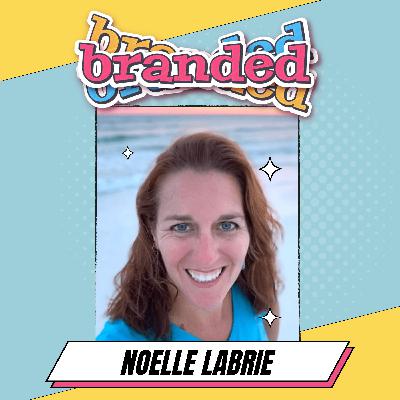
Welcome back to Branded: your go-to podcast for all things personal growth and leadership development.
In this episode, we dive into the fascinating world of leadership with our guest, Noelle Labrie. Noelle is a leadership expert who's not just known for her incredible insights in the restaurant and hospitality industry, but also for her unique streak of running at least a mile every day for over 9.5 years!
We kick off the conversation with an exploration of the differences between being a boss and a true leader. I share a defining moment from my past job as a director of marketing, where my mistake was met with unexpected support and guidance from my COO, highlighting the qualities of a true leader. This set the stage for our deep dive into leadership traits and experiences.
Noelle offers crucial advice for new business owners or leaders, emphasizing the importance of humility, learning, and self-awareness. She shares personal stories of overcoming adversity, including a transformative period during her college years when she was wrongfully involved in a narcotics investigation, leading to her expulsion. Her resilience and hard work saw her re-enroll, graduate with honors, and eventually run her own successful business.
We talk about Noelle's notable running streak that began as a simple challenge but evolved into a vital part of her daily routine and leadership practice. Running is Noelle’s form of discipline and consistency, enhancing her effectiveness as a leader and individual.
Key takeaways:
The Importance of Humility in Leadership: Noelle emphasizes that great leaders are humble and perpetually willing to learn. Admitting what you don’t know and seeking guidance can significantly enhance your leadership capabilities.
Resilience in Overcoming Adversity: Noelle's story of being wrongfully expelled from college and then returning to graduate with honors is a powerful testament to resilience. This demonstrates that setbacks can be the catalyst for personal and professional growth.
Good Leaders vs. Bad Leaders: Not only can we learn from good leaders, but bad leaders often teach us what not to do. Noelle highlights key traits like collaboration, compassion, and understanding as essential components of effective leadership.
Running as a Metaphor for Leadership: Noelle's running streak symbolizes the importance of consistency and discipline in leadership. Regular, small efforts can lead to substantial personal development and well-being, crucial for anyone in a leadership role.
Self-Assessment and Personal Growth: Noelle advocates the use of self-assessment tools to identify strengths and weaknesses as a leader. Honest evaluation and continuous improvement are pivotal for anyone looking to enhance their leadership skills.
We hope you find this episode as enlightening and inspiring as we did. Don’t forget to check out Noelle’s consulting company, Tri Skill Consulting, and follow her on LinkedIn to keep up with her latest insights.
Stay tuned, subscribe, and join us for more episodes of Branded as we continue to explore the nuanced world of personal and professional growth!
[embed]https://youtu.be/eEgB05eC9a8[/embed]
About Noelle Labrie
Noelle Labrie brings 20 years of learning and development experience to the table, having worked internationally in the Middle East and Central America across industries like food and beverage, theme park guest relations, and call centers. Her focus has always been on service—whether helping new managers grow or developing seasoned leaders. With a deep belief in servant leadership, she strives to empower employees and clients so they can better serve their customers and colleagues. Noelle doesn't create leaders; she encourages people to unlock their
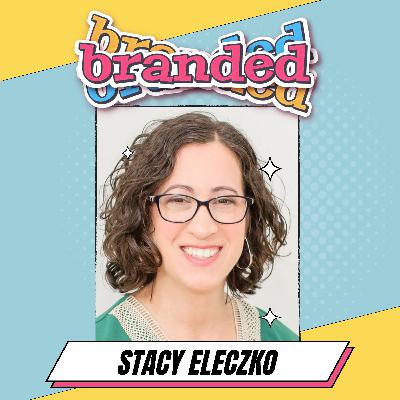
Welcome back to Branded: your comprehensive guide to authentic and ethical branding.
In today's episode, we tackle some critical conversations about the ethics of social proof and testimonials in marketing. We dive deep into the importance of honest communication, consumer awareness, and the impact of emotional marketing. We're joined by Stacy Eleczko, a talented website copywriter and brand messaging strategist, who shares her insights and experiences on the subject.
We also explore the often blurry line between influencers and thought leaders, discussing how each utilizes their platform and the different impacts they have on their audiences. This episode is packed with valuable advice on creating genuine connections with your target audience and ensuring your marketing strategies are both effective and ethical.
As usual, we're committed to helping you build a brand that's not only successful but also trustworthy and respected. Let's dive in!
Key takeaways:
Distinction Between Influencers and Thought Leaders: We discuss the marked difference between influencers, who often rely on flashy and surface-level content, and thought leaders, who aim for deeper, more impactful communication. Thought leaders inspire meaningful change and longevity in their influence, rather than just short-term attention.
Ethical Use of Social Proof and Testimonials: Both of us emphasize the importance of using legitimate testimonials and social proof in your marketing strategies. We underscore the need to obtain explicit permission from clients before using their feedback and to pair testimonials with photos or videos for added authenticity.
Impact of Emotional Marketing: Stacy critiques the long-term inefficacy of emotional manipulation in marketing, stressing that people eventually gravitate towards brands that make them feel inherently good. It's crucial to focus on creating positive and genuine emotional connections with your audience.
Modern Marketing Trends: We talk about the shift from traditional sales messages to storytelling and creating positive emotional connections. This evolution reflects a broader trend towards more human and relatable marketing strategies, which resonate more deeply with consumers.
Strategic and Ethical Marketing Practices: We highlight the effectiveness of understanding and addressing the true motivations and desires of your target audience. Stacy outlines the significance of discussing benefits, such as reducing stress or increasing family time, over just listing features. Additionally, Sara recommends the simple exercise of consistently asking "so what" when evaluating sales pages to reach the core message.
Join us as we navigate the intricate world of branding and marketing, emphasizing integrity and authenticity every step of the way. Be sure to subscribe to Branded for more insightful episodes and stay connected with Stacy Eleczko on LinkedIn, her website, and her email list for further guidance and inspiration.
[embed]https://youtu.be/v2MgMQshByk[/embed]
About Stacy Eleczko
A teacher turned website copywriter, Stacy quickly realized the struggle business owners faced when it came to differentiating themselves in the market. She shifted to include strategic brand messaging so she could ensure well crafted copy that would convert. And convert without any shady BS marketing practices. She has a passion for working with businesses that are purpose or impact driven.
www.linkedin.com/in/copybystacy
www.stacyeleczko.com
a...

Comments

Download from Google Play

Download from App Store
 United States