


 Claim Ownership
PoliticIt Podcast
Subscribed: 5Played: 290
Subscribe

© Copyright 2024 All rights reserved.
Description
PoliticIt is a weekly podcast featuring hosts Utah State Senator John D. Johnson, Elizabeth Evans and State Representative Ryan Wilcox.
195 Episodes
Reverse
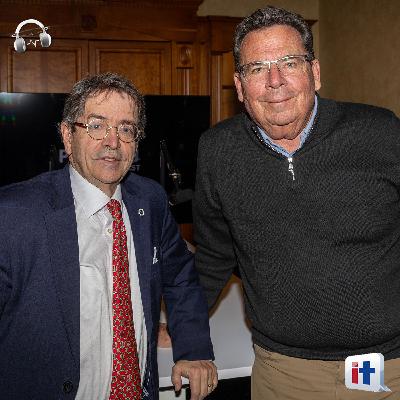
In this episode of the PoliticIt Podcast, we dive deep into the 2025 Utah Legislative session, exploring key legislation and the shifting political landscape with consultant and political advisor Dave Owen. From education reforms to public union dynamics, we dissect the implications of this session on Utah’s future.
Welcome and Introduction
Welcome back to our ongoing discussion about the developments in the 2025 Utah Legislative session. Today, we’re diving into the pivotal moments and legislative efforts that are shaping our state. With a focus on education and civic engagement, we have much to unpack. This session has been marked by significant bills, debates, and the need for a common understanding among our citizens.
Reflections on the Legislative Session
The 2025 session has been a whirlwind of activity, with various bills being introduced and debated. Each year, it seems we face new challenges, but this session has felt particularly charged. The atmosphere in the legislature has been one of urgency and importance. Many legislators have voiced their concerns over the perception of power dynamics in our state government.
It’s crucial to recognize that while some legislation may seem routine, others carry the weight of our collective future. The discussions around these bills are not just about policy; they reflect our values and vision for Utah.
The Center for Civic Thought Bill
One of the standout pieces of legislation this session has been the Center for Civic Thought Bill. Its introduction has sparked essential conversations about the role of civic education in our society. This initiative aims to foster a deeper understanding of our democratic principles and history among students at Utah State University.
Advertisement
By emphasizing traditional liberal arts education, the bill seeks to address the gaps in knowledge that many graduates face today. It’s about instilling a sense of civic responsibility and awareness that seems to be missing in current educational models.
Concerns About Common Language in Politics
As we navigate this legislative landscape, a pressing concern has emerged: the lack of a common language in politics. This disconnect often leads to misunderstandings and a fractured discourse among constituents and legislators alike. It’s alarming that many citizens feel alienated from the political process, as if their voices are lost in the noise.
Rebuilding this common ground is essential. The Center for Civic Thought Bill is a step in the right direction, providing a framework for discussions that can bridge divides. We need to foster an environment where all viewpoints can be heard and respected.
The Importance of Foundational Education
Foundational education is more crucial now than ever. The current educational model, which often resembles a buffet of courses, may leave students with a shallow understanding of vital concepts. The dispersion distribution model allows students to meet requirements without gaining substantive knowledge.
By returning to foundational works and ideas that have shaped our nation, we can provide students with the tools they need to engage thoughtfully in society. This approach not only enhances critical thinking skills but also cultivates informed citizens who are ready to participate in democracy.
Bipartisan Support for Educational Reforms
Interestingly, the push for educational reform has garnered bipartisan support. Legislators from both sides of the aisle have recognized the necessity of addressing educational shortcomings. This unity is refreshing and indicates a shared commitment to improving the future of our students.
For example, the conversations around the Center for Civic Thought Bill have seen participation from various political perspectives, demonstrating that when it comes to education, there is common ground to be found. This collaboration is essential for enacting meaningful change.
The Role of General Education in Utah State
General education plays a pivotal role in shaping the academic landscape at Utah State University. It’s about more than just fulfilling credit requirements; it’s about fostering a well-rounded educational experience. The current model often resembles a buffet, allowing students to pick and choose courses without a cohesive foundation.
The dispersion distribution model has led to concerns that students can graduate without a substantial understanding of critical concepts. This is where the Center for Civic Thought Bill steps in. By advocating for a return to foundational works, the initiative aims to create a more robust educational framework that equips students with the knowledge necessary to engage effectively in civic life.
The First Credential Initiative
The First Credential Initiative has stirred debate among educators and legislators alike. This program emphasizes competency-based education, focusing on specific skills required for employment. While this approach has its merits, such as aligning education with workforce needs, it raises questions about the breadth of education offered.
Many argue that this model narrows the focus too much, prioritizing job preparation over critical thinking and liberal arts education. We must consider how to balance workforce training with the broader educational goals that foster engaged and informed citizens. Education should not just serve immediate job markets but also prepare students for thoughtful participation in society.
Concerns Over Competency-Based Education
Competency-based education is often seen as a solution to modern workforce demands, but it comes with significant concerns. It tends to emphasize specific job skills at the expense of a more comprehensive educational experience. Critics argue that this approach can lead to a workforce that is technically proficient but lacking in critical thinking and problem-solving skills.
Moreover, there is a fear that such educational models could reinforce existing inequalities. Students who do not have access to the necessary resources may find themselves at a disadvantage. It’s crucial to ensure that while we prepare students for the workforce, we also provide them with the tools to think critically about their roles as citizens.
The Complexity of Mail-In Voting Legislation
This session has witnessed significant discussions surrounding mail-in voting legislation. The intent was to enhance security while maintaining accessibility, but the outcome has been a compromise that many find unsatisfactory. The complexities of ensuring security without disenfranchising voters pose a significant challenge.
Many citizens appreciate the convenience of mail-in voting, allowing them to review their ballots and make informed decisions without the pressure of time constraints at polling places. However, balancing these preferences with security measures is an ongoing struggle. As we move forward, it’s essential to find solutions that respect both voter access and election integrity.
The Public Union Bill: Expectations and Realities
The Public Union Bill has sparked intense discussions about the role of unions in education and public service. While some unions, like the firefighters, have shown a willingness to compromise, others, particularly the teachers’ union, have been more resistant. This has created a challenging environment for legislators trying to navigate these complex dynamics.
The perception of unions varies widely among the public. While many support the idea of unions, they often struggle with the specific actions of organizations like the UEA. The key to moving forward lies in effectively communicating the nuances of these discussions to the public, separating the interests of the union from those of individual educators.
Perceptions of Power in the Legislature
As the legislative session unfolded, a recurring theme emerged: the perception that the legislature is power-hungry. This narrative is troubling, especially when it undermines the legitimacy of elected representatives. The legislature is intended to be a voice for the people, yet the perception of overreach can alienate constituents.
It’s essential for legislators to remain aware of this sentiment and actively work to dispel it. Engaging with constituents, listening to their concerns, and maintaining transparency can help bridge the gap between the legislature and the public. The perception of power dynamics must be addressed to foster trust and collaboration.
The Role of the Supreme Court in Legislative Actions
The Supreme Court plays a critical role in shaping the legislative landscape in Utah. Its decisions can either reinforce or challenge the actions taken by the legislature. This year, the court’s ruling on Amendment D sparked significant debate, with many feeling the decision was out of touch with the needs of the state.
Understanding the implications of these rulings is essential for legislators. They must navigate the balance between enacting laws that reflect the will of the people and adhering to judicial interpretations that may differ. The perceived overreach of the legislature, coupled with judicial pushback, creates a complex environment that demands transparency and communication with constituents.
The Influence of External Forces on Local Politics
External forces often exert considerable influence on local politics in Utah. Organizations with national agendas can sway public opinion and legislative priorities, complicating efforts to maintain a focus on local issues. These influences often come cloaked in the guise of grassroots movements but can carry hidden agendas that do not align with the interests of Utah residents.
It’s crucial for legislators to remain vigilant against these external pressures. Engaging with local constituents and understanding their needs is vital to countering the narrative pushed by out-of-state interests. Building a strong, informed community base can help legislators withstand these influences and focus on what truly ma

Join Senator John Johnson as he welcomes Todd Weiler for an insightful discussion on key legislation shaping the 2025 session.
Background and Education
Born in Georgia and raised in the Chicago suburbs, Todd attended Brigham Young University (BYU), where he earned a business degree. He later pursued law at BYU’s J. Reuben Clark Law School, graduating cum laude in 1996. During law school, he was a member of the law review and was recognized in the Order of the Coif.
Professional Career
After working in Phoenix and Los Angeles for three years, Todd moved to Utah and built a legal career, specializing in business law, general litigation, and domestic issues. He has worked with several Salt Lake City law firms and currently practices at Christensen & Jensen. Additionally, he serves as an adjunct law professor.
Public Service and Political Career
Todd settled in Woods Cross in 1997 and soon became involved in public service. In 1999, he was elected to the city council, marking the start of his political journey. Over the years, he has led both the Davis County Republican Party and the Davis Chamber of Commerce.
Since joining the Utah Senate in 2012, Todd has taken on key leadership roles. He serves as the Senate parliamentarian and chairs multiple committees, including:
Senate Judiciary, Law Enforcement, and Criminal Justice Committee
Veterans and Military Affairs Commission
Senate Judicial Confirmation Committee
Policy and Legislative Impact
Todd is a vocal advocate for American capitalism, maintaining a critical stance on socialism and communism. He has also been a prominent figure in legislative efforts to regulate pornography, advocating for its classification as a public health crisis and supporting measures to implement internet filters.
With over a decade in the Utah Senate, Todd Weiler continues to influence policy and legislation, shaping the state's legal and economic landscape.
#politicit #utahelections #utpol
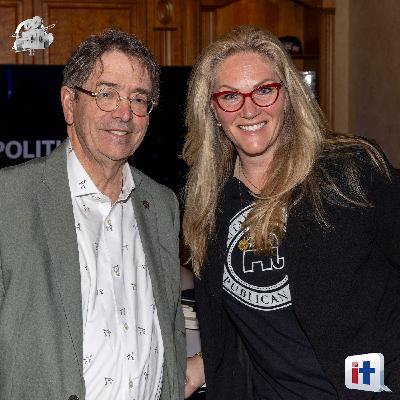
Join Senator John Johnson as he hosts Cristy Henshaw, Utah County Republican Party Chair, for an insightful discussion on key legislation shaping the 2025 session.
I’m Cristy Henshaw, and I’m honored to serve as the Utah County Republican Party Chair. My roots run deep in Utah County—my family moved back just before I started fourth grade at Windsor Elementary, where the incredible Mrs. Anderson instilled in us a love for great works of art and timeless quotes. Her dedication to classical education proved invaluable—I later tested out of a college art history class thanks to the foundation she and other amazing Utah County teachers provided. I graduated from Orem High, played soccer at UVU, and plan to spend my free time exploring every hiking and cross-country skiing trail in this breathtaking place we all call home.
Today, things feel anything but “normal”—and we all sense it. From local neighborhoods to national headlines, we’re confronted with ongoing crises, cultural battles, and an uncertain future. The fast-moving political landscape has divided many Republicans into two camps: those who feel overwhelmed and disengaged, and those ready to dig in and defend their values. But between these extremes, there is vital middle ground—and it’s up to the Utah County Republican Party to reclaim it. Our path forward isn’t found in adopting progressive narratives that claim our systems are broken. Instead, we must strengthen our caucus system, reignite enthusiasm for a party that upholds both compassion and personal responsibility, and clearly communicate a platform that fosters virtue, opportunity, and lasting societal progress. Let’s lead the way.
#politicit #utahelections #utpol
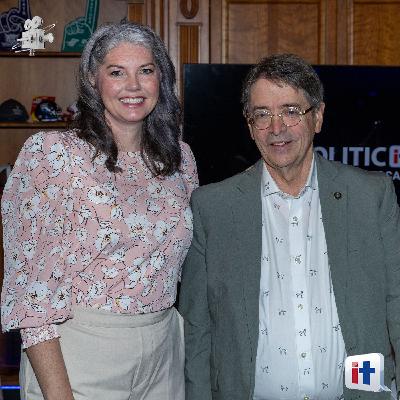
Join Senator John Johnson as he hosts Corinne Johnson, president of Utah Parents United, for a discussion on key legislation in the 2025 session.
Corinne Johnson is a seasoned policy advisor and nonprofit leader with a strong track record of shaping legislative outcomes through strategic lobbying, advocacy, and coalition-building. She specializes in navigating complex legislative processes at both state and local levels, fostering relationships with key stakeholders, and driving meaningful public policy initiatives. Her expertise includes education policy, government relations, lobbying, and community organizing.
#politicit #utahelections #utpol

Join Senator John Johnson as he welcomes Utah State Representative Jake Sawyer from District 9, serving Weber County.
From Jake,
“Having grown up here in Weber County, I've seen how strong our community can be. From my school days at H. Guy Child Elementary and Bonneville High School to my first jobs at local stores, I've learned the value of hard work and giving back. In the past few years, we've achieved a lot together - raising more money, getting our committees back on track, and bringing inspiring speakers like Ben Carson to town. As I step into a new role representing us in the Utah House of Representatives, I'm committed to keeping up the momentum. Let's keep working together to stand up for conservative values and make a real difference for the future generations.”
#politicit #utahelections #utpol

Comments

Download from Google Play

Download from App Store
 United States