


 Claim Ownership
The Partnership Path
Subscribed: 0Played: 0
Subscribe

© 2023
Description
The Partnership Path is a blend of insights, expert advice, and strategies. Whether new or seasoned in partner management, this podcast guides you to become the go-to expert.
On the Partnership Path In Real Life, you will hear firsthand stories and challenges from partner management pros. It’s not just a podcast; it’s your pocket mentor guiding you to excellence.
On the Partnership Path In Real Life, you will hear firsthand stories and challenges from partner management pros. It’s not just a podcast; it’s your pocket mentor guiding you to excellence.
68 Episodes
Reverse

In this episode of The Partnership Path in Real Life, host John Rudow chats with Brad Orluk, Microsoft Alliances Director at Salesforce, about the very real—and very messy—challenges of multi-party partnerships. Their conversation is part war story, part masterclass, and 100% relevant for partner pros trying to scale collaborative go-to-market strategy.Brad doesn’t sugarcoat it—he gives a pragmatic view of what it takes to make multi-party motions work, especially when direct sales, SIs, hyperscalers, and marketplaces all come to the table.It’s one thing to align with a single partner. It’s an entirely different beast to align with three, five, or even seven parties—all with their own goals, teams, and agendas. But when you get it right, the impact on your go-to-market strategy can be massive.Key TakeawaysMulti-party partnerships are hard—but scalable. You can’t force complex motions overnight. Start small, build trust, and expand based on wins.Don’t underestimate your sellers—they’re partners too. Aligning your internal sales team is just as critical as aligning external stakeholders.The future of selling is partnering. The lines between direct and indirect are blurring. If you can’t partner, you can’t sell.
Welcome to the ultimate wrap-up of “Elevate Your Game: Advanced Partnering Skills of “The Partnership Path”,” where John Rudow and Toni Kent don’t just talk about partnerships—they dissect the realities of today’s channel ecosystem. If you’ve ever tried to get more than two companies to move in the same direction, you know it feels a lot like herding cats.Why share this? Because the old one-to-one partner formula is dead—real growth now comes from orchestrating multi-party partnerships (MPPs) that cut across solutions, roles, and markets. This episode is for anyone ready to get serious (and strategic) about navigating these complex, advanced alliances.Key TakeawaysMulti-party partnerships are the new standard. Simple P2P matchmaking isn’t enough; real impact comes from orchestrating several partners aligned to a common vision.Discipline and structure drive success. Without clear strategic/tactical alignments, defined investments, and shared measurements, even the most promising alliances devolve into chaos.Distributors are the secret weapon. Aggregators like TD SYNNEX can facilitate, manage, and scale multi-vendor partnerships that would otherwise collapse under their own complexity.

In the world of partnerships, understanding how to manage internal stakeholders is crucial for success. In this episode of The Partnership Path in Real Life, John Rudow welcomes Michael Del Sarto, a seasoned expert with 25 years of experience in the Microsoft partner ecosystem.Their conversation delves into essential strategies for effectively communicating with internal executives, the importance of emotional intelligence (EQ), and the nuances of building strong partnerships.Sharing this video is valuable for anyone looking to enhance their skills in partnership management, as it provides real-world insights from someone who has navigated the complexities of internal and external stakeholder relationships.Key TakeawaysEmotional Intelligence Matters: Understanding the emotional landscape of your stakeholders can significantly influence partnership dynamics.Executive Engagement: Recognize that executives may not remember all details; it’s key to meet them where they are and provide timely reminders.Partnership Prioritization: Assess the strategic importance of your partnership and align it with executive priorities to foster support.
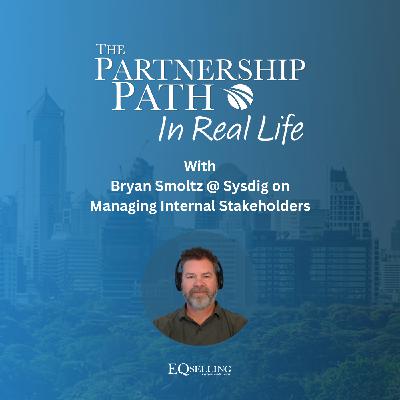
In the ever-evolving world of partnerships and business development, understanding how to manage internal stakeholders is just as crucial as engaging with external partners. In this insightful conversation, Bryan Smoltz, Vice President of Cloud and Technology Partnerships at Sysdig, shares his experiences and lessons learned over his 25-year career in managing both internal and external relationships.Whether you’re navigating complex organizational structures or trying to get buy-in for a new idea, Bryan’s candid advice and strategies can help you sharpen your approach. I believe this video is a must-watch for anyone looking to strengthen their internal relationships and drive business outcomes.Key TakeawaysUnderstand Internal Motivations: Like external partners, internal stakeholders have their own motivations and priorities. Tailor your approach to align with their goals to gain their buy-in.Learn from Failure: Not every idea will be successful. Owning the outcomes of failed initiatives and learning from them is essential for future success.Build Relationships, Not Just Requests: Develop genuine, two-way relationships with internal teams. Be seen as a partner who adds value, not just a person asking for things.
Building effective partnerships often starts behind the scenes—managing internal stakeholders is crucial for long-term success in any collaboration. In this episode of “The Partnership Path”, hosts John Rudow and Toni Kent dive deep into the nuances of stakeholder dynamics, drawing parallels between personal relationships and professional collaborations.By sharing real-life experiences and practical insights, they demonstrate the importance of empathy, clear communication, and strategic planning in managing expectations and achieving mutual goals. In a world where connecting the right people can determine the trajectory of projects, understanding how to engage effectively with internal stakeholders is a vital skill.Key TakeawaysUnderstanding Stakeholder Dynamics: Recognizing the different motivations that internal stakeholders bring to the table is essential.Emotional Intelligence Is Key: Successfully managing relationships involves applying emotional intelligence to understand and address stakeholder concerns.Collaborative Engagement: Inviting stakeholders into the problem-solving process fosters buy-in and helps refine expectations based on organizational realities.

In today’s episode of The Partnership Path in Real Life, Yvonne Matzk, CEO and founder of Coachere and the Channel Community, shares invaluable strategies for fostering organic growth within partnerships. Her extensive experience, spanning over 25 years in the tech industry, brings a wealth of knowledge on bridging the gaps between vendors and resellers.This conversation is particularly valuable as it highlights practical, actionable insights that can help both new and seasoned professionals navigate the complexities of partner management.Key TakeawaysUnderstanding the End Customer: Successful organic growth hinges on knowing the end user’s needs and how your technology can add value to their experience.Creating Strategic Alliances: Develop partnerships based on complementary strengths rather than just transactional relationships. This will foster mutual growth.Importance of Honest Communication: Engaging in candid discussions about capabilities and expectations streamlines efforts and maximizes potential.

In this episode of The Partnership Path in Real Life, John Rudow dives deep with channel manager Alessia Ippona to explore how partnerships can evolve and thrive in a competitive landscape. With a rich background in sales and business development, Alessia shares her expertise on leveraging relationships and embracing change for organic growth.This conversation is packed with valuable insights for anyone involved in channel partnerships, highlighting the importance of mutual goals and strategic planning. I believe sharing this video is crucial because it offers actionable advice on navigating the complexities of partner relationships and achieving sustainable growth in today’s dynamic market.Key TakeawaysEvaluate Partner Readiness: Understand if the partner’s operations are mature enough to support growth before pursuing new initiatives.Evangelize Change: Effectively communicate the potential benefits of new opportunities to partner stakeholders to drive buy-in and enthusiasm.Invest Wisely: Be selective about which partnerships to devote resources to, focusing on those that align with strategic growth goals.

In the world of business partnerships, the key to unlocking sustainable growth lies in understanding the intricate dynamics between partners. In this engaging episode of The Partnership Path in Real Life, host John Rudow welcomes Julian Cassell from Infor to discuss the strategies that can drive organic growth through effective channel partnerships.Why should you care? Sharing this insightful conversation can empower business leaders and partnership managers to rethink their approaches, ensuring they cultivate not just profitability, but genuine collaboration that propels long-term success.Julian’s extensive experience—over nine years managing channel partners in the UK and a strong sales background—provides an invaluable perspective on what makes partnerships thrive. His insights into identifying a partner’s true appetite for growth and avoiding common pitfalls can save you time and resources, ultimately boosting your bottom line.Key TakeawaysBuilding trust and understanding your partners’ business is essential for growth.Focus on data-driven strategies to present compelling business cases.Utilize successful case studies from other partners to inspire motivation and competition.
In today’s fast-paced business environment, finding sustainable ways to grow your partnerships is essential. In this episode of "The Partnership Path", co-hosts John Rudow and Toni Kent dive into the concept of organic growth—an approach that can foster not just revenue but also lasting relationships between partners.They tackle some challenging analogies, share valuable insights, and emphasize the need for open conversations in partnership dynamics. As an expert in the field, I believe this discussion is crucial for anyone involved in partnerships and alliances, as it sheds light on practical strategies for growth.Key TakeawaysUnderstanding Growth Models: Familiarizing yourself with the four quadrants of growth can help navigate your partnership's strategic direction.Open Communication is Key: Effective partnerships require honest dialogues about growth goals and capacities to ensure mutual success.Capacity Building Matters: Before pursuing new growth avenues, assess your partnership's operational health to support expansion.

Welcome to another insightful episode of the The Partnership Path in Real Life! In this episode, John Rudow chats with Oliver Temple, EMEA Channel Sales Leader at Lytx, about the crucial concept of competitive mindshare.If you’ve ever struggled to get your partners to prioritize your offerings amid their many commitments, this episode is a must-listen.Oliver shares actionable insights from his experiences that will help you not just gain, but maintain mindshare with your partners. Join us as we delve into the strategies that can set you apart in the crowded marketplace.Key TakeawaysImportance of Understanding Partner Priorities: Gaining insight into what drives your partners is essential for positioning yourself effectively.Building a Culture of Trust: Establishing yourself as the go-to resource builds confidence among partners and fosters long-term relationships.The Concept of Channel Credits: Think of your relationship as a bank where you need to earn “credits” through successful collaborations to maintain and grow your partnership.

Welcome back to another exciting episode of the The Partnership Path in Real Life. If you’ve ever felt the pressure of navigating partnerships in a competitive landscape, you’re in for a treat. Today, John Rudow chats with Vivienne Williamson, a seasoned client director with years of experience in the tech partnership realm.Vivienne shares fascinating analogies about gardening and relationships that illuminate how we can nurture our partnerships strategically. I wanted to share this episode to highlight not just the pivotal concepts of competitive mindshare, but also the often-overlooked importance of clear communication within partnerships.Key TakeawaysUnderstand the Seasons of Partnerships: Just like gardening, partnerships go through different stages that require different strategies and levels of engagement.Create Safe Spaces for Feedback: Encouraging honest communication about what isn’t working can lead to improved relationships and business outcomes.Leverage Internal Champions: When addressing issues with clients, involve their leadership to foster a collaborative problem-solving atmosphere.
In the latest episode of “The Partnership Path”, John Rudow and Toni Kent take a unique approach to understanding competitive mindshare in partnerships by likening it to gardening.Just as weeds compete for space and resources, so do various partnerships within the complex network of business relationships.This episode provides actionable insights into maintaining and nurturing these partnerships, making it essential listening for professionals navigating the often thorny landscape of collaboration.Key TakeawaysUnderstanding Competitive Mindshare: Partnerships must be continuously nurtured and protected from various competitive pressures, much like a garden requires regular maintenance.Proactive Monitoring: Staying vigilant about external and internal competitors is crucial for sustaining a successful partnership.Strategic Alignment: Long-term success depends on aligning partnership objectives with both partners’ visions and resources.

In a world where partnerships can make or break a business, understanding the intricacies of negotiating with partners is crucial. In this episode of The Partnership Path in Real Life, host John Rudow sits down with Channel Account Manager Charlotta Bergenstjerna from Infor to discuss practical strategies for effective negotiations with partners.Charlotta shares her wealth of experience, emphasizing the importance of maintaining boundaries while aligning both parties’ goals. This discussion is not just informative; it serves as a guide to ensure that partnership negotiations are mutually beneficial, making it invaluable for anyone involved in partner management or negotiations.Key TakeawaysUnderstanding Partner Needs: One of the main emphases is recognizing the balance between what your organization wants and what your partners need. This understanding facilitates stronger negotiation outcomes.Consistent Communication: Maintaining regular contact through different meeting cadences helps to keep both partners aligned on goals and performance.Strategic Meetings: Utilizing quarterly business reviews and annual strategic meetings ensures that both parties are on the same page and can make informed decisions moving forward.

Partnership negotiations can feel like walking a tightrope—one misstep could lead to disaster, while a well-timed decision could open doors to fantastic opportunities. In a recent enlightening conversation on the The Partnership Path in Real Life podcast, John Rudow interviews Oana Terteleac, an expert in forging partnerships, who shares her experiences and strategies for successful negotiations.This video is an absolute gem because it breaks down the nuances of partnership dynamics in a digestible way, making it not only valuable for professionals but also for anyone looking to improve their collaborative skills.Key TakeawaysPreparation is Crucial: Properly preparing is the foundation of successful negotiations, ensuring clarity and aligned expectations.Active and Open Communication: The importance of transparency between partners to foster trust and collaboration cannot be underestimated.Understanding Your Partner’s Needs: Knowing your partner’s objectives helps to build stronger partnerships and create win-win situations.

In this enlightening discussion, John and Toni dive into the intricacies of planning for successful partnership negotiations. Drawing parallels between vacation planning and strategic collaboration, they emphasize the importance of understanding expectations, aligning on goals, and being prepared for the unexpected. This conversation is a treasure trove for anyone involved in partnerships—whether in business or personal endeavors—offering practical tips to ensure your next partnership meeting doesn't leave anyone feeling like they missed the mark.Key TakeawaysSet Clear Expectations: Just as on a vacation, understanding what each party desires from a partnership is crucial to avoid disappointment.Know Your Partner’s Landscape: Research and understand the external factors affecting your partner’s business to craft relevant strategies.Embrace Empathy: Harnessing empathy in negotiations can distinguish your approach, fostering stronger, more productive relationships.

Ever wondered how big decisions are made in the corporate world, especially when multiple stakeholders are involved? Today, we have an exclusive peek into the mind of Jakob Maciolek, a leader at Microsoft driving the success of Copilot and Modern Work. Joined by John Rudow on The Partnership Path in Real Life podcast, Jakob unpacks the nuanced art of decision influence — a skill every business professional needs but few master.This conversation is more than theory; it’s a practical masterclass in understanding motivation, navigating organizational dynamics, and wielding influence with empathy and strategy. I’m sharing this episode because it’s filled with golden nuggets for anyone managing partnerships, working in sales, or looking to sharpen their interpersonal skills at work. If you’ve ever found yourself thinking, “How do I influence this decision without authority?” — this is for you.Key TakeawaysThe Power of Empathy in Influence: Influence isn’t just about logic and data. It’s about understanding personal, business, and political motivations.Ask the Right Questions, Then Go Deeper: Surface-level answers only scratch the surface. Ask follow-up questions to understand deeper motivations.Invest in Others’ Success: Help others achieve their goals, and you’ll naturally become a trusted partner in decision-making.

Navigating the world of partnerships is no simple task. With so many players involved — from CEOs to procurement officers — understanding how decisions are made becomes essential. In this insightful episode of The Partnership Path in Real Life host John Rudow sits down with Brian Galicia, a Microsoft leader with over 18 years of experience driving strategic partnerships. Together, they uncover the critical concept of “decision influence” — how and why decisions get made within partnerships and what you can do to influence them.This conversation is packed with actionable advice for anyone working in partnerships, business development, or strategic alliances. Brian shares how he and his team at Microsoft approach decision-making, how to identify key stakeholders, and how to leverage trust and curiosity to drive better outcomes.If you’ve ever struggled to get clarity on partner alignment or how to navigate a complex network of decision influencers, this episode will be a game-changer.Key TakeawaysDecision Influence is Multi-Layered — Decision-makers aren’t always the obvious choices (like partner managers). CEOs, Chief Revenue Officers (CROs), and product leaders all have a stake in the process.Understand the Alternatives — The choice isn’t always “yes” or “no” to a partnership. It’s often “this partner” vs. “that partner” or “this approach” vs. “a different approach.”Stakeholder Alignment is Critical — Knowing the “operating period” of your partner company can help you align your goals. For instance, Microsoft’s fiscal year runs July–June, which affects how deals and partnerships are timed.
In this episode of “The Partnership Path”, John Rudow and Toni Kent discuss the concept of decision influence within partnerships, emphasizing the importance of understanding the decision-making processes of partners. They explore how channel managers can develop skills to better influence decisions that impact partnerships, the complexities involved in these decisions, and best practices for navigating them. The conversation highlights the need for channel managers to think beyond transactional relationships and to consider the broader business context of their partners’ decisions.Key TakeawaysDecision Influence is Everywhere: Partner managers need to recognize the decisions happening within their partner organizations that indirectly or directly affect their partnerships.Understand the Bigger Picture: Think beyond “yes or no” and consider alternatives, investment strategies, and competitive offerings.Ask Smarter Questions: Effective influence starts with understanding decision-making frameworks, stakeholders, and internal dynamics.

In this episode of the Partnership Path in Real Life podcast, host John Rudow speaks with Kari Finnigan, Vice President of Channels at Infor, about managing partnerships in a smart, strategic way that focuses on portfolio growth rather than just individual partner performance.Kari shares how shifting her approach from “all partners all the time” to prioritizing those with the highest growth potential helped her achieve exponential growth in her channel.The discussion dives into portfolio-level thinking, engagement strategies, and the key metrics Kari and her team use to identify where to invest time and resources for maximum impact. Kari offers valuable insights from her two-decade career, sharing practical tools and frameworks to optimize channel management.

In this episode of Partnership Path in Real Life, John Rudow sits down with Richard Chaves, a seasoned partnership manager at Microsoft, who has been working with partners throughout his extensive career. They dive into the complexities of managing multiple partnerships and portfolios, sharing invaluable insights on prioritizing tasks, maintaining clarity, and navigating partnerships with ease—even when facing competing priorities. For anyone navigating partner management, this conversation offers practical wisdom and real-life strategies that could transform how you approach your own partnerships.

Comments

Download from Google Play

Download from App Store
 United States