


 Claim Ownership
Facility Rockstars
Subscribed: 4Played: 25
Subscribe

© Kaloutas
Description
This is Facility Rockstars! The podcast that celebrates the unsung heroes of our daily lives – facility professionals! I'm your host, Jay Culbert. Join me as we honor these leaders - sharing stories, insights, and expertise that empower us all to learn and grow together. Facility Rockstars is sponsored by Kaloutas, operating the way you operate in order to make your life easier. Learn more at: https://www.kaloutas.com
139 Episodes
Reverse
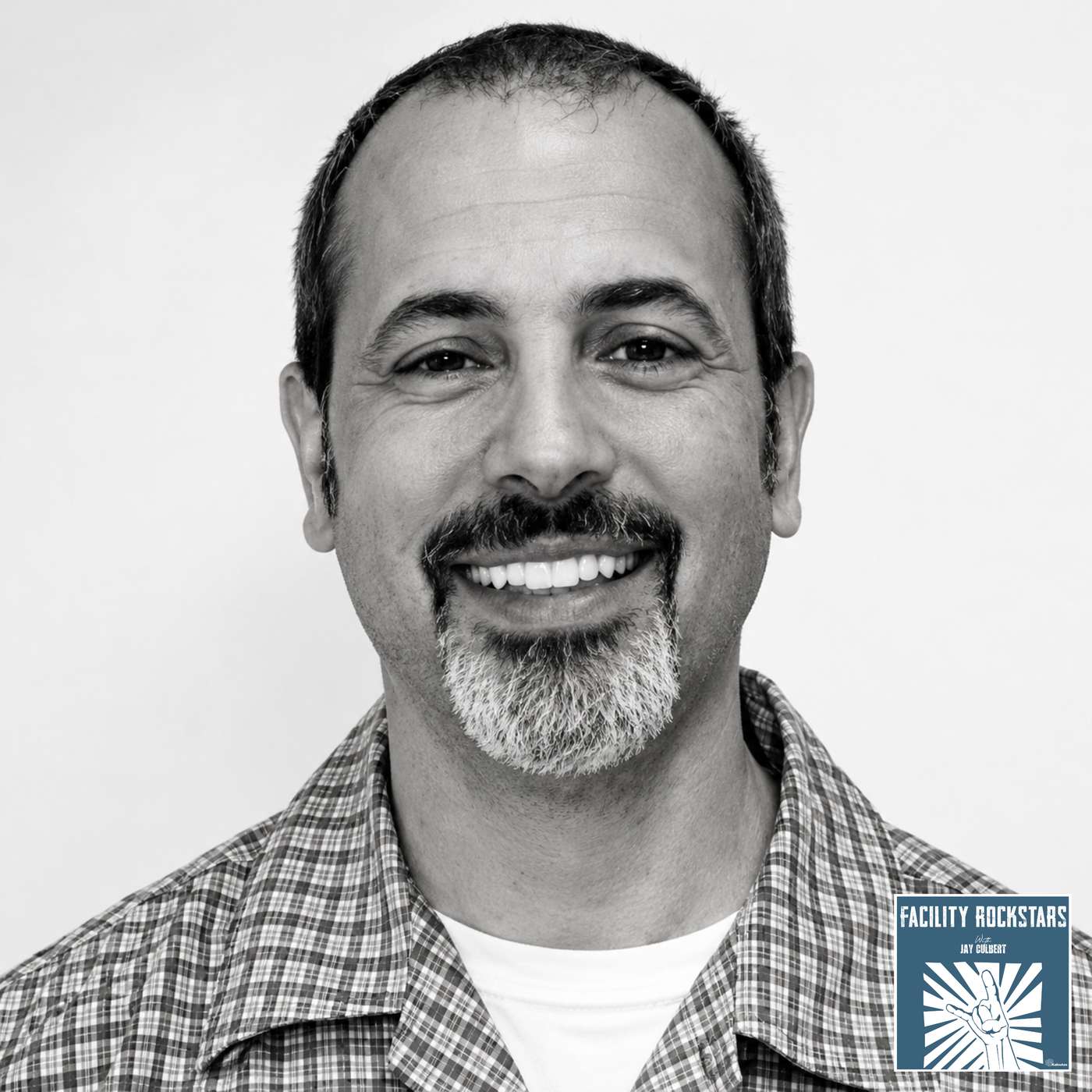
What makes a great facility leader? Is it technical expertise, operational efficiency, or the ability to bring out the best in others?In this episode of Facility Rockstars, host Jay Culbert sits down with Peter Muto, Senior Director of Facilities at Cell Signaling Technology, to explore the lessons he's learned throughout more than three decades in facilities management, environmental compliance, and operational leadership.Peter shares why the people around you are often the biggest factor in your success, how investing in employee development can transform careers, and why strong teams need a balance of different personalities and ambitions. He also reflects on his unconventional career journey, the leadership mistakes that shaped his decision-making, and the importance of learning from those around you.The conversation also explores how Cell Signaling Technology is turning sustainability commitments into meaningful action, from employee-led environmental initiatives to energy conservation projects. Plus, Peter discusses the growing role of artificial intelligence in facilities management and how predictive technologies could change the way teams operate. Takeaways:You're only as good as the people around you. Peter explains why strong teams, supportive leadership, and a positive organizational culture are essential to long-term success.Investing in people can transform careers. Through the story of an employee who advanced from a cleaning position into a key facilities role, Peter demonstrates the impact of providing opportunities for education and professional growth.Not everyone needs the same career path. Effective leaders recognize the value of both employees who want to advance and those who excel in their current positions.Leadership requires perspective and patience. Peter reflects on a difficult situation early in his career that taught him the importance of considering the bigger picture before making decisions.Sustainability requires action and investment. Peter shares how Cell Signaling Technology supports environmental initiatives through cross-functional collaboration, recycling programs, energy conservation, and organizational commitment.AI is creating opportunities for more proactive facilities management. From predictive maintenance to accessing equipment information and analyzing operational data, Peter discusses how technology can help facility teams work more efficiently.Surround yourself with people you can learn from. Whether you're entering the facilities industry or have decades of experience, Peter emphasizes the value of mentorship, peer relationships, and continuous learning.Quote of the Show: “You're only as good as the people that you work with, work for, and have around you.” - Peter MutoLinks:LinkedIn: https://www.linkedin.com/in/peter-muto-7819b152/Website: https://www.cellsignal.com/Reach out to Peter: [email protected]’s Cell: 978-578-6736Ways to Tune In:Facility Rockstars Website: YouTube: Spotify: https://open.spotify.com/show/0M2XB78b09i5vkWy1eHsxb Apple Podcasts: https://podcasts.apple.com/us/podcast/facility-rockstars/id1729458441 Amazon Music: https://music.amazon.com/podcasts/60bbc4f3-a123-47ca-9a83-eade102c5859/facility-rockstars Podchaser: https://www.podchaser.com/podcasts/facility-rockstars-5616662 Facility Rockstars is sponsored by Kaloutas, operating the way you operate in order to make your life easier. Learn more at: https://www.kaloutas.com
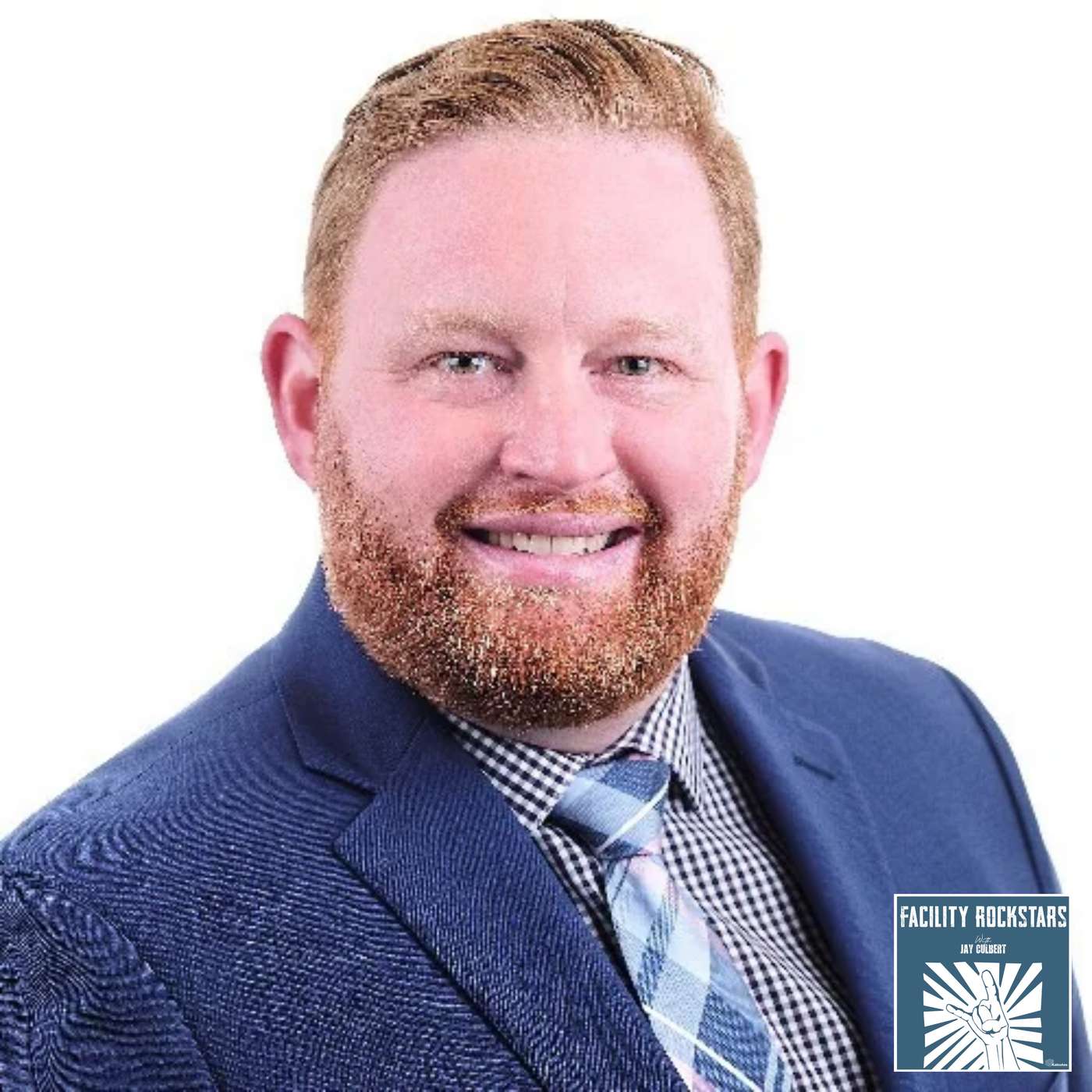
As Facility Rockstars and IFMA Boston continue to strengthen our partnership, we're revisiting a conversation that reflects our shared commitment to supporting, connecting, and elevating facilities professionals. Through this growing collaboration, we're working to bring more industry voices, valuable insights, and opportunities for professional development to the facilities community. This episode is a great reminder of why that mission matters and the importance of learning from the leaders who are helping move our industry forward.In this episode, Jay Culbert sits down with Colby Fillippelli, Senior Vice President of Facilities at JLL and **President of IFMA Boston**. With over 25 years of facilities management experience, including leadership roles at Dunkin' Brands, Hasbro, and Novartis, Colby shares his journey from HVAC technician to executive leadership and the lessons that shaped his career. At the heart of his philosophy is a simple but powerful belief: facilities is a people business that just happens to involve buildings.From navigating unexpected emergencies to using data to build more proactive teams, Colby shares practical insights on leadership, communication, and professional growth. He also emphasizes the importance of mentorship, staying connected to the industry, and giving back to the next generation of facilities professionals.As Facility Rockstars and IFMA Boston continue working together to strengthen the facilities community, conversations like this highlight what we can accomplish through shared knowledge, meaningful connections, and a commitment to advancing the profession.And we're just getting started! Stay tuned for more information about upcoming Facility Rockstars events and opportunities to connect with fellow industry professionals. We may even have a surprise or two in store! Takeaways:Be honest and ask questions constantly. Admitting what you don't know and asking for help isn't weakness — it's how you grow. The most effective facilities professionals don't fake it; they ask, learn, and communicate openly at every stage of their career.Shift from reactive to proactive using metrics. Tracking patterns in your work orders and recurring issues isn't just good practice — it drives cost savings, reduces risk, and transforms how your team operates. If you're not measuring it, you can't improve it.Communicate early, even without all the answers. Don't wait until you have perfect information to update your team or clients. Timely, honest communication — especially during a crisis — builds credibility and keeps everyone moving in the right direction.Your vendor relationships are your lifeline. Know your vendors personally before you sign a contract. When something goes wrong at 10 PM, those relationships are what keep operations from falling apart. Invest in them the same way you invest in your team.Know when to defer maintenance — and when you absolutely can't. Deferring critical infrastructure like HVAC PMs, arc flash updates, or major MEP work is a risk not worth taking. A seasoned facilities leader knows how to make the case for doing it right the first time.Pay it forward to the next generation. The industry is losing decades of institutional knowledge as Baby Boomers retire. Those with experience have a responsibility to mentor, educate, and actively invest in emerging professionals — both inside their organizations and through groups like IFMA.Mindset and attitude are as important as technical skills. Showing up with energy, professionalism, and a team-first mentality isn't optional — it's what makes everything else work. As Colby puts it: you're not curing cancer, so bring some levity to the work.Quote of the Show: "Follow-through matters more than intent, and your reputation compounds over time."Links:LinkedIn: https://www.linkedin.com/in/colby-fillippelli-cfm-8591097/ Company Website: https://www.jll.com/en-us/ IFMA Boston Website: https://ifmaboston.org/
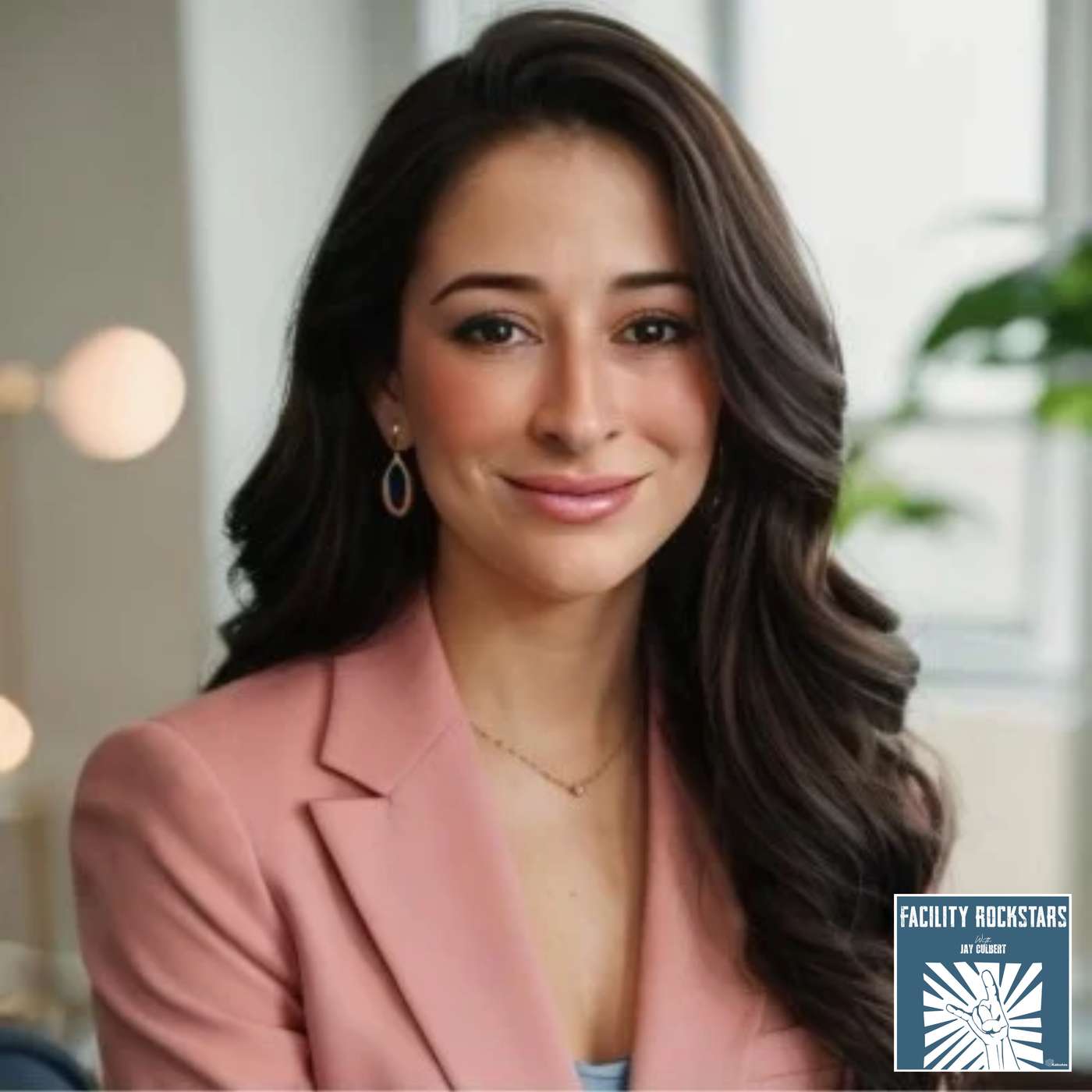
What happens when safety requirements and operational deadlines collide? For Kristie Boissonneault, the answer isn't to point fingers or shut everything down. It's to find a way forward together.In this episode of Facility Rockstars, host Jay Culbert sits down with Kristie Boissonneault, Associate Director of Environmental Health and Safety at Moderna, to explore what it really takes to build trust, influence others, and create a lasting safety culture. With more than a decade of experience spanning hazardous waste management, environmental compliance, sustainability, and EHS leadership, Kristie has learned that technical expertise is only part of what makes a great safety professional.Kristie shares how she's learned to embrace pushback, build confidence through taking risks, and work alongside facilities teams rather than acting as a roadblock. From finding creative solutions to complex compliance challenges to navigating a real-world hot work permit situation, she explains why curiosity, collaboration, and accountability can turn everyday challenges into opportunities for long-term improvement. Takeaways:The best leaders never stop learning. Kristie explains why humility and recognizing that you don't have all the answers are essential to becoming a stronger leader and building trust with others.Safety professionals should be partners, not rule enforcers. Understanding the goals and challenges of other departments helps EHS leaders create solutions that protect employees without unnecessarily disrupting operations.Don't take pushback personally. Resistance often comes from competing priorities, budgets, or deadlines. Great leaders work to understand those concerns rather than becoming defensive.Confidence comes from doing uncomfortable things. Kristie shares how taking risks, making mistakes, and learning to recover from setbacks helped her become more confident throughout her career.Technical expertise alone doesn't create influence. Strong communication, relationship-building, and interpersonal skills help EHS professionals inspire action, even when the people involved don't report directly to them.Look for solutions before accepting limitations. When a refrigerant management program needed improvement but new software wasn't financially feasible, Kristie worked with facilities to find a solution using existing systems.Build a culture of learning instead of blame. Through a real-world hot work permit example, Kristie demonstrates how addressing process gaps collaboratively can create lasting improvements in safety culture.Quote of the Show: “What differentiates good leaders from great leaders are those who can work with the pushback and not take it personally.”Links:LinkedIn: https://www.linkedin.com/in/kristieboissonneault/ Website: https://www.modernatx.com/
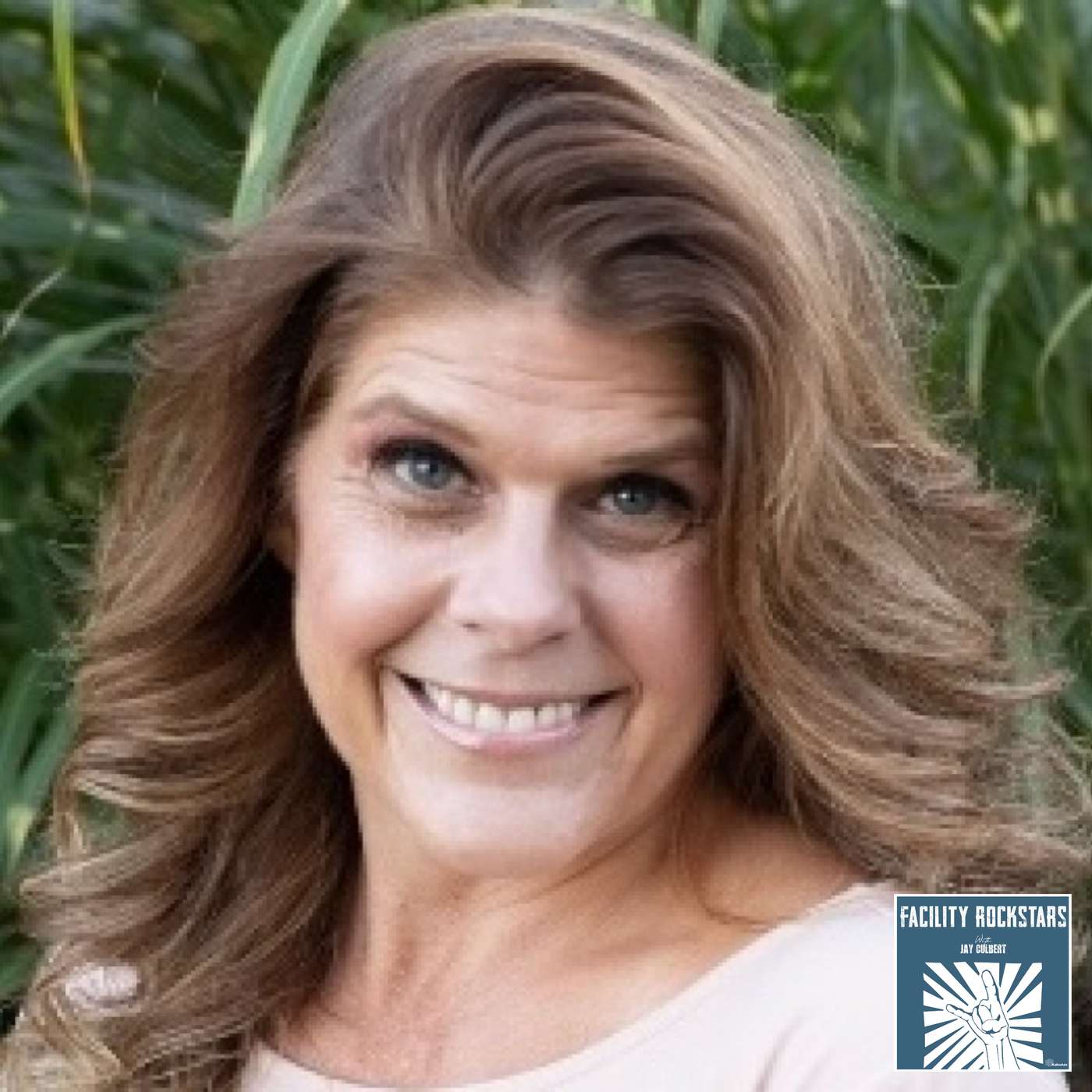
What does it take to find your voice in an industry where you're often the only woman in the room?In this episode of Facility Rockstars, host Jay Culbert sits down with Laurie Geringer, Facilities Specialist at RTX, to discuss the challenges of navigating a male-dominated industry, managing complex facility projects, and adapting to the changing demands of the modern workplace. With more than two decades of experience supporting organizations like Cisco, MITRE, and RTX, Laurie has built her career around solving space challenges, coordinating stakeholders, and finding creative solutions to keep organizations moving forward.From managing multimillion-dollar construction projects to navigating the complicated return-to-office transition, Laurie shares why curiosity, confidence, and adaptability have been essential to her success. She also explains the surprising psychology behind workspace planning, why facility professionals need to embrace uncomfortable situations, and how asking questions helped her find her voice and build a career on her own terms. Takeaways:Find your voice, even when you're the only one in the room. Laurie shares her experience navigating a male-dominated industry and explains why confidence, assertiveness, and standing your ground are essential to building credibility.Don't be afraid to ask questions. Early in her career, Laurie worried about appearing inexperienced. Now, she sees curiosity as one of the most valuable tools for learning, solving problems, and bringing fresh perspectives to the table.Growth happens when you get uncomfortable. Whether taking on an intimidating project or stepping into an unfamiliar situation, Laurie encourages professionals to embrace challenges and break overwhelming tasks into manageable pieces.Facility planning is about people, not just square footage. Laurie compares space planning to solving a puzzle, where building constraints, employee needs, and operational requirements must all come together to create a functional workplace.Workplace changes are as much psychological as they are operational. From employees reluctant to give up private offices to the challenges of returning to work after COVID, Laurie explains why understanding people's emotional attachment to their workspaces is critical.Prioritization is essential when no two days look alike. Facility professionals constantly balance competing demands, unexpected requests, and major projects. Laurie emphasizes understanding deadlines, assessing priorities, and recognizing how your work affects others.Take ownership of your career development. Laurie's advice to emerging professionals is to speak up, volunteer, ask questions, and pursue opportunities rather than waiting for someone else to create a path for them.Quote of the Show:“I ask lots and lots of questions. So I found my voice, and I just haven't stopped since.” Links:LinkedIn: https://www.linkedin.com/in/lauriegeringer/ Website: https://www.rtx.com/
What does leadership look like when the stakes are at their highest? And what happens when those same lessons are applied to the everyday challenges of leading a team?In this episode of Facility Rockstars, host Jay Culbert sits down with retired Navy SEAL Master Chief Rick Kaiser, Executive Director of the National Navy SEAL Museum, Silver Star recipient, author of Frogman Stories, and veteran of 34 years of military service. Rick shares lessons from his time with SEAL Team Two and SEAL Team Six, including his experience during the Battle of Mogadishu, and explains why some of the most important lessons in leadership come down to staying calm, holding people accountable, and being willing to do the same jobs you ask of your team.Rick also takes Jay inside the leadership challenges of running the Navy SEAL Museum, where facilities, volunteers, operations, and unexpected problems all come with the territory. From cleaning toilets in Bosnia to handling logistics at SEAL Team Six, Rick's stories reinforce a simple idea: titles don't excuse leaders from getting their hands dirty. Great leaders step up, set the example, listen to their people, and make the call when it matters. Takeaways:Being a good follower and listener helps you become a better leader. Leadership isn’t always about taking charge. Rick emphasizes recognizing when it’s time to lead, when it’s time to follow, and when it’s time to get out of the way.Leaders have to be willing to do the jobs they ask of others. Whether taking the least desirable seat during a mission or cleaning toilets for his team in Bosnia, Rick believes leaders have to set the example through their own actions.Accountability keeps teams operating effectively. Rules and expectations only work when they’re reinforced. Rick explains why someone has to “hold the line” and why a lack of consequences can quickly lead to chaos.Mental toughness can outweigh raw physical ability. Rick says succeeding in BUD/S requires physical capability, but the defining characteristic is the mental toughness to continue when quitting becomes the easier option.When a challenge feels overwhelming, focus on getting through the next hour. Rick describes approaching some of the hardest moments of SEAL training hour by hour rather than allowing the entire challenge to become overwhelming.Staying calm allows leaders to make better decisions under pressure. Instead of getting swept up in workplace chaos, Rick believes leaders should put the situation into perspective, gather input from the people around them, and make a decision.Great facilities teams make everything else possible. Now running the Navy SEAL Museum, Rick sees firsthand how much an organization depends on its facility professionals. When the building and its systems work, everyone else can focus on accomplishing the mission.Quote of the Show: “A bad call is better than no call at all.”Links:Email: [email protected] Website: https://www.navysealmuseum.org/ Book: “Frogman Stories: Life and Leadership Lessons from the SEAL Teams”https://a.co/d/08asAYst Shoutouts: Elaine Ryan: https://www.linkedin.com/in/laineryan/ Swim with a Misson (SWAM): https://www.swam.org/ Navy Seal Museum San Diego: https://navysealmuseumsd.org/ Admiral McRavenJack CarrSal DeFrancoMatt Anthony

Comments

Download from Google Play

Download from App Store
 United States