


 Claim Ownership
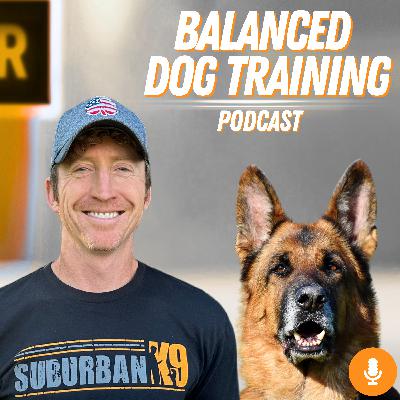
Balanced Dog Training With Suburban K9
Subscribed: 22Played: 252
Subscribe

© Suburban K9
Description
We have an expert team of dog trainers located around the country that bring their wealth of knowledge to this podcast. Matt Covey, our company founder and podcast host has been training dogs for over 18 years and has huge amounts of experience helping people raise their dogs properly and solving complex aggression and fear issues. Nelson Medrano is a Senior Trainer with SK9 and has experience with all types of dogs including countless aggression cases.
Learn, laugh and get info that only an experienced dog trainer can bring you.
Learn, laugh and get info that only an experienced dog trainer can bring you.
75 Episodes
Reverse
How to Prevent Leash Reactivity: 4 Key Insights for Dog OwnersLeash reactivity can be a frustrating challenge for many dog owners. Have you ever found yourself struggling to control your dog when they see another dog or person? In this episode we explore how leash pulling and improper socialization can lead to reactivity, and share practical steps you can take to prevent these issues. Understanding Leash ReactivityLeash reactivity often stems from a dog’s frustration when they can’t reach something that excites or scares them. This can manifest in pulling, barking, or lunging. Understanding the root causes is crucial for effective training.The Role of SocializationMany new dog owners don’t realize that insufficient exposure to different environments, people, and animals can lead to anxiety and reactivity. Dogs need to learn what’s normal and safe, just like children learn about the world around them.Over Socialization: On the flip side, overly indulging puppies by allowing them to meet every person they see can create an expectation that all encounters will be positive, which is not always the case as they grow older. This can lead to frustration when they are no longer the center of attention.By ensuring your dog is appropriately socialized during their early months, you can help them become more relaxed and confident in various situations.Training Techniques to Prevent ReactivityLeash Training: Teaching your dog to walk calmly on a leash is fundamental. Practice commands like "heel" or "leave it" to help control their impulses.Gradual Introduction: Introduce your dog to new experiences gradually. Start with low-stress environments before moving on to busier places. For example, take them to a park during quieter hours.Desensitization: Help your dog get used to the sights and sounds of everyday life. This might include walking near busy streets or meeting other dogs. Allow them to observe without the pressure of direct interaction.Clear Commands: Consistency in commands and expectations is key. If you allow your dog to pull on the leash sometimes and not others, they become confused. Stick to the rules you set.Daily Training: Integrate brief training sessions into your daily routine. This can be as simple as practicing commands during walks or rewarding calm behavior when encountering other dogs. Recognizing TriggersIdentify Specific Triggers: Pay attention to what specifically causes your dog to react. This could be other dogs, specific people, or even loud noises. Understanding these triggers will help you manage and train effectively.Plan Your Walks: Choose routes that minimize encounters with triggers, especially during the early stages of training. Gradually introduce them to their triggers in a controlled manner as they improve.Key Takeaways- Proper socialization and consistent training are crucial in preventing leash reactivity.- Avoid both improper and over socialization to help your dog learn what normal interactions look like.- Use positive reinforcement and controlled exposure to encourage calm behavior.- Maintain consistency in your training commands and routines to prevent confusion.By implementing these strategies, you’ll be on your way to having a well-behaved dog that enjoys walks without the stress of leash reactivity.
In this episode, the guys dive into various dog-related topics, sharing their hot takes on various things people do with their dogs, training methods, misconceptions about dog breeds and more. They discuss the absurdity of certain dog behaviors, the importance of responsible pet ownership, and the challenges of dog training in a world filled with misinformation. The conversation is filled with humor, frustration, and a few silver linings as they navigate through the complexities of dog ownership and training.Some of our topics 🤣Dogs in strollers are often not getting enough exercise.Picking up after your dog is a responsibility of ownership.Off-leash training is essential for a well-behaved dog.Fake service dogs undermine the legitimacy of real service animals.Force-free training has its limitations and should not be the only method used.Social media can promote harmful practices in dog training.Pit bulls are often misunderstood and misrepresented in society.Dog parks can be a source of disease and behavioral issues.Crating dogs is a safe practice when done correctly.Shaving dogs can lead to health issues and discomfort.Hot Takes on Dog OwnershipThe Truth About Dog Training"When I see dogs in a stroller.""Why are you shaving labs and Goldens?"
We are huge believers in the power of handling exercises. Almost every time a dog bites a family member could be prevented if the owners do these handling exercises with their dog. Not 50%. Not 75%. 99% of bites within the household could be prevented simply by doing these easy and fun exercises from a young age. There is no excuse not to do them!
Muzzle training and conditioning doesn’t have to be scary or stressful.Here is a link to the video we discussed today: https://youtu.be/FSnpjh2k7O4Why Proper Muzzle Acclimation Is So Important: When muzzle training is done poorly, dogs often learn to fear the muzzle. That fear doesn’t come from the muzzle itself, it comes from how it’s introduced.Common problems happen when:The muzzle is forced on the dog, the dog is restrained or cornered, the muzzle only appears before scary events, stress signals are ignored, or the process moves too fast. That’s how dogs learn that the muzzle predicts bad things.In contrast, proper muzzle acclimation teaches the dog that the muzzle predicts food and calm interactions, they have choice and control, nothing bad happens when the muzzle appears and staying relaxed pays off. That’s exactly what you’ll see in this video.The goal is not to rush to get the muzzle buckled. The real goal is to get a dog who understands what’s happening, who isn’t stressed or shut down, and who willingly participates. If a dog can calmly put their nose into a muzzle on their own, everything else becomes easier.Treats are a huge part of successful muzzle acclimation — and no, they’re not “bribes.” Food helps change emotional responses, build positive associations, lower anxiety, reinforce calm behavior and create clarity.Muzzle appears → food appearsThis simple step is where most of the groundwork happens.Voluntary Nose-In Muzzle Training is something you should be thinking about. Eventually, the dog begins placing their nose inside the muzzle — on their own. This is a critical moment in muzzle training.Build Duration Slowly Duration is where a lot of people mess up muzzle training. They get one success and immediately jump ahead. Instead, we build duration gradually while watching the dog’s body language closely.If stress shows up, we slow down or take a step back. There’s no deadline or rush.Choosing the Right Muzzle for TrainingNot all muzzles are created equal. For proper muzzle acclimation, the muzzle should allow full panting, allow drinking water, allow taking treats, fit securely without rubbing and not restrict breathingBasket muzzles are typically the best option for training because they allow normal mouth movement and airflow.Muzzles are one of the most misunderstood tools in dog training. A lot of people assume that if a dog wears a muzzle it means the dog is bad or incredibly aggressive. In reality, a muzzle is simply a safety tool, and when it’s introduced correctly, all dogs can learn to wear one comfortably and calmly.Thanks for listening and feel free to reach out with questions!
This episode is for all the trainers that listen to our show. Burn out in dog training is a real concern and is something all trainers should be aware of.We have roughly 50 people on the Suburban K9 team and burn out is something we talk about with all of our team members. It is crucial that you take care of your self so that you are in the right head space to help others.Happy holidays!
In this episode Matt answered some dog training questions that listeners had submitted recently. Let us know in the comments if this type of episode is helpful!
Matt's take in this episode is that stay and place are often used so much that it becomes abusive. He and Nelson dive into both commands and discuss appropriate and inappropriate uses for them. If you are interested in ensuring that your dogs and your clients dogs have a great life this episode is a can't miss.
We spent some time talking through how to handle Halloween with your dog. We discussed costumes, decorations and all the various ways your dog may become scared or aggressive. Please share this episode with anyone you think may need it!
We had a lot of comments on our YouTube channel about a streamer named Hasan using an e collar on his dog. People are alleging that he is abusing his dog with an e collar after incident during one of his live streams.We watched the videos (linked below) and then filmed this episode discussing what we saw. It led to a great conversation about e collar usage and treatment of dogs in general. Let us know what you think:!https://youtu.be/dqexB1-3TOA?si=F6F0TMu2XWlurnp9https://www.youtube.com/watch?v=S0IoJ9RXnk8
We dive into a conversation about every type of leash we can think of. We give the pros and cons of each type and explain when we use each type of leash.Let us know if you have any questions!
We had a fun conversation discussing the differences between reactive dogs, aggressive dogs and dangerous dogs. This may sound like semantics, but the distinction matters.
We had Evan Doggett on the podcast for a wide ranging dog training conversation! We talked about treadmill training dogs, fixing behavioral problems, how diet can affect your dog's behavior and much more. Make sure to follow Evan on social media and YouTube. Links below!Evan's website: doggettstyle.com Evan's YouTube Page: https://www.youtube.com/@doggettstyledogtraining
Although we are fans of e collar training, there are a lot of bad e collar trainers out there. Some people point to bad trainers and say "BAN THE TOOL", but this won't work. Bad trainers will always be bad trainers unless they learn. Banning a tool will just drive the tool underground or cause them to use a different tool with the same bad methods. When using a e collar it is crucial to (1) have a plan, (2) take your time when introducing the collar and (3) spend more time on the teaching phase than you think you need to and (4) make sure you spend a ton of time on teaching the dog another alternative to undesirable behavior.
The guys each ran through a couple of training scenarios/stories from their week. From witnessing a dog attack to socializing a Frenchie, they each had an interesting week!
Teaching your dog proper boundaries is important from a safety standpoint and it also makes life a lot more fun!This ranges from teaching them not to leave the boundaries of your yard to things such as stairs, crates, the front door and other thresholds. Enjoy the episode and let us know if you have questions!
Heel is a foundational command and when done right teaches your dog much more than to simply stop pulling. This is a command that can truly change your dog. It teaches them to focus, establishes the fact that they need to listen to you when you ask something and is a great calming technique that you can use anytime.
This episode is fully focused on our 3 step process for correcting unwanted behavior and calming a dog down. As you listen to the episode you will notice that this process is extremely simple and can be applied to a huge variety of situations. Drop a comment with any questions!
The hosts spent some time talking about current news stories in the dog world. From dog robots to Korean dog meat farms, they covered a large variety of stories. Tune in and enjoy!
In this episode, the hosts discuss how to manage dogs that are scared of fireworks, especially with the 4th of July approaching. They cover various strategies including medication, training techniques, and desensitization methods. The hosts emphasize the need for responsible pet ownership and proactive training to ensure a safe and enjoyable experience for both dogs and their owners during the holiday. TakeawaysMedication like Benadryl can help manage fireworks anxiety in dogs.It's important to train your dog in basic commands before the fireworks start.Desensitization to loud noises can reduce fear of fireworks.Staying home with your dog during fireworks is crucial for their comfort.Exercise your dog leading up to the 4th of July to help them relax.Using music to mask the sound of fireworks can be beneficial.Fireworks anxiety can be managed with proper training and preparation.Don't let your dog hide during fireworks; it can worsen their anxiety.Consider boarding your dog if you have a party during fireworks.
In this episode, the hosts discuss the intricacies of e-collar training for dogs, emphasizing the importance of proper introduction and mechanics. They explore the differences between positive punishment and negative reinforcement, and how to effectively use e-collars for commands and behavioral corrections. The conversation also highlights common mistakes trainers make and the significance of client education in ensuring successful training outcomes. We also added a new game where we randomly call one of our trainers live on the show and put them on the spot!

Comments

Download from Google Play

Download from App Store
 United States