


 Claim Ownership
Tier 1 Interventions
Subscribed: 10Played: 73
Subscribe

© 2024 Minds on Math, LLC and Dotterer Educational Consulting
Description
Math intervention, writing intervention, neurobiology, and cognitive-based learning - Jonily Zupancic and Cheri Dotterer are sharing how to incorporate them into your classroom. Jonily is a secondary math teacher and instructional coach for math K-12. Cheri is an occupational therapist specializing in neurology-based treatment across the lifespan and a Strategy-based Interventionist. Jonily secretly calls Cheri her Lesson Plan Whisperer because Cheri is always in her head, reminding her of the foundations of development before academics begin.
They met in 2018 and have been talking ever since. Together, they have discovered the Miracle Math Classroom. This classroom embeds all math standards from Kindergarten to twelfth grade, plus neuro-based interventions that improve proficiency and boost student engagement. Both gifted and learning support students thrive using the interventions they share, plus all students in between. Using cognitive enhancing techniques strategically placed in the lesson plan, students learn more and enjoy school more, and fewer students get removed from critical instruction for Tier Three Interventions.
Jonily has discovered how to teach all Kindergarten through algebra math standards using twelve, that’s right, twelve Reference Tasks. They include the Pizza Problem, 120-Chart, Paper Folding, Making Rectangles, Quick Dots, Locker Problem, Jesse and Kay, Geoboard, Candy Problem, Paint Problem, Staircase, and the Function Machine.
Cheri uses Body-Brain Anchors to ignite the flame inside everyone’s brain for learning. Whether a person is five or 90, her strategy-based interventions will ignite that flame. These Brain-Body Anchors include the Handstand Flip, Interlaced Bilateral Integration, and the Body Sentence Alphabet.
Together, they connect the puzzle behind math instruction and instructional delivery alongside these cognitive-enhancing activities to maximize math education for all students.
Join us live on the third Saturday of the month, sans July, for the math behind the Reference Task. Every live event is approximately 2.5 contact hours. The first 30-ish minutes become this podcast. To hear the entire training, join our membership program.
Please note: we will not record on holiday weekends. Join our mailing list for updates on dates.
To join us live, register at Tier1interventions.com. The 2.5-hour sessions include the PowerPoint slides, additional audio files of Jonily teaching the Reference Task, resources from Cheri, and much more. A subscription to these 2.5-hour Workshops is $97/month or $947/year.
Membership includes:
*Approximately 27.5 hours of direct training per year
*Audio files of Jonily's Hear Me Teach segments - complete
*PowerPoint Slides to grab and use in your Magic Math Classroom
*Resources from Jonily and Cheri for you and your students
*A copy of Math DYSconnected when released.
Or, you can listen to the first segment on your favorite podcast app for free; no membership is required. No matter how you listen, you will come away with golden nuggets that will transform your classroom.
Reach out to Jonily: jonily@mindsonmath.com
Reach out to Cheri: info@cheridotterer.com
Tier1Interventions.com
They met in 2018 and have been talking ever since. Together, they have discovered the Miracle Math Classroom. This classroom embeds all math standards from Kindergarten to twelfth grade, plus neuro-based interventions that improve proficiency and boost student engagement. Both gifted and learning support students thrive using the interventions they share, plus all students in between. Using cognitive enhancing techniques strategically placed in the lesson plan, students learn more and enjoy school more, and fewer students get removed from critical instruction for Tier Three Interventions.
Jonily has discovered how to teach all Kindergarten through algebra math standards using twelve, that’s right, twelve Reference Tasks. They include the Pizza Problem, 120-Chart, Paper Folding, Making Rectangles, Quick Dots, Locker Problem, Jesse and Kay, Geoboard, Candy Problem, Paint Problem, Staircase, and the Function Machine.
Cheri uses Body-Brain Anchors to ignite the flame inside everyone’s brain for learning. Whether a person is five or 90, her strategy-based interventions will ignite that flame. These Brain-Body Anchors include the Handstand Flip, Interlaced Bilateral Integration, and the Body Sentence Alphabet.
Together, they connect the puzzle behind math instruction and instructional delivery alongside these cognitive-enhancing activities to maximize math education for all students.
Join us live on the third Saturday of the month, sans July, for the math behind the Reference Task. Every live event is approximately 2.5 contact hours. The first 30-ish minutes become this podcast. To hear the entire training, join our membership program.
Please note: we will not record on holiday weekends. Join our mailing list for updates on dates.
To join us live, register at Tier1interventions.com. The 2.5-hour sessions include the PowerPoint slides, additional audio files of Jonily teaching the Reference Task, resources from Cheri, and much more. A subscription to these 2.5-hour Workshops is $97/month or $947/year.
Membership includes:
*Approximately 27.5 hours of direct training per year
*Audio files of Jonily's Hear Me Teach segments - complete
*PowerPoint Slides to grab and use in your Magic Math Classroom
*Resources from Jonily and Cheri for you and your students
*A copy of Math DYSconnected when released.
Or, you can listen to the first segment on your favorite podcast app for free; no membership is required. No matter how you listen, you will come away with golden nuggets that will transform your classroom.
Reach out to Jonily: jonily@mindsonmath.com
Reach out to Cheri: info@cheridotterer.com
Tier1Interventions.com
83 Episodes
Reverse
Why do students struggle with math — even when they get the answer right?In this full math professional development training, Jonily — founder of Minds on Math and host of Saturday Math — challenges one of the biggest misconceptions in math education:Solving is not learning.For decades, math instruction has prioritized procedures, algorithms, and finishing problems. But true math achievement comes from something deeper: number sense, reasoning, and conceptual understanding.If you're a math teacher, instructional coach, intervention specialist, or school leader working to improve math achievement and raise math test scores, this training will show you what most curriculum models get wrong — and how to fix it.In This Math Instruction Training, You’ll Learn:✔ The critical difference between number sense and notation✔ Conceptual vs procedural math instruction — and why balance matters✔ Why solving problems doesn’t guarantee understanding✔ How to improve math test scores without teaching more procedures✔ How the brain actually learns mathematics✔ Instructional strategies that scale math achievement across K–12 classroomsWhether you're preparing for state testing, redesigning your math curriculum, implementing Tier 1 math instruction, or seeking effective math intervention strategies, this session provides practical, research-informed insights grounded in real classroom results.Who This Is ForThis training is designed for:• K–12 math teachers• Intervention specialists• Instructional coaches• School administrators• District leaders focused on math achievementIf you're serious about improving math instruction and reducing math anxiety while increasing student confidence, this session will challenge your thinking — and give you a clear instructional shift to implement.About JonilyJonily is the host of Saturday Math and founder of Minds on Math. She specializes in helping educators improve math achievement through instructional shifts that prioritize thinking, reasoning, sense-making, and number sense — without sacrificing performance.Ready to Go Deeper?Join our next free math professional development training:https://us06web.zoom.us/meeting/register/tcMBm3kYSe29Uk2gXlRwPwBecause improving math instruction starts with one powerful truth:Solving is not learning.🎧 Prefer to Listen On the Go?SpotifyApple PodcastsAmazon/Audible🎙️ Credits: Host: Jonily Zupancic Production: Disability Labs Podcast Network⚠️ Disclaimer: The content shared in this video is for educational purposes only and does not replace your district’s policies or individualized education plans. Always consult with your instructional team before implementing new strategies.
Why do so many students stop trying after just one mistake?In this episode of Tier 1 Interventions, we explore why mistakes are an essential part of learning mathematics—and why many classrooms unintentionally train students to quit when they encounter difficulty.Think about how humans naturally learn. When babies learn to walk, they fall hundreds—sometimes thousands—of times before they succeed. Yet in school, mistakes are often treated as failure instead of a necessary part of learning.In this session we discuss:• Why students often stop after making a single mistake • How adult reactions can unintentionally teach students to quit • Why perseverance is essential for deep mathematical understanding • How teachers can guide students through mistakes instead of rescuing them • The role of questioning strategies like “Tell me about…” in helping students thinkWhen classrooms embrace productive struggle, students develop resilience, deeper understanding, and confidence in their mathematical thinking.This video is Session 6 of a 10-part October Workshop Series exploring how math instruction can support deeper thinking and stronger student independence.👍 Subscribe to Tier 1 Interventions for more strategies that improve math learning and student success.🔗 Get involved with Tier 1 Interventions coaching: Check the link in the show notes to join live sessions or access the full year of professional learning. Join one Mastery Math Method Workshop for just $47.Contact jonily@mindsonmath.com👇 Comment below: Where do you see kids getting stuck most often in math?⏱ Timestamps0:30 Why students often quit after one mistake1:10 How adult responses influence perseverance2:00 The walking analogy: how humans actually learn3:00 Why school sometimes discourages struggle4:00 Breaking the cycle of perfectionism in learning5:00 Why meaningful change in classrooms takes time6:10 Retrieval practice and why forgetting is necessary7:20 “Tell me about…” – a questioning strategy for teachers8:20 Moving from telling to guiding student thinking9:30 Closing thoughts🎯 Ready to Change Math Outcomes in 10 Days?👉 Join our FREE Masterclass for school leaders, teachers, and OTs: https://disabilitylabs.com/calendar🎧 Prefer to Listen On the Go?SpotifyApple PodcastsAmazon/Audible🔗 Stay Connected🌐 Website: https://disabilitylabs.com/courses/mastery-math-bundle 📧 Disability Labs Community: https://disabilitylabs.com/community/3d-learning-lounge-1🎙️ Credits: Host: Cheri Dotterer Co-Host: Jonily Zupancic Production: Disability Labs Podcast Network🧠 Resources Mentioned:Mastery Math Method Level One (Lifetime Access): https://disabilitylabs.com/courses/mastery-math-bundleMastery Math Method Live sessions (Annual Subscription): https://disabilitylabs.com/courses/mastery-math-method-group-coaching⚠️ Disclaimer: The content shared in this video is for educational purposes only and does not replace your district’s policies or individualized education plans. Always consult with your instructional team before implementing new strategies.KeywordsTier 1 math instruction, math achievement, math intervention, Algebra 1 instruction, brain-based math, math pacing guide, math scope and sequence, Novel Model, Mastery Math Method, math structure, K-12 math, math education reform, Tier 1 interventions, number sense, math retention

Have you ever watched students suddenly stop thinking during a math lesson?In this episode of Tier 1 Interventions, we explore the moment when students shift from active problem-solving to waiting for the teacher to tell them what to do next.Many classrooms unintentionally train students to depend on the teacher for the next step. Over time, students stop engaging in deep thinking and instead look for hints, procedures, or answers.In this session we discuss: • The moment students shift from thinking to waiting • How classroom habits can unintentionally create dependency • Why productive struggle is necessary for mathematical understanding • How teachers can encourage deeper thinking without rescuing students too quicklyHelping students remain engaged in thinking is one of the most important shifts teachers can make to build independence and long-term math confidence.This video is Session 5 of a 10-part October workshop series exploring how math instruction can support deeper thinking and stronger student independence.👍 Subscribe to Tier 1 Interventions for more strategies that improve math learning and student success.🔗 Get involved with Tier 1 Interventions coaching: Check the link in the show notes to join live sessions or access the full year of professional learning. Join one Mastery Math Method Workshop for just $47.Contact jonily@mindsonmath.com👇 Comment below: Where do you see kids getting stuck most often in math?⏱ Timestamps0:22 The moment students stop thinking in math1:05 When students begin waiting for answers1:45 How classroom habits shape student thinking2:30 The shift from solving problems to seeking answers3:15 Why students start depending on the teacher4:00 What productive struggle actually looks like4:45 Supporting students without rescuing them5:30 Strategies that keep students thinking longer6:15 Encouraging persistence in problem solving7:00 Closing thoughts🎯 Ready to Change Math Outcomes in 10 Days?👉 Join our FREE Masterclass for school leaders, teachers, and OTs: https://disabilitylabs.com/calendar🎧 Prefer to Listen On the Go?SpotifyApple PodcastsAmazon/Audible🔗 Stay Connected🌐 Website: https://disabilitylabs.com/courses/mastery-math-bundle 📧 Disability Labs Community: https://disabilitylabs.com/community/3d-learning-lounge-1🎙️ Credits: Host: Cheri Dotterer Co-Host: Jonily Zupancic Production: Disability Labs Podcast Network🧠 Resources Mentioned:Mastery Math Method Level One (Lifetime Access): https://disabilitylabs.com/courses/mastery-math-bundleMastery Math Method Live sessions (Annual Subscription): https://disabilitylabs.com/courses/mastery-math-method-group-coaching⚠️ Disclaimer: The content shared in this video is for educational purposes only and does not replace your district’s policies or individualized education plans. Always consult with your instructional team before implementing new strategies.KeywordsTier 1 math instruction, math achievement, math intervention, Algebra 1 instruction, brain-based math, math pacing guide, math scope and sequence, Novel Model, Mastery Math Method, math structure, K-12 math, math education reform, Tier 1 interventions, number sense, math retention
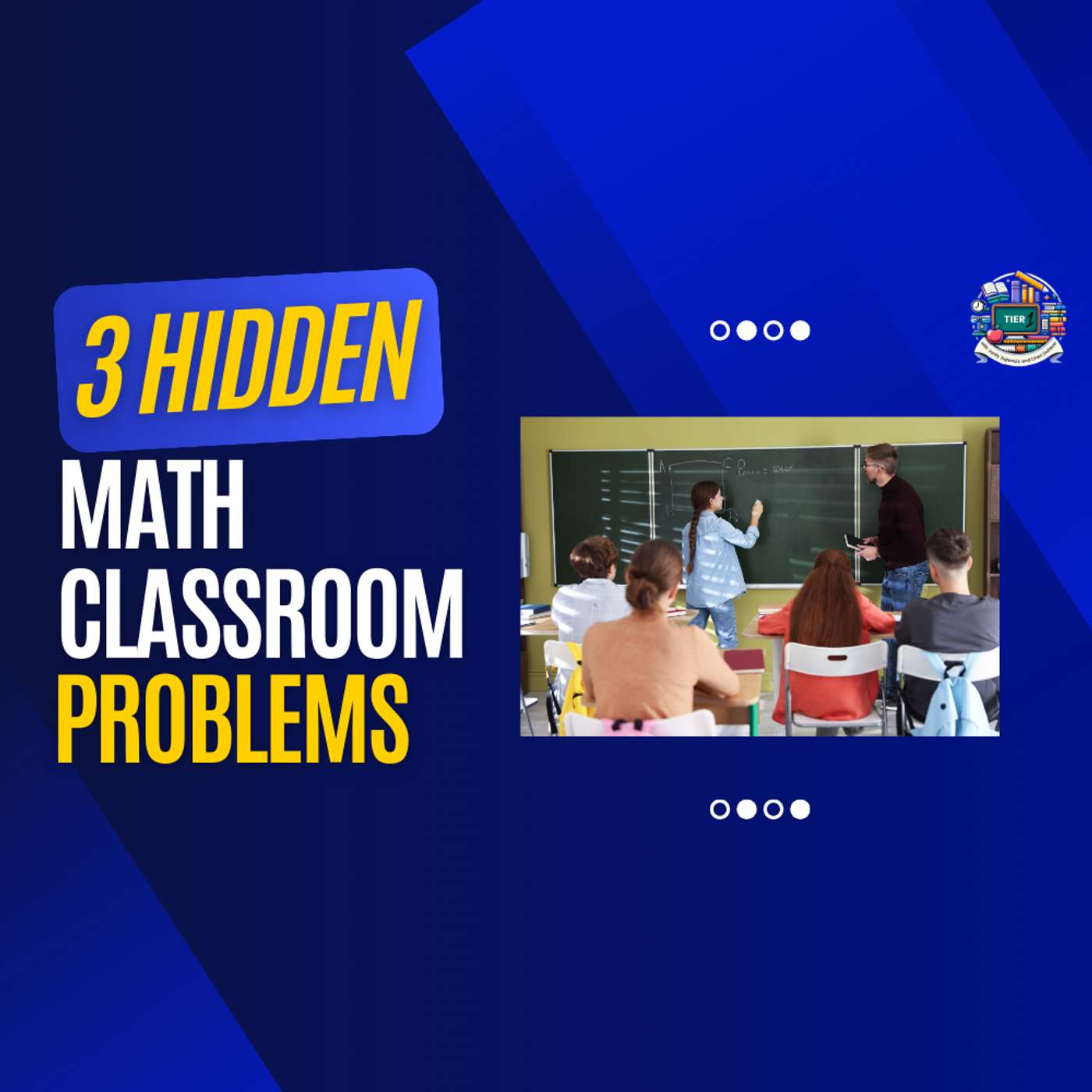
Many teachers work incredibly hard to help students succeed in math, yet students continue to struggle with independence, perseverance, and deep understanding. In this episode of Tier 1 Interventions, we explore three hidden problems in math classrooms that may be quietly limiting student learning.Through real classroom examples and discussion, we examine how well-intentioned teaching habits—both in schools and at home—can unintentionally interfere with productive struggle and long-term mathematical thinking.When students are constantly rescued from mistakes or pushed toward perfection, they often lose the opportunity to build independence and persistence. Over time, this affects how they approach problem solving, learning, and even their confidence in mathematics.In this session we discuss: • How perfectionism can develop through school and parenting experiences • Why middle school students often appear less independent than younger students • The role of productive struggle in long-term math achievement • Why telling students everything can limit deep learning • How teachers can shift classroom practices to support stronger thinkingThis video is Session 4 of a 10-part October Workshop series exploring how math instruction can better support student thinking, independence, and conceptual understanding.If you work with students in math classrooms, intervention programs, or special education services, this series will help you rethink how learning actually happens.👍 Subscribe to Tier 1 Interventions for more strategies that improve math learning and student success.🔗 Get involved with Tier 1 Interventions coaching: Check the link in the show notes to join live sessions or access the full year of professional learning. Join one Mastery Math Method Workshop for just $47.Contact jonily@mindsonmath.com👇 Comment below: Where do you see kids getting stuck most often in math?⏱ Timestamps0:20 Reflecting on the Classroom Experience0:50 Why Younger Students Often Show More Independence1:25 The Challenge of Rebuilding Independence in Older Students2:00 Perfectionism and Parenting Expectations2:40 How Early Messages Shape Learning Behavior3:20 Breaking Generational Learning Patterns4:00 Honest Conversations With Students and Families4:50 Teaching Lessons That Transfer Beyond the Classroom5:40 What Teachers Can Do When Students Make Mistakes6:20 Turning Mistakes Into Learning Opportunities7:00 Brain Development in Middle School Students7:40 Why Middle Schoolers Sometimes Act Like Toddlers8:20 Teaching Independence Instead of Expecting It9:00 Measurement and Modeling Activities in Math10:00 Barriers Teachers Face With Productive Struggle10:50 Helping Students See What Collaboration Looks Like11:40 The Role of Support Staff and Adults in the Room12:20 Why Removing Struggle Prevents Learning13:10 Evidence From Schools About What Isn’t Working14:00 The Reality Teachers Face With Curriculum Pressure14:30 Closing Thoughts and Workshop Invitation🎯 Ready to Change Math Outcomes in 10 Days?👉 Join our FREE Masterclass for school leaders, teachers, and OTs: https://disabilitylabs.com/calendar🎧 Prefer to Listen On the Go?SpotifyApple PodcastsAmazon/Audible🔗 Stay Connected🌐 Website: https://disabilitylabs.com/courses/mastery-math-bundle 📧 Disability Labs Community: https://disabilitylabs.com/community/3d-learning-lounge-1🎙️ Credits: Host: Cheri Dotterer Co-Host: Jonily Zupancic Production: Disability Labs Podcast Network🧠 Resources Mentioned:Mastery Math Method Level One (Lifetime Access): https://disabilitylabs.com/courses/mastery-math-bundleMastery Math Method Live sessions (Annual Subscription): https://disabilitylabs.com/courses/mastery-math-method-group-coaching⚠️ Disclaimer: The content shared in this video is for educational purposes only and does not replace your district’s policies or individualized education plans. Always consult with your instructional team before implementing new strategies.KeywordsTier 1 math instruction, math achievement, math intervention, Algebra 1 instruction, brain-based math, math pacing guide, math scope and sequence, Novel Model, Mastery Math Method, math structure, K-12 math, math education reform, Tier 1 interventions, number sense, math retention

In this episode of Tier 1 Interventions, we explore a common classroom mistake that quietly destroys student independence: stepping in too quickly to fix the problem.During a real classroom activity where students were measuring height and collecting data, an unexpected moment revealed how easily adults can interrupt productive struggle. Instead of allowing students to explore, make mistakes, and think through the process, the task was taken over—removing the learning opportunity.Students build mathematical thinking through experience, experimentation, and problem solving. When we rescue them too quickly, we unintentionally teach them to wait for the answer instead of discovering it.In this session we discuss: • Why productive struggle is essential for learning • How rescuing students limits independence • What controlled chaos looks like in a classroom • Why elementary students often handle independence better than older students • How teachers can support thinking without taking overThis video is Session 3 of a 10-part October Workshop series exploring better ways to teach mathematics and support student thinking.If you work with students in math classrooms, intervention programs, or special education services, this series will help you rethink how learning actually happens.👍 Subscribe to Tier 1 Interventions for more strategies that improve math learning and student success.🔗 Get involved with Tier 1 Interventions coaching: Check the link in the show notes to join live sessions or access the full year of professional learning. Join one Mastery Math Method Workshop for just $47.Contact jonily@mindsonmath.com👇 Comment below: Where do you see kids getting stuck most often in math?⏱ Timestamps0:25 Review: When Teachers Should Tell vs Let Students Discover1:00 Fact Fluency vs Conceptual Learning1:40 Mini Lesson Example: Inches, Feet, and Yards2:20 Why Telling Does Not Equal Learning3:00 Preparing Students for the Measurement Activity3:45 Designing a “Controlled Chaos” Lesson4:30 The Classroom Teacher Leaves for a Meeting5:00 Students Begin Measuring Height5:40 When Productive Struggle Begins6:10 The Substitute Steps In6:50 The Moment Learning Was Interrupted7:30 Why Rescuing Students Hurts Learning8:15 How Schools Accidentally Teach Dependence9:00 Why Students Stop Persevering9:40 Classroom Discussion About Independence10:30 Elementary vs Middle School Independence11:30 What Controlled Chaos Should Look Like12:30 Why Students Need Space to Think13:30 Reflection on the Classroom Experience14:20 Invitation to the Monthly Masterclass🎯 Ready to Change Math Outcomes in 10 Days?👉 Join our FREE Masterclass for school leaders, teachers, and OTs: https://disabilitylabs.com/calendar🎧 Prefer to Listen On the Go?SpotifyApple PodcastsAmazon/Audible🔗 Stay Connected🌐 Website: https://disabilitylabs.com/courses/mastery-math-bundle 📧 Disability Labs Community: https://disabilitylabs.com/community/3d-learning-lounge-1🎙️ Credits: Host: Cheri Dotterer Co-Host: Jonily Zupancic Production: Disability Labs Podcast Network🧠 Resources Mentioned:Mastery Math Method Level One (Lifetime Access): https://disabilitylabs.com/courses/mastery-math-bundleMastery Math Method Live sessions (Annual Subscription): https://disabilitylabs.com/courses/mastery-math-method-group-coaching⚠️ Disclaimer: The content shared in this video is for educational purposes only and does not replace your district’s policies or individualized education plans. Always consult with your instructional team before implementing new strategies.KeywordsTier 1 math instruction, math achievement, math intervention, Algebra 1 instruction, brain-based math, math pacing guide, math scope and sequence, Novel Model, Mastery Math Method, math structure, K-12 math, math education reform, Tier 1 interventions, number sense, math retention

In this episode of Tier 1 Interventions, we explore one of the most misunderstood ideas in teaching: students often need to experience the struggle before the lesson in order for real learning to occur.Too often, teachers step in too quickly to rescue students from mistakes. But when students are allowed to explore, experiment, and even get things wrong, they begin to build deeper understanding of numbers, measurement, and mathematical relationships.In this session, we walk through a real classroom example where students collect data, measure, and begin to make sense of mathematical ideas through experience before direct instruction.This approach helps students develop: • stronger number sense • deeper conceptual understanding • independence in problem solving • lasting math fluencyYou’ll also hear about the four stages of effective lesson design, including the often-missing step of pre-planning before instruction begins.This video is Session 2 of a 10-part series from our October Workshop focused on improving math instruction and helping students think more deeply about mathematics.If you work with students in math classrooms, intervention programs, or special education services, this series will give you practical strategies to improve learning and engagement.👍 Subscribe to Tier 1 Interventions for more strategies that improve math learning and student success.🔗 Get involved with Tier 1 Interventions coaching: Check the link in the show notes to join live sessions or access the full year of professional learning. Join one Mastery Math Method Workshop for just $47.Contact jonily@mindsonmath.com👇 Comment below: Where do you see kids getting stuck most often in math?⏱ Timestamps0:20 Review: Lockers, Rectangles, Pizzas Framework0:50 The Two Data Points Activity1:20 The “Five Pound” Story2:00 Understanding Weight and Comparison2:40 Difference as Distance on a Number Line3:20 A Lesson That Changed Direction4:05 The Importance of Pre-Planning4:40 The Four Stages of Teaching5:40 Why Most Teachers Skip Pre-Planning6:15 Masterclass Overview and Teaching Structure7:05 Returning to the Classroom Lesson8:00 Introducing the Scale and Measurement Activity8:50 Why Students Must Experience Before Instruction9:40 Letting Students Struggle With the Task10:25 Why We Often Save Students Too Quickly11:10 Mini-Lesson After Experience12:00 Reading the Scale and Number Patterns13:00 Measuring With Meter Sticks14:00 Confirming Facts vs Discovery Learning15:00 When Teachers Should Tell Students the Answer16:00 How Fact Fluency Fits Into Conceptual Learning16:30 Workshop Invitation and Closing🎯 Ready to Change Math Outcomes in 10 Days?👉 Join our FREE Masterclass for school leaders, teachers, and OTs: https://disabilitylabs.com/calendar🎧 Prefer to Listen On the Go?SpotifyApple PodcastsAmazon/Audible🔗 Stay Connected🌐 Website: https://disabilitylabs.com/courses/mastery-math-bundle 📧 Disability Labs Community: https://disabilitylabs.com/community/3d-learning-lounge-1🎙️ Credits: Host: Cheri Dotterer Co-Host: Jonily Zupancic Production: Disability Labs Podcast Network🧠 Resources Mentioned:Mastery Math Method Level One (Lifetime Access): https://disabilitylabs.com/courses/mastery-math-bundleMastery Math Method Live sessions (Annual Subscription): https://disabilitylabs.com/courses/mastery-math-method-group-coaching⚠️ Disclaimer: The content shared in this video is for educational purposes only and does not replace your district’s policies or individualized education plans. Always consult with your instructional team before implementing new strategies.KeywordsTier 1 math instruction, math achievement, math intervention, Algebra 1 instruction, brain-based math, math pacing guide, math scope and sequence, Novel Model, Mastery Math Method, math structure, K-12 math, math education reform, Tier 1 interventions, number sense, math retention
Why do so many students forget math concepts just weeks after learning them? In this episode of Tier 1 Interventions, we explore three powerful math problems that help build real fluency and long-term understanding.Instead of relying on memorization or repetitive worksheets, these problems help students connect ideas, recognize patterns, and strengthen mathematical thinking. When students experience math through meaningful tasks, they retain what they learn and apply it more confidently.This video is Session 1 of a 10-part series exploring instructional strategies that improve math fluency, student independence, and deeper conceptual understanding.In this session, we discuss: • Why students often forget math after instruction • The difference between memorization and fluency • Three math problems that strengthen mathematical thinking • How these tasks help students retain concepts over timeThese ideas come from real classroom experience and are designed to support teachers, interventionists, and specialists in helping students truly understand mathematics—not just complete assignments.📚 Session 1 of 10 in the Math Fluency SeriesIf you work with students who struggle to retain math concepts, this series will help you rethink how fluency is built in the classroom.👍 Subscribe to Tier 1 Interventions for more strategies that improve math learning and student success.🔗 Get involved with Tier 1 Interventions coaching: Check the link in the show notes to join live sessions or access the full year of professional learning. Join one Mastery Math Method Workshop for just $47.Contact jonily@mindsonmath.com👇 Comment below: Where do you see kids getting stuck most often in math?⏱ Timestamps0:28 About This Series: October Workshop Excerpts0:45 The Three Concepts That Build Math Fluency1:00 Lesson Structure for Today’s Session1:35 The Classroom Story Begins2:20 Observing Teaching in Action3:00 The CES Framework: Culture • Essentials • Seasons4:10 Why Traditional Math Instruction Often Fails5:00 What to Avoid: Telling Too Much Too Soon6:20 How to Create Better Math Learning Environments7:05 Classroom Observation Story8:10 Teaching Math Across Grade Levels9:05 Real Classroom Activity: Measuring Height and Weight10:10 Why Bar Graphs May Limit Learning11:00 A Better Approach: Two-Variable Graphs12:05 Preparing Students for Secondary Mathematics13:05 Patterns and Relationships in Data14:10 Why Early Math Experiences Matter🎯 Ready to Change Math Outcomes in 10 Days?👉 Join our FREE Masterclass for school leaders, teachers, and OTs: https://disabilitylabs.com/calendar🎧 Prefer to Listen On the Go?SpotifyApple PodcastsAmazon/Audible🔗 Stay Connected🌐 Website: https://disabilitylabs.com/courses/mastery-math-bundle 📧 Disability Labs Community: https://disabilitylabs.com/community/3d-learning-lounge-1🎙️ Credits: Host: Cheri Dotterer Co-Host: Jonily Zupancic Production: Disability Labs Podcast Network🧠 Resources Mentioned:Mastery Math Method Level One (Lifetime Access): https://disabilitylabs.com/courses/mastery-math-bundleMastery Math Method Live sessions (Annual Subscription): https://disabilitylabs.com/courses/mastery-math-method-group-coaching⚠️ Disclaimer: The content shared in this video is for educational purposes only and does not replace your district’s policies or individualized education plans. Always consult with your instructional team before implementing new strategies.KeywordsTier 1 math instruction, math achievement, math intervention, Algebra 1 instruction, brain-based math, math pacing guide, math scope and sequence, Novel Model, Mastery Math Method, math structure, K-12 math, math education reform, Tier 1 interventions, number sense, math retention
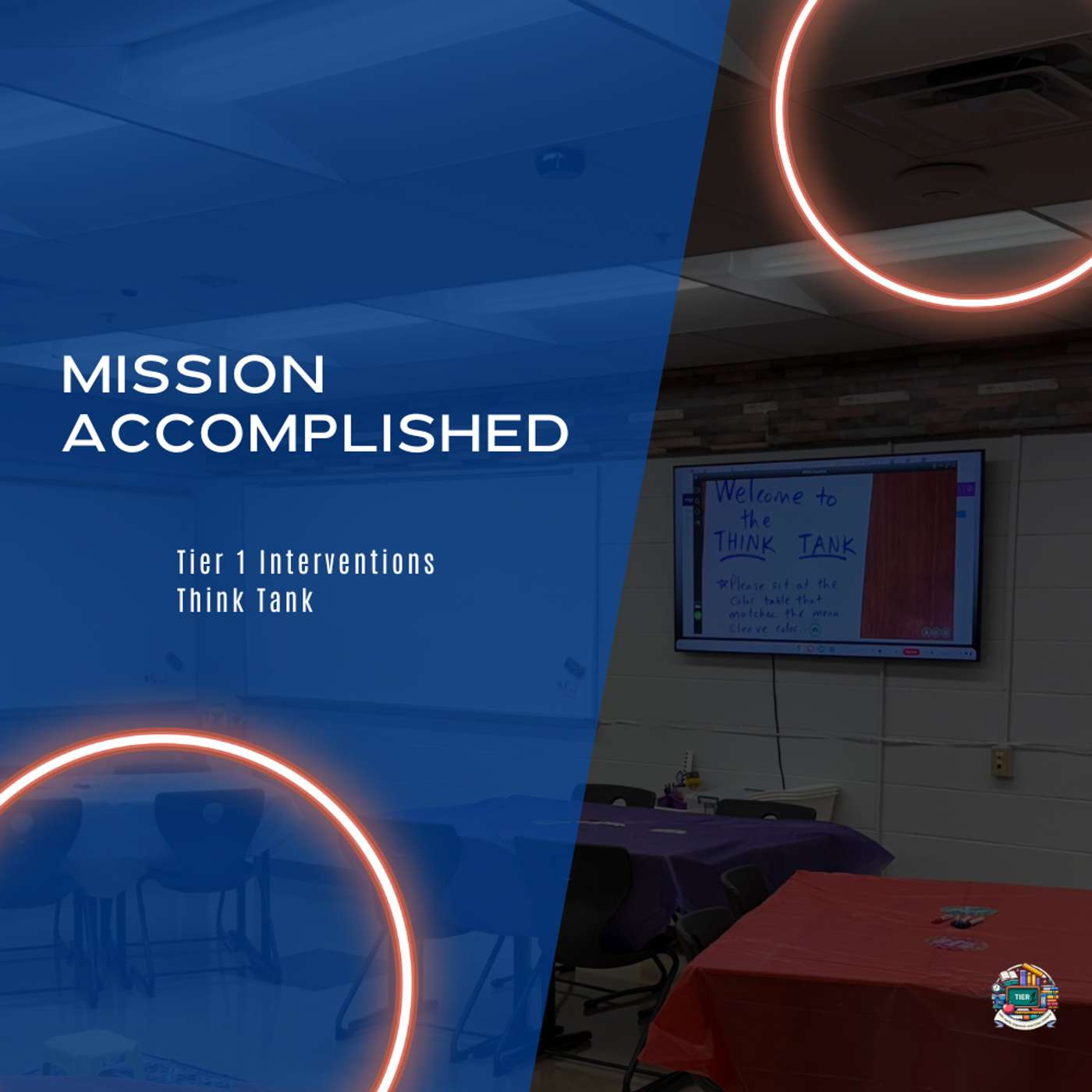
If you implement Tier 1 with clarity and consistency, something changes.There’s no panic before testing. No frantic last-minute review. No emotional overload in March.In this final episode of the Tier One Interventions series, we unpack what “mission accomplished” really means. You’ll hear how the 5-season instructional model creates stability, how finishing content early shifts the emotional climate of your classroom, and why trust in the system removes the “hurry up and huddle” mindset many educators live in all year.This isn’t about doing more. It’s about doing the right things in the right order.If you want math instruction that builds confidence, regulation, and long-term number sense, this episode brings the entire series together.— Ready to go deeper? Level 2 coaching details are linked in the show notes.If Tier 1 instruction feels harder every year — this episode explains why.📌 This is Part 6 of a 6-part series on rebuilding Tier 1 math from the ground up.🔗 Get involved with Tier 1 Interventions coaching: Check the link in the show notes to join live sessions or access the full year of professional learning. Join one Mastery Math Method Workshop for just $47.https://disabilitylabs.com/courses/mastery-math-method-group-coaching👇 Comment below: Where do you see kids getting stuck most often in math?⏱ Timestamps00:00 Introduction & “Mission Accomplished”02:10 The Power of Season 304:15 What Happens When You Finish Early06:05 Season 4: Teaching Without Panic07:40 Season 5 Reality (Let’s Be Honest)08:30 Running a Mock Season in May09:40 Kindergarten Foundations: Counting & Rectangles11:00 How to Join Tier 1 Interventions Level 2🎯 Ready to Change Math Outcomes in 10 Days?👉 Join our FREE Masterclass for school leaders, teachers, and OTs: https://disabilitylabs.com/calendar🎧 Prefer to Listen On the Go?SpotifyApple PodcastsAmazon/Audible🔗 Stay Connected🌐 Website: https://disabilitylabs.com/courses/mastery-math-bundle 📧 Disability Labs Community: https://disabilitylabs.com/community/3d-learning-lounge-1🎙️ Credits: Host: Cheri Dotterer Co-Host: Jonily Zupancic Production: Disability Labs Podcast Network🧠 Resources Mentioned:Mastery Math Method Level One (Lifetime Access): https://disabilitylabs.com/courses/mastery-math-bundleMastery Math Method Live sessions (Annual Subscription): https://disabilitylabs.com/courses/mastery-math-method-group-coaching⚠️ Disclaimer: The content shared in this video is for educational purposes only and does not replace your district’s policies or individualized education plans. Always consult with your instructional team before implementing new strategies.KeywordsTier 1 math instruction, math achievement, math intervention, Algebra 1 instruction, brain-based math, math pacing guide, math scope and sequence, Novel Model, Mastery Math Method, math structure, K-12 math, math education reform, Tier 1 interventions, number sense, math retention

In this episode of Tier One Interventions, we unpack the instructional model behind Math in a Month, a 30-day structure designed to build real number sense through intentional iteration.Instead of racing through disconnected units, this Tier 1 strategy divides the semester into structured fifths, allowing students to revisit essential concepts with increasing depth and mastery.We discuss: • Why repetition over time builds durable learning • How to define instructional essentials • Why square roots and radicals belong earlier than you think • How to use textbooks strategically without surrendering your instructional design • What “don’t steal the struggle” really means in math classroomsThis episode is for math teachers, interventionists, special educators, and instructional leaders who want a systematic approach to building number sense — not quick tricks.If you’re ready to rethink how math mastery develops, this conversation will give you a structural lens for Tier 1 instruction.To join a live session or access the full 2.5-hour coaching model, check the link in the show notes.If Tier 1 instruction feels harder every year — this episode explains why.📌 This is Part 3 of a 7-part series on rebuilding Tier 1 math from the ground up.Part 4/7 comes out next week.🔗 Get involved with Tier 1 Interventions coaching: Check the link in the show notes to join live sessions or access the full year of professional learning. Join one Mastery Math Method Workshop for just $47.https://disabilitylabs.com/courses/mastery-math-method-group-coaching👇 Comment below: Where do you see kids getting stuck most often in math?⏱ Timestamps00:00 – Introduction: Mission Accomplished 01:00 – Season 3: Math in a Month Explained 02:00 – Why the Semester Is Divided into Fifths 03:00 – Using Textbooks Strategically (Not Randomly) 04:00 – Defining Instructional Essentials 05:00 – Why Radicals and Square Roots Matter 06:00 – Teaching Square Roots in Second Grade 08:00 – The Pizza Model for Building Conceptual Understanding 10:00 – Letting Students Struggle (Don’t Steal the Process) 11:00 – Why High Schoolers Still Say √100 = 50 12:30 – Iterative Exposure and Fact Fluency 14:00 – Structuring January as Math in a Month 15:00 – Invitation to Tier One Interventions Coaching🎯 Ready to Change Math Outcomes in 10 Days?👉 Join our FREE Masterclass for school leaders, teachers, and OTs: https://disabilitylabs.com/calendar🎧 Prefer to Listen On the Go?SpotifyApple PodcastsAmazon/Audible🔗 Stay Connected🌐 Website: https://disabilitylabs.com/courses/mastery-math-bundle 📧 Disability Labs Community: https://disabilitylabs.com/community/3d-learning-lounge-1🎙️ Credits: Host: Cheri Dotterer Co-Host: Jonily Zupancic Production: Disability Labs Podcast Network🧠 Resources Mentioned:Mastery Math Method Level One (Lifetime Access): https://disabilitylabs.com/courses/mastery-math-bundleMastery Math Method Live sessions (Annual Subscription): https://disabilitylabs.com/courses/mastery-math-method-group-coaching⚠️ Disclaimer: The content shared in this video is for educational purposes only and does not replace your district’s policies or individualized education plans. Always consult with your instructional team before implementing new strategies.KeywordsTier 1 math instruction, math achievement, math intervention, Algebra 1 instruction, brain-based math, math pacing guide, math scope and sequence, Novel Model, Mastery Math Method, math structure, K-12 math, math education reform, Tier 1 interventions, number sense, math retention

Math isn’t failing because teachers aren’t working hard enough. It’s failing because it’s being taught in the wrong structure.In this episode of Tier 1 Interventions, we introduce a seasonal model for math instruction that replaces chapter-by-chapter pacing with intentional exposure, coherence, and up-leveling across the year.You’ll learn why the first 15 days of school matter more than any other time, how exposing all essential math content before December changes retention, and why mastery should come after exposure—not before.This episode is for math teachers, instructional coaches, interventionists, and district leaders who are ready to stop racing textbooks and start building systems that actually work.This episode is especially relevant for district leaders, instructional coaches, math teachers, interventionists, and anyone responsible for Tier 1 math outcomes.This conversation is for:Classroom teachersMath coachesInterventionistsAdministrators and district leadersIf Tier 1 instruction feels harder every year — this episode explains why.📌 This is Part 3 of a 7-part series on rebuilding Tier 1 math from the ground up.Part 4/7 comes out next week.🔗 Get involved with Tier 1 Interventions coaching: Check the link in the show notes to join live sessions or access the full year of professional learning. Join one Mastery Math Method Workshop for just $47.https://disabilitylabs.com/courses/mastery-math-method-group-coaching👇 Comment below: Where do you see kids getting stuck most often in math?⏱️ Chapters0:00 – Why math should be taught in seasons1:05 – The hidden problem with “finishing everything”2:35 – Why traditional pacing guarantees failure4:15 – Season One: the First 15 Days explained6:20 – Why Season One looks the same at every grade8:10 – Exposure vs mastery (and why we confuse them)10:05 – How much of the year Season One really is12:10 – What Season Two is actually for14:00 – How to revisit essentials without reteaching16:05 – Why textbooks delay exposure until it’s too late18:00 – What changes when everything is exposed by December20:10 – Using assessments to guide later seasons22:00 – How seasonal teaching supports all learners23:45 – What Tier 1 systems do differently25:15 – How to get involved with Tier 1 Interventions🎯 Ready to Change Math Outcomes in 10 Days?👉 Join our FREE Masterclass for school leaders, teachers, and OTs: https://disabilitylabs.com/calendar🎧 Prefer to Listen On the Go?SpotifyApple PodcastsAmazon/Audible🔗 Stay Connected🌐 Website: https://disabilitylabs.com/courses/mastery-math-bundle 📧 Disability Labs Community: https://disabilitylabs.com/community/3d-learning-lounge-1🎙️ Credits: Host: Cheri Dotterer Co-Host: Jonily Zupancic Production: Disability Labs Podcast Network🧠 Resources Mentioned:Mastery Math Method Level One (Lifetime Access): https://disabilitylabs.com/courses/mastery-math-bundleMastery Math Method Live sessions (Annual Subscription): https://disabilitylabs.com/courses/mastery-math-method-group-coaching⚠️ Disclaimer: The content shared in this video is for educational purposes only and does not replace your district’s policies or individualized education plans. Always consult with your instructional team before implementing new strategies.KeywordsTier 1 math instruction, math achievement, math intervention, Algebra 1 instruction, brain-based math, math pacing guide, math scope and sequence, Novel Model, Mastery Math Method, math structure, K-12 math, math education reform, Tier 1 interventions, number sense, math retention

Every school district is telling a math story, whether they realize it or not.In this episode of Tier 1 Interventions, we unpack a critical but often overlooked question: What story is your K–12 math system actually telling students?Using the “novel model” for math instruction, this segment challenges traditional pacing guides, chapter-by-chapter textbooks, and the assumption that all standards matter equally. Instead, we explore how defining an ultimate goal, identifying essential chunks, and structuring math instruction in seasons creates coherence, memory, and long-term achievement.If math progress feels stalled, fragmented, or fragile, the issue may not be effort or curriculum, but the story being told.This episode is especially relevant for district leaders, instructional coaches, math teachers, interventionists, and anyone responsible for Tier 1 math outcomes.This conversation is for:Classroom teachersMath coachesInterventionistsAdministrators and district leadersIf Tier 1 instruction feels harder every year — this episode explains why.📌 This is Part 3 of a 7-part series on rebuilding Tier 1 math from the ground up.Part 4/7 comes out next week.🔗 Get involved with Tier 1 Interventions coaching: Check the link in the show notes to join live sessions or access the full year of professional learning. Join one Mastery Math Method Workshop for just $47.https://disabilitylabs.com/courses/mastery-math-method-group-coaching👇 Comment below: Where do you see kids getting stuck most often in math?⏱️ Chapters0:00 – What story is your math system telling?1:18 – Why “research-based” is misunderstood3:05 – The real reason math initiatives stall4:52 – Defining a single district math goal7:12 – How early grades shape Algebra success9:30 – Why not all standards matter equally12:10 – Essential math chunks explained15:05 – The 20-day shift that changes everything18:20 – Math rules that never expire21:10 – Why we teach operations in the wrong order24:10 – Exposure vs mastery (the novel model)27:05 – Why chapter-by-chapter fails the brain29:40 – The hidden mistakes sabotaging math32:10 – What Tier 1 systems do differently🎯 Ready to Change Math Outcomes in 10 Days?👉 Join our FREE Masterclass for school leaders, teachers, and OTs: https://disabilitylabs.com/calendar🎧 Prefer to Listen On the Go?SpotifyApple PodcastsAmazon/Audible🔗 Stay Connected🌐 Website: https://disabilitylabs.com/courses/mastery-math-bundle 📧 Disability Labs Community: https://disabilitylabs.com/community/3d-learning-lounge-1🎙️ Credits: Host: Cheri Dotterer Co-Host: Jonily Zupancic Production: Disability Labs Podcast Network🧠 Resources Mentioned:Mastery Math Method Level One (Lifetime Access): https://disabilitylabs.com/courses/mastery-math-bundleMastery Math Method Live sessions (Annual Subscription): https://disabilitylabs.com/courses/mastery-math-method-group-coaching⚠️ Disclaimer: The content shared in this video is for educational purposes only and does not replace your district’s policies or individualized education plans. Always consult with your instructional team before implementing new strategies.KeywordsTier 1 math instruction, math achievement, math intervention, Algebra 1 instruction, brain-based math, math pacing guide, math scope and sequence, Novel Model, Mastery Math Method, math structure, K-12 math, math education reform, Tier 1 interventions, number sense, math retention

Most Tier 1 math conversations focus on instruction — better lessons, better strategies, better interventions.But what if the problem starts before teaching even begins?In this episode of Tier 1 Interventions, we unpack the real issue hiding underneath low math achievement: 👉 a structural design problem, not an instructional one.You’ll learn:Why traditional pacing guides and scope & sequence models break downHow Tier 1 math fails when the year isn’t designed intentionallyWhy fixing lessons won’t work if the structure is flawedWhat it means to design math instruction using a novel model instead of a checklist modelThis conversation is for:Classroom teachersMath coachesInterventionistsAdministrators and district leadersIf Tier 1 instruction feels harder every year — this episode explains why.📌 This is Part 2 of a 7-part series on rebuilding Tier 1 math from the ground up.Part 3/7 comes out next week.🔗 Get involved with Tier 1 Interventions coaching: Check the link in the show notes to join live sessions or access the full year of professional learning. Join one Mastery Math Method Workshop for just $47.https://disabilitylabs.com/courses/mastery-math-method-group-coaching👇 Comment below: Where do you see kids getting stuck most often in math?⏱️ Chapters00:00 – Why Tier 1 math failure isn’t about instruction01:00 – The real problem: structure comes before teaching02:05 – Why pacing guides and scope & sequence break down03:10 – Tier 1 math has a design problem, not a skill problem04:15 – Why fixing lessons won’t fix Tier 1 outcomes05:25 – Introducing the Novel Model for Tier 1 math06:40 – What “pre-planning the year” actually means07:55 – Why most districts design math backward09:10 – The danger of checklist-based curriculum models10:30 – Why Tier 1 collapses before instruction even begins12:00 – What changes when the structure is fixed first13:20 – How this applies beyond math (Tier 1 systems)14:45 – Who this work is for and how to get involved16:30 – Closing thoughts + what’s coming in Part 3🎯 Ready to Change Math Outcomes in 10 Days?👉 Join our FREE Masterclass for school leaders, teachers, and OTs: https://disabilitylabs.com/calendar🎧 Prefer to Listen On the Go?SpotifyApple PodcastsAmazon/Audible🔗 Stay Connected🌐 Website: https://disabilitylabs.com/courses/mastery-math-bundle 📧 Disability Labs Community: https://disabilitylabs.com/community/3d-learning-lounge-1🎙️ Credits: Host: Cheri Dotterer Co-Host: Jonily Zupancic Production: Disability Labs Podcast Network🧠 Resources Mentioned:Mastery Math Method Level One (Lifetime Access): https://disabilitylabs.com/courses/mastery-math-bundleMastery Math Method Live sessions (Annual Subscription): https://disabilitylabs.com/courses/mastery-math-method-group-coaching⚠️ Disclaimer: The content shared in this video is for educational purposes only and does not replace your district’s policies or individualized education plans. Always consult with your instructional team before implementing new strategies.KeywordsTier 1 math instruction, math achievement, math intervention, Algebra 1 instruction, brain-based math, math pacing guide, math scope and sequence, Novel Model, Mastery Math Method, math structure, K-12 math, math education reform, Tier 1 interventions, number sense, math retention

Math achievement is not a Tier 2 or Tier 3 problem — it’s a Tier 1 structure problem.In this episode of Tier 1 Interventions, Cheri Dotterer and Jonily unpack what it truly means to transform a Tier 1 math classroom. Drawing from real classroom results in high school Algebra 1, this conversation explains why traditional pacing guides, textbooks, and scope-and-sequence models fail most students — and what to do instead.You’ll learn:Why math achievement collapses when Tier 1 instruction is misaligned with how the brain learnsHow the Novel Model restructures math instruction for deeper understanding and retentionWhy exposure matters more than mastery early in the yearHow to teach more math in less time without increasing pressureWhy Tier 2 and Tier 3 interventions cannot fix a Tier 1 design problemHow chunking, structure, and story transform number sense and confidenceThis episode is essential viewing for: ✔ Math teachers (K–12) ✔ Instructional coaches ✔ Administrators & curriculum directors ✔ Special educators & interventionists ✔ Occupational therapists supporting math learningIf you’re ready to stop blaming students — and start fixing structure — this episode lays out the roadmap.🔗 Get involved with Tier 1 Interventions coaching: Check the link in the show notes to join live sessions or access the full year of professional learning. Join one Mastery Math Method Workshop for just $47.https://disabilitylabs.com/courses/mastery-math-method-group-coaching👇 Comment below: Where do you see kids getting stuck most often in math?⏱️ Chapters00:00 – Mission Accomplished: Why This Conversation Matters01:00 – Teaching Algebra 1 Again: Real Classroom Context02:00 – What “Mission Accomplished” Actually Means03:00 – The Real Math Crisis (It’s Not About Math)04:15 – Cognitive Ability, Percentiles, and Placement Reality06:30 – Why Average Students Are Failing Under Traditional Models08:00 – The Structure Problem in Math Education09:30 – Why Pacing Guides and Textbooks Are the Issue11:00 – Saying the Same Thing on Purpose: How Learning Works12:00 – Introducing the Novel Model13:15 – Teaching More Math in Less Time14:30 – Engagement, Retention, and Number Sense15:45 – Why Tier 2 and Tier 3 Can’t Fix Tier 117:00 – Tier 1 Interventions Explained18:30 – Planning in Chunks, Not Sequences20:00 – Lockers, Rectangles, and Pizzas: A Core Chunk21:30 – What Story Are You Telling in Math?22:45 – Designing the School Year Like a Novel24:00 – Exposure vs Mastery: The First 15 Days25:30 – How Any Teacher Can Implement This Now26:45 – Coaching Opportunities and Next Steps🎯 Ready to Change Math Outcomes in 10 Days?👉 Join our FREE Masterclass for school leaders, teachers, and OTs: https://disabilitylabs.com/calendar🎧 Prefer to Listen On the Go?SpotifyApple PodcastsAmazon/Audible🔗 Stay Connected🌐 Website: https://disabilitylabs.com/courses/mastery-math-bundle 📧 Disability Labs Community: https://disabilitylabs.com/community/3d-learning-lounge-1🎙️ Credits: Host: Cheri Dotterer Co-Host: Jonily Zupancic Production: Disability Labs Podcast Network🧠 Resources Mentioned:Mastery Math Method Level One (Lifetime Access): https://disabilitylabs.com/courses/mastery-math-bundleMastery Math Method Live sessions (Annual Subscription): https://disabilitylabs.com/courses/mastery-math-method-group-coaching⚠️ Disclaimer: The content shared in this video is for educational purposes only and does not replace your district’s policies or individualized education plans. Always consult with your instructional team before implementing new strategies.KeywordsTier 1 math instruction, math achievement, math intervention, Algebra 1 instruction, brain-based math, math pacing guide, math scope and sequence, Novel Model, Mastery Math Method, math structure, K-12 math, math education reform, Tier 1 interventions, number sense, math retention

The problem with math is NOT your child.If your student feels confused, overwhelmed, or frustrated with math—even when they’re trying—the issue is not effort, motivation, or ability. The system is broken.In this episode of Tier One Interventions, we unpack why so many kids struggle with math despite years of instruction, intervention, and support. From number lines and disconnected procedures to well-intended interventions that miss foundational understanding, we examine how traditional math instruction often works against the brain.You’ll learn:Why kids struggle with math even when they’re intelligent and capableHow math is often taught in disconnected pieces instead of meaningful patternsWhy math intervention and IEP support frequently fail to produce lasting resultsHow early instructional choices impact confidence, retention, and reasoningWhat brain-aligned, connected math instruction actually looks likeThis conversation is for parents, teachers, therapists, and homeschool educators who are tired of blaming kids—and are ready to understand what’s really going wrong.Because when we stop asking “What’s wrong with the child?” and start asking “What’s wrong with the system?” Everything changes.👇 Comment below: Where do you see kids getting stuck most often in math?👉 Want to see the full instructional progression step-by-step? Join one Mastery Math Method Workshop for just $47.https://disabilitylabs.com/courses/mastery-math-method-group-coaching⏱️ Chapters00:00 – The problem is NOT the kids01:18 – What we’re seeing in classrooms everywhere03:42 – Why kids feel confused even when they’re trying06:15 – The hidden flaw in how math is taught09:08 – Number lines, procedures, and disconnected learning12:34 – Why intervention doesn’t fix the real issue15:50 – What kids actually need to understand math19:22 – The cost of a broken system22:40 – A better way forward26:05 – Closing: what changes when we stop blaming kids🎯 Ready to Change Math Outcomes in 10 Days?👉 Join our FREE Masterclass for school leaders, teachers, and OTs: https://disabilitylabs.com/calendar🎧 Prefer to Listen On the Go?SpotifyApple PodcastsAmazon/Audible🔗 Stay Connected🌐 Website: https://disabilitylabs.com/courses/mastery-math-bundle 📧 Disability Labs Community: https://disabilitylabs.com/community/3d-learning-lounge-1🎙️ Credits: Host: Cheri Dotterer Co-Host: Jonily Zupancic Production: Disability Labs Podcast Network🧠 Resources Mentioned:Mastery Math Method Level One (Lifetime Access): https://disabilitylabs.com/courses/mastery-math-bundleMastery Math Method Level Two (Annual Subscription): https://disabilitylabs.com/courses/mastery-math-method-group-coaching⚠️ Disclaimer: The content shared in this video is for educational purposes only and does not replace your district’s policies or individualized education plans. Always consult with your instructional team before implementing new strategies.Keywordsnumber lines mathmath number linemath interventionmath strategies for struggling studentsneurodivergent learners mathADHD math strategiesdysgraphia mathconceptual math teachingmath teaching mistakeswhy students struggle with mathmath tools explainedelementary math instructionmath sense makingbar models math120 chart mathmath for homeschoolersspecial education mathmath pedagogymastery mathtier 1 interventions

What’s wrong with number lines in math instruction? They’re among the most widely used tools in classrooms and among the most damaging when introduced too early.In this episode of Tier One Interventions, we put number lines on trial.Number lines are highly abstract representations of quantity, yet many students are expected to use them before they have built the concrete, visual foundations required to understand them. This often leads to confusion, guessing, shutdown, and long-term gaps in math understanding, especially for neurodivergent learners, students with ADHD, dysgraphia, or working-memory challenges.In this episode, you’ll learn:Why number lines are more abstract than teachers realizeWhy students freeze on number line problemsHow number lines can break math understanding instead of building itThe missing instructional steps between concrete and abstract mathWhy tools like the 120 chart, arrays, rectangles, bar models, and paper strips must come before number linesHow improper sequencing affects fact fluency, fractions, and algebraWhat to do when number lines appear on testsThis conversation is essential for:Elementary teachersSpecial education teachersMath interventionistsHomeschool parentsParents of neurodivergent learnersAnyone teaching math conceptuallyIf your students understand math one day and lose it the next, the problem may not be the student — it may be the tool.👉 Want to see the full instructional progression step-by-step? Join one Mastery Math Method Workshop for just $47.https://disabilitylabs.com/courses/mastery-math-method-group-coaching⏱️ Chapters00:00 – Why Math Isn’t Sticking01:08 – What “Teaching Math Backwards” Really Means02:40 – Why A’s Don’t Equal Mastery04:12 – Answer-Getting vs Mathematical Thinking06:05 – The Power of Structure in Math08:10 – Rectangles, Arrays, and Visual Models10:02 – Diamond Problems Explained12:25 – Early Algebra Starts Sooner Than You Think14:40 – Why Exposure Beats Memorization17:05 – Teaching for Reasoning and Sense-Making19:10 – What Tier 1 Math Interventions Should Look Like21:30 – How to Fix Math Instruction Moving Forward23:45 – Next Steps: Learn the Mastery Math Method🎯 Ready to Change Math Outcomes in 10 Days?👉 Join our FREE Masterclass for school leaders, teachers, and OTs: https://disabilitylabs.com/calendar🎧 Prefer to Listen On the Go?SpotifyApple PodcastsAmazon/Audible🔗 Stay Connected🌐 Website: https://disabilitylabs.com/courses/mastery-math-bundle 📧 Disability Labs Community: https://disabilitylabs.com/community/3d-learning-lounge-1🎙️ Credits: Host: Cheri Dotterer Co-Host: Jonily Zupancic Production: Disability Labs Podcast Network🧠 Resources Mentioned:Mastery Math Method Level One (Lifetime Access): https://disabilitylabs.com/courses/mastery-math-bundleMastery Math Method Level Two (Annual Subscription): https://disabilitylabs.com/courses/mastery-math-method-group-coaching⚠️ Disclaimer: The content shared in this video is for educational purposes only and does not replace your district’s policies or individualized education plans. Always consult with your instructional team before implementing new strategies.Keywordsnumber lines mathmath number linemath interventionmath strategies for struggling studentsneurodivergent learners mathADHD math strategiesdysgraphia mathconceptual math teachingmath teaching mistakeswhy students struggle with mathmath tools explainedelementary math instructionmath sense makingbar models math120 chart mathmath for homeschoolersspecial education mathmath pedagogymastery mathtier 1 interventions
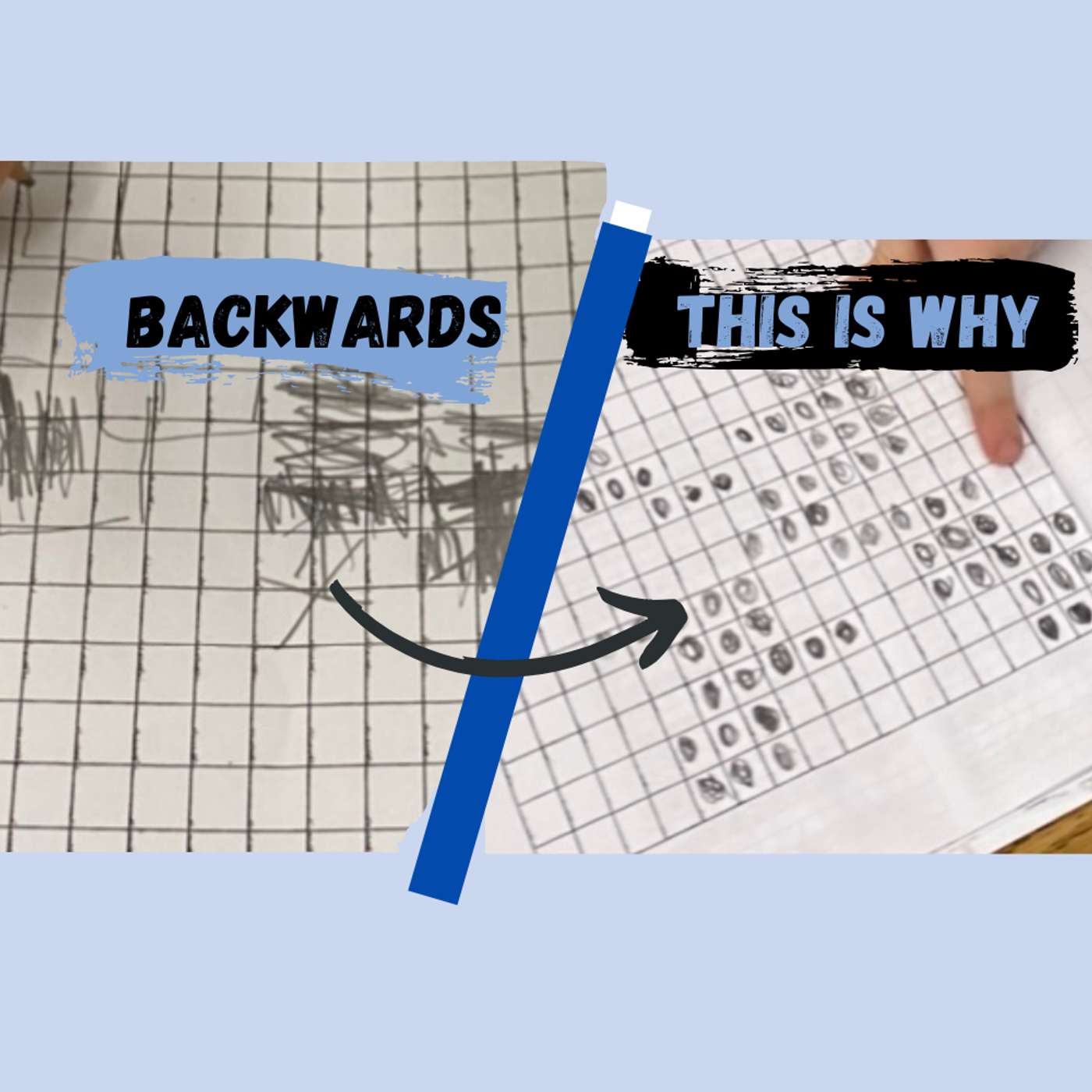
We’re teaching math backwards — and it’s one of the biggest reasons students struggle with understanding, retention, and confidence.In this Tier 1 Interventions episode, Jonily Zupancic explains why traditional math instruction focuses too heavily on answers rather than thinking and how that sequencing mistake creates fragile learning.When students can get correct answers but can’t explain their reasoning, transfer skills, or retain concepts, the issue isn’t effort or intelligence. It’s how math is being taught.Using real classroom examples and student work, you’ll learn:Why answer-getting doesn’t equal math masteryHow visual math structures (rectangles, arrays, diamond problems) support understandingWhy early algebra exposure should begin in elementary schoolHow Tier 1 math interventions can reduce frustration and build confidenceWhat it means to teach math for thinking, reasoning, and sense-makingThis video is for:Elementary and middle school teachersMath interventionists and specialistsHomeschool parentsEducators supporting struggling or neurodivergent learners👉 Want to see the full system in action? You can experience one Mastery Math Method workshop for just $47 and walk step-by-step through the approach used in this video.👉 Want to experience the full workshop? You can sign up to experience one workshop for just $47. The link is here.https://disabilitylabs.com/courses/mastery-math-method-group-coaching⏱️ Chapters00:00 – Why Math Isn’t Sticking01:08 – What “Teaching Math Backwards” Really Means02:40 – Why A’s Don’t Equal Mastery04:12 – Answer-Getting vs Mathematical Thinking06:05 – The Power of Structure in Math08:10 – Rectangles, Arrays, and Visual Models10:02 – Diamond Problems Explained12:25 – Early Algebra Starts Sooner Than You Think14:40 – Why Exposure Beats Memorization17:05 – Teaching for Reasoning and Sense-Making19:10 – What Tier 1 Math Interventions Should Look Like21:30 – How to Fix Math Instruction Moving Forward23:45 – Next Steps: Learn the Mastery Math Method🎯 Ready to Change Math Outcomes in 10 Days?👉 Join our FREE Masterclass for school leaders, teachers, and OTs: https://disabilitylabs.com/calendar🎧 Prefer to Listen On the Go?SpotifyApple PodcastsAmazon/Audible🔗 Stay Connected🌐 Website: https://disabilitylabs.com/courses/mastery-math-bundle 📧 Disability Labs Community: https://disabilitylabs.com/community/3d-learning-lounge-1🎙️ Credits: Host: Cheri Dotterer Co-Host: Jonily Zupancic Production: Disability Labs Podcast Network🧠 Resources Mentioned:Mastery Math Method Level One (Lifetime Access): https://disabilitylabs.com/courses/mastery-math-bundleMastery Math Method Level Two (Annual Subscription): https://disabilitylabs.com/courses/mastery-math-method-group-coaching⚠️ Disclaimer: The content shared in this video is for educational purposes only and does not replace your district’s policies or individualized education plans. Always consult with your instructional team before implementing new strategies.Keywordsteaching math backwardsmath mastery vs memorizationTier 1 math interventionsmath intervention strategieswhy students struggle in mathvisual math modelsearly algebra instructionmath sense makingelementary math teaching strategiesmath for neurodivergent learners🏷️ Hashtags#MathIsMessy #Tier1Interventions #MasteryMathMethod #BrainBasedLearning #REWIREMethod #OTinSchools #TeacherMindset
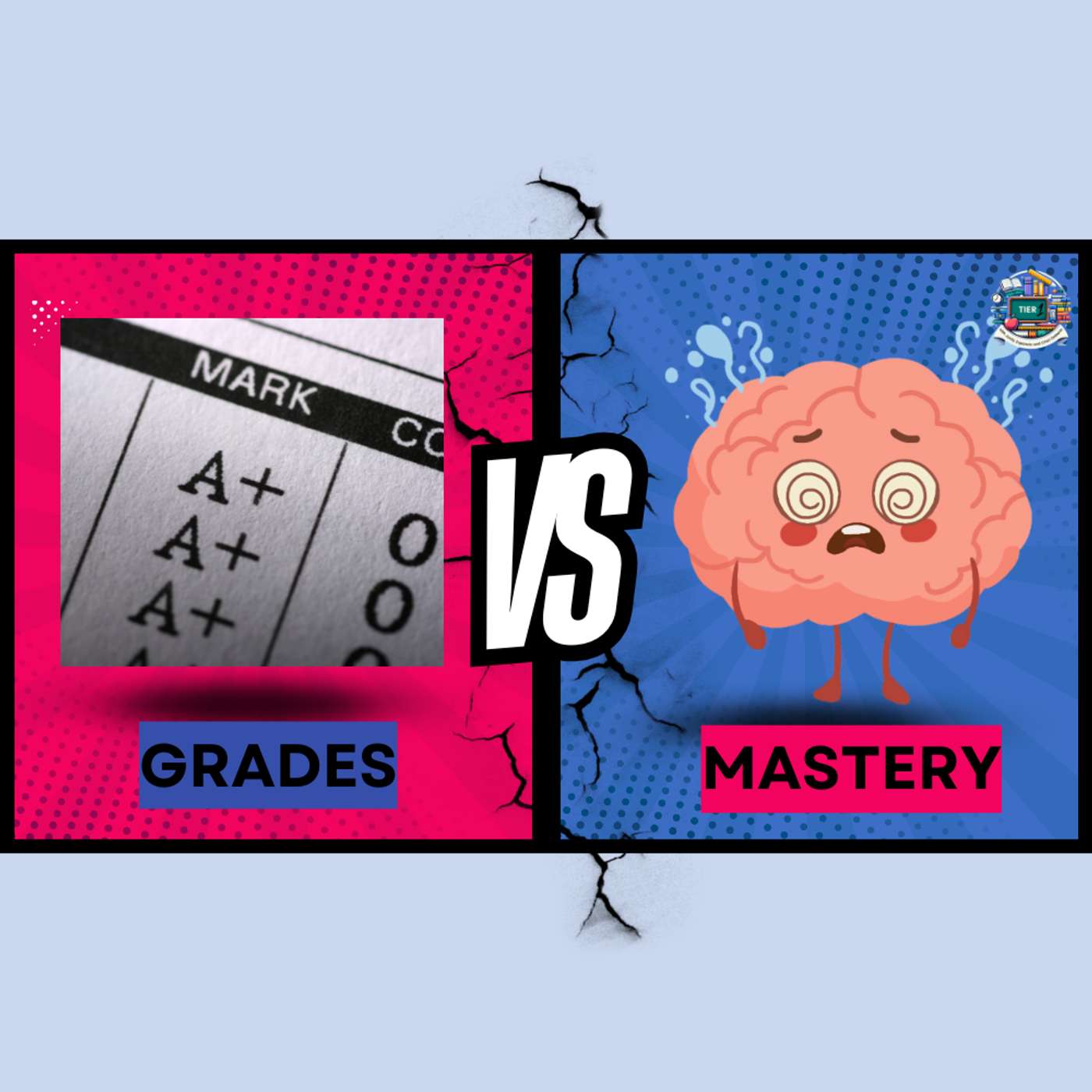
Why do students earn A’s in math… yet still struggle to pass state tests? In today’s episode of Tier 1 Interventions, Cheri Dotterer and Jonily Zupancic uncover the hidden truth behind traditional grading: grades measure compliance—NOT mastery.You’ll learn why “good students” often carry the deepest learning gaps, how traditional grading systems mislead parents and teachers, and what REAL mastery looks like inside a math classroom.✔ Why A’s don’t equal mastery ✔ Why compliant students still have conceptual gaps ✔ How nonlinear instruction strengthens the math brain ✔ Why multitasking is a myth (and what switch-tasking really is) ✔ How to redesign math learning around true understanding ✔ The 3 visual anchors that transform math thinking: Lockers, Rectangles & PizzasIf you’re a teacher, homeschool parent, interventionist, or administrator who wants students to actually understand math—not just earn grades—this episode is essential. Drop your favorite math jingles in the comments.👉 Want to experience the full workshop? You can sign up to experience one workshop for just $47. The link is here.https://disabilitylabs.com/live-webinar/mastery-math-method-dec2025/register⏱️ Chapters00:00 – Welcome + Why This Episode Matters00:37 – Nonlinear Teaching & The 12 Song Story01:33 – Why Traditional Learning Fails Many Students02:27 – Multitasking vs. Switch-Tasking03:58 – Nonlinear Thinking in Math Instruction05:53 – When “Good” Students Struggle Most06:45 – The Parent Question That Exposed the Problem08:12 – Straight A’s but Failing State Tests09:40 – Why Grades Don’t Measure Mastery11:00 – Teachers Sound Off on Grading Scales12:30 – Compliance vs. Understanding13:18 – Why We Need Mastery-Based Grading14:05 – Humor, Memory & Celine Dion15:10 – Type A vs. Type Z Teachers16:40 – What Needs to Change in Math Education17:00 – Closing + Next Week’s Teaser🎯 Ready to Change Math Outcomes in 10 Days?👉 Join our FREE Masterclass for school leaders, teachers, and OTs: https://disabilitylabs.com/calendar🎧 Prefer to Listen On the Go?SpotifyApple PodcastsAmazon/Audible🔗 Stay Connected🌐 Website: https://disabilitylabs.com/courses/mastery-math-bundle 📧 Disability Labs Community: https://disabilitylabs.com/community/3d-learning-lounge-1🎙️ Credits: Host: Cheri Dotterer Co-Host: Jonily Zupancic Production: Disability Labs Podcast Network🧠 Resources Mentioned:Mastery Math Method Level One (Lifetime Access): https://disabilitylabs.com/courses/mastery-math-bundleMastery Math Method Level Two (Annual Subscription): https://disabilitylabs.com/courses/mastery-math-method-group-coaching⚠️ Disclaimer: The content shared in this video is for educational purposes only and does not replace your district’s policies or individualized education plans. Always consult with your instructional team before implementing new strategies.🏷️ Hashtags#MathIsMessy #Tier1Interventions #MasteryMathMethod #BrainBasedLearning #REWIREMethod #OTinSchools #TeacherMindset
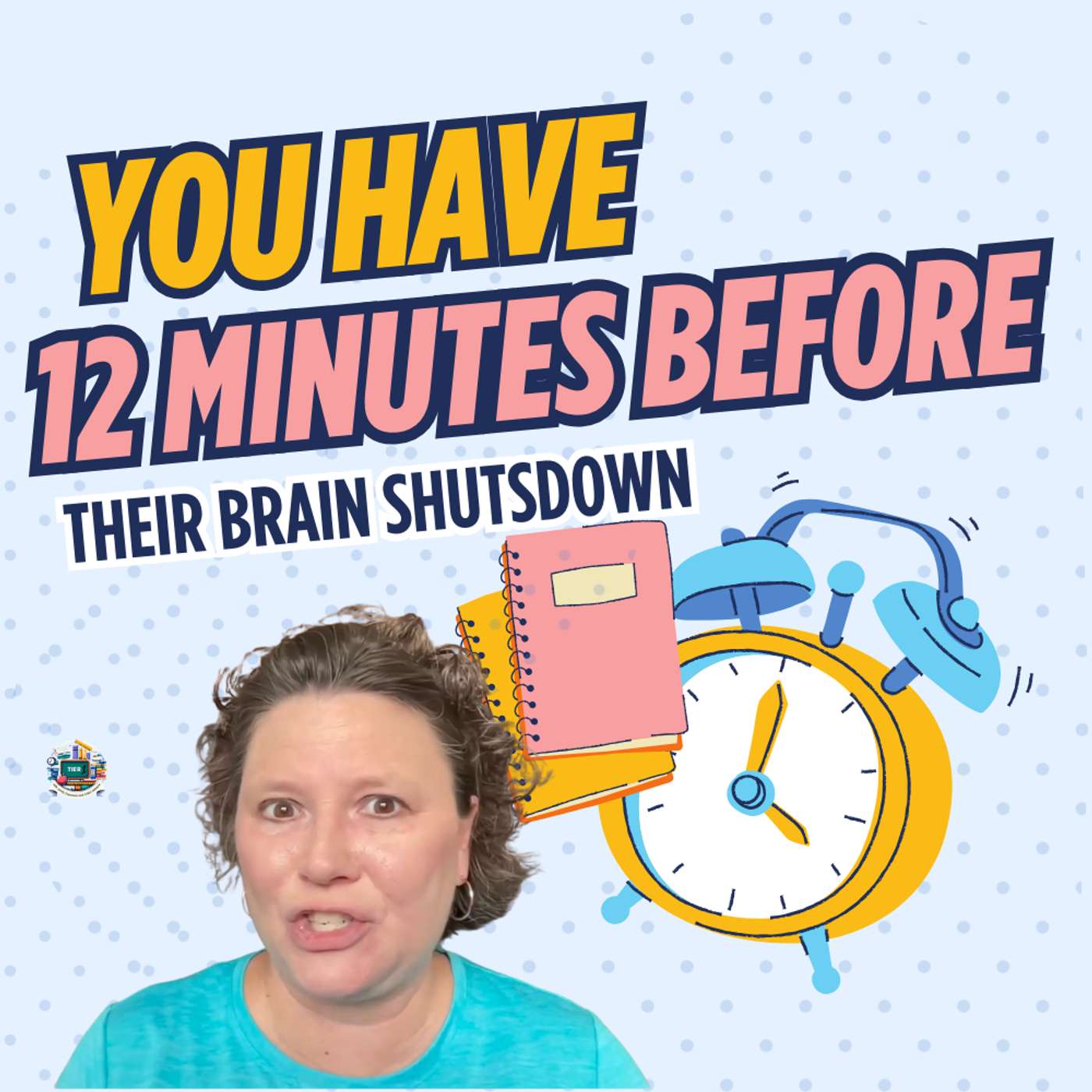
Students aren’t zoning out because they’re bored — they’re zoning out because their brains literally can’t do what we’re asking them to do.In this episode, Cheri Dotterer, MS, OTR, and math leader Jonily break down the neuroscience behind attention, dopamine, novelty, and why every classroom hits the same predictable “zoning-out moment.”You’ll learn:Why students can only focus for their age in minutesThe 7-second dopamine cycle that sabotages attentionWhy novelty (singing, movement, humor) instantly resets the brainWhy music activates learning before visual or auditory channelsWhy rectangles are the single most powerful structure in mathHow interleaving and iteration outperform linear teachingHow skip-counting by 12s rewires numerical fluencyWhy U.S. math scores suffer — and how to fix it tomorrowIf you’ve ever asked, “Why do my students suddenly check out?” — this episode is the answer. Drop your favorite math jingles in the comments.👉 Want to experience the full workshop? You can sign up to experience one workshop for just $47. The link is here.https://disabilitylabs.com/live-webinar/mastery-math-method-dec2025/register⏱️ Chapters00:00 — Welcome to Tier One Interventions00:22 — Why focus equals age in minutes01:05 — The 7-second dopamine attention loop01:40 — Students WANT to focus but their brains can’t02:10 — Novelty triggers that instantly reset attention03:25 — Why music activates learning before anything else03:54 — Math jingles that rewire memory04:28 — Why skip-counting by 12s accelerates mastery05:08 — Rectangles: the most powerful structure in math05:45 — Whisper counting + dot arrays for deep understanding06:30 — The “loud number” mistake and why it’s productive07:30 — Iteration vs. repetition: the real difference08:18 — Interleaving: the brain’s preferred learning method09:05 — Jumping from 2 twelves to 12 twelves (nonlinear learning)10:05 — Why U.S. math scores are failing11:30 — The winning formula: structure + novelty + repetition12:05 — Wrap-up and $47 workshop invitation🎯 Ready to Change Math Outcomes in 10 Days?👉 Join our FREE Masterclass for school leaders, teachers, and OTs: https://disabilitylabs.com/calendar🎧 Prefer to Listen On the Go?SpotifyApple PodcastsAmazon/Audible🔗 Stay Connected🌐 Website: https://disabilitylabs.com/courses/mastery-math-bundle 📧 Disability Labs Community: https://disabilitylabs.com/community/3d-learning-lounge-1🎙️ Credits: Host: Cheri Dotterer Co-Host: Jonily Zupancic Production: Disability Labs Podcast Network🧠 Resources Mentioned:Mastery Math Method Level One (Lifetime Access): https://disabilitylabs.com/courses/mastery-math-bundleMastery Math Method Level Two (Annual Subscription): https://disabilitylabs.com/courses/mastery-math-method-group-coaching⚠️ Disclaimer: The content shared in this video is for educational purposes only and does not replace your district’s policies or individualized education plans. Always consult with your instructional team before implementing new strategies.🏷️ Hashtags#MathIsMessy #Tier1Interventions #MasteryMathMethod #BrainBasedLearning #REWIREMethod #OTinSchools #TeacherMindset
If you’ve ever wondered why your students still don’t “get” math—even with all the new textbooks, intervention programs, small groups, apps, and training—this episode will change everything.In today’s conversation, Cheri and Jonily pull back the curtain on the brutal truth:👉 The problem isn’t your students. The problem isn’t you. The problem is the system.Math scores across the U.S. have crashed to historic lows. Tier 2 and Tier 3 groups are overflowing. Teachers are exhausted. Kids are frustrated. And the curriculum you were handed is not built to fix any of it.Inside this episode, you’ll learn:🔸 The REAL reason your math curriculum keeps failing 🔸 Why “teaching harder” never moves the needle 🔸 How mental load, attention spans, and dopamine shape learning 🔸 Why rhythm, novelty, and movement unlock mathematical thinking 🔸 How lockers, rectangles, and pizzas explain EVERYTHING about math success 🔸 The shocking data from real classrooms (54% → 84%, 27% → 60%, and more) 🔸 Why 3rd graders can learn so much more than we think 🔸 What schools must change NOW to reverse the declineThis isn’t another “curriculum review.” This is the root cause of the math crisis in America—and the brain-based pathway out of it.If you’ve ever sat in your classroom thinking, “Why aren’t they getting it? What am I missing?” …this episode will finally give you the answer.👉 Want to experience the full workshop? You can sign up to experience one workshop for just $47. The link is here.https://disabilitylabs.com/live-webinar/mastery-math-method-dec2025/register⏱️ Chapters00:00 – Welcome to Tier One Interventions Podcast00:28 – Why today’s session starts at a higher math level01:00 – Why Tier 1—not Tier 3—is the real issue02:00 – The rising crisis of U.S. math scores03:10 – Why kids “don’t get math” (and it’s not aptitude)04:05 – Why Tier 2 and Tier 3 are overloaded05:00 – What Tier One Interventions actually solve06:20 – Evidence from real classrooms: 54% → 84%, 27% → 60%, and more07:45 – Second graders eliminating all “red/yellow” scores in 6 weeks09:15 – Why this workshop series matters10:05 – Connecting Mastery Math Method to today’s episode11:00 – Lockers, Rectangles, Pizzas… and why it works11:30 – Using music and rhythm to re-trigger attention12:20 – The neuroscience of rhythm-based learning13:00 – Crossing midline, movement, rhythm, and subconscious learning14:10 – How 14-year-olds signal when their brains need novelty15:00 – Lighting, environmental shifts, and novelty triggers16:00 – The attention-span research that guides your timing16:55 – Episode wrap-up + teaser for next week17:10 – CTA: Experience one workshop for $47🎯 Ready to Change Math Outcomes in 10 Days?👉 Join our FREE Masterclass for school leaders, teachers, and OTs: https://disabilitylabs.com/calendar🎧 Prefer to Listen On the Go?SpotifyApple PodcastsAmazon/Audible🔗 Stay Connected🌐 Website: https://disabilitylabs.com/courses/mastery-math-bundle 📧 Disability Labs Community: https://disabilitylabs.com/community/3d-learning-lounge-1🎙️ Credits: Host: Cheri Dotterer Co-Host: Jonily Zupancic Production: Disability Labs Podcast Network🧠 Resources Mentioned:Mastery Math Method Level One (Lifetime Access): https://disabilitylabs.com/courses/mastery-math-bundleMastery Math Method Level Two (Annual Subscription): https://disabilitylabs.com/courses/mastery-math-method-group-coaching⚠️ Disclaimer: The content shared in this video is for educational purposes only and does not replace your district’s policies or individualized education plans. Always consult with your instructional team before implementing new strategies.🏷️ Hashtags#MathIsMessy #Tier1Interventions #MasteryMathMethod #BrainBasedLearning #REWIREMethod #OTinSchools #TeacherMindset
What if your students begged to keep doing math? In this Level 2 session of the Mastery Math Method, Cheri Dotterer and Jonily Zupancic show you how to break free from the textbook and make math feel like a game again.You’ll see how:A simple Locker Problem can teach double-digit multiplicationReference tasks connect creativity to fourth-grade standardsInterleaving and spaced practice help every student retain what they learnAnd why giving yourself permission to ditch the worksheet changes everything🎓 Join the next Mastery Math Method Masterclass → disabilitylabs.com/calendar✨ Takeaway: Learning isn’t about control — it’s about connection, curiosity, and courage to make a mess before mastery.💬 Drop your thoughts and experiences in the comments—start the conversation and build the movement because every student deserves to feel like a mathematician.🔔 Subscribe for more Tier 1 math interventions, strategies, and training. 📅 Join the next Masterclass → https://disabilitylabs.com/calendar💬 COMMENT BELOW: What’s YOUR take on starting with division?⏱️ Chapters00:00 Welcome – Level 2 Mastery Math Method00:40 From Locker Problem to Double-Digit Multiplication01:35 Why Reference Tasks Change Everything03:10 Skip-Counting → Multiplying → Connecting Standards04:20 Interleaving and Spaced Practice in Real Classrooms06:05 Teacher Reactions – Level Up Mindset07:10 Students Love Thinking Math08:15 From Overwhelmed to Empowered09:00 How to Join the Mastery Math Masterclass11:00 Closing – For Such a Time as This🎯 Ready to Change Math Outcomes in 10 Days?👉 Join our FREE Masterclass for school leaders, teachers, and OTs: https://disabilitylabs.com/calendar🎧 Prefer to Listen On the Go?SpotifyApple PodcastsAmazon/Audible🔗 Stay Connected🌐 Website: https://disabilitylabs.com/courses/mastery-math-bundle 📧 Disability Labs Community: https://disabilitylabs.com/community/3d-learning-lounge-1🎙️ Credits: Host: Cheri Dotterer Co-Host: Jonily Zupancic Production: Disability Labs Podcast Network🧠 Resources Mentioned:Mastery Math Method Level One (Lifetime Access): https://disabilitylabs.com/courses/mastery-math-bundleMastery Math Method Level Two (Annual Subscription): https://disabilitylabs.com/courses/mastery-math-method-group-coaching⚠️ Disclaimer: The content shared in this video is for educational purposes only and does not replace your district’s policies or individualized education plans. Always consult with your instructional team before implementing new strategies.🏷️ Hashtags#MathIsMessy #Tier1Interventions #MasteryMathMethod #BrainBasedLearning #REWIREMethod #OTinSchools #TeacherMindset

Comments

Download from Google Play

Download from App Store
 United States