


 Claim Ownership
Pharmacy Technology & Management Review Audio Content
Subscribed: 4Played: 13
Subscribe

© ComputerTalk Associates, Inc.
Description
Pharmacy Technology & Management Review keeps pharmacists, pharmacy technicians, and industry stakeholders on top of the latest trends, emerging technologies, and best practices in the dynamic and evolving pharmacy market.
Here's where you can listen to our content.
www.ptmreview.com
Here's where you can listen to our content.
www.ptmreview.com
25 Episodes
Reverse
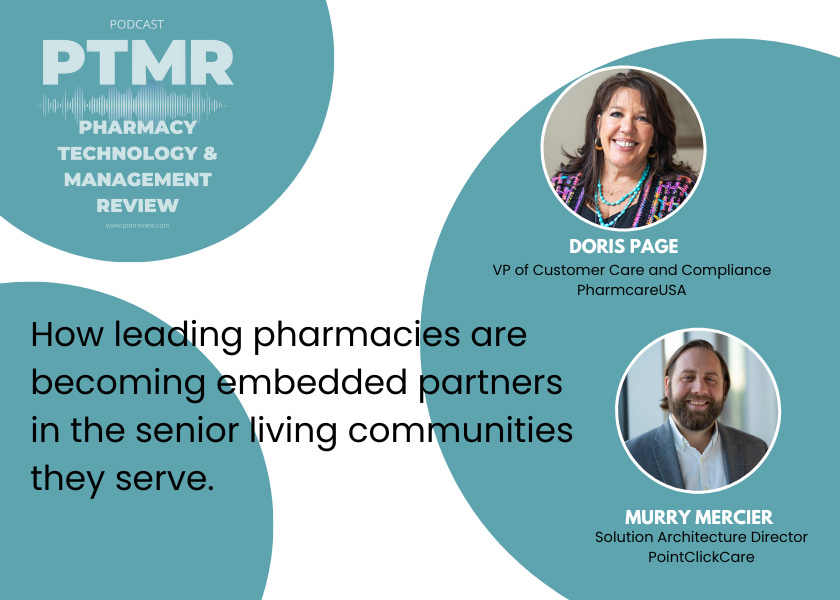
The function of long-term care pharmacies is continually advancing. Senior living communities are increasingly seeking collaborative partners rather than purely transactional vendors. These communities value pharmacy partners who can optimize medication management, alleviate staff workload, and contribute to enhanced resident outcomes.At the same time, LTC pharmacies are feeling the weight of tightening margins, staffing constraints, rising resident acuity, and increased pressure to operate more efficiently. The ones that will succeed will be those that implement optimized workflows, foster stronger collaboration, and leverage technology that delivers lasting value.Pharmacy Technology & Management Review is a reader-supported publication. To receive new posts and support my work, consider becoming a free or paid subscriber.In this episode, we talk with Doris Page, VP of Customer Care and Compliance at PharmcareUSA and Murry Mercier, Solution Architecture Director at PointClickCare to explore how leading pharmacies are becoming embedded partners in the senior living communities they serve. From aligning with wellness teams to reducing delays in care, we uncover what it takes to stand out in a market that expects more and rewards those who deliver. Learn how PharmcareUSA is using PointClickCare’s Pharmacy Connect to strengthen collaboration and become an indispensable partner to the senior living communities they serve.* Understand how regulatory shifts and market pressures are reshaping the LTC pharmacy landscape* Learn how pharmacies are using technology to adapt and stay competitive* Explore strategies for becoming a trusted, long-term partner to senior living communitiesThanks for reading Pharmacy Technology & Management Review! This post is public so feel free to share it.Content developed in partnership with and sponsored by PointClickCare. This is a public episode. If you'd like to discuss this with other subscribers or get access to bonus episodes, visit www.ptmreview.com/subscribe
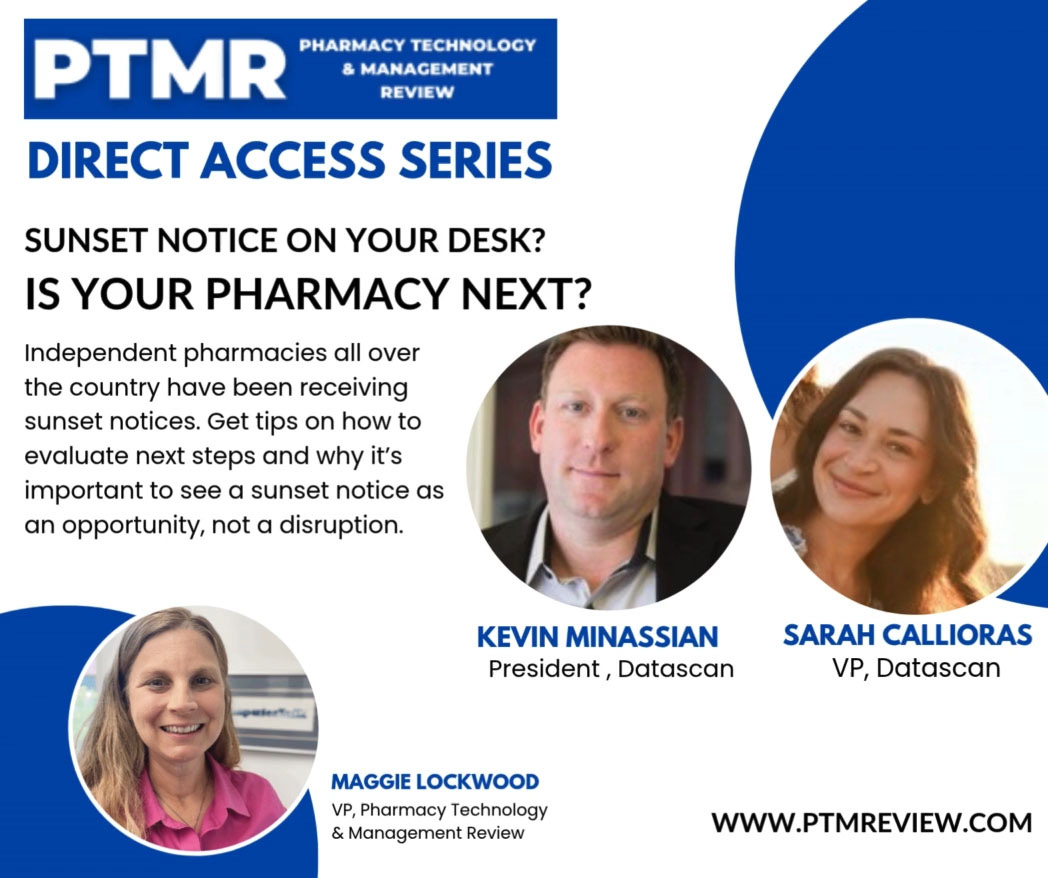
Independent pharmacies all over the country have been receiving sunset notices about their pharmacy software over the last decade and it has not stopped.Kevin, as many in the industry already know, is a staunch believer in the power of independent ownership – not just for community pharmacies, but for pharmacy management systems too.With all the consolidation happening, Kevin and Sarah It's your chance to explore vendors who truly understand the unique needs of independent pharmacies like yours — vendors who are genuinely invested in serving and supporting your community on a personal level. Kevin and Sarah will share their expert advice on what to consider when a sunset notice lands on your desk. This isn't just about keeping the lights on; it's about empowering your pharmacy to thrive. Read More…In addition to the interview, you can read the article:Thanks for reading Pharmacy Technology & Management Review! This post is public so feel free to share it.Sponsored This is a public episode. If you'd like to discuss this with other subscribers or get access to bonus episodes, visit www.ptmreview.com/subscribe
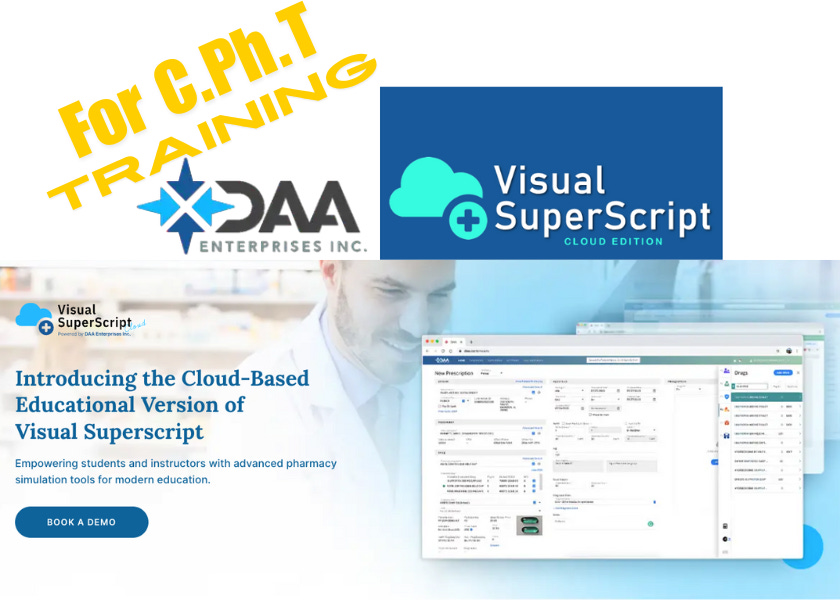
In this interview, Pharmacy Technology & Management Review’s Will Lockwood talks with Anwar Kazmi, President of DAA Enterprises, and Karen Davis, CPhT, a seasoned pharmacy technician, instructor, and textbook author, and owner of SEPhT, a pharmacy technician educational company. Davis is also a pharmacy solutions consultant for KbPort, a software and hardware development company focused on improving educational outcomes.What You Can Read About In This Interview* Revolutionizing Pharmacy Technician Training* Cloud-Based Training: A Game Changer for Pharmacy Techs* Essential Skills for Pharmacy Technician Certification* Mastering Insurance Claim Adjudication in Pharmacy Technician Training* Advanced Modules for Comprehensive Pharmacy Technician TrainingWe’ll take a look at how DAA Enterprises is revolutionizing the training landscape for certified pharmacy technicians (CPhT) programs through DAA’s Visual SuperScript Cloud Edition pharmacy management software, designed to provide aspiring pharmacy technicians with an unparalleled, realistic training environment and practical experience.Find out how the system bridges the gap between theoretical knowledge and practical application, offering students individual "pharmacies" to manage with robust simulation of complex workflows that provide crucial experience with tasks like insurance claim adjudication and medication synchronization — all vital for success in today's demanding pharmacy settings and for meeting rigorous certification standards.Revolutionizing Pharmacy Technician TrainingPTMReview: We're going to be talking with Anwar Kazmi and Karen Davis about DAA Enterprise's efforts to provide training solutions for certified pharmacy technician programs. Anwar, do you want to start off by introducing yourself?Anwar Kazmi: Sure. Thank you, Will. I am the president of DAA Enterprises. We have been in the business of pharmacy management software systems for a little over 40 years now. We were asked by the president-elect of what was then called the National Association of Retail Drug to develop a computerized system for their members. And it was referred to or described as a “smart typewriter” in those days. Of course, pharmacy management software has come a long way since then. And DAA has been part of that evolution at every step of the way. In the year, around 2005, 2006, we partnered with one of the nation's leading publishers of educational materials to adapt our pharmacy software to the educational environment for pharmacy technicians.And our most recent offering in this area, both in the commercial as well as in the educational environment, is a cloud-based system, which is very sophisticated and has many benefits for pharmacists, for instructors and for students. And we can go into the details of that when you think it's appropriate, Will.Thanks for reading Pharmacy Technology & Management Review! This post is public so feel free to share it.PTMReview: Okay. Wonderful. Thank you for that background. And before we jump into talking about that cloud-based system and how it supports training pharmacy technicians, we also have Karen Davis with us today. And Karen, would you just introduce yourself?Karen Davis: Sure. I've been working with DAA for a long time, about 17 years I think at this point. I am a pharmacy technician. practicing since 1983 and I have been certified since 1995, which was the first test. I write textbooks for several publishers. I have served as a guest surveyor for ASHP for about five years.I'm an instructor as well, and I own my own business now that sells TeachMEDS and aligns with different companies to provide software for training. I know this is an area that is needed in technician training programs because they need real world experience.This program allows them to basically use and demonstrate techniques before they get to be out in the workforce that is actually dealing with patients. Been working with DAA for a long time. The software has been a long time coming and I think it's great for the programs.Cloud-Based Training: A Game Changer for Pharmacy TechsPTMReview: Okay. Thank you so much for that. So we'll jump into talking about this pharmacy software that DAA offers and how it's used in a pharmacy technician training program. And in particular how it can represent the workflow of a pharmacy in a realistic way that allows the students to develop practical skills."This program allows them to basically use and demonstrate techniques before they get to be out in the workforce that is actually dealing with patients."So Anwar, if we can, let's start with you and let's talk a little bit about that. The way that the software, your cloud-based software, offers the ability to create a real world pharmacy workflow in the training environment with all the various queues and dashboards. And tell me how you've designed this to create the optimal learning experience.Kazmi: Yes. It would be a pleasure to do that. First of all let me also just add here that we are very fortunate to have Karen Davis as a partner. Her knowledge, her experience in this business. And she is just a joy to work with and we feel blessed to have her as a partner.Now coming back to your question. Let me first mention that the system is designed in such a way that for each student it's like they're operating their own pharmacy. The whole database is replicated as soon as a student's record is created, a student is added to the institution.All the different files and patients, doctors, drugs, and so on and so forth are replicated for that student and it's as if they are operating their own full fledged pharmacy. I think that's a unique feature of our system and it's very different from other systems. Even for the educational environment where it may be like a demo version of a company's software and it's installed on the school network, for example, with maybe one or two terminals."For each student, it's like they're operating their own pharmacy. The whole database is replicated... it's as if they are operating their own full-fledged pharmacy."Only one or two students can work with it at a time. And then a big disadvantage is that if there are some exercises that are either prescribed by the instructor, or that are in the accompanying workbook, as soon as one student performs that exercise, it preempts others from being able to do that. The others just basically stand there and watch. So I think this one is completely different in its approach. Each student has their own independent pharmacy. They can add patients, doctors, drugs, fill prescriptions and not have any impact on their fellow students.So I think that's something which is unique. The other advantage, from having this cloud based architecture, is the fact that the students can use it or can access it from anywhere at any time. All they need is some sort of a device capable of running a browser.It could be a laptop. It could be a PC. It could even be a tablet. Just a device that is capable of running a browser, that's all that they need. And they can access the system from anywhere, teachers as well as students. And so that's also a major advantage of this.Another one, which I should mention here, is something that saves the IT people of that institution from a big headache. They don't have to give access to anybody to their computer network, because the system is not installed on their network.The students do not access anything on the school’s computer network. And so that's a big relief to the administrators, as well as the IT personnel. So these are some of the advantages. Now, as I said, once the student is operating like their own pharmacy. They can go through all the tasks that have to be performed in a real pharmacy.We also have what we call a mock service for adjudicating claims. We obviously don't actually send these claims to a private third party, but these claims, whatever claim they submit, are intercepted by our software. Based on the adequacy of the data submitted, the students get either a “paid” response, or a “rejected” response. Then they have the opportunity to correct things and resubmit the claim. This gives the student a good feel for what happens in the real world.And we can talk about that in greater detail as well.PTMReview: Okay, wonderful. And so the real key difference I'm hearing is that clearly in a real world pharmacy environment you do not want more than one person doing the same thing at the same time or working on the same record, changing records in a serial manner or whatever.PTMReview: But in an educational environment, it's really important, like you said, for each student to essentially be able to run and manage his or her own pharmacy. And you've been able to set the system, your system, so that it is offering that capability. And, but at the same time, this is the same pharmacy management software that is available for a live pharmacy environment.Kazmi: Absolutely. Yes, exactly. And this is as close as one can get to an experience of working in a real life pharmacy.PTMReview: Got it. But it recognizes those student specific needs and some other needs of an educational environment.Pharmacy Technology & Management Review is a reader-supported publication. To receive new posts and support my work, consider becoming a free or paid subscriber.Essential Skills for Pharmacy Technician CertificationKaren, why don't we if you could talk a little bit about some of the essential skills that are taught by using this software. And I think Anwar touched on a few of them, but some of the things that are required by the Pharmacy Technician Certification Board, PTCB, and ASHP standards and some of the things that that students need to learn in order to be able to achieve the certification that's the end goal of these programs.What are some of those essential skills?Davis: Sure. I would like to just add a couple of things to what Anwar said. I think that's important to add, and it fl
This is a free preview of a paid episode. To hear more, visit www.ptmreview.comTune in as we discuss a growing challenge in healthcare access: pharmacy deserts. These are areas where access to essential pharmacy services is limited, impacting millions of Americans. We explore different ways these deserts are defined, from traditional distance rules to a new travel time metric used by Yale researchers, who estimated 17.7% of the U.S. population lives in one.Discover how pharmacy deserts disproportionately affect vulnerable populations, including those with low income or education, minorities, and individuals with disabilities. Learn about the severe consequences for patients, such as being more likely to miss necessary medications and losing access to vital healthcare services beyond prescriptions, like vaccinations and health screenings. A major driver? Widespread pharmacy closures, largely due to an unsustainable business model heavily influenced by Pharmacy Benefit Managers (PBMs). We detail how PBM practices like conflicts of interest, unfair reimbursement rates, and exclusionary networks are squeezing independent pharmacies out of business.Finally, we touch upon potential solutions to address this critical issue.
This is a free preview of a paid episode. To hear more, visit www.ptmreview.comIn this episode, we talk about the topics covered by PTMReview columnists in the January-February 2025 issue of Pharmacy Technology & Management Review, narrated by AI-generated voices. Hear about the opportunity that smart rings present in wearable health and how pharmacies can benefit when their patients use this consumer technology; the impact on pharmacy of changes announced in the 2024 IRS high deductible health plan, or HDHP, notices; and key insights and opportunities from the 2025 American Society for Automation in Pharmacy conference.Listen for…Segment 1: Highlights From the Speaker Agenda at the 2025 American Society for Automation in Pharmacy (ASAP) Conference.Segment 2: Smart Rings as a Wellness Opportunity for Pharmacies and Patients.Segment 3: Take-Aways From the 2024 IRS HDHP (High Deductible Health Plan) Notices.
This is a free preview of a paid episode. To hear more, visit www.ptmreview.comIn this episode, we explore key topics from the January-February 2025 issue of Pharmacy Technology & Management Review, narrated by AI-generated voices. We cover three main areas: fortifying pharmacies against cybersecurity threats with insights from leading experts; the benefits of the Drug Supply Chain Security Act (DSCSA) for inventory security, efficiency, and patient trust; and the top 10 features to consider for selecting optimal compounding pharmacy software. Tune in to gain valuable strategies and insights to enhance your pharmacy operations and ensure compliance.00:00 Introduction to January-February 2025 Issue00:50 Cybersecurity in Pharmacies05:01 Impact of the Drug Supply Chain Security Act (DSCSA)08:45 Top 10 Features for Compounding Pharmacy Software12:03 Conclusion and Further Resources
This is a free preview of a paid episode. To hear more, visit www.ptmreview.comRecently, a new player has emerged in the Pharmacy Benefit Manager (PBM) landscape: LucyRx. Founded in 2023 with a significant $500 million capital investment, LucyRx positions itself as a "next-generation" and independent PBM aiming to redefine the industry.What might be of particular interest to community pharmacy readers is LucyRx's stated commitment to supporting independent pharmacies, especially those in underserved areas. To this end, LucyRx recently published a press release about the launch of the Sustaining Pharmacy Access & Rural Care (SPARC) Program, with the explicit goal of ensuring the viability of independent pharmacies in "pharmacy deserts" — regions with limited access to essential pharmacy services.According to LucyRx, The SPARC program intends to provide much-needed support through several key initiatives:
This is a free preview of a paid episode. To hear more, visit www.ptmreview.comThe healthcare landscape is evolving, and pharmacists are poised to play a pivotal role in ensuring optimal patient outcomes. With their deep understanding of medications, they are uniquely positioned to bridge the care gap, especially for complex patients navigating multiple prescriptions and providers. Clarest Health, through its innovative technology solutions, is empowering pharmacists to step into this expanded role, streamlining workflows, improving communication, and ultimately enhancing patient wellbeing."Pharmacists are truly the kind of best educated experts in medication," says Erin Mattingly, VP of Marketing at Clarest Health. "All physicians know about medication, but they don't study it like pharmacists do." This expertise becomes crucial when patients are on multiple medications from various specialists, or when they transition between care settings, leading to potential medication discrepancies and adverse interactions.Traditionally, retail pharmacists were the go-to medication experts. However, the sheer volume of patients in modern retail pharmacies has diminished their ability to provide in-depth consultations. This is where Clarest steps in, aiming to create a cohesive medication management plan across the post-acute care continuum.Megan Wagnon, director of Products at Clarest Health and a pharmacist herself, echoes this sentiment. "The climate has shifted where that bandwidth is significantly less," she notes, referencing the challenges faced by retail pharmacists. She also highlights the gaps that often arise in hospital settings, where patients may be discharged with medications intended for short-term use, leading to potential misuse."Our goal is to really look at that entire patient journey and say, ‘where do we need to create that cohesive line and insert that medication expertise?’," Mattingly explains. "And how do we do it with technology that makes it easier across the board?"Clarest’s approach is to follow the patient throughout their healthcare journey, addressing adherence gaps, preventing medication errors, and providing crucial education. This holistic strategy is exemplified by their key offerings:

Summary of recent content from the PTMReview columnists.Read more at:Independent pharmacies are facing a complex landscape marked by financial pressures, staffing challenges, and evolving service models. The 2024 NCPA Digest sheds light on these critical trends, revealing both the struggles and the resilience of these vital healthcare providers.One of the most concerning trends is the decline in the number of independent pharmacies, dropping to 18,984 in June 2024. This decline is attributed to a broken payment system, particularly losses associated with GLP-1 agonists, and the decrease in COVID-19-related services. Despite this, independent pharmacies still constitute a significant 35% of all pharmacies in the U.S. While independent pharmacies represented a substantial $94.9 billion marketplace in 2023, their gross profit margins have fallen to a 10-year low, reaching only 19.7% due to low reimbursements and rising operational costs. To make matters worse, staffing shortages plague independent pharmacies, with 67% of NCPA members reporting difficulties in filling positions.In response to these challenges, independent pharmacies are diversifying their services and embracing technology. Many offer services such as:* Wound care (80%)* Medication therapy management (81%)* Smoking cessation aids (68%).They are also adopting technology to enhance efficiency, including point-of-sale systems (89%) and automated dispensing counters (73%). Furthermore, many independent pharmacies are part of clinically integrated networks like CPESN USA, enhancing their ability to provide comprehensive patient care.To improve patient care, AI scribes are being developed and used in other healthcare settings and may find use in pharmacies in the future. The anticipated benefits of AI scribes include:Enhanced Efficiency: AI scribes automate the documentation process by accurately capturing conversations and generating summaries.Improved Accuracy: AI scribes precisely transcribe and summarize conversations, reducing errorsConsistency in Documentation: AI-powered software standardizes documentation, ensuring that all healthcare providers have access to uniform and comprehensive patient informationHowever, the use of AI scribes also raises concerns regarding privacy and security, accuracy and reliability, integration with existing systems, and ethical and legal considerations.The Centers for Medicare & Medicaid Services (CMS) is proposing a $2 Drug List Model to lower prescription drug costs for Medicare beneficiaries. This initiative aims to provide generic drugs for common conditions at a fixed copay of no more than $2 per month. While this model has the potential to improve medication adherence and health outcomes, its impact on pharmacies is a concern. With already struggling financially, the $2 Drug List program may further reduce compensation for pharmacies filling these prescriptions.Independent pharmacies are actively advocating for PBM reform through the National Community Pharmacists Association (NCPA) and campaigns like "Finish the Fight" and "10 to Win". These efforts aim to address unfair PBM practices and ensure fair reimbursement for pharmacies. By engaging patients and voters, the NCPA hopes to influence legislators and drive meaningful change in the pharmaceutical landscape. This is a public episode. If you'd like to discuss this with other subscribers or get access to bonus episodes, visit www.ptmreview.com/subscribe
This is a free preview of a paid episode. To hear more, visit www.ptmreview.comGuest: Jesse Dresser, Partner at Frier LevittAbout Jesse DresserJesse Dresser is a partner at Frier Levitt and heads the firm's pharmacy practice group. He has extensive experience advising pharmacies on a wide range of legal and regulatory matters, including PBM disputes, compounding regulations, and compliance issues.
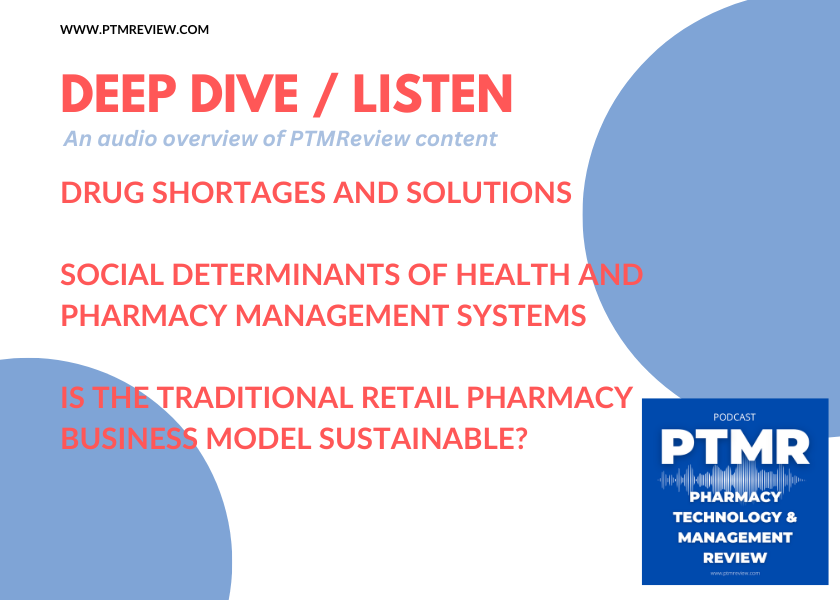
Dive into the pressing issues facing the pharmacy industry, including drug shortages, social determinants of health, and the sustainability of traditional pharmacy models.Hear About:Drug Shortages:* The rise of counterfeit medications, particularly for high-demand drugs.* The impact of low-profit margins on generic medications.* The need for increased supply chain visibility and policy reforms.Social Determinants of Health and Technology:* The importance of addressing social factors that impact patient health.* The role of pharmacy management systems in improving patient outcomes.* Leveraging technology to bridge gaps in care and promote medication adherence.The Future of Retail Pharmacy:* The challenges facing traditional pharmacy models, including declining reimbursement rates and increased competition.* The need for innovation and adaptation to survive and thrive.* The potential of alternative models, such as central fill and mail order pharmacies.Action Items* Stay informed about the latest trends and challenges in the pharmacy industry.* Evaluate your pharmacy's current business model and identify areas for improvement.* Invest in technology to streamline operations and improve patient care.* Prioritize patient engagement and education to address social determinants of health.* Collaborate with other healthcare providers to create a more integrated approach to patient care. This is a public episode. If you'd like to discuss this with other subscribers or get access to bonus episodes, visit www.ptmreview.com/subscribe
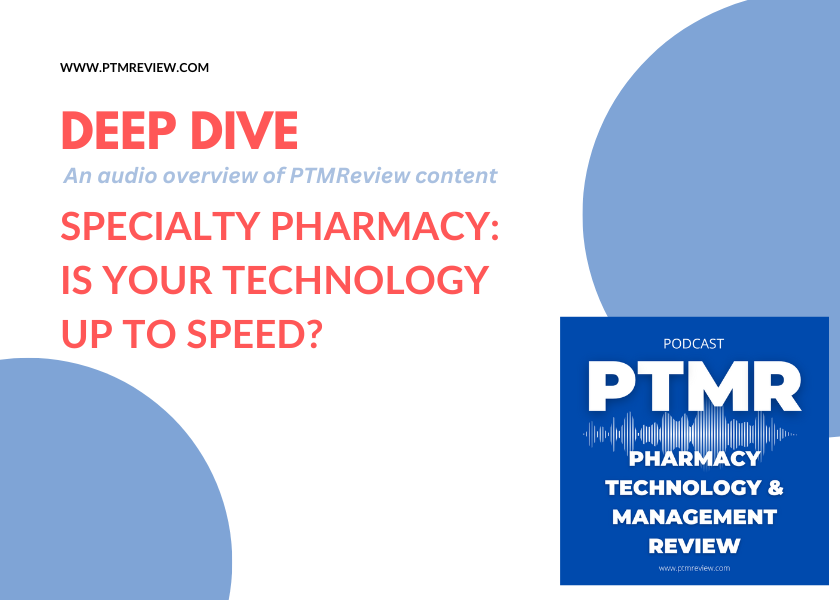
Episode Title: Is Your Technology Up to Speed?Episode Description: Dive into the complex world of specialty pharmacy. Learn how to navigate insurance hurdles, manage clinical data, and improve patient outcomes with the right technology.What you’ll hear about:The Demands of Specialty Pharmacy:* Complex patient management* Strict adherence to clinical guidelines* Navigating intricate insurance requirementsThe Role of Technology in Specialty Pharmacy:* Streamlining workflows and improving efficiency* Enhancing patient communication and engagement* Facilitating data-driven decision-makingThe Importance of Staff Training in Specialty Pharmacy:* Building a skilled team to handle the complexities of specialty pharmacy* Providing ongoing training and supportThe Future of Specialty Pharmacy:* Embracing technology to drive innovation and improve patient care* Building strong partnerships with healthcare providers and payersWhat DO YOU Think? Comment and let us know:How can pharmacies effectively manage prior authorizations and benefit investigations?What are the key challenges and opportunities in remote patient monitoring?How can pharmacies build strong relationships with payers and manufacturers?What are the essential skills and knowledge needed for specialty pharmacy staff?Action Items* Assess your pharmacy's current technology infrastructure and identify areas for improvement.* Invest in staff training and development to build a skilled and knowledgeable team.* Explore partnerships with healthcare providers and payers to expand your specialty pharmacy services.* Stay up-to-date on the latest trends and innovations in specialty pharmacy. This is a public episode. If you'd like to discuss this with other subscribers or get access to bonus episodes, visit www.ptmreview.com/subscribe
Key Points:* Skyrocketing Drug Prices:* Nearly half of Americans have skipped filling prescriptions due to cost.* Millions are stopping medications altogether.* The Role of Pharmacy Benefit Managers (PBMs):* PBMs negotiate drug prices, but their impact on consumer costs is often unclear.* Lack of transparency hinders understanding of pricing mechanisms.* Drug Shortages:* A significant number of Americans have been affected by drug shortages.* Shortages can have serious health consequences, especially for those with chronic conditions.* Potential Solutions:* Increased transparency from PBMs.* Technology-driven solutions like prescription marketplaces and AI-powered platforms.* Local partnerships between healthcare providers and insurers.* Medication Safety:* The importance of accurate medication histories.* The role of technology in improving patient safety and care coordination.* The Human Element:* The value of in-person interactions with pharmacists.* The need for equitable access to care in underserved communities.Call to Action:* Stay Informed: Learn about your medications and their costs.* Ask Questions: Don't hesitate to ask your doctor or pharmacist for clarification.* Shop Around: Explore different pharmacies and online options.* Advocate for Yourself: Contact your elected officials and support policies that promote affordable and accessible healthcare.List of sources for this news summary:Amid Retail Pharmacy Closures, 59% of Americans Fear Losing Easy Access to Essential Medications, Wolters Kluwer survey showsAmid Retail Pharmacy Closures, 59% of Americans Fear Losing Easy Access to Essential Medications, Wolters Kluwer survey showsCerpassRx Launches AI Engine Powered By Waltz Health to Deliver Real-Time Savings and Spend Management for Specialty DrugsGwinnett Clinic Partners with Ambetter Health to Launch a Bold Patient-Centric Health Insurance Plan on the Georgia Access MarketplacePeek’s First-Ever “Prescription Marketplace” Helps Employers Revolutionize Their Prescription BenefitsSurescripts Expands Innovative Prescription Accuracy Technology, Delivering Greater Impact at Scale, Improving Patient Safety and Efficiency for Care ProvidersSurescripts Powers Population Health and Value-Based Care With the Expansion of Enhanced Visibility into Patient Medication Histories for Health Plans This is a public episode. If you'd like to discuss this with other subscribers or get access to bonus episodes, visit www.ptmreview.com/subscribe
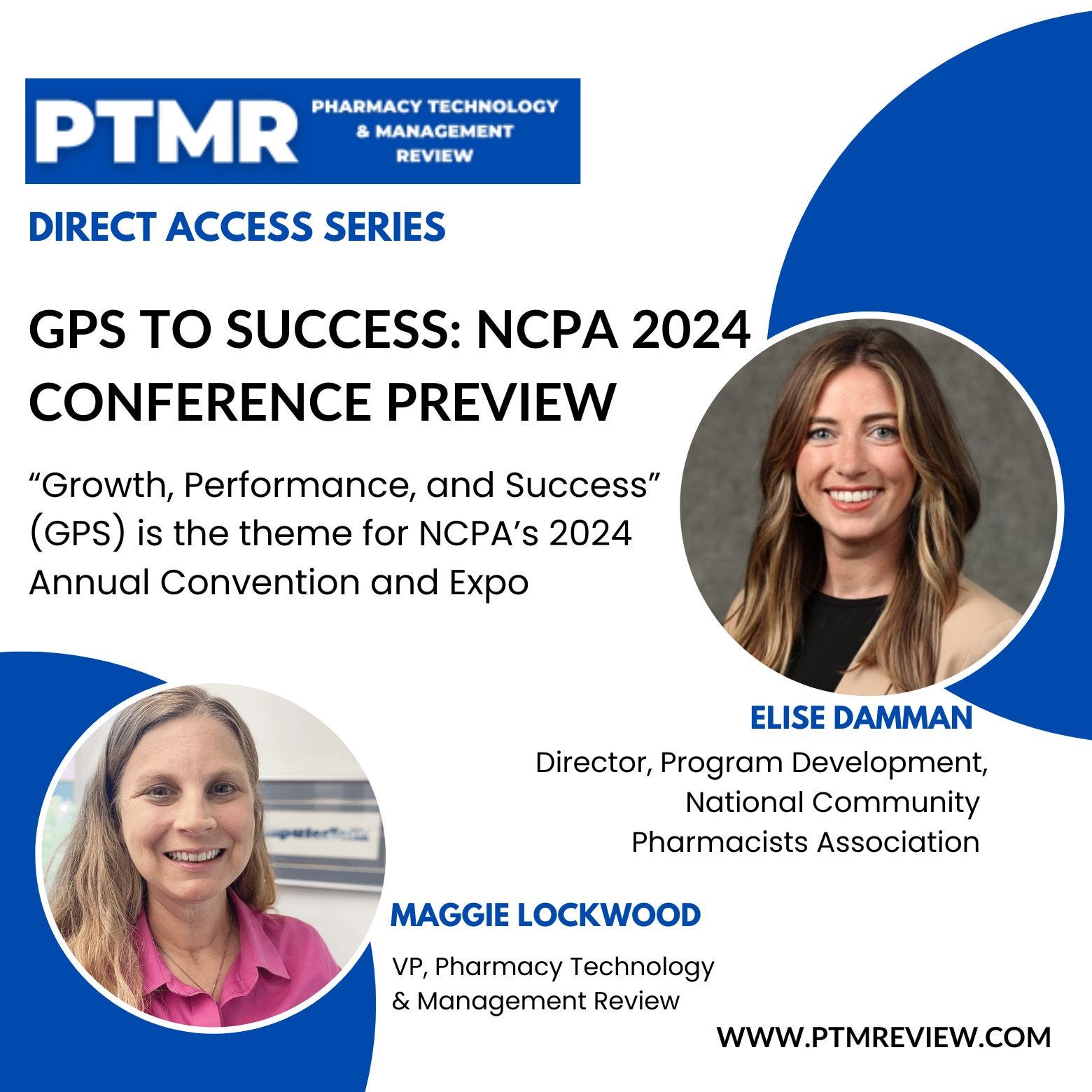
Maggie Lockwood, VP, Pharmacy Technology and Management Review, sat down with Elise Damman, director of Program Development at NCPA, to learn about the exciting programming and networking opportunities at the 2024 conference and expo, taking place Oct. 26-29 in Columbus, Ohio. The business education program is based on pharmacist feedback and interests, designed to meet various needs, from implementing new services to improving non-pharmacist support staff and workflow. This year includes several sessions on leadership development and personal finances. Damman shares the background on the session on imposter syndrome, a common challenge when implementing new services. “We say let's think about how do we organize these resources so that we can fulfill this dream and this goal of implementing a new service,” says Damman. “Maybe it's a staff training, maybe it's the employee handbook – let’s relook at that. We've got these specific programs, but we've also got those general things that really apply to anyone and a pharmacist can walk away and say ‘what's the biggest pain point at my pharmacy and how can I translate what I learned to address that?’”Leveraging Peer-to-Peer LearningA hallmark of the NCPA Annual Meeting is the emphasis on peer-to-peer learning. Shoot the Breeze sessions give attendees an opportunity to learn from successful pharmacists who share their experiences and best practices. These sessions also generate new ideas for NCPA to dive into, says Damman.Pharmacists are also featured as speakers and panelists throughout the conference. One presentation that Damman highlighted is on imposter syndrome. A pharmacy owner, who experienced imposter syndrome herself, will speak on this from her own perspective and the impact it can have on the ability to grow a pharmacy business. She will also share what it looks like when you’re able to address it, name it and identify how to move past it to offer new services and new opportunities.Thanks for reading Pharmacy Technology & Management Review! This post is public so feel free to share it.Investing in Leadership and CultureMany of the business education sessions will cover both specific services and more general topics, such as workflow and mindset shifts. One speaker Damman says NCPA is excited about is a local HR firm’s presentation on the “Ted Lasso” effect. ”We know that both hiring and retaining staff is important,” says Damman. “The point of the conversation is really to focus in on that. Many times it’s funny to think can we really look to a Hollywood TV show to give us the insight and information we need? But there are so many lessons within that are relatable and it's funny.” The NCPA Annual Conference and Expo provides valuable insights and resources for independent pharmacists seeking to grow their businesses and improve their practices. By focusing on growth, performance, and success, attendees will gain a deeper understanding of the evolving pharmacy landscape and the opportunities available to them. PTMRPharmacy Technology & Management Review is a reader-supported publication. To receive new posts and support my work, consider becoming a free or paid subscriber. This is a public episode. If you'd like to discuss this with other subscribers or get access to bonus episodes, visit www.ptmreview.com/subscribe
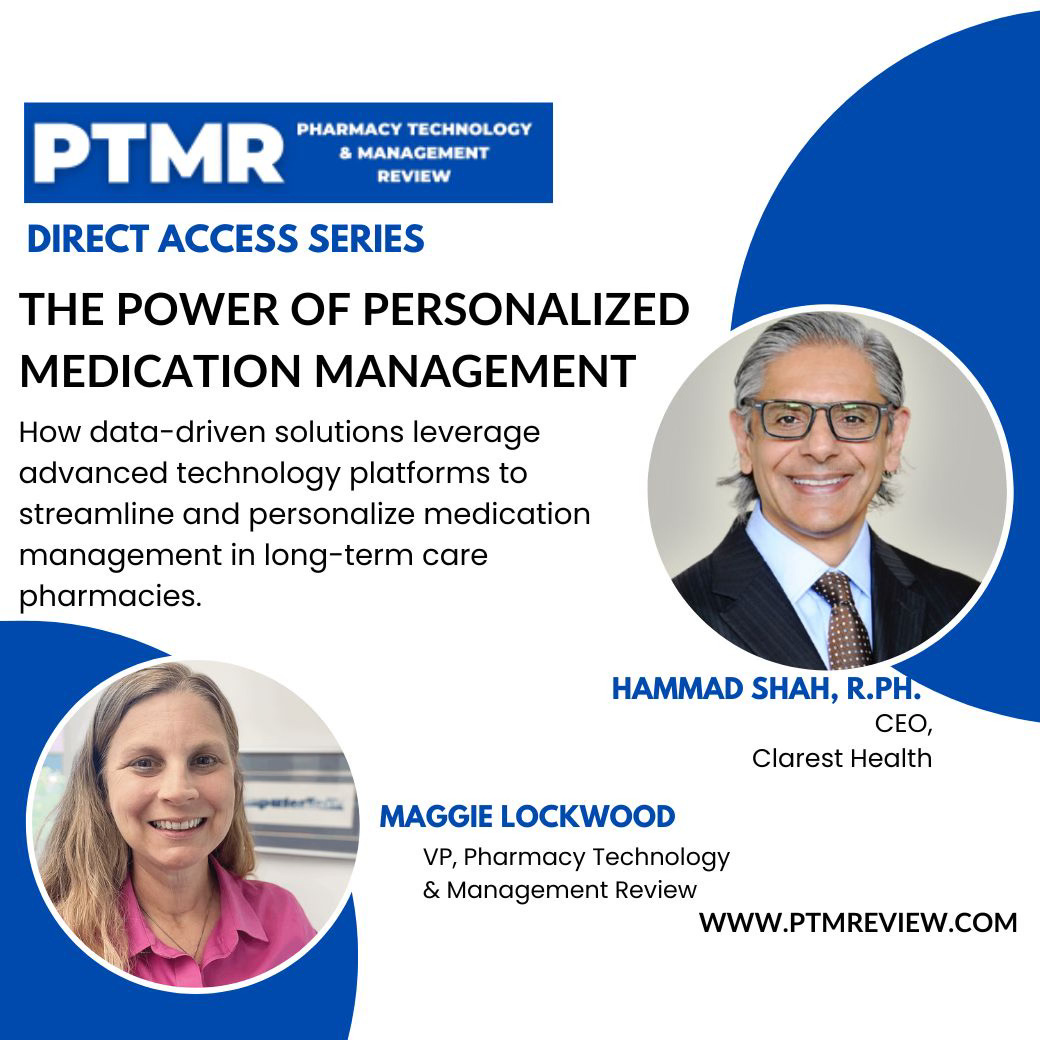
The power of personalized medication management – that's the topic of Pharmacy Technology & Management Review's Maggie Lockwood's interview Hammad Shah, R.Ph. and CEO of Clarest Health.A pharmacist by trade, Hammad explains the technology-driven platform using sophisticated algorithms to streamline the medication process, improve accuracy, and enhance patient safety and outcomes. This continues Clarest's mission to deliver high-quality, personalized medication management to patients in long-term care settings.Pharmacy Technology & Management Review is a reader-supported publication. To receive new posts and support my work, consider becoming a free or paid subscriber.Some key takeaways:* Clarest Health focuses on high-risk patients with multiple medications and complex health issues. They go beyond dispensing medication to ensure patients are on the right therapy, adhering to it, and achieving optimal health outcomes.* Personalized care planning is achieved by combining claims data, medical diagnoses, patient interviews, and OTC medication use. Algorithms identify medication-related problems and guide pharmacists in developing a plan with the patient and their providers.* Technology is crucial for scaling personalized care. Clarest Health leverages a combination of software, algorithms, and pharmacist expertise to ensure consistent, evidence-based care for all patients.* Benefits of Clarest Health's approach include:* Improved medication adherence* Reduced hospitalizations and healthcare costs* Better patient outcomes* Standardized care across different pharmacies and care settings* The future of medication therapy management lies in effective care coordination across the healthcare landscape. Clarest Health positions itself as a valuable partner for payers by providing real-time data and proactive patient engagement, leading to better outcomes and cost savings.* Social determinants of health will be a growing focus in pharmacy. Clarest Health recognizes the impact of factors like income and housing on medication adherence and aims to address these issues within their programs.The interview highlights the potential of technology-driven personalized medication management to improve patient care, reduce costs, and create a more efficient healthcare system. Click here to learn more about Clarest.Thanks for reading Pharmacy Technology & Management Review! This post is public so feel free to share it. This is a public episode. If you'd like to discuss this with other subscribers or get access to bonus episodes, visit www.ptmreview.com/subscribe
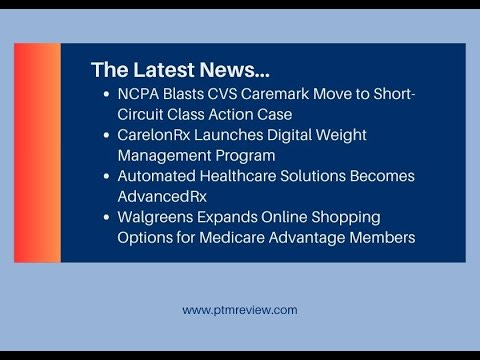
Let's take a look at what's happening in the world of pharmacy and healthcare.First Surescripts’ Unmatched Healthcare Interoperability Delivered Intelligence Sharing at Scale in 2023Surescripts has reported a significant increase in patient information sharing in 2023. According to new data in the 2023 National Progress Report, nearly 24 billion exchanges of clinical and benefit data occurred, connecting over 2 million care providers and reaching almost the entire US population.This achievement highlights Surescripts' leading role in advancing healthcare interoperability. However, the company emphasizes the many benefits for patients, including reducing medication costs, improving access to care in areas with primary care provider shortages, and expediting the medication dispensing process.The report also identifies counties most affected by PCP shortages and the growing role of pharmacists in addressing this gap. Pharmacists witnessed the highest growth in electronic prescribing in 2023.Surescripts' data showcases increased utilization of their services, including:* A substantial rise in the number of clinical documents shared.* Delivery of nearly 3 billion medication histories to aid in accurate medication reviews.* Processing of over 2.5 billion electronic prescriptions, including controlled substances.* Real-time prescription benefit checks leading to cost savings for patients.* A surge in secure messaging communication among healthcare providers.* Growth in electronically processed prior authorizations.Surescripts' report emphasizes the company’s commitment to improving healthcare access, affordability, and efficiency through continued advancements in information sharing.Next, In More News about Surescripts, Spectator Health Enhances Senior Care with Integration of eRx CapabilitiesSpectator Health has announced the integration of Surescripts e-prescribing capabilities into their platform. This integration aims to improve medication safety and management for seniors by offering real-time medication analytics for proactive identification of potential issues. Additionally, e-prescribing streamlines the prescription process for caregivers and providers in senior living communities.Spectator Health states that a commitment to reducing medication risks for seniors was a key driver behind this collaboration with Surescripts.The integration offers various functionalities, including comprehensive medication history access; real-time cost and insurance checks; and electronic prescribing capabilities in various care settingsThis integration complements Spectator Health's existing platform features like charting, clinician notes, and a mobile app for caregivers.Next, OmniSYS XiFin Pharmacy Transformation Study Reveals Opportunities and ChallengesA new study by OmniSYS, the pharmacy division of XiFin, explores the evolving landscape of pharmacy services and the industry's efforts to meet consumer needs, improve access to healthcare, and address equity concerns. The study, titled "OmniSYS XiFin Pharmacy Transformation Research," surveyed over 500 pharmacy professionals and organizations to gain insights into their experiences and perspectives.Among the opportunities identified:* Nearly 75% of respondents identified an expanded role for pharmacists as a top growth opportunity, envisioning pharmacists playing a larger role in filling primary care gaps and contributing to health and wellness initiatives.* Excluding immunizations, 81% of participants reported already offering clinical services like diabetes self-management training and birth control consultations. However, over 70% of these respondents cited reimbursement and medical billing complexities as barriers to further expansion.* A shift towards value-based care was identified as a potential solution to the reimbursement challenge, aligning incentives with positive patient outcomes.Among the challenges identified:* Financial constraints, including reimbursements, medication shortages, and staff shortages emerged as major concerns.* Over 60% of respondents offering clinical services reported difficulties with medical billing capabilities.* 41% of respondents offering diabetes self-management training, for example, indicated collections rates below 50%, highlighting financial challenges associated with new services.The study also explores the current state of clinical services offered by pharmacies, with immunizations, chronic care management, and durable medical equipment being the most prevalent. It identifies emerging trends and offers predictions, such as the potential for pharmacists to directly bill insurance carriers and the growing interest in telehealth and digital health tools. It also notes the impact of service expansion on revenue, with chronic care management and diabetes training identified as areas with high potential.The full report and a corresponding webinar offer deeper insights and recommended strategies for navigating these opportunities and challenges.And Finally, CenterWell Pharmacy Launches New Mobile AppCenterWell Pharmacy, a division of Humana, has launched a redesigned mobile app to simplify medication management. This user-friendly app empowers customers to:Seamlessly manage prescriptions by easily checking costs, refilling prescriptions, setting up auto-refills, and transferring prescriptions from other pharmacies.Track orders and access real-time information by viewing order status and accessing important information about medications and over-the-counter (OTC) products.Save time and shop conveniently by ordering OTC products alongside medications with free shipping.The app's intuitive design and user-friendly interface cater to all tech-savviness levels, promoting improved medication adherence and overall health outcomes.The CenterWell Pharmacy mobile app has nearly 8 million annual visits. It is available on iOS and Android devices.Like what you've heard?Subscribe to PTMR and keep up with the latest pharmacy news and gain access to original feature content. Highlighting the best of what's happening in pharmacy today. This is a public episode. If you'd like to discuss this with other subscribers or get access to bonus episodes, visit www.ptmreview.com/subscribe
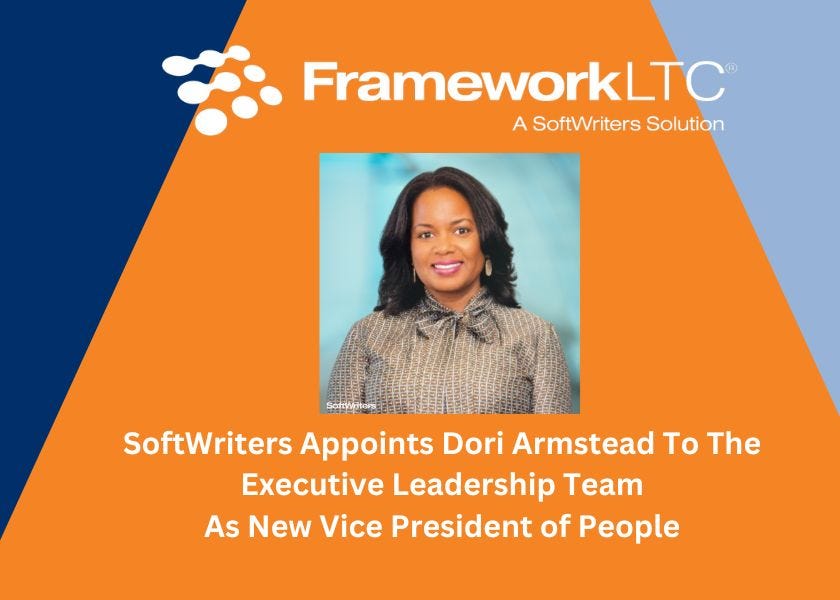
SoftWriters, Inc. is pleased to announce the appointment of Dori Armstead as the Vice President of People.Dori Armstead brings a strategic mindset and over 25 years of HR leadership experience from a rich variety of industries including pharmaceuticals, media sales, education, and technology. As the leader of people, she plays a crucial role in elevating and empowering SoftWriters employees to ensure they are effective and thriving.“I’m thrilled to announce the addition of Dori Armstead to our executive team,” shared Scott Beatty, President and CEO of SoftWriters. When asked why he was so excited to welcome Dori to the team, Scott responded, “At SoftWriters, our mission drives us: Empower LTC Pharmacy, Save Lives. This starts and ends with our people. Dori will elevate our talent practices as we strive for excellence in attracting, engaging, and developing our talent. Dori is a DEIB champion and will play a pivotal role in growing our team and sustaining a passionate, performance-driven culture.”Dori holds a master's degree in human resources from Clemson University. Beyond her professional pursuits, she enjoys spending quality time with family and friends, listening to a wide variety of music and she has a passion for both travel and sports. Her commitment to others extends beyond the workplace, as she actively volunteers for causes related to education, mentorship, and mental health within her community. Dori expressed her excitement about joining the organization, saying, “From my initial interaction with Scott Beatty and the SoftWriters executive team, I felt a sense of belonging and alignment with the values, purpose, and mission of SoftWriters. I couldn’t be more excited to lead the people strategy and advance our talent practices during such a pivotal time in SoftWriter's history.” This is a public episode. If you'd like to discuss this with other subscribers or get access to bonus episodes, visit www.ptmreview.com/subscribe

Let's take a look at what's happening in the world of pharmacy and healthcare.First Surescripts’ Unmatched Healthcare Interoperability Delivered Intelligence Sharing at Scale in 2023Surescripts has reported a significant increase in patient information sharing in 2023. According to new data in the 2023 National Progress Report, nearly 24 billion exchanges of clinical and benefit data occurred, connecting over 2 million care providers and reaching almost the entire US population.This achievement highlights Surescripts' leading role in advancing healthcare interoperability. However, the company emphasizes the many benefits for patients, including reducing medication costs, improving access to care in areas with primary care provider shortages, and expediting the medication dispensing process.The report also identifies counties most affected by PCP shortages and the growing role of pharmacists in addressing this gap. Pharmacists witnessed the highest growth in electronic prescribing in 2023.Surescripts' data showcases increased utilization of their services, including:* A substantial rise in the number of clinical documents shared.* Delivery of nearly 3 billion medication histories to aid in accurate medication reviews.* Processing of over 2.5 billion electronic prescriptions, including controlled substances.* Real-time prescription benefit checks leading to cost savings for patients.* A surge in secure messaging communication among healthcare providers.* Growth in electronically processed prior authorizations.Surescripts' report emphasizes the company’s commitment to improving healthcare access, affordability, and efficiency through continued advancements in information sharing.Next, In More News about Surescripts, Spectator Health Enhances Senior Care with Integration of eRx CapabilitiesSpectator Health has announced the integration of Surescripts e-prescribing capabilities into their platform. This integration aims to improve medication safety and management for seniors by offering real-time medication analytics for proactive identification of potential issues. Additionally, e-prescribing streamlines the prescription process for caregivers and providers in senior living communities.Spectator Health states that a commitment to reducing medication risks for seniors was a key driver behind this collaboration with Surescripts.The integration offers various functionalities, including comprehensive medication history access; real-time cost and insurance checks; and electronic prescribing capabilities in various care settingsThis integration complements Spectator Health's existing platform features like charting, clinician notes, and a mobile app for caregivers.Next, OmniSYS XiFin Pharmacy Transformation Study Reveals Opportunities and ChallengesA new study by OmniSYS, the pharmacy division of XiFin, explores the evolving landscape of pharmacy services and the industry's efforts to meet consumer needs, improve access to healthcare, and address equity concerns. The study, titled "OmniSYS XiFin Pharmacy Transformation Research," surveyed over 500 pharmacy professionals and organizations to gain insights into their experiences and perspectives.Among the opportunities identified:* Nearly 75% of respondents identified an expanded role for pharmacists as a top growth opportunity, envisioning pharmacists playing a larger role in filling primary care gaps and contributing to health and wellness initiatives.* Excluding immunizations, 81% of participants reported already offering clinical services like diabetes self-management training and birth control consultations. However, over 70% of these respondents cited reimbursement and medical billing complexities as barriers to further expansion.* A shift towards value-based care was identified as a potential solution to the reimbursement challenge, aligning incentives with positive patient outcomes.Among the challenges identified:* Financial constraints, including reimbursements, medication shortages, and staff shortages emerged as major concerns.* Over 60% of respondents offering clinical services reported difficulties with medical billing capabilities.* 41% of respondents offering diabetes self-management training, for example, indicated collections rates below 50%, highlighting financial challenges associated with new services.The study also explores the current state of clinical services offered by pharmacies, with immunizations, chronic care management, and durable medical equipment being the most prevalent. It identifies emerging trends and offers predictions, such as the potential for pharmacists to directly bill insurance carriers and the growing interest in telehealth and digital health tools. It also notes the impact of service expansion on revenue, with chronic care management and diabetes training identified as areas with high potential.The full report and a corresponding webinar offer deeper insights and recommended strategies for navigating these opportunities and challenges.And Finally, CenterWell Pharmacy Launches New Mobile AppCenterWell Pharmacy, a division of Humana, has launched a redesigned mobile app to simplify medication management. This user-friendly app empowers customers to:Seamlessly manage prescriptions by easily checking costs, refilling prescriptions, setting up auto-refills, and transferring prescriptions from other pharmacies.Track orders and access real-time information by viewing order status and accessing important information about medications and over-the-counter (OTC) products.Save time and shop conveniently by ordering OTC products alongside medications with free shipping.The app's intuitive design and user-friendly interface cater to all tech-savviness levels, promoting improved medication adherence and overall health outcomes.The CenterWell Pharmacy mobile app has nearly 8 million annual visits. It is available on iOS and Android devices.Like what you've heard?Subscribe to PTMR and keep up with the latest pharmacy news and gain access to original feature content. Highlighting the best of what's happening in pharmacy today. This is a public episode. If you'd like to discuss this with other subscribers or get access to bonus episodes, visit www.ptmreview.com/subscribe
Let's take a look at what's happening in the world of pharmacy and healthcare.RedSail Technologies Launches RxCash+, Leveraging AI to Achieve Fairer Pricing on Cash Prescriptions for Patients and PharmaciesThe RxCash+ AI-powered tool helps pharmacies set fair and competitive cash prices for medications by taking into account various factors like market fluctuations and the pharmacy's location.By suggesting data-driven cash prices, RxCash+ aims to streamline the process for pharmacies, eliminating the need for manual price management and the associated burden on staff. Additionally, RxCash+ benefits patients by offering copay assistance opportunities, which promotes prescription affordability.Thank you for reading Pharmacy Technology & Management Review. This post is public so feel free to share it.The program boasts several advantages for both pharmacies and patients:* Pharmacies:* Receive suggested cash prices tailored to their location and patient market.* Gain enhanced price transparency and reporting through real-time dashboards for single or multiple locations.* Access a dedicated pharmacist coach for program and customer support.* Benefit from comprehensive claim validation, including identification of applicable rebates and copay assistance programs.* Obtain performance metrics to track market fluctuations impacting cash prices, patient savings, rebates, and margin goals.* Patients:* Benefit from potentially lower prescription costs through copay assistance opportunities.* Experience greater price transparency with clear communication from pharmacies.RxCash+ aims to empower pharmacies with the necessary tools, technology, and expert guidance to achieve financial stability while providing quality care to their cash-paying patients.Elsevier Health Launches ClinicalKey AI Clinical Decision Support Tool for CliniciansElsevier Health launched ClinicalKey AI, a new clinical decision support tool that uses artificial intelligence to help doctors find information quickly and easily. ClinicalKey AI is the first tool of its kind to be introduced in the U.S.The tool is designed to be used at the point of care, and it can answer a wide range of clinical questions, from simple to complex. ClinicalKey AI draws on a variety of sources, including scientific journals, medication information, and clinical reference content.The tool is also personalized to the clinician using it, and it can take into account factors such as a patient's comorbidities and current medications. ClinicalKey AI is HIPAA compliant and has been developed in line with Elsevier's Responsible AI Principles and Privacy Principles.ClinicalKey AI was developed in partnership with OpenEvidence, Cone Health, and the University of New Mexico. The tool was also tested by more than 30,000 physicians. ClinicalKey AI is now fully available across the U.S., with launches in other geographies to be announced at a later date.Pharmacy Technology & Management Review is a reader-supported publication. To receive new posts and support my work, consider becoming a free or paid subscriber.Sidecar Health and Mark Cuban Cost Plus Drug Company Team UpBoth Sidecar Health and Cost Plus Drugs prioritize transparency and lower costs.Sidecar Health promotes a transparent insurance model where members keep unused plan funds. Members save an average of $54 per month on prescriptions.Cost Plus Drugs is an online pharmacy with transparent pricing that applies a 15% markup above manufacturer cost.The partnership allows Sidecar members to access Cost Plus Drugs' lower prices by filling prescriptions directly through Cost Plus Drugs online pharmacy, with larger savings on specific medications, like Lipitor and Imatinib.Sidecar members can also use the Team Cuban Card at participating retail pharmacies.Clarest Health Bolsters Senior Care Pharmacy Reach with Remedi AcquisitionClarest Health, which offers personalized medication management, has acquired Remedi SeniorCare, expanding its capabilities to serve the growing aging population.The deal positions Clarest to lead the $5.7 billion post-acute care pharmacy market. Clarest aims to close medication care gaps for seniors across various settings, including hospitals, nursing homes, and assisted living.The acquisition will allow Remedi's automation technology and patient portal to strengthen a technology-driven approach to medication optimization and fulfillment designed to address critical needs arising from the aging population and caregiver burden.There’s Divided Opinion on Recent Developments in Drug Importation.The Partnership for Safe Medicines, or PSM, is fiercely criticizing the FDA's green light for Florida's Canadian drug importation plan, citing safety concerns and potential flooding of the market with counterfeit drugs.PSM’s criticisms of importation include that:* Bypassing the existing closed-loop system opens the door to counterfeiters and compromises patient safety.* HIV patients and other vulnerable groups are particularly at risk due to increased exposure to counterfeit drugs.PSM urges caution and encourages further education on the risks of importing drugs from Canada. They direct individuals to safemedicines.org for more information and resources.Meanwhile, the AIDS Healthcare Foundation, of AHF, welcomes the FDA's approval of Florida's Canadian drug importation plan, acknowledging its potential to combat skyrocketing drug costs in the state with a large senior population.However, AHF emphasizes that simply importing U.S.-made drugs back from Canada is a cumbersome workaround compared to directly lowering drug prices within the U.S. AHF encourages broader solutions to tackle the national issue of exorbitant drug prices.Like what you've heard?Pharmacy Technology & Management Review is a reader-supported publication. To receive new posts and support my work, consider becoming a free or paid subscriber. This is a public episode. If you'd like to discuss this with other subscribers or get access to bonus episodes, visit www.ptmreview.com/subscribe
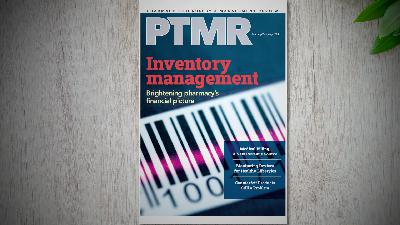
The January-February 2024 issue of Pharmacy Technology & Management Review (PTMR) is now available online, offering insights and strategies to help pharmacies thrive in today's challenging times.Pharmacy Technology & Management Review is a reader-supported publication. To receive new posts and support my work, consider becoming a free or paid subscriber.In our cover story, "Brightening Pharmacy's Financial Picture: Inventory Management," we delve into an area where pharmacies have real control to make a positive impact. We explore ways to optimize inventory management, a crucial piece of the financial puzzle, and discuss the role of medication adherence programs in this process.Check out content from pharmacy industry experts:* Tory Pearson, Director of Pharmacy Programs and Network Development at Medicine-On-Time, shares valuable insights on how adherence programs can contribute to better inventory management.* PTMR Publisher Bill Lockwood interviews Kevin Borcher about the latest American Society for Automation in Pharmacy (ASAP) Prescription Drug Monitoring Program (PDMP) Standard.Inspiring stories and recognition of excellence:* "A focus on community services leads to recognition" by Maggie Lockwood tells the heartwarming story of Teresa Toll, owner of Bay Street Pharmacy, who was awarded the National Community Pharmacists Association 2023 Willard B. Simmons Independent Pharmacist of the Year for her 20 years of dedicated service.* "The 50 Most Influential Pharmacists Awards" by Bruce Neelan highlights the Pharmacy Podcast Network's recognition of 50 innovative leaders shaping the future of pharmacy.Stay informed with our insightful columns:* Technology Corner: Learn how technology can help patients monitor healthy lifestyles.* Viewpoints: Explore the intersection of pharmacy and medical billing.* Catalyst Corner: Get the latest on the Drug Supply Chain Security Act (DSCSA) provisions delay and the ongoing fight against counterfeits.Plus, don't miss our Conference Circuit coverage and photos from the ASAP 2024 Annual Conference!Pharmacy Technology & Management Review is a reader-supported publication. To receive new posts and support my work, consider becoming a free or paid subscriber.Read the full January-February 2024 issue of PTMReview and gain the knowledge and strategies you need to navigate the current environment and build a brighter future for your pharmacy. Thank you for reading Pharmacy Technology & Management Review. This post is public so feel free to share it. This is a public episode. If you'd like to discuss this with other subscribers or get access to bonus episodes, visit www.ptmreview.com/subscribe

Comments

Download from Google Play

Download from App Store
 United States