


 Claim Ownership
Wellness at the Speed of Light
Subscribed: 9Played: 75
Subscribe

© Copyright 2024 All rights reserved.
Description
I’m Dr. Stefano Sinicropi, a spine surgeon with 9000 spinal surgeries under my belt and a profound passion for comprehensive well-being. My podcast, ”Wellness at the Speed of Light,” unites my surgical expertise with diverse healing practices, aiming to revolutionize our medical system and societal health. Through this long-form video podcast, I explore the synergy of Western, Eastern, and alternative medicine, focusing on how they can collectively enhance health and wellness.
In each episode, I delve into various health topics, ranging from medical and surgical intricacies to nutrition, exercise, and emerging technologies. I invite experts across different fields to provide a holistic view of today’s health landscape, helping listeners navigate its complexities. ”Wellness at the Speed of Light” is designed for a broad audience: medical professionals seeking deeper insights, patients grappling with health issues, and anyone interested in a holistic approach to well-being.
The podcast offers in-depth discussions on modern medical techniques, holistic healing methods, and inspiring recovery stories. My goal is to empower, educate, and inspire a healthier, more balanced life, leveraging my experience and insights as a spine surgeon deeply committed to wellness. Join me on this journey through the vast world of health with ”Wellness at the Speed of Light,” where I strive to demystify wellness and contribute to a healthier, happier world.
In each episode, I delve into various health topics, ranging from medical and surgical intricacies to nutrition, exercise, and emerging technologies. I invite experts across different fields to provide a holistic view of today’s health landscape, helping listeners navigate its complexities. ”Wellness at the Speed of Light” is designed for a broad audience: medical professionals seeking deeper insights, patients grappling with health issues, and anyone interested in a holistic approach to well-being.
The podcast offers in-depth discussions on modern medical techniques, holistic healing methods, and inspiring recovery stories. My goal is to empower, educate, and inspire a healthier, more balanced life, leveraging my experience and insights as a spine surgeon deeply committed to wellness. Join me on this journey through the vast world of health with ”Wellness at the Speed of Light,” where I strive to demystify wellness and contribute to a healthier, happier world.
62 Episodes
Reverse
In this episode of Wellness at the Speed of Light, orthopedic spine surgeon and host Dr. Stefano Sinicropi speaks with Dr. Asha Zimmerman, a transplant surgeon who made an unconventional decision: stepping away from clinical practice to focus on artificial intelligence and its potential to transform healthcare.
Their conversation explores what happens when medicine, technology, and human purpose intersect. Dr. Zimmerman shares the personal and professional journey that led him from transplant surgery into the world of AI innovation. He explains how emerging language models and diagnostic tools may help patients better understand their health, navigate complex medical systems, and prepare for meaningful conversations with their physicians.
The discussion also examines broader challenges facing modern healthcare, including physician burnout, administrative burden, and the growing complexity of care delivery. Dr. Sinicropi and Dr. Zimmerman reflect on how AI could reduce documentation workloads, support clinical decision-making, and expand access to health information while preserving the essential role of physicians in patient care.
Listeners will hear a thoughtful exploration of how artificial intelligence may influence diagnostics, medical research, and patient education in the years ahead. The conversation highlights both the promise and the responsibility that come with integrating advanced technologies into medicine.
This episode is designed for clinicians, healthcare leaders, innovators, and anyone interested in the future of medicine. It offers an accessible and balanced perspective on how AI may reshape healthcare while keeping patient well-being and physician judgment at the center of the conversation.
In this episode of Wellness at the Speed of Light, Dr. Stefano Sinicropi sits down with orthopedic trauma surgeon Dr. Alon Antebi for a candid conversation about what it truly takes to deliver high-quality care in today’s healthcare environment.
Drawing from decades of surgical experience, they explore the realities behind surgical efficiency, clinical volume, and why experience matters for patient outcomes. The discussion highlights how operating room efficiency, preparation, and repetition can reduce complications, shorten recovery time, and improve the overall patient experience.
Beyond the operating room, the conversation expands into the business of medicine, the challenges facing private practice, and the growing shift toward employed physician models. Drs. Sinicropi and Antebi share insights on autonomy, decision-making, healthcare economics, and the importance of physicians understanding both clinical care and operational strategy.
The episode also addresses broader trends in healthcare, including changes in surgical training, work-hour limitations, physician burnout risk, and the evolving expectations of the next generation of doctors.
This conversation is designed for healthcare professionals, medical leaders, patients interested in surgical quality, and anyone curious about how experience, efficiency, and physician autonomy influence modern healthcare.
Wellness at the Speed of Light is dedicated to advancing conversations around health, performance, recovery, and whole-person care through expert insight and real-world experience.
In this episode of Wellness at the Speed of Light, Dr. Stefano Sinicropi sits down with Dr. Zachary Meade, an anesthesiology resident whose path to medicine began in one of the highest-pressure environments imaginable: the military bomb squad.
Dr. Meade shares how years of explosive ordnance disposal shaped his ability to stay calm, think clearly, and make critical decisions when lives are on the line. The conversation explores how skills developed under extreme stress translate into the operating room, where precision, situational awareness, and emotional control are essential for patient safety.
Together, they discuss the mindset required to perform in high-stakes medical environments, the importance of systems thinking in healthcare, and the role of purpose, resilience, and service in a medical career. Dr. Meade also reflects on his experience as a first-generation physician, a Pat Tillman Scholar, and a physician-influencer working to counter medical misinformation and promote evidence-based health education.
This episode also addresses a growing challenge in modern healthcare: helping patients navigate conflicting health information, understand risk, and make informed decisions that combine sound medical care with thoughtful integrative approaches.
This conversation is for healthcare professionals, patients, and anyone interested in leadership, mental resilience, evidence-based wellness, and the human side of modern medicine.
Wellness at the Speed of Light delivers trusted insights on health, recovery, performance, and integrative care to help you make informed decisions for long-term wellbeing.
In this episode of Wellness at the Speed of Light, Dr. Stefano Sinicropi speaks with Dr. Michael Richman, a double board-certified cardiothoracic surgeon with deep expertise in lipidology and cardiovascular prevention. They unpack why cardiovascular disease remains the leading cause of death for both men and women, and why many people labeled “low risk” are still vulnerable to heart attack or stroke.
This audio conversation focuses on how atherosclerosis develops over time, the major drivers of cardiovascular risk, and why genetics play a larger role than most people realize. Dr. Richman explains the practical difference between standard cholesterol testing and particle-based measurements such as LDL-P and ApoB, and why these tests can help identify risk earlier and more accurately. They also address the nocebo effect and the way health misinformation shapes patient beliefs and decision-making.
The discussion covers the evidence behind statins, including plaque stabilization and inflammation, as well as common questions about omega-3 fatty acids, niacin, red yeast rice, and calcium scoring. The goal is to give listeners a clearer framework for understanding cardiovascular risk, asking better questions in clinical settings, and taking informed, prevention-focused steps without relying on hype or trends.
Guest: Dr. Michael Richman, MD, double board-certified cardiothoracic surgeon and lipidology expert.
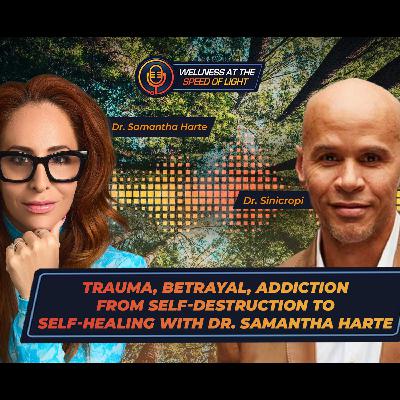
In this episode of Wellness at the Speed of Light, Dr. Stefano Sinicropi sits down with Dr. Samantha Harte for a candid, reflective conversation about trauma, betrayal, addiction, and the path toward self-healing.
Dr. Harte shares her personal journey of recovery and how lived experience shaped her work at the intersection of psychology, self-awareness, and meaning-making. The discussion explores how early wounds and painful experiences can influence behavior, identity, and coping patterns, and why healing begins with honesty rather than perfection. Together, they examine the emotional processes behind addiction, the role of compassion in recovery, and how confronting uncomfortable truths can open the door to growth.
Listeners will hear how traits often labeled as flaws, such as perfectionism or control, can be reframed with awareness and intention. Dr. Harte explains how understanding these patterns can transform self-judgment into insight and resilience. The conversation emphasizes responsibility without shame, curiosity over blame, and the importance of rebuilding purpose after periods of self-destruction.
This episode is relevant for anyone navigating recovery, emotional pain, or personal transformation, as well as healthcare professionals and caregivers seeking a deeper understanding of the human side of healing. It offers a thoughtful perspective on how awareness, courage, and vulnerability can support meaningful change and long-term wellbeing, reminding listeners that growth is possible even in the aftermath of profound struggle.
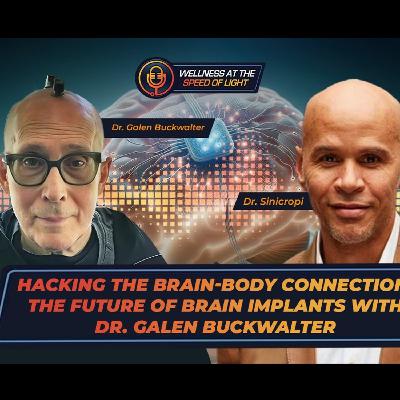
In this episode of Wellness at the Speed of Light, Dr. Stefano Sinicropi speaks with Dr. Galen Buckwalter about the evolving science of brain-computer interfaces and the deeply human stories behind innovation.
Dr. Buckwalter shares his experience following a spinal cord injury that led him to become one of the earliest participants in a brain implant research program. The conversation explores how brain-computer interface research seeks to translate neural signals into movement through thought, and why this work represents an important area of inquiry in neuroscience and rehabilitation research. Rather than focusing solely on technology, the episode centers on the emotional realities of living with paralysis and the meaning of participating in research that may benefit future generations.
Together, Dr. Sinicropi and Dr. Buckwalter discuss the intersection of science, resilience, and purpose. They reflect on the psychological and emotional dimensions of scientific breakthroughs, the uncertainty inherent in experimental research, and what motivates individuals to contribute to progress even when personal outcomes are unknown. The discussion highlights how purpose can emerge from adversity and why human experience remains central to medical innovation.
This episode is relevant for healthcare professionals, researchers, patients, caregivers, and listeners interested in neuroscience, brain health, recovery, and integrative approaches to wellness. It offers an educational, thoughtful look at the future of brain-body research while honoring the personal strength and perspective that drive discovery forward.
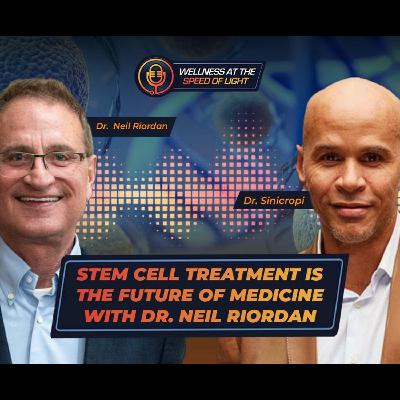
In this episode of Wellness at the Speed of Light, Dr. Stefano Sinicropi is joined by world-renowned stem cell researcher Dr. Neil Riordan for an educational discussion on regenerative medicine, cellular repair, and the evolving science behind stem cell research.
The conversation focuses on what adult stem cells are, how they differ from embryonic stem cells, and why these distinctions matter for ethics, regulation, and scientific progress. Dr. Riordan explains how misinformation and outdated assumptions have slowed understanding of the field, while ongoing research continues to explore how cellular science may support recovery processes and improve quality of life in complex health conditions.
Dr. Sinicropi and Dr. Riordan also examine why regenerative medicine challenges traditional healthcare models and why education is critical for both clinicians and patients. Rather than promoting quick fixes, the episode emphasizes scientific rigor, ethical responsibility, and the importance of separating evidence-based research from hype. The discussion highlights how careful investigation into stem cells has opened new questions about healing, mobility, and long-term health without overstating outcomes.
Listeners will also hear about the role of innovation in modern medicine and how institutions like Stem Cell Institute contribute to global research efforts through controlled study and clinical inquiry.
This episode is relevant for healthcare professionals, patients, caregivers, and anyone interested in the future of medicine, regenerative science, and integrative care. It offers a grounded, accessible look at where stem cell research stands today and how thoughtful science may shape the next era of medical advancement.
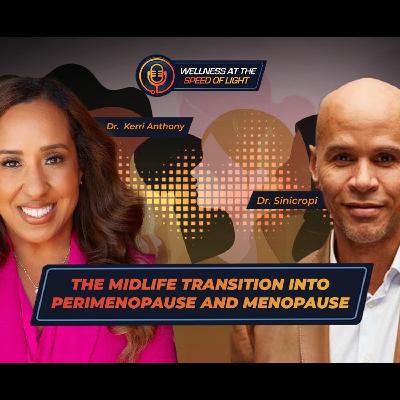
In this episode of Wellness at the Speed of Light, Dr. Stefano Sinicropi speaks with Dr. Kerri Anthony about the midlife transition into perimenopause and menopause, a stage of life that remains widely misunderstood and frequently dismissed.
Dr. Anthony explains why the symptoms many women experience are rooted in real biological and hormonal shifts that affect both the body and the brain. The conversation explores how changes during perimenopause and menopause can influence sleep, mood, cognition, and emotional wellbeing, and why these experiences are often misattributed to stress or aging alone. Rather than viewing this transition as a problem to minimize, the episode frames it as a critical period that deserves informed, compassionate care.
The discussion also addresses why many women are told they need mental health medications when the underlying issue may be hormonal imbalance and lack of specialized support. Dr. Anthony emphasizes the importance of evaluating the full picture, including physical, emotional, and neurological factors, and shares how accessible care models like Your Menopause MD are helping women receive guidance that aligns with their real experiences.
This episode is relevant for women navigating perimenopause or menopause, as well as healthcare professionals and caregivers seeking a clearer understanding of midlife health. It offers education, validation, and perspective on why this transition matters and how informed care can support resilience, clarity, and wellbeing during this important stage of life.
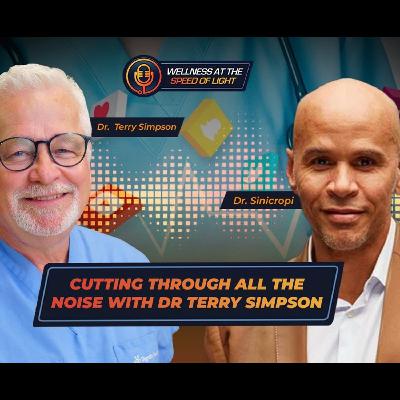
In this episode of Wellness at the Speed of Light, Dr. Stefano Sinicropi is joined by Dr. Terry Simpson for a clear, science-grounded conversation on obesity, emerging medications, and the future of patient care.
Dr. Simpson brings a clinician’s perspective to one of the most debated topics in modern healthcare, explaining why obesity cannot be reduced to willpower or diet alone. The discussion explores how brain signaling and physiology influence weight regulation, and why understanding these mechanisms is essential for informed, compassionate care. Rather than adding to the noise, this episode focuses on clarity, evidence, and thoughtful dialogue.
The conversation also examines the growing attention around GLP-1 medications and how they are reshaping conversations about treatment pathways, including their potential impact on bariatric surgery decisions. Dr. Simpson and Dr. Sinicropi discuss why science-based communication matters more than ever, especially as patients face overwhelming and often conflicting information about weight, health, and medical options.
This episode is designed for healthcare professionals, patients, and listeners interested in wellness, metabolic health, and the evolution of evidence-informed medicine. It offers context, perspective, and a more nuanced way to think about obesity and care decisions without sensationalism. By focusing on physiology, education, and responsible discussion, this conversation encourages listeners to engage with complex health topics in a more informed and thoughtful way.
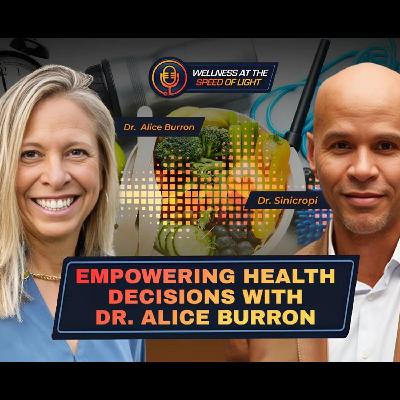
In this episode of Wellness at the Speed of Light, Dr. Stefano Sinicropi speaks with Dr. Alice Burron, founder of Strategic Action Health, about why so many people feel disconnected from their own health and how that disconnect shapes long-term outcomes.
The conversation centers on a simple but often overlooked idea: health decisions are made every day, not only in clinics or during moments of illness. Dr. Burron explains how modern healthcare culture has encouraged people to hand responsibility over to systems, prescriptions, or chance, rather than staying actively engaged with the fundamentals that support wellbeing. Drawing parallels to the precision required in surgery, she emphasizes that daily choices deserve the same level of intention and awareness.
Dr. Burron introduces what she calls the “core four”: exercise, nutrition, hydration, and sleep. Rather than framing these as lifestyle tips, the episode explores why they form the physiological foundation of health, performance, and resilience. When these basics are neglected, prevention weakens and care becomes fragmented. When they are prioritized, individuals are better positioned to support longevity and overall wellbeing.
This episode challenges listeners to rethink prevention, personal responsibility, and the role of precision in everyday health decisions. It is relevant for anyone interested in wellness, performance, and sustainable approaches to long-term health. The discussion offers a grounded, educational perspective on how mastering the fundamentals can shift not only individual outcomes, but the broader way we think about healthcare.
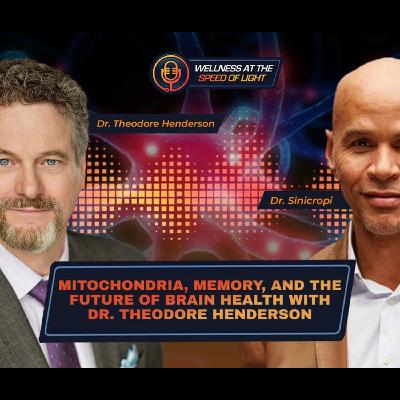
In this episode of Wellness at the Speed of Light, Dr. Stefano Sinicropi is joined by board-certified neurologist Dr. Theodore Henderson for an educational discussion on brain health, cellular energy, and emerging approaches in neurology.
The conversation centers on how light-based therapies, often referred to as photobiomodulation, are being studied for their potential role in supporting brain function. Dr. Henderson explains how mitochondria, the structures responsible for cellular energy production, are closely linked to cognitive performance, memory, and overall neurological health. When mitochondrial function is compromised, it may contribute to cognitive decline and neurological stress over time.
Dr. Sinicropi and Dr. Henderson explore how this science is being examined in the context of neurodegenerative conditions such as Alzheimer’s disease, Parkinson’s disease, and traumatic brain injury, with a focus on understanding mechanisms rather than promoting treatments. The episode discusses why traditional models of care have often overlooked cellular energy and light-based research, and how ongoing scientific inquiry is expanding the way clinicians think about brain resilience and recovery.
This episode is designed for healthcare professionals, patients, caregivers, and listeners interested in neuroscience, brain wellness, and the future of integrative neurological care. It offers a clear, accessible explanation of complex concepts and invites thoughtful consideration of where neurological research is heading. Rather than making promises, this conversation encourages curiosity, informed dialogue, and a deeper understanding of how advancing science may shape the future of brain health.
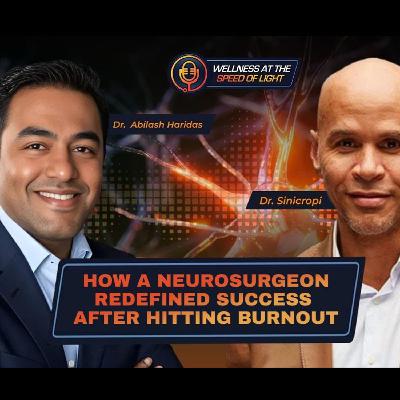
In this episode of Wellness at the Speed of Light, Dr. Stefano Sinicropi speaks with Dr. Abilash Haridas about burnout, wellbeing, and redefining success at the highest levels of medicine.
Dr. Haridas is a double board-certified pediatric and cerebrovascular neurosurgeon, CEO of Astra Neurosurgical Institute, and President of the Society for Brain Mapping & Therapeutics. With thousands of complex brain and spine surgeries behind him, his professional achievements are extraordinary. In this conversation, however, the focus shifts from credentials to the personal cost of sustained performance and the overlooked realities of physician wellbeing.
The episode explores what years of caring for elderly patients taught Dr. Haridas about longevity and quality of life, why burnout should be understood as a system-wide issue rather than an individual failure, and how success can quietly outpace health. He reflects on the emotional weight carried by neurosurgeons, the pressure to remain relentless, and the moment he realized that professional accomplishment without presence and fulfillment was not sustainable.
Listeners will hear a thoughtful discussion on balance, legacy, and what it means to live well while continuing to lead, operate, and innovate. This episode is especially relevant for healthcare professionals, leaders, and high-achievers navigating burnout, purpose, and long-term wellbeing. It offers perspective on choosing happiness, redefining success, and staying human in demanding careers.
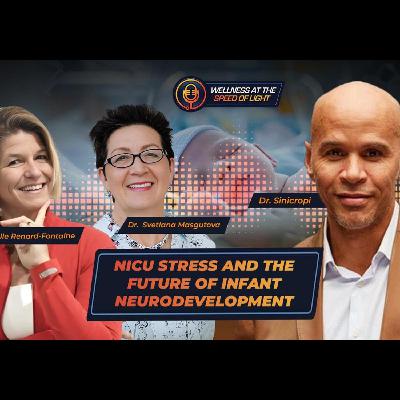
In this episode of Wellness at the Speed of Light, Dr. Stefano Sinicropi is joined by Isabelle Renard-Fontaine and Dr. Svetlana Masgutova for an in-depth conversation on how early stress in the neonatal intensive care environment can influence infant neurodevelopment.
The discussion explores what happens when a newborn’s earliest days unfold in highly medicalized settings rather than through consistent physical connection and sensory regulation. The guests explain how early neurological reflexes provide critical information about how the nervous system is organizing itself and why those reflex patterns matter for future development. When early stress, premature birth, or prolonged hospitalization disrupts these patterns, the effects can extend beyond infancy and influence motor development, emotional regulation, and learning over time.
This episode emphasizes the importance of recognizing early signals from the nervous system and understanding how early interventions may support healthier developmental trajectories. Dr. Sinicropi, Renard-Fontaine, and Dr. Masgutova discuss why early awareness among healthcare professionals, caregivers, and parents is essential, and how a more informed approach to early care can shape long-term wellbeing.
This conversation is especially relevant for healthcare providers working in neonatal care, pediatric specialists, therapists, and parents seeking a deeper understanding of infant development. It offers educational insight into the connection between early stress, neurodevelopment, and lifelong health, highlighting why the earliest stages of life deserve careful attention, compassion, and informed care.
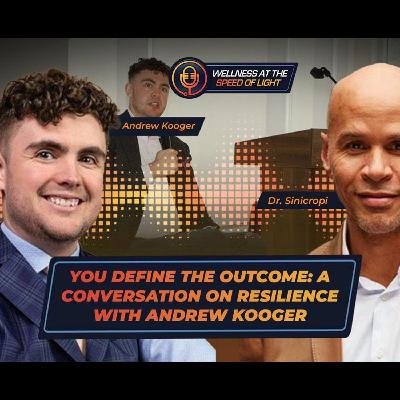
In this episode of Wellness at the Speed of Light, Dr. Stefano Sinicropi sits down with Andrew Kooger for a deeply human conversation about resilience, identity, and rebuilding life after catastrophic change.
Andrew shares the reality of the day everything shifted following a mountain biking accident that resulted in a spinal cord injury. He walks listeners through the emotional weight of delayed rescue, waking up to a body that no longer functioned the same, and confronting a future that looked nothing like the one he had planned. Rather than focusing on physical recovery alone, this episode centers on the internal work required when identity, purpose, and direction are suddenly stripped away.
The conversation explores grief, loss, and the psychological process of redefining who you are when your career, passions, and sense of self are disrupted. Andrew speaks candidly about choosing to reclaim agency over his story and the daily decision to continue showing up in life, sport, and work even when the old version of himself was gone. His perspective offers insight into resilience that is quiet, intentional, and deeply personal.
This episode is relevant for anyone navigating recovery, trauma, or major life transitions, as well as healthcare professionals, caregivers, and listeners interested in mental health, adaptation, and long-term wellbeing. It is a powerful reminder that while we cannot always control what happens to us, we do have a choice in how we respond and what we create next.
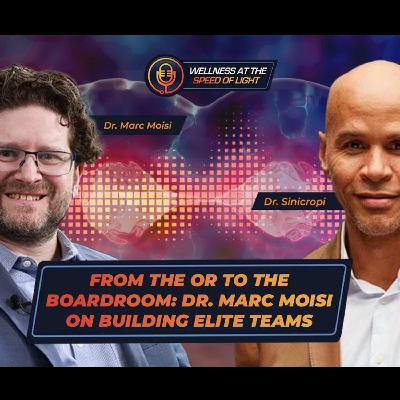
In this episode of Wellness at the Speed of Light, Dr. Stefano Sinicropi is joined by renowned neurosurgeon Dr. Marc Moisi for an in-depth conversation on leadership, mentorship, and team performance in modern spine surgery.
Drawing from years in the operating room and leadership roles beyond it, Dr. Moisi shares what it truly takes to build and lead elite surgical teams. The discussion explores how effective leadership directly impacts patient outcomes, why trust and communication are essential in high-stakes medical environments, and how surgeons can inspire collaboration under pressure. Dr. Moisi also reflects on the responsibility leaders carry in shaping culture, supporting colleagues, and guiding the next generation of physicians.
Listeners will gain insight into current trends in minimally invasive spine surgery, the role of medical innovation in improving care, and how technology continues to change both surgical practice and team dynamics. The episode also highlights the importance of mentorship in healthcare, offering practical guidance for supporting residents, fellows, and early-career surgeons as they develop both technical skill and professional confidence.
This episode is valuable for medical students, residents, practicing surgeons, and anyone interested in healthcare leadership and spine health. It offers thoughtful perspectives on leading with clarity, building resilient teams, and delivering patient-centered care in an evolving medical landscape.
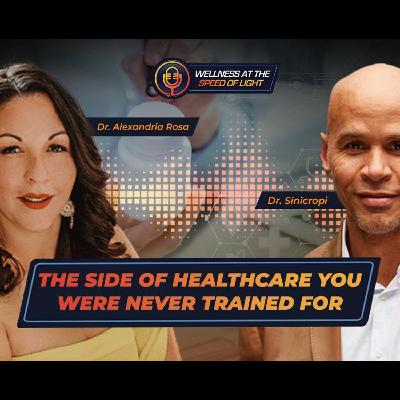
In this episode of Wellness at the Speed of Light, Dr. Stefano Sinicropi sits down with mental health advocate and nurse educator Dr. Alexandria Rosa for an honest, needed conversation about burnout, emotional strain, and the unseen realities of working in healthcare.
This episode explores the parts of medicine that are rarely addressed in training but deeply felt in practice. Dr. Sinicropi and Dr. Rosa discuss how emotional exhaustion shows up long before professionals recognize it, how repeated exposure to trauma becomes normalized in clinical environments, and why that normalization quietly erodes wellbeing over time. They also examine the cultural resistance to mental health support in healthcare settings and why therapy and emotional care must be viewed as essential, not optional.
Listeners will hear practical insights on setting emotional boundaries in high-pressure environments, protecting mental health while continuing to care for others, and staying grounded and human in a system that often rewards self-neglect. This conversation goes beyond the concept of burnout and looks at survival, awareness, and responsibility within modern healthcare culture.
This episode is especially relevant for nurses, physicians, therapists, and caregivers navigating demanding roles while trying to maintain their own mental and emotional health. It offers perspective, validation, and a more sustainable way of thinking about care, resilience, and long-term wellbeing in medicine.
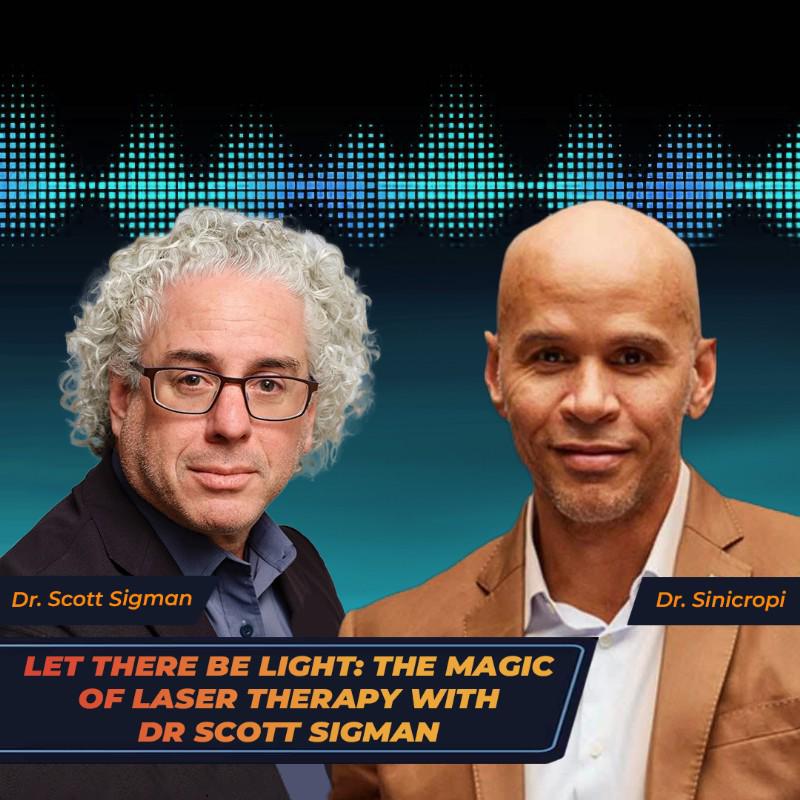
In this episode of Wellness at the Speed of Light, Dr. Stefano Sinicropi talks with Dr. Scott Sigman about the real-world impact of photobiomodulation on post-surgical recovery. From cocktail party conversations to serious science, Dr. Sigman breaks down how light therapy is transforming how we heal after surgery.
They discuss how laser therapy:
Helps reduce post-op inflammation
Speeds up wound healing by activating fibroblasts and increasing blood flow
Supports nerve regeneration and overall cellular repair
Has shifted from skepticism to national adoption in surgical protocols
Dr. Sigman explains why he asks people, “Do you believe in photosynthesis?” and how that simple question leads to a deeper understanding of how light affects the human body at the cellular level.
Patients today are seeing the results—and sharing them. The future of healing may not be found in a pill, but in light.
🎧 Tune in now to learn why laser therapy is becoming a must-have in modern surgical recovery.
#Photobiomodulation #LightTherapy #LaserTherapy #DrSinicropi #DrScottSigman #WellnessAtTheSpeedOfLight #PostOpRecovery #WoundHealing #NoninvasiveHealing #RegenerativeMedicine
Why are stem cells so effective in treating chronic and autoimmune conditions?
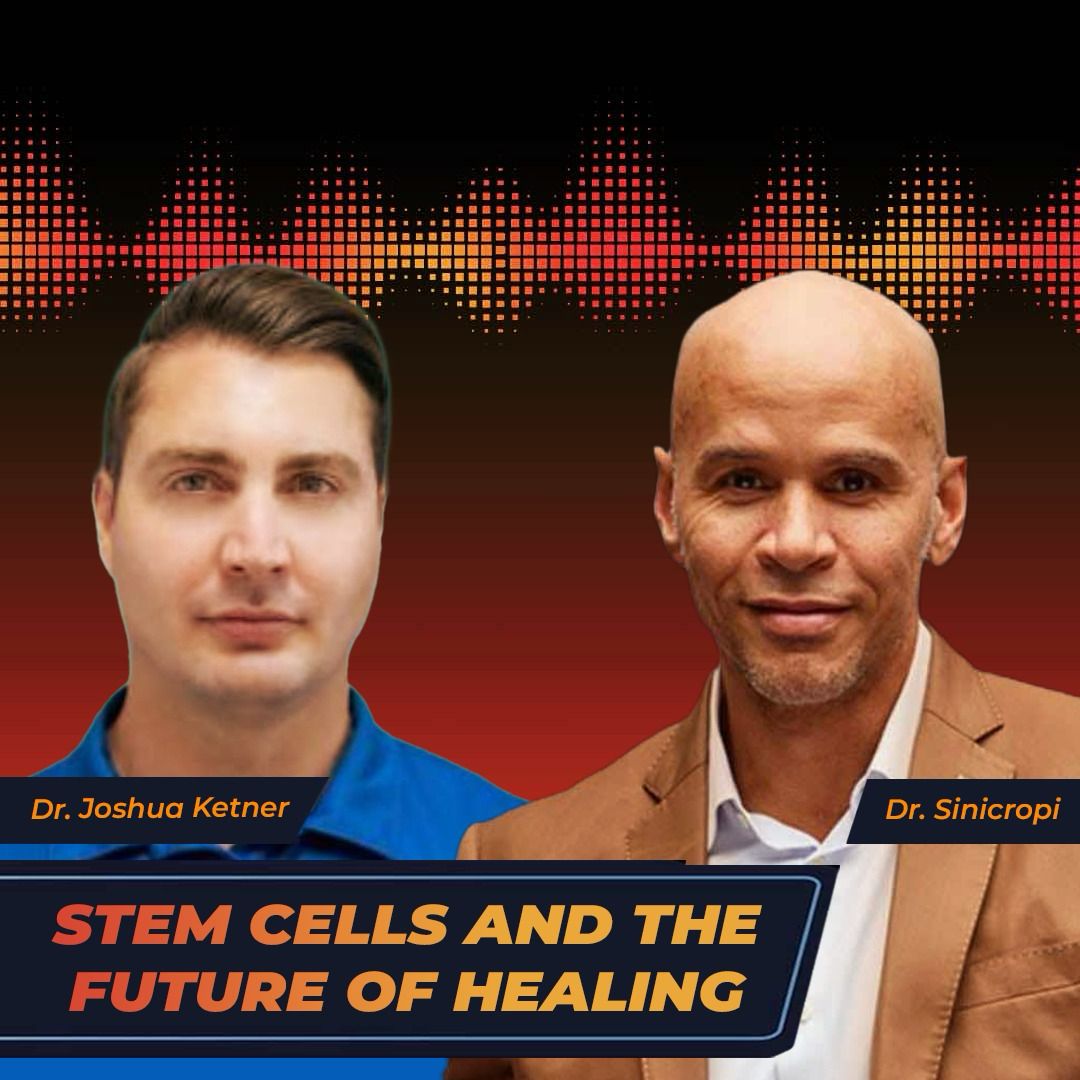
In this episode, Dr. Stefano Sinicropi sits down with Joshua Ketner, founder of Dream Body Clinic, to explore how mesenchymal stem cells don’t just patch damage—they help the body reset. Ketner breaks down how these cells act like managers on a construction site, sending the right healing signals to regulate immune response and restore balance.
You’ll learn how stem cells use exosomes to calm overactive immune cells, the science behind “hitting the reset button,” and why this therapy holds real promise for those suffering from conditions like rheumatoid arthritis, celiac disease, and more.
The future of medicine isn’t just treatment—it’s intelligent repair.
Follow, rate, and share to help bring this message to more people.
Burnout is one of the greatest threats facing modern medicine—but real solutions begin with honest conversations and courageous leadership.
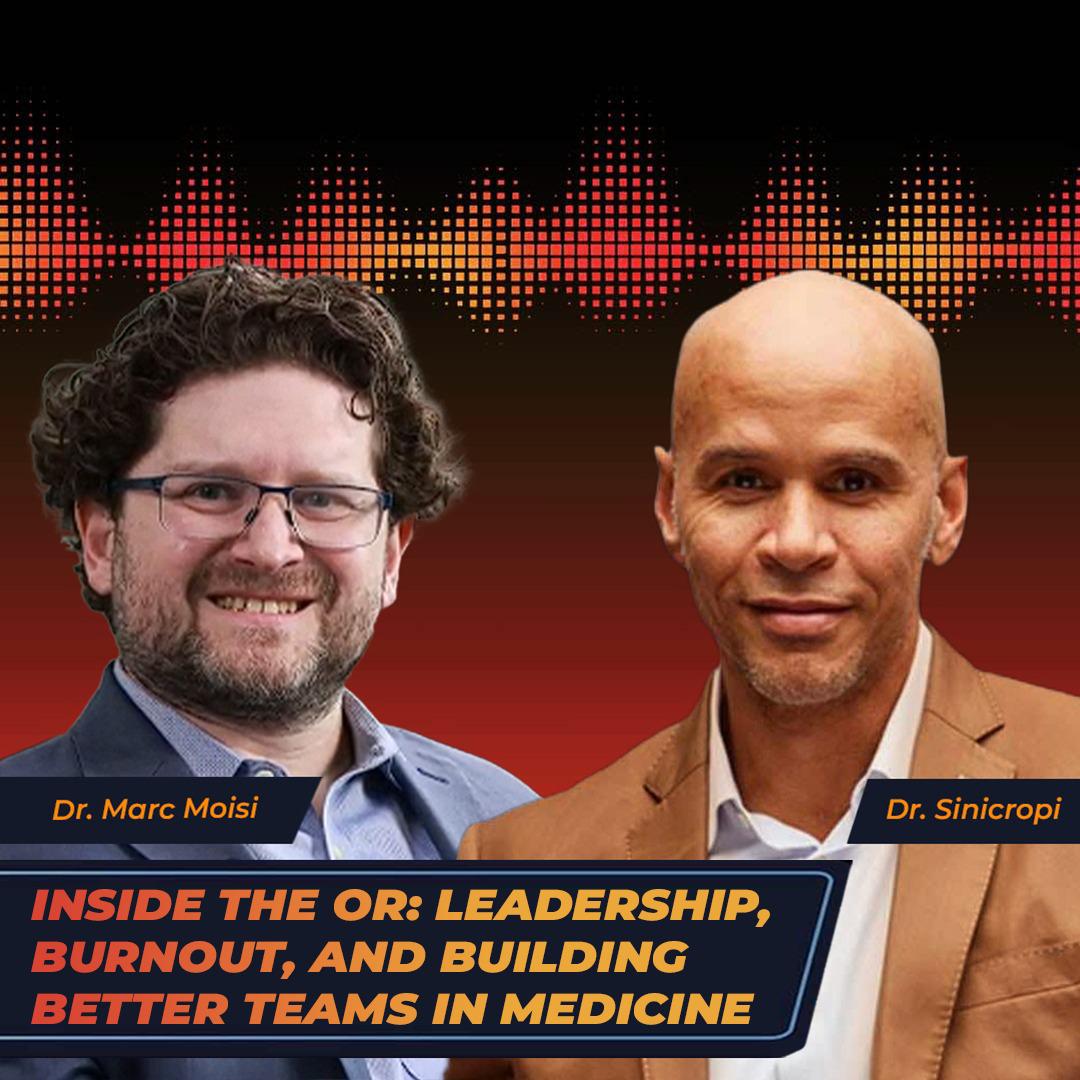
In this episode of Wellness at the Speed of Light, Dr. Stefano Sinicropi sits down with Dr. Marc Moisi, Director of Neurosurgery at Hurley Medical Center and Assistant Professor at Michigan State University, to explore the emotional, physical, and cultural challenges facing today’s surgeons.
From the realities of the Flint water crisis to practicing event medicine at IndyCar races, Dr. Moisi shares raw insights on emotional regulation in surgery, the pressures of 24/7 availability, and the future of AI in medicine. If you're looking for substance, strategy, and a vision for more human-centered healthcare—this conversation delivers.
🧠 What You’ll Learn:
The deep impact of the Flint water crisis on community and care
Why self-regulation is critical for surgical success
The emotional highs and lows of being a physician
Real-world perspectives on burnout and work-life integration
How AI and tech could shape the future of medicine
⏱️ Timestamps:
[00:00] Episode Preview
[00:28] Introduction to Dr. Marc Moisi
[02:01] The Flint water crisis
[03:43] Challenges in healthcare policy
[06:35] Event medicine and IndyCar racing
[09:08] The importance of self-regulation in surgery
[13:31] The emotional rollercoaster of medicine
[13:57] The 24/7 commitment of surgeons
[15:18] Incorporating family into medical life
[16:24] Addressing burnout in healthcare
[20:49] The future of medicine: AI and technology
[25:01] Concluding thoughts and future discussions
🔗 Connect with Us:
Follow Dr. Marc Moisi on LinkedIn
Learn more about Dr. Stefano Sinicropi:
Subscribe to Wellness at the Speed of Light for weekly insights on wellness, performance, and innovation in medicine.
What gives someone the strength to keep going after everything changes in an instant?
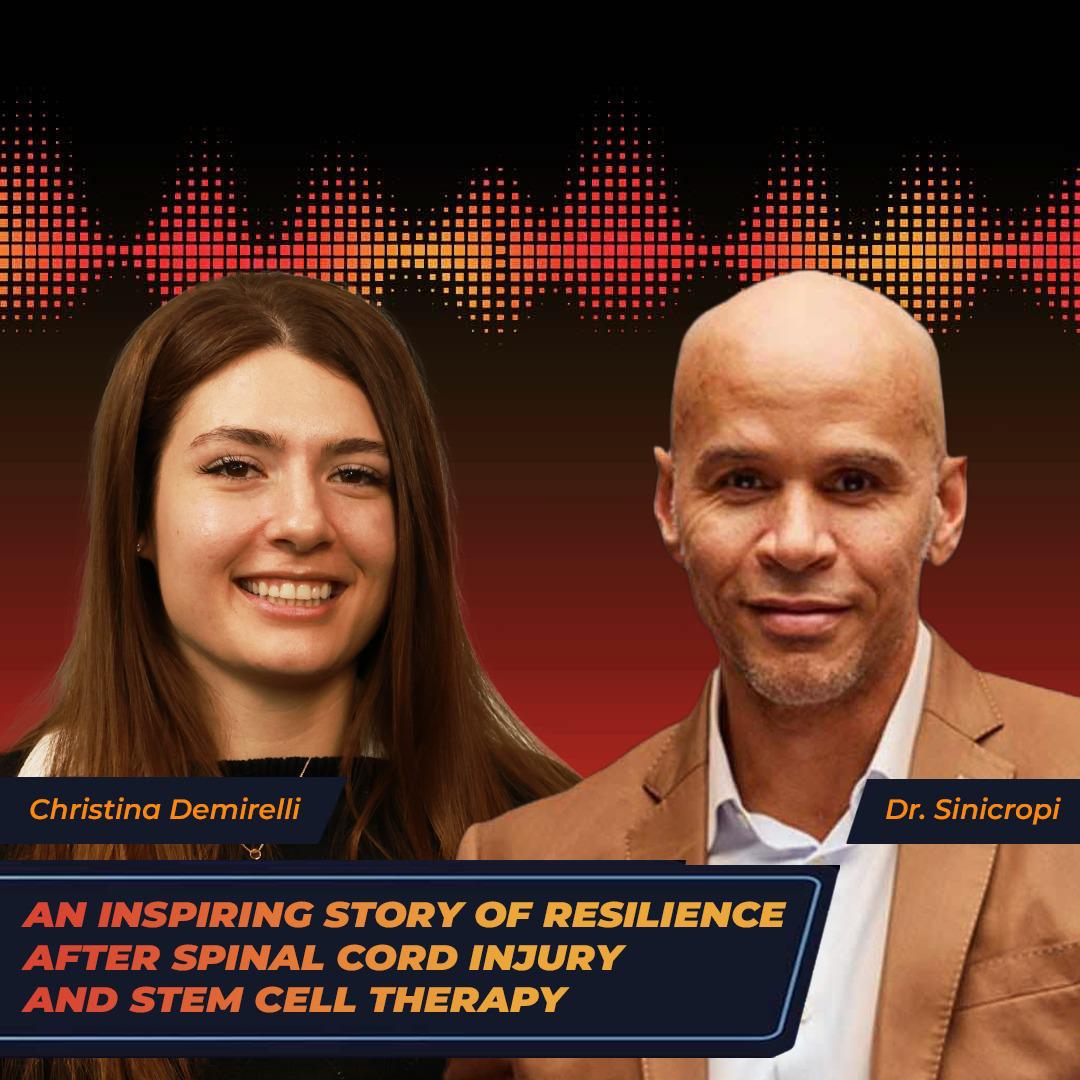
In this emotional episode of Wellness at the Speed of Light, Dr. Stefano Sinicropi sits down with Christina Demirelli, a remarkable young woman whose life was transformed by a spinal cord injury in 2019. Her recovery journey is a powerful mix of family support, medical innovation, and sheer willpower.
Christina shares how her parents, therapists, and even a single sunrise helped her hold on to hope—and how that hope led her to pursue stem cell therapy and join a groundbreaking Mayo Clinic study.
This episode dives into:
The immediate impact of spinal cord injury
The power of community and family in recovery
Navigating clinical trials and stem cell treatment
The future of regenerative medicine and neuro recovery
Christina’s ongoing mission to pass on hope
00:00 Episode preview
00:39 Introduction at the Society for Brain Mapping
01:36 Christina's accident
02:25 The impact of the injury
03:40 Waking up after surgery
05:22 Facing the reality of paralysis
06:27 Lack of hope from the doctor
08:54 Support from family and medical staff
09:11 The role of nurses and rehabilitation
11:11 Stem cell therapy journey
12:12 Navigating the stem cell trial
14:04 Realizing improvements post-treatment
16:01 Future of spinal cord injury treatment
17:34 Gaining independence
18:20 Steps towards living independently
20:08 Inspiration and future goals
20:56 Resilience and positivity
21:44 Commitment to Society for Brain Mapping
22:24 Gratitude for support
23:48 Passing on hope
24:23 Bridging the gap
24:37 Appreciation for collaboration
25:40 Conclusion and call to action
🎧 Follow the Podcast:
Instagram | LinkedIn | Spotify | Apple Podcasts
🔍 Keywords:
spinal cord injury recovery, stem cell therapy, Mayo Clinic, resilience, regenerative medicine, neurological healing, SBMT 2025, photobiomodulation, mental strength, patient stories, spine health, neuroscience, Christina Demirelli

Comments

Download from Google Play

Download from App Store
 United States