


 Claim Ownership
Stop & Talk
Subscribed: 4Played: 84
Subscribe

© 2023 - 25
Description
Join Grant Oliphant and Crystal Page as they sit down to explore the vibrant and evolving landscape of San Diego County, through the lens of the Prebys Foundation's mission and vision. In Stop & Talk, Grant and Crystal engage in thought-provoking conversations with local leaders, changemakers, and community builders who are passionate about creating a more inclusive, purposeful, and opportunity-rich San Diego
Each episode offers an inside look into the foundation's journey, discoveries, and partnerships while highlighting the work being done to cultivate belonging and drive positive change across the region. Whether it's amplifying the voices of upcoming leaders or fostering collaborative solutions to the region's most pressing challenges, Stop & Talk is your go-to space for inspiration and insight on what’s possible when people come together with intention and vision.
Subscribe to get the latest engaging discussions that inspire action and celebrate the power of community.
Each episode offers an inside look into the foundation's journey, discoveries, and partnerships while highlighting the work being done to cultivate belonging and drive positive change across the region. Whether it's amplifying the voices of upcoming leaders or fostering collaborative solutions to the region's most pressing challenges, Stop & Talk is your go-to space for inspiration and insight on what’s possible when people come together with intention and vision.
Subscribe to get the latest engaging discussions that inspire action and celebrate the power of community.
59 Episodes
Reverse
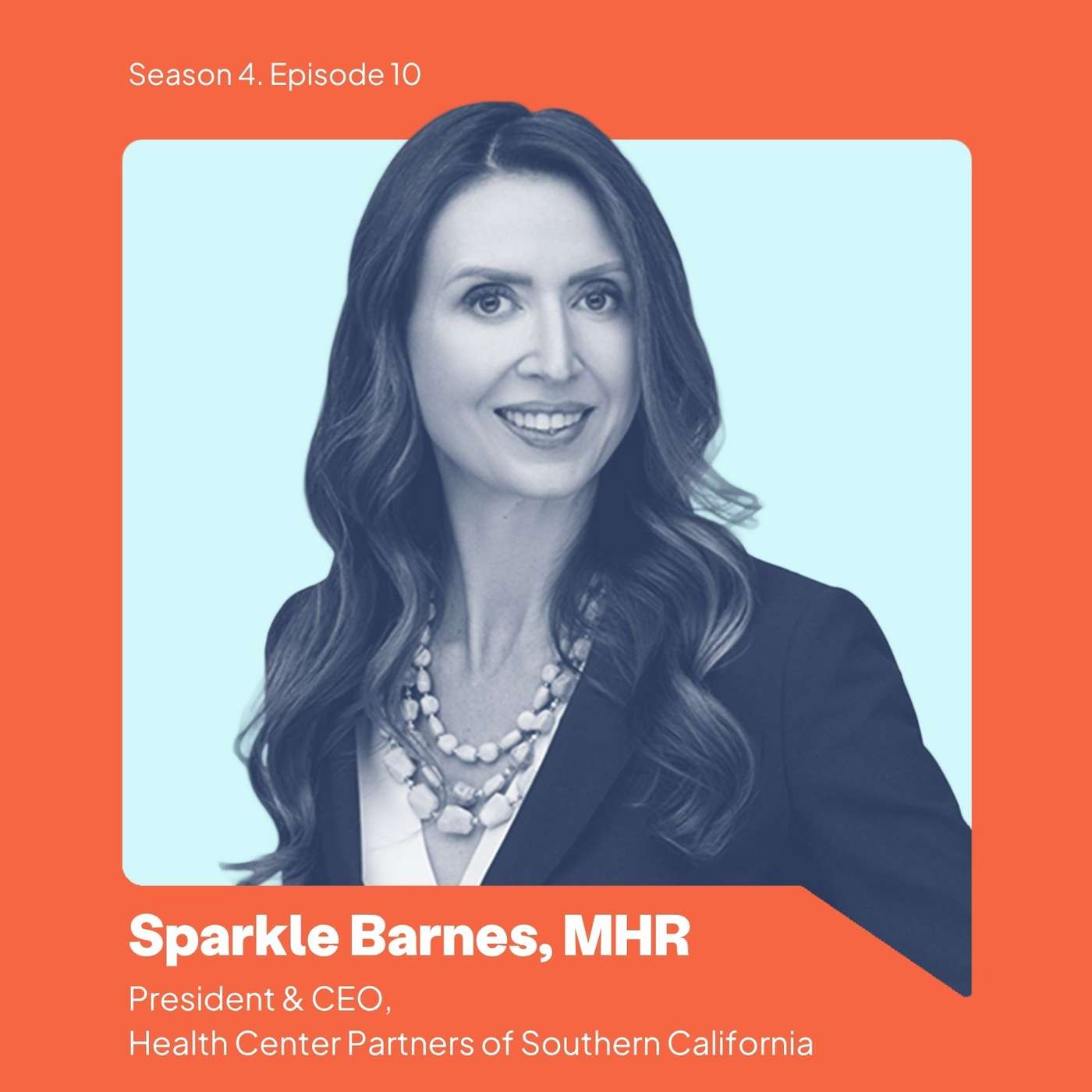
Sparkle Barnes is President and CEO of Health Center Partners of Southern California and its Family of Companies, where she leads a network supporting community health centers across the region. Since joining the organization, she has held a series of leadership roles, including Chief Strategy Officer and President of CNECT. Under her leadership, Health Center Partners launched Next50: A Legacy of Impact, a Future of Innovation, a strategic plan focused on strengthening and evolving its work for the years ahead. Her connection to the work is also personal: growing up in a working-class family, she experienced firsthand what it meant when a family could not afford health insurance. In this episode: Our health shapes what we’re able to do with our lives: pursue a dream, care for our families, build a career, or simply show up for the people and places that matter to us. That belief is at the heart of Sparkle Barnes’ work as President and CEO of Health Center Partners, and it is why federally qualified health centers (FQHCs) matter so much. You may not know what an FQHC is, but there’s a good chance you or someone you know depends on one. Through Health Center Partners’ members alone, community health centers serve roughly 580,000 people in San Diego County. Rooted in the communities they serve, they connect primary care with behavioral health, oral health, and other supports that help people overcome barriers to getting and staying healthy. In this episode, Sparkle and Grant explore what makes that model so essential and what’s at stake as changes stemming from the H.R.1 bill could leave more people uninsured, and put health centers under immense financial strain. When access to primary care shrinks, the effects ripple outward: people delay care, get sicker, and put greater pressure on emergency rooms and the healthcare system we all rely on. Sparkle also shares how Health Center Partners is responding through collaboration, innovation, and better data, while keeping the focus on the people behind the numbers. As policy changes unfold, she remains resolute in their mission to help people have the health they need to pursue the lives they imagine for themselves and their families. Key Moments: [6:45] Why being rooted in community helps health centers meet people where they are in life[14:12] The surprising scale of federally qualified health centers nationally and in San Diego [22:07] What H.R. 1 and changes in health coverage could mean for patients and community health centers [27:19] Why investing in primary care is an investment in the entire healthcare system [36:20] How better data and patient stories can reveal the real impact of policy changes Terms Federally Qualified Health Centers (FQHCs) – Community-based health centers that provide comprehensive primary care and services such as behavioral and oral healthcare, including for patients who are uninsured. H.R. 1 – Federal legislation enacted in 2025 that made major changes to Medicaid, called Medi-Cal in California, along with other health and safety-net programs. Medi-Cal – California’s Medicaid program and an important source of health coverage for many Californians. Atlas – A Health Center Partners initiative, supported by Prebys, designed to track changes in healthcare access closer to real time while also capturing the experiences of patients behind the data. Resources Health Center Partners of Southern California – A network supporting community health centers across San Diego, Riverside, and Imperial counties. H.R. 1 and Medi-Cal in California – A California Health Care Foundation guide to how federal H.R. 1 changes could affect Medi-Cal coverage, patients, and California’s healthcare system. Credits:This is a production of the Prebys FoundationHosted by Grant OliphantCo-Hosted by Crystal PageProduced by Adam Greenfield, Tess Karesky, Edgar Ontiveros Medina, and Crystal PageEngineered by Adam GreenfieldProduction Coordination by Tess KareskyVideo Production by Edgar Ontiveros MedinaThe Stop & Talk Theme song was created by San Diego’s own Mr. Lyrical Groove.Download episodes at your favorite podcatcher or visit us at StopAndTalkPodcast.comSpecial thanks to the Prebys Foundation TeamIf you like this show, and we hope you do, the best way to support this show is to share, subscribe
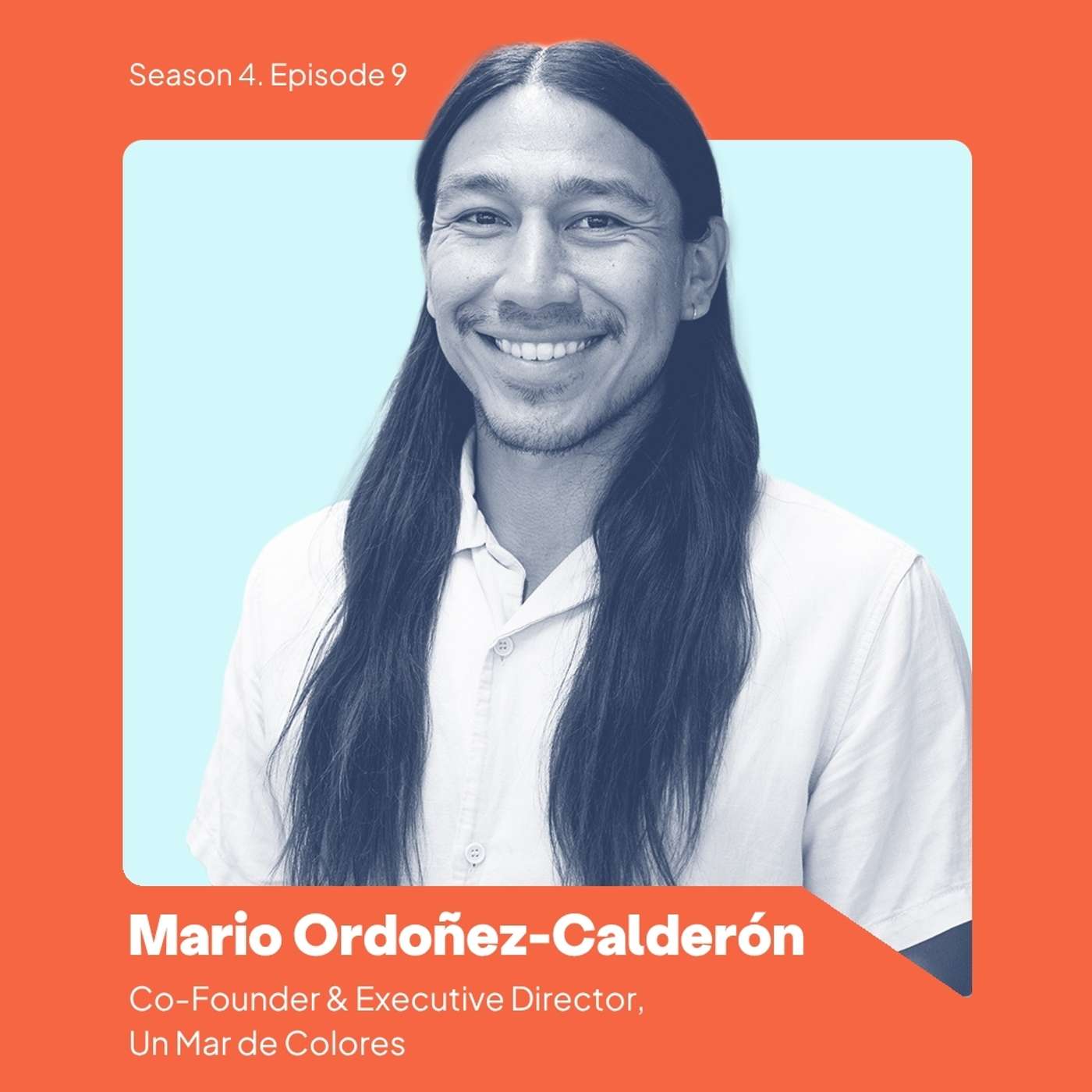
Mario Ordóñez-Calderón is a Maya Indigenous leader, U.S. Navy veteran, surfer, and Founding Executive Director of Un Mar de Colores, an Indigenous-led nonprofit advancing ocean access, youth wellbeing, and coastal resilience. His work sits at the intersection of coastlines and culture, using environmental education, eco-therapy, and youth leadership to position the ocean as both a learning environment and a place of collective care. Mario also serves on the Environmental Justice Advisory Board of the California Ocean Protection Council and has helped bring Un Mar de Colores’ work into regional and international conversations about ocean health, climate resilience, and equitable coastal access. This Episode San Diego County is shaped by the ocean. But living near the coast doesn’t necessarily mean feeling connected to it. Mario Ordóñez-Calderón didn’t learn to surf until adulthood. Once he did, he recognized water as a throughline connecting his family’s roots in Yucatán, his own sense of identity, and a growing belief that young people deserve the opportunity to build their own relationship with the places around them. That belief is at the heart of Un Mar de Colores, where surfing becomes an invitation into something deeper: connection with water, place, and community. In this conversation, Mario and Grant explore what access really means when getting to the beach is only the beginning. Mario shares how his grandfather’s teachings shaped his understanding of reciprocity with nature; how young people and their families experience healing and confidence at the water’s edge; and why helping someone feel that “this is your shoreline too” can change their relationship with themselves and their community. They also get into the systems behind that work. Mario recounts helping advance legislation that reduced barriers for outdoor equity programs, then discovering that passing a law was only the first step. His experience working with lifeguards and public officials in Oceanside offers another lesson from the episode: meaningful access often depends on persistence, partnership, and people willing to rethink how public spaces work. Key Moments: [8:17] Why an invitation can change whether the shoreline feels accessible [9:42] Navigating the barriers that led to new outdoor access legislation [24:14] How Mario’s Indigenous Mayan heritage shapes his relationship with place [32:09] What healing through nature can look like for a child and their family [44:38] Why Mario is choosing depth, sustainability, and returning youth leaders over traditional ideas of scale Resources Mentioned in This Episode: Un Mar de Colores – Connecting youth with the ocean through surfing, environmental education, mentorship, and community AB 2939 – California legislation that reduced permitting barriers for qualifying outdoor equity programs using public parks and beaches Outdoor Outreach – a San Diego based nonprofit that utilizes the outdoors to inspire youth to see possibility and opportunity in their lives. Healing Through Arts and Nature – Supporting community-based approaches that use arts and nature to strengthen wellbeing Take Action: Invite Someone In – Sometimes access begins with simply letting someone know, “This is your shoreline too.” Reconnect With Place – Spend time with the natural spaces and waterways that shape your community. Look Beyond Physical Access – Consider the financial, cultural, and institutional barriers that can make public spaces feel distant. Make Room for Connection – Support experiences that allow young people and families to build their own relationship with nature, at their own pace. Credits:This is a production of the Prebys FoundationHosted by Grant OliphantCo-Hosted by Crystal PageProduced by Adam Greenfield, Tess Karesky, Edgar Ontiveros Medina, and Crystal PageEngineered by Adam GreenfieldProduction Coordination by Tess KareskyVideo Production by Edgar Ontiveros MedinaThe Stop & Talk Theme song was created by San Diego’s own Mr. Lyrical Groove.Download episodes at your favorite podcatcher or visit us at StopAndTalkPodcast.comSpecial thanks to the Prebys Foundation TeamIf you like this show, and we hope you do, the best way to support this show is to share, subscribeListen AnywhereListen OnApple PodcastsListen OnSpotifyListen OnPocket CastsListen OnAmazon MusicListen OnYouTube
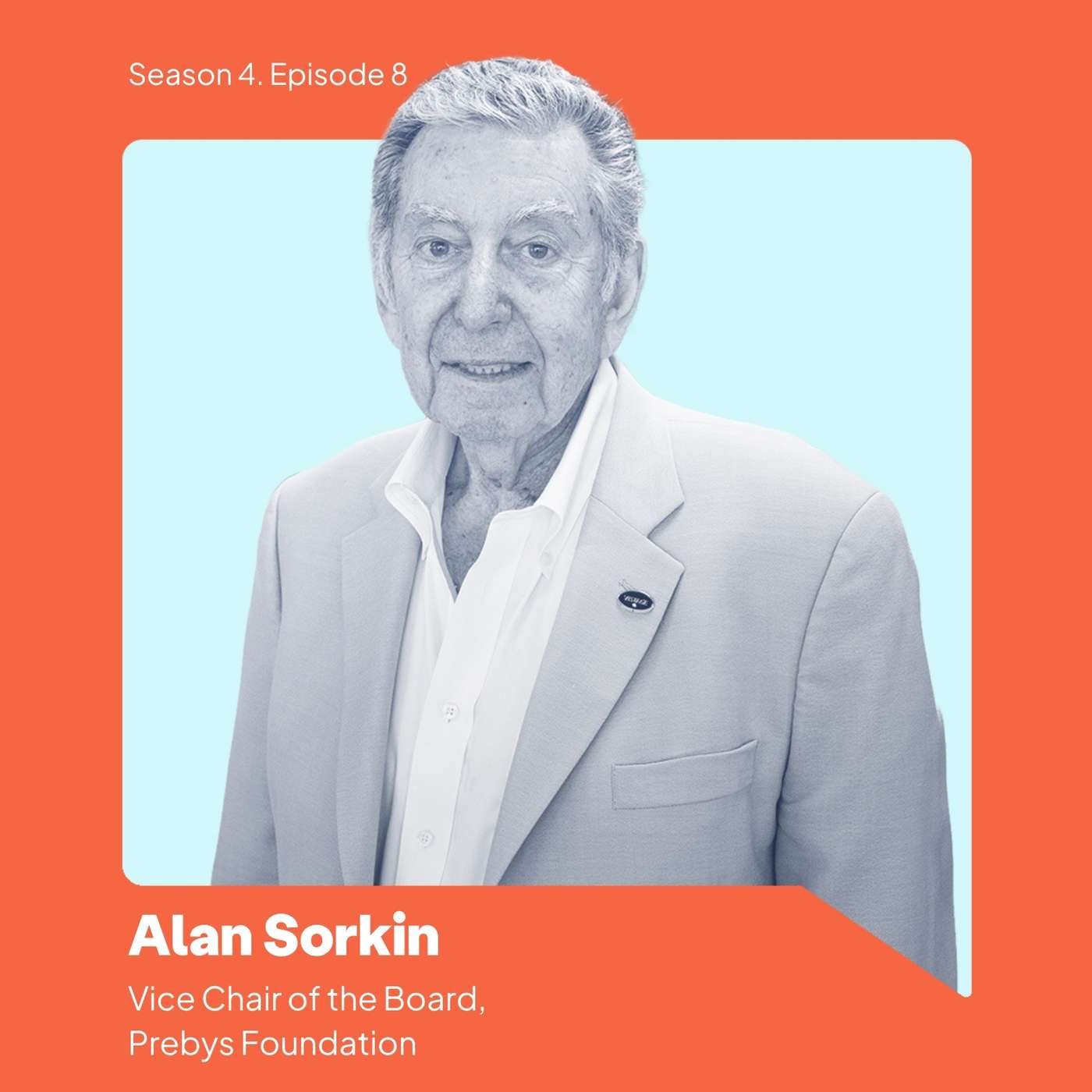
Alan Sorkin is a nonprofit leader, mentor-coach, entrepreneur, and member of the Prebys Foundation Board. He co-founded and served as volunteer CEO of San Diego Social Venture Partners, now Amplify Impact Partners, led the San Diego-Tijuana Bi-National Coalition to reduce substance abuse, and has advised more than 50 small businesses through Vistage Worldwide. Across his work, Alan helps leaders make better decisions, strengthen organizations, and achieve greater impact. This Episode: How do leaders turn hard-earned lessons into greater impact? Grant and Alan trace the experiences that shaped Alan’s philosophy of service, from his first childhood fundraising effort to launching businesses, founding nonprofit organizations, coaching CEOs, and helping guide the Prebys Foundation. They discuss why success can become a trap, how imposter syndrome affects even highly accomplished leaders, and why listening is one of the most important and overlooked leadership skills. Alan also reflects on the personal experience that drew him into the nonprofit sector and what he learned by bringing business and nonprofit leaders together. The conversation explores the difference between directing people and helping them find a shared vision, why organizations must keep adapting, and how philanthropy can move beyond generosity toward meaningful, lasting impact. Key Moments: [1:47] The childhood fundraising lesson that taught Alan about leverage [14:24] Imposter syndrome, anxiety, and the pressure leaders carry [24:40] Why effective leadership begins with listening [37:24] Helping the Prebys Foundation move from generosity toward impact [42:37] The shared foundations of businesses, nonprofits, and philanthropy Resources Mentioned in This Episode: Amplified Impact Partners – Formerly Social Venture Partners San Diego, Amplified connects experienced professionals with nonprofits seeking strategic guidance, capacity support, and stronger organizational sustainability. Vistage – A peer advisory and executive coaching organization where Alan has helped CEOs learn from one another, examine their blind spots, and become more effective leaders. Take Action: Listen Before You Lead – Understand what people care about before trying to create the vision or direct the solution. Make New Mistakes – Learn from the experience of others rather than repeating problems that have already been solved. Examine Your Success – Ask whether a successful model is still serving its purpose or preventing necessary change. Use More Than Money – Consider how your time, knowledge, relationships, and experience can strengthen organizations and leaders.Build a Shared North Star – Bring people together around a clear vision shaped by the voices and perspectives needed to achieve it. Credits:This is a production of the Prebys FoundationHosted by Grant OliphantCo-Hosted by Crystal PageProduced by Adam Greenfield, Tess Karesky, Edgar Ontiveros Medina, and Crystal PageEngineered by Adam GreenfieldProduction Coordination by Tess KareskyVideo Production by Edgar Ontiveros MedinaThe Stop & Talk Theme song was created by San Diego’s own Mr. Lyrical Groove.Download episodes at your favorite podcatcher or visit us at StopAndTalkPodcast.comSpecial thanks to the Prebys Foundation TeamIf you like this show, and we hope you do, the best way to support this show is to share, subscribe
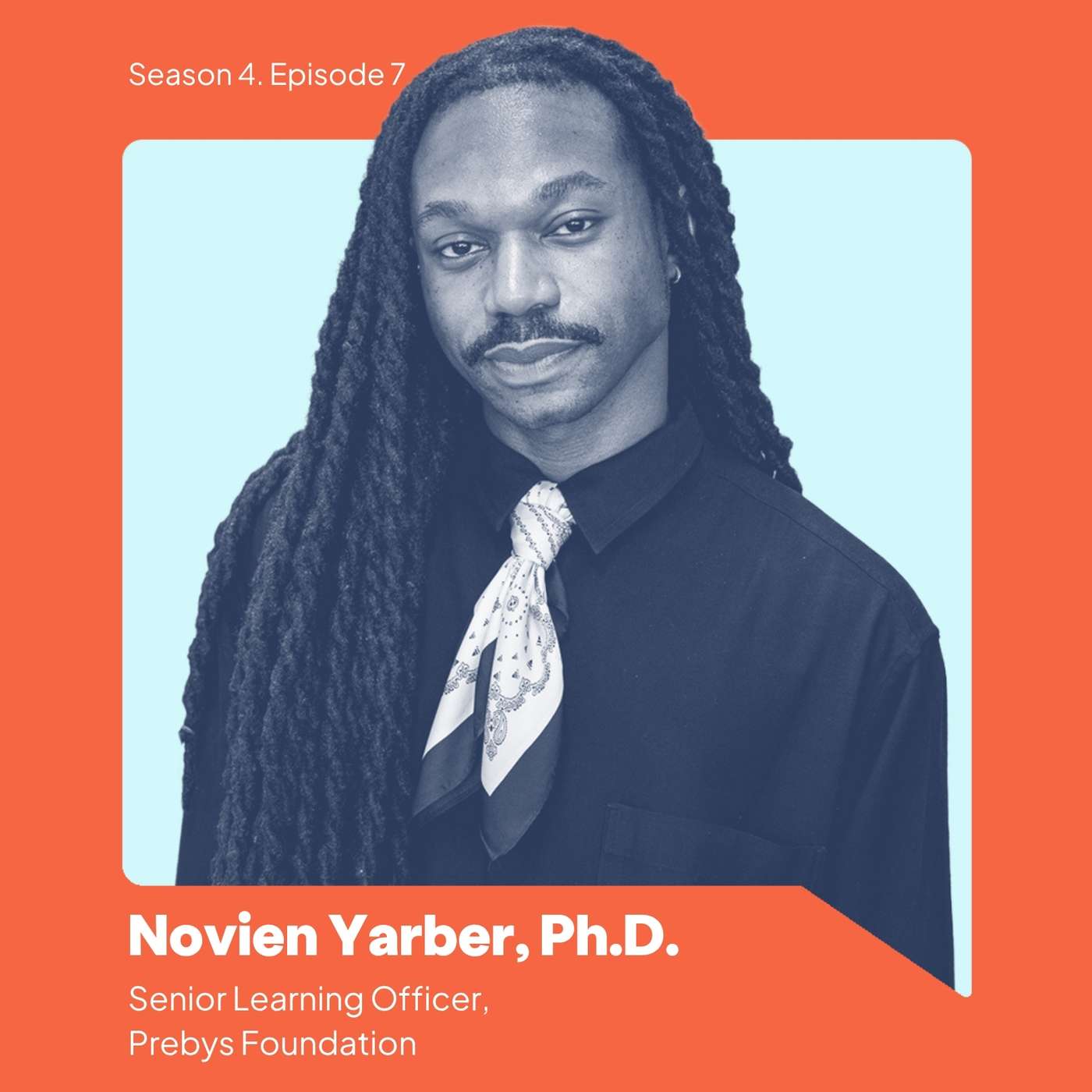
Dr. Novien Yarber is the Senior Learning Officer at Prebys Foundation, where he helps the foundation listen, reflect, and learn from its work with community partners. Known around the office as “Dr. Novi,” he brings a rare combination of rigor, warmth, and curiosity to the practice of evaluation. Before joining Prebys, Novi served as Director of Leadership, Philanthropy, and Social Impact at the University of San Diego’s Nonprofit Institute, where he led community-focused programs at the intersection of leadership and social change This Episode: What does it look like when a foundation takes a closer look at itself? In this episode, Novi and Grant reflect on what Prebys heard from grantee partners through its most recent Grantee Perception Report. The conversation explores both the affirmations and the invitations for growth, including how grantees perceive Prebys’ leadership, impact, adaptability, transparency, and relationships across San Diego County. This episode offers a candid look at how a foundation makes sense of feedback, wrestles with trade-offs, and thinks about its role in community. Novi and Grant discuss one of the central tensions in place-based philanthropy: how to keep learning and responding to changing conditions while also being clear and predictable for the organizations doing the work every day. They explore what real transparency requires, why trust matters for shared learning, and how funders and grantees can build relationships strong enough to hold wins, losses, lessons, and setbacks. Key Moments: [2:02] What the Center for Effective Philanthropy is and why the report matters [10:28] Why relationships are central to place-based philanthropy [23:55] How deeper trust can support shared learning between funders and grantees [30:39] Grant reflects on adaptive leadership, values, and predictability [38:08] Novi connects transparency with accountability Resources Mentioned in This Episode: Center for Effective Philanthropy – A national nonprofit that supports more effective philanthropy through research, data, and resources for foundations and donors. Prebys Foundation – A place-based foundation working to advance purpose, opportunity, and belonging across San Diego County. Healing Through Arts and Nature – A Prebys-supported approach that expands access to arts, culture, and nature as resources for youth mental health and well-being. Take Action: Practice Transparency – Share not only what you decide, but what you are learning along the way. Being open about process can build trust, even when the answers are still evolving. Build Relationships That Can Hold Honesty – Invest in relationships where people can share what is working, what is hard, and what needs to change without fear of losing trust. Stay Open to Feedback – Treat feedback as an opportunity to grow, not as a final judgment. Listening, reflecting, and adjusting are part of building stronger organizations and communities. Credits:This is a production of the Prebys FoundationHosted by Grant OliphantCo-Hosted by Crystal PageProduced by Adam Greenfield, Tess Karesky, Edgar Ontiveros Medina, and Crystal PageEngineered by Adam GreenfieldProduction Coordination by Tess KareskyVideo Production by Edgar Ontiveros MedinaThe Stop & Talk Theme song was created by San Diego’s own Mr. Lyrical Groove.Download episodes at your favorite podcatcher or visit us at StopAndTalkPodcast.comSpecial thanks to the Prebys Foundation TeamIf you like this show, and we hope you do, the best way to support this show is to share, subscribe
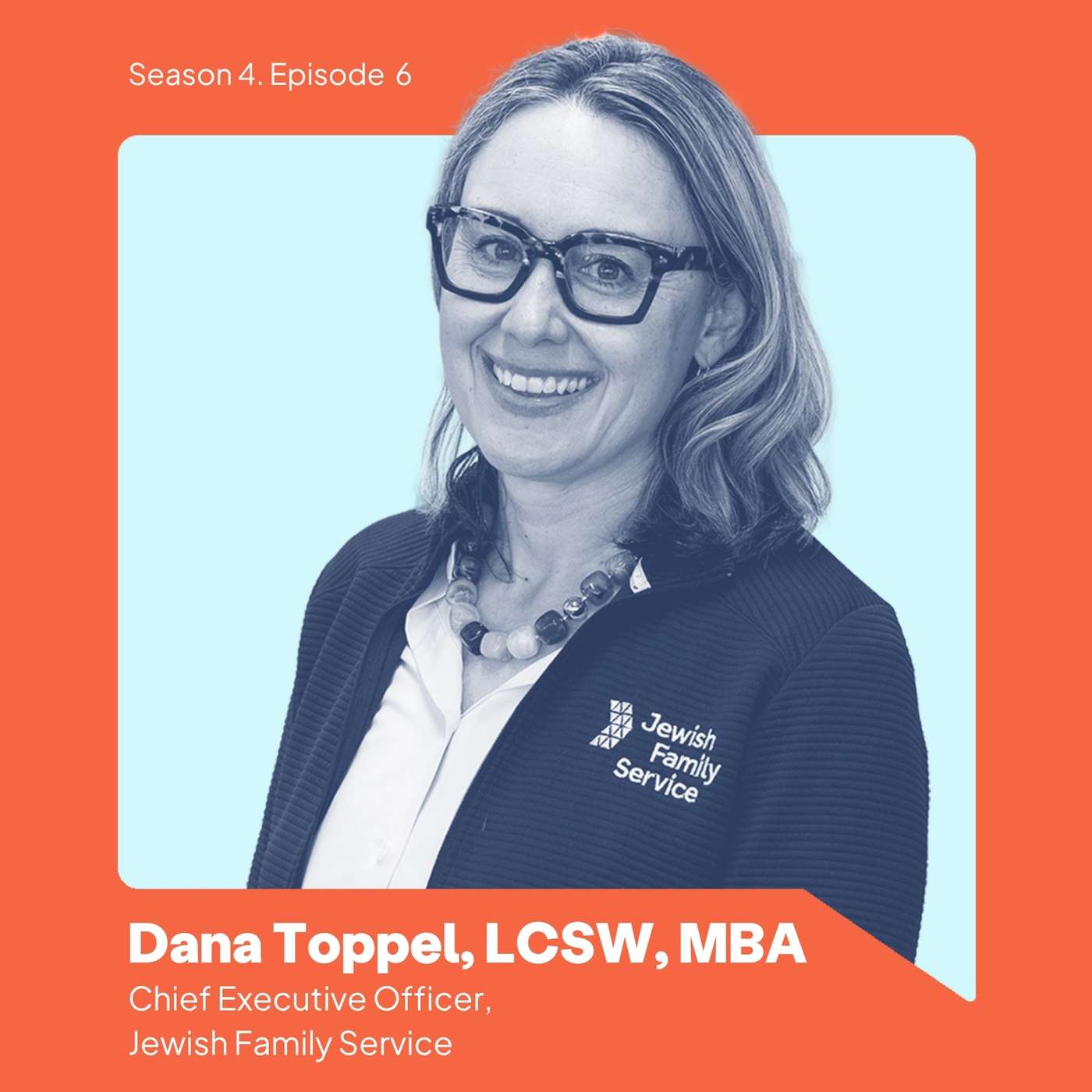
Dana Toppel is CEO of Jewish Family Service of San Diego, one of the region’s most established human services organizations. Founded more than 100 years ago, JFS continues to be rooted in Jewish values while serving people across San Diego County, including older adults, immigrants, families, Holocaust survivors, and neighbors facing housing, food, and other basic needs. Dana has held multiple leadership roles at JFS since 2009 and brings more than two decades of direct service, clinical, and nonprofit leadership experience.This Episode: What does it take to meet urgent needs today while building a stronger safety net for tomorrow? In this episode, Dana and Grant explore how Jewish Family Service is responding to this moment in San Diego. Dana shares how JFS serves more than 60,000 people each year, with a focus on helping people access safe and stable housing, culturally competent food, and the wraparound support they need to move toward greater stability and dignity. The conversation also explores what it means to lead with both compassion and discipline. She and Grant discuss why nonprofits need to focus on what they do best, partner more deeply, reduce duplication, and look further upstream so the region can address challenges before they become emergencies. Dana reminds us that hope is active. It comes from staying close to people’s stories, building relationships across differences, and continuing to show up for the work, even when outside forces push back. Key Moments: [2:52] How Jewish Family Service serves the broader San Diego community [8:32] What courage looks like for a humanitarian service organization [17:21] Dana’s path from social worker to COO to CEO [26:29] How the nonprofit sector can reduce duplication and work further upstream [44:18] Why hope matters when working toward a different future Resources Mentioned in This Episode: Jewish Family Service of San Diego – Providing housing, food, immigration support, older adult services, and other human services across San Diego County Safe Parking Program – JFS’s program supporting people and families living in their vehicles as they work toward stable housing Nonprofits Create Bold, Replicable Solution to Housing Crisis – An op-ed from Dana Toppel, Prebys CFIO Gil Gil Alvarado, and partners on a new collaborative model for affordable housing in San Diego Take Action: Learn About JFS – Explore how Jewish Family Service supports people across San Diego County through housing, food, immigration services, older adult support, and more. Support Basic Needs – Look for ways to help neighbors access stable housing, nutritious food, and trusted services. Think Upstream – Support approaches that prevent crises before they deepen, including stronger partnerships, reduced duplication, and early intervention. Stay Connected to People’s Stories – Volunteer, listen, and spend time with organizations serving the community directly. Seeing the work up close can change how we understand what is possible. Credits:This is a production of the Prebys FoundationHosted by Grant OliphantCo-Hosted by Crystal PageProduced by Adam Greenfield, Tess Karesky, Edgar Ontiveros Medina, and Crystal PageEngineered by Adam GreenfieldProduction Coordination by Tess KareskyVideo Production by Edgar Ontiveros MedinaThe Stop & Talk Theme song was created by San Diego’s own Mr. Lyrical Groove.Download episodes at your favorite podcatcher or visit us at StopAndTalkPodcast.comSpecial thanks to the Prebys Foundation TeamIf you like this show, and we hope you do, the best way to support this show is to share, subscribe

Comments

Download from Google Play

Download from App Store
 United States