


 Claim Ownership
Seize & Desist
Subscribed: 4Played: 32
Subscribe

© Copyright Asset Reality 2024
Description
Welcome to Seize & Desist - the first podcast to explore the fascinating and complex world of seized assets.
In this show, Asset Reality co-founder and CEO Aidan Larkin will be joined by some of the industry’s most influential and renowned experts to discuss their perspectives on the latest headlines, trends and challenges shaping the future of global asset recovery.
They’ll explore how asset recovery impacts individuals and organisations alike and how it's evolving to keep pace with emerging technological advancements like cryptocurrencies, NFTs and other virtual assets.
Whether you're new to the world of seized asset recovery or a seasoned practitioner, join us inside the world of asset recovery and uncover the stories shaping its future.
Subscribe to be the first to hear new episodes of Seize & Desist.
Connect with Asset Reality on social media:
LinkedIn: https://www.linkedin.com/company/asset-reality/
Twitter (X): https://twitter.com/asset_reality
Stay up-to-date with the latest industry developments by reading our blog:
https://www.assetreality.com/blog
Connect with our host Aidan Larkin on social media:
LinkedIn: https://www.linkedin.com/in/aidan-larkin-29810781/
Twitter (X): https://twitter.com/AidanJLarkin
Seize & Desist is for informational purposes only and is not intended to provide legal, tax, financial, and/or investment advice. Listeners must consult their own advisors before making decisions on the topics discussed.
Asset Reality has no responsibility or liability for any decision made or any other acts or omissions in connection with your use of this material.
The views expressed by guests are their own and their appearance on the program does not imply an endorsement of them or any entity they represent. Views and opinions expressed by Asset Reality employees are those of the employees and do not necessarily reflect the views of the company.
Asset Reality does not guarantee or warrant the accuracy, completeness, timeliness, suitability or validity of the information in any particular podcast and will not be responsible for any claim attributable to errors, omissions, or other inaccuracies of any part of such material.
Unless stated otherwise, reference to any specific product or entity does not constitute an endorsement or recommendation by Asset Reality.
In this show, Asset Reality co-founder and CEO Aidan Larkin will be joined by some of the industry’s most influential and renowned experts to discuss their perspectives on the latest headlines, trends and challenges shaping the future of global asset recovery.
They’ll explore how asset recovery impacts individuals and organisations alike and how it's evolving to keep pace with emerging technological advancements like cryptocurrencies, NFTs and other virtual assets.
Whether you're new to the world of seized asset recovery or a seasoned practitioner, join us inside the world of asset recovery and uncover the stories shaping its future.
Subscribe to be the first to hear new episodes of Seize & Desist.
Connect with Asset Reality on social media:
LinkedIn: https://www.linkedin.com/company/asset-reality/
Twitter (X): https://twitter.com/asset_reality
Stay up-to-date with the latest industry developments by reading our blog:
https://www.assetreality.com/blog
Connect with our host Aidan Larkin on social media:
LinkedIn: https://www.linkedin.com/in/aidan-larkin-29810781/
Twitter (X): https://twitter.com/AidanJLarkin
Seize & Desist is for informational purposes only and is not intended to provide legal, tax, financial, and/or investment advice. Listeners must consult their own advisors before making decisions on the topics discussed.
Asset Reality has no responsibility or liability for any decision made or any other acts or omissions in connection with your use of this material.
The views expressed by guests are their own and their appearance on the program does not imply an endorsement of them or any entity they represent. Views and opinions expressed by Asset Reality employees are those of the employees and do not necessarily reflect the views of the company.
Asset Reality does not guarantee or warrant the accuracy, completeness, timeliness, suitability or validity of the information in any particular podcast and will not be responsible for any claim attributable to errors, omissions, or other inaccuracies of any part of such material.
Unless stated otherwise, reference to any specific product or entity does not constitute an endorsement or recommendation by Asset Reality.
34 Episodes
Reverse
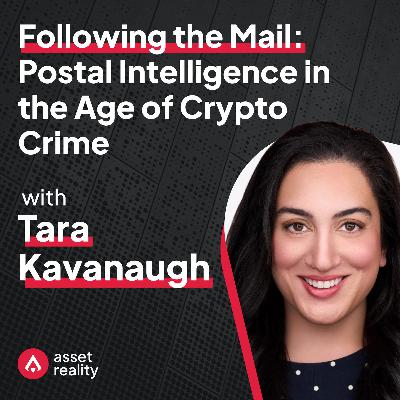
Aidan Larkin speaks with Tara Kavanaugh, a federal investigator with the U.S. Postal Inspection Service (USPIS) and liaison to the FBI's dark‑web opioid task force. Tara draws on a career spanning HUMINT work in the Middle East, signals intelligence at the NSA and crypto‑enabled investigations at USPIS to explain how modern crime moves across the mail system, the dark web, and digital‑asset ecosystems. She outlines the realities of mail‑based fraud, fentanyl supply chains, dark‑web vendor activity, and the growing “scamdemic,” while highlighting how postal data and blockchain analytics help identify offenders. They also discuss inter‑agency collaboration, investigative tooling and why asset recovery remains central to disrupting harm.⏱️ Timestamps00:00 – Early Career & Intelligence Background04:40 – USPIS Crypto Investigations06:45 – FBI Liaison Role & Dark‑Web Opioid Task Force12:50 – Using Postal Intelligence to Strengthen Federal Cases15:30 – Blockchain Tracing Patterns, Playbooks & Criminal Methods21:45 – Agency Readiness, SOPs & Evolving Crypto Capabilities25:45 – Crypto ATMs, Victim Risks & the Growing “Scamdemic”32:40 - The Modern Investigator’s Toolkit & Global Collaboration👤 About Our GuestTara Kavanaugh is a federal investigator at the U.S. Postal Inspection Service (USPIS) and liaison to the FBI’s Joint Dark‑Web and Opioid Task Force. Her career has spanned HUMINT operations in conflict zones, counterintelligence work at the NSA, dark‑web investigations targeting fentanyl vendors, and blockchain‑based tracing of narcotics proceeds and scam activity. Tara works across local, state, federal, and international partners like Europol to disrupt digital‑asset–enabled crime.🔑 Key TakeawaysAsset Recovery Is Not PeripheralFrom fentanyl vendors to terrorist financing, taking the money disrupts crime faster than arrests.Inter‑Agency Collaboration Works When Data FlowsUSPIS, FBI, Europol, and others share seized server data to proactively identify vendors and cases. USPIS postal metadata, label history, and mail‑stream analytics give investigators visibility that other agencies don’t have.Crypto ATMs Are a Major Scam VectorElderly victims are overwhelmingly targeted, and the machines provide deceptive legitimacy.Blockchain Tools Have Improved DramaticallyWhat once required hours of manual tracing now surfaces automatically across chains.📚 Resources Mentioned9CRC on YoutubeEuropol's Project A.S.S.E.TAlison Jimenez on Seize & DesistRich Lebel on Seize & DeistOperation ShamrockAsset Reality's FCA Approval📬 Stay Connected If you found this episode useful, make sure you:Subscribe to Seize & Desist on Apple Podcasts, Spotify, or wherever you listenFollow Asset Reality on LinkedIn for updates, resources, and future episodesShare this episode with those working in asset recovery, investigations or financial crime⚠️ DisclaimerOur podcasts are for informational purposes only. They are not intended to provide legal, tax, financial, and/or investment advice. Listeners must consult their own advisors before making decisions on the topics discussed. Asset Reality has no responsibility or liability for any decision made or any other acts or omissions in connection with your use of this material. The views expressed by guests are their own and their appearance on the program does not imply an endorsement of them or any entity they represent. Views and opinions expressed by Asset Reality employees are those of the employees and do not necessarily reflect the views of the company. Asset Reality does not guarantee or warrant the accuracy, completeness, timeliness, suitability or validity of the information in any particular podcast and will not be responsible for any claim attributable to errors, omissions, or other inaccuracies of any part of such material. Unless stated otherwise, reference to any specific product or entity does not constitute an endorsement or recommendation by Asset Reality.
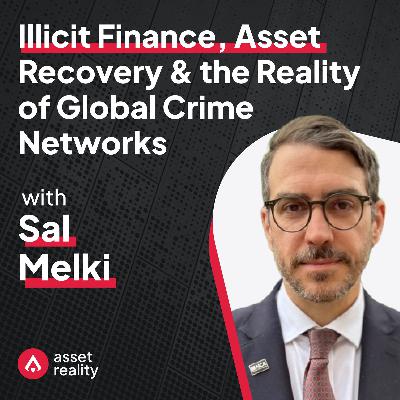
Aidan Larkin sits down with Sal Melki, Deputy Director at the UK’s National Crime Agency and senior leader at the National Economic Crime Centre, to unpack how illicit finance really works today, from local cash couriers to global money laundering networks. Sal shares frontline insight on why money laundering is now easier than ever, how technology and crypto are reshaping criminal networks, and what actually works when disrupting and recovering criminal assets at scale. We also dive into Operation Destabilise, public-private data fusion, and why asset recovery has become one of law enforcement's most powerful tools against serious organised crime. ⏱️ Timestamps 00:00 – Introductions and Overview of the NCA and NECC 04:30 - Evolution of Organized Crime Networks 09:40 - AI, Synthetic Identities, and Emerging Threats 17:30 - Public-Private Partnerships & Data Fusion 28:40 - Crypto as an Asset Class 36:50 - Operation Destabilize 39:55 - Money Laundering as a Service 46:20 - Future Priorities 👤 About Our Guest Sal Melki is a Deputy Director at the UK National Crime Agency and a senior leader at the National Economic Crime Centre, where he leads the response to illicit finance, money laundering, and asset recovery. With a background in the Metropolitan Police and Counter Terrorism Policing, Sal works at the centre of the UK’s public‑private effort to disrupt serious organised crime.🔑 Key Takeaways Illicit Finance is the System Asset recovery is not a side quest. It is central to disrupting organised crime, from drugs and fraud to sanctions evasion. Money Laundering Has Scaled Professional laundering networks now operate like service providers, using cash, crypto, shell companies, and technology to move value globally. Technology Cuts Both Ways AI, crypto, and automation are making crime easier, but they are also powerful tools when law enforcement and the private sector work together. Data Fusion Beats Silos Proactive, shared intelligence across banks, crypto firms, and law enforcement delivers far more impact than reactive reporting alone. Disruption Matters You do not always need to arrest the kingpin. Taking money, increasing friction, and targeting facilitators change behaviour fast. 📚 Resources Mentioned National Crime Agency (NCA) National Economic Crime Centre (NECC) Operation Destabilise The Record | Inside Operation Destabilise INTERPOL Silver Notice Basel Institute on Governance | INTERPOL Silver Notice Explained 📬 Stay Connected If you found this episode useful, make sure you: Subscribe to the podcast on Apple Podcasts, Spotify, or wherever you listen Follow Asset Reality on LinkedIn for updates, resources, and future episodes Share this episode with colleagues working in asset recovery, investigations, or financial crime ⚠️ Disclaimer Our podcasts are for informational purposes only. They are not intended to provide legal, tax, financial, and/or investment advice. Listeners must consult their own advisors before making decisions on the topics discussed. Asset Reality has no responsibility or liability for any decision made or any other acts or omissions in connection with your use of this material. The views expressed by guests are their own and their appearance on the program does not imply an endorsement of them or any entity they represent. Views and opinions expressed by Asset Reality employees are those of the employees and do not necessarily reflect the views of the company. Asset Reality does not guarantee or warrant the accuracy, completeness, timeliness, suitability or validity of the information in any particular podcast and will not be responsible for any claim attributable to errors, omissions, or other inaccuracies of any part of such material. Unless stated otherwise, reference to any specific product or entity does not constitute an endorsement or recommendation by Asset Reality.

This episode was originally recorded for Times Radio on 13th November 2025.In this special bonus episode, Aidan Larkin joins Hugo Rifkind on Times Radio to discuss what happens after a major seizure and why the landmark £5.1bn crypto seizure could redefine how governments handle digital assets. In November 2025, a Chinese national dubbed the “Bit Queen” was sentenced to several years in prison for orchestrating a staggering £5.1 billion cryptocurrency Ponzi scheme. The case made headlines worldwide, not just for its scale, but for the questions it raises about the future of asset recovery in a digital age. Aidan and Hugo explore:What happens after billions in crypto are seizedHow governments navigate cross-border asset recoveryThe diplomatic and legal challenges of returning funds to victimsWhy this case could set a global precedent for managing digital assetsResourcesCrypto Seizures: A Turning Point for Global Asset RecoveryBBC News: Cryptoqueen who fled China for London mansion jailed over £5bn Bitcoin stashStay Connected Subscribe to Seize & Desist for all the latest insights on asset recovery. Disclaimer Our podcasts are for informational purposes only. They are not intended to provide legal, tax, financial, and/or investment advice. Listeners must consult their own advisors before making decisions on the topics discussed. Asset Reality has no responsibility or liability for any decision made or any other acts or omissions in connection with your use of this material. The views expressed by guests are their own and their appearance on the program does not imply an endorsement of them or any entity they represent. Views and opinions expressed by Asset Reality employees are those of the employees and do not necessarily reflect the views of the company. Asset Reality does not guarantee or warrant the accuracy, completeness, timeliness, suitability or validity of the information in any particular podcast and will not be responsible for any claim attributable to errors, omissions, or other inaccuracies of any part of such material. Unless stated otherwise, reference to any specific product or entity does not constitute an endorsement or recommendation by Asset Reality.
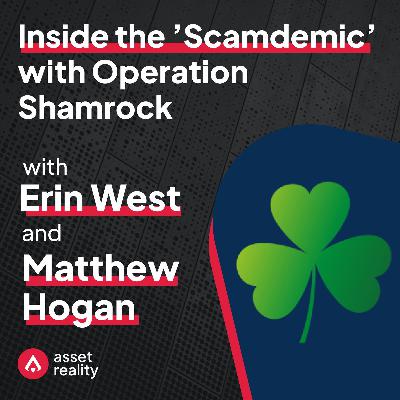
Aidan Larkin sits down with Erin West and Detective Matthew Hogan of Operation Shamrock to unpack the global 'scamdemic' that’s devastating victims and fuelling organised crime, exploring the human cost behind crypto-enabled fraud. Erin and Matthew share frontline insights on why law enforcement struggles to keep pace, how AI is supercharging scams and what systemic changes are urgently needed. We also spotlight Asset Reality’s new strategic alliance with Operation Shamrock, aimed at closing the enforcement gap and accelerating victim restitution worldwide. Timestamps 00:00 – Introduction03:30 – The Scamdemic: How pig-butchering scams evolved and scaled globally10:00 – AI and the psychology of scams15:00 – Human trafficking and scam compounds20:00 – Law enforcement challenges 29:00 – Why crypto recovery is easier than you think 46:00 – Social media’s role in enabling scams 59:00 – Community, Collaboration and the Crypto Coalition About Our Guests Erin West is the founder of Operation Shamrock, a nonprofit dedicated to disrupting the scam industry through education, advocacy and law enforcement support. After 26 years as a prosecutor, Erin now leads global efforts to fight transnational organized crime and protect victims. Matthew Hogan is a detective with the Connecticut State Police and co-founder of its cryptocurrency working group. He serves on the Secret Service Financial Crimes Task Force and works tirelessly to recover assets for victims of crypto-enabled fraud. Key Takeaways The Scamdemic is Industrial: Pig-butchering scams and sextortion are run from compounds housing tens of thousands of trafficked workers, weaponizing AI and psychological manipulation. Law Enforcement is Outpaced: Crypto recovery is technically easier than physical asset recovery, but resource gaps, bureaucracy and lack of training stall progress. Systemic Change is Needed: From unified reporting systems to breaking down silos, collaboration across law enforcement, tech platforms and financial institutions is critical. Our Partnership with Operation Shamrock Asset Reality and Operation Shamrock have formed a global strategic alliance to: Deliver monthly free crypto seizure training to U.S. and international law enforcement via the Crypto Coalition. Develop standardized playbooks for intake, seizure, and investigation workflows. Launch a global advocacy initiative making victim restitution a core success metric for crypto enforcement. As Aidan Larkin says: “This isn’t just about crypto, it’s about systemic change. If we empower local agencies with the right playbook and tools, we can disrupt billion-dollar networks before the funds vanish.” Learn moreResources Operation Shamrock Crypto Coalition Chainalysis Report: Seizable Crypto Assets in 2025 Stay Connected Subscribe to Seize & Desist for all the latest insights on asset recovery. Disclaimer Our podcasts are for informational purposes only. They are not intended to provide legal, tax, financial, and/or investment advice. Listeners must consult their own advisors before making decisions on the topics discussed. Asset Reality has no responsibility or liability for any decision made or any other acts or omissions in connection with your use of this material. The views expressed by guests are their own and their appearance on the program does not imply an endorsement of them or any entity they represent. Views and opinions expressed by Asset Reality employees are those of the employees and do not necessarily reflect the views of the company. Asset Reality does not guarantee or warrant the accuracy, completeness, timeliness, suitability or validity of the information in any particular podcast and will not be responsible for any claim attributable to errors, omissions, or other inaccuracies of any part of such material. Unless stated otherwise, reference to any specific product or entity does not constitute an endorsement or recommendation by Asset Reality.
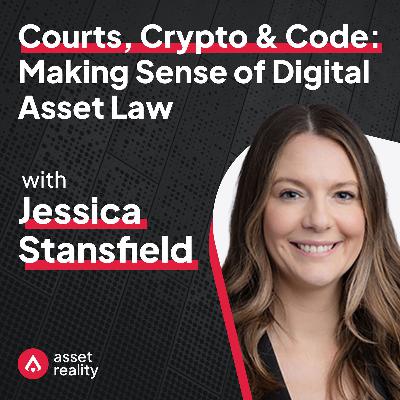
Aidan Larkin talks with Canadian lawyer Jessica Stansfield about the evolving landscape of digital asset recovery. From tackling cryptocurrency fraud to navigating the complexities of tracing assets on the blockchain, Jessica shares her experience helping victims overcome legal and enforcement challenges. She also explores emerging trends, the growing role of technology in asset recovery, and the provocative debate around the idea that ‘Code is Law.’Timestamps 00:00 – Introduction and Background03:00 – Asset Recovery in the Digital Age09:00 – The Role of Blockchain in Asset Recovery12:00 – Victim Perspectives in Cryptocurrency Fraud18:00 – Legal Framework for Asset Recovery in Canada23:55 – Future Trends in Asset Recovery and Code is LawAbout our GuestJessica Stansfield is a leading authority in digital asset recovery and fraud litigation. As a Canadian commercial litigator, she has built a reputation for tackling complex cases involving cryptocurrency and emerging technologies. Known for her innovative approach, she leverages open-source intelligence and cutting-edge legal frameworks to trace and reclaim digital assets. Key TakeawaysComplexity in Asset Recovery: Fragmented frameworks and jurisdictional hurdles make asset recovery a challenging area of law that requires creative legal strategies and innovative investigative techniques.Digital Asset Fraud on the Rise: The explosion of cryptocurrency and digital assets has created new avenues for fraud, from elaborate scams to meme coin price manipulation, demanding specialised legal expertise to protect victims and recover stolen funds. Power of Open-Source Intelligence: Publicly available data enables asset tracing without traditional legal constraints, making open-source intelligence a game-changer in fraud investigations. Canadian Legal Tools: Canada’s courts provide powerful mechanisms for asset recovery. Mareva injunctions can freeze assets, while Norwich orders compel disclosure of critical information.Global Cooperation Matters: International collaboration is vital for overcoming jurisdictional challenges and ensuring effective enforcement across multiple legal systems. The ‘Code is Law’ Debate: As smart contracts become more prevalent, ethical and legal questions arise. Should exploiting code loopholes be considered fraud?Future-Proofing Asset Recovery: Shifts in regulatory enforcement and judicial interpretation will define how asset recovery adapts to emerging technologies and new forms of fraud. ResourcesWeirfoulds | Jessica Stansfield - InsightsBBC News | Quadriga: The cryptocurrency exchange that lost $135mWeirfoulds | Rule of Law ‘2’, Code is Law ‘0’?The Globe and Mail Feature | Medjedovic CaseSeize & Desist - Erin WestAsset Recovery International | Dublin Feb 25 - 27Stay ConnectedDive deeper into asset recovery by subscribing to Seize & DesistDisclaimerOur podcasts are for informational purposes only. They are not intended to provide legal, tax, financial, and/or investment advice. Listeners must consult their own advisors before making decisions on the topics discussed. Asset Reality has no responsibility or liability for any decision made or any other acts or omissions in connection with your use of this material. The views expressed by guests are their own and their appearance on the program does not imply an endorsement of them or any entity they represent. Views and opinions expressed by Asset Reality employees are those of the employees and do not necessarily reflect the views of the company. Asset Reality does not guarantee or warrant the accuracy, completeness, timeliness, suitability or validity of the information in any particular podcast and will not be responsible for any claim attributable to errors, omissions, or other inaccuracies of any part of such material. Unless stated otherwise, reference to any specific product or entity does not constitute an endorsement or recommendation by Asset Reality.

What does it take to fight economic crime on a global scale? In this episode of Seize and Desist, Aidan Larkin speaks with Adrian Searle, former director of the National Economic Crime Centre (NECC), who takes us inside its unique multi-agency approach to tackling financial crime.Adrian explains why collaboration across law enforcement, government, and the private sector matters, how global information sharing is reshaping the fight, and the roles of technology and AI in driving global financial intelligence and asset recovery. Timestamps00:00 – Introduction and Background 03:00 - Bridging Public and Private Sectors Responses13:30 – Collaboration and Information Sharing20:00– Technology and AI in Economic Crime 43:55 – Future Directions and Challenges in Asset Recovery About our GuestAdrian Searle is a leading authority on economic crime and financial intelligence. As former Director of the UK’s National Economic Crime Centre (NECC), he helped shape a multi-agency approach to tackling financial crime, driving collaboration between law enforcement, government, and industry. Today, Adrian works in the private sector, championing innovation, real-time intelligence sharing, and technology-driven solutions to strengthen asset recovery and disrupt illicit finance. Key TakeawaysNECC’s Multi-Agency Model: The UK’s National Economic Crime Centre (NECC) is a uniquely collaborative unit that unites agencies to combat economic crime more effectively, enabling a full-spectrum approach to economic crime.Collaboration as a Force Multiplier: Meaningful cooperation across law enforcement, government, and industry is essential to disrupting economic crime. Global Information Sharing at Scale: Robust domestic and international information sharing is vital to addressing fast-moving economic crime threats. Quality Over Quantity in Data: A focus on higher-quality data is critical for better insights, decision-making, and operational outcomes. Real-Time Financial Crime Intervention: Real-time detection and intervention, especially in the realm of cryptoassets, offer promising new avenues for halting illicit activities as they occur. Technology and AI as Enablers: There is a significant opportunity to leverage emerging technologies and AI for better data interpretation and intelligence processing, although challenges like data integration and accuracy remain significant hurdles. ResourcesNational Crime Agency (NCA) | National Economic Crime Centre (NECC) LinkedIn | National Economic Crime Centre (NECC) NCA | 10 years of the Joint Money Laundering Intelligence Taskforce (JMLIT) Royal United Services Institute (RUSI) Stay ConnectedDive deeper into the world of asset recovery by subscribing to Seize & Desist DisclaimerOur podcasts are for informational purposes only. They are not intended to provide legal, tax, financial, and/or investment advice. Listeners must consult their own advisors before making decisions on the topics discussed. Asset Reality has no responsibility or liability for any decision made or any other acts or omissions in connection with your use of this material. The views expressed by guests are their own and their appearance on the program does not imply an endorsement of them or any entity they represent. Views and opinions expressed by Asset Reality employees are those of the employees and do not necessarily reflect the views of the company. Asset Reality does not guarantee or warrant the accuracy, completeness, timeliness, suitability or validity of the information in any particular podcast and will not be responsible for any claim attributable to errors, omissions, or other inaccuracies of any part of such material. Unless stated otherwise, reference to any specific product or entity does not constitute an endorsement or recommendation by Asset Reality.

When billions in dirty money move through hidden pipelines, who stops it? In this episode, Aidan Larkin speaks with investigative journalist and co-founder of the Organized Crime and Corruption Reporting Project (OCCRP), Paul Radu, about the uphill battle to reclaim stolen assets. Paul reveals how real estate has become a global laundromat for illicit cash and why political will and public accountability are often missing from the fight. They delve into the collision of cash and crypto in laundering schemes, the role of technology in exposing networks, and why professional enablers must be held accountable for facilitating financial crime. Timestamps00:00 – Introduction and Background 03:00 – Scale of Illicit Finance and Asset Recovery 08:50 – Real Estate, Political Will, and Law Enforcement Challenges 17:45 – Public Accountability, Global Coordination, and Citizen Involvement 23:50 – Technology, Crypto, and the Future of Money Laundering 29:55 – Transparency, Professional Enablers, and Concluding Thoughts About our GuestPaul Radu is an investigative journalist and co-founder of the Organized Crime and Corruption Reporting Project (OCCRP). Over the past 20 years, he has investigated corruption, organized crime, and illicit financial networks across Europe and beyond. Through his reporting, he exposes systemic corruption and criminal enterprises, providing critical insight into asset recovery, financial crime, and the global fight for accountability. Key TakeawaysThe Scale of Illicit Finance: Illicit finance totals around $3 trillion annually, with a significant portion invested in real estate, which criminals use to store assets and worsen housing crises. The Role of Investigative Journalism: Investigative journalists often uncover corruption and criminal networks, providing evidence that prompts law enforcement action. Political Will and Public Accountability: Strong political support is essential for launching large-scale investigations, and public scrutiny can drive local authorities to act against illicit finance. Global Coordination and Transparency: Effective asset recovery requires international collaboration and data transparency, enabling citizens and authorities to track and challenge illicit asset ownership. Professional Enablers and Criminal Innovation: Lawyers, bankers, and other enablers must be held accountable, and traditional money laundering methods remain important despite the rise of crypto. Resources Organized Crime and Corruption Reporting Project (OCCRP) OCCRP Report: Dubai Unlocked The Independent: Protesting dirty-money luxury homes in London Stay Connected Dive deeper into the world of asset recovery by subscribing to Seize & Desist Disclaimer Our podcasts are for informational purposes only. They are not intended to provide legal, tax, financial, and/or investment advice. Listeners must consult their own advisors before making decisions on the topics discussed. Asset Reality has no responsibility or liability for any decision made or any other acts or omissions in connection with your use of this material. The views expressed by guests are their own and their appearance on the program does not imply an endorsement of them or any entity they represent. Views and opinions expressed by Asset Reality employees are those of the employees and do not necessarily reflect the views of the company. Asset Reality does not guarantee or warrant the accuracy, completeness, timeliness, suitability or validity of the information in any particular podcast and will not be responsible for any claim attributable to errors, omissions, or other inaccuracies of any part of such material. Unless stated otherwise, reference to any specific product or entity does not constitute an endorsement or recommendation by Asset Reality.
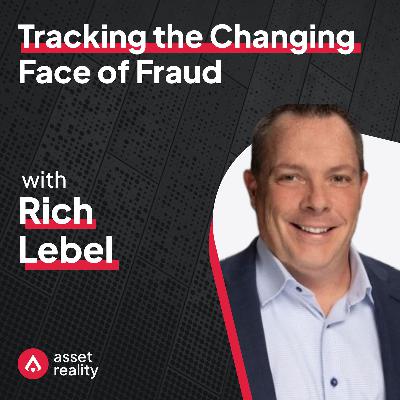
In this conversation, Aidan Larkin sits down with Rich Lebel, Director of the Transaction Record Analysis Center (TRAC), to unpack the strategies law enforcement uses to stay ahead of digital money laundering and crypto-enabled fraud. They examine sophisticated laundering schemes, the rise of crypto ATM fraud, and the challenges of cross-border investigations, highlighting why collaboration, training, and accountability are essential for effective asset recovery. Timestamps00:00 – Introduction and Background 03:00 – The Birth, Mission, and Growth of TRAC 08:57 – Data Collection and Its Implications 11:57 – The Rise of Crypto ATMs and Fraud 17:57 – Law Enforcement Challenges and Future Directions 33:05 – Regulating Bitcoin ATMs and Crypto Transactions 41:46 – International Cooperation and Training for Law Enforcement About our Guest Rich Lebel leads the Transaction Record Analysis Center (TRAC), using global money transfer data to support law enforcement in tackling money laundering, crypto-related fraud, and other financial crimes. With over 20 years in complex criminal investigations, he provides training, analytical insight, and champions international cooperation in asset recovery. Key Takeaways Origins of TRAC: TRAC was established following a settlement with Western Union, creating a centralised resource for law enforcement to access transactional data. Role of Data Analysis: Analysing transactional data helps law enforcement identify crime patterns, trace funds, and anticipate emerging threats. Evolving Money Laundering Tactics: The rise of crypto ATMs and digital assets has changed how criminals move and layer illicit funds, requiring new investigative approaches. Challenges with Crypto ATMs: Crypto ATMs are frequently used for fraudulent activities, yet regulatory oversight in the US remains limited. Importance of Data Sharing: Collaboration and data sharing between agencies are critical for effective investigations and adapting to rapidly changing criminal tactics. Training and Awareness for Law Enforcement: Continuous training and awareness are essential for law enforcement to tackle new technologies and sophisticated money laundering methods. Adapting to Criminal Innovation: Criminals are evolving quickly to evade detection, making proactive strategies and technology adoption vital for asset recovery efforts. Resources Mentioned Webinar: The Hard Truth About Asset Seizure Crypto Training on Asset Reality’s Academy TRAC on the Wall Street Journal Tornado Cash Case Miles Johnson on Seize & Desist Stay Connected Dive deeper into the world of asset recovery by subscribing to Seize & Desist. Disclaimer Our podcasts are for informational purposes only. They are not intended to provide legal, tax, financial, and/or investment advice. Listeners must consult their own advisors before making decisions on the topics discussed. Asset Reality has no responsibility or liability for any decision made or any other acts or omissions in connection with your use of this material. The views expressed by guests are their own and their appearance on the program does not imply an endorsement of them or any entity they represent. Views and opinions expressed by Asset Reality employees are those of the employees and do not necessarily reflect the views of the company. Asset Reality does not guarantee or warrant the accuracy, completeness, timeliness, suitability or validity of the information in any particular podcast and will not be responsible for any claim attributable to errors, omissions, or other inaccuracies of any part of such material. Unless stated otherwise, reference to any specific product or entity does not constitute an endorsement or recommendation by Asset Reality.

In this episode of Seize and Desist, Aidan is joined by Nils von Schoenaich-Carolath (Chief Growth Officer at Tradias) to explore the challenges governments face when liquidating seized digital assets. They unpack the operational and regulatory hurdles involved, from compliance and whitelisting to best practices in asset management, and examine how collaboration with crypto-native institutions can support secure and effective liquidation. Timestamps 00:00 – Introduction and Background 09:50 – The Liquidation Process for Seized Crypto 15:30 – Challenges and Best Practices in Asset Liquidation 26:00 – Understanding Market Dynamics: Bids, Asks & OTC Trades 32:40 – Operational Security & Preventing Transaction Errors 39:30 – The Future of Asset Management and Regulation About our GuestNils von Schoenaich-Carolath is Chief Growth Officer at Tradias, the digital asset trading arm of Bankhaus Scheich. With a background in capital markets and digital finance, Nils plays a key role in developing infrastructure for institutional crypto trading and tokenization. He has led initiatives to support secure and compliant liquidation of seized digital assets, working closely with public authorities and legal experts. His work bridges traditional finance and blockchain innovation, helping shape the future of regulated digital asset markets. Key TakeawaysLiquidating Seized Crypto: Managing seized digital assets is complex and requires precision to safeguard value, ensure compliance, and protect public funds. Regulatory Clarity and Compliance: Clear frameworks and adherence to financial and legal standards are essential for transparent, traceable, and accountable asset management. Operational Security: Robust controls, including whitelisting, test transfers, and dual oversight, are vital to prevent errors and minimise risk in asset handling. Managing Market Impact: Large-scale liquidations can disrupt markets, so structured trades and careful planning are critical to maintain stability and confidence. Collaboration and the Future of Asset Management: Effective recovery relies on coordination between public and private sectors, continuous learning, and exploring strategies like yield generation and smarter reinvestment.Resources MentionedTradias CNBC: Germany's $2 Billion Bitcoin Sale FATF’s latest guidance on asset recovery 9th Global Conference on Criminal Finances and Cryptoassets Stay ConnectedDive deeper into the world of asset recovery by subscribing to Seize & Desist.DisclaimerOur podcasts are for informational purposes only. They are not intended to provide legal, tax, financial, and/or investment advice. Listeners must consult their own advisors before making decisions on the topics discussed. Asset Reality has no responsibility or liability for any decision made or any other acts or omissions in connection with your use of this material. The views expressed by guests are their own and their appearance on the program does not imply an endorsement of them or any entity they represent. Views and opinions expressed by Asset Reality employees are those of the employees and do not necessarily reflect the views of the company. Asset Reality does not guarantee or warrant the accuracy, completeness, timeliness, suitability or validity of the information in any particular podcast and will not be responsible for any claim attributable to errors, omissions, or other inaccuracies of any part of such material. Unless stated otherwise, reference to any specific product or entity does not constitute an endorsement or recommendation by Asset Reality.

In this episode, Aidan speaks with Carmel King, Partner at Grant Thornton UK, about the role of insolvency practitioners and liquidators in recovering assets lost to fraud and financial crime, especially in the context of digital assets. They discuss how these powers work alongside law enforcement efforts and why collaboration, trust, and clear communication between the public and private sectors are key to delivering better outcomes for victims. Want to go deeper? Join our upcoming webinar, ‘Closing the Asset Recovery Gap’, on 14th October at 2pm UK | 9am EDT, where former law enforcement professionals draw on their cross-sector experience to explore how civil recovery routes work alongside law enforcement and how specialised technology platforms are strengthening coordination across sectors. Timestamps00:00 – Introduction and Background 04:00 – The Hidden Powers of Liquidators 09:00 – Bridging Public and Private Sector Efforts 16:00 – Real-World Cases & Lessons Learned 24:00 – Tackling Law Enforcement & Victim Challenges 30:00 – Crypto Recovery: Success Stories & Civil Routes 38:00 – Navigating Jurisdictional & Valuation Hurdles 45:00 – The Future of Asset Recovery & Collaboration About our Guest Carmel King is a Partner at Grant Thornton UK, where she leads the digital asset recovery team. With extensive experience in insolvency and asset recovery, Carmel specialises in combating financial crime and recovering assets for victims. Her work often involves collaboration with law enforcement and private sector professionals to navigate the complexities of cross-border asset recovery and the evolving landscape of crypto assets.Key Takeaways Insolvency as a Recovery Tool: Insolvency and liquidation powers provide a unique mechanism to recover assets lost to fraud, complementing traditional law enforcement efforts. Collaboration Between Public and Private Sectors: Effective asset recovery relies on coordination between law enforcement, investigators, and private practitioners to overcome legal, technical, and operational challenges. Digital Asset Challenges: Cryptocurrencies and other digital assets introduce new complexities, requiring specialised approaches to trace, value, and recover funds. Preventing Re‑Victimisation: Awareness and education are critical to protect victims from fraudulent recovery schemes and ensure fair outcomes. Evolving Landscape of Asset Recovery: Case studies and ongoing developments illustrate how the field is constantly changing, highlighting the importance of innovation, technology, and co‑operation. Resources Mentioned Crypto Fraud and Asset Recovery Network (CFAAR) Grant Thornton UK Met Police | Two people convicted following world's largest crypto seizure Stay Connected Dive deeper into the world of asset recovery by subscribing to Seize & Desist.Disclaimer Our podcasts are for informational purposes only. They are not intended to provide legal, tax, financial, and/or investment advice. Listeners must consult their own advisors before making decisions on the topics discussed. Asset Reality has no responsibility or liability for any decision made or any other acts or omissions in connection with your use of this material. The views expressed by guests are their own and their appearance on the program does not imply an endorsement of them or any entity they represent. Views and opinions expressed by Asset Reality employees are those of the employees and do not necessarily reflect the views of the company. Asset Reality does not guarantee or warrant the accuracy, completeness, timeliness, suitability or validity of the information in any particular podcast and will not be responsible for any claim attributable to errors, omissions, or other inaccuracies of any part of such material. Unless stated otherwise, reference to any specific product or entity does not constitute an endorsement or recommendation by Asset Reality.
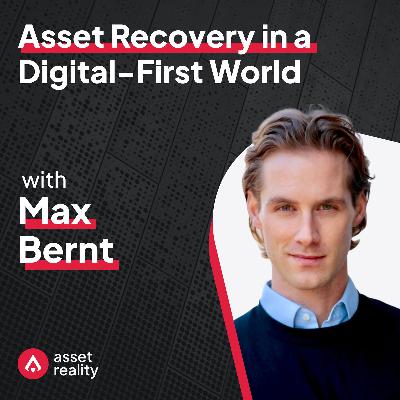
In this conversation, Aidan Larkin sits down with Dr. Max Bernt (TaxBit) to explore the future of asset recovery in a digital-first world. They dive into how data aggregation, crypto, and stablecoins are transforming investigations - and why practitioners have reason for optimism. Timestamps00:00 – Introduction and Background 04:00 – Inside the Digital Asset Recovery Ecosystem 09:48 – How TaxBit Bridges On-Chain and Off-Chain Data 16:00 – Real-World Cases & Lessons Learned 27:50 – Tackling Data Challenges & Regulatory Hurdles 32:09 – Stablecoins: Risks and Opportunities 40:49 – The Future of Financial Crime Investigations 51:03 – Why There’s Reason for Optimism in Recovery About our Guest Dr. Max Bernt is TaxBit’s Global Head of Regulatory Affairs and Managing Director for Europe. With a robust background in transnational criminal law and extensive experience in regulatory affairs, he advises on cases and policy involving cryptocurrency, financial crime, and digital asset recovery. Max has helped shape discussions around the intersection of law enforcement and crypto, exploring how data aggregation, stablecoins, and regulatory frameworks impact investigations and compliance. Key Takeaways Evolving Asset Recovery Ecosystem: Technology is driving the evolution of the asset recovery ecosystem, creating new tools and approaches for practitioners. Importance of Data Aggregation: Effective investigations rely on robust data aggregation, helping practitioners identify patterns and trace assets efficiently. Bridging On-Chain and Off-Chain Data: TaxBit serves as a critical bridge between on- and off-chain data, enabling more accurate and comprehensive investigations. Impact of Regulatory Changes: Shifting regulations will have a significant effect on financial crime investigations, requiring practitioners to adapt strategies accordingly. Opportunities and Challenges of Stablecoins: Stablecoins present both opportunities and challenges for investigators, influencing how digital assets are tracked and recovered. Optimism for the Future of Asset Recovery: Despite the challenges, practitioners can be optimistic about future advancements, including improved efficiency, technology, and collaboration in the field. Resources Mentioned Taxbit Stay Connected Dive deeper into the world of asset recovery by subscribing to Seize & Desist: https://link.cohostpodcasting.com/b36b929c-6ca3-4e49-8258-44c310d012c9?d=sG5Qi2MdL DisclaimerOur podcasts are for informational purposes only. They are not intended to provide legal, tax, financial, and/or investment advice. Listeners must consult their own advisors before making decisions on the topics discussed. Asset Reality has no responsibility or liability for any decision made or any other acts or omissions in connection with your use of this material. The views expressed by guests are their own and their appearance on the program does not imply an endorsement of them or any entity they represent. Views and opinions expressed by Asset Reality employees are those of the employees and do not necessarily reflect the views of the company. Asset Reality does not guarantee or warrant the accuracy, completeness, timeliness, suitability or validity of the information in any particular podcast and will not be responsible for any claim attributable to errors, omissions, or other inaccuracies of any part of such material. Unless stated otherwise, reference to any specific product or entity does not constitute an endorsement or recommendation by Asset Reality.
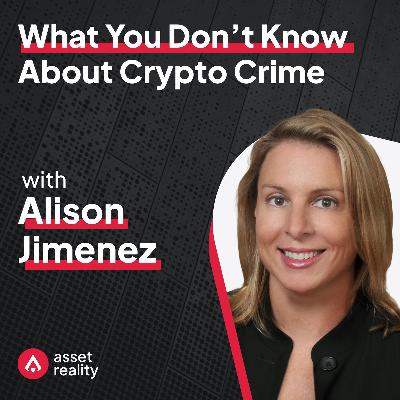
In this conversation, Aidan Larkin sits down with Alison Jimenez, President of Dynamic Securities Analytics and AML expert witness, to unpack the realities of crypto crime, the challenges it poses for asset recovery, and the risks surrounding strategic Bitcoin reserves. They explore how digital assets are used for illicit purposes, why a common industry definition matters, the critical role of the asset recovery ecosystem, and how geopolitical tensions can expose vulnerabilities in decentralized systems. Timestamps 00:00 – Introduction and Background 00:30 – Defining Crypto Crime 00:59 – Asset Recovery Ecosystem 01:12 – Strategic Reserves and Security Risks 18:26 – Crypto's Role in Illicit Activities 28:58 – Analysing Crypto Crime Metrics About our Guest Alison Jimenez is the President of Dynamic Securities Analytics and an AML expert witness. As a former securities regulator and economist, she advises on financial crime cases, including fraud, corruption, and cryptocurrency scams. Alison has helped define crypto crime, exploring how digital assets enable illicit activity and highlighting the national security risks of Bitcoin strategic reserves. Key TakeawaysDefining Crypto Crime: Establishing a common industry definition for crypto crime is essential for effectively addressing and understanding the misuse of cryptocurrency in illegal activities. Asset Recovery Ecosystem: Asset recovery is crucial for reducing the financial incentives for crime, emphasizing its role in combating illicit finance. Cross-Border Illicit Activities: Cryptocurrency facilitates cross-border illicit activities, posing challenges for law enforcement and necessitating international cooperation to address these issues effectively. Decentralisation Challenges: Centralised chip production undermines crypto’s decentralisation, highlighting vulnerabilities in strategic reserves and the need for robust security measures. National Security Risks: Strategic Bitcoin reserves pose national security risks due to geopolitical tensions, which can impact the security and stability of these reserves. Resources Mentioned Alison’s Securities Analytics blog Alison's op-ed on Strategic Bitcoin Reserves and National SecurityAmazon | There's No Such Thing as Crypto Crime by Nick Furneaux Nick Furneaux on Seize & Desist Miles Johnson on Seize & Desist Stay Connected Dive deeper into the world of asset recovery with Seize & Desist. Subscribe for exclusive insights into the stories that are redefining asset recovery: https://link.cohostpodcasting.com/b36b929c-6ca3-4e49-8258-44c310d012c9?d=sG5Qi2MdL DisclaimerOur podcasts are for informational purposes only. They are not intended to provide legal, tax, financial, and/or investment advice. Listeners must consult their own advisors before making decisions on the topics discussed. Asset Reality has no responsibility or liability for any decision made or any other acts or omissions in connection with your use of this material. The views expressed by guests are their own and their appearance on the program does not imply an endorsement of them or any entity they represent. Views and opinions expressed by Asset Reality employees are those of the employees and do not necessarily reflect the views of the company. Asset Reality does not guarantee or warrant the accuracy, completeness, timeliness, suitability or validity of the information in any particular podcast and will not be responsible for any claim attributable to errors, omissions, or other inaccuracies of any part of such material. Unless stated otherwise, reference to any specific product or entity does not constitute an endorsement or recommendation by Asset Reality.

In this conversation, Aidan Larkin explores the complexities of international money laundering with Miles Johnson, investigative reporter for the Financial Times and author of Chasing Shadows (2023). Drawing on Miles’ reporting and research, they examine the intricate connections between organised crime and global finance, the challenges faced by law enforcement in dismantling these networks, and the geopolitical factors that influence the recovery of illicit assets. Timestamps 00:00 – Introduction 10:30 - The Intersection of Organised Crime and Financial Markets 18:45 - Challenges in Investigating Money Laundering 25:00 - The Role of the DEA and International Law Enforcement 32:20 - The Complexity of International Crime Networks 40:00 - Reflections on Chasing Shadows About our Guest Miles Johnson is an investigative journalist specialising in international organised crime and money laundering. As a reporter for the Financial Times, he has uncovered complex criminal networks, exposed the financial systems that enable illicit operations across borders, and been instrumental in bringing high-profile cross-border investigations to light to reveal the mechanisms that underpin global criminal enterprises. Key Takeaways Organised Crime and Financial Markets: Organised crime syndicates operate like sophisticated businesses, interacting with the financial world and exploiting its structures for money laundering. Challenges in Investigating Money Laundering: Miles explains the intricate and resource-intensive nature of money laundering investigations, emphasising the need for robust legal frameworks and international cooperation to tackle these crimes effectively. The Role of the DEA and International Law Enforcement: Aidan and Miles explore the DEA's expanded mandate post-9/11, its international operations, and the challenges faced in cross-border law enforcement efforts. Complex International Crime Networks: The conversation highlights the multifaceted nature of global crime networks, involving diverse groups and activities, and the importance of understanding these dynamics for effective law enforcement. Reflecting on Chasing Shadows: Miles' reflects on the realities of investigating international crime, the challenges faced by law enforcement, and the importance of accurate journalism in shedding light on these issues. Resources Mentioned Amazon | Chasing Shadows Miles Johnson | Financial Times NCA: Operation Destabilise Erin West on Seize & Desist Oliver Bullough on Seize & Desist Geoff White on Seize & Desist Stay Connected Dive deeper into the world of asset recovery with Seize & Desist. Subscribe for exclusive insights into the stories that are redefining asset recovery: https://link.cohostpodcasting.com/b36b929c-6ca3-4e49-8258-44c310d012c9?d=sG5Qi2MdL Disclaimer Our podcasts are for informational purposes only. They are not intended to provide legal, tax, financial, and/or investment advice. Listeners must consult their own advisors before making decisions on the topics discussed. Asset Reality has no responsibility or liability for any decision made or any other acts or omissions in connection with your use of this material. The views expressed by guests are their own and their appearance on the program does not imply an endorsement of them or any entity they represent. Views and opinions expressed by Asset Reality employees are those of the employees and do not necessarily reflect the views of the company. Asset Reality does not guarantee or warrant the accuracy, completeness, timeliness, suitability or validity of the information in any particular podcast and will not be responsible for any claim attributable to errors, omissions, or other inaccuracies of any part of such material. Unless stated otherwise, reference to any specific product or entity does not constitute an endorsement or recommendation by Asset Reality.

In this conversation, host Aidan Larkin discusses Interpol’s pivotal role in global law enforcement with Nick Court, the Assistant Director at Interpol's Financial Crime and Anti-Corruption Centre. They explore the launch of the Silver Notice, a new tool designed to help recover criminal assets across borders, its potential to strengthen international cooperation, and what it could mean for the future of global law enforcement. Timestamps00:00 - Introduction 02:15 - Role of Interpol in Global Law Enforcement 10:30 - Significance of the Silver Notice 18:45 - Challenges in Asset Recovery 25:00 - Importance of International Cooperation 32:20 - Impact of the Silver Notice Pilot Program 40:00 - Conclusion and Key Takeaways About our Guest Nick Court is a seasoned law enforcement professional with extensive experience in economic crime and asset recovery. Currently serving as the Assistant Director at Interpol's Financial Crime and Anti-Corruption Centre, Nick has dedicated his career to tackling financial crime on a global scale. With a background as a detective in the City of London Police, he has been instrumental in international investigations, particularly in fraud and cybercrime. Key TakeawaysRole of Interpol in Global Law Enforcement: Nick Court highlights Interpol's unique position as the only global law enforcement organisation and how it drives international cooperation and intelligence sharing. Significance of the Silver Notice: The Silver Notice is a strategic tool to enhance asset recovery by enabling countries to trace and identify criminal assets across borders. Challenges in Asset Recovery: Nick explains the complexities and resource constraints law enforcement agencies face when recovering assets and why international collaboration is critical. Importance of International Cooperation: Coordinated efforts among countries are essential to effectively combating financial crime and improving asset recovery outcomes. Impact of the Silver Notice Pilot Program: The pilot program engages multiple countries to recover assets that would otherwise remain hidden, showcasing its potential to transform asset recovery efforts. Resources Mentioned Interpol's Official Website INTERPOL publishes first Silver Notice targeting criminal assets City of London Police secure Silver Notice against convicted fraudster Dirty assets: the Silver Notice hits organized crime in its pocket Stay Connected Dive deeper into the world of asset recovery with Seize & Desist. Subscribe for exclusive insights into the stories that are redefining asset recovery.Disclaimer Our podcasts are for informational purposes only. They are not intended to provide legal, tax, financial, and/or investment advice. Listeners must consult their own advisors before making decisions on the topics discussed. Asset Reality has no responsibility or liability for any decision made or any other acts or omissions in connection with your use of this material. The views expressed by guests are their own and their appearance on the program does not imply an endorsement of them or any entity they represent. Views and opinions expressed by Asset Reality employees are those of the employees and do not necessarily reflect the views of the company. Asset Reality does not guarantee or warrant the accuracy, completeness, timeliness, suitability or validity of the information in any particular podcast and will not be responsible for any claim attributable to errors, omissions, or other inaccuracies of any part of such material. Unless stated otherwise, reference to any specific product or entity does not constitute an endorsement or recommendation by Asset Reality.
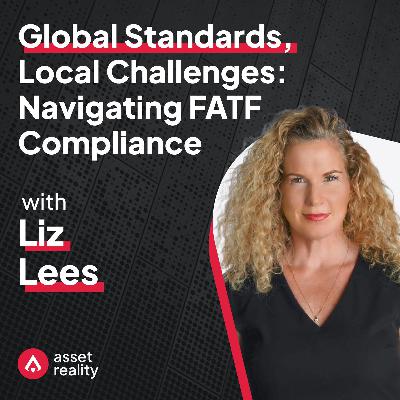
In this episode, host Aidan Larkin delves into the intricate world of FATF compliance with Liz Lees, the former national coordinator for the Cayman Islands. They explore the unique challenges smaller jurisdictions face in aligning with global standards, emphasizing the pivotal role of asset recovery. Join us as Liz shares her insights on building effective compliance frameworks and overcoming resource constraints. As Aidan and Liz unpack the complexities of compliance in these unique environments, discover how these financial hubs balance the demands of international regulations with the need to preserve their local integrity. Timestamps00:00 - Introduction 05:12 - Understanding FATF Compliance 12:45 - Challenges in Smaller Jurisdictions 20:30 - The Role of Asset Recovery 28:15 - Building Effective Frameworks 35:50 - Overcoming Resource Constraints 42:00 - Balancing Global Standards and Local Integrity 50:10 - Conclusion and Key Takeaways About our Guest Liz Lees is a seasoned legal counsel and former National Coordinator to the Anti-Money Laundering Steering Group in the Cayman Islands. With extensive experience in financial compliance, Liz has been instrumental in shaping effective frameworks for smaller jurisdictions. As the co-founder of Claritas Legal, Liz specialises in regulatory law and financial crime, advising governments, law enforcement agencies, and supervisory bodies on compliance with FATF standards. Key Takeaways Understanding FATF Standards: Liz Lees explains the importance of FATF standards in shaping global financial compliance and the role they play in asset recovery. Challenges in Smaller Jurisdictions: The discussion highlights the unique challenges smaller jurisdictions face in implementing effective financial compliance frameworks. The Evolving Landscape of Financial Crime: Insights into how financial crime is evolving, particularly with the rise of digital assets and the need for updated compliance measures. Importance of Coordination: Emphasizes the need for coordinated efforts among governments, law enforcement, and financial institutions to effectively combat financial crime. Resources Mentioned FATF Official Website FATF’s Recommendations Recent FATF Mutal Evaluation Reports Stay Connected Dive deeper into the world of asset recovery with Seize & Desist. Subscribe for exclusive insights into the stories that are redefining asset recovery. Disclaimer Our podcasts are for informational purposes only. They are not intended to provide legal, tax, financial, and/or investment advice. Listeners must consult their own advisors before making decisions on the topics discussed. Asset Reality has no responsibility or liability for any decision made or any other acts or omissions in connection with your use of this material. The views expressed by guests are their own and their appearance on the program does not imply an endorsement of them or any entity they represent. Views and opinions expressed by Asset Reality employees are those of the employees and do not necessarily reflect the views of the company. Asset Reality does not guarantee or warrant the accuracy, completeness, timeliness, suitability or validity of the information in any particular podcast and will not be responsible for any claim attributable to errors, omissions, or other inaccuracies of any part of such material. Unless stated otherwise, reference to any specific product or entity does not constitute an endorsement or recommendation by Asset Reality.
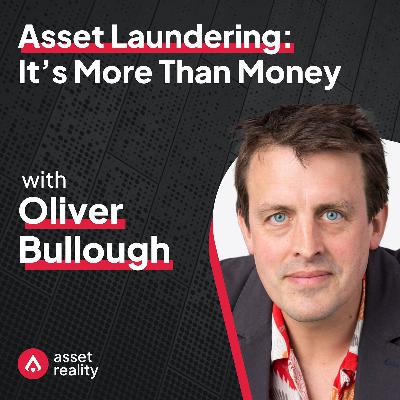
“This is the model of Italian Renaissance banking.”In this episode of Seize & Desist, host Aidan Larkin sits down with renowned financial crime journalist Oliver Bullough, author of Moneyland (2019) and Butler to the World (2022), to discuss why global money laundering continues to be an uphill battle despite decades of international effort.Aidan and Oliver explore the roots and evolution of money laundering, from the Medici's of Renaissance Italy to the offshore shell companies of the Caribbean and the digital currencies of the future.They also touch upon the UK’s pivotal role in facilitating illegal financial flows, the advent of hawala banking networks and the systemic challenges that impede effective asset recovery.Timestamps00:00 - Exploring the UK's Role in Money Laundering and Corruption03:54 - Complex Global Money Laundering Challenges11:23 - The Evolution of Value Transfer Systems Through History16:06 - Rethinking Financial Crime Compliance22:32 - Money Laundering's Influence on Global Crime26:41 - The Role of Cash and Crypto in Crime Networks30:45 - The Global Fight Against Money Laundering38:28 - Recovering Covid-Related Fraud Payments42:04 - Combating Corruption and Money LaunderingResources MentionedOliver Bullough on The Guardian https://www.theguardian.com/profile/oliverbullough Books by Oliver Bullough:Moneyland (2019)- https://amzn.eu/d/ezB43Rv Butler to the World (2022) - https://amzn.eu/d/gaqVRE9 About our GuestOliver Bullough is an award-winning journalist and author of Moneyland (2019) and Butler to the World (2022). He is known for his in-depth reporting on offshore finances and the role of the UK in facilitating corruption, with his work regularly being featured in the Guardian, the New York Times, GQ magazine, the Economist, and other places. DisclaimerOur podcasts are for informational purposes only. They are not intended to provide legal, tax, financial, and/or investment advice. Listeners must consult their own advisors before making decisions on the topics discussed. Asset Reality has no responsibility or liability for any decision made or any other acts or omissions in connection with your use of this material.The views expressed by guests are their own and their appearance on the program does not imply an endorsement of them or any entity they represent. Views and opinions expressed by Asset Reality employees are those of the employees and do not necessarily reflect the views of the company. Asset Reality does not guarantee or warrant the accuracy, completeness, timeliness, suitability or validity of the information in any particular podcast and will not be responsible for any claim attributable to errors, omissions, or other inaccuracies of any part of such material. Unless stated otherwise, reference to any specific product or entity does not constitute an endorsement or recommendation by Asset Reality.

In our final conversation of the year, our SVP of Client Relations, Joanna Summers, sits down with Stefan Cassella, a former federal prosecutor with more than three decades of experience in international asset forfeiture who has authored over 50 law review articles and played a pivotal role in shaping and advancing federal asset forfeiture laws in the US and abroad.In this episode, Joanna and Stef explore the growing role of cryptocurrency in criminal investigations and asset forfeiture, highlighting its use in money laundering, investment fraud, and sanctions evasion. Together, they unpack the complexities of high-profile cases like Bitcoin Fog, the challenges posed by mixers and decentralised exchanges, and the significance of recent court rulings in legitimising blockchain analysis tools. Stefan also shares practical advice for law enforcement and attorneys navigating the crypto landscape, highlighting the need for enhanced training and resources to address these evolving threats and the critical role of non-conviction-based asset forfeiture, or civil asset forfeiture, as a key law enforcement tool.Timestamps02:00 - Stef’s Background03:00 - The Growing Role of Cryptocurrency in Asset Forfeiture07:00 - Understanding Civil Asset Forfeiture11:00 - Regulatory Challenges and the Future of Crypto Laws14:30 - Complexities of Crypto Mixers and Decentralized Exchanges19:30 - The Legitimacy of Blockchain Analysis Tools in Court23:00 - Practical Advice for Law Enforcement and Attorneys in Crypto Forfeiture24:00 - Insights from Stefan’s Money Laundering and Forfeiture Digest26:00 - Key Challenges in Crypto Asset ForfeitureResources Mentionedhttps://www.trmlabs.com/tackling-crypto-crime-2023-survey-of-law-enforcement https://assetforfeiturelaw.us/ https://www.fatf-gafi.org/en/publications/Fatfrecommendations/Bestpracticesonconfiscationrecommendations4and38andaframeworkforongoingworkonassetrecovery.html https://sherwood.news/crypto/momentum-builds-for-a-strategic-national-bitcoin-reserve-but-what-does-that/ https://academy.assetreality.com/student/page/149456-virtual-asset-transfer-fundamentals About our Guest:Stefan Cassella is a former federal prosecutor with more than three decades of experience in international asset forfeiture who has authored over 50 law review articles and played a pivotal role in shaping and advancing federal asset forfeiture laws in the USA and abroad.Today, as the founder of Asset Forfeiture Law, he continues to provide invaluable guidance to law enforcement, private law firms, and financial institutions by providing expert witness services, training, and legal guidance.DisclaimerOur podcasts are for informational purposes only. They are not intended to provide legal, tax, financial, and/or investment advice. Listeners must consult their own advisors before making decisions on the topics discussed. Asset Reality has no responsibility or liability for any decision made or any other acts or omissions in connection with your use of this material.The views expressed by guests are their own and their appearance on the program does not imply an endorsement of them or any entity they represent. Views and opinions expressed by Asset Reality employees are those of the employees and do not necessarily reflect the views of the company. Asset Reality does not guarantee or warrant the accuracy, completeness, timeliness, suitability or validity of the information in any particular podcast and will not be responsible for any claim attributable to errors, omissions, or other inaccuracies of any part of such material. Unless stated otherwise, reference to any specific product or entity does not constitute an endorsement or recommendation by Asset Reality.

In this special episode of Seize & Desist, our host, Aidan Larkin, sits down with blockchain intelligence specialist, author and Asset Reality co-founder Nick Furneaux for a behind-the-scenes look at his second book, ‘There’s No Such Thing As Crypto Crime’, and the challenges of writing it over the last two years while balancing work, family, and building a house.Nick shares his journey from leaving school at 16 with no qualifications to becoming one of the world’s foremost authorities in crypto investigations, having analyzed over $20 billion worth of crypto-related crime and trained thousands of investigators globally.Aidan and Nick also discuss the growing challenges for law enforcement, the role of AI in fighting scams, the rise of organised crypto crime, and why education and better training are essential for tackling the evolving world of cryptocurrency.Timestamps02:00 - Nick’s background06:00 - Nick’s first experience with crypto14:00 - Lessons from Yap Island: How Public Ledgers Work16:00 - Why investigators must understand crypto18:00 - Why so many scams use cryptocurrency25:00 - Understanding the appeal of Bitcoin ATMs33:00 - The challenges presented by AI38:30 - Building a future of accessible crypto educationResources MentionedThere's No Such Thing as Crypto Crime: An Investigative HandbookInvestigating Cryptocurrencies: Amazon.co.uk The world's first crypto auction: Asset Reality's origin story Bitcoin: A Peer-to-Peer Electronic Cash System Sweden pays drug dealer £1m after seizing his Bitcoin Operation ShamrockBillion-dollar cyberfraud industry expands in Southeast Asia as criminals adopt new technologieshttps://www.linkedin.com/posts/aidan-larkin-29810781_bitcoinatm-moneylaundering-activity-7259916571886694400-AUpI/ TRON, Tether, and TRM Labs Establish First-Ever Private Sector Financial Crime Unit to Combat Crypto Crime | TRM InsightsVirtual Asset Transfer Fundamentals | Asset Reality Academy About our GuestNick Furneaux is a leading blockchain intelligence specialist with over 20 years of experience in computer security and forensics. He is the author of ‘Investigating Cryptocurrencies’ (2018) and ‘There’s No Such Thing As Crypto Crime’ (2024), the only books focused on investigating crypto-related criminal activity. Nick also serves as a Blockchain Intelligence Expert at TRM Labs and is the co-founder of Asset Reality.Over the course of his career, Nick has contributed to high-profile investigations in fraud, murder, terrorism, and child protection, focusing on live data acquisition, volatile data analysis, and the role of cryptocurrency in criminal activity.A sought-after speaker at global conferences such as SOCEX and ACFE, Nick regularly provides training to governments, law enforcement, and corporations worldwide on advanced forensic techniques.DisclaimerOur podcasts are for informational purposes only. They are not intended to provide legal, tax, financial, and/or investment advice. Listeners must consult their own advisors before making decisions on the topics discussed. Asset Reality has no responsibility or liability for any decision made or any other acts or omissions in connection with your use of this material.The views expressed by guests are their own and their appearance on the program does not imply an endorsement of them or any entity they represent. Views and opinions expressed by Asset Reality employees are those of the employees and do not necessarily reflect the views of the company. Asset Reality does not guarantee or warrant the accuracy, completeness, timeliness, suitability or validity of the information in any particular podcast and will not be responsible for any claim attributable to errors, omissions, or other inaccuracies of any part of such material. Unless stated otherwise, reference to any specific product or entity does not constitute an endorsement or recommendation by Asset Reality.

“If the decision-makers keep deciding that digital assets are just this fringe thing, there’s going to be a missed opportunity”In this episode of Seize & Desist, our host, Aidan Larkin, explores tax compliance and enforcement in cryptocurrency with Miles Fuller, the director of government solutions at Taxbit, former senior counsel with the IRS Office of Chief Counsel and former Special Assistant United States Attorney.Miles shares his background in tax litigation with the IRS and provides insights into how Taxbit helps to trace criminal assets by combining on-chain and off-chain data to gain a comprehensive view of an individual's tax obligations.They also discuss the suitability of existing digital asset seizure legislation, the IRS’ use of John Doe summons to obtain information from exchanges and the delicate balance between ensuring privacy in cryptocurrency transactions and preventing tax evasion before examining and speculating on the future of tax-related asset seizures.Timestamps00:00 - Special Announcement - Asset Reality’s partnership with Taxbit03:00 - Miles’ background with the IRS07:00 - Investigative tools and data aggregation in asset seizures10:30 - Tracing tools and address attribution in tax investigations11:30 - Integrating complex financial data for tax calculations13:00 - Streamlining financial investigations with crypto data tools16:00 - Challenges of detecting fraud in the virtual asset space21:00 - John Doe Summons in tax evasion investigations26:00 - Balancing privacy and compliance in blockchain transactions32:30 - Challenges of virtual asset seizures by governments41:00 - The future of tax compliance in the digital asset eraResources MentionedAsset Reality and Taxbit Partner to Enhance Digital Asset Seizure and ManagementDigital Asset Brokers: A Complete Guide to US Tax Compliance - Taxbit About our Guest:Miles Fuller is the Director of Government Solutions at Taxbit.As a former senior counsel with the IRS Office of Chief Counsel and former Special Assistant United States Attorney, Miles has a wealth of experience in tax-related asset seizures, having represented the IRS before the United States Tax Court, and has deep expertise in virtual asset tax and compliance issues, including regulatory guidance and policy development. Miles is also skilled in advanced investigation techniques for digital assets and has played a pivotal role in developing strategies to navigate the complexities of digital currency regulations.DisclaimerOur podcasts are for informational purposes only. They are not intended to provide legal, tax, financial, and/or investment advice. Listeners must consult their own advisors before making decisions on the topics discussed. Asset Reality has no responsibility or liability for any decision made or any other acts or omissions in connection with your use of this material.The views expressed by guests are their own and their appearance on the program does not imply an endorsement of them or any entity they represent. Views and opinions expressed by Asset Reality employees are those of the employees and do not necessarily reflect the views of the company. Asset Reality does not guarantee or warrant the accuracy, completeness, timeliness, suitability or validity of the information in any particular podcast and will not be responsible for any claim attributable to errors, omissions, or other inaccuracies of any part of such material. Unless stated otherwise, reference to any specific product or entity does not constitute an endorsement or recommendation by Asset Reality.
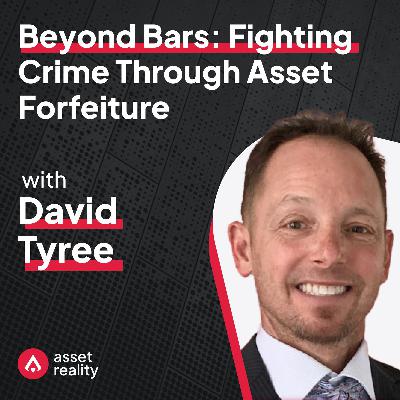
“The bad guys are going to continue to find ways to hide money in plain sight.”In this episode, Asset Reality’s US Compliance Officer David Tyree shares his experiences with asset seizures while working as a Resident Agent in Charge at the Drug Enforcement Administration (DEA).David explores the complexities of non-conviction-based forfeiture with our host Aidan Larkin, emphasising the importance of tracing the assets back to criminal activities and the influence of adverse media on law enforcement decisions.They also delve into the global challenges in asset recovery, consider how public and private sector partnerships can help tackle future obstacles in the field, explore the social reuse of seized assets and discuss why criminals prefer jail time over asset confiscation. Timestamps00:00 - Special Announcement - Register for Seize: London00:00 - Special Announcement - Virtual Assets Transfer Fundamentals Certification04:30 - Fighting Crime Through Asset Forfeiture07:40 - Navigating Controversies in Civil Asset Forfeiture18:00 - The Challenges of Seizing Cash24:00 - Civil Forfeiture Process Explained29:30 - Opportunities in Global Asset Recovery36:00 - Reinvesting Seized Assets for Community Benefit40:30 - Solutions in Crypto Asset Seizure and ForfeitureResources MentionedUnited States v. Gonzales, No. 18-8017 (10th Cir. 2019) :: JustiaMan indicted on money laundering, marijuana charges | Wyoming | gillettenewsrecord.comColorado, Wyoming restaurants accused of laundering drug money (denverpost.com)UNODC Factsheet: Money-laundering and related illicit financial activities About our GuestDavid Tyree is the US Compliance Officer for Asset Reality, following a 25-year career as a Special Agent for the United States Drug Enforcement Administration (DEA). Throughout his service, David specialised in identifying, disrupting and dismantling sophisticated money laundering networks around the world, with a strong emphasis on investigating Suspicious Activity Reports (SARs) which resulted in the forfeiture of over $80 million in criminal proceeds.Since 2004, David has been a regular instructor for the Department of Justice’s Money Laundering and Asset Recovery Section (MLARS), the United States Attorney’s Office and the United States Department of Justice. Based on David’s successful contributions to asset forfeiture in the US, he was designated in Federal Court as a money laundering detection and prevention subject matter expert and also consults as a subject matter expert for assetforfeiturelaw.us.DisclaimerOur podcasts are for informational purposes only. They are not intended to provide legal, tax, financial, and/or investment advice. Listeners must consult their own advisors before making decisions on the topics discussed. Asset Reality has no responsibility or liability for any decision made or any other acts or omissions in connection with your use of this material.The views expressed by guests are their own and their appearance on the program does not imply an endorsement of them or any entity they represent. Views and opinions expressed by Asset Reality employees are those of the employees and do not necessarily reflect the views of the company. Asset Reality does not guarantee or warrant the accuracy, completeness, timeliness, suitability or validity of the information in any particular podcast and will not be responsible for any claim attributable to errors, omissions, or other inaccuracies of any part of such material. Unless stated otherwise, reference to any specific product or entity does not constitute an endorsement or recommendation by Asset Reality.

Comments

Download from Google Play

Download from App Store
 United States