


 Claim Ownership
The Gap
Subscribed: 1Played: 13
Subscribe

© Jacked Javelin and Hitman Performance
Description
In this podcast, Dan Labbadia and Brett Hart come together to bridge the gap between training and on field performance
Dan Labbadia - Owner of Jacked Javelin
Brett Hart- Owner of Hitman Performance
Dan Labbadia - Owner of Jacked Javelin
Brett Hart- Owner of Hitman Performance
138 Episodes
Reverse
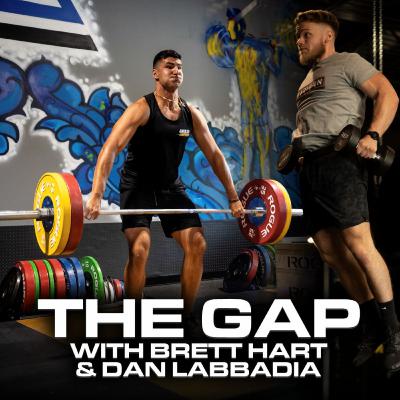
In this Q&A episode of The Gap, we dive into some of the most important conversations in modern training and performance.We break down the real differences between online and in-person coaching, including who each model is best for and what actually determines results. Great coaching is less about proximity and more about communication, accountability, and system design.We also discuss how isometric training can be used for knee pain. From tendon loading to pain modulation, we explain when isometrics make sense, how to program them properly, and where athletes often go wrong when trying to rehab themselves.Next, we tackle HIIT vs long distance cardio for body composition. Which is better for fat loss? Which supports performance? And how should you choose based on your goals, recovery capacity, and training phase? We break down the physiology and the practical application.Finally, we talk about the future of strength and conditioning. Where is the industry heading over the next decade? How will technology, data tracking, and individualized programming shape coaching? And what needs to improve if we want better long-term athlete development?If you’re serious about training, performance, and thinking critically about your approach, this episode will give you clarity and direction.
If you’re not tracking your sprint times and jump numbers, you’re guessing — and guessing doesn’t build elite performance. In this episode of The Gap, we break down why tracking your sprints and jumps is one of the most powerful habits you can build as a serious athlete.Speed and power are measurable qualities. Your 10m, 20m, and 30m sprint times, along with vertical jumps, broad jumps, and reactive plyometric tests, give you direct feedback on your nervous system, explosiveness, and overall athletic development. Without objective data, it’s impossible to know if your training is actually working.In this episode, we cover:• Why sprint timing is one of the purest indicators of speed development• How jump testing reflects lower body power and elastic strength• The connection between acceleration, max velocity, and performance• How to tell if your strength training is transferring to the field or court• What your numbers reveal about fatigue, readiness, and recovery• How tracking builds confidence, competitiveness, and accountabilityThe best athletes don’t rely on feel — they rely on metrics. Tracking creates clarity. Clarity creates better decisions. Better decisions create faster progress.If you want to improve your speed, explosiveness, and overall athletic performance, start measuring what matters. Even small improvements in sprint times or jump height can translate to major gains in competition.Subscribe for more episodes of The Gap covering speed training, strength and conditioning, performance mindset, and athlete development.Comment below — do you currently track your sprint and jump numbers, or are you training blind?
Watch us on YouTube: https://youtube.com/@thegappod?si=TMaDfSTYBBjYufilIn this episode, we sit down with Zach Williams, the coach behind LND, for a wide-ranging conversation on training philosophy, coaching evolution, and what it actually takes to build a system that lasts.Zach starts by breaking down what LND stands for, where the concept originated, and how his coaching identity has been shaped over time. We dive into the mentors, systems, and experiences that have had the biggest influence on his training style, and who he credits most for his understanding of strength, movement, and performance.From there, we get into the weeds on the front rack position—why it matters far beyond Olympic lifting, common limitations athletes run into, and practical ways coaches can improve it without overcomplicating the process.A major theme of this conversation is balance. Zach shares his thoughts on building a well-rounded training plan versus running dedicated seasons of emphasis, and how coaches can decide when to zoom in versus when to pull back. We also tackle a question many coaches quietly struggle with: why conditioning often gets pushed to the side in modern strength and conditioning, and what gets lost when it does.On the business and content side, Zach opens up about the challenges of getting his message out on social media, what’s been hardest about growing online, and how engagement—specifically intentional commenting and relationship-building—has played a role in expanding his reach.We also talk about his decision to move on from the storage unit gym he’s become known for, what prompted that change, and how environment can shape both training and mindset.To wrap things up, Zach looks ahead to 2026, sharing his biggest fitness goals and what he’s chasing next as both an athlete and a coach.This episode is a deep dive into thoughtful coaching, long-term development, and building something meaningful in a crowded fitness space.
Check us out on Youtube: https://youtu.be/_634EOENKUAIn this episode, we break down the reality of surgery especially for athletes who feel stuck, frustrated, or pressured into thinking surgery is the only answer. From the emotional toll to the physical setbacks and long recovery timelines, this is the side of surgery that rarely gets talked about.We discuss when surgery may be necessary, when it’s often rushed, and why many athletes underestimate what comes after the procedure. Surgery doesn’t automatically fix movement patterns, strength deficits, or training mistakes — and without addressing those, the same issues often resurface.This episode is about making informed decisions, setting realistic expectations, and understanding that surgery is not a shortcut — it’s a process. Whether you’re dealing with a chronic injury, considering an operation, or navigating rehab, this conversation offers perspective athletes need to hear before going under the knife.Topics Covered:• The mental and physical cost of surgery• Why surgery doesn’t automatically “fix” the problem• Rehab, setbacks, and realistic timelines• When surgery is necessary vs. avoidable• Training smarter before and after injuryIf you’re an athlete trying to make the right call for your body and your future, this episode is for you.
Check us out on Youtube: https://youtu.be/Q7stdMphK4AIn this episode, we sit down with Jack Flood, USA Decathlete, elite multi-event competitor, and social media influencer, for a deep conversation that goes beyond training and competition. We explore the role of faith in high-performance athletics, how belief shapes identity, and why purpose beyond medals and rankings matters in a demanding sport like track and field.Jack shares how his faith-based journey has influenced his approach to training, discipline, nutrition, and resilience — especially during setbacks, injuries, and seasons of uncertainty. In a sport where results often define worth, Jack speaks candidly about grounding his identity in something deeper than performance.A major theme of this conversation is how faith provides stability in an unstable performance environment. Jack breaks down:How faith impacts his mindset before competitionNavigating pressure, comparison, and expectations as an elite athleteFinding peace and confidence regardless of resultsCompeting with intensity while remaining detached from egoUsing discipline, stewardship, and gratitude as performance anchorsRather than separating faith from sport, Jack explains how belief informs how he trains, why he competes, and who he is beyond the track.We also dive into the physical side of the decathlon and how faith ties into:Treating the body as something to steward, not abuseIntentional nutrition choices and questioning outdated models like the food pyramidTraining with long-term health in mind, not just short-term performanceAligning values with lifestyle, recovery, and consistency
Watch us on Youtube: https://www.youtube.com/channel/UCDE5MR8h6MZmMPJ_GnhnEWwWhy do some athletes train hard, lift heavy, sprint fast—and still feel tight, beat up, or inconsistent?In this episode of The Gap Podcast, I sit down with Shawn Sherman to unpack the ideas behind Square 1 and why returning to fundamental joint actions, intent, and neurological clarity can unlock rapid changes in pain, range of motion, and performance.This conversation goes beyond exercises and drills. We dig into why Square 1 was created, what’s actually happening in the nervous system during isometric joint actions, and how coaches can better understand what their assessments are really telling them.• What led to the creation of Square 1 and the problems it was designed to solve• What’s happening neurologically when an isometric suddenly restores range of motion or reduces pain• What coaches misunderstand about muscle testing and what’s actually being measured• Why athletes who train hard can still feel beat up or capped in performance• Common gait and stance patterns that immediately signal a system under threat• How Square 1 would change the weekly approach for a strong but inconsistent high school or college athlete• How to integrate Square 1 into high-performance training without it becoming a distraction from real work• When to stop trying to convince people and let results speak for themselves• Why great coaches actively try to prove themselves wrong• One Square 1 principle every coach and athlete can apply immediately without learning the entire systemThis episode is for coaches, therapists, and athletes who want to understand why certain inputs create change—and how to build resilient, adaptable athletes without constantly chasing fixes.Topics we cover in depth:
Check us out on YouTube! https://youtu.be/GAfLcapLTo0Dylan Shannon on Social Media, Strength Coaching & Building Influence in FitnessIn this episode of the podcast, we sit down with Dylan Shannon, one of the fastest-growing social media strength coaches and fitness influencers, to break down what it really takes to build authority, audience, and impact in today’s fitness industry.Dylan has built a massive online presence by combining real training principles, relatable content, and strategic social media execution. In this conversation, we go beyond the highlight reels and viral clips to talk about the systems, mindset, and mistakes behind growing a sustainable brand as a coach in the modern era.Whether you’re a strength coach, athlete, personal trainer, or content creator, this episode gives you actionable insight into how fitness, business, and social media intersect — and how to leverage all three without selling out your values.What We Cover in This EpisodeHow Dylan Shannon built his following as a strength coach on social mediaThe biggest mistakes coaches make when posting fitness content onlineWhy authenticity beats perfection in content creationHow to stand out in an oversaturated fitness industryThe difference between being a good coach vs. a good influencerTraining philosophy vs. internet trendsHow social media has changed the career path for coachesMonetization, brand deals, and building long-term influenceAdvice for young coaches trying to grow online without burning outWhy This Episode MattersSocial media has completely reshaped the fitness industry. Coaches no longer need a big gym, a pro roster, or traditional credentials to make an impact — but they do need clarity, consistency, and a real message.Dylan Shannon represents a new generation of coaches who understand that education, entertainment, and execution all matter. This episode dives into how to balance performance training with content creation while staying credible in a world driven by algorithms.If you’ve ever wondered:How fitness influencers actually growWhether social media helps or hurts coachingHow to turn content into real opportunityThis conversation is for you.Who Should ListenStrength & conditioning coachesPersonal trainersAthletes at any levelFitness content creatorsGym owners & online coachesAnyone trying to grow on social media in fitness
Watch us on Youtube: https://www.youtube.com/@TheGapPodIn this episode of The Gap Podcast (#129), I sit down with Chris Martin to talk about what actually matters if you want to play Division 1 baseball and beyond.Chris is the Head Strength and Conditioning Coach for LSU Baseball and previously spent multiple years in the Houston Astros organization, where he worked across player development and rehabilitation in one of the most advanced systems in professional baseball. His background spans both the college and pro game, giving him a rare lens on how athletes are built, broken, and developed at the highest levels.What separates Chris isn’t just his resume, but how he thinks about athletes. He lives in the space between performance, health, and long-term development. Not chasing trends. Not chasing tests. But building players who can survive and thrive in high-level baseball.In this conversation, we dive into:• What actually separates D1 players from everyone else• The real differences between high school, college, and pro baseball• Why the 60-yard dash is often overrated as a talent marker• How nicotine and THC quietly destroy recovery, focus, and nervous system output• What LSU and pro organizations actually look for in developing players• Why habits, not just talent, determine who lastsWe talk about how college baseball is a completely different environment than high school. Faster games. Higher volumes. More stress. More pressure. And why so many talented players struggle not because they aren’t skilled, but because their bodies, habits, and nervous systems aren’t prepared for the demands.Chris also explains why straight-line speed tests like the 60-yard dash don’t tell the full story. Speed matters, but baseball is about how you move, react, rotate, decelerate, and express power in chaotic positions. If all you train is a sprint test, you miss what actually shows up on the field.We also get into the uncomfortable stuff most people avoid. How nicotine and THC impact sleep, recovery, motivation, and the nervous system. These habits seem small, but at the D1 and pro level they quietly cap your ceiling and shorten careers.If you’re a high-school player chasing a D1 roster spot, a college athlete trying to survive and stand out, or a coach or parent trying to understand what really moves the needle, this episode will give you clarity most people never get.
Check us out on Youtube: https://www.youtube.com/@TheGapPodIn this episode of the podcast, I sit down with TJ Cahill to talk about coaching principles everyone should know — not just what to coach, but how to think as a coach.TJ is a highly respected strength and conditioning coach with years of experience working with athletes across multiple levels and environments. What separates TJ isn’t a flashy system or viral exercises, but his ability to think deeply, communicate clearly, and apply principles instead of blindly following trends.He’s coached in real-world settings where constraints matter — limited time, limited buy-in, different personalities, different sports — and that experience shows in how he approaches training. TJ has a strong emphasis on long-term athlete development, adaptability, and understanding the human side of coaching, not just the physiological one.In this conversation, we dive into:• How TJ developed his coaching philosophy• Why principles matter more than methods or systems• The importance of critical thinking in an industry full of noise• Coaching the athlete in front of you, not the program on paper• What young coaches should focus on early in their careers• How to build trust, buy-in, and real progress over timeThis episode is especially valuable for coaches who feel overwhelmed by conflicting information online or pressured to chase whatever is currently trending. TJ brings a grounded, thoughtful perspective that cuts through the noise and brings coaching back to what actually matters.Whether you coach youth athletes, high school programs, college athletes, or adults who still identify as athletes, this conversation will help sharpen how you think about training, communication, and leadership.If you found this episode valuable, make sure to like, subscribe, and share it with another coach who needs to hear it.
Welcome back to The Gap Podcast with Hitman Performance (Brett Hart) and Jacked Javelin (Dan). In this episode, we sit down with Ryan Paul, one of the most forward-thinking coaches in modern sports performance, to break down what it really means to become a “new athlete” in today’s era.Athletes aren’t just lifting weights anymore— they’re training their nervous system, their tendons, their mindset, and their ability to absorb, redirect, and produce force at elite speeds. Ryan explains how training has evolved, what separates average from elite performers, and how young athletes can start building the foundation now.If you're a coach, parent, or athlete who wants to understand the future of performance training, this episode is a must-watch.What defines the “new athlete” in 2025 and beyondWhy neurology and nervous system training matterDeveloping elastic strength, stiffness, and force absorptionHow to structure training for long-term athletic developmentLessons from coaching high-level performersMindset shifts every athlete needs to makePractical takeaways for youth, high school, and college athletesThe Gap dives deep into sports performance, neurology, elite training methods, and athlete development, featuring top coaches, researchers, and athletes from around the world. Hosted by Hitman Performance & Jacked Javelin.Ryan PaulInstagram: @newathleteHitman Performance (Brett)Instagram: @bretthart__Jacked Javelin (Dan)Instagram: @jackedjavelin
Thanks for listening to The Gap! Subscribe to our YouTube: https://youtu.be/xIIp22kG0vYMichael Jordan and Alex Hormozi may come from different worlds — one from the basketball court, the other from business — but both share the same hidden fuel: dopamine. In this episode, we break down why both men can be seen as dopamine addicts, and how their obsession with improvement, competition, and validation reveals the neuroscience of greatness.We explore how dopamine drives ambition, why high achievers get hooked on progress itself, and what separates productive obsession from self-destructive addiction.How dopamine controls motivation, focus, and the pursuit of goalsWhy Michael Jordan’s competitive drive mirrors Alex Hormozi’s business obsessionThe difference between discipline and dopamine addictionHow Hormozi’s “building is the reward” mentality reflects the same psychology as Jordan’s “I took that personally” mindsetWhat neuroscience says about the chase, the win, and the crashHow to use dopamine for sustainable success without burnoutBoth Jordan and Hormozi thrive on the chase, not the finish line.Dopamine doesn’t make you happy — it makes you crave more.Jordan’s rivalries and Hormozi’s business sprints activate the same reward circuits in the brain.They’ve turned addiction into productivity, mastering their chemistry rather than being ruled by it.The dark side? Constant pursuit can lead to emptiness, burnout, and identity loss when the rewards fade.Dopamine is the molecule of wanting, not having.For Michael Jordan, every missed shot, insult, or slight triggered a biochemical mission — to prove something.For Alex Hormozi, it’s building, optimizing, scaling, and repeating — not for money, but for the hit of progress itself.Both men represent the ultimate dopamine loop:Trigger → Action → Reward → Craving → Repeat.They’re addicted not to outcomes, but to momentum.When dopamine spikes, so does focus, creativity, and energy.But when it crashes, the void hits hard — which is why the world’s most driven people often can’t stop.They need a new goal, a new game, a new challenge.That’s what makes them great — and what makes them restless.This episode breaks down the balance between drive and contentment — how to channel dopamine like Jordan and Hormozi without burning out or losing fulfillment in the process.🧠 What You’ll Learn:🔥 Key Takeaways:🧩 The Dopamine Loop:🧠 The Science of Drive:
Watch on youtube: https://www.youtube.com/@TheGapPodIn this episode of The Gap, Brett (Hitman Performance) and Dan (Jacked Javelin) sit down with elite decathlete Jason Rotger to break down what it truly means to train for ten different events—and how those principles translate directly into youth sports development.We unpack the movement qualities every young athlete needs, why decathlete-style training creates unmatched speed and power, and how developing versatility early builds long-term athletic potential. Jason shares his approach to sprint mechanics, strength work, plyometrics, and the mindset required to handle a multi-event workload.Whether you’re a parent, coach, or athlete looking to improve speed, coordination, and total-body performance… you’ll learn exactly how to train smarter, move better, and build the foundation for elite sport.
Check Us Out On YouTube! https://youtu.be/k7xIvfTAGWoIn this episode of The Gap #122, we sit down with Luke Dawson, better known as Throw Ched, to break down why today’s pitchers MUST become more athletic if they want to survive in the modern game. Velocity is skyrocketing, workloads are heavier, and injuries are at an all-time high — which means the old model of “just throw more bullpens” is officially dead.Luke explains why rotational athletes need to train like sprinters, jumpers, and throwers, not bodybuilders or distance runners. We cover the movement qualities that actually translate to velocity: dynamic hip rotation, elastic power, javelin-inspired sequencing, and the ability to create force fast. If you’re a pitcher trying to increase velocity, reduce arm stress, and build a body that can handle a full season, this conversation gives you the blueprint.We also discuss why siloed “pitching-only” development is holding athletes back, how poor athleticism limits mechanics, and what baseball can learn from javelin, track and field, and power-speed sports. Luke breaks down how he trains his athletes, the drills he prioritizes, and the gaps in the baseball development world that need to be fixed immediately.✅ Topics Covered:• Why pitchers must become better overall athletes• Rotational power & elastic strength explained• What baseball can learn from javelin throwers• Speed, plyos, and sprint-based training• How athleticism increases velocity & reduces injury• Strength training that actually translates to the mound• Throw Ched’s philosophy on building durable, explosive pitchers• The future of baseball development in the high-velo era
Work with Jake Online: https://www.skool.com/lightning-lab-baseball-4703/about?ref=f6370453776e48ed8a2263b0db95f49eUnlock the secrets behind long-term baseball development with Jake Oliger, one of the most forward-thinking throwing minds in the game. In this video, we break down the REAL roadmap for building elite velocity, durability, and longevity—while also exploring why Shohei Ohtani is a once-in-a-generation anomaly in today’s high-velocity era.Whether you’re a pitcher, position player, or a coach trying to build athletes the right way, this episode dives deep into how training age, movement quality, rotational power, and arm-care consistency shape a player’s career trajectory. Jake explains why the best athletes don’t just stack velocity—they build a foundation of mechanics, adaptability, and athleticism that lasts.We also analyze Ohtani’s unprecedented blend of biomechanics, athletic efficiency, and workload tolerance, and what actually separates him from typical MLB development paths. With Tommy John surgery becoming more common as velocities rise, we break down how to train smarter, develop rotational athletes sustainably, and protect the arm across an entire career.If you’re serious about long-term baseball success—and you want a blueprint that works—this is a must-watch.✅ Topics Covered:• Long-term pitcher development• Youth vs. elite training priorities• Why Ohtani breaks every rule• Velocity vs. durability• Arm-care principles that actually matter• How to build power without destroying the elbow• Lessons from javelin, baseball, and rotational sports
Check out Paulies page: https://www.youtube.com/@UCZyUJyr_JdKfzINkDRpIIWw Thanks For Listening To The Gap! Subscribe to our YouTube! https://youtu.be/Bqm4zu1G1iUIn today’s episode, we sit down with Paulie Throws — one of the most influential young voices in the throwing community — to talk about how social media is saving the sport. From javelin and discus to shot put and hammer, the throwing world is evolving fast, and the digital era might be its only lifeline.We break down how creators like Paulie are using content, storytelling, and authenticity to bring new energy to throwing events, inspire the next generation, and prove that track & field can thrive in the modern age — if it learns to leverage attention.Why social media is the new stadium for throwersHow Paulie Throws built his platform and communityThe power of short-form storytelling in niche sportsWhy track & field is falling behind without digital creatorsHow to grow throwing culture through content and connectionThe mindset behind sharing the process instead of just resultsWhat throwing needs to survive in the algorithm eraThrowing isn’t dying — it’s just offline.Platforms like Instagram, TikTok, and YouTube are giving throwers a global audience for the first time.Social media doesn’t just promote athletes — it preserves the culture of throwing.Paulie Throws shows how creators can make the sport relatable, raw, and entertaining.The future of throwing belongs to those who can throw far and tell the story.In the past, throwing was confined to meets, colleges, and training camps — moments that disappeared once the season ended.
Watch On Youtube: https://youtu.be/xrqrJPMqh2UIn this episode, Jacked Javelin takes the role of representing the javelin world, while Sam Weeks—from Throws University and Garage Strength—dives deep into the discus and shot put side of the throwing world. Together, they explore how these events overlap, where they differ, and how understanding all three can make you a more complete and intelligent thrower.This conversation goes beyond drills and technique—it’s about bridging the cultures, biomechanics, and coaching philosophies behind rotational and linear throwing. Whether you’re chasing big PRs in javelin, discus, or shot, this episode connects the dots between power, rhythm, and intent in elite throwing.🔥 Topics Covered:How rotational mechanics from discus and shot put carry over to javelinWhy posture, hip connection, and rhythm are universal throwing principlesThe biggest technical mistakes seen across each eventThe evolution of strength training at Throws University and Garage StrengthHow to train like an explosive athlete first and a thrower secondThe role of feel, patience, and proprioception in high-level throwingWhy collaboration between throwing communities matters more than ever💡 Key Takeaways for Throwers & Coaches:How to create transferable movement patterns between rotational and linear throwsWhy elastic strength and reactive timing are as important as max strengthHow throwers can adapt their lifting and technical sessions for crossover gainsWhat “bridging the gap” really looks like in practice—not just theoryWhy understanding multiple events can make you a better coach, athlete, and mover🎤 About the Guests:Sam Weeks – Throws coach and performance specialist with Throws University and Garage Strength. Sam has helped countless throwers develop elite-level power and technique through a blend of modern biomechanics, strength science, and practical coaching insight. His background in discus and shot put brings a rotational perspective to every conversation.Jacked Javelin – Representing the linear thrower’s lens, Jacked Javelin dives into how elasticity, whip, and sequencing define the javelin throw. Known for his detailed breakdowns, athlete interviews, and 1,000+ hours of coaching and podcasting experience, he brings the speed and precision mindset of javelin to this conversation.Together, they break down how the rotational and linear systems can learn from one another—and why the best throwers in the world are often hybrids of both.🏋️♂️ About Throws University & Garage Strength:Throws University is one of the leading educational platforms for throwers and coaches—offering world-class training systems, certification courses, and technical resources for the shot put, discus, javelin, and hammer throw.Garage Strength, led by Dane Miller, is renowned for developing Olympic-level athletes and refining explosive strength systems that translate directly to the throws.
Check us out on YouTube! https://youtu.be/Vp-P5hkR1goTwo of the most influential American javelin throwers of the modern era — Kara Winger and Ariana Ince — sit down to discuss the future of collegiate javelin and what it will take to elevate the event across the NCAA. In this episode of The Gap #118, we dive deep into the evolution of the javelin in the United States, the challenges young throwers face, and the opportunities that could redefine the sport for the next generation.Kara and Ariana break down how recruiting, coaching education, facilities, and competition structure all impact athlete development — plus the key technical foundations every college program should prioritize. From approach mechanics to power position clarity to staying healthy through high training loads, this conversation gives athletes, coaches, and parents a blueprint for long-term success.We also look at how the U.S. can close the gap with Europe, why javelin culture matters, and what future collegiate throwers need to understand about technique, training age, and sustainable progress. Whether you’re a high school recruit, a D1 thrower, or a coach trying to build a stronger program, this episode is packed with insights from two legends who’ve lived it.✅ Topics Covered:• The state of collegiate javelin in the U.S.• What NCAA programs need to improve• Technical pillars for long-term development• How to keep throwers healthy year-round• The difference between European & American systems• Kara Winger & Ariana Ince on building a true javelin culture• Training models that actually prepare athletes for the next level
Big Shout Out to Joe Frontier for hosting me on his "Podcast Throw Big Throw Far" You can check them out here: https://podcasts.apple.com/us/podcast/throw-big-throw-far-podcast/id1449291795https://open.spotify.com/show/7cb5VPldkRtgvu74QfXjaH?si=8687bb28c504440cThe javelin throw is one of the most technical, powerful, and beautiful events in track and field — yet in over half the United States, it’s still illegal at the high school level. In this episode of Throw BIG Throw FAR, host Joe Frontier sits down with Dan Labbadia, the founder of Jacked Javelin, to talk about his nationwide mission to get javelin legalized and accessible in all 50 states.Dan shares how he’s been leading the Jacked Javelin Movement, building resources for athletes and coaches, and connecting the throwing community across the country. From developing safe, cost-effective ways to introduce the event, to highlighting success stories from states that have recently reinstated it — this episode dives deep into how to bring javelin back where it belongs: on every high school track.Learn how states like Iowa, where athletes like Mike Stein grew up without access to high school javelin, still produce world-class throwers through creativity, resilience, and coaching innovation. Dan explains what’s holding some states back, and the actionable steps that athletes, parents, and coaches can take to start advocating locally.We also talk about the growth of javelin education online, how hybrid programs like Velocity are helping throwers around the world train smarter, and how javelin can become a gateway to athletic development, community, and opportunity in the U.S. If you’re a coach, thrower, or parent who believes javelin deserves its spot in every state — this conversation is for you. Together, we can raise awareness, unify the throwing community, and help the next generation of athletes discover the power of the javelin.
Watch us on Youtube! https://www.youtube.com/@TheGapPodIn this special episode, we dive into The Gap origin story — how two performance coaches from completely different worlds came together to create a podcast built on curiosity, experimentation, and the pursuit of elite performance.Dan, known online as Jacked Javelin, and Brett, the mind behind Hitman Performance, share how their paths crossed, what sparked the idea for The Gap, and the mission behind it all — bridging the divide between training theory and real-world application.🎙️ In this episode:How The Gap was bornThe story behind “Jacked Javelin” and “Hitman Performance”What they’ve learned from years of coaching and experimentingThe vision for the future of athlete developmentThis is where it all started — two coaches chasing better answers and closing the gap between science and sport.
Check Us Out On YouTube: https://youtu.be/pyocDxLIpZ8In this episode of The Gap, we sit down with Range of Strength to break down a truth most lifters never want to hear: Strength is useless if you can’t move well. You can chase bigger numbers, heavier loads, and harder sessions — but without quality mobility, none of it transfers where it actually matters. Range of Strength explains why mobility is the foundation, not an accessory.The positions you can’t access are the strengths you’ll never express. If your joints don’t move well, your technique breaks down, your power leaks, and your progress stalls long before your potential is reached. This conversation exposes the hidden limiting factors behind strength plateaus and gives athletes a clear blueprint for reclaiming their movement, unlocking real performance, and finally bridging the gap between “gym strength” and usable strength.

Comments

Download from Google Play

Download from App Store
 United States