DiscoverFocus: Adults in the Room
Focus: Adults in the Room
Claim Ownership

Focus: Adults in the Room

Author: KUOW News and Information

Subscribed: 501Played: 5,884
Share

Description

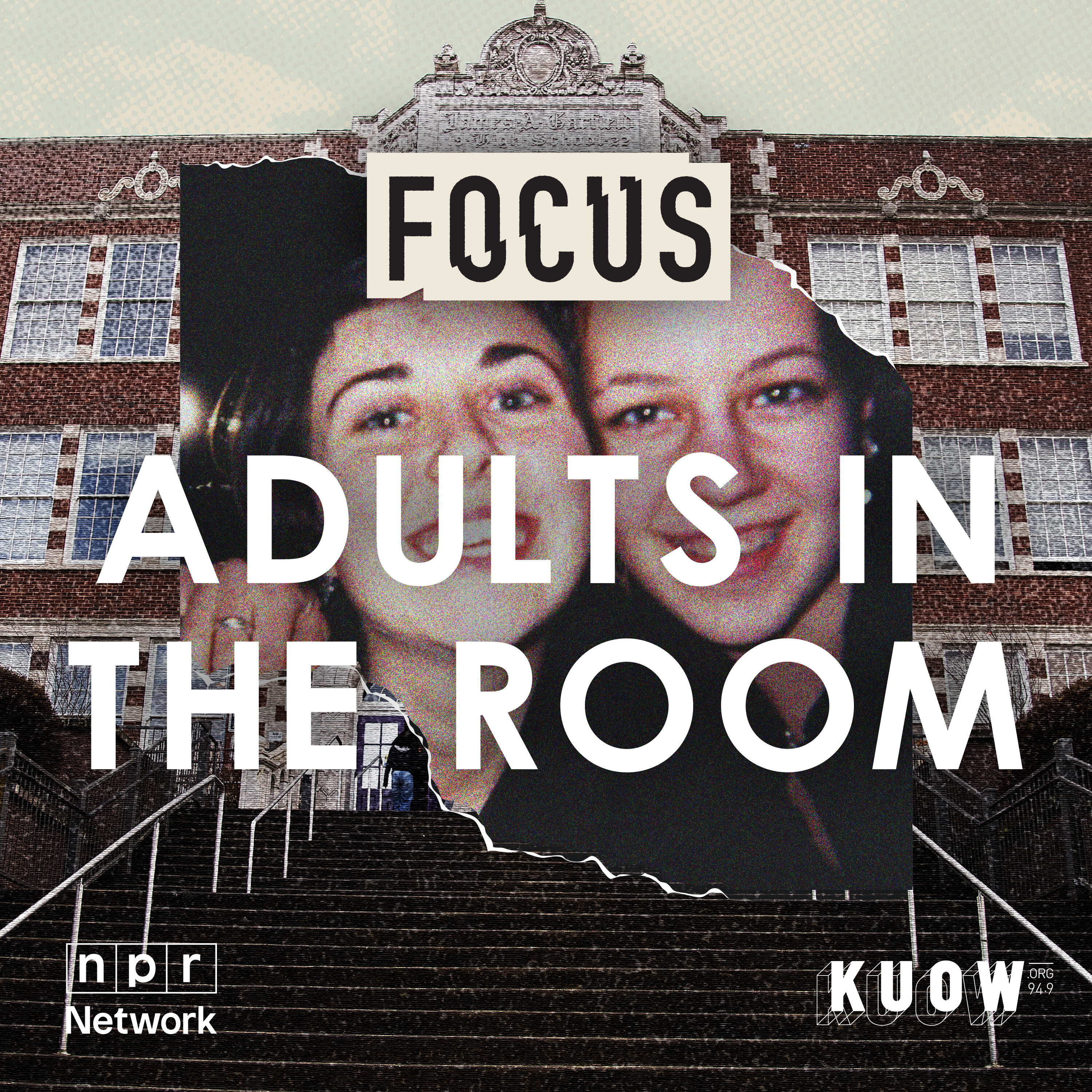
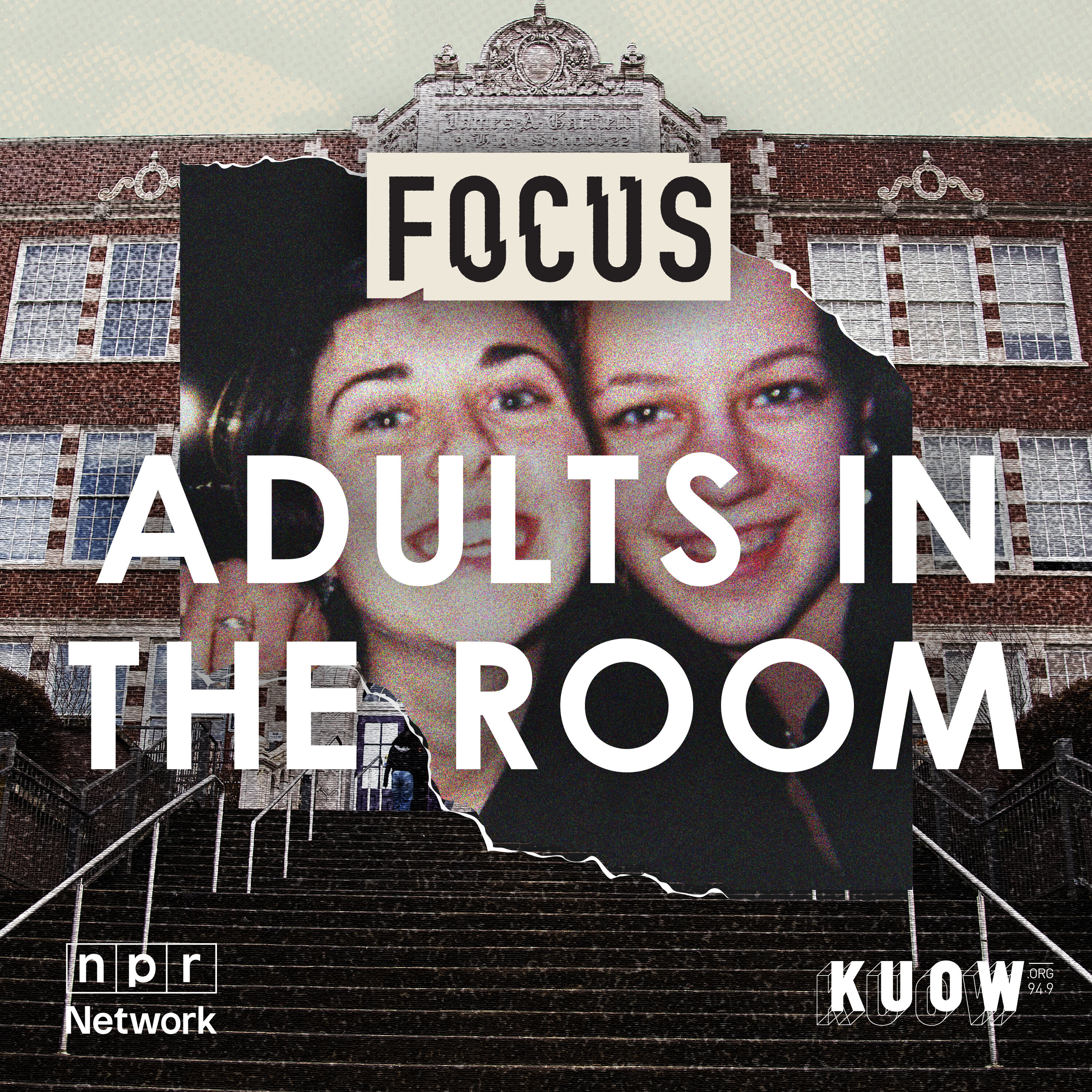
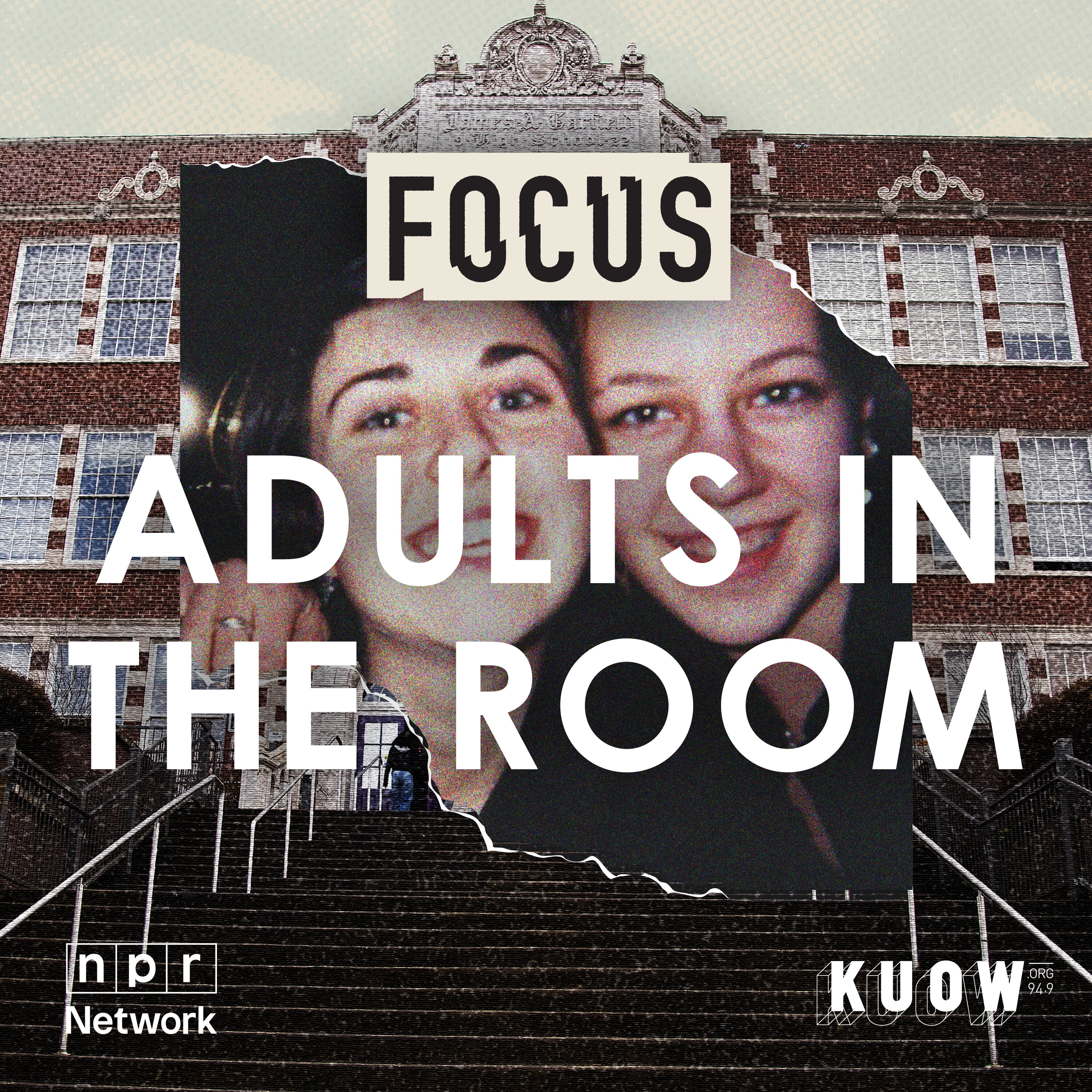
The production team behind the Peabody-nominated "Lost Patients" returns with a new investigative series: "Adults in the Room" begins on February 24, 2026.


Seattle, 1999. At Garfield High School, Mr. Hudson is a legend. With a thundering voice and imposing stature, Mr. Hudson — or “Tom” as select students call him — teaches biology and leads an elite outdoors program. But when teen reporters at the school paper start exploring a rumor that he sexually abused students, all hell breaks loose. Adults close ranks, and schoolmates turn on the young journalists. And then one day, a voice on the school intercom announces that Mr. Hudson is dead. Isolde Raftery is one of the students who first hears about and reports allegations against Mr. Hudson. Three decades later, she is an investigative journalist in Seattle. In "Adults in the Room," Raftery re-reports the story to understand what really happened in 1999. Was a whole school community groomed by a charismatic predator? Or was she part of a whisper campaign that cost the life of a great teacher?


"Focus" is KUOW’s home for immersive audio documentaries. Each season zooms in on a single story that challenges commonly held narratives about life in the Pacific Northwest and reveals something bigger about American society. 
9 Episodes
Reverse
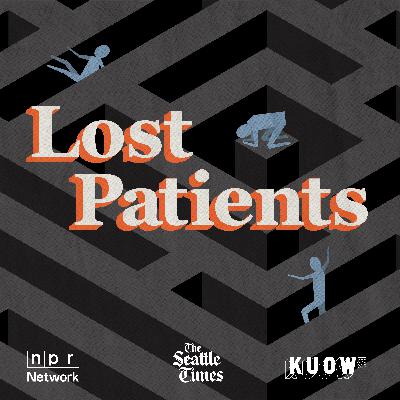
Imagine a sprawling house in which every room, doorway, and hall passage was designed by a different architect. Doorways don't connect. Staircases lead to nowhere. Rooms are cut off from each other. That's how reporter Will James describes our complicated system for treating people with severe mental illness – a system that, almost by design, loses patients with psychosis to an endless loop between the streets, jail, clinics, courts and a shrinking number of hospital beds. Lost Patients is a deeply-reported, six-part docuseries examining the difficulties of treating serious mental illness through the lens of one city's past, present and future. With real-life testimonials from patients, families, and professionals on the front lines, Lost Patients provides a real, solutions-oriented look at how we got stuck here...and what we might do to break free.See omnystudio.com/listener for privacy information.
Lost Patients: Churn

Lost Patients: Churn

2024-03-1249:42

Heidi Aurand has watched her son Adam spiral from one psychiatric crisis to the next for about eight years, bouncing between emergency rooms, jails, and homelessness. Now, after treatment at the state's largest psychiatric hospital, Adam was just released back onto the streets of downtown Seattle. A mother asks: How could her son pass through so many institutions and none are able to stop his decline?See omnystudio.com/listener for privacy information.
Across the U.S., efforts are underway to make it easier to involuntarily commit people to psychiatric hospitals. It's a reaction to the sight of seriously mentally ill people on the streets and the cries of families who say it's too hard to get a loved one help when they're in crisis. But this gets at one of the most delicate questions our society has faced: When does our belief about what's best for someone override someone's right to decide for themselves?See omnystudio.com/listener for privacy information.
After Carrie Davidson learned that her great-grandmother died in a psychiatric hospital, she spent years tracking down details of her life there. Was the asylum a refuge? Or a prison? This earlier era hangs like a shadow over our approach to care today. We peer into horror and nostalgia that surrounds our societal memories of these mental institutions — and try to sort out which narrative is true.See omnystudio.com/listener for privacy information.
Lost Patients: Opening

Lost Patients: Opening

2024-04-0248:53

In the middle of the last century, a movement to free patients from state-run psychiatric hospitals swept the U.S. This movement — deinstitutionalization — is widely blamed for seriously mentally ill people ending up on the streets. The real story goes much deeper than a loss of psychiatric hospital beds. It's about how incentives and decisions half a century created the dysfunction many people with serious mental illness are lost in today.See omnystudio.com/listener for privacy information.
After 10 months at Washington State's largest psychiatric hospital, Adam Aurand is discharged onto the streets of downtown Seattle — ejected into a world shaped by decades of deinstitutionalization and failure to build community-based mental health care. His mother rushes to save him before he gets pulled back into the "churn." A Seattle Times reporter tries to pinpoint where the discharge process failed — and the investigation leads her to new conclusions about the limitations of psychiatric care in the U.S.See omnystudio.com/listener for privacy information.
"Something is preventing us from building a system that works for people with serious mental illness. In lieu of that, patients are often left to improvise recovery for themselves. They learn to live with their inner voices and build their own support structures. Can their stories give us insight into what a functioning system of psychiatric care might look like — and what might be getting in the way? You can find resources for people with mental illness and related stories from The Seattle Times and KUOW here:https://www.seattletimes.com/component/lost-patients-podcast/https://www.kuow.org/podcasts/lost-patientsSee omnystudio.com/listener for privacy information.
Lost Patients compares the system for treating mental illness in America to an elaborate house, where every room, hallway and staircase was designed independently by a different architect. So what is it like to be shuttled from room to room? What sorts of tradeoffs are doctors working within this system forced to make every day? And what might it look like to design care around the needs of patients?KUOW and the Seattle Times convened a forum at the Seattle Public Library to hear perspectives and answer questions. Featured guests included: Laura Van Tosh, patient advocate and founder and convener of Mental Health Policy Roundtable Carolynn Ponzoha, patient advocate and content creator who goes by @psychotic.in.seattle on TikTok Timothy Jolliff, acting senior director of clinical programs at the Downtown Emergency Service Center in Seattle Dr. Paul Borghesani, associate professor in the Department of Psychiatry and Behavioral Sciences at the University of Washington School of Medicine You can find resources for people with mental illness and related stories from The Seattle Times and KUOW here: https://www.seattletimes.com/component/lost-patients-podcast/https://www.kuow.org/podcasts/lost-patientsSee omnystudio.com/listener for privacy information.
The production team behind Lost Patients returns on February 24 with a new investigative series: Adults in the Room. Seattle, 1999. At Garfield High School, Mr. Hudson is a legend. With a thundering voice and imposing stature, Mr. Hudson — or “Tom” as select students call him — teaches biology and leads an elite outdoors program. But when teen reporters at the school paper start exploring a rumor that he sexually abused students, all hell breaks loose. Adults close ranks, and schoolmates turn on the young journalists. And then one day, a voice on the school intercom announces that Mr. Hudson is dead. Isolde Raftery is one of the students who first heard about and reported allegations against Mr. Hudson. Three decades later, she is an investigative journalist in Seattle. In Adults in the Room, Raftery re-reports the story to understand what really happened in 1999. Was a whole school community groomed by a charismatic predator? Or was she part of a whisper campaign that cost the life of a great teacher?See omnystudio.com/listener for privacy information.
Comments