


 Claim Ownership
The Charity Charge Show - Nonprofit Podcast
Subscribed: 15Played: 397
Subscribe

© Charity Charge
Description
Scaling a mission requires more than passion, it requires high-discipline leadership, financial innovation, and strategic resilience. Hosted by Stephen Garten, The Charity Charge Show goes behind the scenes with nonprofit CEOs, social impact innovators, and community leaders. From the TGR Foundation to the Sierra Club, we deconstruct the operational models, fundraising breakthroughs, and "durable skills" driving real-world impact. Power your mission with actionable insights from the front lines of the nonprofit sector.
217 Episodes
Reverse

Child abuse is one of the most difficult and complex issues facing society, yet it remains largely hidden behind closed doors. For more than six decades, Childhelp has been at the forefront of addressing this crisis, building some of the most widely used programs, policies, and prevention models in the United States.In this episode of the Charity Charge Show, Stephen Garten sits down with Michael Medoro, COO of Childhelp, to explore how the organization has evolved into a national leader in child protection. From pioneering legislation to operating the only 24/7 national child abuse hotline staffed by professional counselors, Childhelp has directly impacted more than 15 million children and continues to expand its reach.This conversation goes beyond awareness. It digs into prevention, collaboration across nonprofits, and what it actually takes to break cycles of abuse at scale.
Most nonprofit leaders don’t start with a business playbook.They start with a mission. A personal story. A deep conviction to solve a problem that matters.Then reality hits. Fundraising, financial management, board dynamics, hiring, systems. Suddenly, they’re not just a mission-driven leader, they’re running a full-scale organization.In this episode of the Charity Charge Show, Stephen Garten sits down with Lauren Reilly, Executive Director of Gratitude Network, to unpack how nonprofits can build the operational strength needed to scale their impact.Gratitude Network is a nonprofit accelerator focused on organizations serving children and youth. Through executive coaching, strategic tools, and a global peer network, they help nonprofit leaders turn passion into sustainable growth.The results are hard to ignore. Organizations in their program are scaling impact 5x and revenue 3x, with 95% still operating long-term.Here’s the full breakdown.
Deborah Wondercheck didn't start the Arts and Learning Conservatory(ALC) because she thought it was a good idea. She started it because she'd lived the alternative, and she knew exactly what kids lose when the arts get cut.Today, ALC serves roughly 3,700 students annually across nearly 50 schools in Southern California. Since 2004, more than 35,000 kids have encountered the arts through the organization for the first time. It started with 21 kids, a string ensemble, and a few cast members doubling as nuns.In this episode of the Charity Charge Show, Deborah walks through the personal story that led to Arts and Learning Conservatory, how the organization has grown from a garage operation to a facility with a 200-seat theater, and what advice she has for nonprofit leaders still figuring out the early stages.
Stepping into a CFO role inside a nonprofit isn’t just about managing numbers. It’s about translating complexity, building trust, and helping organizations make smarter decisions in real time.On this episode of the Charity Charge Show, host Grayson Harris sits down with Jessica McLean, CFO of the American Staffing Association (ASA). Jessica shares what it’s really like stepping into a senior finance role, how AI is reshaping workforce organizations, and why diversified revenue is no longer optional for nonprofits.
Running a nonprofit that serves 1.5 million people across 1,400 sites is hard enough in a stable environment. Doing it while federal program funding is under threat, the economy is unpredictable, and your brand is underrecognized outside the disability community is a different challenge entirely.Kendra Davenport has been Easterseals' President and CEO since 2022. In that time she led a financial turnaround at the national office: no line of credit, no debt, departments that consistently come in under budget, and a long-term orientation most nonprofit leaders talk about but few execute on.In this episode of the Charity Charge Show, Stephen Garten sits down with Kendra to get into the specifics: how she thinks about financial discipline, vendor audits, reserves strategy, board engagement, and building an organization designed to outlast any single leader.
Nonprofits often face a fundamental tension: respond to immediate needs or build for long-term impact. For many organizations, limited funding, small teams, and constant pressure to deliver results push them into short-term thinking. But what does it look like to operate differently, to design programs that last, build financial resilience, and prioritize sustainability from day one?In this episode of The Charity Charge Show, Stephen Garten sits down with Bree Carriglio, Executive Director of FAR USA (Fund for Armenian Relief), to explore exactly that. FAR has spent decades evolving from emergency relief to a comprehensive, long-term development model across Armenia, supporting communities through healthcare, education, and economic opportunity. In this interview, Bree shares how FAR approaches funding, accountability, donor engagement, and program design in a way that prioritizes lasting impact over quick wins.
Laura Hope Whitaker took over Extra Special People (ESP) as a college sophomore. The organization had a $125,000 budget, a $50,000 deficit, and a founder who had just passed away from pancreatic cancer. Twenty-one years later, ESP runs a $8 million budget across five communities in Georgia and North Carolina, employs 50 full-time and 200 part-time staff, and operates a social enterprise that employs 85 adults with developmental disabilities.In this episode of the Charity Charge Show, host Stephen Garten sits down with Laura to talk through what it actually takes to scale a nonprofit, why "nonprofit is just a tax code," and the leadership principles she documents in her new book, The Joy Exchange.Quick SummaryESP serves people with disabilities through afterschool programs, family support, and a social enterprise called JavaJoy.Laura took over as a sophomore in college after the founder died, inheriting a deficit and four board members (one of whom was in jail).Her core growth framework: treat the nonprofit like a business, know the numbers, and be unapologetic about fundraising.Board management is a strategic function, not an obligation. Boards should evolve as the organization evolves.Mentorship and continuous learning have been the constant throughout 21 years of leadership.
Nonprofit leaders often start with a powerful mission and a deep commitment to solving a problem in their community. But many organizations eventually hit a ceiling.After the initial support from friends, family, and early champions runs out, fundraising can stall. Growth becomes harder. Boards struggle to evolve. And leaders find themselves trying to do more with limited resources.On this episode of The Charity Charge Show, host Stephen Garten sits down with Rick Peck, an experienced philanthropy advisor and host of the Money to Give Podcast.Peck has spent more than two decades working in philanthropy, helping organizations improve fundraising strategy, engage donors, and build sustainable nonprofit operations.Before entering the nonprofit sector, Peck worked as a financial advisor helping individuals plan for retirement, education expenses, insurance needs, and long-term wealth management.In the early 2000s, a career opportunity at Dartmouth College introduced him to philanthropic advising. The role focused on planned giving and donor relationships with alumni.Over time, his work expanded into:Major gifts fundraisingPrincipal gifts of $1M+Planned giving strategiesDevelopment leadership for academic and healthcare institutionsPeck later became Vice President for Development and Philanthropy Services at the New Hampshire Charitable Foundation, where he worked across a wide range of issue areas including climate change, homelessness, behavioral health, and food security.Today, he operates as an independent philanthropy consultant helping nonprofits:Improve fundraising strategyLaunch capital campaignsEngage donors more effectivelyStructure philanthropic giftsHe also advises donors and professional advisors on how to give strategically.
Philanthropy often talks about impact. But impact can look very different depending on who holds the power.On a recent episode of The Charity Charge Show, host Grayson Harris sat down with Amanda Navarro, Executive Director of Convergence Partnership, to discuss how the organization is reshaping how philanthropy works by shifting decision-making power to communities and frontline organizations.Their approach challenges many traditional grantmaking norms, from eliminating competitive grant applications to replacing written reports with storytelling through podcasts.Here is a closer look at how Convergence Partnership is working to advance health equity across the United States.
Youth homelessness is often invisible. It happens quietly, in cars, on couches, in shelters, or on the street, and many young people experiencing it are navigating the challenge alone.On this episode of the Charity Charge Show, host Grayson Harris speaks with Elisabeth Jackson, CEO of Bridge Over Troubled Waters, an organization that has spent decades supporting homeless and runaway youth in Boston.The conversation explores the scale of youth homelessness, the services Bridge provides, and how nonprofits can create long-term pathways for young people to move from crisis to stability.
In this episode, Grayson Harris sits down with Katie Collins-Ihrke, Executive Director of The Arc of Howard County, to discuss the organization’s 65-year legacy of supporting people with intellectual and developmental disabilities, the realities of operating in a challenging funding environment, and the importance of mission alignment in nonprofit leadership.Katie shares how The Arc balances advocacy and direct services, navigates state and federal budget pressures, and builds long-term sustainability while staying rooted in dignity and community inclusion.About The Arc of Howard CountyPart of the broader national network of The Arc, The Arc of Howard County provides:Advocacy for people with intellectual and developmental disabilitiesCommunity-based housing and residential supportEmployment assistance and job coachingSkill-building and community integration servicesThe organization supports individuals across approximately 30 properties throughout Howard County, helping people live, work, and participate fully in their communities.
On this episode of the Charity Charge Show, host Grayson Harris sat down with Teresa Stafford-Wright, CEO of the Hope and Healing Survivor Resource Center, to discuss what it really takes to serve survivors of sexual violence, domestic violence, and human trafficking and what it takes to keep those services running.This is not light work. It is urgent, complex, and deeply human. And it requires more than just good programming. It requires strong operations, honest fundraising, and a community that understands what it actually costs to keep the doors open.Serving Survivors Since 1974The Hope and Healing Survivor Resource Center has served Northeast Ohio since 1974.The organization supports survivors across Summit and Medina Counties with a full spectrum of services, including:24-hour crisis hotlineEmergency shelterCounseling and clinical servicesCourt and legal advocacyHospital accompaniment during forensic examsPrevention education in schools and community spacesEvery service is free. That is not negotiable.As Teresa explained, survivors should not have to pay to recover from a crime committed against them. Whether someone calls at 3:00 a.m. or 3:00 p.m., they are met by trained professionals ready to respond through a trauma-informed lens.This is both crisis response and long-term healing. And it requires serious infrastructure.
Safe, clean drinking water should be a given. It is not.On this episode of The Charity Charge Show, host Stephen Garten sits down with Doc Hendley, founder and CEO of Wine to Water, to talk about the real story behind the organization, how it grew from a tip jar at a bar to serving millions of people, and what it takes to lead and scale a mission-driven nonprofit for more than two decades.Doc does not dress it up. He talks about mistakes, hard lessons, and why most nonprofits stay stuck under $2M in annual revenue. He also lays out what changed when Wine to Water stopped acting like a typical nonprofit and started building diversified revenue streams like a business.
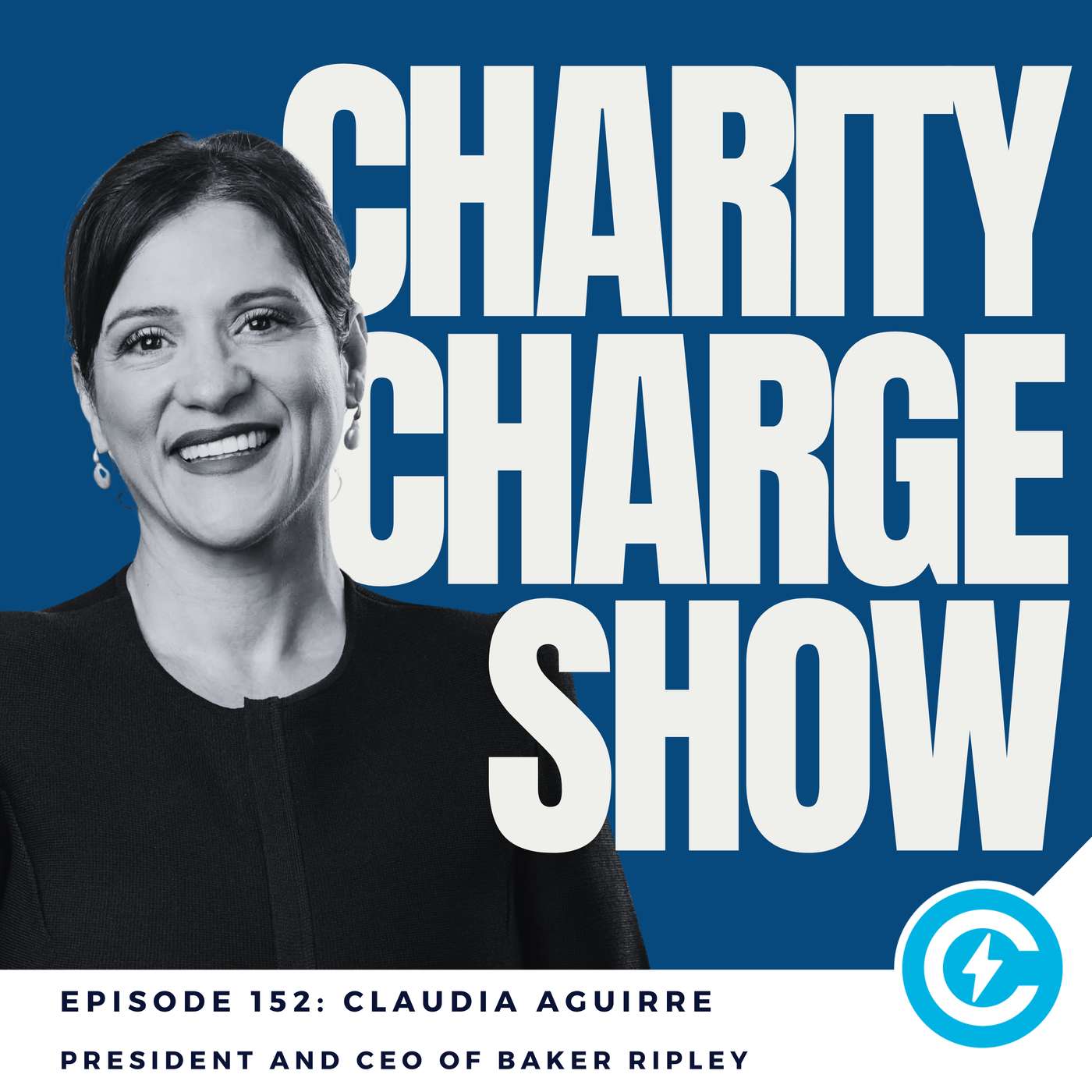
Nonprofits are often described as mission-driven. But sustaining a mission for more than a century requires more than passion. It demands discipline, evolution, collaboration, and a deep commitment to community.On this episode of the Charity Charge Show, we sat down with Claudia Aguirre, President and CEO of Baker Ripley, a $700 million nonprofit organization serving the Houston region. What followed was an honest conversation about disruption, scale, funding realities, collaboration, and what it truly takes to build an institution that lasts.Founded in 1907 by Alice Graham Baker as part of the Settlement House Movement, Baker Ripley was built on proximity to community.Today, its mission remains clear:Provide resources, education, and connection to vulnerable communities.The organization helps neighbors:EarnLearnBelongBe wellThrough programs including:Head Start and early childhood educationWorkforce developmentImmigration servicesEntrepreneurship supportYouth STEM initiativesSenior programsUtility and housing assistanceScale matters here. Baker Ripley operates with:$700 million annual budget98% public funding$200–300 million in support services annuallyApproximately $15 million in private and foundation funding used largely for innovationClaudia describes the model this way:“We are large when it’s needed, and small when it matters.”
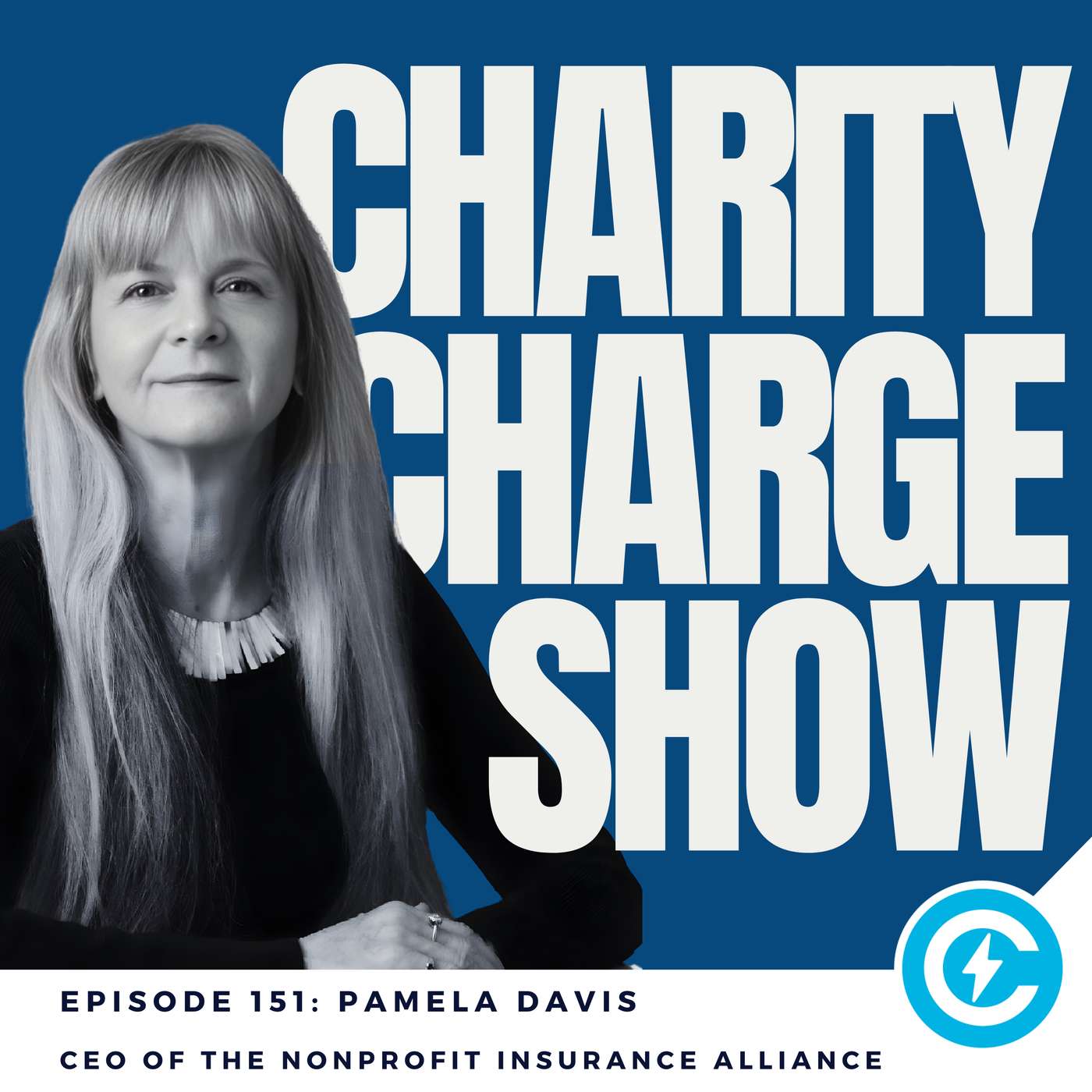
Insurance is not glamorous. It is paperwork, premiums, and conversations most nonprofit leaders would rather avoid.But if you run a nonprofit long enough, you learn a hard truth.The moment you need insurance is the moment it is too late to start thinking about it.In this episode of the Charity Charge Show, host Stephen Garten sits down with Pamela Davis, Founder and CEO of the Nonprofits Insurance Alliance, a nonprofit insurer that serves roughly 26,000 to 27,000 nonprofits across California and 32 additional states. Pamela shares how a graduate school thesis turned into a 35 year mission, why traditional insurance markets fail nonprofits, and what new and small organizations need to know before a claim ever happens.Episode highlightsPamela Davis is the founder and CEO of the Nonprofits Insurance Alliance, a group of two nonprofit insurers built specifically to serve 501(c)(3)s. One entity insures nonprofits in California and the other insures nonprofits in 32 other states.Together, the organizations serve about 26,000 to 27,000 nonprofits and have grown to roughly $1 billion in assets.Stephen and Pamela also dig into the practical side of nonprofit coverage, what to buy first, how underwriting works for small budgets, and why advocacy has become a crucial part of keeping the nonprofit sector insurable.
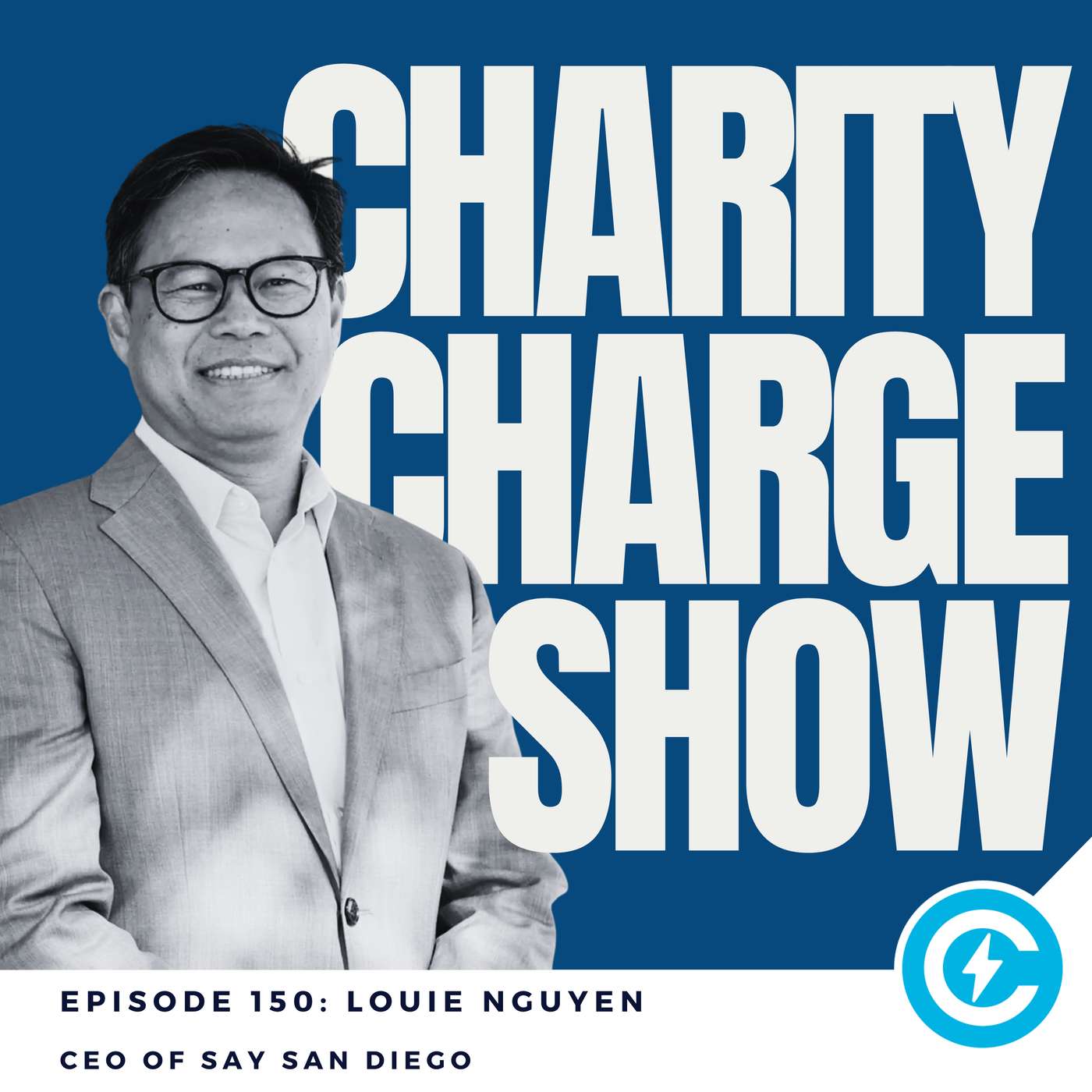
In this episode, we sit down with Louie Nguyen, CEO of Say San Diego, to discuss what it really means to run a nonprofit like a business while staying deeply committed to mission.Louie shares his journey from institutional investor and impact investing leader to nonprofit CEO, and how that financial discipline is now shaping SAY San Diego’s strategy. The conversation covers revenue diversification, reserve policy design, social enterprise models, mental health innovation, and what responsible risk-taking looks like in the nonprofit sector.If you are a nonprofit executive, board member, or impact investor thinking about long term sustainability, this episode is worth your time.About SAY San DiegoFounded in 1971, SAY San Diego has grown from one employee to more than 500 staff members serving approximately 45,000 San Diegans each year.Key program areas include:After school programs serving 4,000 students dailyMental health services at 26 school sitesSupport for young mothers from pregnancy through early childhoodFatherhood engagement programsCommunity advocacy and educationWith annual revenue near $30 million, SAY San Diego operates at a scale most nonprofits never reach.What You Will Learn in This EpisodeWhy nonprofits should aim to generate positive marginsThe importance of unrestricted capitalHow to calculate a true rainy day reserveWhy holding real estate is not always the best strategyHow to diversify revenue beyond grants and contractsWhat investment risk looks like inside a nonprofitHow to structure social enterprise investment opportunitiesWhy mental health funding needs long term endowment solutionsKey Topics Covered1. Transitioning from Finance to Nonprofit Leadership Louie explains how his background in institutional investing and impact finance shaped his approach to leadership at SAY San Diego.2. Revenue Diversification in a Volatile Funding Environment With federal and state funding uncertainty, Louie shares how SAY is building independent, self-sustaining revenue streams.3. Rethinking Reserves and Asset Allocation A practical discussion on how CEOs and CFOs should scenario plan, define real operating risk, and segment reserves intentionally.4. The Boba Wellness Model A bold social enterprise concept where SAY acquires boba shops that operate as businesses during the day and convert into youth wellness spaces at night.5. Intellectual Property as a Revenue Strategy How a community safety initiative evolved into a licensing and IP opportunity that can scale nationally.6. The Wellspring Initiative A $2 million mental health endowment designed to fund 1,300 therapy sessions per year in perpetuity for students who need care beyond what school districts cover.
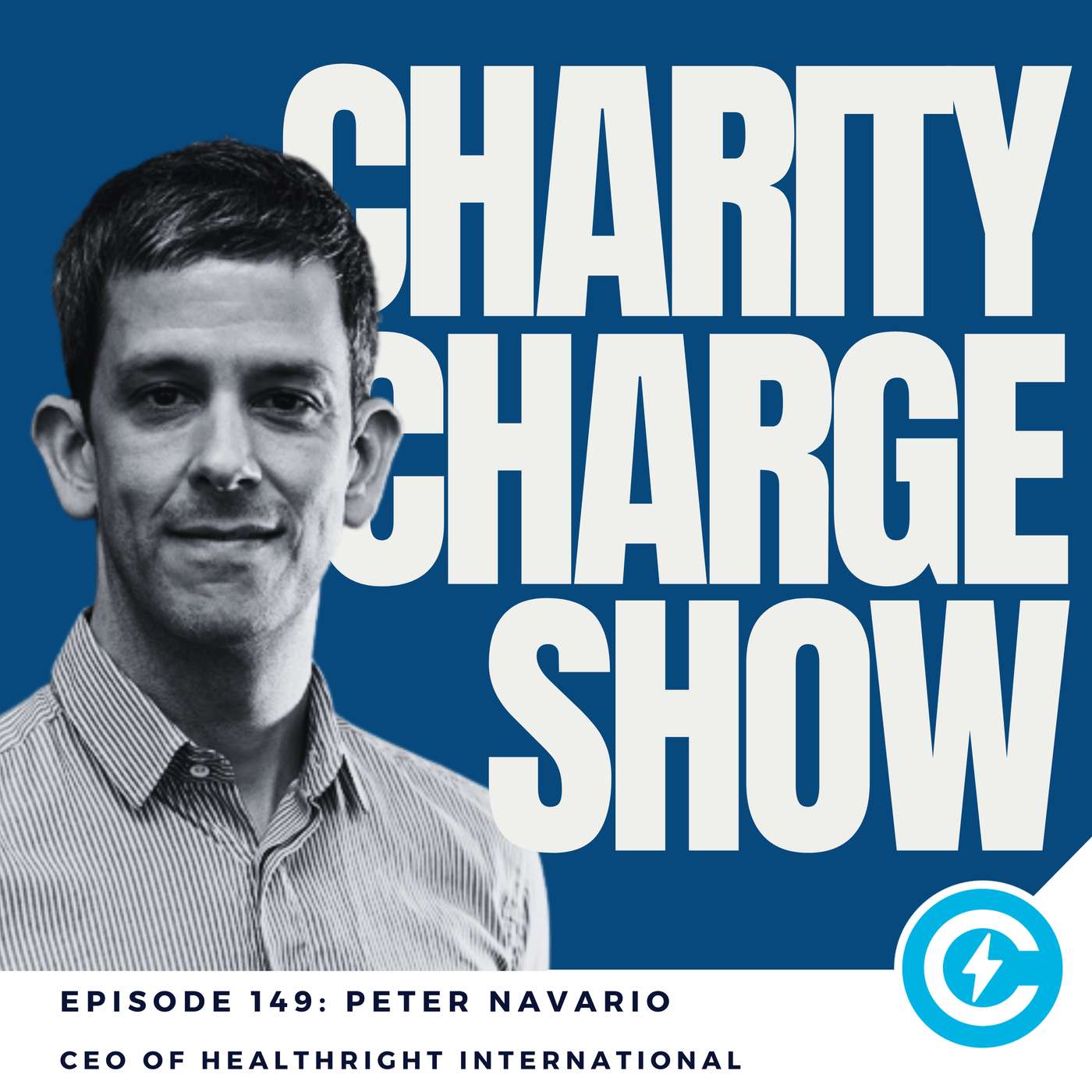
Global health systems are under pressure. Funding models are shifting. NGOs are closing. Communities are feeling the consequences.On this episode of The Charity Charge Show, host Grayson Harris sits down with Peter Navario, CEO of HealthRight International and professor of health economics at New York University, to discuss what it takes to deliver sustainable healthcare solutions for marginalized communities, both globally and here in the United States.From community-based mental health programs to new funding platforms designed to rethink global health financing, this episode explores what it means to build systems that last.Guest: Peter Navario Title: CEO, HealthRight International | Professor of Health Economics, NYU Topics Covered:The mission and history of HealthRight InternationalThe “triangle” model: community, community health workers, and primary care systemsAddressing mental health through peer-led, evidence-based interventionsWhy traditional one-on-one therapy is not scalableThe impact of foreign aid cuts on global health organizationsHow HealthRight is diversifying revenue and launching a direct investment platformThe need for a better dialogue between funders and implementersAbout Peter NavarioPeter Navario serves as CEO of HealthRight International and is a professor of health economics at NYU.With decades of experience in global health and development, he brings both academic insight and field-based leadership to his role. Under his leadership, HealthRight has focused on strengthening community-based care models and building more sustainable funding mechanisms for long-term health system resilience.
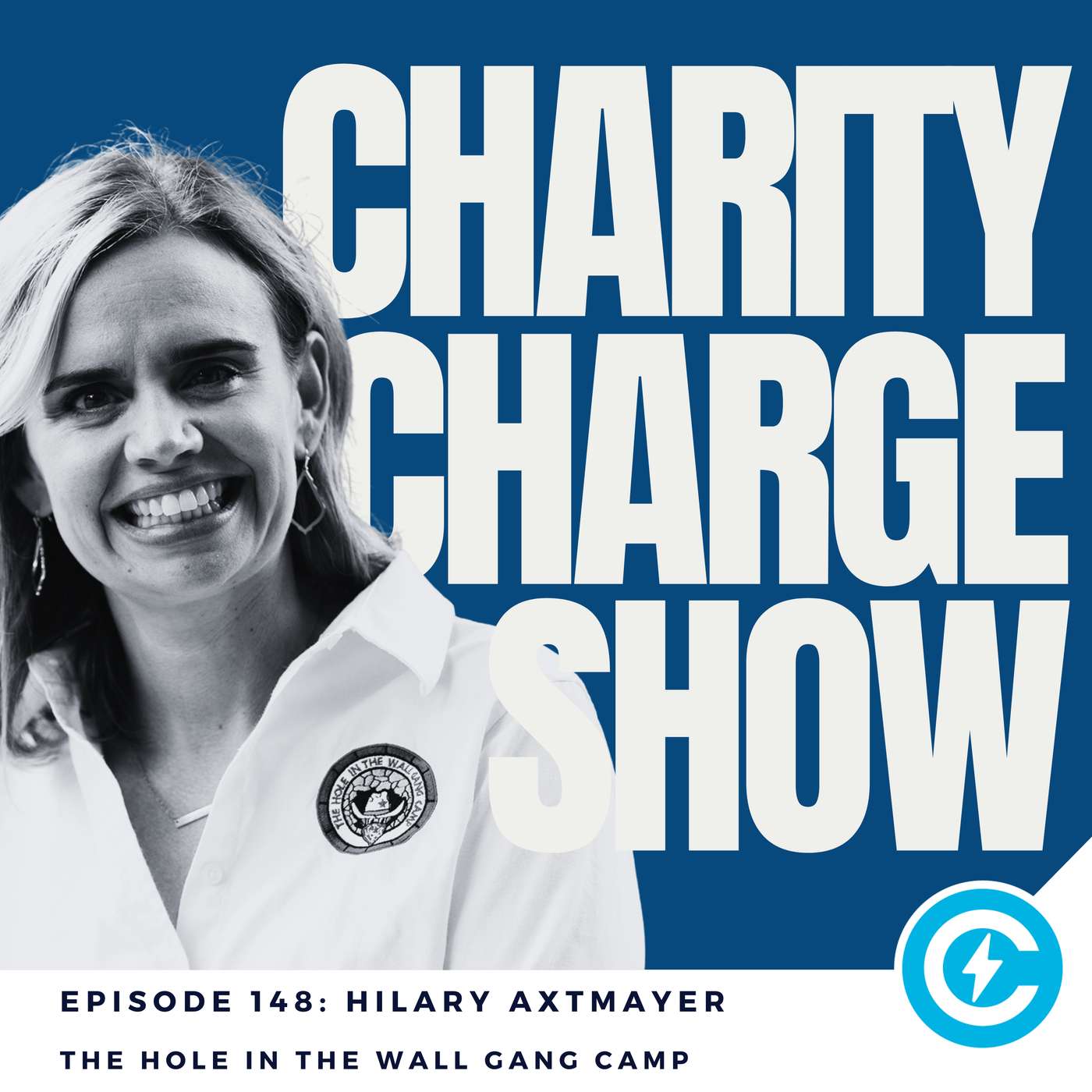
On this episode of the Charity Charged Show, we sit down with Hilary Axtmayer, Chief Program Officer of the Hole in the Wall Gang Camp, to talk about one of the most meaningful nonprofit expansions happening this year.Founded in 1988 by Paul Newman, the Hole in the Wall Gang Camp was created to give children with serious illnesses something they are too often denied: the chance to simply be kids. More than three decades later, the organization is serving thousands of children and families across the Northeast and Mid-Atlantic, and in 2025 it is opening a second residential camp location in Maryland.This conversation goes beyond the headline of expansion. It digs into the origin of the camp’s name, the magic of its programs, Hilary’s 25-year journey from counselor to executive leader, and the careful work required to scale without losing the soul of the mission.
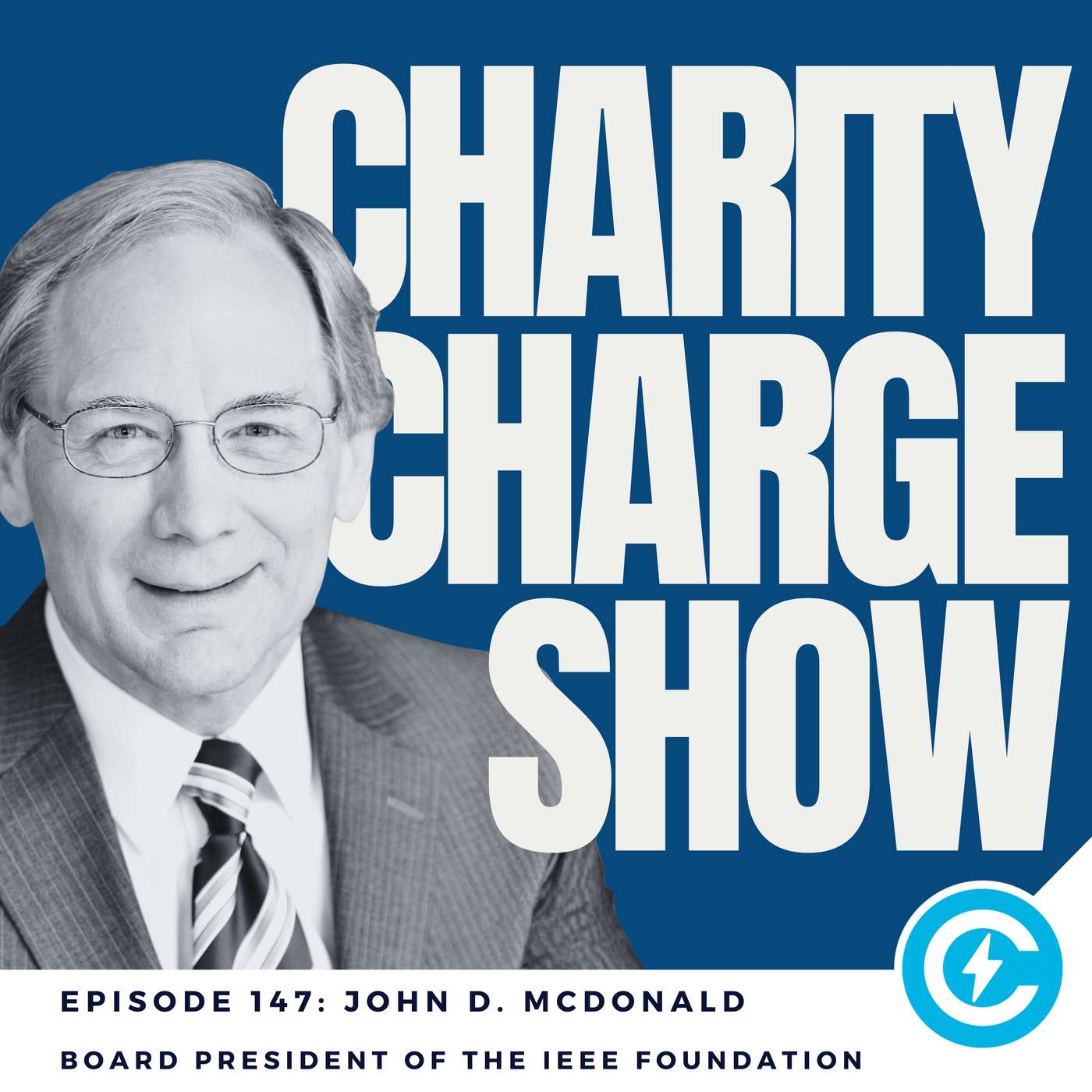
On this episode of the Charity Charge Show, host Grayson Harris sits down with John McDonald, newly appointed Board President of the IEEE Foundation. The conversation is a masterclass in how long-term professional communities evolve into powerful philanthropic engines, and what nonprofit leaders can learn from a global organization built on trust, consistency, and service.John brings more than five decades of experience as a member of IEEE, the world’s largest professional technical organization with more than 500,000 members across 190 countries. His journey from student member to foundation president offers rare insight into leadership, donor engagement, and the discipline required to sustain impact at scale.What the IEEE Foundation Actually DoesWhile IEEE is widely known for advancing technology, standards, and professional development, the IEEE Foundation operates as its philanthropic partner. The Foundation supports nearly 300 funds that power scholarships, awards, education programs, and initiatives designed to use technology for the benefit of humanity.At its core, the Foundation exists to strengthen and extend IEEE’s mission by mobilizing philanthropy. It funds programs that create real social impact, from education access to humanitarian technology projects around the world.
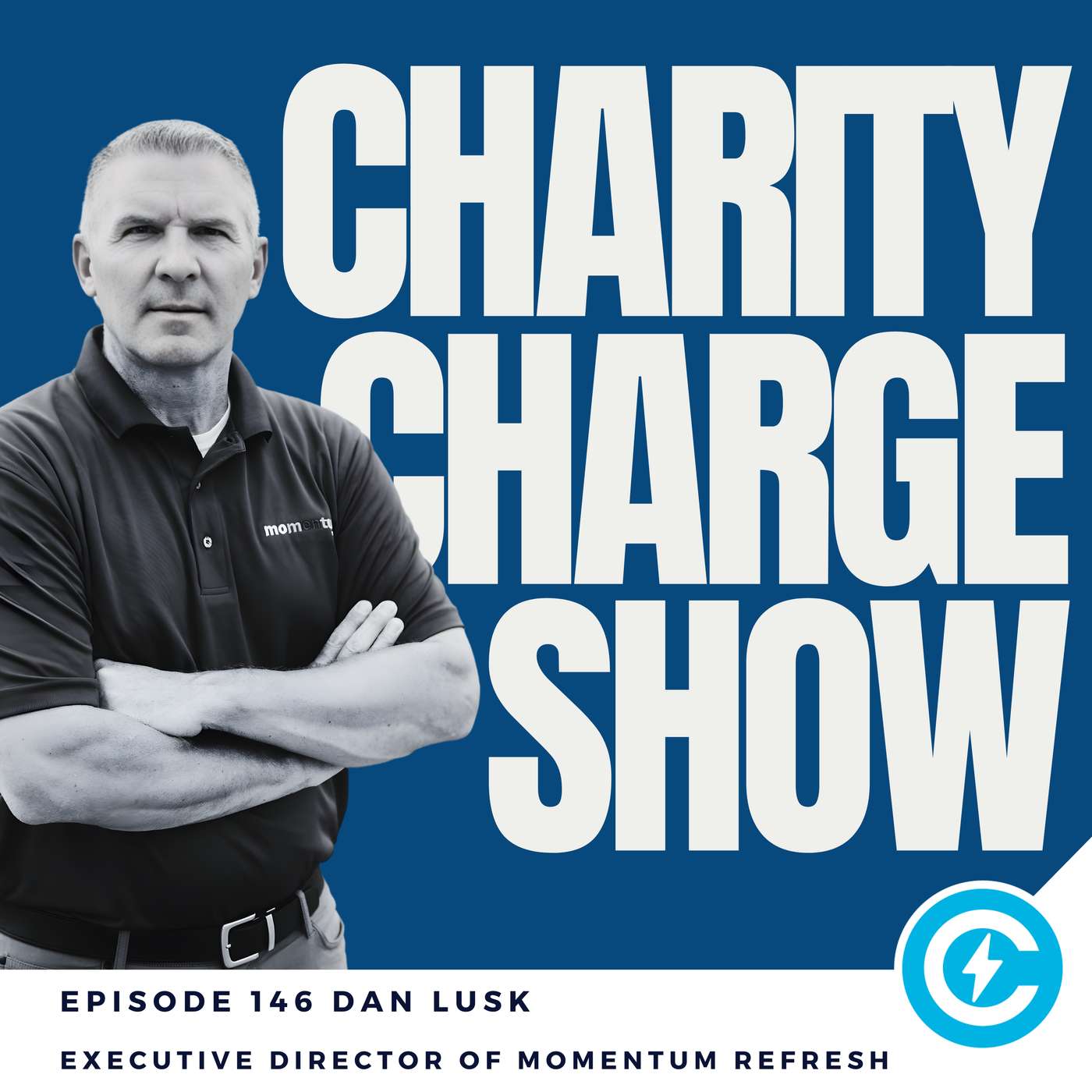
In this episode of the Charity Charge Show, Grayson Harris sits down with Dan Lusk, Executive Director of Momentum Refresh, to discuss one of the most overlooked barriers to inclusion at public events: truly accessible restrooms. Dan shares how the organization was built to solve a basic but critical problem, why ADA compliance alone is not enough, and how their mission driven model is scaling nationwide.The conversation covers rapid growth, community partnerships, disaster response, and what is ahead in 2026.Key Topics CoveredWhy accessible restrooms remain a major barrier to participationThe difference between ADA compliant and universally designed facilitiesHow Momentum Refresh units exceed ADA standardsGrowth from local pilots to national mega eventsData, testimonials, and community trust as drivers of scalePartnerships with cities, counties, and major event organizersExpansion plans including manufacturing, franchising, and emergency response


Download from Google Play

Download from App Store
 United States
it sure gets exhausting hearing about the ills of old white men...