


 Claim Ownership
A Dose of Reality with Charles Spence
Subscribed: 2Played: 54
Subscribe

© Copyright 2026 Charles Spence
Description
Welcome to “A Dose of Reality”, the podcast where we infuse insight, laughter, and practical wisdom into the world of clinical leadership and career development. Hosted by Charles Spence, each episode offers a deep dive into the challenges and triumphs of clinical leadership, providing listeners with meaningful conversations, career insights, and a dose of inspiration to navigate their professional journeys.
Whether you're a director, a C-level executive, or a clinical researcher in oncology bio-techs, this podcast is designed to empower you with the knowledge and tools needed to excel in your field.
So, visit our website at www.discera-search.com, and tune in to A Dose of Reality for your prescription of career wisdom, leadership insights, and a healthy dose of laughter.
Subscribe now and join us on the journey to becoming global clinical leaders!
Whether you're a director, a C-level executive, or a clinical researcher in oncology bio-techs, this podcast is designed to empower you with the knowledge and tools needed to excel in your field.
So, visit our website at www.discera-search.com, and tune in to A Dose of Reality for your prescription of career wisdom, leadership insights, and a healthy dose of laughter.
Subscribe now and join us on the journey to becoming global clinical leaders!
67 Episodes
Reverse
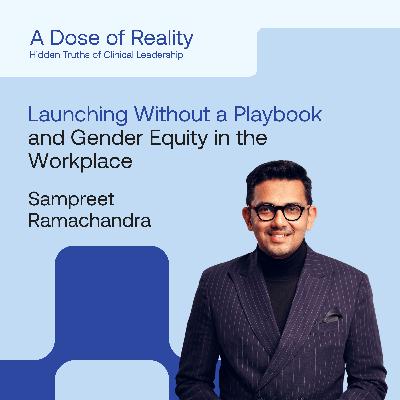
In this episode, I talked with Sampreet Ramachandra, Head of the Hematology Business Unit at Novartis Germany, about what it really takes to lead high-stakes launches — and what leadership looks like when things don’t go to plan.Sampreet shares how graduating into the 2008 financial crisis forced him to rethink his career from day one. What was meant to be a short stop in oncology turned into an 18-year commitment to the industry. We talk about leading the commercialization of CAR-T in Germany, writing a launch playbook from scratch, and why excellence in launch is rare.We also discussed hiring mistakes — from overselling a role to ignoring a gut feeling — and why culture isn’t what you write on slides, but what you accept, celebrate, and tolerate, gender equity, the motherhood penalty, and what leadership responsibility truly means when it’s personal.Outside his professional work, Sampreet is someone who intentionally steps into discomfort — whether that’s learning tennis from scratch, snowboarding, practicing yoga, or picking up a camera as a hobby photographer. For him, growth isn’t just professional — it’s personal, physical, and ongoing.Here’s What You’re In ForBuilding teams that can handle stress, scrutiny, and speedThe moment he hired someone “perfect on paper” — but ignored his gutThe real meaning of gender equity — and the career fear he witnessed at homeTimestamps02:17 – Graduating into the 2008 crash and taking an oncology role by necessity02:32 – From tech in India to committing to pharma09:11 – Commercializing CAR-T and pioneering a new launch model10:18 – Writing a playbook from scratch for cell & gene therapy13:03 – What’s changed (and what hasn’t) in launches18:53 – Building great launch teams: mindset, resilience, experimentation24:30 – Overselling a role and watching it unravel27:18 – Ignoring a gut feeling in hiring30:01 – Gender equity, motherhood penalty & parental leave36:56 – Ending up in the emergency room — and rethinking ambitionAbout SampreetSampreet Ramachandra is Head of the Hematology Business Unit at Novartis Germany, with over 18 years of experience across global, regional, and country leadership roles. He has led multiple best-in-class and first-in-class launches, including pioneering the commercialization of CAR-T in Germany. Originally starting his career in tech in India before graduating into the 2008 financial crisis, Sampreet built his path in pharma through purpose-driven decisions and continuous learning — holding degrees from Harvard, LSE, and India. Beyond commercial leadership, he is a strong advocate for gender equity and a supporter of youth education initiatives in India. Outside work, he’s a hobby photographer, snowboarder, yoga enthusiast, and is currently learning tennisConnect with Sampreet:LinkedIn: https://www.linkedin.com/in/sampreetramachandra/ Website: https://www.novartis.com/de-de/ About meMy name is Charles Spence and I lead Discera. After many years working in the life-science recruitment world, I decided to work for myself. Before doing recruitment, I graduated with a biomedical degree, have worked in hospitals (including translation work in Seoul, South Korea), and also spent a year working in diabetes research in Stockholm. After doing research and travel, a career in business and science felt the most appropriate.In 2023, I decided to launch my firm - Discera Search. A firm committed to solving the biggest talent needs of early clinical stage SME biotechs on the East Coast and DACH.Connect with me:LinkedIn: https://www.linkedin.com/in/charles-spence-clinical/ Website: https://www.discera-search.com/ Opinions and comments expressed by the guest do not represent the company and are fully their own.
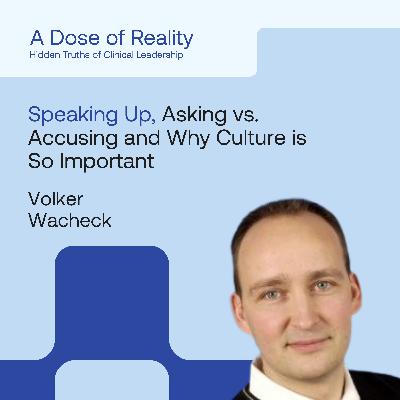
In this episode, I talked with Volker Wacheck, SVP & Head of Clinical Development at Taiho Oncology, where he shared how a PI role in Vienna led him into industry, and why the hardest part wasn’t leaving academia, but learning the unseen sides of drug development: regulatory, compliance, and CMC.Volker talked about the risks of hiring KOLs straight into VP or CMO roles, and why some thrive while others struggle. He also mentioned Taiho’s unique setup—anchored in Princeton, embedded in Otsuka’s Japanese holding—and how that cross-cultural mix shapes everything from decision-making speed to communication style.He also shares his most personal leadership lessons: the regret of staying silent in work, the “ask, don’t accuse” method he uses now, and how to manage egos when science and careers collide. From Taiho’s pipeline to his views on hiring, recruiters, and why impact often starts only after 18–24 months, this was a candid look at the realities of building teams and drugs that last.(Find out more in the episode.)Here’s What You’re In ForKOLs jumping straight to VP/CMO—when it’s transformational vs. a risky mis‑fit.Over‑prepared vs. under‑prepared interviews: what signals actually predict success.Recruiters who stick the landing: investing time upfront and optimizing for tenure, not just speed.Timestamps:01:26 – Why he left academia and looked to industry03:12 – Learning the “other side” of development: regulatory, compliance, CMC05:00 – KOLs jumping to VP/CMO: when it works and why it’s risky11:31 – Working US/EU/Japan: direct vs. indirect communication; shared principles14:00 – Why candidates might love Taiho: “small enough to feel personal, big enough to win,” plus stability16:20 – The biomarker‑assay story: when not speaking up backfired23:22 – Hiring: over‑prepared vs under‑prepared—what Volker actually looks for26:29 – Good vs excellent recruiters: the time they put in before the searchAbout VolkerVolker Wacheck is Senior Vice President and Head of Clinical Development at Taiho Oncology. A medical oncology background and now over two decades of industry experience its fair to say he knows a lot about cancer research.Taiho is known for its cancer drug development including, Futi-Ba-tinib their FG-FR inhibitor and Zipa-Ler-tinib which targets EGFR Mutations.Volker is also someone who comes highly recommended, Michael Lahn, Ilaria Conti and insert other great person in the field all know and respect Volker. We spoke a few weeks before ASCO, met at ASCO and now doing this - and of course its a pleasure to have him on here.Connect with Volker:LinkedIn: https://www.linkedin.com/in/volker-wacheck-b173248/Website: https://www.taihooncology.com/us/About meMy name is Charles Spence and I lead Discera. After many years working in the life-science recruitment world, I decided to work for myself. Before doing recruitment, I graduated with a biomedical degree, have worked in hospitals (including translation work in Seoul, South Korea), and also spent a year working in diabetes research in Stockholm. After doing research and travel, a career in business and science felt the most appropriate.In 2023, I decided to launch my firm - Discera Search. A firm committed to solving the biggest talent needs of early clinical stage SME biotechs on the East Coast and DACH.Connect with me:LinkedIn: https://www.linkedin.com/in/charles-spence-clinical/Website: https://www.discera-search.com/Opinions and comments expressed by the guest do not represent the company and are fully their own.
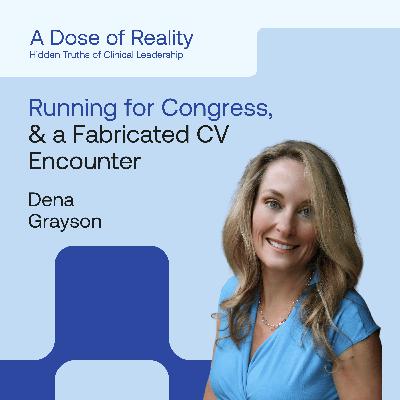
In this episode, I talked with Dr. Dena Grayson, a physician–scientist with over two decades in biotech drug development. At the time of this recording, she was SVP and Head of Clinical Development at Keros Therapeutics, leading programs in rare bone marrow disorders, and she has since become SVP of Clinical Development and Medical Affairs at Kyverna Therapeutics. Earlier in her career, she helped advance Repatha at Amgen, and her path has also included running for Congress and serving as a national media voice during COVID.Dena shares what it was like being the only MD–PhD in Amgen’s business development group, how she transitioned into clinical development, and the lessons she carried forward from her time in both politics and national media, where she became a trusted voice during the COVID pandemic. We dive into the real difference between presenting “the what” and explaining “the so what,” and why communication often makes or breaks careers in biotech.Alongside her professional journey, Dena opens up about the wildest recruitment experience she’s ever had, her approach to building strong teams, and why patience in hiring beats rushing a decision. And in our quick-fire round, she shares stories from her days as a state champion soccer player, her love of surfing, and how she unwinds outside biotech.(Find out more in the episode.)Here’s What You’re In ForHow a political campaign loss led to a media career during COVIDHow to handle interviews when you’re introvertedThe kinds of questions that truly impress hiring managersTimestamps01:10 – Landing her first industry role at Amgen03:24 – Repatha and investigational therapies at Keros04:49 – Surfing, soccer, and state championships07:08 – From political spouse to running for Congress08:42 – Becoming a media commentator during COVID10:41 – Communication lessons: from “what” to “so what”15:14 – Advice for introverts in interviews and early career roles17:37 – How thoughtful questions can change the dynamic in an interview21:02 – Nearly 20 years as a hiring manager: what’s changed and what hasn’t23:11 – Advice for junior hiring managers and why patience matters25:37 – A candidate with a completely fabricated CV—the wildest recruitment storyAbout DenaDr. Dena Grayson is a physician–scientist (MD, PhD) with over 20 years in biotech drug development. At the time of this recording, she was SVP and Head of Clinical Development at Keros Therapeutics, leading programs in rare bone marrow disorders, and she has since become SVP of Clinical Development and Medical Affairs at Kyverna Therapeutics. Earlier in her career, she helped advance Repatha at Amgen, and her path has also included running for Congress and serving as a national media voice during COVID, experiences that shaped her belief that communication is as critical as science in driving biotech forward.Connect with Dena:LinkedIn: https://www.linkedin.com/in/denaminninggrayson/ Website: https://kyvernatx.com/ About meMy name is Charles Spence and I lead Discera. After many years working in the life-science recruitment world, I decided to work for myself. Before doing recruitment I graduated with a biomedical degree, have worked in hospitals (including translation work in Seoul, South Korea), and also spent a year working in diabetes research in Stockholm. After doing research and travel, a career in business and science felt the most appropriate.In 2023, I decided to launch my firm - Discera Search. A firm committed to solving the biggest talent needs of early clinical stage SME biotechs on the East Coast and DACH.Connect with me:LinkedIn: https://www.linkedin.com/in/charles-spence-clinical/ Website: https://www.discera-search.com/ Opinions and comments expressed by the guest do not represent the company and are fully their own.
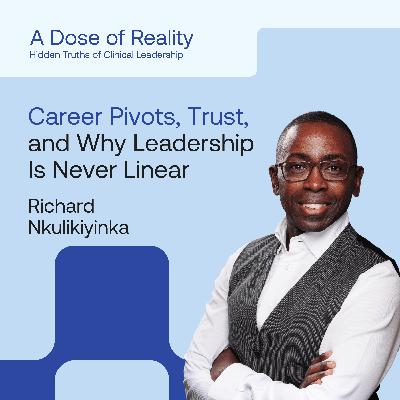
In this episode, I talked with Richard Nkulikiyinka, Chief Medical Officer at Antag Therapeutics, a Copenhagen-based biotech developing GIPR antagonists in the obesity space.Richard’s career began in the NHS, where he spent five years practicing acute medicine and intensive care—until the moment he realized he couldn’t picture himself doing the same thing for the next 30 years. That realization sparked a pivot that many physicians quietly wrestle with: leaving behind the security of the ward for the uncertainty of industry.Richard also shares what it was like to walk away from a stable VP role at Bayer during a restructuring, take an intentional career break, and use those months to reflect on what really mattered before joining Antag Therapeutics. We talk about the shift from big pharma to biotech, what he learned from leading through severe stakeholder misalignment, and why authentic communication matters more than management theory when things get messy.And yes—there’s a light-hearted detour into Berlin life, bad currywurst, and how to tell when it’s time to make serious changes in your team.Here’s What You’re In ForWhat makes Antag Therapeutics’ culture uniqueThe hardest leadership call: deciding when the problem is you vs themThe recruitment ghosting story that every hiring manager should hearTimestamps02:08 – Leaving the NHS: deciding what he could be “happily bored with”04:00 – Landing his first pharma job at Bayer in drug safety09:33 – Overview of Antag Therapeutics and GIPR vs GLP-113:20 – Leaving Bayer and taking a sabbatical to reset17:08 – What it’s like to work at Antag Therapeutics—and what he looks for in candidates18:46 – The toughest chapter: extreme stakeholder misalignment in dermatology25:16 – Leadership lessons: firing, feedback, and the “benefit of the doubt”29:00 – Why managers struggle to act fast—and how structure slows decisions31:48 – Richard’s worst recruitment experience: being ghosted by agenciesAbout RichardRichard Nkulikiyinka, is the Chief Medical Officer of Antag Therapeutics, a biotech developing GIPR antagonists within the Obesity space. A UK-trained physician, he spent five years practicing in acute medicine and intensive care within the NHS - this is also where he developed his dry sense of humour - and now he transitioned into the biopharmaceutical industry, where he has built over 17 years of experience.Prior to joining Antag, Richard served as Vice President in Clinical Development at Bayer Pharma, where he played a central role in advancing four drugs to approval. He is now ein Berliner - where we often meet for clubbing and currywurst. Connect with Richard:LinkedIn: https://www.linkedin.com/in/richard-nkulikiyinka-66336014/ Website: https://antagtx.com/ About meMy name is Charles Spence and I lead Discera. After many years working in the life-science recruitment world, I decided to work for myself. Before doing recruitment, I graduated with a biomedical degree, have worked in hospitals (including translation work in Seoul, South Korea), and also spent a year working in diabetes research in Stockholm. After doing research and travel, a career in business and science felt the most appropriate.In 2023, I decided to launch my firm - Discera Search. A firm committed to solving the biggest talent needs of early clinical stage SME biotechs on the East Coast and DACH.Connect with me:LinkedIn: https://www.linkedin.com/in/charles-spence-clinical/ Website: https://www.discera-search.com/ Opinions and comments expressed by the guest do not represent the company and are fully their own.
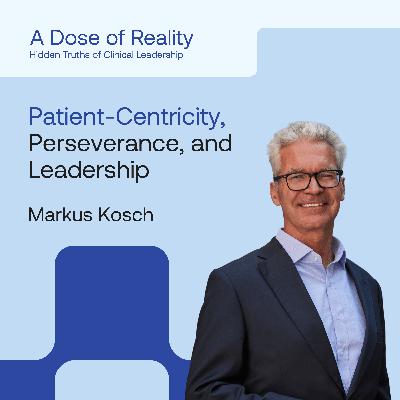
In this episode, I talked with Prof. Dr. med. Markus Kosch, Head of Oncology Europe and Canada at Daiichi Sankyo Europe, about what it really means to lead with empathy, perseverance, and purpose in today’s biopharma world. Markus shared how losing his father to cancer at 21 shaped his commitment to oncology — and why that experience still guides his decisions decades later.After ten years in the hospital system, he faced a turning point: realizing that to help more patients, he’d have to step outside the clinic. That leap led him into industry at a time when ADCs were still an emerging idea — and he’s since built a career around transforming long-term scientific perseverance into patient impact.Markus opened up about layoffs and restructuring, learning to lead through influence rather than authority, and why “patient-centricity” has to be more than a corporate phrase. He also shared how Daiichi Sankyo invests in nurses, why he values authenticity above experience in hiring, and how he handles tough conversations — including a live role-play on what to do when an employee asks for a promotion that isn’t possible.(Find out more in the episode.)Here’s What You’re In ForHow to lead through influence, not authorityWhat patient-centricity really looks like inside Daiichi SankyoHow perseverance and ikigai fuel innovationTimestamps03:00 – From hospital to industry — how his first pharma role came about07:15 – Leading through influence instead of authority08:10 – Guiding teams through restructuring09:45 – How empathy and transparency define good leadership12:10 – Patient-centric culture at Daiichi Sankyo17:45 – Japanese lessons in ikigai20:40 – Hiring authenticity25:00 – Role-play: handling promotion requests and career plateausAbout MarkusProf. Dr. med. Markus Kosch is Head of Oncology Europe & Canada at Daiichi Sankyo, with extensive leadership experience in oncology and global pharma. Before joining Daiichi Sankyo, he spent 16.5 years at Wyeth and Pfizer in senior roles. Trained as a physician, Markus worked for a decade treating cancer patients before moving into the pharmaceutical industry.His early personal experience with cancer — losing his father at age 21 — shaped his commitment to patient-centric innovation. Known for connecting scientific excellence with responsibility and perseverance, he focuses on advancing breakthrough oncology therapies, particularly Antibody-Drug Conjugates (ADCs). He is passionate about leadership, collaboration, and embedding patient needs at the center of every decision.Connect with MarkusLinkedIn: https://www.linkedin.com/in/markus-kosch/ Daiichi Sankyo Europe: https://www.daiichi-sankyo.eu/ About meMy name is Charles Spence and I lead Discera. After many years working in the life-science recruitment world, I decided to work for myself. Before doing recruitment, I graduated with a biomedical degree, have worked in hospitals (including translation work in Seoul, South Korea), and also spent a year working in diabetes research in Stockholm. After doing research and travel, a career in business and science felt the most appropriate.In 2023, I decided to launch my firm - Discera Search. A firm committed to solving the biggest talent needs of early clinical stage SME biotechs on the East Coast and DACH.Connect with me:LinkedIn: https://www.linkedin.com/in/charles-spence-clinical/ Website: https://www.discera-search.com/ Opinions and comments expressed by the guest do not represent the company and are fully their own.
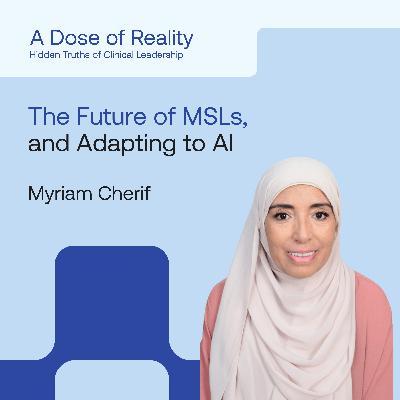
In this episode, I talked with Myriam Cherif, former Regional Medical Lead for Oncology & Emerging Markets at GSK and founder of Kalyx Medical—a consultancy focused on Medical Affairs strategy, mentoring, and AI training.I invited Myriam to join me here because she posts some of the most insightful and practical content about what life is really like as a Medical Affairs professional. She shares her journey from academia to pharma, and what it really takes to succeed in Medical Affairs without losing your sense of purpose. She opens up about the early days at Novartis, the steep transition from the lab to corporate life, and the practical lessons she learned through trial and error—most especially the KOL meeting that didn’t go as planned.She also shares the turning point that came when her role at GSK was made redundant, how that moment became the spark behind founding Kalyx Medical, and why she now helps MSLs and Medical Leads use AI with intention, and not as a gimmick. Along the way, she reflects on mentorship, resilience, and how to stand out in an industry that tests both your patience and adaptability.(Find out more in the episode.)Here’s What You’re In ForWhy mentorship can make or break your first MSL yearThe “so what” factor that makes a CV stand outHow AI can help MSLs read smarter, not harderTimestamps01:15 – From PhD in molecular biology to Medical Affairs03:07 – The reality behind the MSL role05:30 – Starting at Novartis and feeling out of depth06:52 – Her first KOL meeting—and what went wrong08:08 – Why mentorship changes everything10:17 – How long it took to land her first MSL role15:34 – Turning objections into opportunities22:42 – From GSK restructure to starting Kalyx Medical25:26 – Two big mistakes companies make with AI28:37 – How AI gives MSLs a competitive edgeAbout MyriamDr. Myriam Cherif is the former Regional Medical Lead – Oncology, Emerging Markets at GSK and the Founder of Kalyx Medical, a consultancy focused on medical affairs strategy and AI training. With over 14 years of experience in the pharmaceutical industry, Myriam has worked across a wide range of therapy areas, including cardiovascular, immunology, and oncology, and held leadership roles spanning the UK and emerging markets.At GSK, she led medical strategy and scientific engagement across diverse regions, ensuring compliance and excellence in oncology communication. Through Kalyx Medical, Myriam also supports biotech and pharma companies by enhancing their medical affairs capabilities and preparing teams for the evolving landscape of AI-driven drug development and engagement.Connect with MyriamLinkedIn: https://www.linkedin.com/in/myriam-cherif-phd-977a911/ Kalyx Medical: https://www.linkedin.com/company/kalyx-medical/about/ About meMy name is Charles Spence and I lead Discera. After many years working in the life-science recruitment world, I decided to work for myself. Before doing recruitment, I graduated with a biomedical degree, have worked in hospitals (including translation work in Seoul, South Korea), and also spent a year working in diabetes research in Stockholm. After doing research and travel, a career in business and science felt the most appropriate.In 2023, I decided to launch my firm - Discera Search. A firm committed to solving the biggest talent needs of early clinical stage SME biotechs on the East Coast and DACH.Connect with me:LinkedIn: https://www.linkedin.com/in/charles-spence-clinical/ Website: https://www.discera-search.com/ Opinions and comments expressed by the guest do not represent the company and are fully their own.
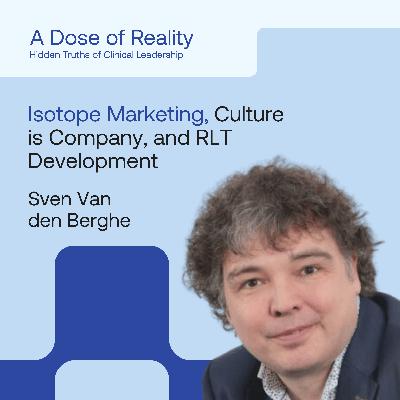
In this episode, I talked with Sven Van den Berghe, CEO of Pantera, about his 25+ years in nuclear physics, from his early days at the Belgian Nuclear Research Center to stepping into the high-stakes world of radioisotope production.Sven speaks openly about the toughest move of his career: leaving the safety of a government research institute to run a startup where pressure, governance disputes, and fundraising could make or break the company. He explains why independent boards are essential, how culture must be defined from day one, and why money and trust suddenly matter a lot more when you’re no longer in a state-funded environment.He also shared the fine line between science and marketing in radiopharmaceuticals—the misleading claims, the half-truths about isotope supply, and how exaggeration risks turning investors and the public away from the whole field. Sven also gives a clear picture of Pantera’s mission to expand actinium-225 production, what real diversity in a team looks like, and why letting people go quickly can be the fairest option for everyone.We also spoke about Sven’s view on recruiters—the practices that cross the line and what still makes collaborations worthwhile.(Find out more in the episode.)Here’s What You’re In ForGovernance clashes with corporate founders in Pantera’s early yearsBuilding a leadership team that complements each other’s strengthsSven’s frustrations with recruiter behaviorTimestamps01:06 – Choosing a PhD and landing at the Belgian Nuclear Research Center03:05 – The hardest step: leaving government research for startup life04:49 – Governance disputes and the need for independent boards06:32 – Lessons learned: business plans, money, and building trust in leadership teams08:24 – Culture as the foundation of Pantera’s identity09:02 – How hype and half-truths distort isotope marketing10:50 – Why reliability, cost, and scale matter more than technical ability12:13 – The danger of running down competitor isotopes14:00 – What Pantera is building: actinium-225 supply today and long-term plans22:22 – Hiring and why letting people go quickly can be the right call24:08 – Sven’s frustrations with recruiter behaviorAbout SvenSven Van den Berghe is the CEO of PanTera, a company that aims to expand the supply of medical isotopes for cancer therapies. With a background in physics and a PhD in materials science, Sven spent more than two decades at the Belgian Nuclear Research Center (SCK CEN), where he rose through the ranks to become Institute Director. In 2021, he made the bold move from a secure government institute to leading a biotech startup—an inflection point he calls one of the hardest, but most rewarding, decisions of his career.Throughout his career, Sven has combined deep technical expertise in nuclear research with leadership in complex organizations. Today, he leads Pantera in its mission to expand the global supply of medical isotopes, drawing on his background in science, governance, and international collaboration. Connect with Sven:LinkedIn: https://www.linkedin.com/in/svenvdberghe/ Website: https://pantera-life.com/ About meMy name is Charles Spence and I lead Discera. After many years working in the life-science recruitment world, I decided to work for myself. Before doing recruitment I graduated with a biomedical degree, have worked in hospitals (including translation work in Seoul, South Korea), and also spent a year working in diabetes research in Stockholm. After doing research and travel, a career in business and science felt the most appropriate.In 2023, I decided to launch my firm - Discera Search. A firm committed to solving the biggest talent needs of early clinical stage SME biotechs on the East Coast and DACH.Connect with me:LinkedIn: https://www.linkedin.com/in/charles-spence-clinical/ Website: https://www.discera-search.com/ Opinions and comments expressed by the guest do not represent the company and are fully their own.
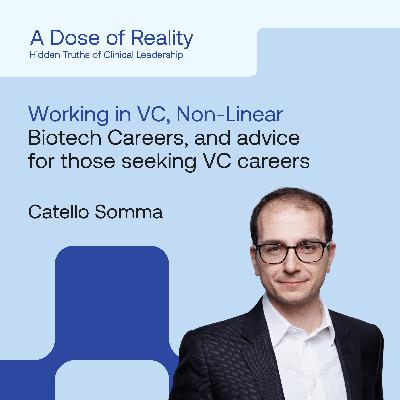
In this episode, I talked with Catello Somma, Partner at Seroba, to learn about his nonlinear journey from academia and biopharma into venture capital—and the realities behind building funds, backing biotech founders, and surviving industry downturns.Catello shares the turning points that shaped his career: walking away from his PhD to get closer to patients, breaking into VC after years in biotech operations, and the hard decision to leave a fund when partnership opportunities weren’t on the table. He also gives an insider’s view on what people get wrong about venture capital—the pressure of fundraising cycles, the competition for partnership seats, and why the job is far from the traditional perception of “writing checks from a couch.”And to round things off, he takes on some quick-fire questions, from his daily coffee intake to the advice he wishes he’d heard earlier in his career.(Find out more in the episode.)Here’s What You’re In ForThe skills biotech professionals often lack when they first enter VCThe hard truth about career progression in VC—why few ever make partnerHow the biotech funding downturn is reshaping investor behaviorTimestamps1:45 – Leaving academia, dropping a PhD, and first steps into industry4:02 – Pros and cons of entering VC from biotech vs finance-only backgrounds8:13 – What differentiates Seroba: flat structure, collegiality, and no egos10:02 – How the biotech recession and closed IPO window reshaped strategies13:11 – The biggest misconceptions about venture capital work16:14 – The insecurity of VC careers: five-year fund cycles and job risk17:29 – Hard lessons: breaking into VC and walking away when promotion wasn’t possible19:35 – Quick-fire round: coffee habits, books, family life, funniest dinner with KevinAbout CatelloCatello Somma is a Partner at ROA Ventures, where he invests in early-stage life science companies across Europe and North America. His path into venture wasn’t straightforward: after leaving a PhD program to get closer to patients, he built his career in CROs and biotech operations, later completing an MBA to bridge the gap between science and finance. Before joining Seroba, Catello worked on both sides of the biotech ecosystem, from building operational teams to structuring deals. Currently, he focuses on supporting founders through the toughest parts of the journey: scaling companies, navigating funding cycles, and preparing for exits. Known for his pragmatic approach and emphasis on culture, Catello brings a long-term mindset to venture—balancing the pressures of short-term market shifts with the resilience needed to build enduring biotech businesses.Connect with Catello:LinkedIn: https://www.linkedin.com/in/catellosomma/ Website: https://serobavc.com/ About meMy name is Charles Spence and I lead Discera. After many years working in the life-science recruitment world, I decided to work for myself. Before doing recruitment I graduated with a biomedical degree, have worked in hospitals (including translation work in Seoul, South Korea), and also spent a year working in diabetes research in Stockholm. After doing research and travel, a career in business and science felt the most appropriate.In 2023, I decided to launch my firm - Discera Search. A firm committed to solving the biggest talent needs of early clinical stage SME biotechs on the East Coast and DACH.Connect with me:LinkedIn: https://www.linkedin.com/in/charles-spence-clinical/ Website: https://www.discera-search.com/ Opinions and comments expressed by the guest do not represent the company and are fully their own.
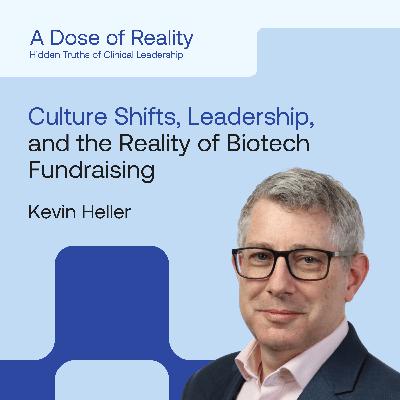
In this episode, I talked with Dr. Kevin Heller, former biotech CMO and now advisor to VCs and funds, who’s built his career at the intersection of science, leadership, and investment. Kevin started out as a pediatric hematologist–oncologist before joining BMS, where he worked on one of the first checkpoint inhibitor programs. Since then, he’s held senior roles across biotech and now works closely with companies and investors on strategy.Kevin opened up about the habits that nearly held him back early in his career, how a colleague’s honest feedback changed the way he leads, and why the quiet moments in meetings often say more about culture than the loud ones.He also shared about today’s funding climate—why raising money feels tougher than ever, what investors really look for, and why every company needs a clear plan for when things don’t go as expected. And outside of biotech, Kevin’s focus is on mentoring the next generation of scientists through the Society for Science, an organization he’s been deeply involved with for years.Here’s What You’re In ForThe subtle warning signs of a weak culture (and why silence is the biggest one)The kind of questions investors ask now that many companies aren’t ready forHow mentoring young scientists through the Society for Science has become Kevin’s way of giving backTimestamps00:58 – How Kevin moved from academia into industry06:00 – The colleague who bluntly told him to be quiet10:20 – What Kevin has seen change in biotech fundraising over the past few years12:34 – The advice he gives to early-stage companies heading into investor meetings16:15 – What most outsiders don’t realize about being on the investment side17:54 – What “culture” actually means to him, and why bad leadership kills it20:14 – The subtle early signs of a broken culture: silence in meetings26:48 – Kevin’s involvement with the Society for Science and mentoring future scientistsAbout KevinKevin Heller is a former biotech CMO and a current advisor to funds and VCs. He serves as Investment Team Advisor at an equity fund investing in biotech. He is a Pediatric Hematologist/Oncologist, and began his career at BMS where he contributed to the development of YUR-VOY.He has held CMO roles at several biotech companies, worked on numerous early-stage programs (including at Incyte), and continues to influence the field through his advisory roles.Kevin serves as a mentor, judge, and council member of Society for Science, a nonprofit that promotes science literacy and runs major student science fairs worldwide, in his way of giving back to the mentors who guided him early in his career. For him, it’s about inspiring the next generation to see science as something they can own and shape.Connect with Kevin:LinkedIn: https://www.linkedin.com/in/kevin-n-heller-8bbb985/ Society for Science:https://www.societyforscience.org/ About meMy name is Charles Spence and I lead Discera. After many years working in the life-science recruitment world, I decided to work for myself. Before doing recruitment, I graduated with a biomedical degree, have worked in hospitals (including translation work in Seoul, South Korea), and also spent a year working in diabetes research in Stockholm. After doing research and travel, a career in business and science felt the most appropriate.In 2023, I decided to launch my firm - Discera Search. A firm committed to solving the biggest talent needs of early clinical stage SME biotechs on the East Coast and DACH.Connect with me:LinkedIn: https://www.linkedin.com/in/charles-spence-clinical/ Website: https://www.discera-search.com/ Opinions and comments expressed by the guest do not represent the company and are fully their own.
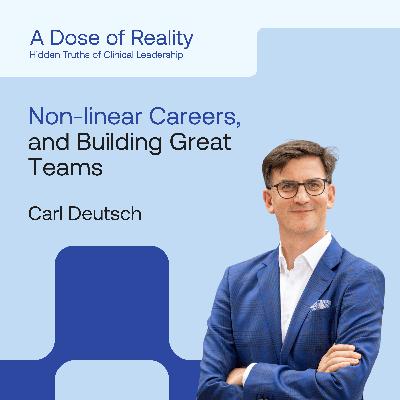
In this episode, I talked with Dr. Carl Deutsch, Chief Scientific Officer at NBE Therapeutics, where he shared about his path from chemistry into pharma and the lessons he’s learned along the way. Carl recalls how difficult it was to secure his first role when jobs were scarce, the pressure of multiple interview rounds, and how a non-linear career path led to both opportunities and doubts about fitting the expected mold.He discussed the differences between biotech and big pharma cultures, what it means to lead in a “cultural sandwich” role, and why accountability and agility look different depending on the environment. Carl also spoke about age bias in hiring, the importance of curiosity during interviews, and the kind of toxic hiring process that made him withdraw his application early in his career.He explained why he looks for “band members” instead of “rock stars” when building teams, how character matters more than buzzwords or tick-box credentials, and why blinded CVs often miss the real story behind a candidate. And, in a lighter moment, Carl answered a series of quick-fire questions—from his habit of quoting movies, to the kinds of conversations he avoids, to the advice he’d give to someone starting out in the industry.Here’s What You’re In ForThe benefits and challenges of a non-linear career pathWhy networking often matters more than a “tick-box” CVWhy blinded CVs fail to capture the real story behind a candidateTimestamps02:20 – Scarcity and the First Job Hunt05:10 – Non-Linear Careers and Self-Doubt07:00 – The CV Tick-Box Trap14:00 – Leading in a Cultural Sandwich17:00 – What Biotech Culture Really Means20:00 – Hiring for Accountability and Fit23:00 – Age Bias in Pharma Hiring30:00 – Band Members vs Rock Stars in Building a Team32:00 – Why Blinded CVs Miss the Story33:30 – Quick-Fire: Movie Quotes, Habits, and Career AdviceAbout CarlDr. Carl Deutsch, Chief Scientific Officer at NBE Therapeutics. A chemist by training, Carl earned his PhD in Dortmund, Germany, and went on to broaden his scientific horizons in the U.S. and Japan. He later added a business edge to his profile with an MBA from Mannheim Business School and ESSEC Paris.Carl played a key role in the development of Mercks first in-house antibody-drug conjugate, M9140, and also helped drive innovation as an intrapreneur, launching an award-winning project under Merck Life Science. Since 2022, he has been leading scientific strategy at NBE Therapeutics.Outside the lab, Carl has a creative side, he once took the stage as a member of an acting group and joining wild podcasts like mine.Connect with Carl:LinkedIn: https://www.linkedin.com/in/carl-deutsch-phd-mba-82ba28168/ NBE Therapeutics: https://nbe-therapeutics.com/ About meMy name is Charles Spence and I lead Discera. After many years working in the life-science recruitment world, I decided to work for myself. Before doing recruitment, I graduated with a biomedical degree, have worked in hospitals (including translation work in Seoul, South Korea), and also spent a year working in diabetes research in Stockholm. After doing research and travel, a career in business and science felt the most appropriate.In 2023, I decided to launch my firm - Discera Search. A firm committed to solving the biggest talent needs of early clinical stage SME biotechs on the East Coast and DACH.Connect with me:LinkedIn: https://www.linkedin.com/in/charles-spence-clinical/ Website: https://www.discera-search.com/ Opinions and comments expressed by the guest do not represent the company and are fully their own.
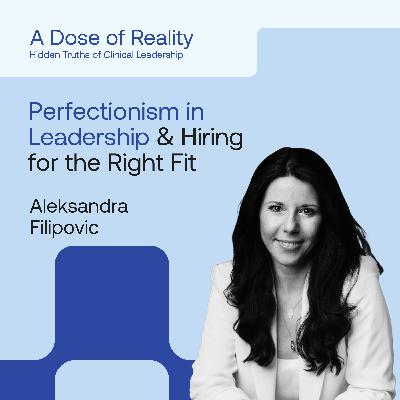
In this episode, I talked with Dr. Aleksandra Filipovic, CMO at Gallop Oncology, a biotech developing first-in-class galectin-9 antibodies for solid tumors and blood cancers. We talked about how perfectionism shaped her early leadership, and what it took to undo it. She shared her take on hiring by “gut feel,” why that can quietly reinforce bias, and what she looks for instead.Aleksandra also opened up about her childhood—growing up with two cancer-researcher parents, skipping school to attend medical conferences—and how that path eventually led her to leave Serbia with a six-month visa and no real plan. That risk turned into a 20-year career in the UK, and a leadership journey she never could have mapped out.She once brought a pipette to school for show and tell. These days, she reads nervous systems before resumes, believes leadership is about repair—not perfection—and says her job is to “love a drug into existence.”Later this year, Aleksandra will be leading a workshop at the Society of Integrative Oncology Annual Meeting in Boston on October 27, 2025, alongside her colleagues Dr. Anna Yusim and Dr. Steve Bierman. The session, “Creating a New Kind of Intelligence in Oncology Practice” will explore neuro-somatic intelligence, noetic medicine, and mental health in oncology and biotech. CME credits and a full training curriculum will be provided. More information below.Here’s what you’re in for:Why she’s grateful her career didn’t go according to planWhy hiring based on “gut feeling” can lead to prejudice if you’re not carefulHow perfectionism quietly seeps into leadershipTimestamps:02:00 Childhood in a Cancer-Obsessed Family06:30 Why She Left Serbia With No Job and No Plan09:00 When Your Career Goes “Wrong”, and It’s the Best Thing That Happens16:45 Interview Advice: “Don’t Perform—Be Honest”21:30 What Falls Apart When Hiring Goes Wrong23:30 The Danger of “Gut Feel” in Leadership Hiring33:00 What It Feels Like When Your Childhood Perfectionism Takes Over at Work36:00 How She Regulates Herself as a Leader—and Teaches Her Team To Do the Same39:00 The Workshop: Neurosomatic Tools for Oncology ProfessionalsAbout Aleksandra:Dr. Aleksandra Filipovic is the Chief Medical Officer at Gallop Oncology, where she leads oncology asset sourcing and preclinical to clinical development strategy. With a background as a clinical oncologist and a PhD in Cancer cell biology its safe to say she knows a lot about this area. Prior to joining Gallop, Aleks still acts as the head of oncology for PureTech health and prior to this she was with BMS and also consulted for Astrazeneca. She is a practicing clinician from Imperial College London, sits on the board of a global oncology educational platform sharing progress in cancer care and hosts a podcast “Into the Body” with Dr. Alex for OncoDaily. She practices applied neuro-somatic-intelligence with cancer patients and applies these same principles in biotech leadership. Connect with Aleksandra:Linkedin: https://www.linkedin.com/in/aleksandra-filipovic-md-ph-d-0b63441b/ From Our Guest — Upcoming Workshop for Oncology ProfessionalsAre you in the oncology field, feeling the weight of burnout and seeking ways to enhance your patient care within the limited time you have in clinic? Reconnect to the core of your work with our upcoming workshop.Join Dr. Anna Yusim, @SteveBierman from Andrew Weil Center for Integrative Medicine, and myself for an impactful session in Boston on October 27th from 8-9:45AM. This workshop is a part of the Society for Integrative Oncology Annual Meeting.With only 2 weeks remaining to secure your spot, don't miss this chance to elevate your Oncology Intelligence. Register now using the provided link or QR code: https://lnkd.in/gGupDMa9Looking forward to your participation!About meMy name is Charles Spence and I lead Discera. After many years working in the life-science recruitment world, I decided to work for myself. Before doing recruitment I graduated with a biomedical degree, have worked in hospitals (including translation work in Seoul, South Korea), and also spent a year working in diabetes research in Stockholm. After doing research and travel, a career in business and science felt the most appropriate.In 2023, I decided to launch my firm - Discera Search. A firm committed to solving the biggest talent needs of early clinical stage SME biotechs on the East Coast and DACH.Connect with me:LinkedIn: https://www.linkedin.com/in/charles-spence-clinical/ Website: https://www.discera-search.com/ Opinions and comments expressed by the guest do not represent the company and are fully their own.
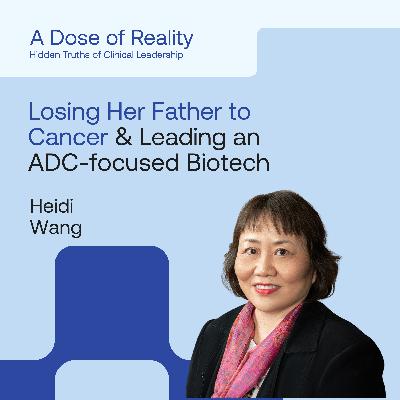
In this episode, I talked with Heidi Wang, CEO of OBI Pharma and Chair of OBIGEN, who shares her powerful story, from losing her father to cancer while raising two children, to leading oncology drug approvals at BMS, and now, building out a bold ADC pipeline in biotech.Heidi opens up about the pressures of leading during personal tragedy, how BMS supported her through it, and why she now builds teams around values like authenticity and innovation. This episode is equal parts personal and professional, offering rare insight into what true leadership looks like, especially in biotech.Here’s what you’re in for:Why staying at BMS for 30 years wasn’t plannedA behind-the-scenes look at OBI’s antibody-drug conjugate (ADC) platformWhat authenticity looks like in interviews (with stories from Stanford PhDs to Shanghai branding workshops)TMI Segment:Coffee intake? Hint: Usual number for a regular coffee drinkerHidden gem in Taiwan? Hint: You see it every day, do not think too much.Favorite book? Hint: It has something to do with “Hidden”Most grateful for? Hint: POV of a good leader Can’t guess the answer? Listen to the episode to find out.Timestamps:01:56 – How Losing Her Father to Cancer Shaped Her Life's Work04:53 – “It Was Only Chemotherapy Back Then”—Facing the Limits of Treatment06:34 – What 10,000 Stomach Cancer Patients Meant to Her08:45 – Would She Have Quit BMS If They Didn’t Support Her? 10:21 – Why She Joined OBI and Her Vision for ADC Innovation13:34 – What She Really Looks For When Hiring15:34 – The Arrogance Trap in Interviews17:16 – Humility vs. Branding: Hiring Across US and Asian Cultures20:20 – The Worst Outcome of Rushed Hiring22:50 – When You Don’t Need a Hire25:40 – Quickfire QuestionsAbout HeidiDr. Heidi Wang is the CEO of O-B-I Pharma and Chairman of OBIGen, a biotech specializing in oncology. With nearly 30 years of experience in drug development and regulatory affairs, Heidi has led approvals for immuno-oncology and antiviral drugs globally. O-B-I Pharma has a unique pipeline of ADCs and cancer immunotherapies of which we will learn during the episode.She holds a Ph.D. in molecular biology and completed postdoctoral training in cancer biology. She also mentors and teaches extensively - rarely accepting payment personally and always donating to charity instead, love that. She has kindly donated her time here, welcome. Connect with Heidi:LinkedIn: https://www.linkedin.com/in/heidiwang/ OBI Pharma: https://www.obipharma.com/ OBIGEN: https://www.obigenpharma.com/ About meMy name is Charles Spence and I lead Discera. After many years working in the life-science recruitment world, I decided to work for myself. Before doing recruitment I graduated with a biomedical degree, have worked in hospitals (including translation work in Seoul, South Korea), and also spent a year working in diabetes research in Stockholm. After doing research and travel, a career in business and science felt the most appropriate.In 2023, I decided to launch my firm - Discera Search. A firm committed to solving the biggest talent needs of early clinical stage SME biotechs on the East Coast and DACH.Connect with me:LinkedIn: https://www.linkedin.com/in/charles-spence-clinical/ Website: https://www.discera-search.com/ Opinions and comments expressed by the guest do not represent the company and are fully their own.
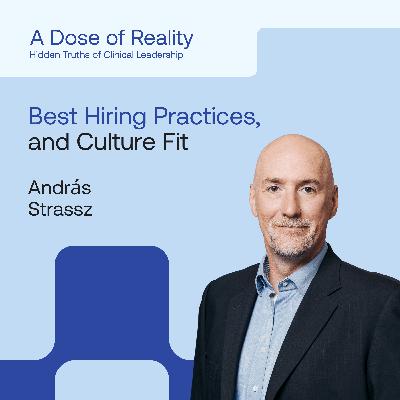
In this episode, I talked with Dr. András Strassz, Chief Medical Officer at Heidelberg Pharma, to hear about his two decades of leadership in oncology drug development—and the often-overlooked realities behind building teams, designing clinical trials, and making biotech work.András opens up about key moments in his career, including the personal crisis that almost forced him to leave the industry, the turning point when he stepped into his CMO role, and what it really takes to develop first-in-class ADCs with novel payloads.We also dive deep into industry-wide mistakes—why promising clinical programs still fail because of poor design, how pressure and under-resourcing distort decision-making, and why senior leadership continues to overlook culture fit when hiring.András also shares behind-the-scenes insights into Heidelberg’s development of amanitin-based ADCs, what makes their team culture unique, and why “good enough” just isn’t good enough when you’re trying to build something from scratch.(Find out more in the episode.)Here’s What You’re In ForWhy culture alignment should outweigh credentials when building teamsHow to spot red flags in hiring—even before the offer stageWhat good leadership looks like in biotech—and what it never forgetsTimestamps02:18 – Why he left clinical practice and how he got his first pharma job at J&J05:38 – Career highlights: relocating from Hungary and becoming CMO09:09 – Career low point: near job loss during relocation and how he handled it11:01 – Burnout in his first role and the health consequences of overwork13:38 – Overview of Heidelberg Pharma’s ADC platform 15:58 – What defines the people and culture at Heidelberg18:51 – Biggest industry mistakes: bad study design, rushed decisions, outdated models26:00 – Hiring reflections: CV vs culture fit, and how interviews often misleadAbout AndrásDr. András Strassz is the Chief Medical Officer of Heidelberg Pharma, a clinical stage biopharmaceutical company specializing in antibody-drug conjugates (ADCs) for targeted cancer treatment. András specializes in early clinical development, focusing on oncology and hematological oncology. He has experience working in both Big Pharma, namely JnJ, Amgen, Novartis, and Biotechs - Polyphor, Affimed, and his current company, Heidelberg Pharma across three countries: Hungary, Germany, and Switzerland. Outside his professional stint, his hobbies are DIY, hiking, and cooking. We have know each other for a while now, always appreciated András honesty, humour and insights and he is here to join me today - welcome.Connect with AndrásLinkedIn: https://www.linkedin.com/in/András-strassz-md-mba-a03a1147/ Heidelberg Pharma: https://heidelberg-pharma.com/en/ About meMy name is Charles Spence and I lead Discera. After many years working in the life-science recruitment world, I decided to work for myself. Before doing recruitment I graduated with a biomedical degree, have worked in hospitals (including translation work in Seoul, South Korea), and also spent a year working in diabetes research in Stockholm. After doing research and travel, a career in business and science felt the most appropriate.In 2023, I decided to launch my firm - Discera Search. A firm committed to solving the biggest talent needs of early clinical stage SME biotechs on the East Coast and DACH.Connect with me:LinkedIn: https://www.linkedin.com/in/charles-spence-clinical/ Website: https://www.discera-search.com/ Opinions and comments expressed by the guest do not represent the company and are fully their own.
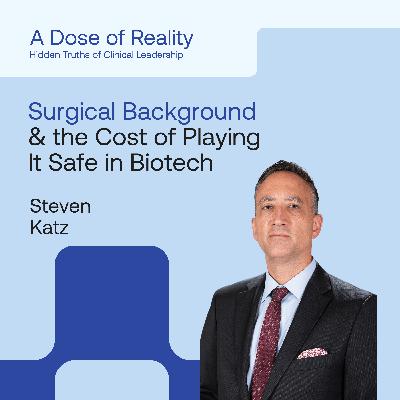
In this episode, I talked with Dr. Steven Katz, CMO and SVP of Translational Science for Shinobi Therapeutics, a biotech company pioneering off-the-shelf immune-evasive IPSC-derived cell therapies, and Professor of Surgery at Brown University. We get into why technical skills alone won’t cut it—and how the wrong hire, even if they look great on paper, can quietly derail an entire team. We talk about the pressure to stick with “proven” endpoints (even when they don’t fit the science), the temptation to play it safe, and how a quiet sense of nihilism can creep into teams when things aren’t going right. We also dig into what it’s really like managing a global biotech team, and how to make it work without losing your mind.Steven is a trained surgical oncologist and associate professor at Brown University, Steven has spent his career helping patients with solid tumors—from removing liver and pancreatic cancers in the OR to pushing the limits of immunotherapy in biotech. He was previously CMO at Trius Life Sciences.Here’s what you’re in for:What happens when you don’t clearly define what you’re hiring forHow bad hires can quietly fracture entire clinical programsWhy the “safe” development plan isn’t always the smartest—and when to take the risk anywayTMI: Things You Didn’t Know About StevenLoves tennis, history, and TRX workoutsFavorite thing in London? The West End theater scene (avoid: kids on Netflix!)Timestamps:04:06 – Lessons from surgery that shaped his biotech career08:35 – Advice to surgeons and doctors considering a move to biotech13:20 – Why IPSC is so promising for oncology and autoimmune disease17:00 – Culture clash or culture strength? Japan–US dynamics at Shinobi22:30 – When internal alignment falls apart24:35 – Playing it safe vs. doing what’s right26:19 – Common mistakes Steven still sees in biotech30:15 – The problem with drug delivery in solid tumors31:00 – Best and worst experiences with recruiters33:08 – What happens when you hire the wrong person34:46 – Final question: What is Steven most grateful for in his careerAbout StevenDr. Steven Katz is the CMO and SVP of Translational Science for Shinobi Therapeutics for Shinobi Therapeutics, a biotech developing off-the-shelf, immune-evasive, iPSC-derived cell therapies, and Professor of Surgery at Brown University. He has dedicated his career to helping patients with solid tumors in the operating room and developing novel immunotherapy solutions for those beyond the reach of current standard-of-care options. Outside of his professional stint, he spends time with his children, doing TRX workouts, playing tennis, reading history and of course joining me on this podcast - welcome.Connect with Steven:LinkedIn: https://www.linkedin.com/in/katz-steve/ Website: https://www.shinobitx.com/ About meMy name is Charles Spence and I lead Discera. After many years working in the life-science recruitment world, I decided to work for myself. Before doing recruitment I graduated with a biomedical degree, have worked in hospitals (including translation work in Seoul, South Korea), and also spent a year working in diabetes research in Stockholm. After doing research and travel, a career in business and science felt the most appropriate.In 2023, I decided to launch my firm - Discera Search. A firm committed to solving the biggest talent needs of early clinical stage SME biotechs on the East Coast and DACH.Connect with me:LinkedIn: https://www.linkedin.com/in/charles-spence-clinical/ Website: https://www.discera-search.com/ Opinions and comments expressed by the guest do not represent the company and are fully their own.
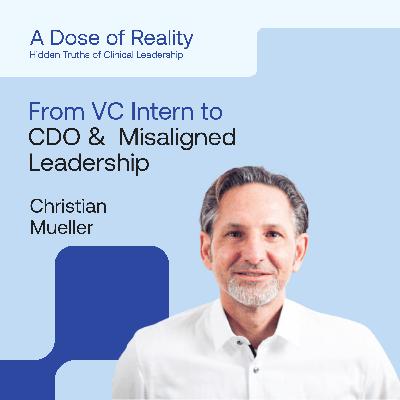
In this episode, I talked with Christian Mueller, Chief Development Officer at Immutep. Christian’s path into biotech wasn’t exactly planned—from summarizing VC business plans during his studies to becoming a driving force behind the world’s first Claudin 18.2-directed antibody.We talked about the wins and the setbacks: from finally securing Pembrolizumab supply after years of rejections, to those painful moments when you give your all to a project, and still feel unseen. Christian also opened up about hiring, leadership, and what makes a biotech team truly work (or fall apart). He shared why Immutep has gone all-in on LAG-3, what makes their international culture different from most, and why knowing your weaknesses might just be the most underrated leadership skill.And to wrap things up, we threw in a few quickfire questions, from the book he’s reading (featuring octopuses!) to what he tries to do every single day to stay sharp.Here’s what you’re in for:The red flag that made Christian walk away from a companyWhy great hiring is about cultural fit, not just perfect CVsWhat small biotechs misunderstand most about recruitmentTimestamps:01:54 – From Economics to Biotech: How VC Summaries Led to Drug Development07:41 – Career Lows: Feeling Undervalued and Facing a Regulatory Near-Shutdown13:48 – Why LAG-3? The Science and Conviction Behind Immutep’s Strategy14:34 – Inside Immutep: Low-Ego Culture, Fast Decisions, and Argument-Driven Thinking17:00 – Hiring With Humility: The Culture Fit That Matters Most22:47 – Cultural Fit Over Credentials: What Hiring Managers Really Want33:44 – Quickfire Questions: Books, Octopuses, and Trying New ThingsAbout ChristianChristian Mueller currently serves as the Chief Development Officer at Immutep, where he has been instrumental in advancing the company's lead compound, Efti, from Phase I through to Phase III clinical trials. Prior to his tenure at Immutep, Christian led the clinical development of Zolbetuximab, the first-ever CLDN18.2-directed antibody. Christian brings a unique multidisciplinary mindset to his work, describing himself as a “translator” between different scientific and operational domains. Outside of work, he is a lifelong basketball fan and enjoys spending time in natureConnect with ChristianLinkedIn: https://www.linkedin.com/in/christian-mueller-05199481/ Immutep: https://www.immutep.com/ About meMy name is Charles Spence and I lead Discera. After many years working in the life-science recruitment world, I decided to work for myself. Before doing recruitment I graduated with a biomedical degree, have worked in hospitals (including translation work in Seoul, South Korea), and also spent a year working in diabetes research in Stockholm. After doing research and travel, a career in business and science felt the most appropriate.In 2023, I decided to launch my firm - Discera Search. A firm committed to solving the biggest talent needs of early clinical stage SME biotechs on the East Coast and DACH.Connect with me:LinkedIn: https://www.linkedin.com/in/charles-spence-clinical/ Website: https://www.discera-search.com/ Opinions and comments expressed by the guest do not represent the company and are fully their own.
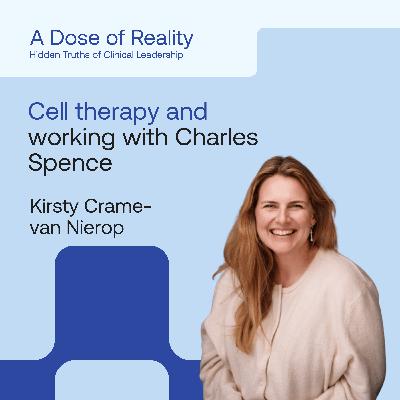
In this episode, I talked with Kirsty Crame-van Nierop, Director of Shiaba Consulting, Specialist in Clinical Drug Development. Kirsty shares her career journey, including her transition from aspiring vascular surgeon to a leader in personalized targeted therapies. We went over her key career highlights, and the challenges faced during COVID, and she gave valuable career bits of advice. Kirsty gave insights on the importance of hiring the right people in clinical development, the balance between using consultants and in-house expertise, the cultural fit in hiring, and her experiences in the job search process, highlighting the importance of communication and feedback in recruitment.Here’s what you’re in for:The problem with "unicorn" hiring expectations.Why the best hiring decisions often begin three to six months too late.When outsourcing fails: why early-stage biotech still needs in-house decision-makers.Timestamps01:56 From Vascular Surgery Dreams to Unexpected Beginnings04:41 The High of an IND Win, and the Low of Leading Through Lockdown07:25 The Career Advice That Changed Her Trajectory09:34 Why Early Decisions Make or Break Biotech17:52 In-House vs. Outsourced Roles19:15 “What Do We Actually Need?” – A Biotech Hiring Dilemma28:22 The Harsh Reality Behind Biotech Applications32:36 The Value of Long-Term Professional RelationshipsAbout KirstyKirsty Crame is a seasoned medical doctor of over 12 years of experience in drug development. She got her MD in Amsterdam and since then has worked across therapeutic areas, diabetes, cancer, et cetera. But most, if not all, of her clinical development career, has been using personalized targeted therapies to find new cures to cancer. Outside of her professional life, Kirsty is a dedicated mother of two boys. She brings the same energy and discipline from the clinic to the field. She's an avid field hockey player and embraces an active lifestyle that keeps her balanced and thriving. Kirsty and I know each other as she was a candidate and then client of mine at Medigene.Connect with Kirsty:LinkedIn: https://www.linkedin.com/in/kirsty-crame-van-nierop-418b0b38/ About meMy name is Charles Spence and I lead Discera. After many years working in the life-science recruitment world, I decided to work for myself. Before doing recruitment I graduated with a biomedical degree, have worked in hospitals (including translation work in Seoul, South Korea), and also spent a year working in diabetes research in Stockholm. After doing research and travel, a career in business and science felt the most appropriate.In 2023, I decided to launch my firm - Discera Search. A firm committed to solving the biggest talent needs of early clinical stage SME biotechs on the East Coast and DACH.Connect with me:LinkedIn: https://www.linkedin.com/in/charles-spence-clinical/ Website: https://www.discera-search.com/ Opinions and comments expressed by the guest do not represent the company and are fully their own.
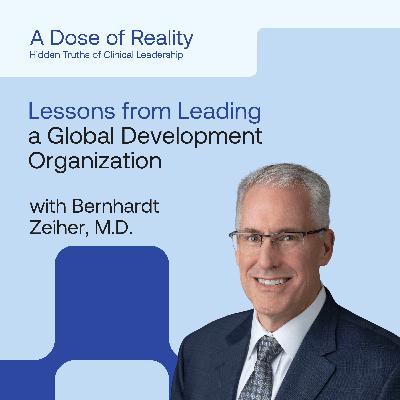
In this episode, I talked with Dr. Bernhardt (Bernie) Zeiher, where he shares key lessons and personal insights from over 25 years in pharmaceutical drug development. Bernie discusses pivotal career moments, including the emotional impact of halting a promising Phase III trial for ARDS, as well as successes such as achieving six drug approvals at Astellas. He emphasizes the critical role of data-driven decision-making, thoughtful hiring, and proactive leadership in managing clinical programs. Bernie also provides candid reflections on common organizational challenges, particularly the damaging effects of poorly executed reorganizations and layoffs. Throughout the conversation, he underscores the importance of fostering a strong, cohesive team culture, and the necessity of continuous learning and adaptation in pharma leadership.Bernie also answers some quickfire personal questions: daily coffee habit? Unusual food did Bernie try for the first time recently? Who were the mentors that shaped Bernie’s career the most?(Find out more in the episode.)Here’s What You’re In ForHow data shapes tough go/no-go decisions in drug development.Understanding and avoiding common mistakes during organizational restructuring.Deciding the right moment to transition from part-time consultants to dedicated in-house expertise.Timestamps01:10 Career beginnings and transition from pulmonology to pharma03:35 Emotional setbacks from clinical trial failures09:00 Factors behind Astellas' multiple drug approvals12:20 Common pitfalls organizations face during restructuring and reorganizations16:10 Timing the shift from consultants to dedicated internal clinical leadership19:40 How Bernie assesses culture fit and hiring red flags26:00 Quick insights and personal reflectionsAbout BernieDr. Bernhardt Zeiher is a Member of the board of directors for Entrada Therapeutics, Amylyx Pharmaceuticals, and Abeona Therapeutics. Dr. Zeiher is a physician specializing in pulmonary and critical care medicine with over 25 years of experience in drug development. He played a key role in securing approval for CRESEMBA (isavuconazole) for invasive aspergillosis and mucormycosis. As Head of Development and later Chief Medical Officer at Astellas, led the organization through one of its most productive periods, overseeing six late-phase development products.Connect with Bernie:LinkedIn: https://www.linkedin.com/in/bernhardtzeiher/ Entrada Therapeutics: https://www.entradatx.com/ Amylyx Pharmaceuticals: https://www.amylyx.com/ Abeona Therapeutics: https://www.abeonatherapeutics.com/ About meMy name is Charles Spence and I lead Discera. After many years working in the life-science recruitment world, I decided to work for myself. Before doing recruitment I graduated with a biomedical degree, have worked in hospitals (including translation work in Seoul, South Korea), and also spent a year working in diabetes research in Stockholm. After doing research and travel, a career in business and science felt the most appropriate.In 2023, I decided to launch my firm - Discera Search. A firm committed to solving the biggest talent needs of early clinical stage SME biotechs on the East Coast and DACH.Connect with me:LinkedIn: https://www.linkedin.com/in/charles-spence-clinical/ Website: https://www.discera-search.com/ Opinions and comments expressed by the guest do not represent the company and are fully their own.
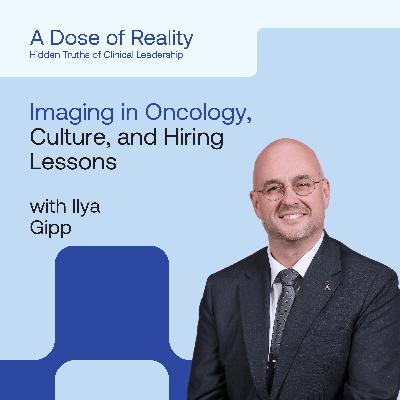
In this episode, I talked with Dr. Ilya Gipp, Chief Medical Officer at GE Healthcare, where he shares lessons from a career spent at the intersection of clinical medicine and medtech leadership. He talks about his journey from practicing radiologist to leading GE’s oncology strategy, the emotional highs of building impactful programs, and the frustrations of pushing forward ideas when teams aren't aligned. Ilya also reflects on the evolving role of imaging in cancer care, and why true innovation means making technology not just better, but more accessible.He also discussed hiring and leadership: how to time a hire before it’s too late, the danger of relying on org charts, and why horizontal communication matters more than hierarchy. Ilya opens up about culture, team building, and what it really means to feel valued at work. He closes with a look ahead, sharing his excitement for global initiatives aimed at expanding cancer care in underserved regions.In this episode, we cover:Why being both a doctor and an innovator became Ilya’s calling.A candid story of hiring too late—and what it costs him.Why “escalation” is a sign something’s already broken.Timestamps:00:54 Travel and Work-Life Balance02:08 Career Journey and Passion for Technology04:22 Highs and Lows in the Medical Field08:38 The Role of GE Healthcare in Oncology16:46 Company Culture, Hiring Insights, and Strategies30:40 Quickfire Questions About IlyaDr. Ilya Gipp is a distinguished medical professional with over two decades of experience in diagnostic imaging and oncology. As the Oncology Chief Medical Officer at GE HealthCare, he has helped shaped the company's cancer care strategy, fostering partnerships with health systems worldwide. Ilya’s academic journey began with a Doctor of Medicine with a PhD in diagnostic radiology and diagnostic imaging. Prior to his tenure at GE HealthCare, Dr. Gipp held multiple roles at Royal Philips, culminating as Chief Medical Officer for Imaging and Oncology until 2023. Throughout his career, he has collaborated with leading health systems and governmental bodies globally to advance medicine and improve access to quality care. Connect with Ilya:LinkedIn: https://www.linkedin.com/in/ilyagipp/ Website: https://www.gehealthcare.com/ About meMy name is Charles Spence and I lead Discera. After many years working in the life-science recruitment world, I decided to work for myself. Before doing recruitment I graduated with a biomedical degree, have worked in hospitals (including translation work in Seoul, South Korea), and also spent a year working in diabetes research in Stockholm. After doing research and travel, a career in business and science felt the most appropriate.In 2023, I decided to launch my firm - Discera Search. A firm committed to solving the biggest talent needs of early clinical stage SME biotechs on the East Coast and DACH.Connect with me:LinkedIn: https://www.linkedin.com/in/charles-spence-clinical/Website: https://www.discera-search.com/Opinions and comments expressed by the guest do not represent the company and are fully their own.
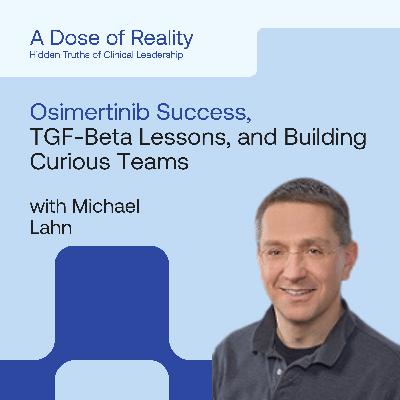
In this conversation, I talked with Michael Lahn, Chief Medical Officer of Ionctura, a clinical-stage biotech focusing on therapies for neglected and hard-to-treat cancers, where he shared his insights on drug development, leadership, and the importance of listening in building a successful team culture. He talked about his journey in the biotech industry, discussing the highs and lows of drug development, the lessons learned from his experiences with Osimertinib, and the common mistakes companies make. Michael emphasizes the significance of curiosity, collaboration, and a strong team dynamic in achieving success in the field of oncology.Here's what you're in:How did Michael get into drug development and what were some of the drivers that still push him today? What were some of the highest or proudest moments of his career? What are the key traits for success according to Michael?Timestamps:01:25 Michael's Journey into Drug Development03:28 Highest and Lowest Moments in Michael’s Career05:50 Lessons from Osimertinib Development07:50 Mistakes Companies Are Still Making Today10:26 The Importance of Listening in Leadership13:02 Ionctura's Mission and Achievements22:51 Recruitment and Working with Recruiters29:37 Final Reflections and GratitudeAbout MichaelMichael Lahn, the current Chief Medical Officer of iOnctura, a clinical-stage biotech focusing on therapies for neglected and hard-to-treat cancers. Michael completed training in Hematology-Oncology at the University of Freiburg in Germany and served as an Instructor in Immunology at the National Jewish Department of Immunology. He spent 14 years at Eli Lilly, became part of AstraZeneca's Osi-mertinib registration team, and later joined Incyte as the Head of the Geneva Office.Connect with MichaelLinkedIn: https://www.linkedin.com/in/michael-l-4a06519/ Company Website: https://www.ionctura.com/ About meMy name is Charles Spence and I lead Discera. After many years working in the life-science recruitment world, I decided to work for myself. Before doing recruitment I graduated with a biomedical degree, have worked in hospitals (including translation work in Seoul, South Korea), and also spent a year working in diabetes research in Stockholm. After doing research and travel, a career in business and science felt the most appropriate.In 2023, I decided to launch my firm - Discera Search. A firm committed to solving the biggest talent needs of early clinical stage SME biotechs on the East Coast and DACH.Connect with me:LinkedIn: https://www.linkedin.com/in/charles-spence-clinical/Website: https://www.discera-search.com/Opinions and comments expressed by the guest do not represent the company and are fully their own.
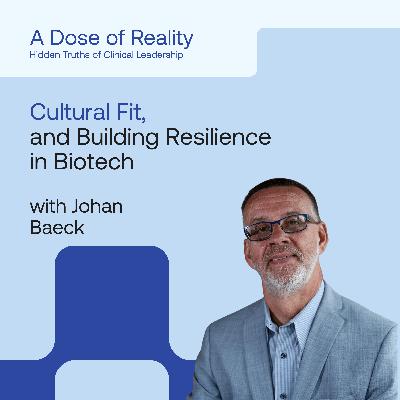
In this episode, I talked with Johan Baeck, Executive Vice President and Chief Medical Officer at Promontory Therapeutics, a clinical-stage biotech focused on developing novel small molecule immunogenic anti-cancer therapies.Johan shares insights from a career spanning large pharma (Novartis, Abbott) and biotech startups, with contributions to therapies like Vidaza, Kisqali, Zykadia, and PT-112. He also discusses why cultural fit is non-negotiable in hiring, how small molecules can trigger anti-tumor immune responses, and the personal journey of shifting from commercial to clinical focus.In this episode, we cover:How small molecules like PT-112 can trigger immune responses against cancer, and why this approach stands apart from traditional immunotherapies.Why cultural fit is a critical success factor for biotech hiring, and how the wrong hire can break a small company's momentum.How CMOs in biotech balance hands-on clinical work with C-suite leadership and constant fundraising challenges.Timestamps:01:26 Johan’s Journey: From practicing physician to entering pharma04:38 Lessons from a difficult career moment04:49 PT-112 and a novel approach to cancer treatment08:43 A culture of curiosity, openness, and diverse backgrounds10:15 Hiring the right fit: why technical skill isn’t enough18:46 Challenges facing CMOs in biotech23:46 What defines a high-performing clinical team26:03 Best and worst practices in recruitmentAbout JohanJohan Baeck is EVP and Chief Medical Officer at Promontory Therapeutics. His experience spans clinical development, medical affairs, and commercial operations across large pharma and biotech. He has contributed to the development of therapies like Vidaza, Kisqali, Zykadia, and PT-112, and has lived and worked across three continents, bringing a global perspective to clinical innovation.Connect with Johan:LinkedIn: https://www.linkedin.com/in/johanbaeck/Website: https://promontorytx.com/About meMy name is Charles Spence and I lead Discera. After many years working in the life-science recruitment world, I decided to work for myself. Before doing recruitment I graduated with a biomedical degree, have worked in hospitals (including translation work in Seoul, South Korea), and also spent a year working in diabetes research in Stockholm. After doing research and travel, a career in business and science felt the most appropriate.In 2023, I decided to launch my firm - Discera Search. A firm committed to solving the biggest talent needs of early clinical stage SME biotechs on the East Coast and DACH.Connect with me:LinkedIn: https://www.linkedin.com/in/charles-spence-clinical/Website: https://www.discera-search.com/Opinions and comments expressed by the guest do not represent the company and are fully their own.

Comments

Download from Google Play

Download from App Store
 United States