


 Claim Ownership
 History on Drugs Podcast
History on Drugs PodcastSubscribed: 9Played: 21
Subscribe

© Isaac Campos
Description
This is a podcast about drugs, history, and the endlessly fascinating interaction of the two. Sometimes we'll talk drugs. Sometimes we'll talk history. Sometimes we'll talk about both. This podcast is connected to the Substack newsletter of the same name.
https://isaaccampos.substack.com/
isaaccampos.substack.com
https://isaaccampos.substack.com/
isaaccampos.substack.com
14 Episodes
Reverse
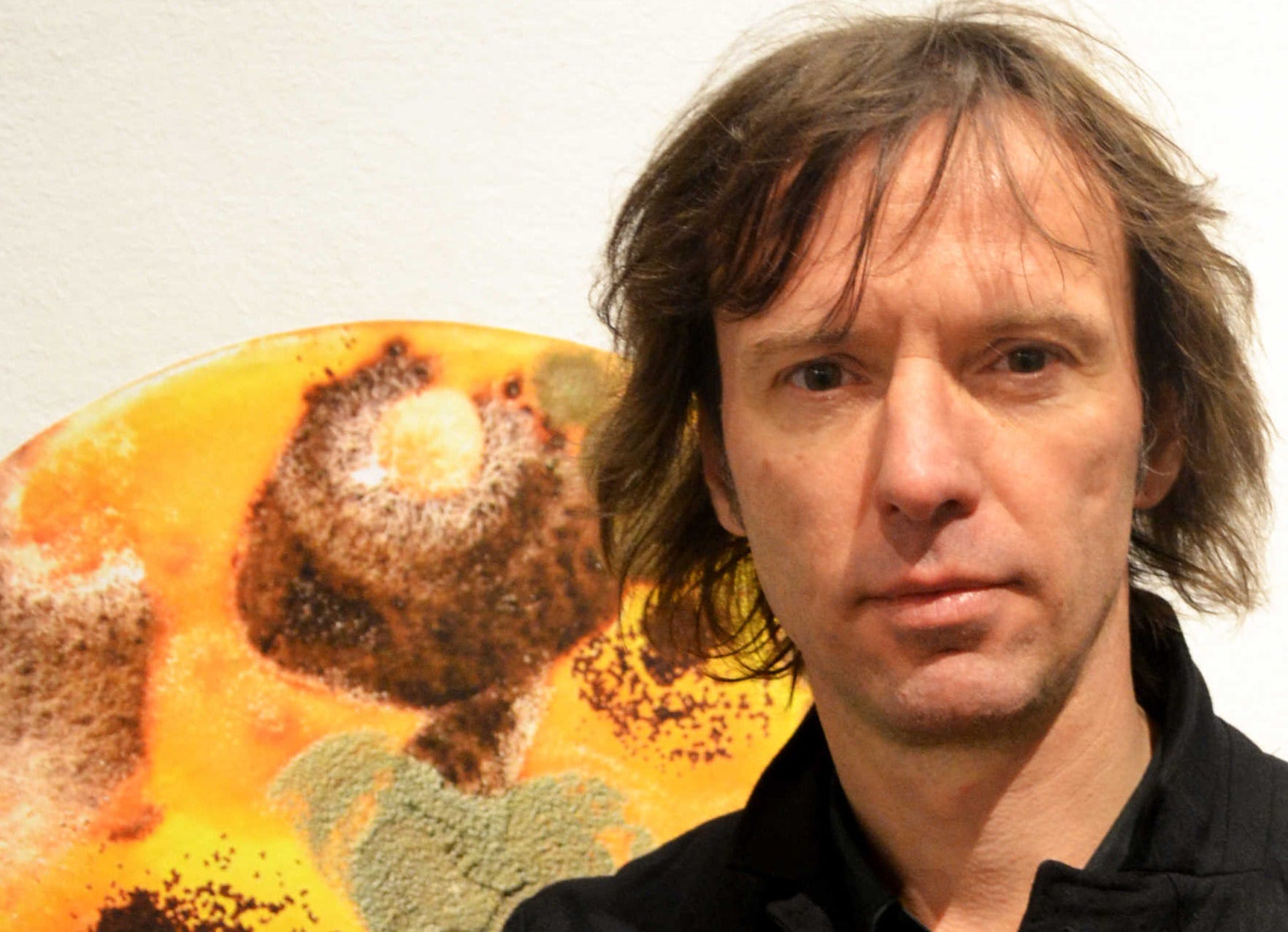
My latest guest is Stephen Snelders of Utrecht University. Stephen and I met up in Amsterdam last March to talk about drugs, history, and the Netherlands. A native of Amsterdam, Stephen watched up close as the various drug scenes in that great city evolved during the 1980s. This helped turn him into a drug historian, initially studying the history of LSD in his country, and eventually publishing Drug Smuggler Nation: Narcotics and the Netherlands, 1920-1995 (Manchester University Press, 2021).We talk about the 1960s and Amsterdam, the development of the famous Dutch system of cannabis “tolerance,” the deep roots of drug smuggling there, organized crime, and much more. As always the podcast is available through Apple Podcasts, Spotify, YouTube, Pocketcasts, and the Substack app. Episode Outline0:00-4:04: Introduction.4:04-9:14: Early life and education, getting into history, the 1980s in Amsterdam.9:14-14:40: Graduating from college, the MDMA/House rage, learning that you could get paid to do a PhD, deciding to work on the history of LSD in the Netherlands, doing an oral history of the Amsterdam drug subculture.14:40-23:20: The development of LSD in the Netherlands in the 1950s and ‘60s, Simon Vinkenoog and the Beats, happenings, the Provo countercultural movement, the road to cannabis “toleration,” Bart Huges and the “third eye,” the 1980s and MDMA.23:20-31:12: Today’s psychedelic renaissance and its lack of a countercultural vibe, professionalization of psychedelic therapy, psychedelics as PEDs and as part of the neoliberal project.31:12-43:12: “Smart shops,” mushrooms, “truffles,” coffee shops and Dutch pragmatism, the transformation of cannabis from a hippie drug to something else, criminal involvement in the cannabis market.43:12-48:49: 1990s homegrown cannabis, Ed Rosenthal, smuggling, new raids on coffee shops, organized crime, medicinal cannabis.48:49-51:58: Prostitution in the Netherlands and the Amsterdam Red Light District.51:58-55:35: Finishing the dissertation, first job, the field of medical history, academia in the Netherlands.55:35-1:06:40: The long history of Dutch drug smuggling, organized crime today in the Netherlands.1:06:40-1:13:04: Is the illicit market “working”?1:13:04-end: Outro. This is a public episode. If you would like to discuss this with other subscribers or get access to bonus episodes, visit isaaccampos.substack.com
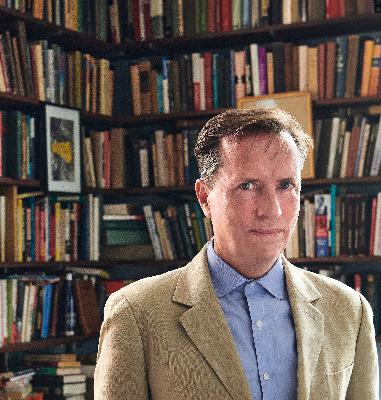
This week’s guest is Matthew Connelly, professor of international and global history at Columbia University. This interview was especially fun for me because it was Matt who, back at the University of Michigan in the 1990s, turned me into a historian. My whole way of doing things has been indelibly shaped by him.Matt is of course better known as a great and prolific scholar. His publications include a first monograph on the Algerian War for Independence, his highly-influential book on the history of international population control, and his terrific, recent work on the U.S. government’s obsession with secrecy:We talk about Matt’s job at the Centre for the Study of Existential Risk, his most recent book, his career trajectory, and much more. We also reminisce and laugh a lot. It’s a great conversation.As always the podcast is available through Apple Podcasts, Spotify, YouTube, Pocketcasts, and the Substack app.Episode Outline0:00-4:53: Introduction.4:53-11:36: Center for the Study of Existential Risk, global catastrophic events, nuclear war, studying topics shrouded in secrecy, AI.11:36-24:43: Using technology to do history, Filemaker, realizing how important being organized is, the influence of Matt’s dad.24:43-37:23: Teen dreams of being a lawyer and then having a career in policymaking, Matt’s Alex P. Keaton phase, Columbia University as an undergraduate, Cambridge University and discovering a love of history, being mentored and encouraged to continue studying history by Brendan Bradshaw.37:23-47:59: After college, realizing he didn’t want to have a normal boss, moving on to Yale for graduate school, Paul Kennedy, Gaddis Smith, the Algerian War, A Diplomatic Revolution, learning to write, mentoring students.47:59-1:00:07: First job at the University of Michigan, jargon and the cutting edge, Geoff Eley, Bob Axelrod, popular versus academic history.1:00:07-1:07:16: Reflecting on the move from Michigan to Columbia and mentoring students.1:00:07-1:10:46: Thoughts on our current moment and the importance of history and the university.1:10:46-end: Outro. This is a public episode. If you would like to discuss this with other subscribers or get access to bonus episodes, visit isaaccampos.substack.com
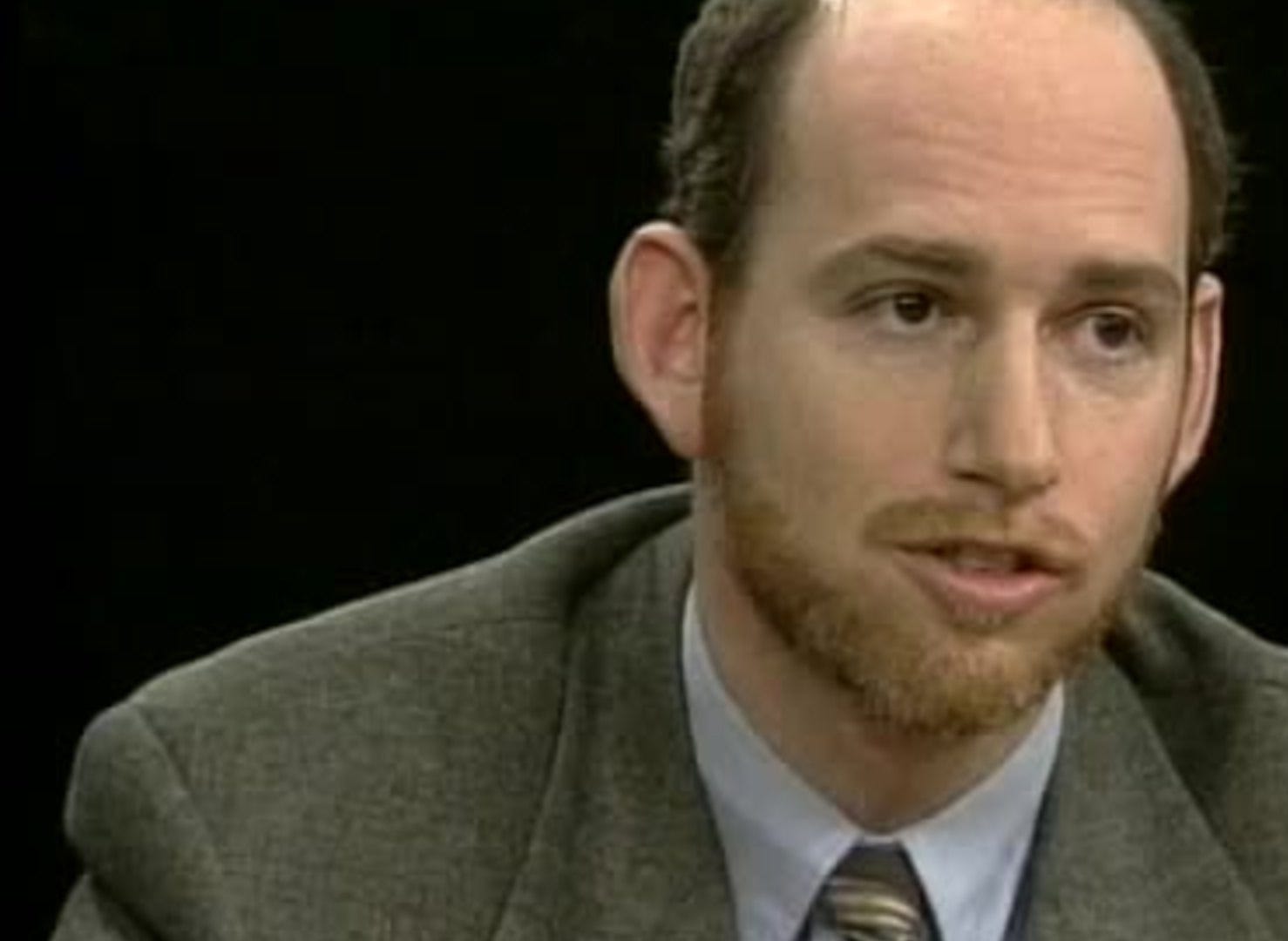
This week’s guest is drug-policy-reform legend Ethan Nadelmann. Ethan led the charge against the War on Drugs beginning in the 1980s, first as a professor at Princeton and then as the head of the Lindesmith Center (which became the Drug Policy Alliance). He’s published various influential works, including the books Cops Across Borders: The Internationalization of U.S. Criminal Law Enforcement and Policing the Globe: Criminalization and Crime Control in International Relations (with Peter Andreas), along with many important articles and even a podcast.When we write the history of the end (hopefully) of the War on Drugs, Ethan will be right at the center of the narrative. You get a first draft of that story here, plus Ethan’s thoughts on the psychedelic renaissance, building political movements, and much more.As always, the podcast is available through Apple Podcasts, Spotify, YouTube, Pocketcasts, and the Substack app.Episode Outline0:00-4:53: Introduction.4:53-21:18: The psychedelic renaissance, early life, education, getting into drugs academically, getting sucked into national debates on drugs, the emergence of a new drug-policy-reform era, race and reform, the three branches of drug-policy reform.21:18-37:22: The late ‘80s drug panic, imagining what legalization might look like, meeting George Soros, conceiving of a new drug-policy center, the Open Society Institute, the Lindesmith Center.37:22-54:55: Connecting intellectual pursuits to activism, historical precedents for harnessing privilege to lead a reform movement, the influence of Ethan’s rabbi father, challenging the drug warriors in person, learning to love public speaking.54:55-58:24: Interviewing DEA agents, what they thought about their mission, observing the drug war in action in Latin America, including torture and home detention.58:24-1:07:16: The Lindesmith Center merges with the Drug Policy Foundation to create the Drug Policy Alliance, working with George Soros, medical marijuana in California (Prop. 215), Peter Lewis, George Zimmer, John Spurling, Chuck Bliss, Ram Dass, other initiatives between 1996 and 2000.1:07:16-1:19:09: The political scene after 9/11, the first international conference on preventing overdoses (2000), changing political winds, unsuccessful ballot initiatives, building the Drug Policy Alliance, balancing the different constituencies of drug-policy reform, “harm reduction.”1:19:09-1:34:04: Staying enthusiastic and energized, Ira Glasser, successes in the early 2010s, deciding to retire, the 2016 election.1:34:04-1:48:12: Looking back on all of the extraordinary change since the 1980s, the keys to a successful moral revolution.1:48:12-end: Outro. This is a public episode. If you would like to discuss this with other subscribers or get access to bonus episodes, visit isaaccampos.substack.com
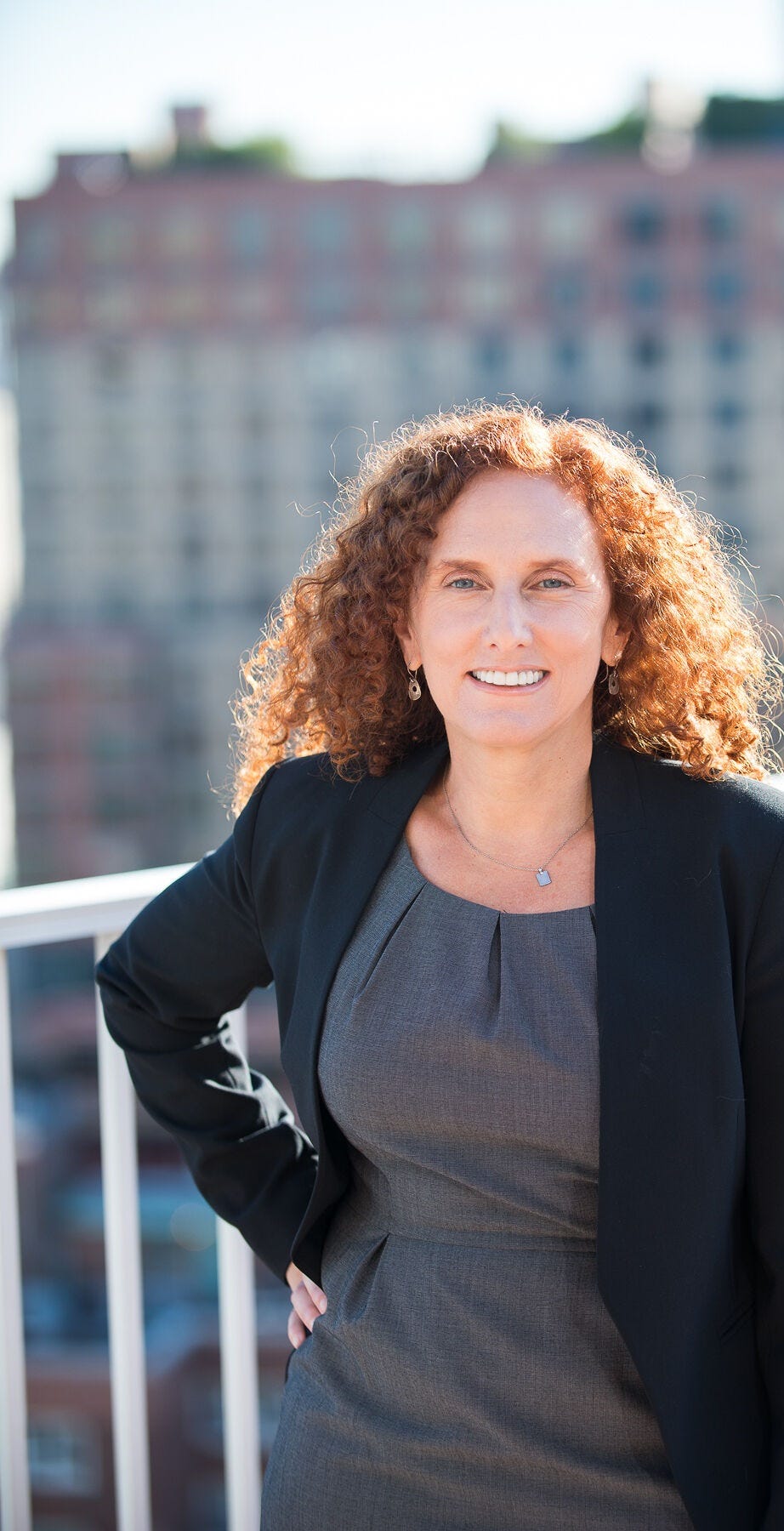
Maia Szalavitz is my latest podcast guest. Maia is the author of Undoing Drugs: How Harm Reduction is Changing the Future of Drugs and Addiction, Unbroken Brain: A Revolutionary New Way of Understanding Addiction, and Help at Any Cost: How the Troubled-Teen Industry Cons Parents and Hurts Kids, along with several other books.We met up at her office in New York City last November to talk about her extraordinary life and career. She describes a tough childhood that led into a period of hardcore drug addiction, a period capped by a major drug bust that could’ve landed her in jail for many years. In the midst of trying to navigate the legal system at the height of the War on Drugs, she launched her now very successful career in journalism. She’s got some really brilliant insights on addiction and our misguided approaches to it, along with many stories about encounters with fascinating people ranging from Jerry Garcia to Bill Moyers and Charlie Rose. It’s great stuff.As always the podcast is available through Apple Podcasts, Spotify, YouTube, Pocketcasts, and the Substack app. Episode Outline0:00-6:02: Introduction.6:02-15:20: Rough time growing up in upstate New York in the ‘70s, high school, dreaming of being a journalist, getting into drugs to fit in, psychedelics.15:20-24:28: Enrolling at Columbia, the early ‘80s cocaine boom, doing cocaine with Jerry Garcia, becoming a drug dealer and solving the social dilemma, the roots of addiction, quitting psychedelics in order to avoid facing up to her addiction to other drugs.24:28-32:34: Trajectory as a dealer, getting busted, sinking into severe addiction, the courts, treatment.32:34-46:46: The racism of the War on Drugs, Oregon’s decriminalization, why the narratives about recovery are often wrong, the problem with punishment, the problem with Synanon-style treatment.46:46-51:35: The story of getting busted with two kilos of cocaine.51:35-1:06:38: After rehab, early “neuroscience,” writing for High Times, working for Charlie Rose, freelance writing, working for Bill Moyers, the Alan Leshner “highjacking the brain” episode, the brain disease model of addiction, 12-step.1:06:38-1:21:35: Her books and the term “harm reduction.”1:21:35-end: Outro. This is a public episode. If you would like to discuss this with other subscribers or get access to bonus episodes, visit isaaccampos.substack.com
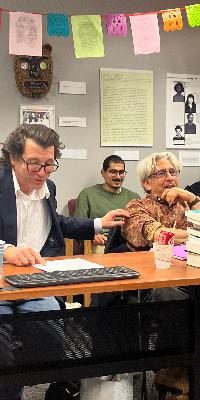
My latest podcast is with Paul Gootenberg, one of the towering figures in drug history. Paul just retired from his longtime position as the SUNY Distinguished Professor of History and Sociology at Stony Brook University, and I was there in November to both fete and roast him at a symposium in his honor. It’s a very fun conversation. There are lots of great stories about 1960s radicals and the drug culture of that time, hitchhiking across America, a showdown with Studs Terkel, getting arrested in Reno, becoming a Rhodes Scholar while claiming “gardening” as his qualifying sport, and, of course, Paul’s drug scholarship.As always the podcast is available through Apple Podcasts, Spotify, YouTube, Pocketcasts, and the Substack app. Episode Outline0:00-6:42: Introduction.6:42-10:06: Banter, Studs Terkel story.10:06-15:02: Poor performance in high school, taking some gap years, Boston University, figuring out that professors were legitimate intellectuals.15:02-26:55: Smoking pot in the ‘60s, growing up in Maryland, the “Boone’s Farm” phase in America, hippie high-schoolers, drugs as symbolic during the ‘60s.26:55-39:52: Getting serious about school, the University of Chicago, John Coatsworth, hitchhiking across America, Haight-Ashbury, getting arrested in Reno.39:52-52:14: Back at the University of Chicago, getting interested in history, John Coatsworth, Friedrich Katz, Bentley Duncan, Ralph Austen, Peter Novick, and deciding to go to graduate school.52:14-1:09:15: Becoming a Rhodes Scholar, David Walker, studying at Oxford, Rosemary Thorp, getting interested in Peru and economic history.1:09:15-1:22:32: Taking a train to Mexico for language school, flying to Peru, becoming a Peruvianist, the influence of Rosemary Thorp, the dissertation, the Institute for Advanced Study, Clifford Geertz and some postmodernists, first job at Brandeis.1:22:32-1:32:18: Getting into studying drugs in the mid-90s, big questions of cannabis history, cocaine archival research, Cocaine: Global Histories, Andean Cocaine, The Origins of Cocaine, challenging the standard theory of cocaine cultivation.1:32:18-1:35:17: The Alcohol and Drugs History Society and the booming field of drug history.1:35:17-end: Outro. This is a public episode. If you would like to discuss this with other subscribers or get access to bonus episodes, visit isaaccampos.substack.com

My latest guest is historian Erika Dyck. Erika is one of the world’s leading authorities on psychedelics both past and present. She hails from Saskatchewan, Canada, which back in the 1950s was ground zero for new scientific research into psychedelic therapy, an era she wrote about in her first book, and which we talk about at some length in our conversation. We also discuss her youth in Saskatoon, how she became a historian, the current psychedelic renaissance, and even a chance encounter she had with Timothy Leary back in the early 1990s. It’s great stuff.As always the podcast is available through Apple Podcasts, Spotify, YouTube, Pocketcasts, and the Substack app.Episode Outline0:00-5:18: Introduction.5:18-20:26: Early life in Saskatchewan, possible roots of research focus, early interest in history, college years, crossing the whole country in the mid-90s, the arrival of the internet, being a history major at Dalhousie University, return to Saskatoon, “doing” versus “studying,” parenting in the 80s and 90s.20:26-35:25: Getting interested in graduate school, getting involved in politics, thinking about going back for the PhD, working at a movie theater and meeting Timothy Leary, deciding on the PhD program at McMaster University.35:25-56:21: Starting the program at McMaster University, Saskatchewan’s mid-twentieth-century socialist government and the road to psychedelic research, Humphrey Osmond, 1950s psychedelic therapy, Captain Al Hubbard, controversies related to psychedelic therapy.56:21-1:16:09: Finishing the dissertation, first job at the University of Alberta, getting taken seriously when you study drugs, psychedelics and awe, studying eugenics and then madness, editing a book on peyote and the Native American Church—a new direction into indigenous ritual and ceremony.1:16:09-1:30:09: Thoughts on the psychedelic renaissance, thinking with psychedelics, the psychedelic gold rush, harm reduction and psychedelics, the role of the internet, social media.1:30:09-end: Outro. This is a public episode. If you would like to discuss this with other subscribers or get access to bonus episodes, visit isaaccampos.substack.com
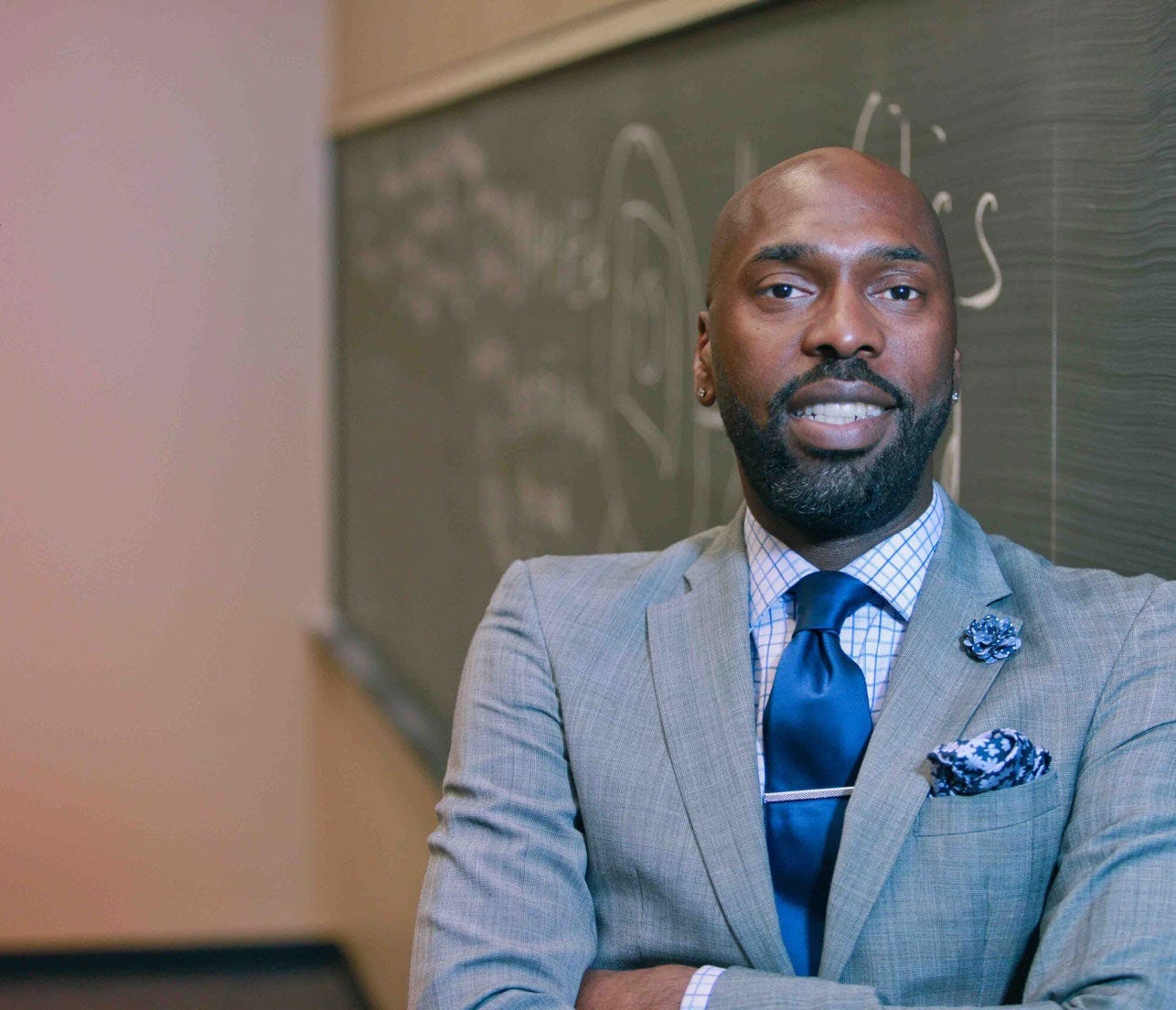
This week’s guest is Davarian Baldwin, Paul E. Raether Distinguished Professor of American Studies at Trinity University. He’s the author of In the Shadow of the Ivory Tower: How Universities are Plundering Our Cities (Bold Type Books, 2021), Chicago’s New Negroes: Modernity, the Great Migration, and Black Urban Life (UNC Press, 2007), and co-editor of the essay collection Escape From New York! The New Negro Renaissance (University of Minnesota Press, 2013). Davarian and I talked way back in March of 2024 about his growing up in a working-class family in a small Midwestern city, the early 1990s and the intellectual ferment of that time, graduate school at NYU, his career in academia, his founding of the Smart Cities Research Lab, and his work on the fraught relationship between universities and their surrounding communities.As always, the podcast is available through Apple Podcasts, Spotify, YouTube, Pocketcasts, and the Substack app.Episode Outline0:00-8:52: Introduction.8:52-11:15: Talking Amsterdam, cannabis, the Spanish Civil War, the Lincoln Brigade.11:15-15:40: Growing up in Beloit, Wisconsin, family background, storytelling, being a George Bush “Point of Light,” his early politics.15:40-28:10: Marquette University, the early-1990s culture wars, early roots of his research trajectory, political activism, dabbling in PR, the Ronald McNair program, race consciousness, hip-hop at the turn of the ‘90s, realizing he could become a professor. 28:10-42:30: Transitioning to graduate school, being inspired by new scholarship, deciding to go to NYU, Robin Kelley, public intellectuals, Afrocentricity, initial struggles, grit.42:30-53:10: Origins of Chicago’s New Negroes, hip-hop’s influence, choosing to study Chicago instead of New York, commercial culture, Harold Cruse, doing the research, long footnotes, resistance to the idea of everyday intellectuals.53:10-1:07:40: Hitting the job market, getting hired at Boston College, adjusting to a different type of academic program, being a Black professor with White students, student evaluations, coming up for tenure.1:07:40-1:17:45: Life after tenure at BC, going back on the market, Trinity College, “the Trinity way.”1:17:45-1:29:15: Working on university-city relations, University of Chicago and the South Side, university police forces, the university as the factory of the twenty-first century, “univercities,” universities and slavery, promoting a book during Covid and then George Floyd.1:29:15-1:50:45: The Smart Cities Research Lab, drawn into helping a community in Philadelphia, New Haven as a company town, bringing together ideas and advocacy, the Marguerite Casey Foundation, being a Freedom Scholar, doing work in the Netherlands, trying to reach a non-academic audience, how the research lab works, researching best practices for building equitable urban communities, final thoughts on today’s university as a vital site of struggle.1:50:45-end: Outro. This is a public episode. If you would like to discuss this with other subscribers or get access to bonus episodes, visit isaaccampos.substack.com
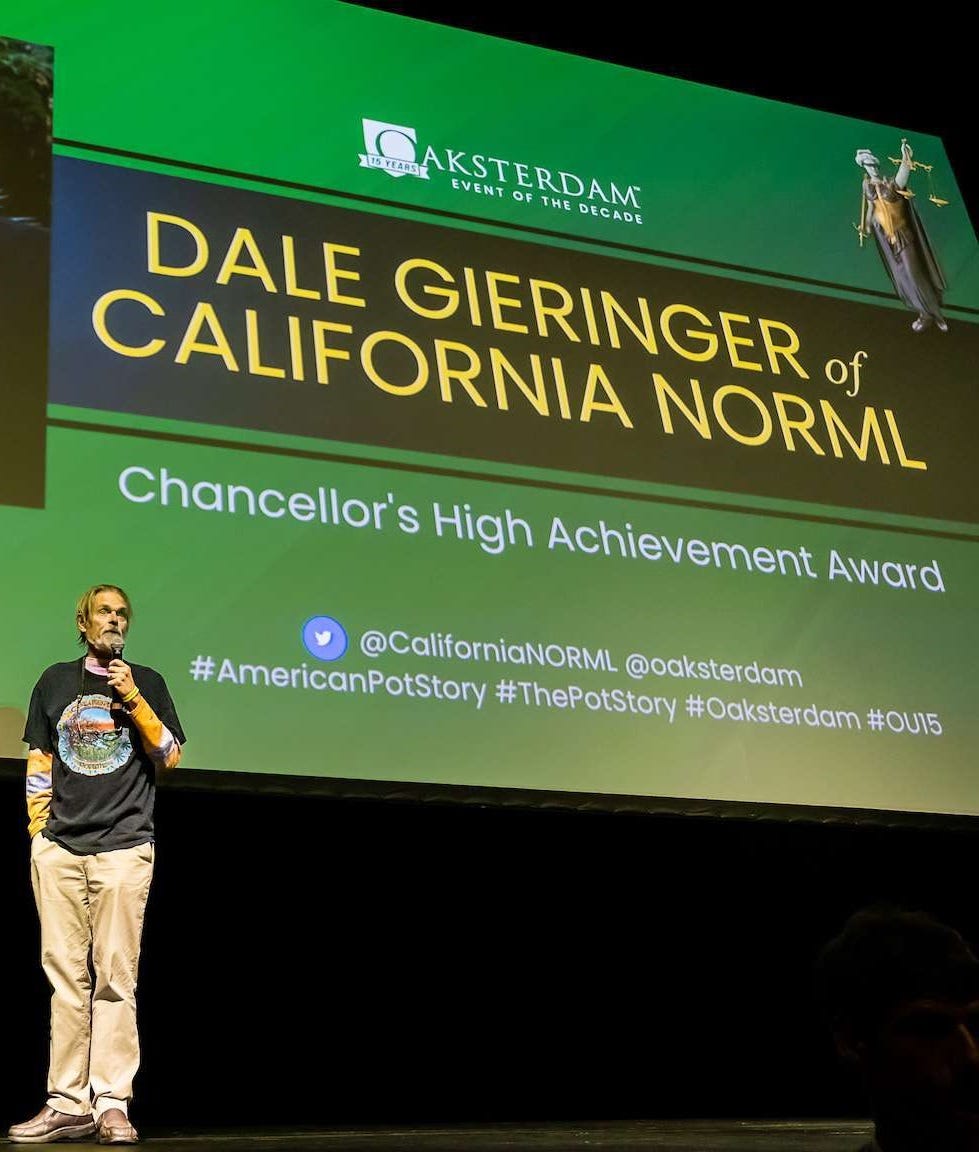
Today on the podcast I talk to Dale Gieringer, the longtime head of California NORML (National Organization for the Reform of Marijuana Laws). Dale came in last spring to talk about what it was like to be there for some of the most important shifts in twentieth-century drug history, from the explosion of drug-taking in the 1960s, to California’s historic Prop. 215, which legalized medical marijuana, through recreational legalization in that state in 2016. Dale was there and talks about all of it. You even get to hear stories about weed in 1960s New York City, hashish smoking at Harvard, taking LSD for the first time in 1968, and much more. As always, the podcast is available through Apple Podcasts, Spotify, YouTube, Pocketcasts, and the Substack app.Episode Outline0:00-4:10: Introduction.4:10-11:00: Cincinnati in the early ‘60s, the drug scene in high school and college, first exposure to cannabis.11:00-14:40: Being conservative as a college student in the ‘60s, the Vietnam War, the drug turn in the ‘60s.14:40-17:50: Teaching math in Kentucky to avoid the draft, cannabis after college.17:50-32:20: Taking LSD for the first time, various jobs post-college, moving to California at the turn of the ‘70s, graduate school at Stanford, the Reagan drug war, writing about DEA abuses, and becoming head of California NORML at the very low point of the legalization movement.32:20-41:45: First initiatives, pursuing decriminalization, Dennis Peron, Jack Herer, The Emperor Wears No Clothes, the link to the environmental movement, Herer’s hemp initiative, Herer’s influence.41:45-50:00: The San Francisco medical marijuana initiative (Prop. P), initiatives in other cities, efforts in the state legislature, birth of Prop. 215.50:00-59:30: Getting Prop. 215 on the ballot, coming up with $300,000 cash, getting support from Ethan Nadelmann and various big donors.59:30-1:05:50: Perspective on the historic Prop. 215, not knowing what would happen afterward, tabulating what kind of medical patients were out there, chronic pain.1:05:50-1:10:00: Dale’s contribution to the cannabis historiography.1:10:00-1:25:15: The 2010 California legalization initiative, Richard Lee, Oaksterdam, Oaksterdam University, Dale Sky Jones, optimism for legalization after 2008, disagreements over the wisdom of persuing legalization in 2010.1:25:15-1:30:40: The economics of legalizing, learning from nineteenth-century India, California regulations. 1:30:40-1:47:15: 2016 legalization, 2014 roots, the Teamsters, more economics of legalization, red tape, rescheduling, failure of decriminalization in the ‘70s, final thoughts.1:47:15-end: Outro. This is a public episode. If you would like to discuss this with other subscribers or get access to bonus episodes, visit isaaccampos.substack.com
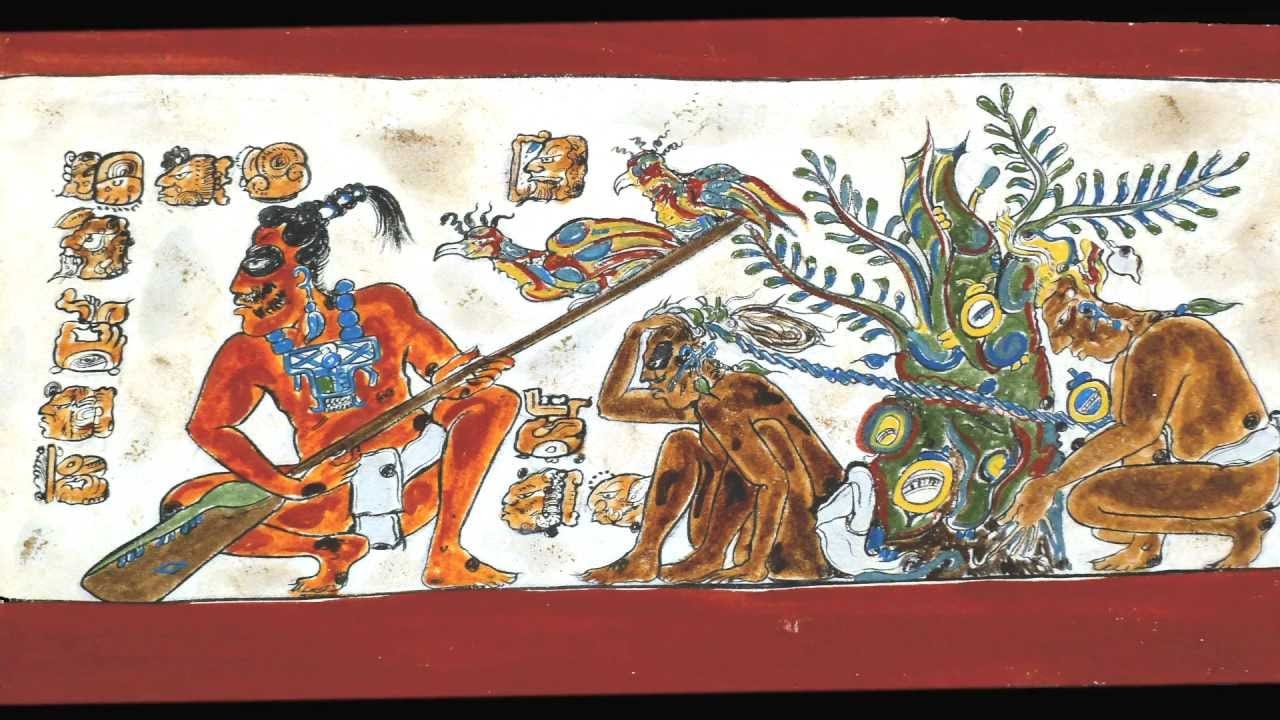
My guest in Episode #6 is historian Brianna Leavitt-Alcántara. Bri is a specialist in colonial Central America, especially the history of women and religiosity. She’s also my friend and colleague here at the University of Cincinnati. We have a great, wide-ranging conversation that explores her childhood in California, the kinds of struggles that most young people have as they try to figure out what to do with their lives, graduate school, being mentored by the great Bill Taylor, the ins and outs of archival research in Latin America, life in rural Kentucky, and more. We even delve into the opioid epidemic as Bri describes some past struggles with addiction in her own family. As always, the episode is available through Apple Podcasts, Spotify, YouTube, Pocketcasts, and the Substack app.Episode Outline0:00-5:10: Introduction.5:10-12:00: The origins of Bri’s interest in history, early life in California, her parents’ influence.12:00-16:30: Bri as a young student, the University of San Francisco and the road to actually studying history and Latin America.16:30-25:20: Her father’s family and dealing with Mexican identity in the middle of the twentieth century, life for Mexican-Americans in the USA.25:20-32:45: From USF to graduate school at Berkeley and working with Bill Taylor.32:45-39:55: Starting graduate school, early struggles, learning how to work in archives and read colonial documents.39:55-48:30: The process of finding a research topic, problems with the archives, finding a dissertation topic in fascinating old wills.48:30-59:45: Grad school friends, competition, imposter syndrome, and, thankfully, we didn’t have social media back then.59:45-1:13:00: Finishing the dissertation, real life intervenes, work routine and figuring out how to get a lot done with little time.1:13:00-1:20:15: Looking for a job in 2008-2009, more real life intervenes, opioid addiction in the family.1:20:15-1:28:25: Landing a first job, life in Danville, Kentucky, coming to the University of Cincinnati.1:28:25-1:40:35: New research project on a Maya rebellion led by a thirteen-year-old girl, thinking about a new book.1:40:35-end: Conclusion. This is a public episode. If you would like to discuss this with other subscribers or get access to bonus episodes, visit isaaccampos.substack.com

In the fifth installment of the History on Drugs podcast, John O’Connor joins Isaac to discuss his recently published book—The Secret History of Bigfoot: Field Notes on a North American Monster (Sourcebooks, 2024)—along with his new project on psychedelic guru Terence McKenna. They talk about the psychedelic renaissance, John’s trip to Colombia’s Putomayo region, how to successfully combine your coca and tobacco, the similarities between the “psychonauts” of the 1970s and today’s Bigfoot hunters, and many other topics, from life in the social-media age to fishing in Vermont.As always, the episode is available through Apple Podcasts, Spotify, YouTube, Pocketcasts, and the Substack app. You can read the History on Drugs newsletter here.Episode Outline0:00-5:18: Introduction.5:18-12:58: Social media and its discontents.15:58-19:10: Origins of John’s Terence McKenna project.19:10-27:47: McKenna, La Chorrera, psilocybin, and hashish smuggling.27:47-36:02: John’s trip to Colombia and Isaac's decision to abandon that trip.36:02-45:00: Visiting La Chorrera, life there, and taking coca and tobacco with the locals.45:00-59:05: John’s dad pursues psychedelic therapy, the Saskatchewan LSD experiments, treating alcoholism with LSD, Erika Dyck, Roland Griffiths.59:05-108:16: Psychedelic legalization versus marijuana legalization, what is the economic model for legal psychedelics? Will LSD make a comeback?1:08:16-1:24:06: Bigfoot hunting versus psychedelic hunting, academics in the wild, conspiracy theories versus expertise, encountering Bigfooters while on tour.1:24:06: Outro. This is a public episode. If you would like to discuss this with other subscribers or get access to bonus episodes, visit isaaccampos.substack.com
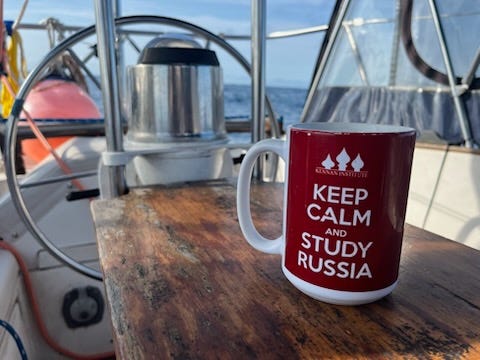
This week’s guest is my colleague Willard Sunderland. Willard is the Henry R. Winkler Professor of Modern History at the University of Cincinnati and an expert on the history of the Russian Empire. Our conversation centers around a great adventure from which Willard had just returned—sailing a 32-foot sailboat from Lake Erie to Finland. Though there’s a lot of history involved in this too, as the trip shadowed the same route taken by John Quincy Adams back in 1809. We discuss not only the ins and outs of sailing a small boat across the North Atlantic, but Adams' earlier voyage and U.S.-Russian relations (and researching and writing a book about all of that). Willard also tells some amazing stories about visiting the Soviet Union in the 1980s as well as working as a translator on a Soviet fishing boat. This is a great, wide-ranging conversation that takes us from Ohio to Finland to the Soviet Union and back again.As always, the episode is available through Apple Podcasts, Spotify, YouTube, Pocketcasts, and the Substack app.Episode Outline0:00-6:40: Episode introduction.6:40-15:30: Describing the route from Lake Erie to Finland—Buffalo, Manhattan, Boston, Newfoundland, and the big water.15:30-23:20: Dealing with storms and “rogue” waves.23:20-33:10: Background on the trip, the inspiration, the preparation—buying, fortifying, and outfitting the big-water boat.33:10-38:47: How the crew sleeps, being on watch, what one pays attention to while on watch.38:47-1:06:35: Personal connections to Russia and the intellectual origins of the voyage, John Quincy Adams, U.S.-Russian relations, writing a book about the trip, the available sources from Adams’ voyage and retracing his route, landfall.1:06:35-1:12:30: Willard’s approach to historical research, frequent travel to Russia, seeking inspiration from the experience of being there, how going to Russia in the 1980s inspired him to study history.1:12:30-1:18:56: Glasnost and getting to the Soviet Union as a student in the 1980s, a freakish stroke of good luck that got him a spot on a student exchange.1:18:56-1:28:50: Arriving in the Soviet Union, first impressions, meeting people in their homes where they could show their full colors, the excitement of seeing the Soviet Union open up.1:28:50-end: Absurd luck and joining a Soviet fishing boat as a translator, life on a 300-foot Soviet ship, arbitrating disputes between American and Soviet fishing vessels, industrial-scale destruction of the world’s fisheries. This is a public episode. If you would like to discuss this with other subscribers or get access to bonus episodes, visit isaaccampos.substack.com

In this episode I talk to Nancy Campbell about a life in drug history. From growing up in small-town Pennsylvania, to Seattle and northern California in the 1980s during the height of the War on Drugs, to a historic 1990s summit of young drug scholars organized by the legendary David Musto, to a quarter century of researching and publishing on drugs, gender, addiction, and overdose.Episode Outline (with approximate time stamps)0:00-4:30: Episode introduction.4:30-13:00: Growing up in Berwick, Pennsylvania; hanging around doctors’ offices; being the only girl on the high school cross-country team; working for the newspaper; learning about letter-press printing.13:00-22:00: Beginning to notice drug users and the prejudice against them; becoming a rebellious thinker; the transformation of Nancy’s childhood region into a MAGA stronghold; deaths of despair; first intellectual ideas about drug policy and history; not interested in being “normal.”22:00-29:00: Driving across the country with her college boyfriend to Seattle; letter-press printing shops; first taste of graduate school; studying science as culture; Donna Haraway; learning that all knowledge is bound up with power; Seattle in the late 1980s.29:00-39:00: Moving to Mendocino County, California; letter-press printing at Yolla Bolly Press; seeing the War on Drugs up close in the Emerald Triangle; the back-to-the-land movement; the Campaign Against Marijuana Planting (CAMP); the War on Drugs on TV; getting inspired to study drug policy and its history.39:00-43:30: Applying to “history of consciousness” at UC Santa Cruz; graduate school; reading Bruno Latour; working with Donna Haraway, Wendy Brown, Barbara Epstein; Angela Davis; dissertation on drug policy in the 1950s; drug users; first job at Ohio State.43:30-49:00: The Daniel Hearings of the 1950s; employees of the Lexington “narcotics farm”; the crucial 1950s; feeling like a lone voice until David Musto convenes a big summit of young drug scholars.49:00-57:00: David Musto’s scholarship and influence; the 1996 drug-history summit in New Haven; David Courtwright.57:00-1:10:00: From Ohio State to science and technology studies at Rensselaer Polytechnic; the history of the “narcotic farms” and research on human subjects there; life on the “farm”; trying to make addicts “normal”; 1970s controversies about human-subjects research; Discovering Addiction; doing history of the present.1:10-1:25:00: The initially overlooked opioid epidemic; buprenorphine; naloxone; harm reduction; overlooked overdose deaths; ODs have been ticking up since 1979; responding too late to the “chronic slow disaster” of OD deaths; fentanyl; questioning the numbers; polydrug overdose.1:25-end: Are these deaths of despair?; uncounted overdose deaths; set and setting and overdose; fentanyl; the problems of data; drug-policy amnesia; Amitav Ghosh; hidden histories of overdose; balancing desire to stop overdose with the need for pain relief; limbic capitalism and the need for guardrails.History on Drugs newsletter: https://isaaccampos.substack.com/ This is a public episode. If you would like to discuss this with other subscribers or get access to bonus episodes, visit isaaccampos.substack.com
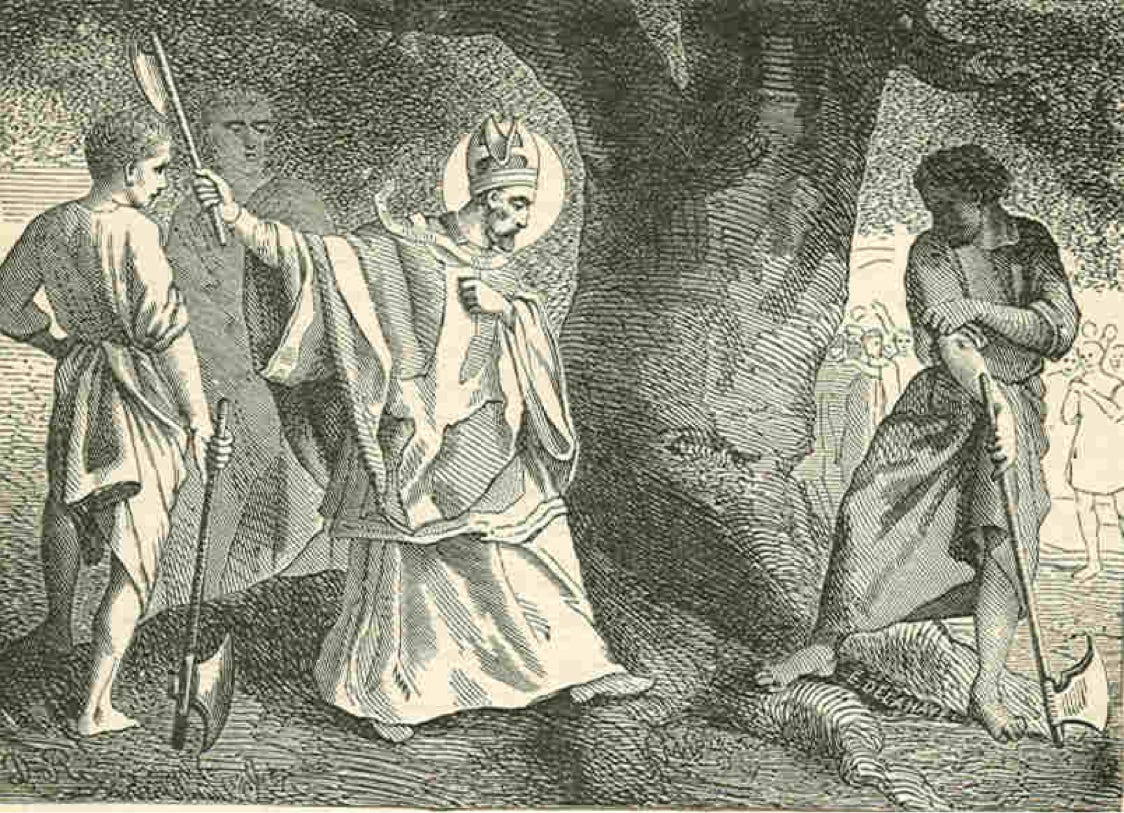
In this episode, my colleague Jeff Zalar joins me. This is a wide-ranging conversation that takes us from the post-industrial, working-class Rust Belt, to Panama and the first Gulf War (via the Marines), through graduate school at Georgetown, and finally to the University of Cincinnati. It’s a story of grit and determination with a heavy Midwestern accent. It also includes about the finest explanation of the value of a humanities education that you will ever hear. Plus thoughts on the culture of drinking in the military. Episode outline:0:00-4:00—Episode introduction.4:00-18:15—Growing up in working-class, greater Milwaukee; Slavic immigrant roots; schoolboy days and learning to love learning.18:15-27:00—Deciding to join the Marines; military intelligence; Panama; the Gulf War, and developing a deep thirst for education.27:00-33:30—The culture of drinking in the Marines.33:30-47:00—Off to college; from struggles to excellence; the huge difference a professor can make; deciding to pursue a career in academia.47:00-56:30—Off to graduate school; Washington, D.C. and Georgetown.56:30-1:04:00—Finishing graduate school; humility and learning the value of teaching.1:04:00-1:12:00—First academic job in California; life struggles; early teaching struggles; the critical role of grit.1:12:00-1:23:00—Dumb luck and finding the right job posting; coming to Cincinnati and the challenges of pulling up stakes with a family.1:23:00-1:28:30—Current project on Catholics and natural science in the nineteenth century; I interject a story about the discovery of intoxicant cannabis in Mexico by an eighteenth-century Catholic man of science.1:28:30-1:41:00—The value of history and the humanities; cultivating excellence, virtue, integrity, humility, and charity.1:41:00-end—The story of Saint Boniface, which is the name of the church near my house. You can hear the church bells at the start of the podcast, though that was totally unintentional.History on Drugs Newsletter: https://isaaccampos.substack.com/ This is a public episode. If you would like to discuss this with other subscribers or get access to bonus episodes, visit isaaccampos.substack.com

My guest this week is James Bradford of the Berklee College of Music. It’s a great conversation. James is a really interesting guy with a really fascinating story, and he generously shares a lot of it. We talk about his growing up in Maine, youthful drug use, families and addiction, becoming a historian, researching Afghanistan, opium, cannabis, and much much more.As I note in the introduction to the interview, there are a bunch of people and organizations that we talk about and don’t really explain, so I’m going to list them here in roughly their order of appearance:The Drug Page is a website that I created. It brings my research on marijuana in the United States to a broader public.SeepeopleS is James’s brother’s band.The Alcohol and Drugs History Society (ADHS) is our professional association.Emily Dufton is a historian who has written about marijuana in the United States. Haggai Ram is a historian who has written about hashish in Mandatory Palestine and Israel.Erika Dyck is a historian and current president of the ADHS. She’s writes a lot about psychedelics.David Herzberg is a historian who has written a lot about drugs and the pharmaceutical industry in the United States. David Courtwright is the dean of American drug historians. He coined the terms “limbic capitalism,” “psychoactive revolution,” and more.Paul Gootenberg is the dean of Latin American drug historians. He has written a lot about cocaine. He was also on my doctoral committee many moons ago.Oliver Dinius is a historian of Brazil and was a colleague of mine in graduate school.Matthew Connelly is a historian of international and global history and my first mentor in this business.James Mills is a historian who has worked on cannabis in the British empire and cocaine in Asia.Patricia Barton is a historian of pharmacy and drugs in the British empire.AHA: American Historical Association.MESA: Middle East Studies Association.Stephen Snelders is a historian who writes about drugs in the Netherlands and beyond.Lucas Richert is a historian of pharmacy and psychedelics.David Guba is a historian who has written about cannabis in France.Ethan Nadelmann is a drug-policy-reform legend. He’s also got a very interesting podcast of his own. This is a public episode. If you would like to discuss this with other subscribers or get access to bonus episodes, visit isaaccampos.substack.com
Comments

Download from Google Play

Download from App Store
 United States