


 Claim Ownership
Raising the Game: Better Legislation
Subscribed: 4Played: 65
Subscribe

© Copyright European Parliament English
Description
New initiatives for a better European Union
This podcast presents information on different initiatives intended to address citizens’ expectations for better EU legislation. It is based on research by the European Parliamentary Research Service and discusses topics at the forefront of European current affairs: social policies, climate change, new technologies, consumers’ rights, international relations and the economy, among others.
You can listen to more podcasts on Europarl Radio, the web radio of the European Parliament.
106 Episodes
Reverse
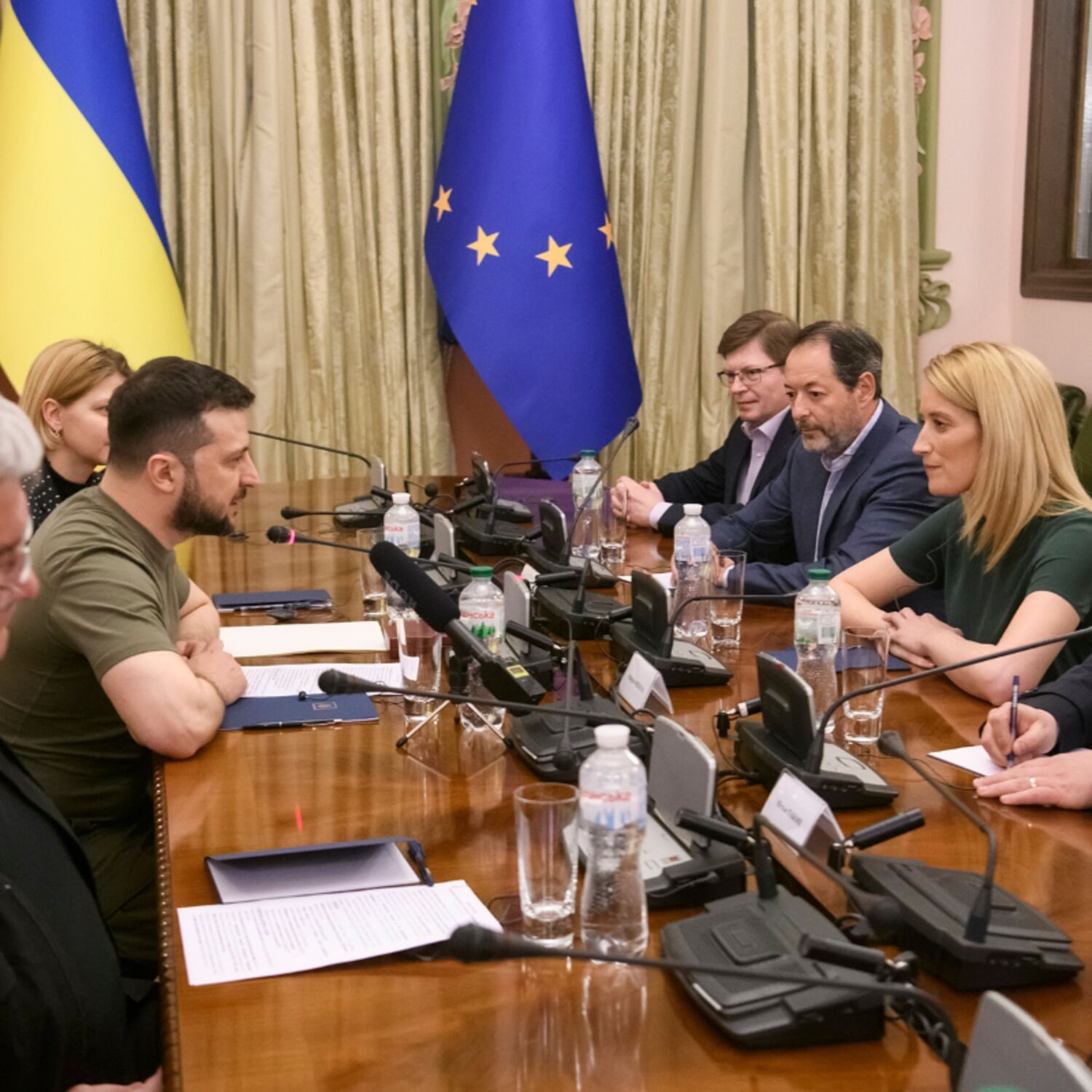
Since Russia launched its full-scale illegal invasion of Ukraine in February 2022, the European Union has been standing firmly with Ukraine and its people. The EU has condemned Russia’s aggression, imposed sanctions, and provided significant financial, humanitarian and military support. As the war continues, the EU remains resolute in its support for Ukraine. The fight is not only about territorial integrity, but also about defending European values: democracy, sovereignty and peace.
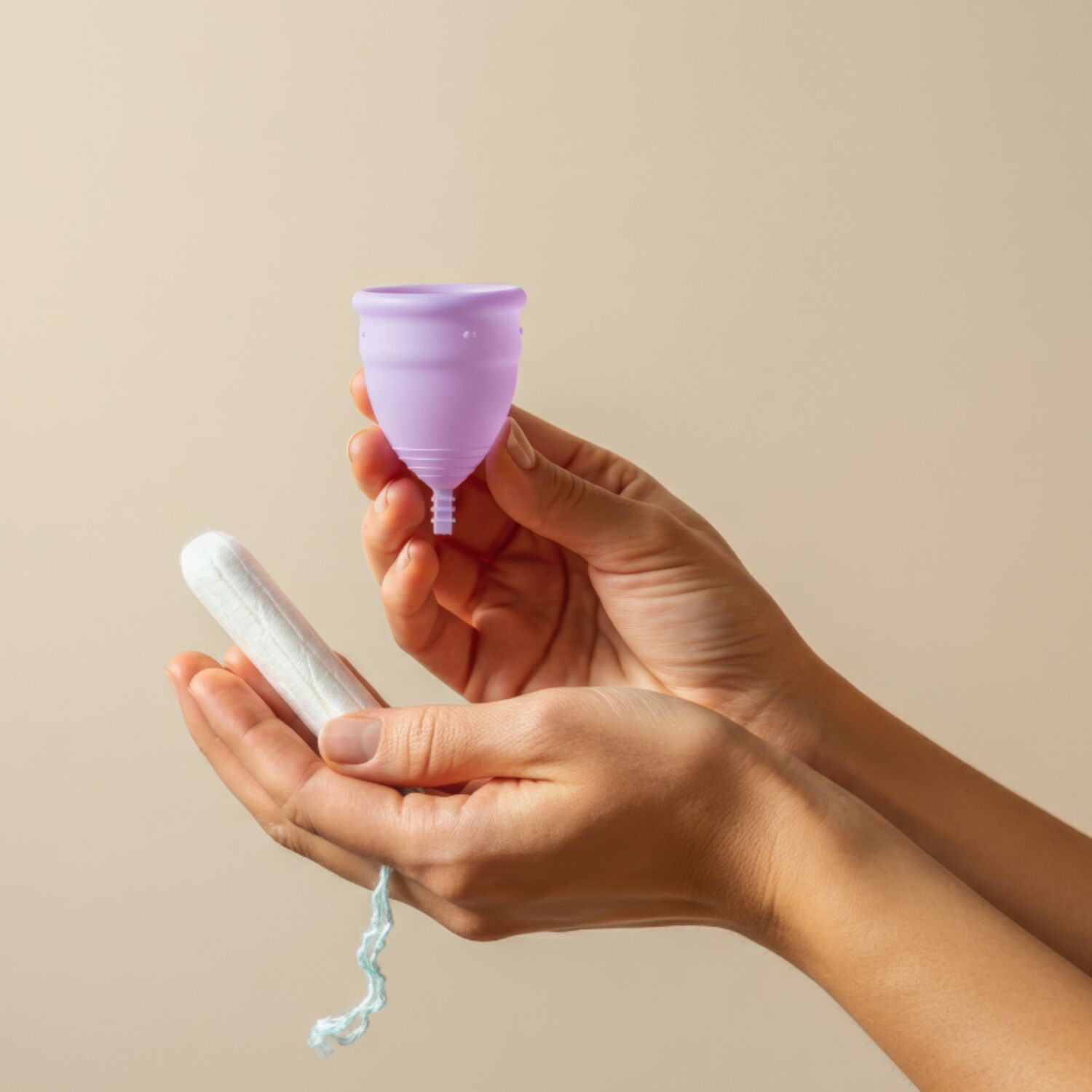
Period poverty is the lack of access to safe, affordable menstrual products, hygiene facilities and information on menstruation. It is a serious but often overlooked issue that affects an estimated 10% of people who menstruate across the EU. The European Parliament has taken a strong stance, recognising menstrual poverty as a significant barrier to gender equality and full social and economic participation. In this episode, we explore what the European Parliament is doing to combat this problem.
Across Europe, EU funding shapes everyday life in cities. From greener transport and renewed public spaces to training programmes and social services, cohesion policy helps cities respond to local needs. This episode explores how EU funds support infrastructure, people and communities, turning solidarity into visible projects that improve daily life across regions.
The European Union Solidarity Fund was set up in 2002. Since then, it has provided financial assistance to 24 member states, becoming one of the EU’s main tools for post-disaster recovery and an expression of EU solidarity.

Health is our greatest asset, and it’s high on the European Union’s agenda. Find out what the EU is doing to contribute to sustainable health systems and promote a healthy, happy and energetic European society.
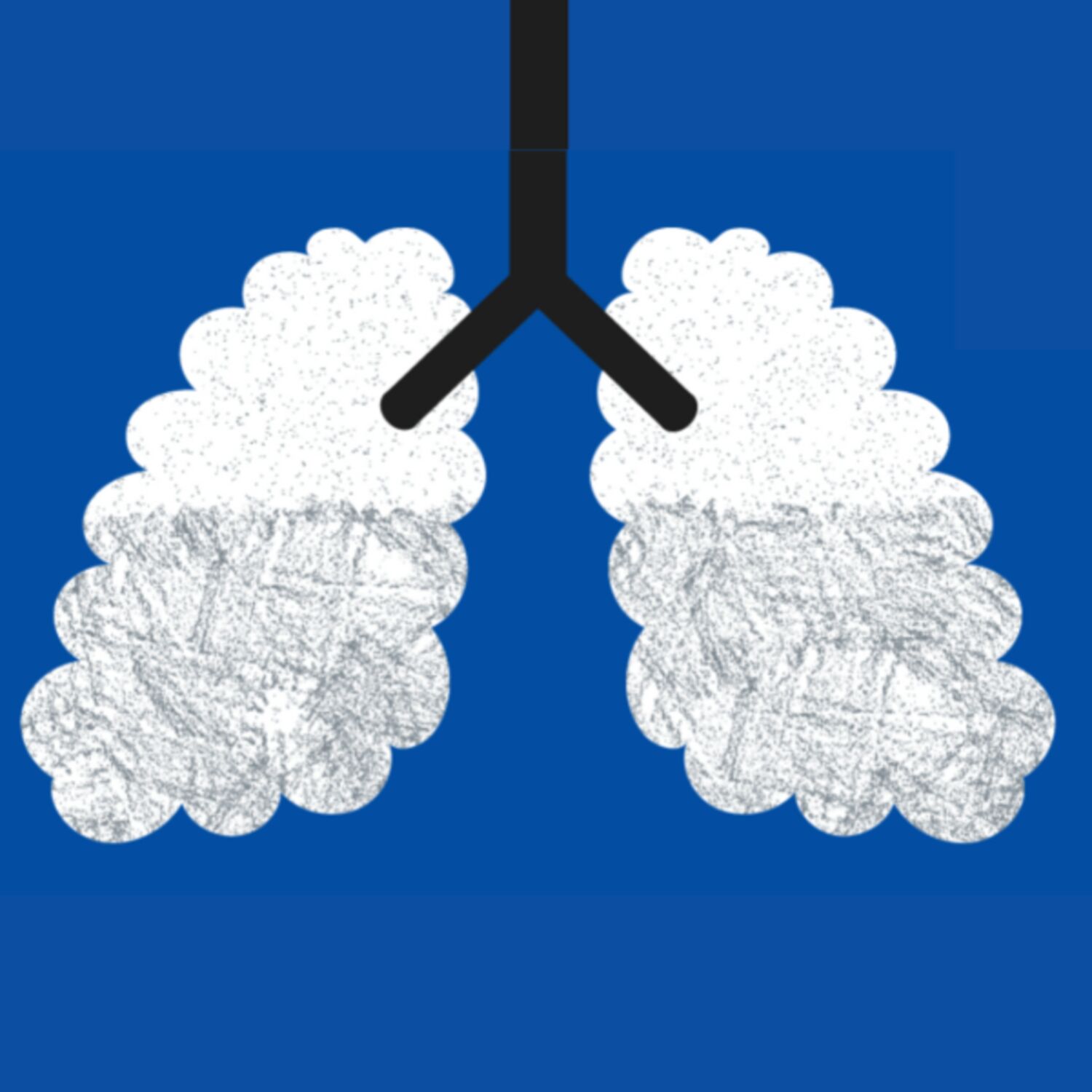
The fight against air and noise pollution is part of the broader framework of the European Union’s environmental policy, which is rooted in the EU Treaties and designed to protect human health, preserve natural resources, and promote sustainable development. The European Parliament plays a key role in setting more ambitious targets.
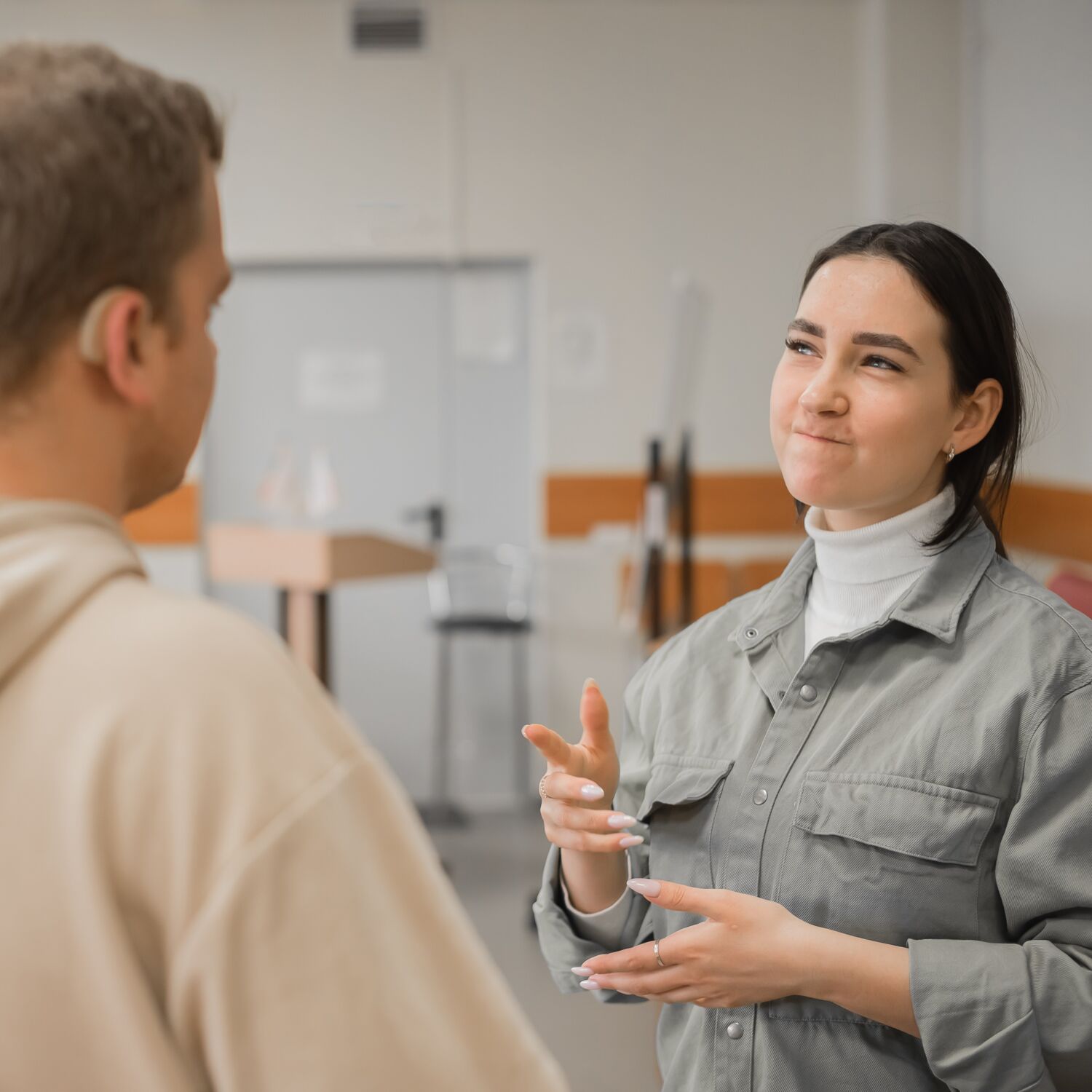
Across the EU, there are currently 29 recognised national sign languages. They are used not only by d/Deaf and hard of hearing people, but also by hearing people to communicate with family or friends. To raise awareness of this linguistic and cultural diversity, the United Nations declared 23 September as the International Day of Sign Languages. In this episode, we take a look at sign languages in the EU and what the European Parliament is doing to preserve and promote them.

The European Union has come a long way in ensuring more equality between men and women, but challenges remain. With its gender equality strategy, the EU aims to call time on unfair conditions for women and achieve a more stable society that improves everyone’s lives.
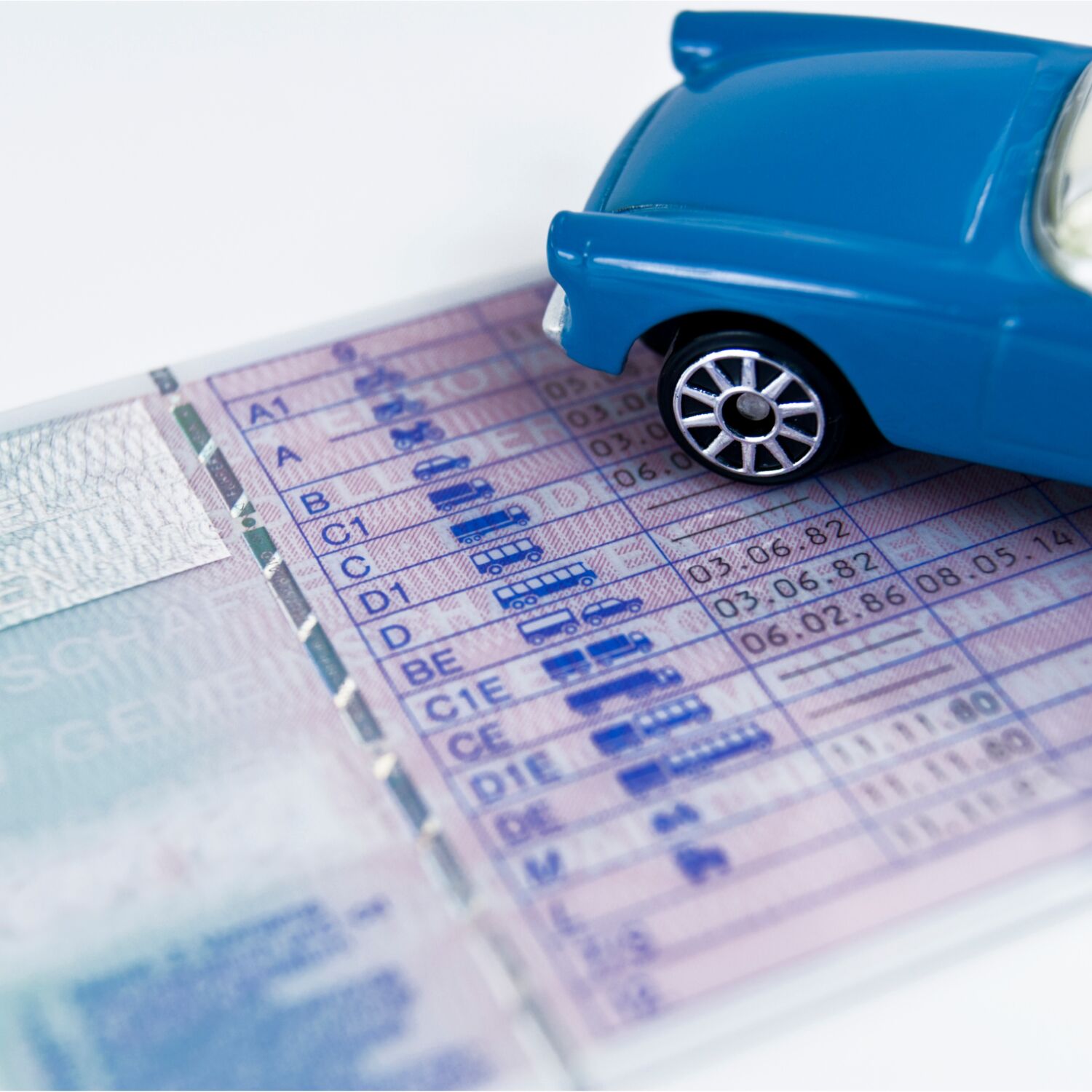
The European Union has updated driving licence rules to enhance road safety and modernise mobility. Key changes include a digital driving licence valid across all EU countries, stricter conditions for novice drivers and harmonised medical fitness checks. Cross-border enforcement of driving bans will ensure serious offences are punished throughout the EU. These reforms support the Vision Zero goal: eliminating road deaths and serious injuries by 2050.
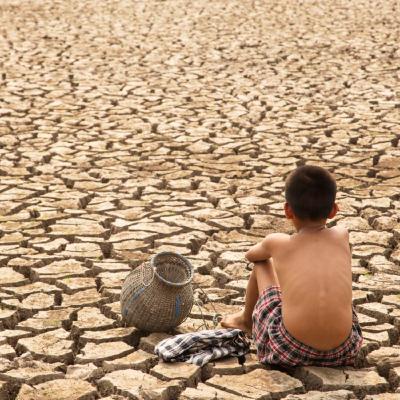
According to the European Environment Agency, in 2022, water scarcity affected 34% of the EU population and 40% of its land area.Southern European countries like Cyprus, Greece, Italy, Malta, Portugal and Spain are particularly hard hit by water scarcity, but the crisis is spreading northward, impacting areas previously considered water secure. In Europe, water stress is already a serious issue, and climate change is expected to make it worse in the future. That’s why the EU is trying to find a common solution to this challenge.
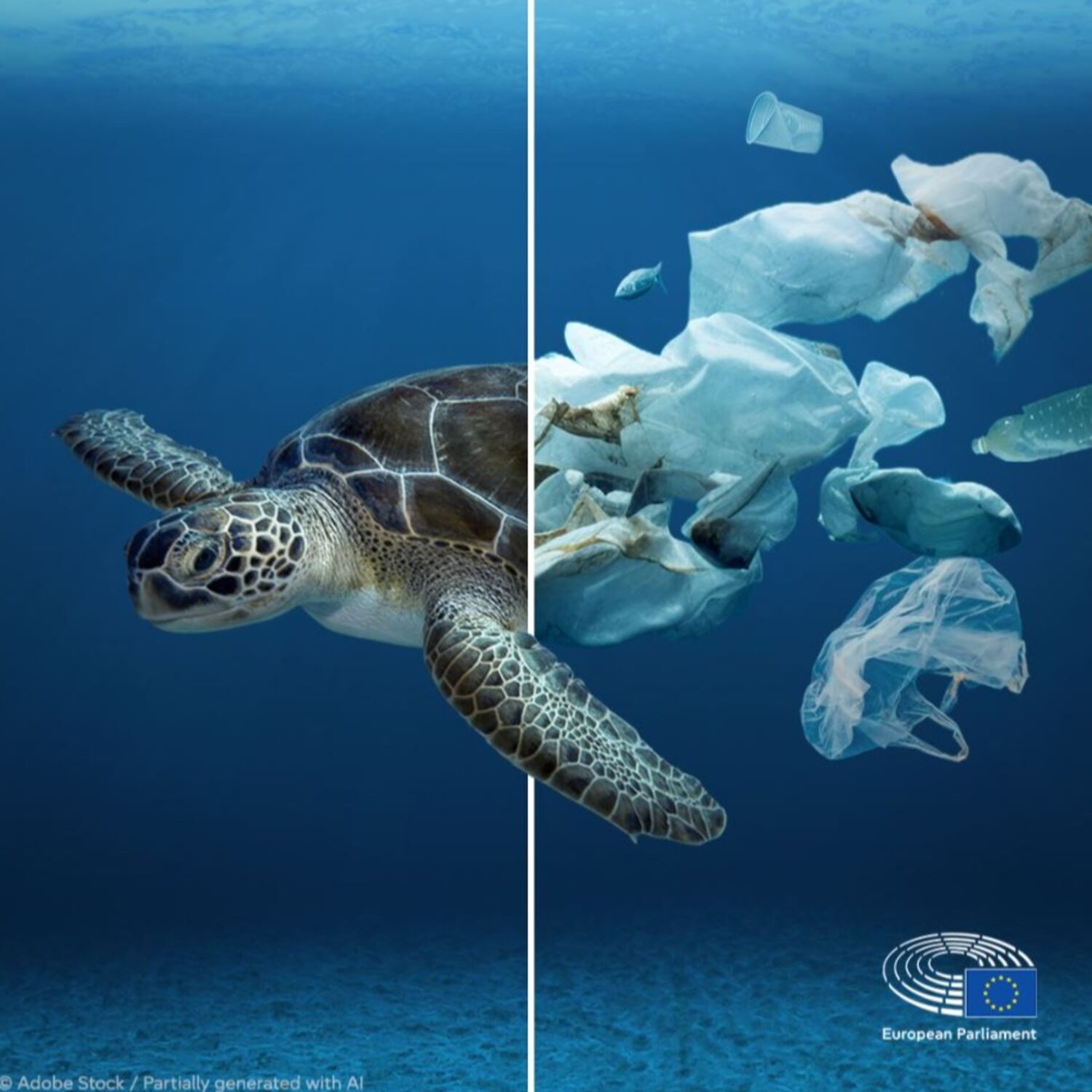
Despite growing awareness and efforts to recycle, a significant amount of plastic waste in the EU still isn’t recycled. Over the past few years, the EU has been moving towards a circular economy for plastics. But the journey towards a plastic-free future is a long one, and we all need to do our bit.
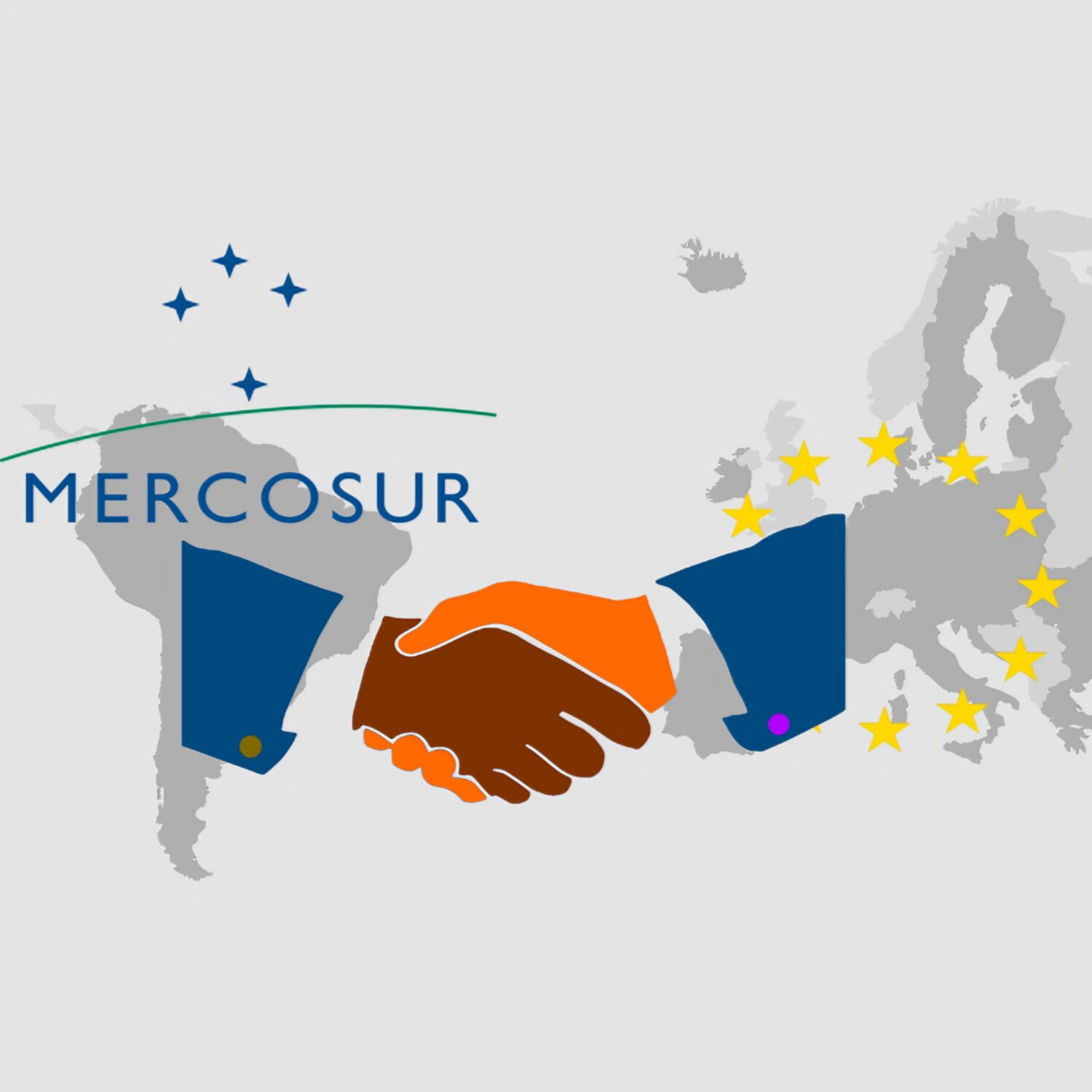
Mercosur is one of the European Union’s major trading partners in Latin America. The EU has been trying to forge closer ties with Mercosur, but not everybody agrees this is a good idea.
The Paris Agreement is a legally binding international treaty adopted at COP21 - the United Nations Climate Change Conference - in 2015.Its central aim is to limit global warming to well below 2°C, ideally 1.5°C, compared to pre-industrial levels.It brings together nearly all countries in a shared commitment to reduce greenhouse gas emissions. The EU ratified the Paris Agreement in 2016, placing it at the heart of its climate policy.
In January 2025, the Commission presented the Competitiveness Compass, the first major initiative of the second Commission led by Ursula von der Leyen. The Compass provides a strategic and clear framework to define the Commission’s work. It sets a path for Europe to become the place where future technologies, services and clean products are invented, manufactured and put on the market, while achieving climate neutrality.

Sport is beneficial for our health and brings people from all walks of life together. Find out how the EU is promoting sport and making it more accessible to everyone.
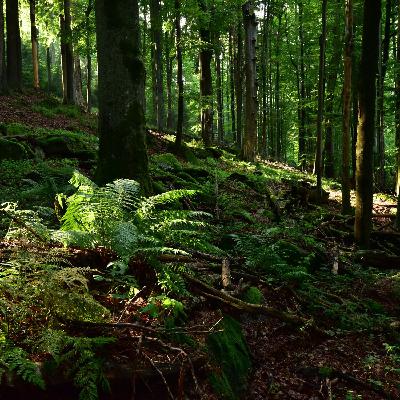
Primary and old-growth forests in the EU are rare, small and fragmented. They make up less than 3% of Europe’s total forested area. They are untouched natural ecosystems, where there are few or no signs of human impact and wildlife thrives as it has for centuries. These forests play a key role in conserving biodiversity, absorbing and storing carbon, providing fresh water, regulating local climate conditions and keeping humans healthy. They’re also home to many endangered species.Protecting Europe’s forests is not just the responsibility of individual Member States. It is a shared commitment at EU level. The European Parliament is at the centre of these efforts as a strong advocate for preserving primary and old-growth forests.

Protecting children and enabling them to live safe, healthy and happy lives is one of society’s most important responsibilities. Through its legislation, the EU is working to make sure that children are protected in today’s ever-evolving world.

The EU received over 513 000 asylum applications in the first half of 2024. One third of asylum seekers are women and girls. The EU’s asylum system incorporates gender-sensitive elements, and the Court of Justice of the EU has recognised gender-based violence as grounds for asylum. Despite these advances, more efforts are needed to address the human rights challenges women and girls face in asylum procedures.

Safer Internet Day is celebrated around the world each year in February. It started back in 2004 as part of the EU’s first safer internet action plan and has become a global initiative to raise awareness of online safety. Under the theme, ‘Together for a better internet’, this annual event inspires people to join together to make the internet a safer and better place for all.
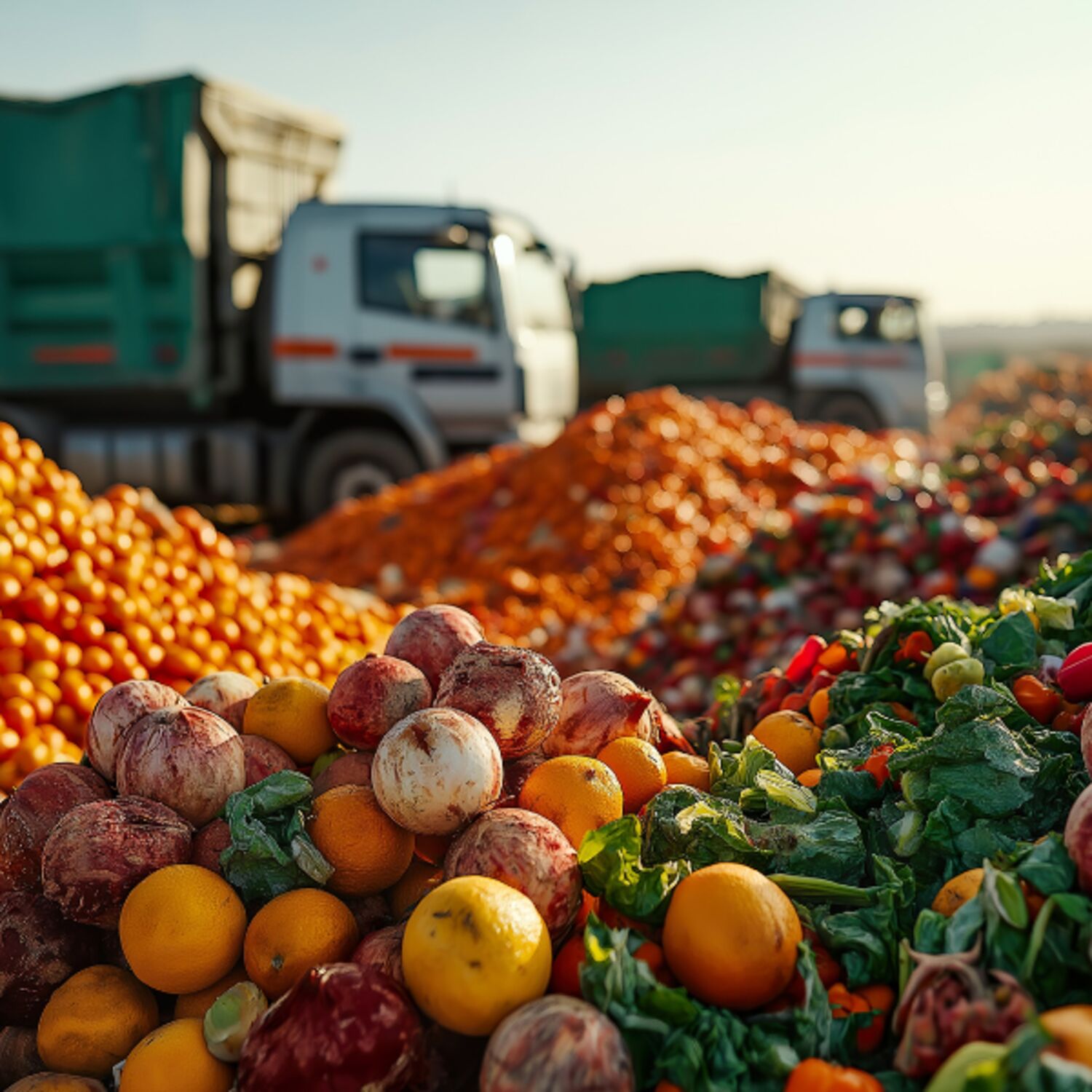
At least one billion meals of edible food are being wasted every day in households worldwide. That’s enough to provide one meal per day to every single person impacted by hunger in the world. When we throw away food, all the energy and resources that went into making it go to waste too, and the environmental impact, such as greenhouse gas emissions, still occurs, but the food provides no nourishment to anyone. Therefore, EU waste management policies aim to reduce the environmental and health impacts of waste.

Comments

Download from Google Play

Download from App Store
 United States