


 Claim Ownership
Season of the Glitch
Subscribed: 1Played: 11
Subscribe

© Copyright 2025 KSS
Description
A culture podcast to distract you as you hurtle toward climate collapse, your cubical on Mars, or the Singularity.
32 Episodes
Reverse
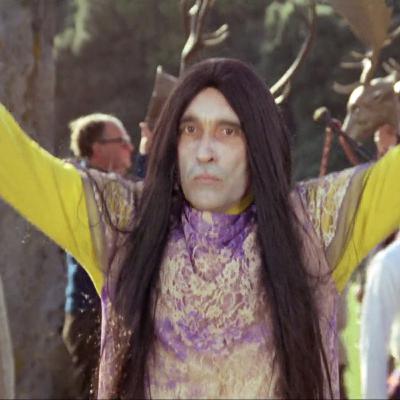
In this final episode of 2025, hosts Kelley and Annie reflect on the year, sharing their experiences and the films they've discussed. They engage in a light-hearted game of 'Would You Rather,' exploring complex relationships in horror films and the characters they've encountered. The conversation also touches on fashion choices inspired by these characters. As they wrap up, they express gratitude for their listeners and share their excitement for the upcoming year.Chapters00:00 Reflecting on 2025: A Year in Review05:05 Playing 'Would You Rather': A Fun Game of Choices11:55 Exploring Complex Relationships in Horror Films19:50 Fashion Choices: Dressing as Horror Characters30:20 Final Thoughts and Looking Ahead to 2026
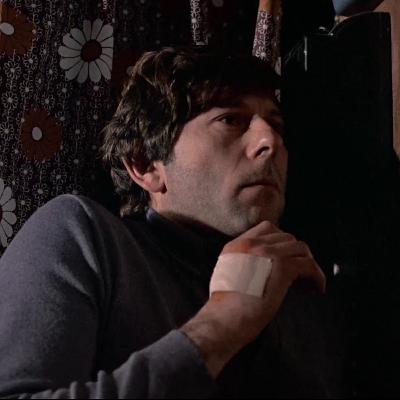
In this episode, Kelley and Annie lock themselves into the third and final installment of Roman Polanski's so-called Apartment Trilogy, 'The Tenant' for a final walz with cosmic horror. They find surprisingly deep themes of isolation, paranoia, and identity in what initially seemed like a fun, messier romp than the previous two films. The conversation also touches on recent shows and movies, and what Polanski has to tell us, across the divide of his exile, about the immigrant experience and some of his people's darker urges. The hosts analyze the protagonist's transformation and the implications of his experiences, ultimately leading to a discussion on survivor guilt and the impact of one's environment on mental health.Chapters00:00 Introduction to the Apartment Trilogy and Personality Test03:30 Exploring the Apartment Trilogy: Roman Polanski's Influence11:44 Character Analysis and Themes of Isolation26:22 Paranoia and the Immigrant Experience37:54 Identity and Assimilation in a New Culture40:08 Madame Guderian's Struggles42:43 Trelkovsky's Descent into Madness46:25 Identity Crisis and Transformation51:50 Hallucinations and the Neighbors' Role57:16 Cosmic Horror and the Final Act01:00:29 Survivor Guilt and Societal Pressures01:06:44 The Apartment Trilogy and Its Themes
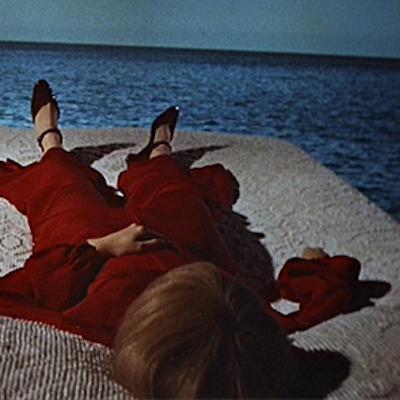
Season of the Glitch is back with the Apartment Trilogy to explore the psychological horror of Rosemary's Baby, exploring its themes of control, gaslighting, and the dynamics of relationships. They discuss the film's critique of societal expectations surrounding marriage and motherhood, as well as the influence of cult dynamics. The conversation highlights Rosemary as a representation of the struggle for autonomy in a patriarchal society, and draws parallels between the film and modern horror narratives. The hosts reflect on the cultural impact of Rosemary's Baby and its relevance in today's discussions about reproductive rights and women's autonomy.Chapters00:00 Welcome to Season of the Glitch07:38 Exploring the Apartment Trilogy13:43 Character Dynamics and Relationships19:43 The Significance of the Bramford25:36 The Role of Food and Domesticity29:31 Terry's Tragic Fate and Its Impact32:46 Rosemary's Nightmares and Past Trauma33:40 Guy's Career and the Influence of Roman34:56 Worldly Characters and Their Impact36:19 Psychogeography and Symbolism in the Apartment37:16 The Role of Laura Louise and Minnie's Influence38:13 Creepy Gifts and Their Significance39:12 Guy's Ambition and Rosemary's Isolation40:09 Hutch's Warning and Rosemary's Growing Suspicion41:02 The Cast of Vets and Their Manipulation42:28 The Hallucinatory Sequence and Its Implications47:36 The Aftermath of the Hallucination50:00 Pregnancy and the Cast of Vets' Interference51:10 Guy's Emotional Detachment and Rosemary's Struggles53:15 The Complexity of Relationships in the 60s53:36 Rosemary's Deteriorating Health and Isolation56:51 The New Year's Party and Cultish Undertones58:15 Rosemary's Discovery and Realization of Witchcraft01:01:29 The Influence of Tannis Root01:03:12 Rosemary's Descent into Isolation01:05:05 The Birth and Betrayal01:07:19 The Architecture of Horror01:10:34 The Cult's Control01:13:44 Motherhood and Manipulation01:16:25 Societal Critique and Cult Dynamics01:19:49 Bodily Autonomy and Reproductive Control01:21:40 Final Thoughts and Reflections
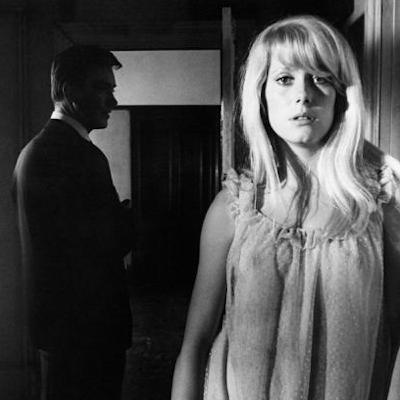
In this episode of Season of the Glitch, Kelley and Annie take on 'Repulsion' by Roman Polanski. They explore themes of isolation, mental health, and the complexities of separating art from the artist, particularly in light of Polanski's controversial history. The conversation covers the film's cinematography, sound design, and character dynamics, particularly focusing on the protagonist Carol's struggles with her mental state and societal pressures. The ladies also reflect on the implications of the film's title and its commentary on gender dynamics and trauma. Also mentioned: Erin Skye Kelly, American Psycho, Legally blonde, Woody allen, Louis ck, Psycho, Clarice Lispector, election night, Manson girls, and more.00:00 Welcome to Season of the Glitch01:21 The Year of No03:49 Debt and Financial Freedom04:19 Election Night Reflections07:41 Introduction to Repulsion08:35 Art vs. Artist: A Complicated Discussion13:05 Cinematography and Sound Design in Repulsion15:48 Plot Overview: Carol's Mental Disintegration20:59 Character Dynamics: Carol and Helen26:24 Colin: The Love Interest29:06 The Rabbit: A Symbol of Decay39:46 Hallucinations and Psychological Tension40:11 Exploring Disturbing Visions and Hallucinations43:27 The Shift from External to Internal Threats49:31 Murder and the Complexity of Relationships59:14 The Aftermath of Violence and Isolation01:03:47 The Symbolism of Repulsion and Psychological Trauma01:10:12 Art, Violence, and the Uncanny Connection01:19:30 Reflections on Polanski's Vision and LegacySeason of the Glitch, Repulsion, Polanski, psychological horror, mental health, feminism, film analysis, art and artist, horror films, cultural critique
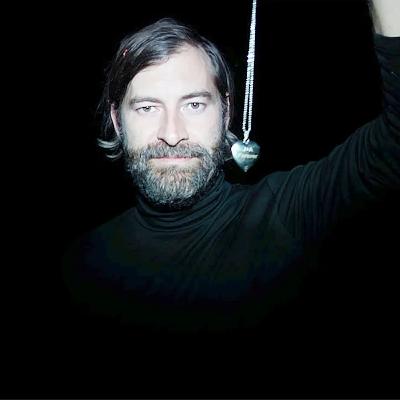
In this episode, Annie and Kelley continue their conversation on Creep 2, diving into the themes of authenticity and connection in relationships, particularly through the lenses of creativity and performativity. They highlight the complexities of seduction and the search for genuine connections while talking attachment styles and relating to everyday folks as well as the potential serial killers we brush against. You can also enjoy a tour through a haunted house, a discussion of how Eyes Wide shut merged with Epstein Island lore over the years, and much more.
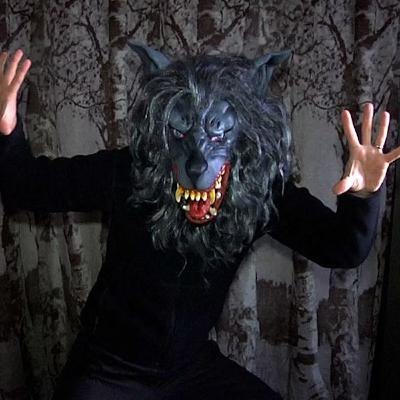
In this episode of Season of the Glitch, host Kelley and guest Annie get deep into 'Creep,' not the Radiohead song, not the TLC song, but the 2014 low key found footage horror masterpiece. They get into its themes of toxic masculinity, the influence of technology on personal connections, and the complexities of character dynamics. They share an extra dose of personal anecdotes, mixing it up about real life creeps, birth order, My Dinner with Andre, and sewer clowns. They analyze Creep's found footage style, and discuss the psychological tension that arises from the characters' interactions. The conversation highlights the film's humor amidst its darker themes and sets the stage for next week's talk about the sequel.Chapters00:00 Reconnecting Through the Glitch02:23 Exploring Horror and Cult Classics05:10 Personal Stories and Creepy Encounters08:12 The Complexity of Relationships10:51 Creep: A Deep Dive into Toxic Masculinity19:33 Character Dynamics in Creep28:22 The Art of Manipulation37:32 The Journey into the Unknown43:23 Childhood Trauma and Manipulation46:17 Emotional Manipulation and Overplanning50:03 The Tension of Financial Dependency51:31 Confessions and Disturbing Revelations54:18 The Sister's Warning and Escalation of Threats58:53 Joseph's Disturbing Gifts and Psychological Games01:01:15 The Meeting by the Lake: A Dangerous Encounter01:08:48 The Climactic Sacrifice and Final Confrontation01:24:18 Reflections on the Film's Themes and Character Dynamics

In this spooky October episode of Season of the Glitch, Kelley and Annie get into the complexities of (literally) sticky relationships and chaotic breakups through the horror film 'Possession' (1981), directed by Andrzej Żuławski. The conversation explores themes of love, desire, alienation, and identity, while analyzing the emotional extremes portrayed in the film. We meet a surprisingly low key tentacle monster that may serve as a metaphor for repressed desires, and churn through an absurd narrative that reflects the turmoil of marriage and geopolitics. The discussion culminates in a reflection on the absurdity of love and the nature of reality.Moments00:00 Introduction to the Season of the Glitch02:27 Navigating the Labyrinth of Online Dating04:53 Exploring the Themes of Possession07:45 The Artistic Vision of Andrzej Zulawski10:31 Character Dynamics and Emotional Extremes13:51 The Breakdown of Mark and Anna's Relationship16:33 The Role of the Child in a Chaotic Environment19:27 Confrontations and Revelations22:28 The Influence of External Characters25:41 The Unraveling of Reality and Identity28:33 The Climax of Chaos and Transformation34:49 The Evolution of Relationships37:32 The Complexity of Self-Understanding39:45 The Symbolism of Possession42:08 Aggression and Desire in Relationships44:53 The Consequences of Obsession47:38 Doppelgangers and Identity50:27 The Chaos of Love and Loss56:17 The Horror of Domesticity59:16 The Breakdown of Communication01:03:21 The Absurdity of Relationships
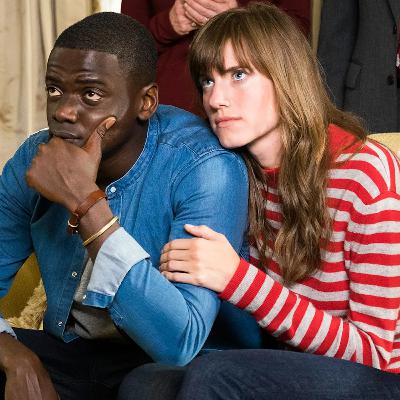
In this episode, Kelley and Annie spelunk into the sunken places of Jordan Peele's Get Out, looking at that landscape through a folk horror lens. They unpack the film’s layered character dynamics, its sharp racial commentary, and the psychological horror that makes it so unsettling. The conversation explores everything from the haunting symbolism of the “sunken place” to the chilling reveal of the Order of the Coagula.Your intrepid hosts also dig into the cult-like organization behind the body-swapping ritual, the insidious racial dynamics at its core, and Rose’s role as a striking example of white female complicity in systemic racism. Along the way, they talk about the film’s commentary on law enforcement, its ties to the historical realities of white supremacy, and why it fits so powerfully within the folk horror tradition. Get Out remains such a relevant and provocative piece of modern horror that continues to spark conversations about race, identity, and the horrors that hide in plain sight.Show Notes00:00 Introduction to Folk Horror and Get Out11:47 Exploring Themes in Get Out24:37 Character Dynamics and Social Commentary37:35 Cinematic Techniques and Aesthetic Choices38:03 The Concept of the Sunken Place39:40 The Garden Party and Racial Tensions43:42 The Silent Auction Revelation46:07 The Red Shoe Box Discovery48:27 The Final Confrontation Begins49:18 The Order of the Coagula Explained51:32 The Ambiguity of Racial Identity53:54 Rod's Investigation and Humor59:19 Chris's Escape and Final Showdown01:07:05 Zombie Tropes and Emotional Stakes01:07:31 The Final Confrontation01:08:30 Strangulation and Intimacy in Violence01:09:55 Rose's Manipulation and Lack of Humanity01:10:51 The Cult Influence on Rose's Character01:11:45 Understanding Evil: Nature vs. Nurture01:13:06 The Role of White Women in Power Structures01:14:29 The Ideal of Love and Its Exploitation01:16:32 Police Arrival and Societal Commentary01:18:21 Rod's Rescue and the Aftermath01:18:44 Historical Context of White Power01:20:50 Rose as a Temptress and Recruiter01:22:34 Cycles of Exploitation and Rituals01:25:17 The Pain of the Victims01:27:06 Folk Horror and Social Commentary01:29:02 Legacy of Slavery and Modern Implications01:30:27 The Aesthetics of Power and Control01:32:22 Concluding Thoughts on Prestige Horror
The Glitch is on a brief hiatus this week for some summer fun, work abroad, and life stuff. We will miss you, but will be back very soon.

In this episode of Season of the Glitch, Kelley and Annie delve into Ari Aster's film Eddington, exploring its complex themes of political chaos, social media and violence, and corporate imperialism. They discuss the impact of social media on mental and societal health, character dynamics, and the symbolism within the film, particularly the dubious role of Antifa and the climactic chaos that ensues. The conversation highlights the haunting nature of the film and its relevance to contemporary societal issues. Topics also broached: vintage SNL, Mr Robot, Walter Benjamin, Baja Men, agent provocateurs, Big Little Lies, the Gabby Petito documentary."This film haunts my dreams."Show Notes00:00 Introduction to Chaos and Cinema02:29 Exploring Ari Aster's Cinematic Themes04:39 The Impact of Social Media on Mental Health07:53 Character Dynamics in Eddington10:35 The Role of Violence and Power13:16 The Intersection of Politics and Personal Lives15:58 The Symbolism of the Antifa Jet18:47 The Climax: Chaos Unleashed21:39 Aftermath and Consequences24:28 Final Thoughts on Eddington's Themes

In this episode of Season of the Glitch, Kelley and Annie get infected with the themes of Ari Aster's explosive film Eddington, exploring the intersection of personal trauma, political unrest, and the impact of technology on society. They discuss the characters' complexities, the backdrop of COVID-19, and the cultural implications of the film's narrative, culminating in a reflection on the consequences of Joe's actions and the broader societal commentary presented in the film. Also broached: the Epstein files, going to movies in the theater, Nicole Holofcener, Catherine Breillat, Jules and Jim, New Mexico on Film, and much more. 00:00 Welcome to the Desert of AI 03:32 Exploring Eddington16:37 The Characters: A Complex Web28:03 COVID, Protests, and Personal Stakes54:15 Joe's Descent and the Consequences01:01:46 Reflections before Part TwoSound bites:"I can't trust you. I'm sorry.""It's just such a mess.""It's a wild film for wild times."
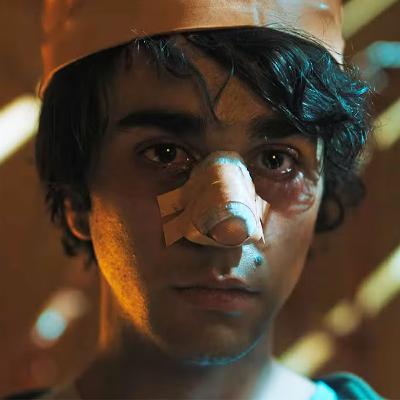
Annie and Kelley get deeper into the themes of grief, family dynamics, and the influence of cults as explored in Ari Aster's film Hereditary. They discuss the literal and metaphysical implications of connection, the descent into possession, and the cosmic horror that unfolds as the family's breakdown leads to tragic consequences. Through a detailed analysis of characters and events, they highlight the film's critique of superficial family connections and the blurring lines between mental illness and supernatural influences. Also mentioned: soap operas, Downton Abbey, getting ready to see Eddington, Sharp Objects, pareidolia, and representation of neurotypical children and people.HighlightsThe conversation begins with a metaphorical exploration of connection and software.Grief and family dynamics play a crucial role in the narrative of Hereditary.Joan's character serves as a pivotal influence in Annie's descent into chaos.The film critiques the superficiality of family connections and parenting.Annie's obsession with her art reflects her internal struggles and grief.The seance scene highlights the manipulation by cult members.The breakdown of the family is depicted through intense emotional confrontations.The film blurs the lines between mental illness and supernatural influences.Paimon's arrival signifies the culmination of the family's tragic arc.The conversation ends with reflections on cosmic horror and the implications of the family's fate.Chapters00:00 Introduction 02:47 Exploring Grief and Family Dynamics10:30 The Role of Joan and the Cult19:55 Seance and the Unraveling of Reality30:38 Annie's Discovery of Her Mother's Secrets36:06 Exploring Mental Illness vs. Cult Influence43:50 The Breakdown of Family Dynamics48:56 The Horror of Possession and Family Trauma58:48 The Revelation of Paimon and Cosmic Horror01:09:19 The Inversion of the Trinity and Cultural Critique
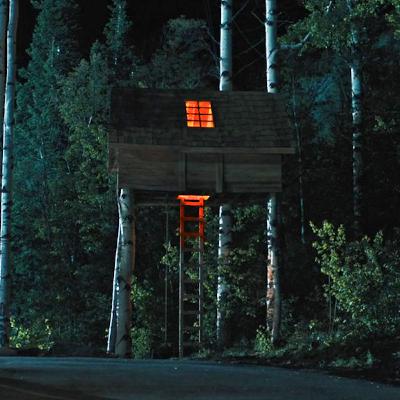
In this episode of Season of the Glitch, Kelley and Annie dive deep into Ari Aster's Hereditary, exploring its themes of folk horror, family dynamics, trauma, and the supernatural. They discuss the intricate relationships between the film's characters, occult symbolism, and the impact of grief and mental illness on family structures. The conversation also touches on the film's portrayal of childhood and the consequences of neglect, culminating in a tragic event that reshapes the family's narrative. Through a blend of analysis and personal anecdotes, the hosts reflect on the film's relevance in today's digital age and the fears that resonate within it. Also mentioned: Lowis Lowry, 90s PSA ads, D.A.R.E, and the legendary Cokie's bar.Show NotesHereditary is an inversion of folk horror traditions.The film explores personal, genetic, and cosmic loops of trauma.Annie's character embodies the struggle of a flawed mother.Charlie represents the complexities of neurodivergence in horror.The miniatures symbolize the family's hidden truths and secrets.The film's horror is rooted in familial relationships and grief.Ari Aster's direction highlights the nuances of mental illness.The party scene serves as a turning point in the narrative.The film critiques the denial present in family dynamics.The supernatural elements reflect real-world fears of losing agency.Chapters00:00 Introduction to Folk Horror and Hereditary02:29 Exploring Family Dynamics and Trauma05:03 The Role of Miniatures and Symbolism08:03 Annie's Grief and Mental Health11:05 The Funeral and Family Secrets13:40 Annie's Miniatures and Their Significance16:50 Parenting Challenges and Developmental Disabilities19:32 The Support Group and Family History22:26 Sleepwalking and the Nature of Evil25:36 Cults and the Underlying Threats29:35 The Unraveling of Family Dynamics31:46 Exploring Charlie's Character and Behavior36:23 The Impact of Parental Expectations39:41 Teenage Struggles and Family Tensions47:49 The Party Incident49:27 The Aftermath of Trauma57:30 Cultural Reflections and HumorKeywordsHereditary, folk horror, family dynamics, trauma, mental illness, symbolism, grief, supernatural, cult, cinema

In this conversation, Kelley and Annie continue to explore the themes of horror, art, and societal critique through the lens of folk horror, particularly focusing on 'The Wicker Man.' They discuss the dynamics of tradition versus modernity, ritual, the effectiveness of prayer, religion as hubris, character development, costume and pageantryThe conversation delves into character analysis, the significance of rituals, and the implications of belief systems, ultimately reflecting on the nature of sacrifice and the human condition.Show NotesArt can be a way to confront fears.Empathy in horror filmmaking is crucial.Musicals often have awkward moments that feel unnatural.Folk horror explores the tension between tradition and modernity.Character dynamics reveal societal critiques.Rituals can serve as a commentary on belief systems.The Wicker Man serves as a cautionary tale about zealotry.Both sides of belief can lead to harmful outcomes.Rituals can dress up harm as a necessary act.The film leaves viewers questioning the nature of sacrifice.Sound bites"Art is a way to deal with fear.""He walks straight into his fate.""Rituals dress up harm as efficacy."Chapters00:00 Exploring Art and Emotion in Film09:56 The Wicker Man: A Deep Dive into Folk Horror19:37 Character Dynamics and Themes of Control29:07 Tradition vs. Modernity: The Critique of Paganism32:42 The Role of Rituals in Horror35:54 Infiltration and the May Day Festival40:24 The Climax: The Sacrifice Revealed45:06 The Downfall of Sergeant Howie48:34 Critique of Belief Systems54:02 The Nature of Power and Control58:36 Historical Context of the Wicker Man01:02:39 The Consequences of Rituals and Beliefs
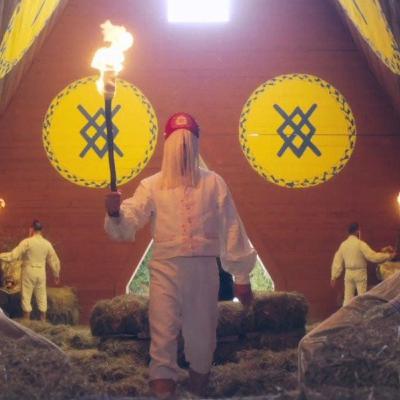
Annie and Kelley delve into the complex themes of Ari Aster's film Midsommar as the true nature of the chilling rituals of the Hårga is revealed. The explore the intricate dynamics of relationships, codependence, grief, and fascism. They discuss the characters' motivations and the implications of community and identity within the narrative. The conversation highlights the film's psychological depth and the unsettling nature of its climax, culminating in a reflection on the transformation of Dani as she navigates her trauma and ultimately embraces her new identity within the cult. Join us as we conclude our discussion of this contemporary folk horror centerpiece.Show NotesMidsommar explores the themes of grief and relationships.The Horga cult serves as a microcosm of fascist ideology.Dani's journey reflects her struggle with identity and belonging.Christian embodies the concept of weaponized incompetence.The film critiques the dynamics of toxic relationships.Ruben's character raises questions about purity and exploitation.The May Queen ritual symbolizes Dani's transformation.The climax reveals the chilling nature of sacrifice.Community can both uplift and entrap individuals.Chapters00:00 Introduction05:17 Exploring Themes of Relationships and Grief in Midsommar10:37 The Horga Cult: Ideology and Sacrifice16:28 Character Dynamics: Dani, Christian, and the Outsiders22:17 Ruben and the Concept of Purity in the Horga28:12 The Rituals: Love, Betrayal, and the May Queen33:59 The Climax: Choices and Consequences39:50 The Final Sacrifice: Dani's Transformation45:37 Conclusion: Reflections on Community and Identity

Annie and Kelley delve into Ari Aster's film 'Midsommar,' an exemplar of folk horror revival in contemporary cinema. They explore its rich themes of cultural relativism, depression and codependency, cults, and mind control. They discuss the film's portrayal of relationships, cultural implications, and the impact of rituals on community and individual identity. The conversation highlights the psychological horror elements and the film's commentary on modernity and tradition, culminating in a discussion about the film's climactic events and their significance.Show NotesMidsommar is a visually and thematically rich film.The film serves as a breakup narrative disguised as horror.Cultural relativism plays a significant role in the story.The Hårga community manipulates their environment and outsiders.Rituals in the film have profound consequences for characters.The film critiques modernity through its portrayal of community.Dani's character arc reflects themes of codependency.The film's aesthetic contrasts light and dark elements.The characters' disappearances heighten the tension.The film raises questions about agency and consent in communal life.Chapters01:43Summer Fun and Jaws03:23Childhood Fears and Urban Legends06:07Midsommar Overview08:26Character Introductions and Themes13:01Family Dynamics and Breakup Themes20:54Exploring Identity and Self-Regard23:09Codependency vs. True Community25:14Journey to the Horga Commune31:06The Psychedelic Experience40:08The Attestupa Ceremony and Its Impact41:50Cultural Relativism and Elder Care44:22Tradition vs. Modernity: The Ethics of Rituals46:49Agency and Consent in Communal Life49:17The Role of Community in Grief and Support50:35The Unraveling Relationships and Tensions57:42Disappearance and Manipulation in the Community
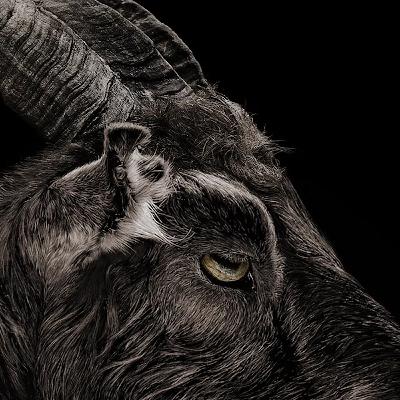
This week Annie returns for our Folk Horror series, where we discuss Robert Egger's The Witch. We talk about Puritanism, Calvinism, patriarchies, feminism, family dynamics, historical cinema, gender roles, adolescence, witches and possession, desire, witchcraft, Charlie the Goat and Charles Manson, and films like Wicker Man, Hereditary, and the Shining.Show NotesThe film 'The Witch' is deeply rooted in historical accuracy and Puritan beliefs.Robert Eggers spent years researching 17th-century diaries and trial records for the film.The dialogue in 'The Witch' is derived from period sources, enhancing its authenticity.The film's cinematography uses natural lighting and desaturated tones to evoke a historical feel.The themes of Calvinism and predestination are central to the film's narrative.Family dynamics and the tension between parents and children are explored in depth.The disappearance of Baby Samuel serves as a pivotal plot point that escalates family tensions.Caleb's character represents the struggle between innocence and temptation.The film addresses the complexities of gender roles and adolescence.The climax of the film highlights the consequences of choices made by the characters. The forbidden fruit symbolizes temptation and desire.Family dynamics play a crucial role in the narrative.Black Phillip represents the devil and temptation.Thomasin's struggles reflect societal expectations of women.The collapse of the family structure is central to the story.Supernatural elements amplify the family's disintegration.The final confrontation is a pivotal moment for Thomasin.Desire and agency are explored through Thomasin's choices.The film critiques patriarchy and religious fanaticism.Isolation leads to tragic outcomes for the family.SummaryIn this conversation, Annie and Kelley delve into the film 'The Witch' directed by Robert Eggers, exploring its historical context, production techniques, and thematic elements. They discuss the film's portrayal of Puritanism, family dynamics, and the tension between innocence and temptation, particularly through the characters of Thomasin and Caleb. The conversation highlights the film's authenticity, its exploration of gender roles, and the consequences of choices made by the characters, culminating in a rich analysis of this folk horror film. In this conversation, Kelley and Annie delve into the themes of 'The Witch,' exploring the dynamics of family, temptation, and the supernatural. They discuss the character of Black Phillip, the implications of accusations of witchcraft, and the collapse of family structures under pressure. The conversation also touches on the critique of patriarchy, the role of desire, and the ultimate transformation of Thomasin as she makes a pact with the devil. Through their analysis, they highlight the film's commentary on isolation, agency, and the consequences of fanaticism.Sound Bites"Get thee some coffee!""It's a very large goat."Chapters00:00Introduction and Initial Thoughts02:30Exploring 'The Witch' and Its Themes05:04Production Insights and Historical Context07:35Character Introductions and Family Dynamics10:15The Role of Calvinism and Religious Extremism12:50The Disappearance of Baby Samuel15:32The Witch's Ritual and Its Implications18:02Family Tensions and Psychological Themes20:48Feminist Readings and Coming of Age23:17Concluding Thoughts on 'The Witch'26:18Sibling Dynamics and Innocence27:29Building Tension in the Family29:37Despair and...
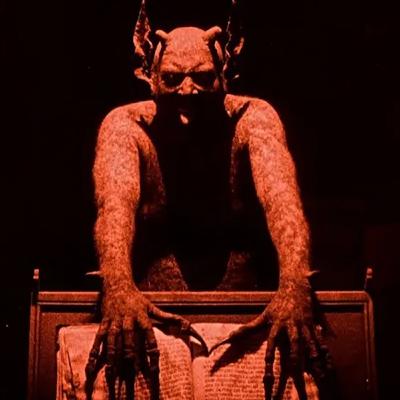
Annie and Kelley start our folk horror series, discussing: Häxan, Hitchcock, witchcraft, cinema, feminism, history, film analysis, societal critique, silent film, horror, witchcraft, horror cinema, mental illness, cultural critique, historical context, audience reactions, devil depiction, torture, superstition, Robert Eggers, Ari Aster, Wickerman, The Texas Chainsaw Massacre, Oz Perkins.Show NotesThe conversation begins with a discussion about Hitchcock's influence on cinema and personal experiences with his films.Annie shares insights on a biopic about Hitchcock, emphasizing the contributions of his wife, Alma Reville, and the production of Psycho (1960).The discussion transitions to the film Häxan (1922), exploring its historical context and significance in cinema.Häxan, written and directed by Benjamin Christensen, is noted for its innovative blend of documentary and dramatized narrative, focusing on witchcraft.The film's critical stance on witch hunts reflects societal anxieties post-World War I.Annie and Kelley analyze the technical innovations in Häxan, comparing it to modern films.The conversation touches on the feminist angles present in Häxan and its critique of societal norms.The film's portrayal of witchcraft is linked to themes of mental illness and societal fear.The discussion includes reflections on the pacing and structure of Häxan, noting its demands on the viewer.The conversation concludes with a deeper analysis of the societal implications of witchcraft accusations as depicted in Häxan. Häxan explores the depiction of the devil in a campy yet serious manner.Corruption within the clergy is a recurring theme in the film.Historical torture methods are demonstrated, with simulations with actors showing how torture devices would have been used.The portrayal of the devil in Häxan has influenced more recent depictions in media.The film critiques the treatment of women historically and in contemporary society.There are parallels drawn between witchcraft accusations and mental health diagnoses.The film's legacy has influenced contemporary horror cinema, particularly the folk horror subgenre.The conversation goes into Christensen’s somewhat flattened depiction of the Middle Ages, drawing a parallel to Foucault's depiction of the period, which has been critiqued by medievalists. SummaryThe conversation explores the legacy of Alfred Hitchcock and transitions into a detailed analysis of the Swedish-Danish silent film Häxan (1922), directed by Benjamin Christensen (1879–1959). The discussion highlights the film's innovative techniques, its historical context regarding witchcraft, and its feminist undertones. The hosts reflect on the societal implications of witchcraft accusations and the film's critique of superstition, drawing parallels to modern societal fears. The conversation delves into the film, exploring its themes of witchcraft, the depiction of the devil, and the historical context of mental illness. They discuss whether the film flattens out its depiction of the Middle Ages, mentioning critiques of Foucault similarly characterizing the period as a particularly brutal precursor to early modern forms of punishment. The hosts discuss the film's critique of clergy corruption, its portrayals of torture, and audience reactions to horror. They also examine the cultural impact of Häxan on contemporary horror...
Black Mirror is over for now, and Kelley finally made part two to the Horror Series she started back in November. This is the second half of the set of capsule reviews of horror films she recommends, which started as a 31 for 31 spooky films list. So let's talk about Eggers, Polanski, Aster, Roe, Lynch, Hitchcock, Kubrick, and more, tie up some loose ends from our Black Mirror recaps, and get a little preview of a new series that Annie and Kelley are working on.
Annie and Kelley finish up our intrepid journey through Black Mirror, Season 7 with our recap and analysis of USS Callister: Into Infinity. We talk about the possibilities and morality of digital consciousness and human replication and why, in a scenario with infinite possibilities, we might choose to spend infinity with someone we already know. We also discuss the ethics of fantasy, pornography in the dystopia, Me Too and Gamer Gate, nice guys, coffee, and Trent Reznor.

Comments

Download from Google Play

Download from App Store
 United States