


 Claim Ownership
 Feminist Founders: Building Profitable People-First Businesses
Feminist Founders: Building Profitable People-First BusinessesSubscribed: 8Played: 152
Subscribe

© 2023
Description
You are a business owner who wants to prioritize people and planet over profits (without sacrificing success). That can feel lonely—but you are not alone! Join host Becky Mollenkamp for in-depth conversations with experts and other founders about how to build a more equitable world through entrepreneurship. It’s time to change the business landscape for good!
103 Episodes
Reverse

Becky and Faith kick off their discomfort series with something deceptively small: a middle-of-the-night argument about an open window. What starts as a relatable story about being woken up at 3am becomes a real-time breakdown of how discomfort turns into conflict — and what we can do about it.They dig into the stories we tell ourselves when we feel disrespected, why anger is actually energy looking for justice, and how our nervous system state determines what choices are even available to us in heated moments. Plus: why the low-stakes conflicts are exactly where we should be building our conflict navigation muscles — so we're ready when the stakes are actually high.In this episode:• How a single moment of discomfort becomes a full conflict narrative• What your body is trying to tell you before you do something you'll regret• The difference between the stimulus and the story• Why choosing your response is a form of agency, even at 3am• How small conflicts are training ground for the big ones• Using conflict as a tool to actually improve your relationships🎤 JOIN US IN THE FEMINIST PODCASTERS COLLECTIVE: http://feministpodcastcollective.com/

This short conversation kicks off a new Feminist Founders mini-series on discomfort.Becky Mollenkamp and Faith Clarke start by unpacking a question many of us struggle to answer clearly: What’s the difference between discomfort and conflict?They explore how discomfort often shows up first as a somatic signal in the body—tight shoulders, a knot in your stomach, a sense that something isn’t right. Conflict, on the other hand, tends to emerge when our stories about a situation collide with someone else’s.The conversation moves into how identity, power, and lived experience shape our relationship to both discomfort and conflict. Becky reflects on how whiteness and privilege can create an expectation that comfort should always be restored quickly. Faith shares how marginalized identities often require learning to navigate discomfort without the luxury of avoiding it.Together they discuss:The difference between internal discomfort and interpersonal conflictHow meaning-making can escalate discomfort into conflictThe role of power, identity, and cultural conditioningFight, flight, freeze, fawn—and the possibility of facing discomfort insteadWhy learning to sit with discomfort is essential for building something newThis episode lays the groundwork for the rest of the series, where Becky and Faith will share stories and tools for navigating discomfort more skillfully in leadership, business, and social change work.🎤 JOIN US IN THE FEMINIST PODCASTERS COLLECTIVE

👉 Capacity for Conflict workshop on March 11, 2026: https://feministfounders.co/workshop/What does it actually look like to live your values — not in theory, but in the middle of a messy, real-life situation?In this conversation, Becky and Faith unpack a recent experience that brought questions of mutual aid, identity, power, and discomfort to the surface. After an unexpected financial crisis, their community rallied to offer support — and what followed was a deeply honest exploration of what it means to ask for help, receive care, and navigate the complicated feelings that come with both.Together, they reflect on the emotional and relational layers that surfaced: fears about perception, internalized narratives around self-sufficiency, the tension between gratitude and vulnerability, and the ways discomfort can be a doorway to growth rather than something to avoid.They also introduce a framework for understanding conflict and discomfort through three key relationships — with ourselves, with others and power, and with the problem itself — offering listeners practical ways to approach hard moments with more curiosity and compassion.If you’ve ever struggled to ask for support, worried about how you’re perceived, or wondered how to live your values when things get complicated, this episode offers both resonance and reflection.In this episode, we explore:Why discomfort isn’t a problem to solve — it’s informationThe emotional realities of mutual aid and community supportHow identity and stereotype threat can shape our responses to crisisWhat it means to receive help without shameNavigating fears of judgment, performativity, or “getting it wrong”The difference between charity and collective careHow power dynamics show up in everyday situationsPracticing liberatory values in imperfect, real-time waysA framework for working with conflict through relationship awarenessMoving from judgment to curiosity when discomfort arises🎤 JOIN US IN THE FEMINIST PODCASTERS COLLECTIVE
What does it actually look like to design a business that supports your capacity — instead of constantly stretching it?In this episode of Feminist Founders, Becky Mollenkamp sits down with Tracie Root, founder of the Gather Community, to explore the tension so many entrepreneurs feel between showing up for clients and creating space for themselves.They talk about what happens when a business grows out of community and starts to feel more transactional, how hustle culture conditioning shows up even when we intellectually reject it, and why rebuilding capacity is an ongoing process — not a quick fix.Together they explore:The difference between doing and being in leadershipDesigning systems that reduce burnoutWhy asking for help can feel exhaustingThe emotional weight of keeping promises to clientsBoundaries, spaciousness, and redefining responsibilityHow community businesses evolve over timePractical ways to create breathing room without breaking commitmentsTracie shares how her goal for the year is to feel more expansive — and what that means in real terms, from looking at her calendar differently to rethinking how support shows up in her business.This conversation is a powerful reminder that sustainable leadership isn’t about doing less — it’s about designing differently.If you’re a founder who wants to build a business rooted in care, integrity, and capacity, this episode will meet you exactly where you are.🎤 JOIN US IN THE FEMINIST PODCASTERS COLLECTIVE🔥 Meet Tracie Root – Your Guide to Living Boldly! 🔥https://www.tracieroot.com/Some people wait for life to happen. Tracie Root makes life happen. After a devastating loss turned her world upside down, Tracie didn’t just rebuild—she reinvented herself. She faced financial crisis, single parenthood, and uncertainty head-on, choosing bold action over fear. What emerged was a woman on a mission—to help others step into their power, take charge of their future, and create success on their terms.For over thirteen years, Tracie has inspired and coached women entrepreneurs nationwide, guiding them to break through barriers and build structured, sustainable, and thriving businesses. As the visionary force behind The Gather Community, she transformed in-person events into a powerful nationwide movement, connecting ambitious women who are ready to go all in.Whether she’s lighting up the stage as a speaker, leading game-changing masterminds, or championing women to take BOLD, decisive action, Tracie’s energy is contagious. When she’s not coaching or speaking, you’ll find her soaking up the Santa Cruz sunshine with her husband and their four-legged sidekick. 💡 Are you ready to think bigger, dream bolder, and take action? Then Tracie Root is the woman you need to meet!
In this episode of Feminist Founders, Becky Mollenkamp and Faith Clarke sit down with Angela Johnson, a trauma-informed marketing strategist and educator, for an honest conversation about capacity, mental health, and what it really looks like to divest from hustle culture without blowing up your livelihood.Angela reflects on nearly two decades in business, the weight of self-blame when income fluctuates, and the slow, deliberate work of deconditioning from capitalist and patriarchal “shoulds.” Together, they explore parts work, neurodivergence, dopamine-seeking brains, and how founders can redesign their businesses around compassion, curiosity, creativity, and connection — not constant optimization.This is a conversation about letting go, staying human, and choosing systems that support your nervous system instead of punishing it.What we talk about• Why burnout isn’t a productivity problem — it’s a systems problem• How self-blame quietly becomes the default business model• Divesting from hustle culture without abandoning financial reality• Parts work, internalized “manager” voices, and listening to your true self• Neurodivergence, dopamine, and why consistency can feel impossible• Why fewer metrics — and different ones — can lead to more peace• Building capacity without treating rest like a reward• Redesigning your business around mental health, not endurance• Letting go of social media and returning to relationship-based marketing• Why “doing less” can actually make your business more sustainableABOUT ANGELA JOHNSONAngela Johnson is known for helping rebel entrepreneurs turn their genius into a signature body of work and amplify their thought leadership using her simple one-page marketing plan. She has taught over 3,000 business owners how to stop chasing the algorithm and fitting into one-size-fits-all formulas by crafting a compelling message without using pain points or big promises.With a Master of Professional Communication, her IRB-approved research on how trauma impacts small-business owners is an anchor of her work. Her trauma-informed approach is the antidote for equity-centered businesses that are dedicated to leading with their values in a world where honoring humanity is a radical act of resistance.Angela has shared stages with thought leaders including Elizabeth Gilbert, Lynn Twist, and Lisa Nichols. Beyond her work as an adjunct professor and entrepreneur, she is happiest when she is creating anything with her hands, from painting, embroidery, and pottery to gardening. Angela lives on the stolen land of the Goshute Nation in Utah, with her partner of over 20 years, where together they spoil their rescue dog, who is the queen of the house.Connect with Angela at www.angelamjohnson.com.🎤 WE ARE PROUD MEMBERS OF THE FEMINIST PODCASTERS COLLECTIVE. JOIN US! http://feministpodcastcollective.com/
Check out the Season 10 trailer for Here’s What I Learned with Jacki Hayes, a fellow member of the Feminist Podcasters Collective.This season is built around real experiments. Jacki isn’t just talking about ideas. She’s inviting coaches and service providers to assign her an actual experiment from their area of expertise. She runs it in her business, then they come back together to break down what worked, what didn’t, and what the results actually show.If you like practical insight, honest reflection, and learning from real-world tests instead of polished theories, this season is worth a listen.Find the show wherever you listen to podcasts or visit https://www.jackihayes.co/podcast
Our friend Nicole just dropped the trailer for her new podcast Just Rest — and we're SOOO excited!We’re both part of the Feminist Podcast Collective, and watching this show come to life has been such a joy. Just Rest is for people who care deeply, work hard, and are tired of being told burnout is just the price of caring.This podcast is all about rest as resistance, sustainable change, and staying human in a grind-obsessed world. It’s thoughtful, grounded, and deeply compassionate — the kind of show that feels like a long exhale.Give the trailer a listen, then rate & review if it resonates. It makes a huge difference for indie, values-driven podcasts.🎧 https://justrest.buzzsprout.com
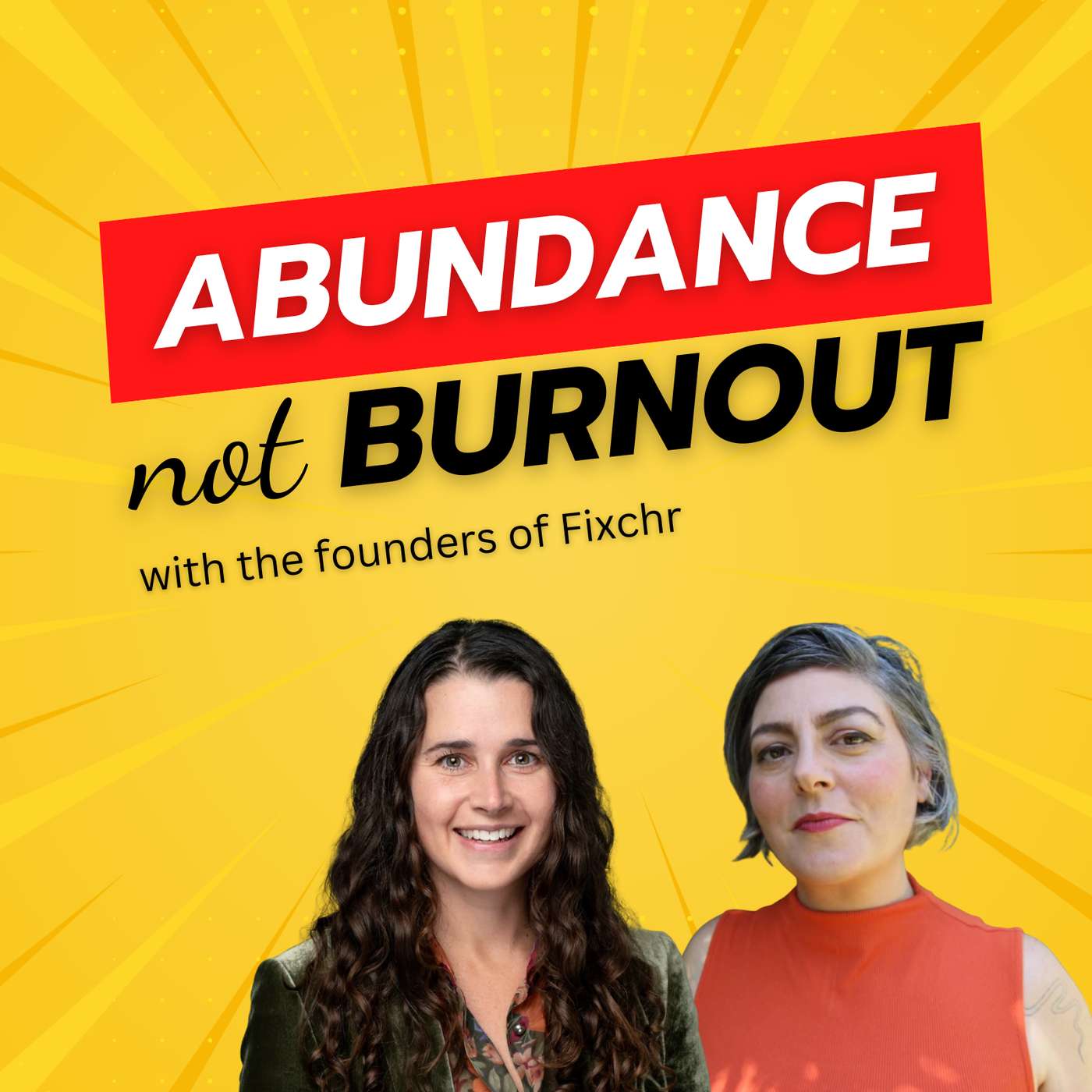
What happens when feminist founders stop trying to outrun burnout—and start redesigning work around care, capacity, and real life?In this episode of Feminist Founders, Becky Mollenkamp and Faith Clarke are joined by Meg Buzzi and Sarah Durlacher, co-founders of Fixchr, a boutique consulting firm that helps organizations navigate change through behavior, engagement, and collective practice.Together, they unpack what abundance actually means when you’re juggling caregiving, leadership, partnership, and survival inside systems that were never built for human needs. This is a conversation about decolonizing time, rebuilding capacity after burnout, refusing urgency culture, and reimagining work that flows—rather than drains.If you’re a founder who feels stretched thin, caught between care work and paid work, or craving a more spacious way to lead, this episode will feel like an exhale. In This Episode, We Talk About:• Why abundance isn’t just about money—it’s also about time, restoration, and choice• How caregiving (especially for elders) reshapes leadership capacity• What it means to decolonize time and stop moralizing productivity• Moving from crisis-driven work to preventative, sustainable change• The tension between billable work and long-term investments in community and ideas• Why founders often become the last people to receive the care they offer others• Designing businesses that can bend without breaking when life happensMeg Buzzi and Sarah Durlacher are the co-founders of Fixchr, a boutique consulting organization that supports organizations, teams, and leaders through periods of transition and change. Their work focuses on behavior change, engagement, and helping groups move together—without defaulting to urgency, extraction, or burnout. https://www.fixchr.com/About Feminist FoundersFeminist Founders is a podcast and community for business owners who want to challenge capitalist norms and build human-first, equity-aligned businesses. Hosted by Becky Mollenkamp and Faith Clarke, the show blends real conversations, feminist analysis, and practical reflection for founders who refuse to hustle themselves into the ground.👉 Learn more and join the community at feministfounders.co🎤 JOIN US IN THE FEMINIST PODCASTERS COLLECTIVE: http://feministpodcastcollective.com/

🎟️ Join Us December 18th for the Planning SprintIf Amanda’s story hit home — if you also feel buried under tiny tasks, unclear on the big picture, and craving time to breathe, think, and reset — come join Faith and me for a 90-minute Planning Sprint on Dec. 18th.This is not productivity theater.This is support.This is resourcing.This is creating space for actual clarity so you can end the year grounded instead of gasping.$199 • No sales page • Register here:👉 https://beckymollenkamp.as.me/planning______________This week we sat down with Feminist Founders member Amanda Laird, a growth marketing strategist and creator of Slow & Steady, a feminist business practice rooted in integrity, intentionality, and the belief that women and creative entrepreneurs deserve to thrive without burning themselves to the ground.Amanda helps solo creative entrepreneurs rethink their relationship with marketing and growth, and she does it through a holistic, feminist lens—one she developed through 20+ years in communications, deep study with Jennifer Armbrust (Sister), and a background in holistic nutrition that taught her to look at root causes, not symptoms.But today’s conversation wasn’t just about her clients. It was also about Amanda’s own edges—the place where so many of us find ourselves:the overwhelm of being a one-woman show, the longing for a slower pace, the guilt of resting before we “earn” it, and the capitalist potholes we keep falling into even when we know better.Faith and I walked with Amanda through what it means to rebuild capacity, tap into community, hear the voice she keeps locked in the closet (her words!), and reorient her work away from exhaustion and back toward restoration, creativity, and support.Spoiler: the answer involved a tiny sketchbook, a five-minute daily practice, and reclaiming the truth that we don’t build feminist businesses by doing it all alone.It’s tender, it’s real, and it’s a masterclass in taking your own medicine as a feminist leader.In This Episode We Discuss:• Amanda’s core value of integrity and how it anchors her work• Why “slow and steady” is both a philosophy and an aspiration• How the feminine economy (Jennifer Armbrust) shapes her business• The honest truth of being overwhelmed by tiny tasks and big dreams• The eldest-daughter conditioning that tells us we must do it all• Why capacity and organization aren’t the real issue• How shame shows up around asking for or paying for support• The myth that we must “earn” rest• The voice in the closet: the wisdom of community, reciprocity & tapping into our network• Rebuilding leadership from restoration, not exhaustion• Help, harm, and why individualism keeps us stuck• A practical (and compassionate) plan for moving forward:• A “not right now” list• A five-minute daily sketchbook practice• Anchoring back into alignment-before-actionTurning toward community instead of isolation🎤 WE'RE PROUD MEMBERS OF THE FEMINIST PODCASTERS COLLECTIVE
In this episode of Feminist Founders, Becky Mollenkamp and Faith Clarke reflect on The Weight We Carry — a focus group conversation about invisible labor and how it shows up in our personal and professional lives.They share insights and takeaways from the powerful session, where participants told stories, named the unseen work they carry, and began exploring ways to release it. What emerged was both deeply personal and profoundly collective — a recognition that the exhaustion so many of us feel isn’t personal failure, it’s systemic.Discussed in this conversation:• How storytelling reveals the collective wisdom we already hold• Why invisible labor is both embodied and systemic• What it means to refuse to participate in your own sacrifice• How trust, accountability, and community intersect in the work of release• Why simple “one-two-three” solutions don’t work — and what does• How shame, guilt, and perfectionism keep us in patterns of overwork• The power of community in reprogramming the conditioning that makes us overfunction• What medicine looks like when it’s rooted in collective care and belongingBecky and Faith also share details about their upcoming small-group program—Releasing the Weight—a community container designed to help you identify, name, and release the invisible labor weighing you down — just in time for the holidays.✨ Join the group experience: feministfounders.co/group📰 Subscribe on Substack: feministfounders.substack.comBusiness owners can contribute to the white paper🎤 PROUD MEMBERS OF THE FEMINIST PODCASTERS COLLECTIVE

This week looks a little different. Becky’s out sick, so we’re sharing a powerful conversation from Assigned Reading where Becky and Faith dive into Chimamanda Ngozi Adichie’s essay and TED Talk We Should All Be Feminists.It’s a wide-ranging and deeply personal discussion about feminism across cultures, the intersections of race and gender, and how we carry both the weight of oppression and the responsibility of shaping culture ourselves.👉 Don’t miss our upcoming free event, The Weight We Carry on invisible labor, happening October 9, 2025. Sign up here: https://evt.to/eoieheiswDiscussed in this episode:• How Adichie’s centering of Nigerian culture resonates with Afro-Caribbean experiences• Why feminism often defaults to “white feminism” in the U.S.—and the harm in that invisibility• Chimamanda’s 2017 comments on trans women, her clarification, and what it says about growth and accountability• How women are held to perfectionist standards under white supremacy• The challenge (and necessity) of contextualizing feminism through race, culture, and personal story• Why “people shape culture” is both a call to action and a permission slip• Owning our own stories of privilege and oppression—and how whiteness itself can be a prison• Shame as one of the sharpest tools of oppression and how it maintains systems of power• The many ways activism can look: rest, storytelling, parenting, teaching, healing, and beyond🎤 PROUD MEMBERS OF THE FEMINIST PODCASTERS COLLECTIVE
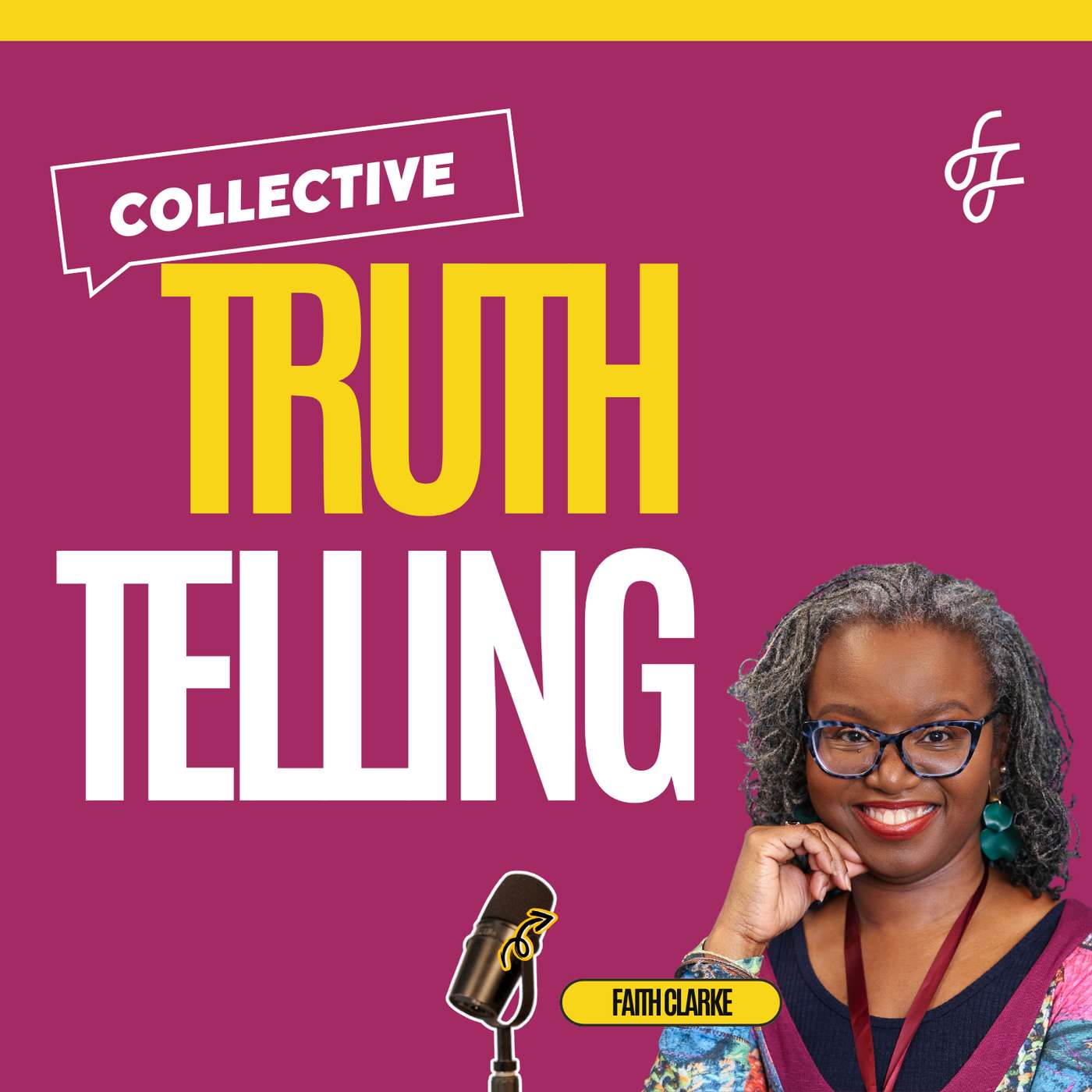
In this solo episode of Feminist Founders, Faith Clarke reflects on the invisible labor women carry, the stories that connect us, and the power of collective truth-telling. Drawing from Desmond Tutu’s teaching on Ubuntu—“a person is a person through other persons”—Faith invites listeners to consider how our common humanity can be honored through deep listening, shared storytelling, and co-creation of solutions.Faith shares her background in qualitative research, her belief that human stories are data, and how the Feminist Founders community is engaging in collective storytelling to explore invisible labor. This episode is both a personal reflection and an invitation: to join a larger conversation, contribute your story, and help co-create liberatory solutions for founders and communities.💡 Discussed in this episode:The wisdom of Ubuntu and how it calls us into shared humanityWhy listening to stories is a spiritual practiceHow invisible labor impacts women’s health and livesThe limitations of traditional research methods and the power of lived experienceWhy collective truth-telling is essential for creating solutionsThe Feminist Founders initiative to document and share a white paper on invisible labor🎤 Proud members of the Feminist Podcasters Collective
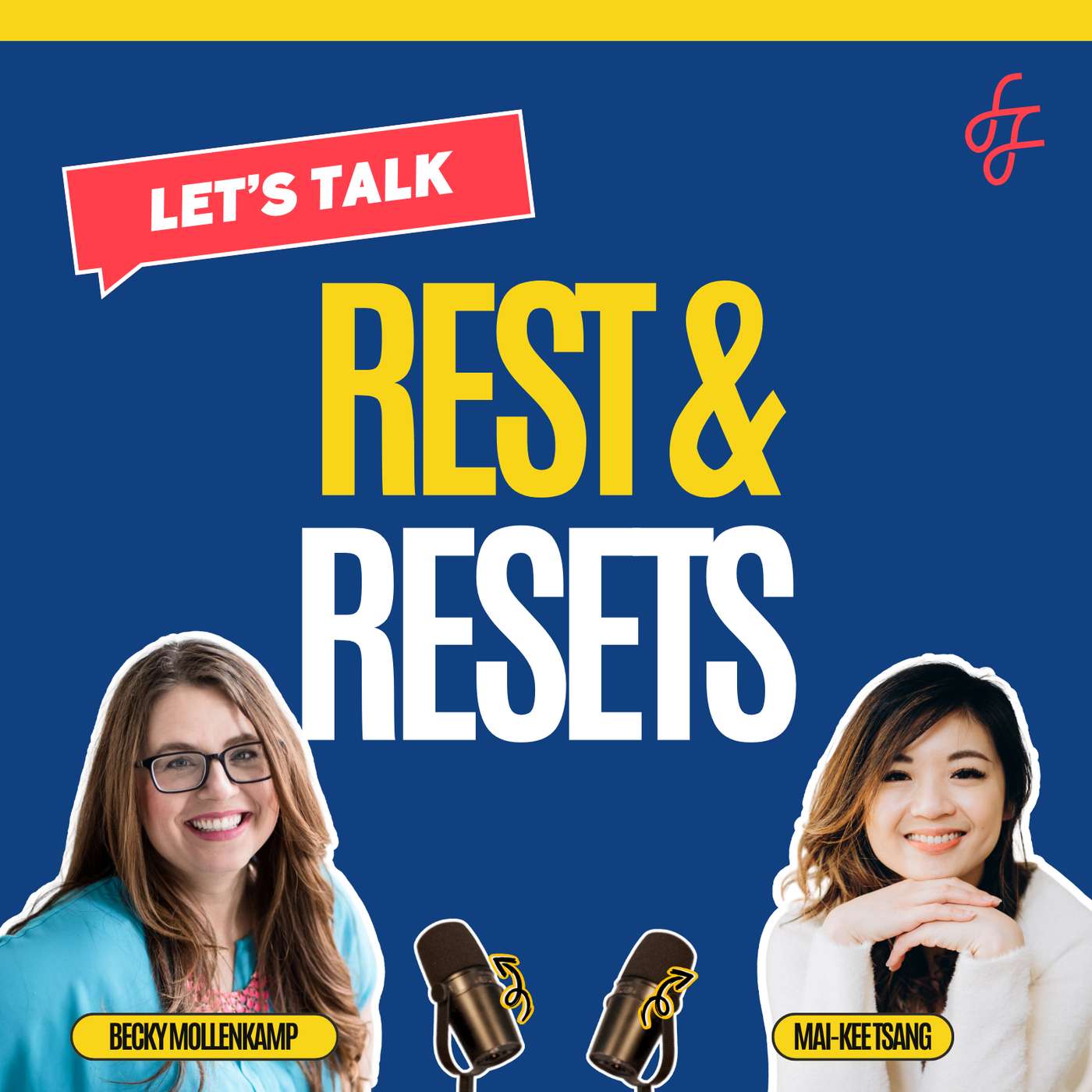
What happens when you step away from everything you’ve built—not just for a week off, but for months of deep rest and reflection?In this episode of Feminist Founders summer series on women’s invisible labor, Becky talks with Mai-kee Tsang, who took a two-month sabbatical after seven years of running her business. What started as a response to grief became a radical reimagining of work, worth, and identity.Together, they explore:How grief and pet loss led Mai-kee to create space for healingWhy sabbaticals are not just breaks, but tools for reclaiming agency and restThe “ego death” of stepping away from business identity and embracing the messy middleThe guilt and fear many entrepreneurs feel when stepping back or walking awayHow invisible labor shapes women’s relationship to work and restThe importance of redefining success beyond productivity and business ownershipWhy giving yourself permission to “just be” is a feminist actMai-kee reminds us that walking away doesn’t erase the value of what you’ve built. It can be a form of liberation, a chance to listen to yourself again, and to reimagine what’s possible when you’re no longer defined by your work.Mai-kee Tsang is a writer, mentor, and former Sustainable Visibility® strategist. After seven years of entrepreneurship, she took a sabbatical to grieve, heal, and reconnect with her identity outside of work. Today, she continues to hold space for community through her email letters, Cup of Catch-ups, and experiments in simply being. Sign up for Mai-kee’s email list🎤 PROUD MEMBERS OF THE FEMINIST PODCASTERS COLLECTIVE

Host Faith Clarke sits down with burnout recovery specialist and relationship coach Jay Asooli to dig into what we often call “invisible labor”—and why Jay insists it’s more accurate to say invisibilized labor. Together, they explore the emotional, cognitive, and care work that keeps households, workplaces, and communities running—work that’s hidden in plain sight, disproportionately carried by women, non-men, and marginalized people.Jay shares deeply personal reflections on being a family caregiver, the countless jobs rolled into that role, and how the systems around us deliberately minimize and erase this labor. She names the many categories of relational labor—repair initiation, resistance moderation, stress regulation, social hosting, educational labor—and how these patterns play out in both families and workplaces.This is not just about naming the problem. Faith and Jay talk about how protest, grief, and awareness are radical acts of resistance, and how community care and co-creation are essential for building new ways of living and working.If you’ve ever felt exhausted from carrying too much, unseen, or guilty for “not doing enough,” this conversation will remind you that you’re not alone—and that your labor deserves to be recognized, valued, and shared.Discussed in This Episode:Why Jay calls it invisibilized labor instead of invisible laborHow systemic oppression allocates and imposes unpaid care and emotional workThe parallels between caregiving at home and “extra” labor in the workplaceThe hidden categories of relationship labor—from repair initiation to resistance moderationThe role of protest, grief, and truth-telling in reclaiming our livesHow community, curiosity, and co-created care can shift the weightConnect with Jay Asooli: Website | Instagram🎤 PROUD MEMBERS OF THE FEMINIST PODCASTERS COLLECTIVE

What happens when you’re raising young children and caring for aging parents—or even siblings with disabilities—at the same time? That’s the reality for millions of Gen Xers and millennials in the “sandwich generation.”In this episode of Feminist Founders, part of our summer series on invisible labor, Becky talks with Anna De La Cruz, a social impact consultant, writer, and caregiver based in Seattle. Anna is the voice behind GenXandwich on Substack, where she writes candidly about navigating multi-generational caregiving while raising three kids and caring for her brother with Down syndrome.Discussed in this episode:What it means to be “sandwiched” between kids, parents, and other loved ones who need care.Why women—especially women of color—carry the bulk of unpaid and underpaid care work, and how sexism and pay disparities reinforce that reality.How capitalism has failed caregivers, creating a system where care is unaffordable for families but still undervalued and underpaid for workers.The emotional toll of invisible labor, from guilt to burnout, and how naming it helps us fight for systemic change.The importance of collective care, community, and policy solutions—not just “self-care”—to support caregivers.Reimagining how we talk about death and aging as part of creating healthier, more honest conversations about caregiving.Anna reminds us that making invisible labor visible isn’t just about validation—it’s about shifting culture and demanding policies that actually support people.🎉 Read Anna’s writing at GenXandwich on Substack: https://substack.com/@genxandwich🎤PROUD MEMBERS OF THE FEMINIST PODCASTERS COLLECTIVE
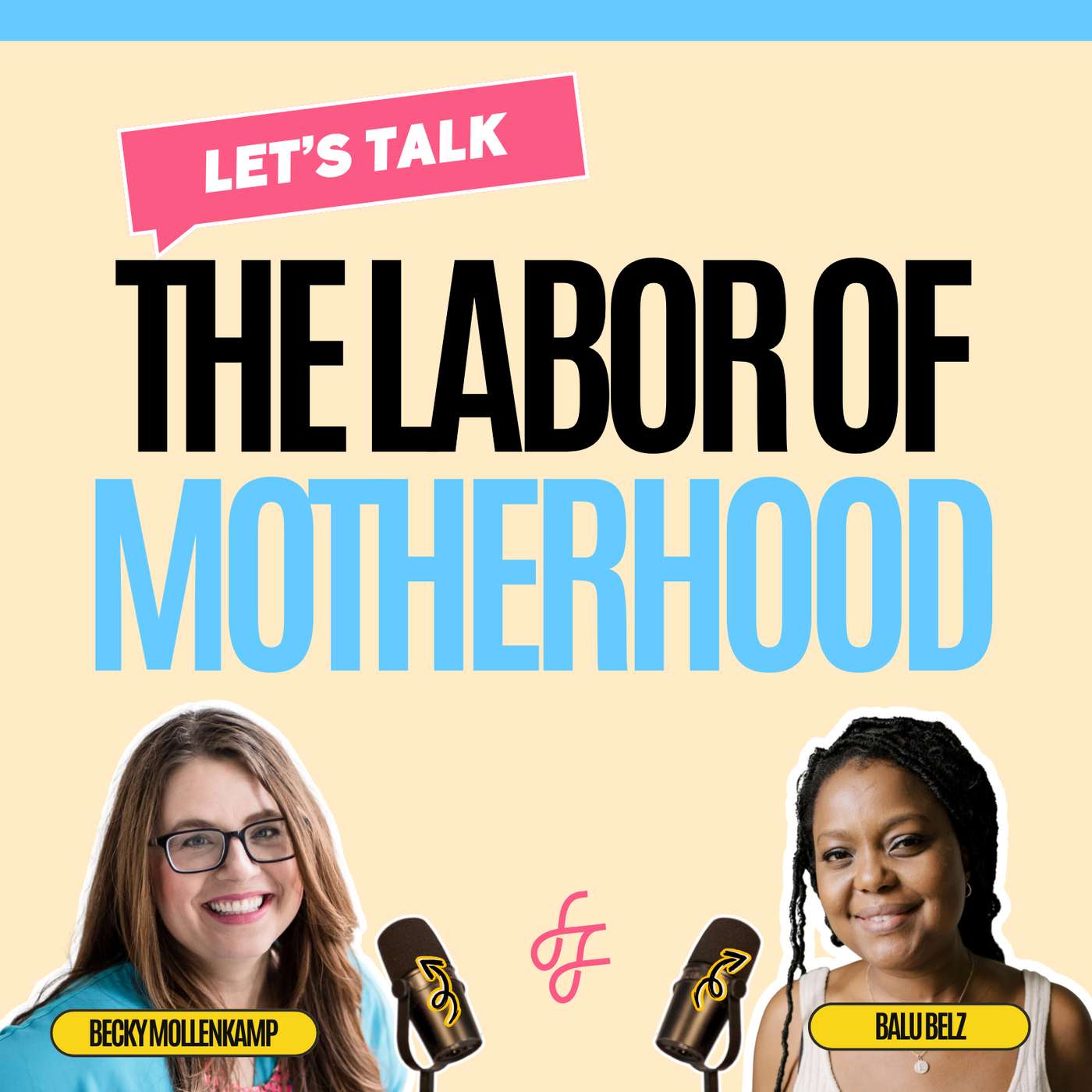
In this episode of Feminist Founders, Becky sits down with health and wellness coach Balu Belz to dig into the hidden weight mothers carry—at home, in business, and in society. Part of our summer series on women’s invisible labor, this conversation pulls back the curtain on the cultural conditionizng that leaves mothers unsupported, undervalued, and exhausted.Balu shares her journey from a challenging fertility process through early motherhood, and how those experiences shaped her mission to support moms in ways that honor their individual needs and identities. Together, Becky and Balu tackle everything from the myth of “it takes a village,” to the systemic failures of maternal healthcare, to why asking for help often feels like a radical act.This is a conversation about making the invisible visible—naming the unseen labor women perform every day, and insisting that mothers deserve support, care, and recognition. Whether you’re a parent or not, you’ll walk away with a deeper understanding of why this labor matters, how it’s tied to broader systems of inequity, and what it looks like to push back.Discussed in This Episode:Balu’s path into health and wellness coaching after her own fertility and birthing experiencesWhy invisible labor is often unnamed—and how simply naming it can be transformativeThe staggering statistics about maternal support gaps: one-third of women feeling unsupported by providers during pregnancy, and one-fifth experiencing perinatal mood or anxiety disorders with less than half receiving careThe realities of self-employment, parental leave, and running a business while motheringThe truth about “it takes a village” and why moms actually need systemic and structural support, not platitudesThe exploitation baked into childcare—parents overpaying, workers underpaid, and women (especially women of color) bearing the bruntHow the pressure to “do it all” fuels shame and silence, and why giving ourselves permission to seek support mattersWhat becomes possible when we make invisible labor visibleResources mentioned:Connect with Balu Belz on LinkedInPast episodes mentioned:Toi Smith: Loving Single Black MothersMotherful: Building Villages for Single Moms🎤 PROUD MEMBERS OF THE FEMINIST PODCASTERS COLLECTIVE

In this solo episode, Faith Clarke breaks down the invisible labor so many of us carry—especially women with marginalized identities—and how it shapes our leadership, health, and humanity. From the exhausting calculations we make to stay safe, to the unspoken emotional labor of managing other people’s comfort, Faith exposes the quiet toll this labor takes on our bodies and businesses.She offers clear, actionable practices for naming, tracking, and shifting these patterns—both within ourselves and our organizations. This is an episode for anyone who’s ever felt like they had to soften the blow, hold the bag, or clean up the mess… and for those of us building feminist businesses that promise to do better.Discussed in this episode:The invisible labor required by people with marginalized identities to simply exist in and navigate the worldWhy women often "hold the bag" in group dynamics—and how that connects to patriarchy, power, and perceived belongingThe unspoken calculations women make to avoid seeming “difficult” or “aggressive” at workHow safety, identity, and marginalization intersect in workplace dynamicsThe emotional labor of navigating men’s feelings and the constant threat of backlash when setting boundariesThe “man vs. bear” thought experiment and what it reveals about how women assess risk in everyday interactionsOngoing systemic violence like Canada’s “birth alert” policy and how Indigenous women are criminalized during childbirthHow Black women’s emotions are policed and misinterpreted as aggressionThe physical, emotional, and mental health toll of invisible labor—especially on women ages 25–55The compounding effects of time poverty, caregiving demands, and self-neglect on women’s healthThe trap of drawing boundaries but still being asked to "soften the blow" for those with powerFour practices to begin addressing invisible labor in your life and business.Resources Mentioned:“Man vs. Bear” essayCanada’s “birth alert” policyJay Asooli🎤 PROUD MEMBERS OF THE FEMINIST PODCAST COLLECTIVE

Grief isn’t just about death — it’s the emotional response to any kind of loss, from big life changes to daily disappointments. And for women, especially, grief often goes unseen and unspoken.In this episode of Feminist Founders, Becky talks with Nikki the Death Doula about the heavy (and invisible) labor women carry when it comes to grief. Together, they unpack how we’re conditioned to take on everyone else’s pain, hide our own, and minimize the everyday losses that still weigh on us.Nikki shares her experience as a death doula, what she’s learned about unrecognized grief, and the simple practices that can help us process it — including her mantra: name it to tame it. They also explore how cultural silence around miscarriage, caregiving, and “small” griefs leaves us isolated, and how community and validation can open the door to healing.Connect with Nikki Smith:Website: https://www.nikkithedeathdoula.comGood Grief with Nikki the Death Doula: https://www.nikkithedeathdoula.com/podcastLinkedIn: https://www.linkedin.com/in/nikki-smith-26203b38/Discussed in this episode:What grief really is (and why it’s not just about death)The “invisible labor” of carrying everyone else’s griefHow women are socialized to silence or downplay their own painThe compounding effect of unprocessed griefMiscarriage, caregiving, and other under‑acknowledged losses“Name it to tame it”: a simple practice to process daily griefComparative suffering (aka the grief Olympics) and why it harms usThe healing power of validation and community🎤 PROUD MEMBERS OF THE FEMINIST PODCASTERS COLLECTIVE: http://feministpodcastcollective.com/

In this solo episode of Feminist Founders’ summer series on women’s invisible labor, Becky shares a deeply personal practice she’s relied on for years: quarterly solo hotel retreats.Recorded across two days in real time, Becky opens up about why she prioritizes this ritual, the family grief and financial stress that made this one especially necessary, and how these retreats help her reset from the relentless invisible labor of parenting, partnership, and work.From perimenopause symptoms to parenting burnout, from the quiet joy of lowering a thermostat to 60 degrees to the relief of binge-watching shows alone in peace, this episode is an intimate reminder that self-care isn’t selfish — it’s survival.What You’ll Hear in This Episode:• Why Becky takes solo hotel retreats every quarter (and why two nights are non‑negotiable)• The invisible labor women carry in parenting, marriage, and caregiving• The guilt that arises when prioritizing your own needs — and how to work through it• How grief, perimenopause, and financial strain compound emotional labor• Small ways to carve out restorative space, even if a hotel isn’t possible• Why granting yourself permission to rest can be revolutionaryResources & Links• Join the Messy Liberation Coaches Circle• Heather Vickery's episode on retreats🎤 PROUD MEMBERS OF THE FEMINIST PODCASTERS COLLECTIVE

What happens when a solo business owner hits the wall—and actually stops? In this candid conversation, Becky Mollenkamp talks with copywriter and branding expert Paige Worthy about her two-month sabbatical, why she took it, and what she learned about labor, self-worth, and the sneaky grip of capitalist productivity culture.Paige opens up about the emotional toll of juggling clients, living in a world on fire, and the myth that stepping away is a luxury or a failure. From the privilege that made her time off possible to the inner voices that almost stopped her, she shares a raw and honest look at what real rest looks like (hint: it's not always pretty or peaceful).Whether you’re a burned-out entrepreneur, a therapist who needs their own therapist, or someone dreaming of hitting pause but unsure how to give yourself permission, this episode is your invitation to imagine something different.Paige Worthy (she/her) is a writer, editor, and brand messaging strategist for progressive entrepreneurs. Known for her spicy takes, thoughtful wordcraft, and zero tolerance for misogynist bullshit, Paige shows up in business and life as a truth-teller and cat-loving rage queen. She’s currently on sabbatical—joyfully making pottery, resisting capitalist productivity, and embracing rest as rebellion. 🌐 paigeworthy.comDiscussed in this episode:Why Paige took a two-month sabbatical—and what finally pushed her to itThe privilege and emotional labor baked into taking time offCapitalist conditioning and the pressure to make rest "productive"How it felt to step away from multiple clients—and why she didn’t lose themThe myth of constant urgency in client workLearning to treat work as part of life—not the center of itReentering work with clarity and choosing a “hell yes” clientLetting go of hustle culture, scarcity thinking, and shameWhat labor really means in a system that doesn’t support being humanThe value of reclaiming time, even if it’s just a weekend aloneResource mentioned:Burnout coach Nicole Havelka🎤 PROUD MEMBERS OF THE FEMINIST PODCASTERS COLLECTIVE 🎤

Comments

Download from Google Play

Download from App Store
 United States