


New Wave.
Subscribed: 4Played: 47
Subscribe

© Hugo Rauch
Description
103 Episodes
Reverse
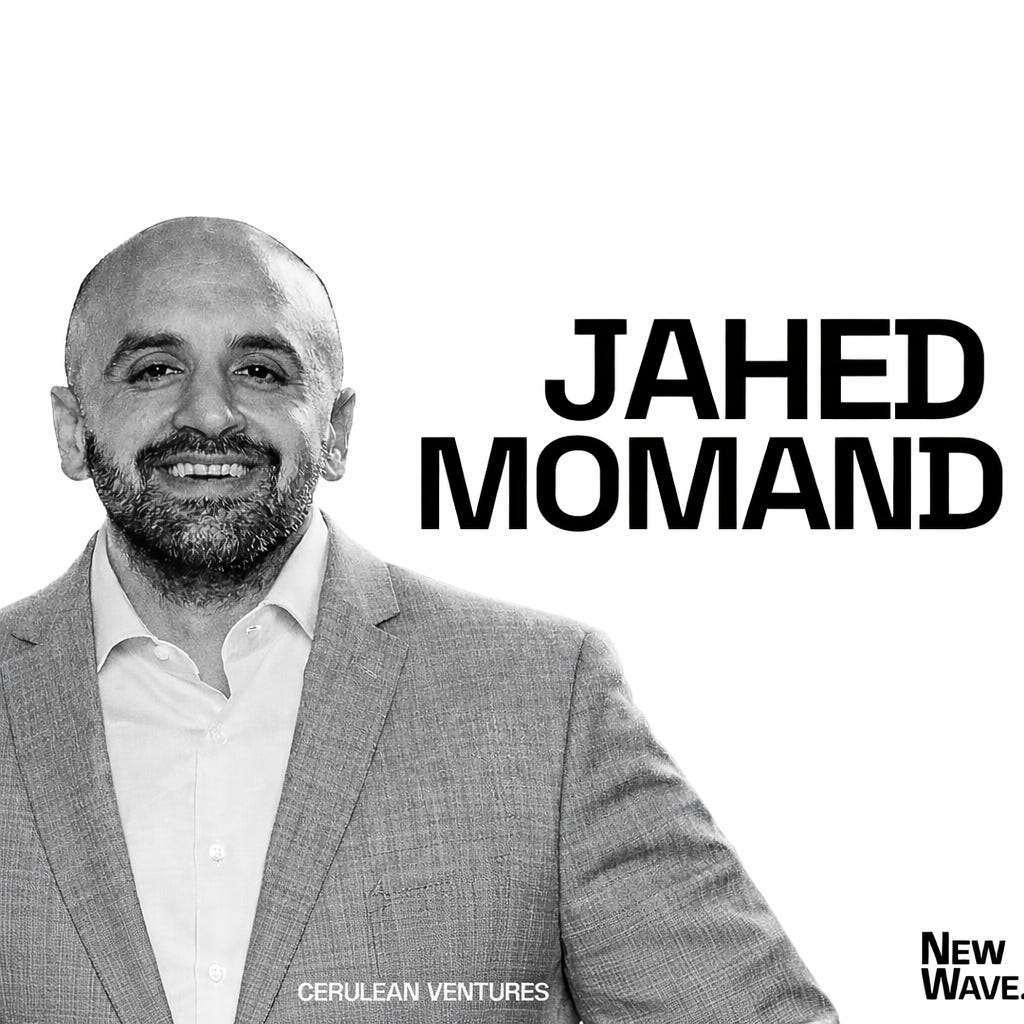
Subcribe to the newsletter: New Wave | Hugo Rauch | Substack****🌊 Pricing Nature As An AssetWhy the next wave of climate returns will be built on data, ecosystems, and riskWe’re joined by Jahed Momand, General Partner at Cerulean Ventures, a pre-seed fund backing founders applying AI and software to the physical world, from nature and oceans to grids, steel, and supply chains.In this episode, we dive into what “investing in nature” actually means, and unpack how turning ecosystems into measurable, investable assets could unlock entirely new markets, business models, and venture-scale returns.Jahed shares how Cerulean thinks about pre-seed conviction, why data gaps in the physical world are the biggest opportunity in climate, and what it really takes to back founders before the story is obvious.In our conversation, we covered:→ Why nature is the most underpriced input in the global economy→ How environmental data becomes an investable asset→ The real business models behind “nature tech” (beyond carbon credits)→ Why insurance, supply chains, and pharma are early buyers→ How AI in the physical world creates defensibility most startups miss→ What pre-seed investing actually optimizes for (and why Cerulean sometimes overpays)→ How to build a contrarian thesis that later-stage funds will follow This is a public episode. If you would like to discuss this with other subscribers or get access to bonus episodes, visit newwavenewsletter.substack.com
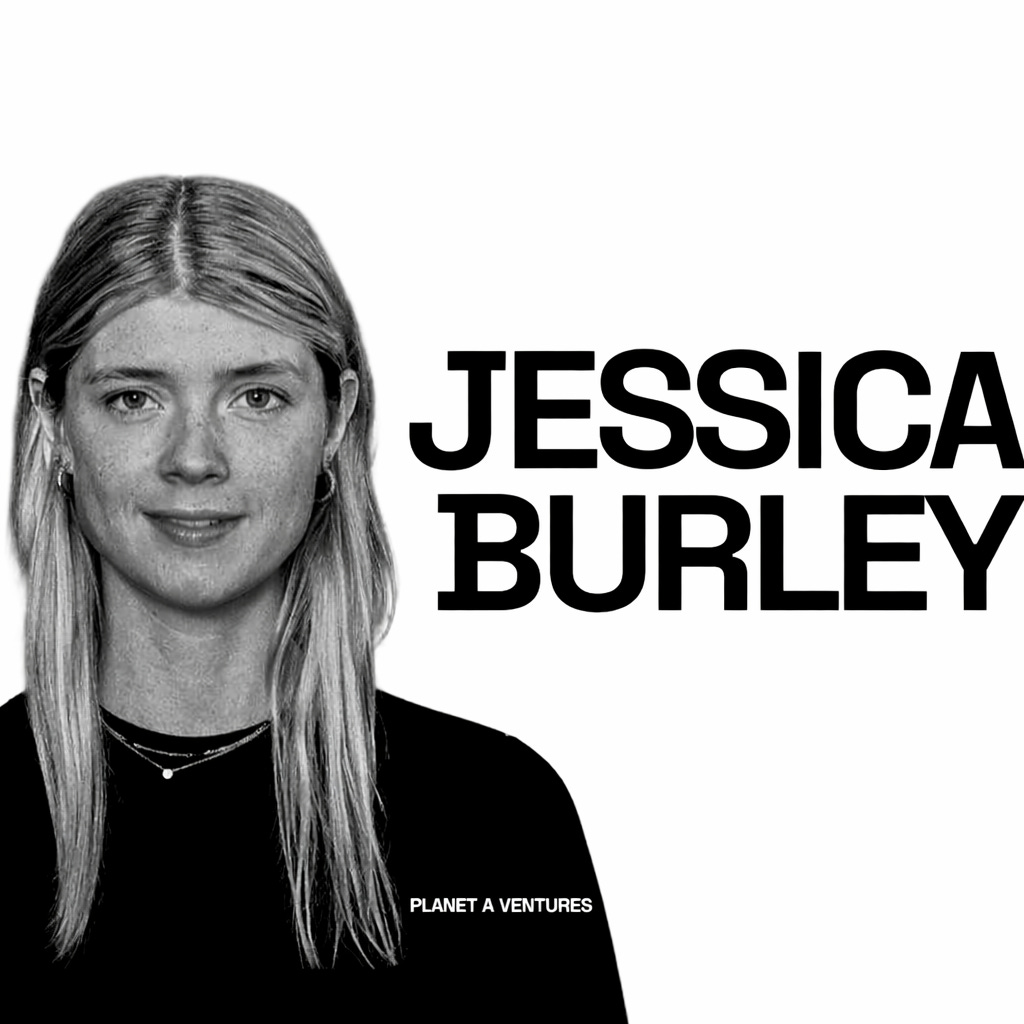
Thank you to this week’s sponsor:Accelerating Impact - a non-profit advancing impact finance by mobilizing capital and running free accelerator programs for emerging fund managers. Join for expert coaching, training, financial support, and a strong community. Apply here.***🌊 Hardware Is Hard. That’s the Point.What it really takes to fund, build, and scale climate hardware in EuropeWe’re joined by Jessica Burley, Investor at Planet A Ventures, one of Europe’s leading climate and deep tech VCs pioneering a science-based approach to venture capital.In this episode, we dive into why climate hardware is fundamentally different from software — and unpack what it really takes for founders and investors to scale atoms (not just bits) without breaking the cap table.From capital stacks and bankability to team composition and customer urgency, this is a grounded, insider conversation for anyone building or backing climate infrastructure.In our conversation, we covered:→ Why hardware isn’t broken — but VCs need a new playbook→ The real reason climate hardware fails (hint: it’s not the science)→ How to structure a capital stack beyond pure equity→ What “bankability” actually means for first-of-a-kind plants→ Why sustainability alone doesn’t close customers→ Where climate hardware is quietly becoming profitable right now This is a public episode. If you would like to discuss this with other subscribers or get access to bonus episodes, visit newwavenewsletter.substack.com
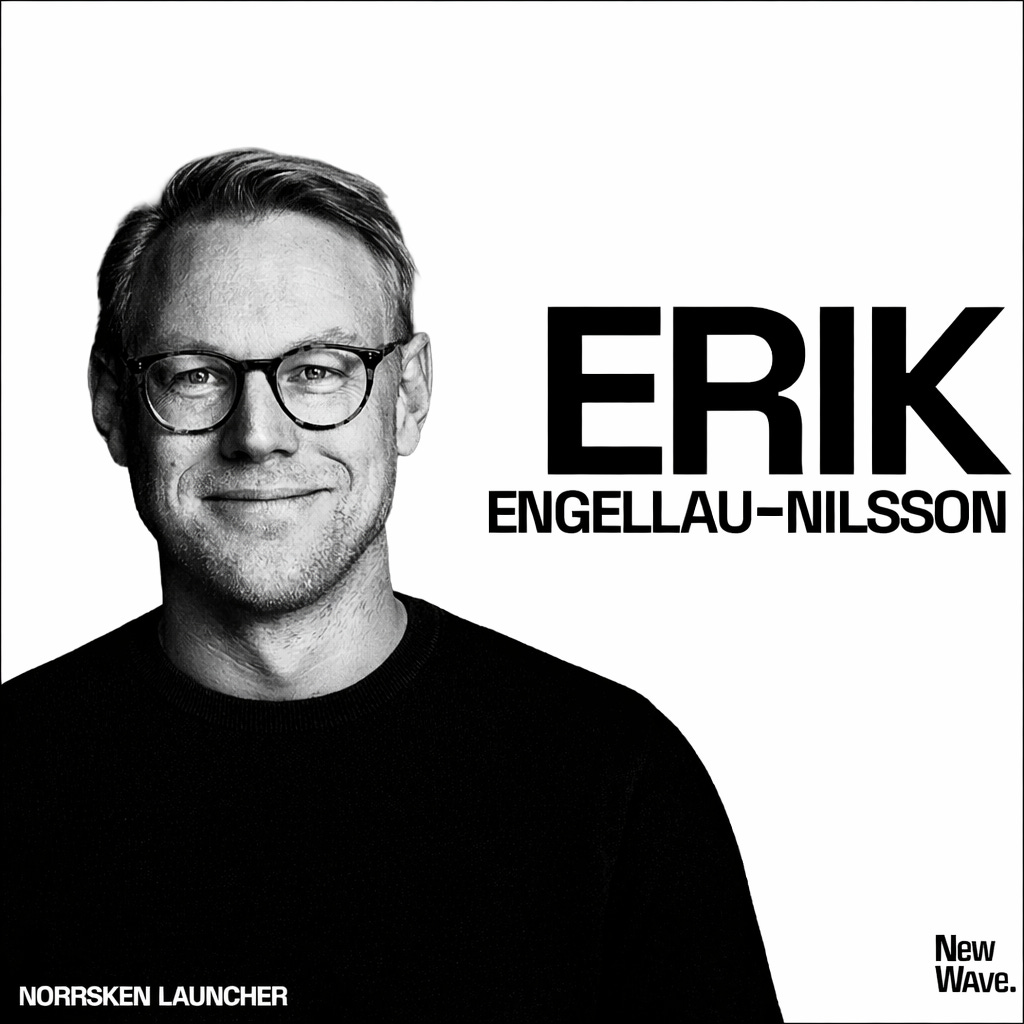
Thank you to this week’s sponsor:Accelerating Impact - a non-profit advancing impact finance by mobilizing capital and running free accelerator programs for emerging fund managers. Join for expert coaching, training, financial support, and a strong community. Apply here.***🌊 How To Commercialize ScienceWhy Europe’s world-class research rarely becomes global companies, and how to fix it.We’re joined by Erik Engellau-Nilsson, Founder of Norrsken Launcher and former CEO of the Norrsken Foundation, one of Europe’s most influential platforms for impact-driven entrepreneurship.In this episode, we dive into why most science never leaves the lab, and unpack what it really takes to turn deep tech and climate breakthroughs into scalable, profitable companies. From cap tables and commercialization risk to why the VC model fails scientists, Erik shares a brutally honest view of what’s broken and what actually works.In our conversation, we covered:→ Why great science gets stuck in universities→ The cultural gap between scientists and company builders→ Norrsken Launcher’s hands-on model: fewer bets, deeper ownership→ Why Europe produces world-class science, but not world-class companies→ Clean cap tables, IP ownership, and the “teacher’s exemption.”→ Strategic investors: accelerator or hidden landmine?→ Why “patient capital” is often the wrong answer→ How to build climate and deep tech companies that actually scale This is a public episode. If you would like to discuss this with other subscribers or get access to bonus episodes, visit newwavenewsletter.substack.com
Sign up to New Wave's newsletter. ***This week on New Wave Weekly:👉 AI won’t magically invent new materialsAlphaFold worked because biology had great data. Inorganic materials don’t. Sparse datasets, missing thermodynamics, and poor characterization remain the biggest blockers.👉 The real moat is synthesis, not modelsFrom rare-earth-free magnets to catalysts, value is created in the lab: making, characterizing, and scaling materials that actually work in the real world.👉 Vertical beats generalist (for now)Foundational models are capital-intensive moonshots. Highly verticalized plays, magnets, catalysts, specific industrial use cases, have a much clearer path to market.👉 Commercialization is brutally hardDiscovery is step one. Producing at scale, at cost, and getting industry adoption is where most materials stories break, graphene being the cautionary tale.👉 Europe’s materials moment?With critical minerals concentrated in China, supply-chain security is creating real pull from industrial players, not just curiosity, but urgency.***Wave Makers:Matt - Voyager VenturesRobina - ContrarianVera - Apex VenturesHugo - New Wave This is a public episode. If you would like to discuss this with other subscribers or get access to bonus episodes, visit newwavenewsletter.substack.com
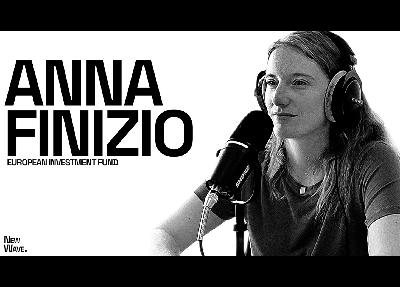
Thank you to this week’s sponsor:Accelerating Impact - a non-profit advancing impact finance by mobilizing capital and running free accelerator programs for emerging fund managers. Join for expert coaching, training, financial support, and a strong community. Apply here.***🌊 A New Swell Has ArrivedHow the European Investment Fund is shaping the next generation of climate VCs.We’re joined by Anna Finizio, Investment Manager at the European Investment Fund (EIF) Green-Tech, one of Europe’s most influential LPs in climate investing.EIF isn’t just backing climate funds. It’s building the market.In this episode, we unpack how Europe’s largest public LP thinks about first-time managers, risk, performance, and impact, and what climate fund managers actually need to do to earn EIF’s conviction.From anchoring funds to setting impact accountability, this is a rare look inside the LP that has quietly shaped Europe’s climate VC ecosystem over the last decade. This is a public episode. If you would like to discuss this with other subscribers or get access to bonus episodes, visit newwavenewsletter.substack.com
![[Live @ Supercluster] #5: Microgrids, storage, and the grid bottleneck with Simon Belka (Shifted)](https://s3.castbox.fm/40/ed/ee/d29664f91101f408ccfad1f7eff7540d3e_scaled_v1_400.jpg "[Live @ Supercluster] #5: Microgrids, storage, and the grid bottleneck with Simon Belka (Shifted)")
🌊 Simon Belka on fixing the grid.Why long-duration storage and microgrids may define the next energy system.We’re joined by Simon Belka, Co-Founder of Shifted Energy, a long-duration energy storage startup building compressed-air systems for the decentralized grid.In this episode, we dive into one of the biggest paradoxes in clean energy: we’re producing more cheap renewable electricity than ever, yet still burning gas because the grid can’t move or store it fast enough. In our conversation, we covered:→ Why grid congestion, not renewables, is now the real problem→ How microgrids work (and why they’re a €135bn market)→ Why batteries fail beyond ~6–8 hours of storage→ Inside Shifted Energy’s compressed-air “air battery”→ How long-duration storage competes with hydrogen and thermal systems→ Early traction: microgrids, mines, logistics hubs, and off-grid sites→ The economics: efficiency, CapEx, and levelized cost of storage→ What it takes to scale from 100 kW pilots to megawatt systems→ Why Europe is uniquely positioned to lead this transition This is a public episode. If you would like to discuss this with other subscribers or get access to bonus episodes, visit newwavenewsletter.substack.com
![[Live @ Supercluster] #4: The state of European climate tech with Eglantine Dupuy (Dealroom)](https://s3.castbox.fm/dc/e8/a6/d1aadf94ec683d186f4e138af36f10b8bb_scaled_v1_400.jpg "[Live @ Supercluster] #4: The state of European climate tech with Eglantine Dupuy (Dealroom)")
🌊 Eglantine Dupuy on what the data says about European climate tech.Why deep tech is winning, VC is retreating, and corporates are stepping in.We’re joined by Eglantine Dupuy, Research Associate at Dealroom.co, where she tracks Europe’s climate and deep tech ecosystem through one of the most comprehensive data platforms in venture.In this episode, we take a hard look at European climate tech in 2025, what’s slowing down, what’s quietly accelerating, and why the next wave will look very different from the last.We covered:→ Why European climate VC is down ~30% YoY→ How deep tech now captures ~50% of climate funding in Europe→ The real cost of deeptech: $100M+ in VC to reach $100M revenue→ Why Europe struggles at Series B, and how foreign capital fills the gap→ Corporates vs VCs: who’s actually funding climate innovation now→ Defense, sovereignty, and resilience rebrands, hype or strategy?→ Early signals for 2026: biomaterials, circular economy, and AI overlap This is a public episode. If you would like to discuss this with other subscribers or get access to bonus episodes, visit newwavenewsletter.substack.com
![[Live @ Supercluster] #3: From pilot to scale: EDF on working with startups (David Ferguson)](https://s3.castbox.fm/59/2e/2d/e09d5a6e3a62c219c1d914b1d6074bdcdd_scaled_v1_400.jpg "[Live @ Supercluster] #3: From pilot to scale: EDF on working with startups (David Ferguson)")
🌊 David Ferguson on pilot-to-scale partnerships.Why corporate-startup partnerships fail and how to design the ones that actually work.We’re joined by David Ferguson, Head of Innovation (UK) at EDF, a 20-year energy veteran working at the intersection of climate, technology, and large-scale infrastructure.In this episode, we dive into why corporates love pilots but struggle to scale them, and unpack what it really takes for startups and big utilities to build collaborations that survive beyond the proof of concept.In our conversation, we covered:→ Why most climate pilots die before reaching scale→ How to design a trial that stands on its own (not a fake path to procurement)→ The four real ways corporates can work with startups, beyond selling→ Culture clash: speed, risk, incentives, and decision-making→ Why corporates need startups as much as startups need corporates→ What EDF actually wants from climate startups right now→ Why flexibility and long-duration storage are the next big battlegrounds This is a public episode. If you would like to discuss this with other subscribers or get access to bonus episodes, visit newwavenewsletter.substack.com
![[Live @ Supercluster] #2: Investing in industrial green tech with Marc Lechantre (Axeleo)](https://s3.castbox.fm/54/ac/87/8eae4ac88196b5a104d5a127bc200c5e9a_scaled_v1_400.jpg "[Live @ Supercluster] #2: Investing in industrial green tech with Marc Lechantre (Axeleo)")
🌊 Marc Lechantre on industrial decarbonization.We’re joined by Marc Lechantre, Partner at Axeleo Capital’s Green Tech Industry Fund. After 15 years in the automotive industry, Marc now backs the founders building the factories, materials, and energy systems that actually move the climate needle.In this episode, we dive into industrial climate tech, and unpack what it really takes to finance, scale, and de-risk hardware-first startups in Europe.We covered:→ Why software alone won’t solve climate change→ The real funding gap in industrial climate tech→ How to de-risk industrial investments→ Why Europe still has a shot at re-industrialization→ What VCs often miss about hardware risk, and why it’s different, not worse→ Why “green premiums” are over, and climate solutions must now win on cost→ What investing actually looks like when you’re building physical infrastructure This is a public episode. If you would like to discuss this with other subscribers or get access to bonus episodes, visit newwavenewsletter.substack.com
![[Live @ Supercluster] #1: Why Europe needs more collaboration with Sam Goodall (Cambridge Cleantech)](https://s3.castbox.fm/85/0c/ba/9200a67013f0b1b4b8ac1f257eff3304df_scaled_v1_400.jpg "[Live @ Supercluster] #1: Why Europe needs more collaboration with Sam Goodall (Cambridge Cleantech)")
Sam Goodall on Europe’s Climate Tech “Supercluster”In Paris, I sat down with Sam Goodall, CEO of Cambridge Cleantech and co-founder of the Climate Tech Supercluster.We unpacked a question I kept hearing:Why does Europe lead in climate innovation, but fall behind on scale?Sam’s take is refreshingly clear: Climate tech is spread too thin. We miss an obvious “Silicon Valley” to go to.That’s why he created the Supercluster approach: a series of events across Europe (London, Paris, Amsterdam) that increases the collision rate, and let smart people collaborate.Here’s what we covered:→ Europe’s superpower: the research base (TRL 1-3)→ Where the system breaks: scaling post-TRL 7 + “value leakage”→ The missing link: capital that matches deeptech timelines→ Why corporates are the de-risking engine for FOAK → 2026+ opportunities: industrial decarb + data center energy This is a public episode. If you would like to discuss this with other subscribers or get access to bonus episodes, visit newwavenewsletter.substack.com
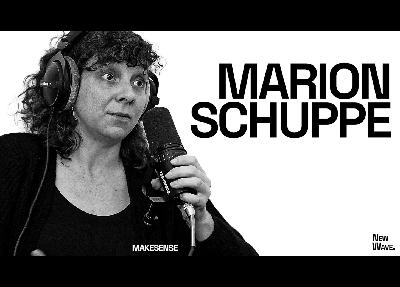
Makesense just closed its €25M pre-seed fund:So we sat down with Marion Schuppe to unpack what it really takes to build an impact-first VC from a nonprofit DNA.👉 Fundraising: fun, exciting.. exhaustingWhat does it take for a nonprofit-rooted team to win over LPs and triple their fund size? More trust-building, cooperation, and resilience than most people think.👉 Why pre-seed impact investing needs small fundsMarion explains why “bigger is not better” at pre-seed, and why Makesense is doubling down on inclusive circular business models as the most resilient path to economic, social, and environmental value.👉 The hybrid model: NGO mindset, VC disciplineIncubation programs. Operating support. European subsidies. A 10% NGO investment pocket. Makesense is quietly building one of Europe’s most innovative capital stacks.Is this the future of early-stage impact investing? This is a public episode. If you would like to discuss this with other subscribers or get access to bonus episodes, visit newwavenewsletter.substack.com
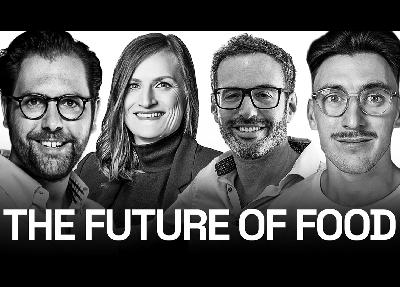
This week on New Wave Weekly:👉 Why food & ag still scare generalist VCsDespite being a $8T industry employing more people than any other, exits are small, timelines are long, and the science is heavy. So why does capital hesitate? And what are they missing?👉 Where the real opportunities are in food techFrom ingredients with 1% inclusion rates, to functional foods, to GLP-1 alternatives, to sugar-free sweet proteins, which models actually scale in venture timelines?👉 Food as Medicine: the next multi-billion category?GLP-1 drugs reshaped consumer behavior… but can food do the same? We explore peptides, functional mushrooms, sugar replacement, and why nutrition may beat pharma at its own game.👉 The investment memo for food tech — across stagesWhat does “good” look like at pre-seed? Seed? Growth? Revenue thresholds, market entry strategy, brand vs B2B ingredients, regulatory cycles, and why biotech in food still needs ~15 years and $100M to get to market.👉 Do brands or ingredients win? The great debateLavie, Beyond Meat, Oatly, challenger brands vs. enabling technologies, and why doing “both biotech AND brand” almost never works.***Wave Makers: Nadine - World FundGil - Flora VCFabio - ZintinusHugo - New Wave This is a public episode. If you would like to discuss this with other subscribers or get access to bonus episodes, visit newwavenewsletter.substack.com
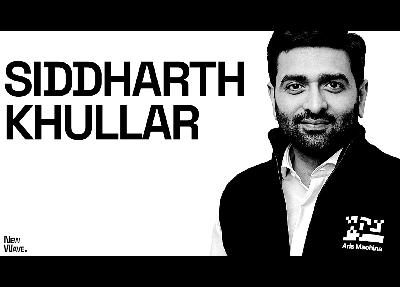
🌊 The Excellence of Machines, Inside Aris Machina’s $10.7M Pre-SeedHow do you build an agentic operating system for manufacturing, and why now?We’re joined by Siddharth “Sid” Khullar, Co-Founder & CEO of Aris Machina, the company building an agentic OS for complex manufacturing, starting with batteries. Sid previously led Software & AI at Northvolt, where he experienced firsthand the success and failure of the company as well as the manufacturing complexity that inspired Aris Machina’s creation.In this episode, we dive into what industrial super-intelligence really means, and what it takes to build software that can reason across tens of thousands of parameters, bridge the gap between human operators and AI agents, and transform modern manufacturing.In our conversation, we covered:→ How Northvolt’s collapse shaped Europe’s next wave of industrial founders→ Why modern factories drown in data but starve for insight→ The “aha” moment: a catastrophic yield problem that no dashboard could explain→ What an agentic OS actually is, and why it’s not “just an LLM”→ How Aris Machina avoids becoming a consulting company→ Why battery factories are the ideal proving ground→ How Sid raised a ~$10M pre-seed after 300 investor nos→ The long-term vision: an app store for manufacturing***Links:Sid on LinkedIn Aris MachinaOr ask me for an intro! This is a public episode. If you would like to discuss this with other subscribers or get access to bonus episodes, visit newwavenewsletter.substack.com
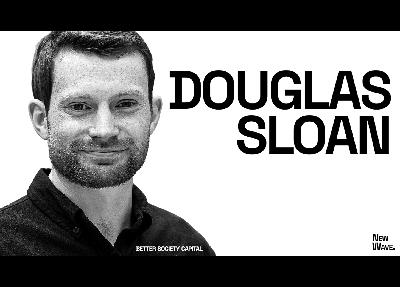
Thank you to this week’s sponsor:Accelerating Impact - a non-profit advancing impact finance by mobilizing capital and running free accelerator programs for emerging fund managers. Join for expert coaching, training, financial support, and a strong community. Apply here.***🌊 A New Swell Has ArrivedInside Better Society Capital’s approach to returns, impact, and the next gen of funds.We’re joined by Dougie Sloan, Head of Venture at Better Society Capital, the UK’s largest social impact investor and a cornerstone LP across 120+ impact-driven funds.In this episode, we dive into how an LP actually evaluates venture funds, and what it really takes to raise from an impact-oriented institutional investor. Dougie breaks down portfolio construction, return expectations, impact methodology, and the LP role in shifting European VC.In our conversation, we covered:→ How Better Society Capital selects funds → Why impact doesn’t imply concessionary returns→ Why Europe needs more specialist funds→ Where impact actually drives commercial performance→ The state of liquidity in venture across the world→ How LPs assess team, repeatability, and firm-building→ Practical fundraising advice for GPs raising today***Links:Douglas on LinkedInBetter Society CapitalOr ask me for an intro!Impact as a driver of value.Join the Impact VC community This is a public episode. If you would like to discuss this with other subscribers or get access to bonus episodes, visit newwavenewsletter.substack.com
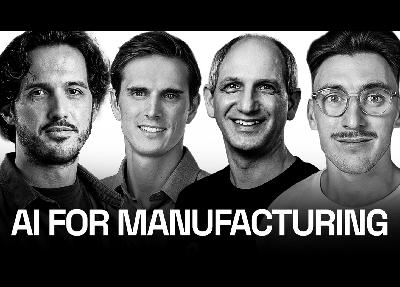
This week on New Wave Weekly:👉 Aris Machina lands a monster “pre-seed”Founded by two former Northvolt leaders — including Peter Carlsson — Aris Machina wants to build the agent OS for manufacturing, unifying messy factory data into a global optimization layer. But can you really standardize manufacturing when every plant is different?👉 AI for Manufacturing: hype cycle or real inflection?Europe and the U.S. saw multiple rounds this week alone — Aris, Forges, Drift — as investors wake up to $8T in manufacturing inefficiency. But are we funding the next Palantir… or just fancy consulting with better branding?👉 Is China already at “nine sigma”?A live debate: Are Western factories actually decades behind? Some say China’s battery plants have already cracked near-zero-fault manufacturing — so what does that mean for European AI startups betting on yield optimization?***Wave Makers: Jonny Everett - MarbleMatthew Blain - Voyager VenturesYair Reem - ExtantiaHugo Rauch - New Wave This is a public episode. If you would like to discuss this with other subscribers or get access to bonus episodes, visit newwavenewsletter.substack.com
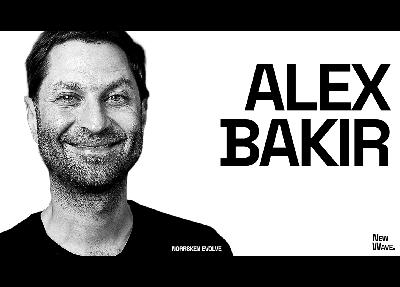
We’re joined by Alex Bakir, Partner at Norrsken Evolve, an operator-turned-investor who has built and scaled companies across Silicon Valley and Europe before launching one of the continent’s most distinctive early-stage climate funds.In this episode, we dive into why Europe’s climate tech story needs a new foundation, one rooted in productive capacity, supply-chain sovereignty, and operator-led support for founders, and what it really takes to convince LPs in today’s market.In our conversation, we covered:→ Why climate cycles repeat, and why this one is different→ What Alex actually sold to LPs (and why he was oversubscribed)→ The real gap at pre-seed: sophistication, not capital→ Momentum as the new signal: how Norrsken Evolve picks winners→ Why resilience ≠ defense, and what Europe misunderstands→ The role of regionalization and the end of “global by default.” This is a public episode. If you would like to discuss this with other subscribers or get access to bonus episodes, visit newwavenewsletter.substack.com
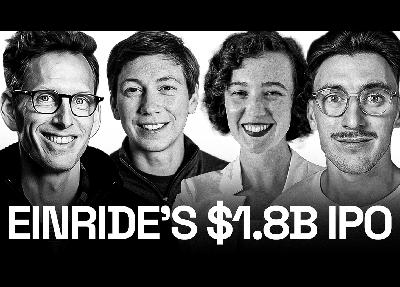
This week on New Wave Weekly: 👉 Einride’s $1.8B IPO: A look inside the priceThe Swedish freight-tech giant is heading to the NYSE via SPAC at a 40× revenue multiple. Is the market ready for a Tesla-for-freight, or is this déjà vu of the SPAC boom? 👉 Vertical integration vs. “just pick a lane” Einride builds hardware, software, autonomous systems, logistics optimization, everything. Too much stack risk, or the only way to make TCO work in freight? 👉 Europe’s climate champions keep listing abroad Another European climate-tech leader chooses the US public markets. What does this say about the European markets and the long-awaited EU-INC?***Wave Makers: Craig Douglas - World FundJulia Attwood - Sightline ClimateHampus Jakobsson - Pale Blue DotHugo Rauch - New Wave This is a public episode. If you would like to discuss this with other subscribers or get access to bonus episodes, visit newwavenewsletter.substack.com
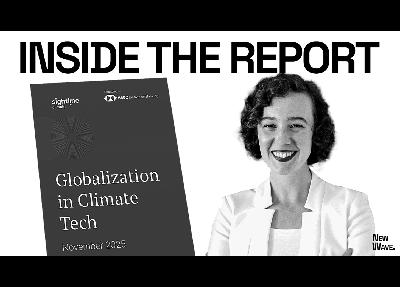
Today on New Wave Weekly: Sightline Climate just released the Globalization in climate tech report (download it here). I sat down with Julia Attwood, Head of Research at Sightline, to chat about the key takeaways for European investors. 👉 Europe is committed to climate tech, but still missing the big checksEurope matches the US in number of deals and early-stage activity… so why are growth-stage rounds 31% smaller? Are we losing momentum at exactly the wrong moment?👉 Policy is Europe’s superpowerFrom the EU ETS and CBAM to the Clean Industrial Deal, Europe is quietly building the world’s most durable decarbonization incentives. Is this the “carbon price flywheel” moment?👉 Project deployment: Europe takes the lead55% of the global announced green cement capacity is in Europe, and 70% of what’s actually under construction. Industrial decarbonization is becoming a real market. This is a public episode. If you would like to discuss this with other subscribers or get access to bonus episodes, visit newwavenewsletter.substack.com
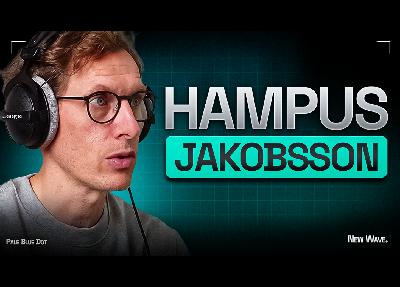
We’re joined by Hampus Jakobsson, Partner at Pale Blue Dot, longtime founder, operator, and one of Europe’s most prolific early-stage investors.In this episode, we dive into what it means to be a “five” in agency, how great teams form, why climate became unavoidable for him, and how Pale Blue Dot built an unconventional fund model that actually works for founders.In our conversation, we covered:→ Why The Astonishing Tribe scaled from six friends to 180 people across the world→ The traits Hampus looks for in the first 10 hires of any startup→ How extreme agency became his superpower, and occasional liability→ The personal story that shaped his worldview on care, speed, and craft→ Why climate wasn’t obvious at first… and then became the only rational choice→ How Pale Blue Dot balances “three solo GPs” inside one fund→ What founders consistently misunderstand about VC***Supported by:Accelerating Impact - an independent non-profit advancing impact finance by mobilizing capital toward sustainable development and running free accelerator programs for emerging fund managers (ICFA, ISFA). Join for expert coaching, training, financial support, and a strong peer community. Apply here.***Listen now:Apple // Spotify // YouTubeConnect with Hampus:Hampus on LinkedInPale Blue DotOr ask me for an intro! This is a public episode. If you would like to discuss this with other subscribers or get access to bonus episodes, visit newwavenewsletter.substack.com
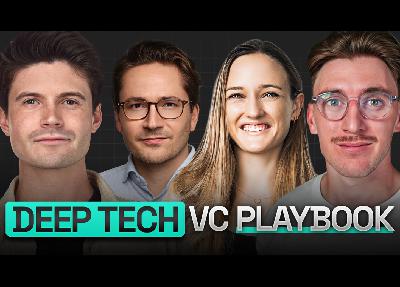
This week on New Wave Weekly: 👉 Why chip cooling is becoming a climate storyData centers are hitting thermal limits. Nvidia says liquid cooling is inevitable. Is cooling the hidden bottleneck of the AI revolution?👉 How to actually diligence deep techFrom techno-economic models to hyperscaler roadmaps, Maxi, Jordan, and Jake break down how investors separate real breakthroughs from nice demos.👉 Europe’s deep tech momentIs Europe better positioned to build the next climate mega-companies than in the software era?***Wave Makers: Maxi - HV CapitalJordan - IQ CapitalJake - Voyager VenturesHugo - New Wave***(00:00) Introduction(01:15) What chip cooling has to do with climate(03:15) Corintis and the future of liquid cooling(10:40) Selling to hyperscalers without dying(16:49) Gen 1 to Gen 3: crossing the valley of commercial death(18:25) How to assess “good deep tech”(27:03) Why deep tech valuations are high(32:29) Europe vs. the US: who wins the deep tech race?(37:03) Advice for generalist VCs entering deep tech This is a public episode. If you would like to discuss this with other subscribers or get access to bonus episodes, visit newwavenewsletter.substack.com

Comments

Download from Google Play

Download from App Store
 United States