


 Claim Ownership
The Roofer Show
Subscribed: 177Played: 6,036
Subscribe

© Copyright 2025 Dave Sullivan
Description
If you’re a Roofing Contractor looking to grow your
business, make more money, and have more free
time this is the podcast for you. Your host Dave Sullivan has been a successful roofing contractor for over 30 years and he shares the good, bad, and the ugly of his experience in contracting.
Each week Dave interviews the industry’s top
experts to pull out their best business tips and
strategies that you can use to take your business to
the next level. Get the answers to the questions you have to the
day to day problems you face in the “real world of
construction” from those that have been there and done it.
Whether you have a shop of 1 or 100 there’s something here for you.
business, make more money, and have more free
time this is the podcast for you. Your host Dave Sullivan has been a successful roofing contractor for over 30 years and he shares the good, bad, and the ugly of his experience in contracting.
Each week Dave interviews the industry’s top
experts to pull out their best business tips and
strategies that you can use to take your business to
the next level. Get the answers to the questions you have to the
day to day problems you face in the “real world of
construction” from those that have been there and done it.
Whether you have a shop of 1 or 100 there’s something here for you.
477 Episodes
Reverse
As contractors move through 2025 and begin planning for 2026, many are rethinking the type of work they want to focus on. Residential, commercial, storm work, or a mix of everything — each path comes with tradeoffs that aren’t always obvious. In this episode, Dave walks through the real pros and cons of residential and commercial roofing and explains how to make strategic decisions that reduce chaos and improve profitability.One of the biggest decisions roofing contractors wrestle with is whether to focus on residential, commercial, or try to do both.In this episode, I break down the real differences between residential and commercial roofing, the hidden challenges of each, and why trying to do everything often leads to confusion, thin margins, and burnout.This isn’t about which is “better.”It’s about choosing the right lane for your business, your goals, and your lifestyle — and building systems that actually support it.Many roofing contractors believe that doing both residential and commercial work will diversify risk and increase profits — but in reality, it often creates complexity, cash flow problems, and operational strain.In this episode, Dave Sullivan walks through the pros and cons of residential vs. commercial roofing based on decades of real-world experience. He explains how sales cycles, margins, staffing, systems, and customer expectations differ between the two — and why contractors often underestimate what it takes to run both successfully.Dave also introduces the idea of focus as a growth strategy, explaining how specialization can improve marketing, operations, profitability, and even business value. The goal isn’t to limit opportunity, it’s to build a business that runs cleanly, predictably, and profitably without constant firefighting.If you’ve ever felt torn between chasing bigger commercial jobs or sticking with residential work, this episode will help you make a clearer, more confident decision.This episode is a replay of a previously published episode of The Roofer Show. We’re bringing it back because the message is especially relevant as contractors plan for 2026.Original episode: https://theroofershow.com/417What you’ll hear in this episode:Residential and commercial roofing require very different systemsTrying to do both often increases complexity and stressFocus leads to better margins and stronger executionCash flow and sales cycles differ dramatically between marketsSpecialization improves marketing clarity and positioningThe right choice depends on your goals, not industry hypeResources:Connect with Dave!Text Dave: (510) 612-1450Free Strategy CallWant to grow a more profitable roofing business? Book a free strategy call with Dave here → davesullivan.as.me/free-strategy-callFree ResourceDownload your FREE 1-Page Business Plan for Roofing Contractors → theroofershow.com/planWatch on YouTubeSubscribe for

As we close out the year and plan for 2025, many roofing contractors are thinking about profitability, freedom, and the long-term value of the business they’re building. Too often, owners stay busy without understanding what actually makes a roofing company valuable. In this episode, Dave breaks down what creates real business value, why systems and profit matter more than revenue alone, and how thinking like an owner changes everything.This episode is a replay of a previously published episode of The Roofer Show. We’re bringing it back because the message is especially relevant heading into 2025.Original episode: https://theroofershow.com/416In this episode, I sit down with Greg DeSimone to break down what truly creates value in a roofing business, and why so many contractors end up walking away with far less than they expected when it’s time to exit.This conversation isn’t just about selling your business. It’s about building a company that’s profitable, transferable, and not dependent on you showing up every day.Many roofing contractors assume that revenue alone determines business value, but buyers and private equity groups see things very differently.Today, Dave Sullivan and Greg DeSimone discuss the real drivers of business valuation in the roofing and home services industry. They unpack why systems, leadership depth, clean financials, and predictable profits matter far more than top-line sales.Dave shares firsthand insight from building and exiting his own roofing company, explaining how contractors can unintentionally trap themselves inside their business by failing to delegate, document processes, and build a leadership team.The key takeaway is simple:You don’t build value at the end; you build it years in advance.Whether you plan to sell, step back, or just run a stronger business, this episode lays out what needs to be in place to make your company valuable, on your terms.What you’ll hear in this episode:Revenue alone does not equal business valueBuyers look for systems, leadership, and clean financialsA business dependent on the owner has limited valueProfitability and predictability matter more than growthExit planning should start years before you plan to sellStrong businesses are built to run without the ownerResources:Connect with Dave!Text Dave: (510) 612-1450Free Strategy CallWant to grow a more profitable roofing business? Book a free strategy call with Dave here → davesullivan.as.me/free-strategy-callFree ResourceDownload your FREE 1-Page Business Plan for Roofing Contractors → theroofershow.com/planWatch on YouTubeSubscribe for weekly tips and full episodes → @DaveSullivanRooferShowTrusted & Vetted SponsorsRuby Receptionists – US-based professionals who answer your phones live, leave a great first impression, and
Summary / IntroMost roofing contractors don’t have a marketing problem — they have a clarity problem.In this episode, I break down the biggest red flags I see when contractors say, “My marketing isn’t working.” We talk about why spending more money won’t fix a broken system, how to spot underperforming vendors, and which KPIs actually matter if you want profitable growth.If you’re heading into 2026 without a clear plan, clean numbers, and accountability around your marketing spend, this episode will help you reset, refocus, and stop guessing.Show NotesRoofing marketing is full of noise, promises, and shiny tactics — but very little accountability.In this episode, Dave Sullivan pulls back the curtain on what’s really happening behind the scenes in many roofing companies’ marketing efforts. He explains why contractors often feel frustrated with agencies, SEO providers, and lead vendors, and how the real issue usually isn’t marketing — it’s the lack of clear goals, tracking, and ownership.Dave walks through the most common marketing red flags, including:Not knowing your true cost per lead or cost per saleNo connection between marketing spend and financial resultsRelying on “activity” instead of performanceMaking decisions based on emotion instead of numbersThe conversation shifts into what contractors should be tracking, including the KPIs that tie marketing directly to sales, production, and profitability. Dave also explains why marketing must be built on a solid operational foundation — because leads don’t fix broken systems.This episode is especially valuable for contractors planning ahead for 2026 who want fewer surprises, better margins, and marketing that actually supports a profitable business.TakeawaysMarketing problems are usually business clarity problemsIf you don’t know your numbers, marketing will always feel brokenCost per lead means nothing without cost per saleSystems and follow-up matter more than lead volumeMarketing should support profit, not just growthClear KPIs create better decisions and less stressChapters00:00 – Introduction to Roofing Marketing Reality05:42 – Common Marketing Red Flags Contractors Miss12:18 – Why “More Leads” Isn’t the Answer19:07 – KPIs That Actually Matter in Roofing27:34 – Connecting Marketing to Sales and Profit35:10 – Why Broken Systems Kill Good Marketing44:02 – Planning Smarter for 202652:41 – Final Thoughts on Marketing ClarityLinks Referenced in This Episodehttps://theroofercoach.comhttps://theroofercoach.com/resourceshttps://smasupport.ushttps://useproline.comCompanies MentionedRuby ReceptionistsSMA SupportProline👉 Download the Roofing Business Success Audit attheroofercoach.com/resources
Summary / IntroFor a long time, I thought bigger was always better.More revenue. More locations. More chaos.In this episode, I explain why I intentionally walked away from a $100M roofing goal — and why building a focused, profitable $10M lifestyle business turned out to be the smarter move.This isn’t an anti-growth conversation. It’s about intentional growth, profit, freedom, and building a business that actually supports your life instead of consuming it.Show NotesIn the roofing industry, growth is often treated as the ultimate scoreboard — but revenue alone doesn’t equal success.In this episode, Dave Sullivan shares the real story behind walking away from an aggressive $100M growth target and choosing to build a highly profitable, well-run $10M roofing business instead. He breaks down the hidden costs of chasing scale too early, including stress, operational breakdowns, thin margins, and losing control of your time.Dave explains why many contractors feel trapped despite strong sales numbers, and how growth without systems, leadership, and financial clarity often leads to burnout rather than freedom. The conversation focuses on aligning business goals with personal goals — something most contractors never stop to consider.This episode challenges the idea that “bigger is always better” and offers a different framework: build a business that’s profitable, stable, and capable of running without you at the center.If you’ve ever questioned whether your current growth path is actually worth it, this episode will help you think differently.TakeawaysRevenue alone is not a measure of successGrowth without systems creates stress, not freedomProfit and control matter more than top-line numbersLifestyle goals should drive business decisionsA smaller, well-run business can be far more valuableIntentional growth beats uncontrolled expansionChapters00:00 – Introduction04:32 – The $100M Goal and Why It Looked Attractive10:18 – The Hidden Cost of Scaling Too Fast18:44 – What Contractors Don’t See About Big Growth26:11 – Redefining Success in Roofing34:27 – Building a Lifestyle Business on Purpose42:06 – Profit, Control, and Freedom49:55 – Final Thoughts on Intentional GrowthLinks Referenced in This Episodehttps://theroofercoach.comhttps://theroofercoach.com/resourcesCompanies MentionedRuby ReceptionistsSMA SupportProline👉 Download the Roofing Business Success Audit attheroofercoach.com/resources
Summary / IntroScaling a roofing business isn’t about working harder — it’s about building the right foundation.In this episode, I sit down with a roofing contractor who successfully scaled his business in just three years by focusing on technology, company culture, and systems, instead of chasing chaos or volume.We talk about what actually drives sustainable growth, how to avoid common scaling mistakes, and why leadership and structure matter more than leads.Show NotesMost roofing contractors want to scale, but very few do it without breaking their business in the process.In this episode, Dave Sullivan talks with a roofing contractor who scaled his company in just three years by focusing on the fundamentals: the right technology, a strong company culture, and repeatable systems. Instead of chasing every opportunity or growing too fast, this business focused on clarity, accountability, and building a team that could execute consistently.The conversation covers how technology can support — not replace — good leadership, why culture becomes more important as a business grows, and how systems create consistency across sales, production, and customer experience.Dave also breaks down common scaling traps that cause contractors to stall or burn out, including hiring too fast, skipping financial discipline, and trying to grow without structure.This episode is a practical look at what sustainable growth actually looks like in the roofing industry.TakeawaysSustainable growth starts with systems, not speedTechnology supports leadership — it doesn’t replace itCulture drives accountability and performanceClear processes reduce chaos as a business scalesScaling without structure leads to burnoutStrong foundations create repeatable resultsChapters00:00 – Introduction05:11 – The First 3 Years of Growth12:44 – The Role of Technology in Scaling21:08 – Building and Protecting Company Culture29:36 – Systems That Support Growth37:54 – Leadership Challenges During Expansion46:02 – Lessons Learned From Scaling54:31 – Final Thoughts on Sustainable GrowthLinks Referenced in This Episodehttps://theroofercoach.comhttps://theroofercoach.com/resourcesCompanies MentionedRuby ReceptionistsSMA SupportProline👉 Download the Roofing Business Success Audit attheroofercoach.com/resources

Summary / IntroBig results don’t come from secret tactics — they come from doing the fundamentals better than everyone else.In this episode, I sit down with Matt Tyner to break down how a $200 million roofing company consistently generates leads — and more importantly, how those same principles apply to contractors at any size.This conversation isn’t about hacks or hype. It’s about systems, brand, consistency, and doing the right things long enough to win.Show NotesMany roofing contractors believe that large companies have access to special lead sources that smaller operators don’t.That’s not true.In this episode, Dave Sullivan talks with Matt Tyner about how a $200 million roofing company actually generates leads — and why most of those strategies are available to any contractor willing to focus on the fundamentals.They discuss the importance of brand recognition, speed to lead, consistent follow-up, and marketing that’s built to support long-term growth instead of short-term spikes. Matt shares insights into how large roofing companies think about lead generation differently — not as a one-time tactic, but as a system that supports sales, operations, and customer experience.Dave also explains why most contractors struggle with lead generation not because of traffic or spend, but because of breakdowns after the phone rings.This episode is a reality check for contractors chasing the next marketing trick instead of building a repeatable lead engine.TakeawaysBig roofing companies win by executing fundamentals consistentlyLead generation is a system, not a tacticBrand recognition compounds over timeSpeed to lead is still one of the biggest advantagesFollow-up and process matter more than volumeSmaller contractors can apply the same principles at their scaleChapters00:00 – Introduction04:58 – How Big Roofing Companies Think About Leads12:41 – Brand vs. Tactics in Lead Generation20:36 – Why Speed to Lead Still Wins29:14 – Follow-Up Systems That Convert38:07 – Applying Big-Company Lessons at Any Size46:52 – Common Mistakes Contractors Make55:11 – Final Thoughts on Sustainable Lead GenerationLinks Referenced in This Episodehttps://theroofercoach.comhttps://theroofercoach.com/resourcesCompanies MentionedRuby ReceptionistsSMA SupportProline👉 Download the Roofing Business Success Audit attheroofercoach.com/resources
Summary / IntroMost roofing contractors are busy — but they’re not clear.They’re reacting instead of planning.In this episode, I break down the One-Page Roofing Business Plan, a simple system designed to help contractors stop guessing and start making intentional decisions as they head into 2026.This isn’t about long, complicated business plans. It’s about clarity, focus, and creating a roadmap your team can actually follow.Show NotesToo many roofing contractors run their businesses without a written plan — and it shows up as stress, inconsistency, and missed opportunities.In this episode, Dave Sullivan introduces the One-Page Roofing Business Plan, a practical framework built specifically for roofing contractors and home service business owners. Instead of overwhelming spreadsheets or thick binders that never get used, this plan focuses on the few things that actually drive results.Dave explains why clarity beats complexity, how a simple plan creates alignment across marketing, sales, production, and finances, and why most contractors struggle not because they lack effort — but because they lack direction.The episode walks through how a one-page plan helps contractors set priorities, make better decisions, and stop chasing distractions. It also explains how planning ahead — especially going into 2026 — allows business owners to be proactive instead of constantly reacting to problems.If you want more control, better margins, and a business that doesn’t rely entirely on you, this episode gives you a simple place to start.TakeawaysClarity is more powerful than complexityA simple written plan beats no plan at allOne page creates focus and accountabilityPlanning reduces stress and reactive decision-makingAlignment across the business improves executionIntentional planning leads to better profitabilityChapters00:00 – Introduction04:12 – Why Most Contractors Don’t Have a Plan10:46 – The Problem With Traditional Business Plans18:22 – What Belongs on a One-Page Plan26:41 – How Planning Creates Better Decisions35:05 – Using the Plan to Align Your Team43:18 – Planning Ahead for 202650:54 – Final Thoughts on Business ClarityLinks Referenced in This Episodehttps://theroofercoach.comhttps://theroofercoach.com/resourcesCompanies MentionedRuby ReceptionistsSMA SupportProline👉 Download the One-Page Roofing Business Plan attheroofercoach.com/resources

Summary / IntroMost roofing contractors blame their CRM when things feel messy.But the problem usually isn’t the software — it’s how the business is running.In this episode, I break down why CRMs fail in roofing businesses and what actually needs to be fixed for them to work properly. We talk about systems, data discipline, follow-up, and why technology only works when leadership and processes come first.If you’re frustrated with your CRM, this episode will help you understand what to fix before switching tools.Show NotesRoofing contractors switch CRMs all the time, hoping the next platform will magically fix their problems. But without clear systems, accurate data, and consistent follow-up, no CRM will ever deliver results.In this episode, Dave Sullivan explains why most CRM frustrations come from process issues—not software limitations. He breaks down the most common mistakes contractors make when using a CRM, including poor data entry, lack of accountability, and no defined workflow from lead to close.Dave also explains how CRMs should support the business—not run it—and why leadership, systems, and discipline must come first. When those are in place, a CRM becomes a powerful tool instead of an expensive headache.This episode is essential listening for contractors who want clarity, better follow-up, and systems that actually support growth.TakeawaysCRMs fail when systems are unclear or inconsistentClean data is required for meaningful reports and decisionsFollow-up systems matter more than software featuresLeadership and accountability drive CRM successTechnology supports systems — it doesn’t replace themChapters00:00 – Why CRMs Get Blamed05:30 – The Real Reasons CRMs Fail12:10 – Data Discipline and Follow-Up18:45 – Systems Before Software26:30 – Making Your CRM Actually WorkLinks Referencedhttps://theroofercoach.comhttps://theroofercoach.com/resourceshttps://useproline.comhttps://smasupport.usCompanies MentionedProlineSMA SupportRuby Receptionists👉 Download the Roofing Business Success Audit attheroofercoach.com/resources

Summary / IntroMost roofing contractors don’t have a sales problem — they have a sales system problem.In this episode, I sit down with Ryan Groth to break down what it actually takes to build a roofing sales organization that converts consistently, not just when the owner is involved.We talk about structure, accountability, training, and why most sales teams fail before they ever get a real chance to succeed.Show NotesHiring salespeople doesn’t automatically fix your sales issues — and in many roofing businesses, it actually creates new ones.In this episode, Dave Sullivan and sales expert Ryan Groth break down how to build a roofing sales organization that consistently converts leads into profitable jobs. They explain why most contractors struggle with sales despite having plenty of leads, and how the lack of structure, accountability, and clear expectations causes sales teams to underperform.Ryan shares practical insights into building repeatable sales systems, training sales reps the right way, and setting up accountability without micromanaging. Dave adds real-world perspective from decades in the roofing business, explaining how sales leadership must evolve as a company grows.This conversation goes beyond scripts and closes — it focuses on building a sales organization that works even when the owner isn’t involved in every deal.If you want higher close rates, less chaos, and a sales team you can trust, this episode lays out the foundation.TakeawaysSales problems usually come from system problemsClear expectations improve sales performanceAccountability beats motivation aloneTraining must be ongoing, not one-timeStructure allows sales teams to scaleOwners must shift from selling to leadingChapters00:00 – Introduction03:15 – Why Roofing Sales Teams Struggle10:51 – Building a Repeatable Sales Process18:02 – Accountability Without Micromanagement27:48 – Training and Coaching Sales Reps36:10 – Owner Transition: From Sales to Leadership44:32 – Common Mistakes in Roofing Sales Teams52:05 – Final Advice for Building a Sales OrganizationLinks Referenced in This Episodehttps://theroofercoach.comhttps://salestransformationgroup.comCompanies MentionedSales Transformation GroupRuby ReceptionistsSMA SupportProline👉 Learn more about building systems, leadership, and accountability attheroofercoach.com

Summary / IntroMost roofing contractors outsource their marketing — and still don’t know what’s working.In this episode, I sit down with Joseph Hughes to break down how roofing companies can build an in-house marketing machine that creates consistent leads, brand awareness, and long-term growth.We talk about control, clarity, systems, and why understanding your own marketing is critical if you want predictable results instead of guessing every month.Show NotesMany roofing businesses spend thousands on marketing every month without truly understanding where their leads come from or how to improve results.In this episode, Dave Sullivan talks with marketing strategist Joseph Hughes about how roofing contractors can bring marketing in-house without turning it into chaos. They discuss why relying entirely on agencies often leads to frustration, poor transparency, and inconsistent performance.Joseph explains how contractors can build simple, repeatable marketing systems that focus on brand, trust, and long-term visibility instead of chasing quick wins. Dave adds perspective from working with hundreds of contractors who struggle because marketing isn’t aligned with their operations, sales process, or capacity.This episode is about ownership — owning your message, your data, and your growth — so marketing becomes an asset instead of an expense.TakeawaysMarketing works best when you understand and control itIn-house marketing creates clarity and accountabilityBrand consistency improves trust and conversionSystems matter more than tacticsMarketing must align with sales and operationsLong-term visibility beats short-term lead chasingChapters00:00 – Introduction04:12 – Why Most Roofing Marketing Fails11:06 – The Case for In-House Marketing19:40 – Systems vs Tactics in Marketing27:18 – Brand, Trust, and Consistency35:52 – Tracking What Actually Works43:09 – Aligning Marketing With Operations50:41 – Final Advice for Roofing ContractorsLinks Referenced in This Episodehttps://theroofercoach.comhttps://contractordynamics.comCompanies MentionedContractor DynamicsRuby ReceptionistsSMA SupportProline👉 Get tools, frameworks, and systems for roofing business growth attheroofercoach.com
Summary / IntroMany roofing contractors think growth means spending more on marketing.In reality, most businesses don’t have a lead problem — they have a foundation problem.In this episode, I break down how roofing contractors can do more with what they already have by strengthening their systems, tightening operations, and lowering customer acquisition costs without burning cash or chasing every new lead source.Show NotesToo many roofing businesses try to grow by pouring money into marketing before their foundation is solid.In this episode, Dave Sullivan explains why contractors who focus on systems, process, and execution can dramatically reduce customer acquisition costs while increasing profitability. Instead of constantly chasing new leads, Dave walks through how improving conversion, follow-up, customer experience, and internal clarity allows businesses to grow smarter — not harder.The conversation focuses on identifying leaks in your business: missed calls, slow response times, unclear messaging, poor handoffs between sales and production, and lack of tracking. Fixing these issues allows contractors to get more value from every lead they already generate.This episode is for roofing contractors who want to scale responsibly, protect cash flow, and build a business that isn’t dependent on nonstop spending to survive.TakeawaysGrowth starts with a strong foundation, not more leadsLowering customer acquisition cost increases profitability fastBetter systems improve conversion without more ad spendSpeed, clarity, and follow-up matter more than volumeFixing internal leaks creates immediate ROISustainable growth comes from execution, not hustleChapters00:00 – Introduction05:02 – Why Marketing Costs Keep Rising12:14 – Foundation vs Lead Generation19:36 – Where Contractors Lose Money27:08 – Improving Conversion Without More Leads35:41 – Systems That Reduce CAC44:22 – Doing More With What You Have52:10 – Final Thoughts on Sustainable GrowthLinks Referenced in This Episodehttps://theroofercoach.comhttps://theroofercoach.com/resourcesCompanies MentionedRuby ReceptionistsSMA SupportProline👉 Download free tools and frameworks attheroofercoach.com/resources
Today, host Dave Sullivan reminds us that it’s the fourth quarter, and while most contractors are ready to coast into the holidays, the smart ones are stepping on the gas. Today, we’re talking about how to tighten up your numbers, clean up your operations, and build a simple one-page business plan that sets you up for your best year yet. I’ll walk you through the process of running a winning roofing business, selling the work, doing the work, and keeping score to finish 2025 strong and hit the ground running in 2026.What you’ll hear in this episode:Importance of finishing the fourth quarter strong for business growthNeed for a one-page business plan for the upcoming year (2026)Monthly financial reviews and understanding key performance indicators (KPIs)The significance of consistent marketing and sales effortsImportance of diligent follow-up on open quotes to maximize salesThe "three-legged stool" concept: selling work, doing work, and keeping scoreUtilizing CRM systems for effective lead management and follow-upStrategies for improving job efficiency and maximizing profit marginsImportance of securing customer satisfaction and obtaining positive reviewsPlanning for growth by understanding financial implications and setting clear goalsResources:Connect with DaveFree Strategy CallWant to grow a more profitable roofing business? Book a free strategy call with Dave here → davesullivan.as.me/free-strategy-callFree ResourceDownload your FREE 1-Page Business Plan for Roofing Contractors → theroofershow.com/planWatch on YouTubeSubscribe for weekly tips and full episodes → @DaveSullivanRooferShowTrusted & Vetted SponsorsRuby Receptionists – US-based professionals who answer your phones live, leave a great first impression, and tee up the sale. Get $150 off your first month → theroofercoach.com/ruby.ProLine – Automate your follow-up and close more jobs with text, email, and CRM integration. Try it FREE + save 50% off your first month with code DAVE50 → useproline.com.SMA Support – Roofing-specific virtual assistants who know the business. Free up your time by outsourcing admin, marketing, and customer service tasks → smasupport.us.
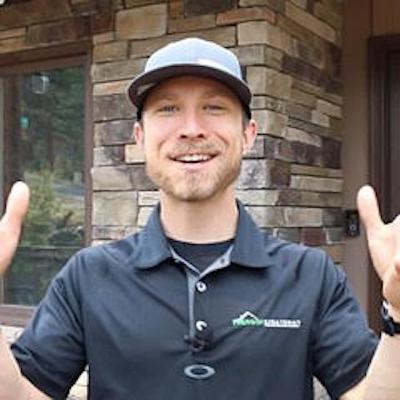
Summary / IntroMost roofing sales problems don’t come from bad reps — they come from bad systems.In this episode, I sit down with Adam Bensman to break down what it really takes to build a high-performing roofing sales team. We cover hiring the right people, structuring pay plans that actually drive behavior, and training sales reps so they perform consistently instead of relying on talent or luck.If you want predictable sales, better close rates, and a sales team that doesn’t depend on you to survive, this episode lays out the foundation.Show NotesBuilding a successful roofing sales organization requires more than hiring “closers” and hoping for the best.In this episode, Dave Sullivan and Adam Bensman dive deep into what separates struggling sales teams from scalable, professional organizations. They discuss why most roofing companies fail at sales hiring, how misaligned compensation plans create chaos, and why training and accountability are non-negotiable if you want consistent results.Adam explains how to identify the right sales talent, structure compensation that rewards the right behavior, and build a repeatable sales process that works across markets and personalities. The conversation also highlights the importance of leadership, expectations, and systems that allow sales reps to succeed without constant micromanagement.This episode is essential listening for contractors who want to grow revenue responsibly, improve margins, and stop riding the sales roller coaster.TakeawaysSales success starts with systems, not personalitiesHiring without a process leads to turnover and inconsistencyPay plans drive behavior — whether you intend them to or notTraining creates confidence, consistency, and higher close ratesAccountability improves performance across the entire teamA strong sales system reduces owner dependenceChapters00:00 – Introduction06:11 – Why Most Roofing Sales Teams Struggle14:28 – Hiring the Right Salespeople23:45 – Designing Effective Pay Plans33:17 – Training vs Talent42:06 – Accountability and Expectations51:34 – Scaling a Sales Organization59:22 – Final Thoughts on Sales LeadershipLinks Referenced in This Episodehttps://theroofercoach.comhttps://theroofercoach.com/resourcesCompanies MentionedRoof StrategistRuby ReceptionistsSMA SupportProline👉 Download free tools and frameworks attheroofercoach.com/resources

Today, host Dave Sullivan sits down with Remko Bloemhard, the founder of SuppTrax, a company that’s changing the game for roofing contractors when it comes to insurance claim supplementing. Remko breaks down what supplementing really means (think: going back to the insurance company for those extra costs that often get missed in the initial estimate) and why it’s such a crucial step for contractors who want to ensure they’re getting every dollar they deserve.You’ll hear Remko explain how the SuppTrax software makes managing these claims way easier, and how it can even sync up with the CRM systems you’re already using. Plus, Dave shares some insights about his own mentoring program, designed to help contractors not just grow their businesses, but also boost profits and carve out more free time.If you’re a roofing contractor looking to get the most out of your insurance claims and your business, this is one episode you won’t want to miss!What you’ll hear in this episode:Importance of supplementing in insurance claims for roofing contractorsOverview of the insurance claim supplementing processChallenges faced by contractors in managing insurance claimsDevelopment and features of a specialized supplement management softwareBenefits of faster payment and improved cash flow through supplementingIntegration of supplement management with existing CRM systemsStrategies for contractors to maximize insurance claim payoutsThe role of inside sales support in enhancing contractor operationsPersonal anecdotes and insights from industry experiencesResources available for contractors to improve their business practices and supplementing capabilitiesResources:Connect with RemkoInfo@supptrax.com(937) 869-1536www.supptrax.comFacebookConnect with DaveFree Strategy CallWant to grow a more profitable roofing business? Book a free strategy call with Dave here → davesullivan.as.me/free-strategy-callFree ResourceDownload your FREE 1-Page Business Plan for Roofing Contractors → theroofershow.com/planWatch on YouTubeSubscribe for weekly tips and full episodes → @DaveSullivanRooferShowTrusted & Vetted SponsorsRuby Receptionists – US-based professionals who answer your phones live, leave a great first impression, and tee up the sale. Get $150 off your first month → theroofercoach.com/ruby.ProLine – Automate your follow-up and close more jobs with text, email, and CRM integration. Try it FREE + save 50% off your first month with code DAVE50 → useproline.com.SMA Support – Roofing-specific virtual assistants who know the business. Free up your time by outsourcing admin, marketing, and customer service tasks → smasupport.us.

Ready to unlock the secrets behind building a multi-million-dollar roofing business? In this episode of The Roofer Show, host Dave Sullivan sits down with entrepreneur Teddy Slack, who’s got a wealth of experience in home services and environmental businesses. Teddy gets real about what it takes to grow and sell a thriving company, from mastering your finances to pinpointing the most profitable services and getting creative with your marketing.Dave and Teddy dive into the ups and downs of running a family business, why having solid systems and learning to delegate are game-changers, and how you can set your roofing company apart as you scale up. They also share why business education, finding the right mentors, and making smart moves are absolutely essential if you want to stand out in the crowded roofing industry. Don’t miss this episode packed with actionable insights and inspiration for roofers ready to take their business to the next level!What you’ll hear in this episode:Strategies for rapid business growth using innovative marketing techniques, such as early pay-per-click (PPC) advertisingChallenges faced in family businesses and personal hardships impacting business decisionsFocusing on core, profitable services rather than spreading too thin across multiple venturesLessons learned from failures, including the significance of understanding financials and cash flow managementBuilding a business that can operate independently of the owner's constant involvementDifferentiation in marketing strategies, with an emphasis on local SEO and content creation over traditional advertisingAccountability and effective management in scaling a businessLead generation, sales strategies, and nurturing customer relationships for repeat business.Importance of continuous education and mentorship in developing business acumen and achieving long-term successResources:Connect with TeddyModern ContractorBiz ScoreFree Strategy CallWant to grow a more profitable roofing business? Book a free strategy call with Dave here → davesullivan.as.me/free-strategy-callFree ResourceDownload your FREE 1-Page Business Plan for Roofing Contractors → theroofershow.com/planWatch on YouTubeSubscribe for weekly tips and full episodes → @DaveSullivanRooferShowTrusted & Vetted SponsorsRuby Receptionists – US-based professionals who answer your phones live, leave a great first impression, and tee up the sale. Get $150 off your first month → theroofercoach.com/ruby.ProLine – Automate your follow-up and close more jobs with text, email, and CRM integration. Try it FREE + save 50% off your first month with code DAVE50 → useproline.com.SMA Support – Roofing-specific virtual assistants who know the business. Free up your time by outsourcing admin, marketing, and customer service tasks → smasupport.us.
Today’s show answers the #1 question in Facebook roofing groups. Everyone has an opinion about CRMs, but who can you trust? Join Dave Sullivan, John DeLaurier, and their guest, Scott Tebay, as they tackle the big question: “What’s the best CRM for roofers?”Scott Tebay is the owner/operator of Rainstoppers Roofing, and he’s been in the construction industry for almost 20 years. Scott is committed to providing 5-star service to every customer by being professional, responsive, and courteous at every step of the roofing process. Scott hosts the Small Town Roofer Podcast and lives with his wife and two young sons in Marietta, Ohio. What you’ll hear in this episode:Understand the WHY of a CRM in light of your entire sales processThe best question to ask: “What problems do I have that I need to solve with a piece of software?”What is a CRM—and why do I need one?What is most important in a CRM?The key that is missing in most CRMs is the communication tool that builds the know, like, and trust factor.Scott’s perspective on eliminating company phones for his employeesAccountability for every single team member through a CRMJohn’s perspective on the advantages of ProLine regarding speed to lead, customized proposals, and 5-star reviewsAutomated follow-ups let the customer know that you want to work with them. Automations work!Your CRM can help track your KPIs.Scott’s take on how a CRM performs a sales manager role for his companyResources:Connect with Scott Tebay: Website, Email, and the Small Town Roofer PodcastResources:Free Strategy CallWant to grow a more profitable roofing business? Book a free strategy call with Dave here → davesullivan.as.me/free-strategy-callFree ResourceDownload your FREE 1-Page Business Plan for Roofing Contractors → theroofershow.com/planWatch on YouTubeSubscribe for weekly tips and full episodes → @DaveSullivanRooferShowTrusted & Vetted SponsorsRuby Receptionists – US-based professionals who answer your phones live, leave a great first impression, and tee up the sale. Get $150 off your first month → theroofercoach.com/ruby.ProLine – Automate your follow-up and close more jobs with text, email, and CRM integration. Try it FREE + save 50% off your first month with code DAVE50 → useproline.com.SMA Support – Roofing-specific virtual assistants who know the business. Free up your time by outsourcing admin, marketing, and customer service tasks → smasupport.us.
Summary / IntroMost roofing contractors don’t actually own a business — they own a job with a lot of stress.In this episode, I break down the 12 essential fundamentals every roofing contractor must have to build a profitable business that runs without constant owner involvement. These aren’t hacks or shortcuts. They’re the proven building blocks that create clarity, stability, and long-term value.If your business depends on you to sell every job, solve every problem, and make every decision, this episode will help you start fixing that — one system at a time.Show NotesRunning a roofing business without clear fundamentals is exhausting — and unnecessary.In this episode, Dave Sullivan walks through the 12 essentials required to build a roofing business that’s profitable, sustainable, and not dependent on the owner. These essentials touch every part of the business, including leadership, sales systems, operations, financial clarity, accountability, and team structure.Dave explains why most contractors stay stuck despite working hard, and how missing just one or two fundamentals can cause constant stress, cash flow problems, and burnout. The focus isn’t on growth for growth’s sake — it’s on building a business that works even when the owner steps away.This episode is ideal for contractors who want fewer fires, more control, and a business that supports their life instead of consuming it.TakeawaysA real business should not rely entirely on the ownerClear systems reduce stress and increase profitabilityFinancial clarity is required before meaningful growthLeadership means building people, not doing everything yourselfConsistency beats hustle in the long runStrong foundations create long-term business valueChapters00:00 – Introduction04:52 – Why Most Roofing Businesses Stay Stuck12:15 – The Role of Leadership in Business Success21:40 – Systems vs Hustle31:06 – Financial Clarity and Scorekeeping41:18 – Building Accountability Into the Business52:10 – Creating a Business That Runs Without You01:02:45 – Final Thoughts on Roofing SuccessLinks Referenced in This Episodehttps://theroofercoach.comhttps://theroofercoach.com/resourcesCompanies MentionedRuby ReceptionistsSMA SupportProline👉 Download free tools and frameworks attheroofercoach.com/resources

Summary / IntroMost roofing contractors think they know their customer acquisition cost.They don’t.In this episode, I break down why CAC is almost always higher than contractors realize, what most people leave out when calculating it, and how misunderstanding this number quietly destroys profitability.If you’re spending money on marketing, salespeople, or agencies — and not truly tracking what it costs to land a customer — this episode will open your eyes and help you protect your margins.Show NotesCustomer Acquisition Cost (CAC) is one of the most misunderstood — and most dangerous — numbers in a roofing business.In this episode, Dave Sullivan explains why many contractors believe their marketing is “working” while profits continue to disappear. The problem isn’t leads — it’s the failure to understand the true cost of acquiring a customer.Dave walks through what must be included in CAC, including marketing spend, sales costs, overhead, follow-up systems, missed calls, and poor conversion rates. He explains how small improvements in close rate can dramatically reduce CAC without spending another dollar on marketing.This episode is essential listening for contractors who want to stop guessing, stop overspending, and start making decisions based on real numbers instead of gut feel.TakeawaysCustomer acquisition cost is more than just ad spendSales costs and overhead must be included in CACPoor follow-up and missed calls increase CAC dramaticallyImproving close rate is often cheaper than buying more leadsKnowing your CAC protects profitability and cash flowYou can’t scale profitably without understanding this numberChapters00:00 – Introduction05:40 – Why Most Contractors Miscalculate CAC13:12 – What Should Be Included in Customer Acquisition Cost24:05 – How Missed Calls and Poor Follow-Up Increase Costs34:18 – Improving Close Rate vs Buying More Leads44:30 – Using CAC to Make Smarter Business Decisions56:10 – Final Thoughts on ProfitabilityLinks Referenced in This Episodehttps://theroofercoach.comhttps://theroofercoach.com/resourcesCompanies MentionedRuby ReceptionistsSMA SupportProline👉 Download free tools and resources attheroofercoach.com/resources
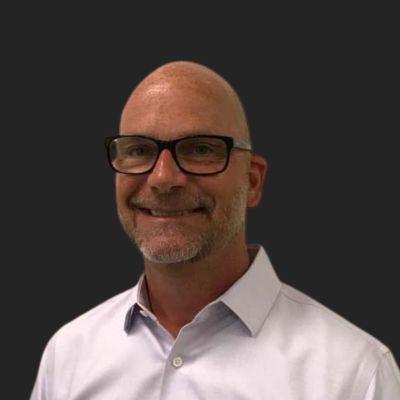
Ready to stay ahead in the ever-evolving roofing industry? Today, host Dave Sullivan speaks with Jon Gardner from Owens Corning for an eye-opening conversation you won’t want to miss! Discover how the pandemic turbocharged technology adoption and transformed what homeowners expect from contractors. Jon shares how Owens Corning is leading the way with investments in contractor education, cutting-edge technology, and business audits through Owens Corning University. Tune in as they break down the top growth drivers for contractors: warranties, insights, resources, technology, and training, and reveal why operational excellence, financial know-how, and lightning-fast lead response are the keys to thriving in today’s competitive market. Don’t miss these actionable insights to future-proof your roofing business!What you’ll hear in this episode:Significant changes in the roofing industry over the past five years, particularly due to the COVID-19 pandemicShifts in homeowner expectations for faster, more transparent service and seamless communicationIncreasing role of private equity in the roofing industry and its impact on efficiency and technology adoptionOwens Corning's investments in resources and tools to support contractors, including educational programsImportance of fundamentals in roofing application and operational excellence for contractorsCritical role of speed in lead response and its effect on closing salesThe roofing industry's reputation, including its high ranking in customer complaints despite positive reviewsThe comprehensive training and audit programs offered by Owens Corning to help contractors improve their businessesKey factors for contractors to prioritize for growth including warranties, insights, resources, technology, and ongoing trainingThe necessity of mentorship and continuous education for contractors to adapt and thrive in a competitive marketResources:Owenscorning.com (Go to the Pro section to become a contractor rewards member!)Check out this episode on our YouTube channel at @DaveSullivanRooferShow or use this link - https://youtu.be/N7F2wJVbfwkBe sure to subscribe, like, and comment!Set up a FREE strategy call with Dave and get a few tips on how you can improve your business: https://davesullivan.as.me/free-strategy-callInterested in learning more about our 1-on-1 coaching, mastermind groups, or fractional CFO services? Email me or send me a text at (510) 612-1450.No Plan? No problem. Download our FREE 1-Page Business Plan For Roofing Contractors: https://theroofershow.com/planThe Roofer Show’s Vetted SponsorsCheck out this episode on our YouTube channel at @DaveSullivanRooferShow. Have RUBY answer your phones and tee up the sale by leaving a great first impression. Use this link to get up to $150 off your first month’s service: theroofercoach.com/ruby. Automate your follow-up process and close more sales with ProLine. Get started for FREE at https://useproline.com/. Use promo code “DAVE50” to get 50% off your first month’s service.
Summary / IntroMost roofing contractors don’t have a business plan — they have ideas, goals, and good intentions.That was me too… until everything changed.In this episode, I share how working with my coach, Rick Dutmer, and implementing a simple, disciplined business plantook my roofing company from chaos and stress to clarity, profitability, and ultimately a successful exit.If you’ve ever felt overwhelmed, reactive, or unsure whether all your hard work will actually pay off someday, this episode will show you what’s possible when you stop winging it and start running your business on purpose.Show NotesRunning a roofing company without a clear business plan almost guarantees stress, burnout, and uncertainty — even when sales are strong.In this episode, Dave Sullivan explains how working with business coach Rick Dutmer helped him step back, gain clarity, and build a real plan that transformed his roofing company. What started as a chaotic operation turned into a structured, profitable business that no longer depended on Dave being involved in every decision.Dave breaks down why most contractors avoid business planning, why complicated plans fail, and how a simple, focused plan can create massive momentum. He also explains how planning impacts leadership, delegation, financial discipline, and ultimately business value.This episode is especially important for contractors who want their business to work for them — not trap them — and for those who want the option to sell, step back, or take real time off in the future.TakeawaysA business plan creates clarity, not restrictionChaos often comes from lack of direction, not lack of effortSimple plans outperform complex onesPlanning allows you to delegate with confidenceBusinesses with systems and plans are far more valuableYou can’t cash out of chaos — value requires structureChapters00:00 – Introduction06:45 – Life Before a Real Business Plan14:20 – Meeting Rick Dutmer and Shifting Perspective22:40 – Why Most Contractors Resist Planning32:15 – How Planning Created Clarity and Profit41:05 – Building a Business That Doesn’t Rely on You52:30 – Preparing for Exit and Cash-Out01:02:10 – Final Lessons on Leadership and PlanningLinks Referenced in This Episodehttps://theroofercoach.comhttps://theroofercoach.com/resourcesCompanies MentionedRick Dutmer CoachingRuby ReceptionistsSMA SupportProline👉 Download free tools and resources attheroofercoach.com/resources

Comments

Download from Google Play

Download from App Store
 United States