


 Claim Ownership
Herb Mentor Radio
Subscribed: 558Played: 7,032
Subscribe

© 2007-2025
Description
Welcome to Herb Mentor Radio, your go-to herbal podcast for exploring the transformative world of herbs and herbal medicine, brought to you by LearningHerbs. Join hosts Kimberly Gallagher and Mimi Prunella Hernandez as they interview herbalists, sharing inspiring stories, practical tips, and time-tested wisdom. Discover how herbs can enhance your health, enrich your meals, and support your everyday life. Whether you’re a beginner to herbal education, curious about natural remedies, or an experienced herbalist seeking fresh insights, each episode is packed with actionable advice to help you unlock the healing power of plants. 599324
171 Episodes
Reverse

Long before it had a Latin name, elecampane had legends. Some said elves lived beneath its enormous leaves. Others said the herb grew from the tears Helen of Troy wept as she was carried from her homeland.
Elecampane (Inula helenium) is a striking plant, and it earns every inch of its mythology. In a garden, it can grow up to ten feet tall, with leaves stretching two feet long and a summer crown of bright yellow, daisy-like flowers that bees visit in droves. The roots – creamy white to yellow, spreading wide beneath the soil – are where all the medicine lives.
Herbalists have treasured those roots for thousands of years.
Let's explore 3 medicinal uses of elecampane with herbalist Sorrel Hartford.
And after learning these 3 benefits of elecampane you might be wondering how you can learn more about other common herbs.
Here’s the easy way to learn more about our favorite common herbs: download a FREE deck of our top 12 Herb Notes. You’ll learn all about popular herbs like catnip, aloe, elderberry, and more.
Get your FREE Herb Notes printable flashcards here: https://www.learningherbs.com/herb-notes-flashcards/

This month on HerbMentor Radio, Kimberly Gallagher and Mimi Prunella welcome North Carolina herbalist, educator, wildcrafter, and Red Moon Herbs owner Jeannie Dunn for a journey into the rich forests of the Southern Appalachians. Together, they explore woodland herbalism, sustainable wildcrafting, and what it means to build a relationship with medicinal plants that includes not only harvesting them, but tending and protecting the places where they grow.Jeannie takes listeners into the cool, green world of an Appalachian rich cove, where extraordinary biodiversity creates habitat for some of our most treasured woodland medicines. She reflects on growing up on her family’s North Carolina farm and the generations of women who taught her to grow food, preserve the harvest, work with plants, and care for family and community. That lineage eventually found a natural home in the Wise Woman tradition and continues to shape Jeannie’s approach to herbalism today.The conversation celebrates Jeannie’s beloved mantra, “Eat More Weeds,” and the value of turning toward abundant plants growing close to home. Jeannie and Mimi explore how favoring common weeds can also take pressure off slower-growing woodland medicinals and discuss how herbalists can move beyond sustainable harvesting toward active stewardship of vulnerable plant communities.The episode’s anchor herb, American ginseng (Panax quinquefolius), opens a deeper conversation about one of Appalachia’s most storied medicinal plants. Jeannie shares her relationship with ginseng and the complicated history surrounding its harvest, trade, and conservation. She also introduces an intriguing alternative to digging the prized root: working with ginseng leaf, offering another way to experience the medicine of this remarkable plant while keeping its roots in the ground.Listeners will also hear how these values shape Red Moon Herbs, where fresh, local plants, seasonal medicine making, and responsible sourcing remain central even as an herbal business grows. Jeannie reflects on Western North Carolina’s vibrant herbal community, the Asheville Herb Festival, and the extraordinary ways herbalists, growers, and neighbors came together following Hurricane Helene.In this episode, we explore:
Stepping into the rich coves and medicinal forests of the Southern Appalachians
Generations of women, plant knowledge, and the roots of Jeannie’s herbal path
The Wise Woman tradition and its influence on Red Moon Herbs
Why Jeannie wants us all to “Eat More Weeds”
How using abundant plants can help protect vulnerable woodland medicinals
American ginseng, Appalachian tradition, and conservation
Using ginseng leaf as an alternative to harvesting the root
Building an herbal business around fresh, local, and seasonal plants
The Asheville herbal community and Asheville Herb Festival
Herbalism, mutual aid, and community resilience after Hurricane Helene
Discover MoreJeannie Dunn / Red Moon HerbsInstagram: @redmoonherbsWebsite: https://redmoonherbs.comExplore National Geographic Herbal: 100 Plants That Heal by HerbMentor Radio co-host Mimi Prunella Hernandez and continue learning with Mimi at @herbalandhome and herbalandhome.com.
Are you ready to take your herbal learning to the next level?
Sounds like it’s time to check out HerbMentor!
HerbMentor offers a wide variety of rich herbal content — including an in-depth course on food as medicine — that gives you the opportunity to choose your own herbal adventure, take your time, and connect with other herbal learners and experts whenever you login.
Get a special offer on HerbMentor at https://HerbMentorRadio.com
Are you just starting to make herbal remedies?
Build your natural first aid kid with our free Herbal Preparation Cards: https://Herbal.Cards

Ashwagandha is an ancient Ayurvedic herb with a fascinating reputation: its name roughly translates to “smell of a horse,” while a companion saying promises that it gives you the strength of a stallion.
Ashwagandha, or Withania somnifera, has been used medicinally for thousands of years, and Ayurveda has long valued it as a rejuvenating rasayana — an herb that nourishes, strengthens, and promotes longevity.
Let's explore three medicinal uses of ashwagandha with herbalist Sorrel Hartford.
And after learning these 3 benefits of ashwagandha you might be wondering how you can learn more about other common herbs.
Here’s the easy way to learn more about our favorite common herbs: download a FREE deck of our top 12 Herb Notes. You’ll learn all about popular herbs like catnip, aloe, elderberry, and more.
Get your FREE Herb Notes printable flashcards here: https://www.learningherbs.com/herb-notes-flashcards/
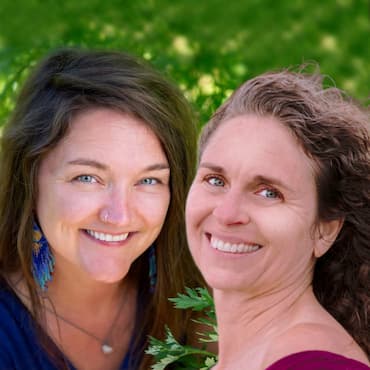
In this episode of HerbMentor Radio, Mimi Prunella welcomes Kimberly Gallagher and Lauren Morgan to explore Rhythms & Relationships, a new LearningHerbs course that invites us into a slower, more relational way of practicing herbalism.
Kimberly Gallagher is co-founder of LearningHerbs and HerbMentor, where she has spent years helping thousands of people cultivate joyful, practical relationships with medicinal plants through education, community, and everyday herbalism.
Lauren Morgan is a community herbalist, dreamworker, author of Seasonal Herbalism, host of the Herbs and Dreams podcast, and founder of Herbs & Dreams. Her work weaves together herbalism, dreams, Earth-based spirituality, and deep relationship with the living world.
Together, Kimberly and Lauren invite us to consider the plants not simply as remedies to be studied but as living beings with whom we can cultivate meaningful relationships. While many of us begin herbalism by learning constituents, actions, preparations, and botanical names, this conversation explores another way of knowing the plants through presence, listening, and lived experience.
They discuss how slowing down allows us to reconnect with the rhythms that have always guided herbal traditions. From the changing seasons and lunar cycles to our own bodies, dreams, and intuition, herbalism becomes less about accumulating information and more about participating in a living relationship with the world around us.
The conversation also explores the role of dreams in herbal practice, the wisdom that emerges through the senses, and the importance of creating space for stillness in a culture that often celebrates speed and productivity. Kimberly and Lauren also reflect on the beautiful experience of creating this course together, sharing how their friendship, time on the land, and deep reverence for the plants shaped both the course and their work together.
In this episode, we explore:
Dreams, intuition, and the many ways plants speak to us
Living in rhythm with the seasons, moon, and the natural world
The importance of slowing down and cultivating presence
Herbalism through relationship with plants as beings
Bringing herbalism into family and community life
Learn more about Lauren Morgan and her work at: Herbs & Dreams
Learn more about Rhythms & Relationships and the LearningHerbs community at: LearningHerbs
Are you ready to take your herbal learning to the next level?
Sounds like it’s time to check out HerbMentor!
HerbMentor offers a wide variety of rich herbal content — including an in-depth course on food as medicine — that gives you the opportunity to choose your own herbal adventure, take your time, and connect with other herbal learners and experts whenever you login.
Get a special offer on HerbMentor at https://HerbMentorRadio.com
Are you just starting to make herbal remedies?
Build your natural first aid kid with our free Herbal Preparation Cards: https://Herbal.Cards

Lavender is one of herbalism's most recognized and beloved plants: familiar enough to live in a garden bed or a scented lotion, yet grounded in a body of clinical studies that most people never get to see.
Lavender, or Lavandula angustifolia, has been used medicinally for centuries across Europe and the Mediterranean, and it continues to impress modern scientific research. The Botanical Safety Handbook gives it its highest safety rating, making it one of the most accessible herbs you can add to your home practice.
Let's explore three medicinal uses of lavender...
Follow along with herbalist Sorrel Hartford to learn about 3 benefits and key contraindications of lavender.
And after learning these 3 benefits of lavender you might be wondering how you can learn more about other common herbs.
Here’s the easy way to learn more about our favorite common herbs: download a FREE deck of our top 12 Herb Notes. You’ll learn all about popular herbs like catnip, aloe, elderberry, and more.
Get your FREE Herb Notes printable flashcards here: https://www.learningherbs.com/herb-notes-flashcards/

Comments

Download from Google Play

Download from App Store
 United States