


 Claim Ownership
Creative Mind Audio
Subscribed: 6Played: 180
Subscribe

© Douglas Eby
Description
Excerpts of interviews with artists, psychologists and others on creativity research, emotional health, high sensitivity, giftedness. Note: PAID episodes have free previews.
thecreativemind.substack.com
thecreativemind.substack.com
136 Episodes
Reverse

Many of us benefit from working with a therapist in their office for various emotional and mental health challenges, but for many people, this form of help may not be available or desirable.A Scientific American post quotes Kathryn Boger, a psychologist at Harvard Medical school: “There have been studies that have shown that virtual CBT [Cognitive Behavioral Therapy] can be just as effective as in-person CBT for various mental health conditions, including depression and anxiety.”Therapist Hayley Schiller, LMSW notes “When Covid-19 led to mass shutdowns globally, we as a society quickly turned to technology to find ways to work, interact, and even receive medical attention. “One of the byproducts of this concept is a major surge in Teletherapy. People could now access mental health services from the comfort of their own home.”She continues in her article Reasons Why Online Therapy Works. Here are some excerpts:Online Therapy is Great for People with Busy SchedulesOne of the biggest reasons why people do not consistently attend therapy has to do with scheduling. This makes sense. If a person works eight hours a day, needs to commute, and wants to have dinner at a reasonable hour, it can be challenging to fit other things into their schedule. Additionally, many therapists are off on the weekends. Utilizing online therapy, you can have a session at a time that works for you. Online Therapy is Great for ParentsJust like people with busy schedules, parents can have great difficulty timing therapy around their responsibilities as a caregiver. By being able to attend therapy from home, you no longer need to worry about child care.Online Therapy Can Be a More Comfortable Option for Those with Chronic ConditionsChronic pain and other chronic medical conditions can limit a person’s access to therapy as when there is a flareup in one’s diagnosis, it may be hard to get up, get dressed, and commute to an office. Yet, many physical and mental health providers recommend therapy and stress management to people with chronic conditions.You Will Meet Some Fantastic Therapists That Would Have Been Too Far to Get to OtherwiseWhether a therapist works remotely or in an office, they still go through the same extensive background check on their certification. However, one big difference is how far away of clients each type of provider can see. Think about it. If you go in person to a service provider you can only go as far as you’re willing to travel on a regular basis.With online therapy, you are able to meet therapists from a further vicinity than you would be able to travel normally.Here at Online-Therapy our providers use Cognitive Behavioral Therapy. In addition, however, we also have providers who are also trained in modalities based in Cognitive Behavioral Therapy, such as Dialectical Behavior Therapy, Acceptance and Commitment Therapy, and Positive Psychology....Online-Therapy: “Providing therapists to help people in need of emotional support.” For individuals and couples. ~~~~~~~~~References & ResourcesOnline Talk Therapy Works as Well as an In-Person Session, a New Study Shows By Stephanie Pappas, Scientific American, August 31, 2023. ....Video list: Online Therapy~~~ This is a public episode. If you'd like to discuss this with other subscribers or get access to bonus episodes, visit thecreativemind.substack.com/subscribe
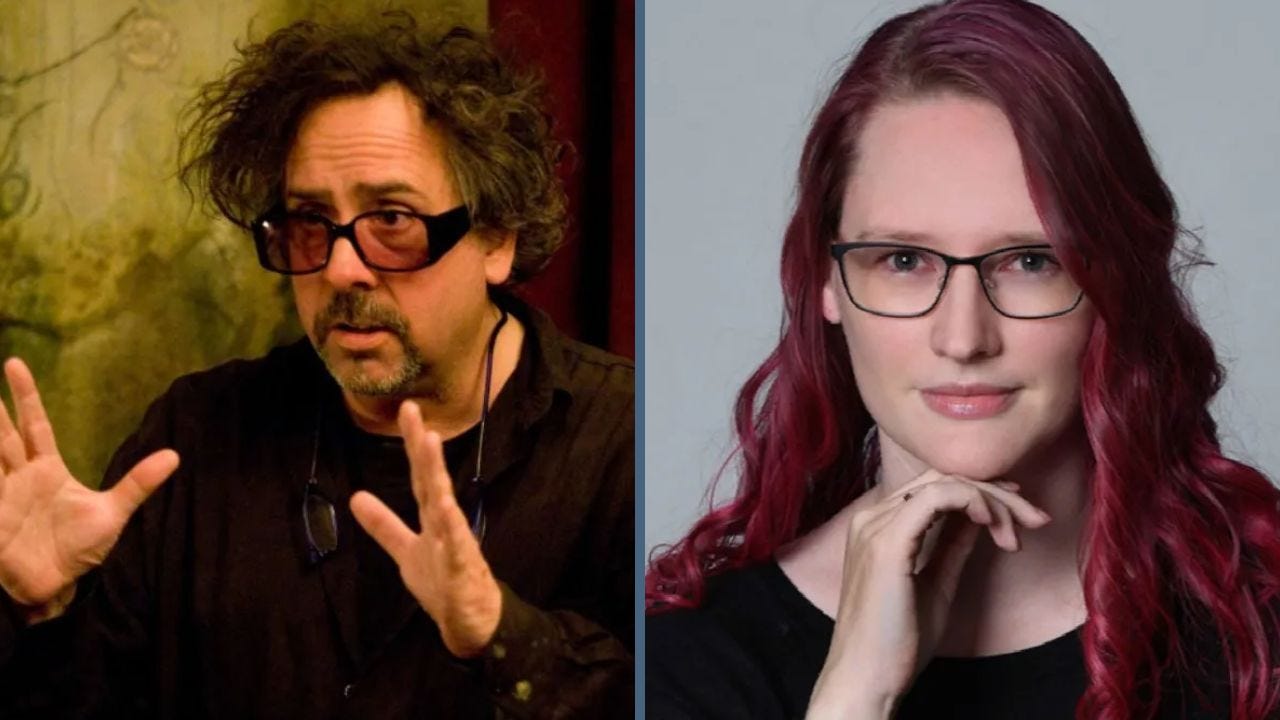
The Autism Research Institute notes “Anxiety disorders are the most common mental disorder in the United States, affecting about 18% of the general population. Research has shown that the incidence of anxiety in people with autism may be significantly higher than in the general population.”(Image: autistic artists Director Tim Burton, Musician Maja Toudal. Burton has openly discussed being autistic, and experiencing depression and anxiety. (See more in references below.)Therapist Tara Geraghty-Ellis, MSW notes “There are a few mental health conditions that often co-occur with autism, including anxiety, depression, and obsessive-compulsive disorder.”She explains much more in her article CBT for Adults with Autism.Here are some excerpts, followed by reference and resources: Anxiety and depression are two of the most common comorbidities. Anxiety and depression are more prevalent in the autistic community, compared to the general population. 40% of autistic people have elevated anxiety levels or an anxiety disorder. The Simons Foundation Powering Autism Research (SPARK) autism research project surveyed adults with autism and found that 47% scored above clinical cut-offs for depression and 83% had been diagnosed with depression. What Causes People with Autism Anxiety?Autistic individuals face certain challenges that may be the cause behind the elevated anxiety levels found in the community. Some things that might cause anxiety in someone with autism include:* Disruptions to their routine, even small ones.* Unfamiliar or unpredictable social situations.* Situations where it’s hard to know what other people are thinking or feeling their own thoughts and feelings, especially unfamiliar or unpleasant ones, or the physical symptoms that can accompany them.Because many autistic individuals struggle with social interaction and communication, stress, and anxiety can be caused by navigating difficult social situations. The autistic brain also can struggle with changes in routine or any type of unexpected change, and identifying, understanding, and managing emotions (a condition known as alexithymia). What Causes People with Autism to Experience Depression» For more, see the transcript.[In case you didn't know already, the voice is AI-generated.]References and ResourcesAutism and Anxiety page, Autism Research Institute. Being Both Highly Sensitive and Autistic: The Sensitive Autistic NeurotypeSee more of my Sensitive & Neurodivergent posts. Image with Director Tim Burton, Musician Maja Toudal is from my post Autism: Imagination, Attention and Other Assets for Creative People.Maja Toudal: “I remember kind of being told as a teenager when I was diagnosed that autistic people aren’t that creative.”Google: “Tim Burton has openly discussed experiencing depression, anxiety, and feeling like an outsider throughout his life, often channeling these emotions into his dark, gothic, and whimsical art. He has described the internet as a source of anxiety that makes him feel “depressed” and “scared,” choosing to avoid it to maintain his mental well-being.”» Also see video listsNeurodivergent & Neurocomplex Anxiety Relief - Managing Stress ~~~Personal note: I have come to learn about how many aspects of autism have affected my life. Many years ago, working as a visual effects camera operator (before the ‘modern’ era of computer graphics), I used cocaine to help keep me going for 12-18 hour shifts, and also found it eased my life-long depression and anxiety. But I developed a 3-year addiction that negatively impacted my life in many ways. Working with a CBT psychotherapist helped get me past the addiction.~~~~ This is a public episode. If you'd like to discuss this with other subscribers or get access to bonus episodes, visit thecreativemind.substack.com/subscribe

This is a free preview of a paid episode. To hear more, visit thecreativemind.substack.comWhat is CBT?The Psych Central mental health site notes “Cognitive behavioral therapy (CBT) “is a type of evidence-based psychotherapy used to help treat a wide range of physical and mental health conditions including: depression, anxiety and chronic pain.”Dr. Caroline Norman, PhD writes about how much anxiety and stress can impact our mental and physical health, and the quality of our life, and provides suggestions based on CBT.Here are some excerpts from her related article Five CBT Stress-Busting Tips For Spring.Symptoms Of Chronic StressThere are a number of symptoms that we can look out for to identify chronic stress. Physical symptoms can include headaches, difficulties in sleeping, muscle and joint pain, and a weakened immune system leading us to catch viruses such as colds or flu.Emotional symptoms are often irritability, lack of focus and concentration, withdrawal from friends and family, anxiety, or low mood.Behaviours related to stress can include excessive alcohol intake, smoking, gambling, shopping more than usual, and dietary changes such as over or under-eating.If you do notice any of these signs or symptoms of stress then it can help to seek professional support from your doctor, alongside using the self-help techniques explored below.Five CBT Stress-Busting Tips For SpringCBT (Cognitive Behaviour Therapy) works by helping us to understand the links between our thoughts, behaviours and feelings.For example, if we think of a meeting with our boss as overwhelming then we’re likely to feel stressed about it and engage in unhelpful behaviours such as not sleeping the night before.However, if we see the meeting as a challenge, we can rise to rather than as overwhelming then we may feel more relaxed, sleep better and perform better.The situation is the same, but our thoughts about it are different and have different outcomes for us.Here are some CBT tips to help you to spring-clean your mind this season and to support you to manage stress differently:

This is a free preview of a paid episode. To hear more, visit thecreativemind.substack.com“We live in a world that’s designed to hijack your dopamine. We’re scrolling, sending another text, looking at videos. “Understanding what is happening in the brain is the key to changing our lives. “Dopamine itself is a signal. It’s a neurotransmitter that’s essential for the experience of pleasure, reward, and motivation.” Dr. Anna Lembke, Chief of Addiction Medicine at Stanford.In this creative mind audio, Dr. Lembke explains how much this neurotransmitter affects our motivations and attention and quality of experience, including happiness. The first short segment is from the video trailer for her Masterclass, followed by a clip from a Fresh Air interview with Terry Gross, then a short clip from a sample video from her class.Her Masterclass program: Dopamine: Take Your Brain Back. ~~~~~~~Her book: Dopamine Nation: Finding Balance in the Age of Indulgence. ~~~~From article by Dr. Cathleen King: How Long Does it Take to Rewire the Brain After Addiction? “Addiction messes with the way your brain’s reward system works, especially when it comes to dopamine. This chemical is responsible for making you feel happy and accomplished. “Normally, things like spending time with friends, exercising, or doing hobbies release dopamine and make you feel good.” [See a related article of hers below.]Dr. Cathleen King, DPT is “an expert on chronic illness, chronic trauma, relationship/attachment repair, and inner child healing.”~~~~~Trauma recovery physician Aimie Apigian, MD, says in her The Biology of Trauma podcast: “You’ve tried to quit multiple times with genuine commitment and motivation... Is our biology predisposing us to addictive tendencies in measurable ways? Yes, it is. And understanding this gives us leverage points for effective treatment.” [See more below.]More resources below.

This is a free preview of a paid episode. To hear more, visit thecreativemind.substack.comTherapist Jessica Baum writes, “You might not use the word safety when talking about your relationships. But you do know the feeling of walking on eggshells, shrinking yourself to avoid conflict, or bracing for the moment they pull away or you explode.“Safety is the presence of steadiness, not just lack of chaos, where you can exhale and be your full self, knowing you’ll still be loved.”This episode starts with therapist Jessica Baum from a short podcast interview reel, followed by an excerpt from a video interview on the Real Love Ready YouTube channel. The final section of this Creative Mind Audio is an excerpt from the video introduction to her online course 7 Stages of Detoxing from Toxic Relationships. Jessica Baum LMHC is a “celebrated author of Anxiously Attached: Becoming More Secure in Life and Love and a licensed expert therapist with over 15 years of professional experience helping individuals heal from trauma bonds, unhealthy relationship dynamics, narcissism, gaslighting, and other relationship challenges.”One of her books: Safe: An Attachment-Informed Guide to Building More Secure Relationships.~~~~~~~~Continued with videos, and links to resources.

This is a free preview of a paid episode. To hear more, visit thecreativemind.substack.comDo feelings of insecurity and self-doubt impact our creativity? Of course. In this audio and the related article, artists and psychologists express perspectives on our common feelings of insecurity and self-doubt – and how to improve our confidence.Actor Annette Bening thinks we benefit from some insecurity.In a video interview, actor Jessica Chastain commented: “I had a lot of insecurities and like confidence issues when I was younger.”Like a number of artists, Chastain has talked about being a highly sensitive person.Psychotherapist and sensitivity coach Julie Bjelland and her colleague talk about this topic in one of her podcasts titled "Confidence, Where it Comes From and How to Get it."Psychotherapist Mihaela Ivan Holtz writes about how you have to ‘show up’ when you "step onto the stage or when you are about to present your creative ideas to other people."She also notes “If you are a highly creative person – someone with a big drive or determination to achieve your life goals or dreams – an injured self-esteem will show up in your journey over and over again…It will interfere with your ability to invest yourself in creating your life."See article with videos, links to resources and more: How Creative People Feel Insecure, and How to Gain Confidence.Learn about articles, books, podcasts, free and paid courses, a private community and more to help Highly Sensitive People thrive by Julie Bjelland, LMFT at her site Sensitive Empowerment....Support the showView selected episodes and articles with more resources: The Creative Mind Audio Podcast page on the main site.

“From a young age, many of us learned to brace for life instead of relax into it. “This constant vigilance trains the nervous system to stay in survival mode: blocking rest, repair, and true healing.”Dr Cathleen King teaches neuroscience principles related to trauma and health recovery. This audio is from one of her videos. She notes in the description, “In this video, we’ll explore how early life experiences shape chronic stress patterns, why the nervous system learns to protect instead of restore, and how you can begin retraining your body to feel safe enough to heal... from autoimmune conditions, trauma, or persistent health issues.”Excerpt from her video:~~~» Visit her Primal Trust site to “Learn to consciously self-regulate your biology and heal.” Includes free ebook: “How Healing Happens”, plus membership community with live classes, plus article, newsletter and more. ~~~ This is a public episode. If you'd like to discuss this with other subscribers or get access to bonus episodes, visit thecreativemind.substack.com/subscribe

Dr. Hollis, a Jungian analyst, is author of multiple classes on the Jung Platform site. This is a brief audio excerpt from his free video talk Introduction to Jungian Shadow Work.The registration page summarizes:“In this introduction you will learn more about Carl Jung’s concept of the Shadow and how it is relevant in your daily lives.“The talk offers guidance and tools to become more conscious of Shadow aspects within ourselves, groups and other individuals. “Becoming conscious of the shadow is the first step in the process of individuation, the process of psychological growth according to Jung.” » Register free to view the full video talk: Introduction to Jungian Shadow Work.~~~» Also see the Jungian Psychology Resources page - Videos, articles and programs about depth psychology teachings of Jung, to enhance our personal growth and creativity. … This is a public episode. If you'd like to discuss this with other subscribers or get access to bonus episodes, visit thecreativemind.substack.com/subscribe

“It makes us feel very alone, isolated, different, less than.”Jeffrey Rutstein continues, “That’s one of the things that also makes anxiety so hard to bear. So many of us not only struggle with anxiety, but we blame ourselves for being anxious: ‘I know better, I shouldn’t be anxious here. ‘I teach my patients how to relax, I shouldn’t be anxious. ‘I’m a meditator. I shouldn’t be anxious.’He notes, “And lots of people get feedback from other people: ‘You’re too anxious. You worry too much. You’re too sensitive. You think too much.’ Which, by the way, doesn’t help anyone and you can’t stop doing this.”Dr. Jeffrey Rutstein, PsyD is a clinical psychologist and expert in the treatment of trauma. This audio is from a Sounds True video excerpt from his Navigating Anxiety program.He comments about his program:“In this workshop, we’re going to show you ways you can intervene with your anxiety and also free yourself from viewing your anxiety, fear, and worry as your fault.”Navigating Anxiety program - Insights and Practices to Heal Your Nervous System and Restore Emotional Well-Being. ~~~ This is a public episode. If you'd like to discuss this with other subscribers or get access to bonus episodes, visit thecreativemind.substack.com/subscribe

"When we are storing these emotions in our body and they become stuck, they are preventing us from having the clear, clean, energetic flow through our muscles, glands and organs that we should. "I believe that that is essential for physical health. And I also believe that when we hold emotional blocks, it blocks the energy of our spirit. “It blocks who we are from expressing that out into the world."Amy B. Scher is "an energy therapist who helps people break through blocks...the author of the How to Heal Yourself series and other books, and endorsed by notable authors such as Elizabeth Gilbert, author of Eat, Pray Love; Dr. Sanjiv Chopra, Harvard Medical School; and more." (From a Sounds True profile.)▶️ Amy Scher Course: Stop Feeling Like Sh*t - From Depression to Creative Expression: Lifting Depression for Writers and Creatives.~~~This audio is a brief excerpt from “Releasing Emotional Blockages” - an episode of the Insights at the Edge podcast by Sounds True, hosted by Tami Simon.From the longer Sounds True interview:Tami Simon: And then you mentioned the second step when we’re done with that is to install positive emotions. Talk me through that because once again, this is where my critical mind kicked in. It’s like, do I really want, it’s one thing, yes, I want to release things, but do I really want to install things really?Amy Scher: So you do want to install things if they’re positive. And there’s a reason I work a lot with clients with depression and anxiety, and I can’t tell you how many times they start to feel better, meaning less anxiety, less depression, and then they tell me they feel like there’s something missing. Something’s missing, it feels like something could be wrong. It feels like I feel a little empty or I feel a little ungrounded. And it’s because when we release something that we’ve been holding for so long, we can feel a little imbalanced. And installing positive emotions are my way of helping bring something good into the body to almost complete the healing process. The other reason is because all emotions have an energetic vibration. And I feel like in the same way, it lifts us up to be around positive people or friends that help us laugh or have fun.…To hear full episode and others, see the page of Amy B. Scher books and programs, and click "Podcast" at bottom.Book promo with voice of Amy Scher:~~~Related:~~~~~~~ This is a public episode. If you'd like to discuss this with other subscribers or get access to bonus episodes, visit thecreativemind.substack.com/subscribe

Empaths and highly sensitive people "aren't just open to trauma. They're open to everything, and it can feel traumatic when you're young and don't have any guidance." - Dr. Judith Orloff"Our nervous system is picking up more information, receiving information that others don't, feeling things that others don't, which means sometimes having an uncontrollable body response to imperceptible changes in the environment." - Dr Aimie ApigianTherapist Julie Bjelland, LMFT: “While this sensitivity can feel overwhelming, it’s important to recognize it as a natural part of how your brain works—not a flaw.”~~~~This audio is an excerpt from the biology of trauma podcast (episode #102 Strategies for Empaths: How to Navigate Sensory Overload, Shame & Trauma), with trauma recovery physician Aimie Apigian talking with empathic psychiatrist Judith Orloff about some of the many aspects of being exceptionally responsive to emotions and sensory information for those of us who have a highly sensitive nervous system.Dr. Aimie Apigian, MD, MS, MPH, is an author, speaker and founder of Trauma Healing Accelerated.» Trauma recovery program by Dr Apigian: TheFoundational Journey for addressing stored trauma in the body. More of her resources:📖 The Essential Sequence - How to Release Stored Trauma - free guide.📖 Attachment Pain Guide for Healing - free guide. ~~~~Dr Judith Orloff says "I love being an empath. Yes, it has its challenges but so what? Everything has its different challenges."She adds that being highly sensitive, "You get to feel everything. I get to feel the flowers, feel nature, I get to feel deep love and connection with people. “I get to be in touch with the mystery and you know the the gorgeousness of Life on such a deep level."Escaping an angry, bullying, bossy personIn the podcast excerpt above, Dr Orloff recalls she was "in a situation recently with a group and this woman was trying to make a point and she got very authoritarian and loud and bullying and bossy. "It was on a zoom call and I was supposed to be part of this meeting and I'm feeling, This isn't acceptable to me, and so I just told everyone have to leave."[The image at lower right is a reference to a movie character like this: Miranda (Meryl Streep) in The Devil Wears Prada (2006).]Self care and setting boundariesDr Orloff refers to self-care and emotional safety strategies, including setting boundaries. "You want to find the triggers for your trauma and gently and sensitively deal with them, so you can take care of yourself. Self-care is so essential."~~~Dr. Orloff notes: "As a psychiatrist, I've worked with many empaths and sensitive people over the years. “What I've seen is that they are especially vulnerable to becoming burned out from toxic relationships." She adds, "These relationships can make you feel anxious, depressed, tired, and ill.” ⏩ Free webinar Being an Empath Today - Surviving and thriving with the gifts of sensitivity. ⏩ Understanding Narcissism Summit: "A Program to Empower Yourself in Relationships, Heal the Trauma of Narcissistic Abuse, and Shift Our Culture from “Me” to “We”... Dr Orloff's presentation: "The Toxic Attraction Between Empaths and Narcissists."⏩ The Empath’s Survival Guide Online Course: Life Strategies for Sensitive People.Psychiatrist and empath Judith Orloff, MD "shares an overview of the total experience of being an empath, both the blessings and the struggles. She then offers solutions to address the most common challenges so that empaths can become empowered in an often-hostile world."~~~~Therapist Julie Bjelland, LMFT: “While this sensitivity can feel overwhelming, it’s important to recognize it as a natural part of how your brain works—not a flaw.”But she cautions, "Watching news visually can cause a lot more anxiety than reading it for most highly sensitive people. Take breaks from reading or watching the news."Follow link above to post with audio excerpt from one of her free classes: Sensory Overload & Sensitivity.~~~~More related posts/podcastsDr Orloff also refers to a spectrum of abuse and childhood experiences impacting empaths and highly sensitive people. One of my posts on adverse childhood experiences:As Dr Orloff relates, being an adult and having to deal with a bully can be emotionally challenging.Here is a related post:Actor Millie Bobby Brown of Stranger Things: Writer Emily Zemler comments: “Over the years, Millie has struggled to understand why being herself generates so much vitriol.“It’s really hard to be hated on when you don’t know who you are yet,” she says.Psychotherapist Mihaela Ivan Holtz helps creative people in TV/Film, performing and fine arts. She notes in an article of hers: “Many highly creative people have been bullied as kids... Perhaps you loved singing, writing poems, dancing, making fashion, or being innovative in other ways as a child."Though these aspirations brought you joy, they also made you the target of bullies who made fun of, mocked, or ridiculed you."See more in the post, including comments by Robert Pattinson, Jameela Jamil, Donna Jackson Nakazawa.~~~Setting boundariesThe image at lower left (woman behind cloth) is from my post (on the Highly Sensitive site) How Can We Set Healthy Boundaries as a Highly Sensitive Person? It includes podcast episode by Sensitivity expert Julie Bjelland, LMFT. Also see her related class “How to Set Healthy Boundaries and Why it’s Essential for Wellness as an HSP" in list of Free Classes for Highly Sensitive People.~~~The image at upper right (young woman feeling stressed from noise - AI image - DALL*E/Bing) is from my Substack post/podcast:~~~~Thanks for reading/listening. As with most of my posts here, the topics are of deep personal interest, and I will probably, over time, add more content.~~~Do you enjoy and benefit from my posts, podcast episodes, videos and more?As a writer and content entrepreneur, I love researching, creating and publishing material here, and on other Creative Mind Sites, that can help creative people learn more and thrive more.But creating and publishing is only free in some ways.Consider supporting my work with a donation to help with costs.One key tool is my desktop computer. (The image is for illustration, it is not mine and that is not me.) Your donation would help pay for a recent upgrade to a newer (still old, from 2017, but refurbished) iMac, which enables my ongoing work.Other costs include hosting fees (over $120/mo) of my 7 personal sites, and other expenses including a podcast platform, video editor, digital production apps, and more.I want to keep my sites uncluttered with ads. One of my sources of income is occasional commissions from promoting programs by therapists and teachers, but that income has dropped drastically.Thanks for considering a donation to help. Much appreciated. author Douglas Eby* GoFundMe ~~~ This is a public episode. If you'd like to discuss this with other subscribers or get access to bonus episodes, visit thecreativemind.substack.com/subscribe
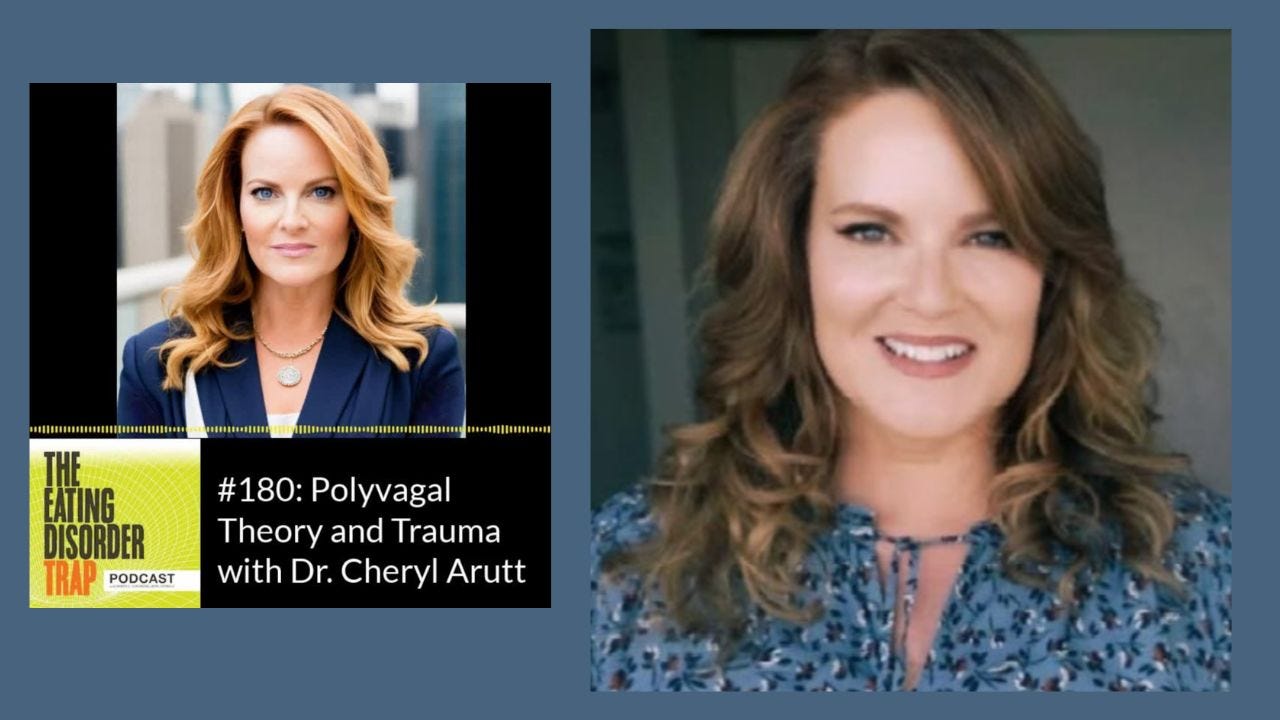
Psychologist Cheryl Arutt has found with her therapy clients that "Creative artists, actors and writers and people who do performances, have a different relationship with their trauma than regular people who don't consider themselves creatives."She notes “Polyvagal theory is a new way of thinking about the autonomic nervous system…the part with the things that our body does all on its own without thinking about it, like breathing and heart rate. “We've learned about things like the fight or flight response and the sympathetic and parasympathetic nervous system, where a lot of times people know that when they need to fight or run away from something it's their sympathetic, and when they're relaxed, it's the parasympathetic. “But Polyvagal Theory takes things further.”(See the transcript for more quotes.)Dr Arutt is a licensed clinical and forensic psychologist, certified EMDR therapist, and media consultant, and specializes in trauma recovery and creative artist issues. Some variety and level of trauma affects most people, perhaps especially those of us who are creative and neurodivergent, with intense nervous systems. This Creative Mind audio episode includes edited clips from her interview for The Eating Disorder Trap podcast by Robyn Goldberg, episode 180: Polyvagal Theory and Trauma with Dr. Cheryl Arutt. Sites of Dr Arutt:* drcherylarutt.com* thecreativeresilience.com* Facebook page~~~~Related:▶️ Online course: Finding Safety in Your Nervous System by Deb DanaDeb Dana, LCSW notes "The pathways to safety aren't always visible, especially if your early life didn’t show you the way. When stress, trauma, or chronic overwhelm shape our nervous systems, feeling safe can seem unfamiliar or even unreachable."But our biology is not fixed. It’s fluid, adaptable, and always inviting us back home. With practice, we begin to notice the subtle signs of safety: a breath that softens, a moment of stillness, the gentle presence of connection."And over time, we learn to trust those signals. To return to them more easily. To anchor ourselves, not in avoidance or escape, but in the deep intelligence of the body that knows how to heal." [from her program Finding Safety in Your Nervous System.]...▶️ Deb Dana is speaking at the Trauma Skills Program by Sounds True on "From Activation to Regulation: A Polyvagal Guided Approach "When we feel threatened, our defenses go up and our ability to regulate our nervous system seems to go out the window. As a result, our trauma responses can get stuck in our bodies."Polyvagal Theory helps us understand the ways trauma shapes our nervous system - and how to identify the pathways that lead us back to healing."...⏩ See more books, courses and audio programs in the Deb Dana Collection at Sounds True. ~~~~» Video list: Deb Dana, LCSW - Nervous System Health ~~~~~~~~~~~~~Related posts and podcasts ~~~More related posts and resources:……» Page of Resources on How To Understand And Recover From Trauma - Summits, courses, videos and other material based on neuroscience research, body-based therapies, mindfulness and meditation, and other approaches to help recovery.» Trauma Healing & Recovery videos (on my YouTube channel)~~~~~~~Do you enjoy and benefit from my posts, podcast episodes, videos and more?Help support my work here, and on other Creative Mind Sites, with a donation.As a writer and content entrepreneur, I love creating and publishing material that can help creative people (including myself) learn more and thrive more.But creating and publishing is only free in some ways.One key tool is my desktop computer. (The image is for illustration, it is not mine and that is not me.)Your donation would help pay for a recent upgrade to a newer (still old, from 2017, but refurbished) iMac, which enables my ongoing research, and publishing of posts, videos, podcasts and more.Monthly costs of my 7 personal sites include hosting fees of over $120, and there are costs for a podcast platform, video editor, and some other production apps.Thanks for considering a donation to help. Much appreciated. DouglasGoFundMe ~~~ This is a public episode. If you'd like to discuss this with other subscribers or get access to bonus episodes, visit thecreativemind.substack.com/subscribe

"Autism informs everything that I do - it's you know my processing unit so it's how the information goes in and out. So it's always informed me. Since being diagnosed, it's helped me understand that I'm not a rubbish person - I just think about things differently." Hannah Gadsby"Autism doesn't define me." Kayla Cromer"In the 60s doctors recommended to my mom to put me on some medications and institutionalize me, and I'm so thankful that she didn't." Daryl Hannah"I was groomed from such a young age, to hide all of the strange peculiarities of even my autism." Sue Ann Pien"Diagnostic criteria are developed using white boys and men, failing to serve many neurodivergent girls and women." Zhara Astra"Past diagnostic criteria were inaccurate, particularly when it came to recognizing Autism in women, and estimates suggest that up to 80% of Autistic women may be undiagnosed..." Julie Bjelland, LMFT ~~~~~~~~See page The Sensitive Autistic Neurotype: Autism Resources Page by Julie Bjelland, LMFT, specializing in Highly Sensitive People, Neurodiversity, and Autism in Women:* Free Guide: Embracing Neurodiversity in the Workplace* Autistic Energy Crash Recovery Guide (Free) * Adult-Discovered Autism Group (inside community)* Course: Discovering You’re Autistic As an Adult* Autism in Women - information and research.* Free Autism Quiz* Autism Podcast Episodes * Research: HSPs & Autism Similarities & Differences … and more ~~~"When somebody tells me to "stop being so sensitive", I feel a little bit like a nose being lectured by a fart. I am not the problem.”- Hannah Gadsby (from her special Nanette, on Netflix, 2018; meme by ifunny)Ten Steps to Nanette: A Memoir Situation by Hannah Gadsby.Her audio in this podcast episode is from this video: Hannah Gadsby Explains How Her Autism Informs Her Comedy | The View Mar 30, 2022.Excerpt video:Image of Hannah Gadsby (top left in collage) is from Vox podcast ep. Hannah Gadsby on comedy, free speech, and living with autism. Kayla Cromer"Autism doesn't define me. I want to be a part of different genres in film and bring light to different characters." From People article Kayla Cromer Opens Up About Breaking Boundaries on TV: 'Autism Doesn't Define Me'. Audio is from video: Actress' leading role is a 1st for people on the autism spectrum, Good Morning America, May 2021.Daryl Hannah Audio is from this video: Autism and Women - Actor Daryl Hannah from interview with Dan RatherSue Ann PienAudio is from podcast: Cast Of "As We See It" Discusses Autism in Adulthood.Image of Sue Ann Pien in collage (lower left) is from her imdb page.Zhara Astraarticle: We Need Better Diagnostic Tests for Autism in Women By Zhara Astra, Scientific American.Her LinkedIn page.My related podcast episode: Julie BjellandTherapist Julie Bjelland, LMFT identifies as autistic, and writes: "In recent years, there has been a significant increase in the number of Highly Sensitive women seeking and receiving Autism diagnoses in adulthood. "Past diagnostic criteria were inaccurate, particularly when it came to recognizing Autism in women, and estimates suggest that up to 80% of Autistic women may be undiagnosed...""Learn more about my research in understanding traits that overlap in high sensitivity and Autism in women, join my Autistic Women’s Support Group, or learn more about getting an Autism Assessment with the updated criteria!"See her posts "Navigating the Challenges of Autism Diagnosis as an Adult Woman" and "Unmasking Autistic Traits in Women: Could You Be Autistic?" in her HSP Blog. Also see her page Resources for Autistic HSPs - includes Autism Education, Support Group for Autistic Women, Autism Quiz, Research: HSPs & Autism Similarities & Differences, and more.~~~Related resource page:~~~~… This is a public episode. If you'd like to discuss this with other subscribers or get access to bonus episodes, visit thecreativemind.substack.com/subscribe

Emily Fletcher – founder of Ziva Meditation – notes “Stress is actually keeping you from performing at the top of your game.“I tend to work with a lot of high performers.“My CEO clients will say ‘Emily, my stress is the thing that gives me my cutting edge, that’s the thing that keeps me, you know, competitive and in the game’ – and my actors will say to me, ‘Emily, I need my stress…this is where my art comes from.’“But here’s the news – stress is not helping you in the performance department.“As a matter of fact, stress makes you stupid.”She adds, Meditation is "a tool to help de-excite your nervous system & get rid of stress, which is going to help you perform at the top of your game...I found meditation during my 10-year career on Broadway.” ~~~Learn more in her free class: Secrets to Reduce Stress, Overcome Anxiety, and Improve Sleep.The audio here comes from three of her videos:Stressed on BroadwayWhy We Need to Stop the Glorification of BusyMeditation for Better ProductivitySee the videos and much more in article Learn how to live with less stress and more creative accomplishment - Ziva Meditation....Support the showView selected episodes and articles with more resources: The Creative Mind Audio Podcast page on the main site. This is a public episode. If you'd like to discuss this with other subscribers or get access to bonus episodes, visit thecreativemind.substack.com/subscribe

This audio is from the video version of an episode of the podcast ("Why Isn't Everyone Doing This?") by Emily Fletcher - the episode is titled "Embracing Your Emotions with Travis Van Winkle."Host Emily Fletcher: "I am so delighted to share this conversation with you - today's guest is one of my new favorite people. He and I met at a friend's birthday party and we were stunned with how much we had in common - we both practiced the same style of meditation, we both studied in Rishikesh, India, we both used to be actors."He is still an actor, and happens to be a star of the Netflix series FUBAR with Arnold Schwarzenegger."Today we're gonna go deep into why isn't everyone training their emotions - something Travis Van Winkle has been doing for the past 20 years."Emotional training does not just have to be for actors it's actually something that all of us can do."Fletcher says she is striving to "take these sacred potent ancient tools and make them more attractive and accessible to a mainstream audience."~~~~"Ancient wisdom with modern science to help you get better at life." Founded by Emily Fletcher, The Ziva Technique provides "mindfulness, meditation and manifesting. We believe that practicing these 3 M’s makes us better partners, colleagues, friends and citizens. Our 50,000+ students agree." Emily Fletcher has taught at Apple, Google, Harvard, and more. She says "We meditate to get good at life, not to get good at meditation."Mark Hyman, MD notes "Meditation is widely recognized as providing powerful health benefits... I am addicted to Ziva Meditation. I love how rejuvenated I feel afterwards. My recovery time is faster and I feel more grounded. Anxiousness I didn’t even know was there, is gone.”Dr. Hyman is a New York Times bestselling author, and Director of The Cleveland Clinic for Functional Medicine.~~~~~~ This is a public episode. If you'd like to discuss this with other subscribers or get access to bonus episodes, visit thecreativemind.substack.com/subscribe
 1
1This is a free preview of a paid episode. To hear more, visit thecreativemind.substack.com"Wild animals go through traumatic events all the time but they don't [usually] develop PTSD.Elizabeth Stanley, PhD adds, "Each time through this cycle [trauma and recovery] they add to their toolbox of survival skills and they widen their window. "In humans however, we have a thinking brain that can override this automatic process controlled by the survival brain and nervous system, and we often impede this recovery process."Those comments are from her online program Mindfulness-based Mind Fitness Training (MMFT). » Free video webinar with Dr. Stanley, an excerpt from her MMFT program: "Why You Can’t Just ‘Push Through’ Stress—And What Actually Works Instead".~~~~Directing our attentionDr Stanley: "Where we direct our attention, consciously and unconsciously, has profound ripple effects on our brain, nervous system and body."With MMFT [Mindfulness-based Mind Fitness Training], you can learn to direct your attention with more precision."And by developing attentional control, we can deploy our attention consciously where we want."Attentional control is a foundational skill that supports enhanced situational awareness, better decision making, better self regulation and resilience, and ultimately better performance."From video:~~~~This Creative Mind Audio episode is an excerpt from the Untangle Podcast, hosted by Patricia Karpas, who starts by asking Dr. Stanley about her personal journey leading into her writings and teachings on trauma recovery and resilience.» Hear the full (47min) "Episode 500 Can You Rewire Your Brain and Train Yourself to Be More Resilient? With Dr. Elizabeth Stanley" in Meditation Studio (choosemuse.com/pages/meditationstudio). Meditation Studio is part of the site of the main site of Muse EEG headband.Muse co-founder Ariel Garten explains how the EEG headband works: “Muse tracks your brain activity...the headband is like a heart rate monitor. As it tracks your brain activity, it sends that information to your computer, smartphone or tablet, where you can do exercises that track your brain activity in real time, and give you real time feedback to teach you how to calm and settle your mind.”Learn more at the Muse Amazon page.~~~~~øø This article continued below with video "Wild animals may recover from stress better than humans do. Why?" with Dr Stanley, plus part of the transcript from the Untangle Podcast, plus article excerpt: "You Can Train Your Brain To Thrive During Trauma & Stress — Here's How."“When we're regulated, we're more likely to find agency and access choice in every situation, no matter how challenging, stressful, or traumatic it might be."

"Have you heard the statistic that neurodiverse employees are 90 to 140% more productive than non-neurodiverse? Isn't that amazing?" Therapist Julie Bjelland, LMFT from "Episode 192- Embracing Neurodiversity with Julie and Willow" of her HSP and Neurodivergent Podcast. (Follow link to her site & find her Downloadable Guide for Organizations and Individuals under the autism tab. She is probably referring to a case study by JPMorgan Chase in its Autism at Work initiative; see article below.Short clip from the video version of her podcast episode:The second section of this Creative Mind Audio is an excerpt from the Neurodiversity Podcast by Emily Kircher-Morris, Episode 122: Attorney, Author, Artist, Autistic.From the show notes: "A three-year-old with an autism diagnosis is looking at a completely different future than someone who has masked their neurodivergence for years. "We talk with Haley Moss, an attorney, author, and consultant, who helps companies create a neurodiversity-friendly atmosphere. She was diagnosed at age 3, and now has strong opinions about what it takes to move the world in the right direction..."Haley Moss comments "I think self-diagnosis is extremely valid and a very powerful tool for a lot of people to discover something about themselves especially if they knew that they seemed different but didn't really know why."[Photo at top: Astrid Nielsen, left, is a consultant to a Paris police department in the French tv series "Astrid et Raphaëlle" in which she teams with Raphaëlle Coste, a neurotypical police detective. See more below.]øøøHaley Moss is "a lawyer, neurodiversity expert, and the author of four books that guide neurodivergent individuals through professional and personal challenges. She is a consultant to top corporations and nonprofits that seek her guidance in creating a diverse workplace..." Haley Moss website haleymoss.combook: Great Minds Think Differently: Neurodiversity for Lawyers and Other Professionals by Haley Moss. See more titles in my Amazon book collection Highly Sensitive / Neurodivergent People. ~~~TV Series ‘Astrid’Photo at top of this article: Astrid Nielsen, left, is a criminal records archivist and consultant to a Paris police department in the Frech tv series "Astrid et Raphaëlle" in which she teams with Raphaëlle Coste, a neurotypical (and often impulsive) police detective. They not only work together, but value each other as friends.At the beginning of the series (one of my favorite shows), Raphaëlle - along with her other police officers - are wary, even dismissive, of this 'weird' person, Astrid, but come to respect her encyclopedic knowledge and intuitive insights for solving complex crimes.The show and its characters may be fictional, but also acclaimed for its portrayal and respect for neurodivergent people: Astrid and other characters.My query on on search engine Perplexity for "is astrid french series a good depiction of autism" shows this summary, with links to articles:"Yes, the French crime drama series "Astrid et Raphaëlle" (known as "Astrid: Murder in Paris" in English) is widely praised for its authentic and thoughtful depiction of autism through the character of Astrid Nielsen, played by Sara Mortensen.Astrid is openly identified as being on the autism spectrum from the very beginning. Her autism is treated as an integral part of her character rather than just a quirk or plot device.Mortensen's performance as Astrid is lauded for capturing the nuances of autism, such as stimming behaviors, difficulty with eye contact, need for routine, and challenges with social interactions.The show doesn't sensationalize or mock Astrid's autism. Instead, it highlights her exceptional memory, pattern recognition skills, and different way of perceiving the world as assets for solving crimes."~~~Benefits of neurodiversity in the workplaceFrom article by employee experience platform Culture Amp; see article for links to related articles.“Neurodivergent employees aren’t just positive additions to the workplace but a proven competitive advantage. Neurodivergent individuals have been found to possess some of the most sought skills in today’s world of work, including:Greater than normal ability to process information. Research has found that autistic employees “have a greater than normal capacity for processing information even from rapid presentations and are better able to detect information defined as ‘critical.’”Creative thinking. Many of the symptoms of ADHD – creativity, risk-seeking, high energy, and the desire to multitask – can become key strengths when leveraged the right way, in the right job, and in the right organization. Meanwhile, individuals with dyslexia are “often capable of seeing connections that others cannot and create narrations which can simplify complex tasks or products.”Elevated productivity. A case study by JPMorgan Chase found that professionals in its Autism at Work initiative made fewer errors and were 90% to 140% more productive than neurotypical employees.Ability to take a different perspective. Because neurodiverse people are “wired” differently from neurotypical people, they often bring innovative ways of thinking and problem-solving to their teams and organizations.Reminder: The list above is far from exhaustive, and not every neurodivergent individual will exhibit all or any of those specific qualities. Every person is unique, neurodivergent or not. Organizations must avoid hiring neurodiverse employees expecting them to, for example, fit the stereotype of an “autistic savant” who exhibits exceptional, genius-level abilities in one or more domains.Moreover, prioritizing neurodiversity in the workplace also significantly benefits key business metrics like:Team productivity and performance. According to a Deloitte report, “research suggests that teams with neurodivergent professionals in some roles can be 30% more productive than those without them.” This is likely because of neurodiverse employees’ unique skills and cognitive abilities, allowing them to solve problems and approach tasks differently than their team members.”From article Neurodiversity in the workplace: Why it matters, By CultureAmp.~~~A note on labels - 'neurodiverse' and 'neurodivergent'A search on perplexity for query 'is neurodivergent different than neurodiverse' shows this summary, with links to articles:“Yes, neurodivergent and neurodiverse are different terms with distinct meanings.Neurodivergent refers to an individual whose brain functions differently from what is considered "typical" or "neurotypical". It describes someone whose neurological development and cognitive functioning diverge from the norm, such as individuals with conditions like autism, ADHD, dyslexia, or Tourette's syndrome.Neurodiverse, on the other hand, refers to the diversity found among all people in terms of how their brains function and process information. It encompasses both neurodivergent individuals as well as neurotypical individuals.”...But there seems to be an evolving conception of these terms.For example, another sources note “Neurodiversity” is a word used to explain the unique ways people's brains work. While everyone's brain develops similarly, no two brains function just alike. Being neurodivergent means having a brain that works differently from the average or “neurotypical” person." From article: Neurodivergent: What It Is, Symptoms & Types - Cleveland Clinic.~~~» post - People with Autism Turn to ChatGPT for Advice on Workplace Issues - "A new Carnegie Mellon University study explores how people with autism interact with ChatGPT and similar artificial intelligence tools for help and advice as they confront problems in their workplaces."~~~Related posts / episodes:……~~~~Do you enjoy and benefit from my posts, podcast episodes, videos and more?As a writer and content entrepreneur, I love researching, creating and publishing material here, and on other Creative Mind Sites, that can help creative people learn more and thrive more.But creating and publishing is only free in some ways.Consider supporting my work with a donation.One key tool is my desktop computer. (The image is for illustration, it is not mine and that is not me.) Your donation would help pay for a recent upgrade to a newer (still old, from 2017, but refurbished) iMac, which enables my ongoing work.Other costs include hosting fees (over $120/mo) of my 7 personal sites, and there are other expenses including a podcast platform, video editor, and digital production apps.Thanks for considering a donation to help. Much appreciated. DouglasGoFundMe ~~~~ This is a public episode. If you'd like to discuss this with other subscribers or get access to bonus episodes, visit thecreativemind.substack.com/subscribe

As various researchers and therapists note, being a highly sensitive person or another form of neurodivergent, with different "neurological wiring," we can experience many positive qualities, such a greater appreciation of beauty and art, a heightened awareness of subtleties, emotional depth, stronger empathy, and more.All of which can enhance creative expression and performance, as shown by many actors, musicians, writers and other artists. But we can also be more vulnerable to stress and overwhelm. Therapist Julie Bjelland, LMFT talks about sensory overload in multiple posts, videos, podcasts, and the image refers to one of her suggestions to relieve unwanted effects:"Watching news visually can cause a lot more anxiety than reading it for most highly sensitive people. Take breaks from reading or watching the news."This audio is a short excerpt from one of her classes: Register free for Sensory Overload & Sensitivity. ~~~~In one of her articles, "Managing Sensory Overload: A Guide for Sensitive and Neurodivergent Individuals," she explains more. Here is an excerpt:“Sensory sensitivity means experiencing heightened awareness of sensory input such as sounds, lights, textures, smells, and more. For instance:Sounds: Struggling with the background noise in a cafe.Textures: Avoiding certain fabrics or cutting clothing tags.Lights: Feeling overwhelmed by fluorescent lighting.This happens because neurodivergent brains process sensory input differently. In many cases, there’s reduced ‘brain pruning,’ meaning connections aren’t trimmed as much, leading to heightened awareness. While this sensitivity can feel overwhelming, it’s important to recognize it as a natural part of how your brain works—not a flaw.Prolonged exposure to sensory overload can have significant impacts, including:Chronic Stress: Elevated cortisol levels, weakened immunity, and digestive issues.Burnout: Emotional, mental, and physical exhaustion, often mistaken for depression.Mental Health Risks: Increased anxiety and emotional distress.Physical Strain: Migraines, hormonal imbalances, heart disease, and autoimmune disorders.Sensory Joy: The Flip Side of SensitivityWhile sensitivity can be challenging, it also allows you to experience the world’s beauty with incredible depth. Examples of sensory joy include:The warmth of sunlight on your skin.The texture of a soft blanket.Listening to birdsong or the sound of water.Walking barefoot on grass or sand.Intentionally cultivating sensory joy can balance the challenges of sensory overload and help you reframe sensitivity as a strength.”~~~~Julie Bjelland, LMFT 🌈 is a "Highly Sensitive, Autistic, LGBTQ+ Psychotherapist and founder of Sensitive Empowerment with posts, courses, free webinars, podcast episodes, a community program, and more for sensitive & neurodivergent people. Her online courses include:* Guide to Navigating Sensory Overload* Brain Training For the Highly Sensitive & Neurodivergent* The HSP Toolbox* Discovering You’re Autistic as an Adult* Blooming Brilliantly Course* Your Self-Discovery Journey* How to Grow a Heart-Centered Online Business~~~~Thanks for listening and reading. Feel free to comment and share. This is a public episode. If you'd like to discuss this with other subscribers or get access to bonus episodes, visit thecreativemind.substack.com/subscribe
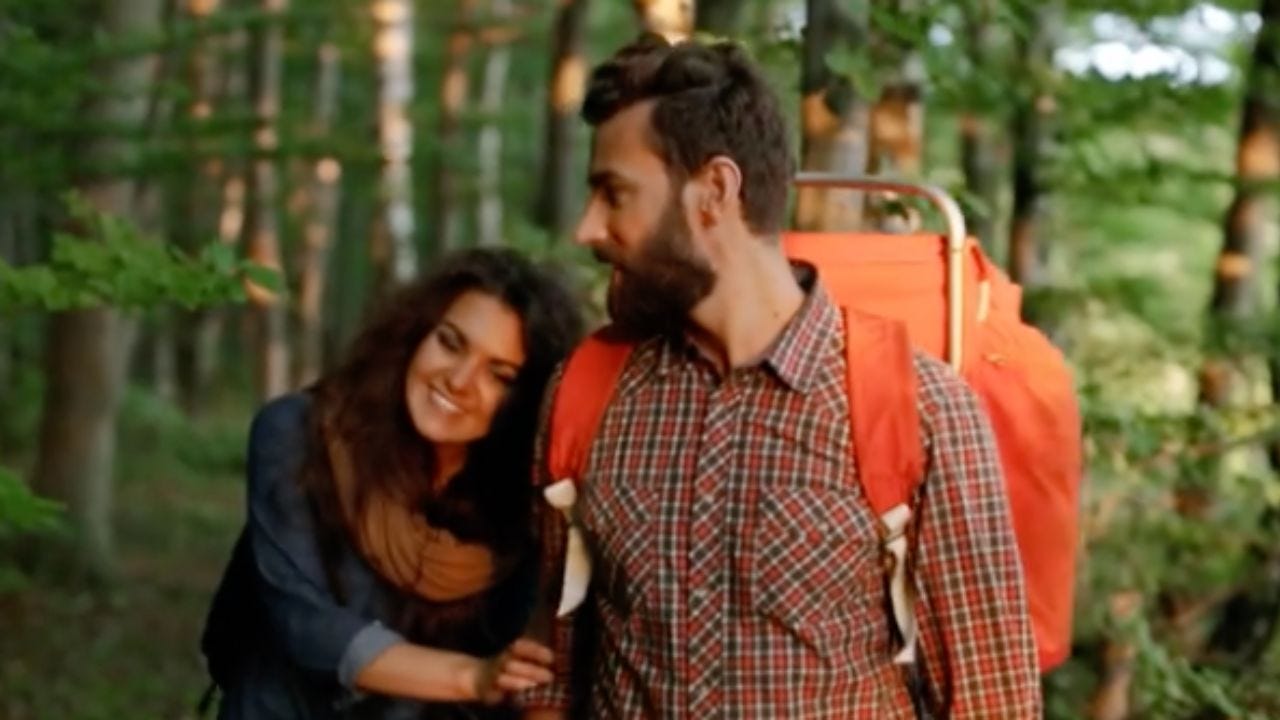
Therapist Emma McAdam: "If emotions are getting in the way of you living your life, you can learn how to slow down, think clearly..."Psychologist Melanie Joy notes "this is an incredibly dysregulating time for everyone, especially those of us who are highly sensitive."Dr Cathleen King: “That is another form of nervous system dysregulation when you can't shut off your idea switch and just be in the present moment." Therapist Julie Bjelland: "The brain has a negativity bias..."~~~~~~~~"When you don't know how to process emotions, you might blow up, shut down, or avoid your emotions through things like food, alcohol, TV, or gaming."Therapist Emma McAdam, LMFT continues about emotional dysregulation:"If emotions are getting in the way of you living your life, you can learn how to slow down, think clearly, and make choices that make your life better. "Instead of getting overwhelmed, blowing up, or trying to control or merely cope with your emotions, learn to actually resolve them."Her comments are from a description for her course How to Process Your Emotions. (The image above of two hikers is from a video for the course, and indicates how our relationships, and access to joy and pleasure in life, can be improved by using tools to regulate our nervous system.)» See her course How to Process Your Emotions, plus other courses, articles, videos and membership, at her Therapy in a Nutshell site.Emma McAdam notes she loves helping people change, and provides many programs to support emotional and mental health. Follow link above to her site.This Creative Mind Audio includes clips from two of her videos about nervous system regulation. Here are related videos:~~~~….McAdams comments: "There are at least three reasons why you’re having a hard time regulating your nervous system, despite your best efforts. So let’s explore them and their antidotes.”"Number Two: You’re not safe. And what I mean by that is that some action needs to be taken. "Our nervous system is super smart and super good at bypassing the logical part of our brain to alert us to dangers. “Sometimes anxiety isn’t a disorder; it’s just a message that something needs to change."She explains, "Emotions aren’t just bad things that happen to us; they’re meant to motivate us to take action. Sometimes they lie and we need to calm ourselves down, just regulate our bodies, but sometimes they’re truthful and we need to take action."~~~~“That is another form of nervous system dysregulation when you can't shut off your idea switch and just be in the present moment." Cathleen King, DPTSee more in post:~~~~This topic of dysregulation has many aspects; here are some additional posts and podcasts with therapists:~~~Psychologist Melanie Joy notes "this is an incredibly dysregulating time for everyone, especially those of us who are highly sensitive. We're especially affected by violence, chaos, and unpredictability."……Dr Cathleen King, DPT: "A dysregulated nervous system can turn routine experiences into sources of stress. If you’re feeling persistently anxious, stressed, or physically unwell, it might be more than just a temporary response to life’s challenges—it could be a sign of a dysregulated nervous system." {See more in the post below, including link to her article "Understanding A Dysregulated Nervous System: The Symptoms and Signs."]Therapist and author Julie Bjelland, LMFT: "The brain has a negativity bias...stress, nervousness, fear...can actually trigger a response in the brain that alerts your system to think that it needs to set off these alarm bells." And, she notes, "that happens even more so in highly sensitive people."~~~~~» See more videos in playlist: Nervous System Regulation ~~~~~ This is a public episode. If you'd like to discuss this with other subscribers or get access to bonus episodes, visit thecreativemind.substack.com/subscribe
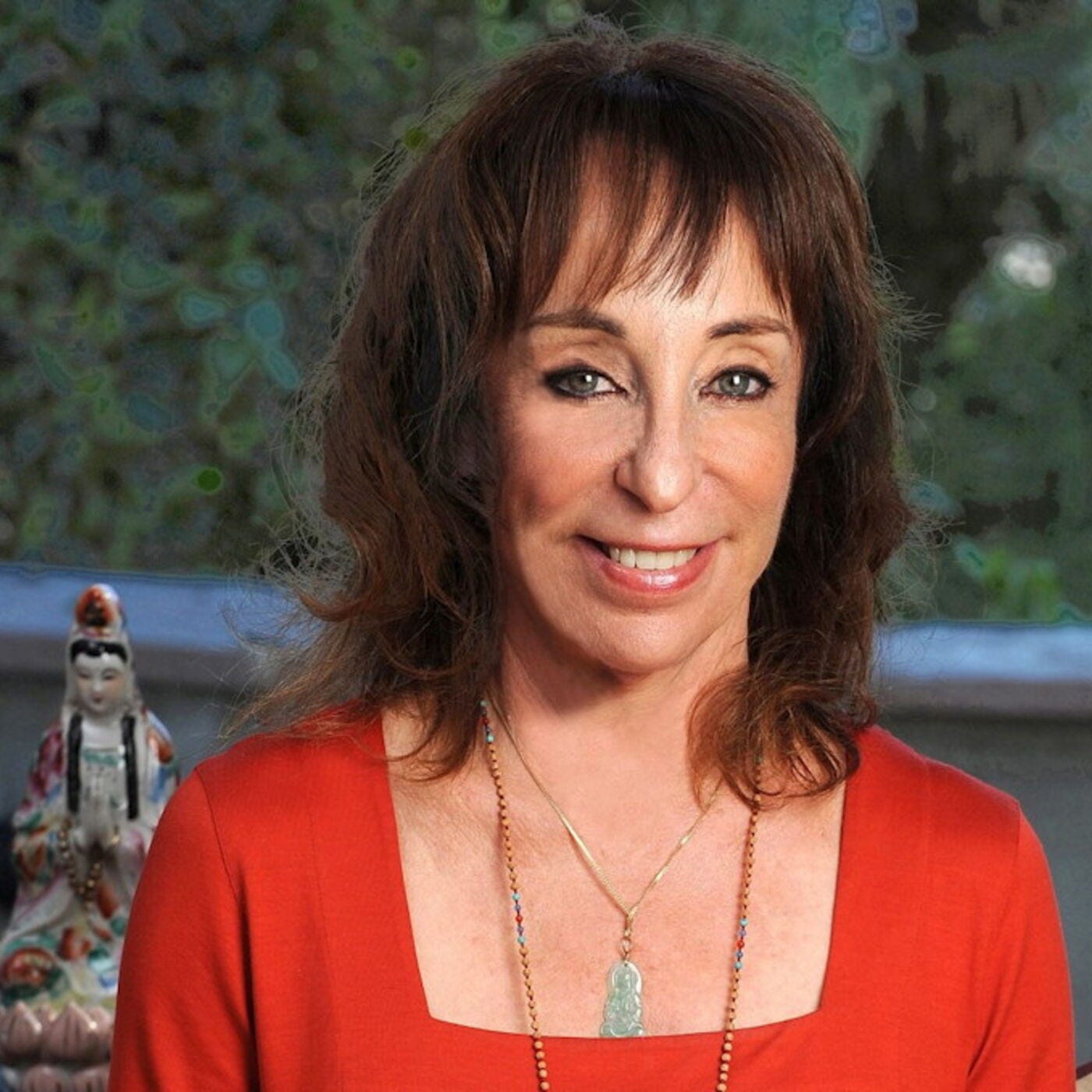
Judith Orloff MD is a NY Times bestselling author of multiple books, and is "a psychiatrist, an empath and intuitive healer, and is on the UCLA Psychiatric Clinical Faculty. "She synthesizes the pearls of traditional medicine with cutting edge knowledge of intuition, energy, and spirituality and passionately believes in the power of integrating this wisdom for total wellness." (From profile on her site.)Hear rest of interview in Private article Judith Orloff, MD on Emotional Freedom. Note: Private articles with audio interviews are for subscribers to The Creative Mind site at the Supporter Membership level. Learn more in article The Creative Mind Membership.Register for FREE video event with Judith Orloff, MD: "Discover how you can embrace a difficult emotion from an expanded perspective" - Tuesday, January 11, 2022 - Register to tune in or receive the recording.Dr. Judith Orloff’s Keys to Being a Healthy Empath - "In this free ongoing event, you’ll: *Learn about your brain’s mirror neurons; *Learn what intuitive healing means for empaths and sensitive people; *and more."Read more and see videos with Dr. Orloff in (public) articles:Energy Sensitivity How to reduce anxiety – Judith Orloff on Emotional Freedom The Empath’s Survival Guide Course by Judith OrloffSupport the showView selected episodes and articles with more resources: The Creative Mind Audio Podcast page on the main site. This is a public episode. If you'd like to discuss this with other subscribers or get access to bonus episodes, visit thecreativemind.substack.com/subscribe

Comments

Download from Google Play

Download from App Store
 United States