


 Claim Ownership
Second Nature
Subscribed: 82Played: 1,022
Subscribe

© 2024 Commons
Description
How can we live sustainably in an unsustainable world? Second Nature is a podcast by Commons exploring how our sustainable choices impact our lives and the planet.
Every week hear how listeners are taking public transit, composting food waste, eating more plant-based meals and practicing deconsumption to create the kind of world they want to live in. We'll calculate the carbon impact of collective action and get expert answers to your burning climate questions.
Everyone’s sustainable life is unique. Tell us about yours. thecommons.earth/podcast
🌎 Join a community of tens of thousands of people using the Commons app to track their emissions and get rewarded for sustainable living:
https://www.thecommons.earth/get-the-app-second-nature
Follow us on Instagram to get behind-the-scenes footage and more stories from Commons' climate community:
https://instagram.com/secondnatureearth
Every week hear how listeners are taking public transit, composting food waste, eating more plant-based meals and practicing deconsumption to create the kind of world they want to live in. We'll calculate the carbon impact of collective action and get expert answers to your burning climate questions.
Everyone’s sustainable life is unique. Tell us about yours. thecommons.earth/podcast
🌎 Join a community of tens of thousands of people using the Commons app to track their emissions and get rewarded for sustainable living:
https://www.thecommons.earth/get-the-app-second-nature
Follow us on Instagram to get behind-the-scenes footage and more stories from Commons' climate community:
https://instagram.com/secondnatureearth
55 Episodes
Reverse
Season 5 is coming very soon and this season, we're talking about the thing that's on everyone's mind (whether we like or not) — money. Maybe you've heard that Native American proverb, “Only when the last tree has been cut down, the last fish been caught, and the last stream poisoned, will we realize we cannot eat money.”But, the way we spend our money matters, and as a mindful consumer, financial decisions can feel like a burden — especially when we don’t have much control over them. We can often choose where to spend our money, but we can’t choose what companies do with that money. Our society doesn’t run on money, it runs on the earth— water, soil, plants, air. As of late — we’ll call it the past 300 years — we’ve had a pretty one-sided relationship with these essentials we need to live and that largely has to do with the fact that what we value and the way we value it is measured in dolla dolla bills.This season we’re talking about — How the rising cost of groceries is threatening food security in ways you might not expect If giving our money to offsets is actually worth itThe companies that are lobbying for fossil fuelsHow everyday people are footing the bill for data centersDecades of war propping up the fossil fuel industry, and how that extends to our front lawns.What it’s going to take to get proper investment in sustainable aviation fuelSubscribe so you don't miss an episode!📱 Want to make your money count? Download the Commons app .📞 Want to submit to the show? We'd love to hear from you!📷 Follow Second Nature on Instagram.Episode CreditsEditing and engineering: Evan GoodchildHosting and production: Katelan Cunningham
Have you always wanted to be one of the worldwide community of voices you hear on Second Nature? Now's the time! We're accepting submissions for season 5 and we can't wait to hear from you. For the best shot at getting on season 5, please send in your submissions by April 3. But feel free to continue submitting through April as well. Submitting to the show is easy!Fill out this form to start your submission to Second Nature.After you fill out the form, you'll receive questions based on the topics you chose, with details about how to submit your audio.Record your audio and send it our way!
(00:00) - We want to hear from you on season 5!
(00:40) - How to submit
All season, we’ve rooted ourselves in community. Inspired by vast, underground webs of mycellium we’ve shared ways to create local networks of support, information, and resilience. We’ve talked about how we can use our collective power to prep for climate disasters, protect the water, and use our dollars to resist consumption and combat greenwashing. On this episode, we're ending the season by reminding ourselves that we’re part of nature and that we can look to our fellow animals, as well as plants and fungi, at any time for lessons in community, resilience, and patience. 📱 Download the Commons app.🌎 Find citations and further reading in the full show notes.📞 Want to submit your Community Classified? We'd love to hear from you!📷 Follow Second Nature on Instagram.Episode CreditsListener contributions: Amber Sit, Ashley Walker, Grace Hebert, Justina, Leena Joshi, Kasia Hertz, Inanna McCarty, Gabrielle Gustilo, Janna, Hockenjos, Mary KleneEditing and engineering: Evan GoodchildHosting and production: Katelan Cunningham
(00:00) - Introduction
(01:41) - We’re all connected
(03:40) - What our community has learned from nature
(09:17) - Tracing back the thread of life with Robin Wall Kimmerer
(29:14) - Looking back at season 4 and what’s to come
Humans have a way of abstracting nature so far from its source that we take something as huge and powerful as water and isolate it, viewing it only as a resource for ourselves rather than an integral part of something much, much bigger than our sinks, showers, and dishwashers.On this episode, we’re going to try to shrink the distance between ourselves and the water that keeps us alive, we’re going to hear how you’re connecting with water, and we're going to take stock of the ecological and financial impacts of trying to control water. Plus, we’re going to talk to journalist Erica Gies about how we need to change our relationship with water for our safety, our health, and the health of the ecosystems we’re a part of.📱 Download the Commons app.🌎 Find citations and further reading in the full show notes.📞 Want to submit your Community Classified? We'd love to hear from you!📷 Follow Second Nature on Instagram.Episode CreditsListener contributions: Ally, Braden Marazzo-Nowicki, Leïla Six, Louka, Markos Delaportas, Nick Blocha, Sunseed Desert Technology, Tavia, Danielle BirdEditing and engineering: Evan GoodchildHosting and production: Katelan Cunningham
(00:20) - Where does our water come from?
(01:45) - What is water bankruptcy?
(04:35) - Our relationship with water
(09:37) - How did we get here?
(31:48) - How much is our water neglect costing us?
(34:19) - Community classifieds
With the price of everything on the rise, can you live sustainably without spending more money? In fact, frugal living has always been sustainable. Clothes drying on the line, a cookie tin reused as a sewing kit, a Cool Whip tub filled with leftovers. Choosing stuff that lasts over stuff that's designed to be trashed, choosing to reuse before buying new, and choosing to skip stuff that doesn't serve us — these money-saving tips are also tips to live sustainably. Not only that, they liberate us to exist outside a world centered on consumption. In this episode, you'll get all kinds of tips from our community on how to save on everything from groceries to electricity.🌎 Find citations and further reading in the full show notes.📞 Want to submit your Community Classified? We'd love to hear from you!📱 Want to be a part of the Commons community? Download the app.📷 Follow Second Nature on Instagram.Episode CreditsListener contributions: Amandine Thomas, Amber Sit, Anna, Brian Stancheski, Grace Hebert, Justina, Madeline, Melissa Tan, Nicole Collins, Robbie AhmedEditing and engineering: Evan GoodchildHosting and production: Katelan Cunningham
(00:27) - Sustainable living has always been rooted in frugality.
(03:30) - One razor is saving me hundreds.
(05:19) - Our community’s favorite sustainable savings tips
(23:49) - There’s more where that came fom
(00:25) - 48 Community Classifieds
In the midst of the one-year anniversary of LA’s devastating, off-season wildfires, we’re reminded that to live in a time of drastic climate change is to prepare for the improbable. From bigger tornadoes and more severe floods to prolonged droughts and deadly heatwaves, no region is immune to the increasing intensity of natural disasters driven by climate change. The rest of the world is coming face-to-face with the brutal reality that people in the Global South have faced for years — when it comes to climate disasters, it's not a matter of if they'll hit you, but when. But there are things we can do at home and in our communities to adapt before, during, and after disasters. On this episode, we hear from community members around the world about the climate disasters they’ve experienced and how their communities are adapting. We’re speaking with meteorologist Chase Chain about how discussing the weather means discussing climate change. And, we’re talking about how to make ourselves and our communities less vulnerable to the effects of climate disasters. 👉🏽 And don't miss Chase Cain's on-the-ground, behind-the-scenes coverage of the LA wildfires.🌎 Find citations and further reading in the full show notes.📞 Want to submit your Community Classified? We'd love to hear from you!📱 Want to be a part of the Commons community? Download the app.📷 Follow Second Nature on Instagram.Episode CreditsListener contributions: Airlea Rasul, Anandi Yadav, Anna , Elisabeth , Tessa Maurer, Tiffany, Zayna ZubairEditing and engineering: Evan GoodchildHosting and production: Katelan Cunningham
(00:09) - No one is immune to natural disasters.
(02:40) - How can we better prepare for climate disasters, at home and in our communities?
(05:52) - How people around the world are adapting to a new normal
(12:44) - Interview with meteorologist and climate reporter, Chase Cain
(36:15) - Your prep to-do list.
(38:00) - Community Classifieds
Do you feel like you’re drowning in advertisements, clutter, or debt? A no-buy year could help. In a capitalistic society, we're brainwashed to default to buying our way out of our problems. That's what makes a no-buy challenge so much more than a New Year's resolution or an extreme budget. A no-buy or low-buy challenge not only gives you permission to hop off the buy-buy-buy hamster wheel — it also makes you more privy to sneaky marketing and helps you put your money toward what actually makes you happy. These are the kinds of mental shifts that could stick with you for life. In this episode, we hear from listeners about the different ways to do a no-buy or low-buy year, and what they've learned about themselves and their finances in the process.🌎 Find citations and further reading in the full show notes.📞 Want to submit your Community Classified? We'd love to hear from you!📱 Want to try no-buy challenge join the Commons community, download the app.📷 Follow Second Nature on Instagram.Episode CreditsListener contributions: Amandine Thomas, Cara Sanford, Daria, Justina, Melissa TanEditing and engineering: Evan GoodchildHosting and production: Katelan Cunningham
(00:00) - What is a no-buy year?
(03:18) - A no-buy new year’s resolution made Amandine more stylish and saved her lots of money.
(06:43) - Melissa has found freedom and simplicity in her no-buy challenge.
(11:20) - Daria’s secondhand challenge rippled out from clothes to other parts of her life.
(13:15) - After switching to part-time work, Cara was still able to live comfortably due to the success of her no-buy challenge.
From the halls of government to the depths of the ocean, how deep does the plastic crisis go, and can we recycle our way out of this mess?Plastic has completely permeated our existence, and its effects are far-reaching, from soil to glaciers. Recycling was supposed to take care of this mess — or was it? In this episode, we’ll figure out how the plastic industry is behind one of the biggest greenwashing schemes of all time, the current state of recycling, and why Big Oil is banning big on plastic. We’ll also hear from our plastic-perplexed-but-optimistic community and our expert, Head of Research at The Ocean Cleanup, Laurent Lebreton. Episode CreditsListener contributions: Anna, Mac Hansen, Sawyer, Sobia Zaidi, Tiffany, Valli Divya, Rachel RadvanyEpisode expert: Laurent Lebreton, Head of Research at The Ocean CleanupEditing and engineering: Evan GoodchildHosting and production: Katelan Cunningham
(00:17) - Intro
(08:12) - How does our community handle plastic recycling?
(12:31) - Interview with Laurent Lebreton, Head of Research at The Ocean Cleanup
(32:22) - How Big Oil is banking on plastic.
(39:54) - Outro

We see greenwashing everywhere — from product labels to fossil fuel ads. But it goes even deeper than that. Greenwashing gets in the way of climate policy changes too!On this episode of Second Nature, we’re hearing how our community dodges greenwashing, talking through 4 questions to ask yourself to see if a brand is greenwashing, and we’re talking to Dr. Mara Einstein about how greenwashing has evolved with the rise of social media. 📱 To join the Commons community and see our expert brand ratings, download the app.🚫 Check out the Dirty Money list.📞 Want to submit your Community Classified? We'd love to hear from you!🌎 Find further reading and citations in the full show notes.📷 Follow Second Nature on Instagram.Episode CreditsListener contributions: Obehi Ehimen, Louka, Leïla Six, Nicole Collins, Verity, Danielle Bird [s2], Bo Meisl, Kenzie Rattray, Grace HebertEpisode expert: Dr. Mara EinsteinEditing and engineering: Evan GoodchildHosting and production: Katelan Cunningham
(00:00) - Companies have gotten really good at greenwashing
(02:43) - How to know if a company is greenwashing
(07:54) - How our community finds and avoids greenwashing
(11:57) - Interview with Dr. Mara Einstein about the background go greenwashing and how social media has perpetuated it.
(36:00) - Taking collective action against greenwashing
For the past three seasons of the Second Nature, hundreds of you have shared climate actions you take in our own homes — composting, avoiding overconsumption, eating less meat. These practices give us a strong foundation for what comes next. This season, we’re focusing our energy outward and making our efforts bigger by proxy with the help of community. This first episode serves as a mission statement for our season of community and connection, and we are extremely honored to have our first guest of the season be the one and only Dr. Ayana Elizabeth Johnson.Be sure to listen to the end of the episode to hear our first-ever Community Classifieds — an audio bulletin board of community climate efforts to join around the world. Want to submit your Community Classified? We'd love to hear from you!🌎 See photos of our contributors and find further reading and citations in the full show notes.📱 To join the Commons community, download the app.📷 Follow Second Nature on Instagram.Episode CreditsListener contributions: Amandine Thomas,Braden Marazzo-Nowicki, Liv, Melissa Tan, Willa StoutenbeekEpisode expert: Dr. Ayana Elizabeth JohnsonEditing and engineering: Evan GoodchildHosting and production: Katelan Cunningham
(00:00) - Intro
(02:32) - How our community is taking collective action
(05:45) - Transition to systemic thinking
(07:36) - Interview with Dr. Ayana Elizabeth Johnson
(23:55) - Outro
(26:05) - Community Classifieds
Season four is coming soon, and this season, we're thinking big. Like the ever-connected mycelium networks beneath the world's greatest forests, we're reaching out to one another and finding ways to sync up with community and make efforts bigger than ourselves. This season, we're coming together to focus our we're efforts where we have the most collective impact — from boycotting greenwashing to building resilience in climate disaster. With perspectives of our worldwide community, top-of-their-field experts, and of course some history and data, we're going to make this a season to remember.Subscribe so you don't miss an episode!
Season 4 is underway! We’re hard at work on the new season and we can’t wait to hear your contributions. For the best shot at getting on season 4, please send in your submissions before November. But feel free to continue submitting through November as well. Submitting to the show is easy!Fill out this form to start your submission to Second Nature.After you fill out the form, you'll receive questions based on the topics you chose, with details about how to submit your audio.Record your audio and send it our way!Call for Submissions: Contribute to Season 4!
-> Short Survey: Tell us what you think of Second NatureWhether you're a parent, an auntie, a coach, a godfather — there's a lot to think about when it comes to raising a more sustainable generation. How can we raise young people to take better care of the planet than the generations before them? For our last episode of season 3, we're looking into the future to see how younger generations are thinking about climate change. From plant-based eating to civic engagement, we’re talking to our community, Moms Clean Air Force, and Commons founder Sanchali Seth Pal to find out how folks are raising kids to take action.🌎 See photos of our contributors and find further reading an citations in the full show.📱 To join the Commons community, download the app.📷 Follow Second Nature on Instagram.🐣 Here's Sanchali's list of sustainable baby stuff!Episode CreditsListener contributions: Amea Wadsworth, Brian Stancheski, Elisabeth, Federica, Jacqueline Elliott, Liv, Sara Rego, Sare, Tiffany, Willa Stoutenbeek, Paloma, Stevia, Ezra, Ace, Aza, Stella, EmmettEpisode expert: Alexandra ZissuEditing and engineering: Evan GoodchildHosting and production: Katelan Cunningham

 1
1-> 🚨 Tell your U.S. reps not to cut federal funding for public libraries.-> Short Survey: Tell us what you think of Second NatureLibraries are icons of the sharing economy. When we borrow books, media, and tools from the library, we save ourselves from needing to buy new stuff. But did you know that libraries are also community hubs for climate resilience? From heatwaves to hurricanes, thousands of people have used libraries as free spaces to escape the elements and find respite. In this community episode, we're everything that our listeners get from their local libraries. 🌎 See photos of our contributors and find further reading in the full show notes and citations. 📱 To join the Commons community, download the app.📷 Follow Second Nature on Instagram.Episode CreditsListener contributions: Kelly Kandra Hughes, PhD, Alexa Rivera, Sare, Shaila, Taylor Barkley, Evan GoodchildEditing and engineering: Evan GoodchildHosting and production: Katelan Cunningham
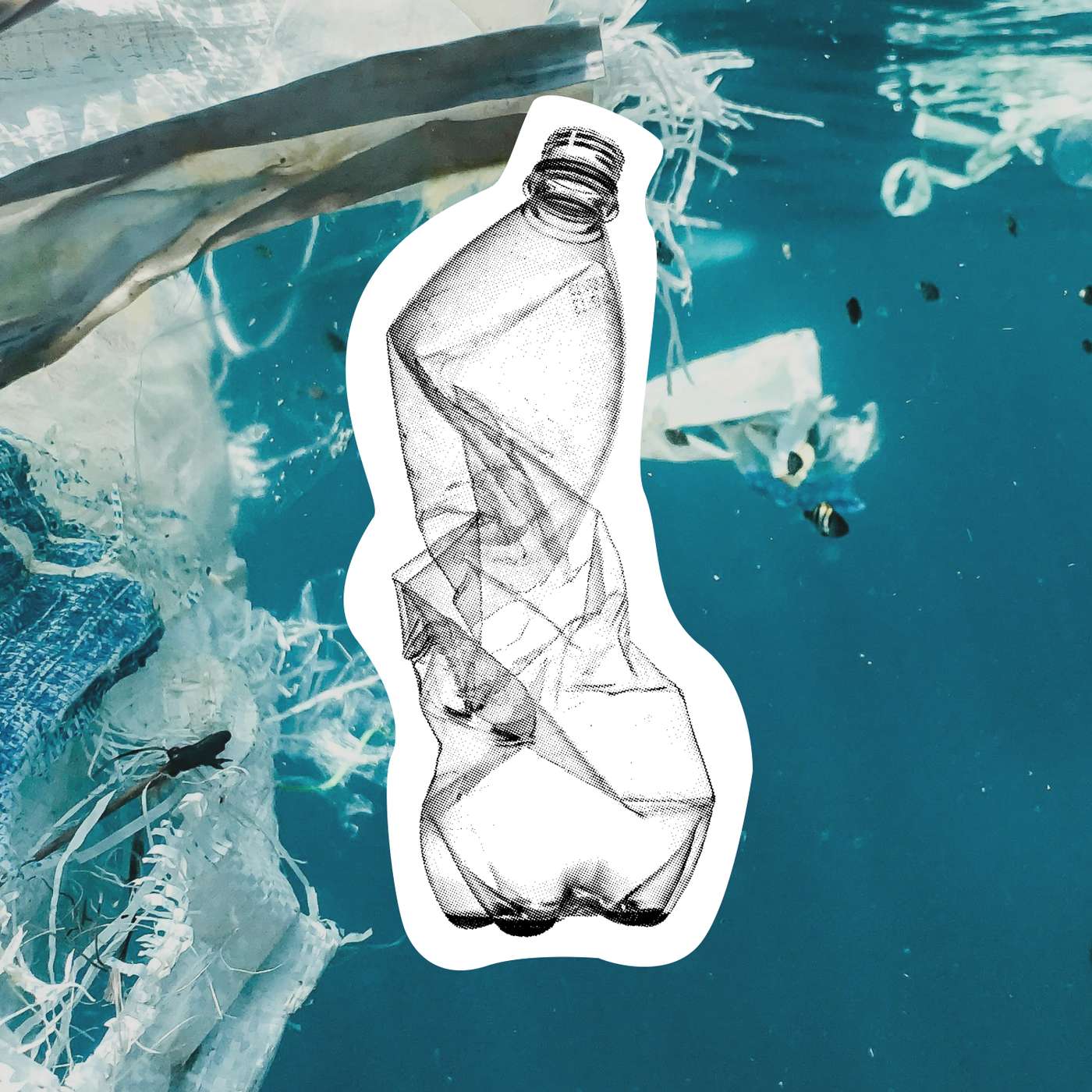
Microplastics seem to be everywhere, inside and outside our bodies. These micro and nano particles are shedding from our clothes, our tires, food packaging — basically anywhere there's plastic. People, animals, and plants are consuming these microplastics, thereby complicating the issue and contributing to health problems. But what health issues? And how do we avoid them? The science is still a work in progress, but today, we're finding out what we know so far. We’re going to find out from an actual scientist what we know and don’t know about the health implications of microplastics and what we can do about it. And we’re going to try our best to find our way to a place of understanding without complete overwhelm. 🌎 See photos of our contributors and find further reading in the full show notes and citations. Here's the MPI paper Barbro shared!📱 To join the Commons community, download the app.📷 Follow Second Nature on Instagram.Episode CreditsListener contributions: Kylie Kovatch, Artie Sadahiro, Nicole Collins, Parisa Golchoubian, Brian StancheskiEpisode expert: Prof. Dr. Barbro MelgertEditing and engineer: Evan GoodchildHosting and production: Katelan Cunningham

NOTE: An early version of this audio has an error around 4:50. If you hear that error, it's likely because your podcast player downloaded the first version. Please re-download the episode to hear the correct version! And forgive us, as we're merely human beans 🫘 . Is climate news stressing you out? Same. We're experiencing funding cuts to environmental agencies, while climate disasters like heatwaves and storms persist, and wildlife and environmental protections are at risk. It's a tough time to be an environmentalist, and all this stress and sadness can lead to climate anxiety (aka eco-anxiety).If you've felt anxious about the state of our climate, you're not alone. We thought it was a perfect time to bring back this episode from last season, where we hear from you our listeners, to hear various ways to cope with climate anxiety through nature, community, and gratitude.If you're looking for more resources to help with climate anxiety, we highly recommend this list from the team at All We Can Save.🌎 For photos of our contributors and further reading, check the full show notes.📞 We'd love to hear from you! Submit to the show.📱 To join the Commons community, download the app.📷 Follow Second Nature on Instagram.Episode CreditsListener contributions: Adyasha, Artie Sadahiro, Camille, Liv, Natalie Pullen, Nick Blocha, Savannah VizeEditing and engineering: Evan GoodchildHosting and production: Katelan Cunningham

🔗 TAKE ACTION: Stop State AI Regulation Ban in the "One Big Beautiful Bill" ActWhen you ask ChatGPT to write a cover letter, make your grocery list, or edit an image, what's actually happening in the real world? As AI gets bigger by the day, it's requiring more and more energy, water, and land in communities around the world. Tech companies are investing billions of dollars in data centers and technologies to power AI, but are they also investing in sustainable and equitable resources to keep it going?Today, we’re going to take a step back from the chatbots to understand the true impact of AI, how we’re tracking and regulating that impact, and we’ll find out what it will take to build a sustainable future for AI with Shalolei Ren — associate professor of electrical and computer engineering at the University of California Riverside whose work focuses on AI for good. 🌎 See photos of our contributors and find further reading in the full show notes.📱 To join the Commons community, download the app.📷 Follow Second Nature on Instagram.Episode CreditsListener contributions: Kylie Kovatch, Artie Sadahiro, Nicole Collins, Parisa Golchoubian, Brian StancheskiEpisode expert: Shaolei RenEditing and engineer: Evan GoodchildHosting and production: Katelan Cunningham
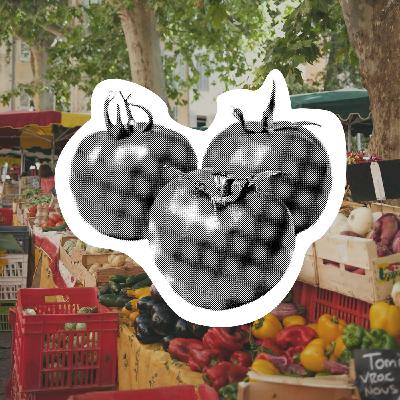
Farmers market season is upon us! As we've started seeing spring crops here at markets in the Northern Hemisphere, we're thinking about the power of locally grown food. As our food supply chains have gone global — we’ve gained more access to nutritious foods in areas where they may be hard to grow — but we’ve lost touch with seasonality and the source of our food. And we’ve lost touch with plenty of foods altogether. Locally grown food not only gives us more nutrients, but done right, it can bring biodiversity to local land, build climate resilience, and even offer diversity and economic resilience in our communities.Today we're reconnecting to local food through our global community, learning more about how our food system favors big agriculture, and with connecting the dots between food justice and equity Tagan Engel — a chef, food justice organizer and host of the podcast/radio show Table Underground. 🌎 See photos of our contributors and find further reading in the full show notes: www.thecommons.earth/episode/6-connection-and-resilience-through-local-food📱 To join the Commons community, download the app: https://www.thecommons.earth/second-nature📷 Follow Second Nature on Instagram @secondnatureearthEpisode CreditsListener contributions: Elizabeth, Stella, Joao Vilca Soto, Lin Diaz Maceo, Airlea Rasul, JessikaEpisode expert: Tagan EngelEditing and engineering: Evan GoodchildHosting and production: Katelan Cunningham
Microplastics are seemingly everywhere, even our clothes. From production through wash days, synthetic fabrics are shedding microplastics into the air and water. It's a big issue that's going to take shifts from manufacturing to our own homes, and we wanted to start tackling this big discussion with the help of our friends at the podcast, Conscious Chatter. Earlier this year, host Kestrel Jenkins spoke with Dana Zhaxylykova. Dana is an environmental scientist and microplastics researcher, who's originally from Kazakhstan and currently based in Germany. She uses Instagram to share practical and actionable tips about microplastics through a scientific lens.👖 Hear more from Kestrel and Conscious Chatter here.📷 Follow Conscious Chatter on Instagram.📱 To join the Commons community, download the app.📷 Follow Second Nature on Instagram.
(00:00) - Tempo: 120.0
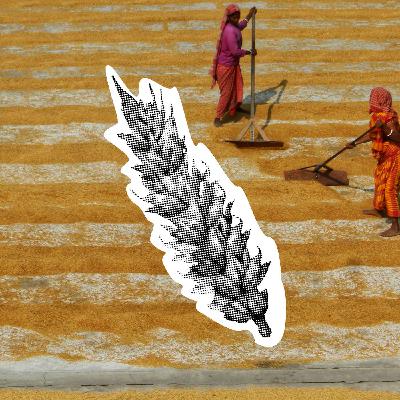
The climate crisis has a way of making hard things even harder — and that includes gender disparities. From their professional lives to their personal lives, climate change has left many women vastly under-resourced and at risk, all while taking on the heavy toll of caring for their families and communities through climate mitigation and resilience. In this episode, we hear how the climate gender gap is affecting our community, talk to WOCAN founder Jeannette Gurung about how women continue to work through vast climate inequities around the world, and we hear from Commons' founder and CEO Sanchali Seth Pal about how health disparities women face as a result of climate disaster. 🌎 See photos of our contributors and find further reading in the full show notes.📱 To join the Commons community, download the app.📷 Follow Second Nature on Instagram.Episode CreditsListener contributions: Aliya Hirji, Lin Diaz Maceo, Nicole Collins, Sobia Zaidi Episode expert: Jeannette GurungEditing and engineer: Evan GoodchildHosting and production: Katelan Cunningham
(00:00) - Introduction
(01:57) - How gender perceptions affect sustainable behavior
(04:50) - How our community experiences the climate gender gap
(10:50) - Interview with WOCAN founder, Jeannette Gurung
(25:21) - How climate change is disproportionately affecting women's health
(31:52) - Outro

Comments

Download from Google Play

Download from App Store
 United States