


 Claim Ownership
Thrive While Loving an Addict | Addiction | Sobriety | Recovery | Relapse
Subscribed: 46Played: 611
Subscribe

© Copyright 2025 Voices InCourage | All Rights Reserved | VoicesInCourage.com
Description
More than 50% of American families have a loved one or close relative who is an addict or alcoholic. Although there are ample resources to help these individuals recover, their families suffer, too. Parents, spouses, children, and friends need help navigating this unexpected, challenging disease.
Welcome to Thrive While Loving an Addict with KL Wells. She brings together loved ones and family members of addicts and alcoholics. Their insights and perspectives create a community of healing, connecting, and rebuilding.
While your addict may be working hard to make themselves better, you may feel left behind to face a different kind of battle. The negative stigma of having a loved one as an addict causes a lot of pain. How are you dealing with loneliness, fear, and shame? There are quick fixes for these difficult moments in your life. Now you can get real and raw advice from people who are walking and dealing with the path you’re on.
This podcast highlights the vulnerable and courageous voices of these families. Listen to real-life stories of people who have addicted loved ones, and discover how they addressed the hardships. Also, hear the experiences of recovering addicts that share what is, and isn't, working in their journey towards healing.
Gather useful tools and practical advice to alleviate your own journey by delving into these touching and inspiring stories. Contemplate what may not be working, and discover what it takes to face the challenges along the way. This podcast offers a safe platform for the loved ones of addicts. Rise to the challenge, and become a key player in being a part of this fresh community.
There are also episodes that will widen your knowledge about addiction recovery. Get educated by real life experiences of people who reveal their journey to help addicts and alcoholics jump back on their feet. In addition to breaking down their practice, they bring a glimmer of hope for what can be done for individuals who may have given up on themselves.
KL Wells is a community leader and influential speaker who led initiatives with senior executives, trustees, and board directors of various non-profit organizations. For more than twenty years, she focused on empowering leaders to create extraordinary human impact. Spending time with these people inspired her to do more, and start the company Voices InCourage.
Most importantly, KL understands how painful it is to have an addicted loved one. She was married to an alcoholic, her current partner is recovering from alcohol addiction, and her son is an active addict. The mission of this podcast is not just advocacy. It hits very close to home to KL. Her reflections as a wife and mother are something you should not miss.
Seeing your loved ones pulled down by drugs and alcohol is truly heartbreaking. As a result, you may feel miserable and isolated. You also have to deal with negative opinions from others, and it is up to you to fend for yourself. Nobody deserves to be treated this way. No one should go through this challenging episode of life alone.
This is what KL offers in this podcast: the strength to move forward and guidance to have the courage to change. If you have the courage to use your voice, you can become an inspiration for your friend, spouse, parent, or child as they overcome their addictive behavior. Ultimately, it’s about transforming the lives of loved ones from surviving to thriving in the midst of chaos.
Listen to Thrive While Loving an Addict with KL Wells at https://voicesincourage.com/podcast.
Welcome to Thrive While Loving an Addict with KL Wells. She brings together loved ones and family members of addicts and alcoholics. Their insights and perspectives create a community of healing, connecting, and rebuilding.
While your addict may be working hard to make themselves better, you may feel left behind to face a different kind of battle. The negative stigma of having a loved one as an addict causes a lot of pain. How are you dealing with loneliness, fear, and shame? There are quick fixes for these difficult moments in your life. Now you can get real and raw advice from people who are walking and dealing with the path you’re on.
This podcast highlights the vulnerable and courageous voices of these families. Listen to real-life stories of people who have addicted loved ones, and discover how they addressed the hardships. Also, hear the experiences of recovering addicts that share what is, and isn't, working in their journey towards healing.
Gather useful tools and practical advice to alleviate your own journey by delving into these touching and inspiring stories. Contemplate what may not be working, and discover what it takes to face the challenges along the way. This podcast offers a safe platform for the loved ones of addicts. Rise to the challenge, and become a key player in being a part of this fresh community.
There are also episodes that will widen your knowledge about addiction recovery. Get educated by real life experiences of people who reveal their journey to help addicts and alcoholics jump back on their feet. In addition to breaking down their practice, they bring a glimmer of hope for what can be done for individuals who may have given up on themselves.
KL Wells is a community leader and influential speaker who led initiatives with senior executives, trustees, and board directors of various non-profit organizations. For more than twenty years, she focused on empowering leaders to create extraordinary human impact. Spending time with these people inspired her to do more, and start the company Voices InCourage.
Most importantly, KL understands how painful it is to have an addicted loved one. She was married to an alcoholic, her current partner is recovering from alcohol addiction, and her son is an active addict. The mission of this podcast is not just advocacy. It hits very close to home to KL. Her reflections as a wife and mother are something you should not miss.
Seeing your loved ones pulled down by drugs and alcohol is truly heartbreaking. As a result, you may feel miserable and isolated. You also have to deal with negative opinions from others, and it is up to you to fend for yourself. Nobody deserves to be treated this way. No one should go through this challenging episode of life alone.
This is what KL offers in this podcast: the strength to move forward and guidance to have the courage to change. If you have the courage to use your voice, you can become an inspiration for your friend, spouse, parent, or child as they overcome their addictive behavior. Ultimately, it’s about transforming the lives of loved ones from surviving to thriving in the midst of chaos.
Listen to Thrive While Loving an Addict with KL Wells at https://voicesincourage.com/podcast.
93 Episodes
Reverse
Episode SummaryIn Part 2 of this compassionate conversation, host KL Wells continues her dialogue with Denise Frenette on what it truly means to heal while loving someone with addiction. Together, they explore how forgiveness, boundaries, and emotional honesty can exist without minimizing harm or excusing destructive behavior.Denise reflects on her own journey of reconciling love for her father with the reality of his addiction. She shares how releasing judgment, challenging secrecy, and choosing understanding over blame can help interrupt generational patterns of shame and inherited trauma. This episode centers the healing of the loved one, not as abandonment, but as a necessary step toward truth, freedom, and peace.Key Discussion PointsHolding love and truth at the same time when addiction has caused real harmWhat forgiveness is and what it is notMoving through anger, sadness, and grief without getting stuck in themReframing harm through the lens of “nothing is personal”Choosing moments of joy while a loved one continues to struggleWhy boundaries are essential to healing, including stepping back when neededHow secrecy and silence reinforce shame across generationsTelling the whole truth as a form of honoring, not betrayalSome Questions I AskHow can I love my father and still say, “This was wrong”?What does forgiveness really mean, and what are the most common misconceptions about it?How do we stop taking addictive behavior personally?Is it possible to experience joy while someone we love is suffering?When are boundaries necessary for healing, even if they feel painful?How do we move from anger to understanding without excusing harm?Why does humanizing the person who hurt us help set us free?How do we hold the full truth of our family story without rewriting it?In This Episode, You Will LearnWhy healing yourself is not abandonment, but responsibilityHow forgiveness can free you without minimizing harmWhy emotions are a pathway rather than a destinationHow boundaries support compassion rather than weaken itWays to challenge inherited shame without rewriting historyHow honesty can...
Episode SummaryIn this powerful episode, host KL Wells sits down with Denise Frenette, a Canadian spiritual synergist, life coach, and author of the newly released book, More. Denise opens up about the birthing process of her book and the profound realization that she could not teach others about manifestation and habit-breaking without first confronting her own origin story.Denise shares the raw reality of growing up with a father who was a functioning alcoholic, a gambler, and at times violent, all while maintaining the perfect family image in their community. Through the lens of her father’s passing and the subsequent discovery of the financial devastation he left behind, Denise discusses the difficult journey of moving from intellectual understanding to deep heart work. This conversation explores how to acknowledge the trauma of the past with grace, the duality of loving an addict while hating their actions, and why personal healing is the essential portal to breaking generational cycles of shame.Key Discussion PointsThe Acknowledge Phase: Why Denise had to move past denial to respectfully acknowledge what was wrong in her childhood before she could truly heal.The Facade of Perfection: Growing up in a church-going, perfect family and the immense shame associated with any behavior that threatened that public image.The Duality of Love and Pain: Navigating the conundrum of how to acknowledge a parent's harmful behavior without losing the ability to love them.The Breaking Point: How her father’s death and the discovery of his hidden gambling debts acted as the drop in the bucket that forced Denise to step into her authentic self.Fear as an Acronym: Exploring the concept of F.E.A.R. (False Evidence Appearing Real) and how it keeps us from transparency.The Evolution of Healing: Understanding that healing is not a one-and-done event but an ongoing discovery process.Some Questions I AskHow can I acknowledge what is going on and still love them at the same time?Was that curiosity about your dad's upbringing born in that experience?Do you think the curiosity and the willingness to step into discovery is the first step in breaking generational cycles?What was the portal or the moment that cracked you wide open to explore the gifts and lessons embedded in this experience?In This Episode, You Will LearnWhy intellectualizing your trauma is not the same as healing your heart.The importance of viewing the boy behind the man to understand the roots of addiction and behavior.How to transition from anger to sadness and finally to curiosity and discovery.Why anger is...
In this deeply moving and honest episode, host KL Wells is joined by Jim Horton, a father who tragically lost his 19-year-old son, Zach, to an opiate addiction. Recorded during the holiday season, a particularly challenging time for many, this conversation offers a raw and authentic look at the rollercoaster ride of grief. Jim shares his personal story, from the initial shock and all-consuming pain to his journey of healing and finding new purpose. He and KL explore the paralyzing stigma of addiction, the complexities of the recovery landscape, and the critical need for community for both those struggling with addiction and the families who love them.This episode is a powerful testament to the long, non-linear path of grief and a beacon of hope for anyone feeling lost in the darkness of loss.Key Discussion PointsThe profound impact of stigma and how it prevents families from seeking and receiving help.Understanding that the recovery landscape is wide and looks different for teenagers versus adults.The family's parallel journey of recovery and the importance of their own healing.Navigating the intense, unpredictable emotions of grief, especially during the holidays.The distinction between sobriety as simple abstinence and recovery as an active, ongoing journey toward a better life.Finding purpose and a path forward through service and contribution after a devastating loss.The power of community and why no one should have to walk this path alone.Some Questions I AskHow can we shift our perspective to see relapse not as a total failure, but as part of a longer recovery journey?What are the first steps a parent can take when they feel paralyzed by their child's addiction?How do we navigate the shoulds and self-blame that often accompany loving someone with an addiction?For those deep in grief, what does the path toward finding moments of peace or even joy look like?In This Episode, You Will LearnWhy treating addiction as a disease, not a moral failing, is crucial for both the individual and their family.The importance of exploring city and county resources for addiction and recovery support, which are often overlooked.That grief is not a linear process; it is a rollercoaster with ups and downs, and it is okay to not be okay.Practical strategies to interrupt negative thought patterns and head trash when you feel yourself spiraling.That your own recovery journey as a loved one is just as important as the person's journey with addiction.There is hope for finding light and purpose again, even after the most profound loss.Links and Resources: The Zachary Horton FoundationLearn more about Jim’s work to end the stigma of addiction, spread awareness, and support individuals and families in his community.🌐 https://zacharyhortonfoundation.org/ zacharyhortonfoundation.orgThrive While Loving an Addict (Podcast & Community)Listen to the Thrive While Loving an Addict podcast by KL Wells and find community support for parents and loved ones of those struggling with addiction.📍 https://voicesincourage.com/podcast County Mental Health and Addiction ServicesAs mentioned in the episode, a critical and often underutilized resource. To find support near you, search for:🔎 "[Your County] mental...
In this episode, host KL Wells welcomes Pamela Tosh, an energy healer and yoga teacher joining us from Cape Town, South Africa. Pamela shares her incredible story of resilience and transformation, from a childhood marked by emotional abuse and early struggles with addiction to a profound spiritual awakening in the Himalayas. She recounts how her journey to India for yoga teacher training became the turning point that allowed her to release stored trauma, break the cycle of addiction, and find her true purpose.Join us for a powerful conversation about the limitations of conventional rehab, the healing power of spiritual connection, and how a life dedicated to service can lead to your own liberation. Pamela’s story is a testament to the fact that it is never too late to rewrite your script and create a life of authenticity, purpose, and joy.Key Discussion PointsPamela’s story of origin, growing up in an environment of emotional abuse and alcohol dependency in South Africa.The powerful, life-altering journey to India that sparked a deep spiritual awakening and healing from trauma.The concept of being addicted to a "3D reality" and how to break free from societal conditioning.Karma Yoga, or meditation in action, and how serving her community became a cornerstone of her recovery.The critical need for sustainable, holistic, and long-term approaches to addiction recovery.How to practice emotional detachment to find peace and stillness, even in the midst of chaos.Some Questions I AskWould you please give our listeners a window into your story of origin?Did you step away from addiction when you got pregnant?Talk about your first journey to India. Was that an experience of awakening for you?How do you describe your formula for thriving?In This Episode, You Will LearnThe limitations of short-term rehabilitation programs and the importance of creating a sustainable, long-term healing plan.How stored trauma and emotions manifest physically in the body and how practices like yoga can help release them.The concept of Karma Yoga and how selfless service can be a powerful tool for healing and finding purpose.Techniques for practicing emotional detachment and finding inner peace, even when surrounded by chaos.The importance of withdrawing the senses to move past physical attachments and connect more deeply with your spiritual self.Why telling your truth is a fundamental practice for living an authentic life and breaking free from toxic relationship patterns.How to find daily excitement and inspiration to...
In this powerful episode, host KL Wells welcomes the extraordinary Mike Pierce, also known as "Antarctic Mike." Mike shares his incredible life story, from conquering the Antarctic Ice Marathon to navigating the profound challenges of his late wife Angela's 36-year battle with chronic pain and opioid addiction. This episode is a testament to the resilience of the human spirit, offering a raw and honest look at the parallel journey of loving someone through addiction and loss. Mike's story is one of turning pain into purpose, finding strength in the darkest of times, and learning to embrace life's most difficult moments as opportunities for growth and connection.Antarctic Who?Mike Pierce, better known as Antarctic Mike, works with organizations that want to find, engage and keep the best performing people. Mike’s background professionally started in the recruiting business in 1997, working specifically to show managers and leaders exactly how to identify and recruit the best people. He now speaks across the US and Canada to executive teams, organizations, associations and sales teams about how to lead people so they are fully engaged in what they do.Mike is an avid fan of polar expedition history and is an endurance athlete. In 2006, Mike became one of 9 people to run the first ever Antarctic Ice Marathon and a year later became the first American to run the Antarctic 100k, a grueling 62 miles on an ice shelf 600 miles from the South Pole.His flagship program, Leading at 90 Below Zero, connects the drivers and principles of Antarctic expedition history stories to the real world of finding, engaging and keeping great people in today’s business world.Mike has a BA from the University of Colorado, Boulder, and resides in Encinitas, California.Key Discussion Points• Mike's journey to Antarctica and how it prepared him for life's greatest challenges.• Angela's battle with chronic pain and subsequent opioid addiction.• The family's journey through the cycles of addiction, recovery, and relapse.• The emotional and psychological toll on the caregiver in a relationship with an addict.• The power of mindset and perspective in navigating trauma and loss.• The importance of letting go and embracing the present moment.• Finding hope and new beginnings after profound loss.Some Questions I Ask• How did you navigate holding the space for her suffering?• What are the gifts and lessons embedded in this experience for you?• How do you reconcile the difference between quitting and surrendering?In This Episode, You Will Learn• How to find strength and resilience in the face of overwhelming adversity.• The importance of viewing difficulty as a teacher and an opportunity for growth.• How to support a loved one through addiction while also caring for your own well-being.• The power of letting go of resistance and embracing the present moment.• How to find hope and purpose after the loss of a loved one.• That pain is inevitable, but suffering is a choice.ResourcesConnect with Mike Pierce: You can find more about Mike's incredible story, his speaking engagements, and his book by searching for "Antarctic Mike" on Google. You can also find his TED Talk on YouTube.Social LinksLinkedIn: https://www.linkedin.com/in/antarcticmike/Facebook: https://www.facebook.com/Antarctic-Mike-Speaks-1617958015119843/YouTube: https://www.youtube.com/user/AntarcticMike/TED Talk: a...
In this powerful and deeply personal episode, host KL Wells sits down with fellow podcaster Krista Zaft to explore the generational cycles of addiction and the profound healing that comes from breaking them. Krista shares her story of growing up with an alcoholic father, unconsciously repeating familiar patterns in her own marriage, and facing one of the biggest challenges of her life: her son's addiction.This conversation is a candid look at how childhood trauma shapes our adult lives, leading to traits like perfectionism, codependency, and a need for control. Krista walks us through her pivotal "awakening" moments—first, as a young mother confronting her own anger, and later, as she stepped onto a path of parallel recovery alongside her son. Together, KL and Krista unravel the isolating nature of shame and illuminate the life-changing power of community, personal responsibility, and finding hope in the midst of chaos. Key Discussion PointsHow childhood chaos can lead us to unconsciously recreate similar dynamics in our adult relationshipsThe profound impact of family tragedy on the cycle of addictionKrista’s "awakening" moment with her daughter that led her to seek therapy for the first timeNavigating a child’s addiction and the journey of organizing a family interventionThe concept of parallel recovery and the importance of doing your own healing work alongside your loved oneThe isolating role of shame for parents of addicts and the power of community supportUnderstanding the traits of Adult Children of Alcoholics (ACOA) and how these patterns show up in adulthood👤 About Our Guest: Krista ZaftKrista Zaft is a clarity and confidence coach, speaker, and host of the Becoming Sound podcast. Her work is rooted in helping women heal from the ripple effects of generational addiction and create lives grounded in authenticity, mental clarity, and emotional well-being. With a background shaped by personal experience, Krista’s voice is a guiding light for those navigating the messy middle of recovery and transformation.Her podcast, Becoming Sound, is a space for raw, unfiltered conversations about life after dysfunction and the journey toward healing in mind, body, and spirit.🔗 Follow Krista and Learn More🌐 Website: kristazaft.com🎧 Podcast on Apple: Becoming Sound🎧 Podcast on Spotify: Becoming Sound📺 YouTube: @kristazaft📸 Instagram: @zaftkrista📩 Email: krista@kristazaft.com
In this deeply moving episode, host KL Wells is joined by Dr. Janelle Martin, a functional medicine doctor and counselor from Houston. Dr. Martin shares the raw and transformative story of her daughter's journey through addiction and her own parallel path to recovery. She opens up about the hidden family traumas—divorce, parental alienation, and abuse—that served as the backdrop for her daughter's substance use, which began as a way to numb immense pain. Dr. Martin recounts the heart-wrenching moment of discovery, the difficult decisions that followed, and the critical importance of finding the right support for both her daughter and herself. This conversation is a powerful testament to the strength found in community, the healing that comes from vulnerability, and the profound truth that a parent's recovery is a crucial, independent journey that can change everything.Key Discussion PointsThe profound impact of childhood trauma, divorce, and parental alienation on a child's vulnerability to addiction.The slow, painful, and often-denied process of a parent realizing their child is using drugs.The crisis point that forces a parent to set firm boundaries and seek external help.Navigating the overwhelming process of finding an effective treatment program for an adolescent.The life-changing discovery of community and the critical role of parent support groups.How the 12-step program became a transformative gift for a parent, helping her heal and grow.The process of rebuilding a mother-daughter relationship from the ground up through honesty, vulnerability, and shared recovery.The journey of co-authoring a book, Losing Her, Finding Us, to share both the mother's and daughter's perspectives.Some Questions I Ask:When did the light bulb go off for you that you had your own recovery in this?Can you tell us about how your book, co-authored with your daughter, came to be?What are the top non-negotiable things you do to take care of yourself?In This Episode, You Will LearnHow hidden family trauma can be a significant root cause of addiction.Why a parent's own recovery journey is essential, regardless of their child's choices.That finding a community of peers is "mission critical" for parents navigating a child's addiction.How the 12-step process can be a powerful tool for personal transformation for anyone.That it is possible to rebuild a deep, meaningful relationship with a child in recovery.The power of sharing your story to break through shame and offer a lifeline to others.ResourcesGuest Website & Book: Learn more about Dr. Janelle Martin and her daughter's story, and order their book, Losing Her, Finding Us: A Mother’s Fight, A Daughter’s Journey, and The Road to Recovery, at ourbeautifulrecovery.comDr. Martin's Practice: Discover the work Dr. Martin does with brain health and neurofeedback at the TMC Brain Health Center in Houston: tmcbrainhealthcenter.comCommunity Support: Find a local meeting for support and connection:Al-Anon Family GroupsParents of Addicted Loved Ones (PAL)
In this powerful and deeply personal episode of Thrive While Loving an Addict, host KL Wells welcomes author and cycle-breaker Wendy B. Correa to discuss her extraordinary journey from childhood trauma to profound healing.Wendy shares the genesis of her complex PTSD and anxiety, starting with the traumatic death of her father and the subsequent years spent walking on eggshells with an alcoholic and violent stepfather. She details how she intuitively sought out healing modalities—from nature and Buddhism to 12-step programs and Native American spirituality—long before modern science validated their effectiveness.This conversation is an honest exploration of intergenerational trauma, the biological impact of Adverse Childhood Experiences (ACEs), and the courage it takes to rewrite your own story. Wendy introduces her forthcoming memoir, My Pretty Baby (releasing November 4th), which serves as both an “autopsy” of her family’s dysfunction and a guidebook for others seeking to end the cycle of trauma. This episode is a beacon of light, emphasizing that healing is not only possible but contagious.Key Discussion PointsThe profound trauma of parental loss in childhood and the lack of emotional support in the 1960sGrowing up with a Jekyll and Hyde alcoholic stepfather, leading to hypervigilance and complex PTSDThe realization that family dysfunction is often layered with intergenerational trauma, addiction, and mental health issuesWendy’s intuitive search for healing through nature, Zen meditation, Buddhism, music, 12-step programs, and Native American spirituality (sweat lodges and vision quests)The scientific understanding that trauma is not just an external event, but a biological change that "rewires our biology" and causes the body to "keep score"Trauma as a public health issue, with 61% of adults having at least one Adverse Childhood Experience (ACE) and the correlation between high ACE scores and decreased life expectancyThe power of community and "safe connection" as a form of medicine for the brainThe critical difference between forgiveness (for the forgiver) and reconciliation, and the necessity of strong boundaries or even estrangement for survivalSome Questions I AskWhat was the turning point when you realized your trauma wasn’t your fault?How did you begin exploring healing modalities before they were mainstream?What role did nature and spiritual practices play in your journey?How do you define forgiveness in the context of trauma and family?What do you hope readers take away from My Pretty Baby?✅ In This Episode, You Will LearnHow early childhood trauma can shape one’s identity and relationshipsThe biological impacts of trauma and how healing rewires the nervous systemPractical tools for reclaiming your voice, body, and boundariesWhy healing is possible at any stage of life—and how one person’s healing can ripple out to othersThe importance of community and safe connection in overcoming generational patterns👤 About the Guest: Wendy B. CorreaWendy B. Correa is a writer, yogi, hiker, and licensed massage therapist. She has worked in film, television, multimedia, and music in Los Angeles, and later as a radio DJ in Aspen, Colorado. Wendy holds bachelor’s degrees in psychology and theater arts and has contributed articles to Mothering magazine.A devoted wife and mother, she currently resides in Denver, Colorado, and enjoys traveling to magical destinations with her family. My Pretty Baby is her debut memoir, releasing November 4th.📧 For more information, visit a...
In this episode of Thrive, host KL Wells sits down with Ian Vassilaros—a licensed therapist, business consultant, and coach—to explore the destructive power of shame and its hidden role in addiction and disconnection. Ian shares his professional journey into the heart of shame, unpacking how this often-overlooked emotion corrodes self-worth and drives human suffering.Listeners will learn the critical distinction between guilt and shame—how guilt can inspire integrity-driven action, while shame depletes hope by attacking the self. Ian also explains how trauma and shame become interlinked, shaping limiting beliefs like "I'm unlovable" or "I deserve pain." Most importantly, this conversation reveals practical, empowering tools for "deshaming" shame—opening a path to healing, growth, and connection.Key Discussion PointsThe concept of “seeing people as objects” and how it creates shame-based thinking.The crucial difference between guilt and shame—and why one motivates while the other debilitates.Guilt as a signal of misalignment with our values, and shame as an inherited lie about who we are.The connection between unresolved trauma and toxic shame narratives.How shame fuels addiction and self-destructive behavior patterns.The intense loneliness and isolation shame creates—and how sharing breaks that cycle.Techniques for recognizing shame-based thinking and developing self-compassion.How to support loved ones by breaking the silence around shame and offering presence instead of fixing.Some Questions I Ask:What drew you into exploring shame on such a deep level?How does shame differ from guilt in terms of our internal experience and behavior?In what ways does shame connect with trauma and addictive behavior?What does it actually mean to “deshame” shame?How can those who love someone in addiction begin to release their own shame?In This Episode, You Will Learn:How shame operates as a root cause of addiction, disconnection, and emotional paralysis.How to separate guilt (helpful) from shame (harmful) and reframe painful experiences.Why sharing your shame story with safe people can neutralize its power.The importance of self-awareness and internal dialogue in overcoming shame-based beliefs.How to become a more grounded support system for someone struggling with substance use.Why your struggles or mistakes do not define your worth—and how to reclaim your narrative.Resources & Links:Connect with Ian Vassilaros🌐 Website: learnmoveheal.com📩 Email: ian@learnmoveheal.com📘 Books Mentioned by IanLeadership and Self-Deception by The Arbinger InstituteThe Anatomy of Peace by The Arbinger InstituteBonds That Make Us Free by C. Terry Warner
In this powerful third installment of our series with KL Wells, host Steve Cary explores KL’s deeply personal 20-year journey of loving her son, Sam, through the grips of addiction. Timed with National Sobriety Month, this conversation includes a moving update on Sam’s recovery and a heartfelt message of hope he recently wrote.KL shares her emotional transformation—from trying to “fix” her son to healing herself and choosing to thrive despite the chaos. This shift not only saved her life, but also created the space for Sam’s recovery. Her story is a profound example of how pain can become purpose, and how one mother’s healing journey has now become a mission to help one million people thrive while loving someone with an addiction.🔑 Key Discussion Points:A Message of Hope: KL reads a recent post from Sam, now over two years sober, reflecting on his transformation from homelessness to a stable, fulfilling life.Parallel Journeys: The idea of simultaneous recovery—Sam’s from addiction and KL’s from the "mom code" of control and caretaking.From Surviving to Thriving: Why KL chose not to settle for surviving, and how she pursued a life of meaning and joy in the midst of struggle.Radical Self-Care: KL’s annual solo backpacking trips in the Beartooth Mountains, which became essential for her emotional recovery and renewal.Purpose in Pain: Seeing challenges not as punishment but as preparation for a greater mission.Agency and Power: The empowering reminder that we always have a choice, no matter the circumstances.Mission for a Million: KL’s bold vision to help one million people learn to thrive, shifting the narrative from heartbreak to hope.❓ Some Questions I Ask:What does National Sobriety Month mean to you right now, with where you and Sam are in your journey?How did you first glimpse a different path for yourself—beyond just surviving?At what point in the 20-year journey did you realize you didn’t want to be hijacked by your son’s addiction anymore?When you imagine one million people thriving, what does that vision look like to you?🎧 In This Episode, You Will Learn:The key differences between surviving and thriving while loving someone with an addiction.Why prioritizing your own well-being can positively impact your loved one’s recovery.How to shift your mindset to find the lessons and meaning in your struggle.The power of choice and agency, even when life feels out of control.How stories of hope and thriving can spark your own transformation.Why normalizing thriving stories is critical to changing the collective experience of families affected by addiction.📚 Resources Mentioned KL Wells’ TEDx Talk – How My Family Learned to Navigate Addiction🎥 Watch on YouTubeBALM Family Recovery (Be A Loving Mirror) by Beverly A. Buncher🌐 BALM Family Recovery official site📖 Book: BALM: The Loving Path to Family Recovery on Amazon📣 Connect with KL Wells:If you're struggling and...
In this powerful and deeply personal episode of Voices InCourage: Thrive While Loving an Addict, host KL Wells sits down with Amanda Bourque—certified addiction recovery coach and author of Living in My Sister's Shadow. Amanda opens up about her harrowing experience as the sister of an addict, navigating the emotional turmoil of watching her younger sister Jenna battle heroin and fentanyl addiction. Through heartbreak, sleepless nights, and relentless efforts to "save" her sister, Amanda ultimately faced the devastating loss of Jenna—and in the process, found a new mission to help other families heal.This episode offers a raw look at the emotional toll addiction takes on families and the path toward reclaiming one’s identity and purpose through grief, resilience, and service.Key Discussion Points:Growing up in an abusive household and how early trauma laid the groundwork for addiction.Amanda’s emotional rollercoaster: disbelief, anger, desperation, and deep personal sacrifice.Enabling behavior from within the family and how it fueled the addiction cycle.The moment Amanda realized she had completely lost herself in her sister’s chaos.Grieving a sibling lost to overdose and the complexity of unresolved pain.The journey from heartbreak to healing and becoming a recovery coach.Why families must stop trying to “rescue” and start focusing on healthy boundaries.Reclaiming your life while still holding love for someone struggling with addiction.The importance of honest conversation, education, and community for families impacted by substance use. Some Questions I Ask Amanda:“Before this, you had never been exposed to addiction?”“You gave your sister about two minutes to tell your mom?”“In the midst of all this craziness, were you learning about the disease?”“How long did you stay in the fight before you chose to step back?”“And how does it feel now, on the other side of her passing?”“What led you to turn your grief into purpose through coaching and advocacy?”“Have you heard of the organization, The Phoenix?” In This Episode, You Will Learn:The emotional and psychological impact addiction has on siblings.How dysfunctional family systems often unknowingly perpetuate addiction.Why setting boundaries is not abandonment—but an act of self-preservation.How grief can become a catalyst for powerful transformation.The concept of “being addicted to rescue” and how to break the cycle.The healing power of storytelling, coaching, and serving others.How community-based support and sober events can foster connection and recovery.Resources & Links:Amanda’s Memoir: Living in My Sister's Shadow 📚 Available on AmazonAmanda’s Website: 🌐 soberandbeyond.comContact Amanda: 📩 amanda@soberandbeyond.comCommunity Highlight – New Form (formerly The Phoenix): 🌟 Offers free sober community events to support individuals in recovery and their families.Connect & Share:If Amanda’s story resonated with you, please share this episode with someone navigating addiction in their family. You are not alone—there is support, hope, and healing available.🧡 Thank you for listening. Your story matters. Let’s keep breaking the silence and building bridges to...
Episode Summary:In this insightful episode, host KL Wells sits down with Dr. Amy Swift, Deputy Chief Medical Officer at Silver Hill Hospital in New Canaan, Connecticut. A leading addiction specialist, Dr. Swift brings a holistic approach to mental health, addiction, and trauma care. Together, they discuss the realities of addiction treatment, the critical role of families, and how emerging approaches—including medication-assisted treatment—are transforming lives. Dr. Swift offers hope and practical guidance, emphasizing destigmatization, early intervention, and the resilience needed for both individuals and their loved ones on the recovery journey.Key Discussion Points:Dr. Swift’s path into addiction medicine and her holistic care philosophyWhy early family involvement is essential to treatment successThe emotional toll of addiction on families—and how to support themPsychoeducation: helping families understand addiction as a lifelong conditionThe importance of self-care and boundary-setting for loved onesDestigmatizing medications like buprenorphine in addiction recoveryEmerging trends in treatment, particularly for adolescentsAddressing trauma and shame for both individuals and familiesHow hope, resilience, and compassionate care shape the recovery journeyPractical advice for families seeking quality help and resourcesSome Questions I Ask:What inspired you to pursue addiction medicine?Have you had personal or family experiences that shaped your work?What do you wish you had known at the start of your career?How do families typically enter treatment, and what challenges do they face?What are the first steps for families to move forward together?How can families maintain their own well-being while supporting a loved one?What are the most promising trends in addiction treatment right now?How do you approach pain management for those with a history of addiction?What advice would you give to families who feel hopeless or overwhelmed?In This Episode, You Will Learn:Why family involvement is a cornerstone of effective addiction treatmentHow to navigate the emotional landscape of loving someone with substance use disorderThe importance of realistic expectations and psychoeducation for familiesPractical self-care strategies for parents, partners, and loved onesWhy medications like buprenorphine can save lives—and why they should be destigmatizedHow trauma and shame affect recovery—and ways to address themThe importance of hope and resilience, even in the face of setbacksHow to find quality treatment centers and advocate for comprehensive careResources:🌐 Silver Hill Hospital: silverhillhospital.orgFor information, support, or admissions, contact Dr. Amy Swift at aswift@silverhillhospital.org👩⚕️ Guest Bio:Dr. Amy Swift serves as the Deputy Chief Medical Officer at Silver Hill Hospital, where she specializes in addiction psychiatry with a holistic focus on mental health, trauma, and recovery.📚 Community Support & Education:Pleasure Unwoven by Dr. Kevin McCauley – A powerful resource for understanding the brain and addictionSilver Hill Hospital Family Support – Help...
In this powerful episode, host KL Wells sits down with Leslie Johansen Nack—award-winning author and advocate—as she prepares to launch her third book on addiction and recovery. Leslie opens up about her deeply personal journey, from a childhood marked by abuse and family dysfunction to overcoming addiction and creating a life rooted in purpose and advocacy. Together, they explore the importance of breaking the silence around addiction, the courage it takes to share one’s story, and the hope and healing that recovery makes possible.Key Discussion Points:Leslie’s early life: navigating a turbulent childhood shaped by parental addiction, mental illness, and abuseThe lasting impact of generational trauma—and what it takes to break destructive cyclesPivotal moments of awakening and self-empowerment during adolescenceThe spiral into addiction after profound loss and traumaThe miracles and turning points that led Leslie to choose recoveryThe role of writing and storytelling in her healing and advocacyBuilding a new life: education, sobriety, family, and giving backWhy self-discovery and personal growth remain a lifelong journeyThe power of community and shared stories to inspire hope and connectionSome Questions I Ask:What key moments from your childhood shaped your journey?When did you realize you needed to reclaim your life and create your own future?How did you find the strength to break free from addiction?Was there a miracle or turning point that helped you embrace recovery?How has writing your story contributed to your healing process?What message would you share with families watching a loved one struggle?How do you continue to find hope and purpose after so much adversity?In This Episode, You Will Learn:How generational trauma and family dynamics influence addiction and recoveryThe power of personal agency and the “inner voice” in overcoming adversityWhy storytelling matters for breaking the stigma around addictionPractical steps and resources that supported Leslie’s recovery journeyThe importance of therapy, self-reflection, and ongoing personal workHow to spot and celebrate resilience—even in moments of setback and lossWays to support a loved one in addiction while holding onto hopeResources:🌐 Leslie Johansen Nack’s Website: lesliejohansennack.comLearn more about Leslie, her books, and connect with her directly.📘 Pre-Order Leslie’s Upcoming Book:Available now via Amazon, Barnes & Noble, Bookshop, and more📲 Follow Leslie on Social Media:Find links to her Instagram & Facebook on her website for updates and inspiration.📚 Recommended Reading:Explore Leslie’s memoirs and books on recovery, trauma, and healingConnect, Share, and Support:If this episode resonated with you, share it with someone who needs hope. For more inspiring stories and resources, subscribe to the podcast and join our community of courageous changemakers.Thank you for listening. Your story matters. Together, we can break the silence and build a brighter future.
Host KL Wells welcomes Elicia Ybarra, founder of Pretty Hands Hard Punches, for a powerful conversation about resilience, healing, and empowerment. Drawing from her upbringing in a family affected by addiction, Elicia shares how martial arts became her refuge and ultimately her life’s passion. She opens up about navigating postpartum depression, ADHD, and trauma, and how therapy, boundary-setting, and self-education have been essential in her journey. Elicia’s work focuses on redefining self-defense for women, emphasizing the importance of boundaries, authenticity, and storytelling in healing from the impact of addiction.Key Discussion Points:Growing up in a household affected by addiction and chaosFinding safety and self-worth through martial artsThe challenges of boundary-setting in dysfunctional environmentsNavigating postpartum depression and seeking effective therapyThe impact of ADHD and trauma on personal growthThe importance of changing environments and support systemsRedefining self-defense beyond physical techniques to include emotional and mental boundariesThe role of authenticity and storytelling in healing and empowering othersSome Questions I Ask:What was your early childhood like, and how did you find your way out of that environment?How did martial arts become a refuge for you?What led you to seek therapy, and how did you find the right support?How did your experiences with postpartum depression and ADHD shape your healing journey?What are the foundational tools you use for managing trauma and triggers?How do you teach your students about boundaries and self-defense beyond the physical?What advice do you have for those loving someone with addiction?In This Episode, You Will Learn:How childhood experiences with addiction can shape self-worth and boundariesThe transformative power of martial arts as a tool for healing and empowermentPractical strategies for managing trauma, including EMDR and grounding techniquesWhy changing your environment can be critical to mental health recoveryThe importance of finding the right therapist and being intentional about healingHow to identify and set healthy boundaries in all areas of lifeThe value of authenticity and sharing your story to break cycles of isolationResources:Connect with Elicia Ybarra:Instagram & Social: @prettyhandshardpunchesWebsite: prettyhandshardpunches.comFree Resource:Download Elicia’s “Ideal U Worksheet” to help you define your boundaries and envision your empowered self. Get the worksheet here (Get it Free! Use promo code: IdealYou).Recommended Reading:The Body Keeps the Score by Bessel van der KolkPodcast Host:Learn more about KL Wells and the podcast at Voices InCourageReady to take back your power?Connect with Elicia, download your free worksheet, and start setting boundaries that honor your worth. If you found this episode meaningful, share it with someone who needs to hear they’re not alone.
In this episode of Thrive While Loving an Addict, host KL Wells welcomes Doug Ballinger—author, advocate, podcaster, and end-of-life doula. Doug shares his deeply personal journey after losing his son Logan to a fentanyl overdose. Through candid conversation, Doug discusses how grief propelled him into advocacy with the Hope Movement Coalition, his experiences with addiction and recovery, and his commitment to supporting others affected by substance use disorder. Doug’s story is one of transformation, compassion, and the power of community to heal and inspire change.Key Discussion Points:Doug’s personal journey through the loss of his son Logan to fentanyl overdoseThe impact of stigma and the importance of compassionate support for those affected by addictionThe physiological effects of opioids and the misconceptions about addiction as a choiceDoug’s involvement with the Hope Movement Coalition and the Bridge the Gap eventThe unique challenges men face in grieving and the need for male voices in advocacyThe role of community, fellowship, and support groups in the healing processDoug’s work as an end-of-life doula and his approach to self-care and resilienceThe significance of sharing stories to break down shame and foster understandingSome Questions I Ask:Can you share the doorway you walked through that led you to become a voice for change?What did you learn about yourself and your beliefs about addiction after Logan’s passing?How has your understanding of compassion evolved through your grief journey?What role has community played in your healing and advocacy work?How do men and women grieve differently, and what wisdom do you offer to other fathers?What self-care practices help you continue your work and maintain resilience?How can others connect with you, access your book, or join your community gatherings?In This Episode, You Will Learn:The transformative power of channeling grief into advocacy and purposeWhy addiction is not simply a matter of choice, but a complex disease with physiological rootsThe importance of breaking the stigma surrounding substance use disorderHow community and shared experience can be lifelines for those in griefPractical self-care strategies for those supporting loved ones with addictionThe value of vulnerability, authenticity, and compassion in healingHow to support and connect with others affected by addiction and lossResources:Doug Ballinger’s Website:🌐 logansvoice.com – Access Doug’s podcast, links to his book, and resources for support.Logan’s Voice Book:📚 Purchase in ebook, paperback, or hardback via AmazonPodcast Links:🎧 Available on Apple Podcasts, Spotify, Amazon Music, and iHeartRadioHope Movement Coalition:🌐 hopemovementcoalition.org – Learn more about advocacy, events, and support.Connect with Doug:💬 Facebook: Rex Logan’s Dad📧 Email:...
In this episode of Thrive While Loving an Addict, host KL Wells welcomes David Hampton, a certified professional recovery coach, author, and speaker from Tennessee. Drawing on his extensive experience in addiction recovery and family support, David joins KL for a candid conversation about the realities families face when a loved one struggles with substance use disorder. Together, they explore the complexities of recovery, the importance of understanding each individual’s story, and the vital need for personal growth and supportive systems. The episode focuses on practical wisdom for maintaining emotional well-being and boundaries while supporting loved ones through their journey.Key Discussion Points:The disruptive nature of sobriety and how it impacts the entire family systemShifting from “fixing” the addicted loved one to understanding everyone’s role in the family dynamicThe importance of hearing the individual’s story rather than viewing them as a problem to solveNavigating shame, stigma, and secrecy within families facing addictionThe concept of loving with boundaries versus “tough love”The emotional toll on loved ones and the necessity of self-care and personal joyRelapse as a part of the recovery journey and managing expectationsThe evolving nature of personal and family narratives around addiction and healingSome Questions I Ask:What do families often misunderstand about the recovery process?How can loved ones support someone in recovery without losing themselves?Why is it important to see the addicted person as a “story to be heard” rather than a problem to solve?How do shame and stigma affect families dealing with addiction?What does healthy support look like, and how can boundaries be established compassionately?How can loved ones maintain their own emotional well-being during a family member’s addiction journey?What role does personal growth play for both the addicted individual and their family?In This Episode, You Will Learn:Why sobriety is inherently disruptive to family systems and how to navigate this changeThe significance of understanding and validating each person’s unique experience in the recovery processPractical strategies for setting and maintaining healthy boundaries with loved ones in active addictionThe importance of self-care, joy, and permission to live fully—even amidst a loved one’s strugglesHow to reframe relapse as part of the recovery journey, not a failureWays to move beyond shame and secrecy to foster open, authentic family conversationsHow personal and family narratives around addiction can evolve over time, leading to healing and growthResources:David Hampton’s Books:Our Authentic Selves: Reflections on What We Believe and What We Wish We Believed – A 40-day reflection for those navigating faith and recovery.After the Miracle: Illusions Along the Path to Restoration – David’s personal journey through sobriety and family illness.Connect with David Hampton:David Hampton’s WebsitePositive Sobriety PodcastCommunity Support:
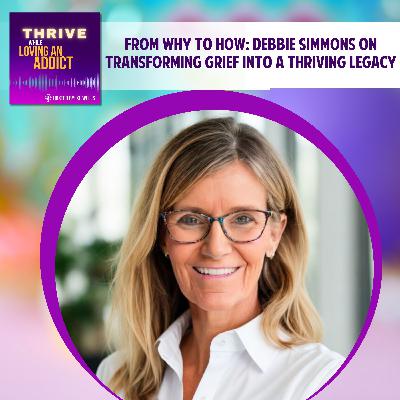
In this heartfelt episode of Thrive While Loving an Addict, host KL Wells sits down with Debbie Simmons—author, founder, and resilient mother of nine adopted children from the foster care system. Debbie shares her extraordinary journey through infertility, profound loss, and the challenges of raising children with traumatic backgrounds.Together, they explore the power of resilience, faith, and the vital role of community support. Debbie offers practical wisdom on parenting through adversity, maintaining hope, and the importance of personal healing as a foundation for helping others. This conversation is a testament to the courage it takes to love deeply—even in the midst of chaos.Key Discussion Points:Debbie’s early dreams of motherhood and her battle with infertilityThe heartbreak of losing quadruplets and the lessons learned through griefAdopting nine children from foster care and navigating trauma, addiction, and complex family dynamicsThe evolution from asking “Why me?” to “How do I survive and thrive?”The importance of faith and surrender in the face of unanswered questionsParenting strategies for children with trauma and addictionThe necessity of self-care, boundaries, and personal healing for parentsBuilding and relying on a supportive communityNavigating marital challenges and maintaining unity as parentsThe courage to ask for and receive helpSome Questions I Ask:What were the pivotal moments that shaped your journey as a mother and advocate?How did you find the strength to move forward after such profound loss?In the midst of your children’s struggles, how do you balance loving them and setting boundaries?What does it mean to “thrive” while loving a child in addiction or crisis?How do you and your husband stay united through such difficult parenting seasons?What advice do you have for parents who feel stuck in anger or grief?How can listeners begin to build a supportive community around themselves?What are the first steps to healing for parents and caregivers?In This Episode, You Will Learn:✅ How to transform grief and loss into a legacy of hope and healing✅ The power of shifting from “Why?” to “How?” in times of crisis✅ Practical tools for self-care and boundary-setting as a parent✅ Why personal healing is essential to supporting your children’s recovery✅ The importance of honest communication and truth-telling in parent-child relationships✅ How to recognize and manage your own emotional triggers (“shark water moments”)✅ Ways to cultivate resilience and maintain hope, even in the darkest times✅ The value of community and asking for help without shameResources & Links:📘 Connect with Debbie Simmons:thedebbiesimmons.com – Learn more about Debbie’s story, her book, and her ongoing work supporting families.📖 Debbie’s Book:The Heart of Legacy – Discover Debbie’s full journey and her guide to being faithful, focused, and fearless as you stand for your children.🤝 Community Support:Seek out local or online support groups for parents and caregivers navigating addiction, trauma, and loss.📚 Further Learning:Explore resources on resilience, trauma-informed parenting, and faith-based support for families in crisis.Ready to take the next best step?Visit thedebbiesimmons.com to connect with Debbie,...
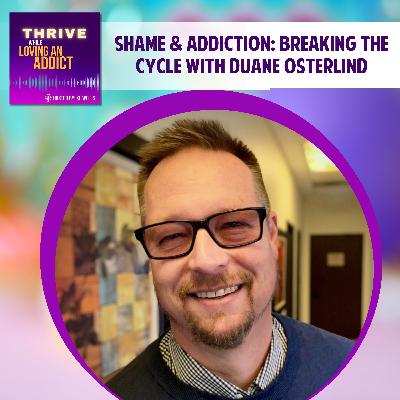
In this episode of Thrive While Loving an Addict, host KL Wells reconnects with Duane Osterlind, LMFT, founder of The Addicted Mind podcast and expert in addiction recovery and men's mental health.After four years since their last conversation, KL and Duane dive deep into their journeys—KL’s work in mental health and her TED Talk, and Duane’s transition from the film industry to psychology. Together, they explore the complex intersections of addiction, shame, and betrayal trauma, discussing how these issues affect individuals and families.Duane shares his expertise on the transformative power of addressing shame, the importance of resilience, and the role of supportive communities in healing.He also introduces the "Shame Compass," a tool for understanding and overcoming shame, and highlights his impactful work with men’s groups.Key Discussion Points:Duane’s personal journey from addiction as a teenager to becoming a therapistThe impact of shame, depression, and anxiety on addiction and recoveryTransitioning from the film industry to the mental health professionThe isolating effects of shame, especially among men, and the importance of vulnerabilityThe "Shame Compass" tool: understanding behavioral responses to shameThe role of supportive communities and group work in healing shame and addictionThe difference between healthy and toxic shameThe importance of self-compassion and resilience in recoveryHow trauma underlies addiction and the need for compassionate approachesSome Questions I Ask:What was the turning point that led you from the film industry to psychology?How did shame and anxiety influence your early experiences with addiction?Why do men tend to isolate when dealing with shame and addiction?Can you explain the "shame compass" and how it helps people in recovery?What are some practical steps for loved ones to move through their own shame?How can supportive communities help break the cycle of addiction and shame?What role does self-compassion play in healing from addiction and betrayal trauma?In This Episode, You Will Learn:How shame, addiction, and trauma are interconnected and impact familiesThe four behavioral responses to shame as outlined in the "shame compass"Why addressing shame is essential for addiction recovery and relationship healingThe value of vulnerability, especially for men, in building meaningful connectionsHow to identify and shift toxic shame into resilience and self-compassionPractical strategies for finding and building supportive communitiesThe importance of both internal and external work in breaking the cycle of shameResources:Duane Osterlind’s Bio & Contact:The Addicted Mind – About Duane OsterlindContact Duane OsterlindFree Resource:📘 Download Duane’s free eBook:The Shame Compass – theaddictedmind.com/shameKL Wells’ TED Talk:KL Wells on TEDxCommunity Support:Find support and community resources at Thrive While Loving an...
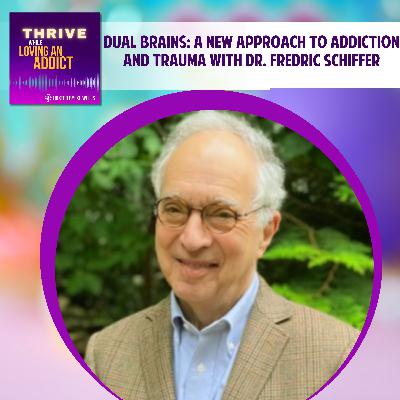
In this episode of Thrive While Loving an Addict, host KL Wells welcomes Dr. Fredric Schiffer, a Harvard-affiliated expert on trauma and addiction. Dr. Schiffer shares his fascinating work on dual brain psychology and its applications in treating various mental health issues, including trauma, anxiety, depression, PTSD, and addiction. He discusses his journey into this field, insights from his research on split-brain patients and lateral visual fields, and how understanding the two sides of the brain can impact both individuals struggling with addiction and their loved ones. The conversation also touches on ongoing studies, including promising research on fentanyl addiction using near-infrared light therapy.Key Discussion Points:Dr. Schiffer's personal and professional origin story leading to his work in psychiatry, trauma, and addiction.The observation of seemingly two different personalities or states in patients.Insights from split-brain studies and how different brain hemispheres process information and emotions.The concept of dual brain psychology in ordinary people and how lateral visual fields can stimulate different hemispheres.How trauma, particularly childhood trauma, contributes to addiction and feelings of inadequacy.The traumatic experience of loving someone struggling with addiction.Applying dual brain psychotherapy to treat the "troubled side" and strengthen the "healthy side."The idea of speaking to and supporting the healthy mind in both the individual with addiction and the loved one.Demonstration of the lateral vision technique to observe different emotional responses.Discussion of ongoing research, including a study on fentanyl addiction using near-infrared light therapy.The potential of stimulating the healthy mind through techniques like lateral vision and light therapy.Trauma as anything that cuts at one's worthiness or ability to stand in their power.The importance of recognizing and nurturing the healthy side for overall well-being and navigating challenging situations.Some Questions I Ask:So if you would start with, you know your kind of origin story. As to how did you get into this work?So question one is obviously in in the space of you know. My belief is that there's nobody walking around that hasn't experienced some sort of trauma... how this might have an impact in how we move from our own trauma and suffering to thriving in the midst of loving someone who's still in addiction, mode.And so what you've discovered and learned relative to dual brain psychology and the work that you're doing? How can that inform and influence people like myself, who are loving someone, whether it's a sibling or a brother, or, you know, a sister or a spouse, or, in my case, most dramatically for me, was my son.And so can you stack the healthy side of your brain, so that I mean because I think for me personally, I live most of the time in the resilient side of who I am...?Does that make sense?Well, and I I so here's the caveat is I've done a tremendous amount of work through the years. So does that have any impact in, you know what we just did.Wow, okay, so when does this study wrap up.In This Episode, You Will Learn:How early trauma can contribute to addiction and a cycle of re-traumatization.The concept that addiction can be an attempt to both repeat and relieve trauma.That the brain may house two distinct "minds" or states, one more troubled and one healthier.How stimulating different visual fields can access these different brain states and associated feelings.That even in active addiction, a healthy side may exist and can be accessed and strengthened.The power of a loved one's...
In this powerful episode, host KL Wells sits down with Jim Horton, who shares his transformative experience in Utah and opens up about his deeply personal journey through grief and addiction. Jim discusses the critical role of support systems in overcoming addiction, the evolving societal perceptions of cancer versus substance use disorder, and the unique challenges faced in recovery. Together, they highlight the importance of community, self-care, and fostering open, honest conversations about addiction to break the cycle and promote healing.Key Discussion Points:Jim’s transformative experience in Utah and its impact on his recovery journey.Navigating grief and addiction: personal stories and lessons learned.The importance of self-care for families and loved ones of those struggling with addiction.Shifting societal perceptions: comparing cancer and substance use disorder.The realities of relapse and recovery as part of the addiction journey.Setting healthy boundaries and supporting loved ones without enabling.The vital role of community and open dialogue in healing from addiction.Some Questions I Ask:What was the turning point in your journey with addiction and grief?How did your experience in Utah shape your perspective on recovery?In what ways can families best support themselves while supporting a loved one in addiction?Why do you think society views cancer and substance use disorder so differently?How do you separate the person you love from the disease of addiction?What practical steps can families take to maintain their own well-being during a loved one’s relapse?In This Episode, You Will Learn:✅ Why self-care is essential for anyone supporting a loved one through addiction.✅ How to set and maintain healthy boundaries without losing compassion.✅ The importance of recognizing relapse as a common part of recovery.✅ Strategies for emotional regulation and finding joy, even in difficult times.✅ How to distinguish between the person and the disease of addiction.✅ The value of community resources and ongoing education in the recovery process.Resources & Links:🌱 Voices InCourage Resource Page – Explore books, videos, and tools to support your journey.📖 The 5 Acts of Courage by KL Wells – Discover transformative strategies for navigating addiction and recovery.👪 12-Week Family Support Program – Access an on-demand, self-paced program designed to help families heal and grow.🎙️ Learn More About Jim Horton – (Insert link to Jim Horton’s bio or website if available)🤝 Join the Voices InCourage Community – Connect with others who understand and support your journey.Closing Call to Action:👉 Take care of yourself. Healing starts with you. If this episode resonated, please subscribe, rate, and review our podcast—it helps us reach more people seeking support and hope. 💙

Comments

Download from Google Play

Download from App Store
 United States