


 Claim Ownership
Fraud Forward
Subscribed: 9Played: 263
Subscribe

© Copyright 2026 Hailey Windham
Description
Fraud Forward is a banking-focused podcast bringing together fraud fighters, risk leaders, and financial crime experts to explore how fraud is evolving, and how financial institutions must adapt.
Each episode features practical, candid conversations with teams in the trenches, covering strategy, governance, prevention, and recovery. Rather than chasing headlines, Fraud Forward focuses on what’s working, what’s changing, and what fraud leaders need to prepare for as financial crime accelerates.
This is where banking comes together to challenge assumptions, pressure-test controls, and move fraud forward.
Each episode features practical, candid conversations with teams in the trenches, covering strategy, governance, prevention, and recovery. Rather than chasing headlines, Fraud Forward focuses on what’s working, what’s changing, and what fraud leaders need to prepare for as financial crime accelerates.
This is where banking comes together to challenge assumptions, pressure-test controls, and move fraud forward.
97 Episodes
Reverse
What’s up fraud fighters, and welcome to Fraud Forward! This episode is just me and you, and honestly, that felt right. Fraud Forward has always been about real conversations, but every once in a while, I think it matters to pause, zoom out, and talk peer to peer about where we’ve been, what I’ve been building, and where this work is going next. No guests. No panel. No polished back-and-forth. Just a real check-in on fraud prevention in banking and the decisions that are shaping what comes next.This episode matters because the questions in front of us are getting bigger, not smaller. We are no longer just talking about fraud trends in isolation. We are talking about AI in banking, payment authorization, customer dispute resolution in banks, real-time decisioning, and the governance problems sitting underneath all of it. If you work in fraud, risk, payments, compliance, or digital banking, you already know this is not a future-state conversation. It is here now.And that is really the core of this episode. Fraud prevention in banking is no longer just about identifying bad activity after the fact. It is about whether institutions can make better decisions earlier, with better context, better governance, and better alignment across teams. That is the shift. That is what I have been hearing in conference hallways, seeing in operator conversations, and building toward behind the scenes.I also wanted to make this episode personal because that matters too. I have sat in the practitioner seat. I know what it feels like to defend fraud losses in a boardroom, to get asked how your institution compares to peers, to explain why a rule fired, and to carry the pressure of making the right call with incomplete information. So when I talk about AI agents in banking, banking fraud detection, or responsible AI in banking, I am not talking from a distance. I am talking from the perspective of somebody who knows what it feels like when the operational reality hits the fraud desk first.Here is what that shift means in practice:We need to stop treating fraud as only a detection problem and start treating it as a governance and decisioning problem.We need better ways to evaluate customer authorization fraud, disputes, and real-time transaction risk before losses harden.We need clearer operator-level benchmarking so banks and credit unions can advocate for resources with facts, not guesswork.We need stronger collaboration across fraud, compliance, product, operations, and leadership because no one team can solve this alone.What you’ll hear in this episode:A look back at the biggest themes from recent Fraud Forward conversations, including AI, KYC, payment fraud, and systems-level risk.What I have been building behind the scenes to support fraud fighters with clearer signals, faster context, and more practical guidance.Why benchmarking has become one of the most important gaps to solve for community banks and credit unions.What I am seeing across conferences, operator conversations, and industry events right now.My take on why scams, chargebacks, first-party fraud, and regulation are all colliding in ways the industry can no longer ignore.You should listen to this episode if you:Work in fraud prevention in banking and need a clearer view of where the industry is headingWant a peer-level perspective on AI in banking, governance, and transaction riskAre trying to connect fraud operations to executive conversations about budget, staffing, and strategyNeed stronger language and better framing around customer dispute resolution in banks and customer authorization fraudCare about building fraud programs that are more proactive, more defensible, and more useful to the institutionIf you liked this episode, be sure to subscribe and review the podcast on iTunes, Spotify, YouTube, or wherever you listen to podcasts. It really helps with getting the word out.
What’s up fraud fighters, and welcome to Fraud Forward!This episode picks right back up in one of the most important places this conversation could go: what happens after we move past the shiny AI headlines and start talking about control, governance, disputes, and real accountability inside financial services.Because that is the real conversation around agentic banking.Not just whether AI in banking is possible.Not just whether customers will use it.But whether banks are ready to govern it responsibly when AI agents in banking start influencing payments, authorization, disputes, and customer trust.What I really appreciated about this part of the conversation is that we did not stay at the hype layer. We got into what agentic payments actually require if institutions want to use them safely. We talked about AI governance in banking, AI transaction monitoring, banking compliance and AI, and what it means to preserve trust when AI banking transactions start happening closer to the customer.And that matters.Because if agentic banking is going to become part of the future of financial services AI, then we have to build it with intention. We have to build it with controls. And we have to make sure trust infrastructure in banking grows with the technology instead of getting left behind by it.What you’ll hear in this episodeHow agentic banking can solve real customer friction in ways traditional digital banking tools often cannotWhy AI agents in banking create new questions around governance, accountability, and controlHow AI payment authorization, OTP checks, and layered safeguards can help make AI banking transactions saferWhy banking compliance and AI need stronger context sharing, better auditability, and clearer ownershipHow AI transaction monitoring may need to evolve from reviewing transactions alone to reviewing prompts, instructions, and agent-led behaviorWhy banking dispute resolution becomes more complex when a customer authorizes an AI agent instead of initiating every action directlyHow community bank innovation and regional bank innovation can benefit from agentic banking without giving up controlYou should listen to this episode ifYou work in fraud, compliance, payments, risk, digital banking, or bank operations You are trying to understand how agentic banking may affect governance and customer trustYou are evaluating AI in banking beyond chatbot functionalityYou care about banking fraud prevention, AI fraud prevention, and safer banking with AIYou want a more practical conversation about how AI-powered banking actually works inside real institutionsYou are asking how banks can modernize customer experience without creating new gaps in controlIf you liked this episode, be sure to subscribe and review the podcast on iTunes, Spotify, YouTube, or wherever you listen to podcasts.
What is up fraud fighters, and welcome to Fraud Forward!Today we’re talking about AI transaction monitoring and why it matters so much as agentic banking starts moving from concept to reality.Because once AI agents in banking move beyond simple chat and into actions, payments, and customer instructions, the risk conversation changes fast.This is no longer just about whether AI in banking feels helpful.It is about whether institutions can actually monitor intent.Trace authorization.Support banking dispute resolution.And reduce fraud risk without losing the trust they’ve worked so hard to build.In this episode, I sat down with Tyllen Bicakcic to break down what agentic banking actually means, why it is gaining traction, and why AI transaction monitoring is going to become one of the most important control layers in this entire conversation.What I really appreciated about this discussion is that we did not stay at the hype level.We talked about real use cases.Real banking friction.Real fraud questions.And the very real challenge of how banks can build safer banking with AI without creating new blind spots around governance, payment risk monitoring, and customer trust.And the reality is this.If AI agents are going to influence transactions, then transaction monitoring in banking has to evolve right alongside them.What you'll hear in this episode• What agentic banking actually means and how it differs from traditional AI in banking• Why AI agents in banking create new questions around intent, authorization, and accountability• How AI transaction monitoring can strengthen banking fraud prevention and AI fraud prevention• Why trust infrastructure in banking matters as much as innovation How banks can think about AI governance in banking without rebuilding everything from scratch• Why banking compliance and AI must move together as agentic payments become more practical• How banking dispute resolution changes when an AI agent initiates or influences a transaction• Where real-time fraud monitoring, payment risk monitoring, and AI risk signals fit into the next phase of digital banking AIYou should listen to this episode if• You lead fraud, risk, compliance, BSA, AML, or payments programs at a bank or credit union• Your team is evaluating agentic banking or AI agents in banking• You are thinking about how AI transaction monitoring should work in real financial services AI environments• You want a better understanding of AI payment authorization and dispute handling in an AI-driven world• You care about building safer banking with AI without giving up control, visibility, or trustIf you liked this episode, be sure to subscribe and review the podcast on iTunes, Spotify, YouTube, or wherever you listen to podcasts.
What is up fraud fighters, and welcome to Fraud Forward!This is one of those conversations every fraud, risk, payments, and operations leader should hear.We spend a lot of time talking about fraud losses, scam trends, and faster payments. What we do not always unpack is where the real breakdown happens in the payment journey. Does it start at onboarding? Does it show up in authentication? Is speed the issue? Is recovery the problem? Or are institutions still misreading what payment controls are actually designed to do?In this episode, I sit down with Kyle Caldwell from The Clearing House to unpack payments fraud prevention the way teams actually experience it in the real world:Before a payment startsDuring payment initiationAfter the funds are sentBecause once the money moves, everything changes.That is the core message of this episode. Payments fraud prevention is not only about the rail. It is about the full lifecycle.Kyle brings a practical perspective to one of the biggest myths in our space. Faster payments are not automatically the cause of more fraud. In many cases, the payment itself is just the final stage of a much earlier breakdown involving identity, compromise, or weak controls.If you work in community banking fraud prevention, credit union fraud prevention, or broader fraud operations strategy, this episode gives you a more useful way to think about risk, controls, and response in a real-time environment.What you’ll hear in this episodeWhy payments fraud prevention needs to begin long before the payment railHow institutions often confuse rail risk with customer compromiseWhere RTP fraud prevention differs from ACH fraud recovery and wire fraud recoveryWhich payment initiation fraud controls exist in real-time payments that many teams overlookHow indemnity and recovery work in the RTP environmentWhy real time decisioning matters more than relying on investigation after the factWhere firms are overbuilt on detection but underprepared on preventionWhy collaboration across institutions still mattersWhat fraud leaders should be planning for as payment lifecycle fraud evolves in 2026You should listen to this episode if youLead fraud, risk, payments, or operations at a financial institutionAre reviewing RTP fraud prevention or strengthening instant payments fraud controlsWant to improve fraud prevention before payment initiationNeed a better approach to post payment fraud recoveryAre building a stronger financial institution fraud strategyWant practical insight from The Clearing House perspectiveIf this episode gave you something useful, subscribe, leave a review, and share it with another fraud fighter. It helps more people find the show and strengthens the community.
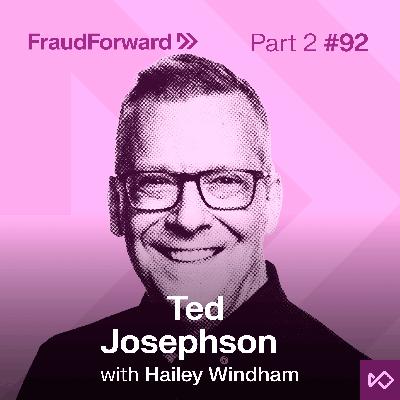
What is up fraud fighters, and welcome to Fraud Forward!AI is accelerating fraud, 100 percent. But the bigger risk, the thing that should keep every fraud leader up at night, is what happens when fraud teams stop thinking strategically because the queue never ends.In Part 2 of Fraud Forward, I’m back with Ted Josephson, VP of Bank Fraud & Credit Strategy at Synchrony Financial, and we are getting into fraud leadership at the enterprise level, where strategy, AI, automation, and culture collide.Because let me just assure you, fraud prevention at scale requires more than tools. It requires fraud leadership strategies, fraud team leadership that protects time for long-term planning, and strategic fraud solutions that can separate normal fraud noise from the signals of a true fraud shift.Then we get direct about AI. Where it’s delivering real value today, where the industry is still overhyping “AI” that is not actually learning, and why certain decisions, especially first-party fraud, should never be fully automated without human accountability and empathy.And fraud fighters, we close with what Ted thinks is being underestimated right now, and it’s big. Agentic commerce creating a new accountability and disputes nightmare, plus the rise of casual “friendly fraud” as a cultural norm. Because fraud prevention evolution is not just a technology program, it is bank fraud leadership and credit risk leadership in action. This is fraud prevention innovation, and it demands strategic fraud decisions.What you’ll hear in this episode:How enterprise fraud teams protect time for long-term strategy when fraud never stopsWhy planning cannot be an extra, it has to be scheduled like any other critical operating functionHow to tell the difference between normal fraud noise and the signals of a systemic weaknessWhat separates a short-term spike from a true fraud shiftWhere AI is delivering real value today, including consistent case narratives and operational efficiencyWhere the industry is still overhyping “AI” that is not actually learningWhy certain decisions, especially first-party fraud, should never be fully automated without human accountability and empathyWhy agentic commerce could create a new accountability and disputes nightmareHow casual “friendly fraud” is becoming normalized, and why that cultural shift mattersHow banking fraud strategy and credit strategy leadership collide in enterprise fraud teamsYou should listen to this episode if you:Lead fraud solutions leadership efforts and you feel like the urgent is crowding out the importantRun fraud prevention at scale and need a better framework to separate noise from true fraud shiftsAre building fraud leadership development for your team and want practical, real-world strategyManage enterprise fraud teams and need strategic fraud insights you can apply immediatelyOwn bank fraud leadership responsibilities and want to pressure test your strategic fraud solutionsAre navigating credit risk leadership decisions alongside fraud risk and disputesAre worried about agentic commerce, dispute accountability, and what comes nextAre watching “friendly fraud” become a cultural norm and need fraud leadership strategies to respondIf you liked this episode, be sure to subscribe and review the podcast on iTunes, Spotify, YouTube, or wherever you listen to podcasts. It really helps with getting the word out.

What is up fraud fighters and welcome to Fraud Forward.In this episode we sit down with Ted Josephson, VP of Bank Fraud and Credit Strategy at Synchrony Financial, to talk about what advanced fraud solutions leadership really looks like when fraud prevention moves beyond reacting to threats and becomes part of enterprise strategy.Ted’s path into the fraud space did not start in a fraud department. It started in banking operations working branches, call centers, and digital systems. That kind of experience shapes how leaders approach fraud prevention because they understand how financial institutions actually function day to day.And that perspective matters.Because strong fraud leadership is not just about stopping bad transactions. It is about building resilient teams, aligning fraud prevention with credit strategy leadership, and making strategic fraud decisions that protect both customers and institutions at scale.Throughout the conversation we explore how enterprise fraud teams evolve as institutions grow and why fraud leaders must shift from tactical problem solving to long term strategy.In this episode we discuss• How fraud leaders transition from investigators to strategic decision makers• Why enterprise fraud solutions require strong collaboration across fraud, credit, and risk teams• What changes when organizations scale fraud prevention across millions of accounts• Why the language fraud leaders use internally can shape executive decisions• How modern fraud threats require both advanced technology and human judgmentThis episode is for you if• You lead banking fraud prevention teams and want to strengthen your fraud leadership strategies• You work in credit risk, compliance, or financial crime teams navigating enterprise fraud decisions• You support credit union fraud prevention programs and want insights from large scale fraud organizations• You are building advanced fraud prevention programs and want to understand how leadership drives fraud prevention innovationFraud leadership today requires more than tools and alerts. It requires strategy, communication, and the ability to guide teams through uncertainty while fraud threats continue to evolve.If you enjoy the conversation, make sure to subscribe to Fraud Forward on Spotify, Apple Podcasts, YouTube, or wherever you listen.Stay vigilant, stay informed, and keep moving fraud forward.

Fraudsters aren’t only targeting customers anymore. They’re targeting fraud teams.In this episode of Fraud Forward, Hailey Windham sits down with Jared Gruenberg to explain how fake LinkedIn companies are using Easy Apply and “pre-interview” screening emails to harvest operational intelligence; the exact tools, signals, and investigation workflows that fraud, AML, and compliance teams use to stop bad actors.Jared shares the real-world pattern he found across multiple impersonated companies, including suspicious hiring volume, fake employee profiles, brand-new domains, and fast follow-ups that push candidates to answer detailed technical questions. The goal isn’t just personal data, it’s industry mapping. When attackers collect hundreds of answers from experienced candidates, they can tune their tactics, probe specific vendor controls, and even train themselves to pass recruiter screens.Hailey and Jared also dig into why this works: LinkedIn’s trust factor, the low-friction nature of Easy Apply, and the human reality of burnout, layoffs, and career pressure that makes “two taps on your phone” feel worth it.Topics covered: • How fake LinkedIn companies use Easy Apply as an attack surface • The signals that reveal impersonation and resume-harvesting rings • Why fraud, AML, and compliance resumes are especially valuable • How “technical screening” emails turn into playbook extraction • What attackers can do with aggregated investigator responses • Why burnout and layoffs increase vulnerability, even for experts • Practical steps to protect fraud knowledge and share intelligence safely🎙 Guest lineup:Jared Gruenberg — Fraud investigator and author of “Your Fraud Team Is Leaking Your Defense Playbook Right Now”Hailey Windham — Host of Fraud Forward & Community Banking Lead, Sardine👉 Subscribe for more real-world fraud insights from the people closest to the risk.
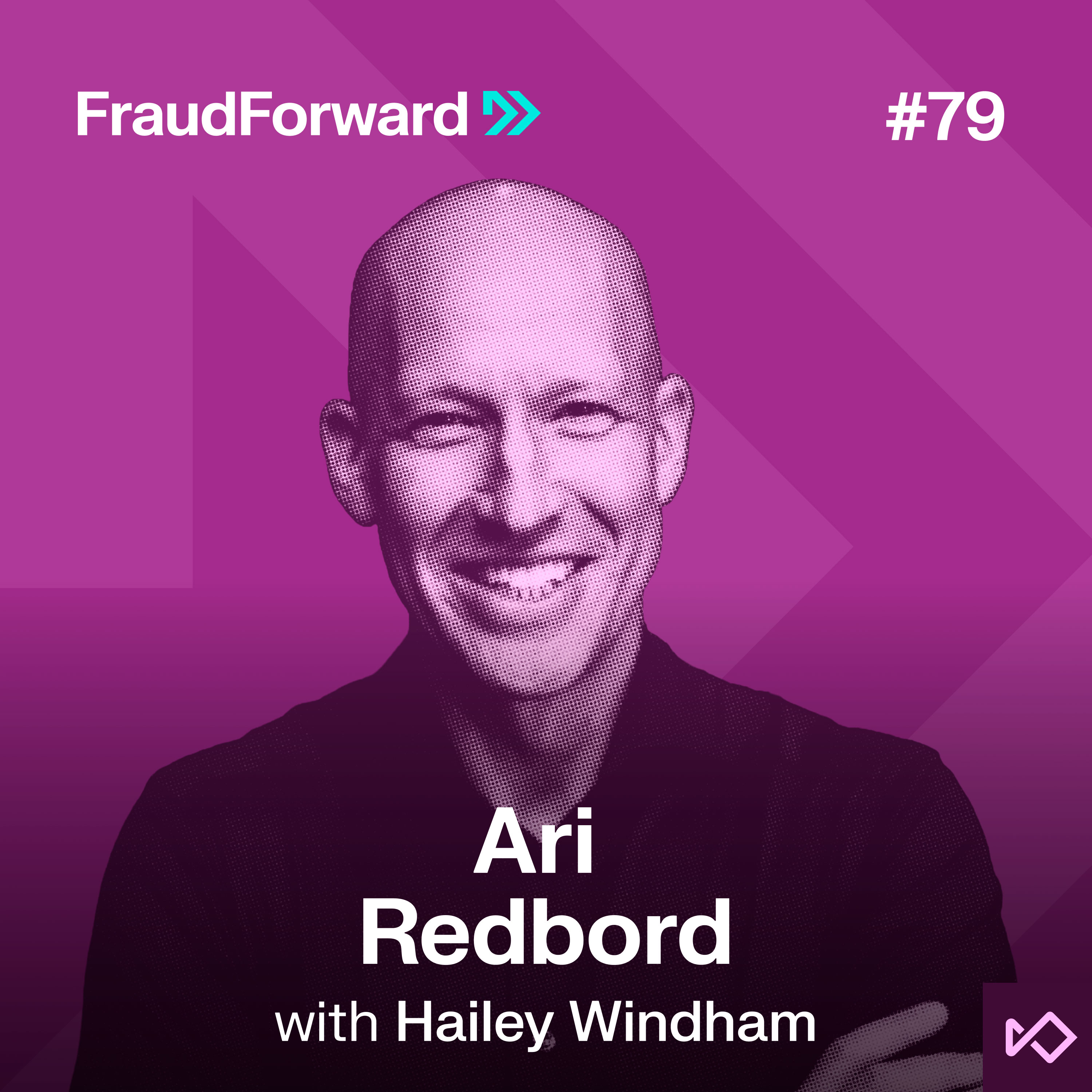
“It’s always Day One” sounds like a startup cliché… until you hear it from someone who’s spent his career on the front lines of threat finance.In this episode of Fraud Forward, host Hailey Windham sits down with Ari Redbord (Global Head of Policy & Government Affairs at TRM Labs) to unpack how financial crime prevention is evolving as crypto, traditional finance, and AI-driven scams collide. Ari’s path spans federal prosecution in D.C., the U.S. Treasury, sanctions and terrorism financing, giving him a rare view of where policy, investigations, and technology actually meet.Hailey and Ari get real about what “public–private partnership” should mean in practice (spoiler: not more roundtables), and why real-time disruption networks are the model forward. They break down why “crypto crime” is a misleading label, how blockchain transparency changes investigations, and what TradFi still does better when it comes to governance and mature controls.They also dig into the operational reality teams are wrestling with right now: AI moving faster than regulation, scams scaling with generative tooling, and the risk of falling behind if fraud and compliance don’t learn how to harness new tech without losing human judgment.The core takeaway is simple: the threats are moving faster, across more rails, and complacency is the real risk, so the mindset has to stay Day One.Guest lineup:Ari Redbord: Global Head of Policy & Government Affairs at TRM LabsHailey Windham: Host of Fraud Forward and Community Banking Lead at Sardine
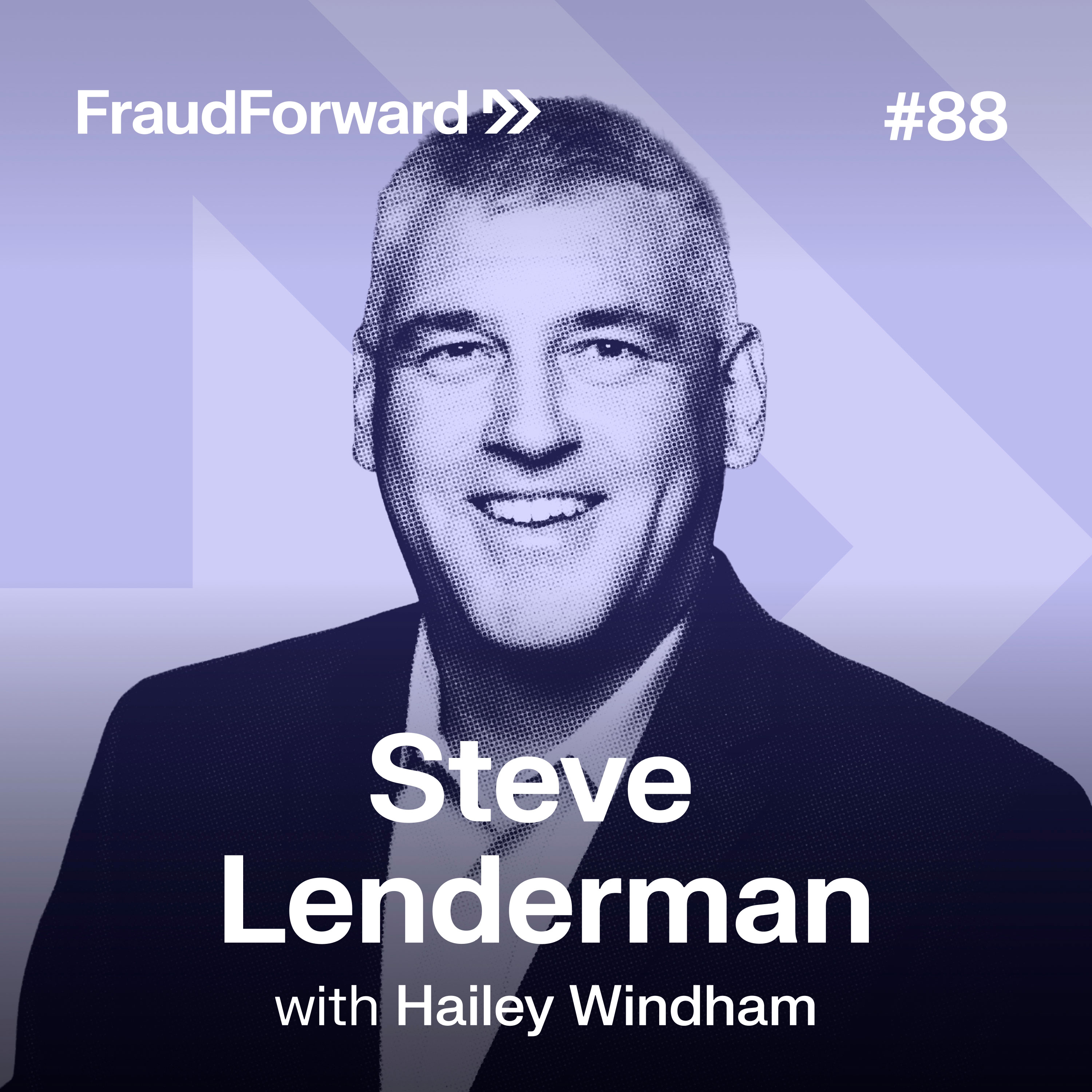
Know your customer (KYC) was never designed to be fraud control, yet fraud programs across the industry treat it like one. In this episode of Fraud Forward, host Hailey Windham sits down with Steve Lenderman, Head of Fraud Prevention at iSolve, for a necessary conversation about what KYC actually does, what it can't do, and why that distinction matters more than ever.Steve and Hailey challenge the assumption that passing KYC means an identity is safe to trust. They explore why every fraud eventually passes KYC, how synthetic identities exploit static verification, and what AI has revealed about the limitations of one-time checks. From the gap between identity existence and identity ownership to the behavioral signals that matter after onboarding, this episode reframes KYC as a starting point, not a solution. The highlights:Why every fraud eventually passes KYCThe gap between identity existence and identity ownershipBehavioral signals that matter after onboardingWhy AI didn't break KYC, rather how it just exposed what was already brokenGuest lineup:Steve Lenderman: Head of Fraud Prevention at iSolveHailey Windham: Host of Fraud Forward and Community Banking Lead at Sardine
Agentic commerce sounds futuristic, until it starts hitting your auth flows, your dispute queues, and your monitoring pipelines.In this episode of Fraud Forward, host Hailey Windham sits down with Chen Zamir, Head of Fraud Strategy at Sardine and Founder of Native Risk, to unpack what happens when AI agents don’t just recommend, they act. They browse, click, checkout, retry, and optimize at machine speed, sometimes with no human in the loop.Hailey and Chen break down the two flavors of agentic commerce (API/MCP-based vs. in-browser agents), then get direct about the fraud pressure that follows any new payment-adjacent product. They dig into the first typologies likely to spike, why “secure protocols” won’t solve the real problems, and the OTP timing trap that makes step-up friction feel irrelevant when the customer is asleep, offline, or busy on purpose.They also cover the downstream damage teams aren’t modeling yet: rising abandonment, risk scores inflated by failed challenges, messier proof of intent, and a stack that struggles to separate agentic flows from everything else. The core takeaway is simple: fraud teams need to identify, route, and manage agent-driven transactions as a distinct channel before the ecosystem forces the issue.Guest lineup:Chen Zamir: Head of Fraud Strategy at Sardine, founder of NativeRiskHailey Windham: Host of Fraud Forward and Community Banking Lead at Sardine
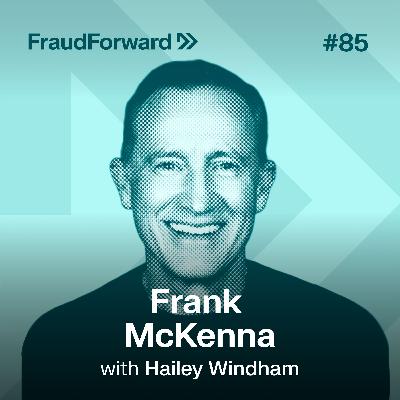
Fraud programs often measure what is easiest, not what’s most important. In this episode of Fraud Forward, host Hailey Windham welcomes back Frank McKenna for an honest, wide-ranging conversation about the realities fraud leaders are facing today.Frank and Hailey dig into where fraud hides in plain sight, why so many losses are misclassified as credit risk, and how institutions consistently overreact to trends while underinvesting in the fraud already hitting their balance sheets. They explore the role AI is truly playing in fraud today, where it adds value, where it falls short, and why humans must remain firmly in the loop.From loan fraud and credit washing to insider threats, identity overinvestment, and the long-term impact of bad fraud decisions on customers and employees, this episode challenges comfortable assumptions and legacy thinking. It is a candid discussion about what fraud teams need to stop doing, what they need to do differently, and how fraud is becoming an existential issue for financial institutions.Guest lineup:Frank McKenna: Chief Fraud Strategist, Co-Founder at Point PredictiveHailey Windham: Host of Fraud Forward and Community Banking Lead at SardineLinks:Frank on FraudNo Brakes, No Limits. Our Fraud Predictions For 2026 - Frank on Fraud

Fraud isn’t slowing down, it’s evolving. The Banking on Fraudology podcast is now Fraud Forward, and we’re kicking off the new era with a no-nonsense look at what financial institutions are actually facing on the front lines.In this premiere episode, host Hailey Windham brings together fraud, risk, and BSA leaders from banks and credit unions to separate real signals from industry noise. No hype. No fear-mongering. Just firsthand insight from teams fighting fraud at machine speed.We unpack:What fraud teams saw escalate over the past yearWhich threats are accelerating into 2026Where banks and credit unions remain most exposedHow digital arrest scams, Ghost Tap fraud, and self-adapting AI attacks are changing the gameWhy in-branch controls are making a comebackIf you’re responsible for fraud prevention, BSA, risk, or compliance, this episode offers clear, realistic guidance on what to prioritize now, and what needs to change as fraud keeps moving faster.🎙 Guest lineup:Karen Boyer, SVP, Financial Crimes - M&T BankJen Lamont, BSA & Fraud Manager - America’s Credit UnionAngela Diaz, Senior Risk Manager, External Fraud Oversight - TDHailey Windham, Host of Fraud Forward & Community Banking Lead - Sardine👉 Subscribe for more real-world fraud insights from the people closest to the risk.
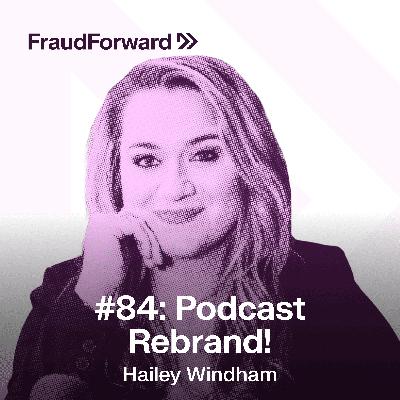
This is a legacy episode from Banking on Fraudology, originally published on December 17, 2025.In this episode of Fraud Forward (formerly Banking on Fraudology), Hailey Windham reflects on her journey in the industry by sharing big news and zooming out to address the "seismic shift" this change represents for her career and the community. Hailey officially announces she has joined Sardine as their Community Lead for BankingThe conversation dives into the industry's evolution, highlighting how shared learning, cross-institution conversations, and an authentic community are shaping the future of fraud prevention.
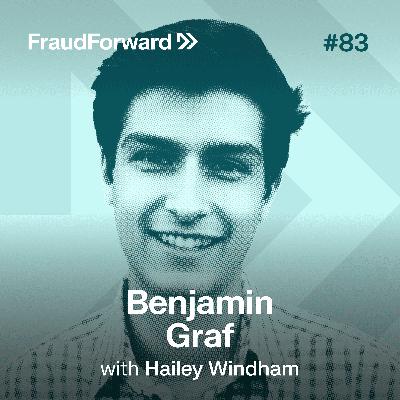
This is a legacy episode from Banking on Fraudology, originally published on December 12, 2025.In this episode of Fraud Forward (formerly Banking on Fraudology), Hailey Windham talks with Ben Graf, a self-taught AI expert in the neobank space. The conversation dives into what it really looks like to learn AI from the ground up, emphasizing that the future of fraud prevention isn't about replacing people, but empowering them through technology.
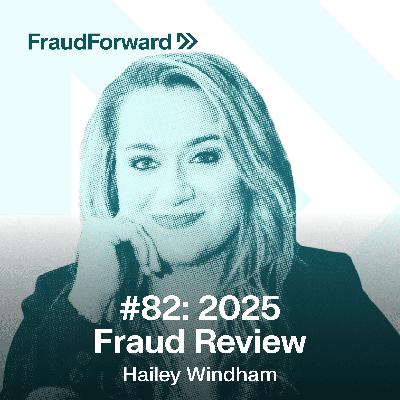
This is a legacy episode from Banking on Fraudology, originally published on December 10, 2025.In this episode of Fraud Forward (formerly Banking on Fraudology), Hailey Windham reflects on a transformational year in fraud by unpacking recent, high-stakes cases and zooming out to address the "seismic shift" in the payment ecosystem.Hailey covers the industry's evolution, highlighting how human intuition, technology, and a unified view of risk are shaping the future of fraud prevention.
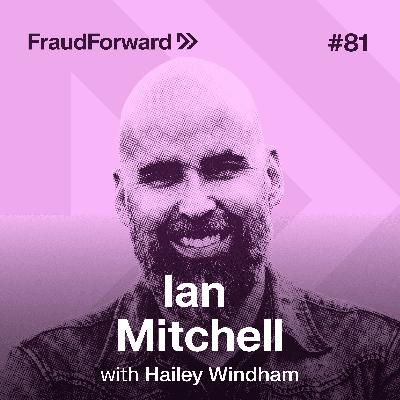
This is a legacy episode from Banking on Fraudology, originally published on December 3, 2025.In this episode of Fraud Forward (formerly Banking on Fraudology), Hailey Windham welcomes back Ian Mitchell, founder of The Knoble, to delve into the organization's critical mission, its global impact, and the urgent need for community support.The conversation centers on the concept of "human crimes," a focus area for The Knoble, which includes human trafficking, child exploitation (especially online exploitation of children), scams, and elder financial exploitation. Banks are in a powerful position to detect and disrupt these financially motivated crimes proactively.Ian's message to fraud fighters and leaders is to "live with heart" and to remember that they are in the people business. He encourages listeners to get involved in The Knoble's free network and consider sending a team member to the Human Crime Specialist Program.
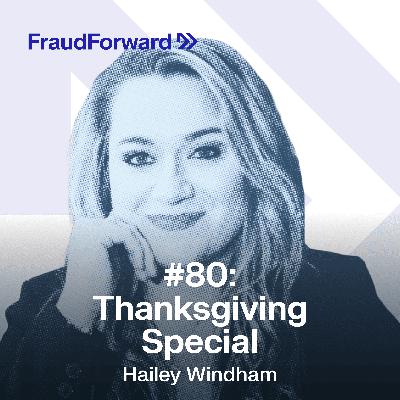
In this reflective and gratitude-filled episode of Banking on Fraudology, Hailey Windham takes a moment to step back and appreciate the people and themes shaping the fight against fraud, delivering a "giant serving of gratitude" for the community.The conversation dives into the industry's evolution, highlighting how innovation and collaboration are aligning to create a powerful, transformative moment in fraud prevention. Hailey also shares personal highlights from a recent major industry event and spotlights the leaders who are making a significant impact.Key Takeaways: Gratitude, Collaboration, and the Future of Fraud FightingEmpathy is Not Optional: Hailey stresses that empathy must be recognized as a core fraud prevention strategy. Inspired by Kathy Stokes of AARP and the "Words Matter campaign," the episode emphasizes that if we shame victims, we protect fraudsters, and we must talk about victims with dignity.The End of Siloed Intelligence: Collaboration is no longer optional; we fight better when we fight together. Hailey discusses conversations with innovators like Robbie from Sardine, who advocate for collective intelligence, shared signals, and bringing smaller institutions into the fold.Innovation is Working For Us: Drawing on insights from Andrea at Old Glory Bank, Hailey asserts that this is the best time to fight fraud, as technology, data, and awareness are aligning, and tools are evolving quickly. Fraud fighters should start embracing tech and AI resources.Spotlight on Industry Leaders: Hailey expresses gratitude for the impact of numerous leaders, including Jen (America's Credit Unions) for empowering frontline teams with quarterly fraud trainings, Mark Solomon (IAFCI) for his global perspective , and Trisha Stoner (Carolinas Chapter IAFCI) whom Hailey is honored to serve as Second VP under.Honoring Courage and Legacy: The episode shares moving highlights from the Carolinas IAFCI Conference, including the creation of a Community Service Award and the naming of the Gavin Guffey Cyber Investigator of the Year award. This new award honors the legacy of Gavin Guffey and the advocacy of House Representative Brandon Guffey in the fight against online exploitation and sextortion.The State of the Fraud Fighter: The biggest theme resonating with every guest is that fraud fighters are exhausted, but hopeful. That combination of determination and optimism is what is creating movement.Get in the mood of being grateful and be reminded of how strong the fraud-fighting community truly is.
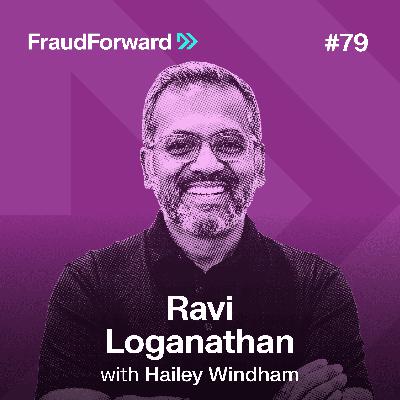
Banking on Fraudology is presented by Sardine.ai.In this episode of Banking on Fraudology, Hailey Windham sits down with Ravi Loganathan, Co-founder and President of Sonar AI and Head of Banking and Policy at Sardine. Ravi, who has over 20 years in banking and consortium work with institutions like Early Warning Services, Zelle, and Bank of America, has been leading the charge at Sardine to make intelligent sharing accessible and actionable for all institutions.The conversation dives deep into the concept of collective intelligence, which Ravi describes as a "must-have" in the age of accelerating AI-driven scams. Fraudsters exploit information sharing gaps by jumping from one institution (like a fintech) to another (like a large regulated bank), making an ecosystem-wide defense essential.Key Takeaways: Unlocking Collective Intelligence with Sonar AIThe Sonar AI Origin Story: Sonar AI was kickstarted three years ago by a group of banks and fintechs to fill a critical gap: the lack of infrastructure for real-time risk information sharing when funds movement or instant settlement is authorized. This was driven by the need to combat authorized push payment (APP) fraud, particularly concerning the lack of insights on the recipient.How Sonar AI Works: Sonar AI is an industry utility. Before an institution authorizes a fund movement or account opening, they can inquire into Sonar on the entity conducting the transaction. Sonar returns curated signals (often simplified to "high, medium, low" risk, block list status, etc.) for the institution to augment their existing risk decisioning process. In return, the institution provides feedback, benefiting the next inquiring member.Regulatory Foundation: Sonar AI is built on a strong regulatory framework, having worked with FinCEN to receive 314(b) designation to form an association of financial institutions. It also facilitates broader fraud signal sharing under the Gramm-Leach-Bliley Act (GLBA).Empowering Smaller FIs: Sonar AI offers features specifically for smaller community banks and credit unions, including batch contribution and batch inquiry to eliminate the need for immediate API tech builds. Ravi details their collaboration with the Independent Community Bankers of America (ICBA) accelerator program to embed Sardine's solutions into core providers and invite FIs to join Sonar as members.Future Innovations: Ravi reveals Sonar AI's newest services, including Footprint, which provides a broader view of a consumer's financial standing by tracking their transactions across crypto exchanges, marketplaces, and fintechs , and the expansion of the Red Flag service for monitoring credentials leaked on the dark web.This is a must-listen for investigators, executives, and anyone working in the financial crimes space who is serious about strengthening prevention efforts and is ready to embrace the future of shared, collective defense.About Hailey Windham:As a 2023 CU Rockstar Recipient, Hailey Windham, CFCS (Certified Financial Crimes Specialist) demonstrated unbounding passion for educating her community, organization and credit union membership on scams in the market and best practices to avoid them. She has implemented several programs within her previous organizations that aim at holistically learning about how to prevent and detect fraud targeted at membership and employees. Windham’s initiatives to build strong relationships and partnerships throughout the credit union community and industry experts have led to countless success stories. Her applied knowledge of payments system programs combined with her experience in fraud investigations offers practical concepts that are transferable, no matter the organization’s size. Connect with Hailey on LinkedIn: https://www.linkedin.com/in/hailey-windham/
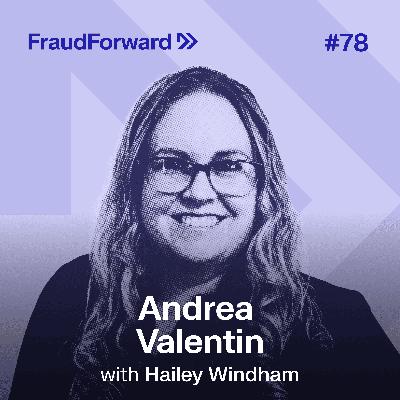
In this powerful bonus episode of Banking on Fraudology, Hailey Windham sits down with Andrea Vallentine, Senior Vice President of Fraud and Risk at Old Glory Bank. The conversation dives deep into Andrea's genuinely excited perspective that "this might actually be the best time to be fighting fraud". We explore the rising momentum of collaboration and shared learning that is unifying the industry against fraudsters. Key Takeaways: Collaboration, AI, and Empathy in Fraud PreventionThe Power of Collaboration: Andrea highlights the exciting activities and investments from groups like Fraud Fight Club, Operation Shamrock, and House of Fraud. The focus is shifting from selling products to learning, educating, and collaborating. The AI Perspective: The industry is moving past fear, recognizing that AI has been around for a long time. The recent AI explosion has gotten people more open to listening, realizing they are already using smart technologies in areas like transaction scoring (e.g., Falcon) and link analysis. A Shift to Purpose: Collaboration is increasing because the industry now recognizes the emotional devastation and human impact of fraud. The focus has moved beyond competing to a shared mission of working together "against the fraudsters". Tips for Smaller Teams (Leveraging AI): Andrea recommends that smaller teams use AI (like ChatGPT) to draft summaries, create templates, and refine procedures. This allows teams to find holes in their processes and generate new ideas without using sensitive PII. The Human Side of Design: Empathy is shaping the next generation of fraud design. Using machine learning to identify patterns of customer friction , and giving real-life stories to team members, helps move them out of "robot mode" and focus on the customer experience. Andrea's Final Thought: AI is not scary, and we have been using it forever in things like marketing suggestions on Amazon. She encourages everyone to get involved and leverage the wealth of existing, shared resources instead of recreating materials. This is a must-listen for executives, investigators, and all fraud professionals who are serious about strengthening prevention efforts and building a fraud-fighting community driven by empathy and innovation. Links:Connect to Andrea on LinkedInLearn more about the Safeguard AI deep dive retreat happening in May : SafeguardEvent.comAbout Hailey Windham:As a 2023 CU Rockstar Recipient, Hailey Windham, CFCS (Certified Financial Crimes Specialist) demonstrated unbounding passion for educating her community, organization and credit union membership on scams in the market and best practices to avoid them. She has implemented several programs within her previous organizations that aim at holistically learning about how to prevent and detect fraud targeted at membership and employees.Windham’s initiatives to build strong relationships and partnerships throughout the credit union community and industry experts have led to countless success stories. Her applied knowledge of payments system programs combined with her experience in fraud investigations offers practical concepts that are transferable, no matter the organization’s size.Connect with Hailey on LinkedIn
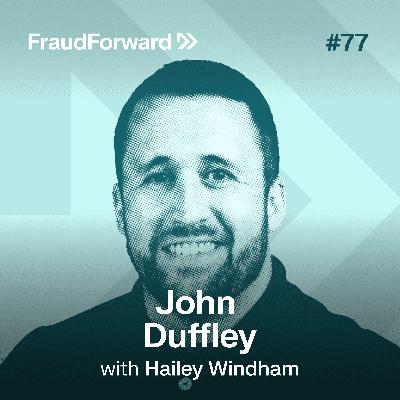
In this powerful episode of Banking on Fraudology, Hailey Windham sits down with John Duffley, Communications Director at the Association of Certified Fraud Examiners (ACFE), who leads the global coordination and growth of International Fraud Awareness Week.The conversation dives deep into the origins of this massive global initiative, which began in 2000 as "National Fraud Awareness Week" and has since evolved to be celebrated by thousands of organizations across more than 130 countries, supporting a community of over 95,000 fraud professionals.Key Takeaways: International Fraud Awareness WeekA Global Springboard: Fraud Week is an annual opportunity for organizations of all sizes—from local law firms to Fortune 500 companies—to discuss and address fraud prevention and detection efforts, serving as a launchpad for success in the coming year.Creative Campaign Ideas: Organizations participate in countless impactful ways, including multi-week campaigns, virtual trainings, community events, social media efforts, and internal recognition (like Hailey's personal "Scooby Doo Awards"!).Tips for Smaller Teams: John and Hailey share simple, budget-friendly ways smaller financial institutions (FIs) like credit unions and community banks can participate, emphasizing conversation, awareness, social media engagement, and internal recognition. Hailey shares a successful, low-cost fraud roundtable example.Essential ACFE Resources: Get a rundown of the free resources available on fraudweek.com, including proclamation and press release templates, interactive games like "Geo Party" and "Fraud Myth Busters," videos, infographics, and a simple Fraud Prevention Checklist.Building a Fraud-Savvy Culture: Learn how Fraud Week can initiate long-term cultural change, the importance of gaining leadership buy-in by reaffirming brand trust, and the proven ROI of awareness training (tips are the most common detection method, accounting for 43% of frauds).John's Top Tip for Every Fraud Fighter: Start a conversation with someone close to you—a colleague, supervisor, or family member—because awareness begins with simply sharing what you know to protect those most vulnerable to scams.This is a must-listen for investigators, executives, and anyone working in the financial crimes space who is serious about strengthening prevention efforts and building a global fraud-fighting community.Don't forget to use #FraudWeek when sharing your organization's efforts!Links:Connect with the global fraud-fighting community and download your free resources: fraudweek.comacfe.com/

Comments

Download from Google Play

Download from App Store
 United States